

Normální zobrazení

Received before yesterday

Epic Games CEO Tim Sweeney argues banning Twitter over its ability to AI-generate pornographic images of minors is just 'gatekeepers' attempting to 'censor all of their political opponents'

As reported by Eurogamer, Epic Games CEO Tim Sweeney took to X (formerly Twitter) to criticize an attempt by US lawmakers to ban the social media app and its accompanying generative AI tool, Grok. The move came after users discovered that Elon Musk's Grok has the ability to take photos of real people, including minors, and produce images of them undressed or in otherwise sexually compromising positions, flooding the site with such content.

"Reason #42 for open platforms: to shut down every politician’s incessant demands to all gatekeepers to censor all of their political opponents," Sweeney wrote in a first tweet responding to MacRumors' report of US politicians requesting that Apple and Google remove X and Grok from their app stores.

All major AIs have documented instances of going off the rails; all major AI companies make their best efforts to combat this; none are perfect. Politicians demanding gatekeepers selectively crush the one that's their political opponent's company is basic crony capitalism.January 9, 2026

"All major AIs have documented instances of going off the rails," Sweeney continued in a follow up tweet. "All major AI companies make their best efforts to combat this; none are perfect. Politicians demanding gatekeepers selectively crush the one that's their political opponent's company is basic crony capitalism."

"AI going off 'guardrails' is not the same as actively excusing content for pedophiles," wrote Remap and former Waypoint editor, Patrick Klepek, in response. "Your priorities as someone in charge of a company that makes a video game catering to young people are completely off."

404 Media's report from January 5 at the beginning of this saga offers illustrative examples of Grok's newly-discovered capabilities, like influencers undressed, made to appear pregnant, or shown breastfeeding a child. There are also extensive reports of users generating such material from images of minors.

The Rape, Abuse, & Incest National Network (RAINN) defines child sexual abuse material (CSAM) as "evidence of child sexual abuse" that "includes both real and synthetic content, such as images created with artificial intelligence tools." One of RAINN's examples of CSAM is "any content that sexualizes or exploits a child for the viewer's benefit."

Since the controversy came to light, the only change X has made has been moving Grok's ability to generate images in tweet replies behind a paywall⁠—X now appears to be more directly profiting off of Grok's ability to generate CSAM than it was in the first place.

This is all particularly galling in the face of the actual politically-motivated censorship Sweeney has overseen on the platform that helps make him a billionaire. Back in December, the Epic Games Store followed Steam's lead in banning the art game, Horses, for hazy reasons, an outgrowth of the pressure placed on payment processing companies by conservative activist groups to censor transgressive art and legal pornography on the internet.

Given the opportunity, Sweeney appears eager to defend an unprecedented online sexual humiliation machine, calling for open platforms and free speech while presiding over censorship on his own, closed platform. Sweeney's follow-up may have the beginnings of a solution, though: "All major AIs have documented instances of going off the rails." If this is what we can expect from such tools, maybe they should all be banned.

2026 games: All the upcoming games
Best PC games: Our all-time favorites
Free PC games: Freebie fest
Best FPS games: Finest gunplay
Best RPGs: Grand adventures
Best co-op games: Better together
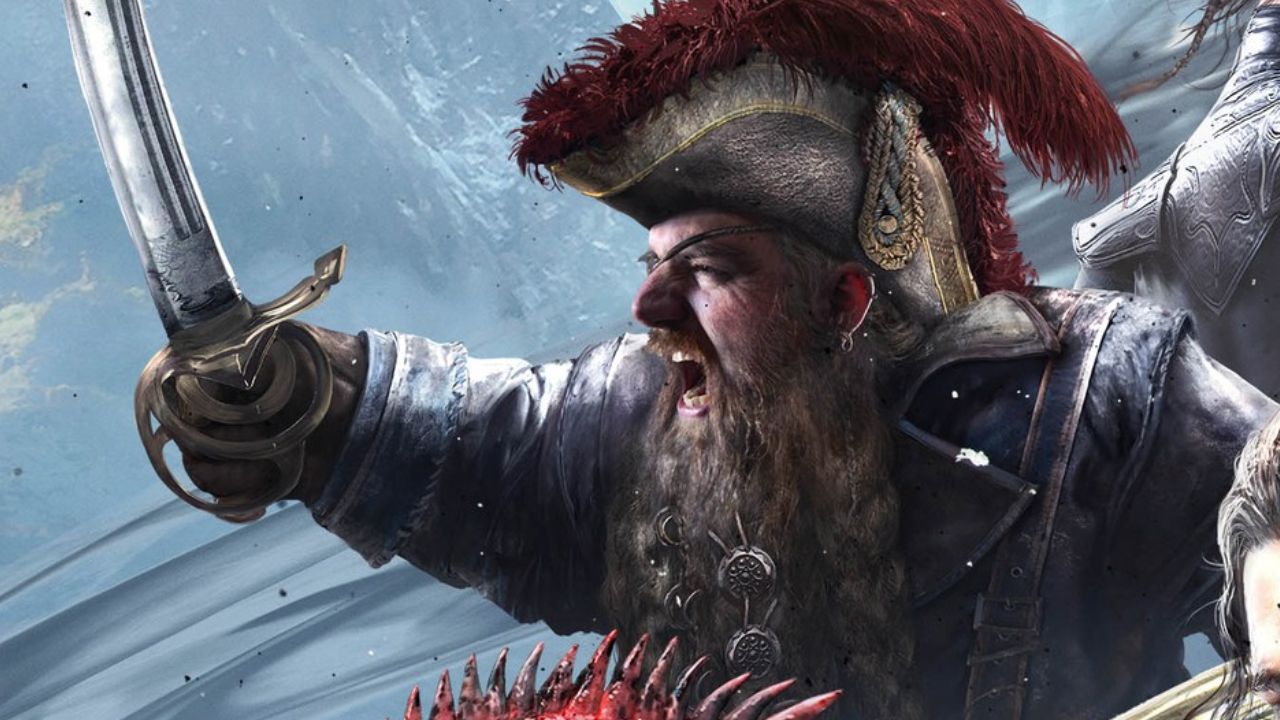
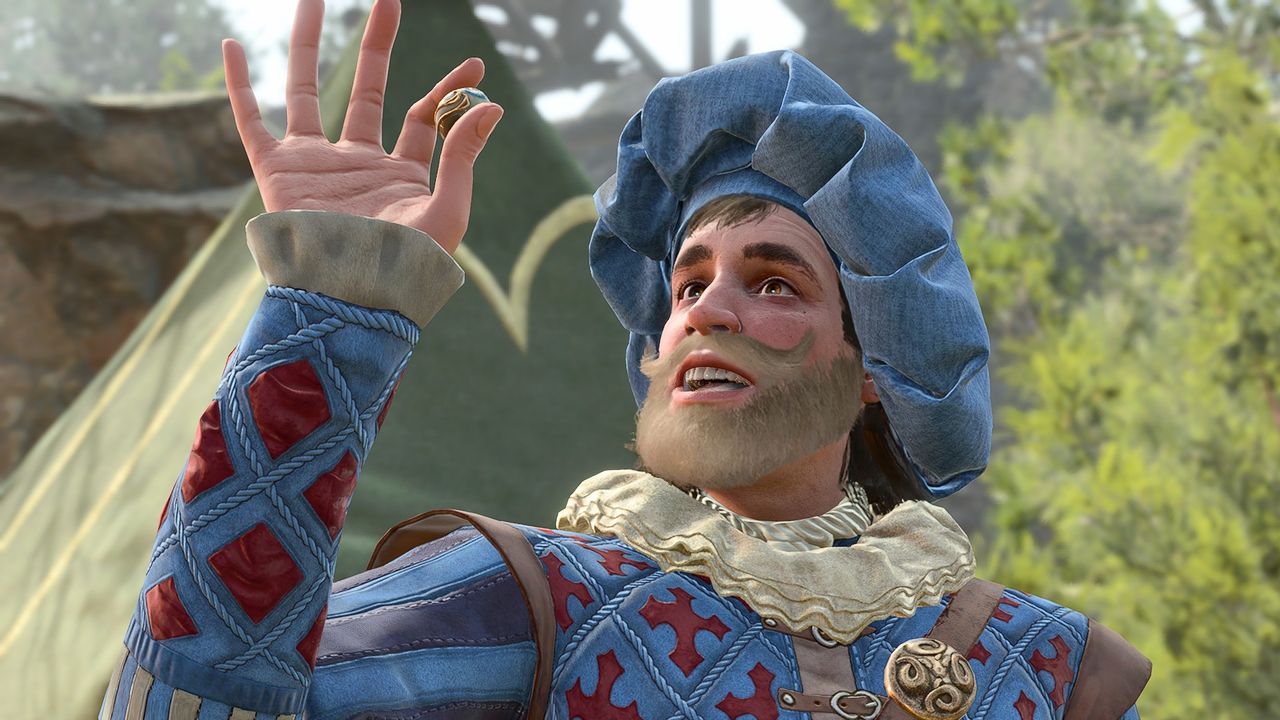
Divinity: Original Sin 2's brilliant armor system is one of a kind in RPGs, and I'm bummed we'll apparently never see it again

I'm mourning a friend today, and what's more, my friend's memory is being slandered. Not only will Divinity not carry forward the unique armor system Larian crafted for Divinity: Original Sin 2, my coworkers keep bashing it. PCG guides writer Rory Norris called it "broken" in giant letters on our front page.

I forget what PCG news writer Morgan Park said to me exactly during our Friday meeting, but it was something like D:OS2's armor system sucks, I'm stupid for liking it, and I'm a stupid moron with an ugly face and a big butt, and my butt smells and I like to kiss my own butt.

There is nothing out there like D:OS2's armor system. It lends the game a combat rhythm that is completely unique among CRPGs, and I was thrilled at the prospect of Larian returning to it with fresh eyes and a Baldur's Gate 3's worth of design experience. The saving grace here is the possibility of something new and even better, but I can't let the moment pass without sticking up for my fav.

Far out, man

Crowd control⁠—stuns, knockdowns, anything that hampers an enemy or player instead of directly damaging them⁠—is a key part of RPG combat, but it's almost always based on a certain amount of random chance, like Dungeons & Dragons' D20 saving throws. It works well enough as a genre default, but D:OS2 is the only CRPG I've played that went back to the drawing board to replace this core assumption with something else entirely.

In D:OS2, every character and enemy has physical and magic armor bars over their health bars. The physical is reduced by weapon damage and abilities centered on those weapons, like the warrior skill tree. The magic armor protects against spell and elemental effects.

Divinity: Original Sin 2

(Image credit: Larian Studios)

Once an armor bar is depleted, the corresponding attacks then affect the base health bar. The curve ball is that crowd control effects do not work until the relevant armor has been depleted, but once a character's armor is gone, those crowd control abilities have a 100% success rate. Take the warrior charge attack Battering Ram: When an enemy's physical armor is up, it's just a way to deal damage and reposition your character, but when that armor is gone, Battering Ram will knock over an enemy every time you use it.

This means that every character, even ones you don't usually associate with battlefield control like rogues and warriors, is an important vector for both damage and crowd control. You have to leave certain assumptions at the door when playing: There's no need for a traditional tank or healer, because enemies can just ignore your tank (especially with all the mobility powers like teleportation), and health just isn't as important as armor. The few armor restoration abilities in the game are part of skill trees with ample offensive options.

Every character has to pull triple duty as a tank, DPS, and controller, with build differences coming in the form of which weapons, armor, and skill trees a given character takes advantage of⁠—you don't want two archers squabbling over the best bows, for example. It all results in a highly aggressive form of turn based tactics where you're racing to strip enemy defenses and lock down priority targets before they can do the same to you.

Bigger and better

Best of the best

Henry engages in bloody warfare with his allies in Kingdom Come: Deliverance 2.

(Image credit: Warhorse Games)

2026 games: Upcoming games
Best PC games: All-time favorites
Free PC games: Freebie fest
Best FPS games: Finest gunplay
Best RPGs: Grand adventures
Best co-op games: Better together
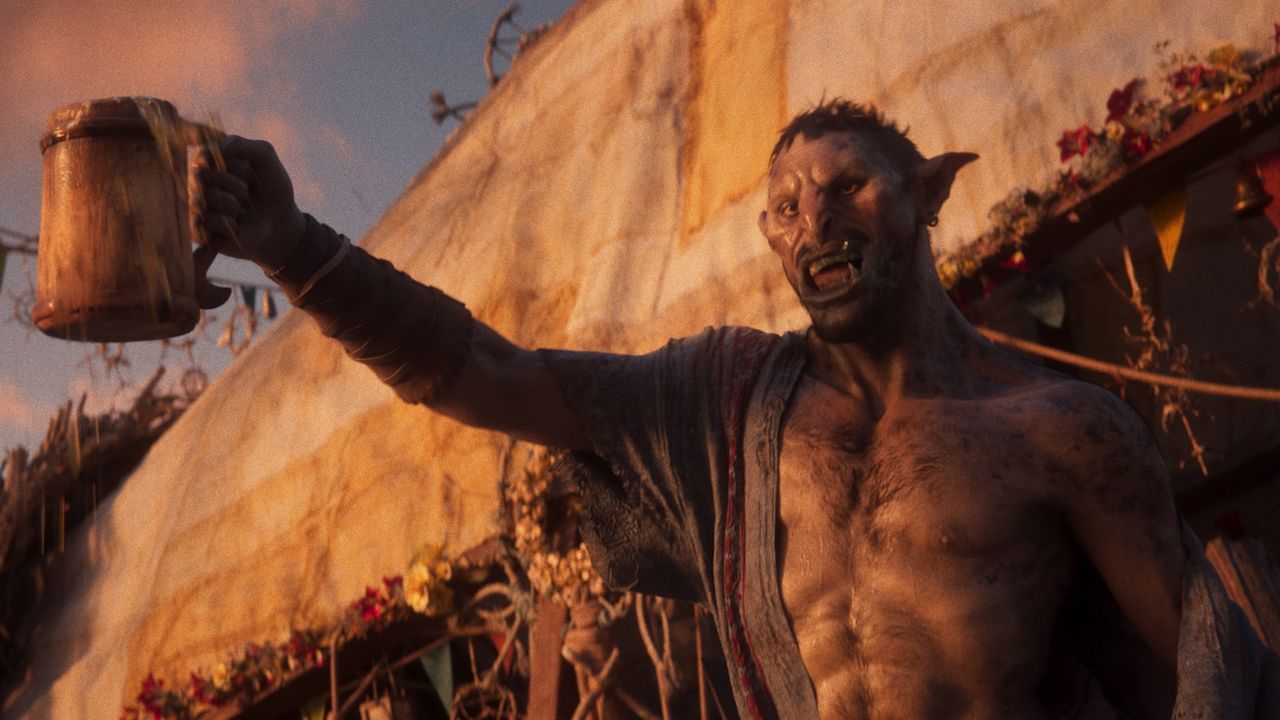
Original Sin 2's system has weaknesses, but no more than the genre-standard, random chance-based alternative. I've always felt that D:OS2's few missteps lie elsewhere, like its randomly generated, leveled loot or dearth of non-combat questing. One of Rory's main complaints that I do get regards party composition: You're incentivized to go all elemental or all physical, and the mixed-damage party from my first playthrough struggled in the endgame.

But even this, I'd argue, is less of a weakness and more of a difference. There's a ton of character build variety even within the elemental/physical silos, and D:OS2 is no more restrictive with what constitutes a well-built, viable character than any other RPG, particularly as you go lower in difficulty. On my last playthrough, I ran with an all-physical party consisting of a dual daggers rogue, two hand warrior, archer, and summoner.

When I return to the game for yet another cheeky replay, I was eyeing an elemental party⁠—I'm particularly excited by some builds I've seen for a melee-focused battlemage who pairs elemental staves with warrior abilities. It's a great system, but I'm more broken up by my colleagues' slander than Larian not revisiting it for Divinity. This is a studio I trust to come up with something equally inventive.

Larian's head writer has a simple answer for how AI-generated text helps development: 'It doesn't,' thanks to its best output being 'a 3/10 at best' worse than his worst drafts

In its big Divinity AMA yesterday, Larian clarified its use of generative AI tools in development: No AI art or concept art, but the studio is leaving the door open for other applications like using machine learning⁠—and potentially generative AI, it's unclear where it draws the line in some of its communication⁠—to help clean up and resize motion captured animation.

One other use that was shot down definitively, however, is AI-generated text, placeholder or final. User AmihanTheStoic asked about AI text in the context of the no AI art promise. Specifically, how generated placeholder text helps development, and whether "good enough" AI placeholder text might make it to the final game, voiding Larian's promise to keep generated assets out of Divinity.

Comment from r/Games

"The stance applies to writing as well. We don't have any text generation touching our dialogues, journal entries or other writing in Divinity," said writing director Adam Smith. "To answer your second question, 'how does generated placeholder text benefit development over simple stub text'—it doesn't.

"We had a limited group experimenting with tools to generate text, but the results hit a 3/10 at best and those tools are for research purposes, not for use in Divinity. Even my worst first drafts⁠—and there are a LOT of them⁠—are at least a 4/10 (although Swen might disagree :p), and the amount of iteration required to get even individual lines to the quality we want is enormous. From the initial stub to the line we record and ship, there are a great many eyes and hands involved in getting a dialogue right."

That lines up with the AI-generated text I've seen out in the wild: Whether it's Grok, Claude, or ChatGPT, people can never seem to get the genAI stink off, a by turns smarmy and sycophantic tone that I find utterly repulsive. At a certain point, editing bad writing is just more work than starting from scratch.

I am curious now, though, whether Smith was intimating that company boss Swen Vincke is a gentler critic of his worst work, or even harsher. Regardless, we also learned from the AMA that Original Sin 2's broken flawless armor system won't be making a return in Divinity, as well as how the dev team is thinking about save scumming while designing the game.

2026 games: All the upcoming games
Best PC games: Our all-time favorites
Free PC games: Freebie fest
Best FPS games: Finest gunplay
Best RPGs: Grand adventures
Best co-op games: Better together
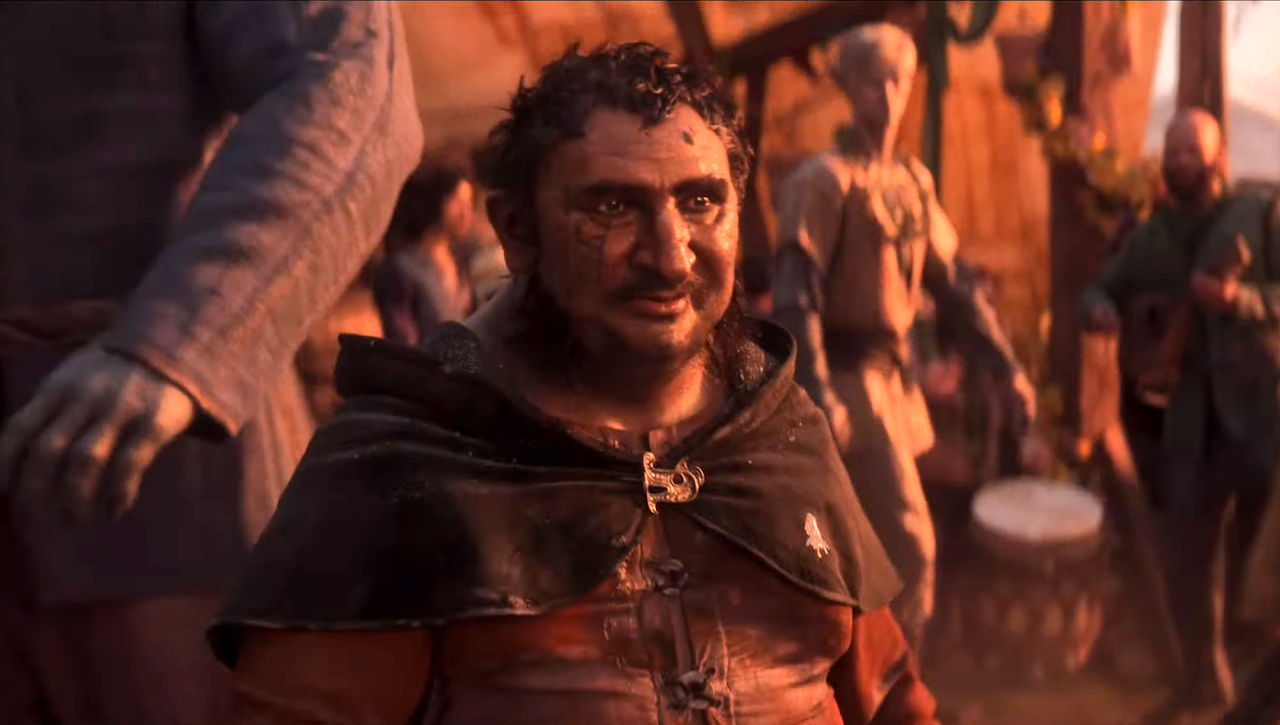
Baldur's Gate 3's lead writer hopes we won't want to save scum in Divinity: 'Our ambition is certainly to make failure more interesting'

We all save scummed in Baldur's Gate 3⁠—except, apparently, for my friend Jack and coworker Morgan Park. They both accidentally killed everyone at the Last Light Inn and just kept trucking. As part of Larian's big Divinity AMA on Reddit, the game's writing director, Adam Smith, revealed how the studio is factoring players' save scumming tendencies into its next game's design.

For a quick definition, I think "save scumming" is best understood as using a game's save/load feature for anything other than quitting the game and coming back later, or continuing from a game over⁠—no moral judgement here, mind you, just an observation of our tendencies. The incentive to save scum could be argued to be a design failure, or merely a natural function of games as wish fulfillment. We already have to live with our mistakes in real life, why do so in our fantasies?

Comment from r/Games

The big Baldur's Gate 3 example has to be quickloading every time you fail a skill check until the 20-sided dice finally lands your way. But for RPGs that are all about choice and consequence, this ever present temptation to never have to live with failure can adulterate some of a game's chew, removing stakes from the story and preventing you from seeing interesting plot developments from failure states.

"Are there any plans to try to make failing these dialogue/non-combat checks more interesting, a la Disco Elysium," asked user Nidies in the AMA, "to try to encourage players to accept 'bad' [random number generation]?"

"Our ambition is certainly to make failure more interesting," replied Smith. "There are already a couple of situations in the game where I think the most exciting⁠—and extensive⁠—outcome comes from 'failure', but you'll be the judge of how well we do."

Early in 2024, I corresponded with Baldur's Gate 3 lead systems designer Nick Pechenin about this topic for a story in PC Gamer's print magazine⁠—Pechinin is also working on Divinity, and answered questions elsewhere in the AMA. He was of the opinion that save scumming is a perfectly reasonable player behavior, and bristled against the tendency among some RPG fans to disparage it.

If a designer wants players to accept failure states, Pechenin argued, those failure states need to be interesting and worthwhile, which lines up with Smith's statement in the AMA. For an example of a game nailing this, Pechenin cited a long Crusader Kings 3 run that fell apart over a small miscalculation⁠—it was such an interesting and surprising development, he found it a fitting climax to the game.

Pechenin also pointed to quick rewind features like you see in racing games, Prince of Persia, or the more recent Shadow Gambit: The Cursed Crew as a way to better integrate the quicksave-quickload impulse into a game. That's far from a guarantee that Pechenin or anyone else at Larian will act on this admiration in Divinity, but a one turn mulligan button strikes me as a potentially strong and versatile addition to Larian's house style of combat.

Best of the best

Henry engages in bloody warfare with his allies in Kingdom Come: Deliverance 2.

(Image credit: Warhorse Games)

2026 games: Upcoming games
Best PC games: All-time favorites
Free PC games: Freebie fest
Best FPS games: Finest gunplay
Best RPGs: Grand adventures
Best co-op games: Better together

In a similar vein, Pechenin seemed open to "static checks" as a way to avoid save scumming to redo dice rolls. Rather than augmenting a random chance with your investment in a skill, a static check simply requires a minimum investment to pass, and if you don't have enough points, too bad. Fallout: New Vegas is a notable RPG built on these sorts of skill checks, and this is even how Divinity: Original Sin 2 handled persuasion, though its non-combat options were far more limited than Baldur's Gate 3's.

"We had long internal discussions and even prototypes for making some of the checks [in BG3] more static," Pechenin revealed. "This is usually relevant to physical checks that thematically can be attempted again and again⁠—pushing a stuck door open for example.

"In the end we did not have enough relevant cases to introduce yet another system to this chonker of a game, so we went all in on the big shiny D20 and made sure that it feels as good as it can."

Elsewhere in the AMA, Larian further elaborated on its AI use in Divinity, committing to not using it in concept art, but retaining the option to use it elsewhere in development. The studio will also not be reprising Divinity: Original Sin 2's armor system (but I strongly disagree with Rory about it having been "broken"—it was good!). Also? No WASD controls for you.

For all the Divinity dev details Larian isn't ready to comment on, we got a firm answer about the game's controls: the studio's sticking to its guns on no WASD movement

In Larian's big AMA for its next RPG, Divinity, there were aspects of the game the studio wasn't ready to share, but we got a definitive answer to a surprisingly granular aspect of its controls: No WASD movement, everything will still be mouse-driven on PC.

User Plastic-Guarantee976 posed the question about keyboard controls⁠—similar to the ones in Dragon Age or Knights of the Old Republic⁠—in the AMA, pointing out that "the WASD movement mod was one of the most downloaded and beloved mods for Baldur's Gate 3." Divinity gameplay lead Artem Titov did not leave any room for doubt, replying with a simple "No."

Comment from r/Games

Presumably, Divinity's M&K control scheme will closely hew to Baldur's Gate 3's then, though hopefully with a similar jump in quality as the one between Original Sin 2 and BG3. On the one hand, it's surprising to see Larian shoot down such a popular feature so far in advance of release, especially since such driving controls will be built into the game anyway for controller support on both PC and console.

The PC is all about choice and flexibility, after all, so why am I not bothered? Perhaps it's easy for me to say, having never touched the WASD mod, but these days I appreciate when a developer of any size sticks to its guns on questions of design or preference, even if it means refusing to give players what they say they want. It's the FromSoftware special, a certain "I know better" imperious remove that refuses to cater to the tastes of a fleeting moment, which I find can result in something more timeless.

Of course, when Nintendo does the same thing it just pisses me off, so I'm clearly biased and you should take my assessment with a grain of salt. If you're one of those annoyed by this, then rest easy anyway: WASD movement support will undoubtedly be among the first mods for Divinity. And I am glad that Larian is responding to one vector of popular pressure and taking its criticism for AI use⁠ seriously.

Baldur's Gate 3 romance: Who to pursue
Baldur's Gate 3 multiplayer: How co-op works
Baldur's Gate 3 endings: For better or worse
Baldur's Gate 3 multiclass builds: Coolest combos
Best RPGs: The greatest you can play now

❌