Logitech G Pro X2 Superstrike gaming mouse review: a new standard in customisable clickery
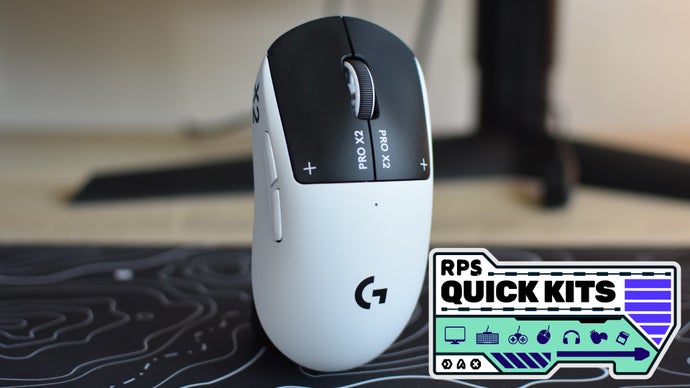
I don’t want to alarm anyone, but a gaming mouse has just tried something new. New and, it turns out, brilliant.

I don’t want to alarm anyone, but a gaming mouse has just tried something new. New and, it turns out, brilliant.

This week I've been: Spending probably too much time in Counter-Strike 2 deathmatches and aim training maps. It's all work, not pleasure, I assure you... Okay, maybe a little pleasure.
The last couple of weeks have been such a deep breath of fresh air. It's been nice to focus on the positivity of a leap forward in gaming mouse technology with the Logitech G Pro X2 Superstrike rather than doom-maxxing with more 'state of the industry' reflections on high memory prices and high GPU prices and high– well, you get the idea.
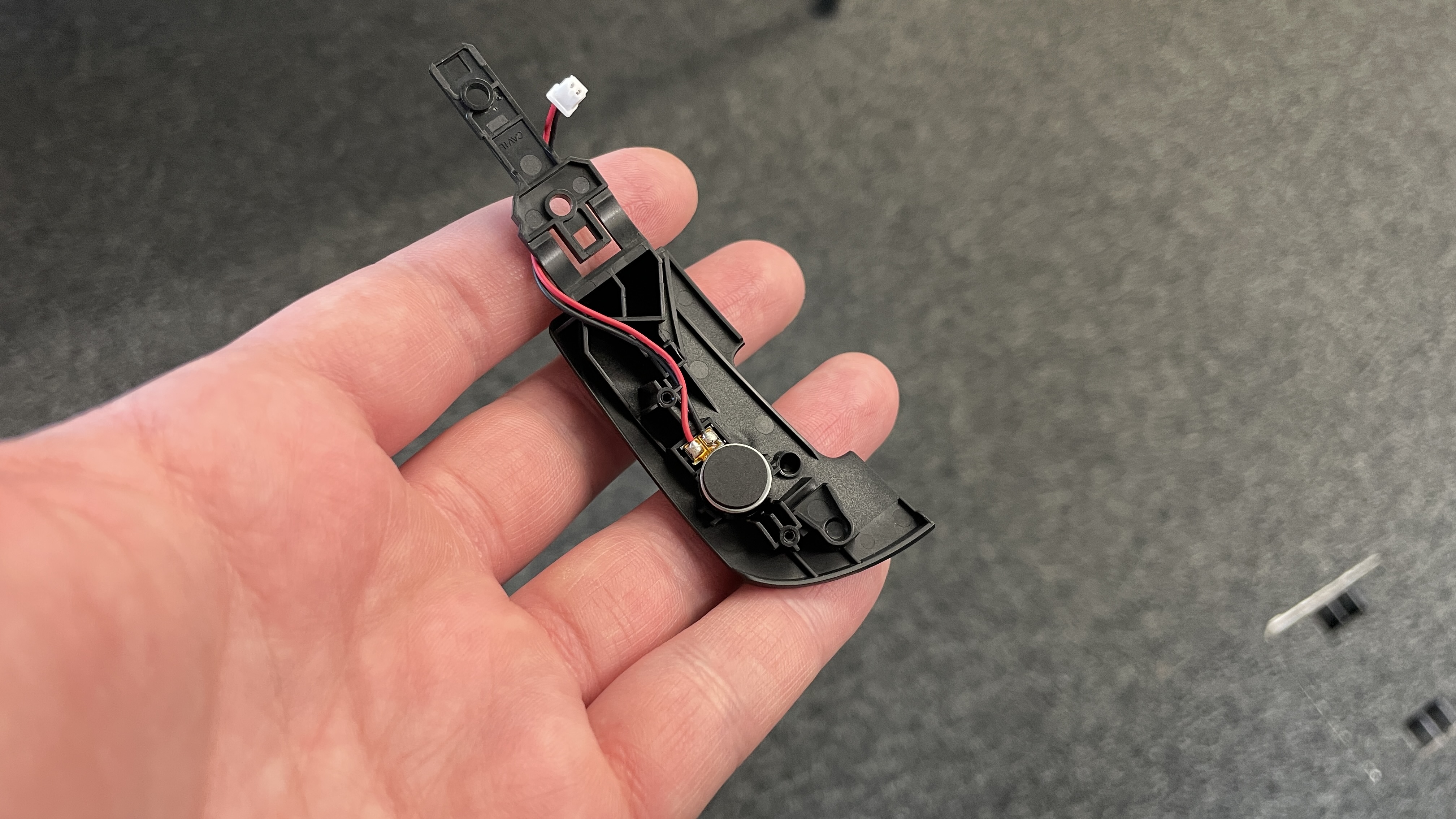
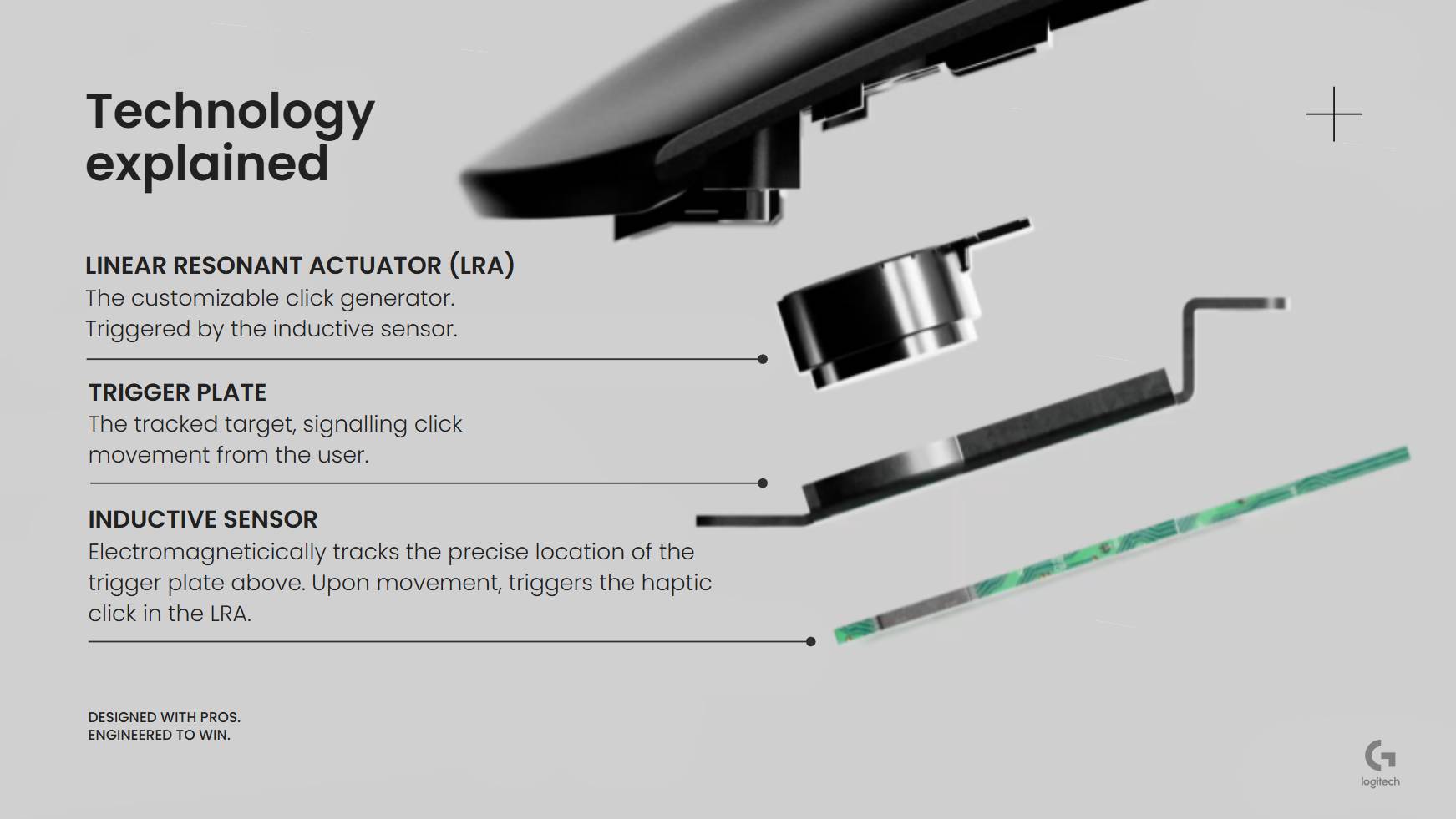
The Superstrike, if you're not already aware, puts analogue switches under the left and right mouse buttons, allowing for adjustable actuation and rapid trigger. Given these are entirely adjustable, they don't make a physical click, so the Superstrike combines this with haptic motors to generate the feeling of a click when the button reaches your chosen actuation point.
We've not had this before in a gaming mouse. Some have pointed out that the Swiftpoint Z series has had pressure-sensitive clicks for a while, but these clicks are nothing like the Superstrike's. The Swiftpoint Z has an initial mechanical click and then uses pressure pads rather than electromagnetic sensing to measure the button press.
The Superstrike's Haptic Inductive Trigger System (HITS), on the other hand, completely eliminates the initial mechanical click and allows for ultra-light actuation, plus rapid trigger. In other words, it's giving the same advantages that Hall effect and other popular analogue technologies give for keyboards.
Speaking of Hall effect keyboards, that's pretty much what we're dealing with here, in terms of how Logitech's HITS tech will likely affect the market. I don't see smaller mouse 'clone' companies ignoring it for very long; I'd expect there to be cheaper copycats within the next few months, especially given the hype over the Superstrike that these companies will no doubt have noticed.
When analogue gaming keyboards started popping up and gaining traction a few years ago—especially once they started using Hall effect rather than optical tech—there was scepticism in some corners of the internet. Some of that was very justified, because it was about the overall build quality of these keyboards, which didn't match good enthusiast typing experiences.
Now, though, we have budget Hall effect keyboards and ones that sound and feel just as good as traditional mechanical keyboards. In fact, these days, it's often worth opting for a Hall effect or some other kind of analogue keyboard (TMR, optical, induction) even if you're not a competitive gamer, just because you won't be losing out on anything, but you will be gaining the ability to set your actuation point to exactly where you like.
Any scepticism over Hall effect and other analogue technologies for gaming keyboards has been shown to be unfounded. I think the same will be true for analogue technology in gaming mice.
In fact, I think this technology has more of a chance to be vindicated even quicker than Hall effect was on keyboards. That's because we've already seen how well analogue tech can cement itself in the peripheral market, so there should be less resistance from manufacturers. And many companies will already have experience implementing this technology in their keyboards, so there's less risk on that front, too.
Admittedly, there is more of a question about the importance of having adjustable actuation in a mouse than in a keyboard. But after having used the Superstrike extensively for a couple of weeks now, I think this is an argument that will be rebuffed when enough people have tried it. The benefits, at least for tactical FPS games or very click-heavy games like MOBAs and RTS games, feel tangible and can definitely raise the skill ceiling.
And look, I'm not saying the mouse is perfect—it's not—but isn't it nice to actually get excited over something for a change, and to actually have a reason to? This is why many of us get into PC gaming hardware in the first place, is it not: because sometimes there can be exciting developments rather than piecemeal improvements?
I've seen some people complaining about it essentially being a G Pro X Superlight 2 apart from the new click tech, and this is a valid complaint because, yes, it's basically the same mouse, and there are downsides to this. For instance, I've noticed the Superstrike's middle click stops registering after holding it down for a while if you don't use a very firm touch, which was also a known problem with the Superlight 2. And the skates aren't great for cloth pads, either, as they're quite slow UPE ones.
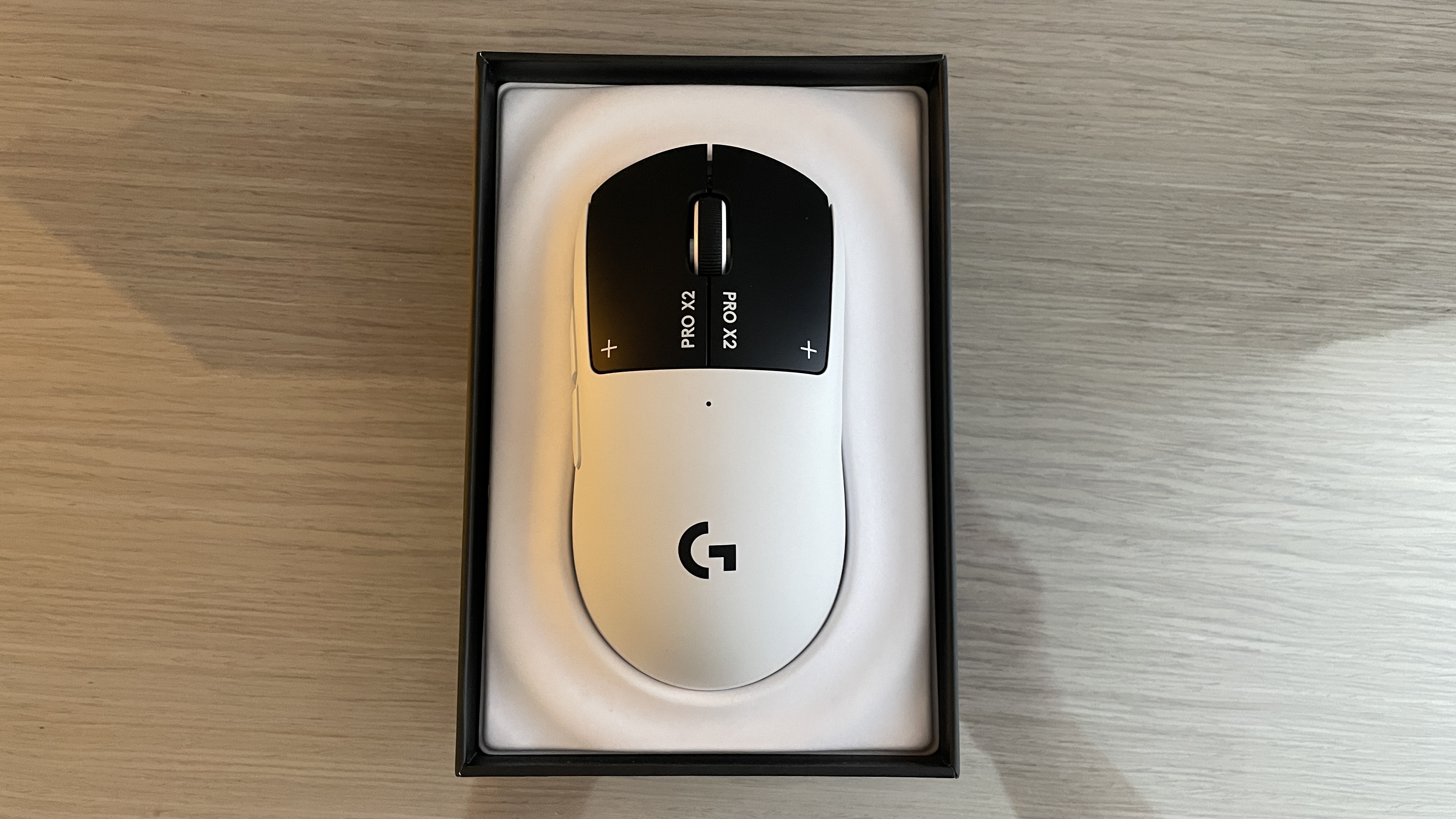
The counterpoint to the argument that it's essentially a Superlight 2 is that the company has brought the mouse to market very quickly, to get the tech into people's hands ASAP and before another company does. Logitech's chief engineer Regis Croisonnier told me as much:
"Here, we knew we had a golden nugget in our hands, right? We wanted to move fast, so we took all the shortcuts we could… I think for us, it was clear that we had to move fast… we have a fantastic idea. And on the other hand, it's obvious, right? When you know it, when you have it in your hand, it's obvious, right?"
The implication, of course, is that if it wasn't brought to market as quickly as possible, then others might have beaten them to it. Which isn't a very consumer-focused reason, of course, but the benefit for us is that we get this technology quicker.
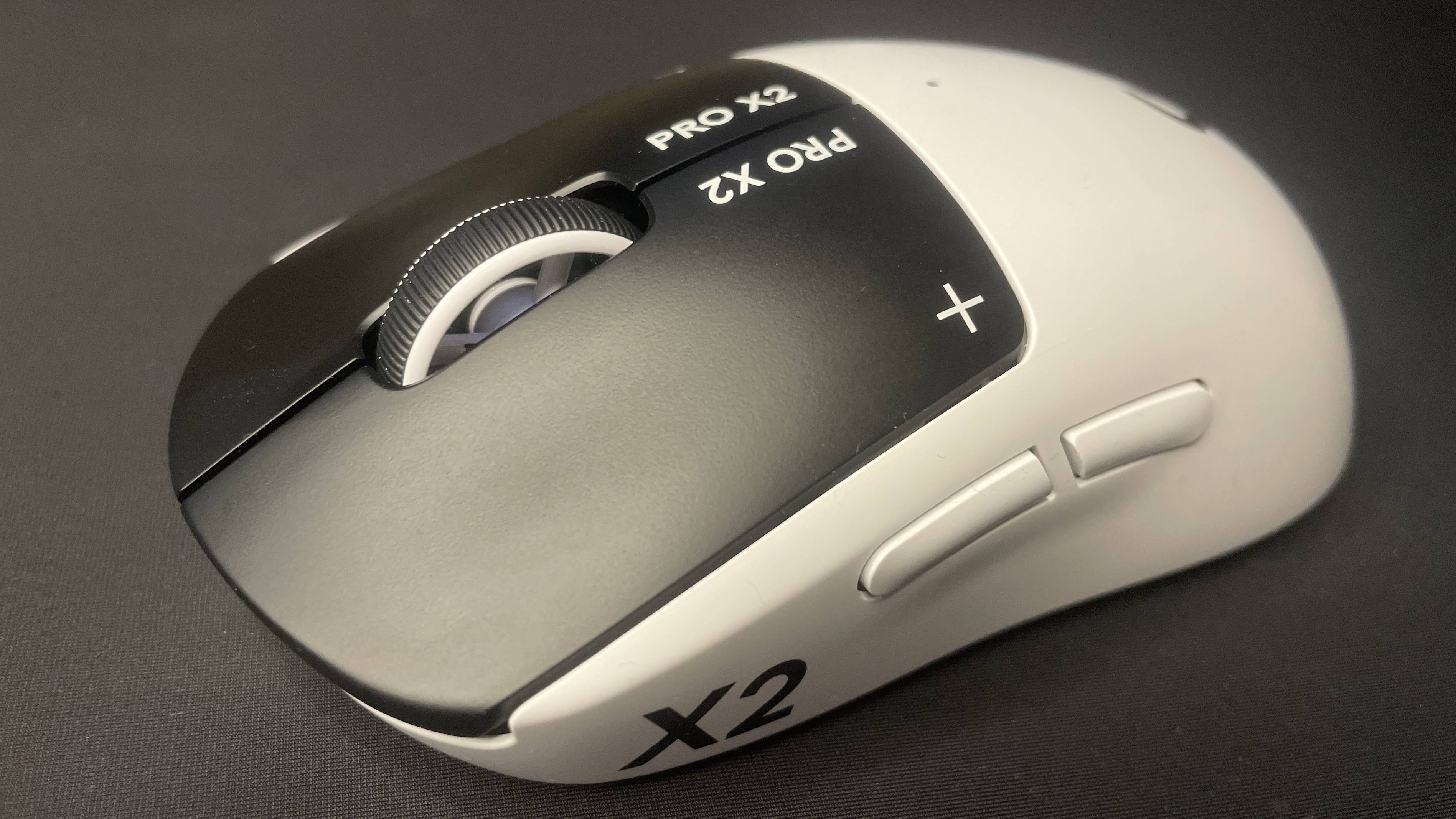
Whatever you think of that argument, though—whether you're happy with it or would have rather waited longer for a Superstrike with a different design—there's no denying that the technology is exciting.
Setting aside the specifics of its implementation in the Superstrike, HITS itself has shown the gaming mouse market that analogue and rapid trigger technology in a gaming mouse is possible and useful in some competitive games. I'll take that kind of a leap forward over slight frame rate increases, increasingly ridiculous refresh rates, 8K polling, and any number of other PC gaming hardware changes we've seen over the last few years.
The Superstrike's haptic and induction technology joins the likes of Hall effect for keyboards, OLED for monitors, and 3D V-Cache for CPUs in terms of its market-transforming power. It's just a question of how long it will take for that to come to fruition in the market at large, and even on that front, I think there's reason to be optimistic.
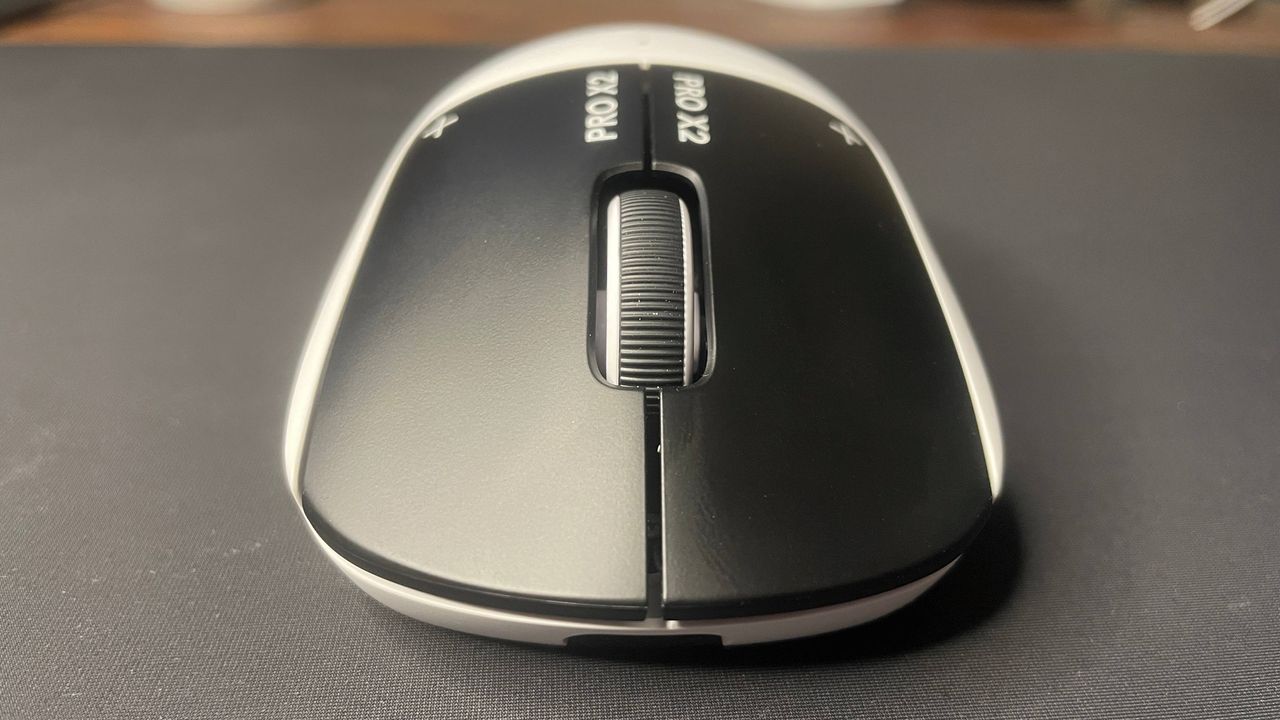
As much as a good battery life is going to be a high priority when it comes to buying a wireless gaming mouse, sometimes the need to nestle your rodent neatly in its own dock and go "aww look, it's sleeping" will quickly knock battery life off the top of that list. And while gaming mouse docks are often disregarded as a novelty or even a gimmick, it's hard to deny their practicality. I mean, plugging in? In 2025? Why waste my energy on something so tedious?
Thankfully, the MSI Versa Pro Wireless gaming mouse and Mouse Dock Pro are all about the path of least resistance. Since the world is now moving into some strange, AI-fuelled Edo period I'm betting the use of gaming mouse docks will start to see a resurgence, too. Alright, better prep yourself for further laziness productivity rants as we get into why the MSI Versa Pro Wireless and Mouse Dock Pro is quickly becoming my new favorite gaming accessory duo.
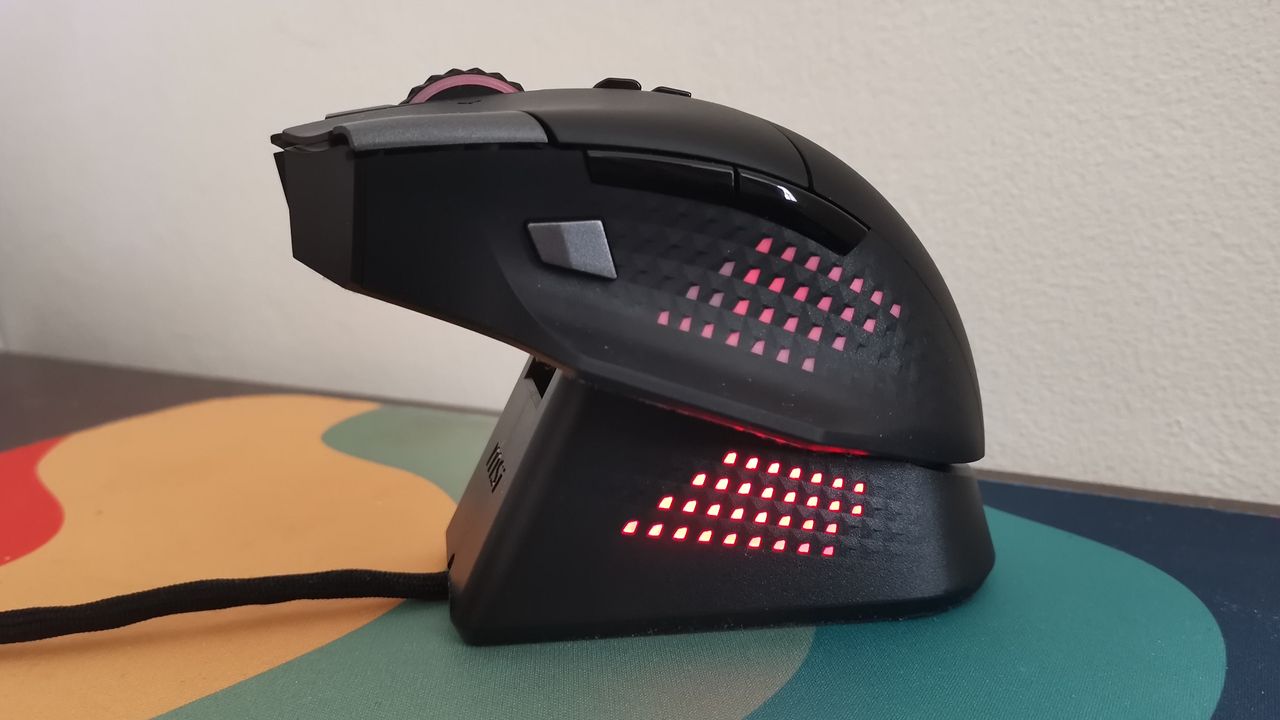
Aside from the huge, lit-up logo and RGB-studded side panels there's a certain sleek simplicity to the Versa Pro and Mouse Dock Pro. Granted they sit closer to that modern gamery aesthetic than the distinguished retro vibe of the 8BitDo Retro R8, for example, and only coming in black it alienates the more gaudy peripheral enjoyers out there, but I can appreciate the restraint having tested so many pro FPS mice covered in weird holes and the like.
The Versa Pro's silhouette is reminiscent of a chunkier, more cohesive-looking Logitech G502 Hero, and it's clear MSI has taken a heap of inspiration from it as one of the best mice on the market.
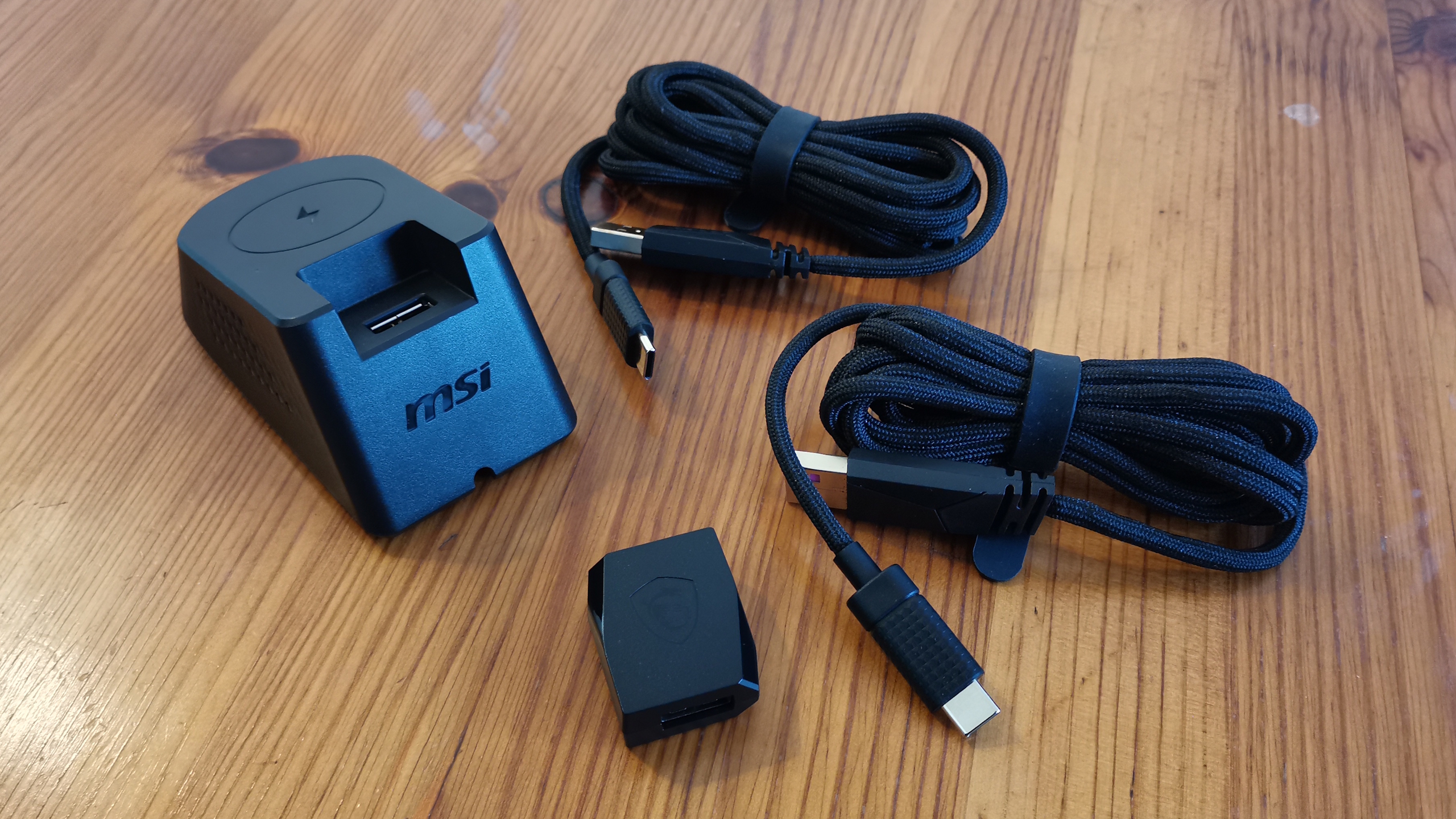
Buttons: 15 (13 programmable)
Connectivity: USB Type-C to USB Type-A (2.0), 2.4 GHz Wireless, Bluetooth
Sensor: PixArt PAW-3395 Optical Sensor
Max DPI: 26,000
Polling rate: 1,000 Hz
Battery life: 80 hrs
Size: 129 x 80 x 44 mm / 5 x 3.1 x 1.7 in
Weight: 97 g / 3.4 oz
Cable: 2x2 m, braided
Features: Infinite scroll, RGB lighting, grip texturing, ergonomic thumbrest
Price: $110 / £99
MSI has opted for a broad curve in its approach to ergonomics that allows the hand to sit flatter. The lightly-recessed diamond grip side panels and comfy thumbrest gently cradle my thumb, while giving me something to hang onto that isn't silicone. Not that I'm averse to silicone grips—they do work. Just more often than not they're the first thing to go on a gaming mouse. The omission here indicates a longer shelf life.
Durability isn't something MSI has overlooked either. The chassis takes a good hard squeeze without flinching, and the Omron optical switches MSI has opted for are rated at a 70-million-click lifespan, so it should last a while unless you start yeeting it across the room.
Of the many, many buttons on the MSI Versa Pro most are blessed with that swift and satisfying click you want from a gaming mouse. All bar one: the infinite scroll switch. Don't get me wrong, I am an infinite scroll stan until the end times—this being a scroll wheel that can freewheel—but as it wobbles under my fingertip there's something a little more Fisher-Price about that specific button than the rest.
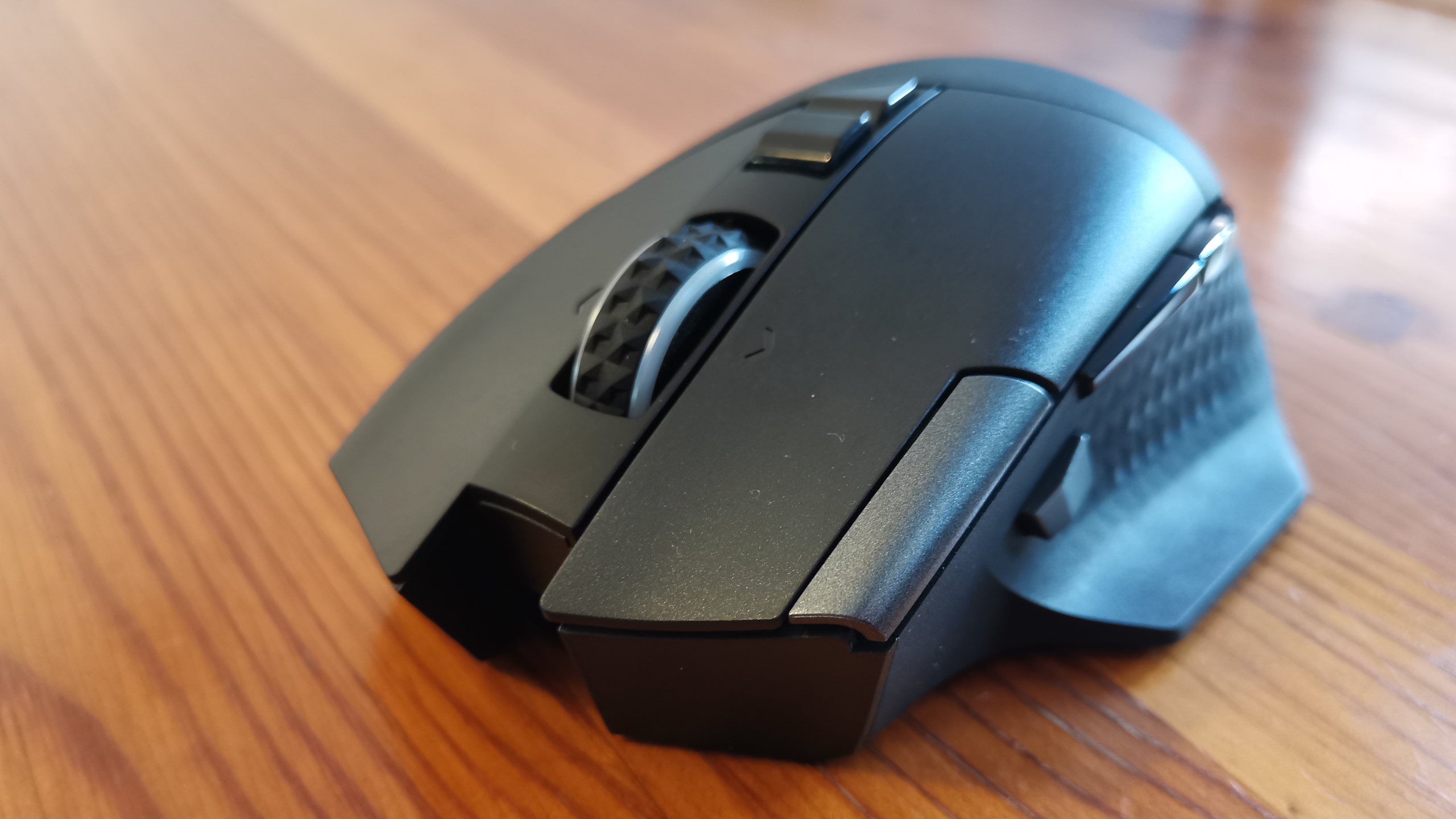
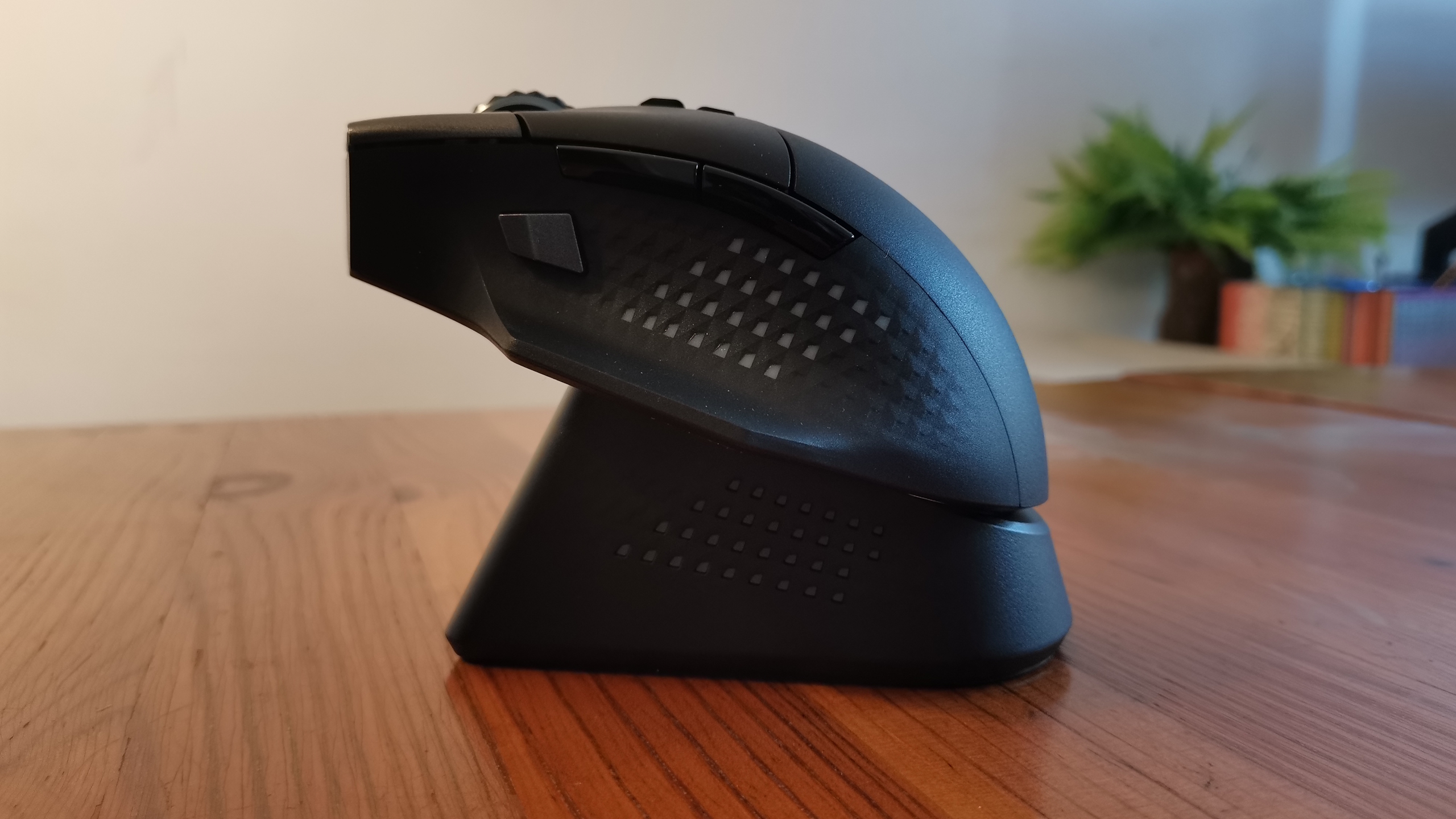
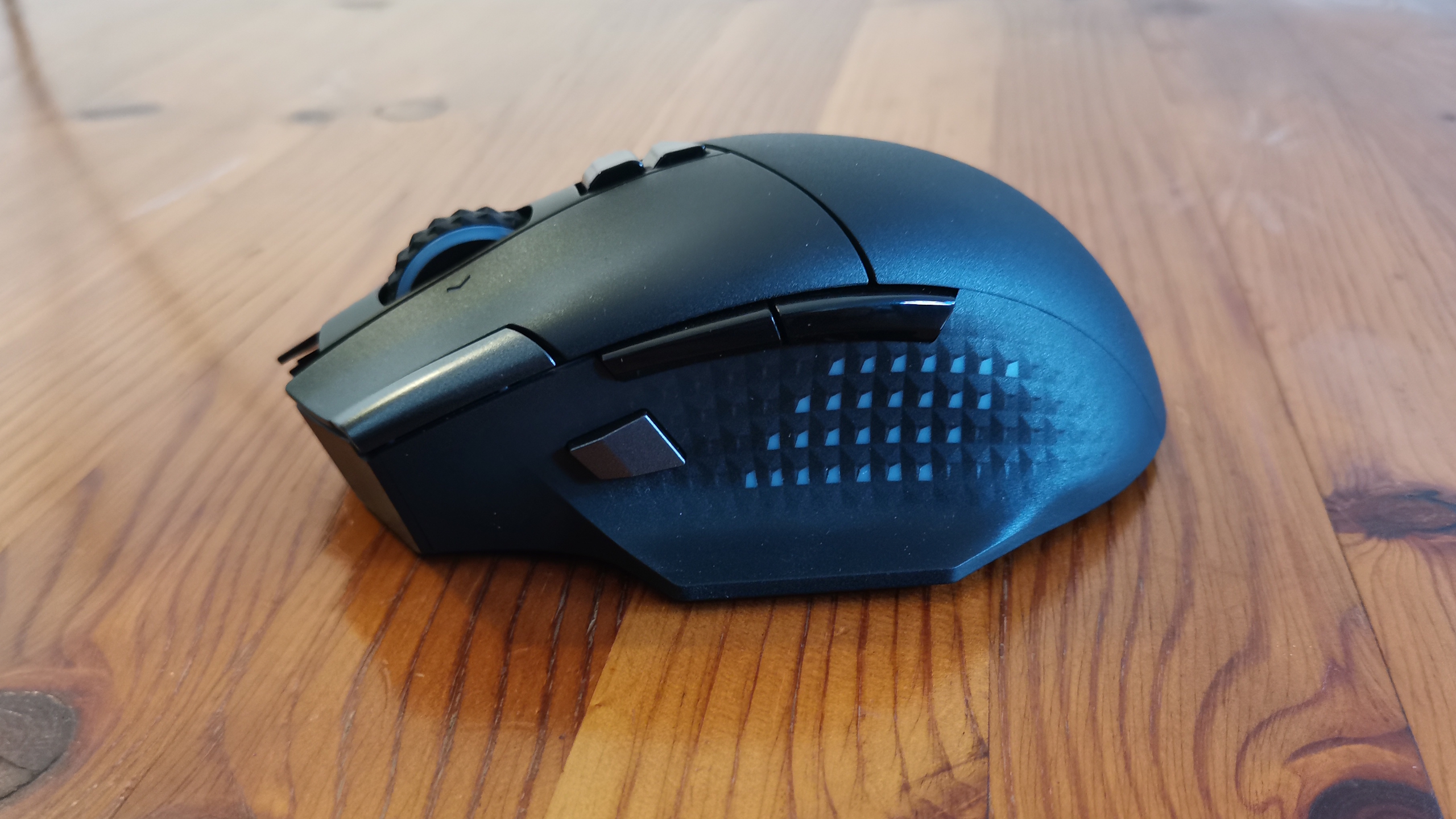
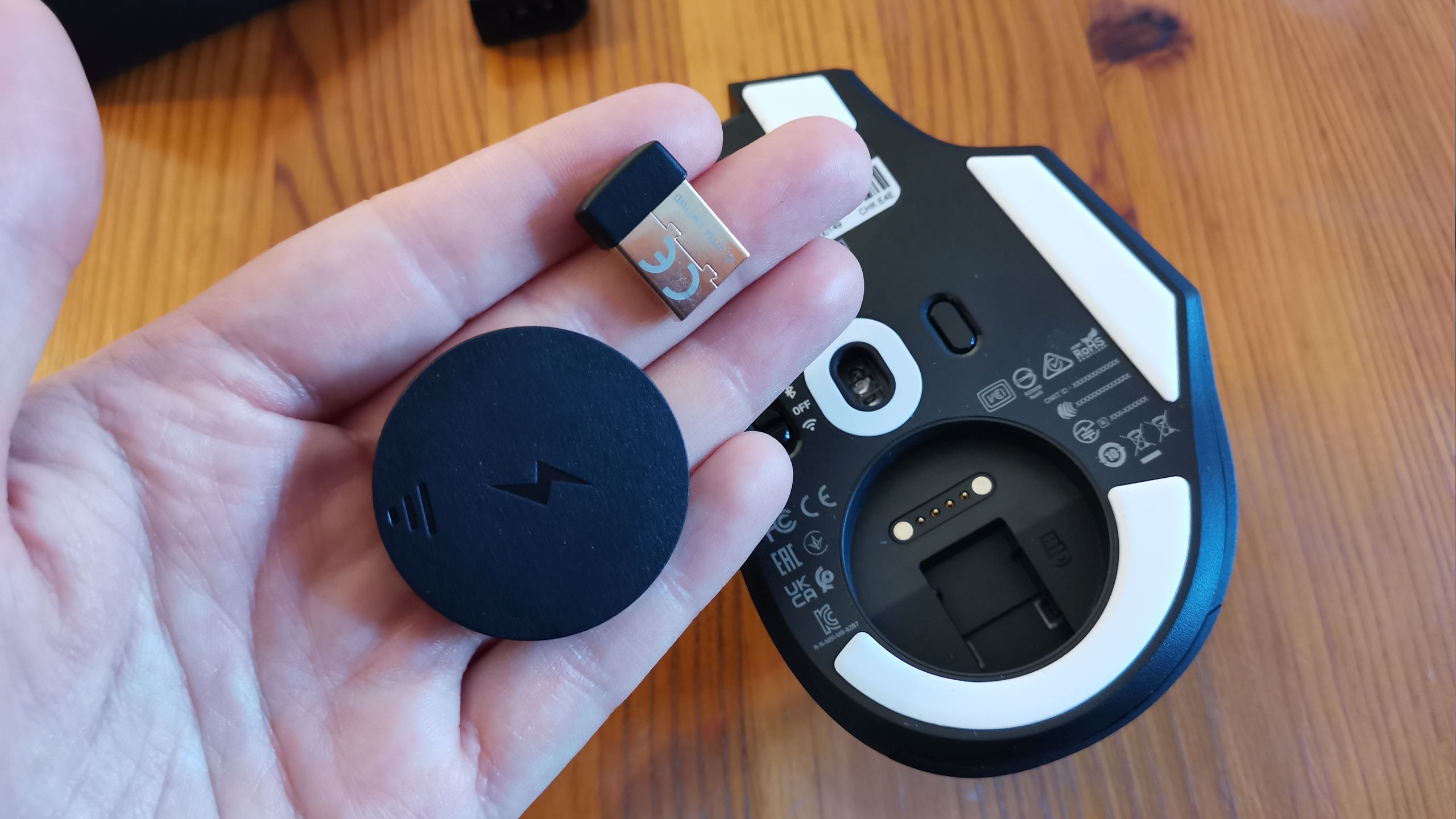
Still, the sheer number of buttons included is something MSI should take pride in. I'm talking four-way scroll wheel, three thumb buttons, two up top beside the standard left and right clickers, and even a DPI shifter on the bottom. All these are available to program as you see fit, which really adds to the productivity and convenience factors for FPS gamers and MMO players, or anyone else taken by the need to macro.
All that programming happens through the MSI Center software which, as is tradition for gaming accessories, is one of the worst things about the whole package. The barrier to entry is huge. In order for the Versa Pro to even show up in the software, MSI needed to grill me about the exact date, location, and store of purchase, along with the product serial number, before it would acknowledge the existence of a mouse at all. No, I don't want to upload an invoice, thanks. I just want to check my polling rate.
✅ You want to cover all your bases for less: Bar the software downfalls, the MSI Versa Pro does everything you expect from a wireless gaming mouse without compromising on the important stuff of adding unnecessary frills.
✅ You're a practical gamer: Macros tied to every millimeter of your mouse is a productivity dream. It means you can access your map and inventory without moving your hand away from your WASD keys.
❌ You detest the standard gamer aesthetic: The MSI Versa Pro is sleek, but having been in the industry for half a decade it's not the most outstanding look I've spied for a gaming mouse.
❌ You're a bigtime FPS gamer: The Versa Pro caters to a certain kind of gamer that doesn't mind a bit of heft to their gear. It's heavier than a lot of pro FPS mice out there, and that will likely be an issue for some.
I passed the inquisition, but MSI Center still bugs me with the odd popup advertising Norton 360—for which the only options are install now and snooze—but the software interface itself is intuitive, and the act of creating and assigning macros is incredibly easy.
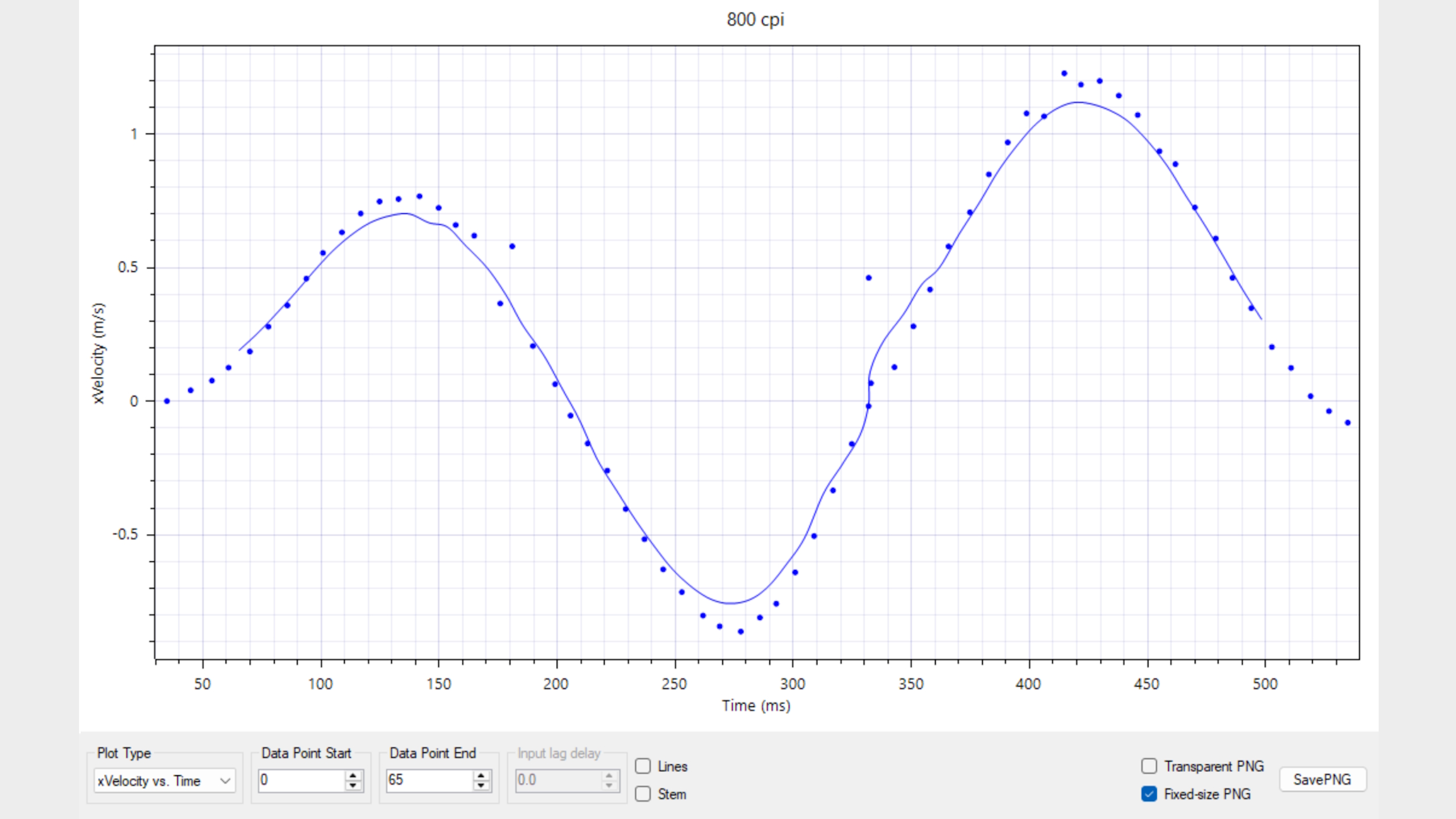
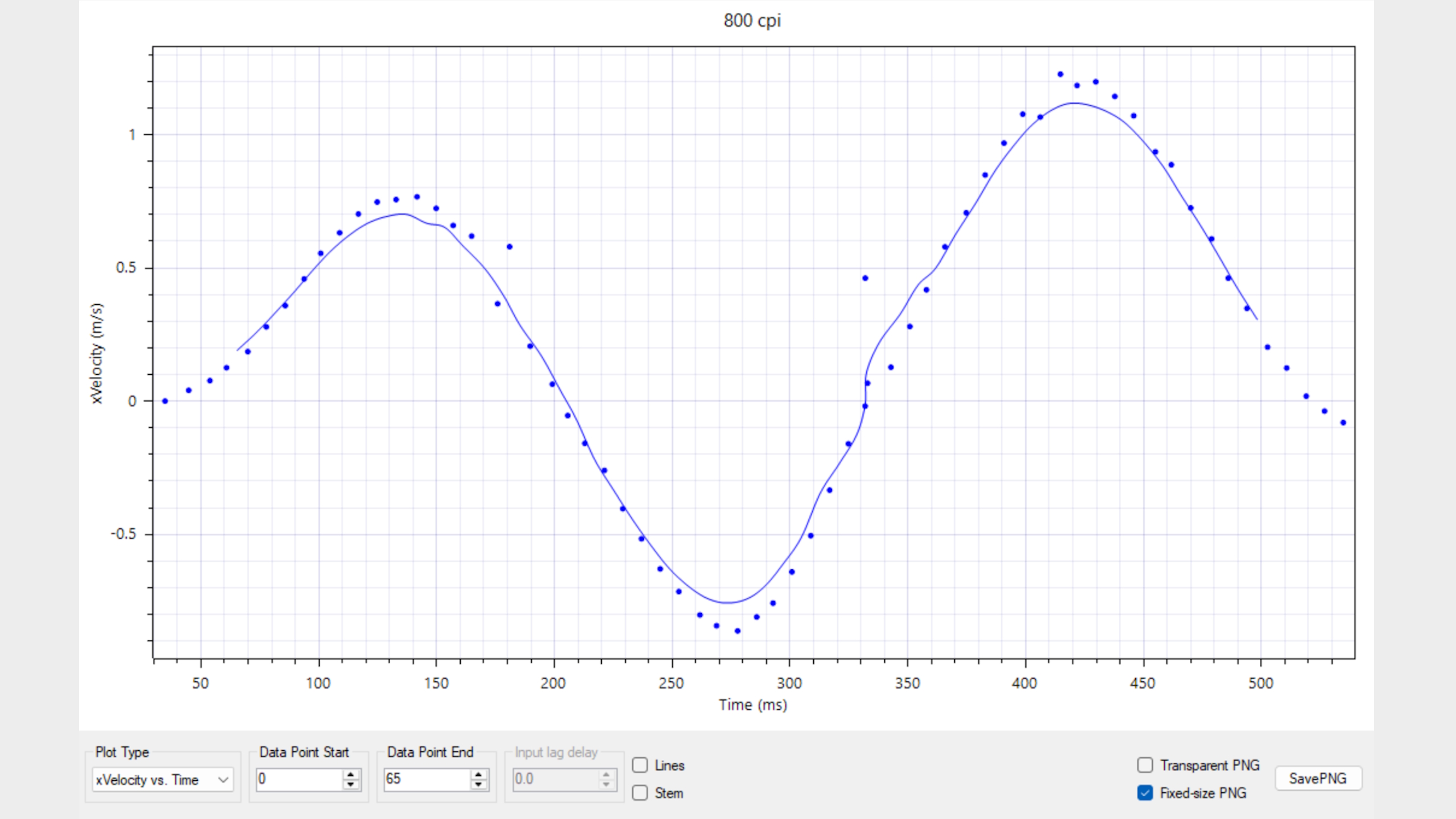
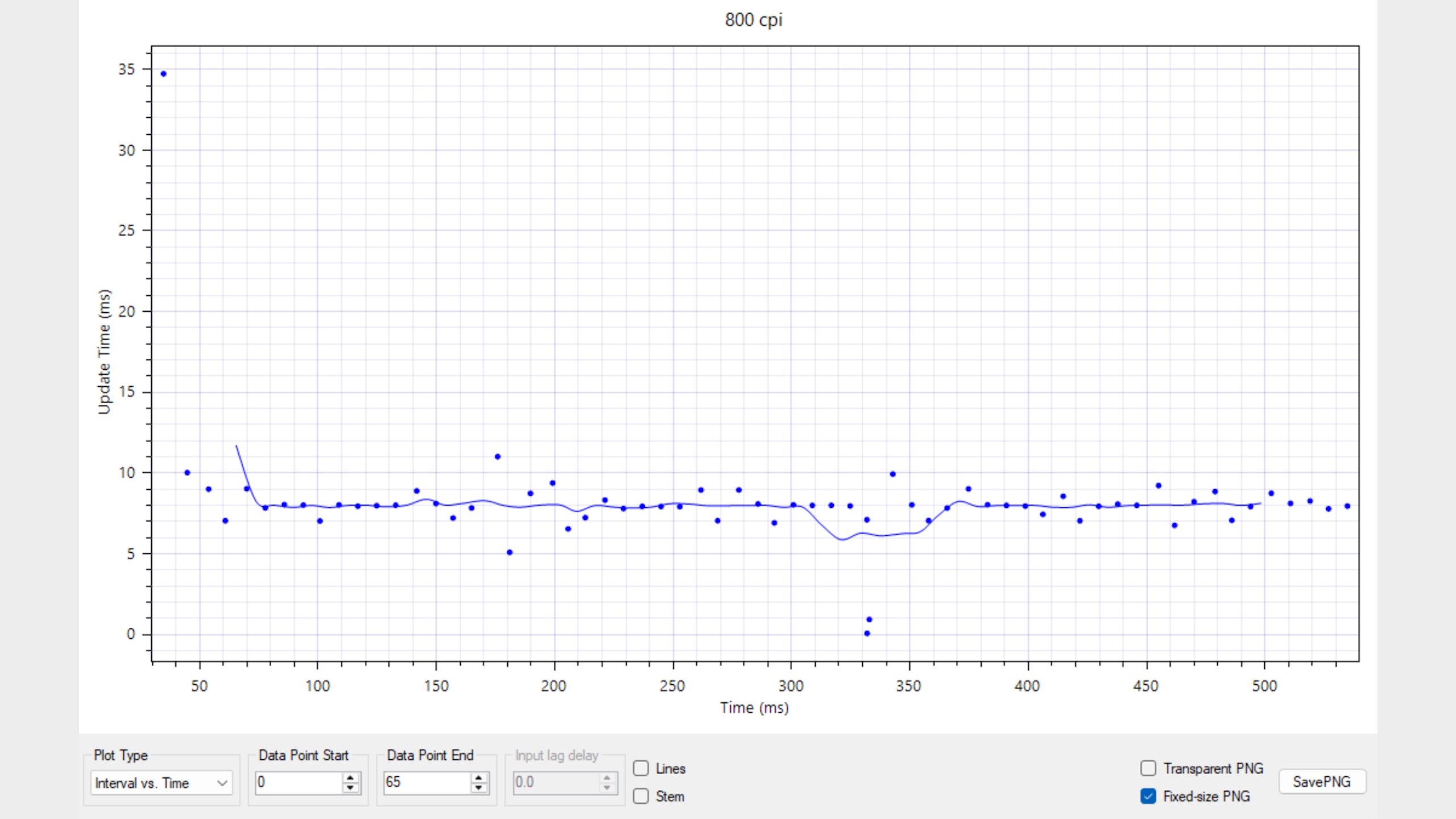
Insofar as accuracy goes, all the tests came back with steady arcs and minimal discrepancies. The main thing is that it's accurate, and while it doesn't have the ridiculous polling rate of its dock-paired twin Razer Viper V3 Pro, most gamers just don't need it. Besides, it's features like 8K polling that really mess with battery life.
The lightbars flanking the scroll wheel started to flash red at around 30% to indicate a low battery, with the RGB flicking off automatically to give me a few hours to get to a save point and pop the Versa Pro back onto its cute little magnetic plinth. All in all, it kept going with RGB on for around 24 hours before I had to charge up. While that's not even close to the lightless Viper V3's 95 hours at 1,000 polling, 80 hours sans RGB isn't the worst battery life I've encountered. Plus, you can charge as you play easily since the docking station also has a USB port for easy access.
If you're not concerned about wireless tech, the Logitech G502 X does all this with the addition of a swappable sniper button and for less cash. Super serious gamers might consider the Deathadder V4 Pro instead, but often these flashy wireless gaming mice with docks are far too expensive to warrant the frills. If you want to cover your bases without going overkill, you could do a heck of a lot worse than the MSI Versa Pro and Dock around the $100 mark.