Zobrazení pro čtení

Review: Tomb Raider: Definitive Edition (Switch 2)

Straight away, there are multiple things I don’t like about Tomb Raider: Definitive Edition. I didn’t like them when I reviewed the Macintosh release in 2014, and I don’t like them now. But with the initial shock of Lara’s dark turn a decade out of the way, it’s easier to enjoy the game for what it is. (And it’s why we’re publishing a review so far behind its November 2025 release.)

Should I get my personal gripes out of the way first? This is not a Tomb Raider game, at least not in the classic sense. The series reboot from Crystal Dynamics and Square Enix removed pretty much everything that made Lara unique and made her…well, “gritty” is probably the official term, but aren’t all action gaming heroes gritty?
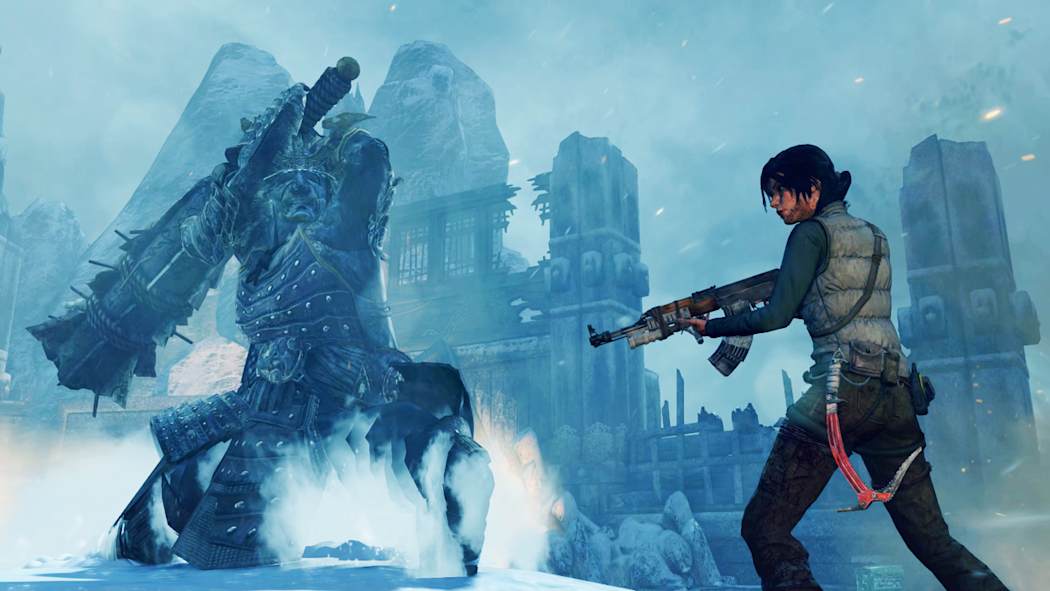
They also removed the tombs, mostly. The original games (most of which are now available for the Switch) were set in magnificently constructed tombs that tested your dexterity and puzzle-solving skills much like a classic Zelda dungeon. Sure, there were tigers and dinosaurs and bats to kill along the way, but the action mainly served to break up the challenging puzzles. That’s been flipped in Tomb Raider: Definitive Edition, where the tombs have been relegated to sidequests. You stumble upon them in the jungle and spend a few minutes inside, but they feel like they’re getting in the way of the game instead of being the game. They’re like the shrines in Breath of the Wild.
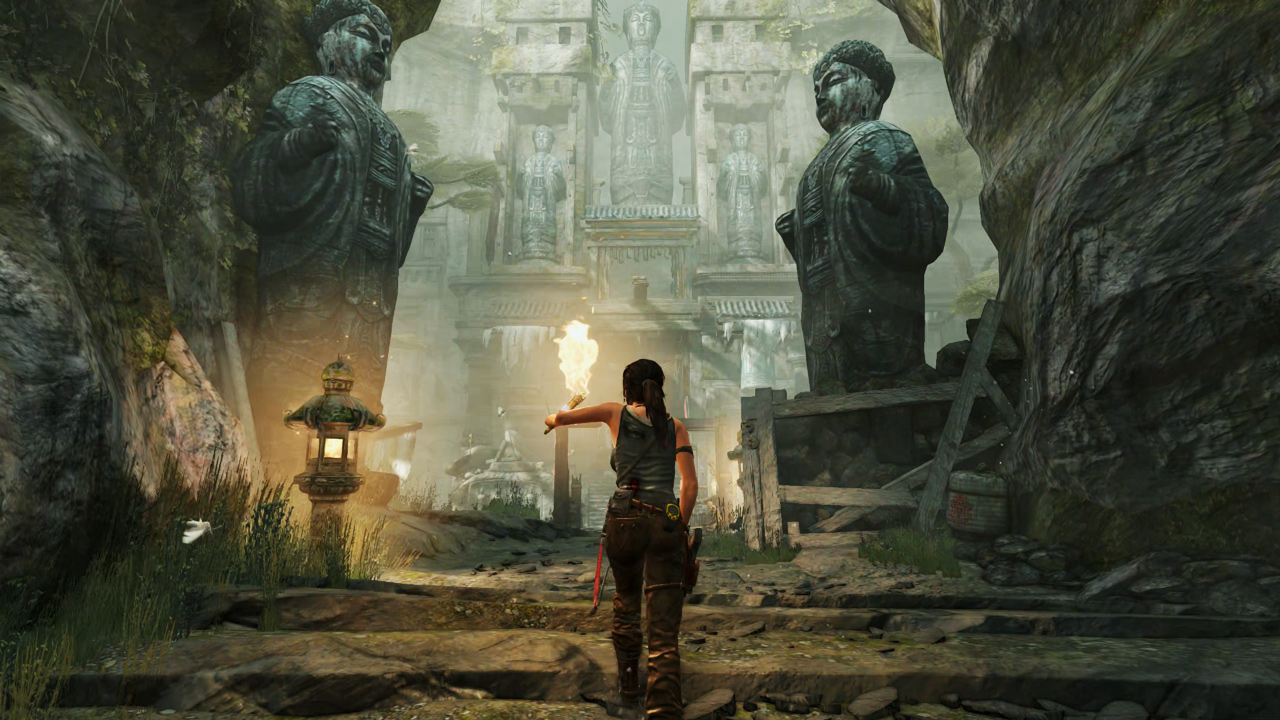
All of this is driven by a coming-of-age story about archaeology graduate Lara and her desire to sail into the Dragon’s Triangle to search for the lost kingdom of Yamatai. This is one of those islands protected by malevolent weather patterns. They tear up Lara’s ship, scattering the survivors and forcing Lara to reunite with them and find a way off the island. I’ll leave the rest of the story to your discovery, but will say it’s all pretty hammy (and acted out accordingly) in the way that makes some of those made for Syfy Channel movies so fun to watch.

So, I’m clearly down on the development decisions. But those are all a matter of personal preference, and they don’t really affect the gameplay, which is quite thrilling when it kicks into gear.

Tomb Raider: Definitive Edition is billed as an action/adventure, but the word “survival” should be included. From the very start, Lara has to hunt for food, craft her own tools, and get up from falls that, in an actual human, would break multiple bones and deliver concussions that even the NFL couldn’t ignore. In the aforementioned tombs, you often can’t locate the hidden treasures because you haven’t yet developed the right tool or skill to access them.
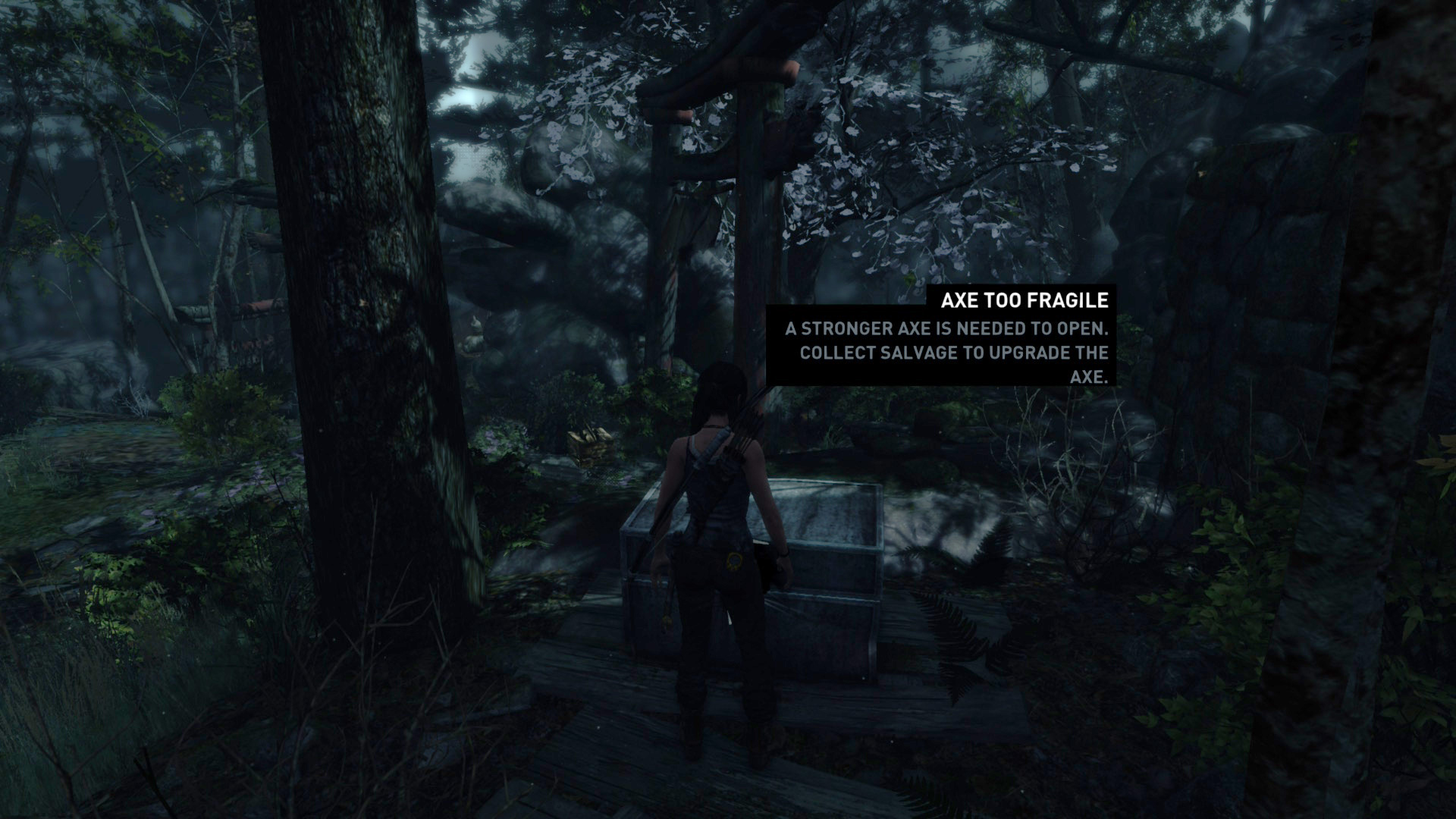
Docked mode screen capture adjusted for clarity.

Instead, you follow Lara through the plot points and action sequences. These are fun, and often quite intense; a solid mixture of combat, button mashing, button timing, and stealth. Everything moves along at a great clip when it’s not being slowed down by cutscenes and material grinding. And although every plot twist is met with a “well, of course,” the game still provides some segments of incredible impact. In one segment in particular (and if you’ve played the game, you know to what I’m referring), the gameplay, tension, cinematography, music and, yes, acting, are so expertly delivered that ​​it’s likely to stick with you for as long as you’re playing games. It’s moments like this that helped me look past what I wanted the game to be and to appreciate it for what it is.
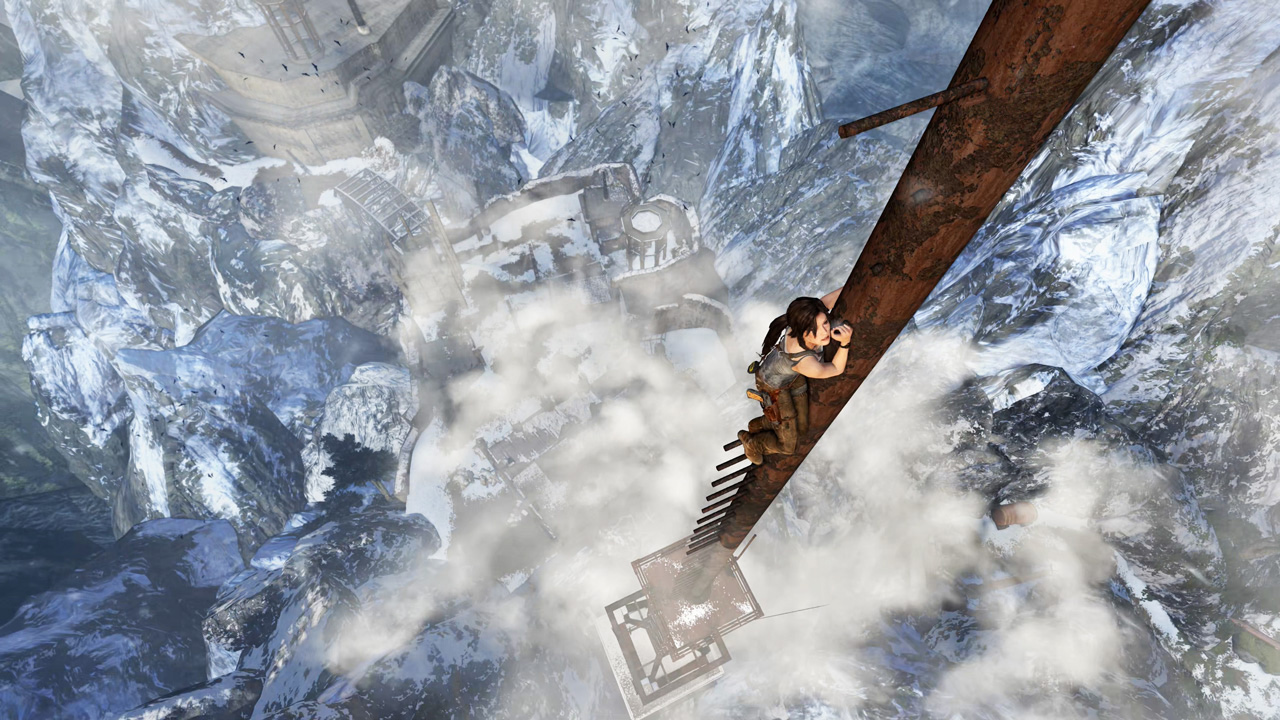
Having played this game before, I already knew all of this. So, what does the Switch 2 bring to the table? Not as much as I’d hoped. The game plays at 60fps, but the visuals themselves still feel like they’re a generation behind. This is exacerbated on the original Switch, where 30fps is the best you’ll get. These benchmarks on both systems are achieved in handheld mode, too, which is fantastic. Maybe that’s why Aspyr didn’t take full advantage of the Switch 2’s hardware to give us visuals closer to the other modern console releases.

What they did take advantage of were gyro and Joy-Con mouse controls, neither of which add anything to the gameplay. The mouse functionality actually interferes with it, I’d argue. The game is much easier to play with Pro Controller, so don’t even bother taking the Joy-Con off of the system.
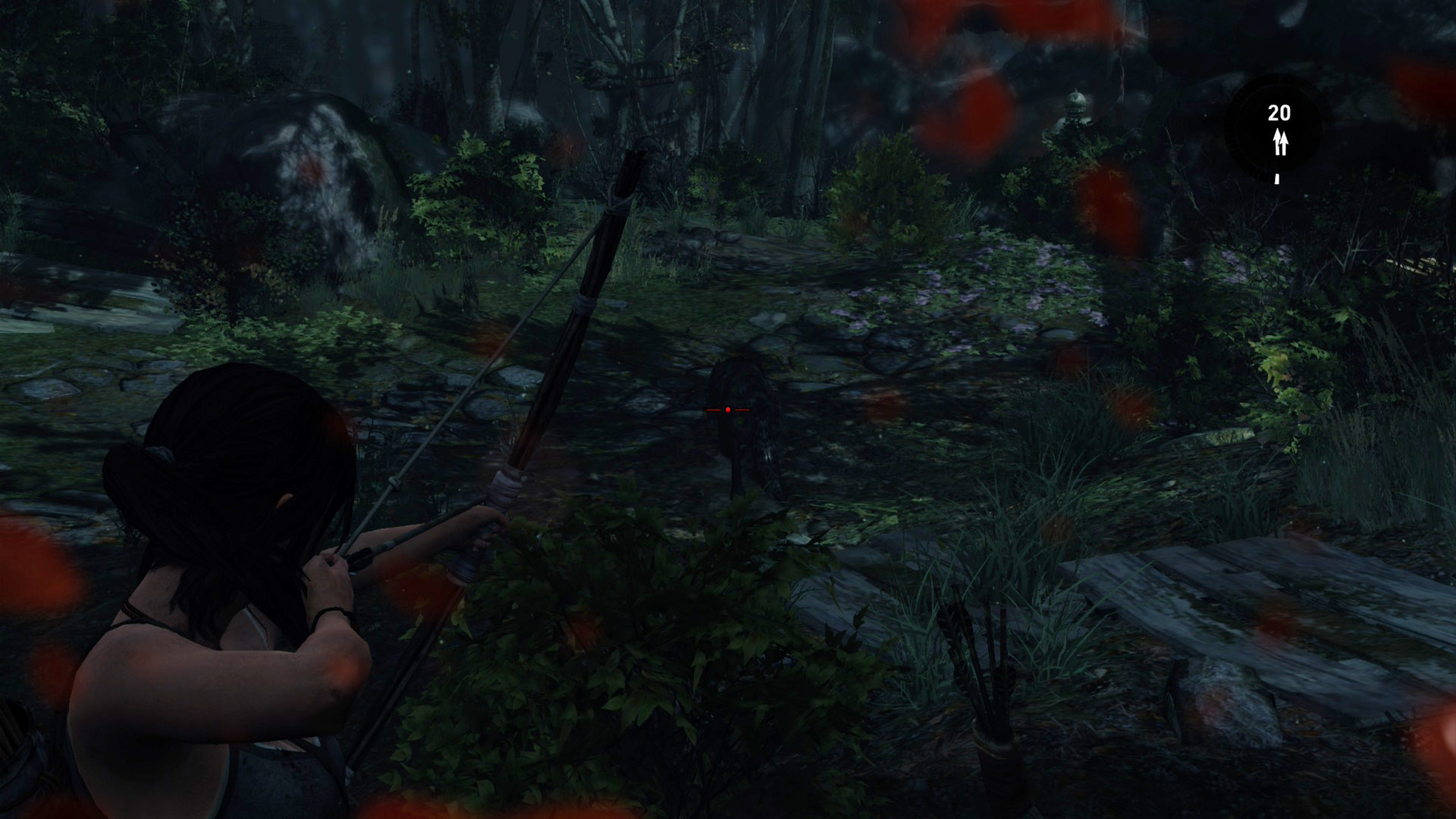
Docked mode screen capture adjusted for clarity.

Aspyr also made the great decision to aggressively price the game; both the Switch and Switch 2 version of Tomb Raider: Definitive Edition are only $19.99. Oddly, there’s no upgrade price between the two. Considering the Switch 2 version really just offers better framerates and enhanced visuals, there’s therefore no reason to get it again if you’ve already played it on the Switch.

But it is a game worth playing if you never have (or haven’t since the original release). Lara Croft purists such as myself may be put off by this… “modern” version of the gaming icon? “Gritty?” “Vulnerable?” Pick whatever term you want from Screenwriting for Dummies, I suppose. It may define the character, but it doesn’t define the gameplay. For that, “entertaining” is an apt choice.

The post Review: Tomb Raider: Definitive Edition (Switch 2) appeared first on Pure Nintendo.

  •  

Review: GRID Legends: Deluxe Edition (Switch 2)

The press kit for GRID Legends: Deluxe Edition goes out of the way to point out the analog trigger capabilities of the Switch 2-compatible GameCube controller. I can confirm that: 1.) this is, indeed, the better way to play, and 2.) if you’re the type of racing gamer who cares about such things, this is definitely the game for you.

Well, provided you’re OK with a little melodrama. GRID Legends has an extensive story with live-action cutscenes. The game begins with various drivers discussing an accident on the track, caused by the shady American. We learn of the struggling Team Seneca and a mysterious rookie driver who just may save the company. It’s all tremendously goofy, but in a way that perfectly fits the game’s arcade action. Better, the actors present the material with a knowing wink; they have some subtle fun with their parts.

The story is smartly woven into the action. Your first “race” requires you to simply finish a few laps with a banged up car. No pressure there, and good, because GRID doesn’t give you much of an explanation on the game’s controls. In the second race, you’re not expected to win. The team just wants to see you do well enough by beating a certain racer. Do so, and you advance. Fail, and time resets for you to try again. It’s clever.

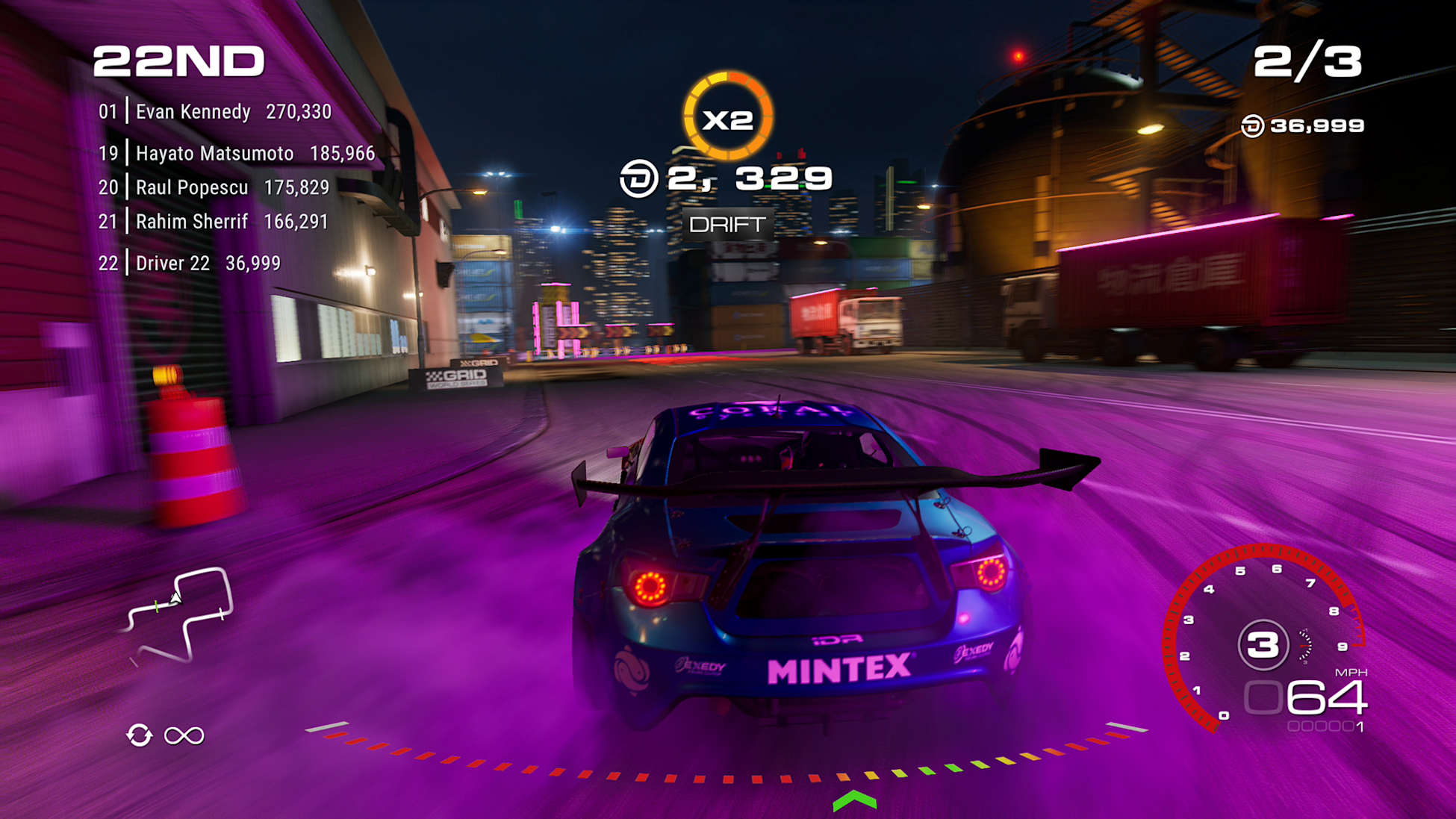
On the track, the call for an analog controller stems from the game’s use of ZL and ZR to accelerate and brake. With the digital controls of the Joy-Con or a Switch 2 Pro Controller, you’ll be doing a lot of tapping to keep at the speed you want. With the analog buttons of the GameCube controller, you can more easily control your pace or the abruptness of your brake. It’s just a better way to race, providing more realistic controls. Note, though, that the game doesn’t really need them; although a far cry from Mario Kart World, the racing here still leans further into arcade than sim.

Gameplay requires you to drive intelligently. The AI drivers may come at different levels, but all are adept at preventing you from speeding past them. And with the tightness of the tracks, your lanes to do so are quite thin. Thankfully, learning to control your car and be patient with it comes quickly. It’s not long before you’re hugging walls without slamming into them. Once you’re fully into the game’s flow, races become consistently rewarding. And if you do continue to struggle, a healthy set of difficulty settings will help you push through.

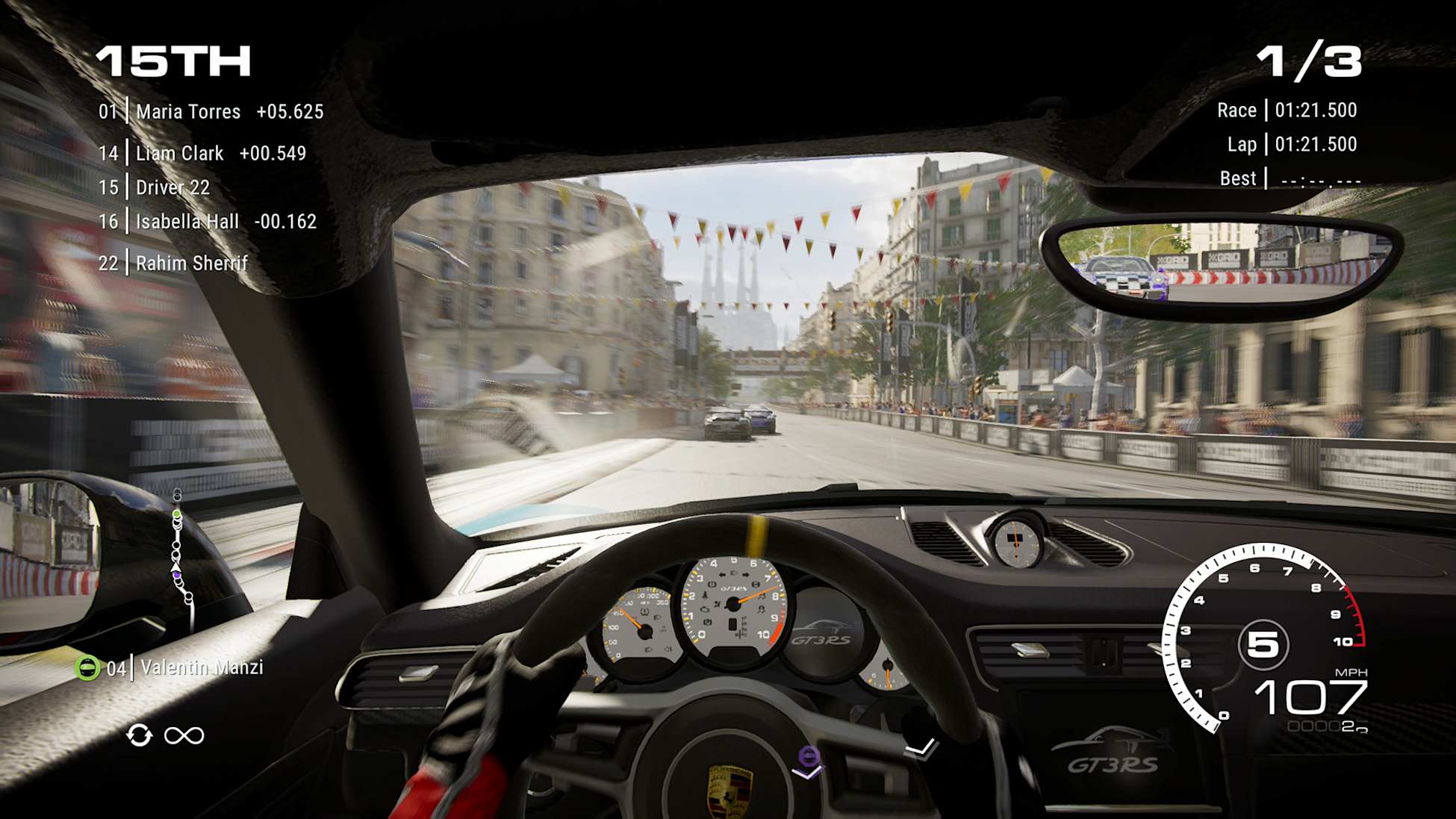
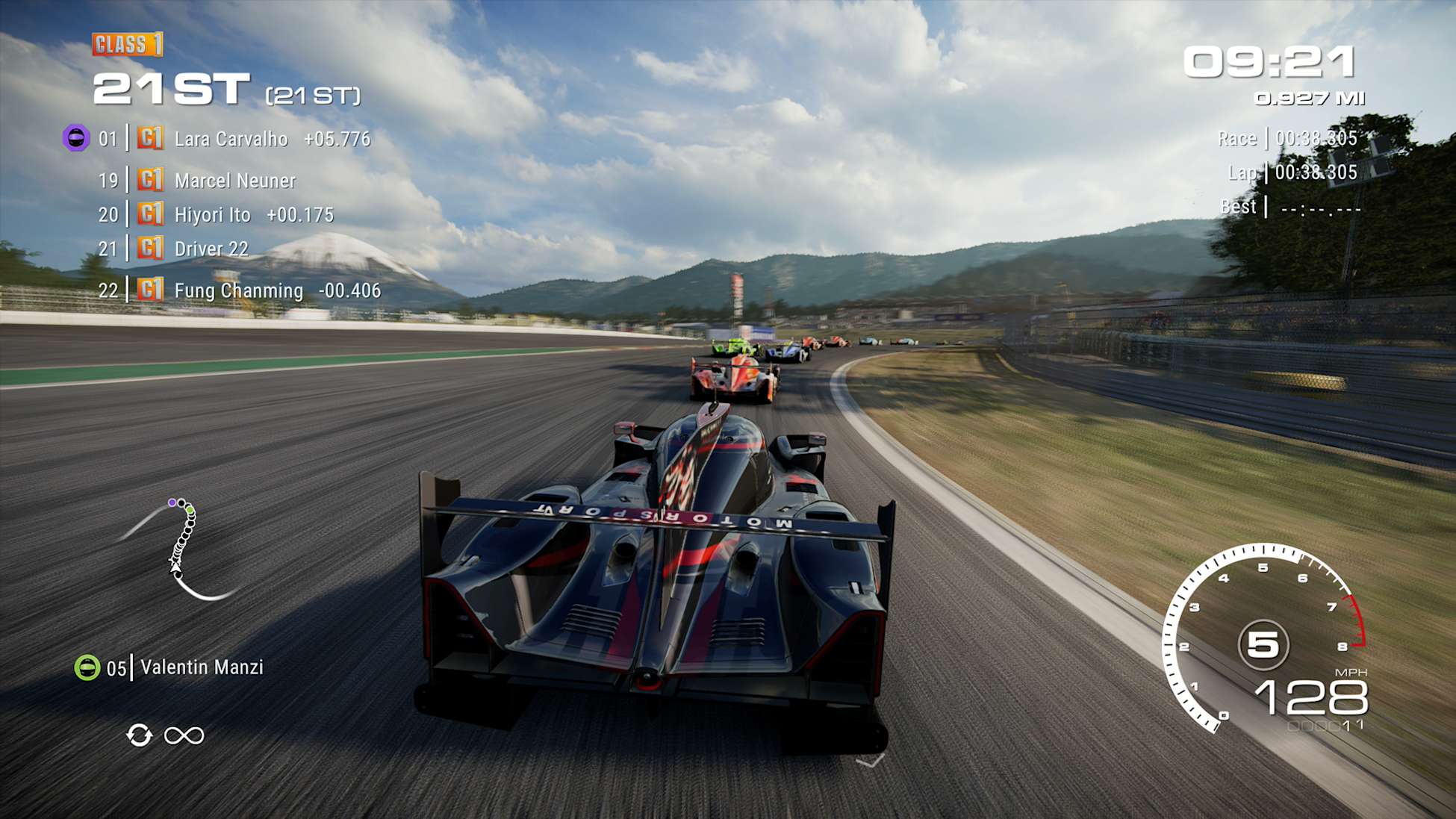
GRID Legends: Deluxe Edition looks great, too. The tracks/environments are lushly detailed, and the racing action can either run at 60fps in Performance mode or 30fps in Graphics mode while docked. Handheld mode gets an additional Balanced option that retains a good portion of the visual effects at 40fps.

Most impressive of all, however, is the number of racing options available throughout the game. With all of the game’s previous DLC included, you get touring cars, stadium trucks, drift cars, and more. You’ll race street circuits, arenas, and off-road tracks around the world, many of which are based on real-life circuits. In all, there are over 100 cars to drive on well over 100 tracks.

There’s even a freakin’ demolition derby. It’s not the type I used to frequent at the annual county fair, but it’s still fun. And of course, there’s a race creator and Career, Team, and Free Play modes to accompany the featured Story mode.

It all combines to create a solid racing experience that really highlights the capabilities of the Switch 2. The lack of multiplayer will certainly be an issue for many, but there’s still so much to do and learn in GRID Legends that it’s sure to keep racing fans entertained long after the drama is over.

The post Review: GRID Legends: Deluxe Edition (Switch 2) appeared first on Pure Nintendo.
  •  

Review: Montezuma’s Revenge – 40th Anniversary Edition (Nintendo Switch)

I have no memory of playing Montezuma’s Revenge when it was released for various systems in 1984. I had access to two of those systems—the ColecoVision and Commodore 64—but I I didn’t have access to this game. Had I, I likely wouldn’t have taken on Montezuma’s Revenge – The 40th Anniversary Edition.

Or, maybe I did play it and simply repressed the memories. That would make sense, as this 2.5D platformer is brutally difficult. Not in a “just one more try” kind of way, but more of a “throw your controller into the TV” fashion.

Nearly every step of Montezuma’s Revenge is there to kill you, and there’s little to help you on your way. The goal is for Pedro (or the newly added Rosita) to explore an ancient tomb screen by agonizing screen—nearly 100 of them—in an effort to raid its treasures. But there is a lot in there to prevent your success.

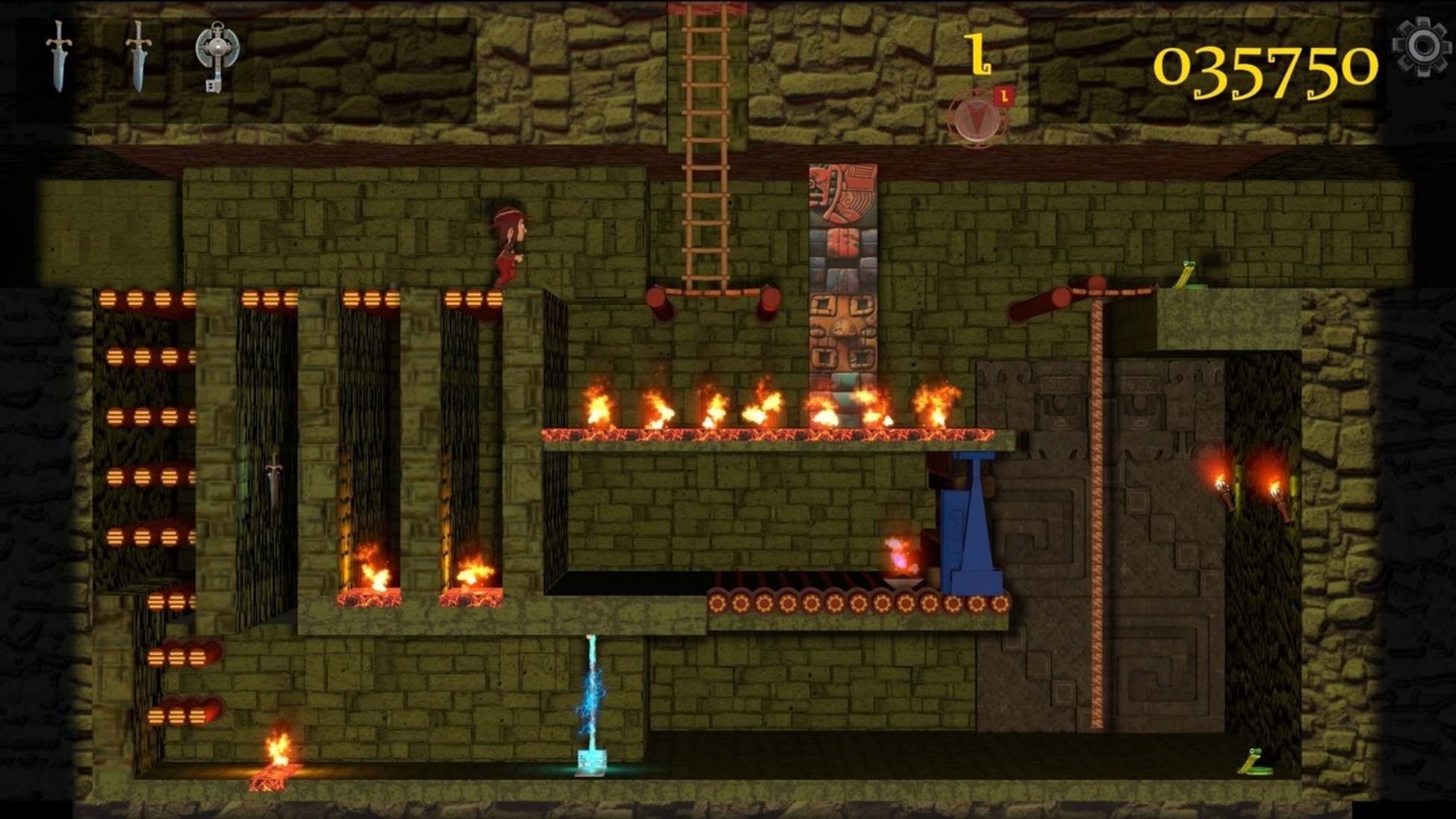
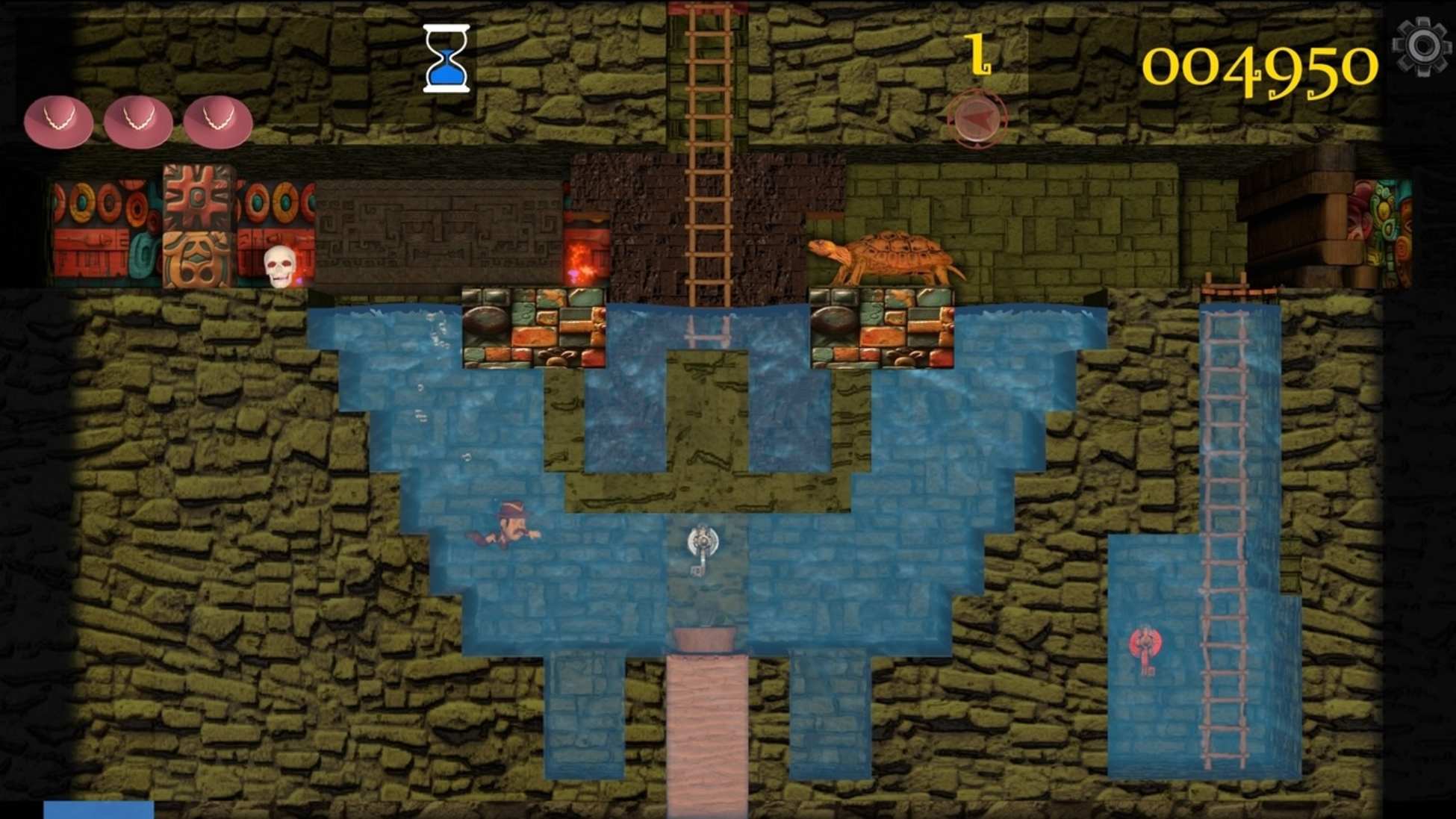
Almost immediately, you’ll be dodging snakes, skulls, firepits, trap doors, and more, mostly without any aids. There’s not even a map to indicate where you’ve been. You can pick up weapons, yes, but only use them once before they’re gone (and they’re used by simply running into an enemy). Your inventory is severely limited, so deciding whether to carry the weapons you need to survive or the items you need to progress becomes a larger decision than it should be.

It’s actually a bigger help that when an enemy kills you, it dies, too. You wouldn’t think this would be a sound way to play a game, but with the unlimited restarts afforded to you in the 40th Anniversary Edition, it may be the only way.

Except that it’s not. Although the enemies are annoying from start to finish, they’re not as annoying as death-by-falling. What wouldn’t turn the ankles of Indiana Jones or Lara Croft are death sentences for these adventurous siblings. This tomb doesn’t need spikes or lava to claim its victims (although it has them), it just needs a drop of about five feet or more. And it has a lot to make sure you’re constantly falling. Conveyor belts, for example. The aforementioned trap doors. Bad physics.

Let’s focus on those physics for a minute. Neither Pedro nor Rosita seem to have any weight to them. They don’t so much walk through the tomb as glide. Jumping is heavy and clunky. Nothing about the way you move feels like it belongs in the game. You can hold down a button to “walk” if you want to slow yourself down, but doing so is rarely useful for navigating a hazard.

It doesn’t help that the game’s not much fun to look at, either. Yes, the visuals have been enhanced, but from the ’80s to maybe the mid-’90s. It has a Macromedia Director look to it that we’re all happy to leave in the past. Montezuma’s Revenge – The 40th Anniversary Edition somehow looks even more dated than the original.

I wouldn’t have thought that was possible, but it brings up an interesting conundrum. An 8-bit version of Montezuma’s Revenge is also available for the Switch. If you’re playing the game for nostalgic purposes, that’s the way to go. If, however, you’re playing because you never completed the game in any of its previous iterations, the 40th Anniversary Edition will actually give you the chance to do so. There’s some value to that, sure, but more effort with this version’s updates was needed to make that value worth it.

The post Review: Montezuma’s Revenge – 40th Anniversary Edition (Nintendo Switch) appeared first on Pure Nintendo.

  •  

Review: Demonschool (Nintendo Switch)

I had a pretty good college experience overall. I met some great people. Got better on bass. Was introduced to my favorite book. Totally worth the decade of debt. I’m not sure the…survivors of Demonschool will be able to say the same.

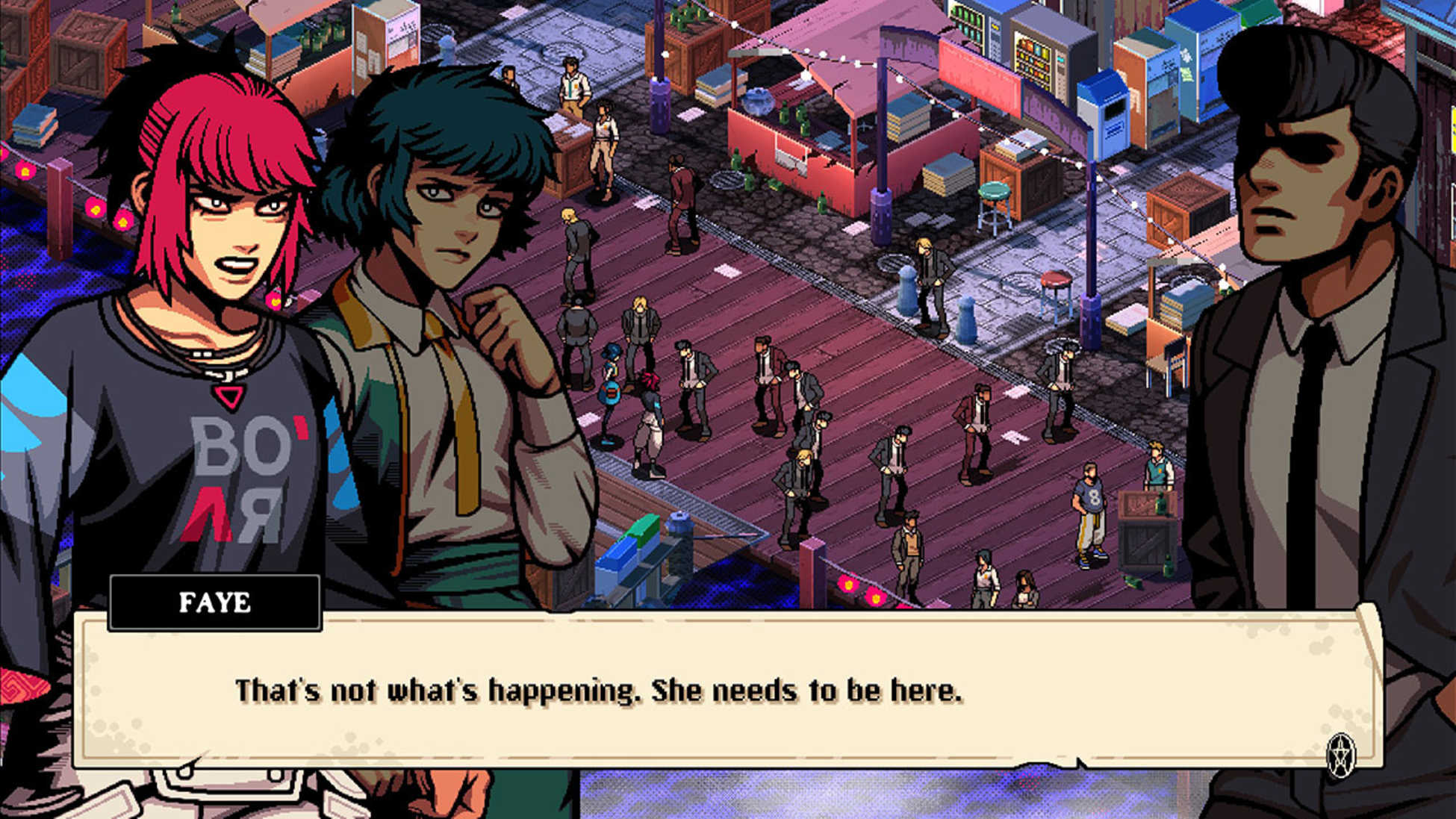
This RPG from Ysbryd Games begins with our protagonist, Faye, taking a boat to the remote Hemsk College that even she knows is pretty sketchy. Faye comes from a history of demon hunters, it seems, and there are plenty of demons on this island.

It’s up to Faye to put together a team of fighters to take them out, and she approaches this with the verve of a sorority social chair recruiting pledges.

Her classmates are hesitant to believe her, but we know she’s right. Almost right away, we see a group of students obliterated by demons while their professor nonchalantly records the results and walks away. This is not a good school, but I imagine most aren’t when you have to arrive by boat.

Upon setting foot on the island, Faye and her first reluctant recruit, Namako, are thrust into a tutorial battle.

This is where we learn that things are going to be different for the player, too, which I’ll expand upon in a bit. After that battle, we get another one while Faye and Namako are simply trying to check out the social aspects of the college town.

You can see where this is heading; it’s right there in the title, after all. Throughout Demonschool, you’ll be balancing college life with demon hunting in that Persona/Buffyesque manner that continues to work surprisingly well. It’s worn ground, sure, but the developers at Necrosoft Games understood this and played up to it. The writing is sharp and often comical, fully embracing the tropes and influences. We get an interesting (and quite large) cast of characters to follow throughout, and you’ll be able to focus on your favorites if that’s what you choose to do.

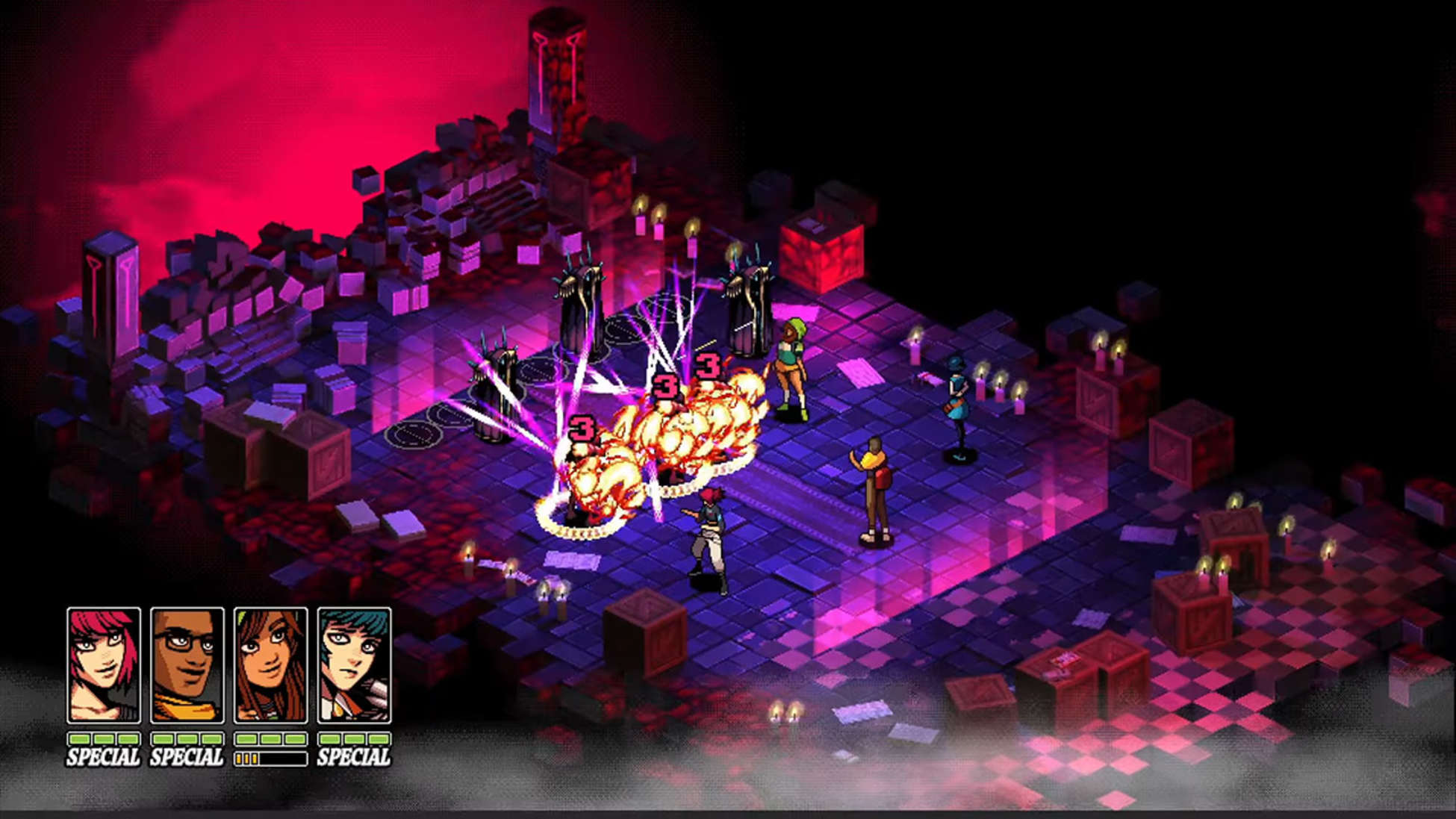
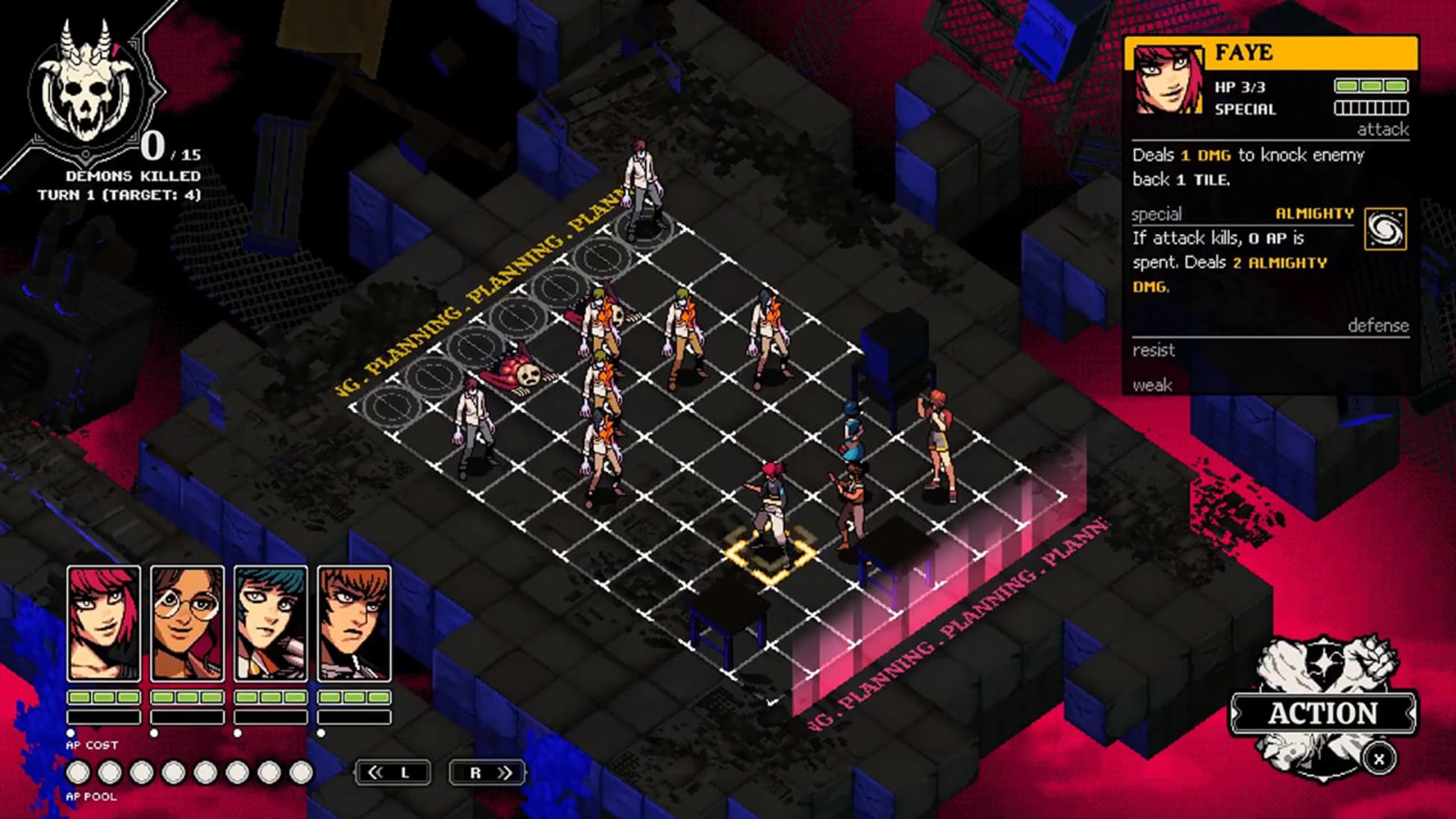
Gameplay centers around the turn-based battles on an isometric grid, but they don’t play out in the way you’d expect. They’re more puzzle-centric than tactical. For each, you’ll pick the combatants from your available party members (with Faye always involved), and are then charged with clearing out the grid as quickly as possible. You do so by using your team’s specific skills to create combo attacks—using one member to pull enemies into specific positions, for example, so another member’s line attack can hit them all.

Your team gets a set number of action points to plan your attack, and you have total freedom of whom to move when. The first move of each party member uses one AP. Move that character again, and it’ll take two. With all of the attack types, available buffs, etc., it’s a lot to plan. Thankfully, you get the ability to rewind your moves until you’re happy. Once committed, you get to watch them all play out. Then, it’s the enemy’s turn. The quicker you complete the objective, the better your grade for higher rewards.

As mentioned earlier, this approach feels more like puzzle gameplay than tactical combat. Your goal is less about surviving levels than about completing them efficiently. It’s weird, but it’s a welcome change that distinguishes the game from the countless other turn-based RPGs available to us. It also helps that the combat grids are quite diverse once things really start moving (which they admittedly take a bit too long to do).

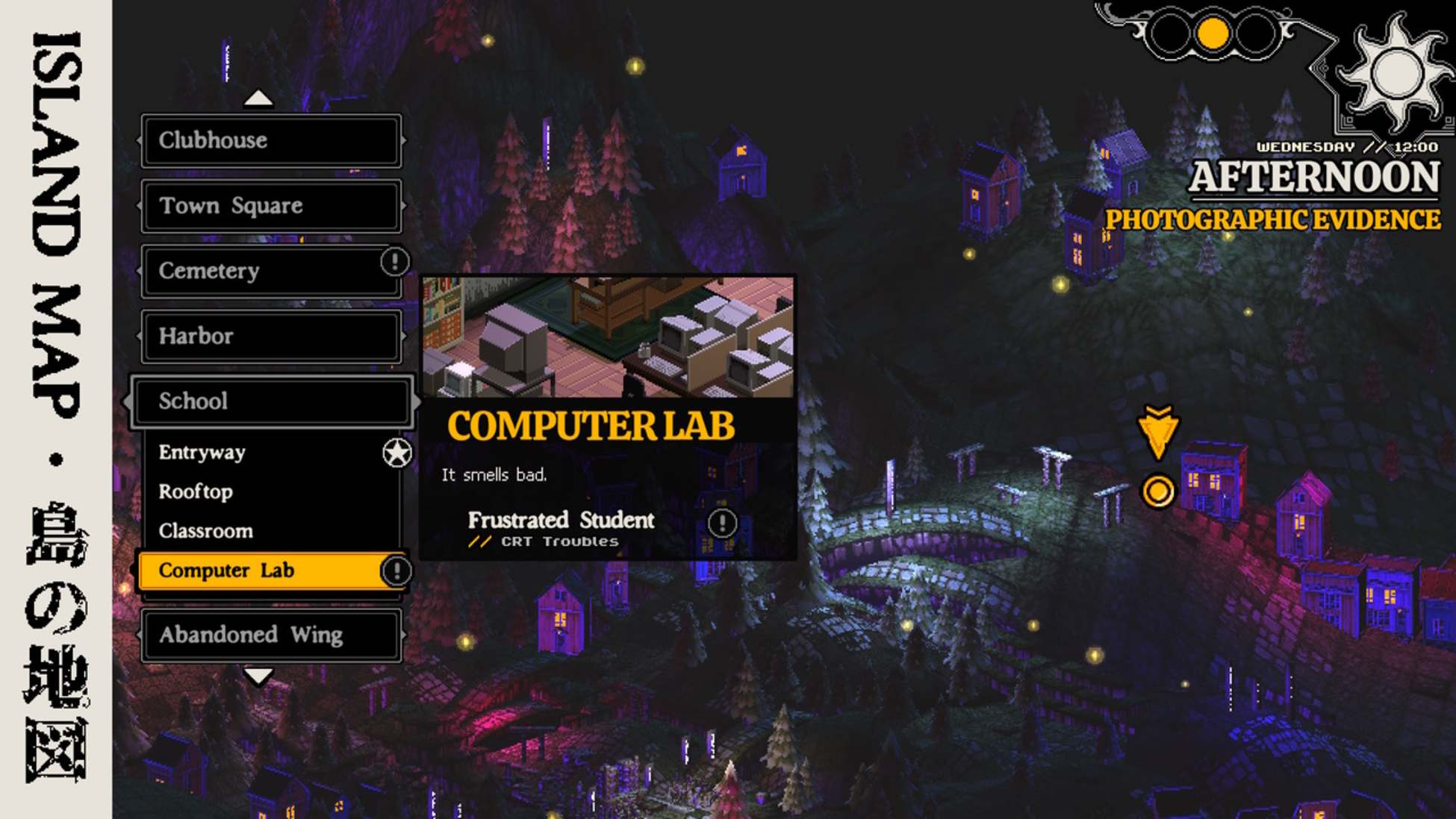
Speaking of diversity, Demonschool gives you plenty to do when you’re not confronting demons. Building relationships with classmates improves their combat abilities, and Faye can do so by engaging in social activities such as karaoke or cooking. Choosing the correct dialogue options can help, too, but completing companion sidequests seems to be what matters most…just like in real life.

Your social schedule is limited, so prioritizing relationship-building with your key fighters means some will be neglected…again, just like in real life. Unlike in real life, however, you can always go back and play it again.

The retro visuals and upbeat audio cues keep things bright and lively throughout. Demonschool’s content is actually pretty gory, but everything’s presented in a goofy manner that’s hard to take seriously. This would be a detriment if the tonal balance wasn’t handled well, but this game never loses sight of what it is. That’s important, because you could spend upwards of 50 hours on the game if you don’t cut any classes, as it were. The developers’ ability to maintain the pacing throughout is pretty impressive.

As such, it’s easy for me to recommend Demonschool to fans of tactical RPGs and just puzzle games in general. Your time spent tinkering with your party and their abilities isn’t about survival, it’s about efficiency. That and the game’s visual and narrative tones create a unique experience that help it rise above the tropes it honors throughout. Its minimal challenge and lighthearted approach mean it won’t stick with you when you’re done, but you at least won’t be compelled to drop out.

The post Review: Demonschool (Nintendo Switch) appeared first on Pure Nintendo.

  •  

Review: Pinball FX – Williams Pinball: Scared Stiff (Nintendo Switch)

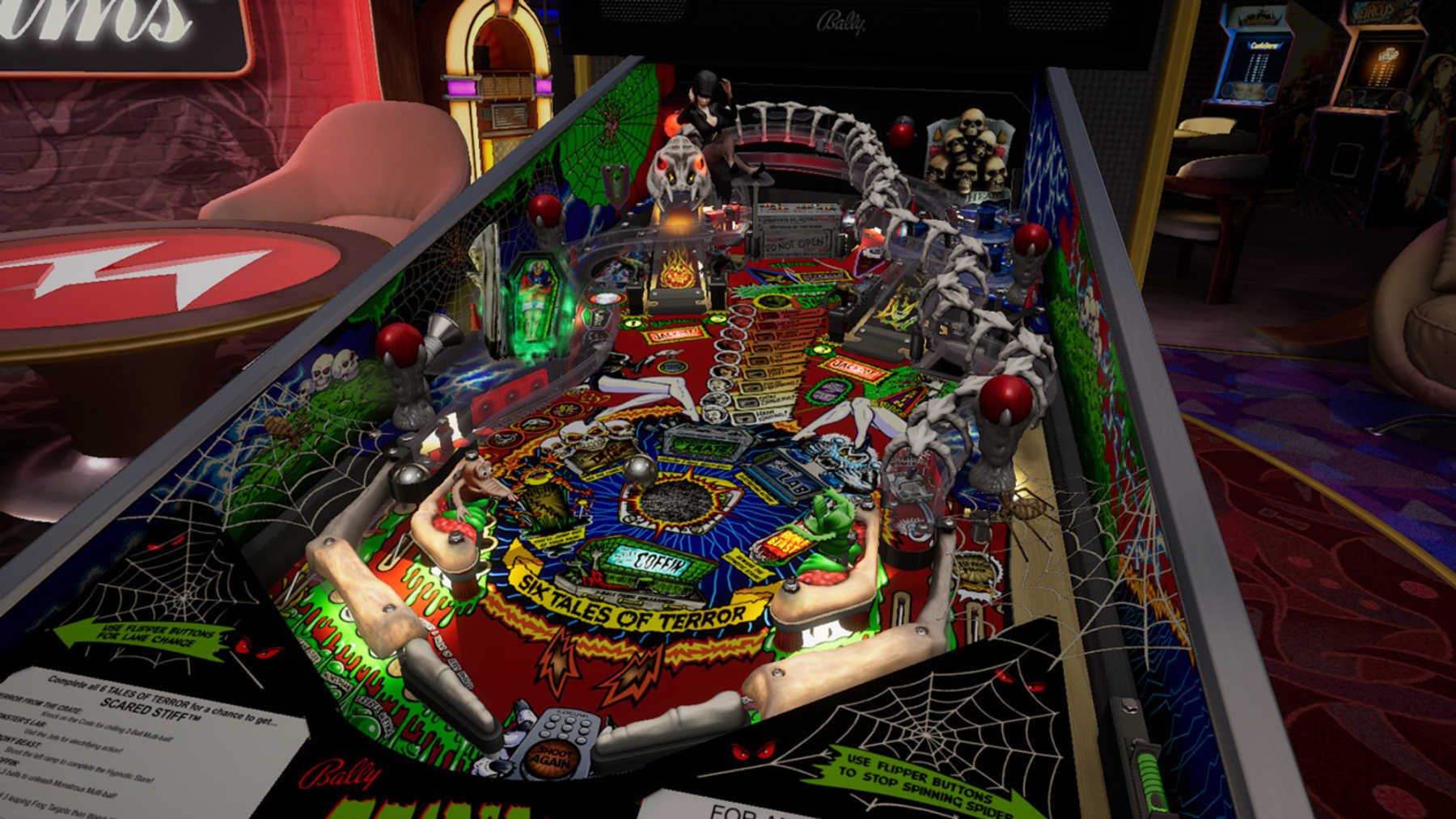
Although I’ve played a lot of pinball in my time, I have no recollection of ever playing Scared Stiff. Originally released by Bally in 1996, it was the second machine to feature Elvira, Mistress of the Dark. The first was Bally’s Elvira and the Party Monsters, also now available in Zen’s Pinball FX (and also reviewed by Pure Nintendo).

So, I came into Pinball FX – Williams Pinball: Scared Stiff with no preconceived notions, and I’m enjoying it enough to seek out the actual machine.

The task here is to work your way through the Six Tales of Terror. These have varying degrees of difficulty, of course, and completing them all is an extreme challenge. Doing so levels up the Stiff-o-Meter, with the goal of hitting level 10 (Scared Stiff). It’s a lot to take on. Elvira herself provides some guidance, but, as you’d expect, you’re mainly left relying on lights and your knowledge of the game to find the right target.

As is customary with Pinball FX games, though, you get plenty of ways to practice. The most fun option is to just hop into Classic Mode and play the machine as you would at the local pinball parlor (if you’re lucky enough to have a local pinball parlor). Amongst the numerous other options available, however…

…is a Practice mode in which you can play for an hour without losing your progress. Your scores here aren’t recorded for the achievement board, of course, but it affords you enough time to work towards the ultimate goal. And that’s something to consider with pinball; it’s more fun when you aim to complete the “missions.” The high scores will follow.

Scared Stiff’s audio is very good, especially the quotes from Elvira herself. As you’d expect from the title, the game is rife with innuendo, and you can tell the original designers were in sync with what Elvira was about. It adds levity that’s usually missing from pinball.

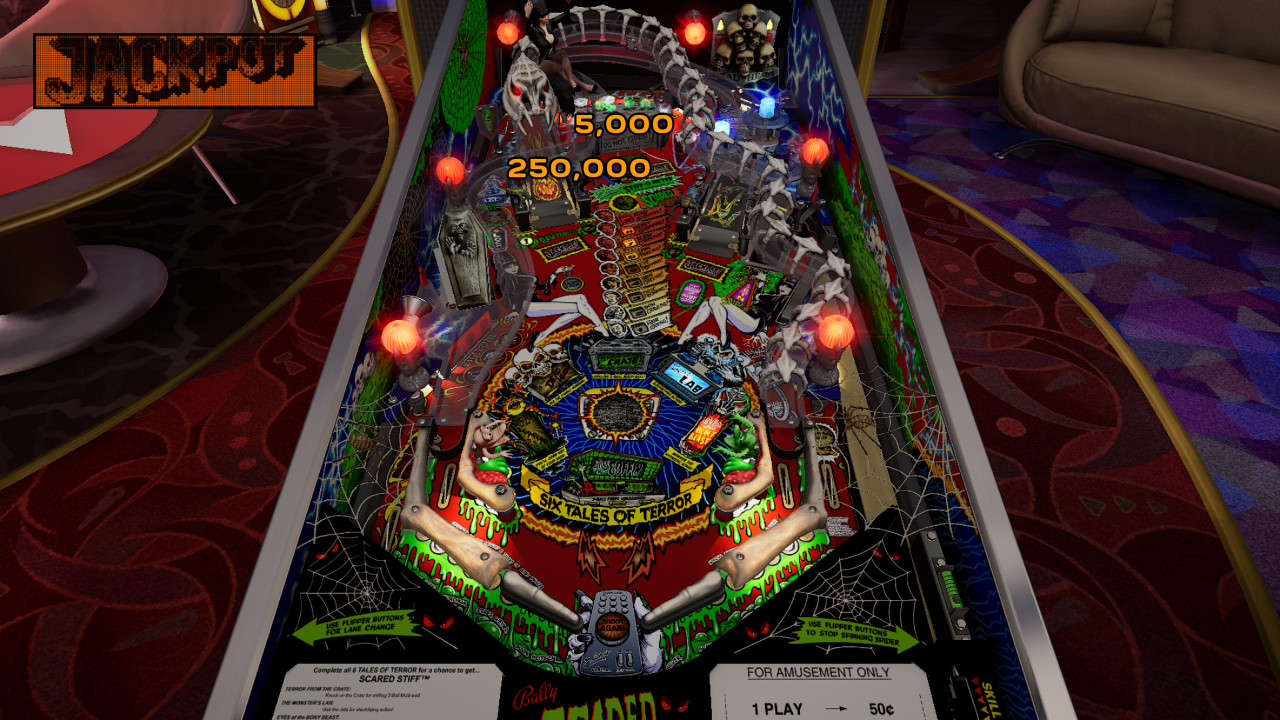
I think the game’s original design, however, does muddy up the virtual presentation. The playing field is extremely busy. That may work in an arcade, but—when combined with the darker visuals of Pinball FX—it makes it very hard to follow the action, especially in multi-ball. It’s often hard to track the ball(s) until it’s too late. You’ll also have to determine when to allow yourself to be distracted by the various animated and backglass animations. They’re quite clever, but you really can’t afford to lose your focus.

Even when you can track the ball, Scared Stiff’s center drain is wildly unfair. Someone will have to tell me if this was the case with the physical machine. If so, Zen did nothing about it, for better or worse. Alternatively, the side drains are almost nonexistent. I can count on one hand (mabye two) the number of times I lost a ball to an outlane.

Oh, speaking of which, if you have a Switch 2 Pro Controller, I highly recommend mapping Zen’s nudge functions to the G buttons. Much easier to use…although it does make accidental nudging an issue.

Anyway, the inability to stay focused on the action means there’s quite a bit left to chance. Thankfully, catching the ball with the flippers is a fairly easy task here. This allows you to slow things down and aim accordingly, so there are fewer blind shots than I’ve seen in other Zen recreations. Again, I’m not sure if this was simple on the actual machine, but I did find it easier than on other Pinball FX tables—fewer odd bounces and occasions where the ball rolled up and over the flipper.

As I said up top, Scared Stiff is a good machine. It’s the first one I go to now when I launch Pinball FX, but I do have a problem with the pricing. For $9.99, there’s no reason Scared Stiff and Elvira and the Party Monsters shouldn’t have been released as a bundle. Even at Zen’s standard $14.99 bundle price, it would’ve made more sense. You’ll get more for your money by going back to any of the Williams bundles you haven’t yet moved from Pinball FX 3 to FX.

The post Review: Pinball FX – Williams Pinball: Scared Stiff (Nintendo Switch) appeared first on Pure Nintendo.

  •  

Review: Mandragora: Whispers of the Witch Tree (Nintendo Switch)

Mandragora: Whispers of the Witch Tree was released for Switch nearly three months ago, so it’s been wading in our review pool for quite some time. That ended up being to my benefit, as I don’t have to say I overlooked this compelling action RPG.

The game begins with you selecting your character from one of six classes. You’re not given much to go on, but it feels apparent they’re there for replayability. You can also customize your character’s appearance a bit. It’s a quick process, then on to the setup.

You live in Faelduum, a world beset by evil. It’s your job as an inquisitor of the King Priest to eliminate the heretics who would challenge his peacekeeping authority. As he’s publicly torturing a witch, you show mercy and end her suffering. The King Priest isn’t happy about this move, but he needs you, so he sends you out on a mission to capture another heretic. However, you’re not alone; when you killed the witch, something was transferred to you, and that something is now traveling with you.

This is all told through animated stills that do a tremendous job of setting the game’s grim scenario. The artwork is great, and I’m happy to report the voice acting is top-notch, too. I don’t understand why indie developers are so much better at casting/directing English-speaking voice talent than AAA developers.

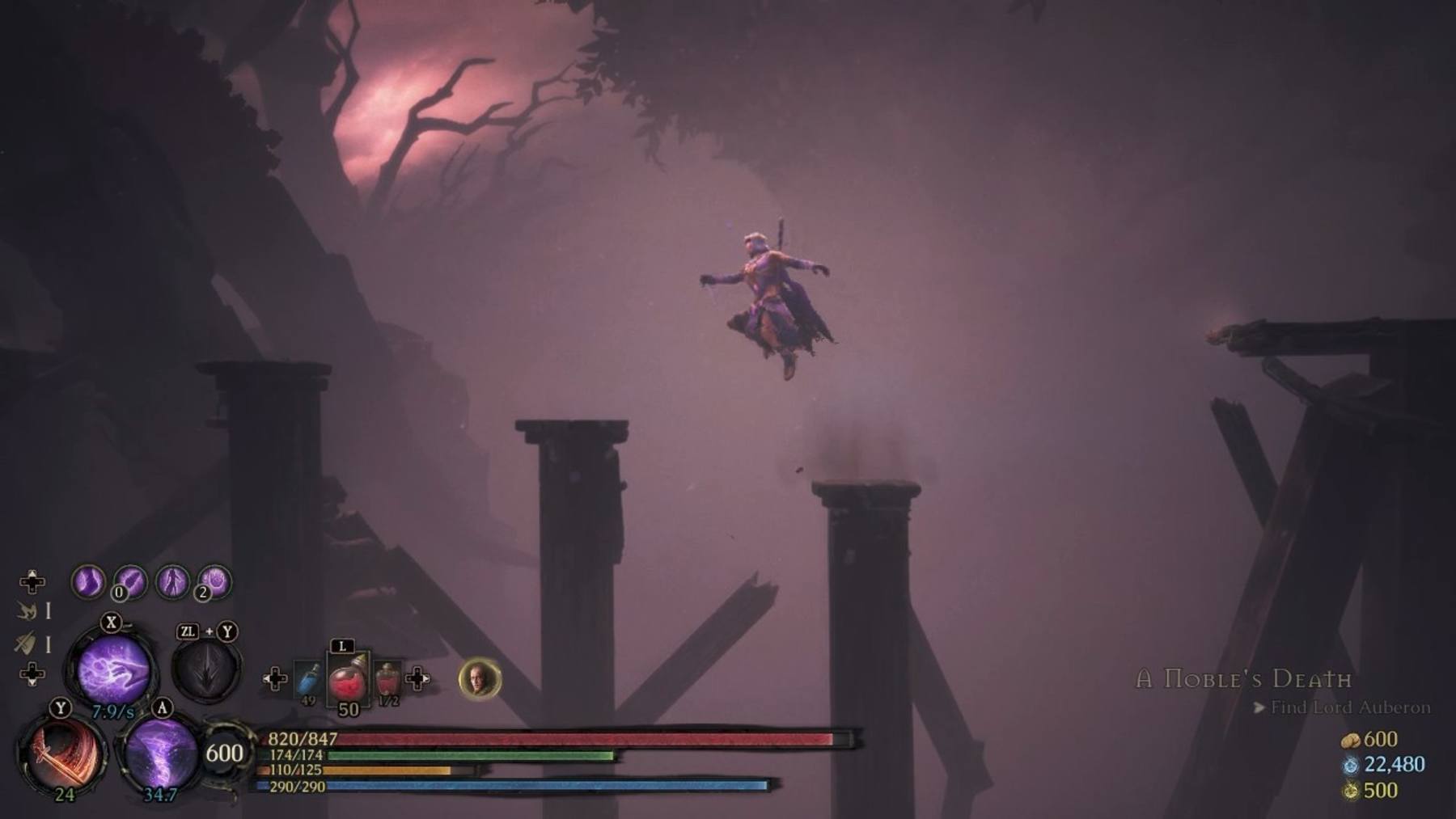
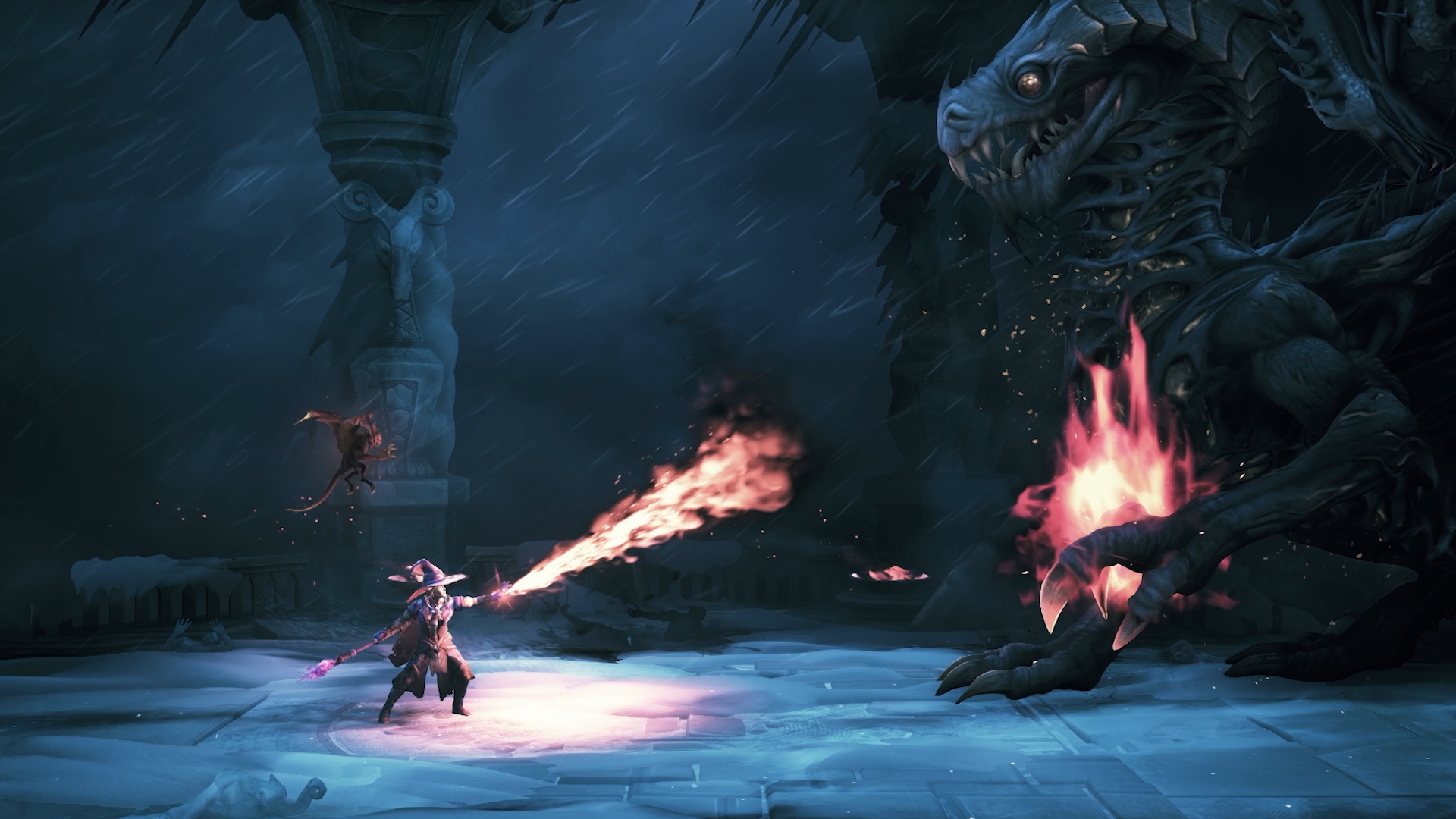
Anyway, this all sets up the 2D action gameplay. Obviously, your choice of character class comes into play here, but the general focus is on moving forward across Metroidvania-style maps, eliminating numerous enemies along the way. Whether you’re casting powerful spells or relying on your melee weapons, the combat has a somewhat methodical pace to it. There are numerous dodge and parry moves, of course, and they’re easier to execute here than in similar games. Timing is important, but the controls allow you to focus on strategy without worrying about button-mapping memorization.

I started with a tanky melee soldier, and felt the speed of my attacks were a bit slow at first. But I quickly found the rhythm and was able to fight effectively. My problem with 2D action games like this is that survival often seems to depend upon goofy moves and impossible timing. The combat in Mandragora felt a bit more realistic in both control and physics. My attacks felt like they were actually landing on something, and that made combat and level progression more rewarding.

Of course, there are countless ways to customize your character based on the class you chose. It’s overwhelming at the start when you really have no idea what will and won’t work, but it also allows you to get your character behaving as you want once you figure it out.

And you’ll need to, because…

Well, this game is hard, as you’d expect. In many cases, enemies seem placed not to just slow you down, but to make sure you fail. They know how to use the environment to their advantage, too, so even the more basic confrontations can feel like boss battles. Of course, that means the boss battles have to be even tougher, and they are. Thankfully, the game allows you to adjust the difficulty via sliders whenever you choose. If a particular boss is giving you too much trouble, you don’t need to feel bad about using the provided options to lower its health and defense. At least I didn’t. If a game is not giving me nearby checkpoints or decipherable attack patterns—as with the back half of Mandragora—I’m not going to feel guilty for preventing the proceedings from becoming a slog.

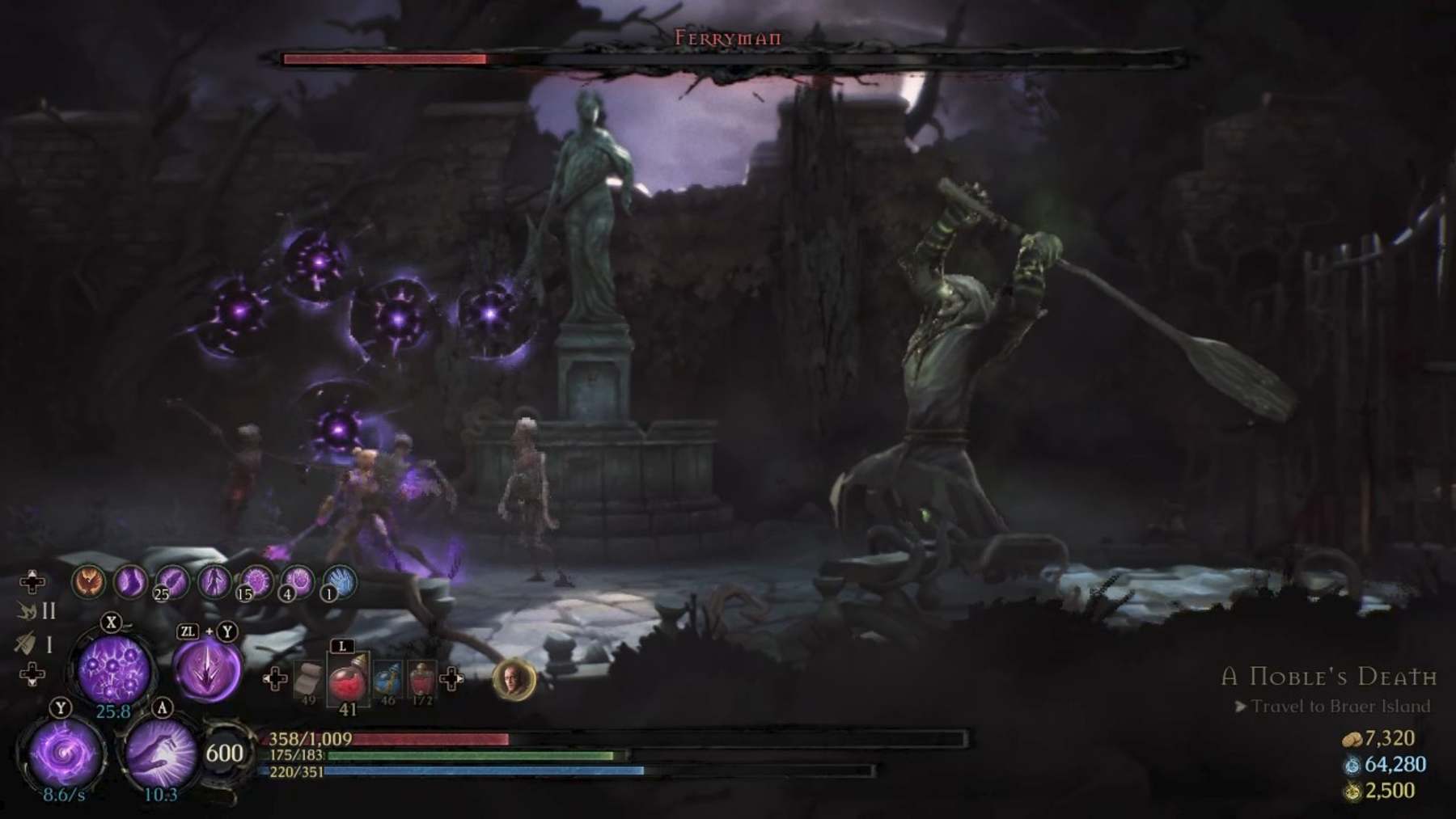
In fact, I think easing the difficulty will be the best way for most to play this game because its strengths really are its narrative and world design. The game’s visuals are very impressive (the screen captures don’t accurately capture the vibe), although I did find myself wishing it had been optimized for the Switch 2. The levels build nicely, and although the graphics remain dark and soft throughout, there’s enough variety in the details to keep things interesting. Even better, the soundtrack is amazing. It perfectly matches the grim tone of the visuals and story, providing a cinema-quality experience.

All this said, most of what I liked about the game peaked in the first half. The combat continues to evolve, but the occasional need for backtracking gets tiresome. And it doesn’t help that the difficulty spikes become simply unfair. Even the story, which starts out so strongly, starts to taper off towards the end. Playing the game was like listening to an album with all the bangers on side one.

But it’s still an album worth listening to, if I can extend my metaphor. Mandragora: Whispers of the Witch Tree should certainly appeal to fans of soulslikes. That’s not me, but I enjoy a good story and compelling gameplay, both of which Mandragora provides long enough to see you through.

The post Review: Mandragora: Whispers of the Witch Tree (Nintendo Switch) appeared first on Pure Nintendo.

  •  

Review: Atelier Ryza Secret Trilogy Deluxe Edition (Switch 2)

Of all the Atelier games I’ve played and reviewed, the three that comprise the Ryza series are easily my favorites. I guess I’m more of a fighter (of the turn-based school) than an alchemist, and I found their balance of combat, crafting, and exploration to be more in line with my tastes. It’s therefore quite easy for me to recommend the Atelier Ryza Secret Trilogy Deluxe Edition releases. Before I get to that, though, I should address the colossus golem in the room.

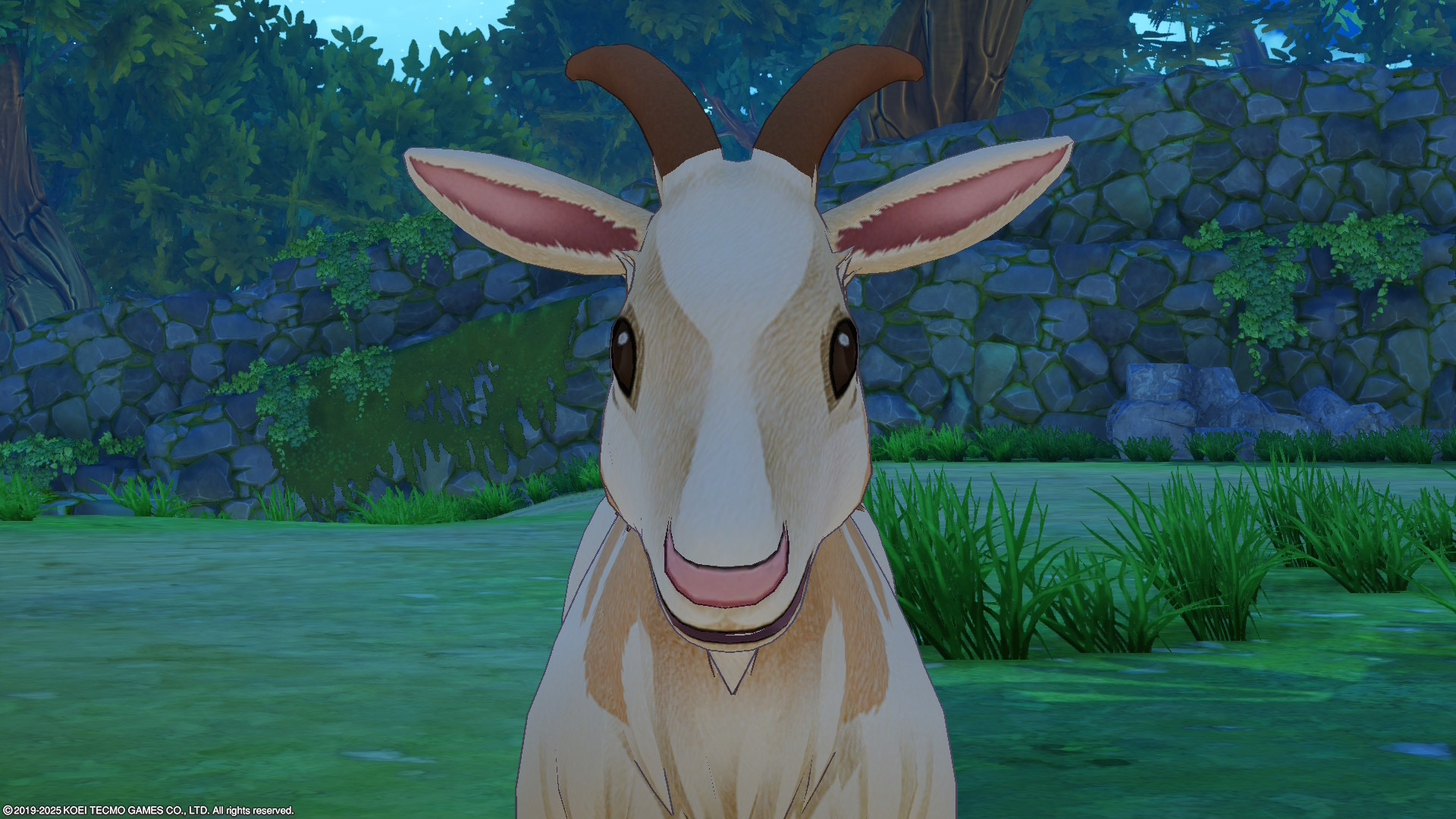
It may be too early for the GOAT’s return.

It’s common for KOEI TECMO to remaster or remake games in the Atelier series for rerelease on current systems, but the Ryza games aren’t exactly old. All three were originally released on the Switch between 2019 and 2023. Here they are again with the customary improvements and new content, but at full price. Even if you purchased, say, Atelier Ryza 3 and all of its DLC a mere two years ago, you get no upgrade path to this new release. You don’t even get to carry over your previous game saves.

Is that fair? Well, sure it is. It’s unfortunate, but it’s the way the entertainment industry works. I recently bought the TRON 4K steelcase release, and do you think Disney gave me a discount for having already purchased it on VHS, DVD, and Blu-ray? Did Queen give me a discount on their 5.1 DTS release of “A Night at the Opera” even though I’d already purchased the album on LP, cassette, CD, and CD remaster?

I point this out simply because I’m not factoring the lack of upgrade pricing into my review. What I’m looking at is the quality of the material offered for $90, and it’s quite impressive.

First, all three games have received a glow-up. This is more noticeable on the Switch 2 than with the Switch version, and with 2019’s Ever Darkness & the Secret Hideout than with 2023’s Alchemist of the End & the Secret Key.

The visuals were already colorful and nicely detailed, but they now come with more modern touches and a greater consistency across all three games. The games also offer graphic options you can adjust to your liking. I had everything jacked up on my Switch 2 and got no interference from performance issues; the only times things behaved oddly were when the camera had trouble figuring out where to place itself.

Second, there’s plenty of new content to work through. In addition to all of the free and paid DLC of the original releases, all three games get new levels and even new characters to play. This is fun, but some of the new content is just fluff. The new level with Bos and Kilo in Ever Darkness and Secret Hideout, for example, is over very quickly and offers no real challenge. It’s more about character development than anything else. Some of this is worked nicely into the main games, while others are simply tacked onto the end.

The DX releases also contain periphery features such as numerous costumes for the main characters and the game’s photo mode. There’s a custom combat mode in which you can set up battles for lineup strategies and skills practice. Various UI enhancements have been made. Basket capacity for material gathering has been increased (meaning you can stay on the field and in dungeons longer before having to return to your atelier to empty it). You can take previous NPCs into combat.

In Atelier Ryza 2, Fi actually becomes useful!

Of course, none of this would matter if the games weren’t worth playing, but they absolutely are. You can check out our reviews of the original Switch releases for the details…

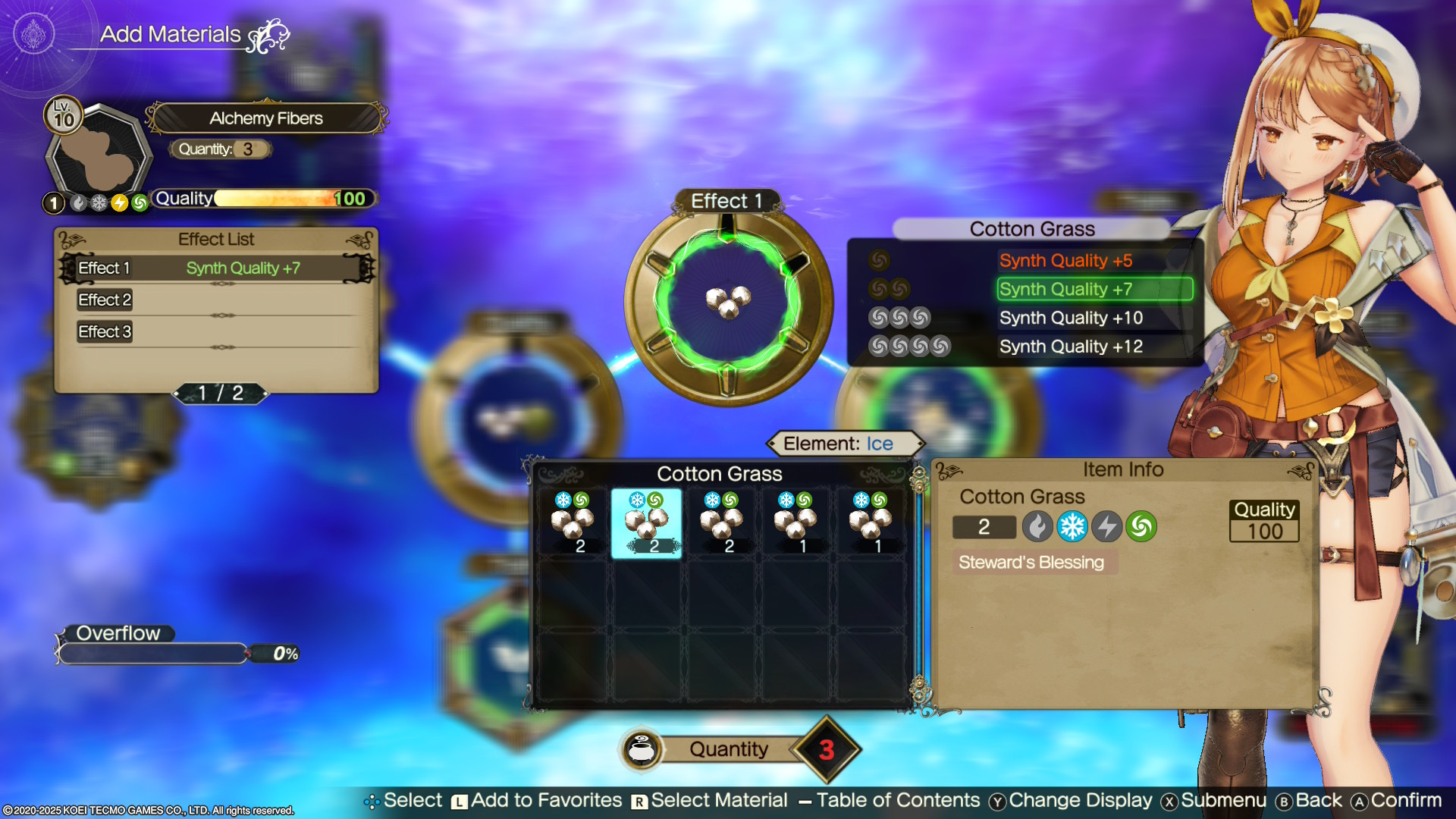
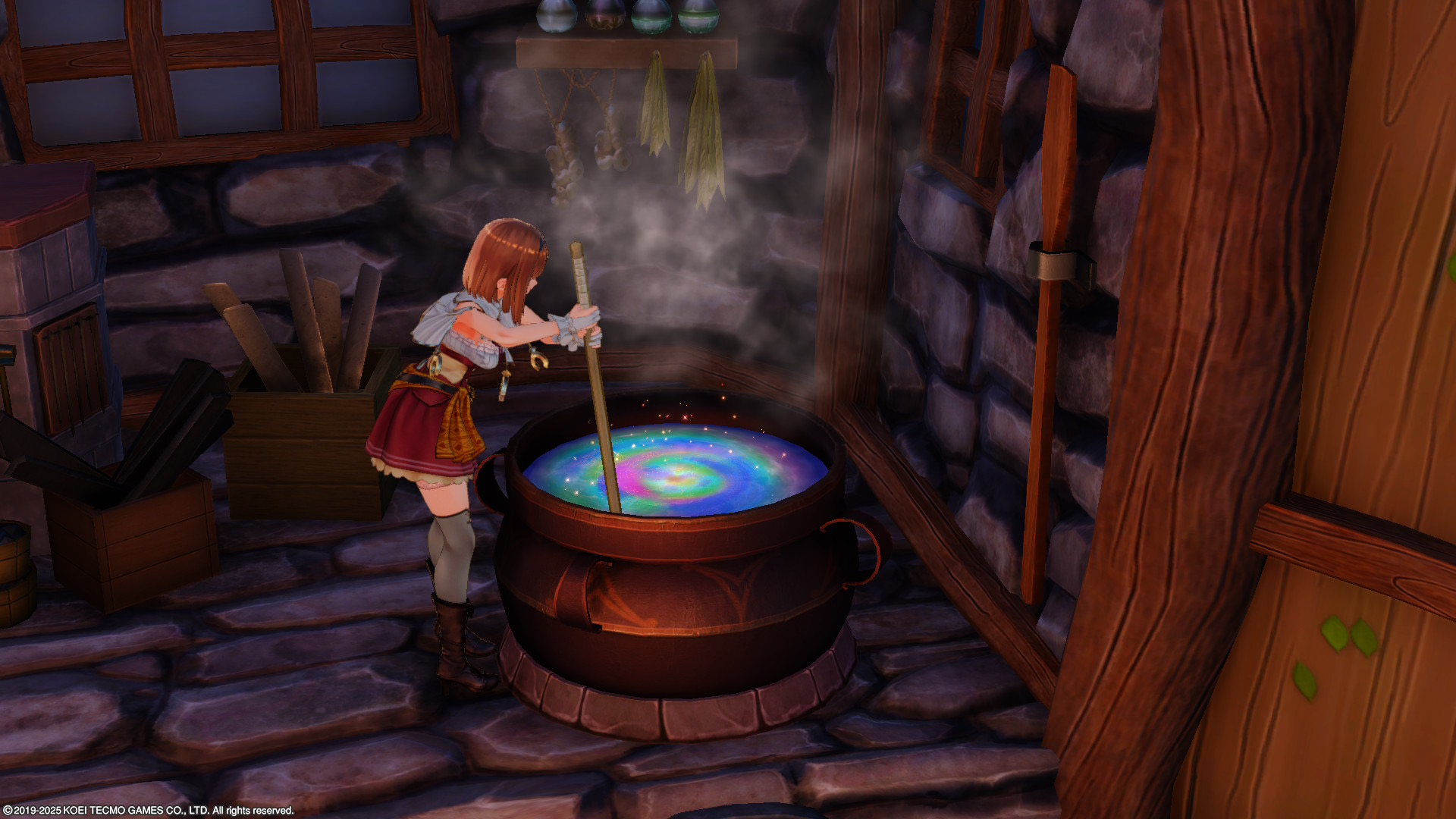
…but the gist is that Reisalin Stout and her evolving circle of friends go on initially breezy summer adventures that involve a lot of character growth, skill development, and combat. The worlds are fun to explore, especially as they open up with underwater exploration and fewer restrictions in the later games. As you reach new areas and fight new monsters, you’ll acquire materials that must be combined alchemically to create newer, better items for use in combat, to complete a crazy number of quests, and to reach unexplored areas.

All three games are driven by low-stakes stories (you won’t be going into outer space to fight God, here) that are still very compelling, largely due to the characters themselves. Everyone is likeable and individually important, and they’re all fun to use in combat. Mixing and matching their skillsets is fun and rewarding. It’s also necessary, as the combat system really relies on the co-op commands they issue each other.

The battles are built on an active, turn-based system that flows as you wait your turn. If you meet certain objectives, the characters you aren’t controlling can make requests such as asking you to use a magic attack or to reduce the enemy’s stats. If you do so, the character who made the request gets a powerful bonus attack.

The system is much more complex than that (item use, AP build-up, stuns, core item management, character swapping, combo chains), and it varies somewhat across the three games. There’s too much to detail here, so, again, see the original reviews linked above. I will say that after digging back into all three games, I still feel combat peaked in Ryza 2; Ryza didn’t afford enough control, while Ryza 3 made things a bit too convoluted.

All three entries are very long, and they’re longer now with all of the new content. $90 may seem like a lot, but you’re getting hundreds of hours of gameplay here. Each game is also available separately for $40. That’s good for those who may have missed one and don’t want to double-dip into the others. What’s not good is that there’s no physical release of this collection in the U.S. The trilogy begs for a physical commemorative package, so I feel like KOEI TECMO should’ve brewed up something here.

Regardless, if you’re a JRPG fan who has never played a Ryza game (or never bought the DLC), picking up this trilogy is a no-brainer. All three games are great (or better), and the DX versions give you plenty of new content and features. If you have paid for and played them previously—especially if you also paid for the myriad DLC options—that’s a tougher call. All that new content is nice, but not imperative. It’ll be easier for Sw​​itch 2 owners to justify the financial and time investments.

For everyone else? Well, I guess it’s up to the individual to determine if today is still, “The perfect day for an adventure.”

The post Review: Atelier Ryza Secret Trilogy Deluxe Edition (Switch 2) appeared first on Pure Nintendo.
  •