
Review: Maid of Salvation (Nintendo Switch)
When your hotel maid carries a five foot sword in one hand and a gun in the other hand, don’t forget to tip! In the case of our game today, you don’t really have anything to worry about. Yes, the main characters are maids in Maid of Salvation; as in young female and as in wearing old-school, black and white outfits. The weapons they wield are for destroying monsters, however, so you’re safe (unless you’re some sort of malevolent being).
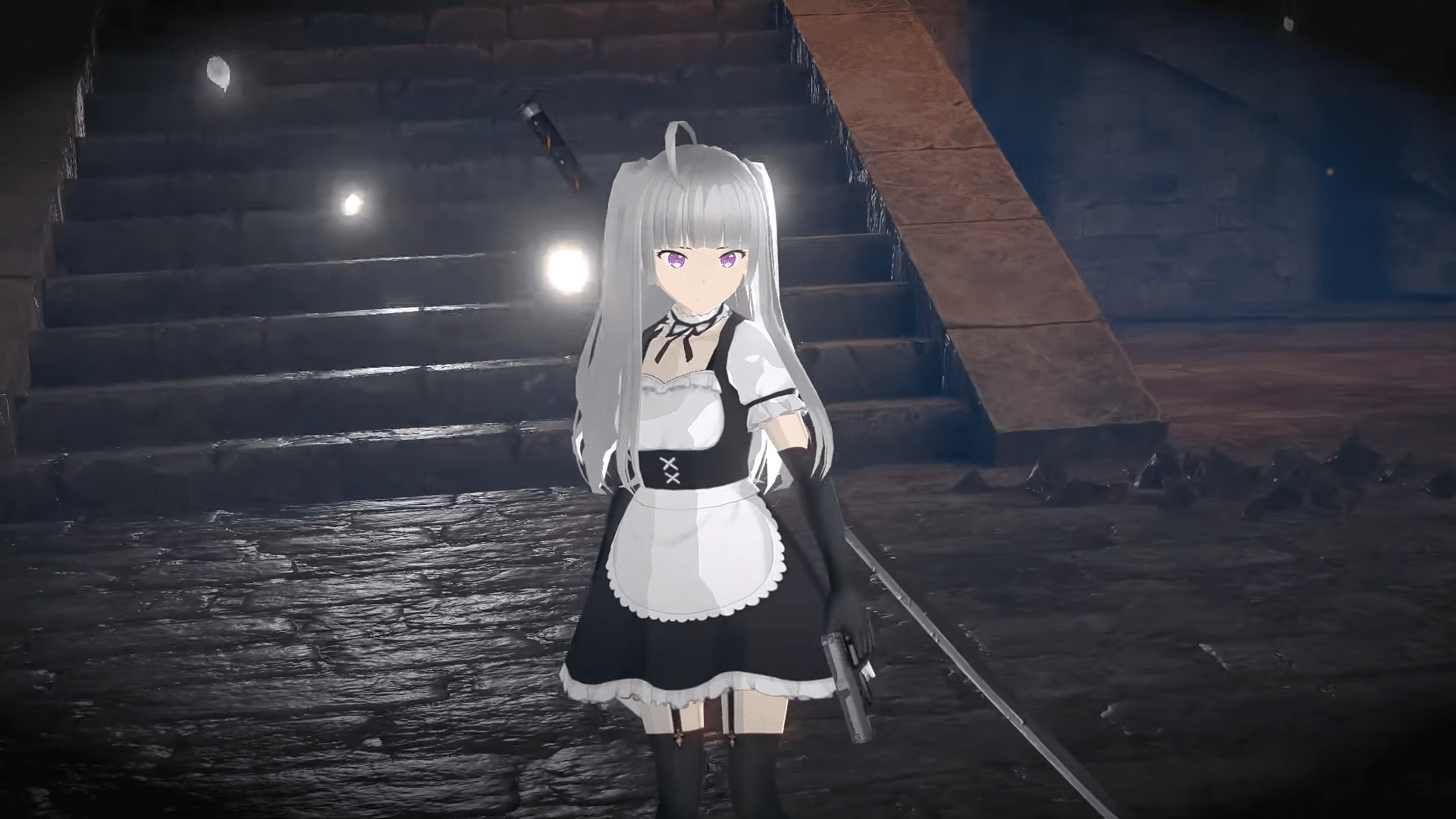
Welcome to purgatory. Your job as one of the Maids is to guide fallen souls (fiends) to a state of purification so they may continue their passage to the next plane of existence. It is also your job to dispatch various monsters and fiends which have fallen so low they can’t be purified (hence the big sword and the handgun). The game calls your first blade the Maid’s Katana even though its size looks more like a Nodachi, but we’ll let that debate go and just accept that it looks cool and does its job with style. The game is a variation of a dungeon crawl with all the typical elements: finding your way around a mazelike level, encountering monsters (and dispatching them with extreme prejudice), collecting valuable resources, levelling up, gaining new skills, facing off against Bosses, and so on.
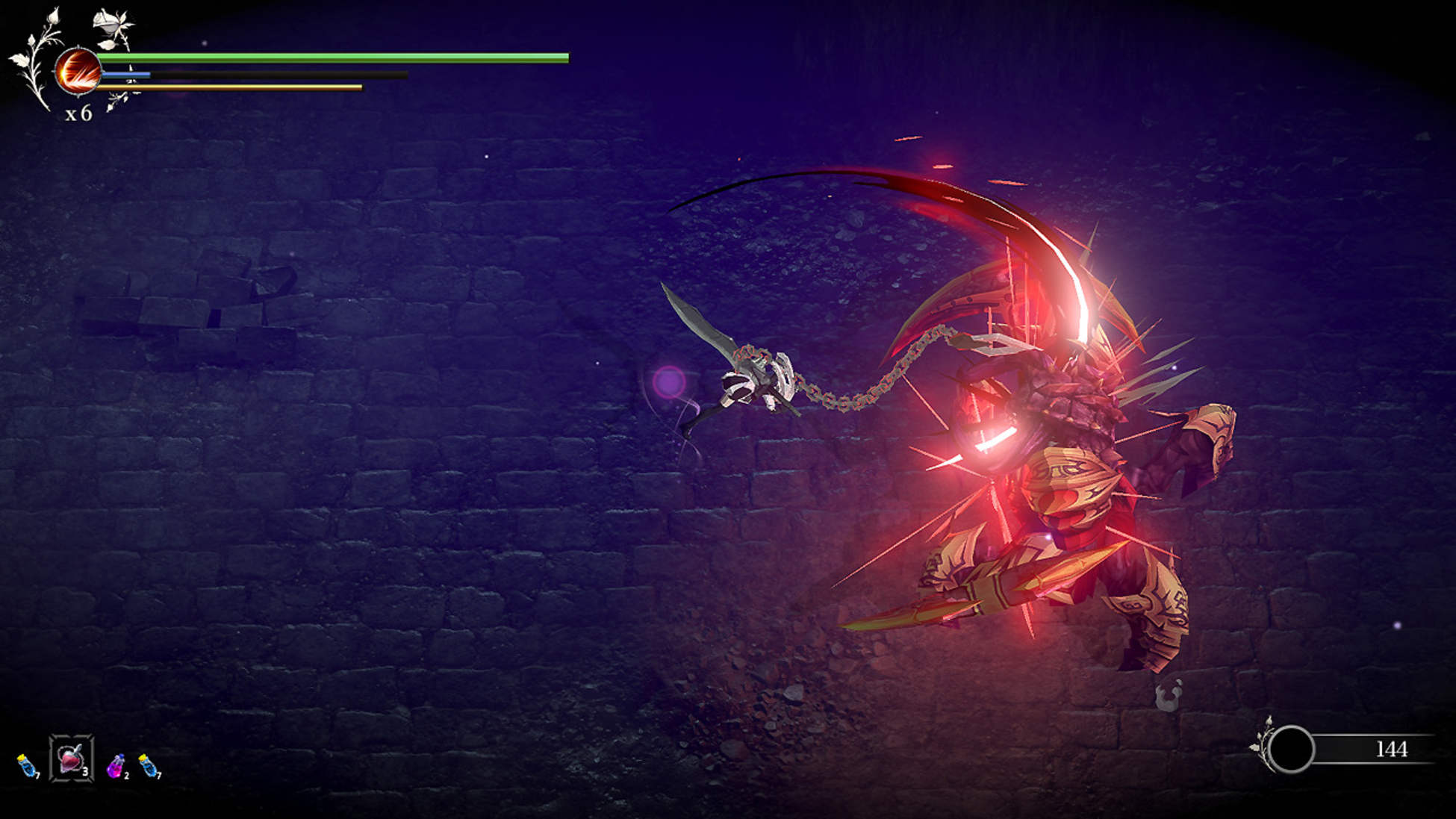
Movement and weapon controls are a mix of sticks and buttons for attacks, parries, and jumps. You will want to become as fluent with this as soon as possible, unless you like dying frequently. One thing I found to be different from most default settings is the use of the A and B buttons in menus—B is select and A is exit. This may be backwards from most games, but it isn’t a hindrance; you may accidentally exit an option, but you can get back to the decision point easily. The left side buttons are used to scroll through your list of stuff (left or right) and to use the current item (up button). Be careful when using these buttons as you might accidentally consume a potion instead of moving your character about as with other games.
The game does have a story to follow, but it is a bit anemic. There are some tropes you will have anticipated, and the delivery is, shall we say, less than spectacular. Most of the story will be communicated in text, the spoken portions are mostly sighs, grunts, and giggles. It isn’t horrible, but it seems there wasn’t a lot of effort put into this aspect of the game. The story can be mostly ignored in favor of running around and killing monsters, but you may find a few useful bits of information if you pay attention.
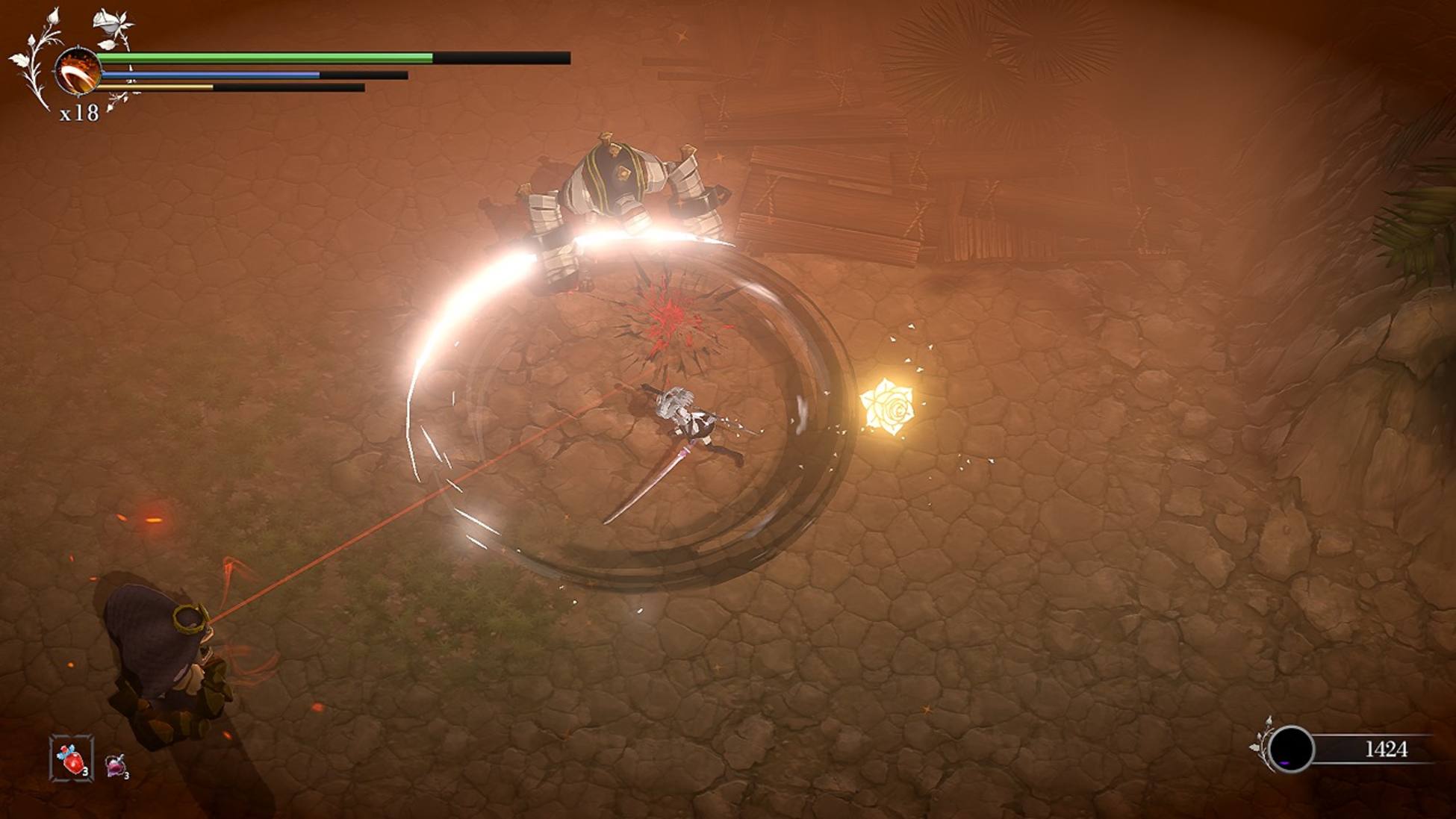
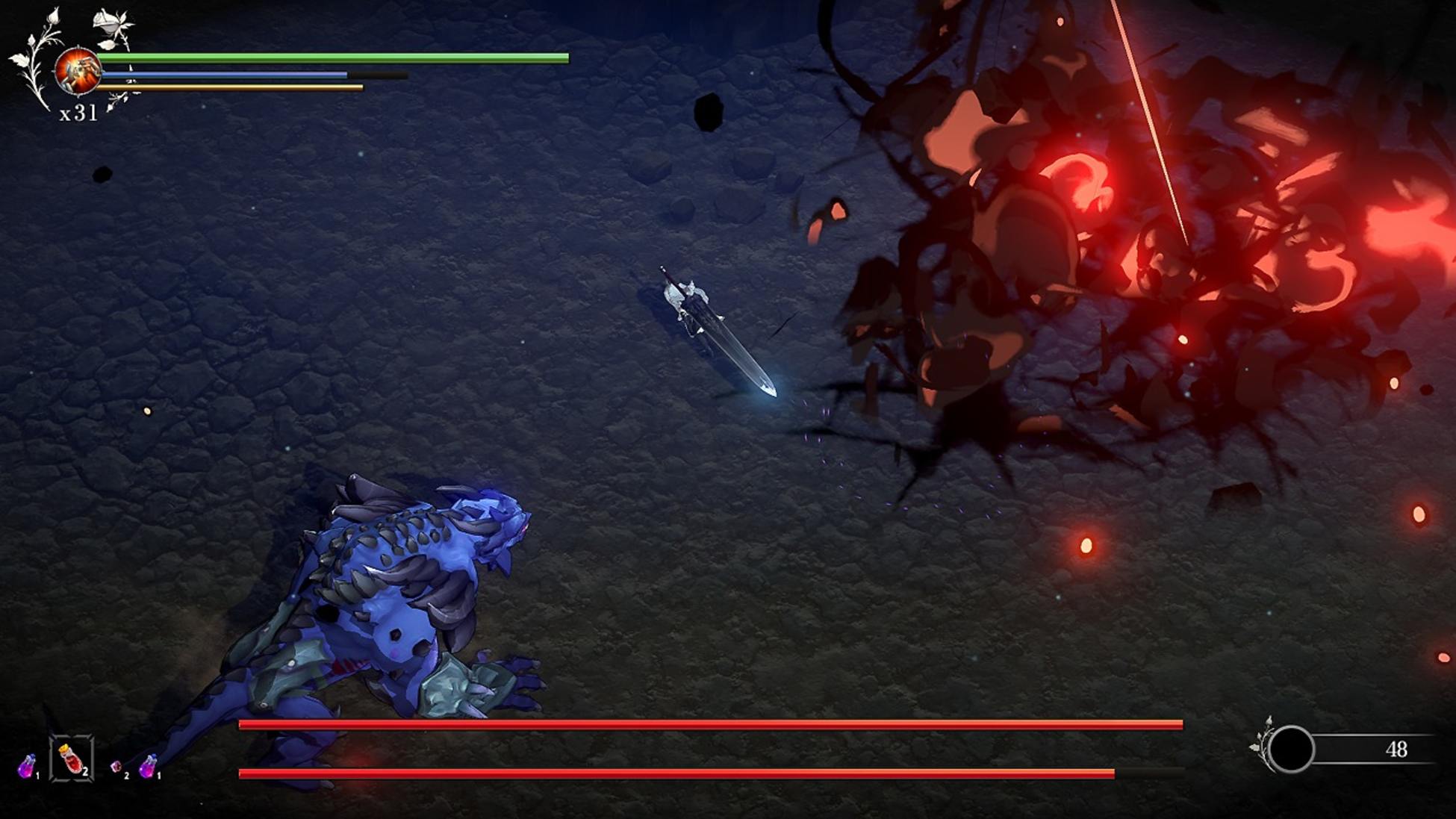
The visuals are a mixed bag. There are some elements which look good, and the combat sequences have some flair, but this is muted by the camera viewpoint. The camera is stationed well above your character in a top-down, isometric approach, so you never get a lot of detail in the visuals. The developers came up with some interesting monsters and character designs, but everything is far enough away from the camera that the full effect is lost in the distance.
There are some conversation encounters and you can see a close-up of some of the other characters. Here, the rendering is well done and easy to see. The various Maids in the Sanctuary all look very similar, but, as with any unified organization, this is to be expected. Whether this minimal level of distinction is good or bad is a matter of personal preference, so I’ll leave this in your capable hands.
Combat can range from a simple matter of trimming the weeds (OK so it’s really a fire breathing pod-plant thing, but it’s still green) to large and elaborately rendered Bosses. There is plenty of sword swinging, dodging and dashing about, parrying, jumping, and charging, so there is plenty of action in the action sequences.
There are a handy pair of statues at more than one location; the one on the left is for leveling up, the one on the right is for saving progress.
When you are done leveling up, don’t forget to use the + button to access your equipment, etc. It is in this menu you can access your skills. There is an expansive skill tree where you can spend available resources on skills. The tree is not a free-for-all; you have limited options. There are a few Core Skills, but you can only get new core skills when you have developed enough of the previous Core skill branches.
Back to the statues. There is a set of statues in each level as well as in the Sanctuary. While you are in the Sanctuary, you can get information, take on side quests, and use the level/save statues. There are portals to the other levels, and a large, ominous pit. There is also the obligatory store where you can sell or buy equipment. So, all the normal elements are present in the game.
The music is well done, conveying the appropriate brooding tension or eerie quiet you want in each section of Purgatory. The sound effects are also well done…with one personal exception. The sound of footsteps when you are running around are not equally spaced in time. The cadence is a bit off, which left me with the impression the Maid is running with a limp. Odd, but it is easily ignored.
This is a good game that I enjoyed playing, but there is a lot of level grinding required to gain enough skills and improve your stats.
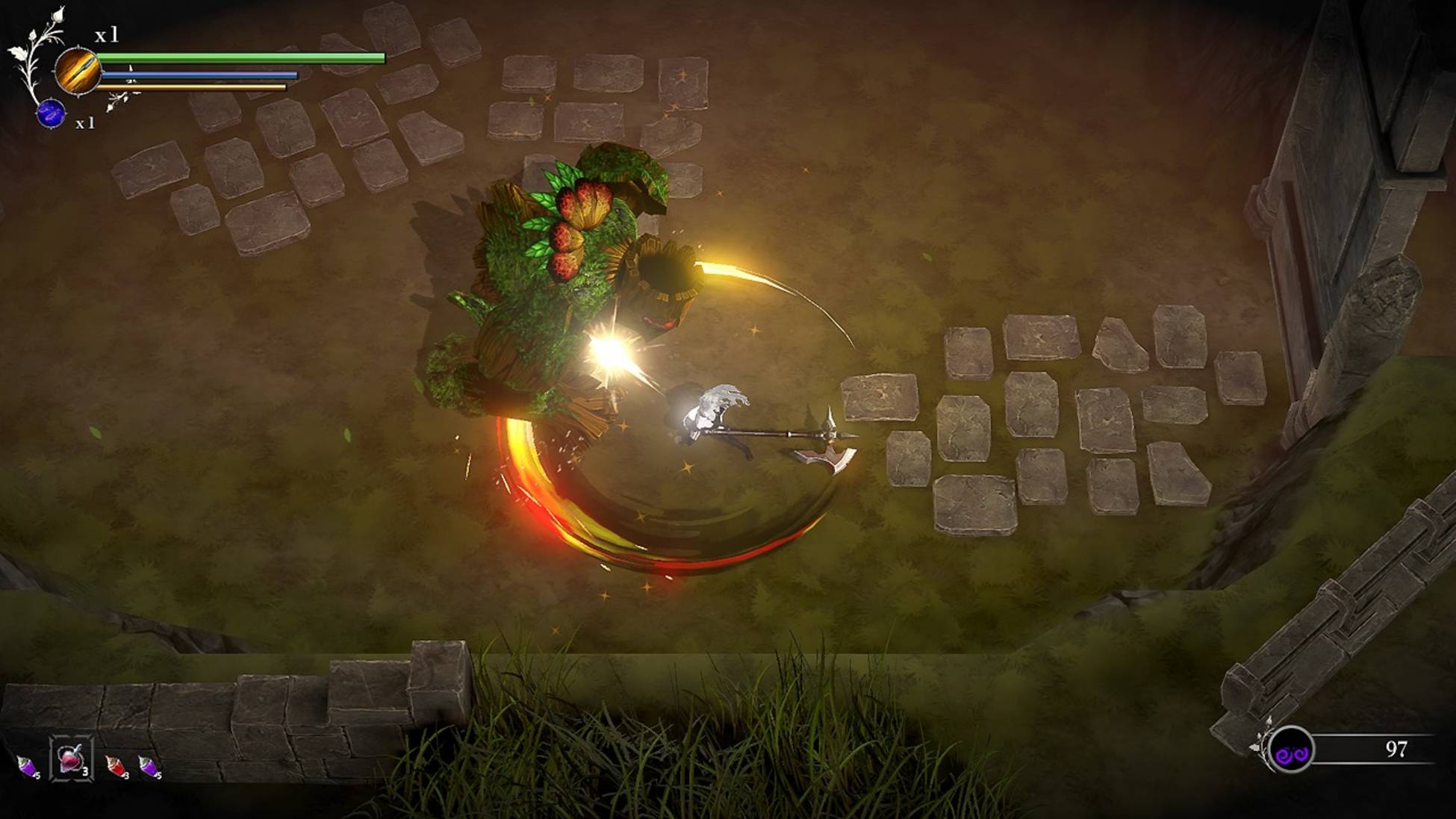
The game could also use a little help with the puzzles and hints regarding areas you can’t access. In the UI, there are some icons which seem to hold a specific meaning, but you can’t access them or reveal information about them. It lends a little confusion to the player, and left me feeling like I was missing out on something.
Maid of Salvation has a lot of things going for it, but it could be better with a little more polish, a little more substance, and a little more detail.
The post Review: Maid of Salvation (Nintendo Switch) appeared first on Pure Nintendo.