Zobrazení pro čtení

If video game adaptations keep being unfaithful, we as fans should walk away from the relationship
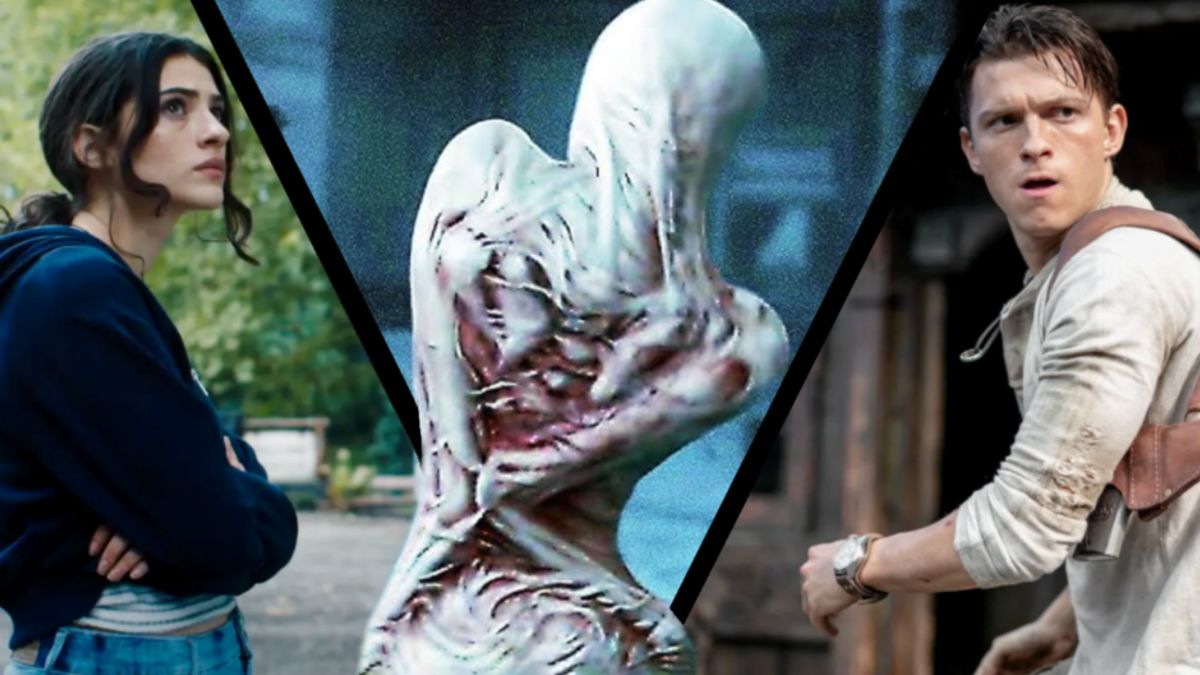
Live action collage: Until Dawn Clover (left), RtSH Lying Figure (middle), and Uncharted Nate (right)

I'm getting pretty fed up with recent video game adaptations. Some of my favorites have hit the big screen in recent years, and while some are hits, they fail to convey themes, emotional impact, or hold onto the artistry from the original. There are adaptations that bring new fans into an already established fanbase, while others (though gross millions of dollars...how?) seem to forget what made the original so bloody brilliant.

Now, you may have enjoyed the examples I'm going to bring up and rightly so, everyone's entitled to their opinion. By no means have I watched every video game adaptation, but I have noticed a pattern in recent years that is starting to exhaust me.

Where adaptations fail

Missing the point

If you go into one of these adaptations with knowledge of the original, it's safe to say that you're going to be disappointed. This seems to appear most frequently with horror movies.
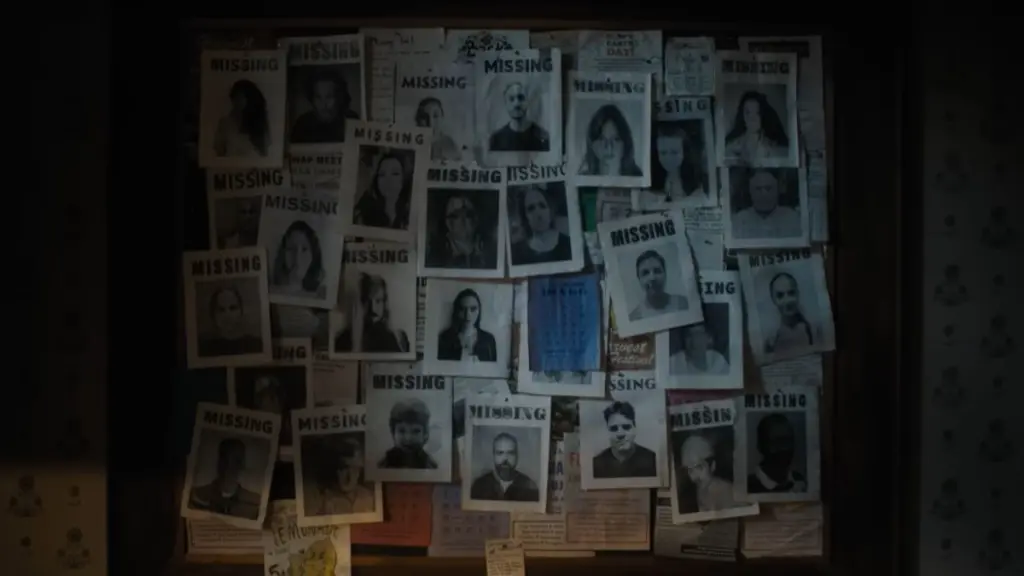
The missing posters in Until Dawn
Screenshot via Sony Pictures

Until Dawn was a 2015 interactive masterpiece that brought the iconic slasher subgenre to a video game format. It played like Scream or Friday the 13th, having a cast of both likeable and dislikeable characters that grew through shared trauma. Supermassive Games excelled here and haven't since reached the same heights this game packed with personality, charm, and jumpscares had (House of Ashes was close). While the cast did a great job in the adaptation, Until Dawn could have been so much more.

But Until Dawn was one of the toughest watches I've had this past year for how far it strays from its source material. Mixing Happy Death Day with Cabin in the Woods, Until Dawn is so far from its 2015 title that it truly frustrated me to watch. There was no signature red herring, the Wendigos were as tame as Walkers in the later The Walking Dead seasons, and everything was reduced to a tired time loop that had nothing to do with the original. Hiring Peter Stormare isn't enough.

Though its conclusion did something most horror wouldn't dare to do, this reimagining was unsatisfying and predictable. This is a shame, because if it didn't have the IP, I probably would have enjoyed it a lot more.
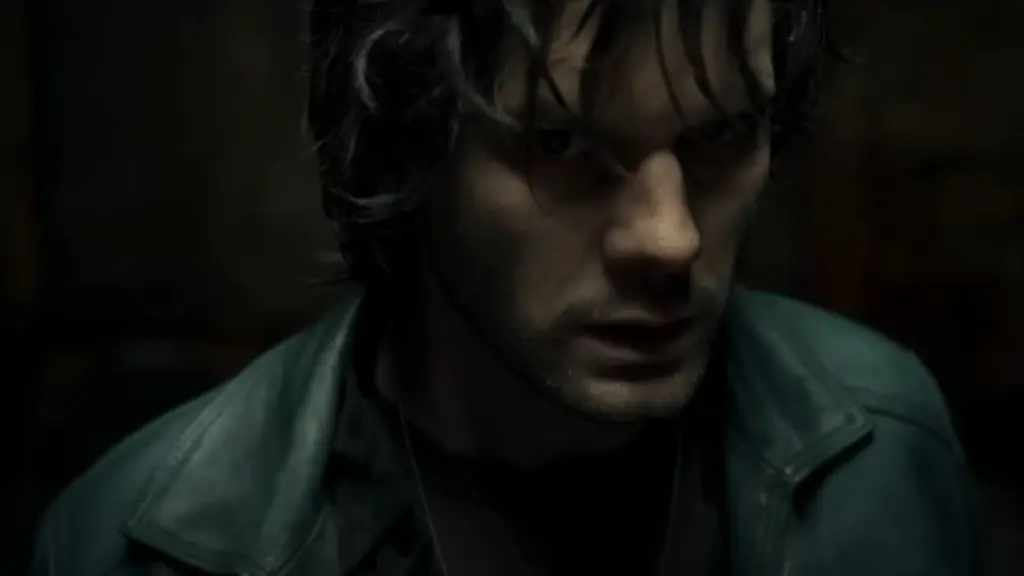
Close up of James Sunderland
Screenshot via ONE Media

Then there's Return to Silent Hill, and this one destroys me. How can you fuck up an absolute masterpiece in psychological horror? The town of Silent Hill takes on a resident's psyche, becoming the physical manifestation of their trauma. Yet, James's story and its impact is greatly reduced and dimmed, having its lore adjusted for a worser viewing.

The complexity of Silent Hill 2 is severely missed from this adaptation; where playing as a man, a human, a monster—guilt-ridden and forced to face his irreparable actions, is pitied by altering his relationship and actions so that we have no choice but to feel for James. The original managed the same effect but with masterful storytelling. This poor adaptation paints a world where an audience cannot grasp depth beyond "X is good, Y is bad."

The Hollywood Effect

Then we have the crime of terrible casting decisions that many recent video game adaptations have done. These masterpieces don't translate well on-screen because what made them special is that they are video games with impactful storytelling and meaningful characters. So when I heard The Last of Us (TLOU), Uncharted, and Silent Hill 2 (SH2) were getting adapted, I was so excited... until I saw the cast.
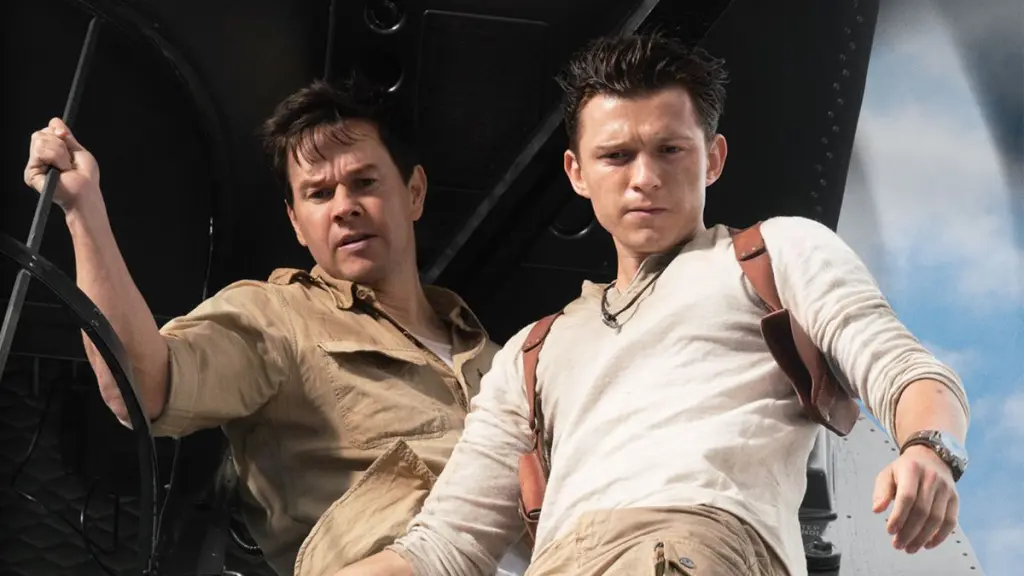
Mark Walhberg (left) and Tom Holland (right) as Sully and Nate looking down from plane in Uncharted movie
Image via Sony Pictures Entertainment

The charm, banter, and personality of the Uncharted series made it addictive and unmissable. The characters felt real through their interaction with one another and the world that was continuously trying to kill them. Maybe I'm just a hater, but there isn't an ounce of acting prowess in Mark Wahlberg's abilities. The story is drastically different from the original as it acts as a prequel to Nathan Drake's endevors, yet that cannot stop me from hating the "chemistry" between the cast. Tom Holland lacks the charm of Nate and instead appears arrogant and "witty." Mark Wahlberg completely butchers Sully that he's just a paranoid, soulless, boring man that in no way resembles the reliable silver fox from the games.
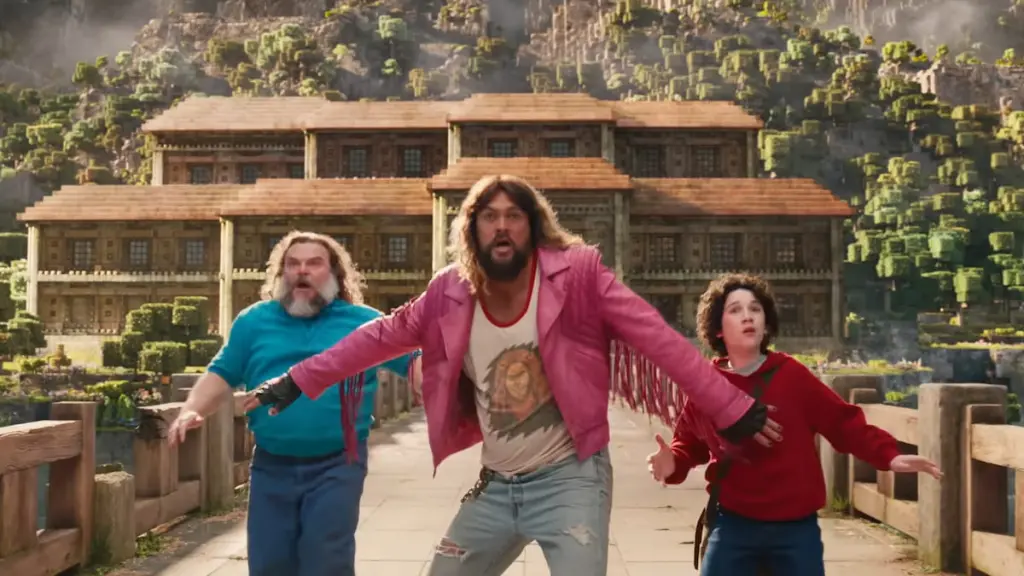
Steve, Garrett, and Henry standing on a bridge in front of a Woodland Mansion in A Minecraft Movie.
Image via Warner Bros

I would have taken literally anyone else to star in TLOU and Uncharted, but alas, we get the Hollywood treatment—where the most popular stars riding the wave of infinite money and relevancy get to perform roles with mediocrity and expect fans to lap it up.

Race-swapping in TLOU, reducing the age gap in Uncharted to switch Nate and Sully's dynamic from father-son to brother-brother, and the woefully terrible casting in Borderlands and Minecraft Movie turn adaptations into a cash grab with no soul, passion, or creativity. Bad casting decisions turn the adaptation into a joke that isn't funny. It becomes an easy paycheqck for the lucky actors whose role would never be made for them.

The falling dominos of wrong choices
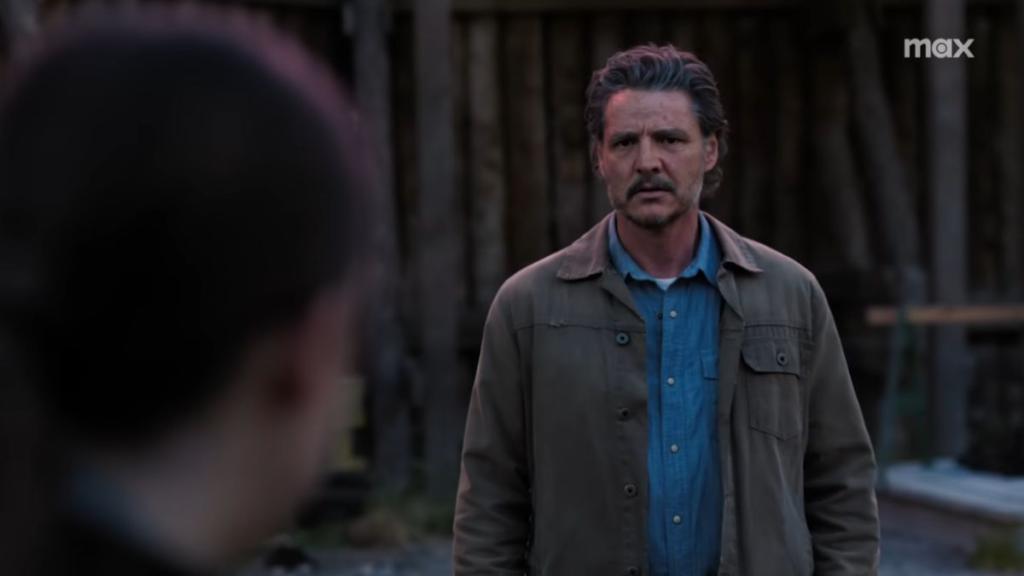
Pedro Pascal playing as Joel Miller in TLOU with back of Ellie's head out of focus in foreground
Screenshot via HBO

I understand when shows or films make changes from the source material for the better. This is especially the case with book adaptations as a lot of dialogue is needed to fill the film's runtime. But there are multiple instances where game adaptations make writing changes that worsen the storytelling. I previously mentioned Return to Silent Hill, but TLOU, The Witcher, Halo, FNAF, and Uncharted are all culprits of this.
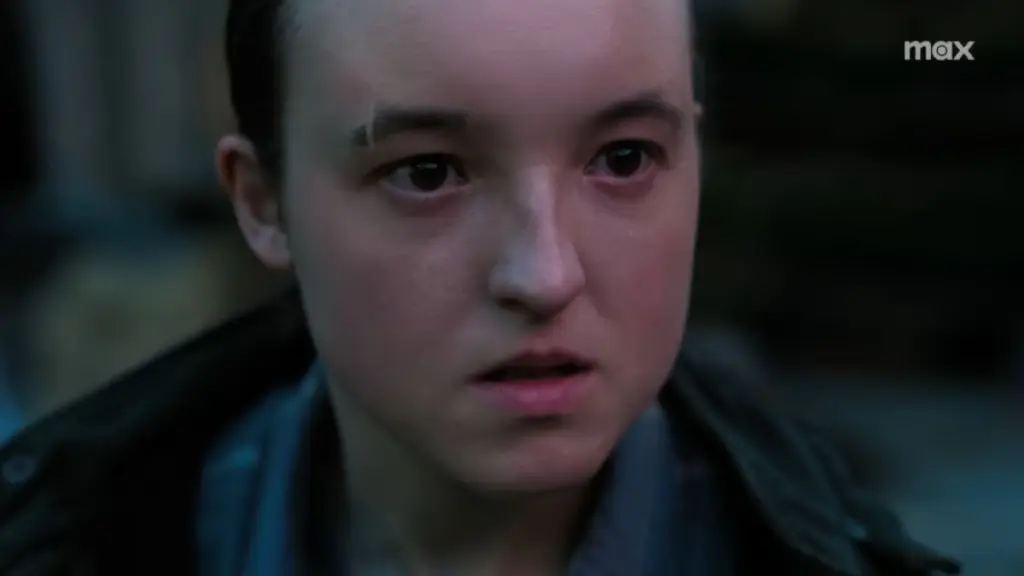
Close up of angry Ellie in TLOU show
Screenshot via HBO

Shows like The Last of Us blew up and won awards, driving many new fans to the IP in the process. But (like with Silent Hill), Naughty Dog's adaptations change their detailed, flawed, and very real characters for the worse (aside from Bill's episode). Joel Miller is reduced to a frowning grumpy man who looks like he doesn't want to be there, Abby is a monologuing Bond villain, and Ellie is...well...dim, immature, and fond of violence. Eugh.
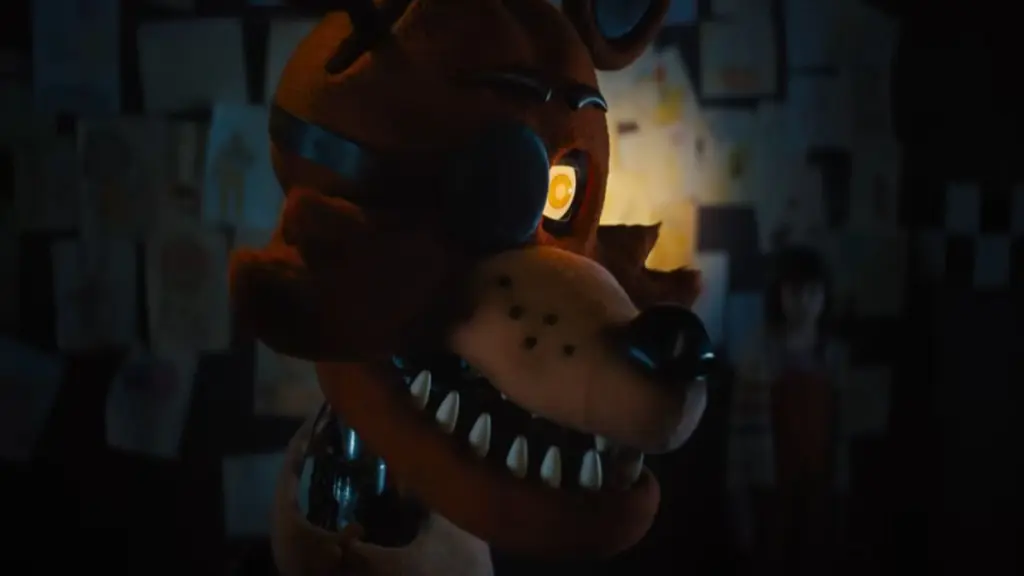
Close up of Foxy in FNAF movie
Screenshot via Universal Pictures

Henry Cavill left The Witcher at the end of season 3 due to various changes writers made that prevented the show from being faithful to its source. Halo shows Master Chief's face which, though makes sense, is a jarring change for fans of the franchise who grew up with this legend. It's even stranger when someone like the Mandalorian is allowed to spend most of his screentime inside a helmet. There are drastic relationship changes in Five Nights at Freddy's which makes the movie all the more convoluted. Plus, there is nothing scary about FNAF's adaptation yet it features on-screen gore with a script that only five-year-olds can enjoy.

When video game adaptations work

Characters characters characters
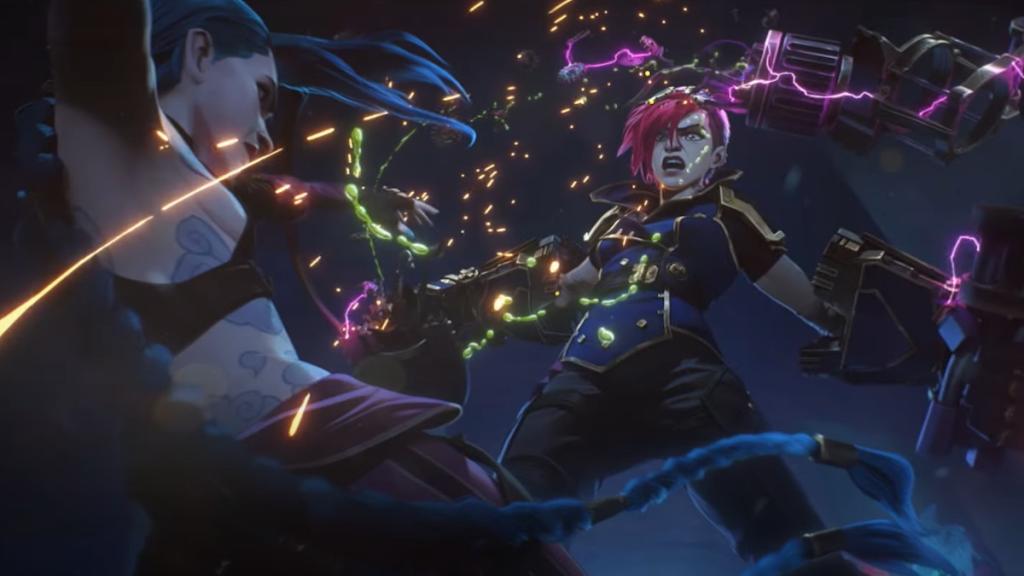
Violet fights Jinx in Arcane Season 2
Image via Netflix

Adaptations thrive when they study its characters. What made games like Until Dawn, Silent Hill, or TLOU difficult to put down is their characters. Satisfying arcs, personalities with dimension, questions of morality, humility, and the human condition are covered to showcase beautiful imperfections. We can see this in Arcane, Fallout, and Cyberpunk: Edgerunners.
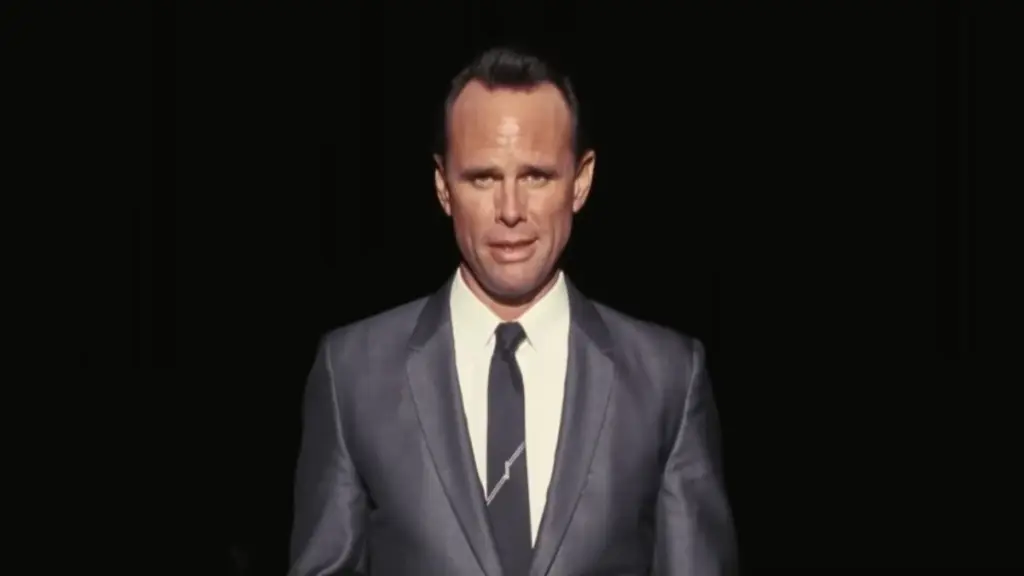
Cooper Howard in Vault-Tec commercial
Screenshot via Prime Video

These shows are packed with emotion, where both internal and external conflict are featured in every episode. Their believable characters allow us to fully immerse in the rich world, much like reading Tolkien or Martin. We stay for the story not only to see how it concludes, but because we're here for the journey flawed characters go on.

Rich worlds full of possibility
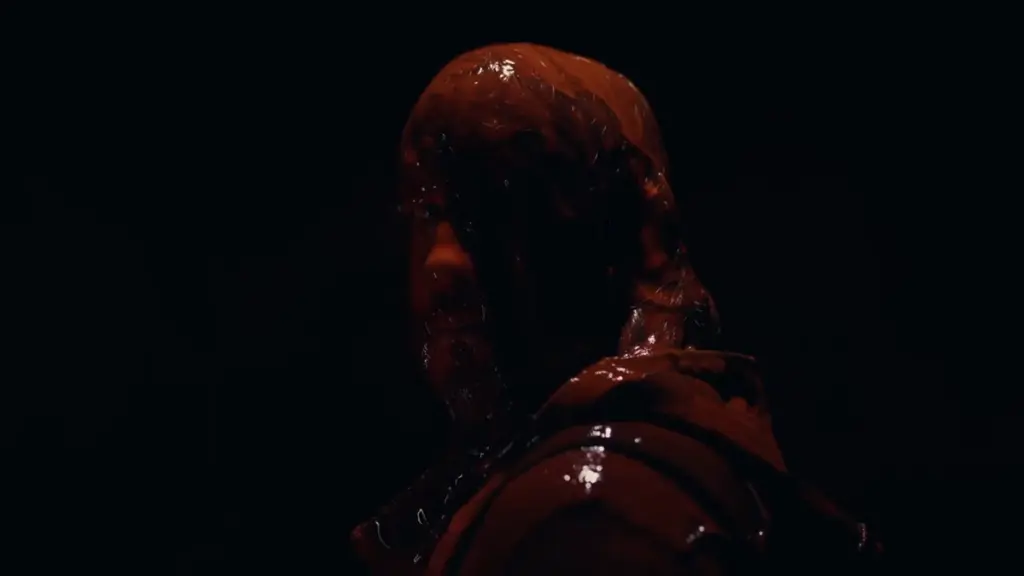
Iron Lung movie
Image via Markiplier (X)

Where adaptations like TLOU or SH stumble in replicating nuance, Iron Lung and Arcane shine. They're not restricted by the source material, but expand upon and strengthen particular aspects from the original. Iron Lung dives into the psychological when faced against a cosmic threat. Arcane delves into social and class systems, poor versus rich, and the threat of technology and magic; inviting us into a fantastical world that I for one, cannot get enough of. In a similar vein, there's Fallout. These adaptations have so much material that they can cherry-pick what to adapt and tune it until it's perfect.
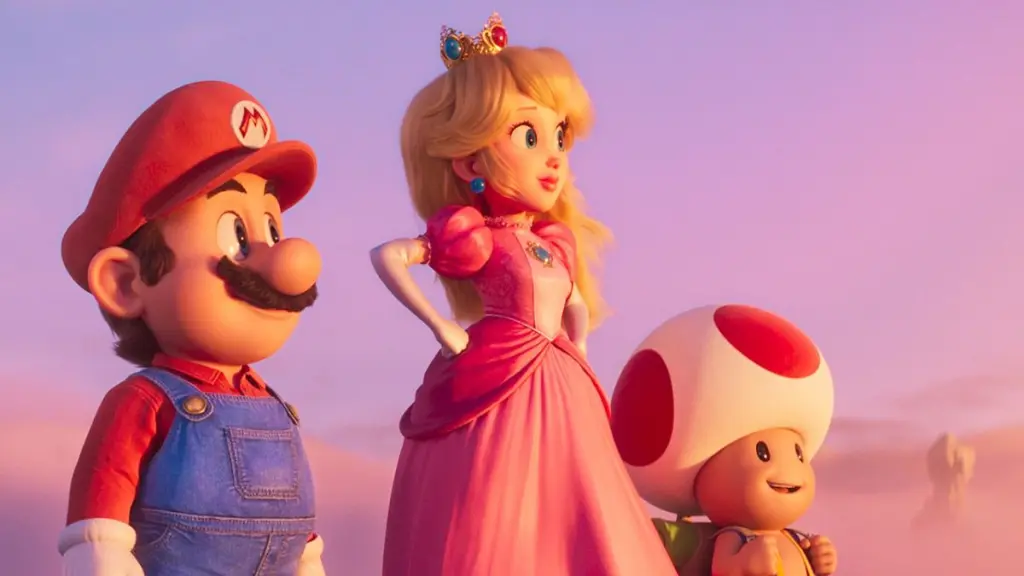
Mario (left), Peach (middle), and Toad (right) looking to the right at something off-screen
Image via Nintendo

Finally, there is a lot of entertainment value in movies, Super Mario Bros. and Sonic the Hedgehog. While they're not for me, films like these are a good time because the original franchise doesn't take itself seriously. These are the perfect games to adapt for blockbusters as it doesn't need to go beyond the surface.

I'll end my rant on this question: If video game adaptations are fanservice, which fans are they serving? Certainly not me.

The post If video game adaptations keep being unfaithful, we as fans should walk away from the relationship appeared first on Destructoid.
  •  

Poppy Playtime: Chapter 5 story and ending, explained

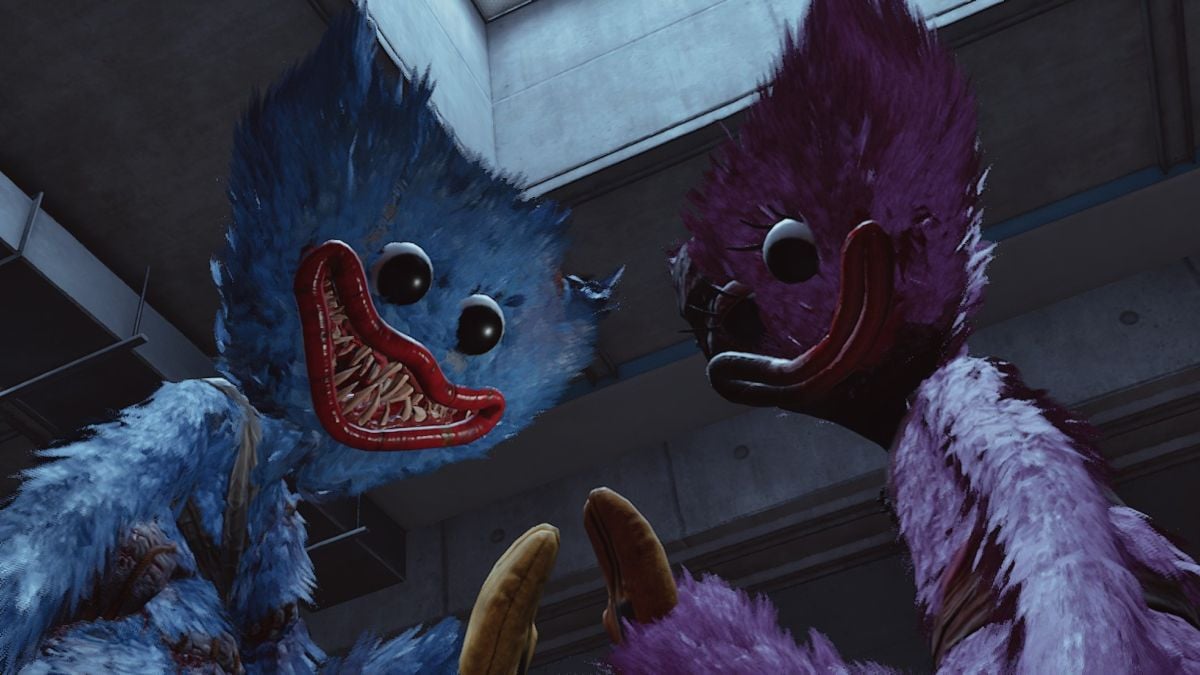
Huggy Wuggy and Kissy Missy reaching for one another's hand

There is a lot to unpack in Poppy Playtime: Chapter 5. But not to worry, for we've got you covered, dear GrabPack user.

Here is our explainer of Poppy Playtime: Broken Things, including interpretations and theories for a potential sixth chapter.

Warning for spoilers throughout.

Poppy Playtime: Chapter 5 breakdown

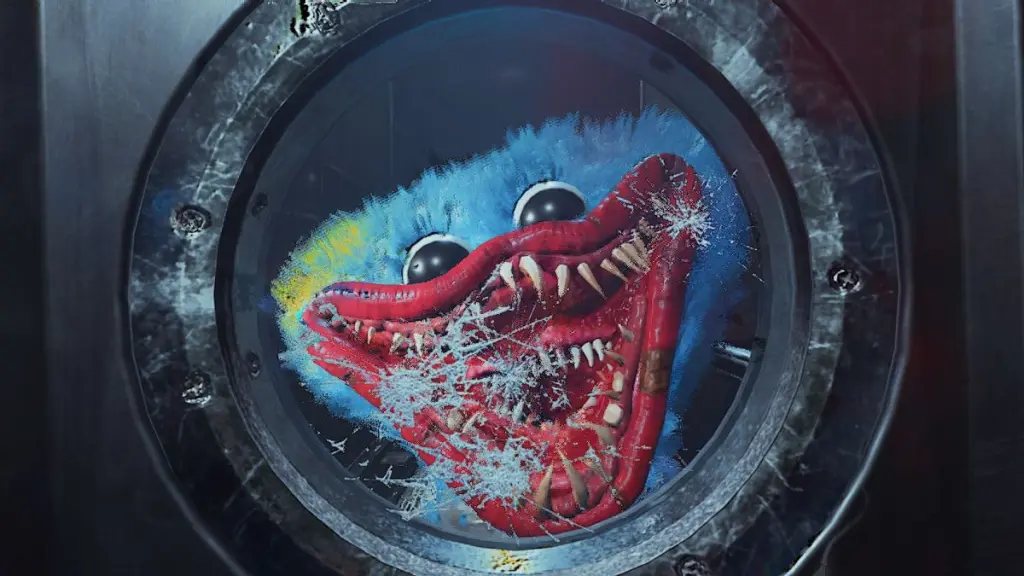
Huggy Wuggy's face smashing through window on door
Screenshot by Destructoid

The main goal in Broken Things is to retrieve the Master Backup. The entire point of this chapter is to figure out a way to stop Prototype. As Poppy's plan failed—and rightly so, considering she was going to kill everyone in Playtime—the protagonist is aiding Giblet in his plan to defeat the Prototype and free everyone else. The question of where the orphans have been taken and what Prototype has done to them remains at the forefront, but our quest has clearly shifted gears to destroying the series' overarching protagonist. It's about time.

The question is: Who wrote the Master Backup? Was it Prototype, Elliot Ludwig, or both? It talks about a "wealth of information" the author wants to keep as it's too "valuable" and could be used as "leverage." Mentions of "procedures, methods, us, myself" and that this backup may be the original version of the Poppy Gel formula—the reason experiments can exist to begin with. The Negation Compound can "create, modify, and neutralize" but must be mixed with Growth Medium for the Restorative Gel Mixture. The "neutralize" part is what we need for Prototype. A backup of Negation Compound is stored in IT, which is where we end up at Broken Things' conclusion.

Who is The Prototype? (Experiment 1006)

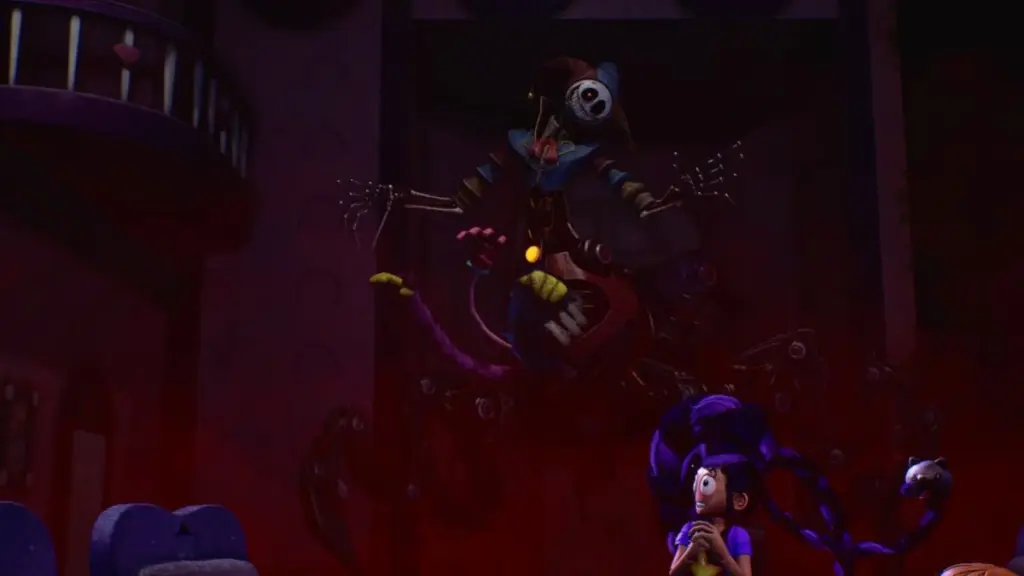
Full body view of Prototype with red smoke around his legs
"Everything dies Poppy. Everything, except us." Screenshot by Destructoid

Prototype continuously consumes Poppy Gel and has Red Smoke pouring from his body, keeping Playtime experiments in a perpetual state of fear for getting near him or attempting to harm him is impossible. His affiliation and fondness for Poppy (who is confirmed to be Ludwig's daughter) and that Deep Sleep's fake ally, Ollie, was in fact, Prototype confirms Oliver and Poppy are Elliot Ludwig's children. But Prototype is a poor copy of Ollie, who has his own monstrous desires. Everything he does is a twisted form of love for Poppy.

His appearance, newly revealed, shows a mechanical spider with the head of a jester. This has to be a façade, and that we haven't seen his true form yet, because where is the flesh and organic mess kept alive through Poppy Gel?

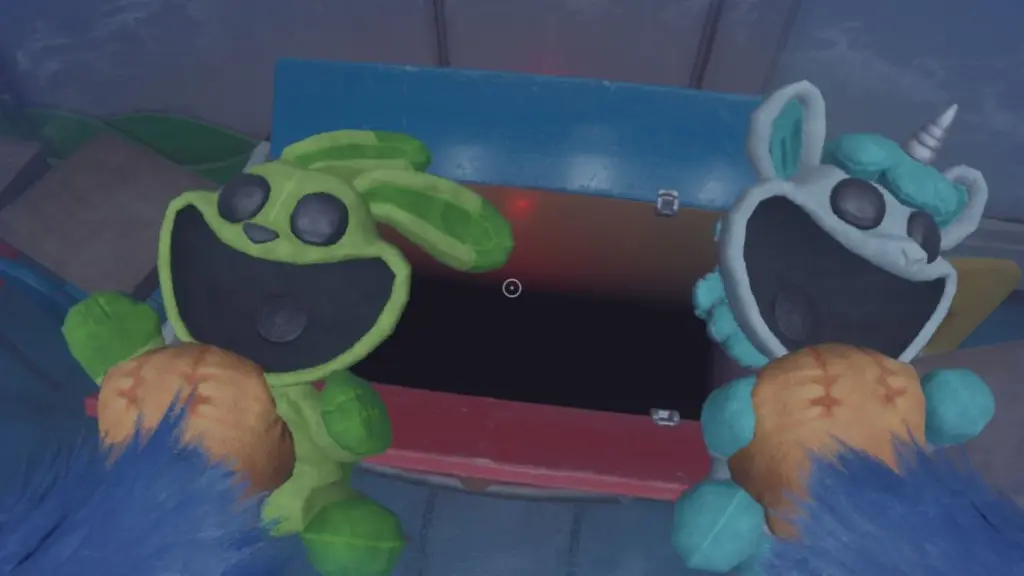
Holding two Critters over a toy box with a black hole inside
The Hole—where Critters become Outimals? Screenshot by Destructoid

Prototype continues to search for the missing toys who escaped during The Hour of Joy. An important name of note here that the series highlights for the first time is a toy called Gentle John. I can't see Mob heading in the direction where we're revealed to be a toy, but Gentle John could appear in the next chapter as an ally to the Joyless.

Who is Ms Gracie?

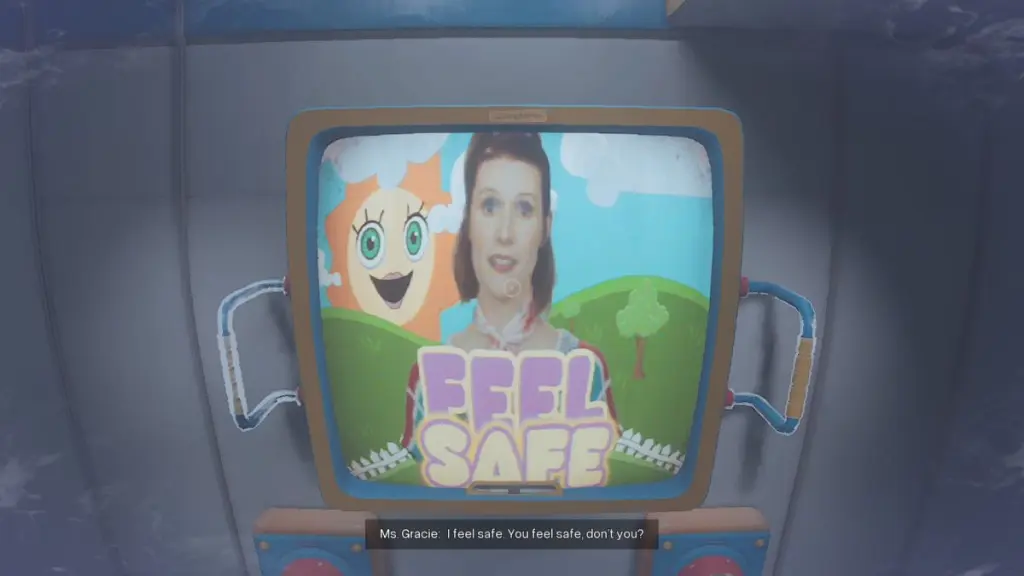
Ms Gracie brainwashing video in Poppy Playtime Chapter 5
Screenshot by Destructoid

As experiments started inside the Labs, Gracie was used for programming the children in the form of educational videos. Her face and words would be projected into rooms where kids were brainwashed and tricked into believing they're supposed to be toys. All pre-recorded and used on countless numbers of orphans filtered through Playtime, Gracie quickly became the face of experiments, resented as the system enforced the rules through shocking any "misbehaving" children and restraining them for further conditioning.

Who is Lily Lovebraids? (Experiment 1468)

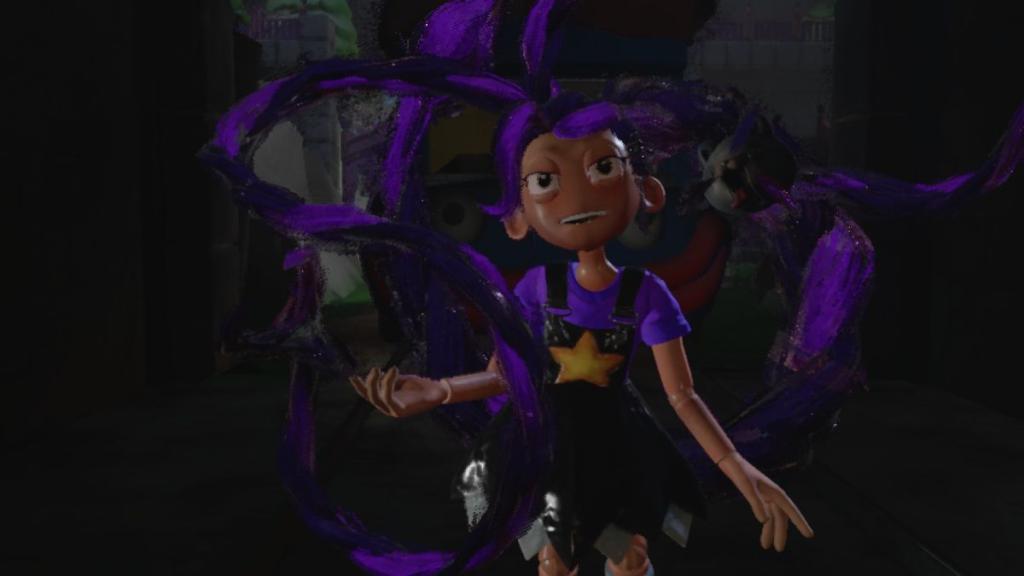
Lily Lovebraids entrance in Poppy Playtime Chapter 5
Screenshot by Destructoid

In a shocking twist, Lily Lovebraids, the secondary antagonist of this entry, is Gracie Green. Yes, the very Ms Gracie that was hired to brainwash children so that they were more compliant in transforming into a toy. She got the same treatment as Critters rebelled against her during the Hour of Joy. This is probably why her appearance is more doll-like compared to the other toys. Her personality splits through watching her own conditioning videos, where she is kept in isolation, another puppet to The Prototype who is punishing her for crimes she's long forgotten.

Who is Chloe Arkins?

Dr. Arkins is a new name that appears in Broken Things' lore. She leaves letters for Julie "Pumpkin." There isn't much information outside of these three letters, but her role in Playtime must be important. Why include her now? We still don't know who we're playing as. Could we be David, Chloe Arkin's husband? This would explain our motives for being here if we're not a former Playtime employee. Arkins wasn't listed as one of the guilty in "To Whomever Finds This." Her letters reveal that Playtime's goal is "to put an end to death." She knows she's a monster, but her motive is to create a world without pain and disease for her daughter.

Is Kissy Missy dead?

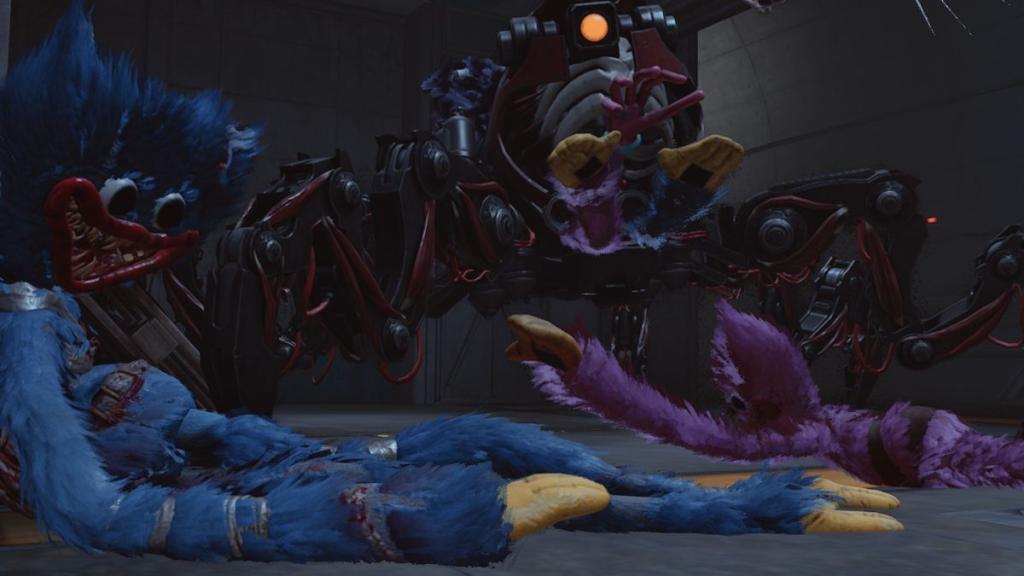
Kissy Missy lying on floor, reaching out for slumped Huggy Wuggy
Screenshot by Destructoid

I should have expected this scene, but alas, it still took me by surprise. Poor Kissy Missy cannot catch a break. I'd be very surprised if Kissy Missy survived, as her status was up in the air at the end of the last chapter, so I seriously doubt Mob would pull the same stunt twice. Perhaps Prototype's current body is a hint at what's to come as the arms of Kissy, Huggy, and Mommy Long Legs sprout from his abdomen. This could be a visual clue that he was going to take them after all. We also know that their bodies, like Poppy's, vanished when Giblet saved us, meaning Prototype took them.

What we don't know yet is what happened to CatNap. Prototype always impales his victims, but the majority of us theorized he was adding the bodies to his own form, but this isn't the case. Rather, the only limbs on show are of his disciples that have been, in one way or another, cut off by the protagonist's doing. Huggy lost his after our chase in A Tight Squeeze, Prototype stole Mommy's when she was grinded in Fly in a Web, and he must have taken Kissy's when we fell in Safe Haven's conclusion.

Huggy Wuggy impaled by Prototype
Screenshot by Destructoid

There's still the question of who patched Huggy Wuggy, but the opening cutscene hints that the Prototype has his own creations. The Labs continue to torture and mutilate Outimals, likely experiments he's conducting for his own nefarious reasons. Could it be that these bodies weren't for Prototype after all, but for an abomination that he's stitched together? This would mean the next (and surely the final) chapter will feature the secondary antagonist of Mommy Long Legs, CatNap, Huggy Wuggy, and Kissy Missy (similar to the final boss in My Friendly Neighborhood). Lily Lovebraids fell to her death, so her hair may be used as a weapon in Prototype's creation.

Did the protagonist die?

The inside of a Poppy Gel tank
Screenshot by Destructoid

Yes. We were resurrected with Poppy Gel. What's strange is The Prototype's choice to dispose of the body in the tank, rather than leaving the body like the staff corpses scattered around Playtime that have long-since decomposed. He obviously knows how Poppy Gel works. This choice points to Prototype wanting the protagonist to consume Poppy Gel—that we're still playing into his hands.

Poppy Playtime: Chapter 5 ending, explained

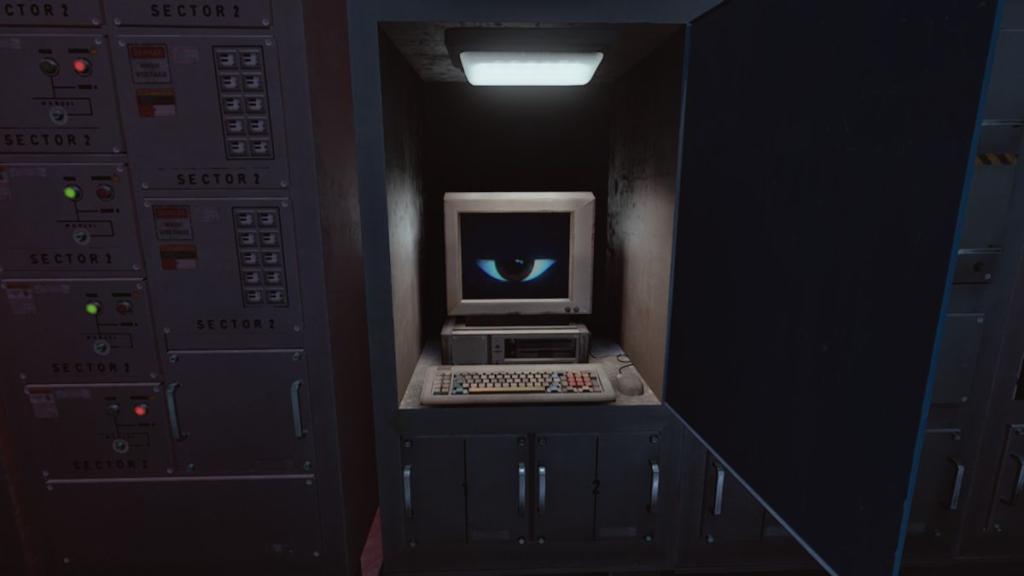
Harley Sawyer's eye on computer monitor
"What an interesting turn of events." Screenshot by Destructoid

The Master Backup is complete, and by activating it, Harley Sawyer is unleashed. He must have uploaded his consciousness as a backup that could be restored by teams sent in by Leith Pierre. We've effectively resurrected the primary antagonist of Safe Haven, but things may be different this time around. It's highly unlikely Sawyer has the same power as he did in the previous chapter. The ball is in our court, for his existence can be wiped with the press of a button. I theorize the next chapter will be an enemies-to-allies story where Sawyer has to work with us if he wants to live.

Chapter 6 theory

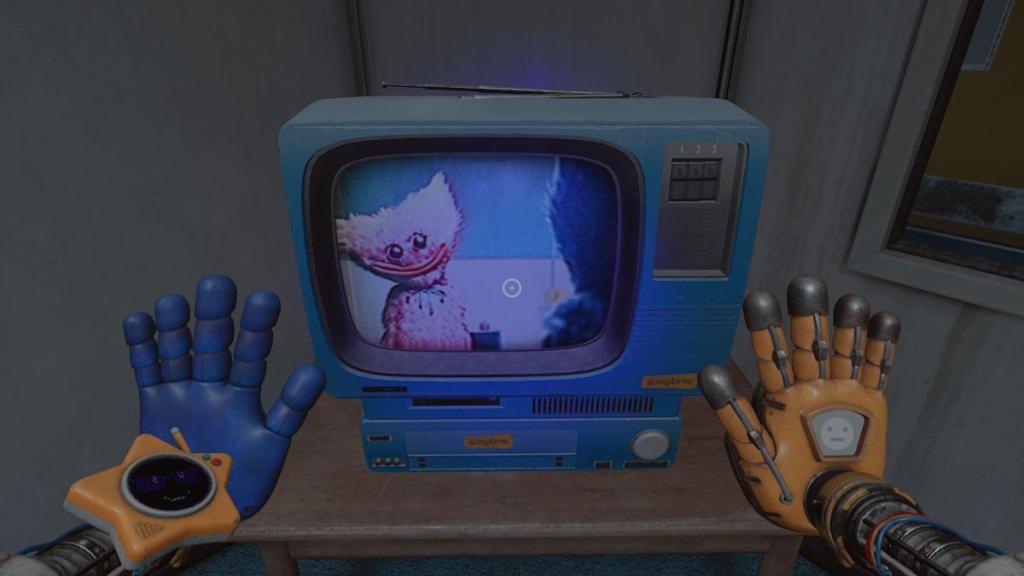
Kissy Missy sitting in front of Huggy Wuggy on secret tape recording
Screenshot by Destructoid

There are no multiple endings in Poppy Playtime: Chapter 5. That's right. We've got another chapter. The conclusion to Broken Things assures it. The cliffhanger ending is similar to Safe Haven, with the fate of multiple characters up in the air. Where did Prototype take Poppy? What happened to Kissy Missy and Huggy Wuggy's bodies? What will Harley Sawyer do now that we've resurrected him? The events in this chapter alone are leading up to the game's conclusion, and I'd be shocked if the next chapter isn't the last.

Though we likely won't get news until the next announcement trailer, we can assume Poppy Playtime: Chapter 6 is coming. I theorize we will get a trailer either between September and October this year, or within this two-month window in 2027. It really depends on whether Mob already has this chapter in development. Broken Things is the perfect build-up for the final boss fight against Prototype, as we know he hasn't been defeated, and Poppy's current whereabouts are unknown. I wonder if we'll work with Harley Sawyer to save Poppy and bring down Prototype's empire? As usual, only time will tell with this mascot series.

The post Poppy Playtime: Chapter 5 story and ending, explained appeared first on Destructoid.
  •