

Pioneers of Pagonia Review: Building Dreams One Supply Chain at a Time
There’s something deeply satisfying about watching tiny digital citizens haul rocks and berries across a bustling settlement you’ve built from scratch. Pioneers of Pagonia, the latest creation from Volker Wertich (the mind behind The Settlers series), delivers exactly that kind of meditative city-building experience – with enough depth to keep strategy fans engaged for hours.
This isn’t just another cookie-cutter city builder. Pagonia takes the genre’s familiar formula and adds its own distinctive flavor through visible, granular supply chains and a unique border expansion system. After spending considerable time with both the campaign and sandbox modes, I can confidently say this game scratches a very particular itch for management sim enthusiasts.
A Tutorial That Doesn’t Feel Like Homework
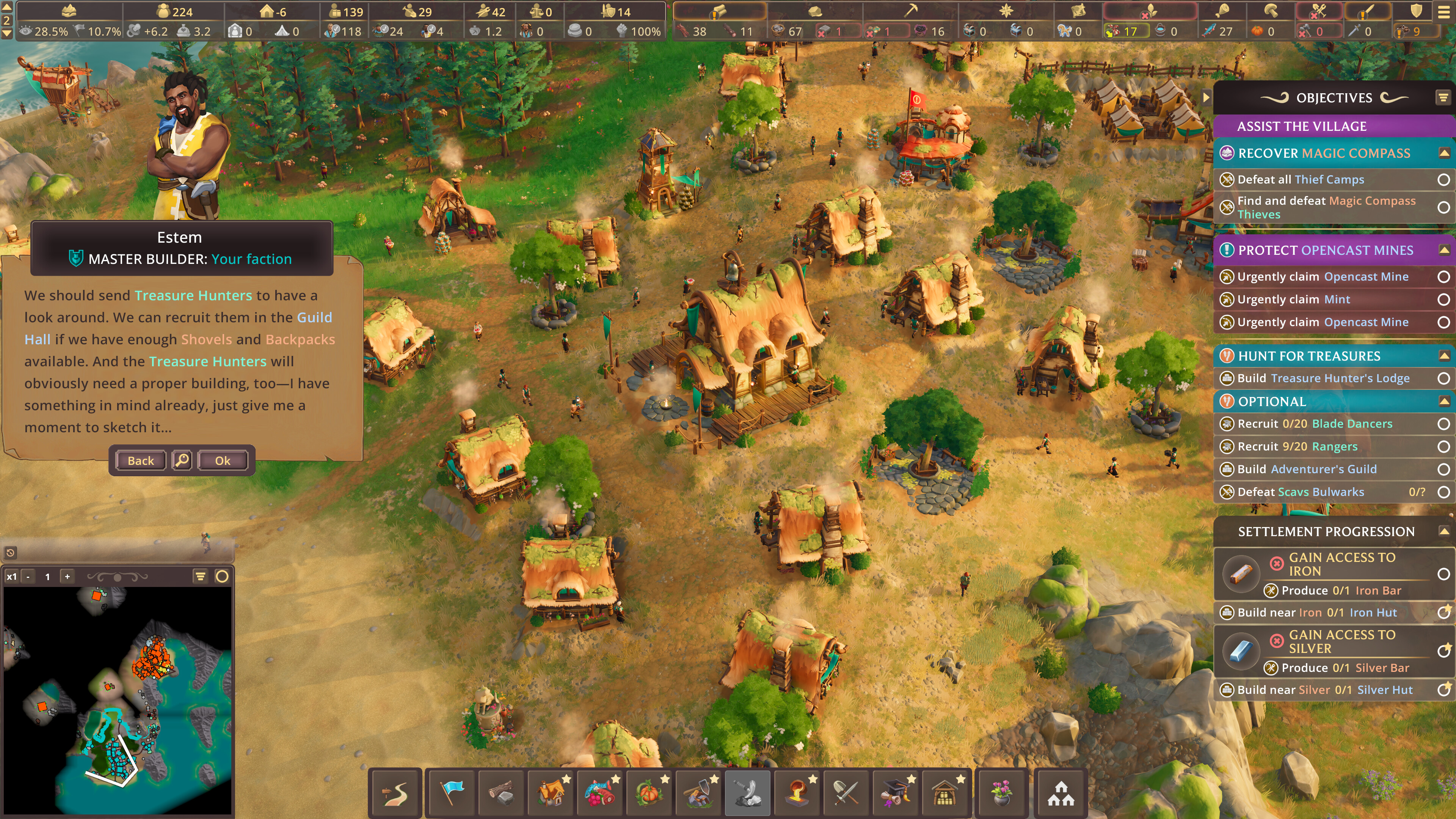
The campaign serves as your introduction to Pagonia’s systems, and honestly? It’s one of the best tutorial experiences I’ve encountered in this genre. You’re not drowning in tooltips or struggling to remember what the game threw at you in the first ten minutes. Instead, the story naturally introduces mechanics across seven chapters as you island-hop through a shattered continent.
Your pioneers are searching for other survivors in a world fragmented by magical catastrophe. Each new island brings fresh challenges – different terrain types, unique resources, abandoned villages, and increasingly dangerous threats. The narrative gives purpose to your building, transforming what could be dry tutorials into actual missions with stakes. By the time you finish the campaign (which clocks in around 30 hours), you’ve mastered everything from basic resource gathering to complex military operations.
Supply Chains That Actually Make Sense
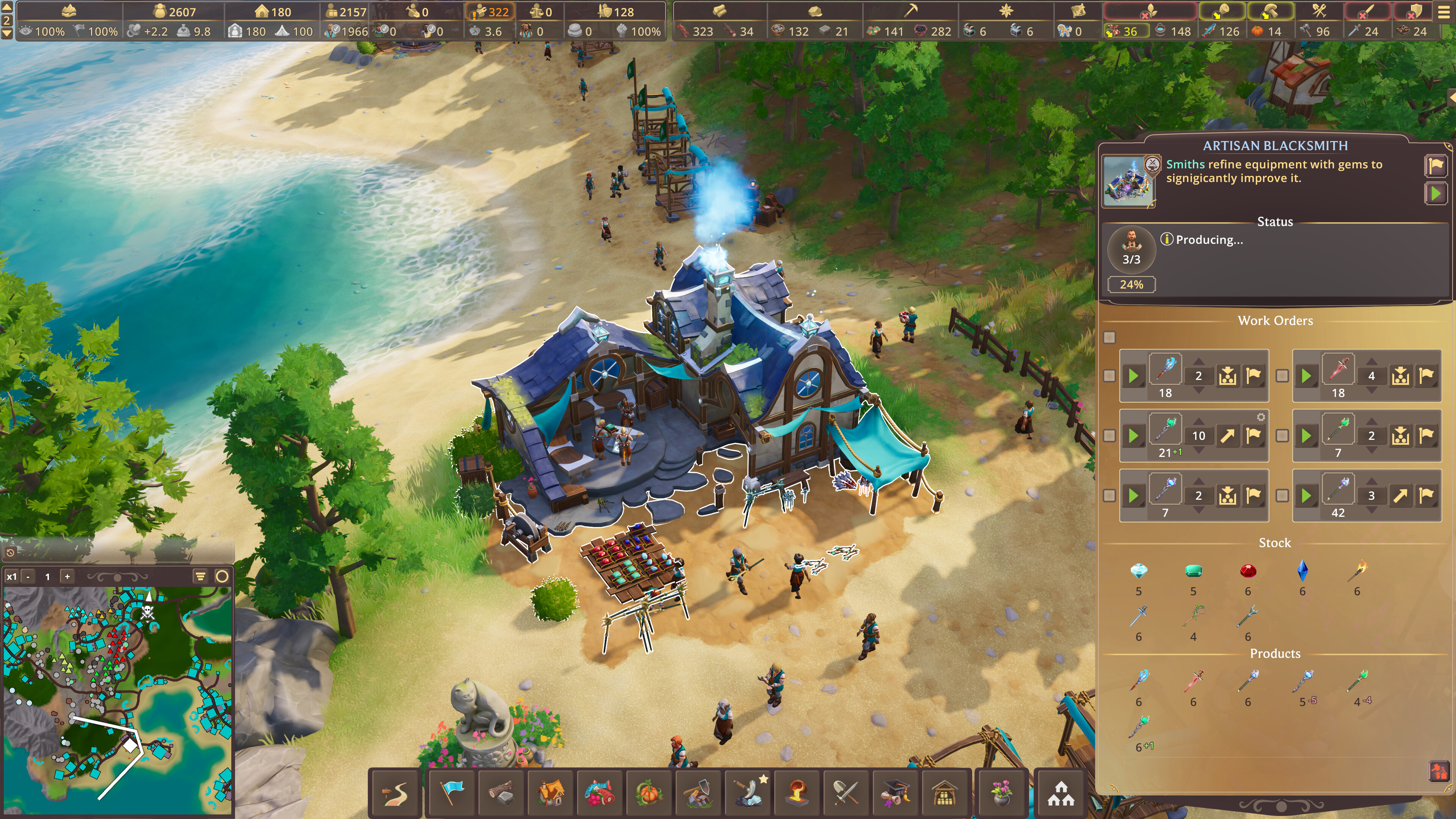
Here’s where Pioneers of Pagonia really shines. The production systems feel tangible in a way that many city builders miss. Want to staff a guard tower? You’ll need gatherers collecting stone and sticks, a workshop transforming those materials into spears, and then citizens trained at your town hall. Every finished good traces back through multiple steps you can actually watch happening.
The game gives you remarkable control over these chains too. Foresters can focus exclusively on softwood. Workshops switch between made-to-order and continuous production. This granularity prevents the common city-builder problem where your economy becomes an opaque black box. You always understand why something isn’t working – usually because you can literally see the traffic jam of carriers struggling to move goods around.
Progress ties directly to exploration through a discovery-based tech system. Finding iron veins or stone quarries unlocks new building tiers and production options. Guard towers extend your territory borders, giving access to the resources you need for advancement. It creates a compelling loop: build efficiently in your current space while pushing outward for the next tier of materials.
The Pacing Question
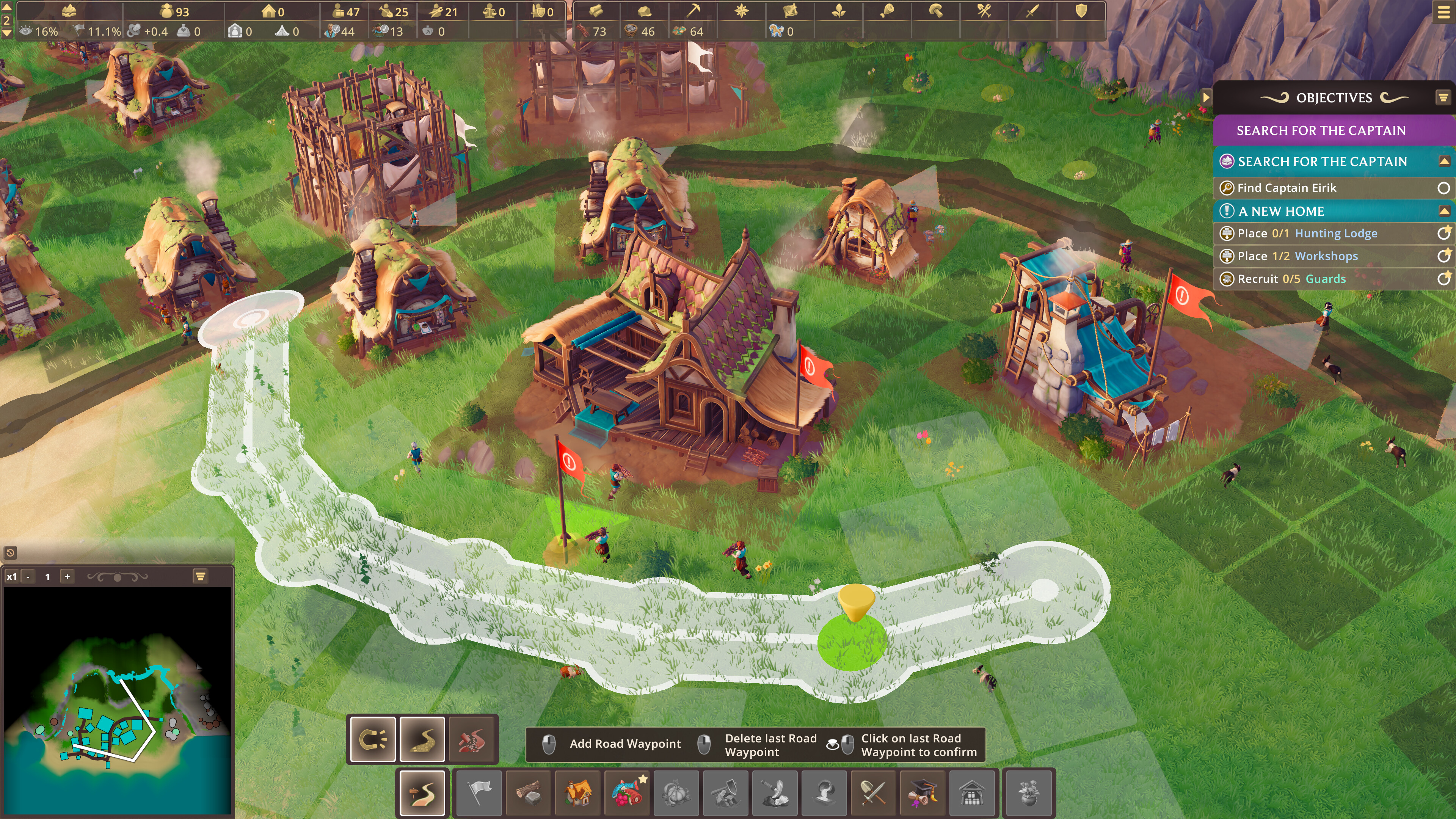
I should mention that Pioneers of Pagonia moves deliberately, especially early on. Your first guard tower might take fifteen minutes to complete at standard speed. Buildings in the early game require literal minutes to construct. The game includes speed controls, and you’ll probably use them frequently – which suggests the default pacing could use some adjustment.
There’s also no universal demolish tool, meaning town redesigns involve clicking buildings individually. Housing can’t be upgraded directly either; you demolish and rebuild larger versions instead. These quality-of-life gaps don’t break the experience, but they do add unnecessary friction when you want to reshape an established settlement.
Flexibility That Respects Your Playstyle
Once you’ve completed the campaign, Pagonia opens up considerably. The sandbox mode offers extensive customization – adjust map size, terrain types, resource distribution, enemy difficulty, or disable combat entirely. You can focus purely on building peaceful towns or create challenging scenarios with aggressive raiders and limited resources.
The game supports co-op for up to four players, though the slow pacing means this works better as a chill hangout session than a strategic multiplayer experience. There’s also a full map editor that lets the community create custom challenges, which should extend the game’s longevity significantly.
Military systems provide just enough variety without overwhelming non-combat players. Rangers counter thieves effectively while Blade Dancers handle armored foes. You’re defending against bandits and supernatural threats, not waging large-scale wars. If you prefer peaceful building, you can toggle combat off – though you’ll notice many military buildings sitting unused, which feels slightly wasteful.
Should You Build Your Settlement Here?
Pioneers of Pagonia won’t appeal to everyone. If you demand fast-paced gameplay or minimal micromanagement, look elsewhere. But for players who enjoy detailed logistics, watching systems interlock, and building settlements that feel genuinely alive, this delivers exactly what you’re seeking.
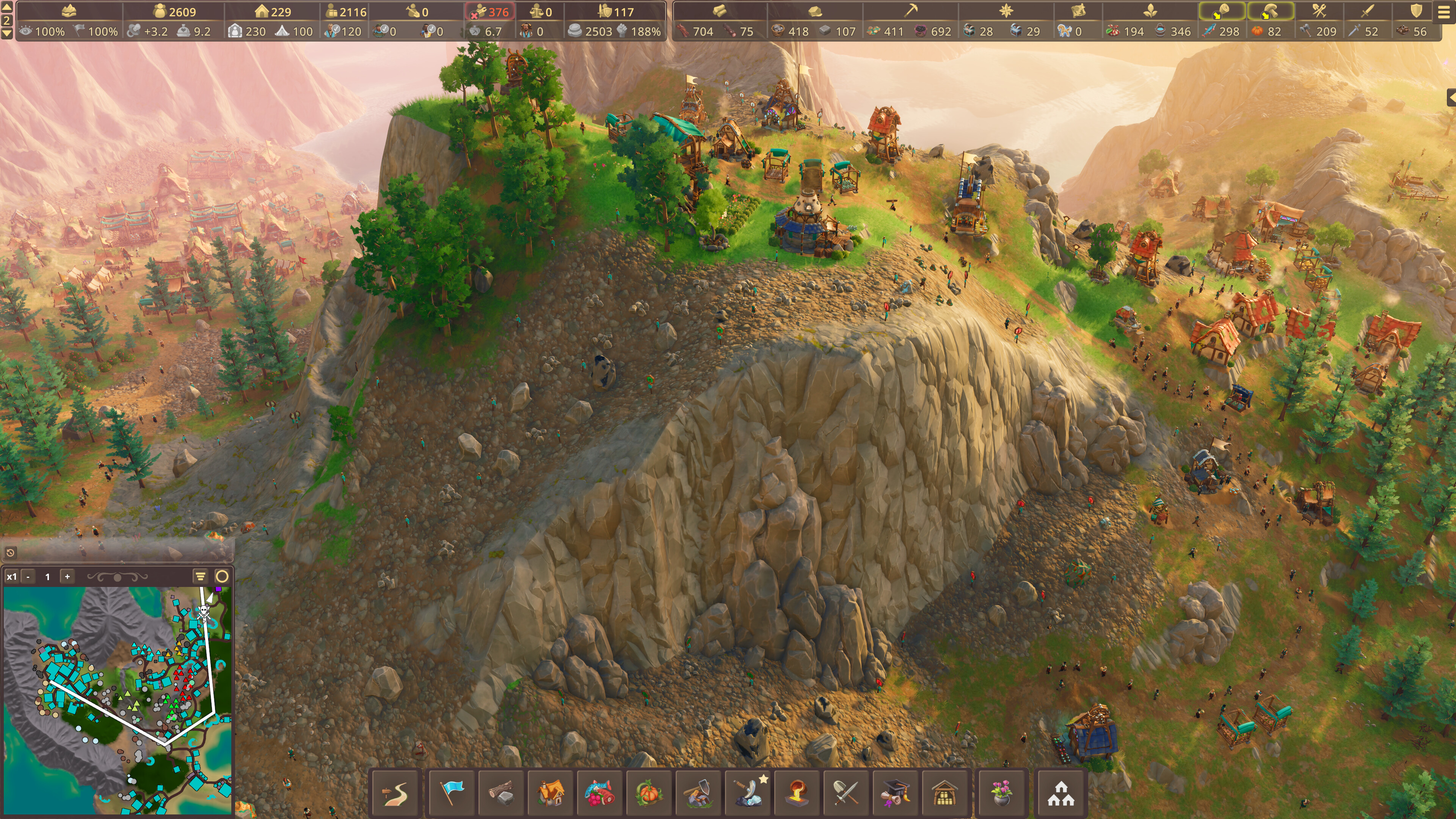
The game smartly simplifies population management (citizens won’t starve, housing expansion is straightforward) to make room for its complex production chains. This balance between accessibility and depth creates something approachable for newcomers while offering enough mechanical richness to engage veterans. The charming art style doesn’t hurt either – zooming in to watch individual pioneers doing their jobs never gets old.
It’s not perfect. The pacing could be tighter, the building placement grid occasionally fights you, and some quality-of-life features feel conspicuously absent. But these are scratches on an otherwise solid foundation. Pioneers of Pagonia understands what makes city builders compelling: the satisfaction of systems clicking together, the pleasure of watching your creation grow, and the endless “just one more turn” appeal of optimization. If that sounds like your kind of game, you’ll find plenty to love here.