Zobrazení pro čtení

Review: Tavern Manager Simulator | Xbox

There’s something instantly appealing about the promise of running your own tavern. That age-old fantasy of starting in a run-down establishment and building it into a thriving hub for adventurers and townsfolk? Tavern Manager Simulator delivers exactly that. It’s a cosy management sim wrapped in fantasy charm, and despite some minor rough edges, it’s a genuinely satisfying experience that captures the essence of hospitality work without the actual exhaustion.

Tavern-Manager-Simulator

The Charm Is Immediate

Tavern Manager (we’ll drop the “Simulator” part, as it feels somewhat bolted on) starts you in a crumbling shack that you’ll need to clean and restore. The visual style is whimsical and vibrant, reminiscent of classic fantasy illustrations. Everything has a hand-crafted quality that makes the world feel lived-in and inviting. The developers have leaned into fantasy aesthetics brilliantly, creating an atmosphere where you actually want to spend time.

The game respects your time by letting you set the pace. You can open your tavern when you’re ready, work at your own speed, and close up whenever you’ve had enough. There’s no Kitchen Nightmares-style pressure where you’re failing if you’re not constantly busy. This flexibility is genuinely refreshing.

Tavern-Manager-Simulator

The Management Loop Actually Works

The core gameplay revolves around multitasking. You’ll be cooking meals, pouring ale, serving customers, maintaining cleanliness, ordering stock, and managing your finances. Each task is represented by a minigame with varying complexity. Some are simple point-and-click actions, whilst others feature moving-target gauges that reward precision with higher quality items and better tips.

Pouring ale is a perfect example. You hold a tankard beneath a keg, turn the handle, and stop in the sweet spot. Get it right, and you’ll have a beautifully crafted pint with a perfect golden body and frothy head. Get it wrong, and you’ll either have an underfilled glass or an overflowing mess. These minigames are satisfying enough that you won’t mind repeating them dozens of times, and there’s a genuine skill element that keeps things engaging.

Tavern-Manager-Simulator

As your tavern grows, you hire adorable fairy assistants who gradually improve their skills at assigned tasks. This is brilliantly designed because the fairies retain their expertise even when reassigned to different duties. Early on you’re doing everything yourself, which teaches you all the systems. Once fairies arrive, you can choose your playstyle. Do you want to focus on cooking whilst fairies handle service? Or would you prefer to work the floor, greeting customers and building relationships?

Tavern-Manager-Simulator

The Simulation Has Real Substance

Customer satisfaction matters. Greet guests warmly, seat them promptly, and anticipate their needs. Conversations with patrons earn polite customer points and build your reputation. Your tavern’s cleanliness and decoration directly impact customer satisfaction. A filthy establishment with cobwebs and scattered crates won’t attract quality clientele, whilst a well-maintained tavern with thoughtful décor becomes a destination.

Stock management adds strategic depth. Run out of ingredients mid-service, and customers will leave unhappy. Overstocking ties up capital you could use for upgrades. There’s a balance to strike between preparation and financial efficiency.

The narrative unfolds gradually through quests and interactions with quirky characters. It’s a slow burn, but that suits the game’s pacing. You’re uncovering the tavern’s history, forging alliances, and building a reputation that genuinely matters within the game world.

Tavern-Manager-Simulator

Some Minor Roughness

Tavern Manager isn’t without its issues. Some aspects can feel repetitive after extended play sessions. The lack of energy consumption mechanics, whilst allowing for seamless night-time preparation, does feel slightly at odds with the “simulator” branding. You can prep through entire nights without fatigue, which is convenient but not particularly realistic.

Visually, there’s some jankiness. The delivery cart sometimes drifts into position oddly, and conversation text could be significantly larger within its oversized text box. These are minor presentation issues rather than gameplay problems, but they’re noticeable.

The sound design, whilst mostly excellent with satisfying audio for pouring drinks and sweeping floors, does have one repeating element that becomes mildly annoying. The whirling cogs of the well, when you’re grinding through water collection, can feel tedious after the hundredth time.

Tavern-Manager-Simulator

The Hospitality Authenticity

Having worked various hospitality jobs from university bars to proper establishments, Tavern Manager captures something genuine about the work. It’s the rhythm of service: prep during quiet periods, execute when customers arrive, clean and reset afterwards. That cycle of building a station, delivering service, then breaking it down for the next shift is authentically represented.

It’s satisfying in a way that real hospitality work often isn’t. You get all the satisfaction of managing a busy service without the actual aching feet, stress-induced headaches, or genuinely rude customers. The game removes the suffering whilst keeping the accomplishment.

Tavern-Manager-Simulator

Creative Freedom and Replayability

You can decorate and expand your tavern however you wish. Place tables at multiple angles, buy decorations that reflect your personality, and shape the aesthetic to match your vision. Experiment with different management styles, prioritise different aspects of the business, and create a truly unique establishment. The depth here ensures no two playthroughs feel identical.

Tavern-Manager-Simulator

Worth a Pint!

Tavern Manager Simulator is a charming, engaging management experience that delivers genuine satisfaction through its well-designed systems and cosy atmosphere. The minigames are satisfying, the progression feels meaningful, and the flexibility to play at your own pace is genuinely refreshing. Yes, it has minor rough edges and some aspects can feel repetitive, but these don’t significantly diminish what is fundamentally a delightful game. If you’re drawn to management sims, fantasy settings, or simply enjoy the idea of building something meaningful, Tavern Manager deserves your attention. It’s a warm, inviting experience that respects your time and rewards your effort.

Tavern-Manager-Simulator

The post Review: Tavern Manager Simulator | Xbox appeared first on Gaming Debugged | Gaming Site Covering Xbox, Indies, News, Features and Gaming Tech.

  •  

Valentine’s Gifts For Your Gamer

Valentine’s Day is nearly here, and if your other half would rather save the world than sit through a candlelit dinner, we’ve got you covered. Whether they’re a casual player or a hardcore completionist, here are some cracking gift ideas that’ll earn you serious bonus points.

SplitFiction

A Co-Op Game You Can Play Together

Nothing says romance quite like teaming up to solve puzzles, survive the apocalypse, or argue about who’s pulling their weight. It Takes Two remains the gold standard for couples gaming, it won Game of the Year for good reason, and Hazelight Studios’ follow-up Split Fiction is another brilliant shout. Both are designed specifically for two players and offer hours of entertainment you can share from the same sofa. If your partner has Game Pass, there’s a good chance one or both are already waiting to be downloaded, too.

valentines-voucher

A Voucher For Uninterrupted Game Time

Sometimes the greatest gift isn’t something you can wrap, it’s permission. Write up a proper voucher (or get fancy and print one) promising your gamer an evening of completely uninterrupted game time. No asking them to put the bins out. No “are you still playing that?” Just pure, guilt-free gaming. It costs absolutely nothing and yet it might be the most appreciated gift on this entire list.

Gamer-Gift-Guide-displates

A Displate of Their Favourite Game

If your gamer has a favourite title they never shut up about, a Displate metal poster is a fantastic way to bring it into the real world. These magnetic metal prints look brilliant on a wall and come in hundreds of gaming designs from The Legend of Zelda to Dark Souls and everything in between. They’re easy to mount without drilling holes, which is a bonus if you’re renting. A subtle, stylish nod to what they love.

cherry-wireless-keyboard

A Custom Keyboard

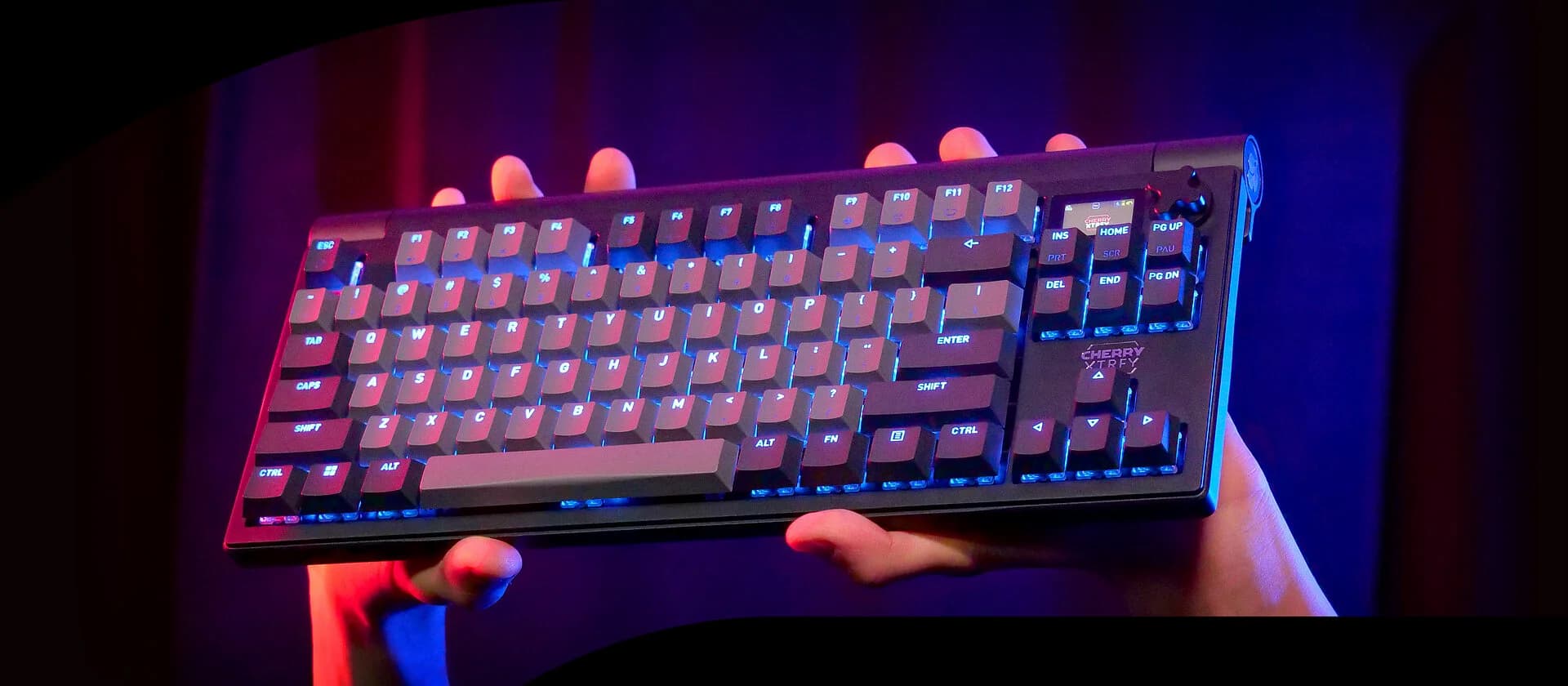
For the PC gamer in your life, a custom mechanical keyboard from Cherry is a gift that’s both practical and personal. Choose their favourite colours, pick the switch type that suits their style, and you’ve got something they’ll use every single day. It’s the kind of thing most gamers would love but would never buy for themselves. That’s what makes it a perfect Valentine’s gift.

minecraft-controller-holders

A Game Character Phone/Controller Stand

These little device holders shaped like game characters from EXGPro are genuinely useful and look great on a desk. You can find stands featuring characters from Minecraft, Sonic, Pokémon, Halo, and dozens of other franchises. They hold phones and controllers alike, and they double as a mini figurine. Practical, fun, and surprisingly affordable.

gamer-hamper
Who doesn’t love a Taviden and can of Ghort – lol *AI image

A Game Time Hamper

Put together a hamper filled with everything your gamer needs for the ultimate session. Think their favourite snacks, a few cans of their go-to drink, a comfy pair of gaming socks, maybe a cap from their favourite franchise, and perhaps a gift card for their platform of choice. Present it all in a nice box or basket and you’ve got something that feels properly thoughtful without breaking the bank. Bonus points if you include a handwritten note promising to leave them alone while they enjoy it.

Gamer Clothes

Gamer Clothing

Gaming fashion has come a long way from oversized novelty t-shirts. Brands like Qlutch (qlutch.cc) offer stylish, subtle clothing that nods to gaming culture without screaming it. Hoodies, tees, and accessories that your gamer can actually wear out in public and feel good about. It’s streetwear with a gaming twist, perfect for someone who wants to represent their hobby without looking like a walking advert.

sandwich-toaster

A Sandwich Toaster

Stay with us on this one. A sandwich toaster might not scream “romance,” but any gamer will tell you that a perfectly toasted cheese sandwich during a late-night session is one of life’s great pleasures. Chuck in some steak, add a bit of onion, go wild. It’s quick, it’s easy, and it means they don’t have to pause the game to cook a proper meal. Honestly, this might be the most underrated gift on the list.

elden-ring

Gaming Figurines

A quality figurine of their favourite character makes for a brilliant display piece. Sites like Hobby Figures (hobbyfigures.co.uk) stock a huge range of gaming collectibles, from detailed statues to more affordable options. Whether they’re into Resident Evil, Final Fantasy, The Witcher, or something else entirely, there’s almost certainly a figure out there that’ll make them light up. Just make sure you know which character is their favourite, getting it wrong could be worse than no gift at all.

smellies

Perfume or Aftershave

Let’s be honest: long gaming sessions don’t always lead to the freshest of environments. A nice bottle of perfume or aftershave is a classic Valentine’s gift for a reason, and it works just as well for gamers as anyone else. It doesn’t need to be gaming-themed (please, no Axe body spray). Just pick something they’ll enjoy wearing. Think of it as a gentle, fragrant reminder that personal hygiene and gaming can coexist.

powkiddy

A Retro Console or Handheld

If your gamer has a nostalgic streak, a retro mini console or handheld could be the perfect shout. The Analogue Pocket is a premium option for someone who loves their Game Boy-era classics, while the various mini consoles from Nintendo, Sega, and others offer a plug-and-play trip down memory lane. Even something like a Powkiddy or Anbernic handheld can open up an entire library of retro games for under £50. Great for playing together in bed, too, if that’s not romantic, what is?

A Gaming Cookbook

Yes, these exist, and some of them are genuinely excellent. Official cookbooks inspired by The Elder Scrolls, Final Fantasy, World of Warcraft, Street Fighter, and Destiny let your gamer recreate dishes from their favourite worlds. Even if they’re not the most confident cook, following a recipe for Sweetrolls or Ignis’s favourite dish from Final Fantasy XV is a fun activity you can do together. Dinner and gaming, sorted.

Lucky_38

A Pair of Gaming Glasses

If your gamer spends hours staring at screens (and let’s face it, they do), a pair of blue-light filtering glasses from a brand like GUNNAR can make a genuine difference. They reduce eye strain, help with headaches, and some of them actually look quite stylish. It’s a thoughtful gift that says “I care about your wellbeing” rather than “I think you play too much”, and that distinction matters.


Whatever you choose, the best Valentine’s gift for a gamer is one that shows you understand what they love. You don’t have to be a gamer yourself to get it right, you just have to pay attention. Happy Valentine’s Day!


The post Valentine’s Gifts For Your Gamer appeared first on Gaming Debugged | Gaming Site Covering Xbox, Indies, News, Features and Gaming Tech.

  •  

Review: Cakey’s Twisted Bakery | Xbox

There’s a particular charm in games that know exactly what they are. Cakey’s Twisted Bakery is a short, focused stealth survival horror experience that takes the twisted-mascot concept and runs with it. At around £10 on Xbox, this is a lean package thats short and sweet (lol), and honestly, that’s precisely what makes it work so well.

Cakey's Twisted BAkery

The Concept Is Genuinely Unsettling

The premise is wonderfully odd. You’re a lost child searching for your missing brother inside a bakery where children are apparently the secret ingredient. Rather than relying on gore and graphic horror, Cakey’s Twisted Bakery uses something far more effective: the contrast between cute and creepy.

Cakey's Twisted BAkery

The mascot monsters, Cakey, Frostina, and Candy Bane, have family-friendly appearances with damaged, decaying details that make them genuinely unsettling. They’re reminiscent of Five Nights at Freddy’s in the best possible way. These candy-eyed abominations with far too many teeth create a specific kind of dread. When they hunt you, their high-pitched screams and the deep bass music getting progressively louder as they close in creates real tension. It’s effective stuff.

The visual design of the bakery itself reinforces this perfectly. Pastel-coloured corridors, smiling signs, and child-friendly aesthetics twisted into something genuinely nightmarish. You’re constantly aware that this was once innocent and is now very much not.

Cakey's Twisted BAkery

Stealth and Strategy Over Action

The core gameplay loop is straightforward. You sneak through the bakery, collect colour-coded ingredients scattered throughout the environment, and craft pies that act as weapons against the monsters. Different pies work better against different enemies, so you need to learn which recipe defeats which creature.

The stealth mechanics work well. Hiding under tables and in open crates actually hides you, as long as you don’t do something silly like shining your torch directly at a pursuing monster. Timing matters. Patience matters. It’s about reading patrol patterns and moving only when it’s safe.

Cakey's Twisted BAkery

Gathering ingredients adds genuine tension to every step. You’re out in the open, vulnerable, whilst simultaneously looking for scattered items. The knowledge that a monster could round a corner at any moment forces you to be efficient. Do you grab just what you need and risk making runs? Or do you stockpile ingredients for future use?

Once you’ve defeated a monster, a key drops that unlocks the next area, but also unleashes the next threat. The sense of dread builds naturally as you progress.

Cakey's Twisted BAkery

The Catch: Limited Scope

Here’s where complete honesty is necessary. Cakey’s Twisted Bakery is a two-hour experience, give or take. There’s essentially one level with three enemies, and once you’ve learned the layout and memorised the recipes, the challenge diminishes significantly. Experienced horror game players might find themselves breezing through it.

The game doesn’t explain itself well. Trial and error teaches you what you need to know, which is fine but occasionally frustrating. A slightly stronger tutorial would have helped. The limited content also means replay value relies entirely on the two different endings, which might not be enough for everyone.

The story, whilst intriguing, barely scratches the surface. Handwritten notes scattered throughout add atmosphere but remain too vague to meaningfully expand the lore. There’s potential here for something deeper, but it’s not realised in this version.

Cakey's Twisted BAkery

What Makes It Special Anyway

Despite these limitations, Cakey’s Twisted Bakery works because it’s honest about what it is. It’s not trying to be a sprawling horror epic. It’s a focused, bite-sized experience that delivers genuine scares and creative gameplay for a reasonable price.

The audio design is excellent. Rather than relying on constant musical accompaniment, silence becomes the primary tool. Occasional noises, the deep bass of approaching monsters, and those unsettling screams create more tension than many full-length horror games manage.

The mechanics are simple but cleverly designed. The concept of baking pies as weapons is bizarre enough to feel fresh. The colour-coding system makes the puzzle element intuitive without feeling condescending. Hide, gather, craft, defeat, progress—it’s a satisfying loop even if it doesn’t evolve significantly.

For the price point, this is excellent value. You’re getting a complete, polished experience, not a half-finished concept. The jump scares land, the atmosphere genuinely unsettles, and the ending feels earned.

Cakey's Twisted BAkery

Short & Sweet… & Horrid

Cakey’s Twisted Bakery is a short but effective stealth survival horror that proves you don’t need hundreds of hours of content to create something memorable. Yes, it’s limited in scope and won’t challenge experienced horror gamers for long. Yes, it could do more with its story and setting. But what it does, it does brilliantly. At £10 (usually less), it’s an easy recommendation for horror fans looking for something different.

The post Review: Cakey’s Twisted Bakery | Xbox appeared first on Gaming Debugged | Gaming Site Covering Xbox, Indies, News, Features and Gaming Tech.
  •  

Women in Games Launches 2026 Manifesto

Women in Games has announced the Women in Games Manifesto 2026, a strategic call to action targeting gender representation fairness across the global video games industry. The initiative addresses the persistent disparity where women comprise nearly half of all players yet represent fewer than one-third of the industry workforce.

Manifesto Core Framework

The document outlines 14 core reasons why empowering women in games proves critical, linking inclusive development directly to innovation, creativity, sustainability, and cultural impact. The Manifesto positions equality not as aspiration but as strategic and cultural necessity for gaming’s future.

CEO Dr Marie-Claire Isaaman contextualises the initiative: “Progress does not happen by accident – it happens when people come together with clarity, courage, and purpose. The Women in Games Manifesto is a living commitment to rebalancing the scales and ensuring that women are not only part of the future of games, but are helping to design it.”

Women in Games Voices Platform

Accompanying the Manifesto, Women in Games Voices: The Living Guide evolves the organisation’s advocacy work into a dynamic global platform amplifying women’s lived experiences across the industry through video, podcasts, essays, and educational resources.

This multi-format approach accommodates different consumption preferences whilst creating permanent reference materials for education, policy development, and cultural advocacy efforts.

Five Spheres of Action

Women in Games operates across Industry, Education, Policy, Community, and Culture domains, working alongside Corporate, Education, and Individual Ambassadors plus global Chapters and Networks to drive systemic change across studios, classrooms, boardrooms, and communities worldwide.

The organisation’s work aligns with United Nations Sustainable Development Goals, primarily focusing on Goal 5: “Achieve Gender Equality & Empower all Girls and Women.” Advocacy extends to all women, girls, people of diverse gender identities, and transgender, gender diverse, and intersex women.

Strategic Business Case

Dr Isaaman frames fairness as strategic imperative: “Fairness is not charity — it is strategy. When women thrive, the industry thrives. This Manifesto is an invitation to the entire ecosystem to build a fair playing field together.”

The launch addresses continued challenges including pay disparities, leadership representation gaps, workplace safety concerns, and visibility limitations affecting women and gender-diverse professionals.

Future Technology Considerations

As the industry develops AI-driven systems, virtual worlds, and metaverse platforms, the Manifesto emphasises that builder identity matters fundamentally. Who creates these technologies shapes their design, accessibility, and cultural impact.

The document is available for viewing and download at womeningames.org, serving as public resource for individuals, studios, educational institutions, and policymakers seeking actionable frameworks for improving gender equity.

The post Women in Games Launches 2026 Manifesto appeared first on Gaming Debugged | Gaming Site Covering Xbox, Indies, News, Features and Gaming Tech.

  •  

Giants Deserve Better

Everyone Loves A Giant

Giants come up a lot in RPGs. They are especially popular in fantasy RPGs, though there are some I would argue deserve a place in one or two other genres. What made me want to write about giants is that, cool as they are, giants are way more interesting in folklore than in most TTRPGs. In fact, to be honest, I think giants are often sadly undersold in TTRPGs, particularly in bestiaries.

Maybe it has something to do with familiarity. They’ve been there in tomes, the bestiaries and the manuals since… well since before a large proportion of the current community could probably read. And especially in those early entries, they were often not amongst the most exciting pictures available. I mean ugly, stupid looking… guys.

Not even cool armour, and unless it was an ettin, not particularly monstrous. Because the scale of a giant just doesn’t come across in a three-inch illustration.

Maybe that’s why, in many TTRPGs, giants have become a simple, escalating challenge. Bigger and bigger versions of essentially the same thing, encountered in tactical fights as your characters progress. A scalable threat, with a side serving of elemental power. Whether shaped by frost, fire, clouds, or the lumpy quality of a hill, they just get bigger, in a series of power showdowns.

All too often, they have little other presence in the world. They are not usually mysterious, and they certainly are not evocative springboards into otherworldly adventure.

Creatures Of Fairy Tale

It is true that, in many European fairy tales, especially in England, giants are often depicted as being unintelligent, or slow-witted. That is because their purpose in those stories is to give the hero an opportunity to be clever and quick, almost as if, to the original tellers of these tales, these qualities were what defined a hero (rather than any moral compass… ).

The hero doesn’t win by fighting. He wins by being clever. In this way, the stories reflect cultural values: the giant is the larger foe, the seemingly unconquerable enemy who is defeated by cunning alone.

But there are plenty of examples of giants in folklore and mythology that are far more interesting than that. And more three-dimensional than they are sometimes depicted in TTRPG bestiaries.

A Magical, Faraway Land

Monstrous giant with a scimitar threatens a warrior in scale armour

Are giants just big humans? Or something more monstrous?

How about the one with the beanstalk? Its a classic example: he isn’t just big. He lives in another world, possibly The Otherworld. Jack can only go there by magical means. Magical means, by the way, which seem to be intrinsically tied up with leaving his mother and might be seen as a rite of passage. But the journey also involves sowing beans – a clear reference to agriculture. Planting crops leads to all the treasures Jack brings back, which turn out to include music, livestock and commerce (in the form of gold). Late Stone Age, and the advent of farming, anyone? Or maybe the arrival of horse nomads and the cattle-raiding tradition?

When Jack does get to the other world, not only the giant is super-sized but so is everything else. It is a magical place, connected with the sky. And when Jack returns, he comes back with a magical harp that sings songs and tells poems. The harp is therefore symbolic of either wisdom and learning or the skill of the bard, or both. Jack also has a hen that lays golden eggs.

These are magical items. And by the way, Jack doesn’t go there to slay a monster, protect the community, or rescue a hapless gender-stereotyped aristocrat. He goes there to explore. And then he steals loads of stuff. Sound like any player characters you know?

So am I saying you have to have beanstalks in your game? Definitely not. But if you do want a spookily enchanted means of reaching a special place, what about a magical forest that borders the plane that is the land of giants? Or a haunted marshland? Or even a coast?

Creatures Of Legend

We also see wits and cunning in Irish mythology, with Finn McCool defeating the Scottish giant Benandonner. When Benandonner comes to Ulster from Scotland to basically beat up Finn McCool, Finn outwits him by climbing into a crib and pretending to be his own baby.

Ogre-like giant with huge head and tattered armour.

Many giants in folklore were more hideous than your average frost giant.

These giants, may not have even been giants in the stories’ original forms, but instead ‘heroes’ of an older time (see here for a further explanation…). By ‘Heroes’, of course, I mean heroes in the traditional sense: that of killing loads of your people’s enemies.

Some of these are also berserkers, by the way, who are clearly only giants when they adopt the riastrad. That’s a kind of celtic battle frenzy (that you see Slaine go into in the old 2000AD comics). It’s something like becoming the Hulk, but messier, with blood spouting out of the top of your head and your body all bloating up and getting twisted-Arnie.

Which is something we don’t see in TTRPGs very often. I’m NOT suggesting a were-giant by the way. No, I’m NOT. I’m talking about trained, professional warriors who seem absolutely normal until certain conditions are met (such as being pissed off), when they metamorphose into a nine-foot tall… man? Like a were-man? No, I don’t mean that, I don’t…

It would be cool though. A great recurring foe for your party.

Another Irish giant is Dryantore, who is a sorcerer. He conjures mist and puts the heroes to sleep. And why shouldn’t giants cast spells?

Then there’s Jack of Irons, from Yorkshire in the north of England. An undead giant with blackened skin and the decapitated heads of his enemies tied to his belt and, in some versions, I think, his own head strapped to his own huge club (or did I imagine that…?). This guy’s a ghost, essentially, though whether a ghost of a giant or just a big spook, is unclear. I think both are allowed.

Yeah, About Jotuns…

Giants should be wierd, otherworldy creatures, possibly supernatural, and always terrifying.[/caption]
No article on giants would be complete without mentioning the ‘Frost Giants’ of Norse mythology, or Jotnar (Jotunn, singular) as they are properly called. So basically… these are not really ‘giants’ at all. That’s a sort of mistranslation, as being a jotunn did not necessarily denote great size and the root of the word seems to denote eating or gluttony.

The Jotnar are, if anything ‘anti-gods’. Not quite demons, they are in opposition to the Norse gods, perhaps chaotic, in opposition to the ‘order’ the gods bring, but that’s a little over simplistic. The Norse gods don’t seem that ordered or lawful to me, but then I’m not an early medieval Scandinavian. Jotnar are more similar to the Titans of Greek mythology and there’s a good reason for it, but that’s for another post…

Jotnar do all kinds of crazy things, like have stone heads, turn into horses, give birth to monsters. Pretty out there stuff and a license if i ever saw one, to get super creative with giants.

Creatures Of The Supernatural

Last, but certainly not least, we cannot forget the Nephilim.

The cut-to-the-chase version of the Nephilim story is this: Angels saw how hot mortal women were and decided to come down to earth to get some. They seduced the women and ‘begat’ children. Who were giants. Nephilim.

There is some debate about the meaning of that word. I’ve seen it translated as meaning ‘fallen’, from the Greek. That doesn’t especially make sense to me but apparently it could also mean ‘giant’ in Aramaic, so I’m guessing that’s probably on the money. Anyway, what works for me here is the connection between giants and the mystical. They are not just a random, mortal breed of human-like thing, they are the offspring of a forbidden supernatural relationship.

How cool is that for world building!

Demonic Offspring

It gets better (at least, in terms of an engaging story, not in terms of the humanitarian treatment of ‘other’…).

Bat-headed giant with axe

Giants should be wierd, otherworldy creatures, possibly supernatural, and always terrifying.

God was so annoyed by the whole situation, not to mention that the Nephilim had started eating people and stealing food and acting like all carry on, that he had a flood to get rid of them. And that is why there was a flood. Only the Nephilim don’t die. They drown, yes, and they die physically, but their spirits linger. Nowhere to go, you see. So they hang around on post-diluvial earth, causing trouble, and because they have no proper place and they don’t know what to do with themselves, one of the things they do is put themselves inside other people…

In other words, they become demons.

When a person in the biblical world (according to this version of the story), gets possessed by a demon, that’s the displaced spirit of a dead giant-offspring of a rebellious angel. Which explains why demons might be in your world, without being summoned. It connects lore and current world issues, and it makes demons, giants and angels ALL more interesting, in my opinion.

I mean, you know, it’s your game. Do what you like…

I’m not saying you have to accept this as ‘gospel’ (no pun intended), and I’m genuinely not trying to sway anyone’s religious beliefs here. I’m saying this is what happens in one of the versions of this story. And I think it’s cool because it means things can be tied together by players or by you.

When player characters meet a giant, that’s a little piece of world lore, stomping around. And when they meet someone who has been possessed, likewise. It’s probably been done in fiction somewhere. Some of these themes definitely appear in John Gwynne’s Of Blood And Bone trilogy (which is awesome, by the way, and you should read it).

Magic Skulls

I love me a magic skull. And another way of making giants more intrinsic to your world is to tie them to more magical ingredients. Giants need to be more mystical. And what better way to make stuff mystical than to make it about… skulls!

What if giant skulls are magical and can empower magical spells? In whatever genre. Or can be used to animate the undead, because they bridge the gap between the natural and supernatural worlds? Or if giant-size femurs just make better magic staffs because they channel arcane power more readily? Maybe giant bone dust, not chalk, is what needs to be used to draw a pentagon. Or if the teeth, when sown, and the correct incantation uttered, become animated skeletons?

There is a ton of material on the internet about giant-related folklore and a lot of different directions you can take it in. Ultimately, it’s your game and it’s your world (I may have mentioned that…). But we all shouldn’t miss out on the possibilities for making giants much cooler than they sometimes are, by being trapped in ideas presented in published material when there are so many cool stories that were once told by our ancestors.

And if you’ve done anything cool with giants in your campaign, I would genuinely love to know. Because new ideas are always priceless. How do giants work in your world? How do your players interact with them? How often do they come up?


  •  

18 most-wanted games of early 2026

With all the great titles 2025 has graced us with, there’s barely been time to put down the DualSense wireless controller these past 12 months. No matter what genre you favor chances are you’ve been eating well, whether it’s been big budget blockbusters like Death Stranding 2: On the Beach and Ghost of Yōtei, or instant classics like Hollow Knight: Silksong and Clair Obscur: Expedition 33.

Sure, 2026 has a lot to live up to, but even its first few months have plenty coming to PS5 and PS4. Better get your wishlists ready, things are about to get busy in the best way…

18 most-wanted games of early 2026

Arknights: Endfield | Jan 22 | PS5

If the tower defense role-playing game original didn’t quite scratch an itch, never fear. This space opera spinoff from the original Arknights keeps its strategic RPG stylings but ramps up the action and exploration in its lavish, yet hostile high-tech world. Gather resources to build and expand factories and bases and unleash flashy combos with a party of up to four in tactical real-time combat. And did I mention that one of the characters is a sunglasses wearing panda called Da Pan? Well, now you know.

18 most-wanted games of early 2026

The Seven Deadly Sins: Origin | Jan 28 | PS5

Despite its ever-ominous title, the Seven Deadly Sins series has always been a colorful RPG romp, with this latest entry reimagining its bold beginnings to tell an original story. Remaining within the fanatical world of Britannia from its manga/anime source material, you and up to five players via drop-in/out co-op can explore a massive open-world of monsters, dungeons, and a multiversal quest. Yes, that means rifts in space-time, different dimensions, and alternate timelines, to keep you on your toes.

18 most-wanted games of early 2026

Code Vein II | Jan 30 | PS5

Speaking of traversing timelines, fans of dystopian fantasy will feel right at home with this action RPG which tasks you to save a collapsing world across eras. With your actions as a Revenant Hunter 100 years in the past rewriting the landscape of the present, Code Vein II is a rich adventure with a customizable build system to reflect how you engage in its flashy battles and uniquely equipped partners to fight alongside you. Oh, and Code Vein veterans will be happy to know you can still drain blood from enemies to help activate special abilities.

18 most-wanted games of early 2026

Dragon Quest VII Reimagined | Feb 5 | PS5

If you’re anything like me, the mere mention of Dragon Quest immediately triggers its signature theme tune in your head – but that’s the perfect preface to a remake which aims to do its early 2000s PlayStation original proud. The classic tale of a fisherman’s son turned time-traveling hero has been updated, along with the addition of a well-crafted diorama visual style which makes Akira Toriyama’s iconic character designs pop off the screen. And the combat system has been improved to give you access to even more abilities and pre-emptive strikes.

18 most-wanted games of early 2026

Nioh 3 | Feb 6 | PS5

Team Ninja’s dark fantasy action-RPG series lets you blend samurai and ninja skills to take the fight to the powerful calamity only known as the Crucible. As samurai Tokugawa Takechiyo, the fate of Japan rests on your blade, as his jealous brother’s yokai hordes look to bring hell to humanity. You won’t just remain in the Edo period, either, as you’ll have a chance to discover the secrets of the Sengoku, Heian, and Bakumatsu eras, along with their relevant historical figures.

18 most-wanted games of early 2026

BlazBlue Entropy Effect X | Feb 12 | PS5

Fancy adding a bit more fight to your 2026? 91Act’s flashy roguelite platform adventure packs all the chunky, combo driven combat you expect from a BlazBlue game and slides it into the slick side-scrolling affair. Full of colorful pyrotechnics, potent power-ups, and a detailed progression system, there’s lots here to get stuck into.

18 most-wanted games of early 2026

Tides of Tomorrow | Feb 24 | PS5

The developers of narratively powerful procedurally-generated adventure Road 96 switches streets for seas. As part of a community of nomads called Tidewalkers, your actions shape the story in the quest to find a cure for the deadly plastification of ocean planet Elynd. But choose your actions carefully – the asynchronous multiplayer gameplay means yours and other players’ choices can affect how the world reacts to you as a Tidewalker.  

18 most-wanted games of early 2026

No Sleep for Kaname Date – From AI: The Somnium Files | Feb 26 | PS4, PS5

Wake up, detective, it’s time to take on a new case. Internet idol Iris Sagan has apparently been abducted by aliens, and as sleuth Kaname Date only you can help her. Set between the two previous titles in the AI: The Somnium Files series, this spin-off blends a visual novel narrative with escape room puzzles and third-person exploration sequences where you enter the dreams of potential suspects for clues.

18 most-wanted games of early 2026

Resident Evil Requiem | Feb 27 | PS5

We’ve all been eagerly waiting to return to Racoon City. So when Resident Evil Requiem was announced you could almost taste the collective mixture of excitement and dread. The iconic survival horror series is back for another bite, this time putting curious but wholly unprepared intelligence agent Grace Ashcroft in the middle of its blood-soaked investigation. You’ll also be slipping back into the shoes of returning RE icon Leon S. Kennedy. With the freedom to choose between first and third-person viewpoints as you play, Capcom is promising classic chills that will get right up in your face, and more than likely inside some zombie guts, too.

18 most-wanted games of early 2026

Marathon | March | PS5

Marathon runs will get brutal fast. Bungie’s new PvPvE extraction shooter takes place in the dark sci-fi world of Tau Ceti, where rival Runners and hostile UESC security will get between you and your high-stakes heist attempts. Tense survival FPS gameplay awaits as you scavenge abandoned colony outposts stuffed with loot, stalking solo or forging fragile, on-the-fly alliances with rival crews through proximity chat in the race to extract alive.

18 most-wanted games of early 2026

Never Grave: The Witch and the Curse | March 5 | PS4, PS5

Let’s get straight into it – the ‘Curse’ part of the title is actually a cursed hat that you control which has the power to possess enemies and use their abilities in this colorful 2D Metroidvania roguelike. And after you’ve used their skills for combat, puzzles, and traversal, you can wind down by rebuilding your ruined village to prepare for your next run. Why not bring three other friends along for the journey via the multiplayer mode, as well?


Coffee Talk Tokyo | March 5 | PS5

If you’ve never experienced the cozy visual novel joys of Coffee Talk, then this is the ideal opportunity to grab a cup of joe and take a seat at the strangest café on the block. Spinning off from the main series, Coffee Talk Tokyo lets you hear the stories of not only people seeking meaning, but also supernatural creatures including vampires, mermaids, and ghosts looking for a little (and mostly not literal) heart-to-heart. You can also craft beautiful latte art that will really make you feel you’re in the middle of summertime Tokyo.

18 most-wanted games of early 2026

Fatal Frame II: Crimson Butterfly Remake | March 12 | PS5

Overhauling this creepy PlayStation 2 cult classic with enhancements across its visuals and audio was just the start for Koei Tecmo. This memorable survival horror’s use of the Camera Obscura to photograph objects and battle evil spirits has also been given new features, including filter switching to perform feats such as increasing your ‘shooting’ distance in combat.

18 most-wanted games of early 2026

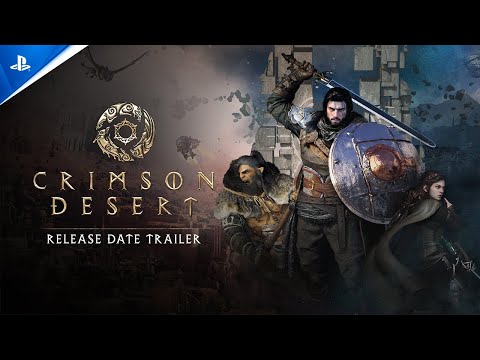
Crimson Desert | March 19 | PS5

This open-world adventure has been on the lips of many since its reveal back in 2019, so those craving to test their skill and strength in the fantasy continent of Pywel haven’t long left to wait. Combat, crafting and cooking, join a variety of other activities such as fishing and mining, which means there’s plenty to give you a break from the fight against savage rival tribes, brutish monsters, and even a mechanical dragon.

18 most-wanted games of early 2026

Dynasty Warriors 3: Complete Edition Remastered | March 19 | PS5

The Musoi majesty of Koei Tecmo’s tactical action series gets a glow-up in 2026, as the PlayStation 2 original returns with a modernized look, refined gameplay and UI, and content from its Dynasty Warriors 3: Xtreme Legends expansion. So you’re not just getting the finely honed and ever entertaining 1 vs 1,000 gameplay, there’s also new weapons, storylines and challenge modes to clash swords with.

18 most-wanted games of early 2026

007 First Light | May 27 | PS5

Hitman developer IO Interactive making a James Bond game? It’s a match made in 00-heaven. Set before the MI6 super spy gained his 007 status, this reimagined origin story aims to deliver fast cars, smooth (and at the perfect times, slow-motion) gunplay, innovative gadgets, and the ability to complete Bond’s missions in a variety of ways. Steal and sneak your way into compounds, bluff and bluster past guards, eavesdrop for intelligence, take down enemies with stealth, or maybe just let your fists fly. 

18 most-wanted games of early 2026

Pragmata | April 24 | PS5

If you’ve had that image of an astronaut and a mysterious young girl lodged in your brain since Pragmata’s first reveal trailer, 2026 is finally your payoff. Capcom’s new sci-fi IP strands spacefarer Hugh and his android companion Diana on a cold lunar research station ruled by rogue AI, pairing Hugh’s weighty third-person shooting with Diana’s reality-bending hacks to hijack enemies and crack environmental puzzles. 

18 most-wanted games of early 2026

Saros | April 30 | PS5

Housemarque’s been hard at work after delivering the excellent Returnal, and Saros is bringing all the qualities that have made the developer one to watch. Mysterious, otherworldly setting? Check. Fast-paced sci-fi shooting? No doubt. Although unlike Returnal, each death in Saros lets you choose and permanently upgrade your weapon and suit loadout. And there’s even more secrets about the game to be revealed…


This is just a small selection of what’s coming down the line – which early 2026 titles are you looking forward to playing? 

  •  

The Sushi House: How To Unlock The Hidden Ending

The Sushi House is a rather new indie horror game that was released on Steam.

It’s one of the few better horror games that have come out lately and you will come across multiple endings in the game.

Here’s how you can unlock the hidden ending in The Sushi House.

the sushi house guide


How to get the hidden ending in The Sushi House

To get the third and hidden ending for the game, you need to choose the route where you did not tell the detective about Yuki.

If you’ve finished the game, you can access the second ending via the “Continue” menu.

After you’re done freeing Yuki, she’ll ask you to look for a ladder.

The ladder is inside the freezer room but do not go in yet as you’ll be locked. Grab the wrench from the room Yuki was locked inside.

Then, go inside the room which has a generator and huge green pipes. Use the wrench on the pipe valve to create a gas distraction. Let the Manager walk into that room while you circle the area and enter the butcher’s room (where the Manager is always heard chopping).

Pick up the door knob from the counter in the room, near the corpses.

how to get hidden ending in the sushi house

Then, go to the freezer room and place the door knob first.

Enter the freezer and get the ladder. You will be blocked by the Manager again.

the sushi house walkthrough

This time however, you can escape the room with the door knob attached.

Bring the ladder to the vent area above the stairs (near a generator).

Climb up and you’ll reach the vents above the shops.

Wait for the Manager to get under you and drop the hatch on his head. You’ll now be able to escape the area with Yuki unharmed.

sushi house hidden ending


The post The Sushi House: How To Unlock The Hidden Ending appeared first on Ordinary Gaming.

  •  

Why this game?

For the most part, I pick the games I am going to run by, as the kids today say, vibes. It has always been instinctual. I hear about a game, the right ones set off my Spidey Sense, and I am hooked. That has been my method for the last 43 years. At different points during those years, I have thought to myself, “perhaps there are no more interesting games to play”, only to find time and time again something that I was excited to bring to the table.  

Last week, I thought I had hit rock bottom. For the first time in 43 years, I struggled to find a game to bring to the table. One of my game groups reorganized, and I lost a few players, so I was looking for a game to offer up, and my list was empty; the well was dry. I spent several nights wandering my PDF collection and scrolling through DriveThruRPG looking for something that would vibe, that would create that spark. Nothing. I started to worry that perhaps this was the end, no more games to interest me. 

I then did what I often do when I get stuck on a problem, and started to break the problem down into parts I could name, so that I could try to get some kind of control over what was going on. I learned some things about that “vibe”.. Oh, and I found a game too. 

What was I vibing on? 

My attraction to certain games had to be a combination of different factors. When it comes to understanding the larger parts of what makes up a game, I think that Jason Pitre did best with their Four Structures. Read the article for details, but in a nutshell, the four structures are: 

  • Setting – the world that the characters inhabit.
  • System – the rules of the game.
  • Situation – the things the characters do when you play. 
  • Subtext – the hidden message or theme of the game. 

When I looked back at past games I have been excited about, I can identify which structures excited me the most. Some games may be just one thing, and others may be multiples, with the best fits being all four structures. When I think about Forbidden Lands, my initial attraction was through the System, because of its rules for travel. For Night’s Black Agents, it was a combination of System (Gumshoe) and Setting (Jason Bourne vs Vampires). For Blades in the Dark, it was the Situation (doing jobs), more than the setting or system. While initially, I liked Underground’s Setting, what really got me was the Subtext of when all you have been trained for is war, how else can you solve any problems? 

Those are broad categories. It is entirely possible to like things in a more granular way. My interest in Forbidden Lands was for just one subsystem, not the entire mechanics of the game. There is a point of diminishing returns in granularity; it would be hard for me to be excited to get a game to the table just because I think one character class is interesting. For me, there needs to be a preponderance of interest in one of the Structures for me to connect. 

Another thing I observed upon reflection was that the more I connected with one Structure, the less I needed to for the others. I really don’t love the setting of Blades in the Dark, it’s ok. But I really like the Situation of a gang doing jobs to raise their status in the underworld. 

 I want the System to reinforce the Setting, Situation, Subtext, or all of them. 

Also, if one structure supports another, that is a multiplier for me. In the case of Night’s Black Agents, the Setting and Situation are superbly supported by the System. That is to say, there are rules for all the parts of the Setting and Situation (investigations, combat, chases, vampires, etc). Specifically, I want the System to reinforce the Setting, Situation, Subtext, or all of them. I find that when the System is not tightly coupled to the other structures, it makes it less appealing to me. 

Novelty and Predictability 

Thinking about the four structures and games I enjoyed in the past gave me a framework for looking at games and trying to understand why I was not finding anything I vibed with. While scrolling through lists of games, I now found myself saying things like, “I have played that system before”, “I don’t like to run fantasy”, “What do the characters do in this game?” It made looking at games more ordered, less vibes, and now more formulaic. 

During this exploration, I began to uncover two other factors in play. I love to run things I have not run before. I love the novelty of things. I rarely play the same game twice; I would rather play something totally new than run something I have played before. At the same time, I do have favorite game systems, because they are predictable. I like the feel of a PbtA system, and I have recently grown more comfortable with Forged in the Dark games. 

As I thought about these two factors in conjunction with the four structures, I realized that there was some nuance. Not every structure had to be novel, but they could not all be predictable. At least one structure had to be novel. Also, I found I get hesitant if everything is novel, meaning I like something to be predictable. For instance, a system could be totally novel if the setting (or genre – a component of setting) were predictable. 

Just what was I looking for? 

This added information about novelty and predictability provided some nuance to my searches, but more importantly, I was finally able to articulate what I was looking for, for this group for this game.

I wanted a predictable system. Where I am right now, I did not want to take on learning a new system. But I need some novelty, which eliminates replaying any past games. The game I was looking for was going to be a system I am comfortable with, but a setting and/or situation that was novel. 

This made searching much more efficient. I was now able to eliminate systems I was not comfortable with and games I had played in the systems with which I was familiar. Quickly, a short list of candidates popped up, and within a day, I settled on the game I wanted to try: 

Transit by Fiddleback Productions.

Transit is a PbtA game. Very predictable for me. I knew I would have no problem learning the System and being comfortable running it. The general Setting is SciFi, which is also familiar to me, but the characters take the form of AIs embedded into spaceships; a novel Situation! This was a solid combination for me. A System that I was comfortable running, in a general Setting that I am comfortable running and am well versed in its tropes, but a very novel kind of story to tell. I have not, in my 43 years, run a game where the characters were spaceships. 

Just like that, I was excited to get this game to the table. The drought was ended, and the age-old question of “are there no more games I am interested in?” was staved off for another day. 

Use the Force, Luke

The alchemy of why we like games is complex and contains many factors. By giving some of those factors names, we are able to create language for why we are intrigued by and turned off by games. In that naming, we give ourselves the power to move from instinct to rationalization. We no longer have to wander, hoping something will fall in our laps, but rather we can create a set of search parameters and hone in on candidates.

What structures attract you to games? What roles do novelty and predictability play for you? Do you like them in certain structures or not in others? 

  •  

Solo Leveling: ARISE OVERDRIVE

Netmarble has launched Solo Leveling: ARISE OVERDRIVE today on Steam and Xbox PC for $39.99, bringing the worldwide megahit webtoon to PC gaming audiences through an action RPG featuring gorgeously animated combat, deep progression systems, and four-player co-op raids. The release follows enthusiastic TwitchCon San Diego reception, a November 17th demo, and Advanced Access beginning November 21st.

Solo-Leveling-Arise-Overdrive

Webtoon Adaptation with Original Elements

Based on the globally successful Solo Leveling webtoon, ARISE OVERDRIVE delivers an original interpretation of Hunter Sung Jinwoo’s journey from humble beginnings to becoming the Ultimate Shadow Monarch. The game captures the source material’s appeal whilst providing interactive storytelling that allows players to experience the power fantasy directly.

The story follows Sung Jinwoo’s ascension as the world’s weakest hunter transforms into its strongest, commanding shadow armies and confronting increasingly powerful threats across the narrative campaign.

Solo-Leveling-Arise-Overdrive

Character Customisation and Progression

Story Mode enables players to create personalised versions of Sung Jinwoo through appearance customisation, skill selection, and playstyle definition. This approach balances canonical character recognition with player agency, allowing individual expression within established narrative frameworks.

Deep progression systems provide continuous development opportunities as players strengthen their version of Jinwoo throughout the campaign. Skill combinations and equipment choices presumably create build variety accommodating different combat preferences.

Solo-Leveling-Arise-Overdrive

Hunter Recruitment and Co-op Raids

Players recruit additional Hunters to fill team rosters, building squads for challenging content. Four-player co-op raids against bosses test team coordination and individual skill whilst providing opportunities to showcase developed capabilities.

This multiplayer component extends engagement beyond solo story progression, creating social gameplay opportunities within the Solo Leveling universe alongside friends or matched players.

Solo-Leveling-Arise-Overdrive

Pre-Launch Momentum

The structured release approach—TwitchCon showcase, demo availability, Advanced Access period—built anticipation whilst allowing player feedback integration before full launch. This momentum-building strategy ensures established player communities exist from day one rather than requiring organic discovery.

The demo release one week before launch provided hands-on evaluation opportunities, potentially reducing purchase hesitation through gameplay confirmation.

Platform Availability

Steam and Xbox PC availability ensures broad PC gaming accessibility, though console versions remain unannounced. The $39.99 price point positions ARISE OVERDRIVE as premium action RPG experience rather than free-to-play mobile adaptation.

Solo Leveling: ARISE OVERDRIVE targets webtoon fans seeking interactive engagement with beloved source material alongside action RPG enthusiasts drawn to animated combat presentation.

The post Solo Leveling: ARISE OVERDRIVE appeared first on Gaming Debugged | Gaming Site Covering Xbox, Indies, News, Features and Gaming Tech.

  •  

Project Motor Racing: New Screenshots

GIANTS Software and Straight4 Studios have launched Project Motor Racing today on PC, PlayStation 5, and Xbox Series X|S, introducing what they claim is a first for sim racing: full mod support across all platforms from day one. The title arrives with 70 cars spanning 13 legendary classes, 28 scanned track layouts, and community-created content already available through the integrated UGC Portal.

Project Motor Racing

Console Mod Support Breakthrough

Project Motor Racing utilises the GIANTS Engine to enable creators to build and share content across both PC and consoles simultaneously. Using the official GIANTS Editor and integrated UGC Portal, modders can submit creations directly to the sim, breaking the traditional PC-exclusivity of racing sim modifications.

Launch day content includes custom liveries, optimised setups, and a full GTO 250 km at Daytona career recreation. Praga debuts as the first manufacturer joining post-launch UGC, adding the Bohema hypercar for free community download.

“By combining Straight4’s racing expertise with our proven modding ecosystem, we’re creating a platform that can grow, evolve, and stay authentic through its community,” explains Boris Stefan, CSO & Head of Publishing at GIANTS Software.

Project Motor Racing

Authentic Motorsport Foundation

From LMDh prototypes to classic GT legends spanning 50 years of motorsport history, the roster features iconic machines from Audi, BMW, Lamborghini, Mazda, Mercedes, Nissan, Porsche, Toyota, and additional manufacturers. Tracks include Spa-Francorchamps, Daytona, Mount Panorama, and the Nürburgring (including Nordschleife), all featuring “True2Track” dynamic surface modelling where grip evolves corner by corner and lap by lap.

The 720 Hz simulation engine delivers handling and force feedback precision targeting serious sim racers, whilst adjustable AI, assist options, and optimised gamepad controls accommodate newcomers.

Project Motor Racing

Career and Competition Modes

Single-player “Survival”-style career captures professional racing’s unforgiving nature, where blown budgets, repair bills, and failed overtakes can derail entire seasons. This high-stakes approach emphasises consequence-driven progression rather than guaranteed advancement.

Cross-play ranked online racing features physics parity across all platforms, no-fee custom lobbies, and dual leaderboard competition. This unified competitive environment prevents platform-based advantages whilst expanding matchmaking pools.

Project Motor Racing

Development Philosophy

CEO Ian Bell contextualised the project: “Project Motor Racing was created by people who love this sport and shaped by a community that cares just as much. We hope it gives racers the same sense of connection and excitement it gave us.”

The collaboration between Straight4 Studios’ racing expertise and GIANTS Software’s modding infrastructure (proven through the Farming Simulator franchise) creates unusual synergy for sim racing development.

Project Motor Racing

Future Content Roadmap

Free updates, premium packs, and Year 1 Season Pass will expand track, car, and manufacturer availability. Stefan positions this launch as “just the starting grid for our ambitions,” with commitment to establishing Project Motor Racing as a defining genre name.

Project Motor Racing targets sim racing enthusiasts seeking authentic motorsport with unprecedented console mod accessibility.

Project Motor Racing

The post Project Motor Racing: New Screenshots appeared first on Gaming Debugged | Gaming Site Covering Xbox, Indies, News, Features and Gaming Tech.

  •  

What Are Some New Sweepstakes Casinos to Try?

Social casinos that follow sweepstakes rules keep expanding across the U.S., giving players a light, prize-oriented way to enjoy quick slot sessions and casual arcade-style play.

Below are fresh, verifiable pointers—centered on what’s active right now—and practical tips so you can get started without guesswork or headaches.

What’s Worth Trying Now

Sportzino (social sportsbook + sweeps casino). As of today, new players can use the welcome code WINBIGNOW to claim 220,000 Gold Coins and 10 Sweeps Coins (one-time, new users only). The platform explains GC vs. SC clearly: Gold Coins are for casual, practice-style sessions, and Sweeps Coins are used for prize-eligible play where permitted.

Before you join, review the official hub for current offers and any eligibility notes (states, verification, redemption minimums). The newest, verified packages are listed on Sportzino promo codes.

If you’re already a returning user, note that Sportzino sometimes has codes for existing accounts. That said, there are always recurring ways to boost your balance—daily login streaks, referral rewards, and VIP ladders—so it’s worth checking the promos area even when a code isn’t required.

Here’s a quick pre-flight checklist to keep signup smooth:

  • Registration steps: Confirm what unlocks the welcome package and when coins appear in your balance.
  • Coin system: Gold Coins (GC) for casual play; Sweeps Coins (SC) for prize entries where allowed.
  • Promotions cadence: Look for rotating boosts, challenges, or streak bonuses that fit short sessions.
  • Account checks: Read the rules on location, ID verification, and redemption minimums before planning a prize request.

Quick tip: Start with GC to learn pacing and features on your device. When the game’s rhythm feels right, decide if and when to engage with SC-based promos.

Everyday Play Tips

Even 10–15 minute sessions can feel more rewarding when you build a simple routine.

  • Log in daily. Consecutive logins often unlock progressive GC/SC gifts; missing a day resets the streak, so set a reminder.
  • Check timed challenges. Short missions—hit a spin count, finish a mini-event—add quick coin boosts without long commitments.
  • Use coin bundles wisely. If you ever buy GC, time purchases to themed events that include bonus SC; don’t rush when the timing isn’t ideal.
  • Explore mini-events. Flash tournaments and community leaderboards create simple, short-term goals that keep sessions focused.
  • GC first, always. Learn a title’s speed, feature cadence, and volatility using Gold Coins, then switch to SC only when you’re comfortable.
  • Pace your spin speed. Turbo modes can be fun but burn coins fast. Start at normal speed, add brief pauses after streaks, and use auto-spin sparingly.
  • Track your session. Note start/end time and beginning/ending balances. A tiny log makes it easier to stay within limits and spot your favorite game styles.

These small habits add structure and keep the experience relaxed rather than rushed.

How to Compare New Sites

Keep decisions simple: focus on clarity, pace, and limits. Review each site’s rules and reward structure before you dive in—especially how SC are earned and redeemed.

  1. Check the welcome offer. Verify the code, what’s required to unlock it, and when coins credit to your wallet.
  2. Try games with GC first. A handful of spins is enough to decide whether a title’s tempo fits your mood.
  3. Watch event timing. Weekly leaderboards and daily streaks make sessions feel structured without pressure.
  4. Rely on official pages. Cross-check promo details against the latest listings (e.g., the current welcome code and any note about returning-user codes).
  5. Scan support & policy pages. Look for clear FAQs, a player-safety section, and up-to-date state eligibility info.

Good signs: transparent coin info, readable redemption rules, frequent updates, reachable support.

Red flags: vague terms, outdated promo claims, missing eligibility details, or unclear ID requirements.

Bottom line: Stick with brands that keep details current and easy to verify—especially for code-based offers and redemption steps.

Brief Note on Responsible, Safe Play

Keep sessions short, set a coin budget, and treat SC as tokens—not income. Use timeouts if available, and pause when play stops feeling fun.

Helpful routines include jotting down session times, checking your play-time log, and switching to GC-only play when you want a pressure-free break. Small adjustments like these keep social sessions enjoyable and balanced—exactly the spirit of sweepstakes gaming.

The post What Are Some New Sweepstakes Casinos to Try? appeared first on Gaming Debugged | Gaming Site Covering Xbox, Indies, News, Features and Gaming Tech.

  •  

Share of the Week: Costumes

Last week, we asked you keep the Halloween spirit going and share in game costumes using #PSshare #PSBlog. Here are this week’s highlights:

call_me_xavii shares Hinako in a pink bunny variant uniform in Silent Hill f.

ibis_monk shares Atsu in a red armor set and gold kraken hat in Ghost of Yōtei

​​

mandylorian__ shares Cloud dressed as a Shinra guard in Final Fantasy VII Rebirth

BBSnakeCorn shares Jesse in the Astral Dive suit in Control

PattyGnand shares Swann wearing a butterfly mask in Lost Records: Bloom & Rage

RhodWulfLeon shares Kratos in the Dark Odyssey cosmetic in God of War Ragnarök Valhalla DLC.

Search #PSshare #PSBlog on Twitter or Instagram to see more entries to this week’s theme, or be inspired by other great games featuring Photo Mode. Want to be featured in the next Share of the Week?

THEME: It Happens On PS5
SUBMIT BY: 11:59 PM PT on November 12, 2025 

Next week, we’re celebrating 5 years of PS5. From epic action sequences and visual wonders, to emotional reveals and unexpected twists, share an unforgettable moment that happened on PS5. Use #ItHappensOnPS5 for a chance to be featured.

  •  

Painkiller: Rogue Angel

Saber Interactive’s 3D Realms and developer Anshar Studios have unveiled “Rogue Angel,” a roguelike game mode for their upcoming Painkiller reimagining launching 21st October on PlayStation 5, Xbox Series X|S, and PC via Steam. This additional mode operates separately from the main campaign, offering procedurally generated arenas where players collect tarot cards, weapons, and items whilst facing epic bosses in Purgatory’s depths.

painkiller

Procedural Purgatory Exploration

Rogue Angel takes players into a distinct realm of Purgatory featuring randomly generated arenas that ensure no two runs follow identical patterns. The mode supports cooperative gameplay for up to three players, allowing friends to tackle the challenging content together whilst advancing through increasingly difficult encounters.

The procedural generation appears designed to enhance replayability beyond the main campaign’s fixed structure, providing ongoing content for players seeking extended engagement with the Painkiller formula.

painkiller

Classic Formula with Modern Updates

The core Painkiller experience remains intact: players blast through hordes of demons using an array of infernal weapons across gothic environments. The story centres on redemption opportunities offered by the Creator’s Voice as players battle the fallen angel Azazel’s invasion of Earth.

Four distinctive characters – Ink, Void, Sol, and Roch – provide unique perks affecting energy, health, power, and damage statistics. Tarot cards enable ability upgrades whilst ranking systems expand available arsenals, creating progression mechanics that complement the fast-paced combat.

painkiller

Pre-Order Editions and Content

Both Standard and Deluxe editions include the “Iron Crusade” pre-order bonus skin pack, with physical pre-orders receiving the additional “Burnished Pride” weapons pack containing gold weapon skins. The Deluxe Edition features a Season Pass with “Night Watch DLC” providing four character skins and six weapon skins at launch, plus additional post-release cosmetic content.

The pricing structure targets both casual players seeking the base experience and dedicated fans willing to invest in extended content packages.

painkiller

Enhanced Combat Mechanics

The modernised gameplay incorporates jumping, hooking, and dashing mechanics across spine-chilling biomes whilst maintaining the series’ reputation for brutal, fast-paced demon slaying. Enemy variety spans from standard demon hordes to massive threats including Azazel’s monstrous offspring, the Nephilim.

The three-player online cooperative functionality expands the traditionally single-player focused series into social gaming territory, potentially attracting players who prefer shared experiences over solitary campaigns.

Painkiller attempts to balance nostalgia for the classic action-shooter formula with contemporary expectations for content variety and cooperative gameplay when it launches next month.

The post Painkiller: Rogue Angel appeared first on Gaming Debugged | Gaming Site Covering Xbox, Indies, News, Features and Gaming Tech.

  •  

Review: Resident Evil 4 VR | Meta Quest

Having first experienced Resident Evil 4 on the GameCube, then revisiting it years later on Xbox, I thought I knew every corner of the rural Spanish village like the back of my hand. But strapping on a Meta Quest headset and stepping into Leon Kennedy’s shoes – quite literally this time – has completely transformed this survival horror classic into something fresh and thrilling.

Resident Evil 4 VR Edition Review

A Familiar Horror, Reimagined

Resident Evil 4 VR takes everything that made the original brilliant and amplifies it through the lens of virtual reality. The game’s been rebuilt from the ground up for VR whilst maintaining those classic visuals that trigger waves of nostalgia. What’s immediately striking is how the shift to first-person perspective breathes new life into encounters I’ve experienced dozens of times before. That first villager encounter? Absolutely terrifying when you’re physically turning your head to track him stumbling towards you.

The attention to detail in translating this to VR is remarkable. You’ll find yourself peering around corners, ducking behind cover, and genuinely feeling the weight of each weapon as you switch between them. Even simple actions like opening cabinets become more engaging as you physically reach out and pull the doors open, never knowing if you’ll find precious ammo or another jump scare.

Resident Evil 4 VR Edition Review

Gunplay That Feels Genuinely Tactical

The weapon handling is where Resident Evil 4 VR truly shines. Your arsenal is cleverly mapped to your body – pistol on your right hip, shotgun slung over your shoulder, knife and grenades strapped to your chest. It feels natural and, more importantly, incredibly satisfying when you’re in the thick of combat.

Each weapon has its own reload mechanics that you’ll need to master. There’s something visceral about manually ejecting a magazine, slapping in a new one, and racking the slide whilst a crowd of Ganados bears down on you. The shotgun particularly stands out – you’ll need to pump it between shots, and if you’re not careful, you’ll waste precious shells by ejecting them accidentally. This adds a layer of strategy that simply wasn’t present in the traditional versions.

The ability to dual-wield weapons opens up entirely new tactical possibilities. Holding a pistol in one hand whilst lobbing grenades with the other feels empowering, and the knife has been transformed from a simple ammo-conservation tool into a genuinely fun weapon thanks to the satisfying slashing motions.

https://www.gamingdebugged.com/wp-content/uploads/2025/09/ResidentEvil4-VR-Meta-Quest-3.jpg

Comfort Without Compromise

Armature Studios deserves credit for the thoughtful comfort options. Whether you prefer standing or sitting, immersive weapon holsters or a traditional weapon wheel, the game adapts to your preferences. For those worried about motion sickness, there are plenty of settings to ensure everyone can enjoy the experience.

The only real concession to comfort is how cutscenes and certain actions play out. Rather than forcing potentially nauseating camera movements, these moments switch to a theatre-style view where you watch Leon perform kicks, suplexes, or dramatic escapes on a virtual screen. It’s a smart compromise that maintains the game’s cinematic flair without inducing discomfort.

Resident Evil 4 VR Edition Review

Atmosphere That Surrounds You

Playing Resident Evil 4 in VR makes you appreciate the phenomenal atmosphere in ways the flat-screen versions never could. Standing in the rain-soaked village at night, with lightning illuminating the sky and chainsaw motors revving in the distance, creates genuine dread. Those wolves that terrified me on GameCube? They’re absolutely horrifying when their glowing eyes pierce through the darkness at eye level.

The environments feel more lived-in and authentic. You’ll notice details in the Spanish architecture, feel the warmth from candles in the castle, and experience a genuine sense of place that enhances the survival horror atmosphere.

Technical Performance

Running on Meta Quest 2, the game performs admirably. Yes, the 2005-era graphics show their age, but this actually works in the game’s favour – it runs smoothly without the technical hiccups that plague more ambitious VR titles. Load times are reasonable, and I experienced very few tracking issues during my playthrough.

Resident-Evil-4-Remake-Ashley-Graham-Plaga

Final Thoughts

Resident Evil 4 VR isn’t just another port – it’s the definitive way to experience this classic. It takes a game I’ve completed multiple times and makes it feel dangerous and unpredictable again. The addition of Mercenaries mode post-launch adds significant replay value, though the absence of Separate Ways is disappointing.

For Meta Quest owners, this is an absolute must-buy. For Resident Evil fans who don’t own a Quest, it might just be worth investing in one. Capcom and Armature have set a new standard for how classic games can be reimagined for VR, proving that sometimes the best way to move forward is to look back – just through a different lens.

The post Review: Resident Evil 4 VR | Meta Quest appeared first on Gaming Debugged | Gaming Site Covering Xbox, Indies, News, Features and Gaming Tech.

  •  

What’s Your Pre-Game?

Every week, I run a game on Sunday evenings. Currently, I am running Blades in the Dark and Neon City Blues on alternating weeks. Every Sunday afternoon, I start my pre-game so that I am ready for game night. What makes up my pre-game changes depending on the game, where it is being played, etc, but there is always a pre-game. Let me tell you about it. 

Getting Ready to Play

I try to be very organized in my gaming. Some of it comes from genetics, some from childhood trauma, and a bit comes from my time as a college DJ, where it was impressed upon me that you never have dead air. Never. I try to carry that through to my gaming by making sure everything is prepared.

Now in the prep life-cycle, pre-game is the second-to-last step. The first steps involve session and campaign prep. I talk about those a lot in Never Unprepared and with Walt in Odyssey. The last step is mise en place, when you set up your gaming space

Back to pre-game. It is your final chance to get things in order so that you can come to the table ready to play. 

Things to Consider

There are two components to pre-game: mental and physical. 

The Mental

 For me, this is the time when I take a final look at my session prep and start loading it into short-term memory 

The mental part of pre-game is to get your mind ready to run the game. For me, this is the time when I take a final look at my session prep and start loading it into short-term memory. I have prepped the game some time before Sunday, typically at the start of the week, so I don’t always remember every detail of what I came up with. With the game only hours away, it’s now safe to put all the details into my short-term memory. 

That is accomplished by reading my session prep and imagining how various scenes will look, or how NPCs will sound. Based on this, I may add a few last-minute notes to my prep. 

I will also use this time to check any notes (mine or the players) on the past session to also refresh myself on what happened at the last session. 

Finally, this is the time to check any rules that may come up or just browse the rule book to reinforce the mechanics of the game. For newer games, this may be sitting down and re-reading the rules; for games I am more familiar with, it could be just looking up some specific rules, powers, or spells that are going to come up. 

The Physical

On the physical side, this is the time to get the physical components together for the game. Depending on whether your game is at your place or another place, this will vary. If you are playing at your place, this may also be a time to prepare your physical gaming space, cleaning or tidying up. If you are playing online, this is the time to prepare your VTT. 

Here are several possible activities you may need to do, depending on where your game is played and what game is being played. This list isn’t comprehensive, I am sure you can think of a few more things… 

  • Cleaning and preparing the gaming space
  • Deciding what books you will need at the table
  • Gathering minis or making tokens for the encounters planned in the session
  • Getting together maps (physical or digital) for the session
  • Printing handouts
  • Gathering props to be used in the game
  • Packing your gaming materials for transport
  • Uploading assets to your VTT
  • Determining what aids you need for the game (cards, name lists, etc)
  • Charging electronics (tablets, laptops)
  • Making a playlist or loading a soundboard for the session

Pro-tip: If you are using any electronics, run updates during your pre-game. Nothing kills the flow of a game like a device that starts to update when you get to the table. During pre-game, check for updates and run them while your devices are charging. 

My Game Day Rituals

For both my games, my session is on Sunday evenings, so my pre-game happens early Sunday afternoon. It is just a few hours before the game, so I have ample time to run through all the items on the list without feeling rushed. 

For my Blades game, I am running at a friend’s house. So my pre-game looks like this: 

  • Read the session notes – load into short-term memory.
  • Optional – re-read parts of the rulebook.
  • Charge my iPad and Apple Pencil.
  • Confirm the sync of my Obsidian database from my desktop to my iPad.
  • Confirm the sync of my OneNote session notes from my desktop to my iPad.
  • Set up session notes pages in my Blades Good Notes notebook, and put a heading and page number on them. 
  • Gather my physical materials – Character sheets, rule book, Clock Cards, etc.
  • Pack my game bag.

For my Neon City Blues game, my pre-game looks like this:

  • Clear my dining room table. 
  • Read the session notes – load into short-term memory.
  • Review the open mysteries. 
  • Charge my iPad and Apple Pencil.
  • Confirm the sync of my Obsidian database from my desktop to my iPad.
  • Confirm the sync of my OneNote session notes from my desktop to my iPad.
  • Set up session notes pages in my NCB Good Notes notebook, and put a heading and page number on them. 
  • Gather my physical materials – Character sheets, rule book, Clock Cards, etc.
  • Put everything on my rolling cart in the office (it gets rolled out to the dining room table after we eat). 

Preparing for Success

The pre-game is an important step in being prepared to run your session. It gets you organized mentally and physically to come to the table and run a great game. What goes into your pre-game will be a mix of your style, the game you are playing, and where you are playing. Come up with a pre-game (and even make it a checklist if you need to), and you will be prepared to run your session. 

Also, one last time — run your updates before your session starts!

Do you pre-game? When do you do it? What is in your pre-game? 

  •