Zobrazení pro čtení

Monster Hunter Wilds: Ascendance caps off Capcom's redemption arc with a 'massive' expansion in 2027

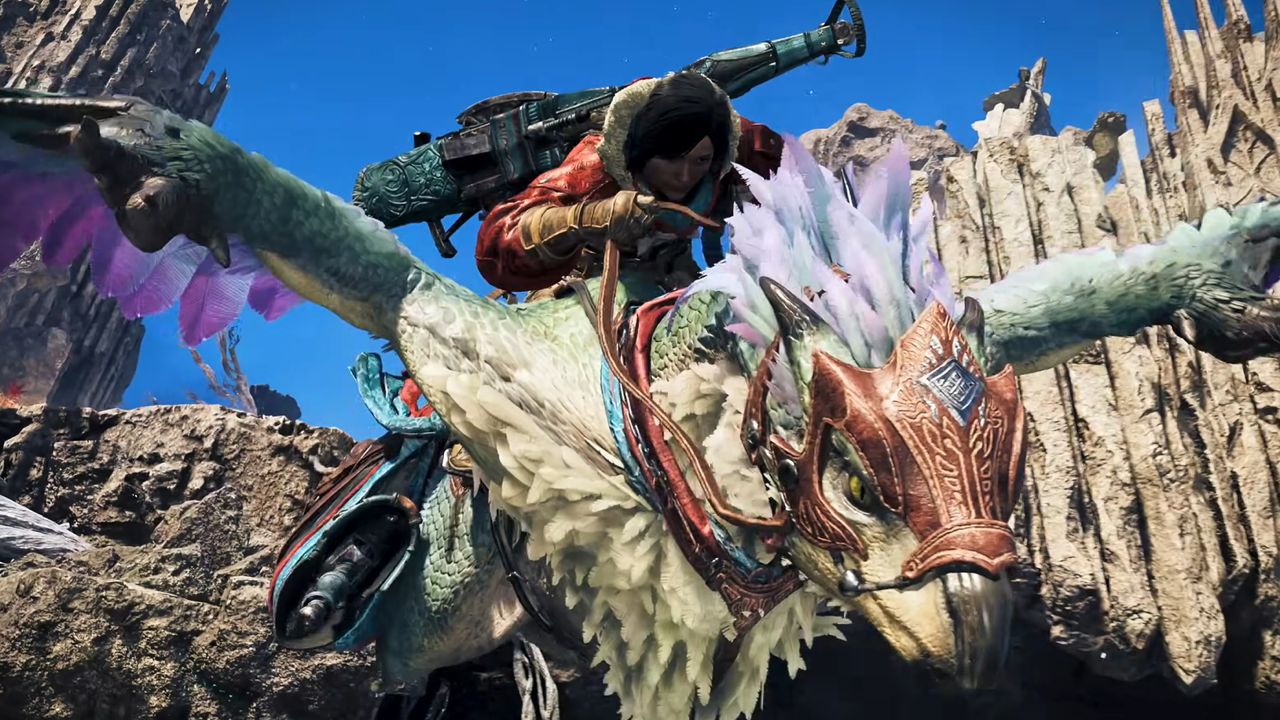
In February 2026, Monster Hunter series producer Ryozo Tsujimoto confirmed that a "large scale expansion similar to Monster Hunter World: Iceborne and Monster Hunter Rise: Sunbreak" was in the works for Wilds. In a reveal at tonight's SGF showcase, Capcom pinned a name on its next hunting expedition: It's called Ascendance, and it's coming to Wilds in 2027.

Based on what was shown in the trailer, Ascendance—a "massive" expansion, in Capcom's words—will have hunters leaving the now-familiar regions of the Forbidden Lands and heading skyward into the floating ruins of the Wyverian civilization. That journey will seemingly entail a notable risk of aerial lizard bombardment. You've been warned.

As is typical for Monster Hunter expansions, we can expect new creatures to clash with, new zones for questing, and expanded weapon movesets for facing the elevated challenge of Master Rank hunts. Based on the gameplay footage shown, hunters will be able to bolster their weapon movesets with jet-propelled mechanisms embedded in their forearm-mounted slingers: A great sword hunter was able to launch themselves into a string of strikes that—for the heavy weapon—were surprisingly nimble.

Most exciting for veteran MonHun sickos is the glimpse of a long-absent silhouette at the end of the teaser. Lao-Shan Lung? Now that's a name I haven't heard in a long time.

Ascension will be Wilds' best chance at securing a salvaged reputation, as Capcom only managed to substantially alleviate the PC release's dire performance issues in a January 2026 update—almost a year after its February 2025 launch. Ascension has the potential to be a crowning conclusion to the Wilds redemption arc, or a backslide into dysfunction.
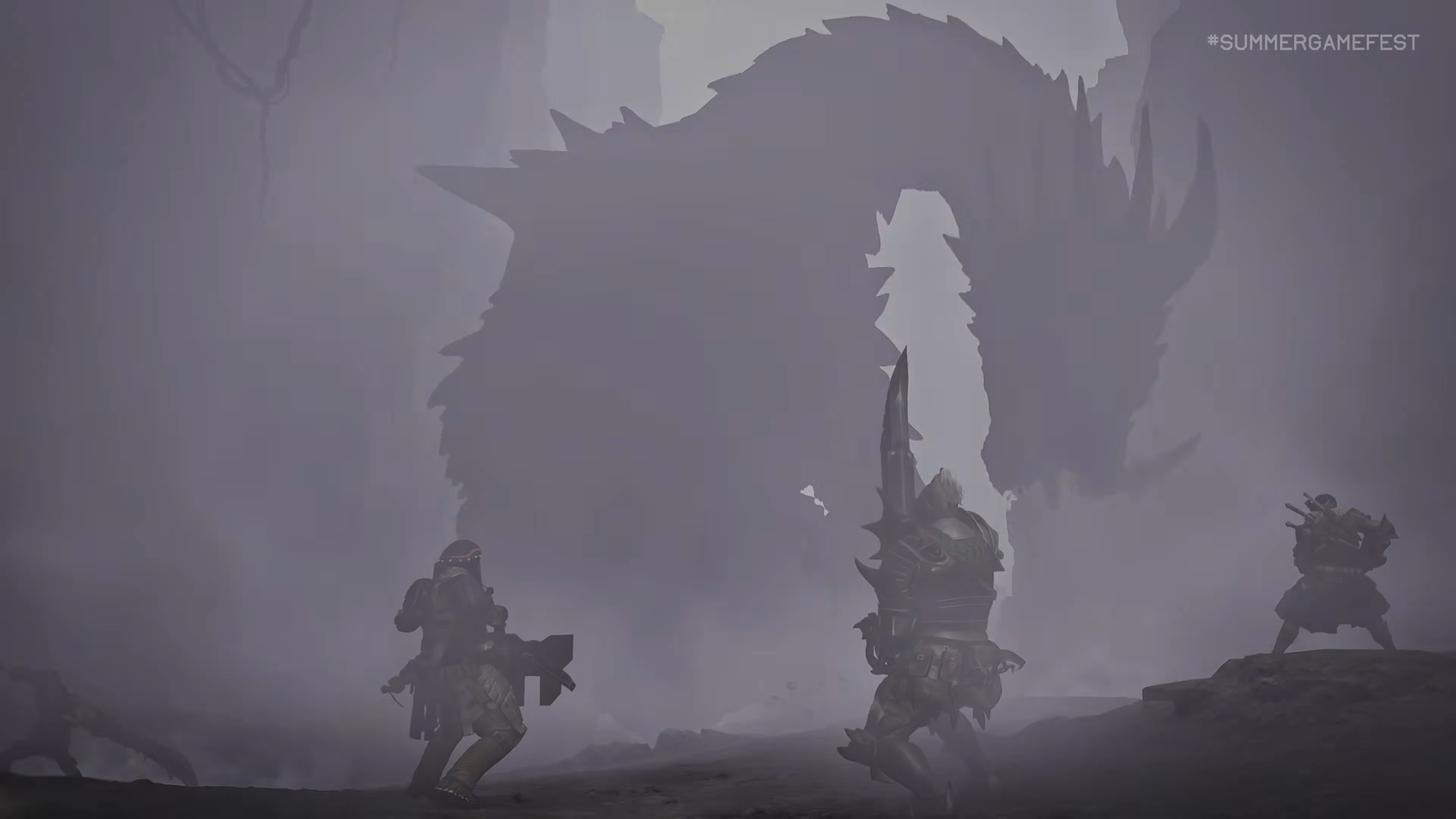
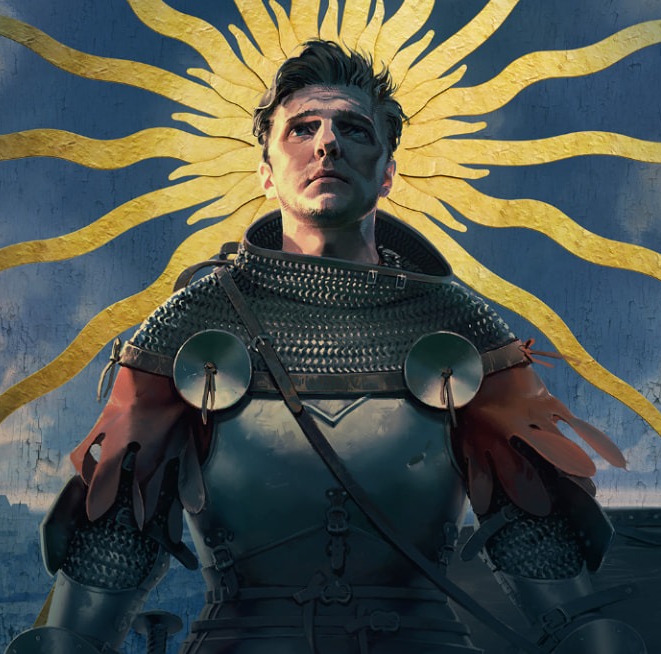
A silhouette that looks a lot like Lao-Shan Lung in the Ascendance trailer.

(Image credit: Capcom)

Looking at Iceborne and Sunbreak as a track record, however, there's plenty of reason to hope.

Monster Hunter Wilds: Ascension launches in 2027.
The PC Gaming Show returns Sunday, June 7 at 12 pm PDT! Visit the show's Steam page to wishlist your most anticipated games and get more information on how to tune in for the big reveals.
  •  

Bandai Namco is pitting Gundams against kaiju in 2027

I've got a serious case of Gundam disease. It's bad enough that I willingly spend my time playing Gundam: Battle Operation 2—a game that most of the world rightfully thinks is irredeemable. I'm starved enough for new Gundam stuff to play, that at this point I'll take whatever Bandai Namco is willing to put in front of me.

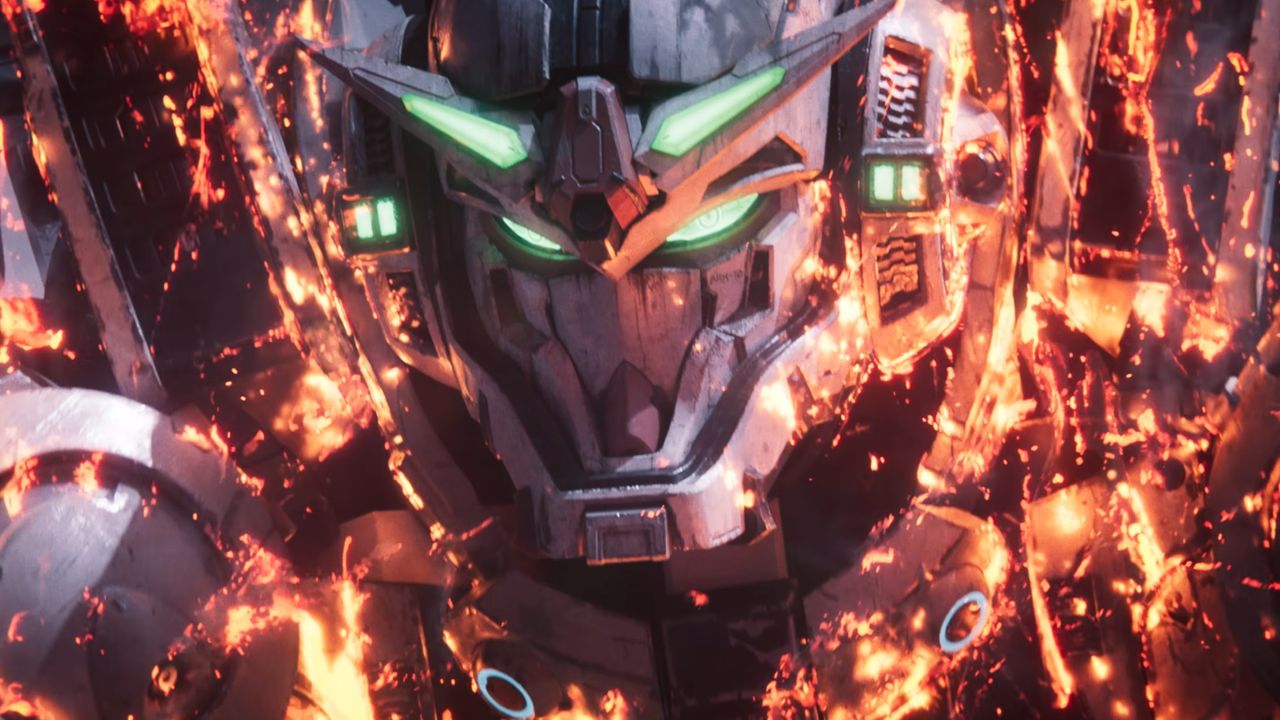
I didn't expect "whatever" to entail Gundams battling giant monsters, however, but I'm willing to be proven wrong. At tonight's Summer Game Fest, Bandai Namco revealed Gundam Rogue Orbit, an action game where mobile suits are fighting a meatier class of enemy than they usually face.

Still, even in the brief announcement trailer embedded above, there's plenty of recognizable Gundam material: A hapless grunt suit gets hopelessly outmatched by a superior tier of foe. There's a white robot with a V-fin. There's the profound sorrow that comes with the dashed hopes of a lasting peace for the space colonies.

I'll admit that I'm a little skeptical about how much it'll feel like Gundam when so much of what makes Gundam work is rooted in the emotional, psychological, and political tensions that emerge from human conflict. But Gundams facing kaiju isn't entirely unprecedented: That's the premise of the Mobile Suit Gundam Eight manga that kicked off in 2025.

And hey, when a beam sword looks as respectable as it does in that gameplay footage, I'm willing to give it a chance.

Gundam Rogue Orbit launches on Steam in 2027.

The PC Gaming Show returns Sunday, June 7 at 12 pm PDT! Visit the show's Steam page to wishlist your most anticipated games and get more information on how to tune in for the big reveals.
  •  

Players spent roughly 10,250,000,000 monthly hours in Roblox in 2025, analyst says—more than Steam, PlayStation, and Fortnite combined

As you may have heard, Roblox is big—but the scale of the platform's dominance over the attention span of a significant portion of the world's populace can be hard to comprehend. Thankfully, a report on 2025 games industry trends from analyst Matthew Ball puts Roblox's relative prominence in concrete terms.

And that prominence is, well, terrifying. According to an early access release of Ball's report, Roblox accounted for more of 2025's games industry growth and player engagement than the combined totals from some of the world's biggest gaming platforms.

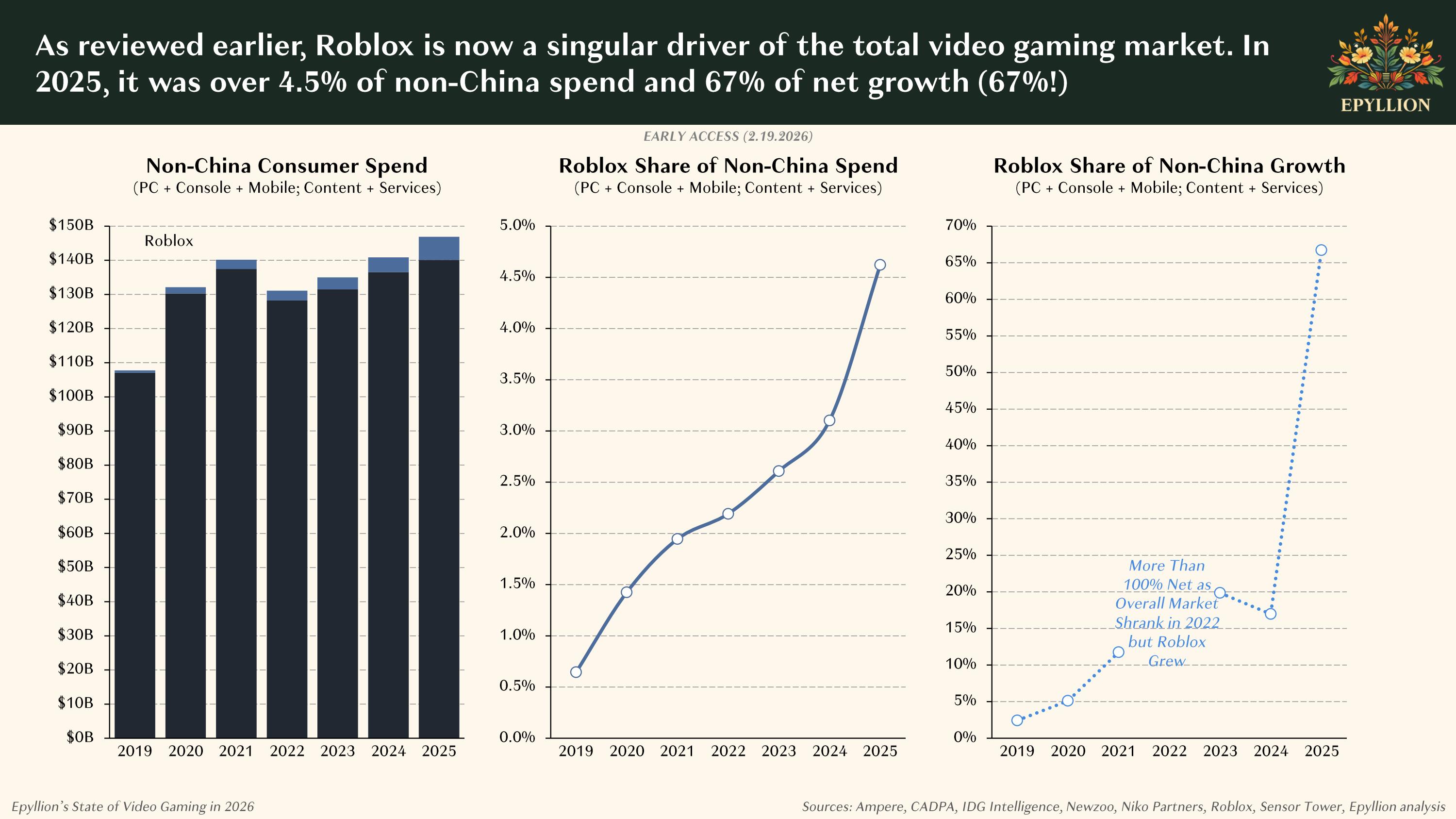
Epyllion annual report charts showing Roblox share of non-China consumer spend and growth.

(Image credit: Epyllion)

As has been the case since 2022's descent from the industry's pandemic peak, Ball says data from analytics sources like Ampere, Newzoo, and Circana indicate that games industry revenue growth, particularly outside of China, was stagnant in 2025—but not for Roblox. Roblox alone accounted for 67% of all non-China growth, as its share of total consumer spending in 2025 across PC, console, and mobile exceeded 4.5%.

It goes without saying, but a single platform being responsible for over two-thirds of an industry's growth indicates a massive financial influence, and it's not hard to see how: According to Ball, Roblox was attracting over 150 million daily active users in 2025—a 69% increase over 2024.

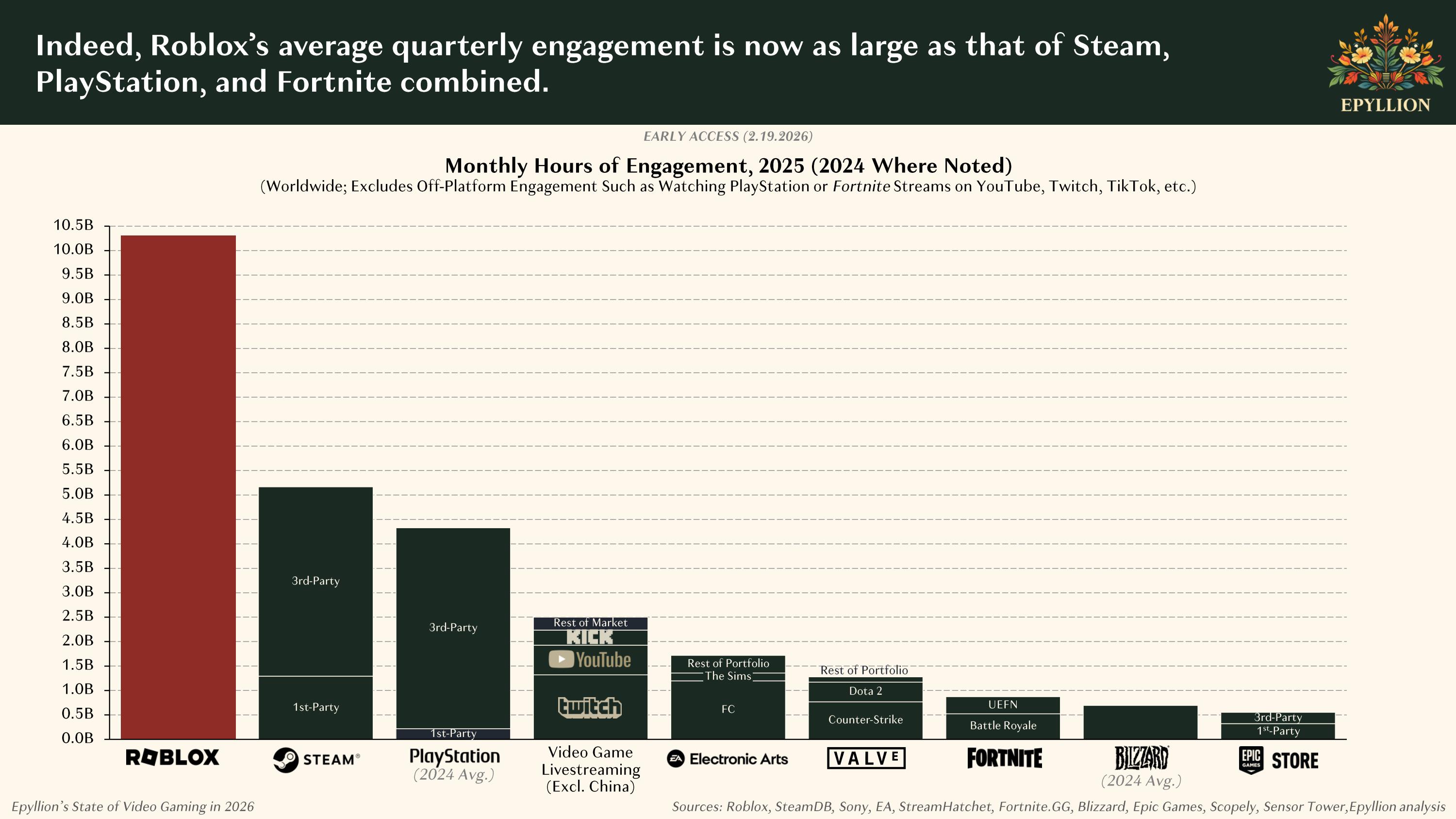
And those users were spending more time in Roblox than they ever have. In 2025, players spent over 10 billion hours in Roblox each month, more than the hours spent on Steam, PlayStation, and Fortnite combined. Ball says that Roblox is even "starting to challenge Netflix for total hours of use," and while Netflix's engagement growth has slowed to around 1% each year, Roblox has been ranging between 25% and 70% engagement growth since 2022.

Epyllion chart of monthly hours of engagement in 2025, showing Roblox's average monthly engagement hours greater than Steam, PlayStation, and Fortnite combined.

(Image credit: Epyllion)

Individual Roblox games are even outperforming the entire catalogs of some of the industry's biggest publishers: Grow a Garden's average monthly hours of engagement in 2025 outpaced the 2024 monthly combined average of all Blizzard games.

For those of us familiar with Roblox's long-standing controversies of child safety, labor exploitation, and predatory monetization that have attracted a continuing succession of lawsuits and state investigations, those statistics may possess a deeply sinister air. But while the executives of countless industry C-suites are undoubtedly pondering how to contort their existing projects into UGC platforms in an effort to simply make a Roblox of their own, Ball says success in today's games industry isn't just a matter of trying to emulate what Roblox does.

"To find growth, we have to acknowledge: There is no 'videogaming industry,'" Ball writes. "There are many."

In other words, while it's tempting to lump all of gaming into a singular industry pool, it is—in reality—a constellation of peripherally-related markets, all operating according to unique dynamics between which theories and strategies don't necessarily transfer cleanly or successfully: "The result is that different companies in the 'videogaming industry' exist in very different universes and experience fundamentally different growth prospects," Ball says.

Roblox is, essentially, an industry all its own. And chances are, the Roblox industry won't easily accommodate another.

2026 games: All the upcoming games
Best PC games: Our all-time favorites
Free PC games: Freebie fest
Best FPS games: Finest gunplay
Best RPGs: Grand adventures
Best co-op games: Better together

  •  

Skate is locking a map area behind a paywall after promising no map areas would be locked behind paywalls: 'We will need to make changes as we go sometimes'

Skate's free-to-play resurrection hasn't had a smooth ride in early access. While it attracted millions of players at launch, it slumped to an early "Mixed" rating on Steam, and the following months of trudging through microtransaction muck and technical troubles haven't done much to improve player sentiment.

This week, EA seems determined to test how much more room to fall its player reception still has, revealing plans for Skate's Season 3 content rollout that includes a new map area that requires payment for unrestricted access—something that, before launch, Skate's developers explicitly said they wouldn't pursue.

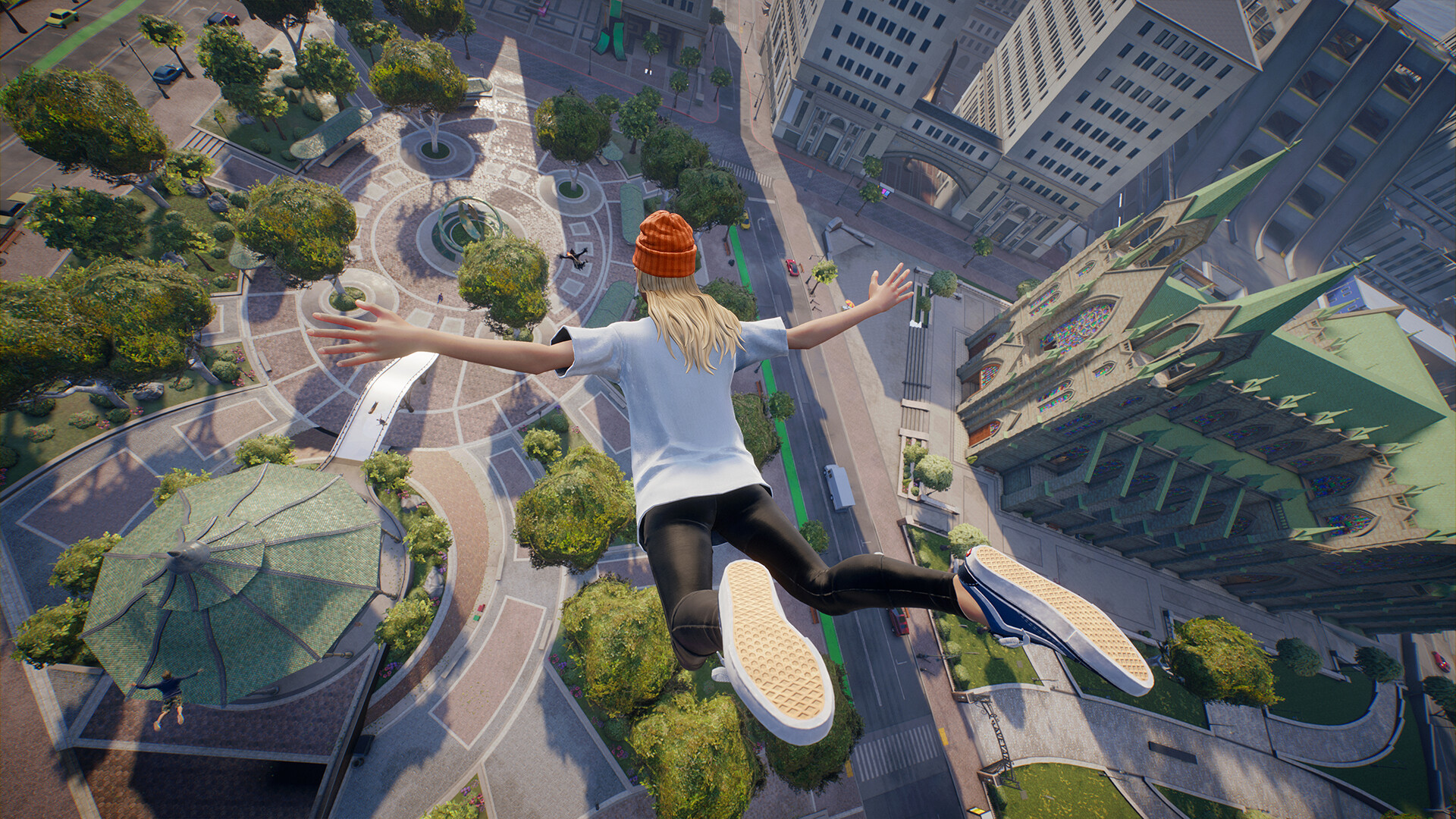
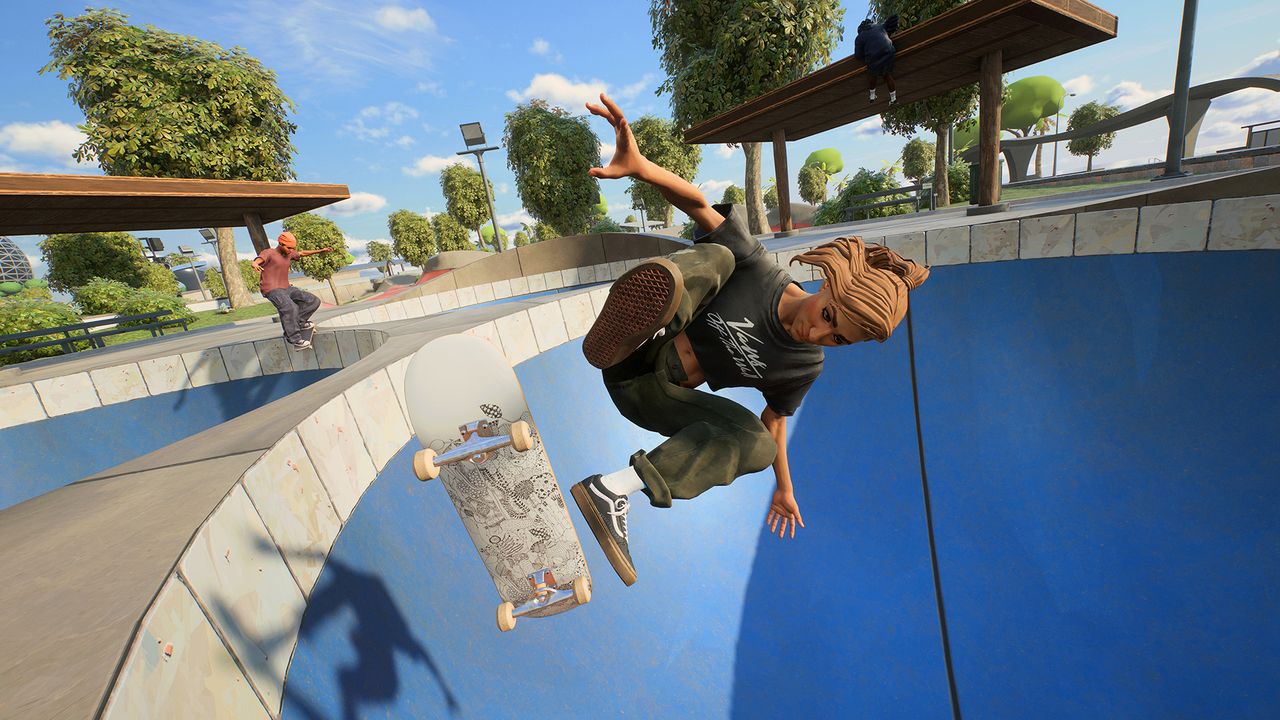
Skate. screenshots flying through the air

(Image credit: EA)

In a Season 3 preview blog post, EA revealed a reworked Isle of Grom: an upgraded version of Skate's tutorial zone "expanded with a ton of new spots to skate and explore," like "hillbombs, massive gaps, cool transitions, and some Skate 2 and 3-inspired spillway action."

Sounds nice! Until you scroll down a little bit further to see the details for who can access the Isle of Grom and when.

Initially, the Isle of Grom will only be available from March 10 to April 14 for players who've purchased the Skate Pass, which costs 1,000 San Van Bucks (which costs roughly $10). Then, the Isle of Grom will have an "open access" period from April 14 to May 5, in which "all players can skate Isle of Grom during a special multi-week event."

Finally, after May 5, the Isle of Grom will once again require Skate Pass Premium—but players will also have the option to rent access to the new area with in-game currency by paying 500 earnable Rip Chips (we have strayed perilously beyond the light of divinity) for a 24-hour Isle of Grom Water Taxi day pass.

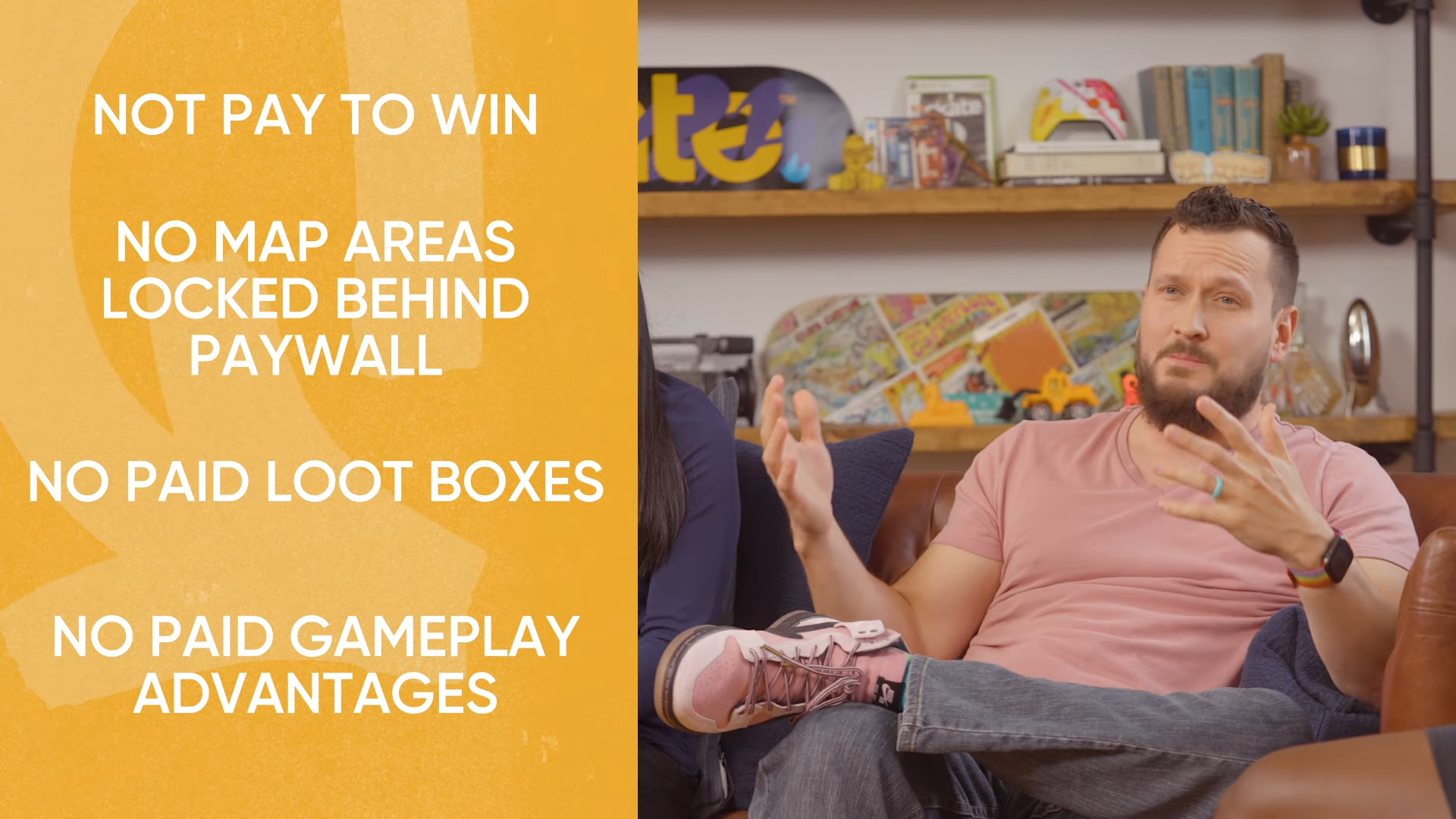
A screenshot of a prerelease Board Room dev video, in which Skate developers say there will be no map areas locked behind paywall.

(Image credit: EA)

Even if I think we can all understand the logic of asking players to pay for a new region in a free-to-play game, it becomes a lot less palatable when access to it is presented with a conditional, three-stage flowchart while the game is already submerged inches-deep in microtransaction slurry. But what makes Skate's rollout of a new map area locked behind a paywall feel particularly foul is the fact that, in a July 2022 video published before launch, Skate's developers said there would be "no map areas locked behind a paywall" as a "hard ground rule."

On X, the official Skate account has been attempting to implement damage control by responding to players who are understandably frustrated by the game doing the thing it specifically said it wouldn't.

"Launching in Early Access meant we were going to work on the game in public while players played," the Skate account replied with near-palpable exhaustion to a frustrated player. "We want to build this game to last, and it means we will need to make changes as we go sometimes. It also allows us to make improvements like updating our characters, lighting, adding tricks and other things we've changed since September. This change was made to ensure this game sticks around for the long haul."

Elsewhere, the Skate account said that "sometimes plans have to change. That's part of the deal when you're building in public. We're here, we're listening, and we're going to keep shaping Skate together."

Nothing reassures me about the future of skateboarding like pacifying corporate pseudo-acknowledgment. If you want to join in shaping Skate together, EA has published an updated development roadmap for Season 3 and beyond. You can get tattoos soon. So, you know. Pretty cool.

2026 games: All the upcoming games
Best PC games: Our all-time favorites
Free PC games: Freebie fest
Best FPS games: Finest gunplay
Best RPGs: Grand adventures
Best co-op games: Better together

  •