Normální zobrazení

Received before yesterday

How Real-Time Analytics Enhance Gameplay, Strategy, and Player Experience

16. Leden 2026 v 17:06
How Real-Time Analytics Enhance Gameplay, Strategy, and Player Experience

While headlines warn about the risks of AI, the technology also offers remarkable benefits. One of the biggest advantages is its ability to process and analyze data at lightning speed and to put that information to practical use. Real-time data can make video games more fluid, responsive, and immersive than ever before, offering players experiences that adapt to their style and preferences in the moment.

As games become more complex and connected, the amount of data being generated has grown exponentially. Every movement, decision, and interaction can be captured and analyzed, enabling developers to understand not just how games are played but also why players behave as they do. This insight is at the heart of modern game design.

What Are Real-Time Analytics?

How Real-Time Analytics Enhance Gameplay, Strategy, and Player Experience

As the name suggests, real-time analytics involves analyzing data streams as they are generated. This continuous analysis allows systems to respond almost instantaneously, producing insights or outcomes with impressive accuracy. But what does this mean for players, developers, or even entertainment platforms beyond gaming?

For developers, real-time analytics provide immediate feedback on performance, balance, and engagement. If a particular level proves too difficult or a feature isn’t being used as intended, adjustments can be made quickly, sometimes without players even noticing. This ability to fine-tune experiences on the fly helps keep games enjoyable and relevant long after launch.

Enhancing Personalized Experiences

Online platforms are increasingly using real-time analytics to tailor experiences for individual users. For example, a platform may observe which types of games a player enjoys most or which challenges they respond to eagerly. This data can inform recommendations, highlight new content, and adjust difficulty levels to match the player’s skill level, making every session feel personalized and engaging.

Personalization also plays a role in retention. Players are far more likely to return to a game that feels fair, rewarding, and aligned with their preferences. By recognizing patterns in behaviour, developers can create progression systems, rewards, and events that feel timely rather than generic.

Even the online casino industry, though not the focus here, provides an illustrative example. Some review platforms now rate sites using real-time data, so the top online casinos in competitive markets like Canada are ranked based on factors such as user engagement, game variety, and promotional offerings. This demonstrates how immediate insights can improve both the service and the player experience.

Dynamic Gameplay and Strategy

How Real-Time Analytics Enhance Gameplay, Strategy, and Player Experience

Real-time analytics also transform how players interact with games. In many competitive games, whether strategy-based or team-oriented, field or map conditions can change rapidly. Real-time data allows game mechanics, AI opponents, or in-game events to adjust dynamically, creating more realistic and challenging scenarios. Players can adapt their strategies on the fly, making decisions informed by constantly updating information.

In multiplayer environments, this can also support fairer matchmaking. Analytics help ensure players are matched with others of similar skill levels, improving competition and reducing frustration. This balance is essential for keeping online communities healthy and engaged.

This has clear advantages: gameplay becomes more engaging, decisions are more meaningful, and strategic depth increases. However, it can also create pressure. Players may feel compelled to act quickly, sometimes sacrificing thoughtful planning in favour of an immediate response. Balancing speed and strategy is part of the modern gaming challenge.

Predictive Insights and Preparation

How Real-Time Analytics Enhance Gameplay, Strategy, and Player Experience

Where real-time analytics truly shine is in preparation and anticipation. Data on player behaviour, environmental changes, or evolving game conditions can be analyzed in advance of critical moments. This allows players to make better-informed decisions, anticipate opponents’ moves, and adjust tactics effectively. The result is smarter gameplay and more satisfying outcomes.

From training modes that highlight weaknesses to live dashboards that track performance trends, analytics are becoming a powerful tool for improvement rather than just observation.

Conclusion

Where real-time analytics really do win out is when they are used in the run-up to a contest. There are many factors that can affect the outcome, from sudden announcements about player injuries to changing weather forecasts.

By taking these into account, it not only gives an indication about what the result will be, it also leads to better prediction of odds and, if the odds go your way, an even bigger payout if you win.

9 Reasons Tabletop Games Are a Go-To Choice for Family Entertainment

14. Leden 2026 v 16:52
tabletop

In 2026, people are now searching for more family-friendly games that offer meaningful ways to reconnect. Moreover, digital entertainment series still has its own place. Thus, several households are rediscovering the timeless moment of tabletop games. Tabletop games are more engaging and time-consuming, ranging from classic board games to immersive role-playing and beyond.

These tabletop games have become a go-to choice for family entertainment throughout generations. These games are more interesting and far better than just passing the time. They improve communication, critical thinking, shared memories, and laughter. Such qualities are enough to strengthen our family bonds. Whether you want to enjoy a cozy weekend or a holiday gathering, tabletop games offer a wide range of happiness.

Why Tabletop Games? 9 Reasons To Choose

Here is a compiled list of 9 reasons to choose tabletop games for your next family gathering.

1. Bring Families Together

Choosing tabletop games isn’t just easy to manage, but also brings everyone under one roof. Families enjoy physical play and strengthen their bonds. This could be the best choice for big families to discourage device use during gatherings. Tabletop games need participants to sit together, engage, and interact directly with one another. Games like murder mystery games, trivia challenges, and board games create shared experiences. These experiences naturally spark discussion and storytelling.

2. Suitable for All Skill Levels and Ages

Tabletop games are quite adaptable and inclusive. These games are designed for youngsters, teens, adults, or even mixed-age groups. That’s why they are making a good choice for families with different ages and interests.

3. Improve Critical Thinking and Problem-Solving

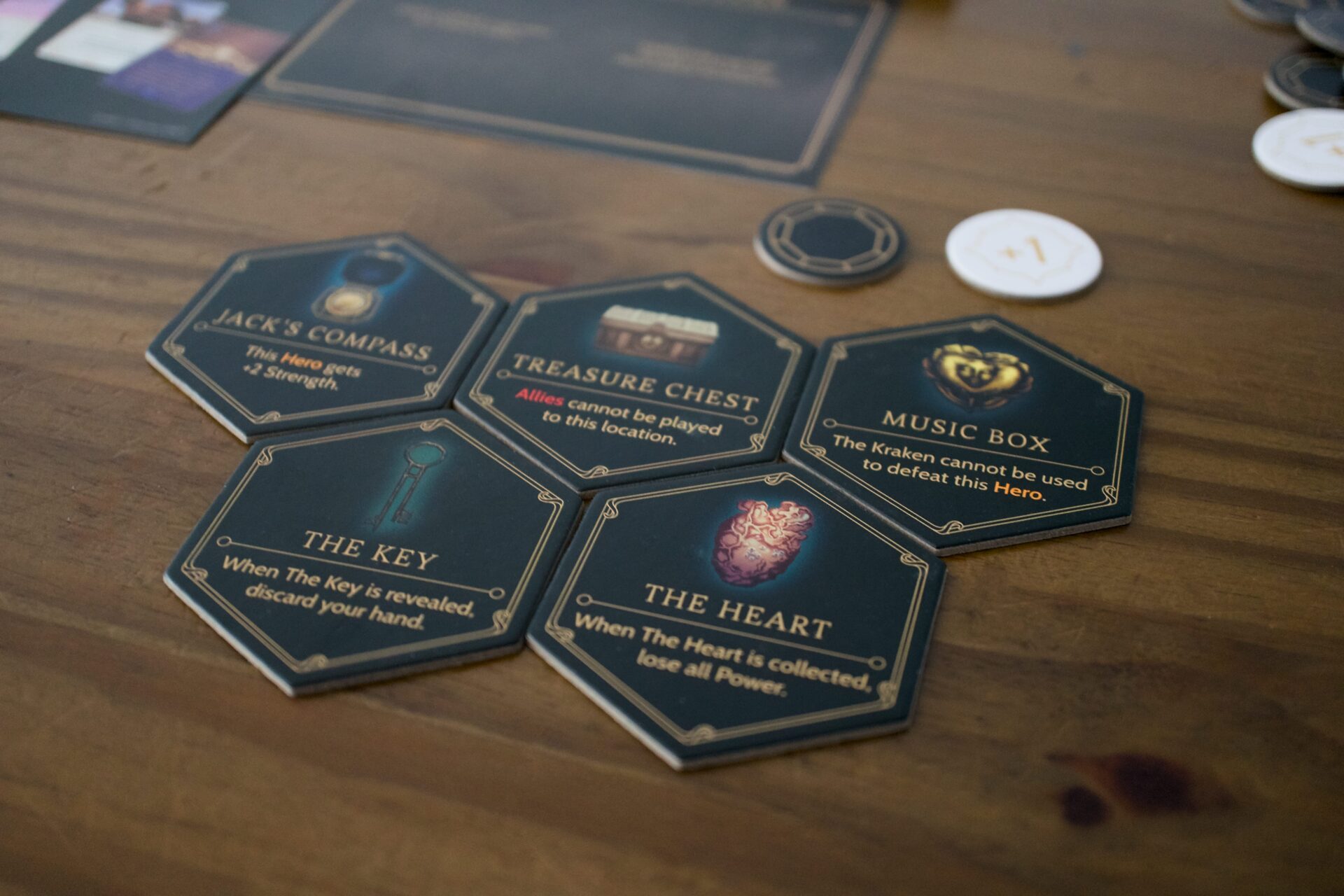
Catan: Seafarers 6th Edition Review

Tabletop games are among the finest ways to develop cognitive skills. Tabletop games offer a wide variety in which players can think strategically to solve problems. Puzzle-based and logic challenges are a good choice for sharpening reasoning skills. However, other strategy games improve foresight and planning.

4. They’re Built To Promote Communication & Social Skills

Effective communication is fundamental to the success of tabletop games. Players engage in explaining strategies, asking questions, negotiating, and sometimes persuading others. These interactions are crucial for gameplay. Also play a significant role in cultivating essential social skills in both children and adults.

Games that incorporate storytelling, role-playing, or teamwork enhance players’ communication skills. For younger participants, these games can improve vocabulary and listening skills.

5. Best Option to Create Memorable Shared Experiences

Tabletop games differ from passive forms of entertainment. That’s why they require active player participation. This engagement helps create memorable experiences that families often discuss long after the game has ended.

Tabletop games often lead to memorable experiences. These can include unexpected victories, amusing errors, and dramatic plot twists. These narratives play a significant role in strengthening family relationships. Also, fostering a sense of togetherness among players.

6. They Provide Screen-Free Entertainment

With growing concerns about screen time, families are enthusiastically exploring fun, screen-free activities. Tabletop games offer a delightful way to connect and engage without the distractions of our digital world!

Engaging in board or card games brings families together, fostering connection and fun! This delightful break from screens can lower stress, boost attention, and promote healthier habits. It’s a fantastic way to bond!

Marvel Multiverse RPG: X-Men Review

7. Educational Enough Without Learning

Tabletop games excel in educating. They’re enough to provide entertainment, including math, language, history, strategy, and logic to make learning enjoyable.

Kids thrive when they’re having a blast! Fun games that incorporate counting, reading, and problem-solving effortlessly boost their academic skills. While diving into exciting stories, they sharpen their ability to analyze, spot patterns, and think outside the box. Learning can truly be a joyful adventure!

8. Ideal for Occasions and Gatherings

Tabletop games are perfect for family get-togethers, holidays, birthdays, and special occasions. They offer a fun way to bring everyone together and ease any awkward moments that can happen in bigger groups. Playing games helps break the ice and encourages guests to mingle and connect more comfortably. Cooperative and party-style games are especially great, as they promote teamwork and lots of laughter, making your gatherings even more lively and memorable.

9. They Are Reusable and Cost-Effective

Compared to many other types of entertainment, tabletop games are a fantastic and affordable choice. Just one game can bring you years of joy and can be played again and again without losing its charm. Unlike movie tickets or digital subscriptions that you have to buy repeatedly, tabletop games are a one-time purchase that you can enjoy over and over. Plus, many games offer exciting replay value with different strategies, outcomes, or storylines to explore.

Tabletop games truly deserve their spot as a popular choice for family fun. They bring loved ones together, encourage learning and communication, and help create wonderful shared moments that can be cherished long after game night ends.

In a world where digital entertainment often takes center stage, tabletop games offer a delightful, engaging alternative that can help bring families closer together.

By incorporating tabletop gaming into your family routine, you’re not just having fun; you’re creating special connections, joyful memories, and cherished traditions that will last for many years.

Why Compliance Is Becoming Core Infrastructure for Online Entertainment

12. Leden 2026 v 15:24
Why Compliance Is Becoming Core Infrastructure for Online Entertainment

In the world of online entertainment, innovation now moves alongside regulation. You can feel the difference. The platforms you use have become more stable, transparent, and responsive without losing their creative edge. This reflects a shift toward compliance-driven technology stacks that treat regulation as infrastructure rather than interruption. France and neighbouring markets have advanced more slowly, while Germany’s approach to governance and technology integration keeps it at the forefront of digital services.

You interact with platforms subject to EU-level frameworks, such as the Digital Services Act, and to national enforcement. Here, governance is embedded directly into systems rather than added at the margins. Content moderation, identity verification, accessibility, and reporting run continuously in the background, providing a more reliable and professional experience. For operators, compliance technology underpins sustainable growth, demonstrating how structured governance can support creativity, interaction and long-term trust.

The regulatory framework driving platform technology

Why Compliance Is Becoming Core Infrastructure for Online Entertainment

Germany’s compliance architecture is built on layered obligations that affect nearly every interactive platform you use with a meaningful user base. The Digital Services Act introduced ongoing risk assessments, transparency reporting, and formal complaint-handling processes for digital intermediaries. National laws further expand these duties, particularly regarding content moderation speed, tax transparency, and consumer protection.

You may never see these systems directly, but they influence how platforms log your interactions, flag violations and document decisions that affect your account or content. Today, developers design systems in which regulatory logic runs alongside core functionality, rather than being added later. Accessibility requirements taking effect in 2025 have also reinvigorated interface design, improving how you navigate platforms using different devices or assistive technologies. Together, these rules dictate the technical foundations behind the experiences you engage with daily.

Compliance innovation within regulated entertainment ecosystems

Germany’s compliance stack has become a practical test of operational maturity within regulated entertainment sectors. Licensed casinos operate under strict identity verification, age controls and behavioural monitoring obligations that directly affect how you onboard and play. The list of German online casinos at CasinoBernie illustrates how operators can integrate regulatory tooling while maintaining smooth gameplay and a user-friendly experience.

These platforms rely on automated identity checks, transaction monitoring and centralized reporting dashboards to remain compliant while keeping interaction flows smooth. From your perspective, this results in faster verification, clearer limits and more predictable platform behaviour. As a result, industry discussions increasingly frame compliance engineering as a competitive advantage rather than a burden; when governance systems are built into the product, you benefit from stability without feeling constrained by regulation.

How compliance technology influences user experience

Why Compliance Is Becoming Core Infrastructure for Online Entertainment

Compliance technology in Germany is increasingly shaping the user experience of interactive platforms. Accessibility standards have led to cleaner interfaces, clearer navigation paths and better compatibility and collaboration across platforms, devices and assistive tools. Meanwhile, automated content moderation systems help keep communities you participate in active while reducing exposure to harmful behaviour, with you benefiting from faster report responses and more consistent rule enforcement.

Transparency requirements also influence design decisions, providing clearer explanations of moderation outcomes, account actions, and data usage, which together contribute to the predictability and fairness many users now expect. From the platform side, compliance tools generate real-time insights into risk patterns and behaviour, allowing adjustments without disruptive redesigns. As a result, innovation often accelerates rather than slows, while your experience improves quietly over time.

Competitive effects of Germany’s compliance-first approach

Germany’s digital compliance domain has also reinvigorated competitive dynamics across interactive entertainment. Large platforms face heightened scrutiny under EU competition and market fairness rules, while smaller operators gain clearer entry paths through standardized compliance expectations. For developers, this reduces ambiguity around legal obligations and supports more predictable product planning. As a user, you can access a broader range of platforms that offer localized services without sacrificing professionalism.

Interoperability expectations and data governance rules encourage modular system design, enabling platforms to expand across regions with minimal disruption. In this context, compliance technology vendors have become integral partners in this ecosystem, supplying adaptable tools that keep pace with regulatory change, resulting in competition driven by quality, reliability, and user trust.

Compliance as a catalyst for future platform growth

Why Compliance Is Becoming Core Infrastructure for Online Entertainment

Looking ahead, Germany’s compliance-centric technology stack positions interactive entertainment platforms for long-term resilience and that resilience directly affects you. Regulatory focus is expected to expand into areas such as algorithmic accountability, youth protection and real-time risk monitoring, with platforms that already operate continuous compliance systems adapting more smoothly to these shifts. For you, this likely means services that progress steadily rather than through disruptive corrections.

Developers increasingly treat compliance tooling as core infrastructure, similar to security or performance optimization, which supports faster innovation cycles and more confident experimentation within defined boundaries. Germany’s situation shows that strong governance, when supported by modern technology, creates conditions in which platforms can grow responsibly while delivering experiences that feel stable, transparent, and future-ready.

Vital stats

  • Compliance drives broader entertainment growth: Germany’s video games market, encompassing games, hardware and online services, generated around €9.4 billion in revenue last year, with online gaming services within that rising 12% year over year, signalling how structured compliance and governance support dynamic segments of interactive entertainment.
  • Regulation enhances user safety: German authorities reviewed over 1,700 websites and initiated 231 prohibition proceedings last year, illustrating how tech-driven compliance protects users.
  • Compliance improves experience and competition: Transparency and accessibility rules under the Digital Services Act give you clearer moderation and account actions, while smaller operators can compete confidently, creating a more professional and trustworthy ecosystem.

How Intel’s Panther Lake Brings AI From Buzzword to Everyday Reality

9. Leden 2026 v 01:39
How Intel’s Panther Lake Brings AI From Buzzword to Everyday Reality

The laptop landscape is constantly changing, with the balance among power, longevity, and performance constantly shifting to deliver the best experience for users. This is where Intel is looking to innovate. With the new Intel Core Ultra Series 3 Processors—Panther Lake—the company is changing what is possible on a laptop that can last all day, while still delivering performance that overshadows some of the best mobile chips on the market. 

After talking with General Manager of Intel Canada, Asma Aziz, it is clear that Intel is focused on being a one-stop shop for laptop users, bringing power, performance and AI to gamers, creators, and productivity users everywhere. “We’re laser-focused on delivering what I call the ‘true AI PC experience’ for everyday users,” she said. 

CES 2026 is here, and several companies are already announcing their new Intel-based devices. But what does that mean for everyday users? We wanted to go beyond the numbers and dive into what makes Intel’s Panther Lake so exciting. 

How Intel’s Panther Lake Brings AI From Buzzword to Everyday Reality

Intel is positioning Panther Lake as the moment the “AI PC” becomes something users can actually feel in their day-to-day lives. Instead of AI being a feature users activate or a mode they switch into, Intel says this generation is designed so AI becomes part of the natural rhythm of using a computer. According to the company, Panther Lake is more than just a faster processor we have seen released year over year. It marks a shift in how a PC understands users, adapts to them and works alongside them.

Intel suggests the most noticeable change will be how your device begins anticipating what you need. The platform is designed to learn your habits, understand which tasks require performance and which can be handled quietly in the background, and adjust in real time. In Intel’s vision, this means apps open faster, multitasking feels smoother, and your PC behaves more like a responsive partner than a passive tool.

Intel has been working to make its latest generation of chips stand out in several areas, including battery life and graphics, strengths the company has highlighted across recent generations of Intel Core Ultra processors. With Panther Lake, however, Intel has significantly raised the bar. Based on early figures provided by Intel and its OEM partners, this new generation of Core Ultra laptop processors is already exceeding what many viewed as an insurmountable lead held by Qualcomm. Intel has not only caught up, but surpassed its rival across several key benchmarks.

How Intel’s Panther Lake Brings AI From Buzzword to Everyday Reality

Creative work is another area where Intel promises a meaningful difference. The company says that with Panther Lake’s new graphics architecture and AI acceleration, tasks like video editing, photo enhancement, and design work should feel far more fluid. Effects are expected to apply quickly, previews should run smoothly, and large files shouldn’t interrupt your flow. Everyday enhancements—cleaning up audio, improving lighting in a photo, generating variations of an image—are meant to happen instantly and quietly, without slowing down the system.

Aziz explained how this is different from previous generations, “AI isn’t just an add-on anymore — it’s baked into the DNA of the chip. Users get real-time AI features like background noise cancellation and deepfake detection running locally on their device, not in the cloud. It’s the difference between having AI as a feature versus having a truly intelligent PC.”

Gaming is also an experience Intel promises will feel more effortless. Portable gaming has always involved trade-offs, but Panther Lake is designed to reduce them. “The moment you power on a Panther Lake AI PC, you’ll feel the difference. We’re talking about over 50% faster CPU and GPU performance compared to our previous generation,” Aziz explained, meaning users can expect smoother gameplay, richer visuals, and better battery behaviour, all while keeping devices cooler and quieter. The idea is that you spend less time adjusting settings and more time actually playing.

How Intel’s Panther Lake Brings AI From Buzzword to Everyday Reality

Where Intel places the biggest emphasis, though, is on how AI will weave itself into everyday tasks. The company highlights scenarios like real‑time translation during video calls, automatic photo enhancements, on‑device writing assistance, and AI‑powered organization tools—all running locally, without relying on the cloud. These are the kinds of features Intel believes will become invisible but indispensable, because they’re built directly into the hardware and optimized to run efficiently.

We discussed with Aziz how Panther Lake’s AI capabilities will benefit the everyday user, “Our Series 3 processors are designed for the multi-purpose user who needs one device that excels at everything—browsing, video calls, light gaming, content creation. The magic is in the balance: if you are a regular user who just wants to stream your favourite shows and movies, you can have up to 27 hours of battery life when streaming, for instance. It’s about giving mainstream users pro-level capabilities in a device that just works, all day long.”

Intel has the data to back up what they are saying, too. “Our new Xe3 integrated graphics with up to 12 Xe-cores delivers over 70% faster gaming performance compared to prior generation Intel CPUs,” says Aziz. Looking over the numbers ourselves, there is a lot to get excited about, especially if you are a gamer, content creator, or just someone who pushes their hardware as far as it can go.

How Intel’s Panther Lake Brings AI From Buzzword to Everyday Reality

What this means in real-world testing is impressive. Cyberpunk 2077 at 1080p averaged 104 fps on low settings and reached 60 fps on high settings without frame generation. The story is similar in Shadow of the Tomb Raider, with high settings reaching 117 fps with frame generation and 88 fps without it. That is a solid showing for a mid-range GPU, especially on a laptop without dedicated graphics. Even F1 25 delivered a strong performance, reaching about 141 fps on low settings. This makes it an extremely playable experience for anyone wanting to race while on the go.

Intel is announcing significant improvements that deliver multilayer effects across your device, creating a more unified experience that pushes beyond the previous limits of onboard graphics. Aziz gave us a glimpse of what this looks like in real-world use: ”You’re getting discrete GPU-level performance from integrated graphics, which means thinner, cooler devices that don’t sound like jet engines when you’re gaming or rendering.”

Intel’s Panther Lake marks a turning point: the moment when AI becomes something users feel rather than something they’re told about. The company envisions devices that are more intuitive, more responsive, and more capable of helping people create, play, work, and communicate in ways that feel natural. If Intel delivers on its promises, this could be the first generation of AI PCs that do more than compute. They collaborate.

Best of CES 2026

13. Leden 2026 v 20:06
Best of CES 2026

The annual Consumer Electronics Show in Las Vegas always offers a glimpse into the future of technology. With that, we are regularly wowed as we walk the show floor, among massive booths, innovative devices, plenty of gimmicks, and even more AI. This year, CGM saw some amazing announcements and tested some of the coolest gear out there, and now we are ready to crown our Best of CES 2026!

Whether we were looking at simplified solutions for newer tech, like the Nintendo Switch 2, easy-to-use ranges to keep your kitchen safe, or gaming devices that look out of this world, there was always something that caught our eye. We sifted through the CES 2026 show floor at the Las Vegas Convention Center and the Venetian Expo, plus off-site events and meetings to bring you our Best of CES 2026, sharing some of our favourite devices and gadgets from this year’s show!

Belkin Charging Case Pro for Nintendo Switch 2

Best of CES 2026

One of our Best for CES 2026 winners comes from Belkin, which is banking on the recent 2025 release of the Nintendo Switch 2. The Belkin Charging Case Pro for Nintendo Switch 2 is far more than just another protective case for the new console. It also houses a 10,000 mAh power bank to charge your Switch 2 on the go. The internal power bank can charge your Switch 2 while travelling between locations and can also serve as a stand for the device, allowing it to charge while in use.

The power bank can be charged without removing it from the case and features a small LCD screen on the outside to monitor remaining power. The Nintendo Switch 2 is a fussy device to power, charge or capture from, so devices that make any of those processes easier are welcome, and doing it while pulling double duty with everything a great case brings earns it one of our Best of CES 2026 awards.

Aspura PRO Smart Range Hood

Best of CES 2026

The Aspura PRO Smart Range Hood is a 36″ side suction range hood that blends patented IQV (Inclined Quad-Vortex) technology with multiple airflows to keep your kitchen free from fumes and smoke. This technology combines inclined high-speed airflow, quad-vortex, and an anti-leakage air curtain, all at a noise level below 66dB. The best part? It does it all with a filter-free design, for a low-maintenance hood you can count on.

The Aspura PRO features a high-velocity centrifugal airflow system that uses up to 500g of force to stop grease in its tracks. Its easy-to-clean design lets you wipe away any grease that gets through in seconds. Our favourite part is the PM2.5 display, which offers touch controls and real-time gas monitoring, giving you peace of mind when cooking at home.

Komutr MagSafe Earbuds

Best of CES 2026

What started as a prototype at CES 2025 and IFA 2025 is now a full-fledged product, and we are impressed. The Komutr MagSafe Earbuds are a compact pair of earbuds whose case snaps onto the back of your MagSafe smartphone or case. These buds come with a boasted 50 hours of battery life with the case, and ensure you won’t lose track of them when you need them most.

Not only does this case, which is about the size of a battery pack, house these earbuds, but it also doubles as a kickstand. The buds also feature active noise cancellation, Apple Find My compatibility, and on-board smart touch controls, meaning you aren’t sacrificing features for a new form factor.

ASUS ROG Zephyrus DUO

Best of CES 2026

ASUS always seems to find a way onto our Best of CES lists, and for two years in a row, it is a member of the Zephyrus lineup that has impressed us. The 2026 ROG Zephyrus DUO takes gaming laptops and amplifies them by 100. Not only is this gaming laptop powered by the upcoming Panther Lake next-gen Intel Core Ultra Processor and an NVIDIA GeForce ETX 5090 Laptop GPU, but it also comes loaded with up to 2 TB of storage and 64 GB of LPDDR5X RAM. This could be perfect for gaming or content creation.

That isn’t all that earned it a spot on our Best of CES 2026 list, though. The ASUS ROG Zephyrus DUO features not one but TWO 3K OLED displays, following in the footsteps of the Zenbook DUO. These displays have a 120Hz refresh rate and a 0.2ms response time, and they are all powered by a 90Wh battery that supports fast charging. ROG boasts a 50% charge in just 30 minutes. Of course, testing will need to be done on our end when review units come out, but for now, the ROG Zephyrus DUO has us impressed.

JSAUX 6-in-1 Gaming Dock for Switch

Best of CES 2026

CES 2026 is seeing no shortage of gaming accessories, especially for the recently released Nintendo Switch 2. Like Belkin, JSAUX has made it to our Best of CES 2026 list with a Switch 2 accessory, the 6-in-1 Gaming Dock for Switch. Compatible with the Nintendo Switch 2, this dock does it all. Just look at the ports it features:

  • HDMI 2.1 ×1 – Supports up to 4K@120Hz (2D), 4K@60Hz (3D), backward compatible with 2K/1080p
  • USB-C PD ×1 – Fast charging up to 100W (5A max), provides 60W for Switch 2 console.
  • USB 2.0 Type-A ×2 – Data transfer up to 480Mbps, supports 5V/1A output for connecting keyboard, mouse, storage devices, or other peripherals.
  • RJ45 Ethernet ×1 – 1000Mbps wired connection
  • Joy-Con Charging Slots ×4 –5V⎓0.25A max per slot, Charge up to 4 Joy-Cons simultaneously
  • Pro Controller / Console Slot ×1 – Charge Switch 2 Pro controller or console (cannot charge both at the same time)

This Switch 2 dock not only supports charging for up to four Joy-Cons (both generations) and a Pro Controller, but it also offers 4K@120Hz video for 2D gameplay and 4K@60Hz video for 3D gameplay. It also supports 2K and 1080P resolutions. For even more storage options, it can support eight game cartridges and four SD cards, too, making it a one-stop shop for all things Switch!

NEX Playground

nex playground motion tracking and ar order now

We first saw the NEX Playground at CES a few years back, and it was a great time. In 2023, they launched their pre-orders, and this Christmas, it was out-selling major gaming systems! Now the company has put the system on display at CES 2026, and the system is ready for gamers, landing it on our Best of CES 2026 list. For those unfamiliar, the NEX Playground would be best compared to a mix between the Nintendo Wii and the Xbox Kinect, only controller-free and better—and it’s a great way to keep families active. It can also nearly fit in the palm of your hand.

Now that the system is ready for players, they have managed to secure licenses with some major companies, including Hasbro, Mattel, Paramount, Sesame Street, Spin Master, Universal and more. You can play Fruit Ninja with your whole body, or head over and score some goals in NHL Puck Rush. Even Bluey found a home on the NEX Playground with Bluey Bust-a-Move. There is no shortage of games to purchase, and you’re likely to find something for every age range, too!

Nex Playground Complete Family Gaming Bundle – Active Play System with Travel Case & 12-Month Play Pass
  • COMPLETE BUNDLE INCLUDES: Nex Playground Active Play System (with 5 starter games), Official Travel Case for protection and portability, and 12-Month Play Pass that unlocks 30+ games featuring beloved characters like Barbie, TMNT, Peppa Pig, and more
  • TRANSFORM YOUR LIVING ROOM INTO AN ACTIVE PLAY SPACE: Simply connect to your TV via HDMI and start playing immediately – no controllers needed! Built-in camera tracks natural body movements for up to 4 players, perfect for family game nights, playdates, and parties
$362.97 Amazon Prime
Buy on Amazon

UGREEN NASync iDX6011 SERIES

Best of CES 2026

Among the many big promises at CES 2026, UGREEN’s NASync iDX6011 series offers a reason to be excited about AI. The company is pitching a device that makes the technology work for users, focusing less on flashy demos and more on day-to-day file management with real-world potential. The iDX6011 and iDX6011 Pro are NAS boxes with Intel Core Ultra processors, up to 64 GB of LPDDR5x memory and storage that can scale to 196 TB across six SATA bays and two NVMe slots. That should be enough capacity for all but the most demanding creators and users. Both models include dual 10-gigabit Ethernet ports that can be bonded for transfers of up to 20 Gbps. That is useful for creators or studios moving large video projects, and for families backing up several devices at once.

What impressed us most, compared with the many AI-enabled devices launched at CES 2026, was the push for local AI. It keeps your data directly on the device instead of in the cloud, and offers a clear reason why the technology makes sense in a NAS system like this. A built-in AI engine powers semantic search, offline chat with your stored files, automatic tagging for photos and albums, and on-device transcription for voice memos. All of it works without sending documents or recordings to third-party servers. The Pro model adds an OCuLink port for connecting an external GPU or high-speed expansion. That turns it into a compact workstation for heavier AI or rendering workloads.

Creality SPARKX i7 3D Printer

Best of CES 2026

3D printing can be daunting, especially for people just starting out with the hobby. At CES 2026, Creality unveiled the new SPARKX i7, a printer that feels built for a wide range of users, including busy creators who want colour, speed and smart features without spending a weekend wrestling with hardware. The compact, open-frame desktop machine has a 260 x 260 x 255 mm build volume in an aluminum body. It is accented by a programmable RGB light bar that doubles as a live status indicator while it prints. At CGMagazine, we have a soft spot for RGB. Out of the box, the SPARKX i7 is designed to go from unboxed to a first print in a few minutes. Automatic bed levelling and motion tuning handle the usual calibration tasks, an area where many smaller printers struggled in the past.

What stood out on the CES 2026 floor was how the SPARKX i7 relies on AI and multi-colour control to keep things simple, while offering a versatile machine that can work across a wide range of applications. An onboard camera supports AI-based monitoring and time-lapse capture, while Creality Cloud offers remote control and access to a large library of ready-to-print models that can be sent straight to the machine. When paired with the optional colour system, the printer can handle four filaments simultaneously and is tuned to reduce material waste compared to typical multi-colour setups, making it easier to add custom accents to figures, accessories, or desk gear without endless tweaking.​ It is a great all-around package, one that makes the jump into what can be an incredibly complex hobby feel accessible and exciting for a wide range of people, and was an easy pick for Best of CES 2026.

ROG XREAL R1

Best of CES 2026

XREAL has been a leader in AR glasses for the past few years, so the news of its partnership with ASUS ROG makes sense. By pairing XREAL’s core features with gamer-focused additions, the new ROG XREAL R1 aims to appeal to a wide range of gamers, especially those who want high refresh rates and more demanding experiences that have not been possible until now. The R1 offers a 240 Hz refresh rate while keeping a sleek, compact form factor, with a few ROG accents. Those touches help land it on our Best of CES 2026 list, and make it one of the products we are most eager to try when it is released.

ASUS ROG did not stop with a simple spec bump to XREAL glasses already on the market. Instead, it delivered a product that brings the best of both brands into one device. ASUS also launched the new ROG Control Dock, which features two HDMI 2.0 ports and a DisplayPort 1.4 input. That allows users to connect both a PC and a console, then switch between them with a single button press. It makes using the R1 in a gaming setup straightforward. The ROG XREAL R1 is a well-rounded package that gives gamers what they need to get the most from the AR experience, in glasses that do not compromise on performance or features, with a design that is unmistakably ASUS ROG.

Hisense DécoTV

Best of CES 2026

The Hisense DécoTV isn’t new this year, but it still managed to catch our eye, even with all the stunning RGB MiniLED TVs on display. Lifestyle TVs are becoming more and more popular, and Hisense has added some retro flair paired with a space-conscious design to create something truly unique. The Hisense DécoTV doesn’t require a stand; it is built into the design of the television’s frame. It also brings back physical dials, something you don’t see often anymore. If you do want a stand, there is one available that carries on its unique style.

Of course, it has to be a decent TV too. It features Hi-QLED Colour, DTS Virtual: X Audio, and smart features, since it’s a Fire TV. That means it also comes with Alexa built in. Though it primarily came in a 32” model, several sizes were on display at CES 2026. This won’t be your home theatre, gaming television, but the Hisense DécoTV fills a need we didn’t know we had, and it just looks great.

Razer Project Madison

Best of CES 2026

Razer always manages to wow at CES, and of course, this year was no different. Our stand-out this year was Project Madison, an all-new design for a completely immersive gaming chair. You might remember past Razer concepts like Project Esther, which turned into the Freyja and Project Carol, which became the Clio. Well, this year they used these pieces of tech and pushed even further into a chair that combines comfort, haptics and audio to truly pull you into your media and games.

Project Madison uses Razer Sensa HD Haptics to let you feel every rumble, shot and bump throughout your body. THX Spatial Audio can be paired with additional speakers to create 5.1 or 7.1 surround sound, or the chair’s speaker can be used as a standalone device. And of course, it wouldn’t be Razer without Razer Chroma RGB. Project Madison feels like the future of immersive gaming, and we are were for it.

8BitDo Ultimate 3E Controller for Xbox

Best of CES 2026

We always love a good 8BitDo controller, but this time they have teamed up with Xbox just in time for CES 2026 to announce the Ultimate 3E Controller. This modular device brings pro-level controls to your Xbox. This controller feels great in your hand, and the buttons have that extra satisfying click to them. It features swappable parts, including ABXY modules, joysticks and D-pads. 

You can choose silicone or micro-switch ABXY modules, two different D-pads that offer “Classic precision or smooth directional rolls”, and you can either stick with the standard joysticks or choose between the extras, which include two tall joysticks, one thick-neck joystick, and one dome joystick. This pro-controller features two back buttons and additional buttons near the triggers. The hall-effect triggers have two stops, there are TMR joysticks, and 2.4G wireless, low-latency connectivity to your PC or Xbox. Oh, and we can’t forget that it is officially supported by Apple for iPhone, iPad, Mac, Apple TV, and the Apple Vision Pro. We can’t wait to spend more time with this controller, which is why it is on our Best of CES 2026 list!

That wraps up our Best of CES 2026, but make sure to check out more of our dedicated CES 2026 news here.

Will We Ever See Captain Canuck Hit the Mainstream?

8. Prosinec 2025 v 17:18
Will We Ever See Captain Canuck Hit the Mainstream?

When we think of superheroes from the Great White North to have emerged from the panels of popular comic books, there are a handful that come to mind. In particular, Wolverine and Deadpool of the Marvel repertoire. However, there is one that is often overlooked in favour of his more illustrious compatriots, despite being the ultimate Canadian hero.

Captain Canuck is an iconic figure from the independent comic scene in Canada. He is the perfect counterpart to the star-spangled backside of Captain America. Ever since his introduction in 1975, he has come to define the industry in the nation and represent everything it means to be a Canadian citizen. He’s multilingual, polite, and granted superhuman powers by an alien race.

It is notable that, other than the previously mentioned Deadpool and Wolverine, there is a real dearth of Canadian heroes in the mainstream zeitgeist. It leaves us wondering, is there potential for Tom Evans, Darren Oak, and David Semple – the Captain’s civilian identities – to break the mould and become a household name, especially in a time of comic book media saturation?

Will We Ever See Captain Canuck Hit the Mainstream?

Reports of Comic Book Media Fatigue Greatly Exaggerated

The establishment of the Marvel Cinematic Universe ushered in an entirely new ecosystem of superhero cinema. Prior to the first movie in the Avengers franchise, film and TV based on comic book IPs were sporadic. There were attempts to establish franchises, including Sam Raimi’s Spider-Man series and Ang Lee’s Hulk, but the MCU introduced a revolving door of characters and released media on a regular basis for the first time.

That has led to a deluge of content, including sprawling movie franchises, serialized TV shows, and games. Even at the casino, you can find superhero-themed slot games like Thor Infinity Reels. It became the most common theme in the media of the 2010s and 2020s, leading some to claim that fatigue was setting in among mainstream audiences. A number of below-par releases from both Marvel and DC only seemed to underline this.

Though it seems premature. The Fantastic Four: First Steps may have seen a slightly underwhelming box office, but it still broke half a billion internationally. Not only that, but it received largely positive reviews and was seen as a return to form for the MCU. Coupled with the improving reception for James Gunn’s DC universe and Superman, it seems the industry is no longer on life support.

Where Would Captain Canuck Fit Into This Landscape?

Will We Ever See Captain Canuck Hit the Mainstream?

The concept of a Captain Canuck movie has been kicked around Hollywood – or its Canadian counterpart – for years now. In 2011, Mind’s Eye Entertainment announced it was looking to develop a treatment for a movie based on the iconic hero, though it never came to pass. Since then, however, there have been a number of adaptations in other formats.

A 2013 web series proved popular, which has led to both a live-action and an animated TV series being announced in the 2020s. Demand is clearly there for the Canadian to save all Canadians. However, the drive to complete projects is lacking, or funding is yet to materialize to get them over the line and released to the public.

It’s clear to see, though, that many are growing tired of seeing stories that have been told time and again. There are diminishing returns on rehashes of superheroes like Captain America and other members of groups like the Avengers, the Justice League, and the Suicide Squad. Instead, people are excited for lesser-told stories and new characters – there’s a reason the Miles Morales Spider-Man is leading the way with the Spider-Verse series. Captain Canuck could be one of these new characters.

We will have to wait and see whether any major studios will take a chance on Canada’s answer to Superman and Steve Rogers. However, with movies like the Toxic Avenger remake finally seeing the light of day, it seems like it could be the time for the greatest Canuck to hit the big screen.

How Indie Studios Are Beating AAA Games at Their Own Storytelling Game

8. Prosinec 2025 v 15:00
Indie Watch: Must-See Indie Games — August & September 2025

The gaming industry has witnessed a quiet revolution over the past decade. While major publishers pour hundreds of millions into blockbuster releases, indie studios have carved out a space where narrative innovation thrives. These smaller teams are producing some of the most emotionally resonant and creatively ambitious interactive experiences available today, often outpacing their larger competitors in ways that matter most to players.

The Creative Freedom Advantage

Independent developers operate without the constraints that typically govern major studio productions. AAA publishers answer to shareholders, marketing departments, and risk-averse executive boards. Every design decision passes through multiple approval layers, each one potentially diluting the original creative vision. Indie teams face their own pressures, certainly, but they maintain something invaluable: control over their artistic direction.

This autonomy allows smaller studios to tackle subjects and themes that big publishers routinely avoid. Mental health, grief, identity, and moral ambiguity feature prominently in indie narratives. The willingness to explore uncomfortable territory has produced works that resonate on a deeper level than many big-budget alternatives. Players increasingly seek experiences that challenge them emotionally rather than simply entertain them mechanically.

Immersion Beyond Graphics

Indie Watch: Must-See Indie Games — June & July 2025
ctrl alt DEAL

The digital services sector has broadened significantly in recent years. Users now engage with interactive experiences across multiple platforms, from narrative-driven applications to various online services. Live casino at BetMGM UK and similar interactive digital services demonstrate how design principles focused on user engagement and atmosphere have become standard across the industry. What unites these varied digital experiences is a focus on immersion, the feeling of being present within a crafted environment where interactions feel meaningful and immediate.

Indie game studios understand that immersion does not require photorealistic graphics or celebrity voice actors. Atmosphere emerges from cohesive design, thoughtful pacing, and attention to detail. A hand-drawn art style can convey emotion more effectively than motion-captured performances when executed with purpose. Small teams often consist of people who have worked together for years, developing a shared aesthetic language that permeates every aspect of their work.

Financial Realities and Creative Risks

The economics of independent development differ fundamentally from AAA production. A small studio might operate on a budget that a major publisher spends on marketing alone. These financial limitations force creative problem-solving. Developers learn to do more with less, finding innovative ways to convey narrative information without expensive cutscenes or elaborate set pieces.

Lower budgets paradoxically enable greater risk-taking. When a project costs millions rather than hundreds of millions, experimental mechanics and unconventional stories become viable. Failure, while still painful, does not threaten the existence of parent companies or result in mass layoffs. This safety net allows developers to pursue genuinely original ideas rather than iterating on proven formulas. For many indie teams, securing a release for major consoles like Sony PlayStation represents validation of their creative vision, a milestone that once seemed reserved exclusively for established studios with substantial backing.

Player Agency and Meaningful Choice

The Indie Vanguard: How Indie Studios Are Beating AAA Games at Their Own Storytelling Game
Sea of Stars

Modern audiences have grown sophisticated in their understanding of interactive narrative. They recognize the difference between genuine choice and the illusion of agency. Many AAA games offer branching paths that ultimately converge on the same conclusion, giving players the appearance of control without its substance. Independent developers, working with smaller scopes, can craft experiences where decisions carry real weight.

The best indie narratives integrate choice into their core design rather than treating it as a superficial layer. Players make decisions based on incomplete information, face consequences that emerge organically from their actions, and live with outcomes that feel earned rather than arbitrary.

Sustainability and Future Trajectories

The independent development scene faces its own challenges. Visibility remains difficult in an oversaturated market. Many talented teams struggle to break through the noise, regardless of their work. Success stories inspire new developers, but sustainability requires more than artistic vision.

Looking forward, the distinction between indie and AAA may blur further. Some independent studios grow into mid-sized companies, while major publishers occasionally greenlight smaller experimental projects. The real question is whether creative freedom and narrative ambition can scale, or if they remain fundamentally tied to the constraints and flexibility that define independent development at its best.

Indie Watch: Must-See Indie Games — October & November 2025

7. Prosinec 2025 v 16:00
Indie Watch: Must-See Indie Games — October & November 2025

Fall turned out to be a pretty great season for indie games, and CGMagazine is back to highlight them with Indie Watch: Must-See Indie Games — October & November 2025. This edition brought a mix of titles that were clever, spooky, cozy, and just plain fun. Ocean Drive Studio gave gamers something fresh with Lost Eidolons: Veil of the Witch, while BALL x PIT quickly became one of the most talked‑about indie hits of the year. From roguelike twists to arcade throwbacks, there was no shortage of inventive gameplay to keep players busy.

Of course, it wasn’t all about mechanics—these months also delivered plenty of atmosphere and personality. Fading Serenades turned parcel delivery into something heartfelt, Livber: Smoke and Mirrors leaned into eerie storytelling, and Clawpunk reminded us that sometimes games are best when they’re loud and fast. Whether you’re into puzzles, horror mysteries, or just want to slash through enemies, CGM’s Indie Watch: Must-See Indie Games — October & November 2025 shows off the wide range of what indie developers are cooking up right now.

Lost Eidolons: Veil of the Witch

Indie Watch: Must-See Indie Games — October & November 2025

Developer: Ocean Drive Studio
Release Date: October 9, 2025
Platforms: Nintendo Switch, PC, PlayStation, Xbox
Played by: Philip Watson

Fire Emblem and roguelike genre fans rejoice! Fans of the ‘go back to the start when you die’ genre have been eating well in the indie gaming circuit as of late, and Ocean Drive Studio took advantage of the roguelike craze by making a spin-off to 2023’s Lost Eidolons, a roguelike fused with Fire Emblem in Lost Eidolons: Veil of the Witch. In this new title, death is the beginning of each adventure instead of the end.

Rather than marching and building your army through a sprawling campaign, you command a small force of warriors/spellcasters against waves of monsters, where strategy is tantamount to victory, and it resets after each excursion of battles. Grid-based tactical warfare ensues, where players will put on their best army General hat, and each move by their units needs to be calculated, or they’ll start right back at the beginning. Embodying death in all aspects, players are even brought to a crossroads where the next battle choices are made. A deal with death indeed.

With an in-depth campaign, intriguing characters and companions, and a nod to the previous title, Lost Eidolons: Veil of the Witch is an easy recommendation to strategy RPG enthusiasts, roguelike fans, and everything in between.

BALL x PIT

Indie Watch: Must-See Indie Games — October & November 2025

Developer: Kenny Sun and Friends
Release Date:  October 15, 2025
Platforms: Nintendo Switch, PC, PS5, Xbox
Played By: Lane Martin

There is a fairly good chance that you have already heard of BALL x PIT, and rightly so. It came out in October and already boasts nominations for best indie game of the year. Honestly, I almost missed it myself, but I kept hearing its name, and I am happy that I did. If you’ve missed it so far, I’ll give you the rundown: 

BALL x PIT can simply be described as the classic game Breakout mixed with the roguelike and progression mechanics of Vampire Survivors. Players choose a character who has unique mechanics and starting weapons, and begin working their way up a lane, hemmed in by walls on either side. Monsters come down that lane, destroyed by balls shot by the player that bounce off walls and enemies, only to be caught and shot back out by the player. 

Enemies drop experience gems that players use to get different special balls or passive abilities, and those balls can later be fused together or further modified. It’s deceptively elegant, ridiculously addictive, and explosively fun. Definitely well worth a look.

Fading Serenades

Indie Watch: Must-See Indie Games — October & November 2025

Developer: Bernie Wick
Release Date: October 25, 2025
Platforms: Mac, PC
Played By: Jordan Biordi

When Dayna Eileen sent me Fading Serenades, I didn’t think much of it. It’s become almost routine for her to message me with a new farming sim or cozy game with the message, “LOOK HOW CUTE!” So to a certain degree, I knew what to expect…Or so I thought. While there’s no denying it is cute, I was anticipating something more akin to Story of Seasons, and what I got was closer to Death Stranding

That’s a bit of a joke, but at its core, Fading Serenades is a game where players take on the role of a courier on a mysterious island slowly disappearing into irrelevance. It’s a game about the simple act of connection via the medium of parcel delivery. 

And while it’s not a very large or long game, Fading Serenades has a genuinely sweet story and some really interesting mechanics to back up its delivery-sim gameplay. All backed by an engrossing soundtrack and a great aesthetic that blends more modern 8-bit style, with character sprites that lean more towards Game Boy Color, which I really liked. 

MotionRec

Indie Watch: Must-See Indie Games — October & November 2025

Developer: HANDSUM
Release Date: October 27, 2025
Platforms: PC
Played By: Jordan Biordi

MotionRec was one of those games that came across my social media feeds and immediately caught my attention with its interesting style and unique gameplay mechanics. Sometimes a game doesn’t really need to have all the fancy bells and whistles and just be well-designed and incredibly fun to play. MotionRec is exactly that. At its core, it’s a straightforward puzzle-platformer, but its main gameplay gimmick is what really makes it interesting. 

Players are able to record their movement, and then replay it in order to move the little robot protagonist—appropriately named Rec—in unique ways. Like any good puzzle game, it starts off relatively simple, letting players get a feel for the mechanics and basic rules, and then starts throwing some really devious challenges in that really push them to think outside the box. It doesn’t do a lot, and it doesn’t need to because it does one thing so unbelievably well that you can end up getting lost in it for hours. 

The Seance at Blake Manor

Indie Watch: Must-See Indie Games — October & November 2025

Developer: Spooky Doorway
Release Date:  October 27, 2025
Platforms: PC
Played By: Lane Martin

To be completely honest with you, I was a little disappointed with the slate of spooky indies on offer this Halloween season. I suspect that some were scared off by high-profile releases involving quiet geographic features or adventurous kid shows. Luckily, The Seance at Blake Manor knows no such fear and has plenty of twists and turns all of its own. Admittedly, The Seance at Blake Manor is more of a mystery game with horror trappings, but those trappings certainly fit the spooky bill. 

Players take on the role of Declan Ward, a private investigator in 1897, called to the titular manor to investigate the disappearance of one Evelyn Deane. It isn’t clear who his employer is, if Evelyn Deane is actually missing, or why he keeps having the crazy, cryptic dreams. Blake Manor, itself, is filled with colourful characters, all with a set schedule and their own secrets to unearth. Mysteries have a deadline, and each action, from examining décor to questioning a suspect, eats up precious minutes. The deadlines are never as oppressive as they initially seem, but the mysteries are deliciously delightful to delve into. 

Livber: Smoke and Mirrors

Indie Watch: Must-See Indie Games — October & November 2025

Developer: InEv Games
Release Date: October 28, 2025
Platforms: PC
Played By: Lane Martin

No matter the season, no matter the reason, I am always a sucker for a good ghost story. Especially if that ghost story comes with some lovely, dark impressionist art pieces. That’s what you can expect from Livber: Smoke and Mirrors, a spooky visual novel citing inspiration from ethereal heavyweights Disco Elysium and Slay the Princess.

That inspiration is apparent right from the start, as well as a few others, if the letter from the player’s dead wife has any say in the matter. Full of regret and woe, the player finds themselves back home to see the horrors and dark rituals that await them. The story is indulgently written, alluding to a deeply fleshed-out world obviously inspired by Disco’s own weirdness. Livber’s structure, however, is much more Slay the Princess, with numerous forking paths and endings. It’s a lovely, spooky, vibey game that is worth exploring, if you’re up for a little (a lot) reading.

Halls of Torment

Indie Watch: Must-See Indie Games — October & November 2025

Developer: Chasing Carrots
Release Date: October 28, 2025 (on Xbox)
Platforms: PC, Xbox
Played by: Philip Watson

Most roguelikes can be judged based purely on how easy it is to jump into a run and how hard it is to put the controller down after that run concludes. Based on these two metrics, I’m having a hard time finding time for anything else, but Halls of Torment runs, and its sudden inclusion on Xbox Game Pass.

Halls of Torment functions as a love child born of respect for both Diablo and Vampire Survivors and looks the part. Close your eyes and imagine Vampire Survivors deployed the Diablo aesthetic, now open them. What you’re probably locking eyes with at first sight is Halls of Torment

In Halls of Torment, Players can choose between numerous classes (after they’re unlocked), and there’s lore and storyline underneath the surface for players who can’t get enough of piecing the “what happened here?” together. Just like Diablo, you can choose to follow along or not, and just like Diablo, the strategic slaughtering of enemy waves gameplay remains superb either way.

If you want a title that can provide story, an infectious gameplay loop, a good time sink with progression and bonuses, and you’ve done it all on Vampire Survivors, it’s hard to find anything on Xbox Game Pass better than Halls of Torment. 

1000xRESIST

Indie Watch: Must-See Indie Games — October & November 2025

Developer: Sunset Visitor
Release Date: November 4, 2025 (on Xbox)
Platforms: Nintendo Switch, PC, Xbox
Played by: Philip Watson

One of the runner-ups to Indie GOTY 2024 has eluded me since it has been available only for Steam since its launch. As luck would have it, Sunset Visitor’s smash hit 1000xRESIST has finally been welcomed onto the Xbox Game Pass platform for console users to get their first crack at it in 2025.

1000xRESIST is set in a dystopian future where you play the Watcher, an immortal clone of a teenage girl called Iris, who, with five other siblings, must keep order in a new society called the Orchard. A mysterious alien race referred to as the Occupants has wiped out humanity by bringing a disease to their doorstep (unwillingly), and the only survivor is a teenage girl named Iris, who now serves as the ALLMOTHER.

As the Watcher, you are tasked with reliving the ALLMOTHER’s memories and gathering information as to what happened before the creation of Orchard and relay this information to the rest of society in a process called ‘Communion’. After your sibling, known as Fixer, spills the beans that the ALLMOTHER isn’t what she seems, it’s up to you to figure out what really happened and what the ALLMOTHER’s motives and goals are.

With its atmosphere, mystery, excellently designed puzzles and pacing, 1000xRESIST is a game that can’t be missed.

GIGASWORD

Indie Watch: Must-See Indie Games — October & November 2025

Developer: Studio Hybrid
Release Date: November 13, 2025
Platforms: Nintendo Switch, PC, PlayStation, Xbox
Played by: Philip Watson

Have you ever wanted The Legend of Zelda to return to the 2D plane of gaming? Studio Hybrid does, and that’s what they brought with their latest title GIGASWORD. GIGASWORD starts off by telling a tale of greed and the lust for power, with gorgeous pixel art presentation. The Nocturne (a species of Owl-humanoid) guard the powerful Gnosis artifact in the Nestrium, and the humans that live near the Gnosis are ravaged by famine and plague. After Ezra witnesses the depths of human greed with their invasion of the Nestrium, he makes it his mission to scale the Nocturne home and exact vengeance on the people who invaded for godlike power bestowed by the Gnosis.

GIGASWORD smartly uses its title to its advantage and constantly throws puzzles at the player, revolving around the sheer size and weight of the colossal weapon. The sword itself is a hallmark of the Nocturne and is a key for nearly any lock in the Nestrium, so it’s up to Ezra to continue climbing to complete his mission of revenge (at least at the start). Studio Hybrid’s excellent level design, smart combat, and compelling story make this a must-play for Metroid-like fanatics. 

Clawpunk

Indie Watch: Must-See Indie Games — October & November 2025

Developer: Kittens in Timespace
Release Date: November 14, 2025
Platforms: Nintendo Switch, PC, PlayStation, Xbox
Played By: Jordan Biordi

Clawpunk was a game that came across my socials and immediately captivated me, so much so that I had completely forgotten we were offered it for this list a month ago. It was something that was so refreshing to play since, usually, for these lists, I tend to get a lot of sim games or deeply emotional journeys that require a lot of mental investment. When a game comes around that is just pure arcade-style fun, it’s always a solid reminder that while games are art, they’re also GAMES

There honestly isn’t a lot to say about Clawpunk because it benefits so thoroughly from being both simple and effective. It’s an old-school arcade-style slash ‘em up where players must descend through a series of stages across four levels, destroying everything in their path and surviving until the end. Players will need to hack their way through both enemies and the terrain, so there’s a frantic pace that never lets up and never gets old. 

All of it is backed by a cast of nine playable Cats—oh, I just got that!—all of whom have their own unique traits and stats, allowing players to find a cat that best suits their style. Players can also collect equippable cards to apply buffs to their character, so there’s tons of freedom in approaching the mayhem. All of it is backed by a classic 80s cartoon aesthetic and an insane metal soundtrack that really brings the tone of the game to life—the intro theme is particularly awesome.  

Forestrike

Indie Watch: Must-See Indie Games — October & November 2025

Developer: Skeleton Crew Studio, Thomas Olsson
Release Date: November 17, 2025
Platforms: Nintendo Switch, PC
Played By: Jordan Biordi

When I first saw Forestrike, I thought it looked incredibly cool, but I was a little skeptical of its premise. A fighting game where you map out your attacks before you execute them? Wouldn’t that completely defeat the purpose of it? However, apparently, I’m 36 years old and still learning every day, because Forestrike combines so many unique gameplay elements with its central hook in order to make an arcade fighting-style roguelike both interesting and insanely satisfying.

Forestrike is effectively a series of small combat challenges arranged somewhat like logic puzzles. Players need to enter their Forestrike state in order to see how the battle will play out, and plan accordingly—it’s basically practicing minigames in Mario Party. If everything goes right, then you can execute without a hitch. However, it’s not always so simple—much like in life, things don’t always go according to how you perceived them, and players will still need to think on their toes. 

It’s got an incredibly satisfying gameplay loop, all enhanced by rougelike elements like choosing how to progress along challenges for different rewards, being granted special attacks and passive abilities, or, in the meta sense, how the entire adventure is just the main character envisioning how he is going to go about EVERYTHING. I genuinely wasn’t expecting to be so surprised by Forestrike, but true to its form, it was much more than I had envisioned. 

The Berlin Apartment

Indie Watch: Must-See Indie Games — October & November 2025

Developer: btf
Release Date: November 17, 2025
Platforms: PC
Played By: Lane Martin 

A great thing about games is that they can be many things. Some games are electric trials of dexterity and muscle memory, and some, such as The Berlin Apartment, are vehicles with which one can tell a story. The Berlin Apartment explores the lives of the former tenants of an apartment, their lives, and the times in which they occupied that space. I am always a fan of seeing a space change over time, and it’s a trick that The Berlin Apartment pulls off effectively.

 Each story pulls at your heartstrings from a different angle, using minigames, mechanics, and a tone unique to its section. One moment sees a lovelorn botanist throwing paper planes across the Berlin Wall, while the next spotlights an aging photographer packing his bags to leave pre-war Germany. The stories are powerful, with lovely voice performances throughout. It won’t be your cup of tea if you’re looking for fast action, but it tells some great stories for those who might like something more reflective.

News Tower

Indie Watch: Must-See Indie Games — October & November 2025

Developer: Sparrow Night
Release Date: November 18, 2025
Platforms: PC
Played By: Jordan Biordi

As a journalist, it makes sense that I’d have an interest in a game like News Tower. Ever since I graduated from the journalism program, I’ve taken a bit of pride in characters who are either reporters or work at news-related outlets—remember that Frank West covered wars? But we rarely see games about the actual act of covering the news, let alone running a newspaper, which is precisely why I was so intrigued by News Tower.

What’s great about News Tower is how intricate it is, while being quite easy to understand and get into. My first thought when playing it was, “Oh, so it’s Fallout Shelter, but you run a newspaper!” And that might seem like a glib interpretation, but it’s essentially the nuts-and-bolts of the game. 

What makes it more interesting is how you go about constructing your actual building, upgrading your reporters, arranging your layouts and targeting local demographics. It becomes an incredibly engaging and strategic sim game that it’s easy to lose yourself in for hours, all backed by an incredible jazz soundtrack that really captures the spirit of the era. 

A Better World

Indie Watch: Must-See Indie Games — October & November 2025

Developer: Ludogram, Arte France
Release Date:  November 18, 2025
Platforms: PC
Played By: Lane Martin

There are a lot of games that can be considered work simulators. You have your Stardew Valley, a whole army of first-person, some-sort-of-shop simulators, and the appropriately titled Job Simulator. However, now you can break your war into the lucrative field of timeline management in A Better World.

A Better World sits players in front of a desk with a decent enough view, gives them a task, like making an ordinary person extraordinary, and allows them to travel through time, making changes to achieve that goal. Do a good job, and promotions are abound. Also, in theory, the world will just be a better place (in theory). 

The gameplay really boils down to answering a series of questions about how things should go (such as: should this nation ally with another or maintain its national identity), and seeing how things play out years down the line. There is no set path to success, and players are encouraged to play through missions multiple times to achieve different results.

Why Ancient Themes Still Resonate in 2026 Game Designs

4. Prosinec 2025 v 16:51
Why Ancient Themes Still Resonate in 2026 Game Designs

Even the most casual gaming fans have come to appreciate the number of advancements that have taken this industry by storm in recent times. From the continuing emergence of artificial intelligence to the role of in-game rewards such as NFTs, we are living in a brave new world.

However, some themes appear to stand the test of time. This is particularly relevant when discussing the role that mythology still plays. Why do ancient narratives continue to captivate audiences? What is their primary appeal? How are developers attempting to bridge the gap between mythology and 21st-century reality? Let’s see what the experts have to say on the matter.

Why Ancient Themes Still Resonate in 2026 Game Designs

Catering to a Massive Demographic

We will begin by highlighting the pragmatic side of the equation. The fact of the matter is that games associated with ancient themes tend to resonate with an extremely wide audience. They are not hampered by cultural nuances, and they rarely cause any type of offence with the players themselves. These are the reasons why developers tend to gravitate to this genre. One example of the success that can be achieved involves the Book of Dead slots franchise. Offering rich historical overtones and enabling players to take on the role of a daring explorer, this title clearly illustrates why mythology continues to enjoy such prominence throughout the iGaming community.

The Psychological Side of Things

Familiarity is another metric that ultimately determines the popularity of any game. While players do indeed love novelty, they also require comfort if they hope to make the most out of the experience. The good news is that ancient themes can tap into both sides of the proverbial spectrum. Consider some of the sentiments that such games will often employ:

  • Jealousy
  • Heroism
  • Conflict
  • Redemption
  • Transformation

Everyone can identify with these feelings, and they can be used to create “anchor points” within a larger narrative. Even entirely fictional games illustrate this fact (remember the success enjoyed by the Zelda series made for the Nintendo Entertainment System).

Ideal for Game Developers

This lesser-known observation likewise deserves a fair amount of attention. The appeal of any game is partially determined by the visuals that software engineers employ. In the case of ancient mythology, these professionals are provided with a rich palette of possibilities. Timeless architecture, well-known symbols, bold colours, and stunning iconography are some options at their disposal. Consider the striking image of Zeus wielding a thunderbolt, or Egyptian hieroglyphs found within a slots wheel. These are two well-known examples.

The Power of Escapism

Wargaming, Studio Behind World of Tanks, Leaving Russia and Belarus
World of Tanks

Developers are also provided with a fair amount of latitude during the developmental process. For instance, they may choose to combine two separate ancient cultures to create an entirely new timeline. This notion of artistic “escapism” continues to attract a new generation of talent, and it has resulted in a handful of crossover titles.

One example involves a recent iteration of World of Tanks. Programmers have decided to include elements of Viking lore alongside the tank battles themselves; essentially bridging the gap between the ancient and the modern. This is also likely to attract a wider audience base; never a bad thing when it comes to overall commercial success.

Learning (Literally) from the Past

The digital gaming community has followed a series of trends since the so-called “golden days” of the late 1980s, and 1990s. One of these involves taking advantage of the momentum associated with previous commercial success stories. Two franchises immediately come to mind:

  • Dungeons & Dragons
  • The Lord of the Rings

Both enjoyed a great deal of critical acclaim, and they have become legends throughout the online gaming ecosystem. So, it makes perfect sense that the next generation of developers will continue to leverage the possibilities.

The Surprising Role of Education

There are also times when certain types of games can be used as educational tools. They may summarise the history of an ancient culture, explore creation myths, or teach children about the importance of basic morality. Unlike some other genres, ancient themes tend to be suitable for all age groups; yet another reason why they have become ubiquitous throughout the online gaming marketplace.

We can now begin to appreciate why timeless narratives are not going away any time soon. Even with the emergence of technological breakthroughs (such as augmented reality headsets), these topics are indeed here to stay. Whether you are a fan of the latest slots titles, you enjoy playing a few rounds of solitaire offering an Egyptian theme, or you are simply hoping to keep abreast of the latest gaming trends, timeless stories will continue to dominate.

2026’s Most Hyped Video Games and Why Everyone Is Already Talking About Them

4. Prosinec 2025 v 16:49
2026’s Most Hyped Video Games and Why Everyone Is Already Talking About Them

The 2026 release calendar is already being shaped around a handful of titles that attract disproportionate attention. Some have fixed dates, others sit in broad windows, but together they give the coming year a clearer outline than usual this far in advance.

At the centre of that picture is Grand Theft Auto 6, joined by high-profile projects such as Marvel’s Wolverine, Resident Evil Requiem, IO Interactive’s new Bond game, and Nioh 3, with longer-term heavyweights like The Witcher 4 and The Elder Scrolls VI hovering on the horizon. Taken together, they show how 2026 is already being treated as a defining year for the current console generation.

Marvel’s Wolverine and the Superhero Solo Spotlight

2026’s Most Hyped Video Games and Why Everyone Is Already Talking About Them

Away from GTA 6, Marvel’s Wolverine has become one of the most closely watched titles on the 2026 slate. Developed by Insomniac Games, the project sits in the same broad universe as the studio’s Spider-Man series but narrows its focus to Logan rather than a wider ensemble of characters.

Early material points to close-quarters combat, quieter stretches of exploration, and a tone that leans toward grounded violence instead of city-wide catastrophe. Studio interviews have described a self-contained narrative rather than an open-ended structure, positioning Wolverine as a single-player showcase at a time when large service-led projects remain prominent.

Analysts link the game to a wider shift in the superhero genre. After several years dominated by shared universes and crossovers, studios in film and games are testing smaller, character-driven pieces. Wolverine is frequently cited as a key test of that approach on current-generation hardware, particularly for high-profile licensed characters.

Resident Evil Requiem Extends Capcom’s Revival

2026’s Most Hyped Video Games and Why Everyone Is Already Talking About Them

Horror has its own flagship in Resident Evil Requiem, which returns to a reimagined Raccoon City with a new cast and a slightly altered angle on familiar events. Capcom has shared limited story information, but promotional material highlights narrow corridors, dynamic lighting, and enemy behaviour that responds more aggressively to noise and movement.

Requiem follows a sequence of remakes and sequels that have rebuilt Resident Evil’s critical standing. Updated versions of Resident Evil 2 and Resident Evil 4 showed that there is room for modern retellings that respect original structures while adjusting pacing and systems. New entries now arrive with an assumption that the series will continue balancing nostalgia with revision rather than simply repeating past formulas.

Preview reports have drawn attention to sound design and environmental detail. Subtle audio cues are being used to direct attention, while more granular damage modelling aims to reinforce the sense of vulnerability that defined earlier entries. For horror fans, Requiem has become one of the early anchors of the 2026 schedule.

GTA 6: A New Vice City at the Center of the Map

GTA 6 Apps Leaked: 5 Exciting Features Fans Can’t Wait for in Grand Theft Auto VI

Rockstar’s next open world has dominated online discussion since its first trailer appeared. The move to a modernized Vice City, an apparent focus on dual protagonists, and glimpses of beaches, highways, and high-rise districts have all contributed to a long build-up that stretches well beyond a normal marketing cycle.

Community reaction has extended beyond routine speculation. Forum threads and social media posts sketch out imagined itineraries across the fictional city, including rooftop pools, nightlife strips, and multi-floor leisure hubs filled with bright screens and digital distractions. References to free online slot games appear regularly in those conversations, used as shorthand for the quick, browser-based experiences that often sit alongside longer sessions with big releases.

Publishers have taken notice of the game’s pull. Industry calendars already show competing projects moving away from November 19, with some studios looking to early 2027 instead. For GTA 6 itself, Rockstar has released relatively few follow-up details, yet each short clip produces another round of trailer breakdowns and frame-by-frame analysis, reinforcing the sense that Vice City will dominate the closing months of 2026.

007: First Light and IO Interactive’s Espionage Experiment

2026’s Most Hyped Video Games and Why Everyone Is Already Talking About Them

Another 2026 title attracting sustained interest is 007: First Light, the James Bond project in development at IO Interactive. The studio, best known for its modern Hitman trilogy, has described the game as an origin story that focuses on a younger Bond still finding his place within the intelligence services.

That premise sets First Light apart from previous Bond adaptations, which have often depicted a fully formed agent at the height of his powers. IO’s track record offers a further point of reference. The Hitman series constructed dense sandboxes built around routine, surveillance, and improvised solutions, and observers widely expect similar design principles to inform Bond’s first missions in the new game.

For the licence, the project represents an opportunity to reposition the character for a generation more familiar with stealth hybrids than traditional film tie-ins. Investors and followers have tracked progress closely, with IO expanding its studio footprint and confirming that the Bond game will remain a central focus for the company across several years.

Nioh 3 & the Mid-Year Contenders

2026’s Most Hyped Video Games and Why Everyone Is Already Talking About Them

Outside the biggest names, a group of mid-year releases is building its own following. Nioh 3, from Team Ninja, is the clearest example. The action RPG series has developed a reputation for fast, demanding combat, and early demonstrations of the third entry highlight a revised stance system that allows players to switch between a disciplined samurai style and a faster, evasive ninja form.

Preview coverage suggests that this mechanic alters the rhythm of encounters, encouraging rapid adjustments mid-fight rather than long stretches in a single stance. For returning players, that shift reads as both a challenge and a natural extension of earlier systems. It also helps Nioh 3 stand apart in a landscape where many action games share similar upgrade paths and equipment loops.

Other mid-range titles, including smaller science fiction projects and independent horror releases, are still finalizing their positions on the calendar. Many are expected to announce firmer dates once the largest franchises have locked in their own windows, leaving the middle of 2026 as one of the more flexible stretches of the year.

Late-Year, Long Shot Heavyweights

2026’s Most Hyped Video Games and Why Everyone Is Already Talking About Them

On the outer edge of 2026, a different group of projects continues to attract attention despite uncertain timelines. The Witcher 4, still early in development at CD Projekt, appears regularly in forward-looking reports. Official statements have avoided fixed commitments, yet followers routinely reference 2026 as a potential point for a first substantial reveal rather than a confirmed launch window.

The Elder Scrolls VI occupies a similar position. Developers at Bethesda Game Studios have described it as a long-term effort, and interviews continue to frame the project as a distant goal rather than an imminent release. Legal filings and platform documentation have nevertheless connected the series to the 2026 to 2027 period, leading some analysts to treat late 2026 as an optimistic boundary rather than a realistic target.

A Crowded Year Before It Starts

In unison, the mix of confirmed launches and distant possibilities gives 2026 a busy outline well before the year begins. Grand Theft Auto 6 anchors the schedule in November, while projects such as Marvel’s Wolverine, Resident Evil Requiem, 007: First Light, and Nioh 3 offer contrasting tones across the earlier quarters.

The final calendar will almost certainly change. Delays, platform decisions, and shifting budgets are likely to move some of these games into different months or different years, while unannounced titles will fill in the gaps. For now, though, the combination of a new Grand Theft Auto, high-profile licensed projects, and long-running series in transition explains why attention has already settled on 2026.

Essential PS5 Peripherals to Upgrade Your Gaming Experience

3. Prosinec 2025 v 14:34
Essential PS5 Peripherals to Upgrade Your Gaming Experience

To get the most out of your PS5 gaming experience, it’s helpful to explore different peripherals that boost comfort, performance, and immersion. The categories below highlight what to look for when upgrading your setup.

Headphones

When choosing headphones for your PS5, always confirm that the model you select supports full console compatibility, including in-game audio and chat. Features like surround sound or 3D audio help improve spatial awareness, making it easier to detect movement, footsteps, or environmental cues.

Decide whether a wired or wireless model fits your playstyle; wireless headsets offer freedom of movement, while wired options typically eliminate latency concerns. If you frequently use voice chat, prioritize clear microphone quality. Comfort, padding materials, and overall weight also matter during longer gaming sessions.

Controllers

Buyers Guide: Best PlayStation 5 Accessories

A well-designed controller can significantly affect gameplay accuracy and comfort. Look for ergonomic shapes that support natural hand positioning, especially for extended play. Adjustable triggers, programmable buttons, and customizable profiles allow players to fine-tune their controls based on personal preferences or specific game genres.

Low-latency connectivity ensures that inputs register quickly and reliably. Features like motion control, vibration feedback, and built-in audio support add extra layers of immersion.

Players interested in expanded functionality may explore options such as the PS5 Controller, which is often considered by those seeking additional flexibility beyond the standard layout.

Monitors and TVs

TCL QM7K 65” TV Review

Your display is one of the most important parts of your setup. Smooth gameplay and sharp visuals depend on choosing a monitor or TV that supports key performance features.
For the best experience, look for:

  • 4K resolution for clear, detailed visuals
  • 120Hz refresh rate for smooth on-screen motion
  • HDMI 2.1 support, enabling features like Variable Refresh Rate (VRR)
  • Low input lag, essential for fast-paced or competitive gaming

Match the screen size to your room layout to avoid eye strain and maintain comfortable viewing distances.

Other Setup Considerations

TP-Link Deco BE85 Router Review

Connectivity

Reliable connectivity is crucial, especially for controllers and audio devices. High-quality USB-C cables support stable charging and pairing, while wireless devices should maintain strong and consistent signal performance. Ensuring a stable connection prevents interruptions and helps maintain responsiveness during gameplay.

Immersive Features

Many peripherals now include features designed to enhance immersion, such as:

  • Haptic or vibration feedback
  • Motion sensors
  • Built-in speakers
  • Customizable LED lighting

These features aren’t required for every gamer but can make gameplay more dynamic and engaging depending on the titles you play.

Customization

Customization features give players greater control over their gaming setup. Some controllers allow remapping buttons, adjusting trigger sensitivity, or creating custom profiles for different games. Accessories may also include replaceable thumbsticks, adjustable headbands, or lighting options that let you personalize the look and feel of your setup.

Build Quality

Buyers Guide: Best PlayStation 5 Accessories

A durable setup reduces long-term wear and improves overall comfort. Look for accessories made with reinforced materials, well-designed grips, and components built to withstand repeated use. Sturdy construction helps ensure that your peripherals continue performing well across hundreds of hours of gameplay.

Conclusion

Building the right PS5 setup involves selecting peripherals that match your comfort, performance, and immersion needs. From choosing a high-quality headset to selecting a display with low input lag and smooth refresh rates, each component plays a role in enhancing gameplay.

Controllers also make a significant difference, and options like the PS5 Controller may appeal to players who want more control customization. By choosing your peripherals thoughtfully, you can create a gaming environment that feels more responsive, immersive, and personalized to your playstyle.

Gaming Career Opportunities for Tech Students

3. Prosinec 2025 v 14:32
Gaming Career Opportunities for Tech Students

The gaming industry is always hiring, and it’s a great place for students who are good with technology to work. If you want to get better at your technical skills, there are a lot of jobs in the gaming industry.

If you want to get better at your technical skills, there are a lot of jobs in the gaming industry. These jobs include making games, designing games, and working with technologies like AI and augmented reality. If you like technology, you might want to work in the gaming industry. It has many chances to grow and deal with problems.

The Heart of the Business: Game Developer

How Collaborative Software Development Can Revolutionize Your Projects

One of the most important jobs in the gaming industry is being a game developer. Game developers are the ones who make video games from start to finish. They use a lot of different programming languages, game engines, and tools to make virtual worlds real. Most of the time, students who want to make games need to have studied computer science, software engineering, or a related field.

Part of a game developer’s job is to:

  • writing code that is easy to read, fast, and well-documented;
  • working with other artists, designers, and coders;
  • setting up the game’s rules and interactive parts;
  • testing and debugging to make sure the final product doesn’t have any bugs.

Things You Need to Know to Make Games:

  1. Knowing how to code in C++, Java, or Python.
  2. Familiarity with game engines such as Unity, Unreal Engine, or Godot.
  3. Good at paying attention to details and solving problems.
  4. Familiarity with the software development lifecycle and agile methods.

There will probably always be a need for game developers. Game companies want people who can make new, high-quality games that use the latest technology to its fullest.

Students who become interested in game development often start by gradually expanding their knowledge, taking specialized courses, and exploring different tools used in the industry. To keep up with this progress while managing their academic responsibilities, they sometimes look for helpers who can handle routine workloads, and they often review recommendations through students forum to understand which support options work best for their homework tasks. As they gain more experience, this approach helps them stay consistent and build stronger practical skills.

Game Designer: Making the Game Fun for Players

game development academy esports player

Game designers have a lot of say over how the game will play, what the story will be, and what players will see and do. They work on the game’s structure, which includes the levels, characters, story, and rules. Game designers use their creativity and technical skills to come up with the systems and mechanics that make the game fun. Game developers write the code.

Here are the main things that a game designer does:

  • coming up with the main ideas and mechanics of the game;
  • making levels, puzzles, and tasks;
  • writing clear instructions for how to use game features, and working with developers to make sure the design is put into action the right way.

Things you need to make games:

  1. A lot of imagination and a good eye for how things should look in games.
  2. Being able to use game design software like Adobe Creative Suite or Blender.
  3. Knowing how to make user experiences and how players think.
  4. Knowing how to use scripting languages to create game prototypes.

Students who like to mix creativity with technology can change the future of gaming and get people all over the world to play by designing games.

Game Tester: Making Sure the Game is Fun and Works

A Guide to Using Unreal Engine for Education Projects

It’s important to test games while you’re making them. Game testers are very important because they make sure the game works right, has no bugs, and gives players a good time. They are responsible for testing different parts of the game, such as how well it works, how stable it is, and how much fun it is to play.

Some of the most important things to do are:

  • finding bugs, glitches, and errors while playing;
  • giving feedback on how the game works and how it feels to play;
  • working with developers to fix bugs;
  • testing different platforms and devices to make sure they all work together.

Some people might not think that a job in game testing is as exciting as others, but it lets you help with the development process and make sure the final product is of high quality.

Testing games requires these important skills:

  1. A keen eye for detail and the ability to spot problems quickly.
  2. Knowledge of gaming software and platforms.
  3. Good communication skills to give clear feedback.
  4. To test games well, you need to be patient and keep trying.

Testing games can help students who are interested in technology get into other areas of game development or quality assurance.

3D Artist and Animator: Bringing Games to Life

game development

The way video games look is very important to 3D artists and animators. They make the characters, places, and things that players can interact with, which makes the game world look interesting. Along with still pictures, they also make animations that bring these things to life.

A 3D artist and animator does the following:

  • making 3D models and textures for things like characters, props, and settings;
  • putting characters and things in places and moving them around in a way that looks real;
  • working with designers and developers to make sure that the art assets fit perfectly into the game.

3D artists and animators should know how to:

  1. Being good at using 3D modeling and animation software like Blender, Autodesk Maya, or ZBrush.
  2. Knowing how to use lighting, textures, and different ways to render.
  3. Good artistic skills, like being able to see details and proportions.
  4. Ability to work as part of a team with people from different fields.

This job is great for students who like both technology and the arts and want to use their creative ideas in video games.

AI and Machine Learning Engineer: Making Games Smarter

Xbox President Confirms Next-Gen Hardware Development Is Underway

As video games get more complicated, AI is becoming more important for making NPCs act like real people and making the game more fun for players. AI and machine learning engineers make the models and algorithms that let game characters act smart, change based on what players do, and keep the game fun and interesting.

What engineers who work with AI and machine learning do:

  • making algorithms that tell NPCs what to do and how to act;
  • using machine learning to change the difficulty of a game based on how good the player is;
  • using procedural generation to make games seem more real.

What AI and Machine Learning Engineers Should Know:

  1. A solid understanding of data science, algorithms, and statistics.
  2. Knowing how to write code in languages like C++, Java, or Python.
  3. Familiarity with AI libraries and frameworks like TensorFlow and PyTorch.
  4. Knowledge of reinforcement learning and neural networks.

Students who are interested in cutting-edge technology can help shape the future of gaming by following this career path and learning more about AI.

Sound Designer and Composer: Making Sounds That Get You Interested

JLab And MrBeast Unveils A Gaming Headset, Featuring Spatial Audio And Unique Designs

Sound designers and composers make the sounds in video games, like music, sound effects, and voice acting, to make the game more fun for the player. They try to make the game world feel real and connect with players on an emotional level, which makes the game more fun and interesting.

A sound designer’s main jobs are:

  • making sounds for people, places, and things that happen;
  • writing new music that fits the mood of the game;
  • adding voice acting to the game by working with voice actors.

Sound designers need to have these skills:

  1. Being able to work with digital audio workstations (DAWs) like Pro Tools, Ableton Live, or Logic Pro.
  2. A good understanding of music theory and how to write music.
  3. The ability to think creatively and make sound and visuals work together.
  4. You need to be able to talk to game designers and developers clearly.

People who like both sound and technology can work in game audio, where they help make soundscapes that are always changing and draw you in.

Pushing the Limits: Careers in Virtual Reality (VR) and Augmented Reality (AR)

XREAL Unveils XREAL One Series With X1 Independent Spatial Computing Chips

The rise of augmented reality (AR) and virtual reality (VR) has created new jobs in the game business. Developers of VR and AR make environments that players may experience with special devices like headsets and controllers.

Developers are responsible for the following in this field:

  • producing VR and AR experiences that are both immersive and easy to use;
  • leveraging motion tracking, spatial audio, and real-world objects to make games more exciting;
  • collaborating with hardware makers to make sure that different devices perform as well as they can.

What you need to know to make VR and AR:

  1. You should know about VR and AR hardware platforms like the Oculus, HTC Vive, and Microsoft HoloLens.
  2. Knowing how to use development tools like Unreal Engine or Unity.
  3. Good at programming, especially in C++ and C#.
  4. Knowing the rules of interactive design and spatial computing.

Students who are proficient with technology can work on the newest games thanks to VR and AR.

Exploring Exciting Careers in the Gaming Industry

If you like technology, there are a lot of jobs in the gaming industry that you can get. You can be successful in a lot of ways, like by making immersive environments, creating advanced AI algorithms, or trying out new technologies like VR and AR. The need for skilled workers in this field will only grow as gaming platforms keep changing. Students who want to work in the gaming industry can do so in a field that is growing quickly and help shape the future of interactive technology and entertainment.

The Impact of Online Gaming on Modern Entertainment 

3. Prosinec 2025 v 14:31
Gaming Career Opportunities for Tech Students

The pace of online gaming evolution has been tremendous — from single-player browser-based games to multiplayer immersive digital worlds. Online gaming is now an indubitable cornerstone of the entertainment industry and has fundamentally transformed how individuals engage with, consume, and learn digital content. As the advancement of technology continues to evolve, the impact of online gaming will continue to propel gaming to heights of modern entertainment that were inconceivable two decades ago. 

The Transformation of Entertainment by Online Gaming 

The integration of online gaming from a niche hobby to popular entertainment is unprecedented. The accessibility of online gaming is fueled by high-speed, mobile cloud technology that allows gamers to have access to thousands of games from their devices anywhere and at any time. 

The entertainment industry has been reshaped by online gaming in the following significant ways: 

  1. User accessibility: Real-time, collaborative, and competitive gaming is now possible for players from any geographical location around the world. 
  1. Generated content: Players have the option of creating their own customized gaming experiences within many modern games. 
  1. Gaming participation: Players are required to actively participate and make game-plan decisions, which is a stark contrast to other passive entertainment options. 
  1. Platform interoperability: Seamless gaming is now a possible reality across mobile devices, browsers, desktop computers, and gaming consoles.

Gaming is and has become a growing digital ecosystem overflowing with narratives, protagonists, quests, and community.

Increasing Preference for Casual and Browser-Based Games

While top-tier competitive gaming brands take, dominate, and lead the esports world, the myriad of casual and browser-based gaming brands attract and entertain millions who enjoy easy, instant, and fault-free gaming. Browser-based gaming franchises, like PuzzleFree.Game continue to entertain users of all age demographics.

These games are an array of puzzle-based and brain-friendly games that target younger users, younger audiences, and adult audience members.

Several of the more casual gaming brands enjoyed massive global franchises, cited among casual gaming global audiences, users, and include and describe these:

  • No hassle instant gaming access for users with zero downloads, installations, and upgrades.
  • Gaming access over all demographics with its global gaming users with zero age and skill access.
  • Zero-session gaming access over all demographics is a unique feature that makes these games perfect for taking short breaks.
  • Ideal games for mental paralysis, refreshment gaming.

Present-day casual gaming brands and franchises showcase that one doesn’t have to be a complete gamer to enjoy gaming online.

Gaming Online As a Social Conduit

Online gaming’s ability to unite and connect its users is one of its unique features.

How Online Gaming Improves Socialization:

  • Creating Transnational Friendships
  • Cooperative Tactics
  • In-Game Events and Celebratory Activities
  • Communal Challenge and Achievement Participation

Gaming communities participate in socialization much like social media platforms among younger Canadians.

The Part of eSports in Contemporary Entertainment

Auto Draft

Esports have become a multi-billion-dollar sector of entertainment. These organized events are comparable to traditional sports as they fill large venues and have cash prizes. They have become a major entertainment activity as they are streamed and have millions of viewers.

eSports impacts entertainment by:

  • Professional broadcasting
  • Advertising and sponsorship
  • Gaming and social media Influence
  • Career opportunities in gaming

Live Twitch and YouTube Gaming streaming enhances entertainment value by providing live commentary, interviews, and behind-the-scenes peeks.

Cognitive and Educational Benefits

Gaming has a reputation for being unproductive; in fact, many modern games are quite the opposite, particularly strategy, simulation, and puzzle games.

Benefits of online gaming are:

  • Increased problem-solving
  • Better focus and memory
  • Enhanced strategic planning
  • Increased hand-eye coordination

Games focus on logic to provide a mix of entertainment and learning to improve cognitive skills. These are particularly helpful for skill development.

The Economic Impact of Online Gaming

Over the last decade, the digital economy has seen a massive influx of online video games. These games can generate revenue through merchandise sales, content creation, game development, and in-game purchases. Video games are a huge contributor to the digital economy. 

The most significant revenue stream includes:

  • Subscription services
  • Microtransactions and in-game purchasable content
  • In-game digital advertising
  • In-game digital marketplaces 

Game developers are beginning to push the outer limits of entertainment and continue to develop products featuring AR, VR and AI. 

Conclusion 

The online video gaming industry is a massive entry point into online gaming. Video games now offer a huge range of entertainment services, from competitive and gamified experiences to a multitude of options in games featuring casual and competitive pieces. Video games have the ability to unite people and players, cultivate a collective skill, and influence digital culture. Video games are a stimulator of the digital economy culture.

Selling digital products online is a huge stimulator of the digital economy and offers people and players a competitive and gamified experience in a casual and competitive mass. Gaming technology is expanding online digital entertainment, and the value of gaming technology will further online digital entertainment for years.

Where Consumer Tech Meets Social Media: The New Digital Lifestyle     

26. Listopad 2025 v 16:33
Where Consumer Tech Meets Social Media: The New Digital Lifestyle     

New routines are forming around the ways people use devices and platforms together. Small gadgets shape how we stay connected and how content moves between places. Simple tools allow faster replies and smoother sharing across apps. People expect immediate access to what matters without fuss. New habits push makers to design clearer ways to link devices and accounts. Everyday tech now blends with social spaces to shape choices and time use. This change asks for better harmony between tools and networks to make life easier for users everywhere.

Seamless Device Integration

Modern products aim for smooth links between gadgets and services. A cross platform syncing sits at the heart of this approach to keep content consistent. Designers focus on intuitive flows that let users pick up where they left off. Clear notifications guide action without creating overload or confusion. Small settings let people tune how their items share data. Security checks protect user items while keeping tasks simple and fast. This blend of ease and protection helps users stay productive and present.

Content Creation Trends

Creators now rely on compact tools for fast production and sharing.
 • Short, polished clips gain attention across multiple profiles and audience groups.
 • Quick edits on handheld devices raise the bar for visual storytelling tasks.
 • Template-driven posts speed up publishing while keeping a unique brand tone intact.

Social Sharing Habits

People share moments with purpose and choice. Platforms encourage meaningful posts over long streams. Communities form around shared interests and frequent micro updates. Algorithms highlight timely posts that spark conversation and further sharing. Notifications aim to bring people into threads that interest them most. This rhythm creates new routines for how and when people post.

Privacy Control Options

Users demand clear settings that protect personal details without complex steps.
 • Granular controls let people choose who sees what across app collections.
 • Simple permission prompts prevent broad data sharing by default or mistake.
 • Regular privacy reviews help people stay informed about connected services and apps.

Where Consumer Tech Meets Social Media: The New Digital Lifestyle     

Attention Economy Shifts

Attention now moves across short content bursts and deeper long-form pieces. Brands must offer value quickly while also building trust through longer-form material. Measurement tools track which moments spark return visits and which fade fast. Notification design must respect user time so attention becomes a shared resource. Better curation helps reduce noise while keeping relevant content visible.

Commerce Through Apps

Social channels now host lightweight shopping paths that feel native and direct. Shoppable posts connect product details with checkout flows in fewer steps. Trust signals and clear return policies build confidence for first-time buyers. Small tools let creators tag items while keeping their voice intact. Payment options must be simple, secure, and familiar to reduce friction.

Emerging Interaction Modes

New inputs expand how people respond and engage with content.
 • Voice snippets and short live clips invite honest, quick reactions from followers.
 • Gesture-driven controls allow hands-free browsing in focused moments of use.
 • Context-aware prompts suggest the right action based on recent activity signals.

Future Ready Habits

People create routines that blend tools, platforms, and personal goals. Lightweight automation handles mundane tasks so users can focus on meaningful connections. Cross-account organization helps manage identity across multiple social spaces. Regular pruning of notifications keeps attention healthy and intentional. Education about safe sharing supports long-term well-being and a healthy online presence.

Connected Life Solutions

Reviewing the threads that tie devices and social spaces shows clear paths to improvement. Build products that prioritize simple sync flows, clear privacy options, and respectful notification rules. Encourage creators to craft useful, honest content that rewards attention. Offer users straightforward controls that reduce accidental sharing while keeping access fast. Promote tools that support mental wellness by limiting overload and by encouraging brief breaks. Adopt standard hooks that make cross-account moves easier and more secure. Embrace cross-platform syncing to keep content consistent while letting people choose how to connect. These steps will help tech and social spaces form a healthier long-term fit for daily life.

Designing Flow: How Games Keep Players in the Zone

12. Listopad 2025 v 15:15
Designing Flow: How Games Keep Players in the Zone

You know that feeling when the world fades away and it’s just you, the buttons, and the screen? You lose track of time. Every move feels like instinct. That’s not a fluke: that’s flow. The best game designers in history built that feeling on purpose, and it’s the same pulse driving digital experiences today, from indie titles to high-end simulators.

The Modern Flow Chase

That sense of rhythm and reward isn’t confined to the arcade anymore. It’s the design heartbeat of almost every successful digital experience. Modern platforms are built around unbroken momentum: instant feedback, visible progress, and that smooth cause-and-effect loop that keeps users in the zone.

On Steam, achievement systems deliver instant gratification. Badges unlock the moment a milestone is hit, bright visuals flash, and a sound cue celebrates the win. This quick recognition keeps players striving for the next goal and mirrors the constant feedback cycle that once kept hands glued to joystick buttons. It’s a pure example of digital flow.

Mobile games like Fortnite and Genshin Impact use the same design DNA. Their loot box and gacha systems combine suspense and instant reward: animation reveals, rarity colours, and sound bursts that deliver the same emotional rush arcades once perfected. Each small victory creates a loop of anticipation and reward that keeps players engaged, focused, and hungry for “just one more round.”

This design logic of speed, fairness, and instant feedback now defines digital platforms far beyond gaming. The best online casino sites operate with the same flow-driven philosophy: instant deposits and withdrawals keep momentum alive, provably fair blockchain systems remove doubt from each result, and real-time bonuses or loyalty rewards mirror the rapid gratification loops players know from gaming. Every feature is built to prevent downtime and sustain immersion, the same way a perfectly tuned arcade cabinet keeps the action continuous.

Designing Flow: How Games Keep Players in the Zone

Streaming platforms like Spotify operate on a similar rhythm. Every tap triggers a near-instant result. Songs change without delay, playlists adapt automatically, and personalized recommendations appear the second a track ends. This frictionless continuity keeps listeners engaged for hours without noticing time pass. Features like autoplay, “Discover Weekly,” and live visualizers all echo the same reward loop: instant response, subtle feedback, and the illusion of endless motion.

Whether it’s unlocking a badge, revealing a rare drop, watching a payout confirmation flash across the screen, or queuing up another track, the emotional payoff is identical. Clear goals, immediate feedback, and that irresistible rhythm of action and reward.

The Original Flow Machines

Before anyone used terms like “UI design” or “user engagement,” arcade developers were building flow into every coin slot. The early eighties were a masterclass in rhythm and response. Pac-Man, Tetris, and Galaga all worked because they hit the perfect balance between simplicity and intensity. You always knew the goal. You always saw the result. And the better you got, the faster things moved.

In those cabinets, you didn’t just learn flow, you embodied it. The loops were short, the stakes were instant, and the satisfaction was physical. Those blinking lights and sound bursts were designed to trigger tiny hits of dopamine every time you made progress. Modern research backs this up. Fast feedback loops keep the brain in a focused yet relaxed state, creating the mental sweet spot that gamers call being locked in.

How Modern Games Keep Flow Alive

Today, the tools have changed, but the goal is the same. Game developers still chase that delicate balance of challenge, clarity, and control.

  • Adaptive pacing: Games now adjust in real time. Miss too many shots, and the game might subtly ease the pressure. Nail every combo, and the difficulty spikes in response. You are always pushed, never punished.
  • Feedback layering: From subtle controller vibrations to instant score flashes, every action earns a reaction. This constant micro-feedback keeps players motivated without overwhelming them.
  • Minimal friction: Smooth menus, fast loading, and responsive controls keep players from dropping out of flow. Lag is the enemy. The best titles remove it entirely.

It’s the same design theory that made Street Fighter II timeless: fast input, fast reward, and a loop that never breaks stride.

Why Flow Still Matters

For players, flow is more than a buzzword. It’s what makes a game stick. You can polish graphics, add DLC, and layer on storylines, but without flow, a game falls flat. The same goes for any platform that depends on user engagement; the core principle remains universally true. Flow is what keeps gamers grinding for hours, streamers hitting “Go Live,” and coders tweaking emulators late into the night. It’s what keeps people coming back, not because they have to, but because they want to.

Psychologists say flow sits right between boredom and anxiety, just enough challenge to stay sharp, just enough reward to stay hooked. Flow happens when a person’s skills align with the challenge at hand. If that balance slips, the mind shifts into other states: relaxation when it’s too easy, anxiety when it’s too hard, or boredom when there’s no stimulation at all. It’s why Tetris still feels good after forty years, why Rocket League works without dialogue, and why every great modder chases that perfect sync between control and chaos when tuning an emulator build.

Bringing It Back to the Arcades

If you’ve ever built or modded your own cabinet, you already understand the principle. It’s about rhythm. Too fast, and players burn out. Too slow, and they drift away. The perfect cabinet finds the groove: sound, speed, and challenge locked together in harmony.

That same groove drives the best modern games, mobile apps, and digital experiences that stretch far beyond the old arcade floor. The medium has changed. The goal hasn’t. Designers still want you to forget time, to stay in the moment, to keep pressing Start one more time. Flow isn’t just part of gaming. It’s the essence of it.

How Fast Should Your Internet Be for Gaming?

5. Listopad 2025 v 22:58
Why Pseudonymity Still Shapes Creative Development in Gaming Communities

When every second counts, a slow connection can turn victory into frustration. Whether you’re exploring vast open worlds, competing in ranked matches, or streaming your gameplay live, your internet speed can make or break the experience. But what does “fast enough” actually mean when it comes to gaming?

Below, we’ll unpack how much speed you really need, why stability often matters more than raw numbers, and how fast the internet has become essential not only for traditional gaming but also for digital entertainment.

The Importance of Fast Internet

A fast, stable connection is the backbone of modern gaming. It’s not just about downloading large files or updates; it’s about real-time interaction. Every time you shoot, dodge, or move in a multiplayer game, that data must travel to a server and back almost instantly. The smoother the exchange, the fairer and more enjoyable your match will be.

That same principle applies to other digital experiences built around precision and immediacy. For example, streaming services rely on a seamless connection so films and TV shows don’t buffer, and the same goes for streaming music or podcasts. In online gaming, speed plays a key role, not only in gameplay but also in transactions.

Many modern online casino sites now feature same day withdrawals, enabling users to access winnings within hours instead of days. With trusted payment systems and tighter verification, players enjoy faster access to their money and a more seamless overall experience. However, just as a low-latency connection keeps gamers competitive, a fast connection is needed to ensure these processes are quick and to keep digital entertainment efficient and frustration-free.

Ultimately, fast internet isn’t only about speed; it’s about maintaining momentum. When every click, bet, or action happens without delay, you stay in control of your experience.

Elgato Announces Its First Studio Gaming Chair

What Speed Do You Actually Need?

When people ask how fast their internet should be for gaming, they’re often surprised to learn that bandwidth (measured in megabits per second, or Mbps) isn’t the main issue. Most online games use very little data, usually 1–5 Mbps during active play. What matters most is latency, often called ping.

Ping measures the time it takes for your action to reach the game server and return a response. Anything under 50 milliseconds is considered excellent; 50–100 ms is average; beyond 150 ms, you’ll start to feel lag. Imagine pressing a button to shoot in a first-person shooter, and the shot registers half a second later; that’s high latency at work.

Still, bandwidth does matter if you’re gaming while streaming, downloading updates, or sharing a household with others. For a single player, 25 Mbps is typically fine. For families or roommates using multiple devices, aim for 100 Mbps or higher. This ensures everyone can play, stream, or video call without bottlenecks.

The Role of Stability and Ping in Competitive Play

In competitive gaming, whether that’s Fortnite, Valorant, or FIFA, stability is everything. A brief internet drop or spike in latency can mean missing a critical moment. That’s why professionals and streamers often use wired Ethernet connections instead of Wi-Fi, which can suffer from interference.

Think of it like a live concert feed: even a slight delay between audio and video ruins the rhythm. The same goes for gaming. High ping creates desynchronization between what you see and what’s happening in real time, giving opponents an unfair edge.

Some players invest in gaming routers or Quality-of-Service (QoS) server settings that prioritize gaming traffic. Others opt for fibre-optic internet, which offers lower latency and symmetrical upload/download speeds, ideal for live streaming on platforms like Twitch or YouTube.

Downloading, Streaming, and Cloud Gaming

While gameplay itself doesn’t demand huge speeds, downloading and streaming are a different story. Modern games regularly exceed 100 GB, meaning a slow connection can turn setup into an overnight chore. A 500 Mbps connection can download that in under half an hour; a 50 Mbps line might take three hours or more.

Streaming adds another layer. If you’re broadcasting your gameplay in 1080p, you’ll need at least 5 Mbps upload speed; for 4K, closer to 20 Mbps. Cloud gaming services like Xbox Cloud Gaming or NVIDIA GeForce Now are even more demanding. Since the game runs remotely, every frame is streamed to your screen. For smooth 1080p cloud play, you’ll want at least 25 Mbps and a ping under 40 ms.

When Speed Makes the Difference

Consider competitive racer Max Verstappen, who quit a virtual 24-hour event after a server issue caused a disconnect, proof that even elite players can’t outrun lag. eSports organizers spend heavily on network reliability for the same reason: one hiccup can cost results and prize money.

At home, the effect is quieter but real. One player on 1 Gbps fibre finishes a huge update in minutes; another on basic DSL waits close to an hour. Over time, that gap shapes habits. Faster setups mean more play, less frustration, and fewer technical snags. In gaming, streaming, and other digital pastimes, instant and reliability have become the baseline; delays are deal-breakers.

❌