Zobrazení pro čtení

A Parent’s Guide to Yoshi and the Mysterious Book

Yoshi and the Mysterious Book at a glance:

  • A platformer starring Yoshi from the Mario series.
  • Rated E for Everyone with a Content Descriptor for Mild Fantasy Violence.
  • Gameplay centered around exploration and observation may be attractive to younger players.

There’s a lot of excitement for Yoshi and the Mysterious Book in my home. Not from my one-year-old, but from my wife. Over the years, Yoshi games have become events: We’ll order takeout, charge up our controllers, and plow through any Yoshi game together.

If you’re on the fence about whether the next installment starring Yoshi is appropriate for your family, here’s a full rundown to help you decide!

Is Yoshi and the Mysterious Book Appropriate for Kids?

Yoshi and the Mysterious Book is rated E for Everyone, with a Content Descriptor for Mild Fantasy Violence. This means that any violence in the game is minimal, and very easily distinguishable from anything one would experience in real life.

For some more in-depth information, ESRB’s Rating Summary explains that “enemy creatures may dive towards Yoshi, resulting in brief yelps of pain (though no lasting damage/injury occurs); Yoshi can toss eggs or rocks at objects and enemies. Boss battles/challenges depict more protracted combat, with cannonballs and/or objects hitting larger creatures.”

Friendly reminder: A game’s rating category is based on what you may see or experience while playing in a game. It does not change depending upon the challenge or difficulty of a game. So, just because Yoshi and the Mysterious Book is rated E for Everyone does not necessarily mean players of all ages will be able to play without frustration. However, Yoshi games do tend to be inviting for younger players, and often include various settings and handicaps to help all ages enjoy the play.

Where Can I Play Yoshi and the Mysterious Book and How Much Does It Cost?

Yoshi and the Mysterious Book is available only on the Nintendo Switch 2. The game costs $59.99 for the digital version and $69.99 for the physical version.

What is Yoshi and the Mysterious Book About?

What would Yoshi and the Mysterious Book be without both the titular character, Yoshi… and a mysterious book?! The story begins as Yoshi and his pals enjoy their island paradise, only to find a talking book falling from the sky. The book – named Mr. E (short for Mr. Encyclopedia) – is chock full of blank pages that used to house information about all sorts of creatures.
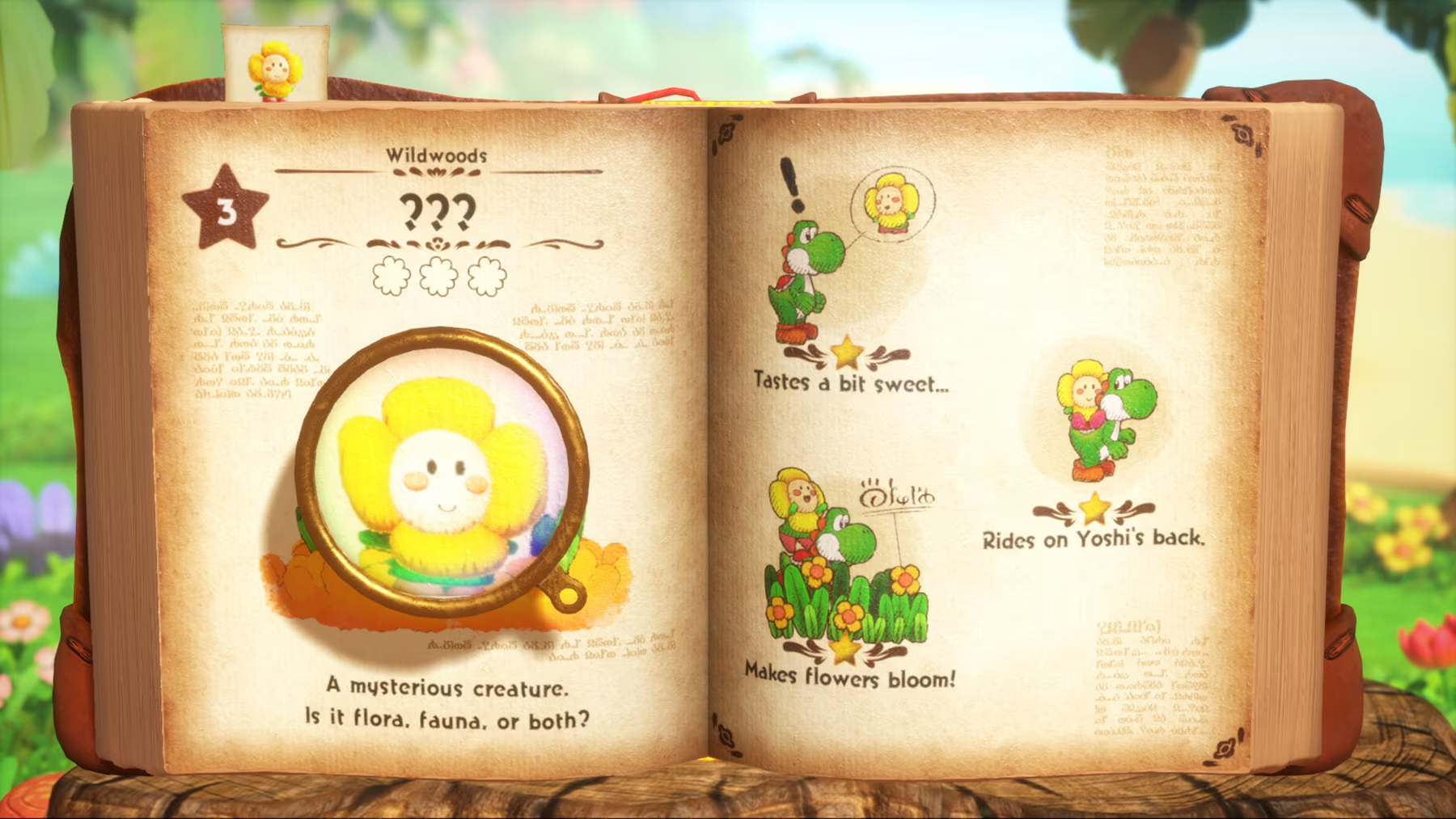
An image of the inside of a book with faded brown pages. The pages feature a daisy-like creature, along with how that creature helps Yoshi interact with the environment. This includes blurbs like "Makes flowers bloom," and "Rides on Yoshi's Back."

Mr. E cannot actually read the pages to learn about said creatures. You see… Mr. E’s eyes are on the front cover of the book, so the contents of his leather-bound body are a mystery! Yoshi agrees to help research the creatures by jumping into Mr. E’s pages and exploring.

Oh my gosh… Mr. E… Mystery. I just got that!

How Does Yoshi and the Mysterious Book Play?

Yoshi and the Mysterious Book arms Yoshi with a toolkit of moves that may be familiar to anyone that has played a Yoshi game in the past. Yoshi can jump, ground pound, and swallow creatures with his prehensile tongue. Yoshi and the Mysterious Book adds a “tail flick” to the arsenal, which hoists an enemy or creature onto Yoshi’s back when it makes contact.
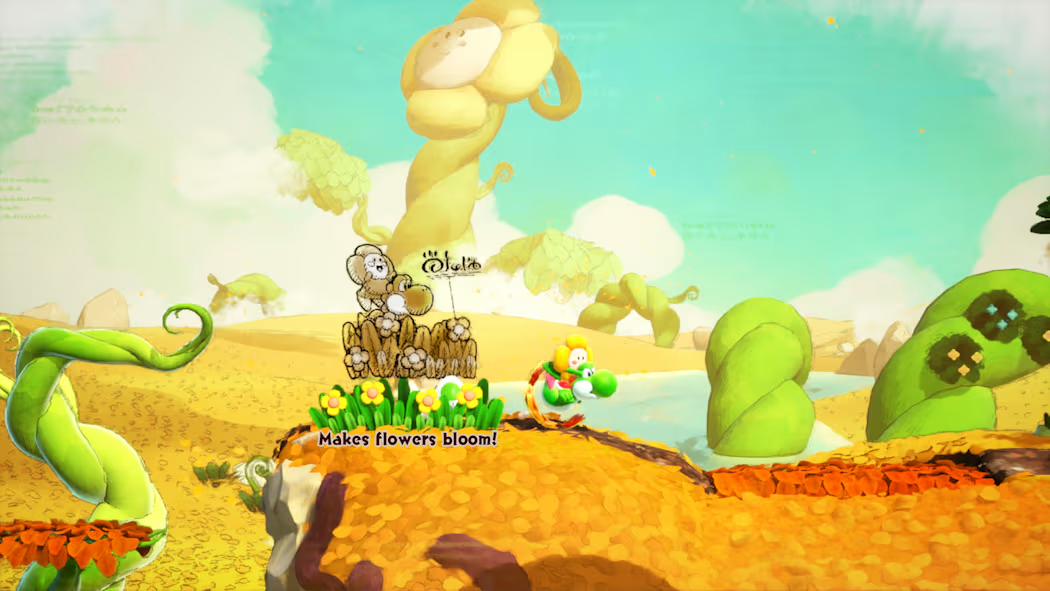
Crazee Dayzee is rising on Yoshi's back in a storybook-like world. CrazeeDayzee is a daisy with little green legs and a smiling face. Behind the pair, text appears under a bed of flowers that says, "Makes flowers bloom!"

The objective is not to defeat enemies, but rather to learn about creatures. You and your kids can guide Yoshi to interact with creatures to unlock Discoveries. Let’s walk through how this works with an early creature called Crazee Dayzee.

As you experiment with Yoshi’s moves, you’ll unlock more information about Crazee Dayzee:

  • Crazee Dayzee is light, so it can ride on Yoshi’s back.
  • When Yoshi licks Crazee Dayzee we discover that it tastes sweet.
  • If Crazee Dayzee is on Yoshi’s back and they run past some budding flowers, they will bloom.

These are just a few of many Discoveries about Crazee Dayzee that Yoshi can record in the into Mr. E’s pages. You and your kids can then leverage how these creatures interact with the environments to traverse the world, unlock more creatures to research, and learn how each creature interacts with others within Mr. E’s pages.

With enough Discoveries, you and your kids will unlock additional chapters with more complex challenges and interactions between creatures.

As mentioned, most of the gameplay is not aggressive, and environments are intended to be explored rather than conquered. Yoshi does not have health and the creatures you find are not your enemies. Even so some creatures will go after Yoshi, but Yoshi will simply emit a little yelp if hit and carry on with adventuring.

Keeping Your Kids’ Discoveries Age-Appropriate

Setting your kids up for fun, age-appropriate experiences is not always the most straightforward process. Fortunately, there are tons of resources to help you streamline that.

Unsurprisingly, I always recommend checking the ESRB-assigned rating information first. The age and content ratings provide a great, familiar, and trustworthy look at what to expect from a video game. All games that are available physically (in a box that you’d order online or pick up in-person from a store) also have Rating Summaries, which provide a lot more contextual information about why a game received the rating it did.

Of course, sometimes you’ll want more information. For most games you can find gameplay videos, previews, trailers, and more with a quick internet search. Many games also have demos that you can play yourself to get some first-hand experience with a game before giving the green light to your kids.

We also recommend establishing some commonsense household rules around video games in your home. Talking to your kids about what they like about their favorite games will help you better understand which rules work for them. Check out ESRB’s Family Gaming Guide for some tips and conversation starters.

You can back these rules up with parental controls, too. All devices capable of playing video games offer parental controls settings. You can activate these to manage what your kids play (based on the ESRB rating information), when and for how long, with whom they can play online, and whether they can spend money on new games or in-game purchases. ESRB has step-by-step parental controls guides for many of the most popular consoles and devices at ParentalTools.org.

The post A Parent’s Guide to Yoshi and the Mysterious Book appeared first on ESRB Ratings.
  •  

A Parent’s Guide to Forza Horizon 6

Forza Horizon 6 at a glance:

  • Forza Horizon 6 is rated E for Everyone by the ESRB, with a Content Descriptor for Mild Lyrics.
  • Forza Horizon 6 costs $69.99 for the Standard Edition, but includes in-game purchases.
  • Forza Horizon 6 takes place in an open-world Japan, putting players in the driver’s seat of the Horizon Festival

You may remember, I am a “Car Guy,” so, Forza Horizon 6 is right in my wheelhouse. As a Car Guy, I know all the things; tires, fan belt, hub cap… pretty sure there are some tubes in there somewhere… what have you. But if you’re not a Car Person like me, you may need some more information to decide if Forza Horizon 6 is a good fit for your family.

You’ve come to the right place for tips to help you decide!

Is Forza Horizon 6 Appropriate for Your Kids?

Forza Horizon 6 is rated E for Everyone with a Content Descriptor assigned for Mild Lyrics. There are also Interactive Elements assigned for Users Interact (meaning players can communicate through the game) and In-Game Purchases (which lets consumers know that the game includes the ability to spend real-world currency on in-game content).

According to ESRB’s Rating Summary, “Some accompanying song lyrics contain the words ‘damn’ and ‘hell.’”

The E for Everyone rating signals to parents that the game is like appropriate for all ages from a content perspective. But that does not extend to a game’s minute-to-minute gameplay. Some elements of Forza Horizon 6 may be challenging for younger players, so it’s a good idea to do a little extra research if you’re still curious.

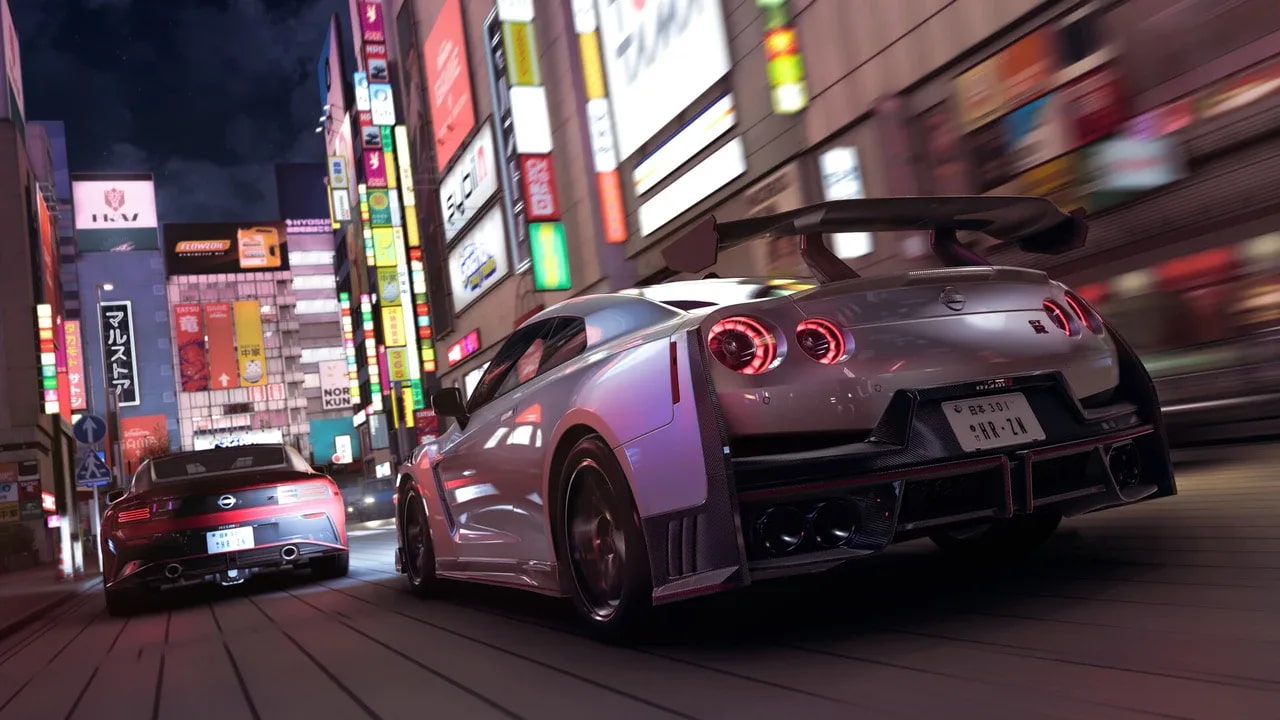
Two Nisan cars drive through Tokyo at night. Neon lights illuminate the city streets around the vehicles.

Where Can I Play Forza Horizon 6 and How Much Does It Cost?

Forza Horizon 6 is available on Xbox Series X|S, and PC, starting at $69.99 for the Standard Edition of the game. A PlayStation 5 release is expected to release later in 2026. In addition to the Standard Edition, two more versions of the game are also available:

  • The Forza Horizon 6 Deluxe Edition is $99.99 and includes:
    • Forza Horizon 6
    • Forza Horizon 6 Car Pass – 30 additional cars with one new car added to your in-game garage every week starting on release.
    • Forza Horizon 6 Welcome Pack – access to five Car Vouchers to trade for new cars and three tickets to redeem “Common” or “Rare” clothing items for your avatar.
  • The Forza Horizon 6 Premium Edition is $119.99 and includes:
    • Everything in the previous editions
    • Access to two future expansions for Forza Horizon 6
    • Forza Horizon 6 VIP – a permanent ticket providing access to boosts to race rewards, three exclusive cars, an in-game house (with a customizable garage), and more.
    • Forza Horizon 6 Time Attack Car Pack – Eight additional cars tuned for use in the game’s Time Attack Circuits.
    • Forza Horizon 6 Italian Passion Car Pack – four Italian cars to add to the in-game garage.

As mentioned, Forza Horizon 6 also includes the ability to spend real-world currency on cars, emotes, cosmetic items, and more. Make sure you activate parental controls around spending to block your kids from purchasing new games or in-game purchases without permission.

In addition to purchasing Forza Horizon 6 individually, you and your family can also download it with a subscription to Xbox Game Pass Ultimate. Xbox Game Pass is a tiered service that comes at varied prices offering different features, though the Ultimate tier ($22.99/month) is the only one that provides access to brand new first-party Xbox games. The “Premium” tier promises to add first-party games within the first year after release.  You can find out more about Xbox Game Pass here to make the most appropriate decision for your family.

What is Forza Horizon 6 About?

Like with all Forza Horizon games, you and your kids will be dropped into an open world with the objective of becoming the best racer in the region’s Horizon Festival. Forza Horizon 6 takes place in Japan, complete with in-game representations of big cities like Tokyo, as well as more rural areas.

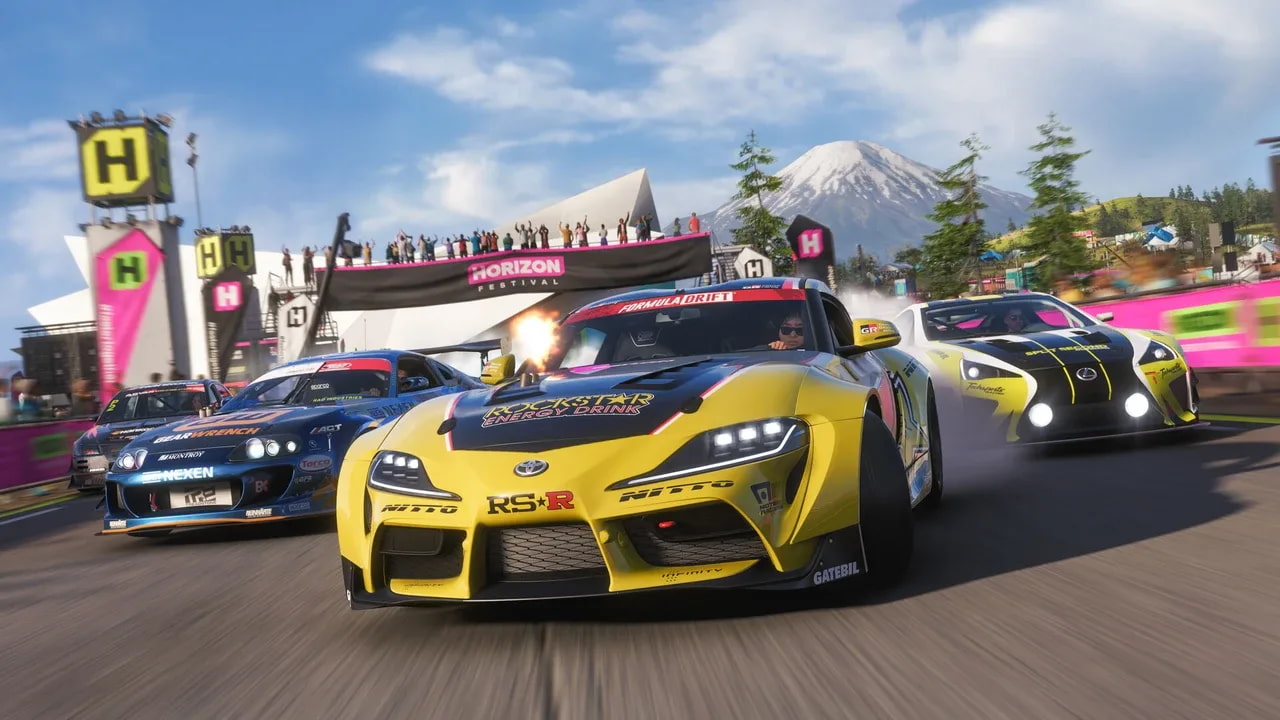
Four cars are seen bursting through the start of a race in the Horizon Festival.

You and your family will start the game by entering into the Qualifiers for the Horizon Festivals as a no-name tourist. Soon, you’ll progress to the Invitational and finally land in the main Horizon Festival. As you and your kids progress through the story, you’ll earn access to new races, faster cars, new events, and more.

How Does Forza Horizon 6 Play?

Forza Horizon 6 is broken up into two main styles of play: the Campaign and Discover Japan.

Campaign

As a racing game a lot of the core gameplay in the Campaign portion of Forza Horizon 6 revolves around participating in racing events. The parameters of races vary, meaning you’ll have to pick certain cars depending upon whether the event in question is a Dirt, Road, or Cross Country race.

Winning the traditional races allows you and your kids to rise through the ranks, eventually earning access to Wristbands. These are essentially keys to unlock the next phase of the Campaign, complete with more challenging races and events. But they also allow access to more vehicles and customization options through the game. While racing may be the most straightforward way to rank up, there are other methods too.

You may stumble across a stretch of road asking you to drive as fast as you can, or another challenging you and your kids to drift as much as possible on a specific stretch of road. Participating in these more open-ended events not only helps progress to the next Wristband, but also earns earn XP (experience points). With enough XP, you’ll level up and get access to Wheelspins and Super Wheelspins to win credits, cars, cosmetics for your cars and in-game avatar, and more.

Eventually, you and your family will get invited to “Wristband Events” as a challenge to earn the next Wristband and progress through the campaign. Once you earn all seven available Wristbands you’ll be granted the title of Horizon Legend with access to the most challenging races and events in the game.

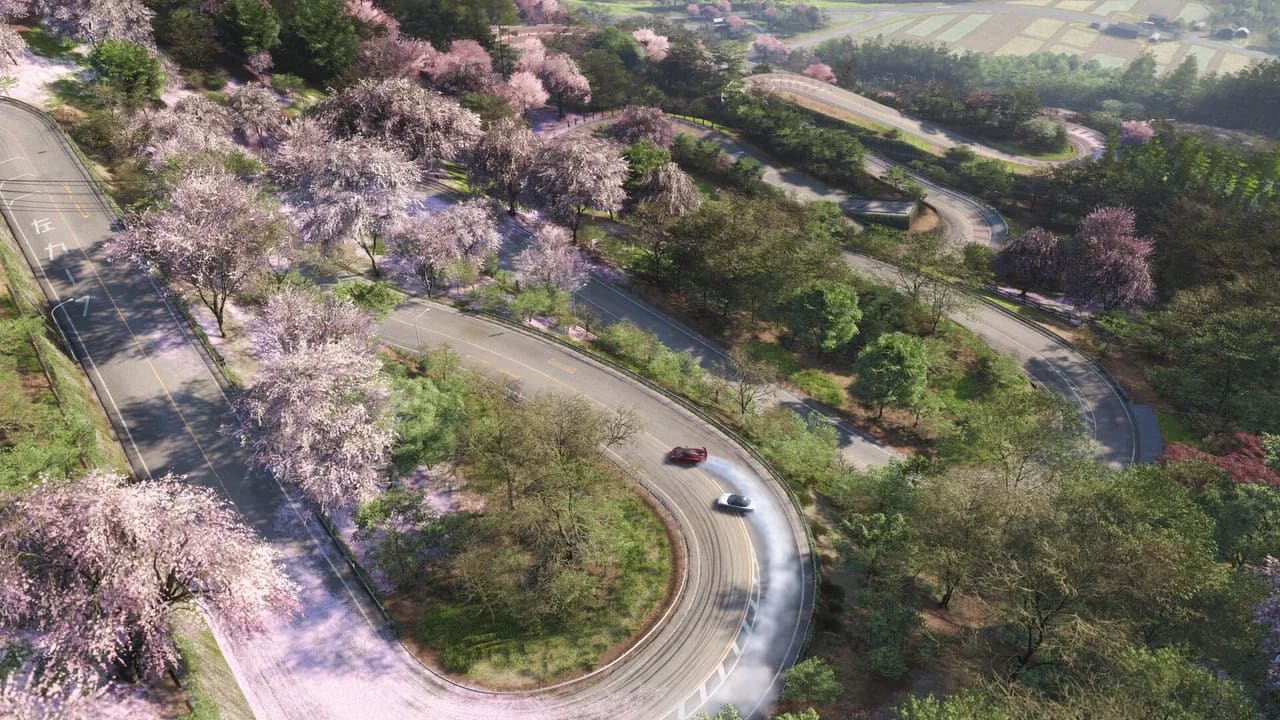
Two cars are seen drifting down a winding road in the Japanese countryside. Cherry blossom trees and other lush greenery are scattered around the perimeter of the roads.

Discover Japan

Having been to Japan a few years ago, I’ve not gone a single day without wanting to go back. My wife and I fell in love with the food, the vibes, the public transportation, the 7/11 egg salad sandwiches (look it up, it’s a thing!)… everything. That’s a 14-hour flight… not to mention the fact that we’ve since had a child who would probably explode if we subjected him to that amount of travel. So, the prospect of driving around Japan in Forza Horizon 6 as a virtual tourist in a super-fast car is appealing!

The Discover Japan mode removes many or the more prescribed boundaries from the progression of the Campaign, allowing you to lean into a more open-ended experience. Instead of car limitations in races, you’ll be able to drive in whatever your favorite cars are, wherever you please, and earn Stamps.

There are many smaller side-modes that can help you and your family progress to unlock your next Stamp. From collecting cars, to delivering food, to competing is special Street Races… you’ll have the opportunity to really explore however you and your kids want.

You’re not locked into either mode. You and your kids can choose whichever vibes are resonating with you that day.

Keep in mind that Forza Horizon 6 does facilitate online play with others. Fortunately, there are simple parental controls to help manage this! If this is important to you and your family visit ParentalTools.org for step-by-step guides to help you activate parental controls.

How To Make Sure Your Kids Have Video Game Airbags

Safety is important in all things. And while the risks of driving in a car without airbags are far greater than those of playing a video game without any boundaries, there’s no reason not to take advantage of every resource you can make sure those experiences are fun and appropriate. And fortunately, there are a lot of them!

Unsurprisingly, I always recommend checking the ESRB ratings first. The rating information, including Rating Category, Content Descriptors, and Interactive Elements, provide a comprehensive, high-level look at what’s in a game. If you need more information before making a decision, odds are you can find previews, videos, and trailers to answer any lingering questions. In some cases, games also offer demos, which you can play yourself to see if it’s appropriate for your kids.

Forza Horizon 6 also includes the ability to spend real-world currency on cars, emotes, cosmetic items, and more.

Overall, it’s also helpful to have some household rules around video game play. Starting with an ongoing, judgement-free conversation, you can learn what your kids love about video games, and come up with rules that both satisfy their passions while making sure appropriate boundaries in place. This may include time limits for play during the week, how much money they can spend on in-game purchases or new games (if any!), whether they can play online, and more. ESRB’s Family Gaming Guide has some helpful tips, guides, and conversation starters to get the ball rolling on establishing household rules.

Fortunately, you can back these household rules up with parental controls I mentioned earlier. Virtually all devices on which you can play video games also include parental controls settings. With these, you can manage what your kids play based on the ESRB age rating, when and for how long they can play, with whom (if anyone) they can play online, and whether they can spend money on new games or in-game purchases.

The post A Parent’s Guide to Forza Horizon 6 appeared first on ESRB Ratings.

  •  

A Parent’s Guide to Magic: The Gathering Arena

  • An all-digital version of the wildly popular tabletop trading card game.
  • Rated T for Teen (13+) due to Blood and Gore and Mild Fantasy Violence.
  • If you play the physical card game, you’ll feel right at home in this arena (pun intended).

Magic: The Gathering has been delighting tabletop card game fans since 1993. The easy-to-learn but hard-to-master design, iconic characters and monsters from both its own universe and Universes Beyond, and legendary spells have been a mainstay of local game and hobby shops for over 30 years.

Magic: The Gathering Arena or MTG Arena is the digital counterpart, where players can enjoy building decks and battling against each other using the same cards as the tabletop versions, in the same or similar competitive formats. It’s the classic Magic: The Gathering experience, just on your phone or favorite gaming PC.

When a trip to the local game store isn’t in the cards, loading up MTG Arena to get some games in is a great alternative. However, as with any game dealing with collectible cards or other purchases, there are a few guidelines parents should know before letting their kids loose in the digital playground. Here, we’ll lay them out, so you can decide if MTG Arena is right for you and your family.

Is Magic: The Gathering Arena Appropriate for Kids?

MTG Arena is rated T for Teen (13+), with Content Descriptors for Blood and Gore and Mild Fantasy Violence, and Interactive Elements including In-Game Purchases, which indicates in-game offers to purchase digital goods or premium content with real-world currency.

The Blood and Gore content descriptor comes from still images on some of the playable cards in the game. According to the ESRB-assigned Rating Summary: “Some cards depict still images of violence and/or blood and gore: a vampire biting a victim’s neck, with a large bloodstain; a werewolf with bloody claws; zombie body parts; a figure pierced by several arrows; a severed head.”

There are no moving actions in card images, but the stills alone might be enough to unsettle younger players.

The Mild Fantasy Violence descriptor stems from the in-game sound effects whenever certain cards are played, or when a player’s turn moves to combat. These effects include shouts, the sounds of weapons clashing, and impacts from successful attacks.

MTG Arena is rated T for Teen (13+), with Content Descriptors for Blood and Gore and Mild Fantasy Violence.

As mentioned, MTG Arena does offer in-game purchases of digital currency, which can then be spent on packs of cards. These cards are added to the player’s inventory and used to build the decks used to play the game. Because in-game purchases are available, you might want to activate parental controls for spending limits before your child begins building decks, so a quest for a powerful Ouroboroid doesn’t become an expensive one.

Keep in mind that ESRB’s T for Teen rating applies to the content of the card game itself, not the difficulty. As such, if your child is younger than 13 but is already enjoying Magic: The Gathering at the local hobby shop with your permission, then there’s nothing in MTG Arena that they aren’t already experiencing with the physical card game. However, MTG Arena may be challenging for the uninitiated no matter the age!

Where Can I Play Magic: The Gathering Arena, and How Much Does It Cost?

MTG Arena is available on PCs and mobile devices, with both Android and iOS versions available. The game is free, but there are in-game purchases available to consider.

Those in-game purchases mostly involve unique in-game currency, which is then used to purchase card packs and entry into special “sealed” formats. The costs of each currency pack are clearly laid out in the app, as are the costs for packs and sealed entries using the in-game funds. In-game currency packs currently cost between $4.99 and $199.99.

As any game that’s highly dependent on individual cards to create powerful decks, MTG Arena can become a pricey endeavor. Make sure you set parental controls to block or limit spending on all of the devices used to play!

How Does Magic: The Gathering Arena Play?

MTG Arena plays exactly like Magic: The Gathering. So, let’s start there.

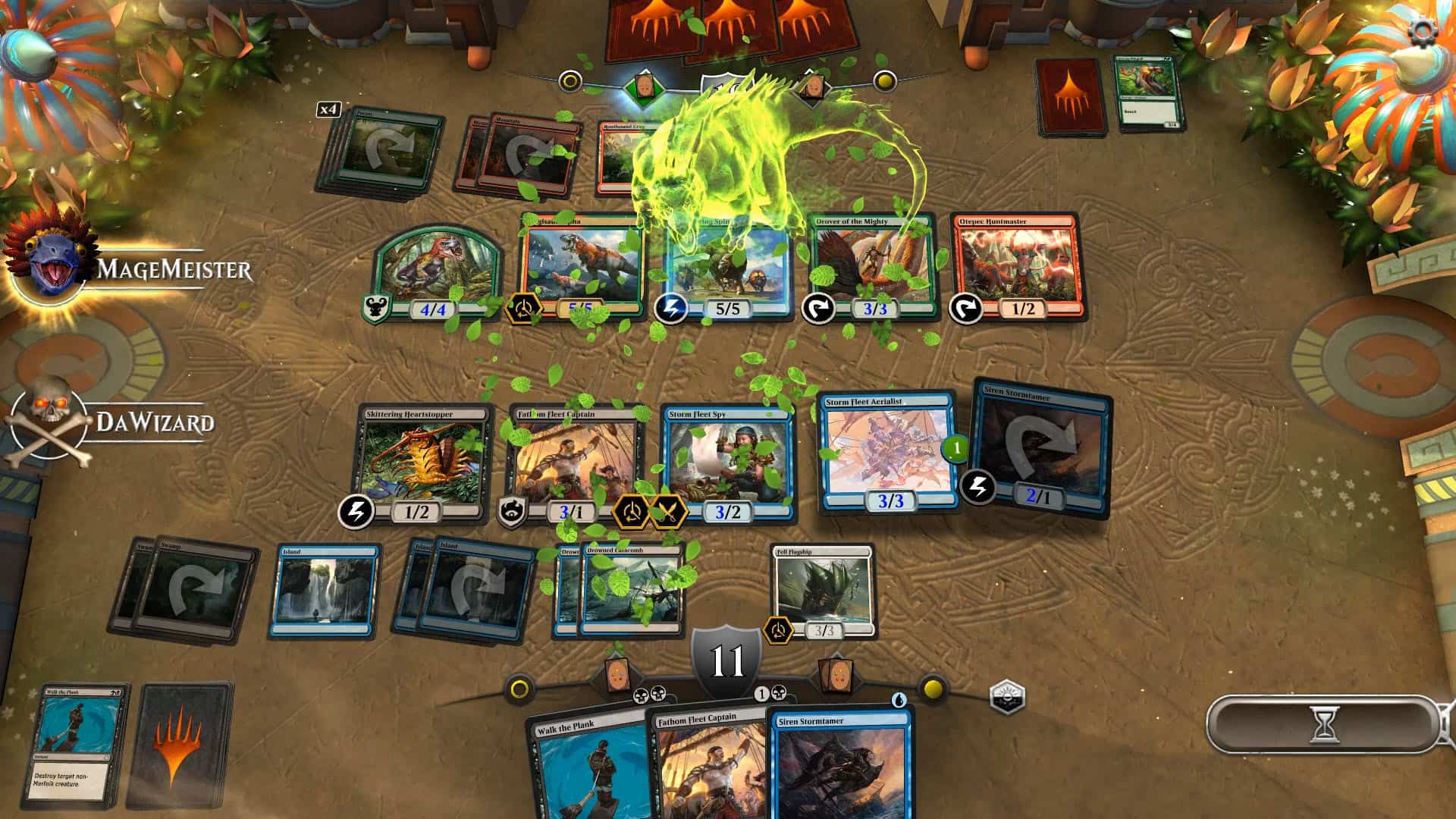
An in-progress game of Magic: The Gathering Arena. Both players have cards spread across their side of the virtual board. An illusory, green dragon trailing leaves is floating out from the upper-center of the board, signifying a player's move.

Magic: The Gathering Arena is a collectible card game where players build customized decks filled with cards that allow them to produce a resource called mana, cast spells, and summon creatures, with the goal of defeating their opponents in single-player and multiplayer matches. Producing mana, attacking, and activating certain abilities require “tapping” a card, turning it sideways to indicate it has been used. Tapped cards generally cannot act again until the player’s next turn. A game begins when each player draws seven cards. If a player doesn’t like the hand they’ve drawn, they can mulligan for a new hand, but they must place one of the new seven cards at the bottom of their deck.

Each turn follows a sequenced structure: Beginning Phase, Main Phase 1, Combat Phase, Main Phase 2, and End Phase.

In the Beginning Phase, a player “untaps” their cards, turning them back to their normal position, resolve any “upkeep effects” (abilities and/or costs that are triggered after untapping), and then draws a card.

Main Phases are where creatures can be summoned and spells can be cast, while the Combat Phase is where creatures attack or block and damage is dealt.

In-game currency packs currently cost between $4.99 and $199.99.

Cards included in each deck fall into one of several key categories, which include:

  • Land: The main resource-producing cards.
  • Creature: Cards that remain on the battlefield and can attack other players or defend their controller.
  • Instant: One-off spells that can be cast at any time.
  • Sorcery: One-off spells that can only be cast on the controller’s turn.
  • Enchantment: Cards that remain on the battlefield and either provide a static effect or an activated ability.
  • Artifact: Cards that act similarly to Enchantments that are typically colorless and more universally compatible with deck strategies.

Players can win a game in multiple ways, including the following:

  • Reducing a player’s life total to 0 from its starting point of either 20 or 40, depending on the format.
  • Forcing a player to draw more cards than their deck holds (in other words, force an opponent to run out of cards).
  • Win conditions specified on individual cards.
    • Example: The card Helix Pinnacle allows its controller to pay amount of mana to add that many counters to the card, and if Helix Pinnacle has more than 100 counters at the beginning of its controller’s turn, they immediately win.

In MTG Arena players can engage in one of three main categories of play: Draft, Sealed, and Constructed.

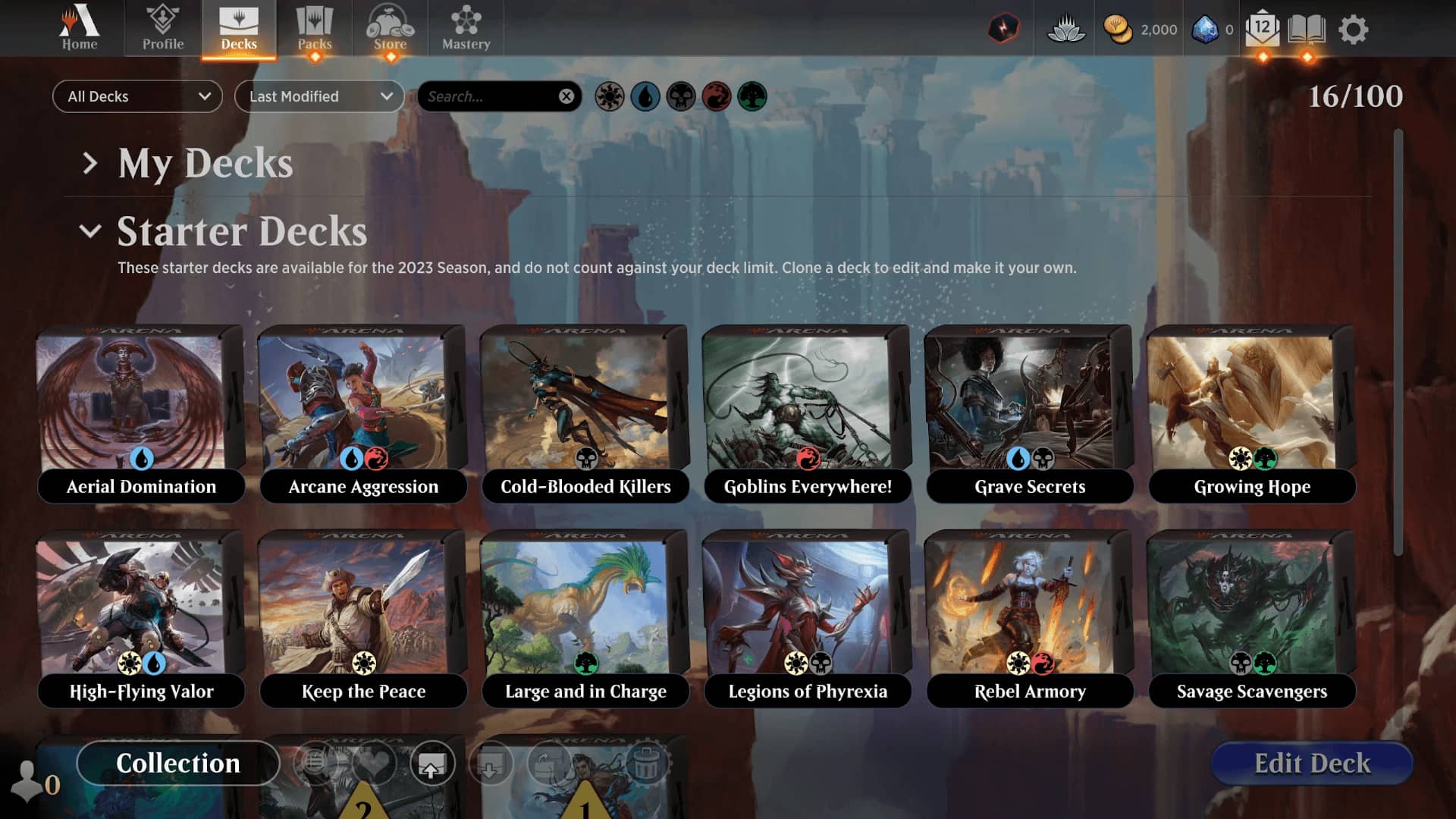
The deck screen in Magic: The Gathering Arena. Players will navigate this screen to customize and choose their decks. The image features 12 decks with varying specialties.

Draft games require a one-time entry fee of in-game currency, after which each player is provided with three packs. Each player opens one of their packs, chooses a card from that pack, and then passes the pack to another player. A card is then chosen from the passed pack, and this continues until all cards have been selected and all packs have been opened. Players then build 40-card decks from the cards they selected, and play begins until the player either wins seven games or loses three.

Sealed games also require a one-time entry fee, but instead of receiving three packs that are passed around, each player receives six packs that they keep to themselves. Once all of the packs are opened, the cards within act as a “pool” in which the player can build a 40-card deck. Once each player finishes their build, play begins until the player either wins seven games or lose three games.

Finally, Constructed formats see players build decks from their own collections and bring them into a match. Constructed matches follow a number of individual formats, including Standard, in which cards from a defined number of recent expansions are allowed; Alchemy, which features cards only found in the Arena app; Historic, which uses cards from Magic: The Gathering’s broader history; Pioneer, which features an expanded card pool from Standard; and Timeless, which allows for every card currently available in MTG Arena.

Also, while your kids will be matched up against other human players while playing MTG Arena, there are no default communication elements. A live chat does exist, but only for players who have linked up via friend request. Make sure you also set parental controls to manage with whom your kids can communicate if it’s something you’d like to keep track of.

How to Make Sure All of My Kids’ Video Game Experiences Stay Appropriate?

I like to think of checking the ESRB ratings as the Beginning Phase of picking appropriate games. It’s a great first step to get a bird’s-eye-view of what’s in a game. Sometimes that will be enough, and other times you may want to do some additional research for more information.

Fortunately, there are no shortages of sources when it comes to learning more about what’s in a game. You can read previews and reviews on game-enthusiast websites, check trailers, and even watch gameplay videos and walkthroughs online. Of course, the best way to learn everything about a game is to play it yourself! In the case of MTG Arena, it’s free to play. But many games have demos to try too.

Everyone’s kids are different, and to really know what the boundaries should be for yours the best thing you can do is ask! Talk with your kids about what they like and why in a non-judgmental way. Once they understand that you’re on their team and want them to have fun it’ll be a lot easier to land on (and explain) household rules around appropriate video games. For more on that, check out ESRB’s Family Gaming Guide.

Sometimes you need to back up your household rules, and parental controls are a great solution. Every device that can play games (including smartphones, tablets, and PCs) includes parental controls to manage what your kids can play, when and for how long, with whom (if anyone), and whether they can spend money on new games or, in the case of MTG Arena, in-game purchases. Parents also say that screen time is one of their biggest video game challenges. While MTG Arena matches can play out in as little as five minutes. Drafts and Sealed events take a little longer though, so if your child is asking to start a Draft 10 minutes before bedtime, you may want to save that Draft for another time and back it up with screen time controls. ESRB has step-by-step guides to help walk you through setting those controls at ParentalTools.org.


The post A Parent’s Guide to Magic: The Gathering Arena appeared first on ESRB Ratings.

  •  

Happy 25th Anniversary, ESRB Privacy Certified!

The State of Privacy

The world is more online now than ever, and parents know it. Many children’s lives exist equally online and in real life, with their academic and social lives straddling that “line.” Concern about what children are doing online, what information companies are collecting and using, and whether they are sharing it with others (like advertisers or AI companies), is understandable! Fortunately for parents, there are clear signals to help them make sure their kids’ information is being collected, used, and deleted appropriately.

This is a big part of why ESRB Privacy Certified (EPC) was created! April 19, 2026 marks 25 years since EPC (initially called “Privacy Online”) became one of the country’s first Federal Trade Commission (FTC)-sanctioned “Safe Harbors” under the Children’s Online Privacy Protection Act  (COPPA). COPPA is a law designed to give parents control over the personal information companies collect and use from kids so they can help keep them safe online.  But what exactly does being a COPPA Safe Harbor mean?

What is a “Safe Harbor” and Why is it Important?

Think of a Safe Harbor as a shield for a company’s products. The FTC can grant permission to organizations like ESRB Privacy Certified (EPC) to implement standards that provide “the same or greater protections for children” required under COPPA. If EPC certifies that a company’s privacy policies and practices for a game or toy meets those standards, the FTC considers it COPPA compliant.

In doing so, companies are effectively hiring EPC to inspect their products and work with them to ensure that they comply with COPPA (and other kids’ privacy protections) – and to go beyond the bare minimum. In practice, EPC does a lot more than that, but outlining everything would turn this celebratory blog into a textbook.

Under COPPA, companies generally may not collect personal information from children under the age of 13 without parental consent. Failing to do so incurs potentially massive fines. Indeed, some companies have paid millions or even hundreds of millions of dollars for COPPA violations and suffered lasting damage to their reputation, and the trust of the kids and parents they depend on.

However, if you went ahead and worked with EPC, they would ensure that you’re not only compliant with COPPA, but other applicable privacy laws and best practices all over the world… and there are a lot of them, again too many to explain in this birthday blog.

How Can You Tell If a Product Is EPC Certified?

ESRB Privacy Certified issues one of two “Seals” to products that are certified. This includes toy and video game-related websites, mobile apps, downloadable computer games, console settings, Internet of Things/connected devices, and other online or internet-connected services.

The two seals are:

  1. ESRB Privacy Certified Seal (General Seal) for online products services aimed at adults, including those used by teens
    • Seeing this Seal on a product or service’s privacy policy, footer, etc. lets you know at a glance that EPC has examined and certified that the product meets all of the program’s requirements and uses strong, transparent, and responsible privacy practices.
  2. ESRB Privacy Certified Kids Seal (Kids Seal) for online products or services directed or targeted to children
    • This Seal signals to parents that a product complies with COPPA’s strict rules on collecting, using, sharing, and storing personal information belonging to children under the age of 13.For a list of digital products and online that have received ESRB’s Kids Seal certification, see the COPPA-Certified page of our website.

ESRB Privacy Certified Seals

Into the Future

Data privacy and security is an increasingly important issue among consumers, especially parents. Children may not have the life experience to instinctually understand why they need a parent’s permission to sign up for a new online game or service and give them their email address, mobile phone number, street address, or other personal information. And they may not always think twice before sharing that information with other players inside a game or other online experience. That’s why COPPA requires companies to explain their data privacy practices to parents and to provide their consent for data collection and for data sharing.  Of course, it’s vital that children don’t lie about their age or defeat age assurance mechanisms when registering for a game or service.  Making sure kids tell the truth about their age keeps parents in the loop and helps to ensure that kids’ personal information stays private.

We always recommend explaining to children why these things are vitally important (again, especially telling the truth about their age!). And fortunately, parents can keep an eye out for the ESRB Privacy Certified Seals for speedy confirmation that a product collects and manages data in the most privacy-protective way possible.

Happy 25th anniversary EPC! Wishing many more to come!


Patricia E. VancePatricia E. Vance is the president of the Entertainment Software Rating Board (ESRB). In her position, she leads the teams responsible for assigning age and content ratings to video games and apps, enforcing marketing guidelines adopted by the video game industry, and operating ESRB Privacy Certified, an FTC-sanctioned COPPA Safe Harbor Privacy seal certification program.

The post Happy 25th Anniversary, ESRB Privacy Certified! appeared first on ESRB Ratings.

  •  

A Parent’s Guide to Hades II

  • Hades II is an action roguelite game rated T for Teen (13+), with Content Descriptors including Alcohol Reference, Blood, Mild Language, Suggestive Themes, and Violence with no Interactive Elements.
  • This game includes mature themes like loss, family, betrayal, and love, alongside suggestive content and challenging gameplay.

In Hades II, you play as Melinoë, the sister of Zagreus (the protagonist of the original Hades) and daughter of Queen Persephone and Hades, both the titular character and god of the underworld.

Meeting, befriending, and battling legendary characters from the pantheon of Greek gods is usually only possible in my wildest dreams. As a mythology and gaming nerd always on the hunt for new takes on classic stories, it really doesn’t get any more satisfying (or more stylish!) for me than in Hades II. The fast-paced action, deliciously difficult dungeons, and plethora of power-ups and gameplay customization are just as enticing as the narrative spun out across countless hours of playing and replaying (and replaying!) the same levels over and over with seemingly never-ending new dialogue and lore. You can probably see how I feel about the game, but you may be wondering if it’s appropriate for your kids.

Is Hades II Appropriate for Kids?

Hades II is an action roguelite game rated T for Teen, with Content Descriptors including Alcohol Reference, Blood, Mild Language, Suggestive Themes, and Violence. This generally signals that the content of the game is appropriate for kids that are 13 or older. Additionally, Hades II is a single-player game. Players do not interact with others online, and there are no player-to-player communications or multiplayer features. Any challenges or experiences come entirely from the game itself, not from interactions with other players. This means parents can be confident that children are not going to encounter online chats, interactions with strangers, or multiplayer dynamics while playing.

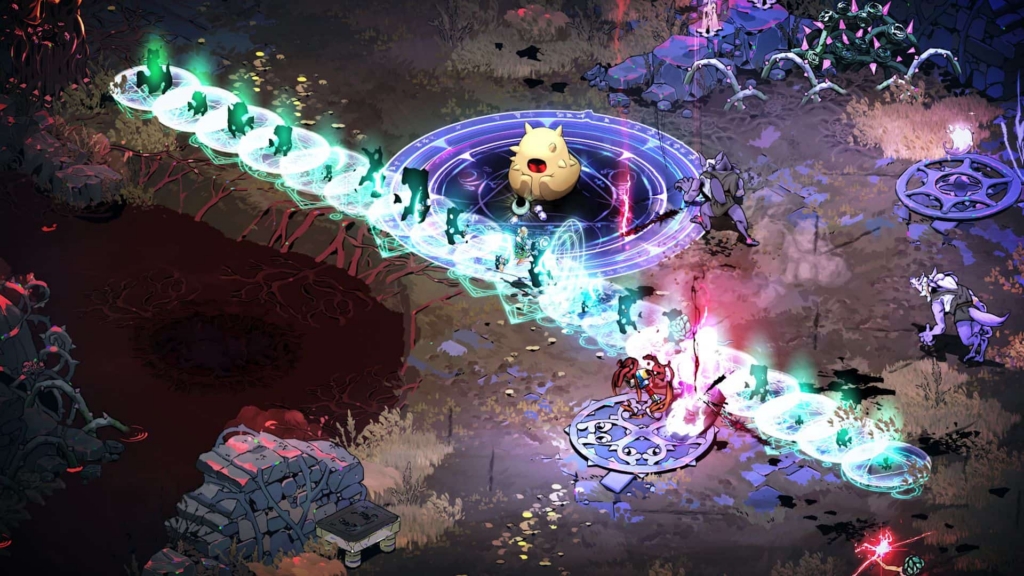
Melinoë battles enemies as she descends into the Underworld to save her family. She is casting a spell that sends a line of green magical energy in front of, and behind her. Meanwhile, a two werewolf enemies advance, while a big yellow enemy blob with red eyes and a spiked head stays trapped in another cast.

According to the ESRB Rating Summary, players will “battle their way through dungeons filled with mythological enemies (e.g., sirens, cyclops, gods). Players use staffs, spears, and magic to attack enemies in fast-paced combat, which is accompanied by explosions and colorful light effects. Some attacks produce small splatters of blood, while characters and environments also depict bloodstains and streaks. The game contains some suggestive material: a character portrait depicting a nude goddess with long strands of hair covering her breasts and groin; an implied sex scene in which the screen turns to black as giggling and moaning sounds are heard. During the course of the game, players can interact with Dionysus, the god of wine; attack moves earned from Dionysus contain references to alcohol (e.g., Tipsy Shot, Bottomless Drink, Drunken Stupor, Hangover). The words “a*s” and “bastard” appear in the game.”

When deciding if Hades II is appropriate for your kids, it is important to not only consider the game’s distinctive style and tone but also its signature difficulty. Even failed runs are rewarded with opportunities to gain permanent upgrades and new narrative beats, and this may be enough to encourage players who are struggling with the high difficulty. For others, it may not be satisfying enough to overcome that feeling of defeat.

Where Can I Play Hades II, and How Much Does It Cost?

Hades II is available for $29.99 on Nintendo Switch, Nintendo Switch 2, PlayStation 5, Xbox Series X|S, PC (via the Steam and Epic Games Store), and macOS with cross-save support between the Nintendo Switch/Switch 2 and Steam/Epic Games Store.

Hades II is a single-player game.

What is Hades II About?

Melinoë’s occult adventure begins as a rescue mission to save her missing family and evolves into a journey of self-realization shaped by resilience, ingenuity, and determination. Hecate, her mentor and the goddess of witchcraft, instructs her that Chronos, the titan of time, has captured the House of Hades and is waging a war against Olympus. Melinoë must hone her powers, master her weapons, and perfect her skills with boons from her family of gods to battle endless waves of foes – both above and below – to rescue her family and save the worlds.

How Does Hades II Play?

The basic loop of Hades II is base management, run setup, run, and repeat. Many of these are hallmarks of the “roguelite” genre. In roguelites the player is supposed to fail… a lot. However, even in failure there are opportunities to grow and learn. Melinoë will retain some resources, narrative progression, and (most importantly) knowledge with each death. You and your kids may find that you are absolutely obliterated by a specific enemy in one run… but with the knowledge of what’s coming, you can prepare a more strategic arsenal of abilities, weapons, and buffs specifically to tackle that challenge.

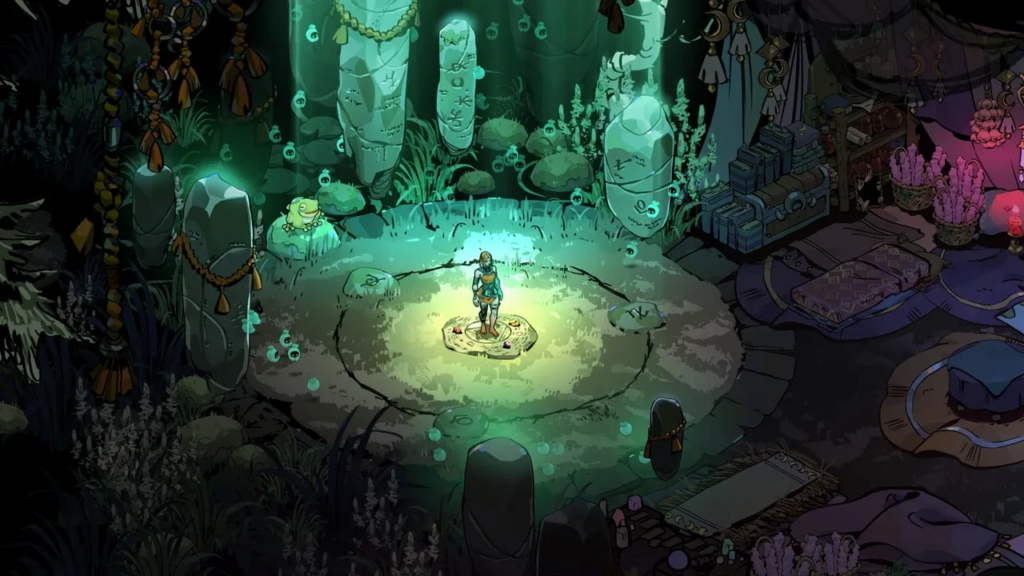
Melinoë stands at in a stone circle in her home base, the Crossroads. she is surrounded by nature, with a nearby path leading into her bedroom. Behind her sits her frog pal, Frinos.

In your base (known as the Crossroads), you can:

  1. Interact with characters, progressing storylines, and relationships
  2. Exchange resources found during runs for new abilities, items, and more
  3. Tend to crops to gather unique resources
  4. Cast spells to add permanent upgrades to your base, the underworld, and the surface
  5. Customize your nocturnal arms (weapons) and arcana (buffs chosen via tarot cards)

To set up your run, players will choose their weapon, decide to remove or add additional run challenges (like increased enemy health, less damage, etc.), and choose to either go up to the Surface or down to the Underworld. Then, during your run, you will face several dungeons filled with enemies, minibosses, and item shops run by Charon the boatman. As you progress, the gods of Olympus will offer boons (powers and abilities themed to the Greek Pantheon’s lore) and special challenges. These all contribute to Melinoë’s growth, upgrading and augmenting how her weapons and abilities function.

Boss battles mark major progress in each region. If Melinoë fails, she immediately returns to the Crossroads to regroup. Allowing you and your kids to assess what you may need to better manage the enemy that ended your previous run.

The basic loop of Hades II is base management, run setup, run, and repeat.

Even after reaching the heights of Mt. Olympus and the depths of the Underworld, there is more story to unveil through even more successful (and unsuccessful) runs. Major emphasis is placed on player choice, improvisation, and persistence.

How Can I Make Sure My Kids’ Video Game Odysseys Stay Appropriate?

Thank the gods, you don’t need a crystal ball to determine if Hades II is right for your kids. Hades II is a single-player action game and parents can feel confident that there are no multiplayer chats, social interactions, or online risks built into the game. The game features fantasy violence and challenging gameplay, both of which you may want to discuss with your teen. For your budding Greek mythology fans, Hades II offers an especially engaging adventure, bringing classic myths and heroic characters to life in a way that is immersive, exciting, and full of storytelling depth.

While checking the ESRB rating is always a good first step, there are dozens of other resources to help if needed. This includes ESRB’s Family Gaming Guide, which offers tools, tips, and resources to help you manage your kids’ video game experiences. There are also step-by-step parental control guides at ParentalTools.org to help you create (and enforce) an appropriate video game environment for your family.


Headshot of C. Riana Manuel-PenaRiana is a seasoned gaming and entertainment industry professional with credits on titles like Halo, Ghostbusters, and Wu-Tang: Rise of the Deceiver. She’s a passionate advocate for diversity, equity, and inclusion, and has appeared on shows for Kinda Funny, IGN, and Paramount Plus. As co-founder of D&R Media Consulting, Riana helps clients elevate their brands and reach wider audiences, bringing expertise from her previous roles across Xbox, Comcast/G4, and as a professional content creator.


The post A Parent’s Guide to Hades II appeared first on ESRB Ratings.

  •  

A Parent’s Guide to Arc Raiders

Arc Raiders At A Glance

  • Arc Raiders is reviewed here as an online PvPvE extraction shooter rated T for Teen (13+) for Violence and Blood, with Interactive Elements including Users Interact and In-Game Purchases.
  • Arc Raiders may be appropriate for your teen if you decide they are ready for tense, cinematic-feeling shooters that can be played solo or with friends. You should be mindful of unpredictable online interactions and optional spending on in-game purchases.

In a landscape rife with battle royales and hero shooters, an extraction shooter like Arc Raiders feels to me like a breath of fresh air.

Arc Raiders went from a game I was encouraged to purchase, just to play alongside friends, to an adventure I thoroughly enjoy. The moment-to-moment gameplay alone has me feeling like I am creating cinematic masterpieces instead of simply playing a video game. Arc Raiders’ blend of risk-versus-reward mixed with captivating visuals, has turned my casual play sessions into weekly rituals.

Is Arc Raiders Appropriate for Kids?

Arc Raiders is rated T for Teen, with Content Descriptors for Violence, Blood, Users Interact, and In-Game Purchases. Understanding the Violence and Blood content descriptors is straightforward, especially given that the game’s primary mechanic is shooting. This can lead to some moments that may be a bit too intense at times for younger players.

Arc Raiders is a PvPvE (Player-versus-Environment-versus-Player) game with an online component that supports cross-platform play. Players have the option to play with a squad or venture off on their own. Either way, one will encounter other individuals from across the world. This introduces the ability to communicate with strangers, but it is not required to still be able to enjoy the game. User interactions, at face value, don’t necessarily classify a game as inappropriate; however, they do introduce a variable that you’ll want to pay attention to, as player-to-player communications can invite an element of the unknown.

Keep in mind that the age rating indicates whether a game’s content is appropriate… not the intended audience. In the case of Arc Raiders, the content will likely be appropriate for your teen (13 and up). But even if you decide the content is appropriate, some kids may still find the gameplay too challenging to fully enjoy.

Where Can I Play Arc Raiders and How Much Does It Cost?

Arc Raiders is available for the Xbox Series X & S, PlayStation 5, and PC for $39.99 USD. There is also a Deluxe Edition, which includes the base game along with additional cosmetic items, attachments, and in-game currency. Arc Raiders Deluxe Edition is $59.99 USD and is also available on all platforms.

Since Arc Raiders is a fully online game, it requires an internet connection to play its various game modes, as well as an Xbox Game Pass Essential (or higher) or a PS Plus Essential (or higher) subscription when playing on console. Both subscriptions start at $9.99/mo, with various tiers and corresponding price points beyond that.

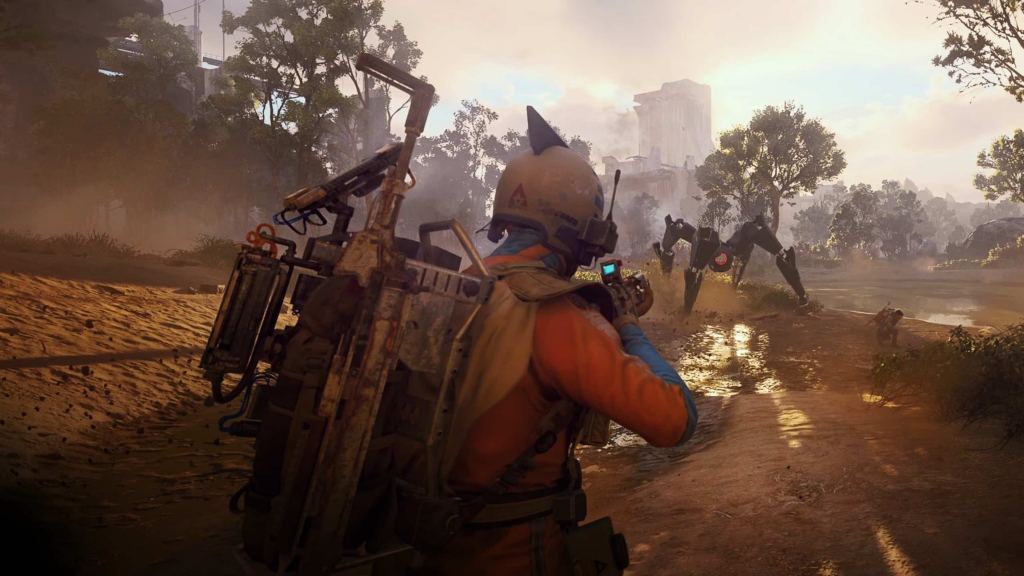
A Raider aims at a four-legged ARC machine in the distance.

As mentioned, Arc Raiders features in-game purchases with three main currencies. These in-game purchases are all cosmetic, ensuring there are no “pay-to-win” mechanics in the game as none of them are required to play and enjoy the game. Below is a breakdown of each currency:

  • Coins are strictly an in-game currency that is obtained by selling items successfully extracted from the Topside. Coins are used for buying gear, buying stash space, and purchasing items from traders.
  • Cred is a progression currency that is earned by playing the game and completing “feats,” which are daily & weekly challenges. It is used to unlock tiers in Raider Decks, which are the game’s version of a battle pass.
  • Raider Tokens are a premium currency that can be purchased with real money and used for purchasing premium Raider Decks and cosmetics in the shop.

What Is Arc Raiders About?

Arc Raiders is about survival. In a world that’s been devastated, then devastated again, you are a raider who is focused on scavenging for the betterment of society. That society is known as Speranza, a vibrant underground clinging to hope, ingenuity, and a little bit of bravado. Speranza isn’t just a safe hub, it’s a living community brimming with opportunity and camaraderie. There you’ll find traders who’ll send you out on missions that slowly reveal more about themselves and what they believe the future of Speranza should be. As the underground evolves, new opportunities and new risks expand its reach.

On the surface, though, it is a hauntingly beautiful but brutally dangerous wasteland, with its own set of rules and patrolled by lethal machines known only as ARC. You are someone willing to risk it all by venturing topside to recover what you can from the world left behind. Every run becomes more than just about obtaining valuable loot, long-lost technology, and rare ARC parts; it’s a personal decision about who you want to be in a place where survival isn’t guaranteed, and trust is a commodity. You can offer aid to fellow raiders you come across or take them for everything they have, subsequently increasing your gains. No matter how you travel, the surface has a way of forcing hard choices.

At its heart, Arc Raiders is about stepping into a broken world controlled by machines, daring to trust those around you, and building a name for yourself with both what you’ve earned and your antics along the way.

How Does Arc Raiders Play?

Arc Raiders has one gameplay loop, but between two distinct spaces. The first is in the safe area of Speranza, where all your preparation and progression takes place. The second is in high-stakes scavenging runs on the surface, where you’ll encounter ARC machines, other Raiders, and most importantly, loot.

A red-skied vista of the overworld in Arc Raiders.

At a high level look, you’ll gear up from the safety of your own workshop, only to risk it all topside, where the goal is simple: Get what you need and get out. How you prepare, your play style, and whether you go it alone or with friends, all can change the outcome of your run; and no two runs are the same.

When you and your family are in Speranza, you’ll spend your time:

  • Crafting, repairing, and upgrading gear in your workshop.
  • Improving your crafting skills by upgrading workshop stations and learning blueprints.
  • Taking on quests from Traders to earn rewards and progress your Raider.

Once you choose your run and head topside, you’ll:

  • Launch into one of four distinct maps where conditions like weather and enemies shift from run to run.
  • Search ruins for loot that can be sold or turned into new equipment.
  • Exfiltrate with everything you’ve collected (hopefully).

Combat, while seemingly straightforward, has consequences beyond the fight itself. Noise carries, and the sound of a battle can invite opportunists looking to take what you’ve earned and draw nearby ARC machines. ARC threats range from drone swarms to towering giants, all of which adapt quickly and can ruin everything for you if you’re careless. Each machine has its own strengths and tactics, pushing you to identify weak spots, reposition constantly, and make smart decisions in the moment.

Survival is all about improvisation and ingenuity. You’ll use:

  • Scavenged materials and looted parts to kitbash gear, craft gadgets, and solve problems on the fly.
  • Loadouts built around your style, utilizing various firearms like SMGs, rifles, shotguns, and advanced options like railguns and energy weapons.
  • Tactical tools like grenades, traps, ziplines, and deployables to outthink both machines and rival Raiders.
  • Augments that add perks and dedicated inventory slots.

At the end of each run, you’ll progress your Raider. Allocating gained XP through success and survival, unlocking skill points across three branches: Survival (loot faster, move quieter), Mobility (outmaneuver threats and opponents), and Conditioning (boost Strength and Stamina). You can also push your skills even further with trials and climbing leaderboards for rewards.

Prepare with intention, risk it all for reward, and return stronger next time, putting everything on the line.

Ensuring Your Kids Have Appropriate Arc Raiders Experiences

While Arc Raiders is generally appropriate for your kids 13 and up, unpredictable player interactions and the presence of in-game purchases warrant mindfulness and a discussion around the nature of competitive play, especially for those who are still learning good sportsmanship. It’s also important to talk with your kids about what they can do if they ever encounter inappropriate behavior online. Just about any platform you can think of gives players the ability to block, mute, and report other players that are either behaving obnoxiously or (at worst) violating a game’s community guidelines. A pro tip for that: Remind your kids that they will never be punished for what someone else does and they can always come to you if they need help. You can visit ESRB’s Family Gaming Guide for helpful tips to start these conversations.

Combat, while seemingly straightforward, has consequences beyond the fight itself.

Seeing as Arc Raiders allows you to team up with a squad of your own making, this would be a wonderful opportunity to jump into a game with your child to enjoy the experience together. If you are looking for more ways to ensure your kids’ video game experiences are appropriate, we have step-by-step parental control guides at ParentalTools.org to help you get started! You can activate parental controls to manage which games your kids play, when and for how long, with whom (if anyone!) they can communicate while playing online, and whether they can spend real-world money on in-game purchases or new games.


Headshot of Contributor Asa GreenRiver

Asa Bebout-GreenRiver  is a seasoned gaming and entertainment industry professional, who has worked in various areas of the industry like consultation, news coverage, development, and more. He’s worked with companies like IGN, Take This, and The Game Awards, and has worked on titles like Weird West and Onson Master. He’s a passionate advocate for diversity, equity, and inclusion, and has produced content focused on promoting Indigenous representation in the gaming and entertainment industry with companies like Twitch, Kinda Funny, and Snapdragon. Aside from this experience and his work in marketing, Asa is developer of an up & coming tabletop game called, BattleVersus! which was recently featured in the SixOneIndie Showcase.” 

The post A Parent’s Guide to Arc Raiders appeared first on ESRB Ratings.

  •  

A Parent’s Guide to Pokémon Pokopia

Pokémon Pokopia At a Glance

  • Pokémon Pokopia is rated E (Everyone) with Interactive Elements for Users Interact and In-Game Purchases.
  • Pokémon Pokopia on the Nintendo Switch 2 console for $69.99.
  • Pokémon Pokopia is a “life simulation” game set in the Pokémon universe where players will explore their surroundings, harvest materials, and (most importantly) befriend Pokémon to unravel mysteries.

As ESRB’s resident Pokémon Master, I’m ready for Pokémon Pokopia. This Pokémon spinoff (distinct from the many others like pinball, turn-based tactics games, dungeon crawlers, and more) brings the series into the simulation genre. Rather than stepping into the shoes of a Pokémon trainer, players will instead embody a Ditto on a mission to attract wild Pokémon back to a deserted region.

While still Pokémon, Pokopia plays nothing like the core games. Read on for more information to help you decide if Pokémon Pokopia is appropriate for your family.

Is Pokémon Pokopia Appropriate for Kids?

Pokémon Pokopia is rated E for Everyone, with no Content Descriptors. However, there are Interactive Elements assigned, including Users Interact (meaning players can communicate through the game) and In-Game Purchases (meaning users can use real money to purchase virtual currency that can be used to purchase in-game content).

According to ESRB’s Rating Summary Pokémon Pokopia “is a simulation game in which players assume the role of a Pokémon that works to transform a desolate world into a thriving habitat. As players interact with characters, they can collect resources, fulfill requests, and build various landscapes.”

Keep in mind that ESRB ratings are intended to help you decide if a game is appropriate for your kids from a content perspective. In other words, Pokémon Pokopia is likely appropriate for your family given its E for Everyone rating, but some younger players may struggle to manage some of the more complex gameplay systems by themselves. Having said that, if you decide that Pokémon Pokopia is appropriate for your kids, it’s a great opportunity to play together regardless of age!

Where Can I Play Pokémon Pokopia and How Much Does It Cost?

Pokémon Pokopia is available for the Nintendo Switch 2 and retails for $69.99 physically and digitally. As mentioned, the ESRB rating also includes the Interactive Element for In-Game Purchases. This means that there may be additional options to spend real-world currency on in game content (items, DLC, etc.).

Make sure you check that you’ve set parental controls to manage spending on the console!

What is Pokémon Pokopia About?

In Pokémon Pokopia, the player awakens in the gooey pseudopods of a Ditto, a Pokémon with the ability to transform into any other Pokémon. This Ditto, however, has apparently been napping for a long, long, long time. Its trainer is nowhere to be seen, and its surroundings are unrecognizable.

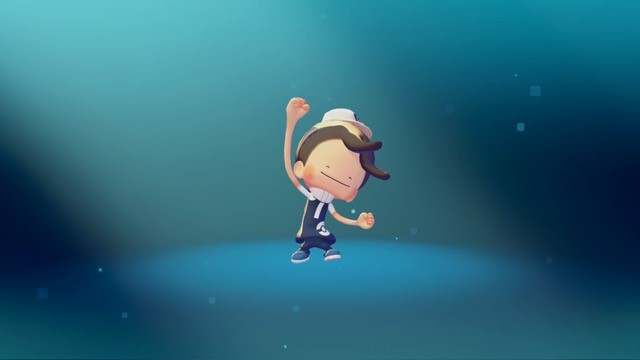
The game begins with Ditto transforming into its best approximation of its trainer to ask around if anyone has seen them. This also acts as a sort of character customization for the player – allowing you and your kids to pick hair, clothes, and other visual elements of Ditto’s trainer.

If you’re familiar with Ditto, you may know that its transformations are… not always exact. For example, here’s my Ditto, which I created to approximate yours truly (it’s flawless!):

A ditto impersonating a human in Pokemon Pokopia.

Ditto soon discovers that the they have woken up in a dilapidated Kanto region (the explorable continent from the original Pokémon games). It is completely devoid of all life… save for one Pokémon: Professor Tangrowth. The Professor informs Ditto that the humans are long gone (though they don’t know why) and the Pokémon that once packed the region’s tall grass and caves have gone into hiding.

Luckily, Professor Tangrowth has some thoughts on Ditto can attract other Pokémon to the region and hopefully unravel the mystery of what exactly happened!

How Does Pokémon Pokopia Play?

In Pokémon Pokopia, you and your family will explore, harvest resources from your surroundings, create habitats for Pokémon, and build structures. In this “life simulation” game, your major goal is to attract as many new Pokémon as possible, keep them happy, and level up the environment to expand your array of craftable structures, items, decorations, and more.

All of these mechanics build on each other to allow you and your family with (quite literally) hundreds of options to customize each environment throughout the game.

The general loop will go like this:

Discover Clues to New Habitats

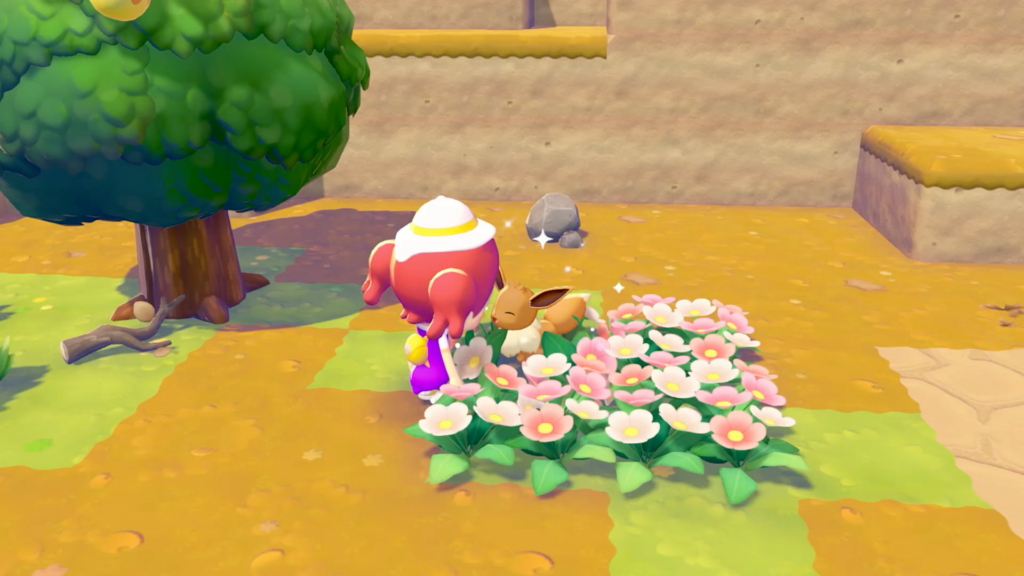
Ditto will find clues around the environment or via the in-game Pokédex that outline habitats that will attract new Pokémon. This can be something like cultivating patches of tall grass in a certain way, crafting/placing items or in a specified pattern, building structures near bodies of water, and more. Some habitats can be significantly more complicated than others but may attract rare Pokémon with valuable skills.

The player has organized four patches of wildflowers to create a habitat and attract Eevee in Pokémon Pokopia.

Meet a New Pokémon

If you nail the habitat requirements, you’ll attract a new Pokémon resident to the area! Hooray! Some of your Pokémon residents will teach Ditto a new move, while others may will open up new avenues to interact with and mold the environment. For example, your Ditto will  learn Water Gun from a Squirtle to water plants and hydrate soil. Meanwhile, you’ll need a Timburr (or another Pokémon with a “build” skill) to build houses and other structures.

Some Pokémon will even teach Ditto an entirely new transformation.

Use What You’ve Learned

Moves, skills, and transformations offer new ways for Ditto to traverse and manipulate the environment. Eventually, you and your family will use these skills and moves in concert to build homes, infrastructure, and more. Eventually, all these systems intersect and layer, allowing you and your family to think outside of the box and use your collective imagination to mold the region as you see fit.

Be a Good Friend and Level Up Your Environment

The Pokémon that move into your region also have “requests.” Pokémon will ask Ditto to help them out with something, be it a new piece of furniture for their habitat, or an entirely new habitat altogether! My Charmander buddy asked for a literal new house. In this market, Charmander?!

Anywho… Satisfying the request will increase the Pokémon’s comfort, and in turn raise the Environment Level.

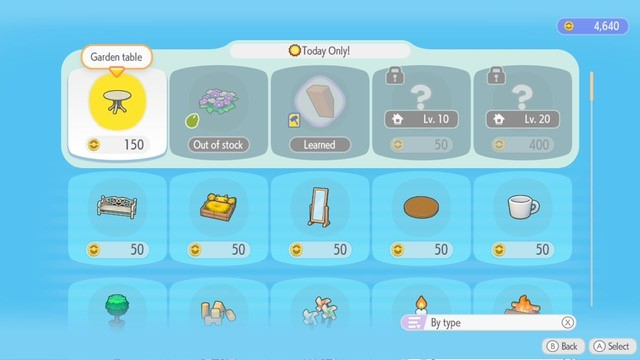
As the Environment Level of the area increases Ditto and your family will unlock new customization options, recipes, items, and more. Which can all be purchased in the in-game shop.

The in-game store in Pokémon Pokopia. There are squares containing options to purchase in-game items like a bench, a mirror, and more using in-game currency.

For the record, this shop uses in-game currency earned from challenges (collecting a number of a specific resource, finding a number of unique Pokémon, etc.). During my play time I did not see any option to make a purchase with real world currency.

Single Player and Multiplayer

Pokémon Pokopia can be played both in single player and multiplayer. Up to four players can collaborate on an island at one time, so if you have the number of devices to support that, it could be a fun, age-appropriate experience for an entire family. Otherwise, you and your kids can join a shared, online territory with friends and family members. This is a more open-ended experience, with no real objectives other than whatever your kids’ imagination dreams up.

It also takes advantage of Nintendo’s GameShare, which allows one player to share a game with friends and family without needing more than one copy of a game. If you live in a house with multiple Nintendo Switch consoles, you and your family can all play together wirelessly. To be clear, a Nintendo Switch 2 is needed to “host” the game, but with GameShare it can be streamed to a Nintendo Switch console as well.

Despite the inclusion of both local and online multiplayer, your kids cannot communicate with others directly when playing the game online. Even so, I always recommend activating parental controls around communication as a backup. And remember… discuss with your children how to safely use platforms like Discord if they plan to chat with their friends off platform.

Making Sure Your Kids’ Video Game Expeditions are Safe and Appropriate

I always like to say that checking the ESRB rating before buying or downloading a game is a perfect first step. While many parents may get exactly what they need from a rating to decide, some parents may want more information. If you’re still on the fence, there are likely dozens of previews, reviews, trailers, and gameplay videos available for most titles that can give you a more in-depth look at the moment-to-moment gameplay. Some games even have demos that you can try out yourself!

When it comes down to it, there’s no better way to keep an eye on your kids’ games than staying involved! ESRB’s Family Gaming Guide has tips to help you start and maintain an ongoing conversation about what your kids are playing and why they love it. Keeping it judgement-free will also help your kids understand that you’re on their side, and they can come to you if they ever have any questions or concerns about something they’ve experienced while playing… be it alone or online with others.

From there, you can also establish some commonsense household rules around video games to outline things like spending and play time limits. To back up those rules, virtually every video game device also has parental controls to help you manage what your kids play, when and for how long, with whom, and whether they can spend money on in-game purchases or new games. Visit ParentalTools.org for step-by-step parental controls guides.

The post A Parent’s Guide to Pokémon Pokopia appeared first on ESRB Ratings.

  •  

Why

Why

Take-Two CEO Strauss Zelnick is now a playable character in WWE 2K26. I have some questions. 

Principally, of course, I’d like to know why 2K added one of gaming’s most AI-confused, money-hungry executives at all. I mean, it’s not like he has some enormous cult of personality beyond his position at Take-Two and the odd vaguely spicy interview quote. He did release a fitness book and go around promoting it by showing off shirtless pictures of himself with eight percent body fat, but that was back in 2018. Plus, he’s not even shirtless in the game. 

Beyond that, I’m also curious as to why he was added to WWE 2K26 with essentially no fanfare. 2K just published a blog about the game’s new season spotlighting four other new wrestlers—complete with a splashy trailer—but Zelnick, added at the same time, received no such red carpet. He’s not even mentioned in the patch notes! (He’s also not listed on the game’s official roster page, but neither are the other new additions.) Did 2K want this to function as an easter egg? Because easter eggs are supposed to feel almost intimate, like a secret shared between friends. A multimillionaire CEO is… not that.

And why are Zelnick’s stats high enough that he’s above some well-respected real-life wrestlers? I mean, I guess you can’t portray the boss as a hapless, bumbling clown—and it’s better than the time UFC president Dana White got added to EA UFC with inexplicably god-tier stats—but still.   

Most of all, why is “My Way” by Frank Sinatra Zelnick’s entrance theme? Does it hold some special significance to him personally? Or did the developers just pick it because of his whole vibe? And why does it appear to be confined only to Zelnick, meaning that it can’t be applied to other characters? 

WWE 2K26’s player base is as confused as I am. Oh well, at least Zelnick—the character, not the man—isn’t costing anyone any money.

Recommended

Company With ‘No Current Layoff Plans’ Announces Layoffs - Aftermath
600 people are being laid off, while “several projects in development” have been cancelled
WhyAftermathLuke Plunkett
Why
CEO Of Take-Two, Reportedly Closing Two Studios, Denies Closing Two Studios - Aftermath
‘We didn’t shutter those studios’, says man who clearly appears to have shuttered two studios
WhyAftermathLuke Plunkett
Why
Fresh Off Closing Two Studios, Take-Two CEO Expresses Excitement About ‘More Sensible’ FTC Under Trump - Aftermath
It was a rough time to be a guy who makes tens of millions of dollars per year, but things are looking up
WhyAftermathNathan Grayson
Why
As A Principled Video Game Executive, I Believe AI Is ‘Metadata’ Mixed With A ‘Parlor Trick,’ And We Should Be Skeptical Of It. Then Again, Counterpoint: Never Mind
Life comes at you fast
WhyAftermathNathan Grayson
Why
  •  

I Love Da Cube

I Love Da Cube

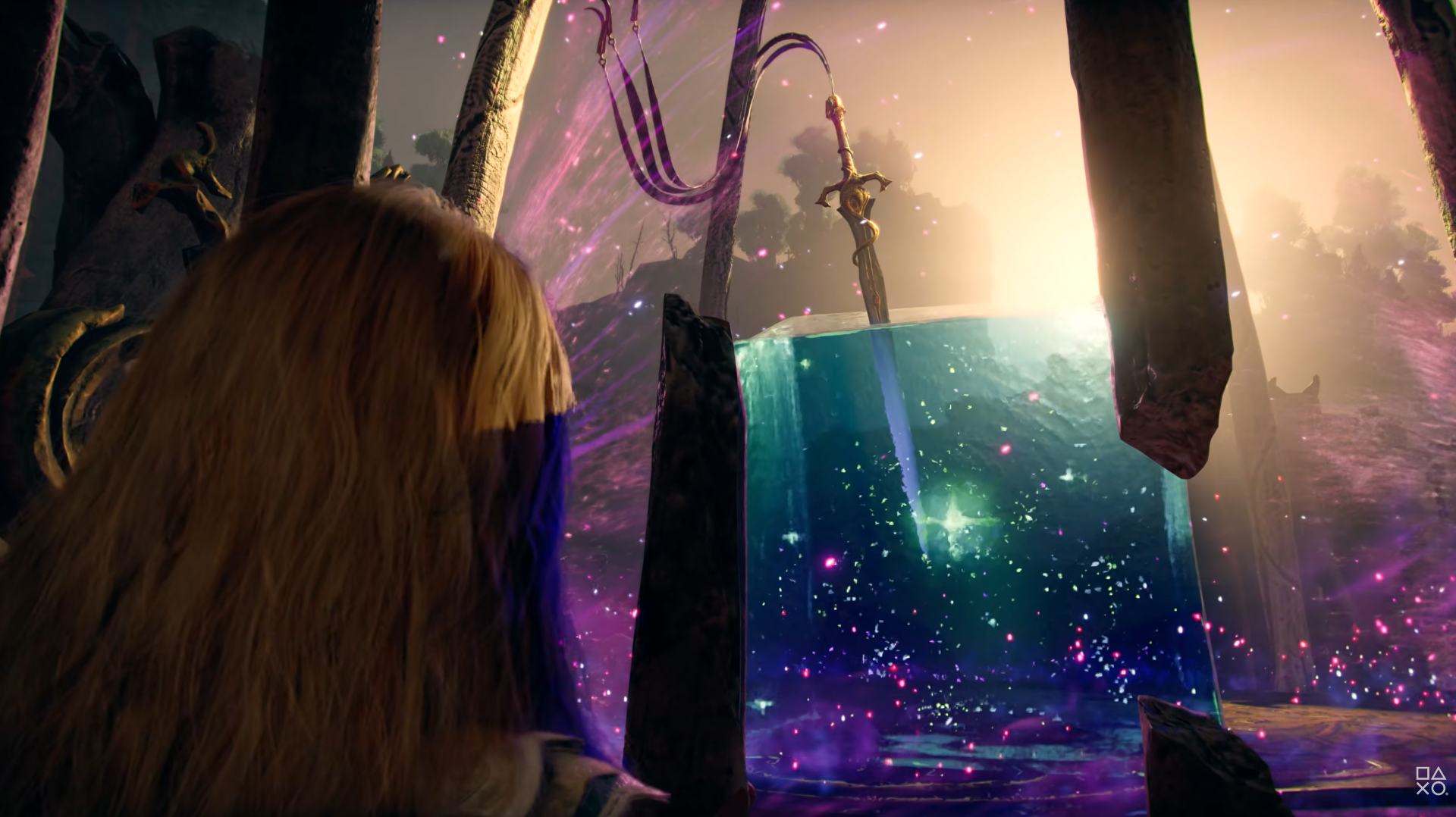
Today Sony revealed a new God Of War, which stars Laufey, Kratos’ wife who died at the start of the 2018 game. It looks like another modern God Of War, which is to say gorgeous and dour. But the series has never been entirely bereft of humor, and this one seems to be leaning into that element in a big, boxy way: There is a talking gelatinous cube. It rams into things in a way that mostly seems to annoy them. I think it’s great.

The cube’s name is Phranque, an objectively stupid name that I nonetheless enjoy in this specific context. He’s voiced (and mocapped!) by The Boys star and reasonably likable nepo baby Jack Quaid. Laufey meets him while imprisoned in a giant bone cage, alongside what appears to be a talking sword, but which is actually a talking ribbon sticking out of said sword, named Rue (played by Perlina Lau).

Already, there’s been discourse online about how a) God Of War stars a woman now, woe are the many babies who actually hate both women and video games, but more importantly b) the cube. Some contend that it looks out of place in this otherwise muddy, bloody afterlife setting and that Jack Quaid’s line reads, so far, sound a little Marvel-y. I cannot deny these prospective criticisms of a game that—let’s not forget—doesn’t even have a release date yet. 

But watching the trailer, I was absolutely entranced not by the brutal balletics of a boss battle against a red demon, but instead by the cube wobbling along beside and behind it. Then, as if to add insult to the injury of Laufey’s sword strikes, the cube would crash into the back of the boss with the ferocity of an untouched, slightly spoiled Jell-O mold.

Nobody really acknowledges this as Laufey and the boss trade ill-intentioned blows and words, which in my opinion makes it better. Laufey nearly hews the dude in half, and then—for good measure—gelatinous cube comes in with a follow up boop. It is the gentle rhythm of slapstick, a dying art resurrected. Fitting for a game about someone who’s supposed to be dead.

Put simply, I love da cube. If you don’t, too bad. There is joy to be found in this world, but only if you’re willing to seek out its goopiest corners.  

Recommended

Is Arm Hair The New Horse Testicles
Attention to detail reaches new heights
I Love Da CubeAftermathRiley MacLeod
I Love Da Cube
  •  

I Hope GTA 6's Soundtrack Is As Timeless As San Andreas

I Hope GTA 6's Soundtrack Is As Timeless As San Andreas

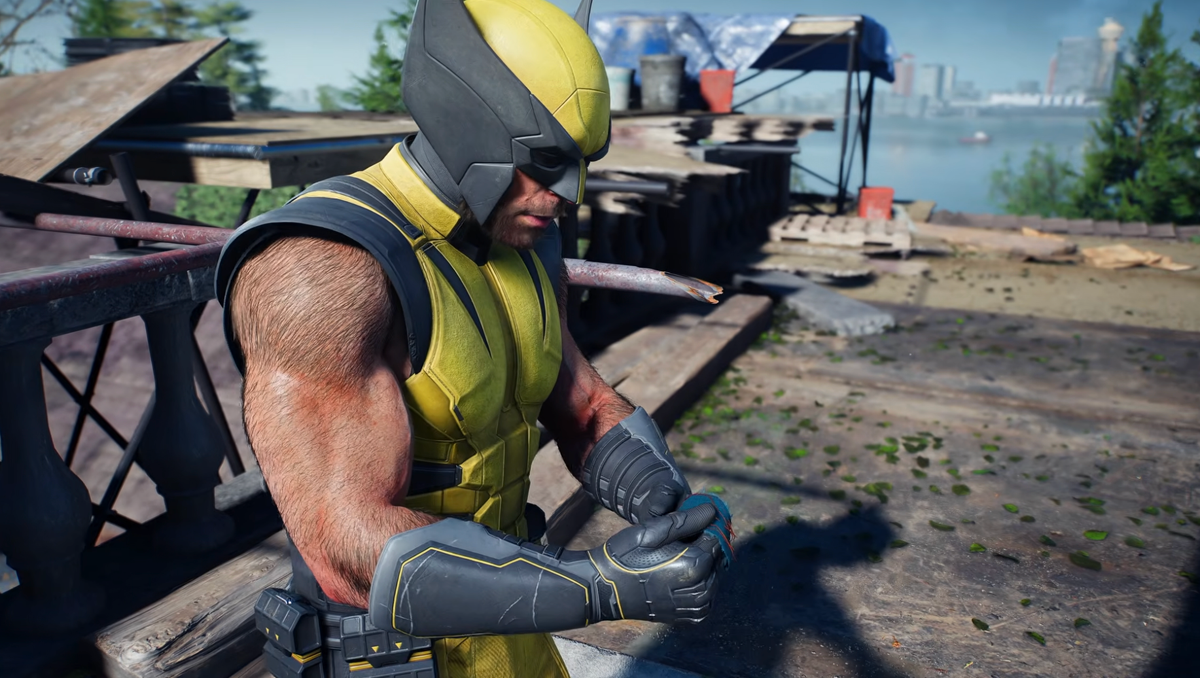
Happy Grand Theft Auto VI was originally supposed to release today day. While there’s no doubt there will continue to be tons of articles drip-feeding information and speculation about the game in the lead-up to its actual release in November, everyone and their mom have christened it the final video game that could slap any price onto itself and move the needle for years to come, or they make guesswork of its plot from the few tidbits we’ve gotten from Rockstar Games. I’ve never actually been concerned with GTA as a gangster shoot-em-up game. I like it as a fun little sandbox game that I can chill in and listen to good music—something I can only hope GTA 6 will be just as good for. 

My earliest memories of playing Grand Theft Auto go back to Vice City. Of course, I was six and shouldn’t have been playing a violent game where you could wander the streets and blow random passersby’s heads off. I had the wherewithal to recognize it was referencing Scarface (since the film was a Thanksgiving staple with my family, alongside The Godfather), but nonetheless, I was a kindergartener playing GTA: Vice City because my older brother (who’s 25 years older than me) didn’t punk me with the tried-and-true passing of the unplugged controller. He let me free-roam using his finished memory card. 

There, I’d spend countless hours beelining to the tank I knew he kept in his Tony Montana garage and cause mayhem until I got wasted. That is, until my mom caught wind of my brother letting “baby Isaiah” play the M-rated game unsupervised and bought me a PlayStation 1 with more age-appropriate games like Spider-Man, NASCAR, and Looney Tunes, like hand blocking a trained puppy with a toy to keep them from teething on furniture. While I acquiesced to her wishes, I’d already gotten a taste for GTA’s sandbox potential and longed for the day I’d be “old enough” to play to my heart’s content. That day would come when San Andreas came out.

Like history repeating itself, my brother would let me play his copy of San Andreas when I turned 12 with my mom’s blessing, since I’d already seen the worst of it. She didn’t know about Hot Coffee, and we wanted to keep it that way. But I didn’t fall in love with San Andreas for the debauchery it promised. I loved it for its music. While Luke has gone on record as saying Vice City has the best (licensed) video game soundtrack of all time, my favorite is San Andreas. I loved the songs on San Andreas so much that I’d boot up the game for the express purpose of turning on the radio and having CJ go on a road trip to the countryside while flipping through its stations. I took my sandbox role-playing so seriously that I was obeying traffic laws. 

With San Andreas being “the Black GTA game,” with an immaculate time capsule of cookout classics including but not limited to Michael Jackson, The Isley Brothers, Rick James, Boyz II Men, and Slick Rick, the licensed OST already felt like home off rip. But what pushed it over the edge as a formative gaming experience, one I’ve been chasing in the years since with games like Saints Row, is its all-star playlist of licensed OST serving as a gateway to music I’d otherwise never have heard. More specifically, it exposed me to absolute banger folk and country music songs before 9/11 irreparably warped the genre into that jingoistic Bo Burnham bit

Thanks to San Andreas, my musical tastes expanded after hearing Jerry Reed’s “Amos Moses,” Conway Twitty and Loretta Lynn’s “Louisiana Woman, Mississippi Man,” Whitey Shafer’s “All My Exes Live in Texas,” Hank Williams’ “Hey Good Lookin’,” Ed Bruce’s “Mamas Don’t Let Your Babies Grow Up to Be Cowboys,” Juice Newton’s “Queen of Hearts,” and (my all-time favorite) America’s “Horse With No Name.” Many of these were classics that didn’t make it into Rockstar Games’ GTA: The Trilogy remaster

Looking back on it, my love of road-tripping in San Andreas has everything to do with my brother taking me on night drives when I was little to help me fall asleep. My memory now plays back those drives like that one dreamy, Wong Kar Wai-esque clip of Anthony Bourdain adrift in a busy city street. He’d hit the expressway, and I’d nod off singing OutKast’s “So Fresh So Clean,” knowing damn well I didn’t understand what it was they were rapping about, but was fully convinced André 3000 was the coolest guy alive. 

It's uncanny that my nostalgia for those nights would manifest as San Andreas music, which I’d return to in my daily life as my own sort of digital nostalgia playlist. And with GTA 6 dropping the week of my 30th birthday, I hope its OST will hit the same mark as my all-around fun sandbox game. But I’m not gonna lie, I’m nervous it won’t. Case in point: I couldn’t tell you a single track on the GTA 5 soundtrack, and I played that jawn front to back. 

That’s not to say GTA V didn’t have bangers. It’s just that, as a time capsule of the music I was listening to back then—music I knew inside and out—it never stood out the way San AndreasSmash Bros.-style “All the warriors” tracklist did. If anything, I remember more of the silly shit DJ Cara would say between tracks than the tracks themselves. Deadass, I had to look up that Freddie Gibbs rapped "Welcome to Los Santos" this weekend. As someone who fucks with dude heavy, it's not a good sign that I couldn’t recall his presence on GTA V’s OST. And what with GTA 6 shaping up to be the latest piece of media slow-cooking during the unreality of the Trump presidency, I’m also worried that whatever podcast-type listening experience it no doubt has queued up will age more like The Boys or an SNL bit than something as timeless and razor-sharp as The Simpsons

I Hope GTA 6's Soundtrack Is As Timeless As San Andreas

Rockstar

But more than that, I can’t shake the old man feeling that today’s popular music just doesn’t build the same way older tracks did, where songs had multiple verses, a sticky chorus, dynamic instrumentation, and four-minute-plus runtimes. Now, sometimes the best we can hope for with songs today is something shy of two minutes that feels more formulaic and derivative than unique and bold. 

Having lived in Cheyenne, Wyoming, for almost a decade, I know firsthand how rural music scenes can feel frozen in time. I’m talking about folks blasting Tech N9ne and Hopsin while Jid and J. Cole were blowing up everywhere else. Sure, the big Drake hits filtered through, but only because they were inescapable. Otherwise, contemporary hits had as much chance of getting play as a third-rate phone carrier’s signal coverage in areas that weren’t metropolitan. One of my best friends confirmed that Florida is pretty much the same way, which has only increased my fear that the frozen-in-time songs phenomenon would carry over in the game as well. But if GTA 6 wants to be a true time capsule, its licensed OST needs to have bangers Floridians would actually bump

Should GTA 6 have a similar frozen-in-time vibe to its licensed music as GTA V, I can only hope its soundtrack leans less on the pop music slurry built to trend as a TikTok dance and more on that euphoric 2016 prom night energy—the kind of tracks I’d throw on during a late-night cruise across the highway. Should all else fail, I’ll look forward to muting the game and spinning San Andreas’ soundtrack instead. 

Recommended

The Need For GTA 6’s Success Is A Symptom Of A Broken Industry - Aftermath
What more is there to give the game that has everything
I Hope GTA 6's Soundtrack Is As Timeless As San AndreasAftermathJoshua Rivera
I Hope GTA 6's Soundtrack Is As Timeless As San Andreas
  •  

Best City Building and Management Games to Play in 2026

Whether you’re building a thriving kingdom, managing a university campus, or keeping humanity alive through a frozen apocalypse, city-building and management games continue to be some of the most rewarding experiences on PC.

If you’re looking for your next obsession, the Master Builder Collection brings together seven standout strategy and management games that offer wildly different takes on the genre.

Fancy creating the ultimate dinosaur attraction? Jurassic World Evolution 2 lets you build, manage, and expand your very own prehistoric theme park while keeping some of history’s most dangerous creatures under control.

The Master Builders Collection Bundle

For something a little more relaxed, Fabledom swaps dinosaurs for fairytale charm, allowing you to create a picturesque kingdom filled with citizens, romance, and storybook-style adventures.

The Master Builders Collection Bundle

Meanwhile, Two Point Campus puts you in charge of higher education, tasking you with designing the perfect university while balancing student happiness and academic success.

The Master Builders Collection Bundle

If survival is more your speed, Frostpunk Game of the Year Edition remains one of the most compelling city builders ever made. Every decision matters as you guide humanity through a frozen world where resources are scarce and tough choices are unavoidable.

The Master Builders Collection Bundle

Elsewhere, SteamWorld Build combines city management with underground exploration, Settlement Survival challenges you to establish a thriving frontier community, and Flooded offers a unique race against rising waters where every move counts.

The Master Builders Collection Bundle

Better still, every purchase of the Master Builder Collection supports Safe In Our World and includes a 55% discount voucher for Frostpunk 2 on the Green Man Gaming Store.

From cosy kingdom builders to brutal survival management sims, the Master Builder Collection offers something for every strategy fan.

The post Best City Building and Management Games to Play in 2026 appeared first on Green Man Gaming Blog.

  •  

Gothic 1 Remake: Biggest Changes and Improvements Over the Original

Released more than a quarter of a century ago, Gothic was a sprawling open-world RPG that, while undeniably rough around the edges, offered a wonderfully scrappy adventure for RPG fans. It was the sort of game that would later help define the affectionate “Eurojank” label: ambitious, awkward, memorable, and full of personality.

That rough charm is a huge part of why Gothic still has such a devoted following today. Now, 25 years later, developer Alkimia Interactive and THQ Nordic are bringing it back with a full remake.

So, how does the Gothic 1 Remake improve on the original? Well, we’re glad you asked.

A Modern Engine for Modern Times

Game engine technology has come a long way since Gothic first launched in 2001, so it makes sense that the Gothic 1 Remake has been rebuilt from the ground up for modern hardware.

Powered by Unreal Engine 5, the remake features all-new assets, a huge increase in texture and lighting detail, support for higher frame rates and resolutions, and a generally much richer sense of place. In short, this classic European RPG is being dragged, kicking and screaming, into 2026.

Gothic 1 Remake on PC

The move to Unreal Engine 5 also allows for a much greater variety of NPCs. In the Gothic 1 Remake, more than 600 unique faces and body types populate the prison colony, giving the world a level of visual variety much more in line with modern RPG expectations. Compared to the more repetitive character models of the original, that alone should make the colony feel far more alive.

An Expanded, Enhanced World Filled With Cut Content

The original Gothic had more than a few areas that felt barren or incomplete, largely because of the technical limitations its developers were working with at the time. The Gothic 1 Remake addresses this directly, with a map that is roughly 20% larger than the original.

That extra space is not just there for the sake of it, either. Alkimia Interactive has used it to flesh out locations that could not be fully realised back in 2001, giving familiar areas more detail, purpose, and atmosphere.

The remake also builds on one of Gothic’s most impressive original features: its NPC schedule system. Back in the day, Gothic’s characters already felt more alive than those in many other RPGs because they followed daily routines. In the remake, those routines are broader and more reactive, with NPCs responding dynamically to changes in the world and story.

Female characters have also been extensively reworked. Rather than simply existing in the background, they now have their own names, appearances, dialogue trees, and interactions within the game world, giving them much more presence and agency.

Clunky No More: Combat and Controls That Actually Satisfy

One of the biggest reasons the original Gothic earned its “Eurojank” reputation was its control scheme. Let’s be honest: it was clunky. Very clunky. We may all have had a higher tolerance for that sort of thing back then, but by modern standards, it could be a bit of a struggle.

The Gothic 1 Remake completely refreshes the controls with modern expectations in mind. There is now a lock-on mechanic that actually works, more responsive hit feedback, reliable dodging, and attacks that look and feel like they properly connect.

Gothic 1 Remake on PC

As a result, moving through the world and getting stuck into combat should feel far more responsive and enjoyable. The original’s haphazard, keyboard-crunchingly frustrating encounters have been replaced with something that better matches the ambition of the game’s world and systems.

Worry Not: This Is Still a Punishing, Hands-Off Adventure

For all its modern improvements, the Gothic 1 Remake is not sanding away everything that made the original special. One of Gothic’s most appealing qualities was how punishing and hands-off it could be. It respected the intelligence of its players and encouraged them to find their own way through its dark fantasy world.

In an era of minimaps, quest markers, and UI screens packed with helpful pointers, Alkimia Interactive has been keen to preserve that essential Gothic feeling.

Combat remains dangerous. Enemies hit hard, and the Nameless Hero begins the game without much in the way of training or martial skill. Especially early on, every fight can feel hard-won, with victory or defeat often decided by just one or two hits.

Exploration is similarly old-school. There is no minimap and no flood of quest markers guiding you from one objective to the next. Instead, players must ask NPCs for directions, buy costly maps from vendors, and use landmarks to navigate the world.

Y’know, just like the good old days.

Big Story, Quest, and Lore Changes Could Make This the Definitive Version

Alongside its technical improvements, the Gothic 1 Remake also makes significant changes to the story, lore, and quest content.

Gothic 1 Remake on PC

One of the major criticisms of the original game was its English translation. The move from German to English left behind broken sentences, awkward storytelling, and important plot points that could feel muddled or underexplained. In the remake, the narrative has been refined so it unfolds more naturally, without the contradictions and inconsistencies that affected the original English release.

The late game has also been expanded. One common complaint about Gothic was that the quality and quantity of quest content began to thin out toward the end. The remake aims to address that with around 15 hours of new camp-specific content, including fresh questlines for both newcomers and returning fans.

The Orcs have received a major overhaul, too. They now function more fully as their own faction, with players able to learn the Orcish language and explore new questlines and story paths that were not present in the original release.

Taken together, these changes suggest that the Gothic 1 Remake is not just a visual upgrade. It is a broader reworking of a cult RPG classic, one that keeps the original’s punishing, hands-off spirit while making its world, combat, story, and characters feel far more complete.

For veterans, it could be the Gothic they remember, only richer and more playable. For newcomers, it may well be the definitive way to experience one of Europe’s most beloved RPGs.

The post Gothic 1 Remake: Biggest Changes and Improvements Over the Original appeared first on Green Man Gaming Blog.

  •  

Windrose Mini-Review: It’s The Pirate’s Life For All Of Us

There are an absurd number of survival games out there these days. At this point, there is one for almost every genre, setting, and gameplay concept imaginable. Which honestly makes it surprising that nobody made something like Windrose sooner.

After all, who has not dreamed of becoming a pirate at some point?

Well, Windrose finally lets players live out that fantasy, and it absolutely nails it.

Windrose on PC

The opening hours feel familiar enough for survival fans. You will gather resources, build shelter, craft equipment, and slowly improve your setup. Even then, though, Windrose already starts tweaking the usual survival formula in clever ways.

For starters, if you hate building houses piece by piece, the game lets you craft a prefabricated home using simple materials like plant fibre. It is a small touch, but one that immediately makes progression feel smoother and less tedious.

Exploration also feels consistently rewarding. Every new ingredient, blueprint, or note you discover unlocks something meaningful, whether that is a fresh crafting recipe or a brand new questline to follow.

Windrose on PC

Things really open up once you stumble across the wreckage of a ship worth restoring.

From there, Windrose transforms into something special. You recruit crew members, repair your vessel, and finally take to the seas. Suddenly, you are steering your own pirate ship across the ocean while your crew belts out sea shanties in the background.

It is brilliant.

Windrose on PC

You can upgrade your ship, battle rival pirates, explore islands, and simply enjoy sailing around one of the most atmospheric survival worlds in recent memory.

It certainly helps that Windrose looks absolutely stunning, too. Honestly, it is hard to believe this is not a triple-A release at times. The world is packed with gorgeous lighting, detailed environments, and some genuinely jaw-dropping scenery.

Seriously, stop for a moment and look at the night sky whenever the sun sets. It is incredible.

Windrose on PC

Throw in full multiplayer support with friends, and Windrose becomes one of those games that is simply a joy to exist in. Better yet, this already feels like a fantastic foundation, which makes it exciting to imagine how much bigger and better the game could become over time.

Because even now, Windrose is already excellent.

The post Windrose Mini-Review: It’s The Pirate’s Life For All Of Us appeared first on Green Man Gaming Blog.

  •  

Indie Game Release Round-Up: June 2026

June is here, which means warmer weather, a packed announcement calendar, and a seemingly endless stream of gaming reveals set to roll on all summer long. But while plenty of games will pop up unexpectedly, there are also loads of exciting indie titles with confirmed release dates to keep an eye on.

If you’re wondering which indie games deserve a spot on your wishlist already, here are some of the best and most exciting releases arriving throughout June.


Calx - Indie Game Release Round-Up: June 2026

Calx – 4th June

Calx is a gorgeous action game set on a corrupted planet, and it looks every bit as harsh as it is beautiful. You play as the Seeker, battling your way across a strange world where movement and combat seem equally vital to survival. With plenty of weapons to experiment with and a mysterious setting begging to be explored, this one already has a lot going for it.


Swan Song - Indie Game Release Round-Up: June 2026

Swan Song – 4th June

Swan Song looks like a wonderfully calm change of pace. Set inside a magical music box, this puzzle game blends music, exploration, and pathfinding into something far more delicate than most of the other games on this list. If June’s chaos is already getting a bit much, this could be the perfect excuse to slow things down.


Cursemark - Indie Game Release Round-Up: June 2026

Cursemark – 8th June

Cursemark is a dark action roguelike with loads of style and a very strong atmosphere. Launching in Early Access, it puts you in the role of a Mage Knight trying to survive the Unknown Lands, with each run giving you new spells, abilities, and builds to experiment with. It looks tough, moody, and full of the kind of secrets that make roguelikes so hard to put down.


Solarpunk - Indie Game Release Round-Up: June 2026

Solarpunk – 8th June

Solarpunk immediately stands out thanks to its hopeful take on the survival genre. Set across floating islands where nature and technology exist in harmony, it’s all about exploring, building, and carving out a life in a brighter kind of future. The co-op play only makes it more appealing, especially when the world looks this inviting.


Voidling Bound - Indie Game Release Round-Up: June 2026

Voidling Bound – 9th June

Voidling Bound is a strange mix of third-person shooter and creature collector, but that odd combination is exactly what makes it so interesting. You’ll take control of a wide range of monsters and head to corrupted planets to fight back against the spreading threat. As your creatures evolve and unlock new abilities, there looks to be plenty of room for experimentation in how you approach each fight.


Witchspire - Indie Game Release Round-Up: June 2026

Witchspire – 10th June

Witchspire looks utterly enchanting. This open-world survival game lets you build, mine, and explore using magic, and yes, that includes flying around on a broom. It all sounds wonderfully cosy at first, but there’s clearly something darker lurking in the background, and that added sense of mystery makes it all the more appealing.


Denshattack! - Indie Game Release Round-Up: June 2026

Denshattack! – 17th June

Denshattack! looks completely ridiculous in the best possible way. You play as a train, pulling off tricks, fighting rival gangs, and taking on a megacorporation while speeding through absolute chaos. It’s stylish, loud, and gloriously over the top, and if it can match the energy of its trailers, this could be one of the month’s most memorable releases.


Shift At Midnight - Indie Game Release Round-Up: June 2026

Shift At Midnight – 18th June

Shift At Midnight mixes co-op horror with gas station management, which is already a strong start. As you work through each shift, you’ll need to serve customers, keep the place running, and figure out which visitors are actually doppelgangers in disguise. If one gets through, things quickly turn into a desperate scramble for survival, and that strange mix of routine and horror is exactly what makes this one stand out.

The post Indie Game Release Round-Up: June 2026 appeared first on Green Man Gaming Blog.

  •  

Dead as Disco Mini Review: Rhythm-Fighting Perfection With Serious Style

It’s not often that a game leaves me simply wanting more, but Dead as Disco managed it almost immediately. Writing about games can sometimes dull the joy of playing them, but this rhythm-fighting game cut straight through that. On paper, the pitch is simple: fight to the beat. In practice, it feels far more exciting than that.

Dead as Disco plays like a stylish, ever-changing anime, with each level shifting in tone, music, and visual identity. You play as Charli Disco, who sets out to save his former bandmates after they sold out, free them from the forces controlling them, and do it all with as much flair as possible. At this stage, there are four levels to play through, but what’s already here is incredibly strong.

Dead as Disco on PC

Each level has its own personality. There’s a punk-inspired stage, a K-pop stage, a rap stage, and my personal favourite: the metal stage. Each one builds towards a big boss fight, complete with unique mechanics and, most importantly, its own music. That variety keeps each encounter feeling fresh, as you’re constantly learning a new rhythm, adjusting to a different style, and finding the beat all over again.

When everything clicks, Dead as Disco feels exceptional. Parries, dodges, and attacks all land on the beat, and every successful action adds another layer to the song. It makes each fight feel like you’re not just playing along with the music, but actively helping to build it. Rhythm games can sometimes feel restrictive, but this never does. Missing the beat doesn’t feel overly punishing; it simply encourages you to settle back into the groove and keep going.

The combat is buttery smooth, and the replayability is already easy to see. Scoreboards give you a reason to chase better runs, while multiple difficulty options let you return to each stage as your timing improves. There are also skill trees and special abilities to experiment with, giving you room to shape your own fighting style as you punch enemies, throw drumsticks, and even summon miniature black holes.

Dead as Disco on PC

There’s also an infinite mode, complete with unlockable songs, which adds even more to the package. Better still, you can upload your own music and fight along to that. So, whether you want to brawl to Golden by KPop Demon Hunters or test yourself in the metal stage with Playing God by Motionless In White, the option is there. It’s a brilliant feature, and one that could give the game a huge amount of long-term appeal.

My only real issue with Dead as Disco is that there isn’t more of it yet. I know I’ll keep going back to improve my scores, try new songs, and push myself on greater difficulties, but I’m already eager to see what comes next. There’s also a compelling mystery at the heart of the game, centred on what happened to Charli’s band and why everything fell apart, and I genuinely want to see how that story unfolds.

Dead as Disco is already absolutely sublime. Even in the early stages of its life, it stands out as one of the most exciting games of 2026 so far. If you have any interest in rhythm games, fighters, or stylish action games that know exactly what they’re doing, make sure this is on your radar.

The post Dead as Disco Mini Review: Rhythm-Fighting Perfection With Serious Style appeared first on Green Man Gaming Blog.

  •  

Crimson Desert Mini-Review: The World’s Widest Playground

Let’s get this out of the way first: Crimson Desert won’t be for everyone. Players looking for a deeply emotional story, layered worldbuilding, or complex character relationships may find it a little lacking. But for anyone who enjoys chaotic sandbox adventures packed with activities, surprises, and pure spectacle, there’s a lot to love here.

Crimson Desert on PC

The story exists, but it’s not really the main draw. It leans heavily into familiar fantasy tropes and well-worn ideas, serving more as a backdrop for the real experience: exploring a huge world filled with entertaining systems and unpredictable moments.

And that’s exactly where Crimson Desert shines.

This is the kind of game you’ll talk about with friends because of the absurd situations it creates naturally. One minute, you’re dropping a goose into a tavern during an arm wrestling contest just to annoy someone. Next, you’re pulling off flashy wrestling moves against a gang of bandits. Then suddenly you’re soaring through the skies on the back of a dragon – and yes, it’s every bit as fun as it sounds.

There’s also an enormous amount to do. You can invest money, dive into countless mini-games, skydive across the world, unlock powerful combat abilities, and even build up your own settlement over time. It’s an incredibly ambitious game, and while some systems – especially the occasionally overcomplicated controls – can feel a little messy, there’s something undeniably charming about just how much freedom it gives players.

Crimson Desert feels like the world’s widest playground. It may not excel in every area, but it constantly rewards curiosity with entertaining distractions and memorable moments. Sometimes, that’s exactly what you want from an open-world adventure.

The post Crimson Desert Mini-Review: The World’s Widest Playground appeared first on Green Man Gaming Blog.

  •  

Everything You Need To Know About 007 First Light

We’ve had plenty of 007-licensed games over the years, but it’s fair to say the quality has been mixed. Thankfully, that streak may finally be coming to an end with 007 First Light.

Developed by IO Interactive, the studio behind Hitman, 007 First Light looks set to deliver the kind of stylish, globe-trotting Bond adventure fans have been waiting for. From its release date and story details to gameplay, PC specs, and pre-order bonuses, here’s everything you need to know about 007 First Light.

007 First Light Release Date

007 First Light launches on PC via Steam and the Epic Games Store on May 27, 2026. It will also release on PlayStation 5 and Xbox Series X|S on the same day.

Nintendo fans will have to wait a little longer, however, as the Nintendo Switch 2 version is currently scheduled for later in 2026. At the time of writing, no specific release date has been confirmed.

007 First Light on PC

007 First Light Pre-Order Bonus and Deluxe Edition

If you pre-order 007 First Light, you’ll receive a generous set of bonuses, including a free Deluxe Edition upgrade and 24 hours of early access.

The 007 First Light Deluxe Edition includes:

  • Full Base Game
  • Four Outfits:
    • Day of the Dead
    • Desert Explorer
    • Silent Anchor
    • Gentleman Operator
  • Agent’s Mark Weapon Skin
  • The Gleaming Pack, which includes four gadget skins:
      • Gleaming Lighter
      • Gleaming Earphones
      • Gleaming Dart Gun
      • Gleaming Pen

007 First Light Story

007 First Light tells an origin story for one of the UK’s most iconic secret agents, with players stepping into the shoes of a young James Bond before he became a legend.

Before joining MI6’s elite Double 0 training programme, Bond made his name as a Naval air crewman. But when a mission to stop a rogue Double 0 agent ends in tragedy, the young and impulsive Bond is forced to confront the cost of the job. Teaming up with Greenway, a reluctant mentor with doubts about the 00 programme, Bond is drawn into a globe-spanning conspiracy that may conceal a coup at the heart of the United Kingdom.

007 First Light Gameplay

Rather than following the well-worn path of a straightforward first-person or third-person shooter, 007 First Light appears to lean into the elements that make Bond such a compelling character.

One of the game’s standout features is the “License to Kill” escalation system. This mechanic encourages restraint, with lethal force treated as a last resort rather than the default. In practice, that means players will often rely on hand-to-hand combat instead of immediately reaching for a gun.

007 First Light on PC

Bond can chain together strikes, grapples, parries, counters, and environmental takedowns to dispatch enemies. These takedowns also make strong use of the world around him, turning everyday surroundings into tools of the trade in a way that feels appropriately cinematic.

The Art of Social Deception

Outside of combat, Bond has a range of options for talking, bluffing, and improvising his way through danger. If he’s caught somewhere he shouldn’t be, for example, he may be able to talk his way out of trouble with a quick cover story. That kind of fast-thinking social deception feels perfectly in keeping with the character, and it’s good to see it reflected in gameplay.

Given IO Interactive’s work on the Hitman series, it’s no surprise that 007 First Light also seems to carry some of that same design DNA. Players can expect non-linear infiltration routes, stealth-focused encounters, disguises, and opportunities to blend into the environment.

Gadgets and Blockbuster Spectacle

Of course, it wouldn’t be Bond without gadgets. 007 First Light doesn’t hold back here either, equipping Bond with tools like the Q-Lens, which highlights patrol routes, cameras, and points of interest, as well as a high-tech smartwatch that can hack terminals and bypass electronic locks.

The game also looks to embrace the blockbuster spectacle of the Bond films, with cinematic action sequences and large-scale chase scenes that feel closer in spirit to something like Uncharted 4: A Thief’s End than many Bond games of the past. From high-speed pursuits to mid-air survival set pieces, 007 First Light looks determined to capture the scale and style of the films.

007 First Light on PC

PC Specifications

Built on IO Interactive’s proprietary Glacier engine, 007 First Light looks set to deliver detailed stealth environments, strong visual fidelity, and a cinematic presentation across a wide range of hardware.

Here are the minimum and recommended PC specs for 007 First Light:

MINIMUM:

  • Requires a 64-bit processor and operating system
  • OS: Windows 10/11
  • Processor: Intel Core i5-9500 or AMD Ryzen 5 3500
  • Memory: 16 GB RAM
  • Graphics: NVIDIA GeForce GTX 1660 or AMD Radeon RX 5700 or Intel Discrete GPU equivalent
  • Storage: 80 GB available space
  • Additional Notes: SSD required

RECOMMENDED:

  • Requires a 64-bit processor and operating system
  • OS: Windows 10/11
  • Processor: Intel Core i5-13500 or AMD Ryzen 5 7600
  • Memory: 16 GB RAM
  • Graphics: NVIDIA GeForce RTX 3060 Ti or AMD Radeon RX 6700 XT or Intel Discrete GPU equivalent
  • Storage: 80 GB available space
  • Additional Notes: SSD required

Where Can I Watch the Latest Trailer?

Rather than focusing purely on story or gameplay, the latest trailer highlights the game’s stylish title sequence and overall tone, leaning hard into the kind of flair you’d hope to see from a Bond adaptation.

The post Everything You Need To Know About 007 First Light appeared first on Green Man Gaming Blog.

  •  

Grab 3 Indie Games for Just $1 with The Indie.io Collection

Sometimes all you need is a great excuse to try something new, and The Indie.io Collection makes that easy. Starting at just $1, our latest Green Man Gaming bundle gives you three games for less than the cost of a coffee, with the option to unlock even more standout indie games as you move up the tiers.

At the $1 tier, you’re getting a strong mix of strategy, action and survival. It’s a low-cost way to discover something new, and if you like what you see, the higher tiers open the door to even more variety, from cosy sims and fleet command to colony building and arcade brawling. Every purchase also helps support SpecialEffect, making this a bundle that feels good in more ways than one.

Three Games for $1

For just $1, you’ll get:

  • Symphony of War: The Nephilim Saga: A rich tactical RPG where building the right squads and making smart battlefield decisions is the key to victory.
  • Blood and Zombies: A gritty survival experience that throws you into the middle of relentless undead chaos.
  • To The Rescue!: A warm and wholesome management sim that lets you run your own dog shelter and help every pup find a loving home.

That’s a seriously varied trio for just a dollar, whether you’re in the mood for thoughtful tactics, tense action or something more uplifting.

Want More? Step Up the Tiers.

If the $1 tier catches your attention, the higher-tier bundles are definitely worth a look for even more indie gaming goodness!

The Hearth tier for $8 adds:

  • Troublemaker: This fast-paced action brawler drops you into the rough-and-tumble world of high school fights, where every showdown pushes you closer to the top.
  • Everwarder: Blending roguelite progression with strategic defence, Everwarder challenges you to hold back spreading darkness through smart planning and quick decisions.
  • One More Island: Build up your own colony from the ground up as you gather resources, manage production and expand your reach across the sea.
  • Dust Fleet: Command ships in tactical space battles where careful positioning and fleet management can turn the tide of the fight.

The Reverie tier for $13 completes the full 11-game lineup with:

  • G.I. Joe: Wrath of Cobra: Step into a colourful side-scrolling beat ‘em up and take the battle to Cobra with classic arcade-style action.
  • Echoes of the Plum Grove: Settle into island life in this cosy farming and life sim, where crafting, relationships and day-to-day choices shape your story.
  • Dream Tactics: This inventive tactical RPG mixes turn-based strategy with a playful dreamlike world full of personality and smart combat encounters.
  • Immortal Hunters: Battle through a dark fantasy world in an action RPG filled with monstrous threats, heavy atmosphere and a mystery at its core.

With the full bundle worth over $198, stepping up gives you an impressive spread of genres and play styles, all from the amazing Indie.io catalogue.

Play More, Support More

Every purchase helps support SpecialEffect, the charity dedicated to helping physically disabled people enjoy gaming through innovative technology and tailored accessibility solutions. It means your bundle pick-up does more than grow your backlog. It helps more people play.

Limited Time, Instant Access

Your keys are delivered instantly, and every bundle also includes an extra 3% off voucher for your next PC game purchase on Green Man Gaming. If you’re after the best possible value, The Indie.io Collection makes a very strong case from the very first tier.

The post Grab 3 Indie Games for Just $1 with The Indie.io Collection appeared first on Green Man Gaming Blog.

  •  

Every Major Way Subnautica 2 Improves on the Original

With its blend of deep-sea exploration, crafting, and survival sandbox gameplay, Subnautica quickly became a favourite among players when it launched in 2018. Now, Subnautica 2 from Unknown Worlds Entertainment builds on everything that made the original so memorable, adding a wave of fresh ideas to pull returning players back underwater.

As Subnautica 2 begins its Early Access journey, here is how it is already improving on the original experience.


Subnautica 2 on PC

Unreal Engine 5 Brings More Than Just Better Visuals

One of the biggest changes in Subnautica 2 is the move from Unity to Unreal Engine 5. While that shift obviously means a massive visual upgrade, the benefits go well beyond surface-level improvements.

Thanks to Unreal Engine 5’s Lumen lighting system, the ocean feels incredibly dynamic and atmospheric. Bioluminescence casts light convincingly across the environment, while sunlight filters through the water in a way that reacts naturally to movement on the surface. The result is an underwater world that feels richer, moodier, and far more immersive.

The water itself is also highly reactive. Dynamic currents push both players and vehicles around the environment, turning navigation into a much more active part of survival. In some areas, those currents act as a serious hazard rather than just background detail.

The engine also introduces fresh environmental threats, including Bloom zones. These infected areas are filled with thick, murky fog that limits visibility and makes exploration deeply tense, pushing Subnautica 2 closer to survival horror territory.


Subnautica 2 on PC

Multiplayer Co-op Is Finally Happening

For many fans, this is the big one. After years of requests, Subnautica 2 launches into Early Access with multiplayer co-op for up to four players.

What makes this feature especially impressive is how seamless it is. Players can start a world solo and open it up for friends to join later, without needing to build the whole experience around co-op from the beginning.

Shared progression is another major step forward. Blueprints, databank entries, materials, and recipes are all shared across the group, making teamwork feel meaningful rather than inconvenient.

Better still, players aren’t constantly forced to stay close together. Instead of imposing strict distance limits, Subnautica 2 gives co-op groups the freedom to split up, explore, and tackle tasks in their own way.


Subnautica 2 on PC

Base Building Looks Much More Flexible

Base building has received a major overhaul. The rigid modular construction of the first game is replaced by a flexible procedural building system that gives players far more control over how their bases look and function.

Rather than working within fixed room sizes and limited layouts, players can reshape corridors, rooms, and interiors freely. That opens the door to more personal, creative base designs and makes construction feel less restrictive overall.

There’s also more control over the finishing touches. Interior lighting can be adjusted in greater detail, including both colour and intensity, and a wide variety of window options make it easy to create bases that feel practical, stylish, or both.


Subnautica 2 on PC

Biomods Create New Progression Options

Character progression in the original Subnautica was mostly tied to gear upgrades. In Subnautica 2, that system expands in a much more interesting direction through Biomods.

By harvesting DNA from local wildlife and taking it back to a Biolab, players can unlock mutations that affect how their character develops. These upgrades sit within skill trees and offer active and passive benefits that go beyond simple stat boosts.

That means unlocking improved resistance to water pressure, faster swimming, or better visibility in hazardous areas like Bloom zones. It’s a layered progression system that adds another dimension to exploration and survival.


Subnautica 2 on PC

The Ocean Is More Dangerous Than Ever

The creatures of Subnautica 2 aren’t just threatening in appearance; they are highly advanced in how they behave.

New predators, such as the Collector Leviathan, provide large, intelligent threats that actively hunt players, attack vehicles, and flush explorers out of hiding spots. More broadly, the game’s fauna reacts to a wide range of factors, including prey relationships, water currents, and even the time of day.

This makes the world feel unpredictable and deeply alive – exactly what a game like Subnautica needs.


Subnautica 2 on PC

Meet the Tadpole

The original game’s Seamoth is replaced by a new modular vehicle called the Tadpole, and it is a massive upgrade in terms of flexibility.

Instead of relying on a single all-purpose design, players can swap out the Tadpole’s shell chassis depending on what they need for a particular expedition. A faster setup suits exploration, while a bulkier shell prioritises storage and endurance.

This level of customisation gives players complete control over how they approach each dive, making the vehicle system feel incredibly adaptable.


Final Thoughts

From upgraded visuals and smarter creature behaviour to co-op play, deeper progression systems, and more flexible base building, Subnautica 2 is a meaningful step forward rather than a simple follow-up. With all of these ideas already taking shape at the start of its Early Access journey, it is well on its way to becoming the sequel fans have been waiting for.

The post Every Major Way Subnautica 2 Improves on the Original appeared first on Green Man Gaming Blog.

  •  

Everything You Need To Know About LEGO Batman: Legacy of the Dark Knight

Though there has been no shortage of LEGO Batman games over the years, none have been quite as anticipated as LEGO Batman: Legacy of the Dark Knight, and with good reason. With stunning visuals, a massive open world, and Batman Arkham-style combat and stealth mechanics, this is already shaping up to be the best Batman game in years. It might even be the best LEGO game in years, too.

From the release date through to gameplay and story details, PC specifications, pre-order bonuses, and more, here is everything you need to know about LEGO Batman: Legacy of the Dark Knight.

LEGO Batman: Legacy of the Dark Knight Release Date

LEGO Batman: Legacy of the Dark Knight has been officially confirmed to launch on May 22, 2026.

The game will release on PC via Steam and the Epic Games Store, alongside PlayStation 5 and Xbox Series X|S on the same day.

A Nintendo Switch 2 release is also planned for later in 2026, though a specific date has not yet been confirmed at the time of writing.

LEGO Batman: Legacy of the Dark Knight on PC

LEGO Batman: Legacy of the Dark Knight Pre-Order Bonus

If you’re itching to bring justice to Gotham City and cannot wait to jump in, pre-ordering LEGO Batman: Legacy of the Dark Knight will reward you with a limited-edition batsuit inspired by The Dark Knight Returns comic series.

LEGO Batman: Legacy of the Dark Knight PC Digital Deluxe Edition

If you find yourself in the fortunate position to throw a pile of cash at the LEGO Batman: Legacy of the Dark Knight Digital Deluxe Edition, you will scoop up the following goodies:

  • Full Base Game
  • Legacy Collection
    • Over 30 launch day items included across 3 Themed Packs: Arkham Trilogy Pack, Batman Beyond Pack, Party Music Pack
    • Each Themed Pack includes 7 suits (1 for each playable character), 1 Batmobile, and a set of 5 Batcave customisation props
  • Mayhem Collection*
    • Includes a new Story Mission and Mayhem Mode featuring The Joker and Harley Quinn, along with a villain-themed Sinister Pack
    • Break out of Arkham Asylum as playable characters, The Joker and Harley Quinn, in an all-new Story Mission
    • Cause chaos on the streets of Gotham City in the all-new Mayhem Mode
    • Sinister Pack includes 7 suits (1 for each of the original playable characters), 1 Batmobile, and 1 Batcave prop set

*Mayhem Collection is a separate post-launch DLC releasing in September 2026 and will be included in the LEGO Batman: Legacy of the Dark Knight Deluxe Edition (full base game required).

LEGO Batman: Legacy of the Dark Knight Story

Nothing less than a celebration of Batman’s 80-plus-year history, LEGO Batman: Legacy of the Dark Knight takes players through six different eras of the Caped Crusader’s crime-fighting career. Rather than focusing on a single linear storyline, the game shifts between major points in Batman’s legacy.

From his origins and training with the League of Shadows to his later years as a veteran, technologically advanced vigilante, the game jumps between comic and movie-inspired versions of Gotham’s greatest hero with confidence.

LEGO Batman: Legacy of the Dark Knight on PC

In one era, you might be stalking the corridors of the Ace Chemicals plant inspired by Tim Burton’s 1989 film. In another, you could be throwing fists in the depths of the Bowery as seen in Christopher Nolan’s Batman Begins.

It is not just Batman who evolves across these eras, either. The Joker also undergoes a steady metamorphosis. Starting out as ‘Jack’ in Crime Alley, he gradually becomes something far more familiar, taking on traits from Jack Nicholson’s and Heath Ledger’s portrayals. It is a reminder that without the Clown Prince of Crime, there is no Dark Knight.

LEGO Batman: Legacy of the Dark Knight Gameplay

Because it carries the LEGO name, it is easy to assume that LEGO Batman: Legacy of the Dark Knight will play exactly like its predecessors. However, this entry leans far more heavily into the moment-to-moment gameplay style of the Batman Arkham games, while still embracing the brick building and environmental puzzles that define the LEGO formula.

Combat and stealth play a major role here, with TT Games taking clear inspiration from Rocksteady’s Arkham series. Players can pull off Fear Takedowns and Arkham-style counters, which vary depending on which era of Batman you are playing as. That can mean classic comic book “WHAM” and “POW” effects, or far more brutal takedowns inspired by the Nolan films.

On the open world side, LEGO Batman: Legacy of the Dark Knight makes excellent use of its playful roots by allowing players to summon the Batmobile, Batwing, or Batcycle instantly. That makes traversal around its sizeable Gotham City map feel effortless.

LEGO Batman: Legacy of the Dark Knight on PC

You will likely find yourself swapping between all three vehicles regularly. This version of Gotham is packed with secrets, collectables, and Easter eggs. You will need to master each Bat vehicle to uncover everything.

The LEGO gameplay is still here, too. You will be solving building puzzles, smashing environments apart, and collecting precious Instruction Pages. These can be used to unlock upgrades for the Batcave or your vehicles over time.

Throw in drop-in, drop-out local co op play, epic boss encounters, seven playable characters, and a range of Bat gadgets such as the classic grappling hook, and this is shaping up to be essential for Batman and LEGO fans everywhere.

PC Specifications

Like many other games of the moment, LEGO Batman: Legacy of the Dark Knight powers its superhero exploits with Epic’s Unreal Engine 5. With its sprawling open world take on Gotham City, combined with the detailed brick-built look of its heroes and villains, this is technically streets ahead of any LEGO game that has come before it.

Want to see how your rig matches up? Here are the minimum and recommended PC specifications for LEGO Batman: Legacy of the Dark Knight.

MINIMUM:

  • Requires a 64-bit processor and operating system
  • OS: Windows 11
  • Processor: Intel Core i5-10600K or AMD Ryzen 5 1600
  • Memory: 16 GB RAM
  • Graphics: NVIDIA GeForce GTX 960, 4 GB or AMD Radeon RX 6400, 4 GB or Intel Arc A580, 8 GB
  • Storage: 50 GB available space
  • Additional Notes: Low 1080p @ 30 FPS w/ FSR or XeSS Balanced & Frame Gen enabled, SSD Required & 50 GB of available storage space required

RECOMMENDED:

  • Requires a 64-bit processor and operating system
  • OS: Windows 11
  • Processor: Intel Core i7-12700 or AMD Ryzen 7 5800X
  • Memory: 16 GB RAM
  • Graphics: NVIDIA GeForce RTX 2070 SUPER, 8 GB or AMD Radeon RX 6650 XT, 8 GB or Intel Arc B580, 12 GB
  • Storage: 50 GB available space
  • Additional Notes: Medium 1440p @ 60 FPS w/ DLSS, FSR or XeSS Quality & Frame Gen enabled, SSD Required & 50 GB of available storage space required

Where Can I Watch The Latest Trailer?

The official launch trailer for LEGO Batman: Legacy of the Dark Knight is available to watch right now, and you can catch it above. Set to a very fitting dose of Batman nostalgia, the trailer offers a cinematic look at Bruce Wayne’s journey to becoming Gotham’s hero, while also showing off plenty of open-world action, combat, gadgets, classic villains, Bat-family moments, and TT Games’ trademark LEGO humour.

If nothing else, it should give would-be Dark Knights a strong sense of the adventure ahead in LEGO Batman: Legacy of the Dark Knight. In the meantime, if you are looking for some other LEGO games to dive into, why not check out our article and discover the Best LEGO Games you can play right now!

The post Everything You Need To Know About LEGO Batman: Legacy of the Dark Knight appeared first on Green Man Gaming Blog.

  •