A new year dawns. January is usually a bit of a slow month for entertainment, video games not exempted. However, a lull in the quantity of releases says nothing about the quality, and there were still some interesting titles dropped this month.
There are only two games on display this month, which speaks to that lower release number but also signifies a bit of a policy change. Moving forward, we're going to feature fewer games while offering slightly longer, more in-depth reviews. Yes, I'd love to do twenty reviews a month and give exposure to the maximum number of people, but the limits of time and space make that impractical.
For now, enjoy the dancing robots before returning to your haunted hotel.
The Spirit Lift is a horror-themed deckbuilder following a series of 90s high school archetypes as they wander through an old hotel in which every spooky thing possible has happened. It's a familiar game that's set apart by an unusual presentation and an obsession with replayability.
The goal of each run is to guide a group of three characters through the halls of the Vexington Hotel, reach the 13th floor and defeat a boss waiting there. Initially there are only three characters available, but the roster grows to eight after enough attempts. The party determines opening cards and equipment, but more importantly they set which of the four colors of cards will be available in future draws.
The core gameplay loop is similar to most deckbuilders, save that the player isn't moving along a set path but rather exploring each floor in first person. One of the rooms always contains the lift to the next floor, while the others house enemies, events or empty rooms that can be looted for money and cards. There may also be enemies and traps outside of the rooms and the lift doesn't unlock unless the player has explored at least one other room, so beelining through each floor isn't necessarily an effective strategy.
Combat is also similar to other deckbuilders, with a few twists. The most noteworthy distinction is a complete lack of a block mechanic. The player will need to find some other means of avoiding damage - dodging it, reflecting it, stunning enemies or taking them down before they can do anything. In general, the ideal strategy involves focusing on one or two cards that can be scaled out, something that's critical to beating some of the bosses with the game's restrictive 13-turn imit.
All deckbuilders are designed for replay value, but few put as much of a focus on it as The Spirit Lift. There are unlockables for each character, each enemy, each boss - dozens in all, including not just cards and gear but new events. Each run earns spirit points used to purchase permanent upgrades. Certain events yield files that point to the history of the Vexington Hotel, and it can take many runs to find them all.
Whether or not it's worth playing through the game dozens of times will vary from person to person. By genre standards, The Spirit Lift isn't too hard, and it has a few features that make chasing unlockables nicer - such as those permanent upgrades and the ability to select any boss path previously seen. However, the small number of enemies and lack of challenge settings means that runs will start to seem a little similar after a while.
Overall, The Spirit Lift is a very interesting deckbuilder that mixes up the formula without changing things too much. It has a fun aesthetic and theme and it never feels too oppressive to play, making it a good choice for both veterans and newcomers.
The Spirit Lift is available for PC via Steam. A copy was provided for this review.
Steel Century Groove is a rhythm RPG set in a world where generations-old war machines called Tenzerks have been repurposed for the more noble sport of dance combat. It's an easy to learn, hard to master game with some unexpected complexity.
The core combat mechanics seem simple at first glance. For each stem, or phase of the fight, there is a curving line with numbered nodes. A dot moves along that line, and the player must hit a button when it passes through each node. The nodes follow the pulse of the music but aren't strictly locked to the beat, so there might be sets of tightly-grouped nodes followed by a break. Each successful hit builds the player's acclaim, and whichever character maxes out their acclaim bar first wins.
That's where the RPG mechanics come into play. While one can theoretically win by using a single button, most opponents won't give up that easily. Winning more difficult fights means mastering the special abilities.
Each Tenzerk - those available to the player and those used by opponents - has a unique set of traits and skills, and those skills only work if used in the right circumstances. For example, you might get a special attack that depletes the enemy's acclaim bar, but only if used during a part of the stem where the opponent isn't taking any action. Meanwhile, enemies have their own gimmicks and can throw status effects on the player, such as locking abilities or seeding the stem with decoy nodes.
Playing the game well requires keeping track of a lot of information at once - not just the nodes, but cooldowns, possible status conditions, and the enemy's predicted actions. It can be daunting, especially for one without great multitasking skills. However, most mechs have a few simple strategies that work well in a wide range of situations, demanding only an occasional tweak in response to an enemy gimmick.
Outside of combat, Steel Century Groove features a design with some definite Pokémon inspiration. The storyline is simple, following the protagonist and their friend on a journey to earn the right to compete in a tournament. Said entry requires defeating a series of expert opponents, all the while dealing with a rival who always seems to be one step ahead. There is another layer to the story, one involving the lost history of the Tenzerks that is revealed little by little over the course of the game.
The RPG elements are fairly basic but add a bit more mechanical complexity. There's no money or shops, but the player will find mods that can add minor mechanics or refine existing strategies. The overall loop also grows more complex as the player fights other pilots and gains levels.
Overall, Steel Century Groove is a solid addition to the burgeoning rhythm combat genre. It's not too hard to get the hang of it and there's just enough variety in the builds and enemies to keep things interesting.
Steel Century Groove is available for PC via Steam. A copy was provided for this review.
That wraps up our first go with the adjusted format, having looked at two indie games that caught our attention in January. Be sure to come back each month for more of those sweet, sweet indie games you need to know about!
In 2020, after having been completely dissatisfied with the output of releases that year, I decided to be a snarky little shit and made a top ten list of the remakes and remasters that came out during that dreadful twelve months.
There were, actually, plenty of good games that came out in 2020, but it was a year noteworthy for the high profile COVID-related delays and spectacular boondoggles, such as the original jank-tastic release of Cyberpunk 2077.
In hindsight, perhaps making such a list was a tad mean, and maybe I expected too much of a videogame industry to fuel my inner joy while the Earth basically ceased to function, but 2025 doesn’t have the same excuse.
To put it lightly, I didn’t find this a particularly great year for videogames.
While there’s ten games on this list and those ten games are all rather exceptional, it really wasn’t that hard to put together this group because there weren’t a lot of hard choices to be made in the first place.
Like 2020, this was a year of noteworthy delays and a shockingly large amount of remakes/remasters. Furthermore, if you were to ask me at the start of 2025 to list what games I was most looking forward to, some combination of Metroid Prime 4, Ninja Gaiden 4, and DOOM: The Dark Ages would’ve come out of my mouth, and you will find none of them on this list.
To be fair, there are a lot of independent studios making an astounding amount of good games, so it’s pretty hard to call any year in recent memory “bad” or “lacking in content”. For the sake of this list and my comments, I’m looking at the output of major publishers. Is that supremely closed-minded and silly? Probably, but that’s how my brain works, and by that measure, this was a very underwhelming year.
2025’s “I definitely fucked up” award for the best 2024 game I didn’t get around to:
Kunitsu-Gami: Path of the Goddess
I don’t even know how to describe this game, man.
What genre would you like to play? It’s probably represented here in this Action-RPG/Strategy game/hack-n-slash/Roguelike/tower defense/ode to all things Capcom. There’s some Okami, there’s some Sengoku Basara, and even for a company as Japanese as Capcom, Kunitsu-Gami is a real testament to the artistic lineage of their great nation. While not featuring the most polygons on screen, I can think of few games I’ve played recently that are so visually enthralling as you literally paint your path forward in service of the Maiden Yoshiro while she purifies the land from unwanted demons. This is one of the very best HDR implementations in any game I have ever played, and I just love looking at it on top of working through its exceptional gameplay.
One of the main reasons Kunitsu-Gami won this award was the well-done Switch 2 port that launched nearly alongside the console in July of 2025. While it doesn’t run quite as smoothly as I imagine it would on a PS5 Pro or a high end PC, Switch 2 performance is quite good, and this is an excellent game to play portably. On top of that, this is the best use of the mouse functionality I have seen yet on Switch 2, and it’s a fantastic way to play overall. Lastly, the devs added an “Otherworldly Venture” mode which works as wave-based survival. It’s a surprisingly meaty addition that adds tons of replay value to a game that kinda needed it.
Kunitsu-Gami would’ve very easily made my top ten list from 2024 if I had played it previously, but I’m glad I waited and got to experience this fantastic game on my fancy new Switch 2. Don’t wait another year to play this absolute banger.
2026’s “I probably fucked up” award for 2025 game I want to play the most in 2026 that I didn’t get around to:
Dispatch
I have a huge soft spot in my heart for the work of Telltale Games, but it should be known that soft spot only exists for the OG Telltale that actually made real Point ‘N Click Adventure titles like the exceptional Sam & Max entries. Their stated goal was to revive a long-dormant genre that had been sent exclusively to the European Publisher Shadow Realm, and they did that. Unfortunately, they then made an episodic series based off of The Walking Dead, which moved their game design philosophy away from their stated intentions and into more narrative-focused adventures. While I enjoyed a few of those, such as the exceptional Wolf Among Us series, I was rather upset that the company founded on reviving the Point ‘N Click genre basically abandoned it, and I wasn’t exactly shedding a lot of tears when they sputtered out and closed.
With that said, I am happy to see Telltale veterans form a new studio with AdHoc Games, and their superhero-themed work simulator Dispatch was a successful debut. Basically the only reason I haven’t played it yet was seeing its overreliance on the “He will remember that” mechanic that I despised from post-Walking Dead Telltale. I am confident that I will get around to this exciting release by the end of this year. I just wish it had more of a focus on rubber chickens with a pulley in the middle or building literal mountains out of molehills.
2026’s Inevitable Story of the Year:
Just how bad will companies fuck up this industry attempting to replace humans with AI?
OK so given the horrific nightmare that is this pathetic industry, I’m not even going to say the story will be “How will AI infect the videogame industry?” That’s already happened. Now I’m not quite on the same level of AI doom as some people here at GameCritics. The recent Larian controversy where it was discovered their giant mega projects maybe-kinda-sorta-occasionally used AI… Look it’s totally unfair to expect technology companies to never use AI. That’s just silly. Attempting to segregate videogames based on if they used AI or not in development is also equally silly, and anyone trying to figure out if a game used AI or not when deciding if they’re going to play (or cover) a videogame sounds like an absolutely miserable hobby.
With that said, I have zero doubt in this industry’s ability to make me into an anti-AI zealot by the end of the year. They will go too hard in an attempt to clamp down on bloated budgets and staff, thousands more people will be laid off, and the slop shoveled our way will be worse in this medium than it will be in any other field. 2026 (from a layoff standpoint) will make 2025 look like a field day for workers, and these decisions will be incredibly short sighted. I foresee multiple games being delayed due to an attempt to overly rely on AI, then the producers will realize they went too far, and then they’ll try to bring people back to a company that fired them because they were told an app can do their job. It cannot.
I didn’t wanna open the list this year with another rant about this business being the drizzling shits, but consider this your reminder.
2025’s Old Game Of The Year (IE: Best remake/remaster):
Final Fantasy Tactics: The Ivalice Chronicles
This was a tough choice. Again, 2025 featured an absolutely huge amount of remasters/remakes, and the JRPG genre in particular was extremely well-represented with quality compilations of classics like Suikoden and Lunar. I also almost gave this award to the HD-2D remake of Dragon Quest I & II due to how impressive it was that Square-Enix actually made a version of Dragon Quest I in 2025 that basically constitutes a full-on remake of one of the most important videogames ever made.
With all that said, I’m going with the absolutely exceptional Final Fantasy Tactics: The Ivalice Chronicles. When I think of this title, the word that comes to mind is “classy”. While retaining the look of the original PS1 release quite well, it’s been very smartly upgraded. It has a fantastic reworking of the soundtrack, an excellent update to the translation, and the newly-added voice acting is exceptional across the board.
While some fans are bummed that some of the bonus content from Final Fantasy Tactics: The War of the Lions PSP remake aren’t here, the coolest stuff like having Cloud Strife available as a playable character remain intact, and he has been upgraded to be one of the more powerful characters in the game. While The Ivalice Chronicles is still a rather difficult experience, they also smartly retooled the difficulty to make the overall experience less aggravating. This may have put off longtime fans, but for a new audience in 2025, this was the way to go.
Was it a bad sign that a 27-year-old title won “Best Strategy Game” at The Game Awards in 2025? Probably, but also most years don’t produce better strategy games than Final Fantasy Tactics anyway. The Ivalice Chronicles was one of the very best times I had with a videogame all year, and few games appearing on my list receive the same full throated recommendation I bestow on it.
Turd of the year:
MindsEye
I usually try to pick something for this prestigious award based more on what disappointed me the most personally, but occasionally (as was the case last year with Concord) a game comes out that is such a complete, unmitigated disaster in every possible regard that Turd of the Year has an objective answer staring us all in the face.
We’ve all seen the memes, we’ve seen the melting faces, we’ve seen a design ethos unevolved since 2007. It has a dreadful and dreary open world with absolutely nothing going on, and glitches as far as the eye can see. Furthermore, we saw one of the more prolific developer meltdowns in recent memory as former Rockstar developer, Build a Rocket Boy founder and now known lunatic Leslie Bensies (a name I only knew because of a leaked email in a lawsuit that said “I NEED THE BENZ!”) blamed the media for showing everyone how terrible his game was. He even went so far as to blame people in his own studio for being “shadow agents” and leaking stories to the press. He seems to be convinced his shitty game is a victim of some grand conspiracy coordinated by popular streamers and media outlets. Needless to say, if the BBC is writing a “What Went Wrong?” story about your game, you really, really stepped in it.
It’s not all jokes, unfortunately. The UK videogame scene has had a rough few years, and such a public meltdown and the potential closing of a brand new triple-A developer in Edinburgh is a terrible situation for the people who I am sure poured their hearts and souls into this doomed project. They’ve already fired many people and there’s apparently more on the chopping block. This is a story of failed management and unworkable expectations from a man too high on his overinflated reputation to see how damaging his actions are, and while I hope the team at Build a Rocket Boy (great dev name, by the way) can continue to employ people, I am not optimistic.
YOU’VE READ THE REST, NOW READ THE BEST. THE ONLY LIST YOU NEED FOR 2025.
Honorable Mention:
METAL GEAR SOLID Δ: SNAKE EATER
One could be rather confused seeing the remake of Metal Gear Solid 3 appearing (kinda) on my top ten list considering I just gave the award of best remake/remaster to another game, and I stand by that choice. Depending on what side of the bed I woke up on and the position of the sun, there’s a very good chance I would list Snake Eater as my favorite game of all time. It is, in every possible way one could judge a videogame, stupendous. Fantastic story, excellent setting, marvelous bosses, and more Kojima nonsense than one can shake a stick at, Metal Gear Solid 3 is a defining game of my adolescence, and one that I have replayed, legitimately, dozens of times. I was beyond excited to play a fully HD remake of this title, and I was not disappointed.
However, “Not disappointed”, in this context, is relatively faint praise. While I didn’t dislike my time with Metal Gear Solid Triangle, this was an extremely safe remake. It is, emphatically, Metal Gear Solid 3 with a couple of marginal enhancements to the control scheme. The script is the same, the voice acting is the same, the maps are the same, the blocking in the cutscenes is the same, the strategies are the same, basically everything is the same outside of some weird character design decisions like making The Boss more attractive. I’m sure there were some things the developers targeted for improvement, but they seemed almost petrified to change anything about this stone-cold classic, and given the ferocity of Metal Gear fans, I suppose I can’t blame them.
At the end of the day, METAL GEAR SOLID Δ: SNAKE EATER successfully meets my criteria for a successful remake/remaster in that it makes all previous versions of the game obsolete. I see absolutely zero reason why one would go back and play the PlayStation 2 version when this release exists, and I am happy one of my favorite games got such a lavish coat of fresh paint. With that said, I hardly feel excited when thinking about it, and I don’t feel passionate about it either. It’s just kinda there. I’m glad it exists, but I could’ve gone without it just as easily.
10. Once Upon a Katamari
The original choice for the ol’ ten-hole was Metroid Prime 4, but the more I thought about it after finishing it, the less impressed I was with it, even though I still see it as a solid entry in the franchise. BALL X PIT made a strong run late at the ten seed, but i think it peters out pretty significantly the more one plays of it. My lists usually feature less indie games than other, more diverse lists on this website, and that always makes me feel rather un-hip. For that reason, Baby Steps and Blippo+ were considered, but I can’t say either of them grabbed me.
No, after much thought, I’m just going with what made me happy, and Once Upon a Katamari made me very happy. While the franchise has remained somewhat relevant with quality remasters and some fun portable divergents, Katamari hasn’t had a truly original, mostly new entry on major consoles since Beautiful Katamari all the way back in 2007 on the Xbox 360 (Katamari Forever on the Playstation 3 was mostly a “Greatest Hits” style release). It doesn’t add a lot to an already distinct formula, but there are some neat new power-ups, and the vibes are there in spades. This game tells the best “story” of any entry in the franchise while being equal parts new content and nostalgia bait in both its level design and musical choices. It’s just a good time, and in an age where the prices of games keep going up, I appreciated Namco Bandai releasing a new Katamari at a friendly price of $39.99
9. Donkey Kong Bananza
Speaking of good times, the first six months of Switch 2 ownership were certainly that. Even if one isn’t the biggest Mario Kart fan, there’s no denying that launching with one was the smartest thing Nintendo could’ve done. There’s also been a pretty good amount of software for a console not even a year old, and going back to Switch 1 games with significant graphical enhancements, mostly for free, has been a treat. Also, the console has proven relatively easy to get while also avoiding a price increase due to tariffs or AI facilities cannibalizing the hardware sphere. Heck, they even put the thing on sale during the holidays at multiple retailers. I don’t see many ways in which one could see the Switch 2 as a disappointment so far.
And of those good Switch 2 times, nobody was having a better time than Nintendo’s lovable chimp. Donkey Kong Bananza is the best Incredible Hulk game since Ultimate Destruction. It’s just an immensely enjoyable experience breaking the world Donkey Kong inhabits in a billion different entertaining ways. The controls are wonderful, the level design is exceptional, and it’s pretty clear that this was the next game from the Super Mario Odyssey team. Pauline as a tag team partner was an inspired choice, and the musical numbers peppered through the proceedings are a fantastic way of making sure she didn’t feel like a tacked-on addition. It was smart to have a character people could relate to with a developed arc while playing as a rather brutish ape.
It’s a barrel of monkeys, man. My wife is still wondering why now every time I eat a banana I say “OHHHH BANANA!”
8. The First Berserker Khazan
I’m not gonna sit here and pretend I know a damn thing about the Dungeon & Fighter titles and its apparently extensive fictional universe, and I don’t particularly feel the need to find out more than what little I do know. In that regard, I suppose one could look at The First Berserker: Khazan as a failure since it was meant to feed hardcore gamers into their mobile game slop, but I had no problems paying them good money for this exceptional Soulslike.
Khazan focuses on combat, and it does combat exceptionally well. It doesn’t quite have the quality in level design that the true top tier Souls games do, but it makes up for it with exciting encounters and some truly memorable boss battles. The weapon variety is strong, and there’s a lot of difference in how it plays based on what weapon class one wants to main. Ben Starr continues to be a delight in just about every appearance he makes in a videogame, and his dual role here as both the titular hero and the demon currently in possession of his body makes for some entertaining back and forth. Lastly, Khazan looks fantastic, and is an excellent modern interpretation of cel-shading that matches the anime aesthetic of the universe perfectly.
It’s big, meaty, hardcore, and I worry that a lot of Souls players may have passed on this one out of sheer fatigue in a genre that has been done to death, especially from a blossoming Korean AAA scene that seems to make only this. Passing on The First Berserker: Khazan would be a mistake, though, so check it out.
7. Like a Dragon: Pirate Yakuza In Hawaii
Another year, another Like a Dragon title makes my top ten list.
The most consistently great franchise from the most consistently great developer on the planet delivered another excellent entry while also making the weirdest entry since the zombie game we don’t talk about. Pirate Yakuza In Hawaii delivers on the promise of a title starring infamous series mainstay Goro Majima, and throwing him into a swashbuckling pirate adventure where he’s singing sea shanties and palling around with some kid while running errands for Samoa Joe. It’s a borderline dream come true for LAD fans. These fans also probably like professional wrestling at a higher clip than most players, so throwing Samoa Joe in was an excellent casting decision.
One of the unsung strengths of this franchise is how the team at Ryu Ga Gotoku Studio excellently recycles assets, and putting Goro in a pirate-themed game right after a main entry set in Hawaii was a smart call. The ship combat and traversal is a great new wrinkle, and it always has that rock-solid brawling combat to fall back on. All the wacky side content the franchise is known for is still here, and like The Man Who Erased His Name before it, there are some strong emotional moments at the end that serve as great payoff for longtime fans.
No complaints. This Yakuza boat just keeps on sailing, and may it sail forever.
6. Death Stranding II: On The Beach
It took me a bit to come around on Death Stranding, which I didn’t particularly enjoy upon marathoning it at launch. Its…eccentricities… grew on me by the time Death Stranding: Directors Cut came out, but I still found its story incomprehensible, I found its conclusion to be supremely unsatisfying, I found the environments to be rather boring, and I found the boss battles to be outright terrible. That last one I found particularly odorous given this was a game made by the dude who made freaking Metal Gear Solid.
Death Stranding II is a textbook case of how to make a sequel to a promising yet problematic game. Take the things that were great about the first title and enhance it while eliminating known issues. It is still very much a Death Stranding game, but they’ve built on the concept in smart ways, dramatically improved the map with a rather strange amalgamation of Australia, and given the player tons of new tools and abilities to overcome geographical obstacles. Also, while the story is still batshit insane, it is significantly easier to follow and actually has a somewhat coherent plot and through line. There’s some outstanding performances as well, with the highlight being Troy Baker eating every single inch of screen whenever main antagonist Higgs shows up.
It’s bigger, it’s better, and it proves that Hideo Kojima has still got the juice. As always, I will be there whenever this maniac releases anything.
5. Ghost of Yotei
I feel like most everything I just said about Death Stranding II could easily be said here, but Ghost of Tsushima was a better starting place to work from. Ghost of Yotei is another Sony first-party triple-A open worlder where they tightened up a few things, expanded the size, expanded the moveset, and delivered an improved sequel in basically every regard. Atsu is a significantly more interesting lead character, it tells a better story (that feels a tad rushed at the end) and they do a very good job of making you really want to kill the people the game is making you kill. It delivers a memorable group of baddies in the form of the Yotei Six, and it is delightful to screw up their entire operation, one by one, right before showing them the sharp end of a sword.
If I gave an award for Best Graphics, it would easily go to Ghost of Yotei. This is maybe skewed by my ownership of a Playstation 5 Pro, but goodness gracious is this game a treat for the eyes. Seeing this game with ray tracing, exceptional HDR, a nearly-locked 60FPS, and a high resolution made me stop many times and just look out into the wilderness. Hokkaido is one of the most naturally beautiful places on earth with a tremendous amount of geographical diversity, and the team at Sucker Punch were able to capture all of that on a map that is significantly smaller than many other entries in the genre. Along those lines, one of the strengths here is how reserved it is with content. I did a fair bit of side questing (which is rare for me) and it still only topped out at around 35 hours, and that’s a drop in the bucket when one compares it to something like the incredibly bloated Assassin’s Creed: Shadows.
It is, however, still very much One of Those, and players who have done this sort of triple-A mapbarf action/adventure thing one too many times may not be down for another one. That is understandable, but Ghost of Yotei is a truly exceptional One of Those, and it doubles as a true showpiece for Sony’s hardware in the age of evaporating exclusives.
4. The Hundred Line: Last Defense Academy
Y’know, I figured the whole “lock some eccentric teenagers in a weird school with bad stuff happening outside and watch them deal with nightmare fuel while a sadistic stuffed toy gives them orders under threat of death” genre had accomplished everything it needed to with the Danganronpa trilogy. Luckily, Kazutaka Kodaka and his team at Too Kyo Games were able to make a brand new visual novel that obviously borrows from their past ideas while also making a unique experience on its own. This is not Danganronpa, and considering how it’s also totally Danganronpa, that’s an impressive accomplishment.
One of the areas where Hundred Line excels is that, while it’s still very much a visual novel, when it does decide to be more of a videogame and throw players into some strategy RPG combat, it actually has some chops to it. It’s definitely not as complex as something like Final Fantasy Tactics, but it’s a significantly meatier aspect compared to something like the mech combat from 13 Sentinels: Aegis Rim. The combat scenarios definitely take a backseat to all the bonkers plot reveals in the second half of the game as players discover one hundred different endings, but I appreciated its inclusion.
I am a firm believer that people should go into these types of games as cold as possible. Don’t ask questions, don’t read up on plot details, just go get some hands on a copy of this absolute dandy of a yarn to untangle.
3. Silent Hill f
I think we need to stop, take a moment, and realize what happened here. Over a twenty year span, from the release of Silent Hill 4: The Room in June of 2004 to the Silent Hill 2 remake in October 2024, there was no major videogame franchise more frequently dragged through the mud and desecrated than Silent Hill. Being a Silent Hill fan during in that time was as dreary as the town the games inhabit. Awful “mainline” entries like Silent Hill Homecoming & Downpour, crappy movies, an assortment of titles that Just Didn’t Get It, the heartbreaking cancellation of Silent Hills, The baffling erasure of P.T., and an eleven year gap between releases ended by the downright offensive Silent Hill: Ascension. It has been non-stop pain for multiple generations, and while I loved the Silent Hill 2 remake, that was pretty low-hanging fruit. Making a quality remake of an all-time classic is hardly a reach.
In light of this, we should all collectively recognize the fact that Konami made a brand new, completely original Silent Hill, and it’s amazing. Silent Hill f is a game I legitimately thought would never happen after literal decades of disappointment. It is haunting, disturbing, and takes the franchise in a wildly different direction. The shadow of Silent Hill 2 has loomed over this franchise for so long, and it took getting as far away from that sleepy little town as possible to make something that can actually stand on its own. There are some who didn’t think setting the game in 1960s Japan and starring a bunch of high schoolers was an appropriate choice, and those people are the reason this franchise has been stuck in mud for twenty years. Silent Hill is a state of mind, and the vibes here are everything I, as a longtime fan, wanted. The combat isn’t super great, but it never was anyways, and that slight bump in the road didn’t do much to eliminate the jubilation I had playing.
It also served as an excellent introduction to the very fucked up work of Ryukishi07, who I genuinely worry about as a person due to Silent Hill f actually being rather tame compared to his other stories. This guy is a rabbit hole, and he was a phenomenal choice for Konami and Taiwanese developer Neobards to partner with. In a year where big publishers played it extremely safe, Silent Hill f was an immensely refreshing big swing from a company I didn’t know had it in ‘em.
2. Wuchang: Fallen Feathers
Wuchang: Fallen Feathers was was the most pleasant surprise of any game I played this year, considering I didn’t even know this game existed until the day before release. I was on summer break, I suppose I was in the mood for some Soulsin’, and I went to the local Best Buy to pick up a disc (for some reason I always want Souls games on a disc) and give something with a moderate amount of buzz a shot.
I am so glad I did.
Even for a genre known for difficulty, Wuchang Clan ain’t nothing to fuck with. This game will humble you. I do feel like I deserve some kind of medal because I defeated Commander Honglan pre-patch, but anyone playing the game after launch will find a smartly-refined experience that is still difficult, but significantly more fair. This game was a nightmare in its first iteration, but I suppose I was feeling rather masochistic at the time. Wuchang succeeds in the main area where the more mid-Soulslikes fail — level design. The world is intricate, connected, memorable, and I loved this incredibly twisted take on ancient China. The most interesting mechanic here is the implementation of Madness which works a bit like the Dragon Rot from Sekiro. Essentially, the more a player dies, the closer she succumbs to her inner madness. When the meter is full, she takes more damage but also has significantly increased attack power. This creates a very distinct risk-reward dynamic that I haven’t seen represented in other games of this ilk.
On top of being a fantastic Soulslike, I believe developer Leenzee deserves a lot of credit for creating, by my estimation, the most daring, audacious, envelope-pushing piece of media put out by a company in Mainland China since quite possibly the start of Mao Zedong’s Cultural Revolution in the mid 1960s. As people may be aware, getting through Chinese censors can be a bit of a pain in the butt, but Communism works like a radio signal — the further one is from the source, the higher the possibility is of someone getting away with something. Leenzee is based in the western Chinese city of Chengdu, far away from Beijing in the northeast, and I am genuinely amazed they were able to get a game this violent and featuring this much traditionally taboo subject matter released.
Now, unfortunately, the radio tower got wind of this, and to secure a domestic release, they had to essentially rewrite the ending and remove some of the more controversial aspects. such as the player killing various Chinese historical figures (they now just take a nap after defeat) along with those previously-mentioned gameplay improvements. This is a huge bummer, and Wuchang got killed for this online, but I refuse to blame these tremendous artists for the fascist dictatorship they live under. It’s really easy for keyboard warriors to decry censorship from abroad when the people making the game end up in a jail not on Google Maps if they don’t comply.
Much to the chagrin of the CCP, the internet exists and there are already plenty of mods that restore the lost content, so accessing the complete Wuchang experience is a couple of clicks away with various mods on the Steam page. One can also be a true sicko and just run that PS5 disc on version 1.0 if one wants to get kicked in the nuts over and over again.
Wuchang: Fallen Feathers is one of the better games this genre has ever produced. It is tremendously exciting to see a mainland Chinese developer show these kinds of chops, and I cannot wait to see what Leenzee comes up with next. On top of being one of the very best games of the year, it’s also one of the most important.
Lastly, I just want to say this game runs fucking circles around Black Myth: Wukong. I hope it made the director of that game feel rather inadequate.
1. Clair Obscur: Expedition 33
Before we get to why this was an easy decision, I feel like saying something blatantly obvious: Clair Obscur: Expedition 33 is, emphatically, a fucking indie game. The basic definition of independent media is media created free from government, institutional, or corporate control. Sandfall Interactive is a brand new studio independently funded, and I had never heard of their publisher beforehand. By the standards of its competition in scope, the $10 million budget and a core staff of around 40 (with contributions from a few dozen contractors) are both absolutely miniscule compared to other tentpole releases from this year.
Yes, some of the lead people there worked at big studios before this. That is true of a ton of games that are called ‘indie’. So if some brand new band is making their own music, putting it out themselves, and they have the mixing done by the bass player’s uncle who worked at Warner Music for a spell, is that no longer an ‘indie band’? Do you specifically have to work out of a garage maxing out personal credit cards to be ‘indie’? Is there a polygon count limit? Is Expedition 33 too pretty for Indie? Did having Daredevil in it make it not indie? Seems to be a pretty easy thing to define that y’all have spent way too much time thinking about.
Anyhoo, the best videogame of 2025 is Clair Obscur: Expedition 33. “Going chalk” became significantly less cool over the past month as basically every major publication and awards show has come to the same obvious conclusion. As I stated previously, I saw this as a pretty weak year and, to me, no other experience came close. There’s really not a lot I can add that hasn’t been said on so many other lists. It is beautiful. It has all-timer performances from an all-star cast. It has one of the best original scores in recent memory. It tells a wonderful story in a completely fascinating universe that does a great job of telling a complete narrative while also hinting at much larger things to come.
Expedition 33 is also an exceptional take on the Japanese Role Playing Game that fuses a very traditional combat interface with modern design (IE: You can parry, so it’s modern). There has to be some shaking fists and frowning faces in the Tokyo offices of Square-Enix wondering why they can’t just make an original, big budget game where three playable characters walk around an open world, go into towns and caves, and fight monsters in turn-based battles using actions selected from a menu. At the same time, some of the more fussy things in JRPG’s like inventory management have been extremely streamlined.
This happened through discipline, and I’m sure so many of the leads saw firsthand how bloated this shit can get from their previous jobs at Ubisoft and were determined not to make the same mistakes. I can tell this isn’t a game that suffered from feature creep or conflicting visions. They laid out what they were going to do at the start of development, and they did that.
On top of legitimately being a masterpiece, Expedition 33 takes my top spot for one very simple reason — hope. Somebody finally did the thing. A (relatively) small team with a budget the size of a rounding error at major publishers delivered a big, meaty, lavish, bombastic, single-player triple-A videogame using a wholly original IP, and it was tremendously successful financially. We have literally been clamoring for this to happen for fifteen years, and Sandfall wins this award purely by pulling off this hopefully revolutionary achievement.
Expedition 33 also gave me hope because I like to play singleplayer videogames built to a large scale that they still sell on a disc. I value strong production, long runtimes, and fidelity that pushes whatever hardware I’m running it on. I am starting to worry games like Ghost of Yotei and Death Stranding II are going to become such terrible value propositions for publishers that they will simply cease to exist. They’re already being released at a significantly lower rate than I have grown accustomed to, and soon we’re not gonna have enough tentpoles to keep the tent up. Clair Obscur: Expedition 33 shows a new way. It shows games like this can be made at a scale less likely to cause economic ruin to everyone involved, and while I have zero faith the major western publishers will learn anything from this, I am very optimistic that smart developers and smart money can chart a new path forward for whatever “triple-A” means with Clair Obscur: Expedition 33 serving as their North Star.
High All the trademark Suda-51 wackiness longtime fans will be frothing for.
Low Actually playing it.
WTF So much to choose from that I can’t narrow it down to one thing.
The 21st Century has been an unstable time for the videogame industry, but one of the few constants has been Goichi Suda (better known as Suda-51) and his team at Grasshopper Manufacture continuing to make very weird games.
He’s made triple-A titles for big name publishers, he’s made small pieces via self-publishing, and considering how weird his stuff is, it’s a small miracle that despite never achieving any particular success, this auteur (in an industry with few of them) gets to keep making games at all.
The latest group to back Suda is Chinese company NetEase, who hedged their bet so hard they went ahead and bought his company. At the time this was welcome news, as it provided some stability for a small team in an age of constantly increasing budgets. Unfortunately, despite that influx of cash, Romeo Is A Deadman has all the trappings of a title that had its newfound budget slashed in the middle of development.
Suda-51 clearly loved him some Rick & Morty at the time of conception. Given how that show’s relevance has absolutely fallen off a cliff over the past couple years, it feels shockingly dated to have a plot involving a whiny kid named Romeo Stargazer ripping through the spacetime thanks to inventions from his eccentric grandfather, who just happens to tag along as a living patch on Romeo’s jacket.
Romeo gets eaten by some monsters in the opening minutes of play, only to find his grandfather turn him into a crime-fighting cyborg to save his life. After this, Romeo is suddenly working for the FBI to track down his girlfriend Juliet (of course) who happens to be causing all kinds of trouble on various timelines.
The similarities in core plot points between this game and Rick & Morty might induce some groans, and Suda-51 doesn’t help things by also hitting a bunch of social commentary he’s already done before (and done better) in other works. The sleepy American town featured here reminds me a lot of the setting from Lollipop Chainsaw, and he’s tagging a lot of No More Heroes bases when it comes to the power fantasies of the main character. He even does the No More Heroes III thing when a room full of enemies is disposed of and a big “DEAD” flashes on screen.
With that said, there are very few dudes with a brain like Suda, so there’s still plenty to like in terms of aesthetics. One of the highlights is the base of operations for Romeo’s FBI team — it’s a giant spaceship, and when on said ship, a 16-bit JRPG graphic style is adopted. It’s a fantastic way to interact with the many odd characters who accompany Romeo on his journey. Unfortunately, this is also the highlight of the experience from a production standpoint.
One example of where Romeo falls down is the way cutscenes are presented. Some are fully animated, but about half are presented as ‘comic book’ panels like something out of the ’90s. This is a surefire sign that the money ran out at some point. None of the dialogue outside of the major cutscenes is voiced, and having Romeo & his grandpa attempt to banter via text on the screen with no VO while running through levels is difficult to follow and feels low-rent at the same time.
However, these are middling problems compared to the real issue — playing Romeo Is A Deadman sucks.
The backbone of play is third-person character-action with some light Souls elements such as a bonfire equivalent, and this steak just doesn’t sizzle. Combat is woefully basic, and swinging around various blades has very little oomph to it while players slice through unbelievably boring enemies.
Romeo then attempts to mix up combat with third-person shooting, and this feels somehow even worse. Enemies have weak points to aim for, but these require a high level of precision while blasting away with a pea shooter that is a pain to reload.
Not making things better is the truly boring level design, which are stereotypical areas of a small Pennsylvania town (City Hall, a shopping mall, a hospital, etc.). Half of the levels consist of going through parallel universes mirroring the level one is playing, and walking through endless cubed hallways in other sections makes for a rather boring TRON knockoff. There’s just not much enjoyment to be derived here, mechanically speaking.
I can’t share specifics due to embargo restrictions, but a bit later in the campaign is perhaps the worst-designed level I’ve played in a long time. It’s a series of constantly-repeating hallways, and at one point a very slow monster capable of one-hit-kills crops up. Avoiding this dude while players sneak around these boring corridors is absolutely mind-numbing, and it was during this section where the utter disappointment of Romeo Is A Deadman sank in.
The drabness of both gameplay and level design crosses over to the graphics as well. While the 16-bit hub world looks fabulous, that pizzazz doesn’t transfer over to the rendered environments in combat. They look basic, and their overall low fidelity makes the occasionally-erratic framerate even more eyebrow-raising — and that’s coming from someone playing with the horsepower of a Playstation 5 Pro. There were also some bugs that popped up here and there, and a few enemies T-Posed in lieu of any powerful-looking attacks. Adding salt to the wound, the weak audio mixing makes combat sound like a muffled mess.
It’s a true bummer to have one of my most-anticipated games of the year end up being a profound disappointment. While Suda-51’s trademark style and weirdness is still present, this is perhaps his worst-playing game to date, and this leaves me a bit worried about Grasshopper Manufacture being in NetEase’s hands. Those who enjoy Suda’s work will still manage to find bits of his output that they like here, but it’s a real slog to get to the good stuff, and I suspect that anyone who’s not already a fan of his catalog will find this experience to be genuinely awful.
RATING: 4.5 Out Of 10
Disclosures: This game is developed and published by Grasshopper Manufacture. It is currently available on XBX/S, PS5, and PC. This copy of the game was obtained via publisher and reviewed on a PS5 Pro. Approximately 9 hours of play were devoted to the single-player mode, and the game wascompleted. There are no multiplayer modes.
Parents: According to the ESRB, this game has a pending rating as of writing this review on February 9th and editing it on the launch day of February 10th. With that said, I see no way in which this game does not get a rating of M for Mature due to extreme violence and strong language. This is definitely in the “Do Not Consider” pile for concerned parents as enemies turn into blood fountains frequently, and there is a high degree of coarse language. With that said, it’s all a bit comical, so I don’t see it being a particularly traumatizing experience.
Colorblind Modes: There are threecolorblind modes available for either red, blue, or green deficiencies.
Deaf & Hard of Hearing Gamers: Subtitles are large and clear, but cannot be re-sized or have their color changed. No audio cues are needed for play. All important information is displayed visibly on screen. This title is fully accessible.
Remappable Controls: The game has no remappable controls. Players control the main character with the left analog stick and control the camera with the right analog stick. Jumping is done with X, dodging with the O button, light and heavy attacks are done with square and triangle. Shooting weapons is done with the L2 and R2 buttons, and menus are accessed with a combination of the D-Pad and the L1 button.
Inside the creative process behind Firenut’s handcrafted liminal horrors.
Expanded dual levels boost replayability through art and code mastery.
No-clip into the abyss. Backrooms Level X, Firenut Games’ chilling take on liminal horror, arrives on Xbox Series X|S and Xbox One on February 19, 2026. At the heart of this infinite nightmare is lead developer Jose Manuel Conesa Hernandez, whose creative vision transformed a viral creepypasta into a deeply immersive survival experience. Jose Manuel guided the artistic process from initial mood boards to final polish, drawing inspiration from real abandoned spaces to craft decaying yellow mazes that evoke uncanny dread. “The creative spark came from late-night sketches of warped rooms under flickering fluorescents,” says Jose Manuel. “We iterated through hundreds of concept art rounds, blending analog horror vibes with intricate entity behaviors that feel alive and unpredictable.” His hands-on approach shaped Level X‘s core loop: evade sound-hunting monsters, decode environmental puzzles from faded lore scraps, and question if escape is real or another illusion.
The creative journey was a tapestry of collaboration and iteration. The standout evolution came from programmer Fernando Fernandez and artist Jaime Jimenez, who expanded the game with two massive dual-level designs. Fernando shares: “Levels 12 & 13 form interconnected twins, dark flooded basements mirror glitchy offices. We hand-coded stealth paths and puzzle chains, layering variety through environmental interactions that reward exploration.” Jaime adds: “Artistically, Level 12 and 13 drips with darkness and environmental puzzles. Custom textures and lighting passes create moody contrasts, ensuring every room tells a fresh horror story.” Their work extended playtime by 40%, turning runs into epic voyages of discovery.
No release skips rigorous testing, and Backrooms Level X gleams thanks to QA tester David Cabrera. “We ran exhaustive playtests on every maze segment, entity patrol, and puzzle flow, dozens of full runs until I knew every shadow and safe spot by heart,” says David. “A tricky entity pathing glitch took 150-plus sessions to perfect; now it’s flawless.”
Backrooms Level Xis a labor of creative obsession, a void that stares back, born from sketches and sweat. Get it now on Xbox Store for and join our Discord for art breakdowns. Ready to wander?
In a place in Albuquerque, New Mexico, USA, a strange accident occurred on October 27, 1986. Everything was recorded on a VHS tape.
Enter the eerie world of Backrooms Level X, a first-person horror game that immerses you in an endless labyrinth of desolate and surreal spaces. After a freak accident, you find yourself trapped in the Backrooms, a place where logic and reality vanish. Explore endless corridors of yellow carpet, empty rooms and areas of flickering light as you try to find a way out. But beware: you are not alone. Mysterious entities lurk in the shadows, and every sound may be the last you hear.
Immersive Exploration: Navigate an immersive environment made with unique level design. Discover hidden secrets and an immersive narrative that will draw you into the story.
Atmospheric Horror: Immerse yourself in an oppressive atmosphere with immersive sound effects and haunting graphics that will keep you on the edge of your seat.
Challenges and Puzzles: Solve riddles and face challenges that will test your wits as you try to escape from the Backrooms.
Varied Environments: Backrooms Level X consists of more than 13 levels to explore. Discover the intricacies of the story and enemies, keeping each game a fresh and exciting experience.
Defiant Bosses: Get out unscathed from huge final enemies. Throughout the exploration, we will encounter gigantic bosses that we will have to defeat with our wits.
Do you have what it takes to survive in the Backrooms? The only way out is to face your fears and discover the truth behind this terrifying place. Download Backrooms Level X and begin your journey into the unknown!
How Soulslinger’s Indie Team Brought Custom Mocap to Xbox
Ede Tarsoly, Founder of Elder Games
Summary
Hungarian indie studio, Elder Games, employed an at-home mocap setup.
Hundreds of animations performed by the studio’s founder and his wife.
Arrives today on Xbox Series X|S.
Hey, I’m Ede Tarsoly, the Founder of Elder Games. I’ve been the vision keeper and main developer on my roguelite FPS Soulslinger: Envoy of Death – and what may surprise you, I’ve also been one of the two motion capture actors in it as well. In the game, all the male characters are played by me, while all the female characters are played by my wife. Today, I’d like to tell you about our setup, our process and how we were able to create custom animations with a mocap setup as an indie developer.
How my Childhood Curiosity Became my Studio’s Strength
I’ve been fascinated with motion capture ever since I was a kid, I always watched the extras on DVDs. The behind-the-scenes stuff was sometimes more exciting to me than the films themselves. I saw motion capture first being used in “The Lord of the Rings” and I knew right away that I really wanted to do this sort of stuff. However, the setup that needed to be involved was unattainable for a very long time. I continued watching a lot of content about the topic, and my passion never really faded away.
By the time the technology had become more available, and I finally had the opportunity to buy a motion capture suit, thanks to my publisher Headup, I was prepared. I’d basically been preparing for this my whole life!
We use a setup, where you put straps around your wrists and your head, and wear a suit on top, that marks every joint with a sensor. The gloves are put on separately and are much more sensitive.
Through a custom router all the data is fed into the computer. In a nutshell, as soon as you move, there’s a real-time representation of you on the screen that moves with you. I hit record, and it immediately captures the motions.
From Weeks of Preparation to One Day of Performance
The preparation phase always takes the longest. I usually know six months in advance what’s likely coming up, unless things change during development. It’s “develop, develop, develop” until a cutscene comes up, and I’ll do nothing else for two or three weeks except that one cutscene. Then it’s back to development, which is of course still the biggest part of my work. We’re still making a game, not a movie.
Especially for longer prerendered cinematics, I need to know well in advance. The 3D models, scripts voice lines all need to be ready.
Our writer, Michelle Clough, creates a very detailed script right out of the gate. She usually adds little notes like “make this cool,” which then is up to the voice actors and me. It’s always a collaborative effort, where we try to come up with something to make the script shine.
I usually choreograph an entire scene from start to finish. For example, I’ll note that a character comes in from the right while another comes from the left, so I have to walk a certain number of meters. Practicing the movements before recording usually takes three to four very intense days, repeating it over and over until it’s perfect. For example, the intro scene of the pirate character – I could tell you the entire conversation of it by heart, I’ve listened to it so many times – is an uncut two-minute scene that needed to be meticulously prepared, down to the last motion.
But it’s not just the script and stage directions that need to be good to go. One thing I learned early on from the extras of old Disney DVDs, is to send the script to the voice actors, record their performances, and then animate to the voice performance afterwards. That way, actors can perform freely instead of lip-syncing to pre-made animations. The actors already embody the characters so well, that listening to their recordings on loop while performing really inspired my motions during mocap.
Additionally, I also developed a distinct motion style for each character. The villain is very upright and calculated. The main character is closer to my natural movement. The pirate is very animated and expressive. I’m not an actor, but I try to make each character as unique as possible. Zombies and skeletons are my favorite though, with their twisted, exaggerated motions.
After all the preparation and practice, recording day is just one day. Thanks to all the preparation, I usually have the perfect recording after two or three takes. Then, I import everything into Unreal. From there, it’s about placing the camera and characters, which usually takes another two days.
Making the Invisible Visible
During motion capture, weight matters. If you pretend to hold a gun, the motion feels artificial. This is why I worked with a metallic replica of the revolver in the game. It’s heavy, so when you move with it, your body compensates naturally, and the motion looks real. Another character has a huge knife, so we tried to find something in the house that matched it and ended up using a big bread knife.
For the scenes where props can’t help you, we had to be creative to make non-existent things exist. For example, there was a scene where a spell pulls the character backwards. My wife tied ropes around my arms and pulled me while I resisted. In mocap, it looks like magic pulling the character. In another instance, for a floating enemy, I simply stacked boxes and acted on top of them.
We also did some stunts. I put a mattress on the ground for scenes where a spell knocks the character back. As it turns out: falling looks quite silly until you try to do it correctly. Of course, you instinctively try to protect yourself, but that looks bad in-game. While the end result looks great in the game, I don’t think I’d recommend this method to anyone – and I probably wouldn’t do it again!
Doing It for the Game
Overall, even while it takes a lot of time, effort and organizing, I really did enjoy every second of it, because it is something I deeply care about. A lot of people ask how I can do so much programming, writing, choreographing, and acting and I always just tell them: “It’s easy, because it’s for my game.”
I’ve only used my setup for Soulslinger: Envoy of Death so far but having a remote capture kit has already influenced what kinds of projects I’m thinking about next. It’s a strength of our studio, and I really want to plan even more projects around it. I’m so excited that Soulslinger: Envoy of Death is finally launching on Xbox Series X|S today. It is truly a work of passion, from the code to the self-recorded animations. I hope you will enjoy my wild west roguelite FPS experience and have as much fun with the game as we had creating it
DEATH IS CALLING – WILL YOU ANSWER?
Become an Envoy of Death, able to unleash the incredible powers that will make you the most dangerous soul in Limbo. Upgrade your character’s abilities to become the ultimate Soulslinger and take on thrilling challenges in a bloody war against the criminal cartel of the afterlife!
MEET STRAY SOULS AND MAKE ALLIES OR ENEMIES
Step into the rich and immersive world of Haven, filled with mysterious NPCs who hold the secrets to its dark history. Be wary of the allies and enemies you make as every encounter might shape your journey ahead. In this mesmerizing western-fantasy world, you will experience a tale of despair, loss, and one man's obsession with cheating death itself.
CRAFT YOUR WEAPONS AND RISE TO VICTORY
Forge your own destiny with every run by crafting powerful weapons and unlocking permanent upgrades in Haven. Grow stronger with every new challenge and become an incredibly deadly gunslinger. Get ready for a fast-paced rogue-like FPS experience you won’t ever forget!
KEY FEATURES:
• Fast-paced, story-driven roguelike FPS set in random sequences of rooms built in a unique western-fantasy world
• Customize Soulslinger through a deep upgrade system
• Experience a tightly written story filled with loyal allies and charismatic villains. The story adapts to what you do in the roguelike gameplay
• Tons of gun fodder creeps that attack in waves, spiced up by challenging elite mobs
Love Eternal’s Uncanny Mix of Precision Platformers and Psychological Horror
Brian Kwek, Founder at Ysbryd Games
Summary
Run, jump and flip gravity to escape the mind of a selfish god.
Themes of isolation and childhood struggles in a treacherous world.
Experimental narrative channeling influences from Silent Hill to Satoshi Kon’s filmography.
Love Eternal,releasing on Xbox One today,is a psychological horror platforming game set in a mysterious and ancient dilapidated castle, which serves as the prison of our abductee protagonist Maya. The predicament of Maya, an American teenager who gets spirited away in the middle of dinner from her suburban family home by a callous and jealous god, is quite the emotional whiplash for anyone, but to what end must Maya endure these trials?
Today I’ll dig into the diverse influences and ingredients that the developers of Love Eternal, brlka, mixed together in order to serve up an unsettling journey with an experimental narrative where you truly won’t know what next to expect.
For starters, brlka, comprised of siblings Toby and Sam Alden, conceived of Love Eternal as an evolution to an older platforming game they made together, simply titled Love. The original Love, made almost a decade ago, shares mechanical roots with Love Eternal in that both are platformers in the vein of masocore (a portmanteau of masochism and hardcore) inspired from the 2000s freeware era of games like Jumper, an early platforming game by Maddy Thorson long before the likes of Celeste, and the Knytt series from Swedish developer Nifflas.
screenshot of the original Love
These masocore challenges – and the effort required to overcome your initial apprehensions at seemingly insurmountable platforming arcs – traditionally serve as a meditation on a rhythmic cycle of failing, observing one’s mistakes and mental lapses, and returning to the breach. With Love Eternal, however, brutality in platforming is the scaffolding for Toby, the game’s principal programmer and designer, to hang the quiet terror of the game’s narrative dressing.
screenshot of Love Eternal, released today
Love Eternal’s influences gel together with considered curation – yet it’s also accurate to say, “These are just the movies and TV that Toby was watching at the time of development!” Either way you see it, the influences that run in Love Eternal’s blood include significant works from the esoteric works of Kiyoshi Kurosawa, particularly “Pulse” (2001); the fever dreams of “Twin Peaks” season 3 and “Paprika” (alongside all of Satoshi Kon’s other animated movies); and the inimitable 1998 anime “Serial Experiments Lain”.
The common thread is how these pieces of media parlay psychological horror, even though horror wouldn’t be considered each work’s principal genre. As it appeared to Toby, psychological horror was seemingly underrepresented in precision platforming, and they decided to use horror to express the narrative in deeply uncanny ways.
Toby has described the essence of the Love Eternal experience as the feeling that one gets after experiencing a nightmare that, when described to another person, that other person would not find immediately apparent as to what was scary about the nightmare, even though one’s direct participatory experience of the nightmare is charged with a curdling unease.
To my eye, having seen the Aldens repeatedly discuss their development journey, the themes of Love Eternal have emerged organically during development, rather than being explicitly designed into the game. For example, the theme of isolation stands out through the visual design and structural composition, with the cavernous environments of the god’s castle imposing upon the miniscule Maya who is comparatively only a few pixels tall.
The juxtaposition of Maya – who is still a child – and her isolation in the vast castle ruins viscerally convey how children often lack physical and mental autonomy, and must submit to the whims and mercies of higher powers, parents or otherwise. Taken from the view of an adult – and likely worsened if a player has the experience of parenthood – Love Eternal’s lens of childhood is abstractly horrific.
There’s horror even in the experience of a child learning to inhabit and occupy their own body as it grows and contorts in unexpected ways, though that horror isn’t explicitly violent. Even simple experiences like losing your baby teeth as new ones push out, or the awkwardness of reconciling with the image of one’s rapidly morphing body during puberty can be strange and unnerving markers of growing up.
Such is the flavor of unusual, lightly grotesque expression of body horror conveyed by Love Eternal’s gorgeously expressive pixel aesthetic and animation. This is all crafted by Sam, a professional animator and artist whose experience spans across work like the aforementioned Love to well-known franchises like “Adventure Time”.
Through character animation, Sam pushes how characters’ bodies can be depicted in pixel art, forming a sense of the uncanny with his subtle explorations of how even mundane things might move and writhe. As an example, not too far into Love Eternal’s introductory stages, Maya will come face to face with a distorted version of her father with freakishly elongated limbs, and even in the confines of pixel art, watching this man creep around like a spider (and not like your friendly neighborhood Spider-Man) tended to raise some hairs amongst those who’ve already experienced the demo of Love Eternal.
This uncanny aesthetic dovetails into Love Eternal’s mechanical and narrative pillars for an experience that careens from somber, melancholic and ominous to bizarre, spine-chilling and occasionally unhinged. Ultimately, the team at brlka and I are confident that just about no one will be able to predict the ways in which the experience of Love Eternal unfurls its twisted tendrils.
We’re excited for players to gear up for the unrelenting challenges and eerie narrative of Love Eternal, now that the game’s out on Xbox One today!
Wander a castle built of bitter memories in LOVE ETERNAL, a psychological horror platformer with devious trials and an unsettling, experimental narrative.
Run, jump, and reverse the flow of gravity itself to escape the mind of a selfish god in this challenging precision platformer. Play as Maya, a child stolen from her family on the whim of a lonely, forsaken deity, and make your way through over 100 screens filled with spikes, lasers, switches, and traps as you unravel the horrifying secret of your new prison.
Will you find your way home, or wander these halls carved of memory forever?
Death Howl: Building a No-Mercy Deckbuilder That Doesn’t Feel Unfair
Malte Burup, Game Director at The Outer Zone
Death Howllaunches –today, available Day One with Xbox Game Pass. Step into a spirit world that shows no mercy. And honestly? That’s exactly how it’s supposed to be.
But here’s the thing: despite being brutally difficult, Death Howl doesn’t feel unfair. At least, that’s not how I experience it, and I hope you won’t either. Let me explain why.
The Open World
Most deckbuilders follow a familiar loop: start a run, die, start over from the beginning. It’s effective, but it can feel repetitive – especially when you hit a wall and keep banging your head against a particular encounter. Death Howl takes a different approach. Because it’s set in an open world, when you stand next to a battle you can’t win, you have options. You can wander into a different biome, hunt new spirits, craft stronger cards, experiment with fresh deck synergies, and then return when you’re ready.
We tried to avoid grinding in the traditional sense and instead aimed for exploration with a purpose. At the same time, the world doesn’t reset. Your progress persists. You’re not starting over; you’re adapting and learning.
A Fair No Mercy
Death Howl earned its “no mercy” reputation honestly. Enemies respawn when you rest at Sacred Groves. Every mistake gets punished. Common encounters, not to mention Boss fights, demand pattern recognition and tactical precision on a grid where positioning matters as much as cards and decks tailored to match the given enemy type.
But the game is fair. When you die – and you will die a lot – you respawn right before the encounter that got you. You keep your deck. You keep your knowledge. You drop “Death Howls” (our version of well-known souls), but you can retrieve them, just like in… well, you know what I’m talking about.
But you’re not locked into one path. If a particular enemy type is giving you trouble, you can experiment. Start with the battle itself – position yourself differently on the grid at the start, or, in some cases, walk around the location and approach that group of foes from a different side. But you can also pivot entirely. Explore further, build a poison deck instead of a strength-based one. The spirit world and the challenge are yours to navigate, however you choose.
How We Accidentally Made a Soulslike
I’ll be honest – we never set out to make a soulslike. We wanted to create an open-world alternative to traditional roguelite deckbuilders, something inspired by Dream Quest, Magic: The Gathering, Final Fantasy Tactics, and Breath of the Wild.
But as the design evolved, soulslike elements emerged organically. Testers kept telling us, “This feels like a soulslike.” At first, I was confused – I wasn’t even that familiar with the genre. But they were right.
The Sacred Groves that heal you but respawn enemies. The emphasis on learning enemy patterns – dodging a boar’s frontal charge, or positioning yourself behind foes with an exposed back to deal more damage. The way death teaches you rather than punishes you. It all clicked.
So we leaned into it. We embraced the tension, the deliberate pacing, the rewarding loop of observation and adaptation. But we did it our way – turn-based, tactical, card-driven.
A World Born from Grief
Underneath all the mechanics is Ro’s story. She’s a mother who’s lost her son, and she’s willing to walk through the spirit world itself to bring him back. It’s a deeply personal narrative about grief, resilience, and unconditional love.
The world reflects that sorrow. And the minimalist, woodcut-inspired pixel art uses shadows and negative space to create a realm that feels haunting, ethereal, and alive. We wanted the gameplay to mirror Ro’s internal struggle. The punishing difficulty isn’t arbitrary – it could be perceived as the weight of her journey. Every victory feels earned because it is.
Whether you’re a deck-building veteran, a soulslike enthusiast, someone who just loves tactical combat with meaningful stakes, or enjoys bold genre blends, Death Howlhas something for you. And with Day One availability in Xbox Game Pass, there’s never been a better time to step into the spirit world.
Our small, three-person team poured everything into this game – art, music, design, emotion and a lot of love. It’s a reflection of our creative journey as indie creators. We hope you’ll find something here that resonates. See you in the Spirit World.
Step into the myth-shrouded lands where the hunter Ro begins her journey to bring her son back from the dead. Immerse yourself in the depths of the Spirit World, fractured into 4 realms and scarred with 13 distinct regions. Confront over 30 enemy types and harness the potential of more than 160 cards, forging unique archetypes and a multitude of powerful combinations. A dark journey awaits you, spanning 25+ hours of gameplay, with numerous enthralling side quests and grim boss battles.
Master Your Deck-Building Skills
Craft over 160 cards and fashion synergistic decks that focus on poison, strength, sacrifice, retaliation, backstabbing, blocking, movement, and more. Discover shamanic totems with unique effects to enhance your deck. Each new element allows you to tailor your tactical style as you prepare for your next deadly encounter.
Engage in Grid-Based Combat
Face a host of restless spirits – Skulldogs, Crackle Bursts, Woeful Seashrooms and more – in grid-based battles where each move is crucial. Test your wit by fighting unique enemy types, powerful bosses, and mini-bosses, all while taking into account environmental hazards and boons. Grow stronger, adapt your deck, and choose your battles as you explore a vast world filled with dangerous challenges.
Journey to the spirit realm
In forgotten lands shrouded by myth, Ro – a hunter from a small tribe – is overcome by grief following the death of her beloved son. Guided by voices from another world, she transcends into the realm of spirits, in hopes of bringing him back. Meet strange spirits and help them with quests and challenges that affect your deck – although not all of them may have your best interests at heart. Discover a mysterious world of forgotten lore, where darkness whispers secrets and invites you to unearth buried memories.
Bowling is one of those sports that anyone can play and have fun with, but only a few will have what it takes to master it. PBA Pro Bowling 2026 is no different. Whether you’re a dedicated bowling fan wanting to play the most realistic bowling game ever, or a casual gamer looking for a fun way to decompress and have fun with friends, PBA Pro Bowling 2026 is your next obsession.
The Balance Between Realism and Fun
When the FarSight Studios development team decided to make a new version of the game, they had one goal in mind: to make PBA Pro Bowling 2026 the most realistic and fun bowling game ever. Sounds easy, right? Not quite.
“We had to walk a fine line to make sure that the game was realistic enough to appeal to real bowlers, and still fun and engaging for casual gaming fans.” said Hale Obernolte, the game’s Director. “ Bowling is fun and approachable for everyone, but can also get repetitive fairly quickly if you aren’t a hardcore bowler. With this in mind, we added several new exciting game modes along with a deep and engaging career mode to make sure that the game always feels fresh and enjoyable. These important aspects of the game really elevated the playing experience and ended up being one of the main things that separates PBA Pro Bowling 2026 from other bowling games.”
Fresh and Exciting Ways to Play
The improved physics and need to adapt to changing conditions make the game fun and engaging for all kinds of players, but what most fans are truly excited for are all of the new game modes in the game.
The FarSight team made the decision to expand this version of the game beyond standard tenpin bowling by including two entirely different types of bowling: Candlepin and Duckpin. Never heard of them? You’re not alone; these niche versions of bowling are pretty much only found in New England (US). Candlepin and Duckpin not only add variety to the game, but also allows players to play versions of bowling they likely would not be able to try in-person.
Normal tenpin bowling is also kept fresh with all-new game modes such as Strike Derbies, Spare Pickup Challenges, Oil Pattern Roulette, Team Bowling, and more. These new types of gameplay are not only a highlight for true fans of bowling, but also bring an entertaining challenge for gamers that keeps the game interesting over time.
All-New Career Mode
Perhaps the most exciting aspect of the game for long-time fans and new players alike is the overhauled career mode. PBA Pro Bowling 2026 has one of the most interesting and engaging career modes of any sports game on the market, where players can track their progress through achievements and stats as they master the lanes and make their mark on PBA history.
Character customization is always a highlight of any game – whether making a character that looks like you helps you to really immerse yourself in the game, or you’d rather have fun making the craziest character possible. Unlike past versions of the game, PBA Pro Bowling 2026 allows full customization of your character’s appearance!
You start off as a rookie in your home town and advance through local, state, and regional competitions on your path to becoming a PBA superstar. Becoming a PBA legend isn’t just about tournaments though, you’ll also get to play all of the new fun and exciting game modes along the way. As you complete tournaments and challenges you’ll earn Pro Shop Credits which can be used to collect over 110 pieces of apparel and over 250 bowling balls.
The new career mode has been a huge draw for bowling fans and sports gamers alike. Who knew that a bowling game could be so much fun!
Ready to Play with the Pros?
PBA Pro Bowling 2026is available for purchase now on the Xbox Store! We can’t wait to see you on the lanes.
PBA Pro Bowling 2026 is a skill driven bowling simulation with authentic ball motion, real oil patterns, and evolving lane conditions. From your first local league to competing with the pros, every throw comes down to strategy and execution.
From Local Leagues to the PBA Tour
• Progress through a deep single player career, starting in local leagues and advancing to the PBA Tour
• Build your ball arsenal from 270+ officially licensed bowling balls
• Customize your bowler with a full character creator and 120+ apparel items to collect
Real World Ball and Oil Physics That Reward Skill
• Realistic ball motion shaped by oil patterns, lane friction, and simulation grade physics
• Oil pattern breakdown and carrydown change ball reaction over time
• Adjust line, speed, rev rate, and ball choice as conditions evolve
Improve Your Skills Across Multiple Modes
• Traditional Tenpin bowling alongside Candlepin and Duckpin bowling
• Skill focused challenges like Strike Derbies, Spare Pickup Challenges, No Tap, and Oil Pattern Roulette
• Designed for practice, competition, and mastery
Bowl Against Licensed PBA Pros in Authentic Venues
• Compete against over 30 licensed PBA professionals
• Bowl across 13 unique venues inspired by real and imaginative locations
• Broadcast style presentation and commentary from the TV broadcast team of Rob Stone and Hall of Famer Randy Pedersen enhances the professional atmosphere
Prove Your Skill Against Others
• Compete in online multiplayer with friends and rivals around the world
• Bowl with or against up to 4 friends in couch local multiplayer
Designed for both newcomers and experienced bowlers, PBA Pro Bowling 2026 balances approachable gameplay with rewarding depth and long term progression. Do you have what it takes to bowl with the greats?
Injection π23 Tabula Rasa Brings Classic Survival Horror to Xbox Series X|S
Jose A. Muriel “JAM” – Solo Developer, Abramelin Games
Summary
The third and final entry in a classic-style survival horror trilogy.
Solo developer Abramelin Games’ deeply personal approach to setting and pace.
Emphasizing careful exploration, investigation and tense, vulnerable combat over constant action.
It has been eleven years since I started building the world of Injection π23. Eleven years circling the same fears and the same question: what does fear do to the way we look at reality? Injection π23 Tabula Rasa is the end of that journey.
I’m a solo developer, and I’ve spent practically my whole life making music. There’s no big studio or office full of people behind Abramelin Games. The Injection π23 trilogy began as a need to put certain things in order, and it ended up becoming a love letter to classic survival horror.
Tabula Rasa is the third and final chapter. It’s the point where everything I’ve been hinting at for years – in the two previous games, in the symbols, in the imagery – finally comes into focus. It closes a loop.
The setting of the game is not invented. It’s based on a real town where I’ve lived, with its slopes, plazas, narrow streets and corners that only truly make sense once you’ve walked them many times. In Tabula Rasa I tried to recreate that feeling of being in a specific place, not just on a generic map.
In-game street view inspired by the real town, showing bars and everyday shops under heavy rain.
First, I rebuilt it as faithfully as I could. Then I started to deform it. The town you explore in the game is a mixture of reality and altered perception: recognizable buildings twisted by anxiety, everyday spaces turned hostile, places that should feel safe and here feel profoundly strange. Walking through Injection π23 means walking through a mind contaminated by fear.
On the surface, Tabula Rasa looks like a story about symbols, experiments and hidden societies. There are codes, geometric figures, references to mind control and power structures working in the shadows. The protagonist’s mind is trying to give shape to something that is, deep down, much more mundane and painful.
Symbolic interior scene with ritual circle, masks and stained glass, suggesting hidden structures and experiments.
It’s a story about broken trust. About what happens when the mind decides the world is too dangerous to look at directly, and builds a system of symbols and threats just to keep going. Two ways of looking at the same reality are constantly colliding: one tries to protect itself, the other refuses to keep hiding the wound.
In the middle of all this noise there is a presence that doesn’t need symbols or speeches, or emotional prosthetics like the smile on the character’s shirt.
Joy, the protagonist’s dog, is the emotional thread that runs through the entire trilogy. He represents a clean bond, a safe place to retreat to when everything else has fallen apart. Joy is the center of a small world the protagonist refuses to let go of.
Cinematic shot of the protagonist as a child hugging Joy in his room, highlighting their emotional bond.
In terms of gameplay, Injection π23 Tabula Rasa is aimed at players who miss a certain kind of classic survival horror – the kind of game where moving slowly isn’t a flaw, but a design choice.
There is careful exploration, limited resources to manage, puzzles that rely on the environment, and encounters that don’t try to make you feel powerful, but vulnerable. The game trusts that you can find your own way: there’s no giant arrow telling you where to go every second, and getting a little lost is part of the experience.
At the same time, I’ve tried to keep that classic feeling from becoming an unnecessary barrier. Movement has weight, but the controls respond the way you expect from a modern game. The camera offers options so each player can find a comfortable balance between tension and playability. On Xbox Series X|S, the goal has been to use the hardware to deliver smooth performance, a clean image and very short load times, without betraying the slow rhythm the genre needs.
Gameplay shot inside a small bar with arcade machines and a foosball table, showing exploration-focused survival horror.
Puzzles are another important part of the design. Some are necessary to progress; others exist only for players who enjoy staring at a symbol, a number or a strange pattern on a wall until it finally clicks.
There are visible layers – locks, mechanisms, combinations – and more hidden layers that connect different areas of the game, and even different entries in the trilogy. There are multiple endings, secrets for players who search every corner, and small clues scattered around for those who want to build their own mental map of the Injection π23 universe.
You don’t have to solve everything to complete the main story. But if you like sharing theories, taking notes, comparing details with other players and looking for a larger meaning in all the loose pieces, Tabula Rasa is built to reward that kind of obsession.
This game doesn’t try to appeal to everyone.
If you’re drawn to games like the early Silent Hill titles, classic Resident Evil, or that kind of horror that takes its time, you’ll probably find something here that resonates: heavy atmosphere, slow pacing, spaces that stay with you, and a story that doesn’t hand you every answer.
Oppressive restroom corridor with graffiti and decay, highlighting the uncomfortable atmosphere of the game’s spaces.
If, on the other hand, what you’re looking for is constant action, very clear on-screen instructions and an experience that never pushes you out of your comfort zone, Tabula Rasa might not be the best fit for you. And that’s okay. This game aims for a different kind of experience: more introspective, stranger, and sometimes more uncomfortable.
I can’t tell anyone how they should interpret what they’re going to see on screen. You will bring your own story, your own way of looking at the world. All I can offer is an honest space, built with patience and a clinical obsession with detail, for you to walk through at your own pace.
When Injection π23 Tabula Rasa comes to Xbox Series X|S, I hope that as you walk through this town you don’t feel like you’re just moving through a map. I hope it feels like stepping into a place someone has been trying to understand for a very long time – and that, in some way, that attempt connects with something in you too. Injection π23 Tabula Rasais available today on Xbox Series X|S.
Classic survival horror focused on puzzle solving and strategy.
Control a lonely character away from society who desperately searches for his dog and becomes involved in a dark conspiracy.
Story about secret societies and mind control programs, inspired by historical facts and real events.
Norbert Litwiński, Marketing Manager at Windup Games
Summary
Cozy co-op adventure in a magical world inspired by northern Sweden.
Innovative Shade System lets solo players tackle puzzles and traversal challenges designed for multiple characters
Launching in 2026 on Xbox Series X|S.
Hela is a cozy co-op adventure where you play as a tiny mouse on a heartfelt mission to help a kind witch and the land she cares for. Explore freely, solve creative puzzles, and use teamwork—or the clever Shade System—to find the small wonders tucked throughout the world.
Welcome to the World of Hela
Somewhere in the far north of Sweden, beyond the fjords, lies the tranquil world of Hela, a place inspired by the untamed beauty of Norrland. Here, you’ll wander through lush woodlands, flower-dotted meadows, and quiet wetlands, all watched over by an old and kind witch who has long cared for every living thing—plants, animals, and people alike.
But even witches grow weary. After so many years of caring for others, her strength has begun to fade. To continue looking after the land and its tiny (and not-so-tiny) inhabitants, she now turns to her most loyal helpers: brave, curious field mice, each carrying a small, magical frog-shaped backpack gifted by the witch herself.
These little familiars are full of heart and wonder, eager to lend a paw to anyone in need.
A Big World for a Small Hero
In Hela, you’ll play as one of these tiny familiars — a small hero in a big, enchanting world. You’ll explore far and wide, from the forest floor to treetop canopies and underground burrows, listening to the needs of the local folk and helping them in small but meaningful ways.
As the witch’s trusted emissary, you’ll learn to brew potions in her cozy cottage, following each recipe step by step to bring the magic to life.
Throughout your journey, you’ll have access to a range of abilities — some fittingly mouse-like, such as running and climbing, and others tied to your magical backpack: gliding, swinging, plunging, pulling, and even creating Shades.
The world of Hela is designed as a giant playground filled with interactive objects just waiting for you to experiment with and explore. You can enjoy the full adventure on your own or team up with friends through two-player split-screen co-op or online multiplayer for up to four players.
The Shade System: Solo, But Never Alone
While many puzzles and challenges in Hela are built for teamwork, solo players will never have to face challenges by themselves. Thanks to the unique Shade System, you can create up to three spectral copies of your character, each one repeating the exact action you were performing when it was created.
If you’re playing solo, you can summon three Shades. If you’re playing with one friend, you can create two more — always up to a total of four characters.
These Shades aren’t AI companions. They act as extensions of yourself, repeating the action you imprinted onto them. You can switch between all characters freely, allowing you to tackle puzzles and traversal challenges designed for multiple players, even when playing alone.
Let’s Work Together
When playing solo, you can summon up to three Shades to assist you with multipart puzzles or platforming challenges. They’ll stay where you placed them for as long as you need, allowing you to orchestrate complex interactions that would otherwise require multiple players.
Building Bridges
Use your lasso to connect to a Shade just like you would to another player, and create a bridge you can walk or bounce across. Perfect for reaching high ledges and hidden paths.
I’ll Be Your Anchor
If a Shade is positioned higher up, it can serve as an anchor. Grab onto its lasso to pull yourself upward, or swing from it to reach new areas.
Let Me Hold That for You
Need to move an item onto a ledge or branch? Place one Shade, so the item hangs from their lasso, then grab it from another angle to guide it around obstacles.
Go Even Further
Your magical backpack lets you glide through the air. Mid-flight, you can create a Shade that continues gliding forward — then latch onto them to carry your journey even farther. It’s a clever trick for reaching hidden corners of the world and uncovering new discoveries.
A Helping Paw
Shades can also serve as makeshift checkpoints. If you fall or miss a jump, simply switch to a Shade you left behind and keep going, no restart required.
Tools of the Forest
Across the forests and farms of Hela, you’ll find tools meant for teamwork — like catapults. Typically, one player sits in the scoop while another pulls the rope and launches them into the air. With Shades, you can run the entire sequence yourself: place a Shade in the scoop, pull the rope, release, then quickly switch control and enjoy the flight yourself.
Made for Every Kind of Player
These moments are just a glimpse of how the Shade System opens up the world of Hela. Designed for creativity, flexibility, and teamwork, it gives every player the tools to explore and experiment freely.
Whether you’re navigating the forest in quiet solitude or teaming up with friends, Hela invites you to follow your curiosity, take things at your own pace, and enjoy the simple magic of helping others.
Hela is set to launch in 2026 as a multiplatform title, including Xbox Series X|S.
Tiny Heroes Embark On A Big Adventure In 'Hela'
See the world through the eyes of a brave mouse in Hela, an enchanting 3D co-op adventure game. Explore breathtaking Scandinavian-inspired landscapes, solve puzzles, and be a force for good in a land where heartwarming storytelling and the beauty of nature intertwine.
When a kind witch falls ill, her familiars embark on a journey to save her life. Playing as a tiny, intrepid mouse, you must venture out, gather ingredients, and brew magical potions to restore her strength.
Journey Together
Hela encourages you to work hand-in-hand to overcome the challenges that lie ahead. Play solo or with friends through local split-screen multiplayer or online co-op as you delve into lush, vibrant vistas together, from rugged mountains trails, through magical forests, to tranquil lakes.
Explore & Craft Your Tale
Immerse yourself in this enchanting world as you glide through the air, collecting items, solve puzzles, and face the adversity of the natural world. The more you explore, the more story fragments you'll discover. Weave your own story by performing acts of kindness, feeling your impact ripple through the world.
Game Features:
– Explore & Discover: Traverse an expansive, lovingly crafted region inspired by Scandinavia, full of magical forests, tranquil lakes, and rugged mountains.
– Magical Backpack: Use your trusty backpack to interact with the world, collect resources, and solve puzzles.
– Realistic Physics: Engage with objects that behave realistically, adding a layer of immersion to your magical excursions.
– Dynamic Environments: Adapt to a world that is constantly changing, and contend with the adversity of the natural world.
– Puzzle Solving: Challenge your mind with engaging puzzles that blend seamlessly with the story, enriching your journey with rewarding challenge.
– Heal the World: Influence the world of Hela through acts of kindness, witnessing their transformative effects on characters and yourself.
– Play Together: Experience the journey solo or together with friends through local split-screen or online modes.
Lost Twins 2 Water Update Offers Challenging New Puzzles and Improved Gameplay
Fawad Asghar, Game Designer / Game Programmer, Playdew
Summary
Available now as a free update for all players.
The most challenging puzzles yet with new water-based mechanics and fluid physics.
Smoother gameplay, haptic feedback support, and new achievements.
Hey everyone! It’s time to dive back into the world of Lost Twins 2 with our biggest update yet! This update introduces a fresh set of mind-bending levels that test your creativity, timing, and teamwork like never before. This free update brings a whole new way to play, with flowing water as the heart of the challenge.
Get Ready to Make a Splash
You’ll be able to swim, shift, and move water between puzzle pieces to uncover paths, activate switches, and reach hidden areas. The flow of water isn’t just for show, it’s a living, moving part of each puzzle that changes how you think about space and movement.
Water behaves differently depending on how you interact with it. When a puzzle piece with water connects to another, the water naturally flows between them, equalizing the level just like real fluid. This means you can strategically redirect water to flood an empty piece, lower the level in another, or create just enough buoyancy to lift an object. Figure out where the water needs to go, how much of it is required, and how its movement will affect the environment.
Some puzzles require you to raise water levels high enough to swim up and reach new platforms; others challenge you to drain pieces so you can walk on dry ground. In more complex setups, you might chain several water-filled pieces together, timing your tile shuffles so the water flows exactly when and where you need it.
These mechanics stack together to create the most dynamic and thoughtful puzzles in Lost Twins 2 so far, pushing your creativity, timing, and problem-solving instincts to new heights. We can’t wait to see the clever ways you’ll twist and guide the flow to complete these challenges.
Feel Every Moment with Haptic Feedback
To make the experience even more immersive, Lost Twins 2 now supports haptic feedback on compatible controllers bringing every action, movement, and moment to life. You’ll feel the subtle tremors as Ben and Abi push against heavy boulders, the gentle pulse when a puzzle piece locks perfectly into place, and the sharp crack of a glass dome breaking under pressure. It’s a small addition that makes a big difference in how Lost Twins 2 feels to play.
Achievements and Polish Across the Board
Alongside the new levels, players can unlock brand-new achievements that reward creative thinking and mastery of the new water mechanics. You might earn one for completing a level in an unconventional way. Like solving it without placing a box on its usual button, or another for hauling a heavy boulder up a lift to impressive heights. There’s even an achievement that challenges you to complete puzzles using the fewest possible water moves, testing both precision and ingenuity.
We’ve also taken this update as an opportunity to make the entire experience smoother and more polished than ever before. Beyond gameplay, Lost Twins 2 now feels richer and more alive, with a host of visual and technical improvements, including:
More lively environments – Subtle details like drifting snow, floating dust particles, and waving flags bring each scene to life.
Enhanced visuals – Increased contrast and refined lighting make the world more vibrant and pleasing to the eyes.
Improved physics and character animations – Movements now feel smoother and more natural, especially when characters interact with objects or the environment.
Together, these upgrades make Lost Twins 2 shine brighter than ever.
A Free Update for All Players
Whether you’re returning to help Ben and Abi reunite across shifting worlds, or diving in for the first time, there’s never been a better time to play. The Water Update is available now as a free download for all Lost Twins 2 players.
So grab your controller, take a deep breath, and get ready to dive into the world of Lost Twins 2, which just got a whole lot deeper.
Lost Twins 2 is a cute puzzle platformer that will challenge your mind to the fullest, driven by a unique mechanic of sliding the world around you to create new paths.
Only the most genius minds will guide Abi and Ben on their journey to find a way back home
KEY FEATURES:
CHALLENGING & REWARDING – Every puzzle introduces fresh ideas that test your mind
INVENTIVE PUZZLE MECHANICS – Move the world itself to create new paths ahead
SOLO or CO-OP – Solve puzzles solo or team up in local co-op to combine brainpower against increasingly difficult challenges
SECRETS & COLLECTABLES – Unlock hidden paths, gather charming curios, and reveal concept art.
STRESS-FREE PLAY – No deaths, no timers, no enemies. Just pure cerebral adventure!
Whimsical World – Gorgeous visuals inspired by Studio Ghibli making every frame a visual treat.
Atmospheric Soundtrack – Original music designed to immerse and calm while you puzzle through each world.
AWARDS:
Best Puzzle Game – ChinaJoy
People's Choice Award – ChinaJoy
Pro PC Game of the Year – GDWC
Cat God Ranch: Deck-Building Meets Animal Ranch Management
Tudou, Lead Developer, CrazyPotato Studio
Summary
Out now on Xbox Series X|S and Windows PC with Xbox Play Anywhere.
Unique blend of deckbuilding and ranch management with over 100 animals, including prehistoric creatures.
Our favorite genre combining animals, terrains, and props to create powerful synergies.
Hello everyone, we’re CrazyPotato Studio, and we’re thrilled to introduce our passion project — Cat God Ranch— to the Xbox community. Launching on November 20, 2025, for Xbox One, Xbox Series X|S and Windows PC (with Xbox Play Anywhere support), this game is a fresh take on the roguelite genre, combining strategic deckbuilding with the charm of animal ranch management.
Standing on the Shoulders of Great Roguelite Games
When we formed our studio, we knew we wanted to create a roguelike game. Not only is the genre more manageable for a small team, but it’s also one we deeply love. We’ve spent countless hours playing roguelikes like Brotato, Balatro, and Slay the Spire.
Cat God Ranch draws significant inspiration from Luck be a Landlord, and while the core mechanics share similarities, we’ve added our own twists and improvements
For example, we allow players to freely choose three families to bring into the game, primarily to prevent the card pool from expanding excessively and to facilitate future updates. We currently have eight families, and even if we increase this to ten families in the future, it won’t affect the spawn probability of individual animals. Furthermore, placing all animals into one large pool would limit both playability and creative freedom. We want you to be able to mix and match families according to your own ideas, further enhancing the game’s replayability.
Highlight Moments of Extinct Animals and Powerful Builds
For every type of extinct animal, we designed highlight moments for them to heighten the game’s excitement to deliver a uniquely thrilling experience. Take the Phorusrhacos, for instance. Its design aims to instil a sense of dread, so we made it capable of removing all other small animals upon entering the field and absorbing their contributions. This mechanic transforms it into a pivotal moment that drives the game’s pace and amplifies the emotional intensity.
Another example is Smilodon. It’s like an upgraded version of a tiger, but it leaves leftover meat after eating. While it looks less formidable than Phorusrhacos, when paired with mice, it can ignore distance and devour every animal on the field—a true highlight moment.
Besides the highlight moments, there are many more different builds to explore. For example, you can get an army of expensive Peacocks to get rich, allow Chimpunks to breed unchecked, or even discover more fun with prehistoric creatures in the latest DLC.
A Heartfelt Thanks to Our Players
Our goal was simple: create a fun roguelike game filled with adorable animals. Since launching on PC, more than 100,000 players have supported us—and we can’t thank you enough. Now, we’re thrilled to bring Cat God Ranch to Xbox players. Thank you all for joining us on this wild, animal-filled adventure!
Cat God Ranch is an animal-themed casual strategy roguelite game. Manage hundreds of animals to pay tribute to the Cat God! 8 animal families, 100+ animals, 10+ Cat Gods, 100+ items, and various animal combinations waiting for you to explore!
New Content – Age of Dinosaurs
New Content is included in this version! New rainforest scenario, 20+ dinosaurs, 20+ items, 2 cat gods, 10+ achievements, and more.
Manage Your Ranch
Take on the role of ranch manager and grow your fledgling herd of animals into one worthy of pleasing the Cat God! There are many different paths to choose from, but only one hurdle to overcome at the end of each week. Pay tribute to the Cat God or face his wrath and have your ranch shut down.
100+ Animals with Unique Abilities of 8 Families
Whether it's alpacas, crocodiles, hyenas, larks, or a combination of all, you choose the kind of ranch you want to build. Feed your barnyard buddies to the carnivores, or watch an army of penguins and pandas propagate across your ranch.
Utilize Different Terrains and Watch Your Animals Thrive
Combine grasslands, caves, puddles, and other tile cards to create endless possibilities and combos.
Tango with 100+ Prop Cards to Make Tribute in Time!
As you improve on your ranch, the Cat God will bestow you with prop cards. Add these modifiers to your daily earnings and watch them grow!
With 10+ cat gods, 100+ animals, 100+ props, 20+ toys, and 10+ tiles, it's time to build your own unique deck and appease the Cat God!
Everything you Need to Know about Samurai Academy: Paws of Fury
Antoine Boulay, Producer at Fishing Cactus
Hello Xbox fans! Thanks for reading. I am thrilled to announce that our game Samurai Academy: Paws of Fury, which is based on the “Paws of Fury” movie, is out now on Xbox Series X|S, just in time for the holidays. Whether you’re playing solo or teaming up in local co-op with your friends and family, we wanted the game to feel fun-packed, wacky, and full of surprises. So, let me tell you a little bit about our game.
A Story That Picks up Right After the Movie Ends
Samurai Academy: Paws of Fury continues the story of Hank, our unlikely hero, right after the events of the “Paws of Fury” movie. Just when they thought the fighting was over, Hank and Jimbo are thrown back into combat, this time pitted against the mighty Shogun himself. Something’s changed, and the once-respected leader now commands an army of cats with one goal: to wipe out our heroes and the villages they’ve sworn to protect. As the chaos unfolds, it’s up to you to sharpen your samurai skills, defend Kakamucho, rescue Hank’s allies, and uncover the truth behind this evil plot.
During development, we had access to exclusive concept art from the animation studio, including never-before-seen environments and weapons. For us, huge fans of the universe, this was an absolute treat – and a huge dose of inspiration. If you’re a fan as well, we hope you’ll love what we created.
Discover Kakamucho Through Core Challenges and Quests
We’ve kept things simple and joyful: no micro-transactions, just fun gear to help you become the wackiest hero around.
In our game, you’ll face two core challenges on your path to becoming a true Samurai:
Village Raid: A tower defense-style mode where you’ll protect villages from waves of ninjas and samurai. Use your surroundings wisely, samurai. Exploding barrels and hidden tools might just turn the tide in your favour!
Samurai Trial: A fast-paced 2.5D runner-platformer mode. Dash, dodge, and leap through obstacles as you race to the finish line. Every second matters!
Along the way, you’ll unlock powerful skills and two additional playable characters, Emiko and Sumo, each with their own unique abilities.
Beyond the main story, each hub offers optional quests, and if you’re paying close attention, you might spot something… odd. Rumors swirl of red-furred creatures sneaking around and listening at doors. You might even catch a glimpse of their tails in strange places! What are they up to? We’re not sure. But we definitely should be investigating.
Key Tips and Tricks
Here are a few tips and tricks that will be useful to read before jumping into the adventure:
Optional quests will be useful before returning to the main quest, making the game easier.
Persistence is the key to succeeding in the Samurai Trials — don’t hesitate to retry to achieve the best time possible!
Take advantage of background elements during Village Raids — you’ll find plenty of items to help you face the Shogun’s armies. And who knows? A red barrel exploding at the right moment could be the key to victory! Sometimes, your katana alone won’t be enough.
Pay attention to your HUD for visual indicators that quickly show where threats are coming from.
Communication is key! Share important information with your teammate and ask for help or assistance to overcome the cats.
Thank you so much for reading and I hope that our game Samurai Academy: Paws of Fury has sparked your interest. Good luck Samurai!
The village of Kakamucho is under attack by the Shogun’s cat armies! Join Hank, a dog samurai in a world of cats, and his friends as they reveal a sinister plot and save the day, samurai-style. Slash, dash, and laugh through this wacky third-person action adventure.
The Story
Just when they thought the fighting was over, Hank and Jimbo are thrown back into combat, this time pitting against the mighty Shogun himself. That’s right—the leader of the Paws of Fury world has had a mysterious change of heart. He aims to crush the blazing duo and the villages under their protection with his cat armies. It’s up to you to master samurai skills, protect Kakamucho, rescue Hank’s friends, and discover who is behind this evil plot.
Become a True Samurai
• Prove your skills and hone your lightning reflexes in progressively difficult samurai trials
• Learn mystical skills to quickly traverse the scenery or ambush unsuspecting hordes
• Wield an arsenal of gadgets and weapons to put an end to ever-rising enemy waves
Protect the Humble Settlements
• Defend the temples of Kakamucho, Dookiehill, and Pippishore against raids of powerful enemies, including Ninja ambushers, Viking warriors, and Jetpack elites
• Use creative traps to cause massive damage and bring the fight to the shogun’s minions
• Team up with beloved Paws of Fury characters and use their unique powers to assist in grandiose battles
Explore a Wacky, Colorful World
• Adventure to villages beyond Kakamucho in a vibrant, animated world packed with surprises
• Unlock new areas, items, and playable characters to expand the realm as you progress
• Discover and complete sidequests from quirky locals and friends both old and new, gaining fame, awards, and treasure
Uncover the Evil Plot
• Play through a lengthy story campaign, following the events of Paws of Fury: The Legend of Hank
• Follow the tale through animated cutscenes, featuring both old pals and new characters
• Rescue your friends, unite the villages, and rally your allies to put an end to an evil conspiracy that threatens the empire and become a legendary hero!
Samurai Shenanigans for All
• Fun and accessible gameplay for players of all ages
• Challenging Samurai Trials to compete with your friends
• Local multiplayer mischief with split screen co-op: Play through the complete campaign with two players
GigaBash’s Long-Awaited Gamera DLC Introduces Two New Characters
It’s Time for A Rebirth!
Reports are coming in fast, folks. The oceans are rippling with the arrival of the newest additions to the GigaBash roster, blazing through from the Gamera universe as DLC characters! The GigaBash – Gamera – Rebirth DLC adds two new playable characters, Gamera and Guiron, into the game with their own unique skillsets to clash in the GigaBash arena.
Hat Trick
From the outset, GigaBash was always meant to be a love letter to the legendary franchises that have shaped and colored the childhoods of the Passion Republic Games team. We never imagined that our little homage would afford us the generous opportunities to officially represent titans of kaiju cinema in our game. The Gamera – Rebirth DLC is yet another notch on our belts, and an incredible chance to round out the big three of fan-requested collaborations with Gamera, just in time for the franchise’s 60th anniversary!
With quite the selection of remarkable kaiju from the animated series, how did we decide who would join Gamera in the arena? Guiron’s striking and unique design lent itself an edge when it came to making the cut to GigaBash‘s roster. The distinctive knife head and speed give Guiron a frantic, mobile moveset and playstyle — one that fans of the Gamera franchise are sure to enjoy playing as and against. Not to mention, Guiron is well-beloved and frequently pops up in fan requests when it comes to adding characters, so we are excited to be able to fulfill them at last!
Gamera and Guiron
The time has come for a closer look at the new characters coming into the game and their powerful moves. Let’s take a deep dive!
Gamera
The one, the only, the guardian of children and protector of humanity. It’s Gamera in its most recent incarnation, as seen in the 2023 fully animated “Gamera – Rebirth” series! Speed across the arena with its Plasma Jets, giving it mobility beyond measure.
Overwhelm the foes from long range with Magma Blasters and Plasma Fireballs.
Immolate the enemy with Scorching Hand, showcasing Gamera’s mastery over the purifying flame.
Tough, determined, capable; Gamera is a force of nature not to be taken lightly. Nothing’s getting past this kaiju, and that’s a fact.
Guiron
Sporting its sleek, agile form as shown on screen in the 2023 “Gamera -Rebirth” series, Guiron cleaves its way into the arena with alacrity! Its bladed head delivers swift and devastating slices, driven by acrobatic flips and leaps.
Launch its razor-sharp Scale Shots at enemies who dare assume they’re safe out of blade’s reach.
Tired of being outranged? Close the distance with a piercing headlong charge.
Guiron’s agility makes it harder to pin down, and its body itself is a weapon to be reckoned with. Let the knife carve out a foundation for its dominance.
Making Waves
We hope the GigaBash Gamera -Rebirth DLC will resonate with longtime fans of the franchise as well as players yet to be introduced to such legends. It has been an honor for us to be able to bring these beloved characters to life and put them in your hands! Gamera and Guiron join the ranks of Godzilla and Ultraman, from the silver screen to your screens, in the ultimate kaiju fighting game.
With two of the most vicious kaiju ever put on screen entering the GigaBash stage, alongside a whole host of other iconic characters and 13 original GigaBash characters in the game, fans are in for a whale of a time. It’s high tide in the arena, and the waters offer no mercy, no remorse, and brook no quarter! Will you be the bulwark Gamera who stands unmoving against the break of waves? Or will you be the riptide Guiron, sharp and deadly, cutting off all hope of escape? Surge forth and take control of your fate!
It's time for a rebirth! This DLC adds "Gamera" and "Guiron" from the iconic Gamera series in their modern, fully animated incarnations into GigaBash, featuring their own unique skillsets.
As seen in "GAMERA -Rebirth-", Gamera emerges to protect those it was made to destroy. Gamera shows that defense and offense go hand-in-hand, with plasma jets to close the distance and flaming projectiles to engage at range. Its thick armored shell ensures no attack gets through. The guardian kaiju is devastating and dangerous at any distance.
Slicing through at lightning speed, Guiron launches into the fray in its "GAMERA -Rebirth-" incarnation. With unmatched agility, Guiron wields its iconic bladed head to drive destruction into any who stand in the way. Its razor-sharp Scale Shots threaten those who try to escape. This kaiju is a living weapon in name and purpose.
Will you embody the cutting edge of Guiron and strike terror upon the world? Or will you don the shell of Gamera to purify and protect your allies?
If you don’t live near a beach, you might not know roundnet, the clever twist on volleyball invented by Jeff Knurek in 1989. The game simmered for years, then exploded when Spikeball was founded. It took over college quads, grew into a pro circuit, and now it’s coming for a new arena: your Xbox.
Spikeball Smash is now available globally and offers an authentic take on the popular leisure sport. Featuring 2v2 local and online multiplayer, Spikeball is as competitive and intense as you choose to make it.
What is Spikeball?
Imagine volleyball, but the net is flat to the ground inside a 36-inch ring. Your team gets three alternating touches to return the ball to the net. Rally until the ball drops and a point is scored. First to 21 wins.
After a serve, there are no “sides,” since the net is round. So unlike volleyball or tennis or any other “game with a net,” players move around 360 degrees in controlled chaos. There’s no real out of bounds, so huge smashes can send defenders sprinting and diving for last-second saves.
Why Bring Spikeball to Xbox?
We love the rush of the real thing, but we wanted a way to play anytime and with anyone from anywhere. Queue up online, drop into a quick match with cross play, or set up couch games for your friends. Turn up the music, chase the rally, and run it back.
Spikeball Smash is out now worldwide for $4.99 USD. It delivers an authentic take on the sport with 2v2 local multiplayer and full online cross play. Bad weather or absent friends won’t stop you from enjoying Spikeball Smash.
What Comes Next
This is the starting line. We priced Spikeball Smash low for two reasons:
We want to make it easy for anyone to jump in during the holidays.
We have more on the way and early players get added benefits.
Our focus now is on giving you more reasons to keep playing and more rewards for your time. We’ll share those details soon.
Spikeball Smash brings the party to your room. Tap into the real-life energy of Spikeball solo or with up to four players. Feel the sand between your toes as you serve from the beach or listen to the cheers from the party as you dominate in the quad. Play to win with authentic Spikeball rules.
Dive for a last-second save, get back to the net for the setup, and crush the winning smash. The competition is fierce, but the controls are simple. Easy to learn, deep enough to master. Play it casual with friends or climb in ranked play. There’s no wrong way to approach Spikeball Smash.
Play for fun. Play for bragging rights. Play loud.
Every year is a magnificent year for indie games - and also a terrible year.
Between the dawn of a new console generation, the delay of some of the industry's biggest titles, and the long-awaited release of others, 2025 has offered small developers a narrow avenue of victory. But how does one achieve that? As the video game industry has expanded and opened up, the keys to success have grown more complex.
There are hundreds of factors determining the games you get to play and whether the people who made them get to reap the rewards. Which genres are the money makers, and which are the dead ends? How do developers navigate a market where a generation's worth of games come out every few months? Who funds smaller games, and what happens when that investment money goes away? How are new tools and technologies changing the game? And what black swans are over the horizon, ready to turn everything upside down?
I've been keeping tabs on this part of the industry for five years. Some of the issues facing these developers are evergreen; others are brand new. All are changing the future of video games.
Source for all images: Steam.
It's one thing to run down the stats, but no one understands the trials of development like a developer. So I asked around. The following individuals and groups agreed to answer my questions:
If you'd rather hear me read the article, check out the video. Source: Youtube.
Again, the list of factors affecting indie game developers is almost beyond counting. However, there are a few big ones that came up repeatedly from developers, press, marketers, and the public at large. I've winnowed this down to fourteen key takeaways that are important now and will likely remain important for the foreseeable future.
Emergent and old-school genres are still the best for developers
The modern gaming environment contains a multitude of genres, but they aren't all equal. AAA developers are known for sticking to a handful of safe, proven genres at any given time, releasing the same basic games on a regular cycle. There's far more liberty among smaller developers, and the choice of genre is one of the most important factors affecting a game's success.
The general rule hasn't changed: Indie developers are strong where A-tier developers are weak. These stronger genres fall into two very different categories. First are the new wave genres essentially developed in the indie space, including open world survival, deckbuilders, and some roguelike subgenres. Second are traditional genres largely abandoned by A-tier companies, including city builders and many RPG subcategories. These are far and away the safest for upstart developers, as there is less risk of being overshadowed.
Horror is a perennial example of a genre in which small developers have an edge, and Borja Corvo Santana of Broken Bird explains the advantages: "It is also a genre that in some way facilitates the entry of many developers, both because of the ease of making a horror game where the interest lies in fear and not necessarily in the mechanics, and because of the players, who normally value all kinds of works, some of them even very amateurish."
Source: Author.
But everything is relative, and competition in some of the more profitable genres can be intense. Several of the surveyed developers have games with roguelike elements. For several years, this has been a popular style among small developers. It's easy for them to manage while also being broadly popular. As the style has matured and grown in popularity, it has taken more work to get noticed.
"The genre is bigger than ever, and is growing like crazy," says Slimekeep developer BenBonk. "That being said, the competition is much fiercer and seemingly every week there is a new flashy roguelike with a catchy hook like [insert traditional game here, such as chess or roulette, etc], but a roguelike. So developers can obviously find huge success in this genre, but need something to differentiate them more than ever."
This hints at something important about the current market: It's no longer enough to make a good version of a popular type of game. Something so standard will inevitably get lost in the shuffle. For a game to succeed, it's also necessary for it to have a unique hook.
"I think the Automation genre still has a lot of unexplored space to delve into, and I do think that MoteMancer is carving a little more into what fantasy can do since there are so many industry-focused games right now," says Adam Kugler of Cyan Avatar. "[M]y mindset and advice for making games continues to be: make a game that deserves its place. Focus on bringing something new to the table, be mindful of what has come before, and respect the player. Any game that is mostly derivative of other games will have a much harder time finding its audience."
Some development teams deliberately target growing genres. A representative from Do No Harm developer Darts Games wrote an extended post on Reddit about the complex process they used to decide on their next title. Others go even further. "We have developed our own analytics tool that gathers data from the Steam platform, allowing us to track market trends," says Dmitrii Belei of SolarSuit. "We released a horror game with simulation elements, and during development, we noticed that, overall, the horror genre has nearly doubled in size from 2024 to 2025."
Still, for the typical developer, it's all a matter of luck. They may design a game that falls into the right genre at the right time, but it started as a desire to make something.
"Games need to be passion projects that explore some new areas and present fresh thinking," says Johannes Rojola of Amistech Games. "Calculative thinking can get you only so far - these days, probably nowhere. Doing that is still difficult and requires a lot of work, so with the same trouble it is better to do something different, new, interesting. Something the developer actually cares about."
Source: Author.
Other genres are a lot tougher - but profitable niches exist
At the other end, those genres dominated by A-tier developers tend to be an uphill trek for small developers. These games are often directly compared to others with far higher production values, and the smaller company rarely wins those matchups. Action RPGs, first-person shooters, most types of strategy, fighting, and racing are all rough genres where even high-quality games can end up being ignored.
Comparison to AAA games isn't the only problem that can confront developers in difficult genres - less flashy games can also be a tough sell in general. "Turn-based strategy games often have a hard time standing out in showcases, social media, and other spaces that favor fast-moving, easily 'clip'-able games," says Jay N of Trese Brothers. "The death or corporate gutting of so many game news sites really hurts genres that need someone to invest more time into a game and summarize a deeper / more complexly fun experience than can be communicated in a GIF."
Traditional adventure games are another interesting genre to examine. They're harder to pitch as they're not very dynamic, but have a well-defined audience that's larger than people think. Several responding developers released adventure games this year, and their perspectives run the spectrum.
"The general market is not favorable for the kind of serious games we make," says Jörg Friedrich of Paintbucket Games. "The games we are doing are certainly niche - however, since almost no one else is catering to that niche, we can live from it."
"Thankfully, there's still a demand for narrative/point & click adventure games," says Francisco Gonzales of Grundislav Games. "However, it's now even harder to get noticed. It used to be hard enough to get any coverage or attention as an adventure game in the indie game sphere; now there's the added challenge of breaking through all the other amazing adventure games being developed."
Niche genres can be a great opportunity for new developers, but they can shift from good to bad without warning. Small, underserved communities are open territory that get crowded in short order.
Like the games in winning genres, the ones in tough genres still succeed or fail based on their innovative traits. A game made in a fiercely competitive or narrowly popular style can still make a mark if it contains something new and exciting.
"[I]t's really easy to see something that does big numbers and just feel like you should try to copy that to ride the wave," says John Szymanski. "In reality, there are going to be hundreds of other studios and individuals also copying that same idea - it's better if you just take the best ideas of what you have and try to make something different with it."
Source: Author.
Multiplayer (especially co-op) is a major force
"[O]nline multiplayer is a really big selling point right now, so even if there's a lot of competition in that space, there's still a pretty hungry market for it," says Szymanski. "I'd never recommend making a multiplayer-only game (it's a bit of a roll of the dice whether it will work out), but with something like Secret Agent Wizard Boy, where the game functions as well with multiple people as one person, there's not a great reason not to at least entertain the idea."
Many teams are now pursuing multiplayer features, whether that's true multiplayer or less significant networked features. According to the 2025 Unity Gaming Report, a majority of developers are working on games that are primarily multiplayer, including a plurality of teams with fewer than six people. By contrast, very few teams are working on games that have no online features whatsoever. In a networked world, even something as minor as a leaderboard can make a difference.
However, the real winner for 2025 has to be co-op multiplayer. The popularity of Chained Together in 2024 already suggested that co-op could be a big deal, but the smash success of R.E.P.O. and Peak - both among the year's top-selling indies - is solid proof.
This is hardly the first time that co-op has been big, but there's a specific dynamic at play that favors smaller developers. The modern co-op environment doesn't have a lot of matchmaking - even if the games are online, people prefer to play them with real-life friends. This means that prospective players have to talk 3-5 of their friends into buying the game as well, and price carries a lot of weight. It's far easier to convince someone to roll the dice on a $10 game than on a $60 game. As such, it's unlikely that A-tier developers will have the same success should they try to enter the co-op space with their premium-priced titles.
There's another wrinkle to the success of these budget-priced co-op games. The average play time is very low compared to most live service and online games, with R.E.P.O. players averaging just six hours per month. This could be because of what you might call "non-traditional gamers" - people for whom video games are not a significant part of their lives. Early adopters are bringing non-game-playing friends into the indie space.
This doesn't mean those people are going to stick around, but it's one area where small developers have made definite inroads.
Source: Author.
Modern indies are winner-take-all
In a typical year, indies generate revenue somewhere between $2 billion and $3 billion, and that money is not equally distributed. Games from well-known studios, titles with trending gameplay styles, and viral hits are responsible for the lion's share of the money. In 2024, a record-setting year, the top 1.5% of indie games (those making approximately $1 million or more) generated more than half of all indie revenue.
This feast-or-famine environment is also clear at the individual level. The median indie game in 2024 made around $180, with games at the 30th percentile generating $30 or less. This increased to $28,600 at the 90th percentile, $1.4 million at the 99th percentile, and $15.1 million at the 99.9th percentile.
While this resembles the consolidation that we've seen in the A-tier space, I believe there's a different dynamic at play here. The indie market is not concentrated, but rather driven by hits. 2024 was a great example of this dynamic, as Palworld generated about half a billion dollars itself.
Put simply, the strength of any given year is based on how many breakaway hits there were and how big they became. For the typical developer, little has changed on the sales front over the past half-decade. The main issue is one of expectations. A developer assuming that they'll sell a million copies is likely to be disappointed, while another developer with more realistic expectations can still do fine.
"By the metric of, say, Schedule I, the games I make are only tapping into a small fraction of a percent of the market base as a whole - the difference in sales is on orders of many, many magnitudes," says Szymanski. "But to me, my journey so far has been greatly successful in that I've made enough on a month-to-month basis to be comfortable, reached a lot of people, and have been able to keep a couple of other developers afloat through a really rough patch in video game development jobs."
Source: Author.
Steam is still growing out of control
This talk about hits and misses is skirting a major issue, one that almost every developer brings up: There are a massive number of games coming out every year.
The growth of the Steam library is an evergreen topic. The rate of growth is slowing down, but 2025 is still likely to be another record-setting year, with the total size of the library approaching 150,000 titles. On average, more than 300 games hit the storefront each week. The launch window for a game is important for most indies, so dropping that game in a strongly competitive week can have brutal consequences.
Many developers list this among their challenges. Joshua Meadows offers a representative comment: "In the same way that things are more accessible than they ever have been before, I think there's more over-saturation than there ever has been. It's very difficult for smaller or independent developers to get attention and break through the noise and I think a lot of very good games go ignored because there's just so many and there's only a certain amount of attention available."
Steelkrill offers a similar sentiment: "In such a saturated market, it's really easy for a small developer to go completely unnoticed. [I've] seen some great-looking games get no love at all. Then I've seen some not-so-great games, going viral."
The quantity of releases is assuredly an issue, though I've always wondered if it's as impactful as everyone thinks. The age of indie shovelware is over, but a lot of smaller games still have an unpolished, unprofessional look that makes them far less competitive. I've done a bit of a dive into that myself. After reading a thread by a Reddit user analyzing every game released in a 24-hour period, I did a cursory comparison of trailers for games at different revenue tiers. There's a marked difference between your typical game at the 75th or 95th percentile and one at the 30th percentile. The latter are hardly competitive, and they only get worse below that line.
Source: YouTube.
I'm comfortable saying that most of the games hitting Steam, while better than the median indie from a decade ago, are still unexceptional. In an environment like this, reaching a baseline level of professional competence can be enough to stand out, if insufficient to achieve broad success.
Steam discovery is getting less useful
But there's a related issue that makes this massively overcrowded market even harder to break through. Steam - still the main home for small developers - has its own share of internal problems.
"Steam’s 30% cut drains a significant amount of revenue from developers for a platform you increasingly have to bring a lot more traffic to yourself to get any real boost from," says Jay N. "Steam’s analytics and reporting are ancient, frequently unreliable, and difficult to turn into anything actionable. Support is hit or miss, even if you’re a studio that drives hundreds of thousands of dollars in revenue for them. Lots of featuresets (Steam curators, groups, large chunks of Steamworks) haven’t been updated in years."
That first point is particularly important. A recent Newzoo analysis demonstrated that the proportion of internal traffic driven by Steam has declined significantly over the past five years. Steam's discovery system is now less effective, as are most types of sales. This means it's more important than ever to gain attention from outside of the platform. It's an environment that favors larger, established teams and games from famous IPs.
Source: Author.
This isn't a secret to developers, and it's widely known now that success depends on drawing attention before launch day. "Steam’s algorithm rewards traction, so unless your game starts generating revenue quickly, visibility will be limited," says Burgee Media. "That means your pre-launch marketing, community-building, and product positioning need to be on-point before you ever click 'publish.'"
Of course, for those who are able to find that early traction, the system can work wonderfully. "The hardest part is getting enough wishlists to get Steam working for you," says Tommy McKay of DYSTOPIAN. "If you can get yourself to about 10,000 or so, you'll find that Steam does most of the heavy lifting, and all you need to do is make sure your game slaps so get good reviews and retain your players."
Marketing remains a serious challenge
Unfortunately, getting those first few wishlists requires doing something that every small developer dreads. For people in any creative field, marketing is more critical now than it's ever been. It's a stumbling block for most, either because they don't know how to do it or because they're resentful of the whole idea.
Pax Augusta developer Roger Gassmann has a lot to say about the importance of marketing: "I'm no expert, but over time, I've met many small development teams. The biggest problem seems to be marketing. 1) They lack the knowledge of how to market, and 2) it's extremely neglected. I've seen so many exciting game concepts over time that will never make it because they can't/don't advertise them."
"[Y]ou can't just do run-of-the-mill marketing," says Gassmann. "Small schools don't have the budget for that anyway. The important thing is: 1) you need a marketing strategy, and 2) you should start as early as possible."
Source: Author.
Aside from lacking the money for conventional advertising, developers are limited by the time and skills necessary to mount any real campaign. It's easy for the usual suspects to shout the words "social media" and act as though everyone has the keys to the kingdom; in reality, it's far more complex than that. Even those developers who've found some degree of popularity on these platforms have often struggled to turn that popularity into attention for their games.
And even that assumes that one is inclined to cultivate an online audience. "Other people seem to build audiences with social media, streaming, and TikTok/YouTube, but that seems like investing more time and resources into building a following there instead of directing it towards the thing you're actually trying to make," says Joshua Meadows. "I don't personally have a lot of interest in trying to cultivate a Twitch audience or Discord community that I then have to engage with, monitor, and manage to hopefully be able to leverage it into attention for my game/writing/art — other people seem to manage this so no knock against them, but it doesn't appeal to me."
For most developers, content creators are still the only viable method of gaining exposure, but these connections can be harder to make and less valuable than they were years ago. The developer of a game called Astoaria says that they net an average of one wishlist per 50 views on a video featuring their game. That's a ratio that demands either massive, broad coverage or being featured by a huge creator.
Regardless of the approach one attempts, it's clear that marketing is simply an essential headache. "[Making] great games is not enough these days, you need to research your business case and have great marketing," says Jeroen Janssen of Happy Volcano. "It's kinda always been like this, but so much more important as nobody takes any risks anymore. All hail the [algorithm]."
We're just getting started with State of Indie Games 2025! Click here for Part 2, the other half of this opus of industry reflection, when our contributors get into topics like funding their games, development tools, and so much more!
An Inside Scoop of the Boxes: Lost Fragments Development Process
Emil Spasov, Game Designer, Big Loop Studios
Summary
Come behind the scenes with Big Loop Studios.
Focus on intricate mechanical puzzles and beautiful design.
Developed over 30 months with major late-stage improvements.
What if every puzzle you solved revealed another hidden layer beneath? Boxes: Lost Fragmentsinvites players into a world of intricate mechanisms and mesmerizing mystery.
Hi everyone, we are Big Loop Studios – the creators of Boxes: Lost Fragments.
We have made many puzzle games before, but when developing Boxes: Lost Fragments, we decided to double down on intricate and satisfying mechanical designs, sensible puzzles, unexpected quirks, and a bit of surreal surprises. This game is for players who like tinkering with multi-component, beautifully crafted puzzle boxes at a relaxing pace.
Concept & Development
We wanted each puzzle box to hold many layers of hidden mechanisms, riddles, and surprising revelations waiting to be uncovered.
The entire development took around 30 months – way, way longer than initially planned. But this extended period turned out to be a true blessing. As time passed, many ideas evolved naturally into better versions of themselves, and some were completely replaced. For example, the tower-like upward progression of the game was introduced in the last three months of production. Talk about last-minute…
If we have to share another peculiar detail, the initial release had a different ending that players did not like. So, thanks to our fans, we created an even better game.
Visuals & Atmosphere
It was essential for the game to draw you in with its sheer atmosphere even before the puzzles begin. All puzzle boxes needed to be highly detailed and beautiful to just observe. In other words, a triumph of the visual crafts, combined with polished animations, effects, and audio.
We approached each box like a piece of art, carefully considering how each part connects to the whole, how each level transforms and evolves as the player solves different puzzle pieces, and how sound cues could build atmosphere and immersion. The result is a cohesive blend of visuals, animation, and audio designed to draw players deeper into the world without overwhelming them.
The load on our artists and designers was immense compared to previous projects, and they did an excellent job. So prepare to get mesmerized.
Puzzles & Gameplay
Boxes: Lost Fragments rewards logical thinking, careful observation, and a willingness to experiment.The puzzles are varied, from clue finding to mechanical inventions and multi-step challenges that unlock new layers of intricacy. Striking the right balance between difficulty and flow was one of our primary goals. We will let you decide for yourself how close we got to this goal. If you ask us, we think the result leans more towards “enjoyably puzzling” than “brain-meltingly hard”.
Bringing Boxes: Lost Fragments to Xbox allows us to showcase every polished animation and detailed mechanism in full fidelity. The tactile feeling of interacting with the puzzle boxes using the controller’s precise feedback feels especially satisfying on Xbox Series X|S.
Boxes: Lost Fragmentslaunches today on Xbox Series X|S and Xbox One. Dive into a beautiful detailed world of puzzle solving today!
As a legendary thief, your next assignment lures you into a grand and lavish mansion. There you find a series of puzzle boxes, designed for an unknown purpose.
Suddenly, you realize that this is no ordinary building and that you are no longer in control of what is unfolding, and perhaps never were. What should have been a quick in-and-out, turns into your own harrowing struggle for freedom and answers.
Inspired by the cryptic atmosphere, intricate machinery, and smooth controls of the best room escape games, we have created a diverse set of original puzzle levels that will test your resolve and skills to navigate this mysterious and compelling journey. Each level is beautiful, unique, and a true delight to explore and figure out.



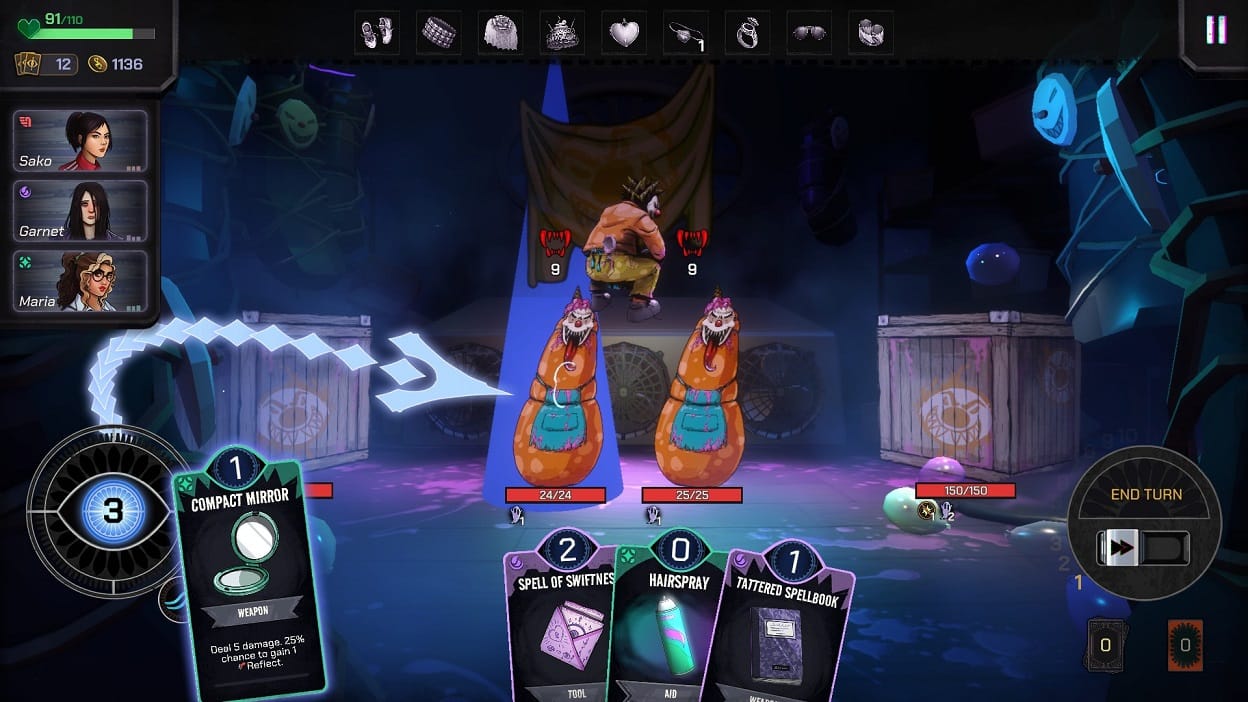
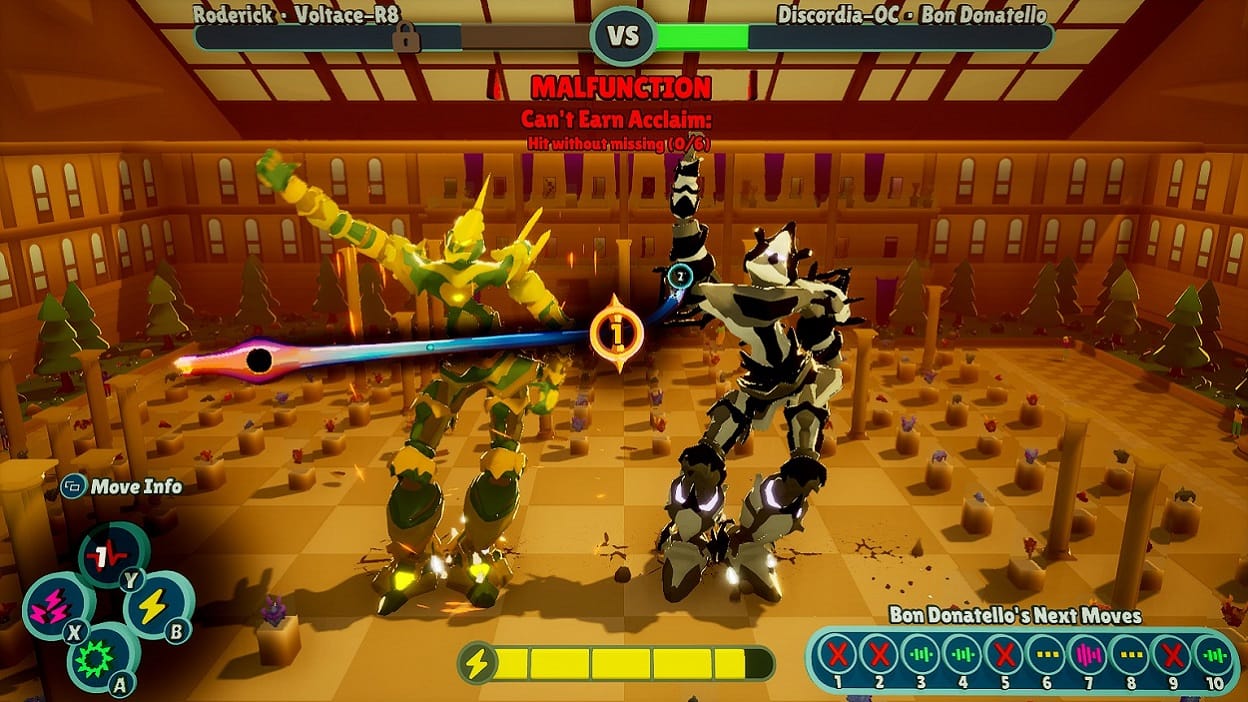


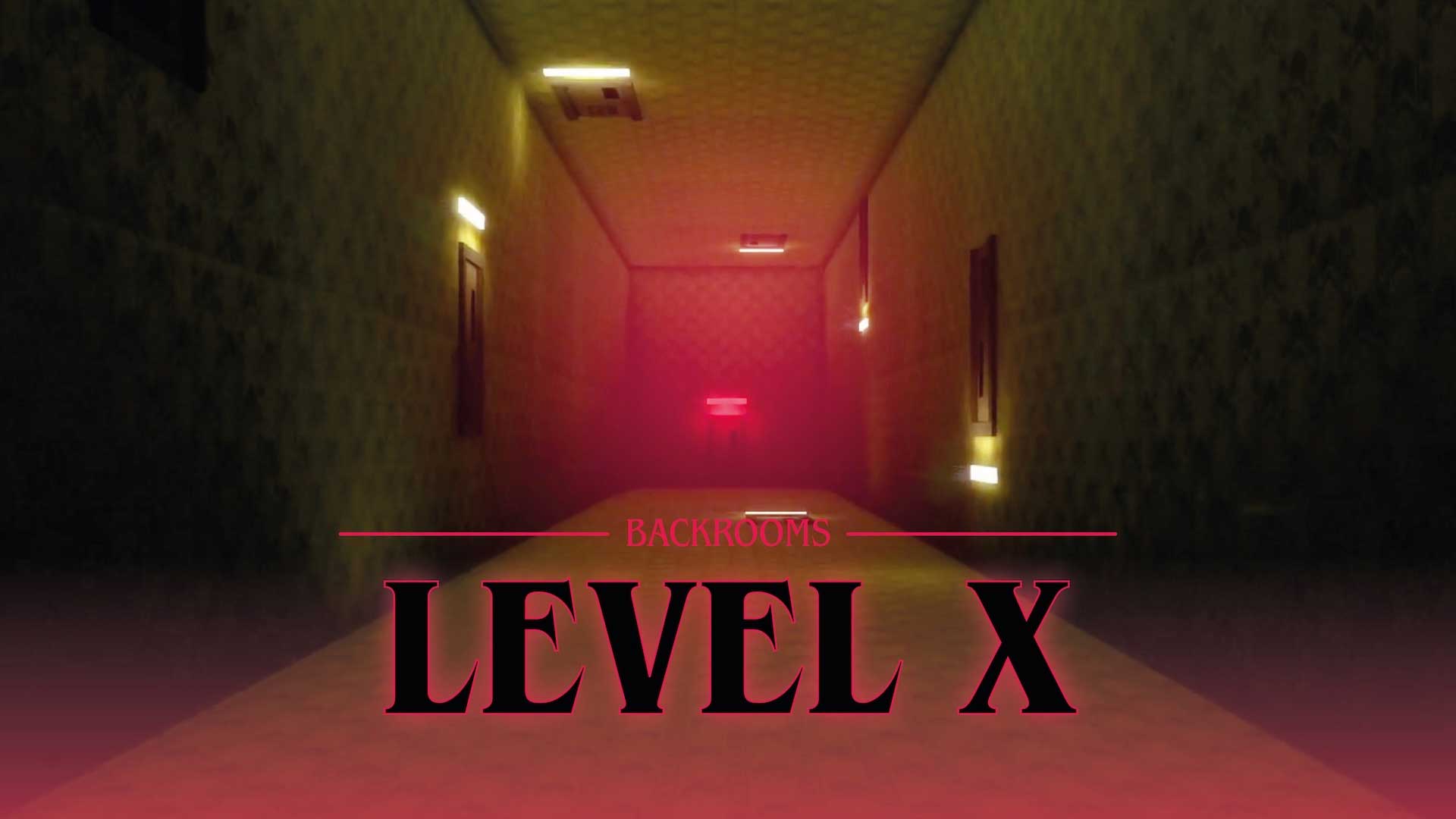
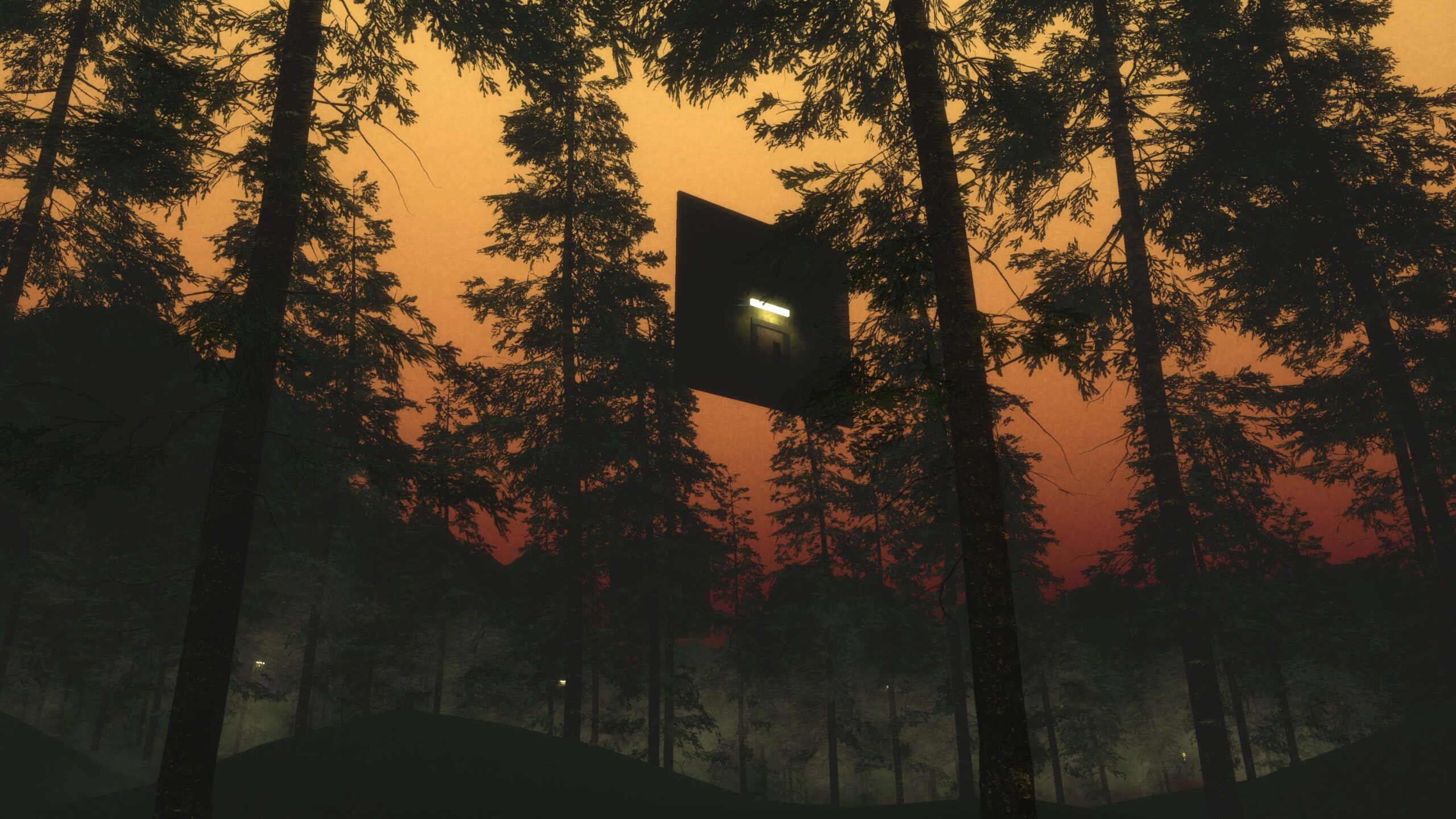
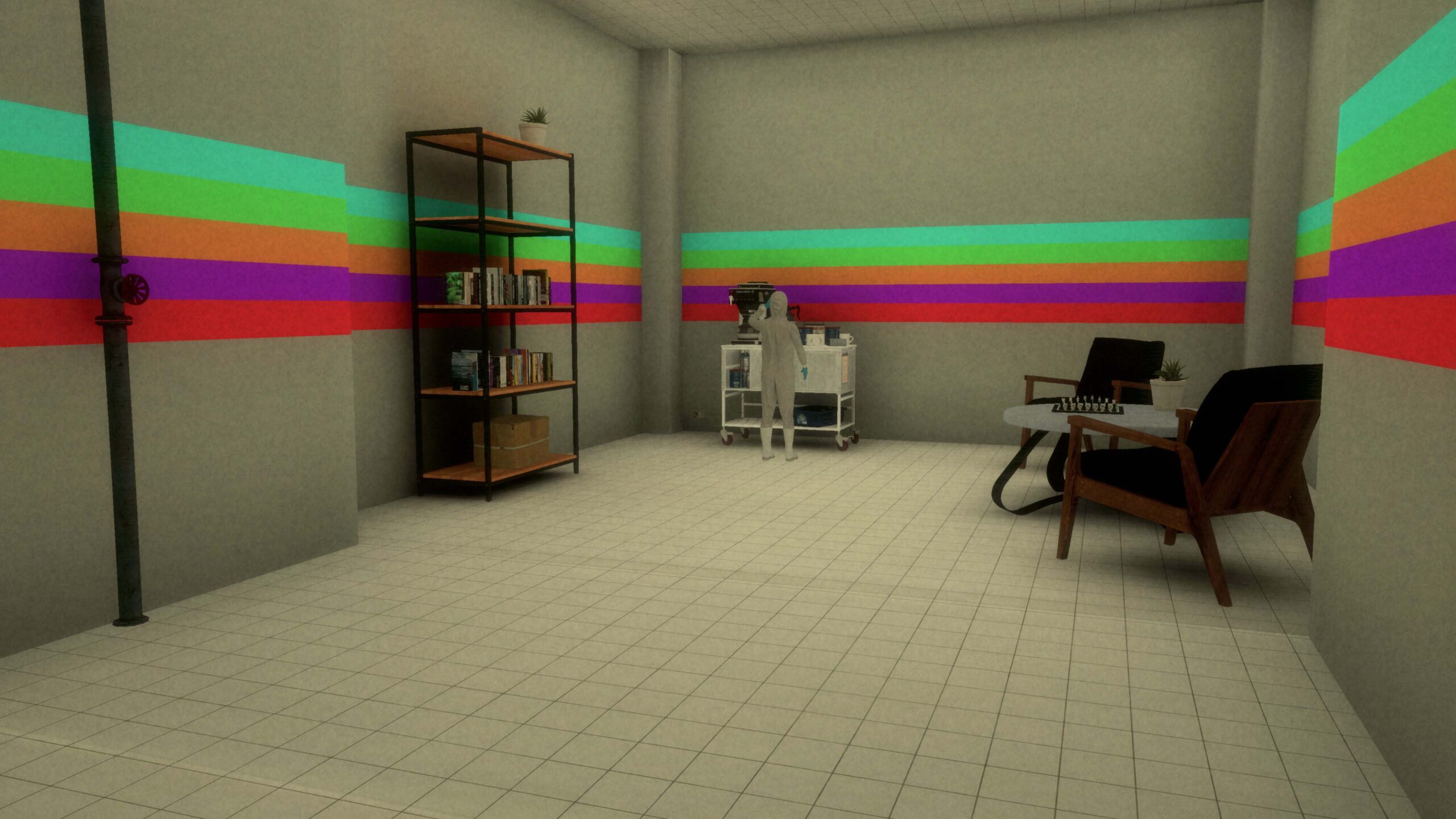
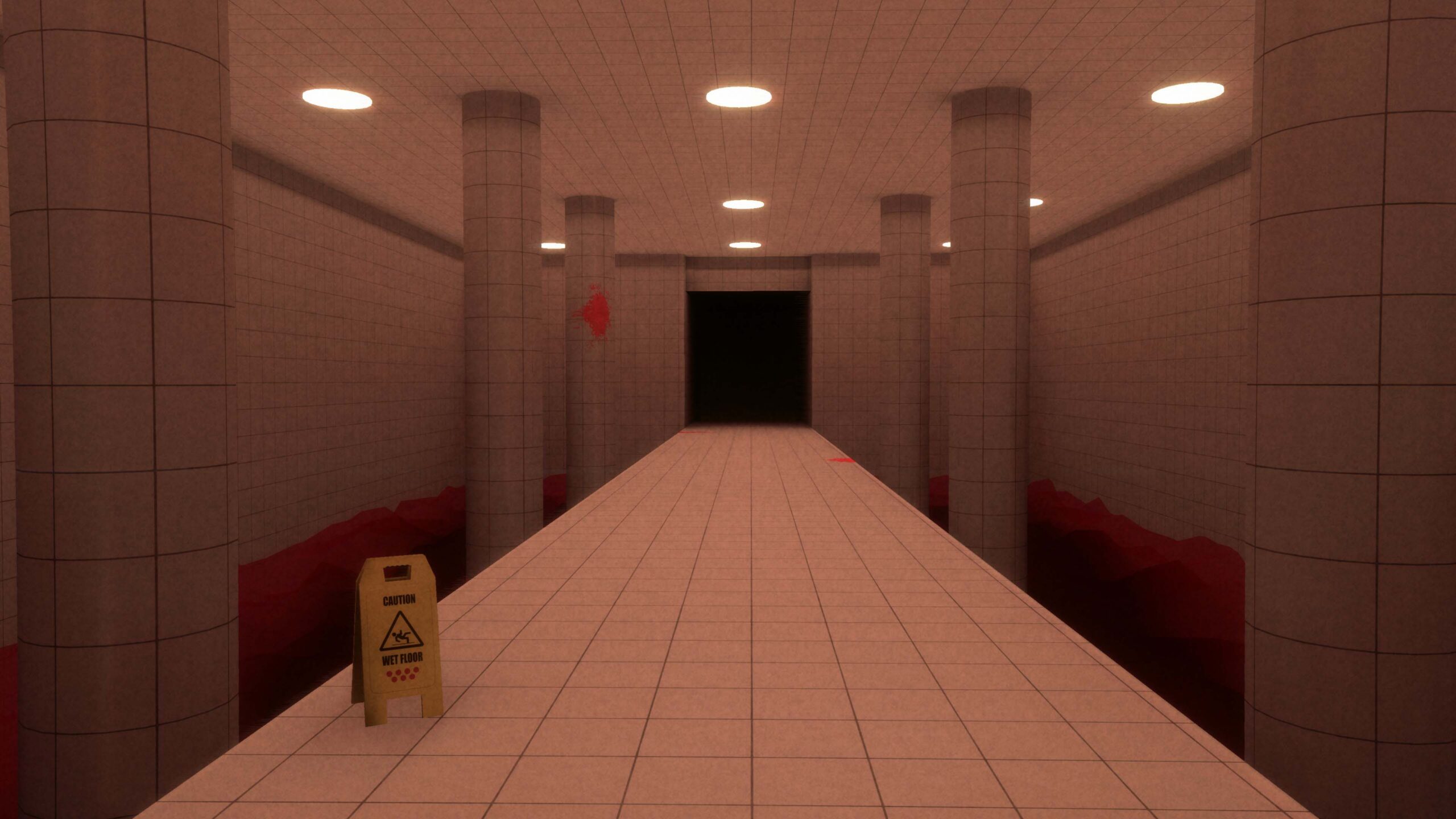
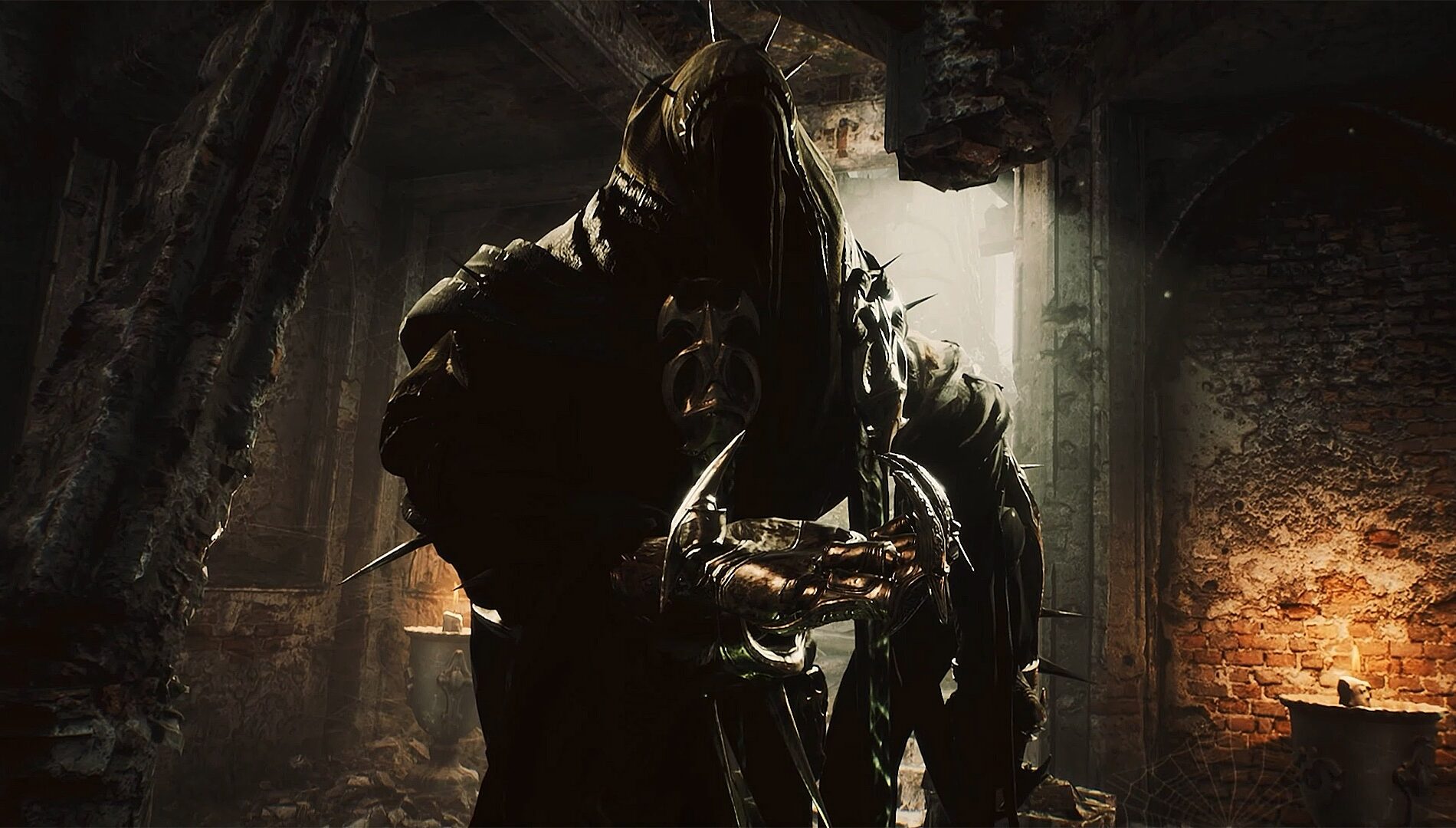
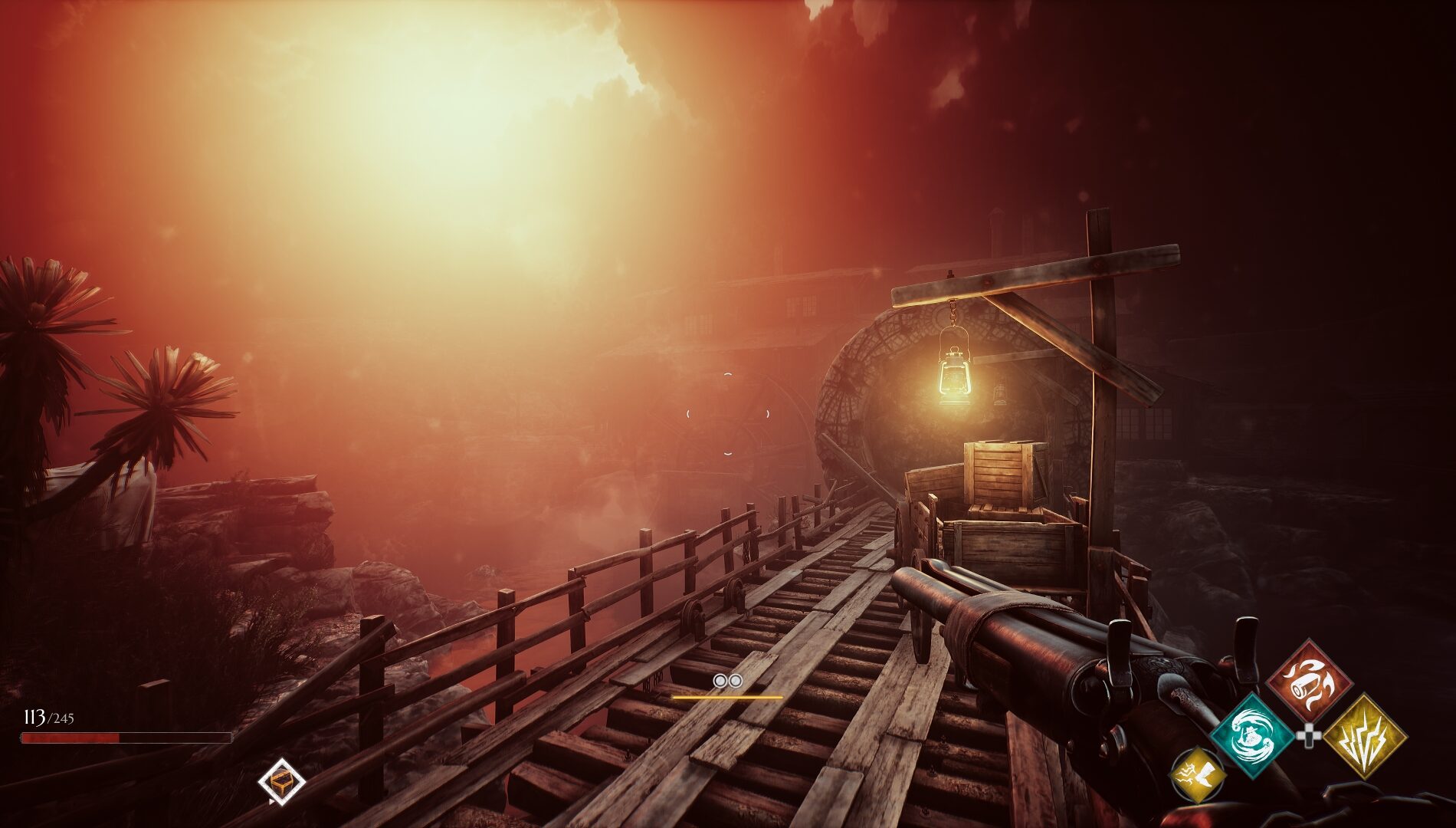
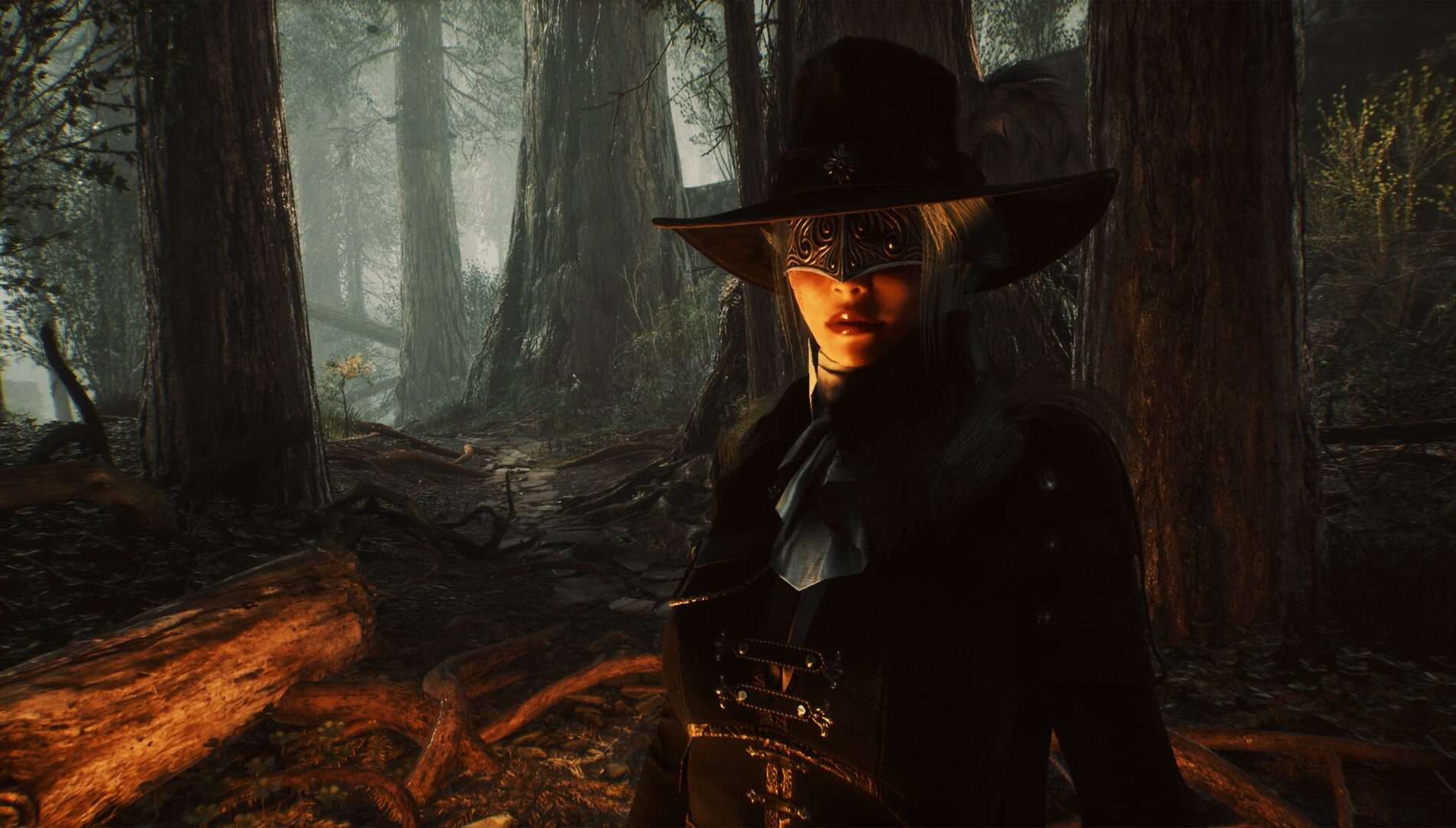
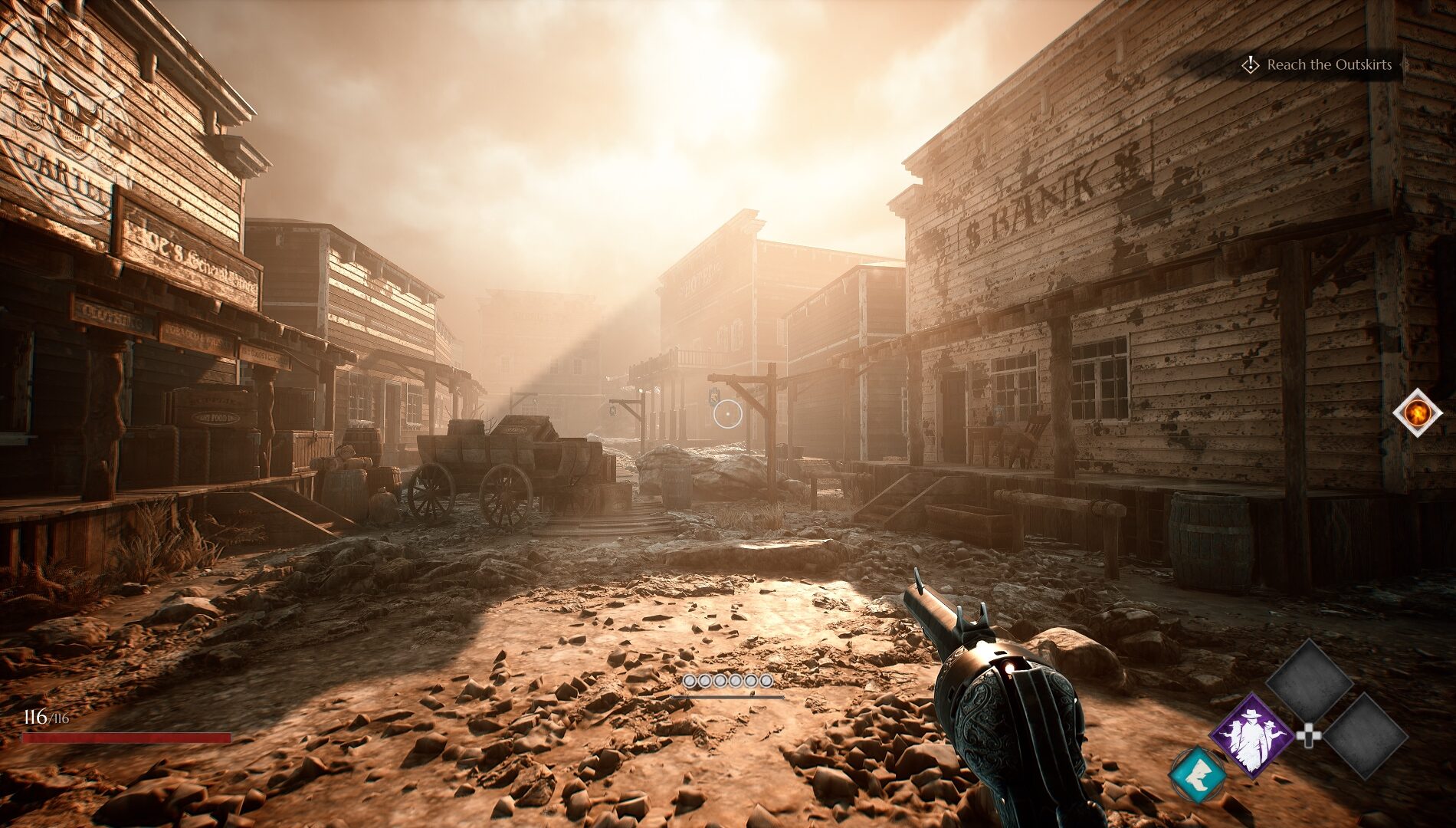
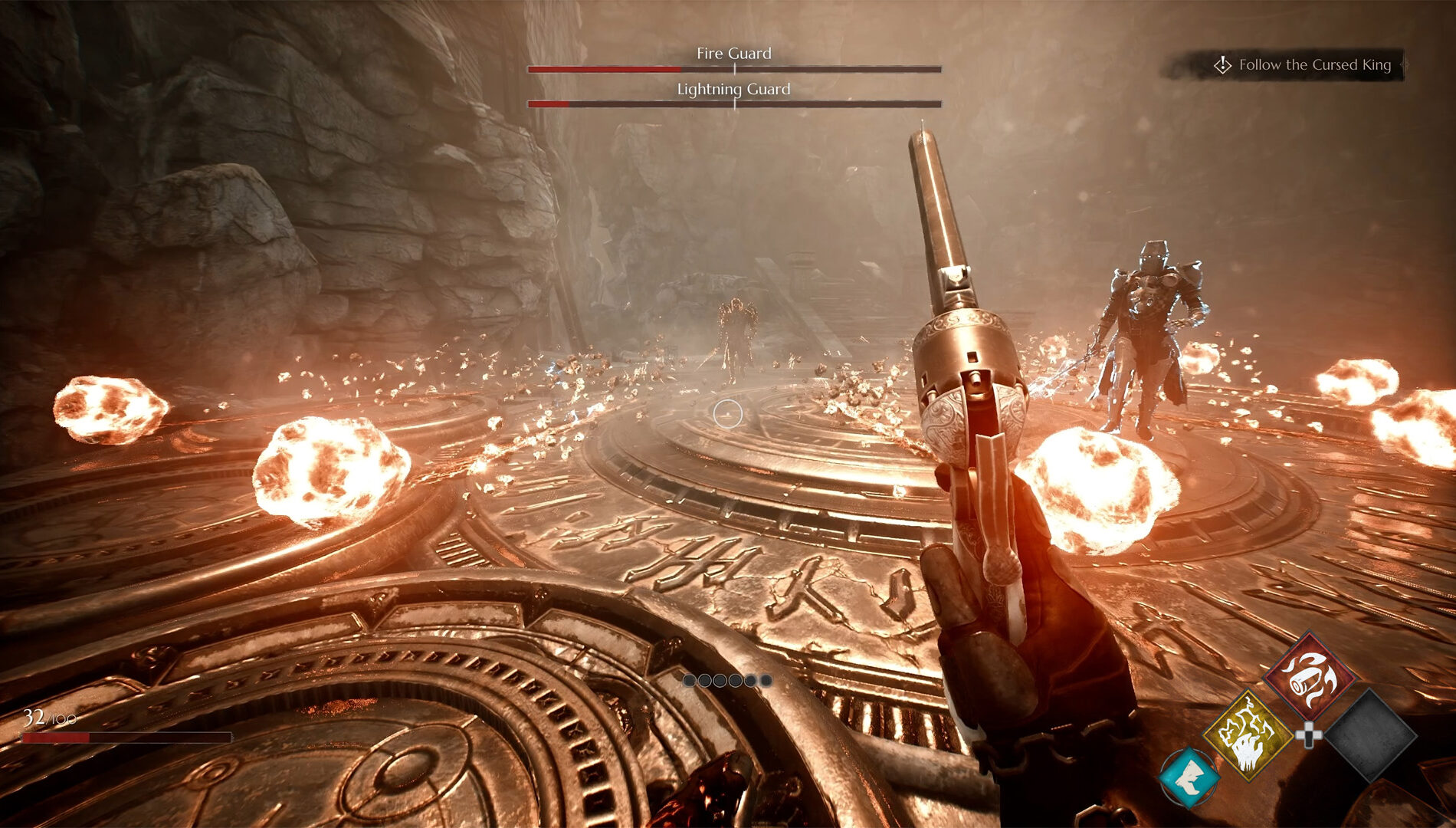
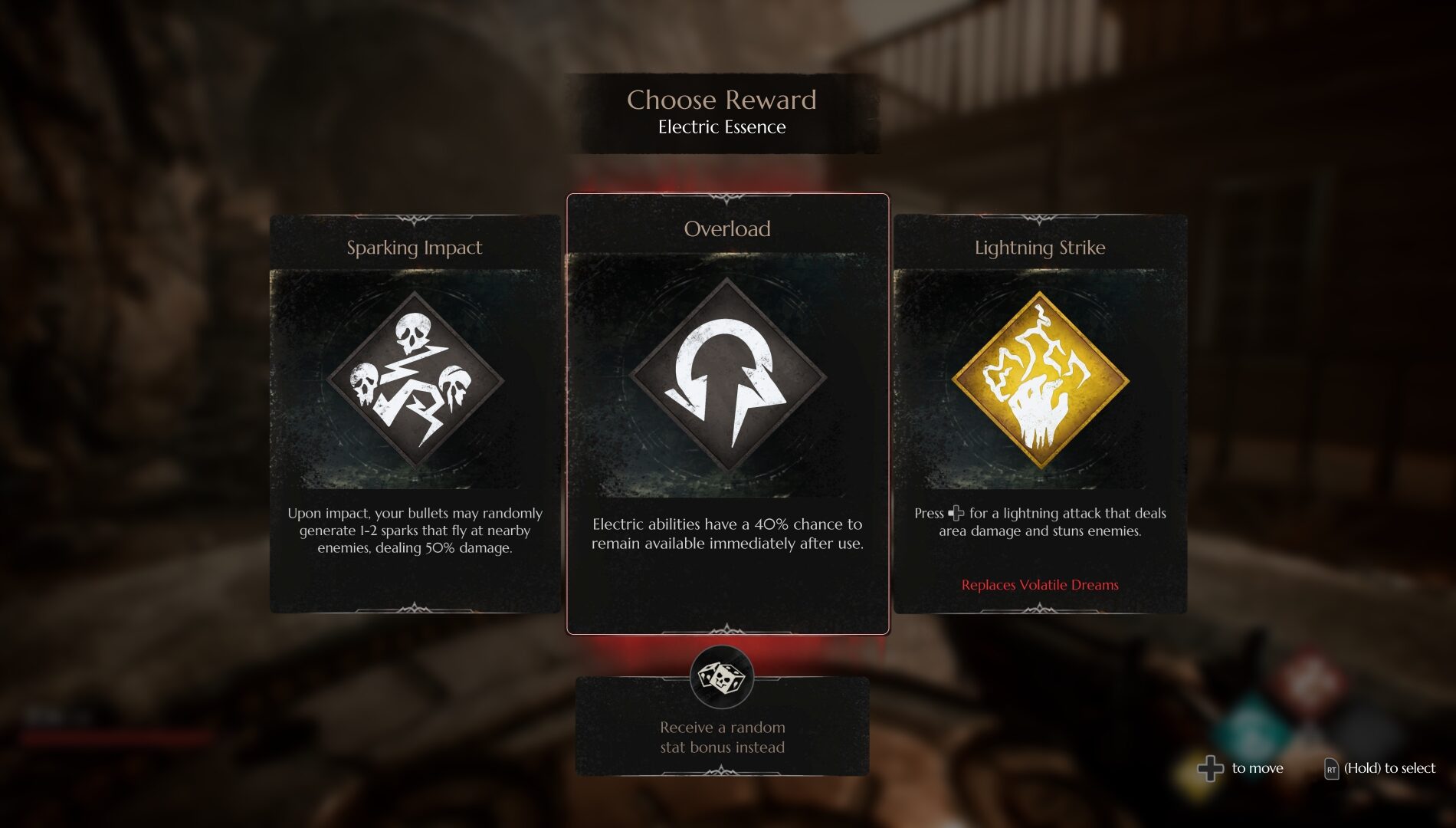
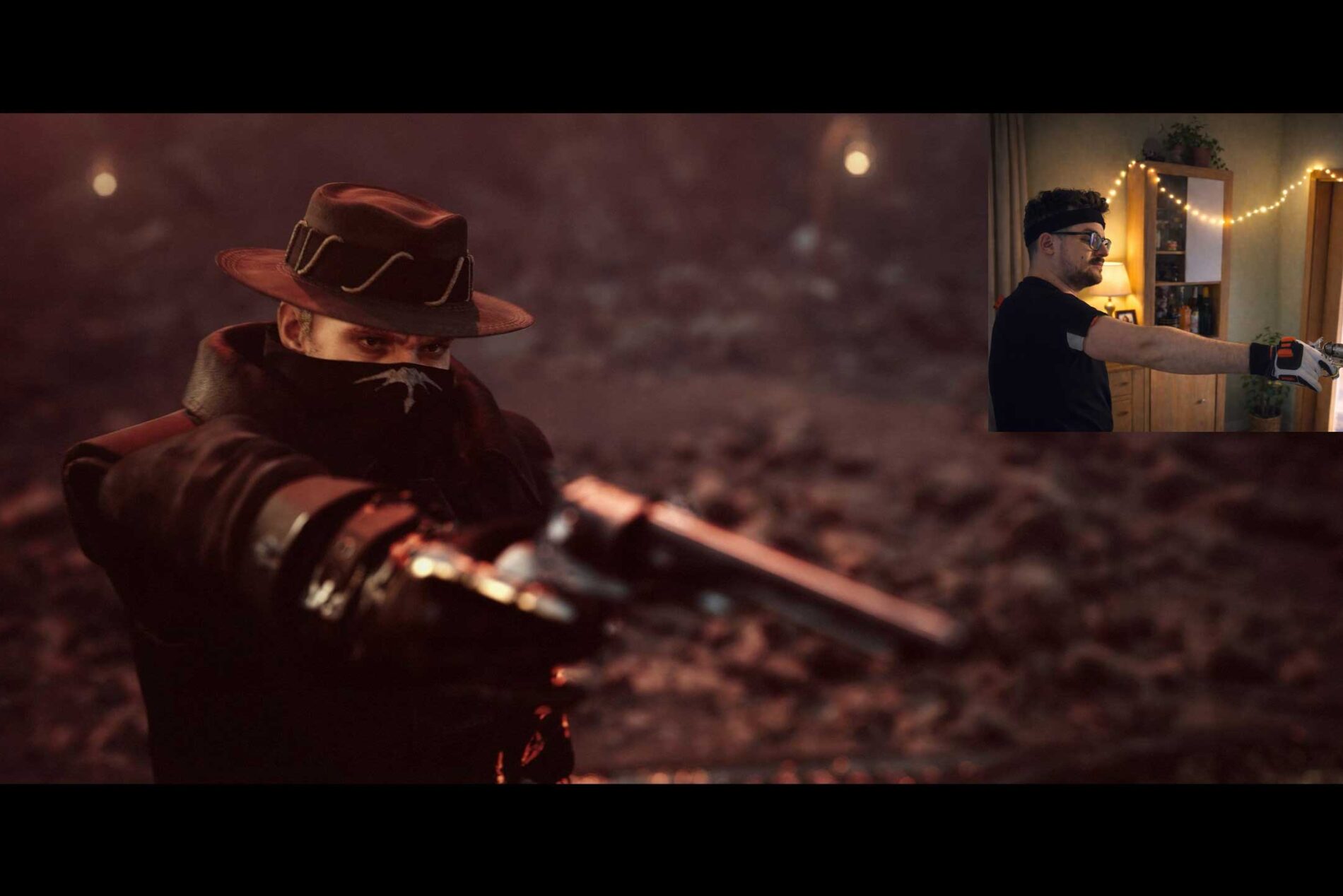
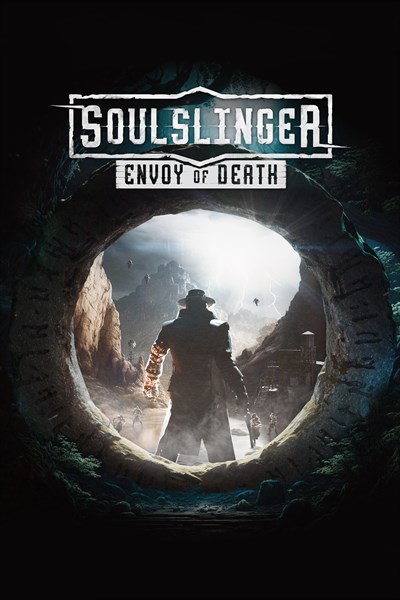
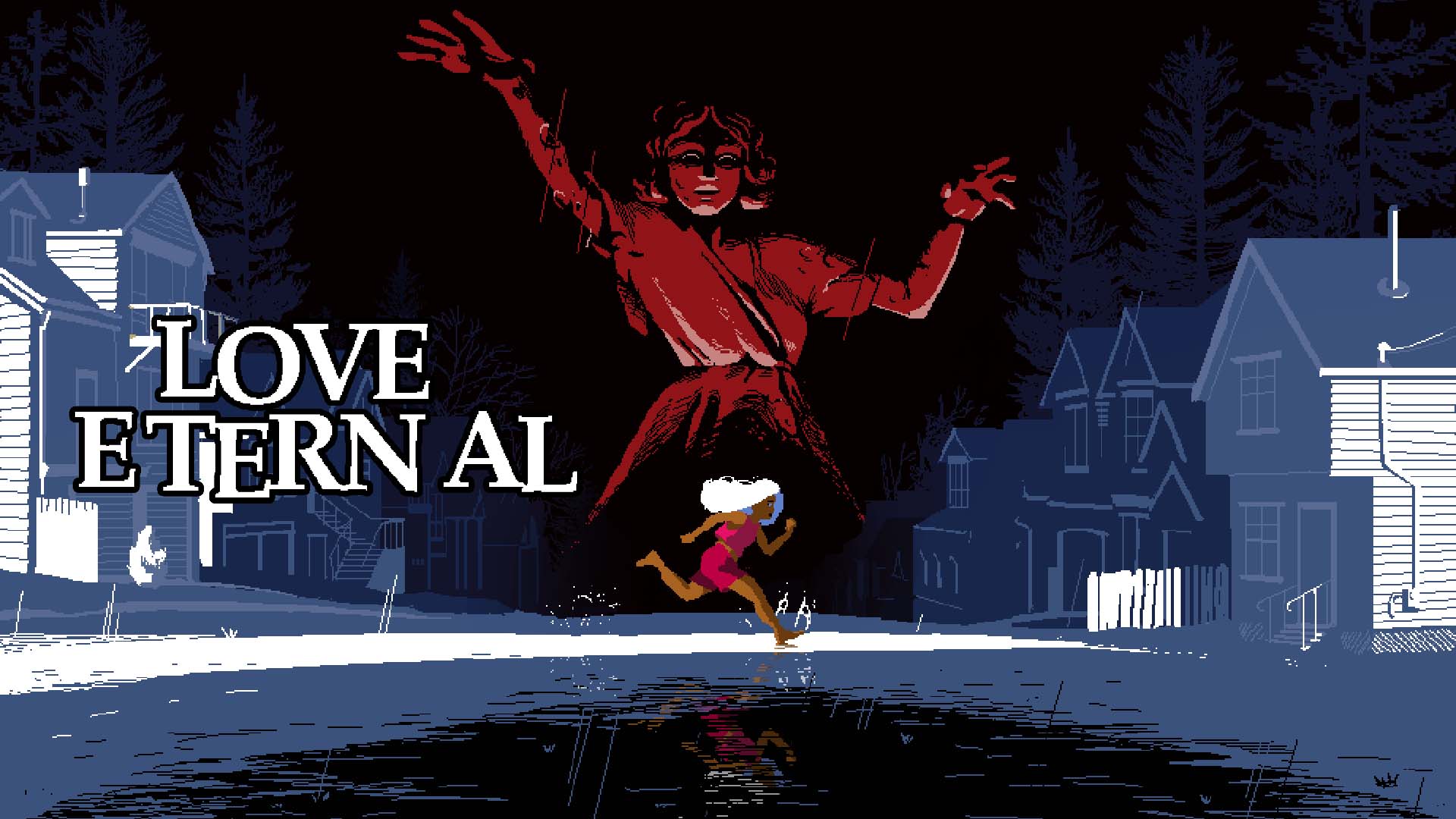
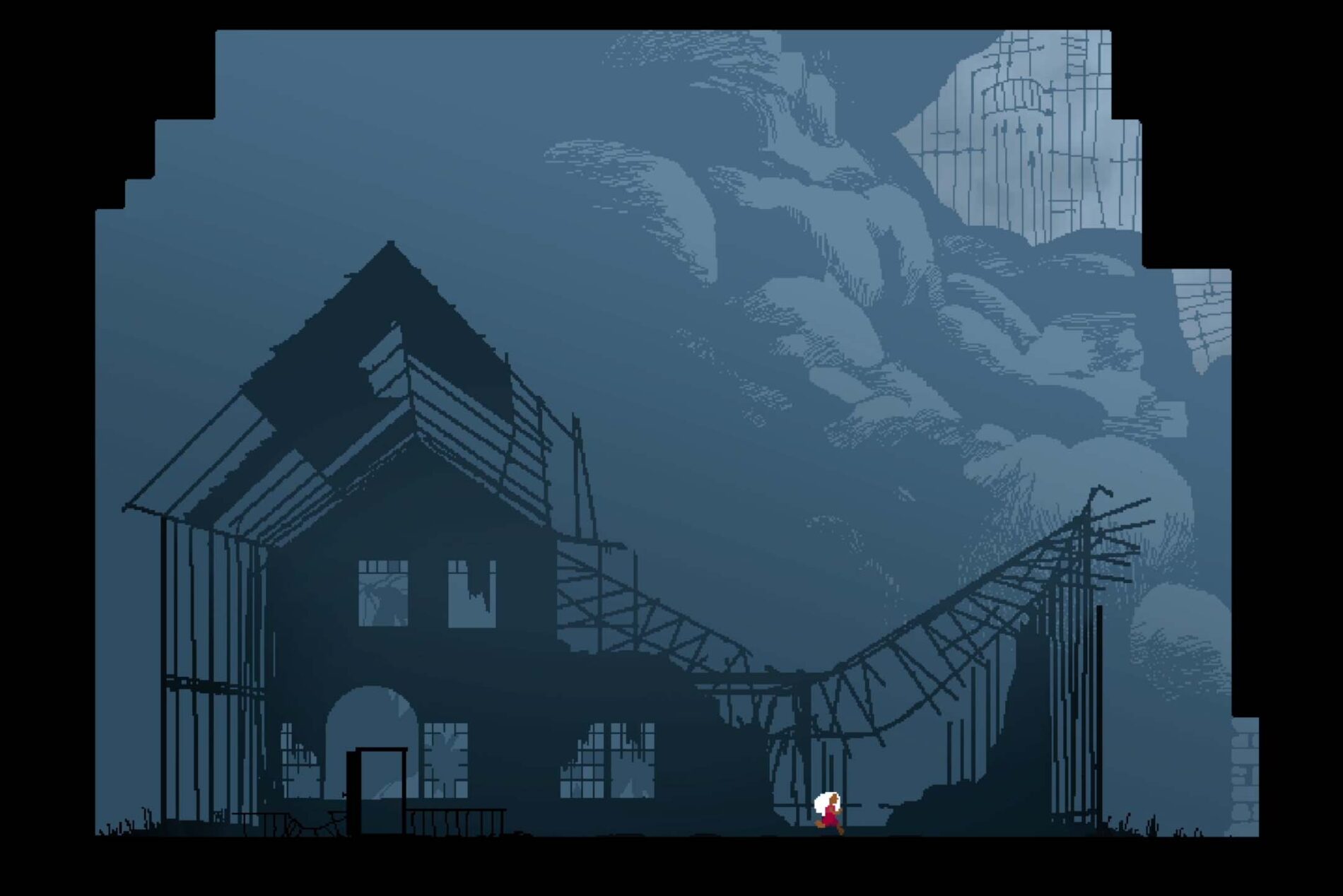
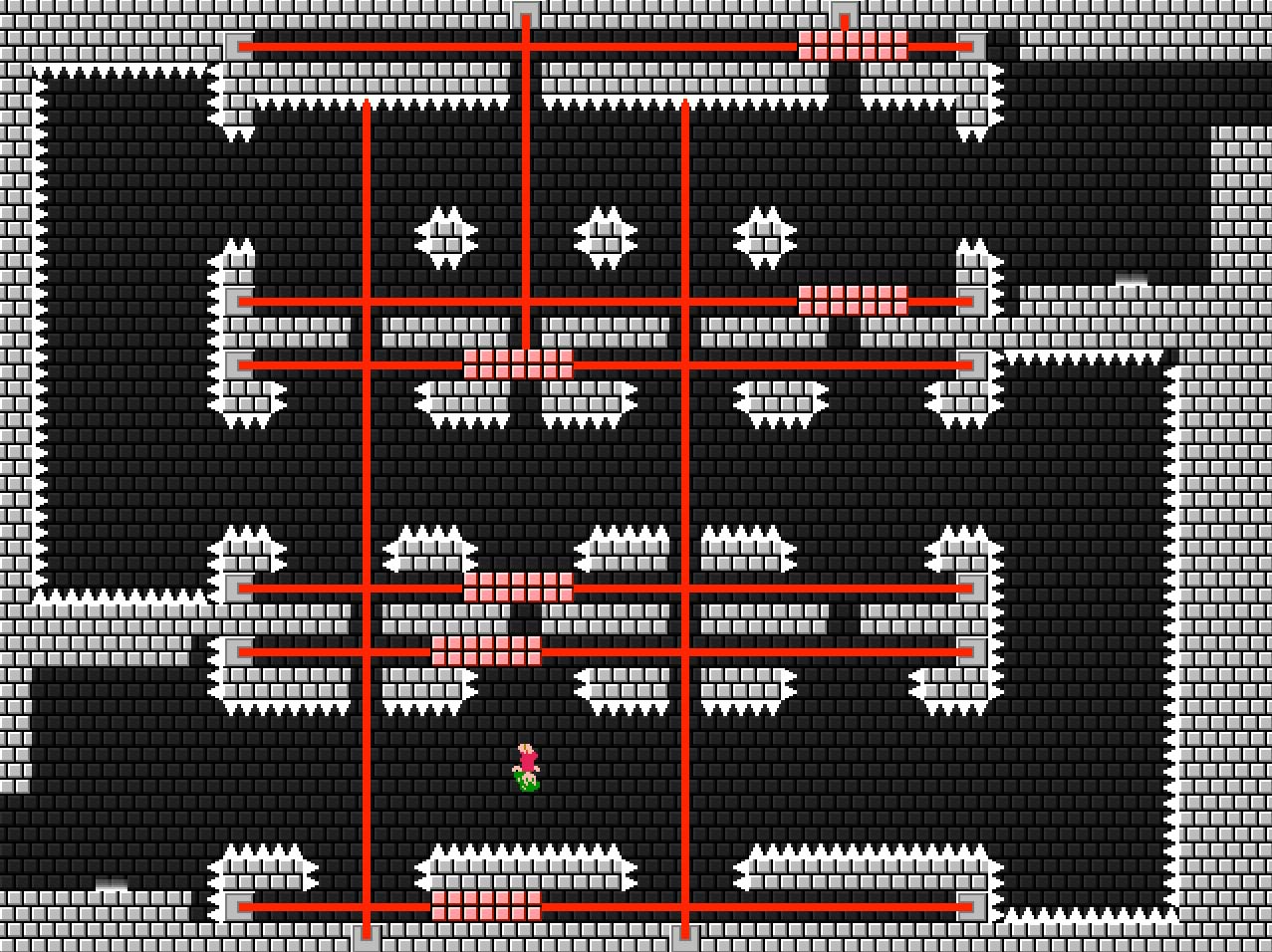
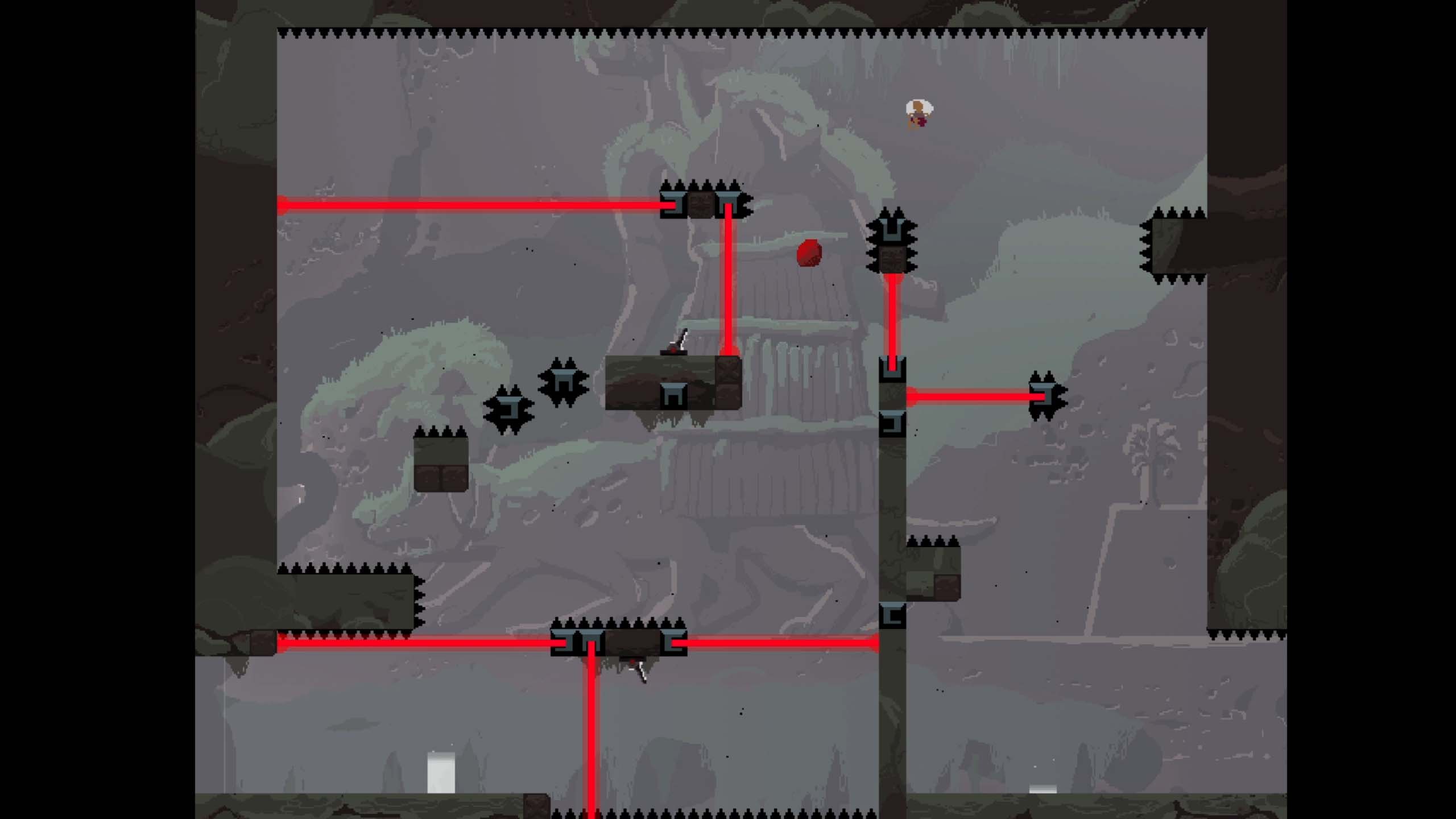
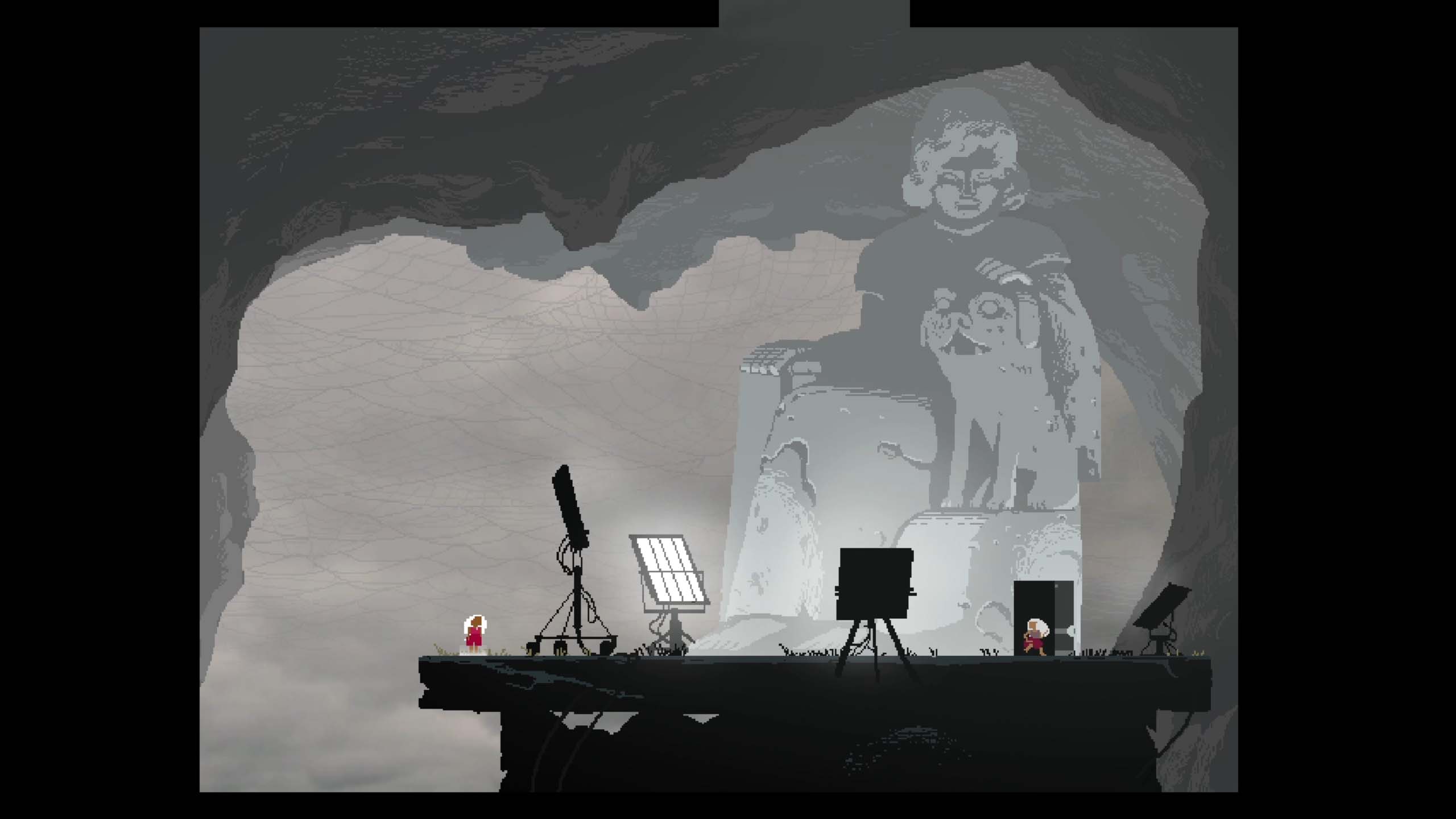
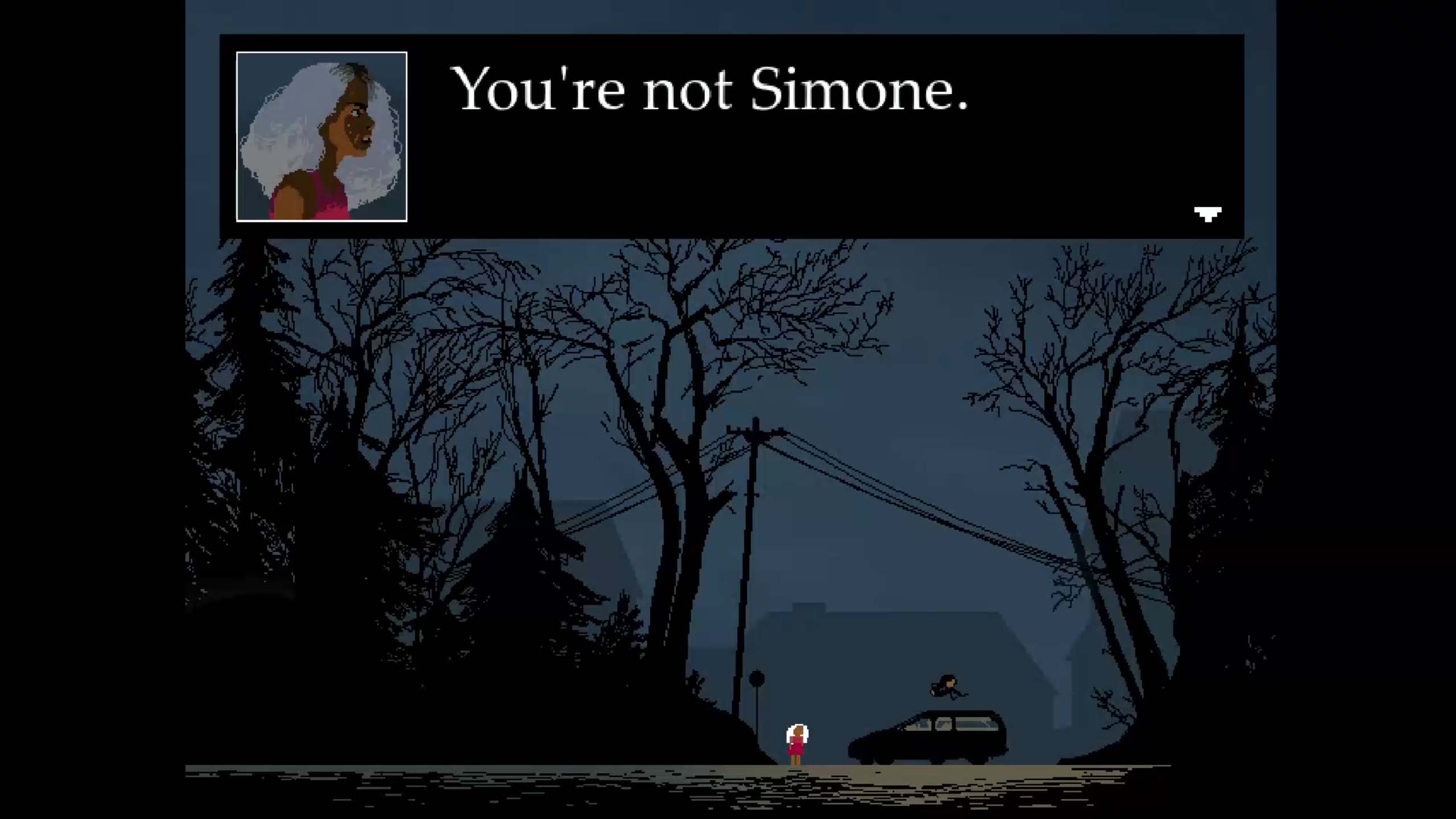
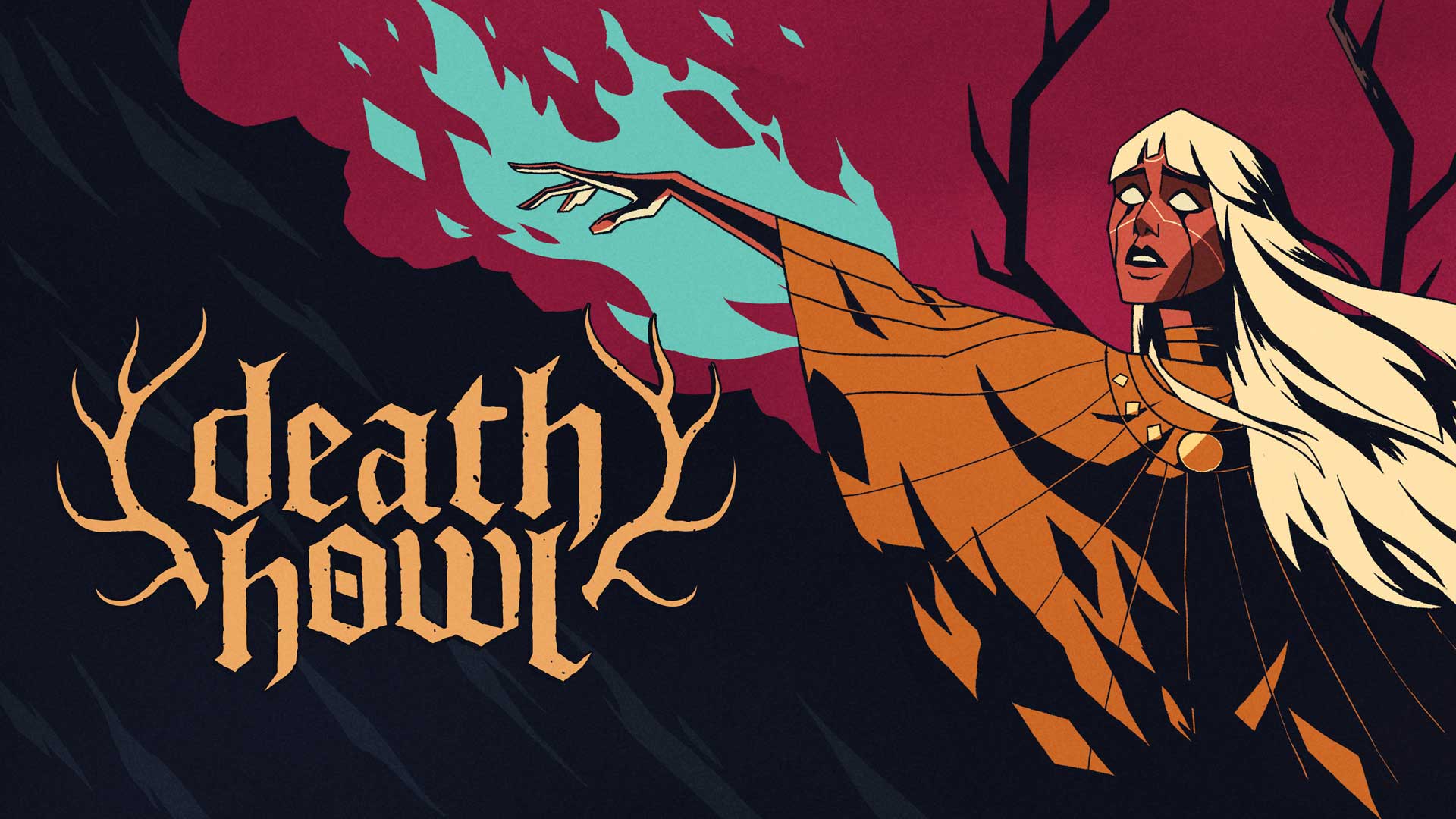
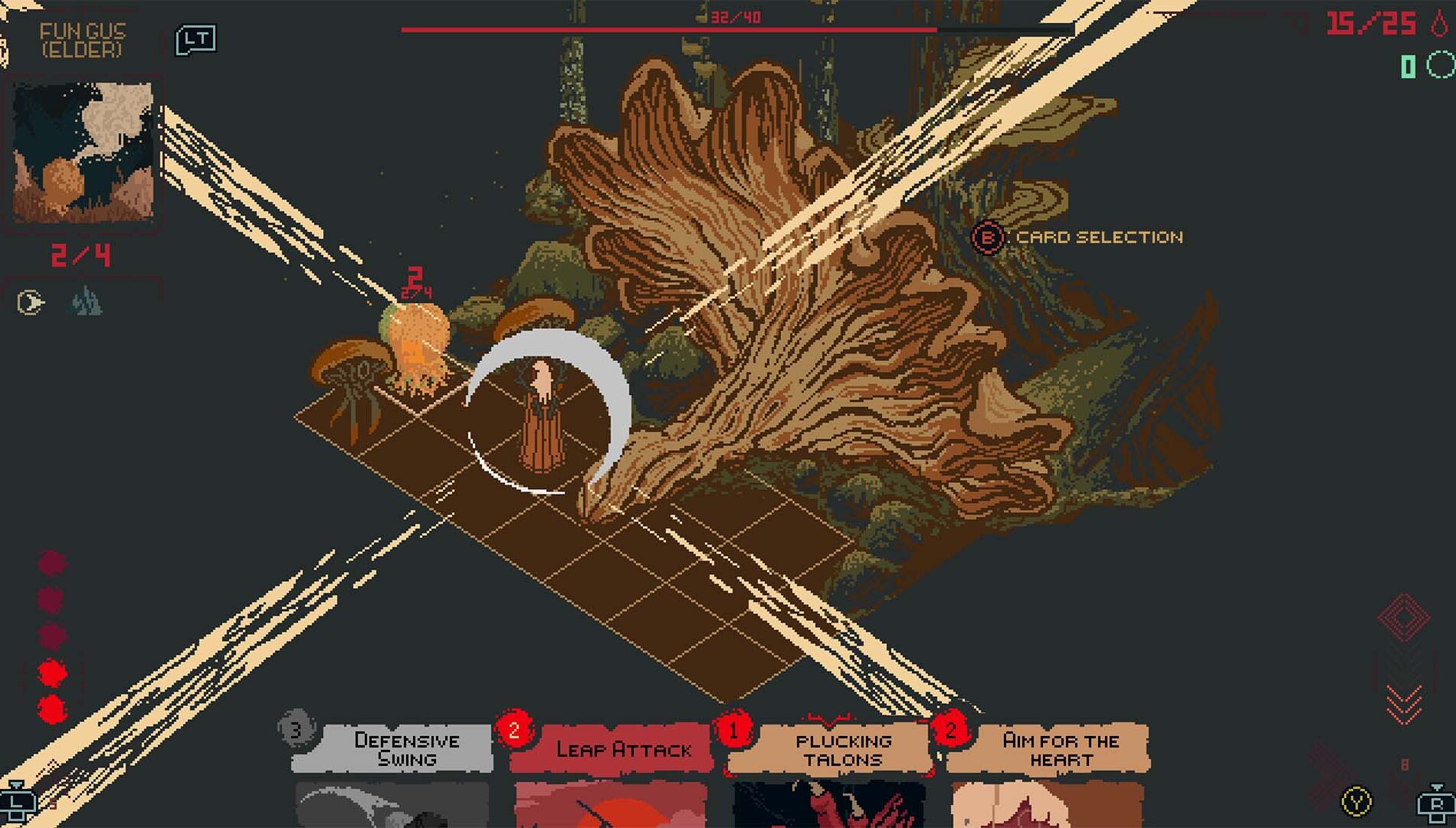
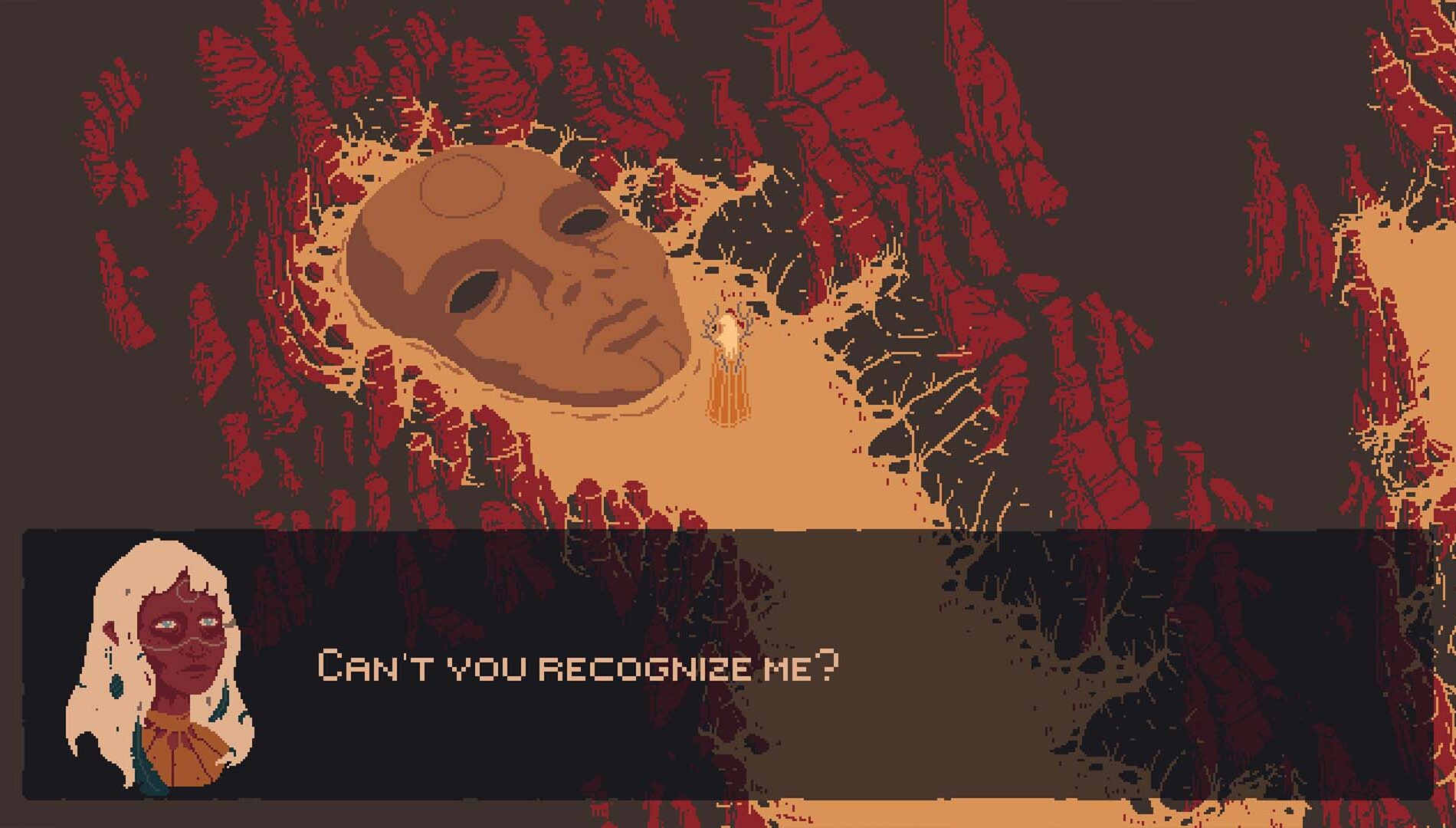
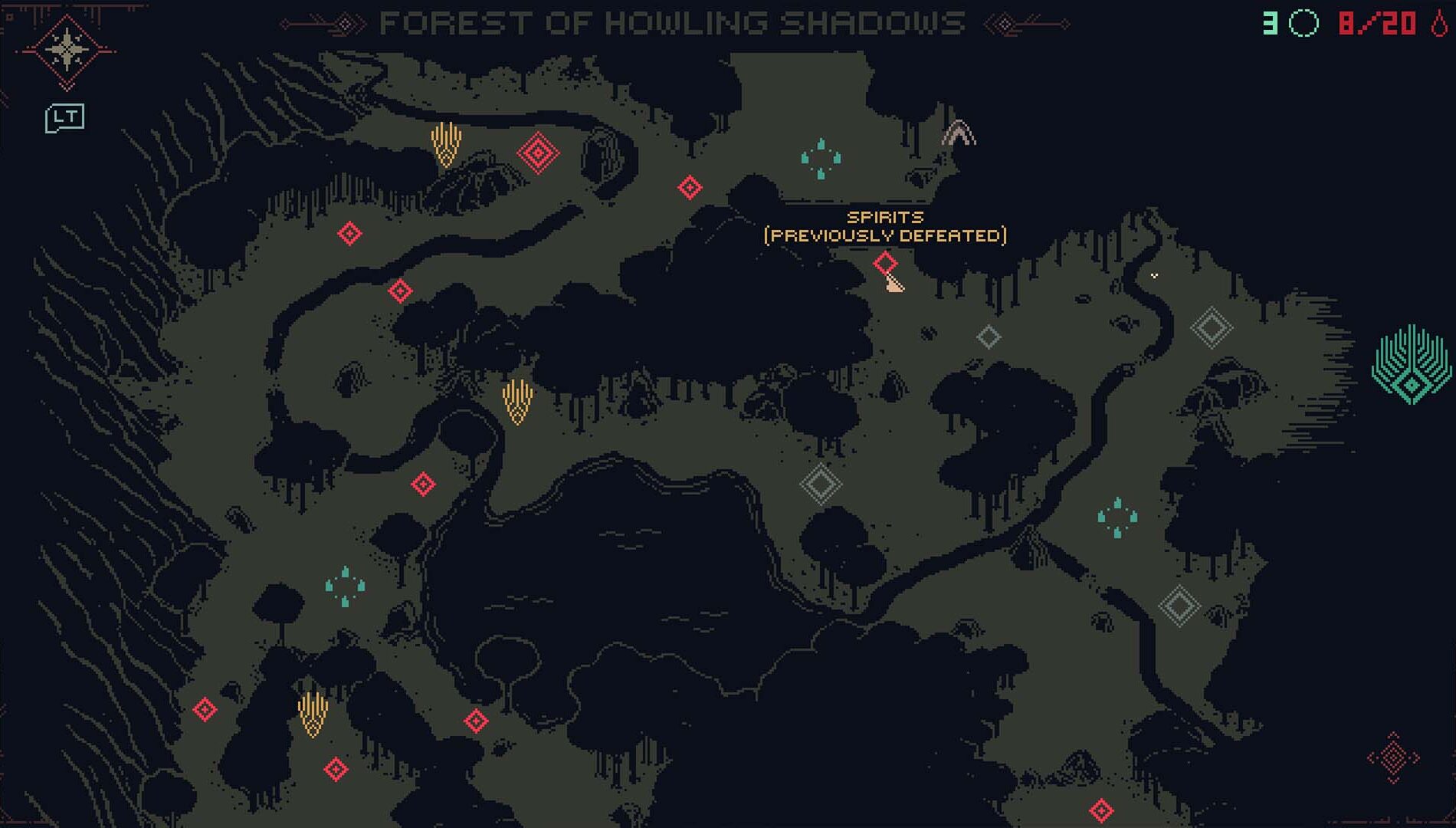
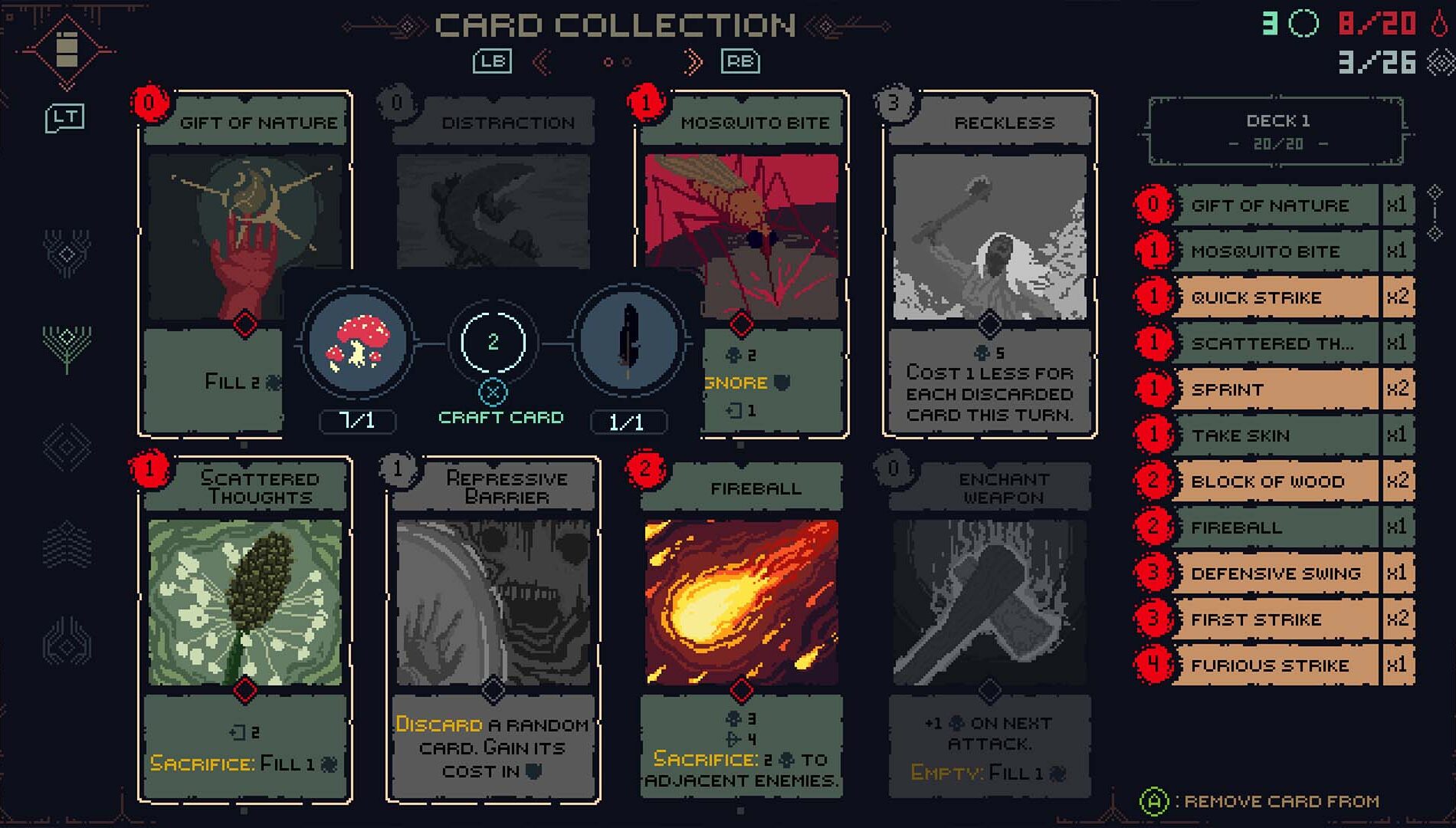
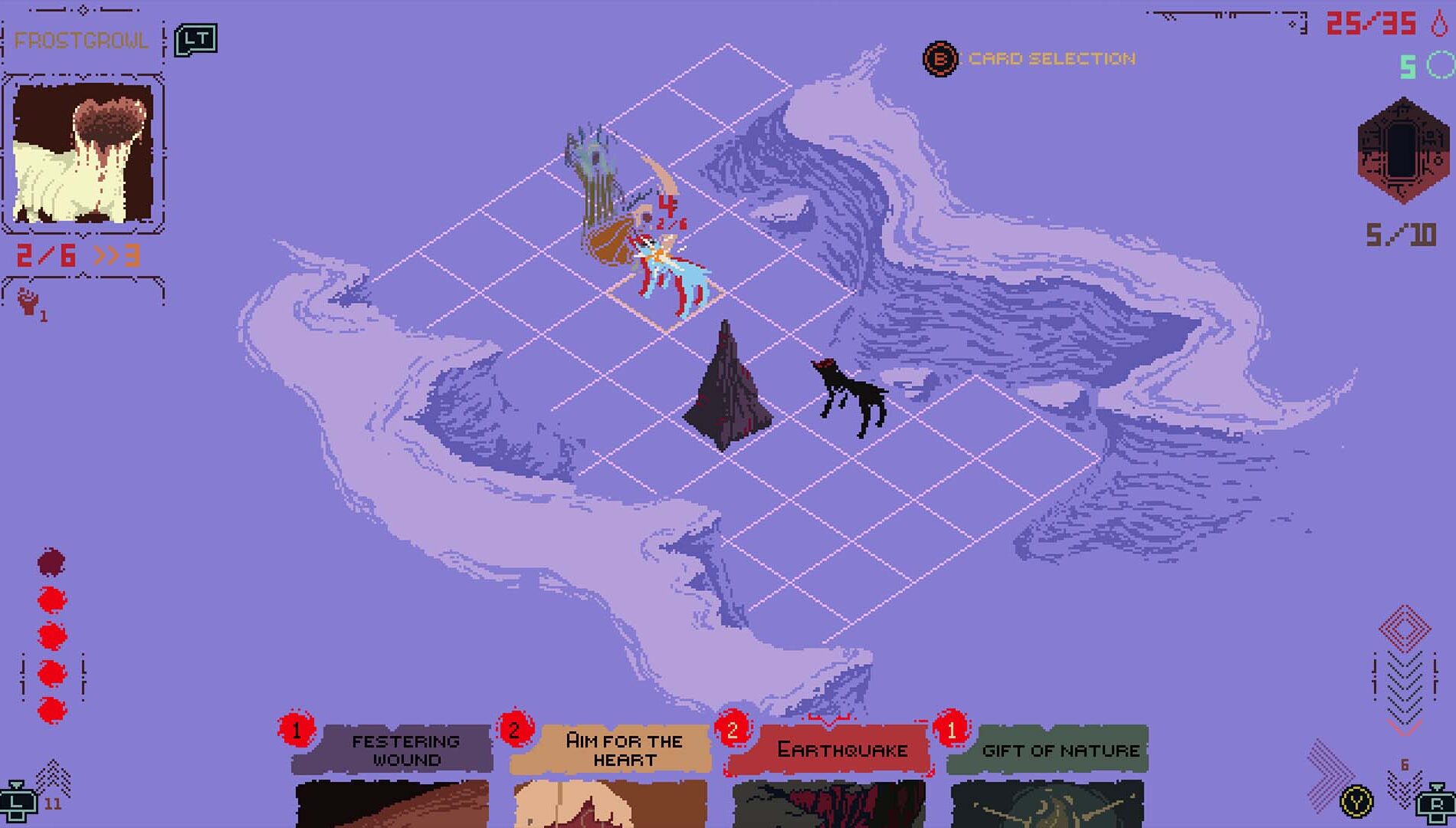
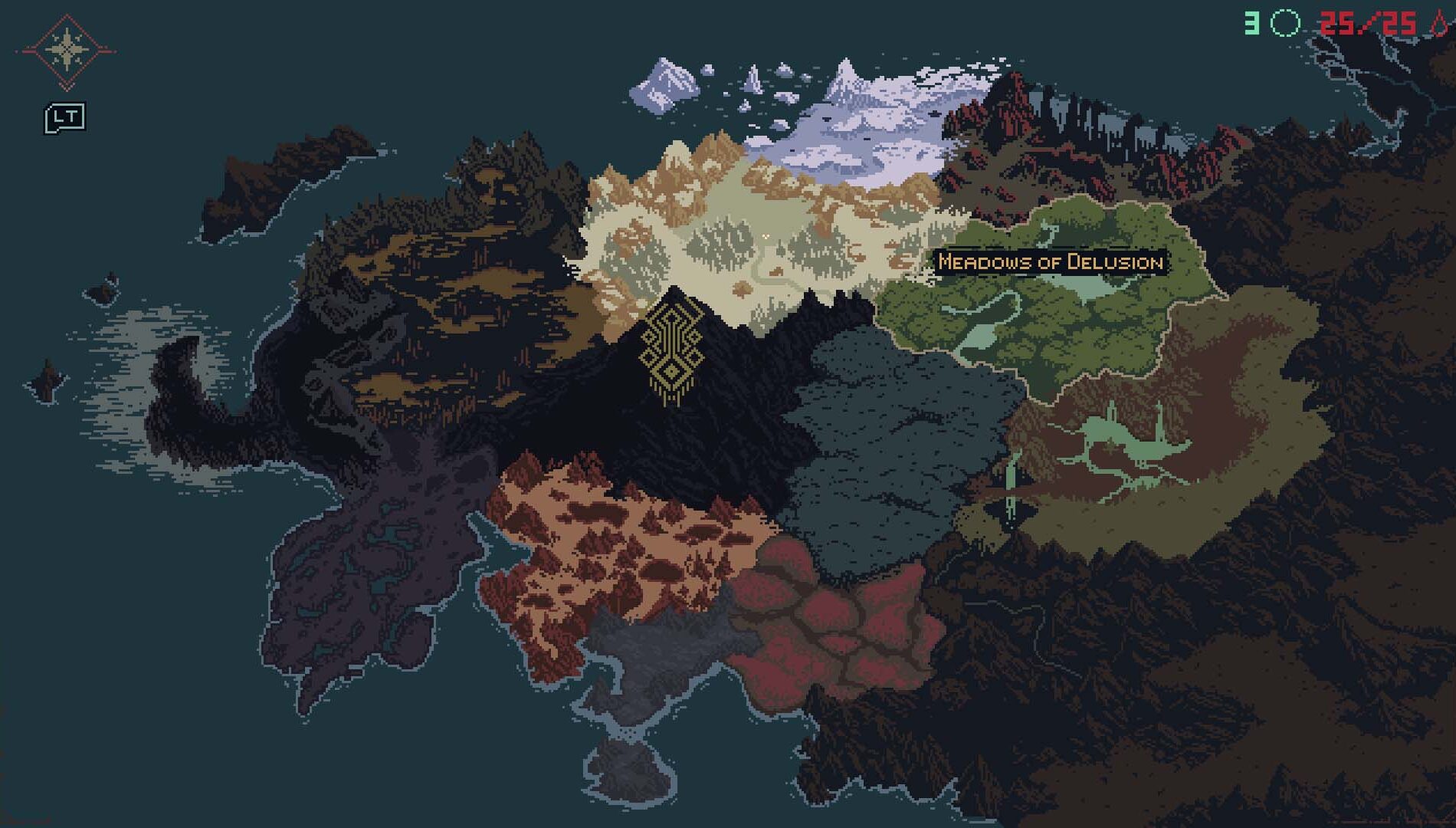
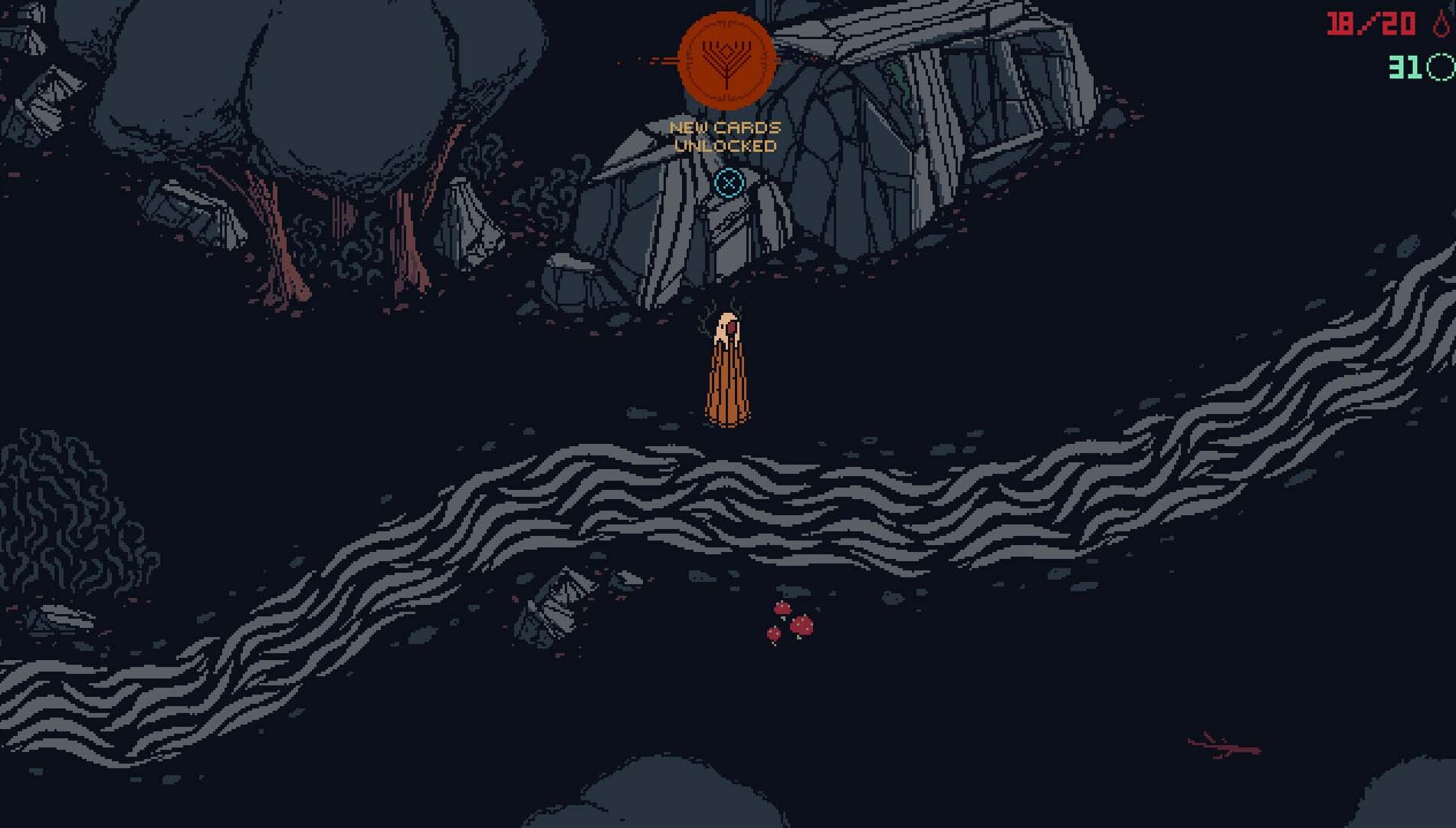
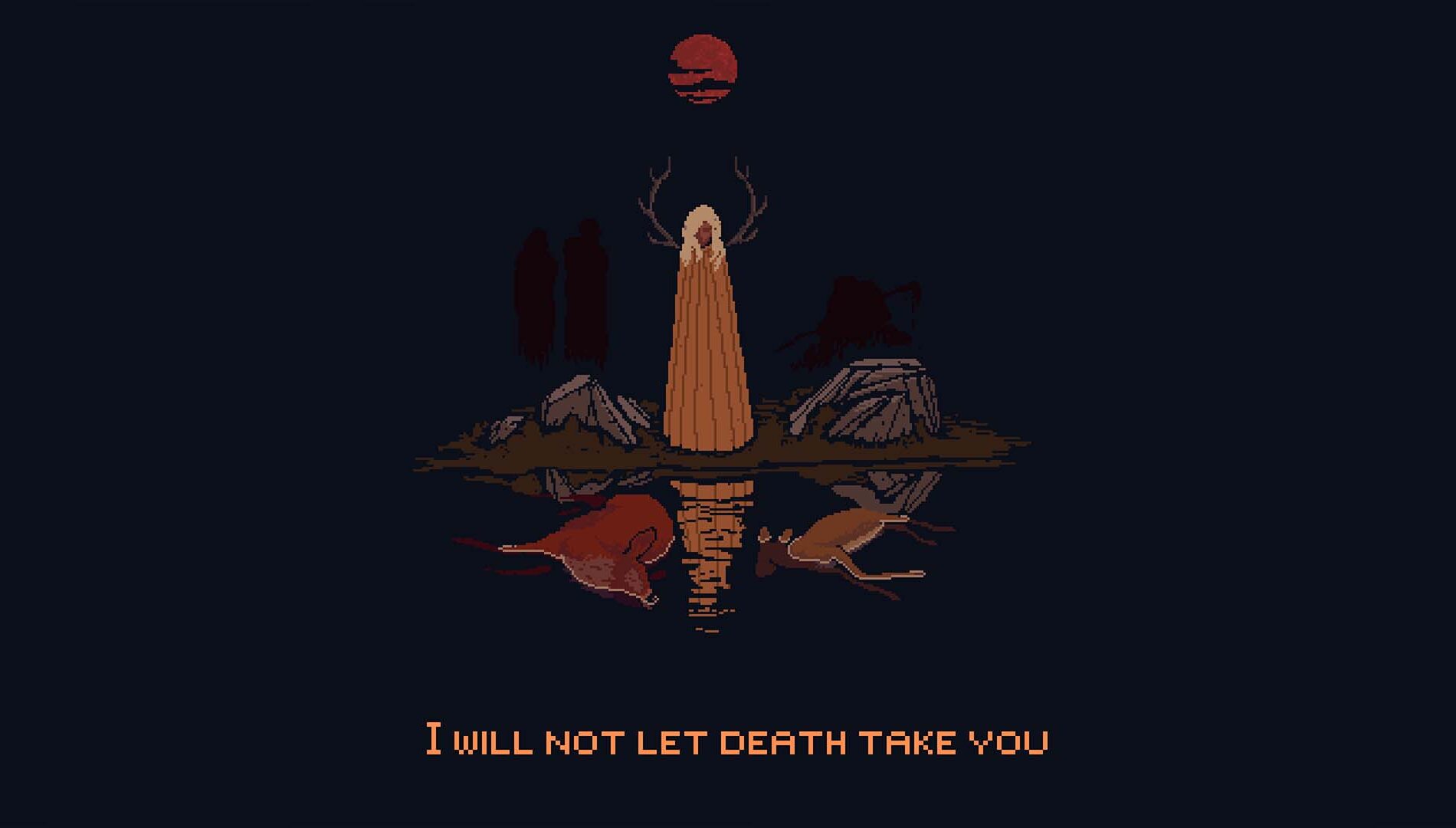



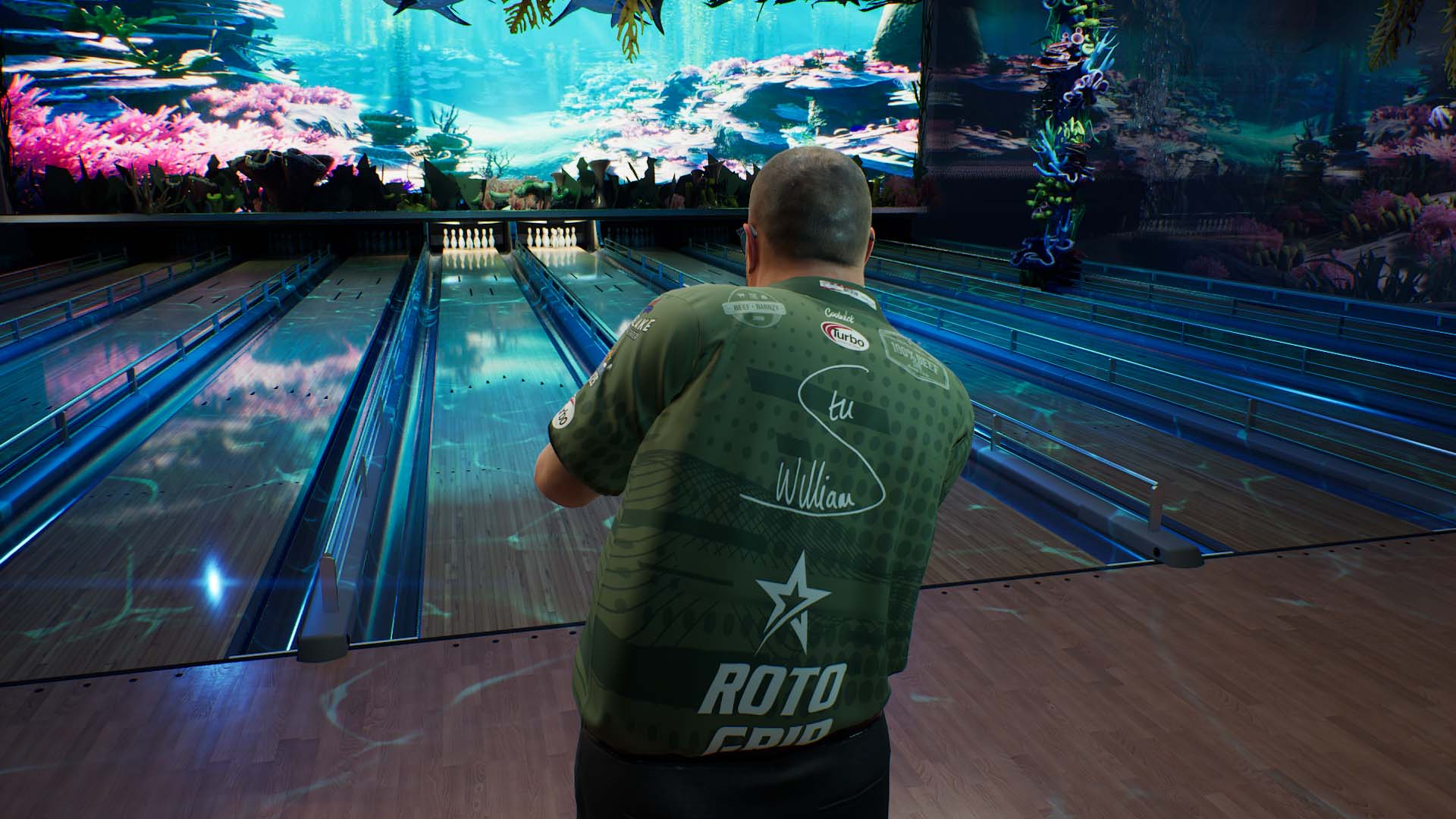
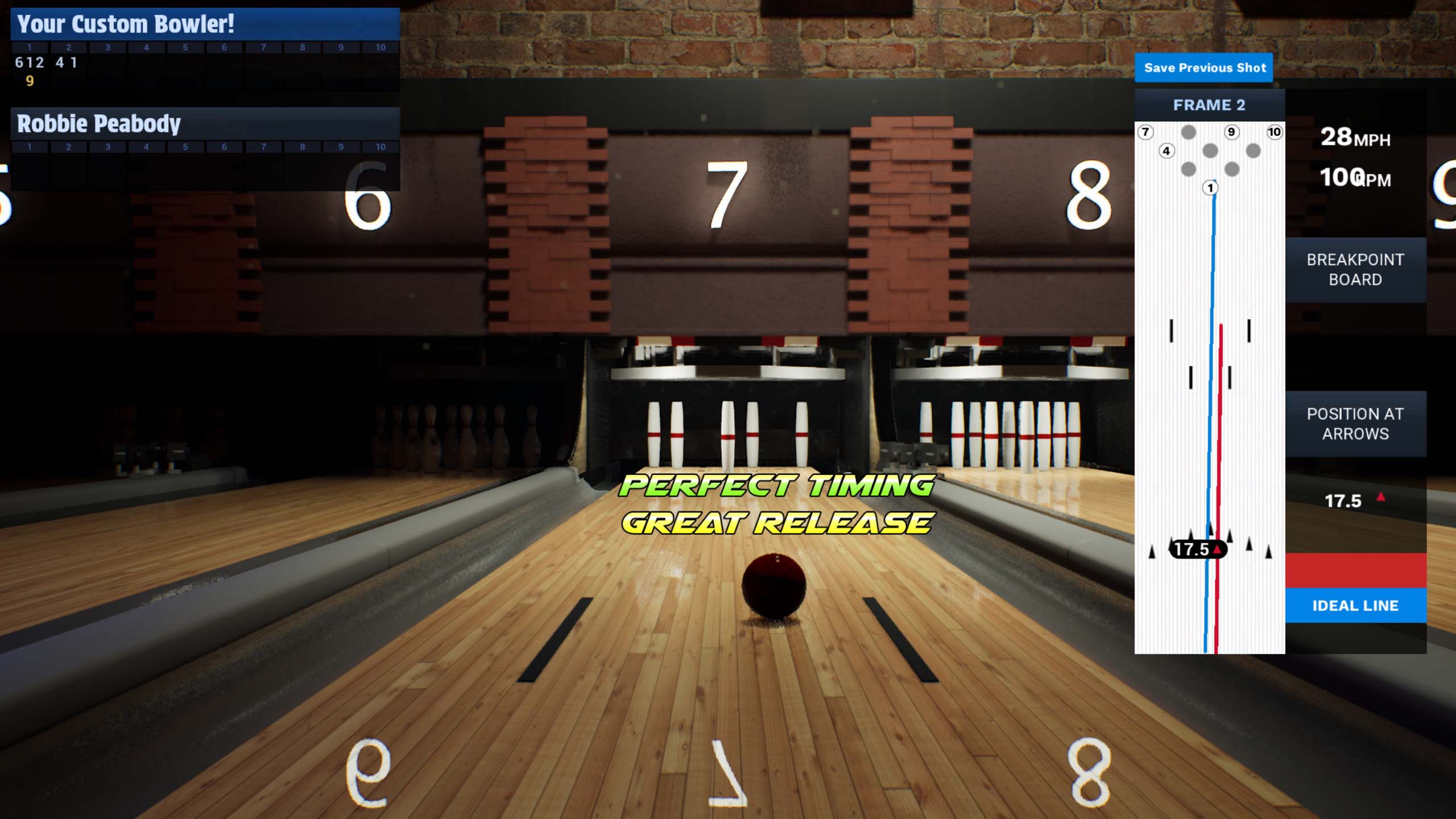


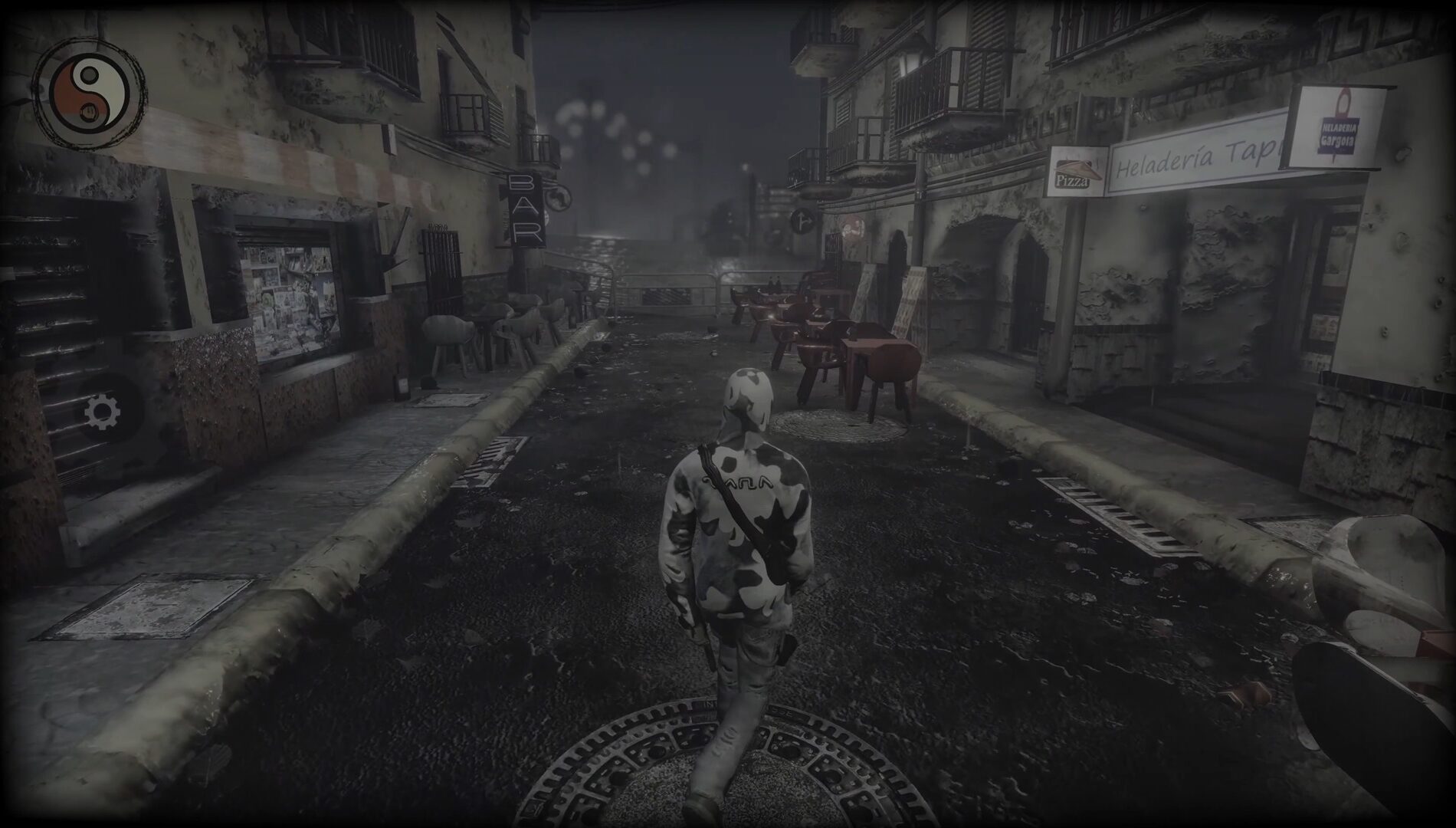
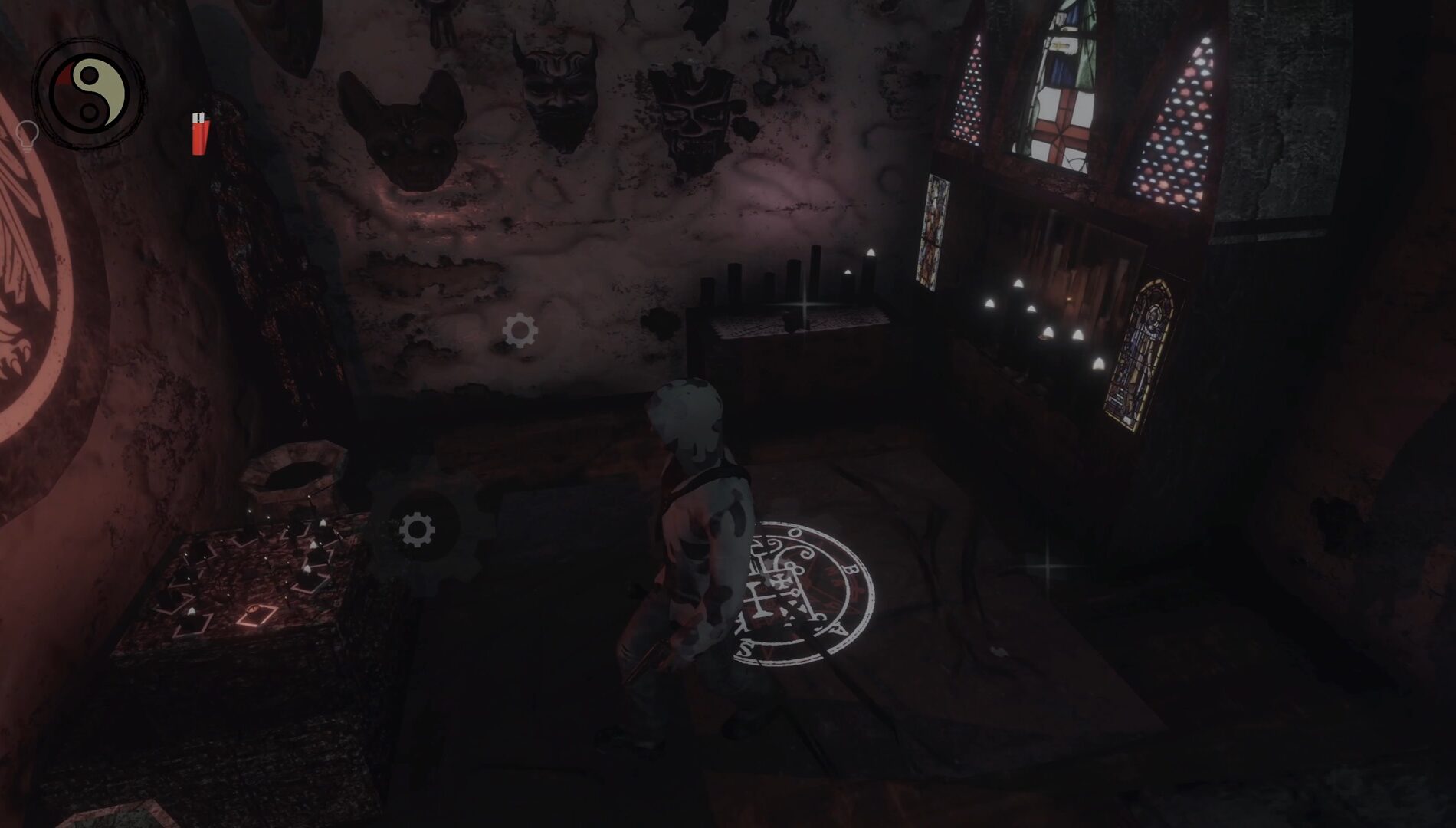
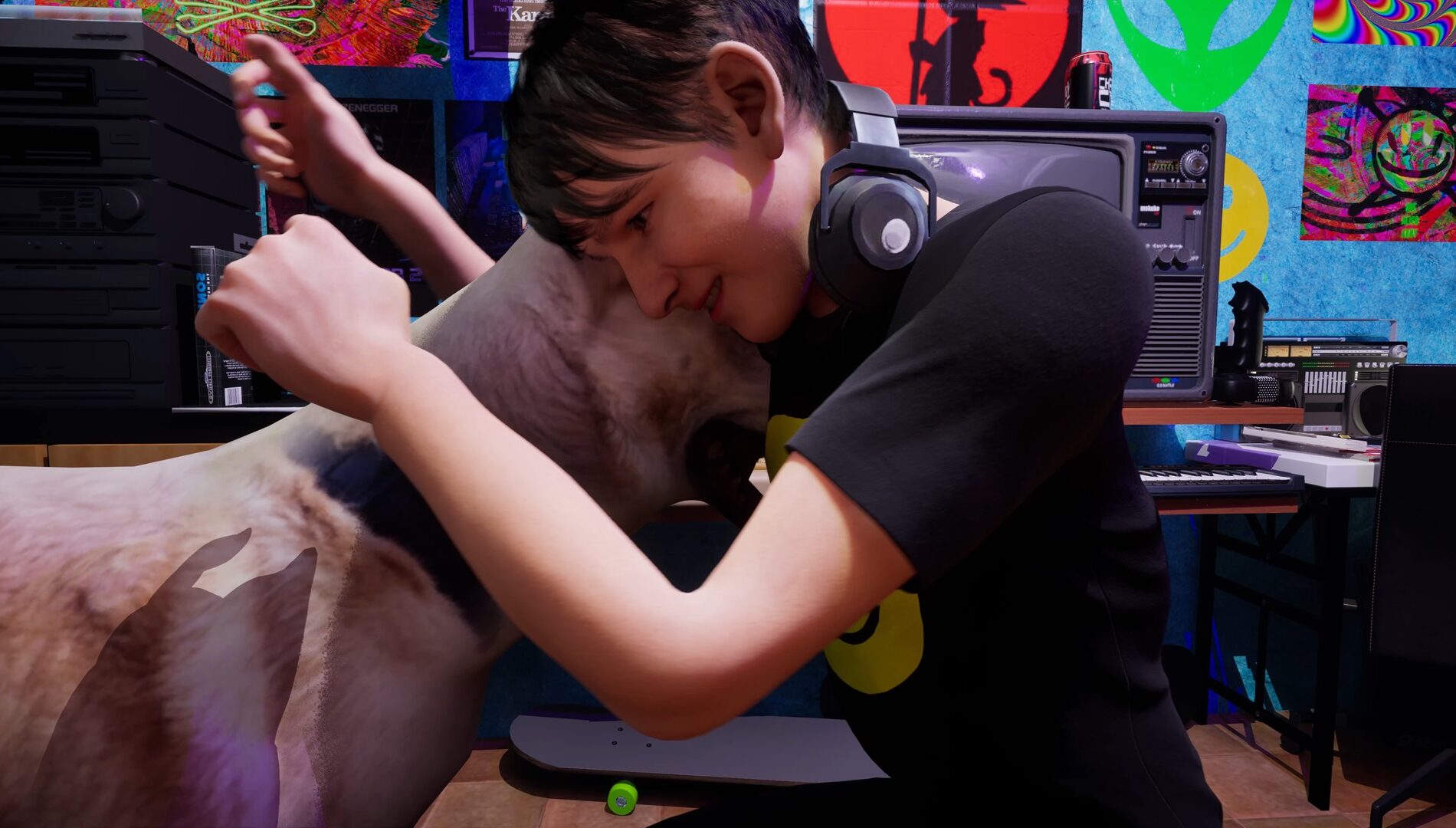
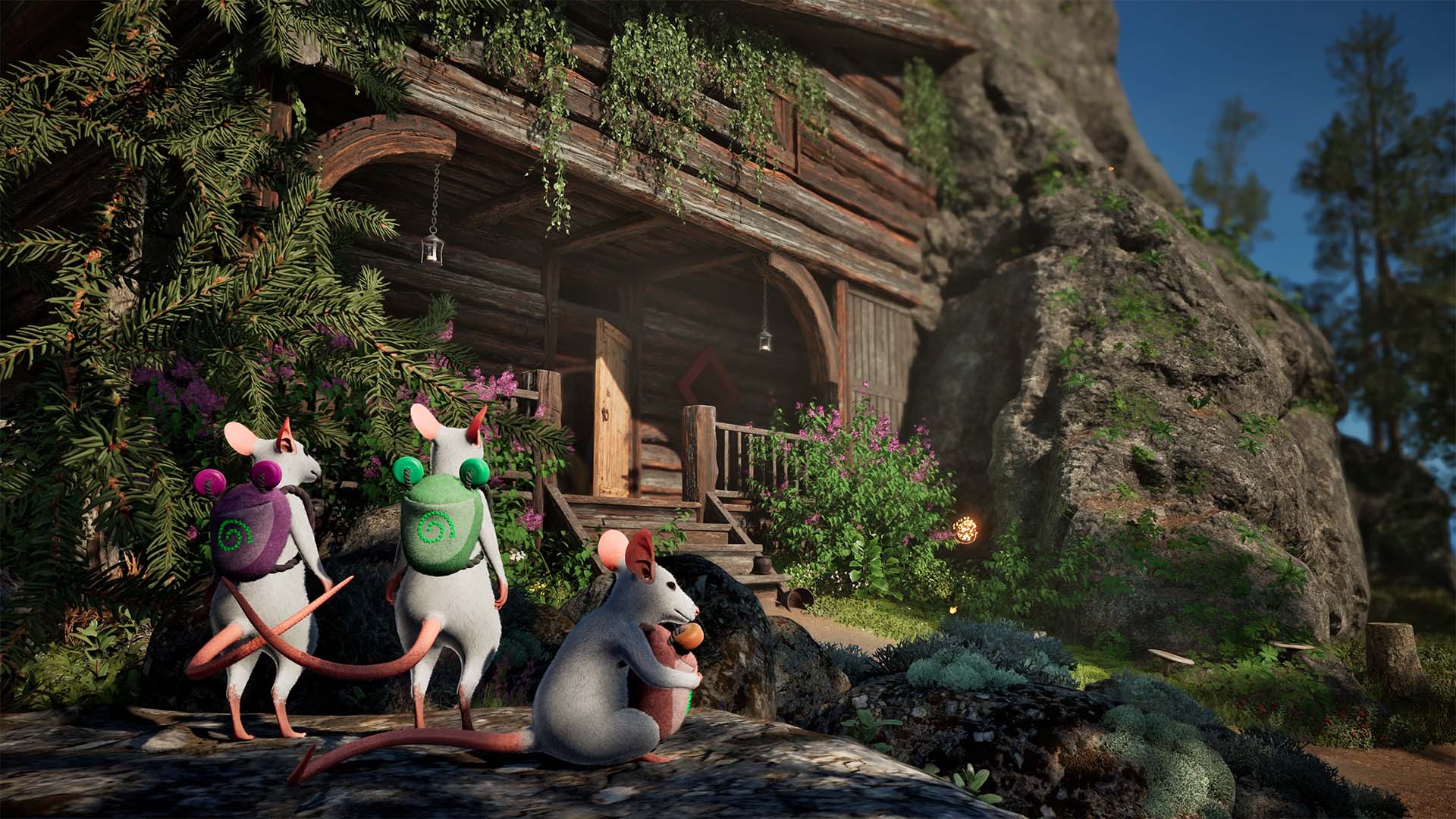
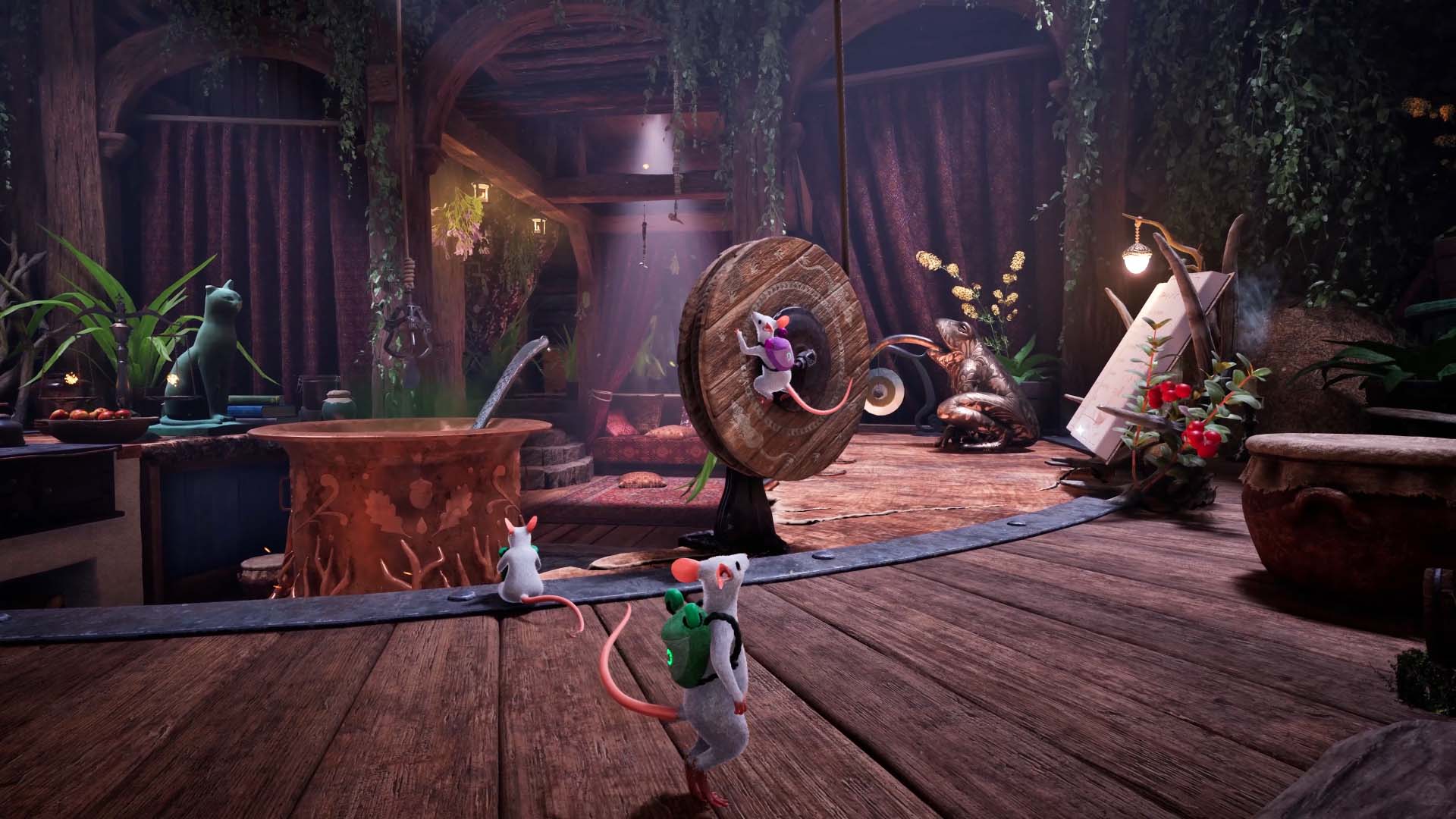
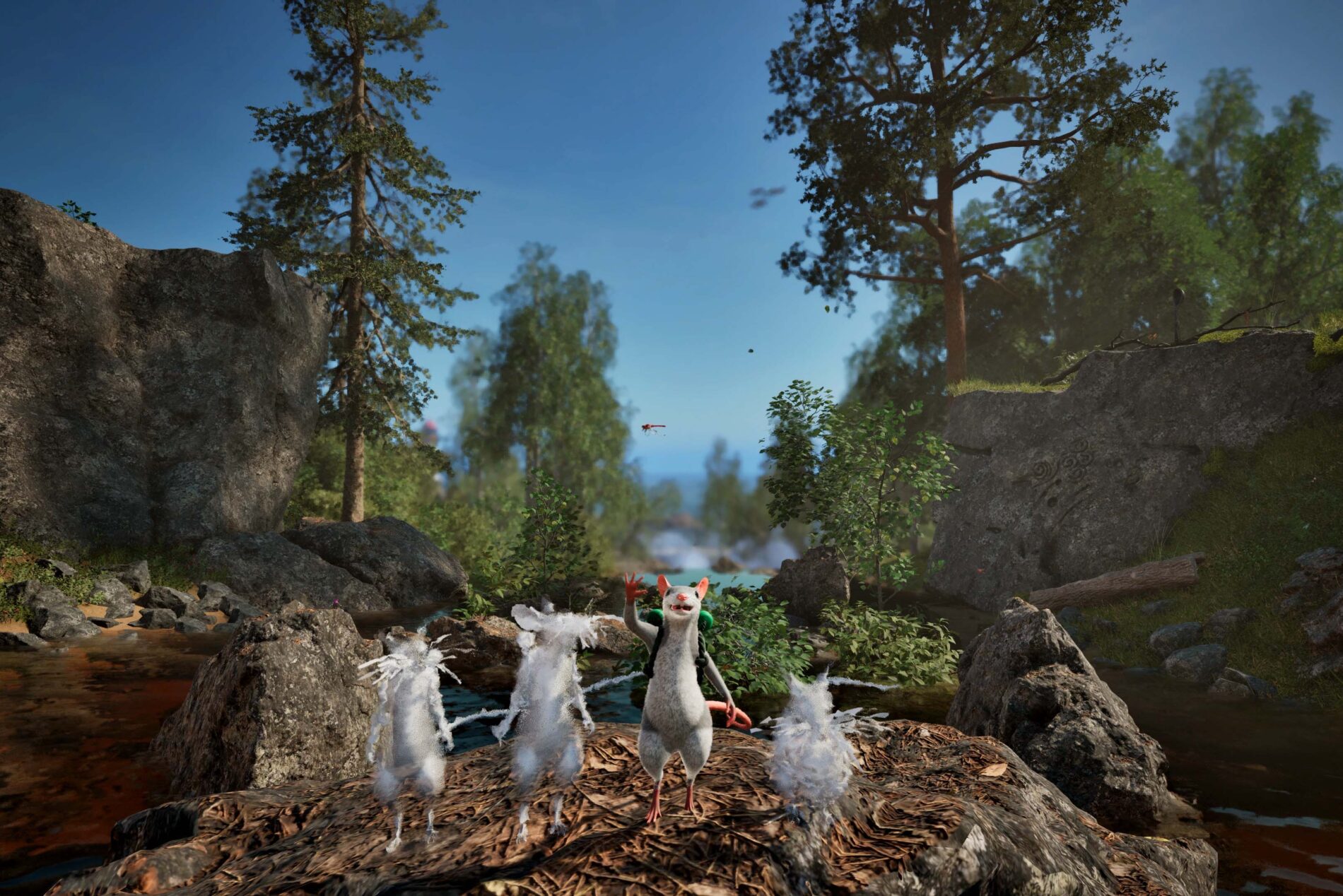
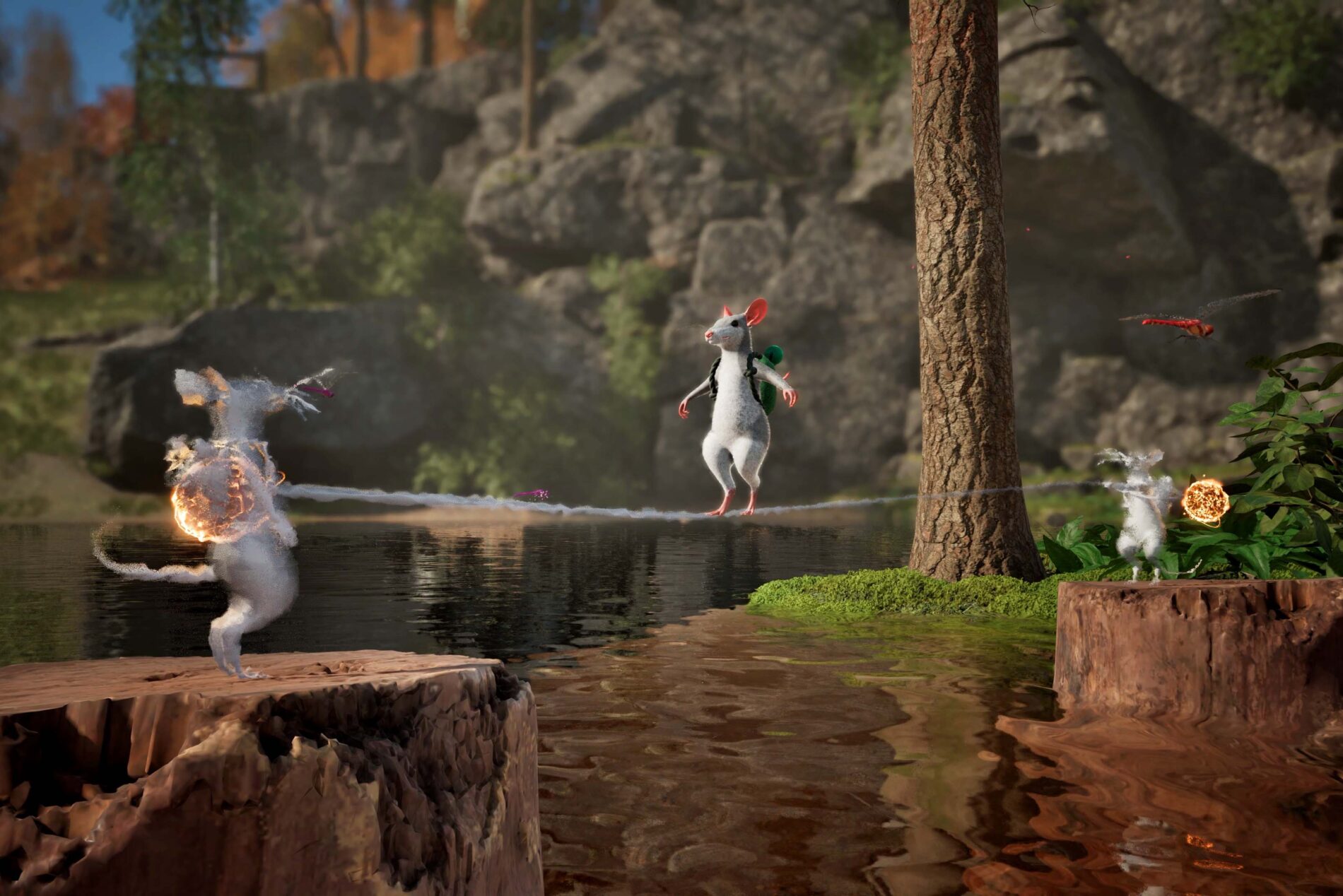

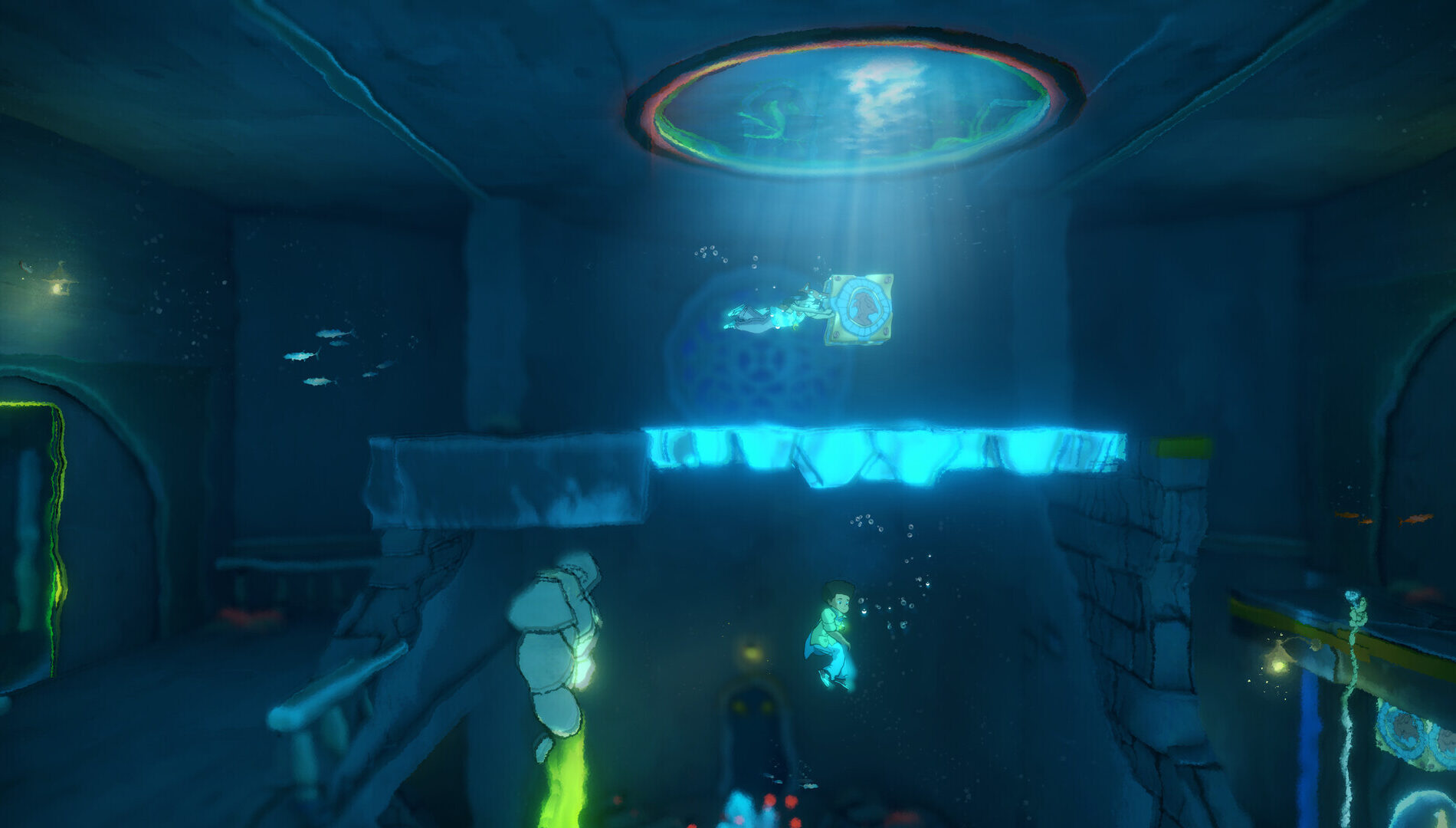
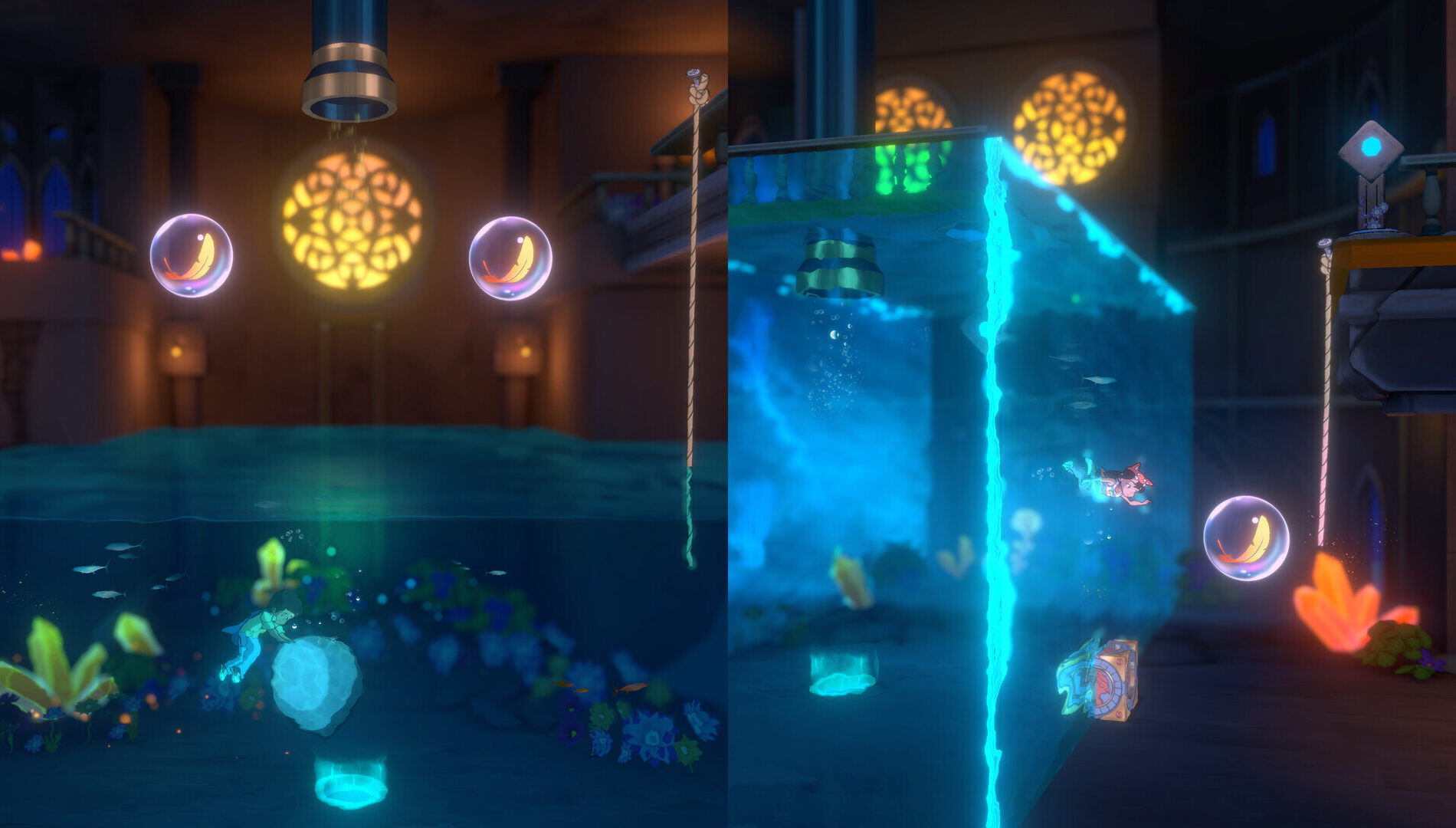
 KEY FEATURES:
 CHALLENGING & REWARDING – Every puzzle introduces fresh ideas that test your mind
 INVENTIVE PUZZLE MECHANICS – Move the world itself to create new paths ahead
 SOLO or CO-OP – Solve puzzles solo or team up in local co-op to combine brainpower against increasingly difficult challenges
 SECRETS & COLLECTABLES – Unlock hidden paths, gather charming curios, and reveal concept art.
 STRESS-FREE PLAY – No deaths, no timers, no enemies. Just pure cerebral adventure!
 Whimsical World – Gorgeous visuals inspired by Studio Ghibli making every frame a visual treat.
 Atmospheric Soundtrack – Original music designed to immerse and calm while you puzzle through each world.
AWARDS:
Best Puzzle Game – ChinaJoy
People's Choice Award – ChinaJoy
Pro PC Game of the Year – GDWC
Atmospheric Soundtrack – Original music designed to immerse and calm while you puzzle through each world.
AWARDS:
Best Puzzle Game – ChinaJoy
People's Choice Award – ChinaJoy
Pro PC Game of the Year – GDWC