
Indie Monthly: January 2026

A new year dawns. January is usually a bit of a slow month for entertainment, video games not exempted. However, a lull in the quantity of releases says nothing about the quality, and there were still some interesting titles dropped this month.
There are only two games on display this month, which speaks to that lower release number but also signifies a bit of a policy change. Moving forward, we're going to feature fewer games while offering slightly longer, more in-depth reviews. Yes, I'd love to do twenty reviews a month and give exposure to the maximum number of people, but the limits of time and space make that impractical.
For now, enjoy the dancing robots before returning to your haunted hotel.
THE SPIRIT LIFT
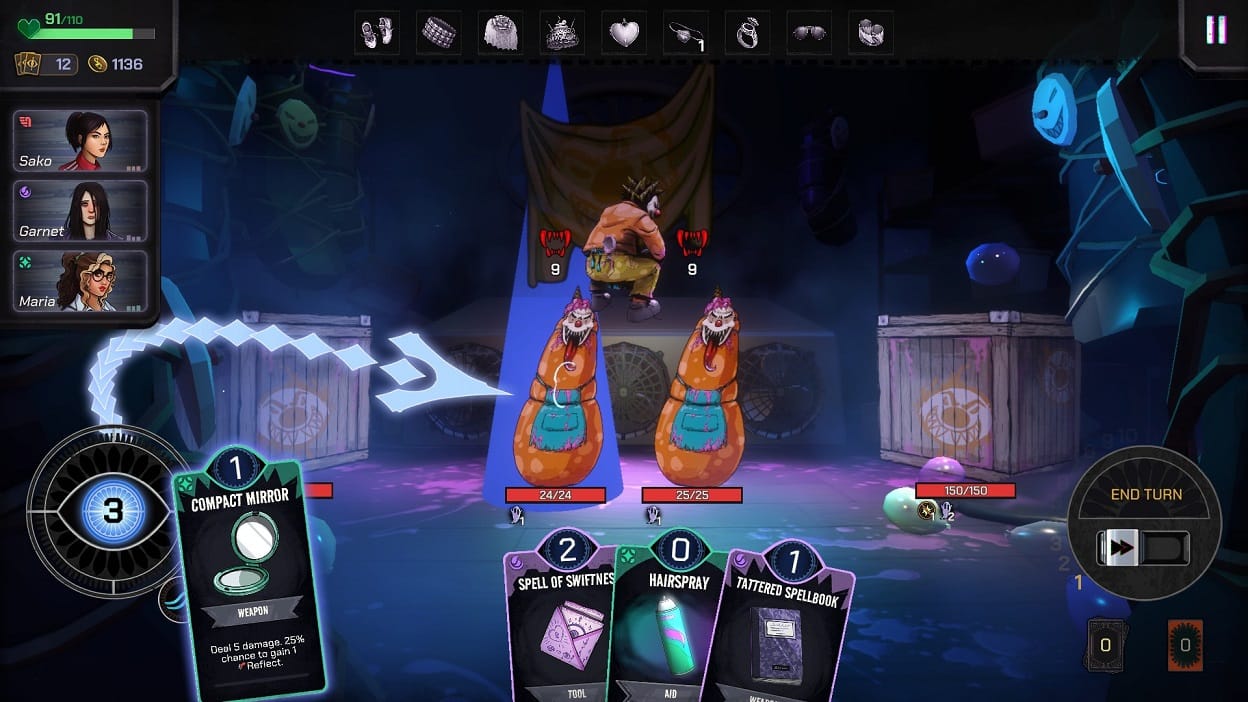
The Spirit Lift is a horror-themed deckbuilder following a series of 90s high school archetypes as they wander through an old hotel in which every spooky thing possible has happened. It's a familiar game that's set apart by an unusual presentation and an obsession with replayability.
The goal of each run is to guide a group of three characters through the halls of the Vexington Hotel, reach the 13th floor and defeat a boss waiting there. Initially there are only three characters available, but the roster grows to eight after enough attempts. The party determines opening cards and equipment, but more importantly they set which of the four colors of cards will be available in future draws.
The core gameplay loop is similar to most deckbuilders, save that the player isn't moving along a set path but rather exploring each floor in first person. One of the rooms always contains the lift to the next floor, while the others house enemies, events or empty rooms that can be looted for money and cards. There may also be enemies and traps outside of the rooms and the lift doesn't unlock unless the player has explored at least one other room, so beelining through each floor isn't necessarily an effective strategy.
Combat is also similar to other deckbuilders, with a few twists. The most noteworthy distinction is a complete lack of a block mechanic. The player will need to find some other means of avoiding damage - dodging it, reflecting it, stunning enemies or taking them down before they can do anything. In general, the ideal strategy involves focusing on one or two cards that can be scaled out, something that's critical to beating some of the bosses with the game's restrictive 13-turn imit.
All deckbuilders are designed for replay value, but few put as much of a focus on it as The Spirit Lift. There are unlockables for each character, each enemy, each boss - dozens in all, including not just cards and gear but new events. Each run earns spirit points used to purchase permanent upgrades. Certain events yield files that point to the history of the Vexington Hotel, and it can take many runs to find them all.
Whether or not it's worth playing through the game dozens of times will vary from person to person. By genre standards, The Spirit Lift isn't too hard, and it has a few features that make chasing unlockables nicer - such as those permanent upgrades and the ability to select any boss path previously seen. However, the small number of enemies and lack of challenge settings means that runs will start to seem a little similar after a while.
Overall, The Spirit Lift is a very interesting deckbuilder that mixes up the formula without changing things too much. It has a fun aesthetic and theme and it never feels too oppressive to play, making it a good choice for both veterans and newcomers.
The Spirit Lift is available for PC via Steam. A copy was provided for this review.
Steel Century Groove
Steel Century Groove is a rhythm RPG set in a world where generations-old war machines called Tenzerks have been repurposed for the more noble sport of dance combat. It's an easy to learn, hard to master game with some unexpected complexity.
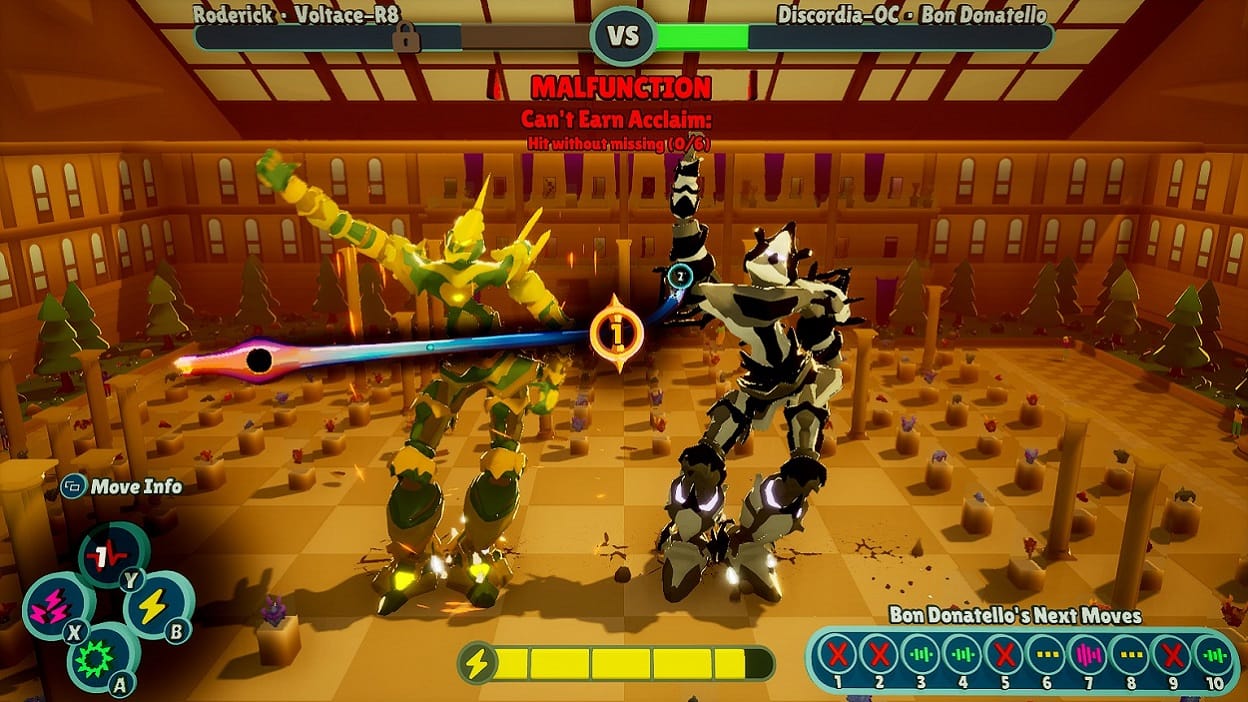
The core combat mechanics seem simple at first glance. For each stem, or phase of the fight, there is a curving line with numbered nodes. A dot moves along that line, and the player must hit a button when it passes through each node. The nodes follow the pulse of the music but aren't strictly locked to the beat, so there might be sets of tightly-grouped nodes followed by a break. Each successful hit builds the player's acclaim, and whichever character maxes out their acclaim bar first wins.
That's where the RPG mechanics come into play. While one can theoretically win by using a single button, most opponents won't give up that easily. Winning more difficult fights means mastering the special abilities.
Each Tenzerk - those available to the player and those used by opponents - has a unique set of traits and skills, and those skills only work if used in the right circumstances. For example, you might get a special attack that depletes the enemy's acclaim bar, but only if used during a part of the stem where the opponent isn't taking any action. Meanwhile, enemies have their own gimmicks and can throw status effects on the player, such as locking abilities or seeding the stem with decoy nodes.
Playing the game well requires keeping track of a lot of information at once - not just the nodes, but cooldowns, possible status conditions, and the enemy's predicted actions. It can be daunting, especially for one without great multitasking skills. However, most mechs have a few simple strategies that work well in a wide range of situations, demanding only an occasional tweak in response to an enemy gimmick.
Outside of combat, Steel Century Groove features a design with some definite Pokémon inspiration. The storyline is simple, following the protagonist and their friend on a journey to earn the right to compete in a tournament. Said entry requires defeating a series of expert opponents, all the while dealing with a rival who always seems to be one step ahead. There is another layer to the story, one involving the lost history of the Tenzerks that is revealed little by little over the course of the game.
The RPG elements are fairly basic but add a bit more mechanical complexity. There's no money or shops, but the player will find mods that can add minor mechanics or refine existing strategies. The overall loop also grows more complex as the player fights other pilots and gains levels.
Overall, Steel Century Groove is a solid addition to the burgeoning rhythm combat genre. It's not too hard to get the hang of it and there's just enough variety in the builds and enemies to keep things interesting.
Steel Century Groove is available for PC via Steam. A copy was provided for this review.
That wraps up our first go with the adjusted format, having looked at two indie games that caught our attention in January. Be sure to come back each month for more of those sweet, sweet indie games you need to know about!