
SVG REVIEW: Cairn

This is a transcript excerpt covering the score awarded to Cairn on the So Videogames Podcast, Episode 473. For further coverage and a second take on the game, please see Ryan Nalley’s official GameCritics review.

Brad: [Following the review with Game Bakers creative director Emeric Thoa] So we’ve talked about it quite a bit. There’s a lot of this game that I don’t want to spoil, especially. But again, just to recap, Cairn is the third person mountain climbing game which has more to it than just mountain climbing. it took me all together about 15 hours. I fell about 200 times. and I did roll credits before the game launched, so I had the pre-release experience.
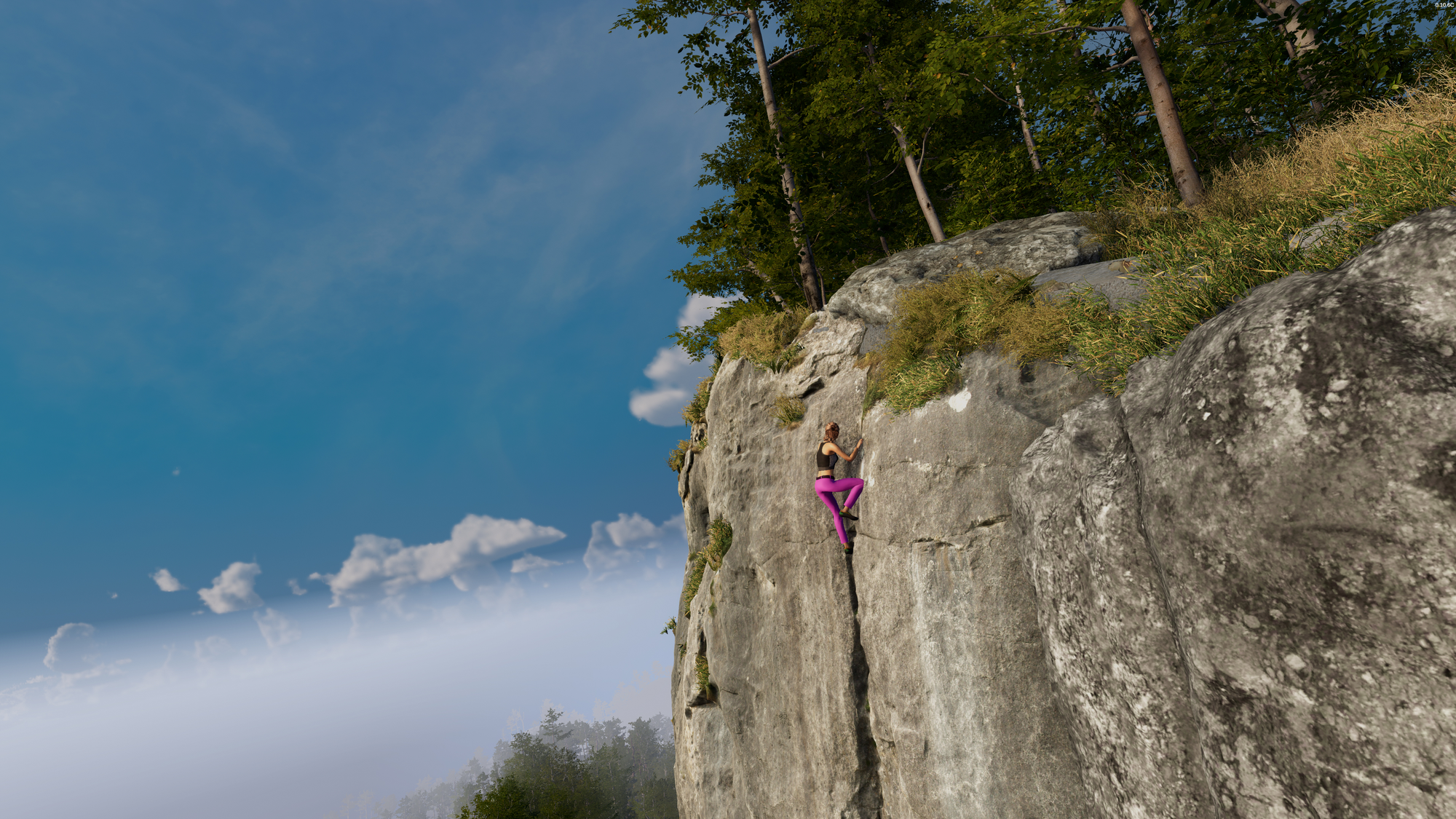
God, what do you even say about a game like this? It’s really hard to say. the mechanics, I think, are great. It really does approach mountain climbing in a way that I have not seen done in any other game of this kind. And strangely, there have been a few mountain climbing games recently. It’s been kind of a popular sub sub sub subgenre recently. but it’s not. I almost feel like it’s not even really about that. I mean, it is about that, but it’s not about that, because as I mentioned a little bit in that interview, it was really also kind of an adventure game, which was really, really surprising to me. And it also even more surprising was the time that we spend with Ava, the main character.
in that sense, it’s like those three things done at the same time and each of those builds on the other. I think every leg of that stool helps support the overall experience, and I think it would be lesser without any one of those pieces.
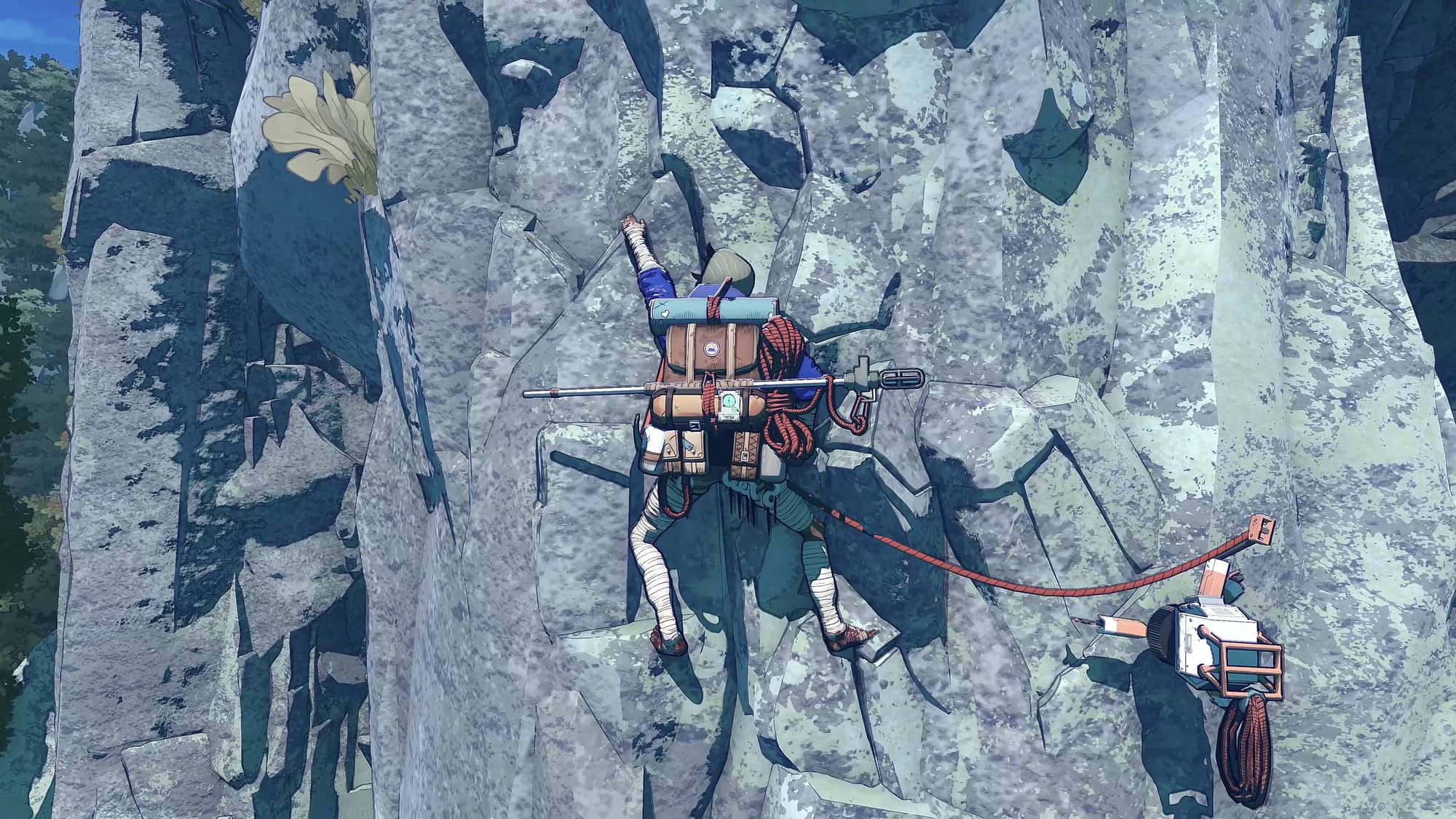
let’s talk about the mechanics for a second. I think the mechanics are really good. I think the individual control of each limb is unique, and it does feel good in general. Now, I definitely needed all of the assistance. I turned on the visual feedback and I turned on the time rewind. Visual feedback is when you get a “good” grip. A little white square appears around your hand or foot to let you know. Yeah, this is a pretty solid grip. without that feedback, I wouldn’t really know if my grip was good or not. I don’t think there’s enough feedback there. I’m a pretty, I don’t know, fact-oriented kind of guy. I want to play a game like this and I really want to know exactly how much stamina do I have? Exactly how much strength do I have exactly? You know, how much time do I have before my hand slips or whatever? And this game doesn’t doesn’t really do that. Like they don’t really play it that way, which I think is fine. That’s a legit way to go.
But you do fall a lot and the game is really difficult. And so I think the physicality of being on a mountain, and you know, quick side note, like I mentioned earlier, I have done some rock climbing. Not much, because I’m scared, but it’s tough. It’s really hard. It’s grueling. You know, you feel things on the mountain and there’s a lot of that feeling you just don’t get in a game. And so in my mind, the way to compensate for that is having enough information. And I don’t mind having it be optional. You know, maybe people want the purest experience so they can turn off all the meters and all the numbers and just look at the screen and look at Ava’s, the main character’s feedback. But for me, I want more. I want more stuff. So I felt like the stamina system was a little bit too opaque for me. I felt like the climbing mechanics were also a little bit too opaque. Without the visual feedback, I wouldn’t know the difference between a good handhold and a bad handhold. And sometimes that’s… I mean, that is the difference between falling and not falling. So I felt like I needed all the assistance the game could give me. And even with everything turned on, it was still an incredibly difficult experience.
it’s hard and slow to get anywhere. You’re fighting for every inch of the climb, and so that’s the thing that you have to contend with. It’s really tough. I think in, in some ways it’s kind of analogous to a game that came out recently, baby steps, in that nothing in the game is easy. You have to really, like master the physics. You have to really think about where you’re going. You can’t just jump around and do things. So it’s it does ask something of the player that I think is quite different than what we’re used to. So in that respect, I think it stands out. I don’t think it was entirely successful because I do think there were some times when I just felt like I was in a good position and my stamina wore out with, you know, with, with no warning or at least not if warning for me. And so I did fall a couple times. There’s definitely some sections that are tougher than others. As we covered in the interview, there’s different routes. You can take, certain parts you can, you know, that are optional. You can choose to do these or not. so and also there was a few times when it felt like things would just get really wonky all of a sudden. I would never want to play Iron Man mode in this game because I don’t think it’s reliable enough. It’s like reliable like 90% of the time, but then 10% of the time something goofy unexpected would happen and I’d be like, you know, fall or something, and I’d be really, you know, like, ah, man, I can’t believe that happened.
So that’s that’s the thing. I would like to see a little bit more specificity, a little bit more granularity, but I can see how that is in contrast to the vision that the game bakers were, were after. And I think them adding the accessibility options that they did really did make the difference for me. As I said in that interview, I don’t think I would have gotten through this game if it wasn’t for the time rewind and for the the grip indicator, I just don’t. I think it would have been too frustrating, and I’m not sure that it would have hung in there. So I’m glad that they did that and I wouldn’t mind a few other options just to make it a little bit more playable, I think a lot of people are going to bounce off of this game, but, you know, it was like Emeric said, this game isn’t for everyone. Not everybody is gonna enjoy this game. And I think that’s absolutely true. Even though I really do enjoy this game, I think it’s pretty monumental. It’s not something I would just recommend willy nilly. I would have to really know that person.
I would have to know what they liked, what they didn’t like, and I’d have to, you know, consider how good a friends we were. Friendship might be tested, if I recommend this one, but to the right kind of person, I think it’s going to be pretty amazing. So I think the climbing is really unique and I think it’s good. I’m not trying to slag it or anything. I think I have some quibbles with it, but I think overall it is quite compelling and feels very satisfying when you do something. And, you know, uh, Emeric mentioned that they, they plotted out routes, but then people would always try to do their own route. And that was true for me as well. Like, I mean, some places were pretty obvious they wanted you to go that way. But there was a few times when I’m like, well, I’ve got enough, uh, pitons, pitons, pitons, pythons — I’m not sure how to pronounce that — in my backpack. And I see a place and I don’t see another way to go. I’m just going to go for it. I mean, in one part of the game, I was, um, crossing a bridge and there was a big statue underneath the bridge, but it was like under an overhang. And I’m like, how the hell do I get down there? I don’t understand, And so I just tried screwing around a little bit. I would crawl over and try to, you know, climb down under the overhang. And at one point I’m like, fuck it. I just put in a piton or a python and rappelled down, and I kind of swung to get like into that area. And I made it and I was like, oh my God, I made it. I can’t believe I didn’t die. I don’t even know if that’s how you’re supposed to get down here, but like, it totally worked. And like, it was like a real thrill. So I think there’s definitely some mechanical thrills to be had for that, for sure.
talking about the other aspects of the game, I think the adventure section is a big surprise. I was really surprised at how much adventure elements there are in here, how much it does feel like a Tomb Raider game. It feels like you’re finding this disappeared civilization. You’re finding relics. You’re finding rooms, artifacts, ruins, uh, notes left behind. It’s pretty compelling stuff. And I’m not like, you know, I’m not a guy that reads every notebook entry. I don’t listen to the audio logs, but in this game, I did feel like they were spaced apart. They were all pretty significant. They all helped paint the picture. They weren’t like overly done. A lot of that too, was just environmental storytelling where you see a scene, you see what people left behind, or you find the people themselves. You find their dead bodies sometimes and you just see this stuff and it’s just really great. And I don’t want to spoil anything. But you were not alone on the mountain, which I think even saying that in itself is a little bit of a spoiler. So I’m not going to say anything else, but you’re not alone on the mountain, so when you have those interactions, they’re really surprising and they’re really compelling and they really lean into those, uh, those interactions very well. And I’m trying really hard not to spoil anything. I’m sorry. Um, but like that was a really compelling part also where I just felt like, wow, I feel like this game has so many more elements to it than I was expecting. Not like I was expecting it to be super shallow, but I was. I was here for like, mountain climbing, you know, I figured that was what it was going to be about. But there’s way more to it than that. And I think unraveling the culture that lived on this mountain and how it influences the rest of the area, how it integrates to the surrounding areas was really fascinating, really compelling, like just really, really masterfully done. There weren’t too much, there weren’t there weren’t too many instances. There weren’t not enough instances. I felt like it was just right.
And every time I needed a mental break, or every time I needed to get off a cliff face or something, there was something nearby or something to shoot for. And whenever I did those things, almost always I felt like they were worthwhile in some way or another. Maybe I got a reward. Maybe I learned something that was pretty interesting. Maybe I just got some more water and it just it just was really worthwhile. So I think the adventure part is really well done. I loved the adventure aspects of it. It just enriched the entire thing so much.
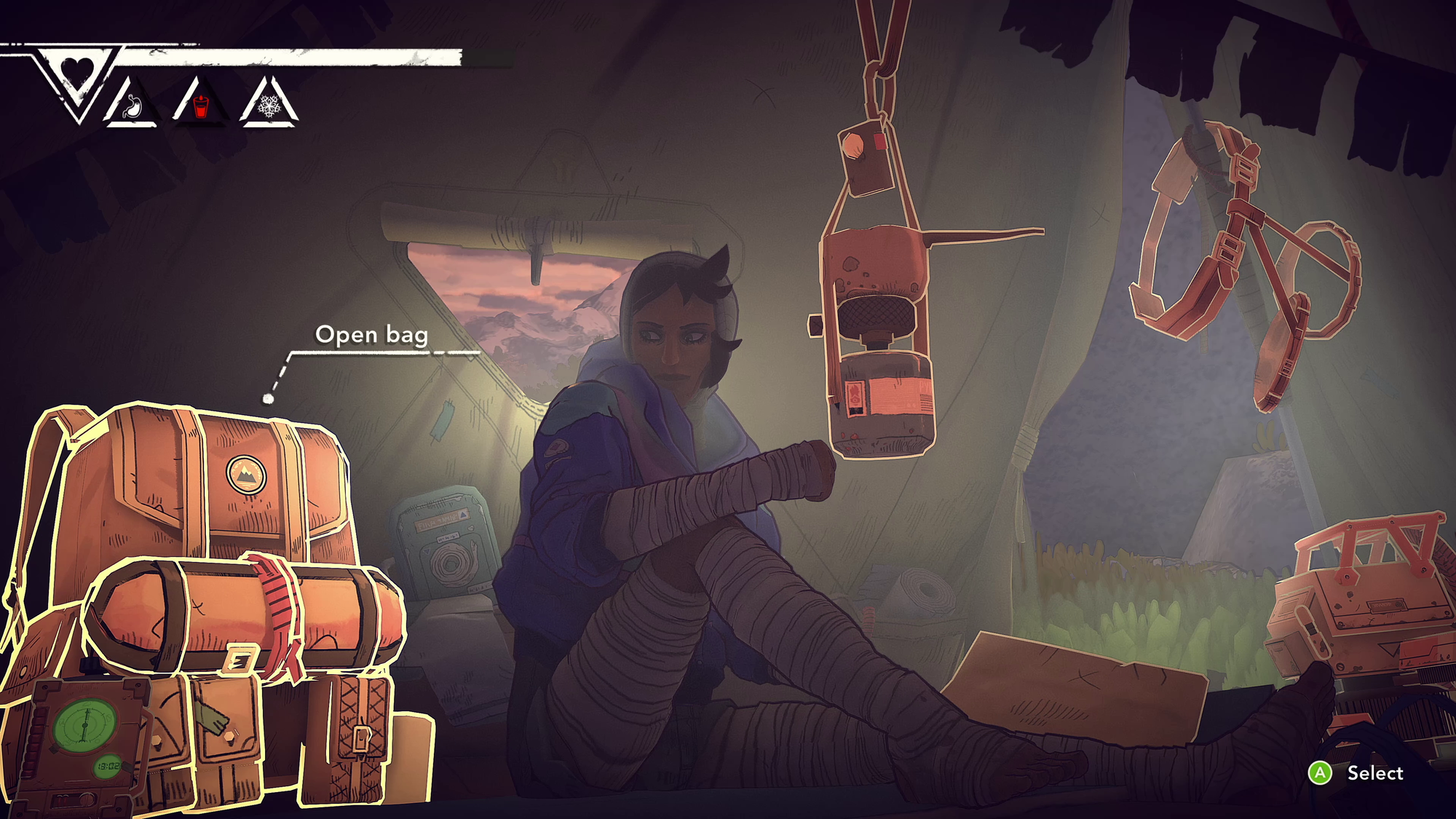
and then finally the last leg is, as we discussed, was the character development. It was super, super compelling. Ava, the main character, is just she just feels like a real person. She feels broken and she feels unbalanced, but she also feels fully formed and she feels complete and she feels like real in many ways that I just don’t find in other games. And you had to go on this journey. Like if you just watched the cutscenes, it wouldn’t really it wouldn’t hit the same, you know, kind of like the same thing with the ending. Like again. The ending. Fucking tremendous ending. So emotional. Literally crying like tears and just feeling. Feeling everything that happens at the end. The voice actor like an amazing job. The voice actor fucking leans into that shit so hard and it’s just, like, impossible not to feel the emotion that actor’s putting out.
And that in combination with the last 15 hours of gameplay, of climbing up the mountain, every inch that you fought for, every time you, you, you went for the hard decision, every time you tried to get somewhere and you made it. I mean, it just all came together. Everything the game bakers try to do here, I feel almost all of it just came off, like, flawlessly, which is really an achievement. it just really came together in a way that was just so memorable. I felt like. Like I was climbing that mountain. Like I was suffering right along with Ava. You know, I almost wanted to put some tape on my fingers because I’m like, man, I surely have blisters after all the climbing I just did.
This is really tough. it just was so, so amazing to go through this, this very carefully curated, very measured experience that just really hit me unlike anything else that I can think of in recent years. Like I just was so invested in the physical struggle of like, actually holding the controller and climbing up these incredibly difficult, you know, these steep inclines and also just thinking about who Ava was and how she grows and changes, who she meets, who she talks to, and then just spending time in this mountain, which was like, really a pretty amazing, pretty amazing environment.
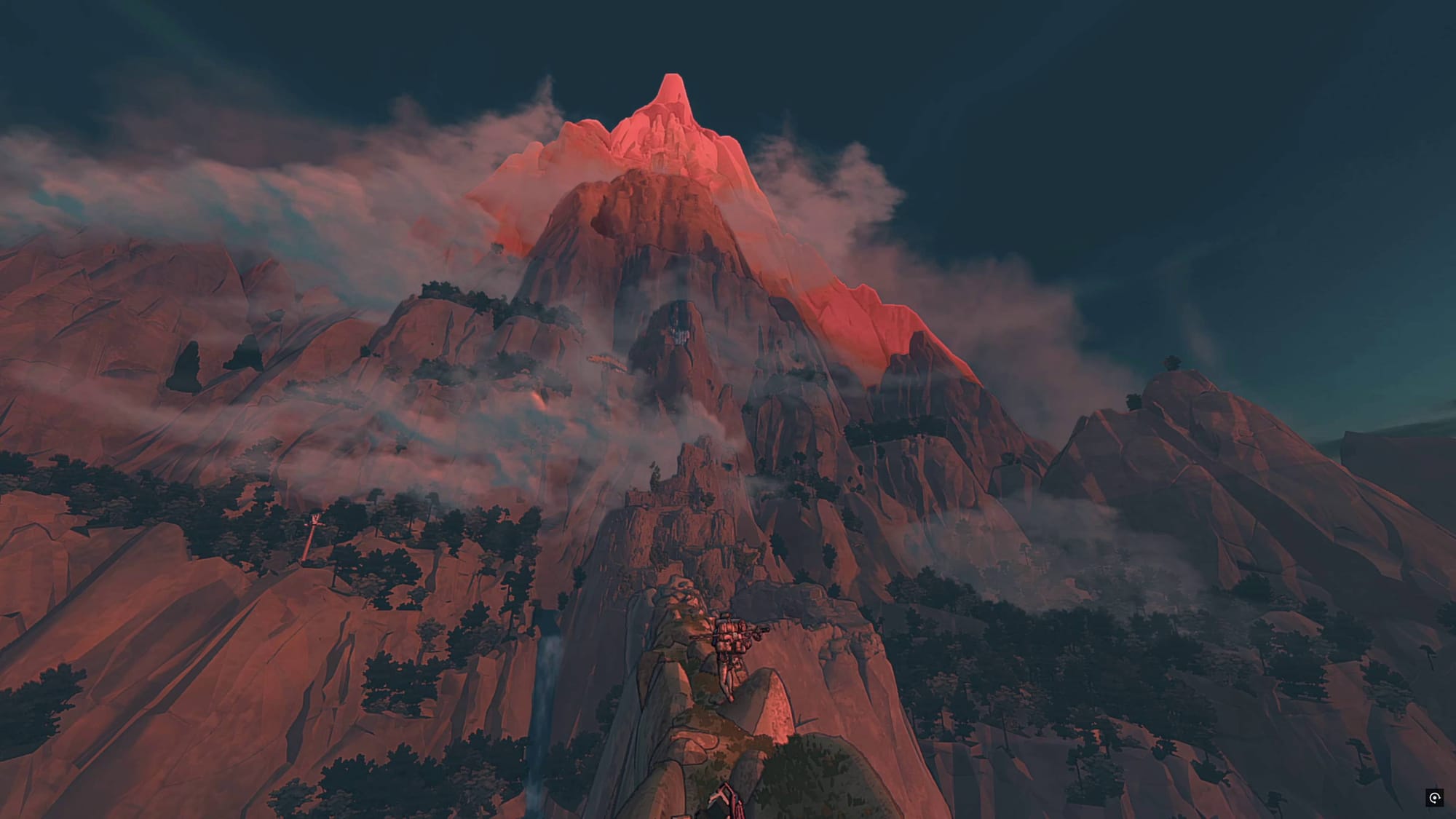
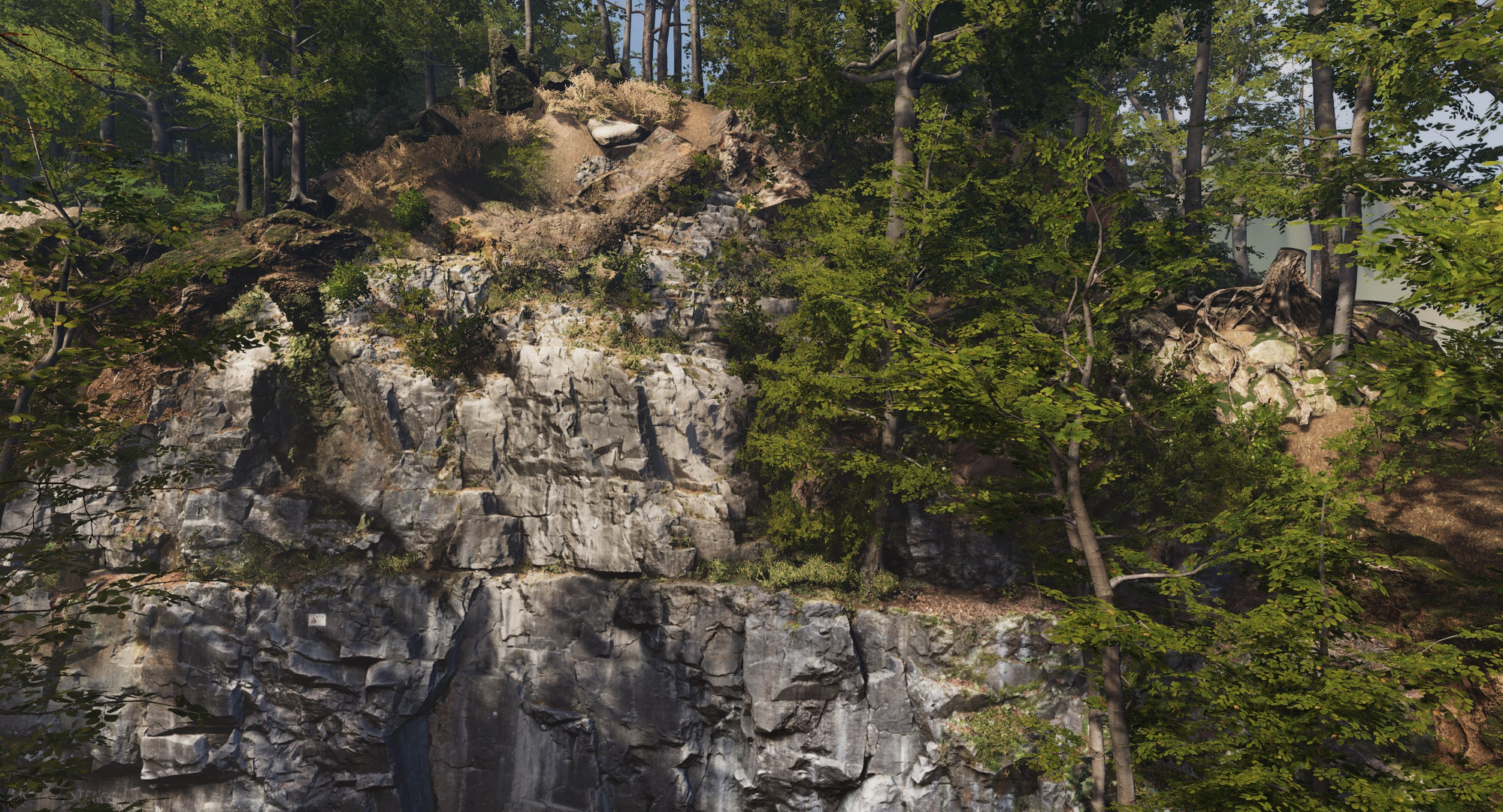
Mount Kami is pretty fucking cool, just the way that it looks and the way that it it articulates with all its secrets and pockets and nooks and crannies and everything. So everything here has just been just really fabulous. I had a wonderful time. there’s just so much to say and do and feel and think. And I just it just really kind of blew me away. yeah. I mean, this is this is going to be on my Top ten list at the end of the year for sure. Like it’s a lock, it’s a lock. And I feel like, um, this is just a real achievement. It’s a real achievement.
I really want to do extend my my heartfelt congratulations to the team. I think they’ve really done something special here. And, again, Cairn isn’t going to be for everybody. I imagine that a lot of people will be put off by the difficulty or how grueling it can be — sometimes it just does not give you an inch — so I felt the tension and the triumph, and it felt like I, personally, was going through this journey in a way that just landed so hard. I just really enjoyed every aspect of it, every minute of it. And again, when you get to the end of that journey, what man, what a finish. And it just was a perfect encapsulation of everything that had been leading up to that moment physically with Ava, in terms of character, spiritually, everything about it, everything about it. Just fucking fucking fantastic. I love this game so much.
so I guess that’s it. I feel like I’m blathering. I feel like I need to heap more praise on it, but I don’t know what to say other than stuff I’ve already said. And I don’t want to spoil anything, so let me just end with a score. Final. So videogames official score ten out of ten, ten out of ten. I would give it an 11 if that made sense. But mathematically, the numbers don’t math, so I’m going to have to settle for a ten out of ten.
Folks, I think Cairn is as perfect an experience as one could possibly hope to produce. It doesn’t mean the game is perfect or flawless, but it reached for something beyond what other games reach for and achieved more than others have achieved. It had a vision and a strength. It had a voice. It went places confidently, assuredly and correctly, and it got there in a way that very few could have pulled off. So it’s a ten out of ten — I just don’t think you can do better than this. This is going to be absolutely a high watermark for the year for me. And, that’s that’s the best I can do. That’s the best I can do. Top marks.
And y’all know I don’t give out tens very often. I think I hand them out on an average of like once every five years or so. So here’s here’s my one for this year. And I guess you’re not going to get another one for another four years. So congratulations to Cairn and congratulations to the game bakers.
SVG Score: 10 out of 10
Disclosures: This game is developed and published by The Game Bakers. It is currently available on PS5 and PC. This copy of the game was obtained via publisher and reviewed on the PS5. Approximately 15 hours of play were devoted to the single-player mode, and the game was completed. There are no multiplayer modes.
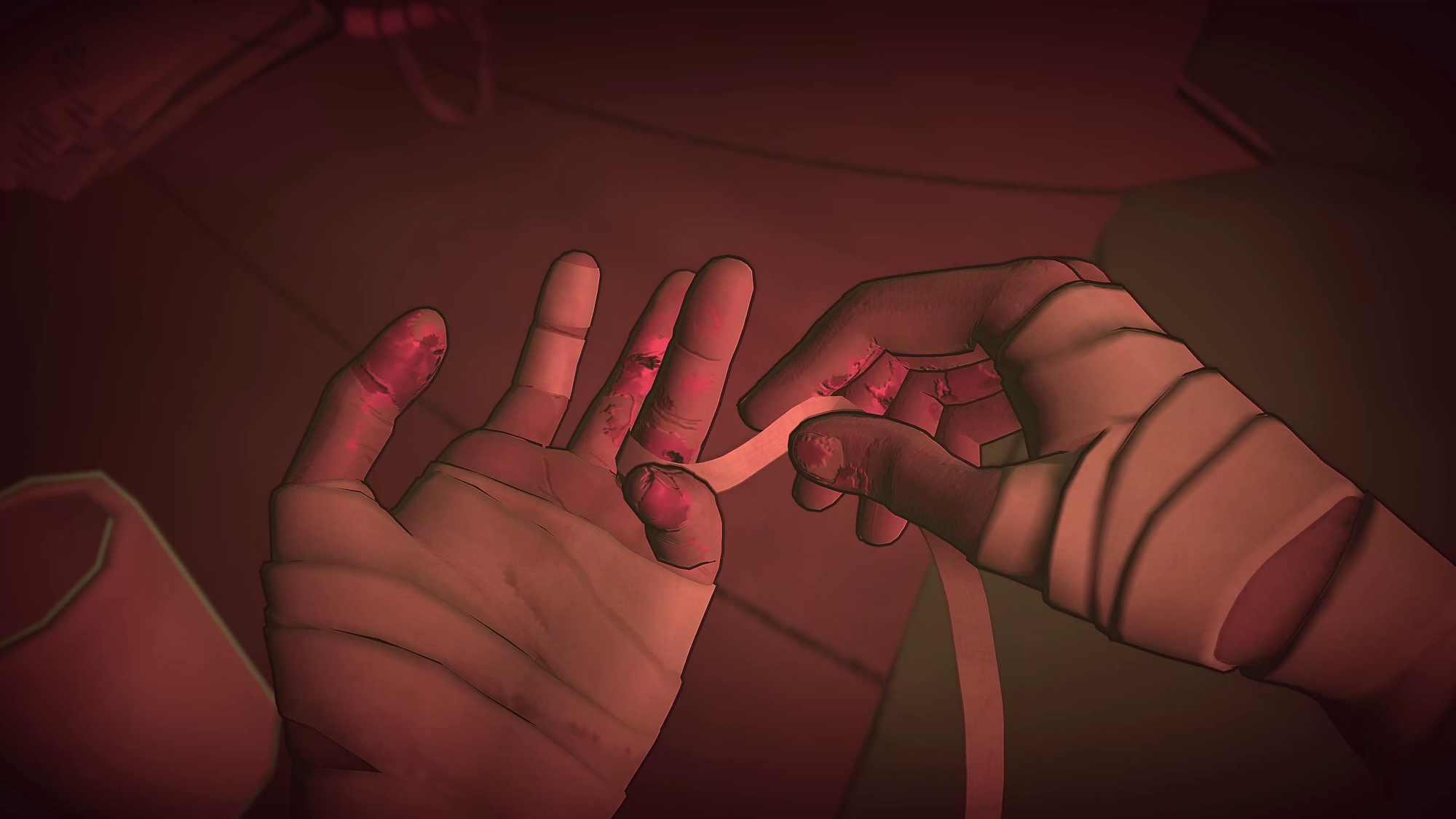
Parents: According to the ESRB, this game is rated M and contains Strong Language, and Use of Drugs. While there is no direct violence in this game, the player character often falls from a great height in a ragdoll fashion. Arms and legs can twist in the process, leading the character’s body to become contorted. These falls are physics based and do not feel gratuitous, or violent in nature. Though there is no gore, the character’s fingers can suffer cuts and will bleed from climbing, requiring players to bandage them, and her feet will show spots of blood if her health is low. The player character will occasionally scream profanity when falling, including most four-letter words. At one point in the narrative, two characters consume an old bottle of alcohol resulting in a hallucination. Additionally, alcohol can be consumed during play, although I did not personally come across it during my playthough.
Colorblind Modes: There are no colorblind modes available.
Deaf & Hard of Hearing Gamers: This game offers subtitles. The subtitles can be resized with three available options – small, medium, and big. Additionally, an optional background is available. While most audio cues are accompanied by a visual component, one glaring omission is in Aava’s breathing. During play, I found myself relying on changes in her breathing to indicate when her stamina was low, and these elements are not subtitled, nor are they visually indicated. Though there are other visual indicators for Aava’s stamina, her breath was often the first sign that her energy was low, and I found it more difficult to assess her condition when playing without sound, and for that reason, this game is not fully accessible.

Remappable Controls: Yes, this game offers fully remappable controls.

The post SVG REVIEW: Cairn appeared first on Gamecritics.com.