
Review: Forestrike (Nintendo Switch)
Forestrike is a new fighting game on the Nintendo Switch, and it’s not your typical fighting game. Instead of rushing in and mashing buttons, it wants you to slow down and think. You play as, well… Yu; a skilled martial artist who has the ability of foresight, letting you test strategies repeatedly before actually attempting them.
The way it works is simple; you can either practice a level as many times as you’d like, or take it on for real. Practicing lets you experiment and find the perfect sequence of moves without dying. It’s a pretty cool concept that makes the combat feel more like a puzzle.
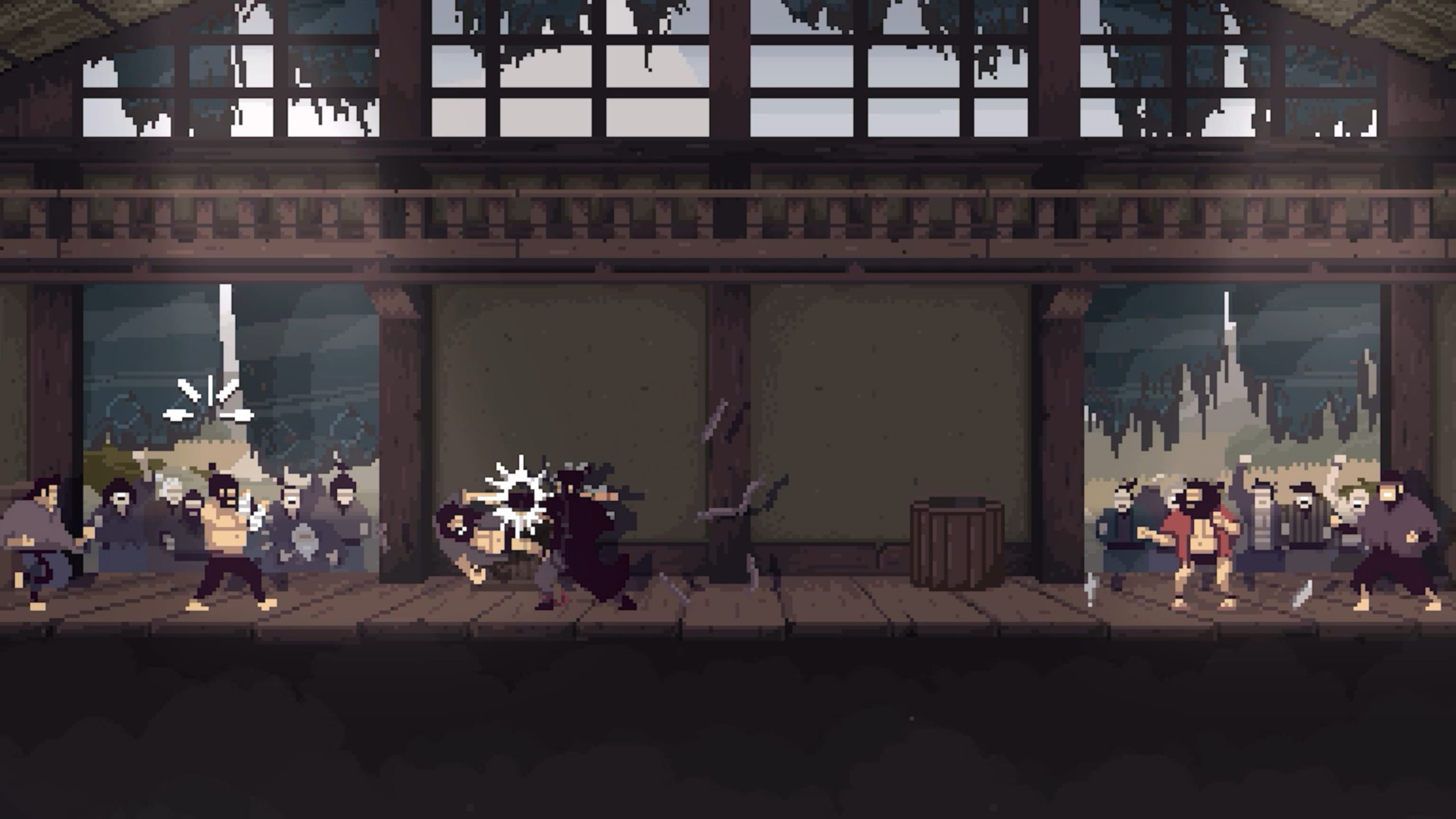
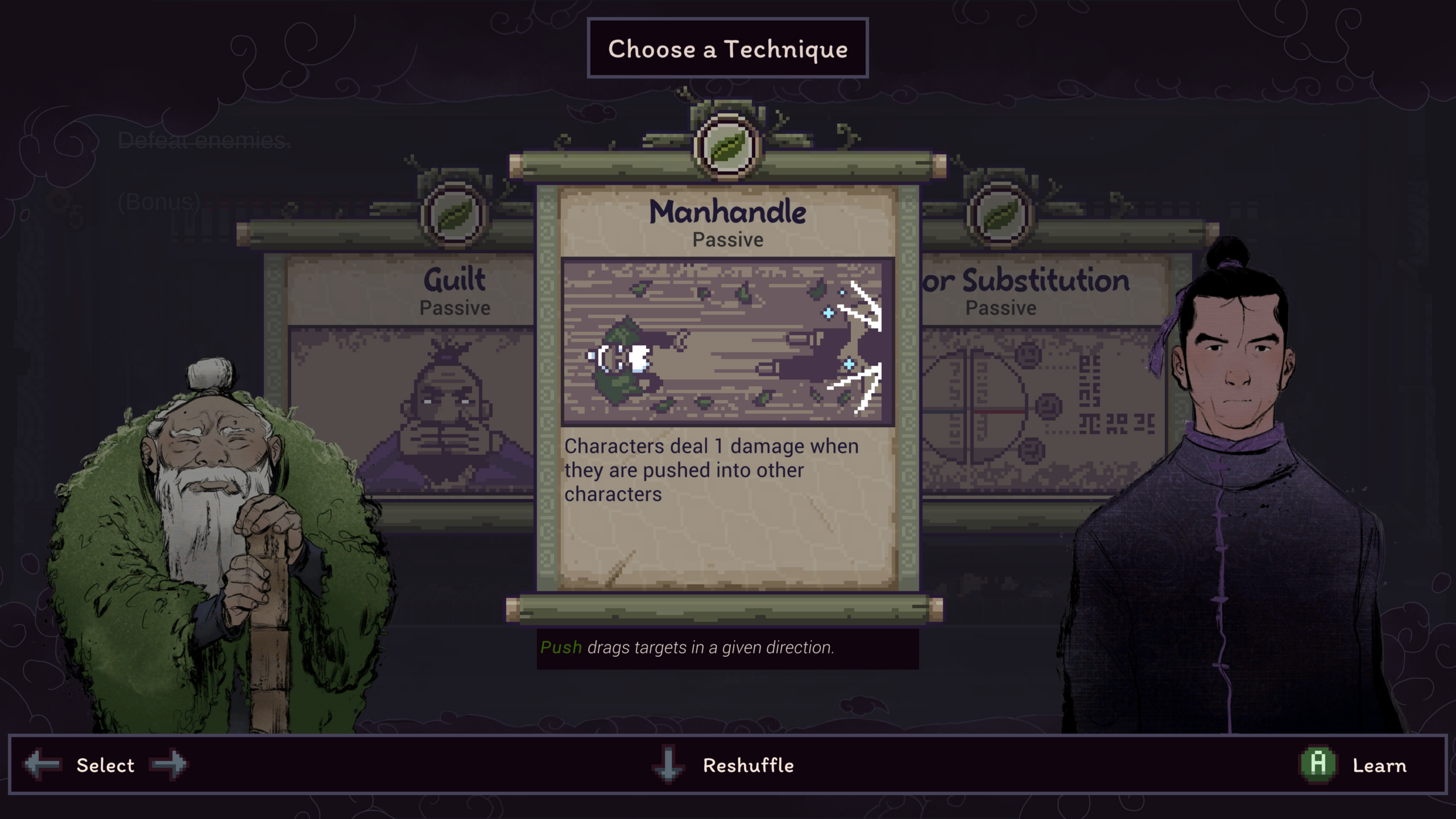
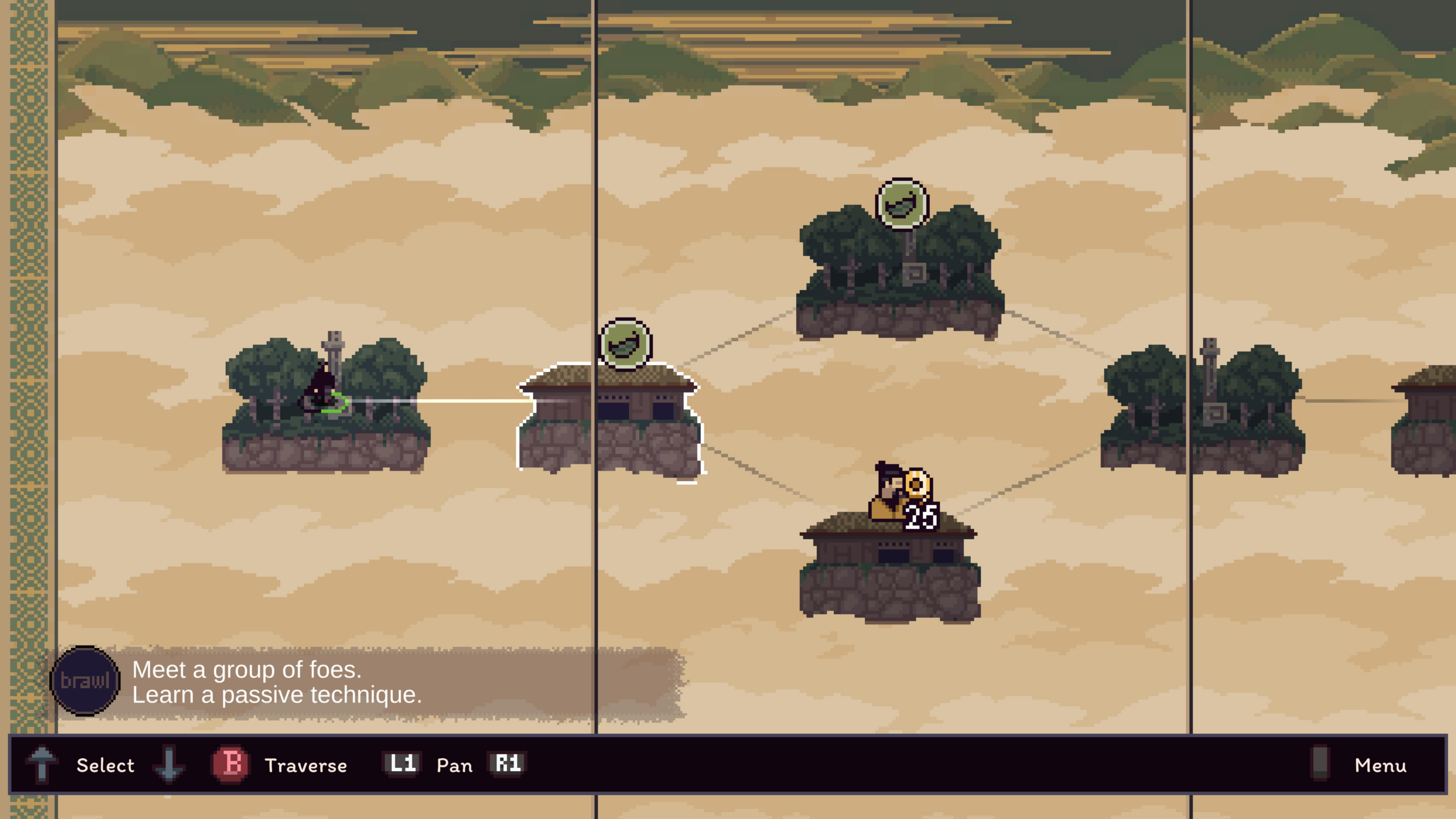
Combat is still challenging, even with the practice option. Most encounters throw multiple enemies at you, each with different behaviors and attacks. Some charge, some hang back and shoot, and some do a little bit of everything. As you progress, you’ll also unlock new techniques and abilities from martial artist masters, and between fights you can pick perks from cards to tweak your strategy. I usually lean offensive, but you can mix and match to find what works best. Getting the timing right and landing combos feels incredibly satisfying once everything clicks.
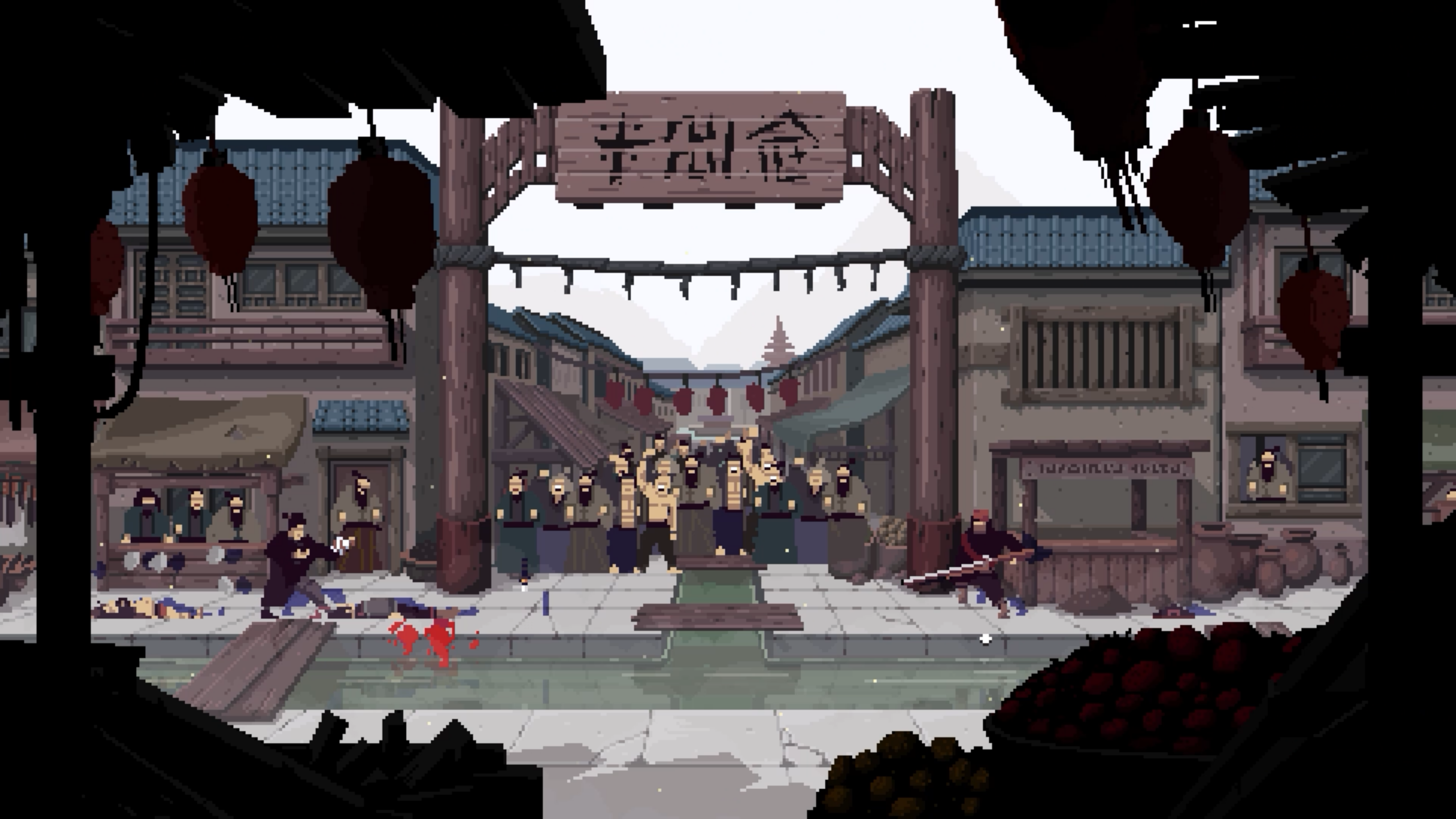
The cards themselves aren’t part of the fights, they’re rewards you get for completing battles. After clearing a fight, you’re presented with three cards, each granting a new technique or a small, permanent boost. You pick one, and it becomes part of your loadout for the next encounter. But if you fail, you restart and lose everything you gained, so foresight and practice really matter.
Forestrike looks and sounds great for what it is. The stylized visuals are smooth and easy to read. Enemies move clearly, and the animations make fights feel lively. The soundtrack is energetic without being annoying, and the sound effects make every hit feel satisfying. It’s simple and fits the martial arts vibe perfectly.
Overall, Forestrike is a fun and satisfying fighting game. The foresight mechanic makes each encounter feel unique, and the combination of practice, strategy, and careful timing keeps the gameplay rewarding. It can be challenging, but in a good way, and experimenting with moves and cards adds a lot of variety. If you enjoy martial arts, or just want to try something a little different on the Switch, Forestrike is definitely worth checking out.
The post Review: Forestrike (Nintendo Switch) appeared first on Pure Nintendo.
 What I like most about Reus 2 is that it doesn’t feel like it’s nagging at you to play it “correctly.” There’s a lot of experimentation, a lot of “oh, that didn’t work at all,” and then going back in with a better plan. It’s not stressful, it’s not fast, and it doesn’t feel like it’s trying to punish you for learning. That makes it really easy to relax with, especially if you’re burned out on games that want you locked in all the time.
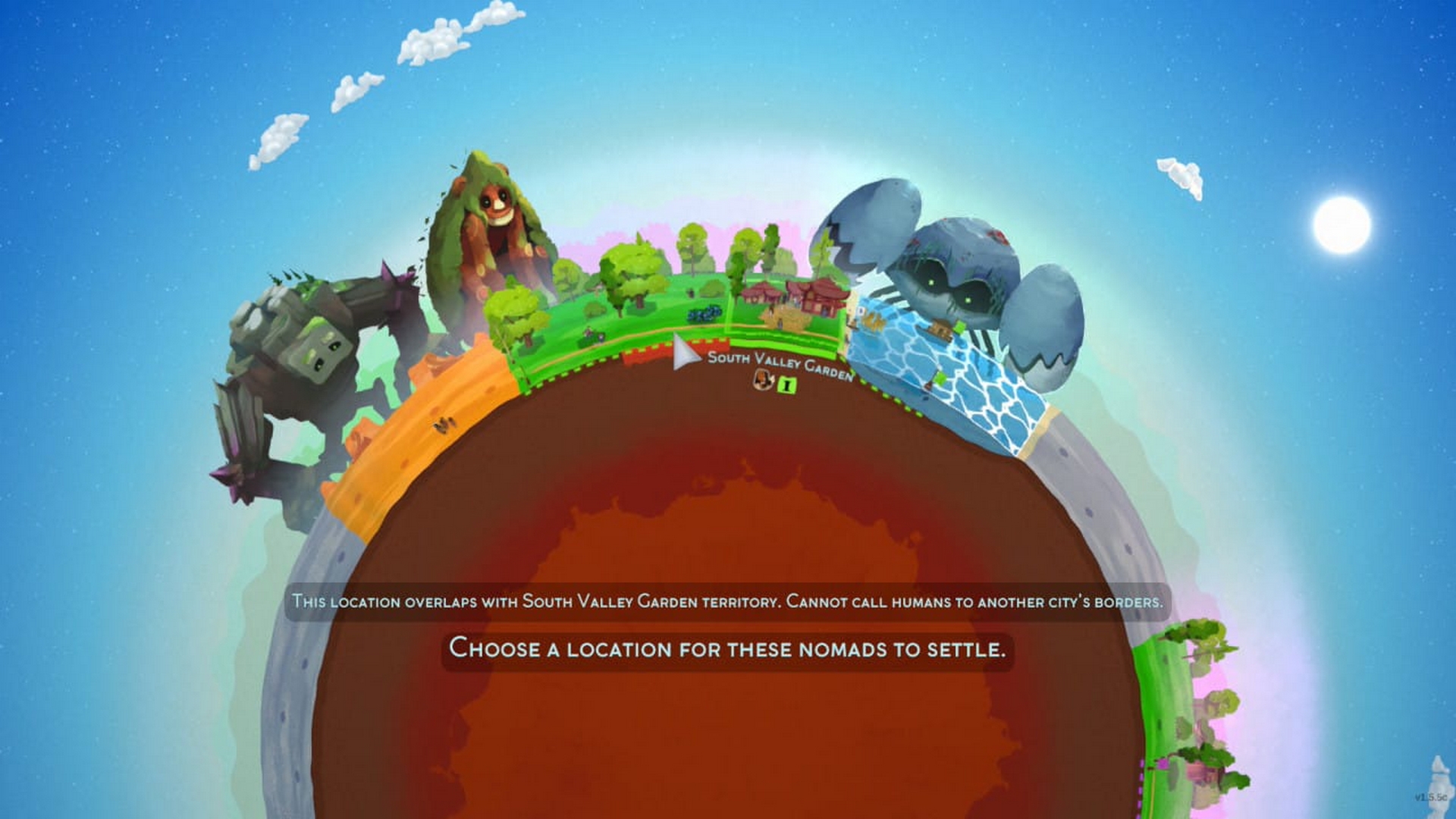 That said, this is definitely a thinking game. You’re not smashing buttons or reacting quickly to anything. You’re placing things, watching patterns form, and slowly understanding how all the systems connect. When it clicks, it feels great. When it doesn’t, it can feel a little confusing because the game doesn’t always explain why something went wrong. You kind of have to piece it together on your own. This was a little frustrating at first and I will admit I did have to look up a tutorial. But once you get the hang of things it’s actually kind of fun.
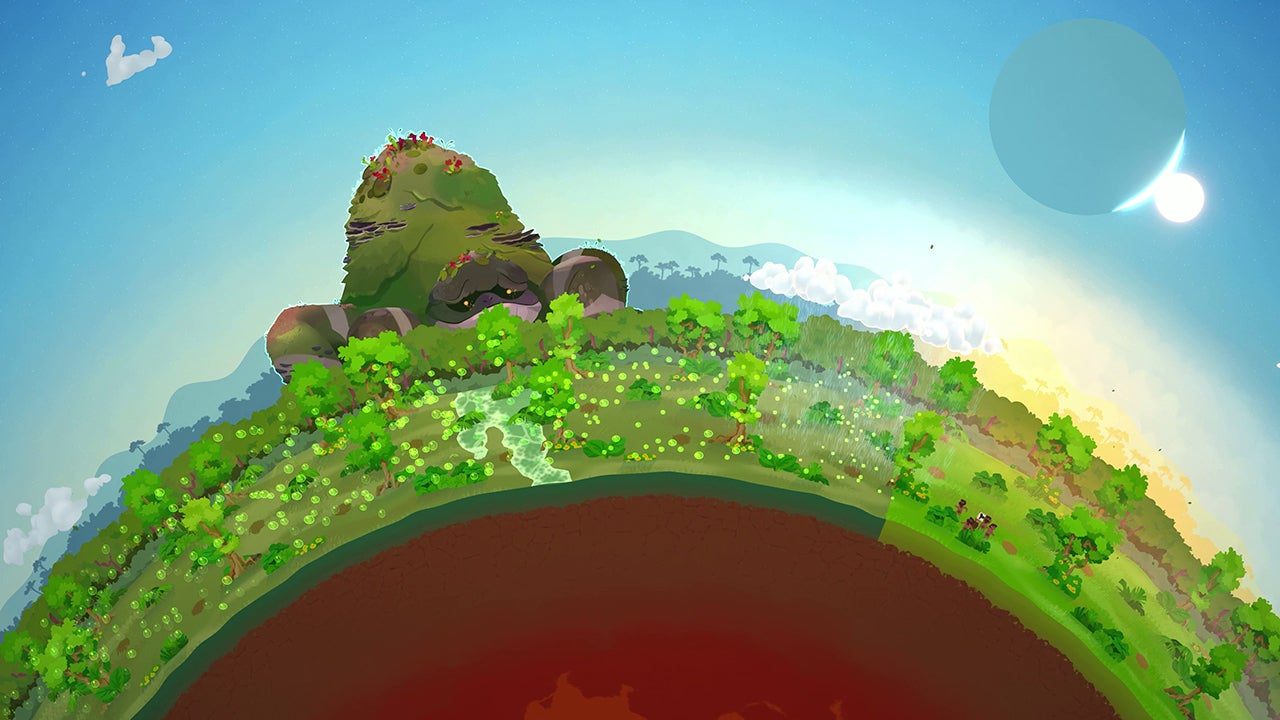
 Visually, I really like it. It’s clean, colorful, and easy to read at a glance, which matters when you’re staring at planets for long stretches of time. The music stays in the background and doesn’t get annoying, which I appreciate, because this is the kind of game where loud or dramatic music would completely kill the vibe.
The controls in the Nintendo Switch version are where I have mixed feelings. The game clearly wasn’t built with a controller as the main focus, and you feel that. Menus can be a bit clunky, text can be smaller than it should be, and sometimes doing something simple takes more steps than it needs to. It’s not unplayable by any means, but there were moments where I thought, “This would be way smoother with a mouse.”
Visually, I really like it. It’s clean, colorful, and easy to read at a glance, which matters when you’re staring at planets for long stretches of time. The music stays in the background and doesn’t get annoying, which I appreciate, because this is the kind of game where loud or dramatic music would completely kill the vibe.
The controls in the Nintendo Switch version are where I have mixed feelings. The game clearly wasn’t built with a controller as the main focus, and you feel that. Menus can be a bit clunky, text can be smaller than it should be, and sometimes doing something simple takes more steps than it needs to. It’s not unplayable by any means, but there were moments where I thought, “This would be way smoother with a mouse.”
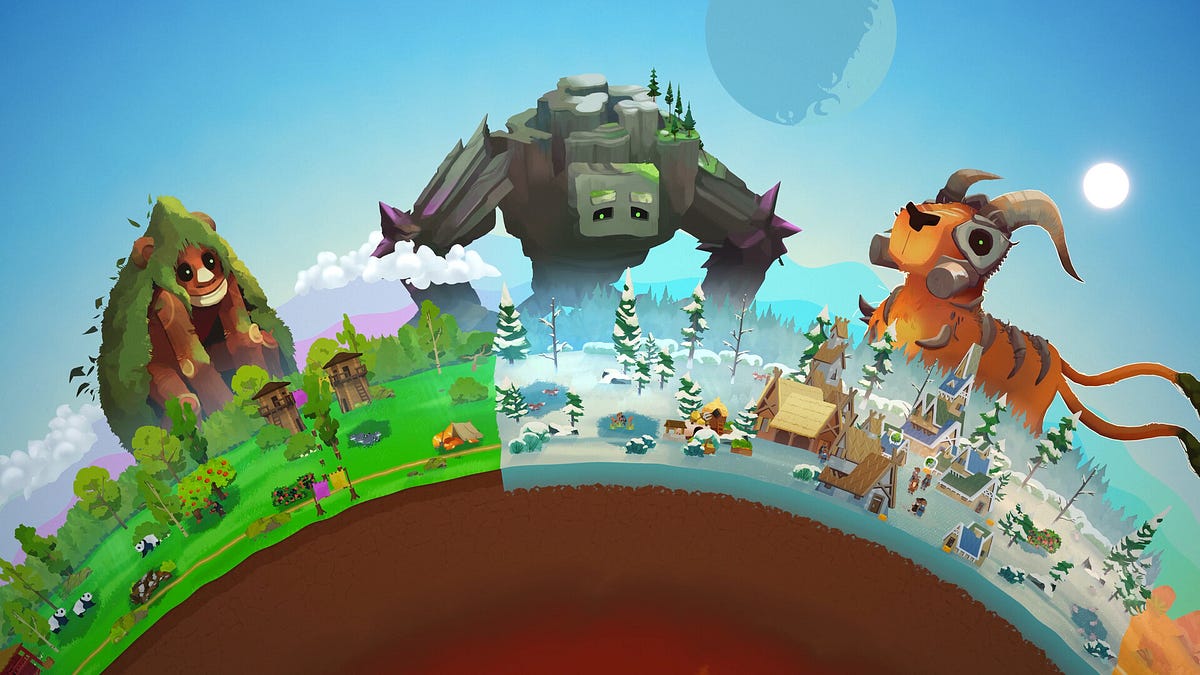 I also wouldn’t recommend this to someone who wants action or instant gratification. If you need explosions, combat, or constant feedback, this probably isn’t going to hold your attention. Reus 2 is slow on purpose, and that’s either going to be exactly what you want or something you bounce off of pretty quickly.
For me, though, it worked. I like games that let me think, mess up, and try again without acting like I failed some kind of skill test. Reus 2 feels more like tending to something than beating it, and that’s not something you see a lot of anymore.
I also wouldn’t recommend this to someone who wants action or instant gratification. If you need explosions, combat, or constant feedback, this probably isn’t going to hold your attention. Reus 2 is slow on purpose, and that’s either going to be exactly what you want or something you bounce off of pretty quickly.
For me, though, it worked. I like games that let me think, mess up, and try again without acting like I failed some kind of skill test. Reus 2 feels more like tending to something than beating it, and that’s not something you see a lot of anymore.
 It’s not perfect on Switch, and I won’t pretend the controls didn’t annoy me at times. But if you’re into chill strategy games, god/sandbox-style games, or anything where watching systems interact and grow is half the fun, Reus 2 is worth your time. Just go into it knowing it’s more about patience and curiosity than excitement.