REVIEW / Demonschool (Switch)
That VideoGame Blog
REVIEW / Demonschool (Switch)
I remember attending an event in 2023 where I played a short demo for Demonschool.
The post REVIEW / Demonschool (Switch) appeared first on That VideoGame Blog.

That VideoGame Blog
REVIEW / Demonschool (Switch)
I remember attending an event in 2023 where I played a short demo for Demonschool.
The post REVIEW / Demonschool (Switch) appeared first on That VideoGame Blog.
Every Wednesday, dive into the Indie Select Hub — your gateway to a fresh, curated indie collection plus four themed spotlights that rotate weekly! You can always find this collection hub in the Xbox Store and on Xbox.com/IndieSelects.
Our goal for 2026? Make it the best year yet for Indie Selects! Late November and early December indie releases often fly under the radar, so this month we’re giving them the spotlight they deserve. Our collection is stacked: a stylish tactics RPG, a challenging roguelite creature collector, a retro-inspired metroidvania with modern twists, a gripping text-based political sim, a mind-bending 47-minute time loop adventure, and yes—the psychic-powered baby simulator you never knew you needed. Here’s what we’ve got for you this month (in no particular order):

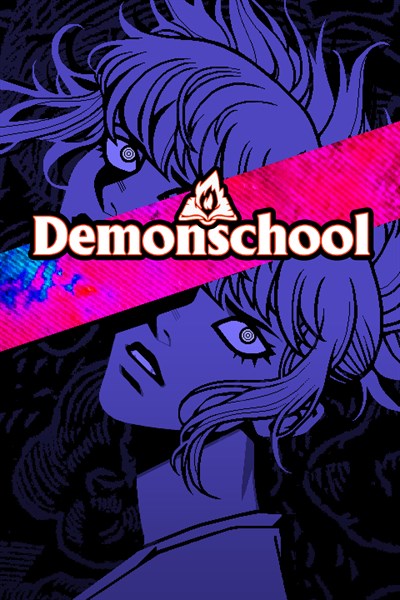
Demonschool is a joyride of a tactical RPG that follows the charismatic demon hunter Faye, on an apocalypse-preventing quest filled with gangsters, quirky teachers, classmates, and, well… demons. Players are tasked with exploring a mysterious island and college campus through various missions and minigames, managing relationships and school schedules, discovering new skills, and constantly fighting waves of enemies. While all of it was fun, I think the combat captivated me the most! It features a two-phase turn-based structure that leverages action sequencing in a way that feels like solving choreography puzzles. Each character has different abilities, and if moved to the right space and triggered in the right order, you can maximize damage during the action phase. This carries a similar depth and level of player expression to that found in its peers, but its unique presentation enhances the satisfaction when successful. Paired with various enemy types, a mission rank system, and a forgiving rewind feature, the experience felt exciting, challenging, rewarding, and approachable.
Aside from combat, I was delighted by the detail shown through interactivity and easter eggs within each environment. Pet the dog and it might give you something. Throw a coin in a fountain. Talk to an NPC at the docks and learn how their great-grandpappy died as a demon-hunting fisherman. I found myself interacting with everything I could to find another mini-game or read another hilarious one-liner, like the kid who claimed they “marked their seat” during orientation. As a gamer who doesn’t normally play RPGs, I ironically found myself glued to this. The soundtrack is FIRE, the modern-retro aesthetic is beautifully designed, and the storytelling through its varied character personalities and charm kept things fresh and entertaining.
– Deron Mann
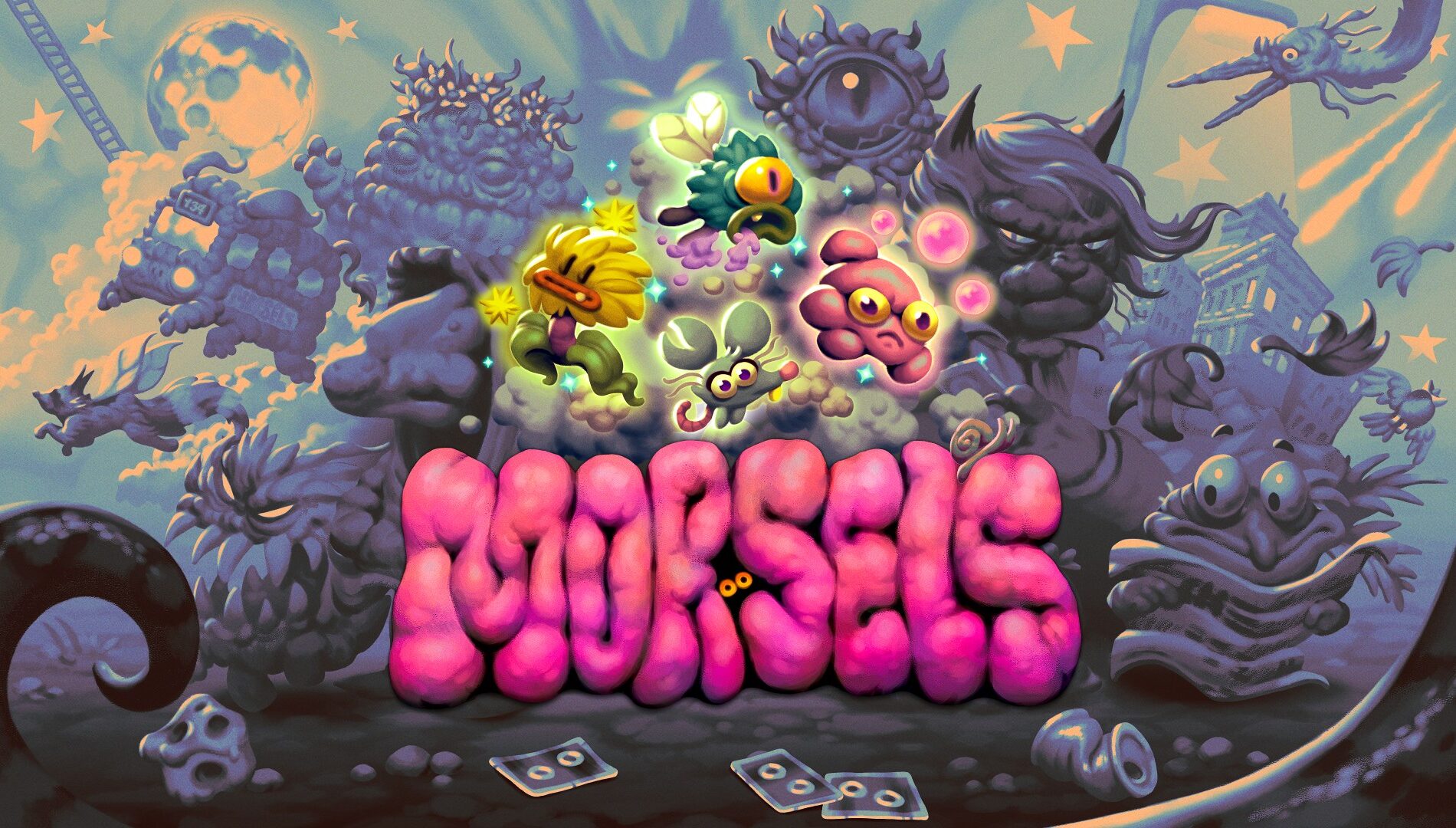
My first few runs in Morsels taught me an important lesson: getting too attached is a fast track back to the start screen. Developed by Furcula and published by Annapurna Interactive, Morsels is a roguelike action game that rewards flexibility, experimentation, and the ability to admit when your current plan isn’t working. Rather than committing to a single character, players collect multiple “Morsels,” each with its own abilities and combat style. I quickly realized that success depended less on picking the “best” creature and more on knowing when to switch. Stubbornness, it turns out, is not a viable strategy.
The game follows familiar roguelike conventions, including procedurally generated rooms, escalating difficulty, and persistent progression between runs. What helps Morsels stand out is its intentionally strange visual style. Creature designs are unsettling in the best way, and the gritty environments feel like they were designed to keep you slightly on edge—just in case the enemies weren’t already doing that. Progression is driven by unlocking new Morsels and card-based modifiers. Some of these systems took a few runs to click, but experimenting with different combinations often led to those satisfying moments where things suddenly start going your way—right before they don’t.
Morsels doesn’t reinvent the roguelike genre, but its focus on adaptability gives it a clear personality. For Xbox players who enjoy learning through trial, error, and the occasional laugh at their own expense, it’s an engaging and memorable experience.
– Steven Allen

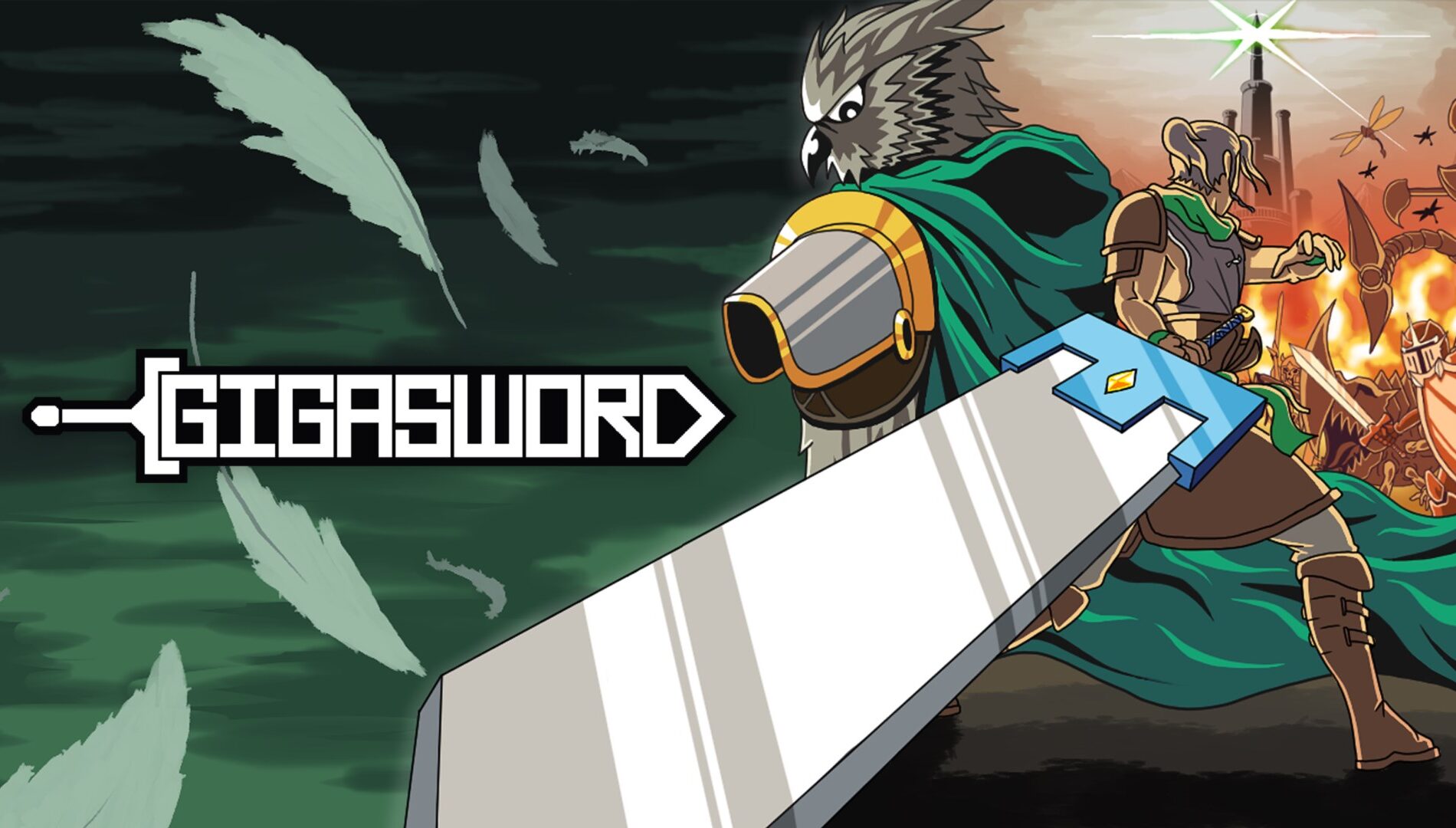
Let’s be honest: hauling around a giant sword is about as impractical as it gets for an adventurer—especially when vertical traversal is involved. I could write a hundred-page thesis on why that’s absurd, but honestly, GigaSword says it all. This action-puzzle Metroidvania from single-developer-led Studio Hybrid, feels like it leapt straight out of an NES classic collection, challenging your combat and strategy skills while confronting the harsh reality of our childhood dream: “the biggest sword ever.” Spoiler alert: swords are heavy, and you’re nowhere near as agile as Cloud Strife led you to believe.
Once you dive in, you’ll quickly realize the GigaSword’s weight is both a blessing and a curse. Combat feels straightforward yet fair—every swing is deliberate, and that extra wind-up means you’ll need to time attacks carefully or risk eating damage mid-swing. Things escalate when you face massive bosses that demand pattern recognition and precision.
But the sword isn’t just for fighting—it’s central to the game’s clever environmental puzzles. Detaching from it becomes essential as you navigate obstacles, using its heft to trigger pressure plates or even as a makeshift lever to shift platforms. The vibe? Think Castlevania II: Simon’s Quest meets the inventive puzzle mechanics of Legend of Zelda.
The game doesn’t pull its punches when it comes to its stiff combat, but unlike its NES predecessors, you’ve got save points to preserve your sanity. The sword’s weight constantly reminds you that speedrunning isn’t an option—but then come those moments when you tackle an entire dungeon without the blade, introducing a whole new layer of challenge. If you’re a fan of intricate puzzle platformers like Animal Well, this is a distinctive experience worth adding to your collection.
– Raymond Estrada
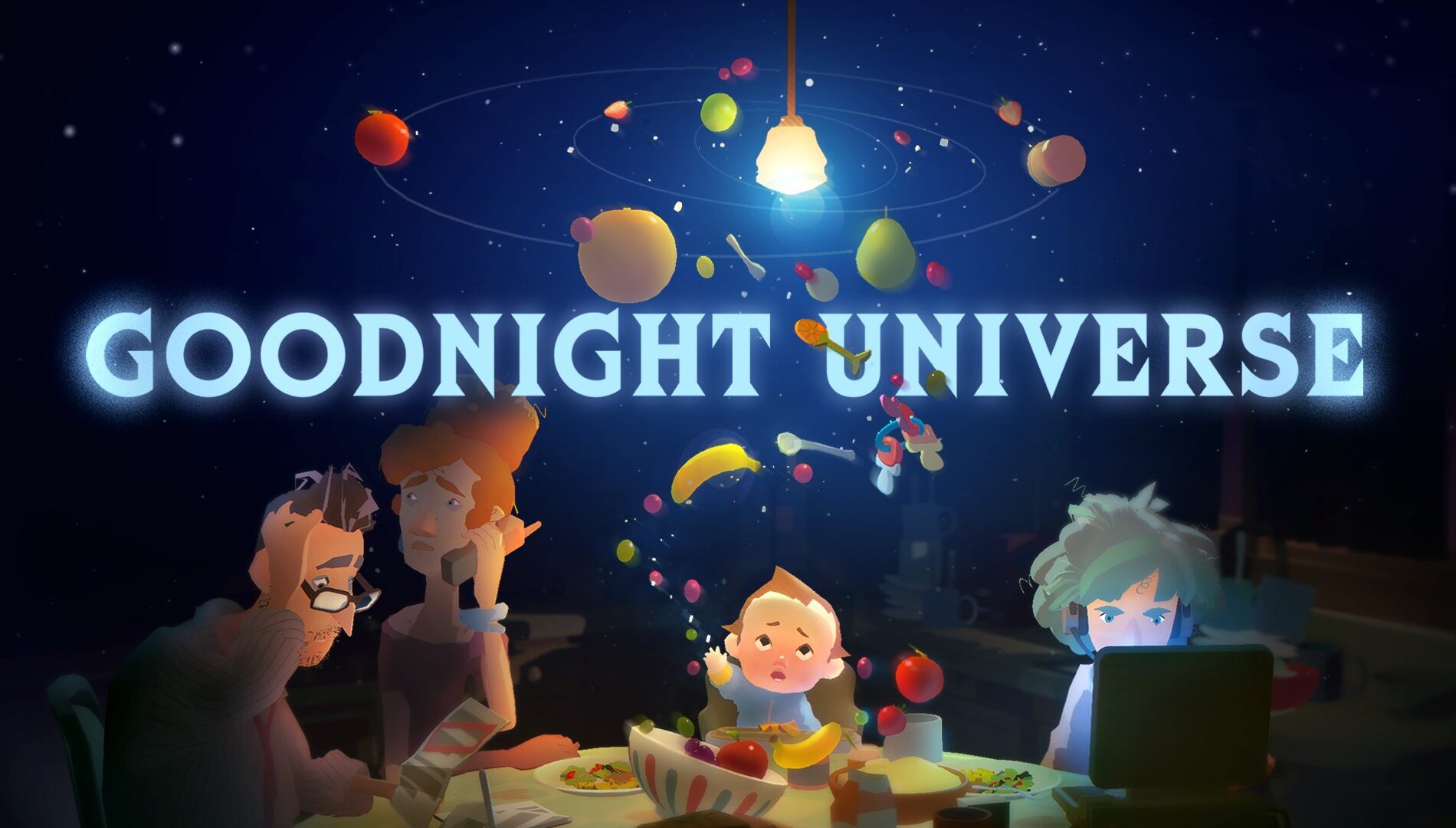
Oh baby! What a game! Not enough people are talking about this one. Goodnight Universe is not a baby sim… it’s a supernaturally gifted baby sim. You take on the role and perspective of Isaac who’s a smart, keenly aware, and capable infant, able to tackle surprisingly complex problems. That and the telekinesis ability, of which an evil corporation is very aware and want to use for their own purposes.
Before we even touch gameplay, the voice acting and writing are superb and captivating. The narrator connects with the player as we both witness so many performances between fully fleshed out characters highlighting their family dynamics, their struggles, and their successes. The writing is heartwarming and fun, exploring themes of the messiness of domestic life and what it means to be human. The overall narrative is, for me, the highlight of the game.
Gameplay starts out simple, seen through the baby’s eyes in first person. You click on objects for narration or interaction, but once powers kick in, that’s when things get interesting. You will be able to move objects with your mind or even dive into someone’s thoughts. As the game progresses, you unlock new powers and tackle sequences where you must use your powers at the right time.
The console version lacks the eye-tracking feature Nice Dream introduced in Before Your Eyes. I tested it on Steam, and while the mechanic adds an intimate twist to the first-person experience, albeit with occasional awkwardness, it isn’t essential here. Unlike Before Your Eyes, skipping it doesn’t compromise the core gameplay. The game took me about 4-5 hours to complete and I can’t recommend this enough, especially for anyone that loves unique, narrative-driven games… and babies. Gamer dad approved.
– Raymond Estrada
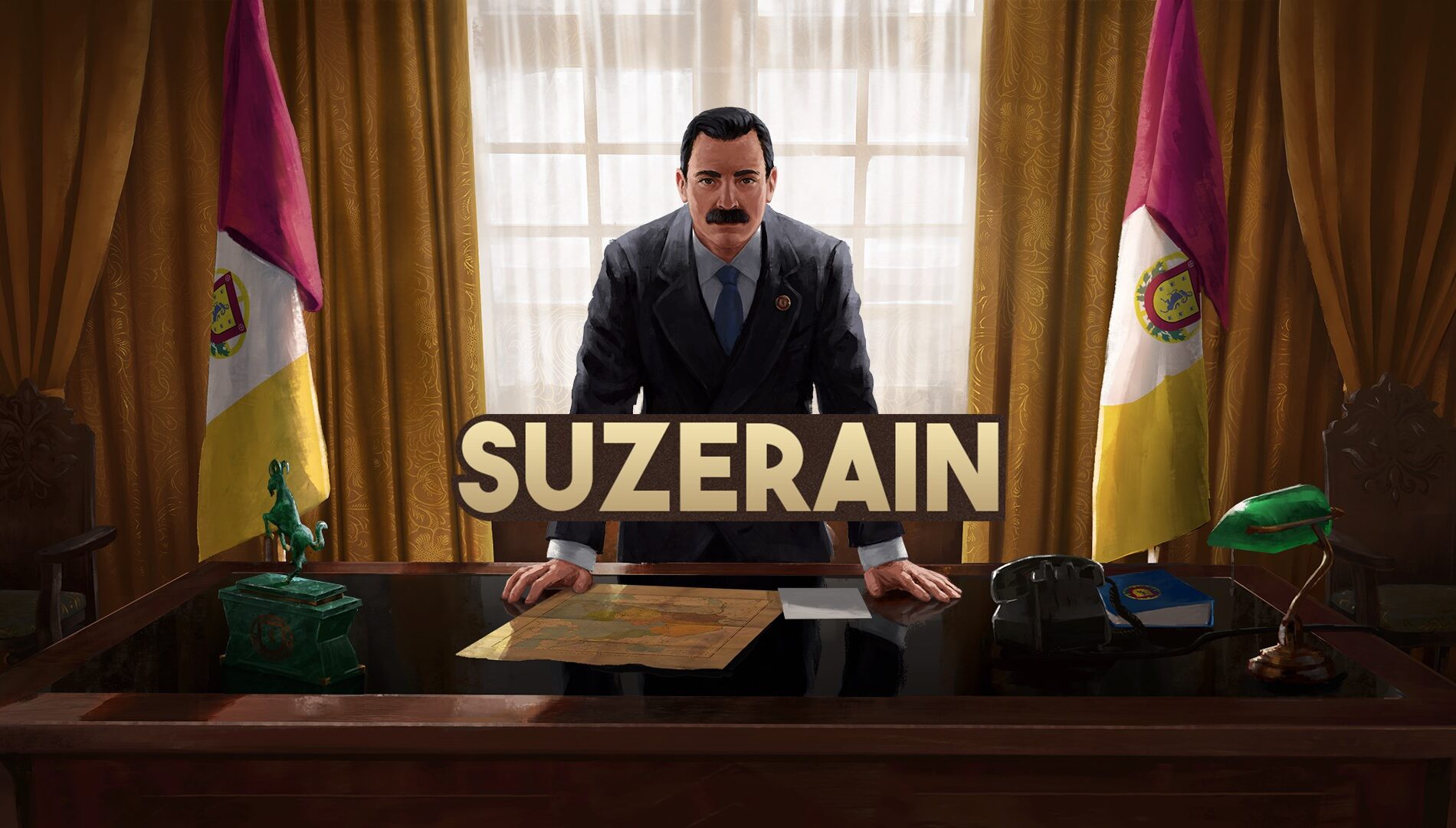
Suzerain is a critically acclaimed, narrative-driven government simulator that’s far more addictive than its niche genre suggests. At 11 p.m., I reminded myself that I was only supposed to play for a few hours. Think of it as a choose-your-own-adventure where you’re the newly elected president of a fictional nation, tasked with shaping its future. Will you lead with integrity and build a brighter tomorrow or plunge into corruption, spark wars, and line your own pockets? The choice is yours.
This is a text-based adventure, so expect plenty of reading as events unfold and characters speak, followed by dialogue choices that shape your path. But it’s not all dry policy. Beyond signing bills or reviewing economic reports, you’ll navigate scandals, shady deals, and moral dilemmas. The intro alone lays out 50 years of rich lore for your homeland, and once I got into it, it felt like reading a truly great novel. Thankfully, the writing, presentation, and UI are top-notch. Otherwise, I honestly haven’t read this much since my deep dive into Blue Prince.
Suzerain’s greatest strength is its replayability. The depth of the characters around me and detailed lore make every choice impactful, with each decision reshaping the course of my presidency. My first run focused on economic and social reforms that aligned with my actual ideology, but in this new run I’m currently going full corrupt leader, bribing my way through scandals and taking every unsavory side-deal that comes my way. With a 6-to-7-hour campaign, multiple playthroughs can easily triple your time. If you love strategic decision-making without twitch reflexes, this is for you—board gamers, I’m talking to you!
– Raymond Estrada
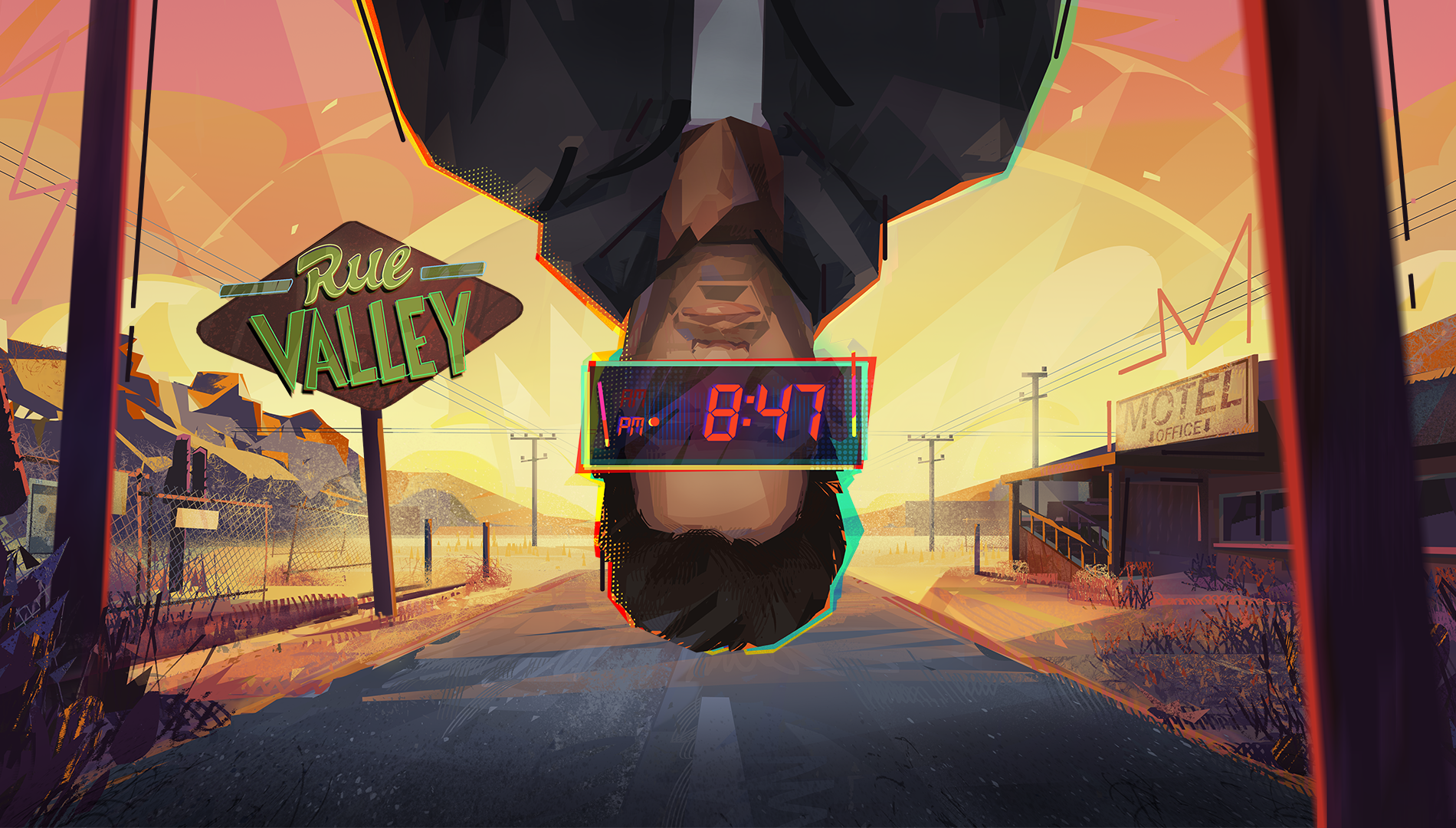
Rue Valley is a cozy, narrative driven mystery adventure with a dash of life sim flavor—think gentle exploration, quirky character encounters, and environmental puzzles tucked into every corner. It’s a kind of small-town mystery sitting somewhere between Night in the Woods and Oxenfree, but carrying its own soft-spoken charm. You arrive as the town’s newest resident, slowly learning the rhythms, secrets, and oddball personalities that make you feel welcome… and it’s just uncanny enough to keep you leaning in. Oh, and of course you are trapped in a strange time loop that causes you to relive exactly 47 minutes in perpetuity.
I’ve spent countless hours wandering Rue Valley’s winding streets—half exploring, half getting delightfully sidetracked by a neighbor who just had one more story to share. Somewhere between chatting up townsfolk and stitching together the town’s quiet mysteries, the game really pulls you into its world. The characters don’t behave like NPCs waiting to dispense quests; they feel like the familiar faces you always seem to bump into at your favorite café, each with quirks that make the town feel genuinely lived in.
And yes, there’s a learning curve—especially when you’re juggling exploration with dialogue choices—but it’s the kind that feels like easing into a new neighborhood. A little confusing at first, then unexpectedly rewarding once everything clicks into place.
What kept me hooked most was the atmosphere. Rue Valley is the kind of place where you sit down for “just ten minutes” and look up hours later. It’s cozy, a touch mysterious, and always ready with a gentle surprise when you least expect it. If you enjoy narrative adventures, small-town stories, or slow-burn games where the joy comes from noticing the little things—a flickering streetlight, a half-finished sentence, a lingering question—Rue Valley fits beautifully. It’s a world that invites you to slow down and let it reveal itself at its own unhurried pace.
– Jessica Ronnell
Mark your calendars for January 28 and get ready for our big Indie Selects Anniversary Celebration, packed with giveaways, discounts, and plenty of surprises!
The post This Year, We’re Leveling Up with Indie Games: Indie Selects for January appeared first on Xbox Wire.
I had a pretty good college experience overall. I met some great people. Got better on bass. Was introduced to my favorite book. Totally worth the decade of debt. I’m not sure the…survivors of Demonschool will be able to say the same.
This RPG from Ysbryd Games begins with our protagonist, Faye, taking a boat to the remote Hemsk College that even she knows is pretty sketchy. Faye comes from a history of demon hunters, it seems, and there are plenty of demons on this island.
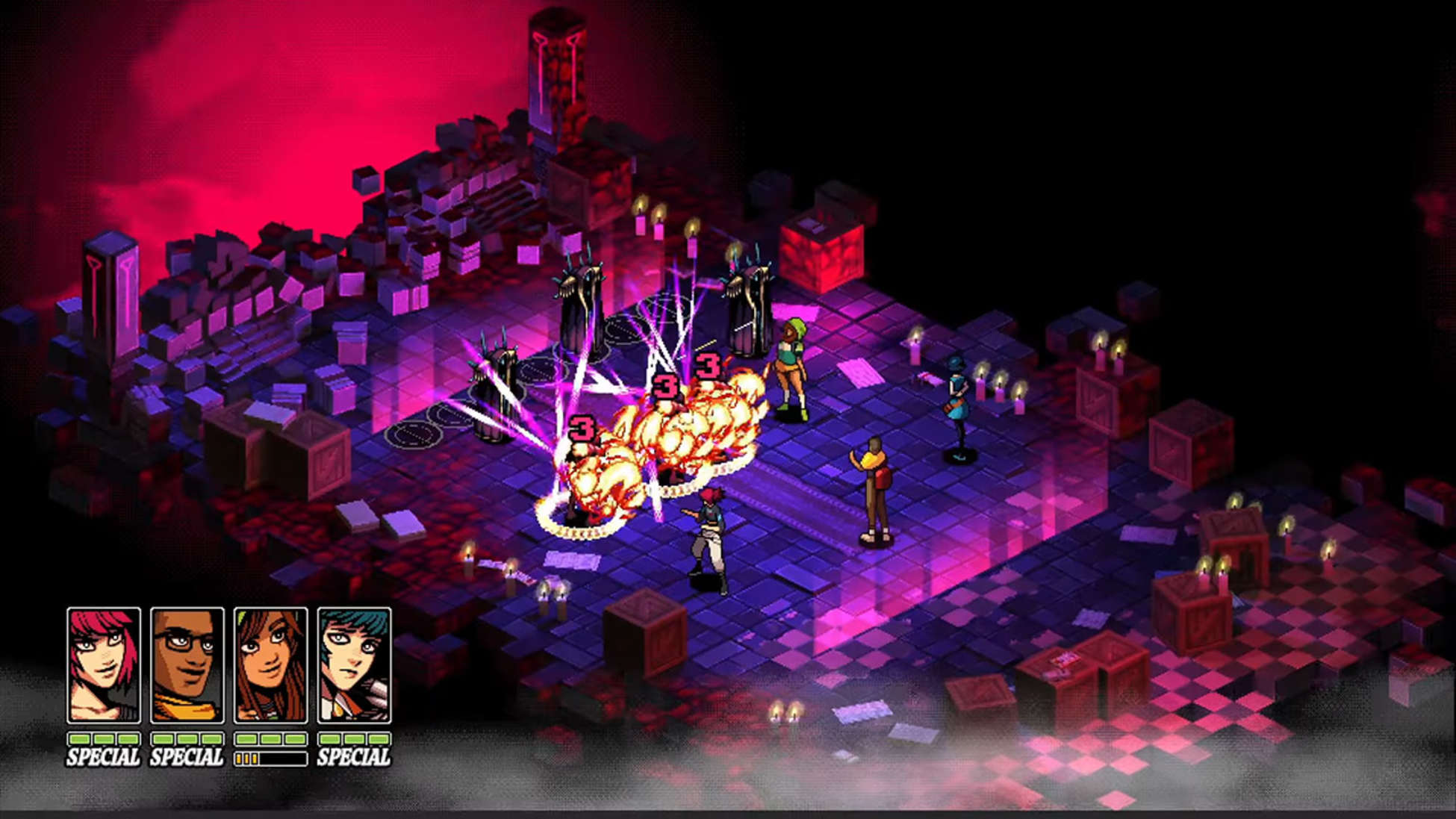
It’s up to Faye to put together a team of fighters to take them out, and she approaches this with the verve of a sorority social chair recruiting pledges.
Her classmates are hesitant to believe her, but we know she’s right. Almost right away, we see a group of students obliterated by demons while their professor nonchalantly records the results and walks away. This is not a good school, but I imagine most aren’t when you have to arrive by boat.
Upon setting foot on the island, Faye and her first reluctant recruit, Namako, are thrust into a tutorial battle.
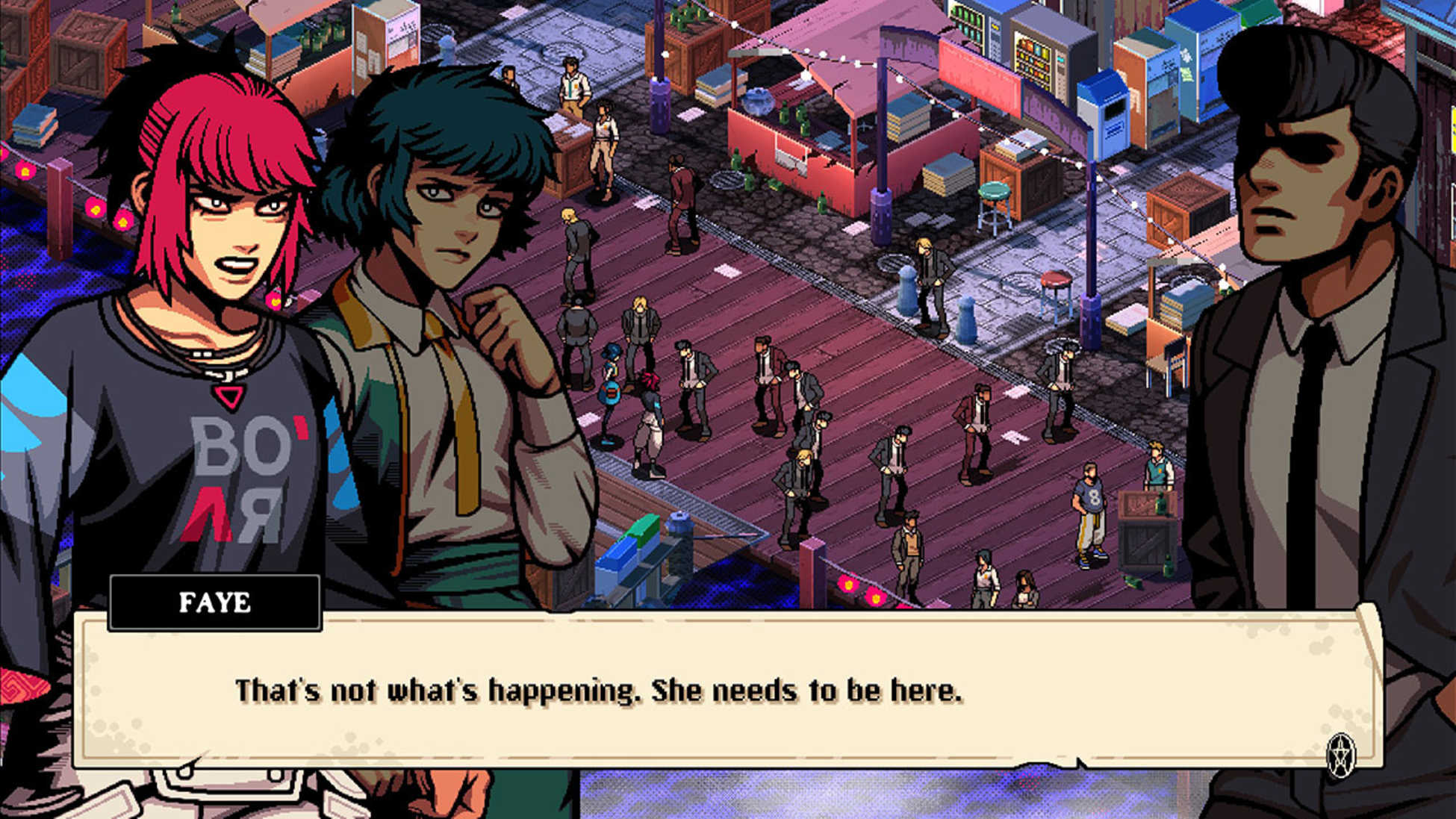
This is where we learn that things are going to be different for the player, too, which I’ll expand upon in a bit. After that battle, we get another one while Faye and Namako are simply trying to check out the social aspects of the college town.
You can see where this is heading; it’s right there in the title, after all. Throughout Demonschool, you’ll be balancing college life with demon hunting in that Persona/Buffyesque manner that continues to work surprisingly well. It’s worn ground, sure, but the developers at Necrosoft Games understood this and played up to it. The writing is sharp and often comical, fully embracing the tropes and influences. We get an interesting (and quite large) cast of characters to follow throughout, and you’ll be able to focus on your favorites if that’s what you choose to do.
Gameplay centers around the turn-based battles on an isometric grid, but they don’t play out in the way you’d expect. They’re more puzzle-centric than tactical. For each, you’ll pick the combatants from your available party members (with Faye always involved), and are then charged with clearing out the grid as quickly as possible. You do so by using your team’s specific skills to create combo attacks—using one member to pull enemies into specific positions, for example, so another member’s line attack can hit them all.
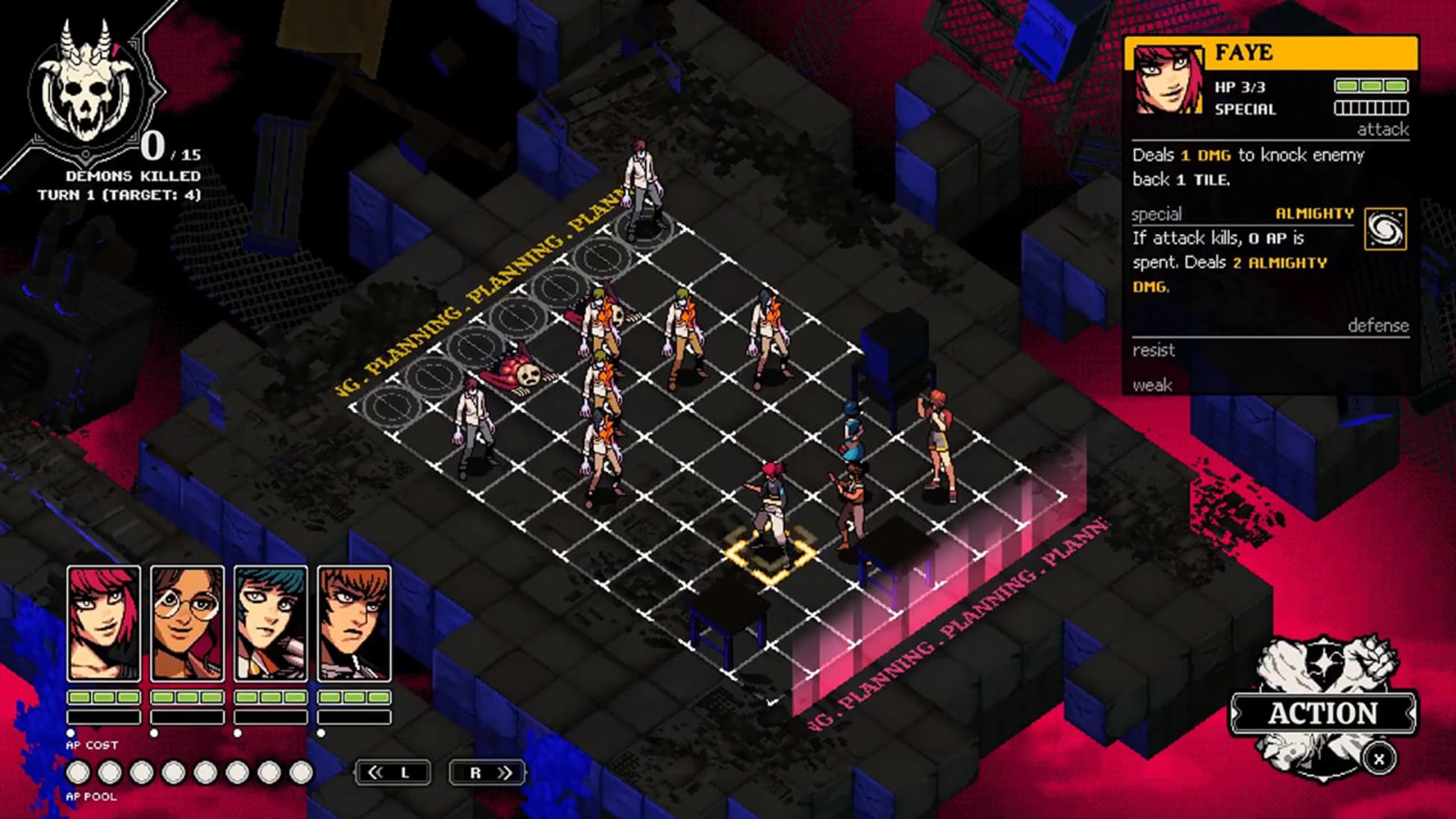
Your team gets a set number of action points to plan your attack, and you have total freedom of whom to move when. The first move of each party member uses one AP. Move that character again, and it’ll take two. With all of the attack types, available buffs, etc., it’s a lot to plan. Thankfully, you get the ability to rewind your moves until you’re happy. Once committed, you get to watch them all play out. Then, it’s the enemy’s turn. The quicker you complete the objective, the better your grade for higher rewards.
As mentioned earlier, this approach feels more like puzzle gameplay than tactical combat. Your goal is less about surviving levels than about completing them efficiently. It’s weird, but it’s a welcome change that distinguishes the game from the countless other turn-based RPGs available to us. It also helps that the combat grids are quite diverse once things really start moving (which they admittedly take a bit too long to do).
Speaking of diversity, Demonschool gives you plenty to do when you’re not confronting demons. Building relationships with classmates improves their combat abilities, and Faye can do so by engaging in social activities such as karaoke or cooking. Choosing the correct dialogue options can help, too, but completing companion sidequests seems to be what matters most…just like in real life.
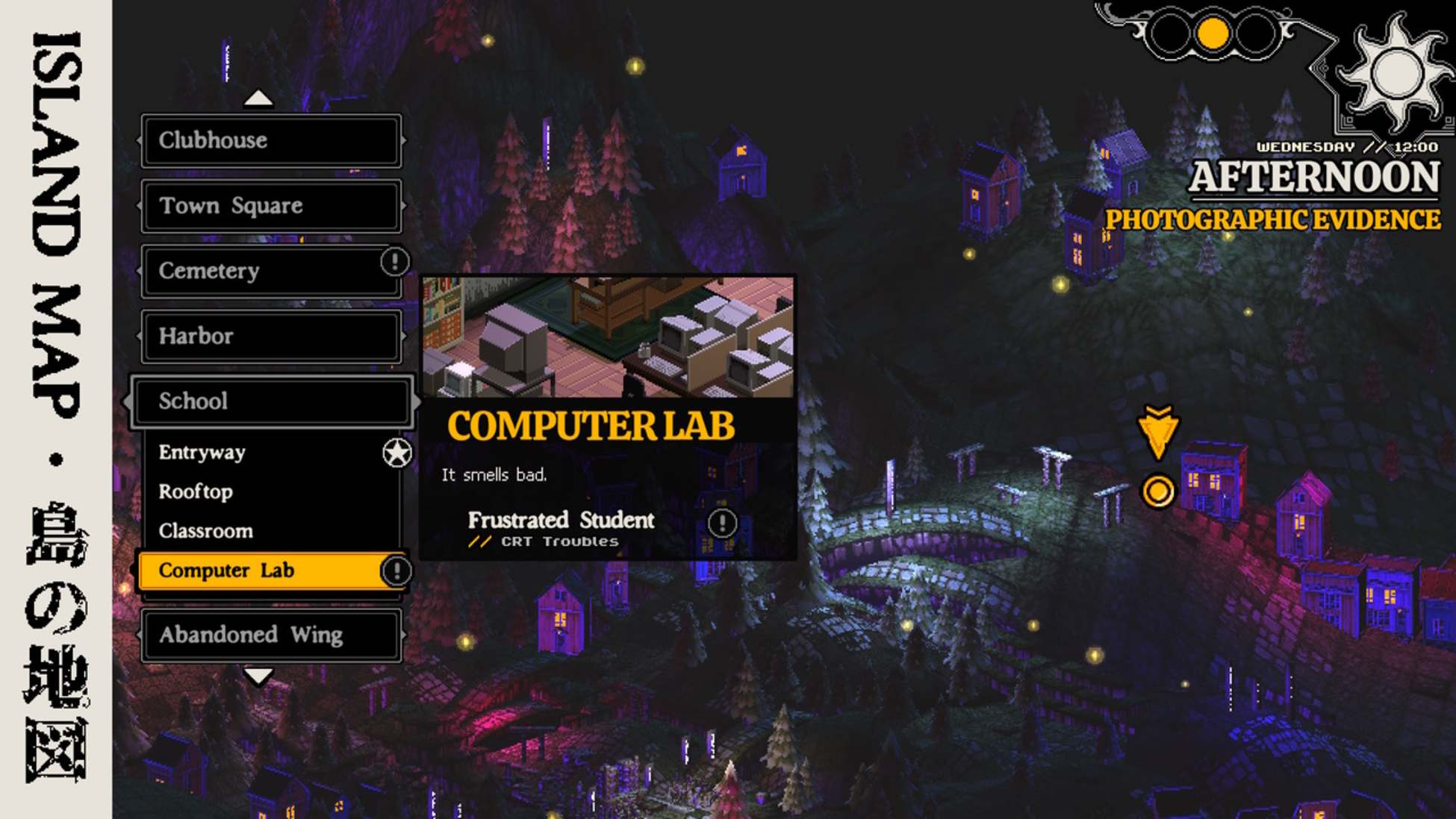
Your social schedule is limited, so prioritizing relationship-building with your key fighters means some will be neglected…again, just like in real life. Unlike in real life, however, you can always go back and play it again.
The retro visuals and upbeat audio cues keep things bright and lively throughout. Demonschool’s content is actually pretty gory, but everything’s presented in a goofy manner that’s hard to take seriously. This would be a detriment if the tonal balance wasn’t handled well, but this game never loses sight of what it is. That’s important, because you could spend upwards of 50 hours on the game if you don’t cut any classes, as it were. The developers’ ability to maintain the pacing throughout is pretty impressive.
As such, it’s easy for me to recommend Demonschool to fans of tactical RPGs and just puzzle games in general. Your time spent tinkering with your party and their abilities isn’t about survival, it’s about efficiency. That and the game’s visual and narrative tones create a unique experience that help it rise above the tropes it honors throughout. Its minimal challenge and lighthearted approach mean it won’t stick with you when you’re done, but you at least won’t be compelled to drop out.
The post Review: Demonschool (Nintendo Switch) appeared first on Pure Nintendo.
November was filled with action-packed experiences, puzzling goodness, dazzling exploration, and more. Did Call of Duty: Black Ops 7, Lumines Arise, or Where Winds Meet, or something else top your most-played lists for the month?
How does it work? At the end of every month, PlayStation Blog will open a poll where you can vote for the best new game released that month. After the polls close we will tally your votes, and announce the winner on our social channels and PlayStation Blog.
What is the voting criteria? That’s up to you! If you were only able to recommend one new release to a friend that month, which would it be? Note: re-released games don’t qualify, but remakes do. We define remakes as ambitious, larger-scale rebuilds such as Resident Evil 4 (2023) and Final Fantasy VII Remake.
How are nominees decided? The PlayStation Blog editorial team will gather a list of that month’s most noteworthy releases and use it to seed the poll.