Kinetic Games has been hard at work bringing Phasm0phobia up to the high standard of quality they want the game to have. Now they’ve taken another big step by updating the first map they created for the game.
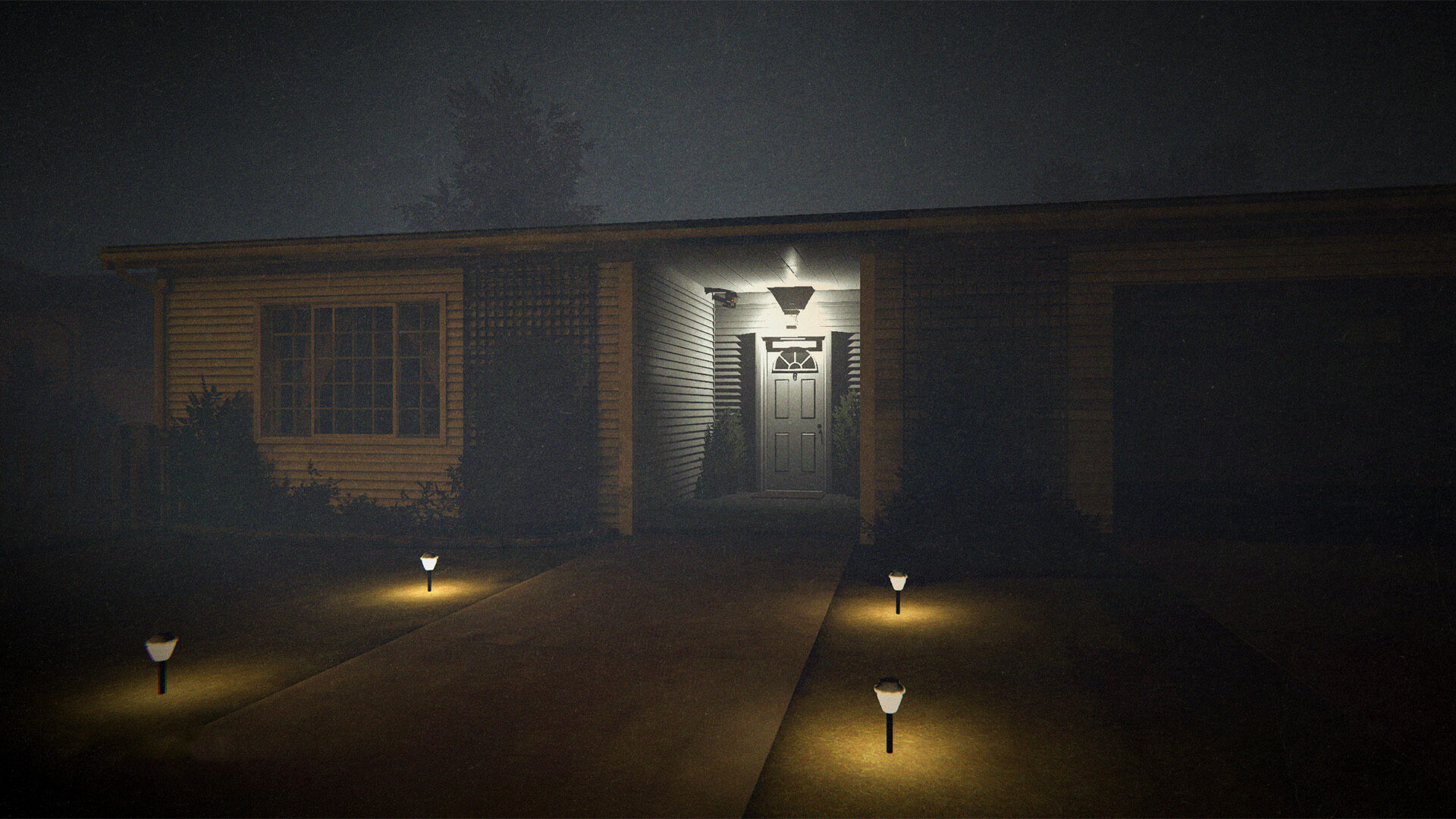
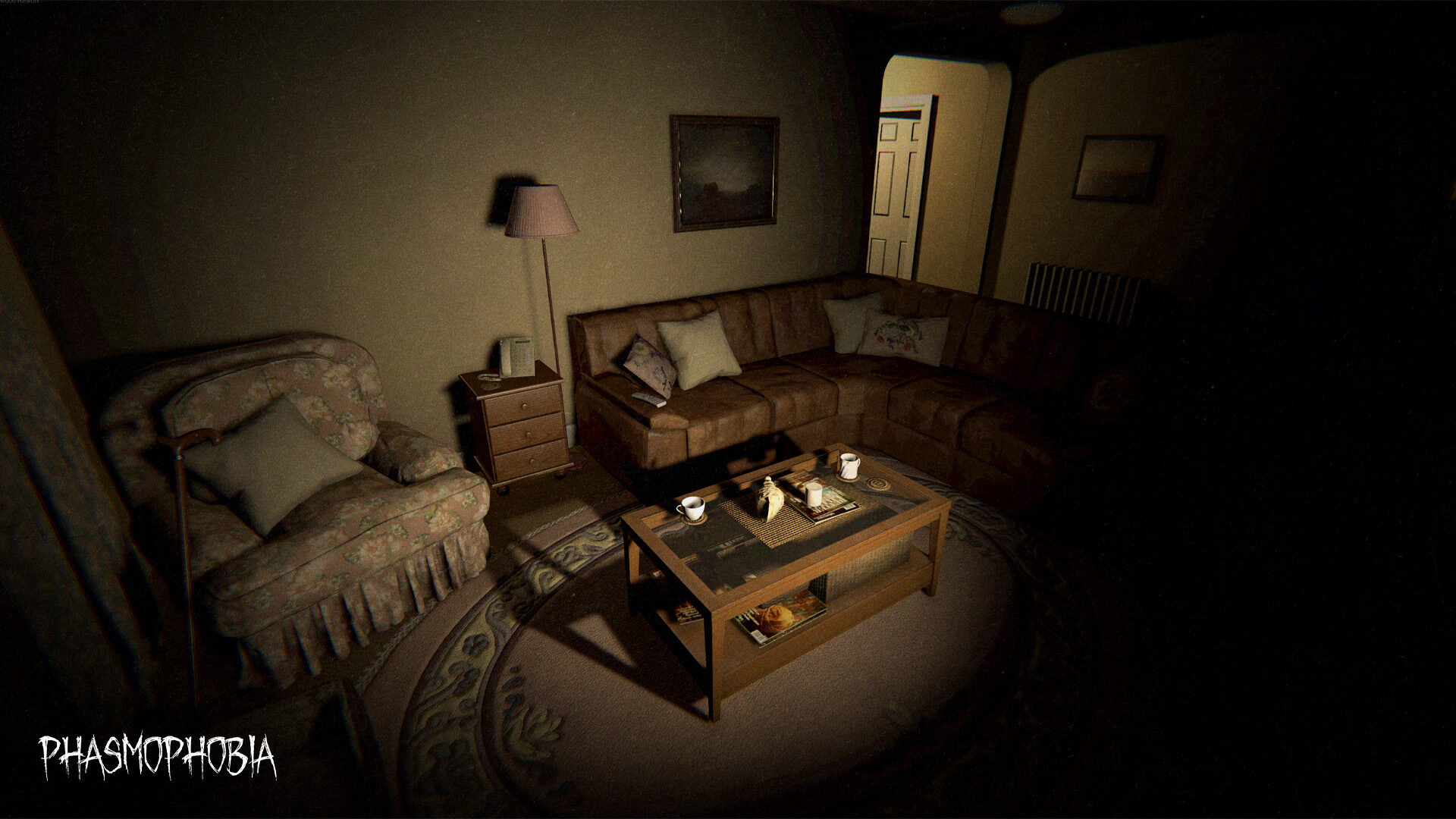
Announced today, fan favourite 6 Tanglewood Drive will receive a massive overhaul in the same vein as the Grafton and Bleasdale farmhouses. The updated map will be available on March 3rd, 2026 and is meant to increase the quality, interactivity, and replayability of the well-loved location. The updated Tanglewood will feature brand-new ghost interactions within the map and a new surprise in the basement.
Kinetic Games will keep this structure and much of the original feel when refreshing the design. “The last thing we want to do is remove the magic that players already experience in the game. We understand that Tanglewood is a fan favourite and it’s many of ours too,” said Art Director at Kinetic Games Corey Dixon.”
He continued, “The aim of the Tanglewood rework is to raise the map to the same level as the newer locations, and make Phasmophobia the game we’ve always wanted it to be. We’re so lucky to have such a dedicated fanbase, and we’re always conscious of how it could affect our veteran ghost hunters.”
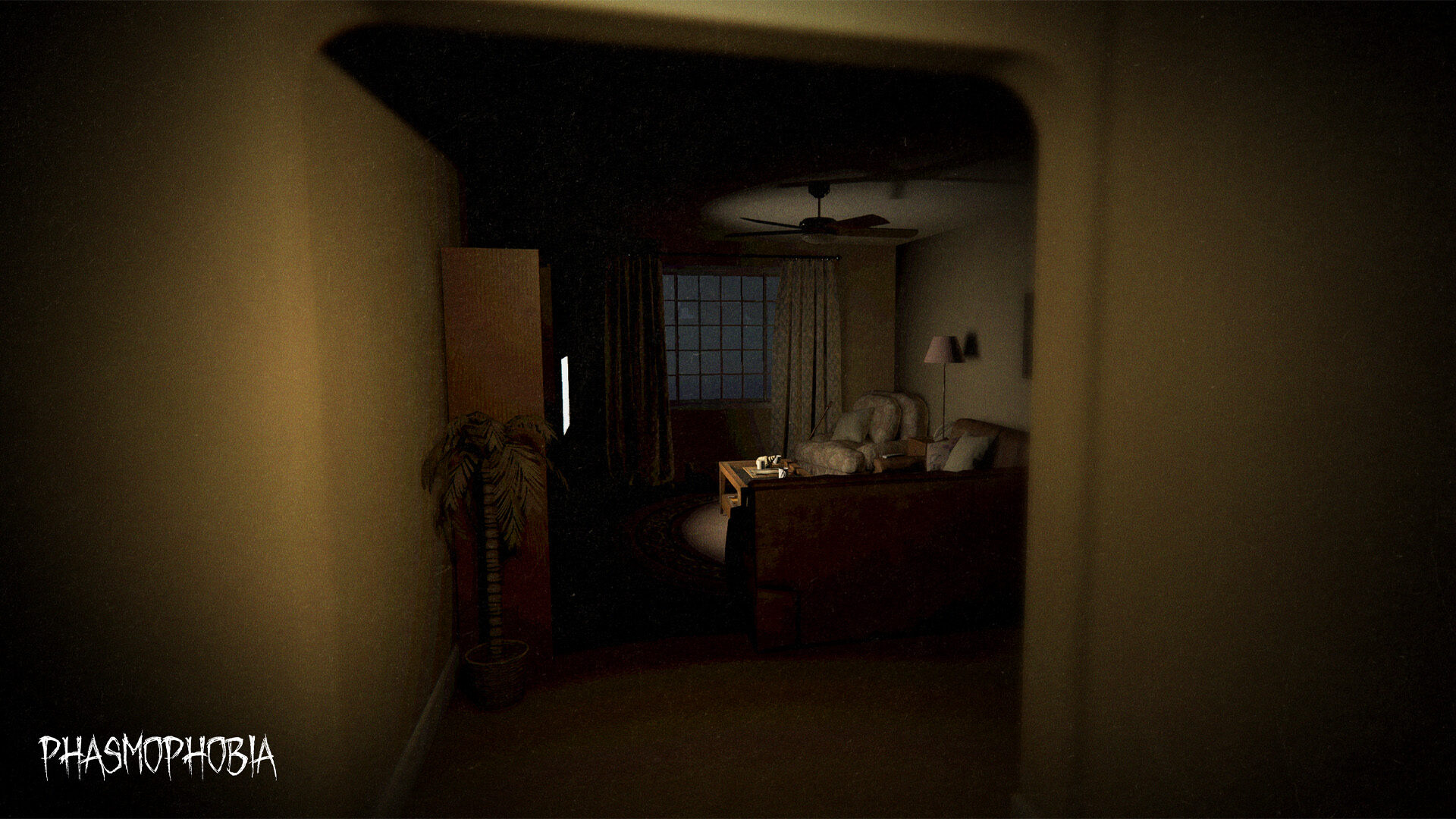
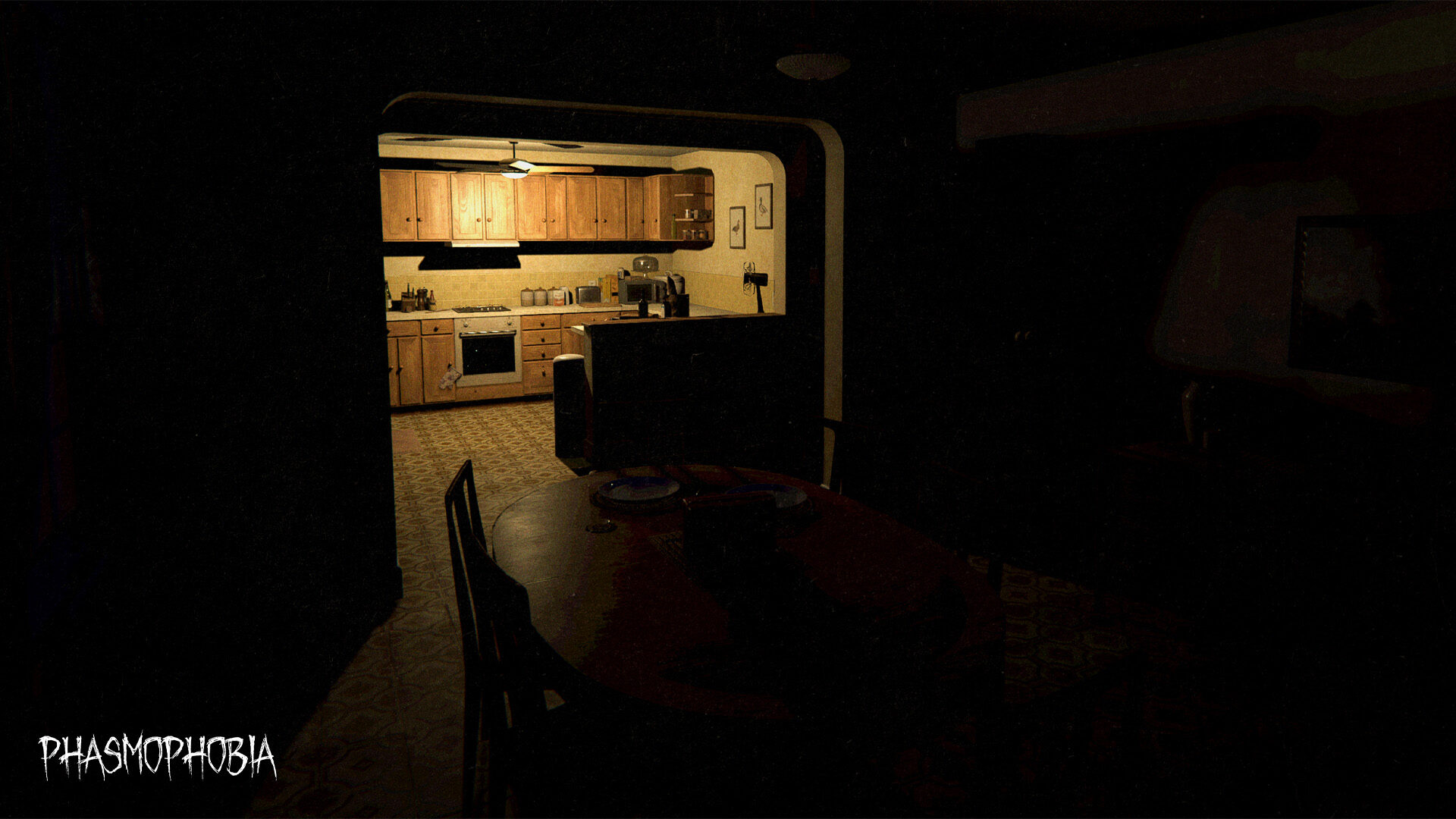
Considered by many to be a beginner’s map—in fact, the original tutorial for the game was set in this house—Tanglewood is a smaller location, consisting of a single-floor house with two bedrooms, a hobby room, two toilets, a garage, a basement, and a living room, kitchen, and dining room. Following the Phasmophobia 2026 Roadmap, the next map planned for a revamp will be 13 Willow Street—another beloved location by fans.
The 6 Tanglewood Drive map rework is a free update that will be available for Phasmophobia on all platforms. Phasmophobia is available in Early Access on PC via Steam, PS5, PS VR2, and Xbox Series X|S, and coming soon to the Nintendo Switch 2.
On December 4th, 2025, CGM’s Dayna Eileen messaged me, completely unprompted: “You should rank the Zelda games.” Being on the cusp of The Legend of Zelda’s 40th anniversary, it seemed like a worthy challenge. A challenge that would require wisdom, power and of course, courage to complete.
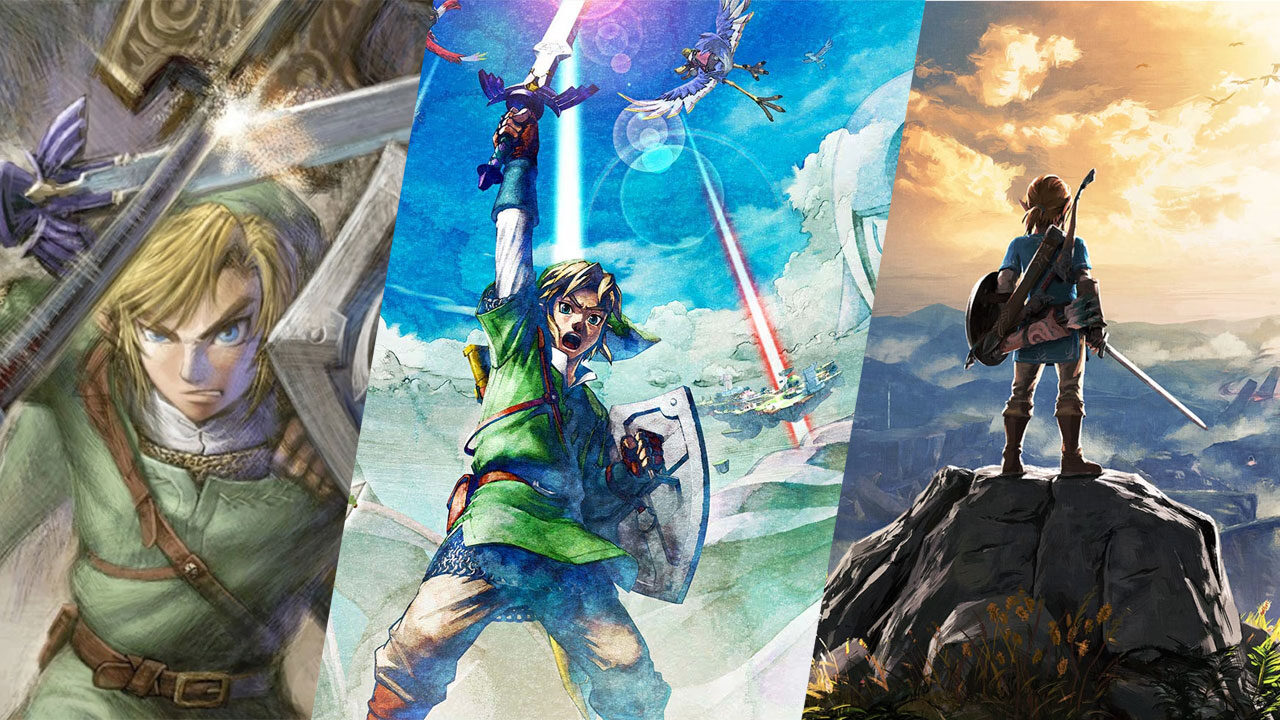
I’ve loved The Legend of Zelda series since I first played Link’s Awakening DX back in 1998, and I’ve definitely developed some strong opinions about it as I’ve gotten older. So now, as we celebrate The Legend of Zelda’s 40th anniversary, here is my humble opinion on how the series stacks from worst to best.
Much like with my Comprehensive Ranking of the Metroid Series, the focus of this list will be primarily on the “mainline” Zelda games; however, I would be remiss not to mention the many spin-offs that also exist within the series. As such, they will also be listed from worst to best in the honourable mentions section.
17. The Legend of Zelda: Skyward Sword
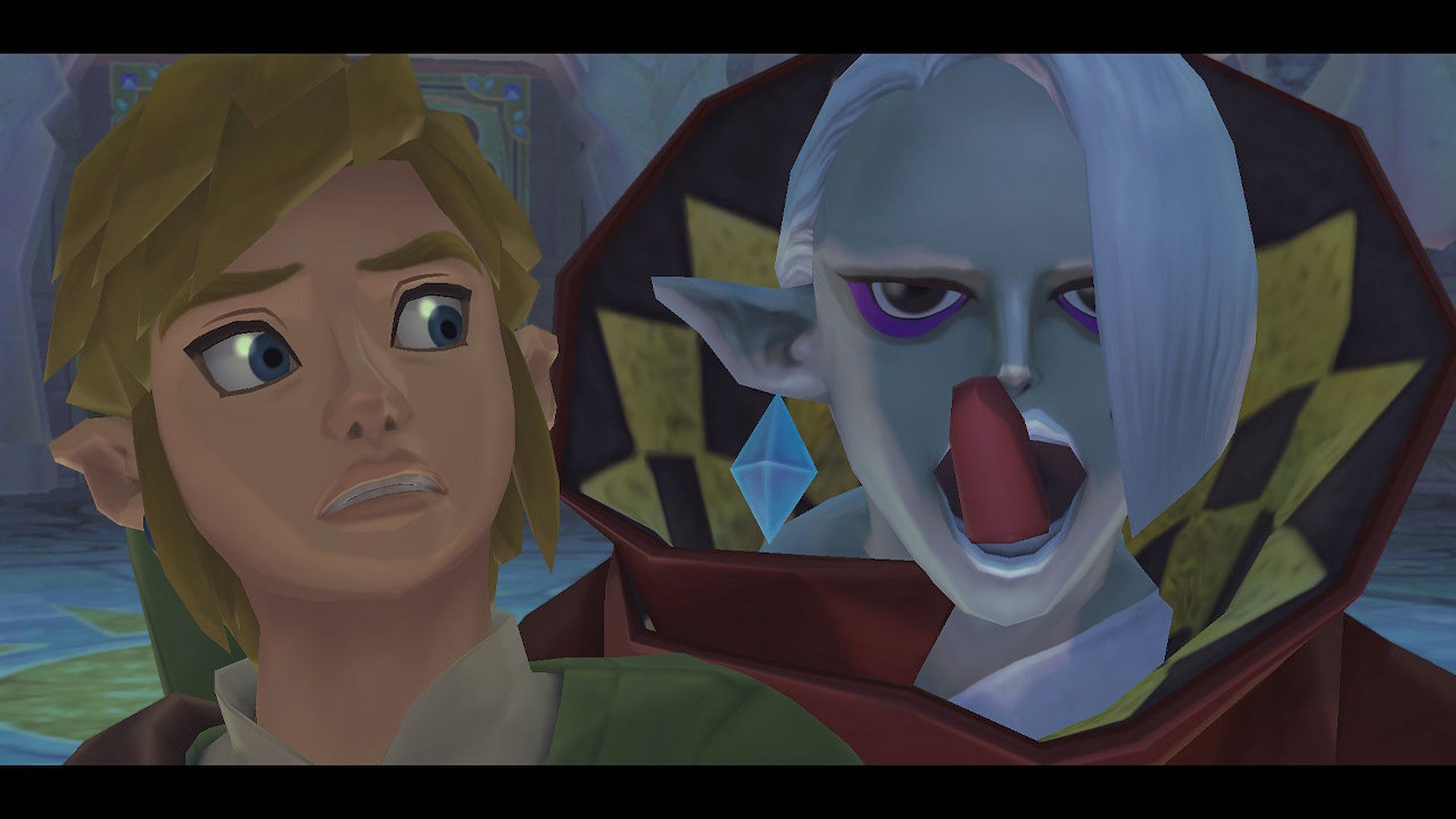
In all my years, I wouldn’t have thought it was possible to genuinely hate a Zelda game, but I HATE The Legend of Zelda: Skyward Sword. A gimmicky tech demo that was released on the Nintendo Wii, five yearsinto its lifespan. Almost everything about this test of patience feels like the antithesis of what The Legend of Zelda should be. Terrible combat that prioritizes motion controls over fluid swordplay? Check. Small areas separated by an empty and pointless Sky World? Check. A companion who handholds you through the entire adventure? Big ol’ check on that.
It took years of established lore and flushed it down the toilet for a pointless retcon, so Din, Faeror and Nayru were replaced by a single goddess Hylia—making the Triforce kind of perfunctory. It failed to include the series’ main antagonist, so Ganon: King of the Moblins was reduced to The Demise—a nebulous concept about hate and anger or some lazy badguy writing. It’s a game so lazy it makes you fight the same terrible boss three times because it couldn’t come up with better Spore creatures for you to fight.
That isn’t to say it’s all bad. I loved the painted art style, and the game’s score is one of the best in the series. But for what it was, when it came out, it failed as both a video game and it failed even harder as a The Legend of Zelda game.
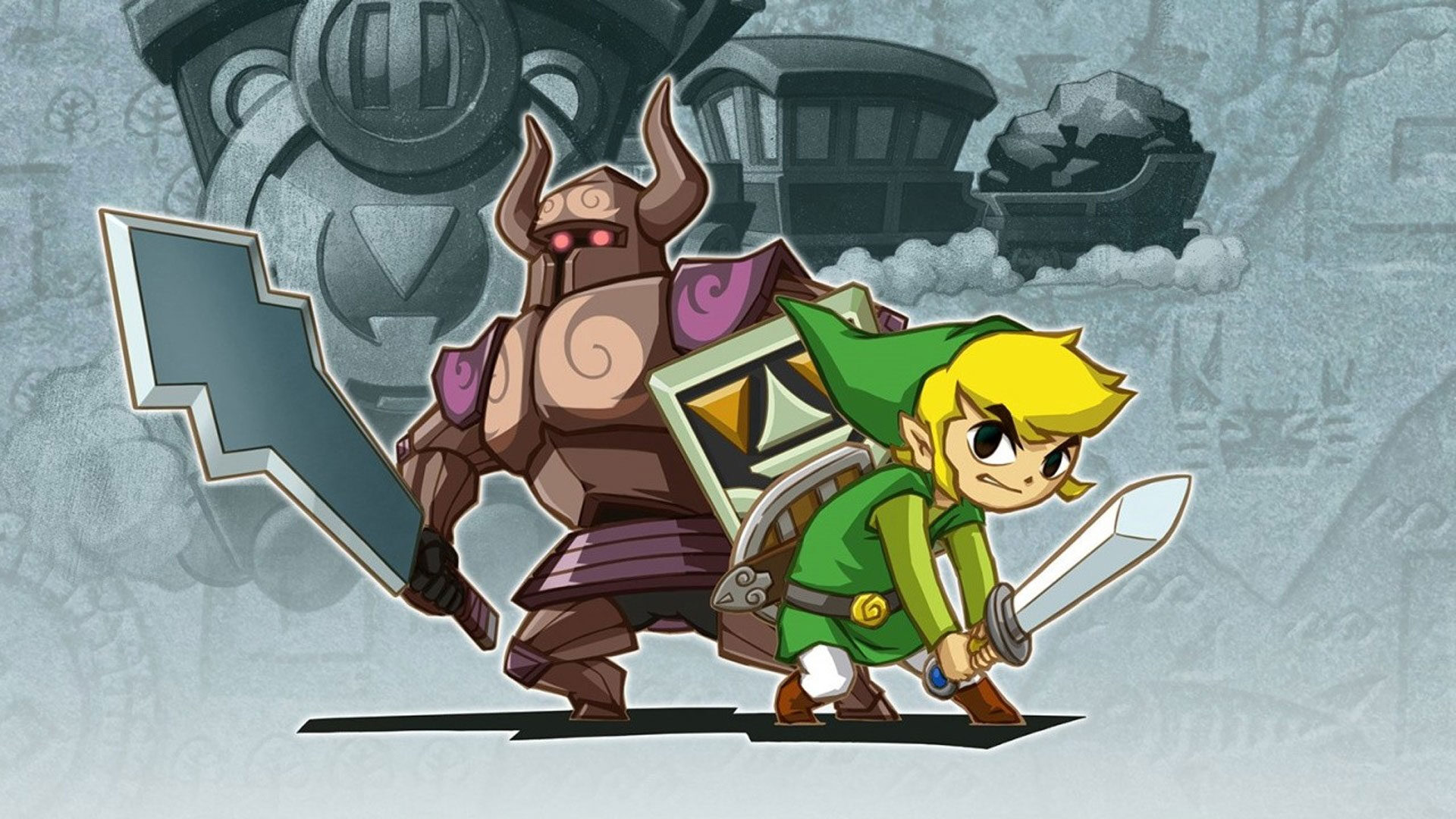
16. The Legend of Zelda: Phantom Hourglass
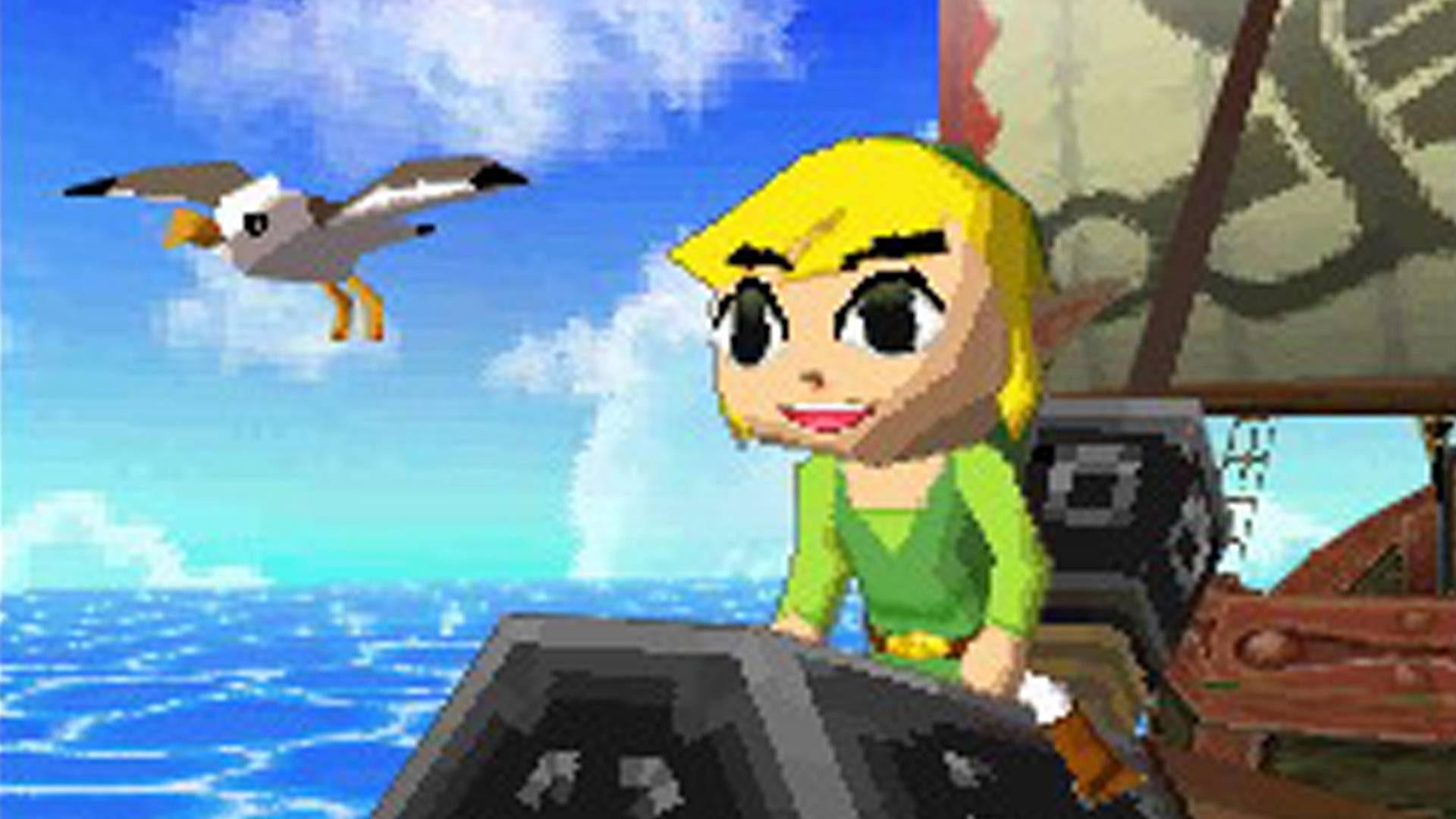
Phew, now that I got that out of my system, let’s move on to less offensively lower entries on this list. The Legend of Zelda: Phantom Hourglass is a pretty serviceable game, however there’s no denying its status as an actual tech demo for the recently released Nintendo DS, with the two releasing only three years from each other. It’s not really a bad game, but so much of its design feels in service of showing off what the system was capable of.
It’s a lot of using the touchscreen for movement, which was a particular bugbear for many people. Puzzle solving was certainly interesting, but it’s usually just a lot of drawing lines between obvious points. And as a kind of direct sequel to Wind Waker, it didn’t feel particularly unique. However, that puzzle where you needed to close the DS was GENIUS, and the game had one of the most fun multiplayer modes of any DS game at the time.
15. The Legend of Zelda: Tears of the Kingdom
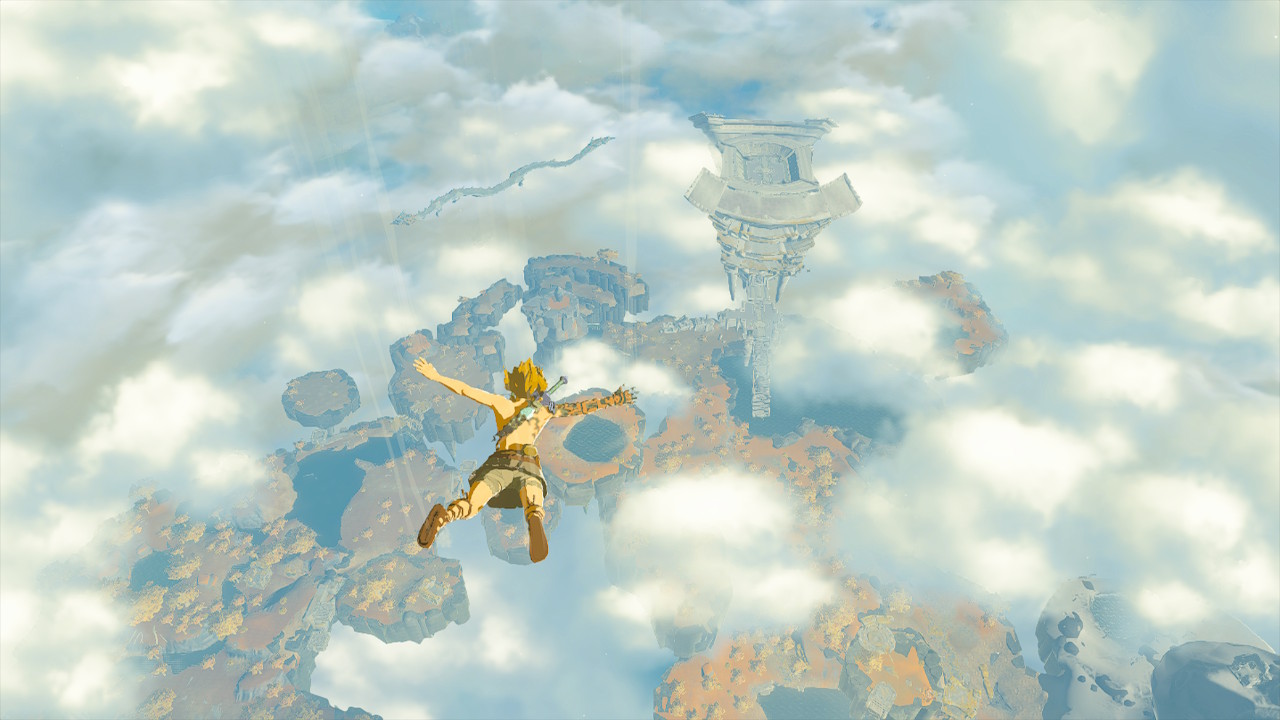
This one’s going to seem like absolute blasphemy. I always tell people, The Legend of Zelda: Tears of the Kingdom, feels to me like the fully realized version of Breath of the Wild, but I would sooner go back to Breath of the Wild than play Tears of the Kingdom. In a lot of ways, it’s a really good game. Its story is more expansive, its world is a lot bigger, and its mechanics feel far more fleshed out. But it’s a really good game, only if you never played the game that came before it.
When I wrote my list of things I wanted to see in The Legend of Zelda: Tears of the Kingdom, I was genuinely hopeful Nintendo might have listened to criticisms about the Switch’s flagship title. Instead, we got a lot of half measures. Swords still shatter like glass, but now you can glue sticks together, so it’s kind of fixed. Was constantly switching armour annoying? Good news, we’ve doubled the amount of armour sets you can find. Didn’t like constantly pausing the game to scroll through menus? Well, now we’ve made the menu one long linear list, on top of needing to pause to scroll through menus!
The overarching story is a bit better, but the most important bits—Zelda’s experience in the past—need to be found on the map, and important plot points can therefore be experienced out of order, which made sense in Breath of the Wild cause Link was recovering lost memories…oh, never mind. The weirdest thing to me is that it positions itself as a sequel but almost NEVER references the past game’s events. Which is why I say, there’s a lot to like about Tears of the Kingdom, but it’s only really worth playing if you haven’t played the game that came before it.
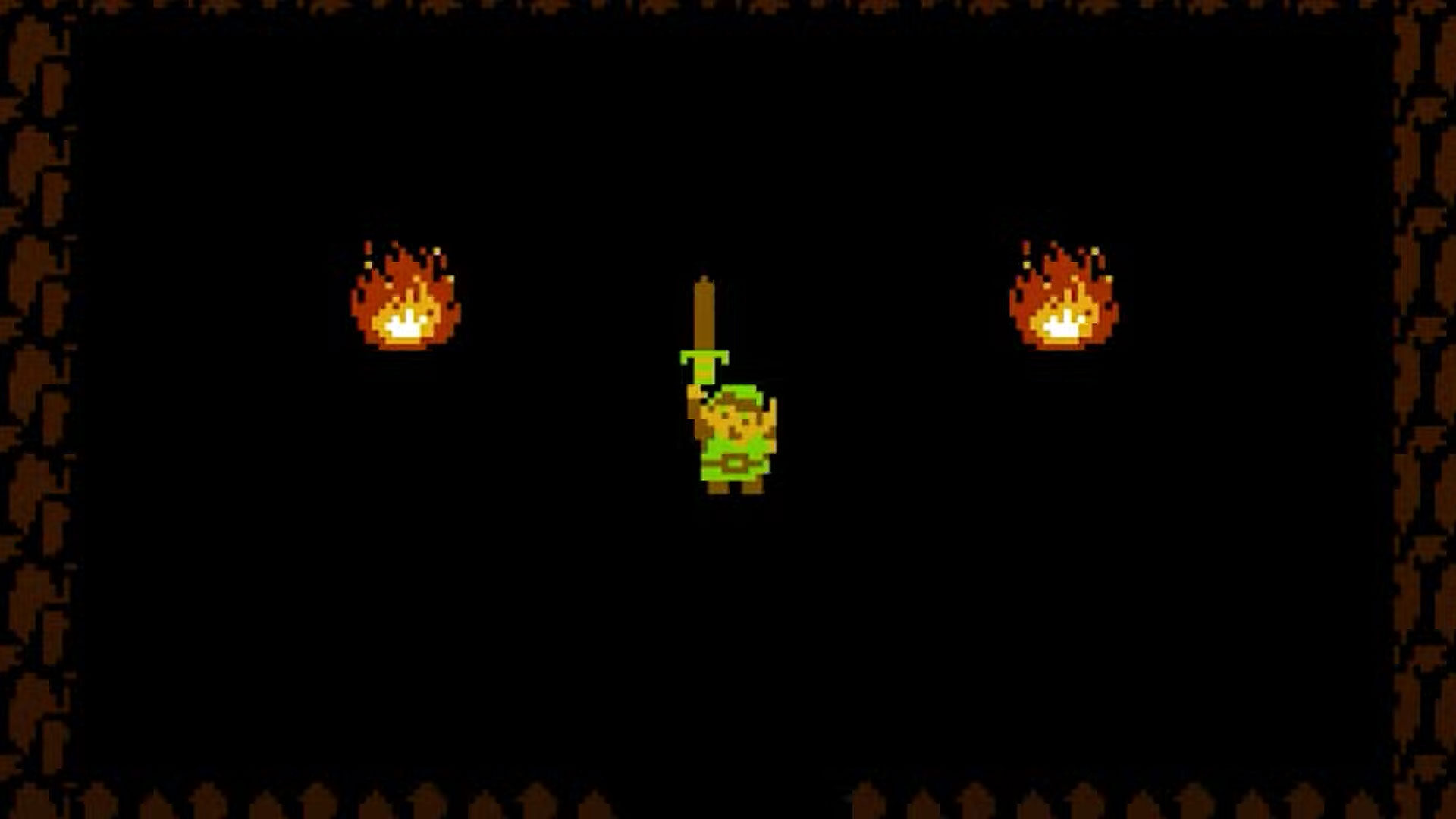
14. The Legend of Zelda
This is going to sound very similar to where I put the original Metroid games on my previous list. The Legend of Zelda was, without a doubt, a groundbreaking video game. It pushed the limits of what the NES was capable of and showed gamers that video games could be more than simple distractions—they could be entire ADVENTURES.
However, I think it’s fair to say, The Legend of Zelda hasn’t really stood the test of time. It’s certainly fared better than other games of the era, but it’s a bit clunky, needlessly difficult and almost completely unplayable without a guide—the first example of the “Nintendo Power Game.” While it deserves no shortage of praise for its size and scope—and being one of the first cartridge games to offer a save feature—it definitely hasn’t gotten better with age.
13. Zelda II: The Adventure of Link
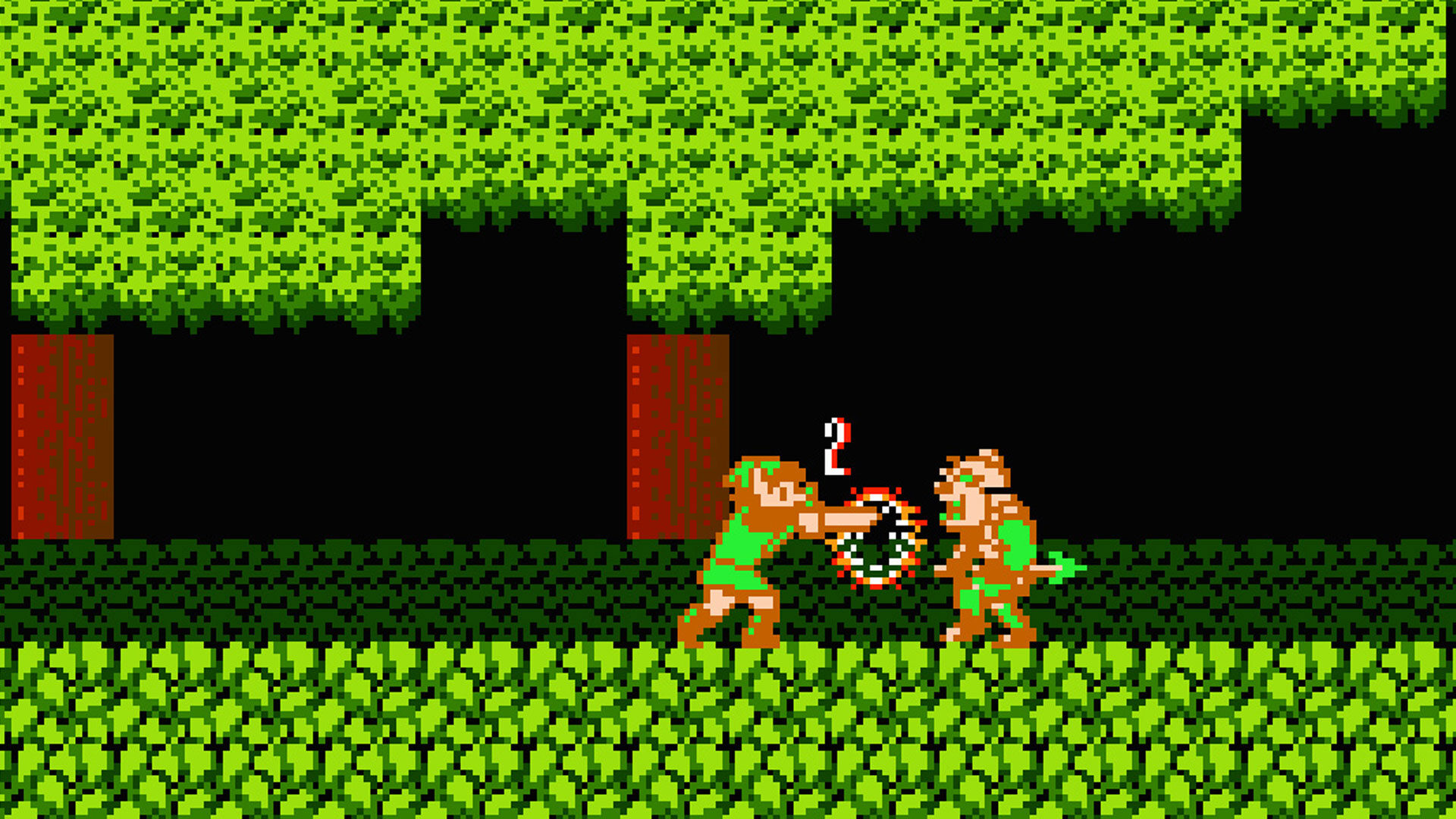
Similar to its immediate predecessor, Zelda II: The Adventure of Link also hasn’t particularly stood the test of time. It shares an equally unnecessary difficulty and borderline unplayability without a guide. While it’s not a particularly bad game, there are a lot of barriers to entry that made it somewhat unenjoyable both then and now. It’s a bit of a weird one because there’s actually a lot I like about Zelda II: The Adventure of Link.
It’s shift to a 2D platformer for enemy encounters, or dungeons and caves, gave it a unique style, and its focus on combat created an interesting system that I’m surprised no other entry in the series has explored. Similar to something like Castlevania II: Simon’s Quest, it built a world that felt genuinely big within the confines of the most common 8-bit design philosophies. It’s a game I would love to see remade, ala. Metroid: Samus Returns—with modern gaming sensibilities and Link’s moveset from Super Smash Bros.
12. The Legend of Zelda: Echoes of Wisdom
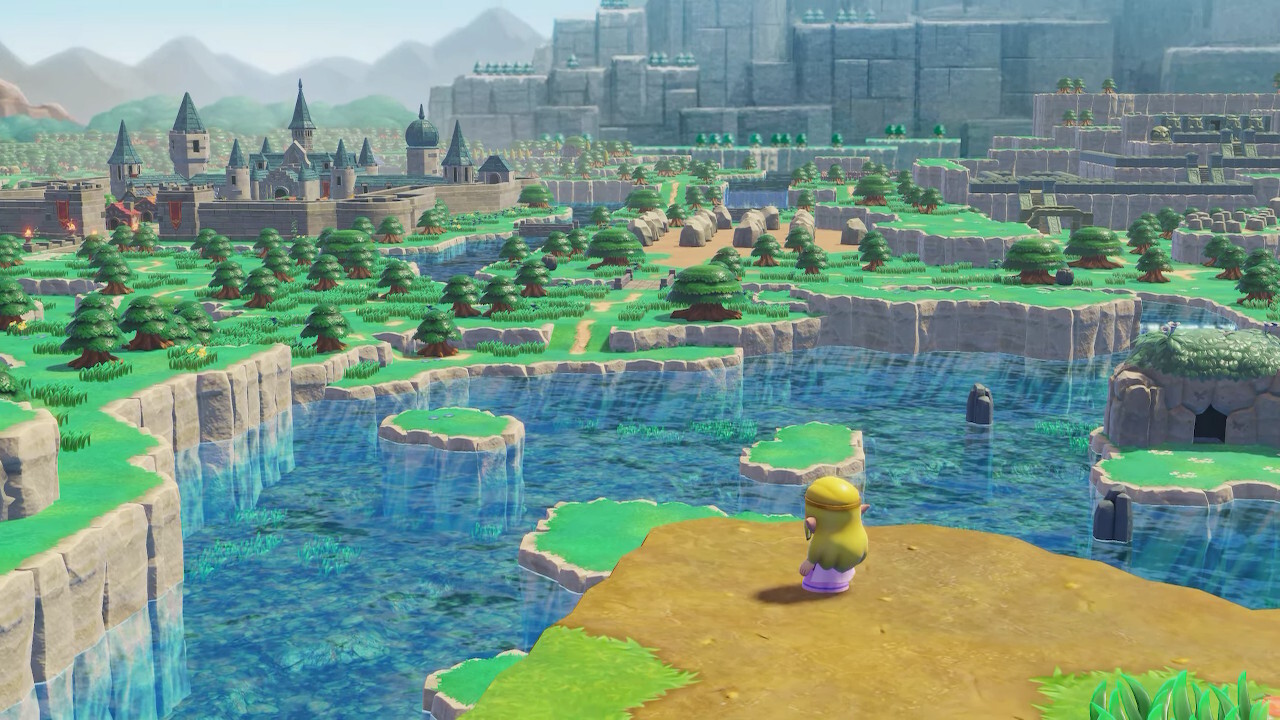
This is going to be the most difficult part of the list because the games are objectively good, but didn’t really leave a lasting impression on me—let’s call it the “mediocre middle.” The Legend of Zelda: Echoes of Wisdom deserves a certain degree of props for being the first “official” game in the series that featured the titular princess in the leading role. Also, it’s inventive gameplay that borrows the sense of freedom its Switch predecessors pioneered, while tailoring it to a more “traditional” top-down Zelda experience, was genuinely unique.
However, by that same token, The Legend of Zelda: Echoes of Wisdom doesn’t really have a lot of memorable moments. Dungeons are a welcome return, but since they need to be cleared with beds and boxes, they lack the visual and thematic distinction that made previous Zelda dungeons so memorable. Also, Nintendo’s obsession with linear menus and objects that function identically meant half the game is spent sliding through inventory lists to find the thing you need. In the end, it’s not that bad, but it’s not really a Zelda worth returning to.
11. The Legend of Zelda: Twilight Princess
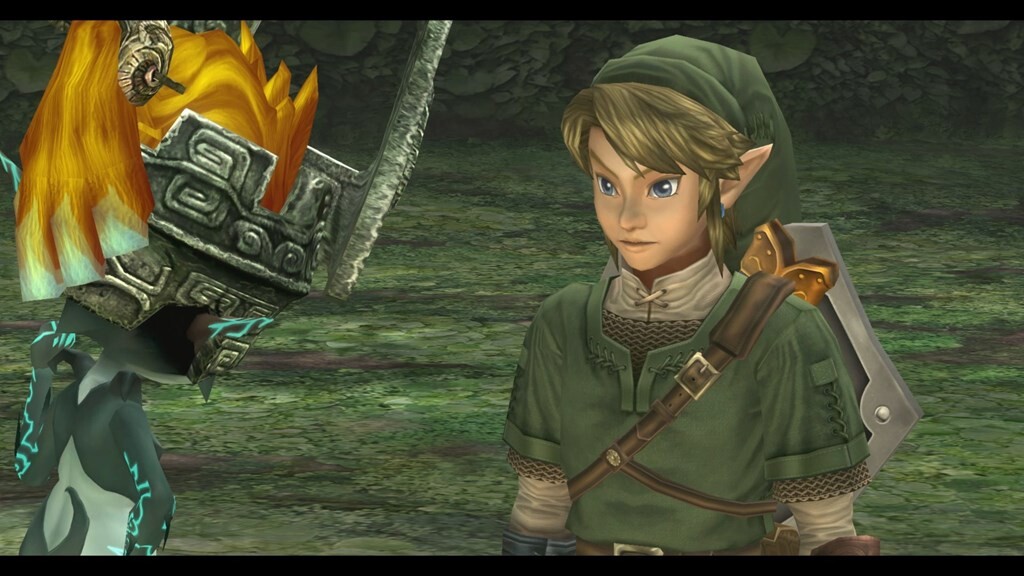
Now, before you get your torches and pitchforks for this one, just hear me out. I honestly DO like The Legend of Zelda: Twilight Princess. For a launch title on the Wii—or Gamecube life-support, depending on how you look at it—it was a genuinely monumental game. It gave us Midna, who is definitely the best support character ever in a Zelda game, Zant, who was one of the best villains in a Zelda game, and its size and scope were pretty impressive for the time. And that Ganon fight? *Chef’s Kiss*
However, I also think it comes out REALLY strong in the first half and then loses a lot of steam in the back nine. While I like its aesthetic, it also feels a little dark for dark’s sake—an obvious correction from the criticism The Legend of Zelda: The Wind Waker received. It’s got some pretty forgettable dungeons, two genuinely useless items, and a combat system that was a bit of a step back from its predecessor (why unlock the moves Wind Waker just GAVE you?)
10. The Legend of Zelda: Ocarina of Time
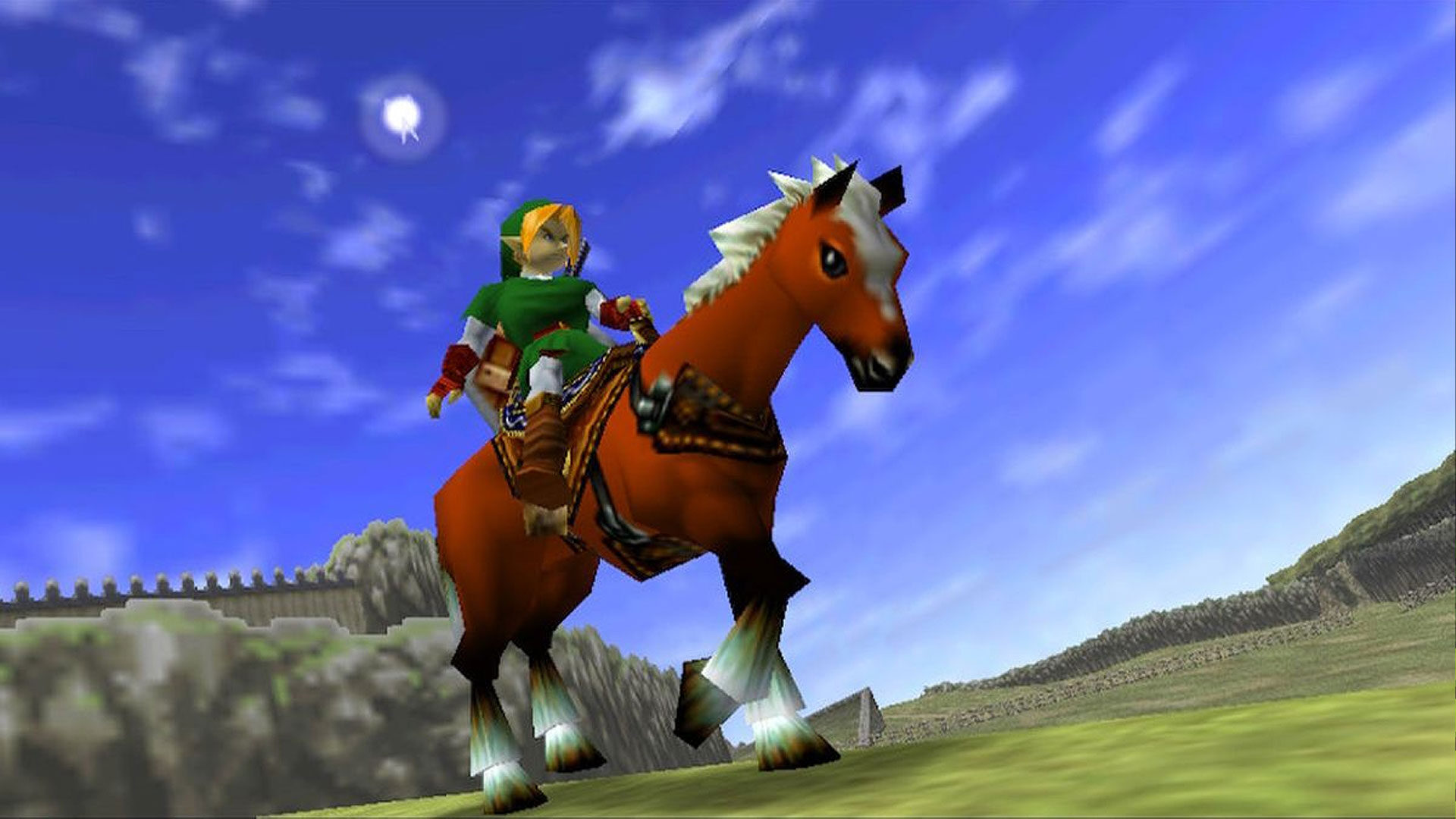
Okay, feel free to pick up those torches and pitchforks now. I’ve said it before, and I’ll say it again: The Legend of Zelda: Ocarina of Time was genuinely revolutionary for its time. For the first Zelda of the 3D era, it was pretty incredible what it was able to achieve in terms of worldbuilding, story-telling and overall design. It has some of the most memorable moments in any Zelda, some of the best dungeons and boss monsters and all but cemented the idea of the “Zelda formula.”
But on multiple repeat playthroughs, The Legend of Zelda: Ocarina of Time just doesn’t really do it for me. Story-wise, it follows a little too closely to The Legend of Zelda: A Link to the Past, to feel original or even as a supposed prequel. Its combat is a monotonous game of wait-and-attack. Puzzles usually involve looking around the room for an object and then hitting said object, and it’s all just…kinda boring.
Like I said, it’s rightfully deserving of its praise, but I can’t help but feel like it’s a little overrated.
9. The Legend of Zelda: Link’s Awakening
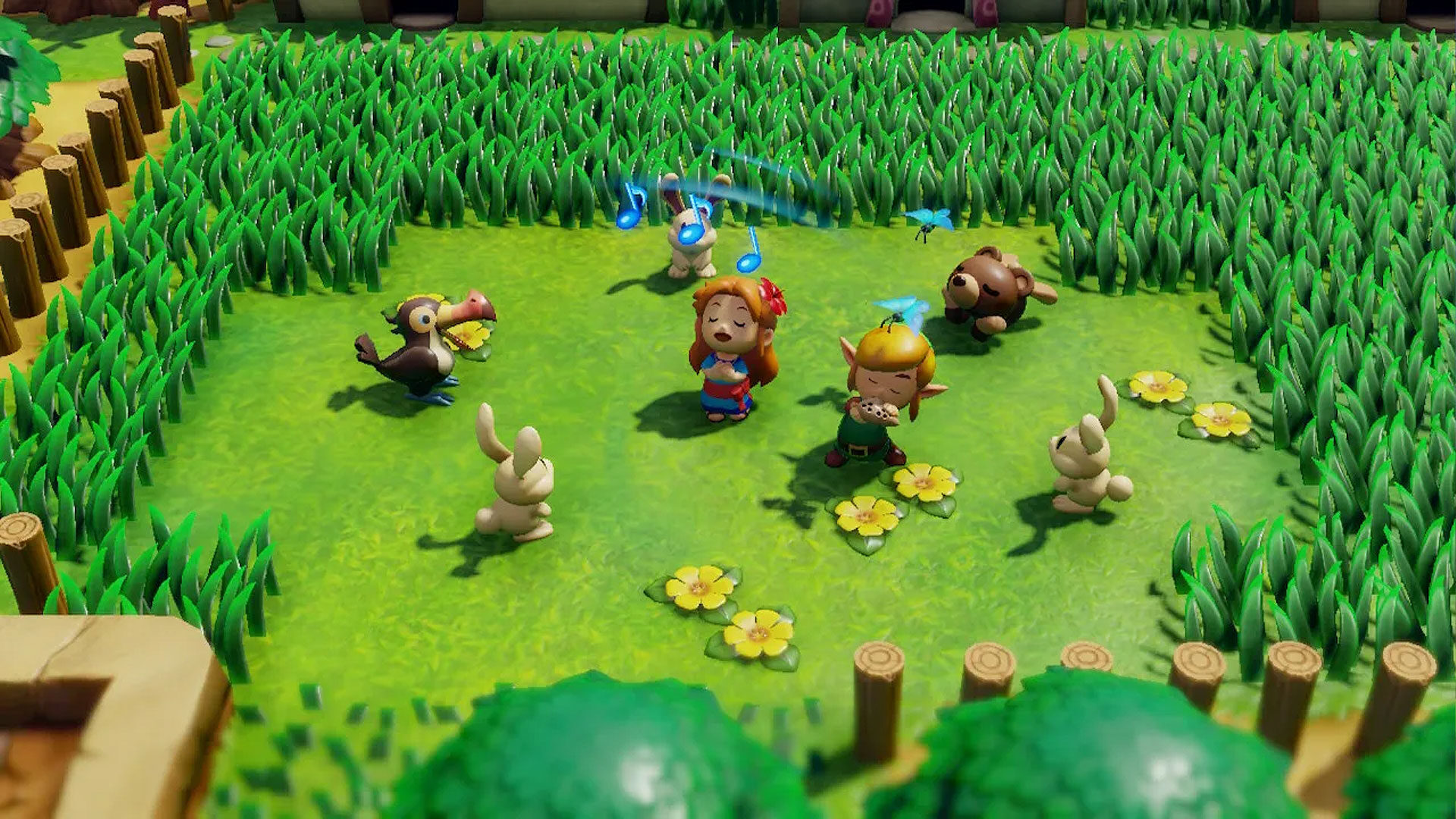
You may have thought The Legend of Zelda: Link’s Awakening would’ve appeared higher on this list, and honestly…so would I. Link’s Awakening has a real special place in my heart as the first one in the series I ever played to completion, so cracking the top 10 ain’t too bad. The Legend of Zelda: Link’s Awakening is a pretty amazing game when you think about it. Originally conceived as a Game Boy port of A Link To The Past, the project grew into a full-fledged game.
It’s one of those miraculous Game Boy games that really showcase how capable the system was when people knew how to develop for it. Its world felt as big as its SNES inspiration, its dungeons were inspired, and both visually and audibly, it really stood out. Its story was unique and mysterious, constantly hinting at what was really going on, but never saying it outright. If not for Pokémon Silver/Gold, it may just be the crown jewel of the Game Boy.
And if you want to experience it, the Nintendo Switch “remake” is a pretty faithful 1:1 recreation of the original, with improved graphics.
8. The Legend of Zelda: A Link Between Worlds
I wrestled with whether The Legend of Zelda: A Link Between Worlds should go in the proper list, or in the Honourable Mentions, because in some ways, it is kind of a remake of The Legend of Zelda: A Link to the Past. But the more I thought about it, the more I realized it deserved a spot on the list because of just how much it sets itself apart from its counterpart.
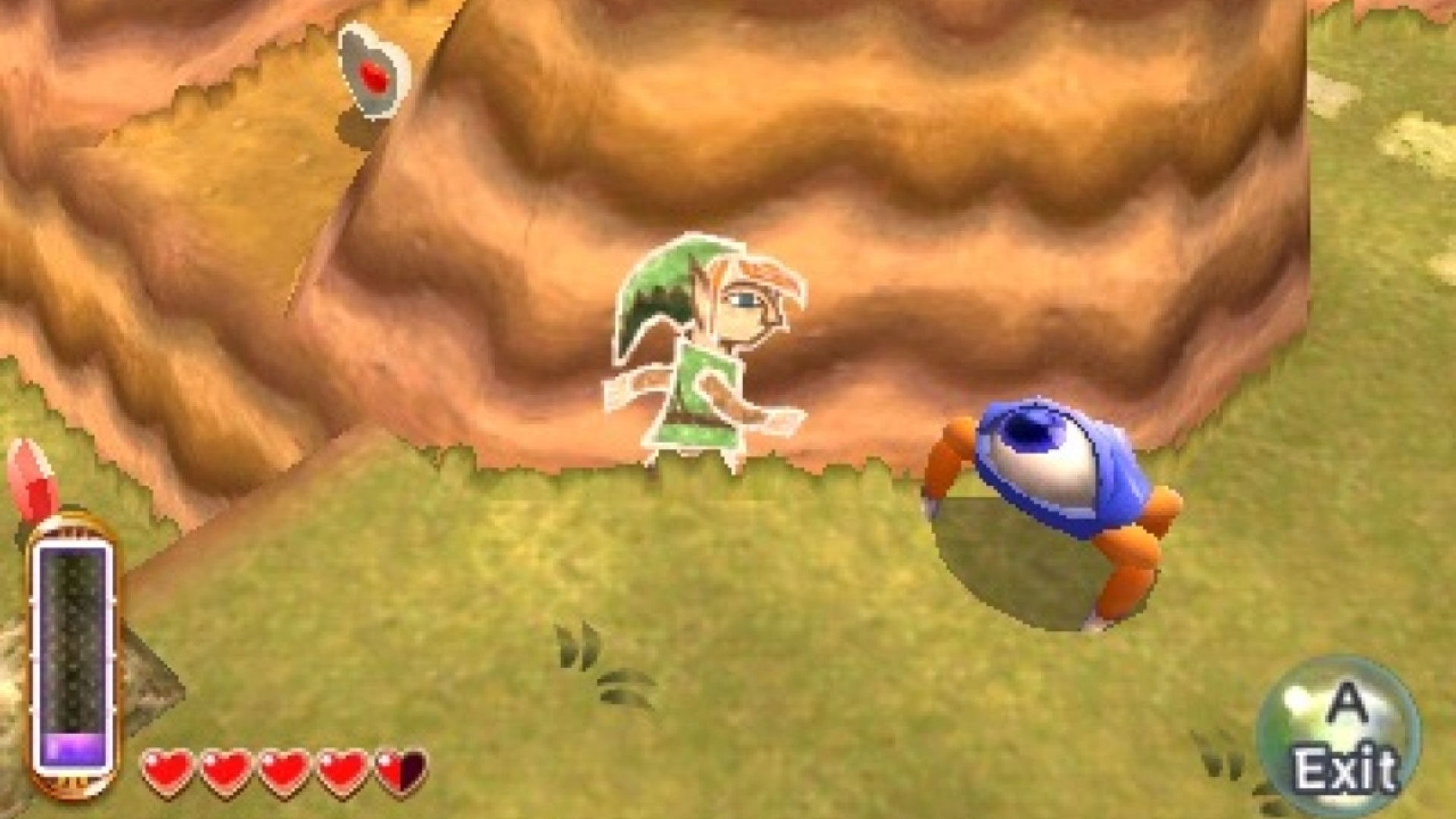
While it does end up being somewhat of a reboot-sequel, it both adds and changes so much about its predecessor that it really stands alone as its own thing. The way it plays with perspective by having Link paste himself onto walls and move in two-dimensional space in a 3D top-down game was unbelievably inventive, allowing for a whole new way to explore dungeons and the overworld.
The way it had players rent items from a shop, allowing for a sense of freedom in how they approached dungeons without subtracting from the overall narrative, was such a stroke of genius that it was probably too good for a second game. It felt so new, while using SFX and subtle nods to pay tribute to its SNES predecessor, and it’s one of the few 3DS games that actually used the 3D to genuinely impressive effect.
7. The Legend of Zelda: Spirit Tracks
I will die on the hill that The Legend of Zelda: Spirit Tracks is woefully underrated. Unlike its direct predecessor, it actually feels like a fully realized Zelda game on the Nintendo DS and less like a tech demo. All the good ideas The Legend of Zelda: Phantom Hourglass had are refined and expanded. It feels a bit better to control; its items are a bit more unique to the game, and the world feels bigger and more interesting.
Not only that, it was the first game to really involve Princess Zelda in a much more active role, setting her as Link’s companion character throughout his entire adventure. Getting to use her within the Spirit Tower, as she possessed Phantom Armor was a really thoughtful and interesting inclusion and set up for a lot of interesting puzzles. Plus, it gave her fun little personality quirks, like a fear of mice that rendered her immobile.
Also, you get a little train, and you can make it go Choo Choo. WHAT MORE DO YOU WANT!?
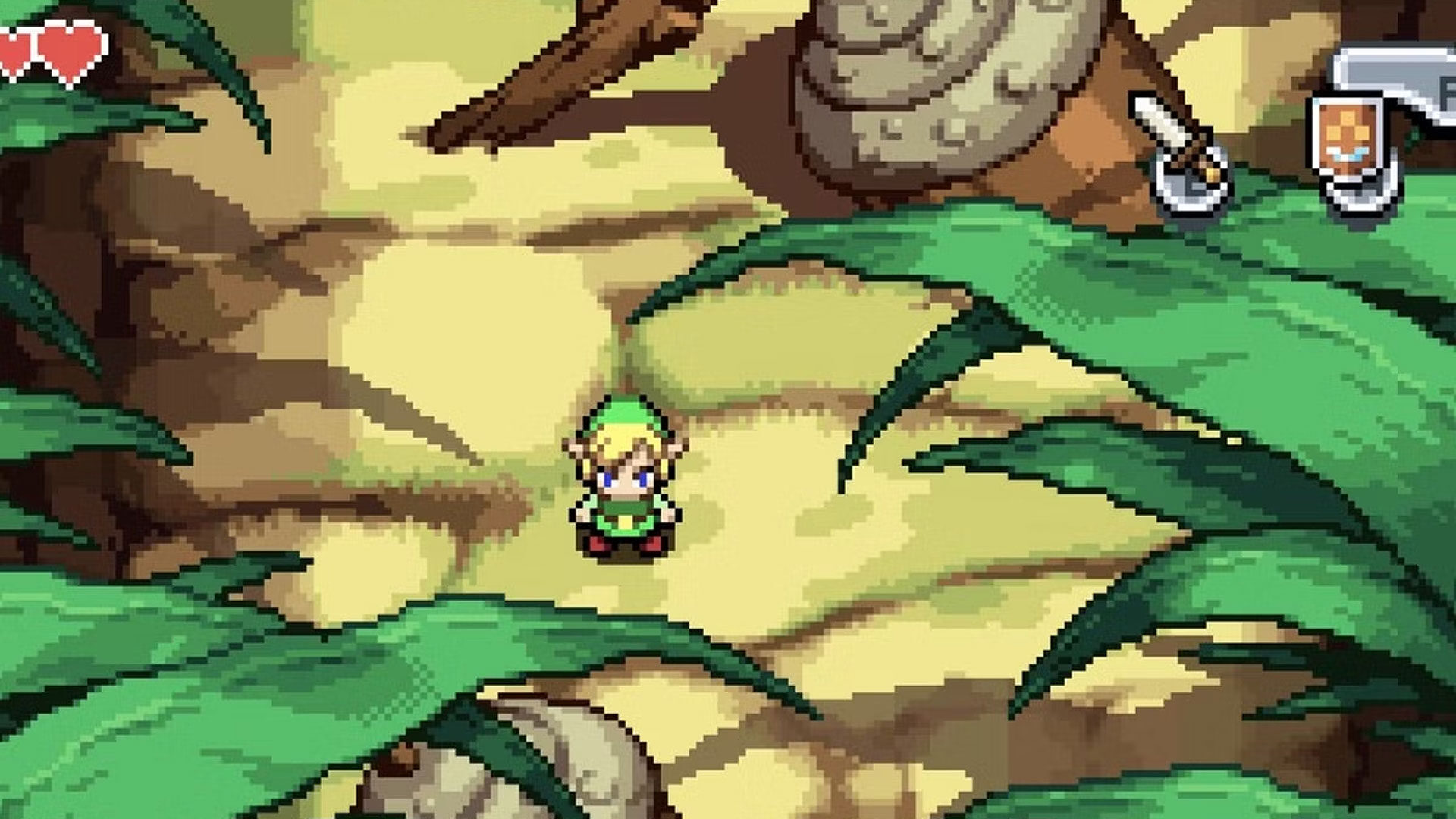
6. The Legend of Zelda: The Minish Cap
It’s hard to describe how incredible The Legend of Zelda: The Minish Cap was if you weren’t there for it. As the official Zelda game on the Game Boy Advance, following the re-release of The Legend of Zelda: A Link to the Past, it felt every bit as big and inventive as its predecessor—and in a lot of ways, even more.
Developed by Capcom in what was meant to finish off the “Triforce Trilogy,” The Minish Cap made everything bigger by, ironically, making everything smaller. Because of the magic of the Picori—who, at the time, were hinted at being the creators of the Master Sword—Link could shrink down to the size of a bug—turning blades of grass into massive trees, and puddles into vast lakes.
It allowed the game to be incredibly creative with its dungeon and area design, playing with perspective and offering really memorable dungeons and boss monsters. Plus, it took full advantage of the GBA’s power, creating a bright and colourful world with a stellar soundtrack and excellent use of audio clips from The Legend of Zelda: The Wind Waker.
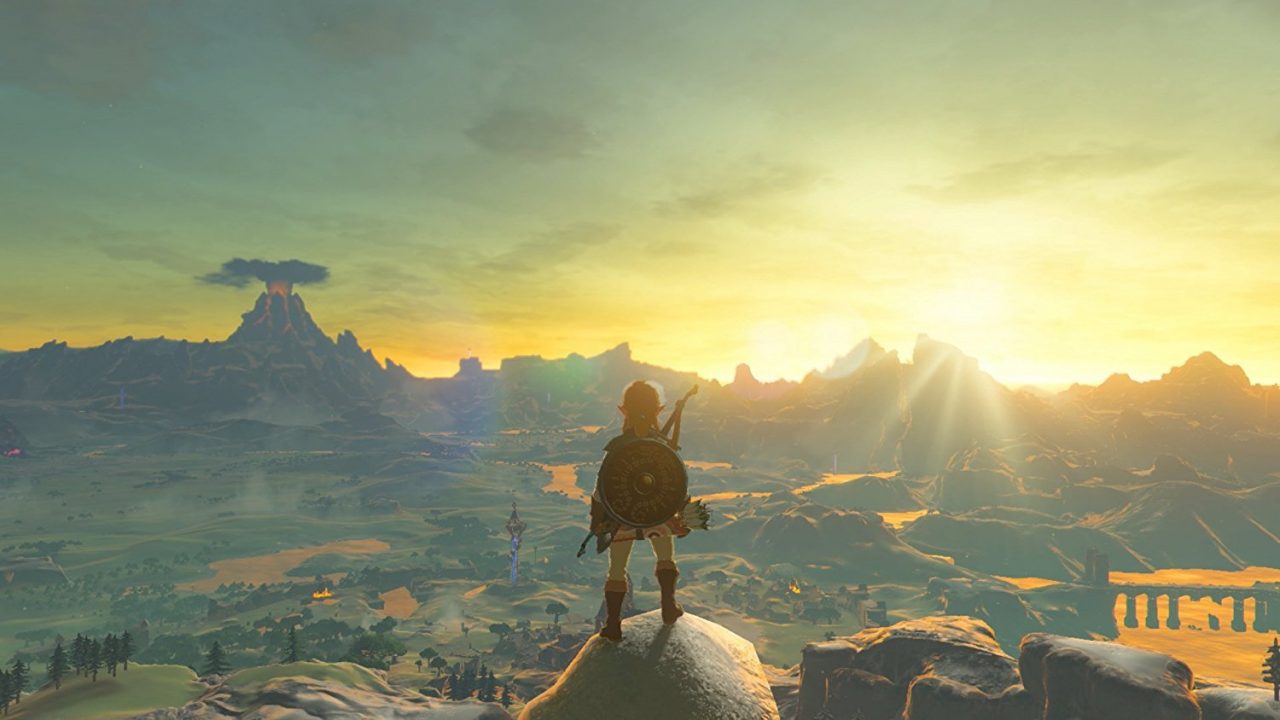
5. The Legend of Zelda: Breath of the Wild
I’ve spoken at some length about how much The Legend of Zelda: Breath of the Wild resonated with me when it first came out. The circumstances of my life at the time, coupled with the sheer size of the Nintendo Switch’s launch, had the game connect with me in a way few others had. And upon repeat playthroughs, I’ve only been shocked by how new the game always feels. Stepping out onto that plateau always inspires a sense of adventure in me, no matter how many times I see it.
And while it’s certainly not a perfect game, it’s incredible how much the game wants to feel like a big, bold adventure. In a lot of ways, The Legend of Zelda: Breath of the Wild feels like a spiritual reboot of the NES The Legend of Zelda. It’s a game that makes my top five Zeldas simply for how new, fresh and big the whole thing felt and still does to this day.
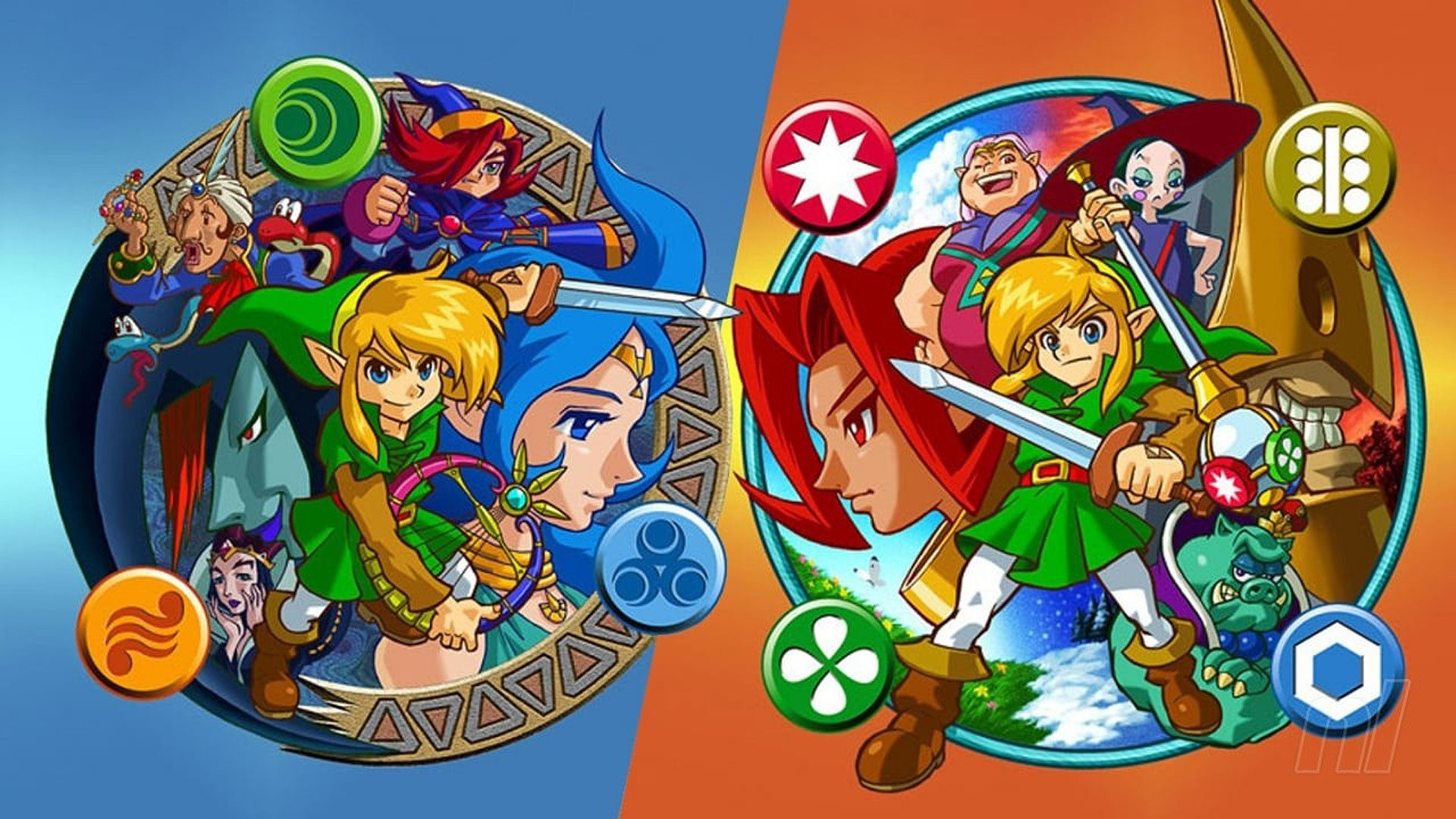
4. The Legend of Zelda: Oracle of Ages/Seasons
If The Legend of Zelda: Link’s Awakening was a showcase of what the Game Boy was capable of, then The Legend of Zelda: Oracle of Ages/Seasons is a showcase of what the Game Boy SHOULD NOT have been capable of. Two games, larger in scale than their predecessor and made even larger by the unique world-shifting mechanics each one possessed.
Witnessing these two games when they were released in 2001 was like experiencing a miracle in real-time. It gave players incredibly fun items, animal sidekicks, unbelievable dungeons and two really great antagonists. It’s no wonder Nintendo didn’t let any other developers make Zelda games because Capcom set the bar so high with these ones, even the Big N wouldn’t be able to follow them up properly.
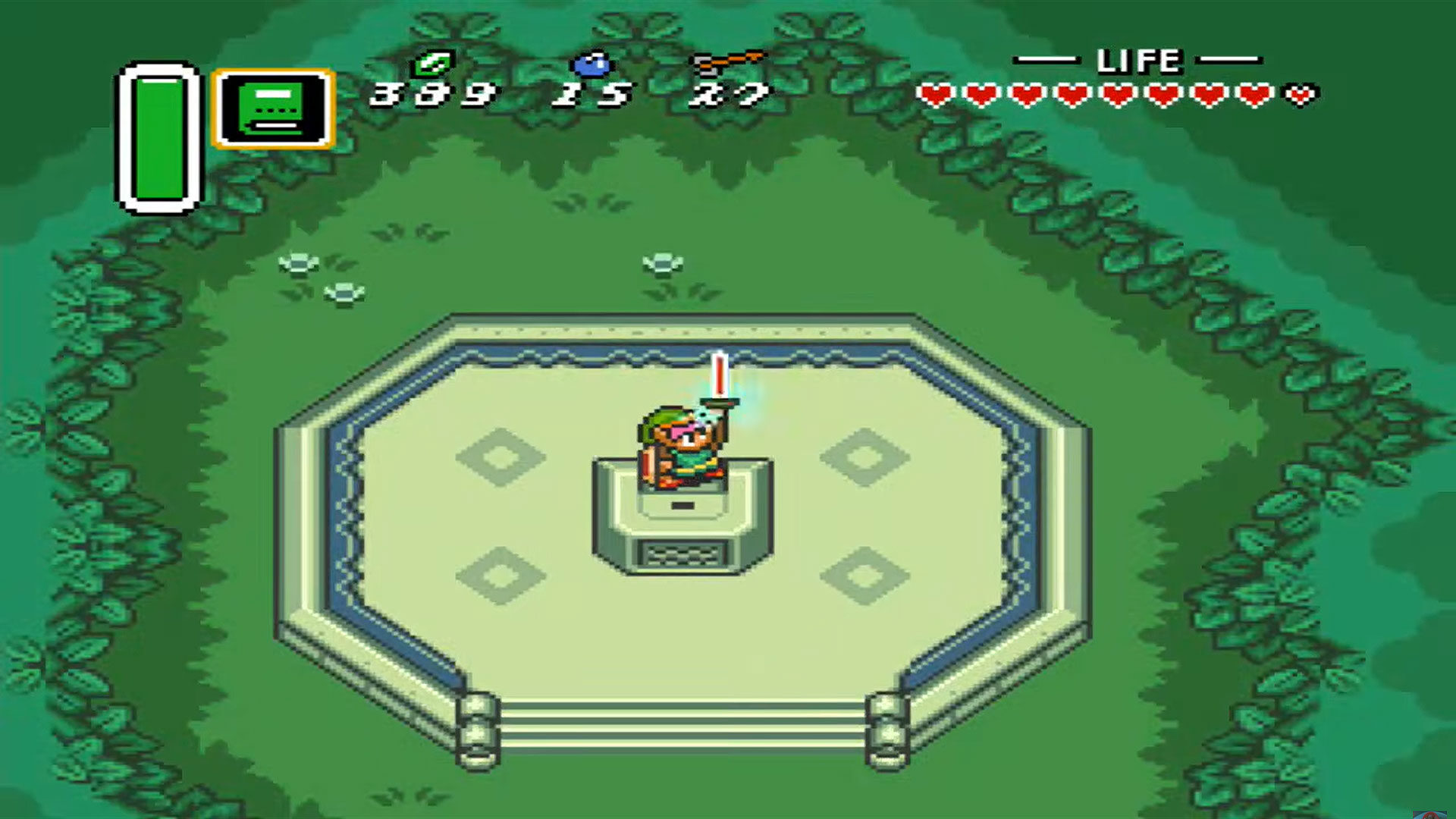
3. The Legend of Zelda: A Link to the Past
Of course, we couldn’t approach the top three without mentioning the one game that really showed what The Legend of Zelda could be as a game. The Legend of Zelda: A Link to the Past was like a complete reinvention of the NES classic—feeling similar, but new in all the right ways. It had a bigger story, a bigger world, bigger dungeons, bigger monsters…it was just a bigger adventure!
Similar to Super Metroid, it utilized the power of the Super Nintendo to give players a suite of quality-of-life improvements that actually made the game playable without the need for Nintendo Power magazine. Its sprite-work and soundtrack remain iconic to this day, and it’s the only game in the series to feature a pink-haired Link, which is pretty neat.
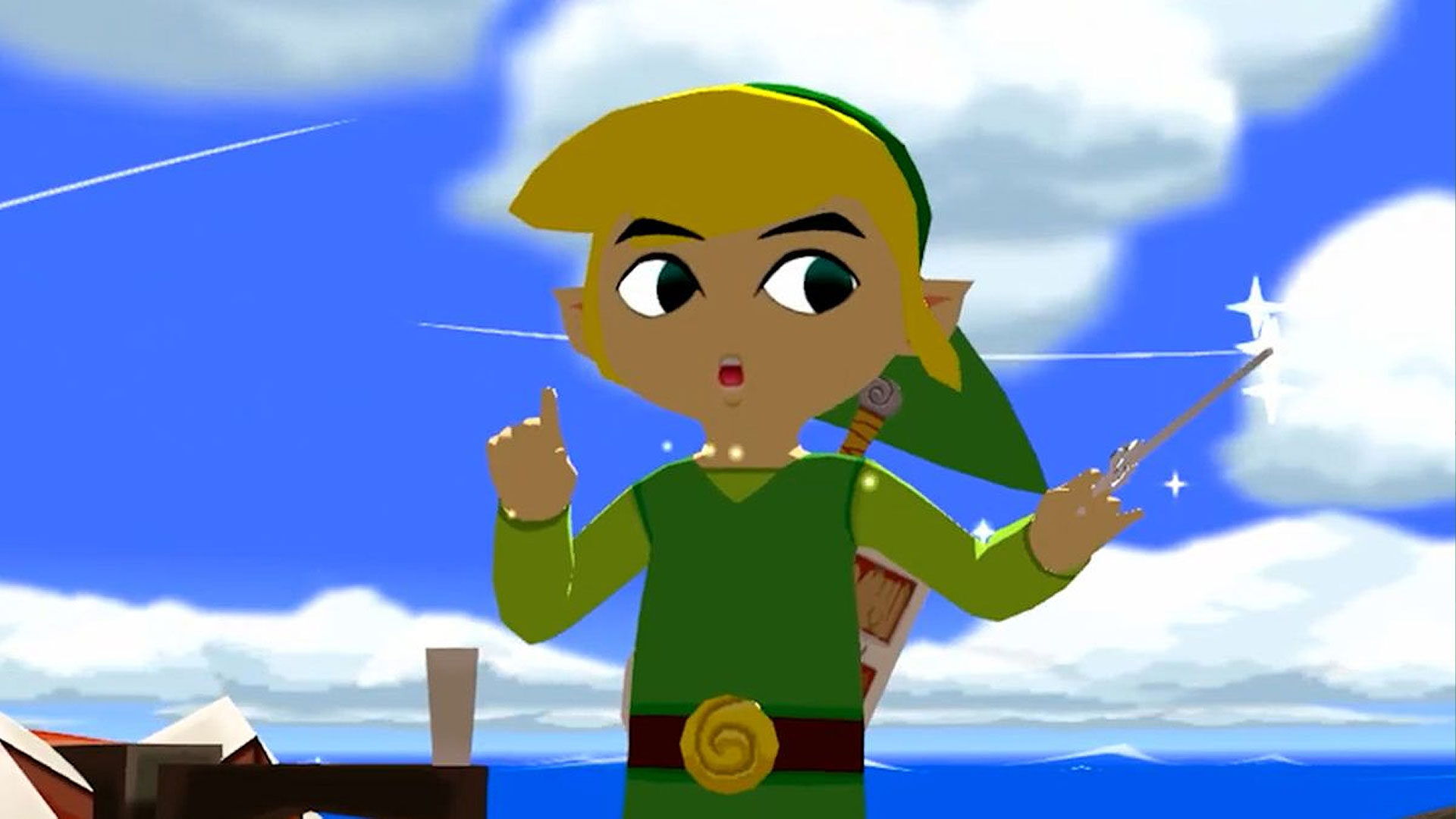
2. The Legend of Zelda: The Wind Waker
It’s hard to know how to describe The Legend of Zelda: The Wind Wakerwithout getting completely overwhelmed by all the ways it absolutely OWNS. The debut Zelda on the Nintendo GameCube took full advantage of the system, creating an experience that was big, bold and completely unforgettable. It’s got a sweet, Miyazaki-esque story about a boy (not chosen by fate) who sets out to rescue his sister, and chooses to become a hero. It’s got an art style that’s bright, colourful, interesting, and intentionally designed to stand the test of time.
It’s got a world that, despite being 90% ocean, has something to discover around every corner. Literally every square of the map grid has an island on it, on top of all the surprise secrets you can find on the ocean if you sail long enough. It’s got some of the most memorable dungeons in both theme and design, and its combat system is the best Zelda has ever had—using the foundation designed for Ocarina of Time and enhancing it with contextual prompts to utilize special attacks.
It’s amazing to consider that when it was released, The Legend of Zelda: The Wind Waker was LAMBASTED by “fans” for being too cartoony and babyish, all because Nintendo put out a tech video of Link fighting Ganon that looked gritty and badass. But history has since come around on The Wind Waker, and it remains the second-best Zelda ever released.
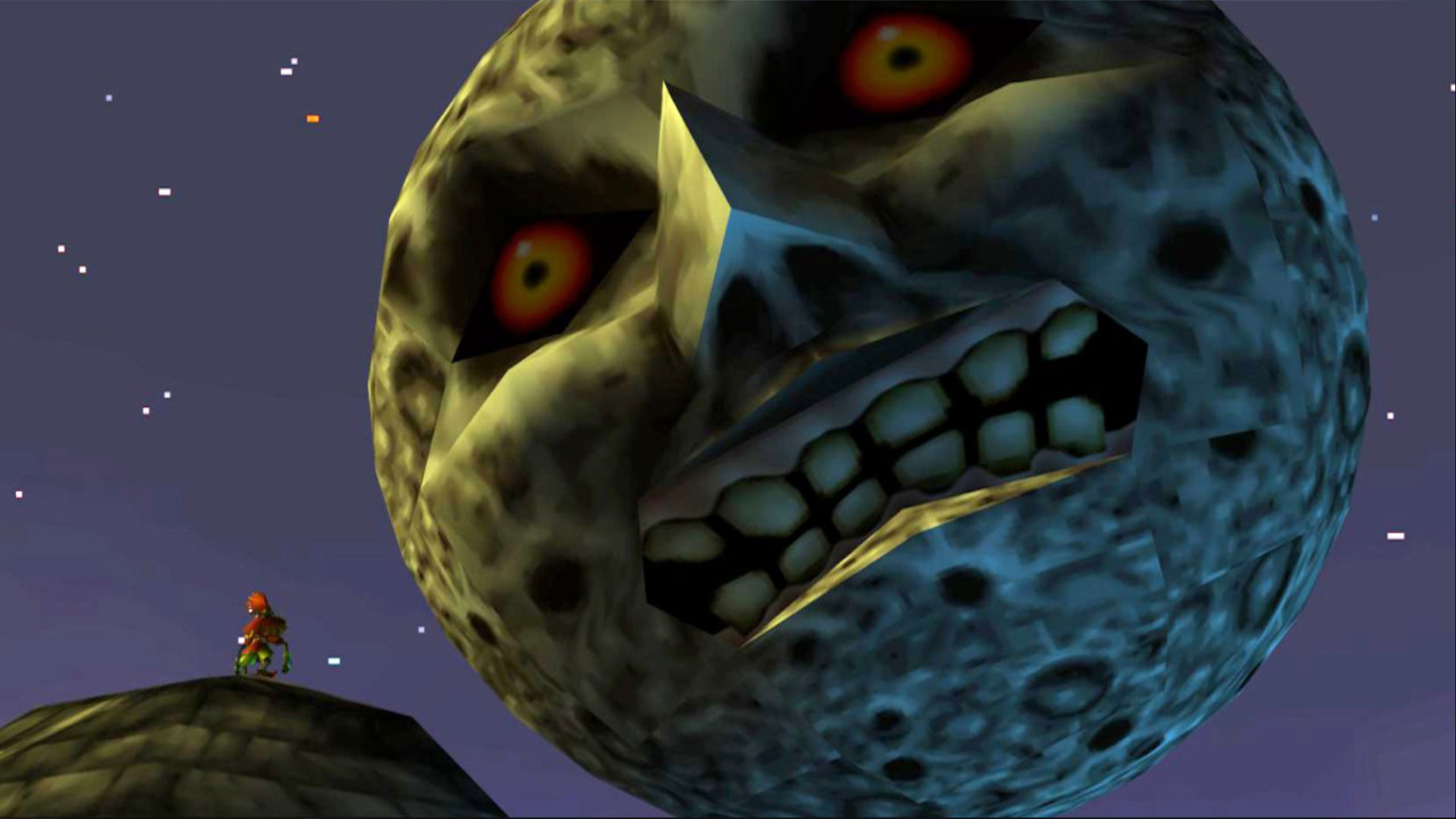
1. The Legend of Zelda: Majora’s Mask
The Legend of Zelda: Majora’s Mask is, without a doubt, the best Zelda, PERIOD. It took the foundation that its predecessor laid and used it to make a game that was bolder, more daring and far more engaging. It’s honestly hard to believe it was released less than two years after The Legend of Zelda: Ocarina of Time, for how much of an improvement it is over that game.
Its world may be smaller than its predecessor in a pure pixel-ratio sense, but it feels so much bigger and lived-in, thanks to much more dynamic areas and three-dimensional characters and stories that bring it to life. Its combat is far more engaging, made even better by the fact that there are four distinct ways to approach it. Centring so much around the Masks meant items found in dungeons could be used more directly to explore the world, and they felt less like keys required to complete half a dungeon.
Its story is dark and deeply resonant, not simply handed to the player, but slowly discovered as they explore the land of Termania, talk to its inhabitants and complete the myriad sidequests the game has to offer—Kafei’s Quest alone could be the plot of an ENTIRE video game. And allowing players to play as a Deku, Goron and Zora allowed them to experience the full breadth of the Zelda world, which is almost a game crime that no other entry has ever brought it back.
I’ll always find it interesting that the two best Zelda games were the ones people genuinely hated when they first released. I guess it’s true what they say, “true genius is never recognized in its time.”
Honourable Mentions
The Legend of Zelda: Tri Force Heroes – The 3DS Zelda spin-off that suffered a similar fate to Metroid Prime: Federation Force, the second attempt at a co-operative Zelda game tied around the idea of outfits bestowing abilities to the user was pretty inspired. And unlike the predecessor that inspired it, thanks to the internet, jumping into a game with others would have been incredibly convenient if there was ever a player base for it.
The Legend of Zelda: Four Swords Adventures – A pretty unique idea for a multiplayer The Legend of Zelda, held back by the necessity for every player to have a Game Boy Advance and Gamecube Connecter. The way it combined classic top-down Zelda with co-operative, level-based design was pretty inspired, and if you could get a group together, it really worked.
Hyrule Warriors/Age of Calamity/Imprisoning War – Combinging a Musou game with The Legend of Zelda was nothing short of a stroke of genius, an while all three Hyrule Warriors games have been pretty solid, for my money the first entry will always be the one worth talking about—boasting the biggest and best roster, a plethora of features and it wasn’t required for crucial plot details to two other games.
With Resident Evil Requiem roughly a month away from release, fans of Capcom’s seminal horror franchise are eager for new details about the game. Thanks to a digital showcase, they have some idea of how it plays.
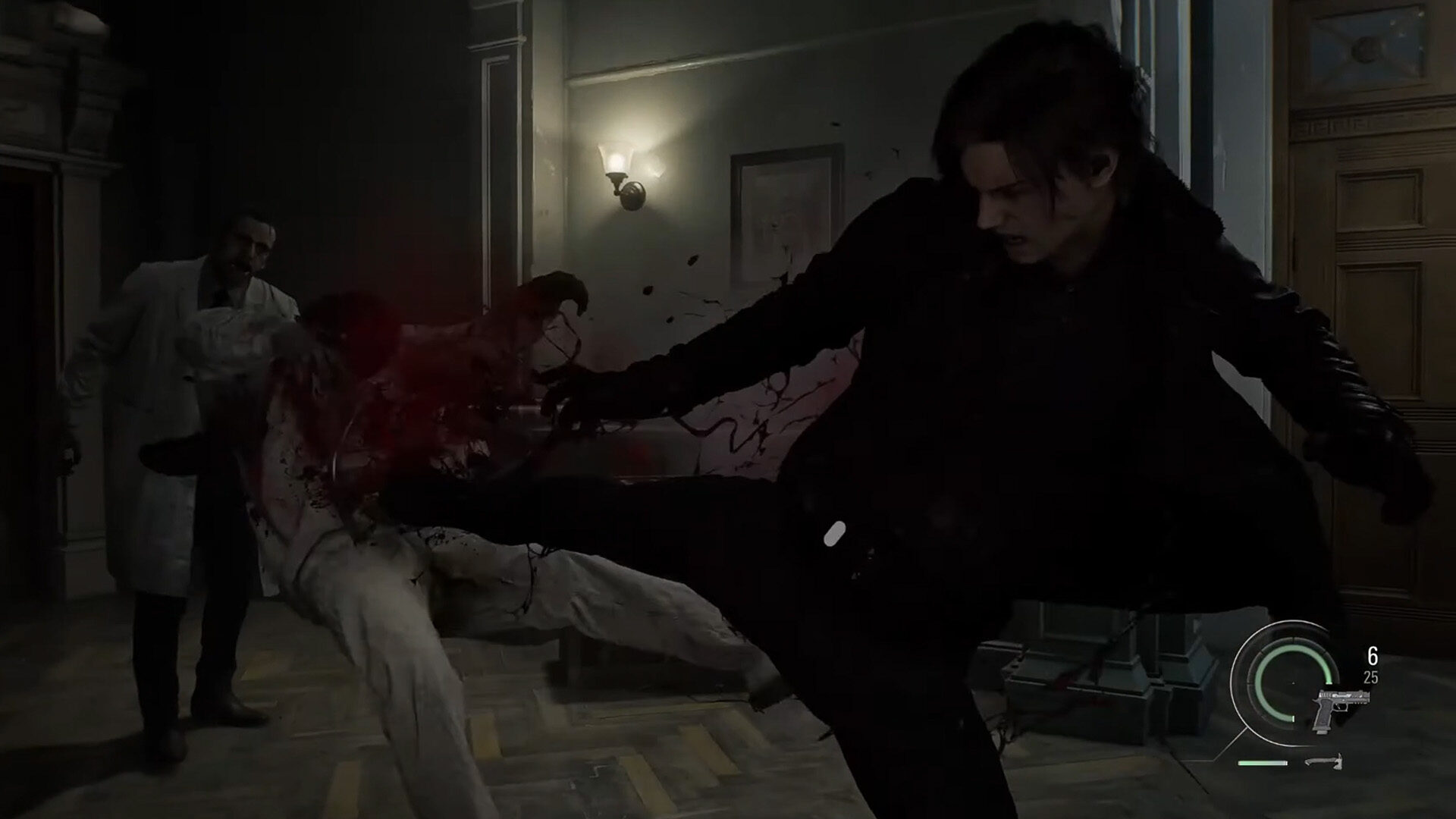
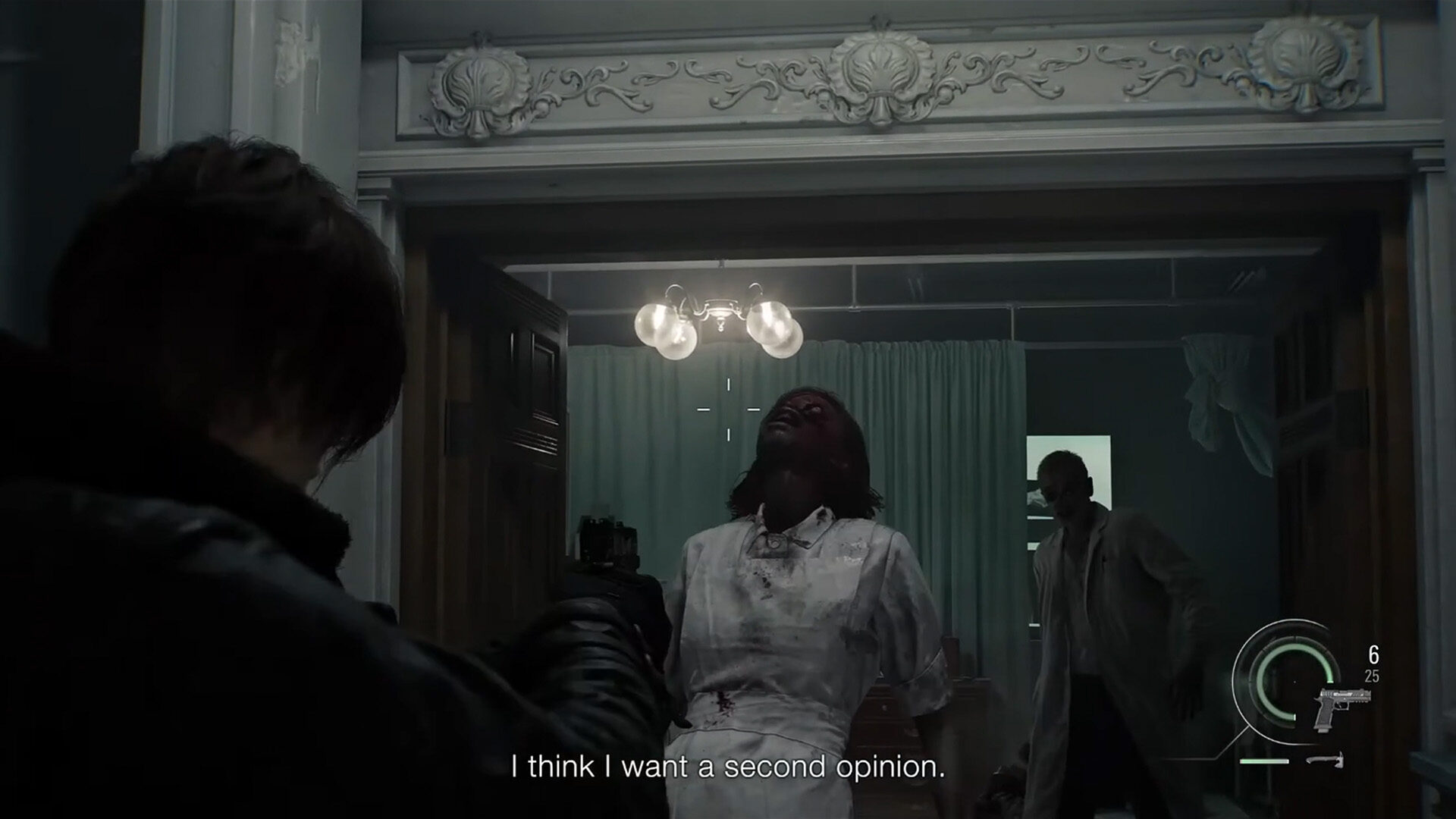
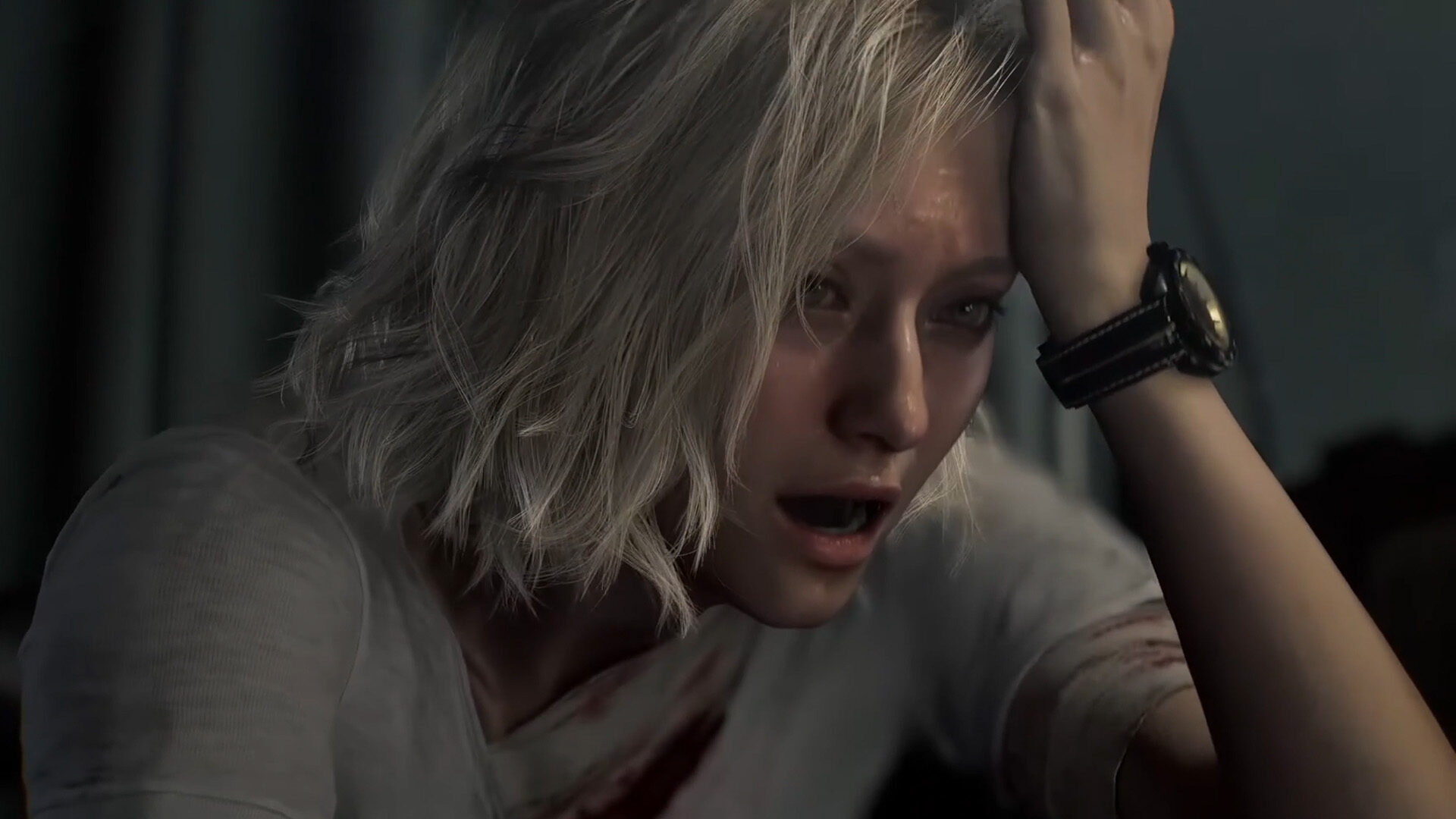
During Capcom’s January Resident Evil Showcase, Resident Evil RequiemDirector Koshi Nakanishi broke down some of the updated elements of gameplay after the reveal of Leon being a main character in this new installment. Resident Evil Requiem will effectively have two modes of play—Grace’s sections will be more focused on atmosphere and horror, while Leon’s will be more focused on action.
“Grace’s parts are more similar to Resident Evil2 & 7…whereas Leon’s part is closer to the thrilling tension featured in Resident Evil 4,” said Nakanishi. He continued, “By combining Grace’s horror and Leon’s action and allowing you to play them side-by-side, we created an experience with an emotional range unlike any other Resident Evil to date.”
Nakanishi explained that when playing as Grace, players must be far more aware of their surroundings, as resources are limited and zombies pose a greater threat. Leon, by contrast, can rely on his combat training to target specific body parts to weaken enemies before finishing them with melee attacks. Nakanishi also discussed a new type of zombie featured in the game.
“This time, there are zombies that retain characteristics from when they were alive,” Nakanishi said. “Many of them cling to habits from their past lives, so by observing their behaviour closely, players can dodge attacks or take them down more effectively.” Nakanishi also highlighted an expanded crafting system inspired by Resident Evil 2 Remake. The updated system allows Grace to use infected blood to craft unique items, adding another layer of strategy to survival.
Regarding unique items, Resident Evil Requiem has partnered with Porsche and Hamilton Watches to create Leon’s custom Cayenne Turbo GT. “For his adventures, Leon needed a car which represents his style, but also delivers when it comes to navigating him through all of those dangerous moments he experiences in the game,” said Niklas Krellenberg.
On top of this, Capcom has teamed up with Hamilton Watches to create two distinct timepieces for Grace and Leon, both in and out of the game. The Khaki-filled Autochrono and the Pan-Europe Automatic will be limited to 2,000 pieces each and released alongside Resident Evil Requiem on February 27th.
Furthermore, Resident Evil Requiem will feature a variety of gameplay options for gamers of different skill levels. Players can switch between two camera perspectives, and these can be changed at any time during the game. Multiple difficulties are also available. Players can utilize Casual mode and use Aim Assist to take down zombies with more ease. But if you choose Standard Classic, ink ribbons will be needed to save the game when playing as Grace.
Also announced during the showcase, Resident Evil Requiem will also be available on the cloud gaming service, GeForce Now, in collaboration with NVIDIA. “It’s such an honour to work on Resident Evil,” said Vice President, Developer Relations at NVIDIA, Keita Iida, adding, “The iconic series has been thrilling fans around the world for close to 30 years and has continued to raise the bar for innovation and technology with every single release.”
In addition, a plethora of bonus content will be released alongside the game. A deluxe edition featuring bonus content such as extra costumes for Grace and Leon, weapon skins, and screen filters. In addition, one-sixth-scale figures of the two protagonists will be available for purchase and can be displayed separately or connected. Also, a special-edition Resident Evil Requiem Nintendo Switch 2 Pro Controller will launch with the game, along with Amiibo; however, details will be provided at a later date.
Lastly, Gold Editions of both Resident Evil Village and Resident Evil 7 Biohazard, including all downloadable content, will be released on the Nintendo Switch 2 on the same day as Resident Evil Requiem. As an added celebration for the series’ 30th anniversary, special orchestral concerts will be happening in Japan, as well as North America and Europe.
Resident Evil Requiem launches for Nintendo Switch 2, PC (Microsoft Windows), PlayStation 5, Xbox Series X|S, and GeForce Now on February 27th, 2026.
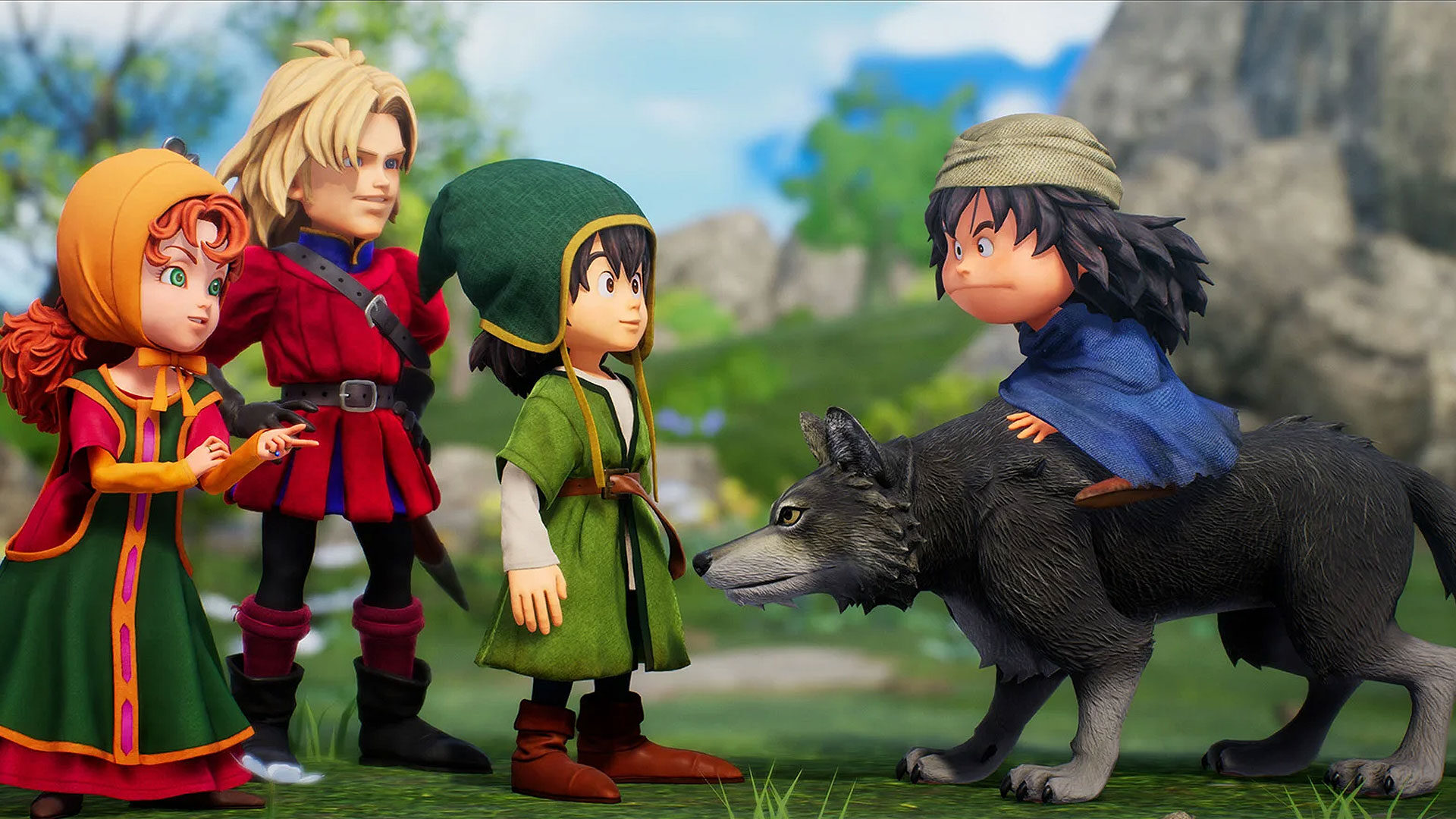
With less than a month away from its release, eager fans are awaiting the release of Dragon Quest VII: Reimagined. Now Square Enix is giving them a few new details on the game.
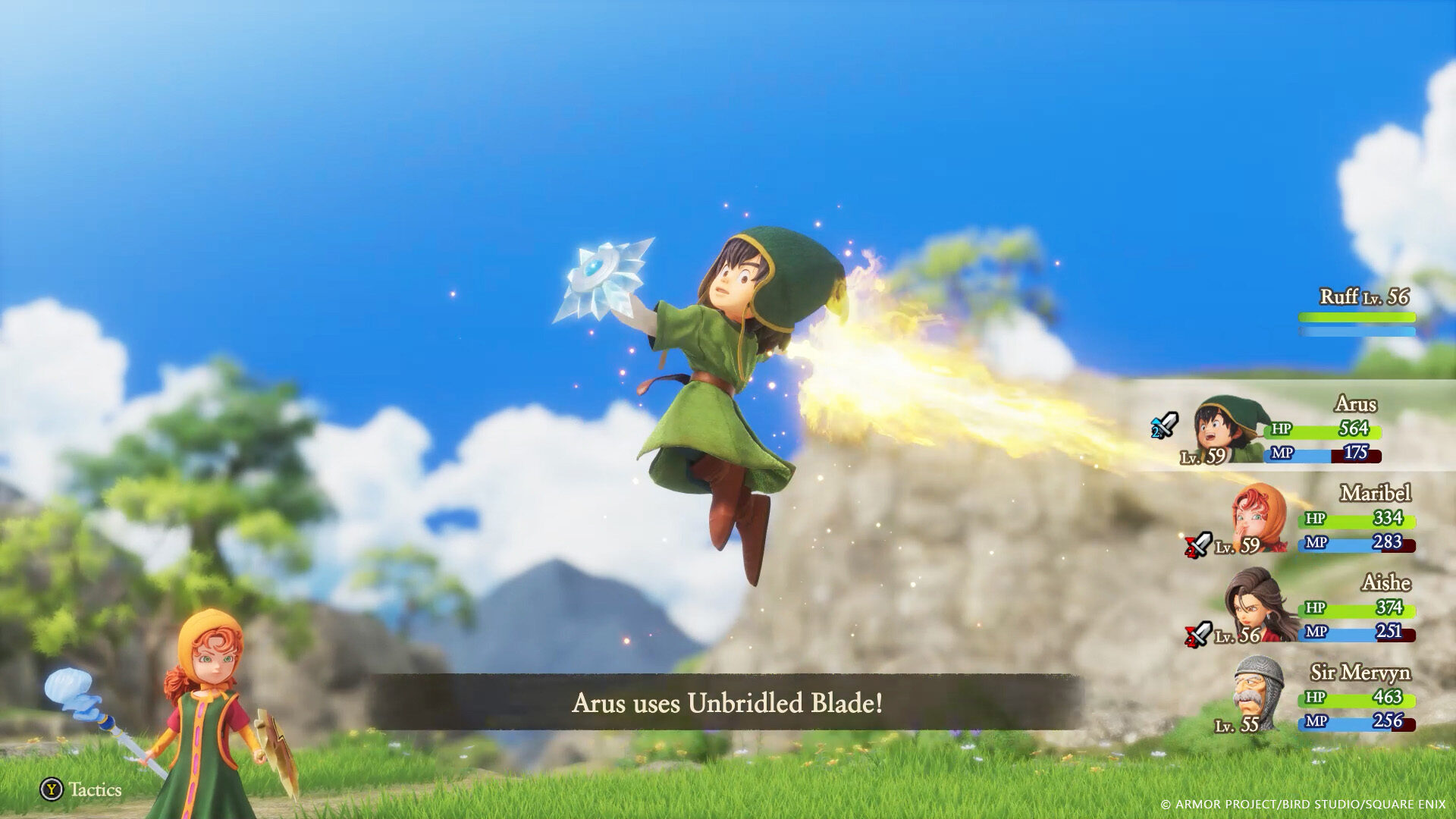
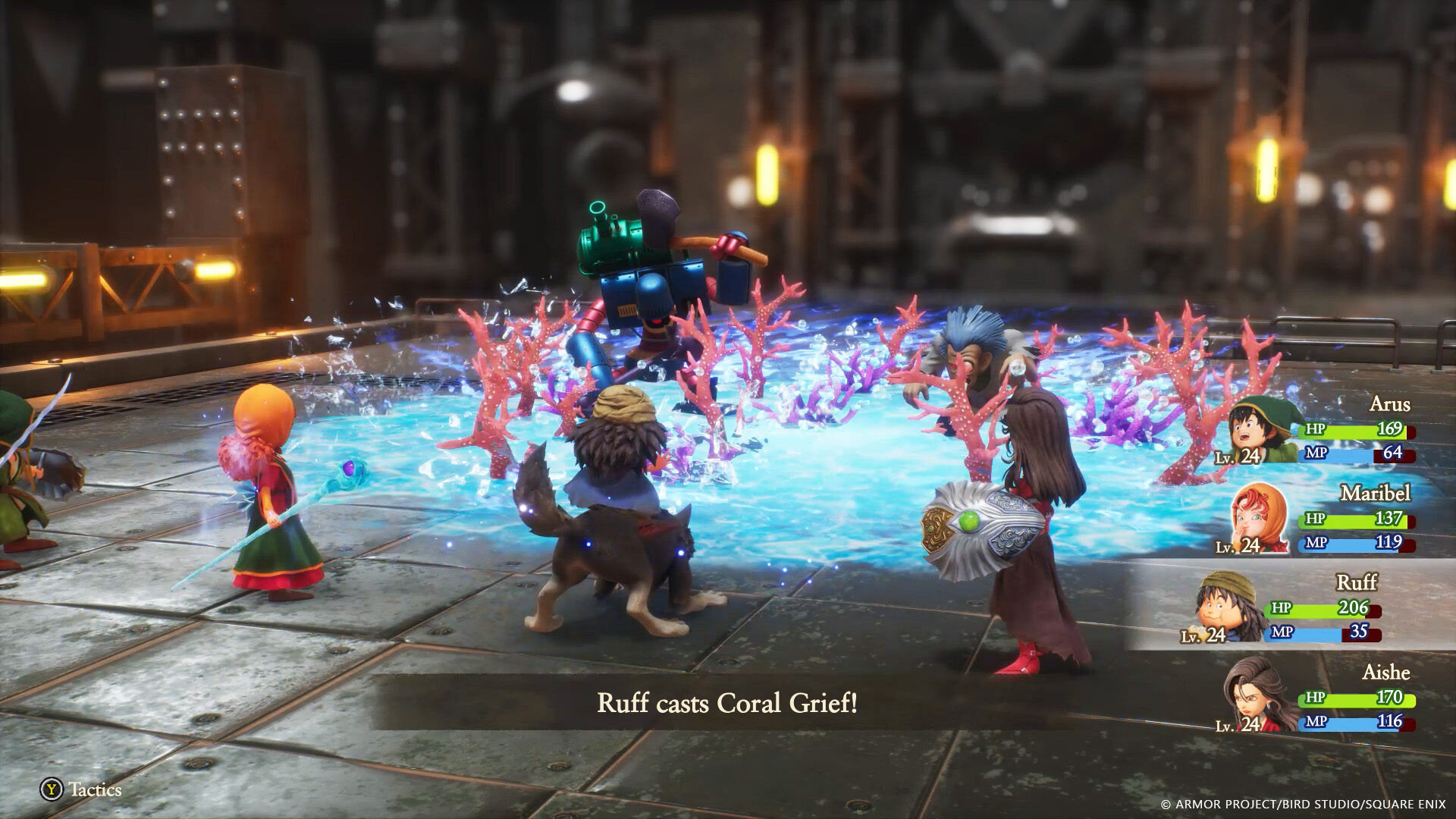
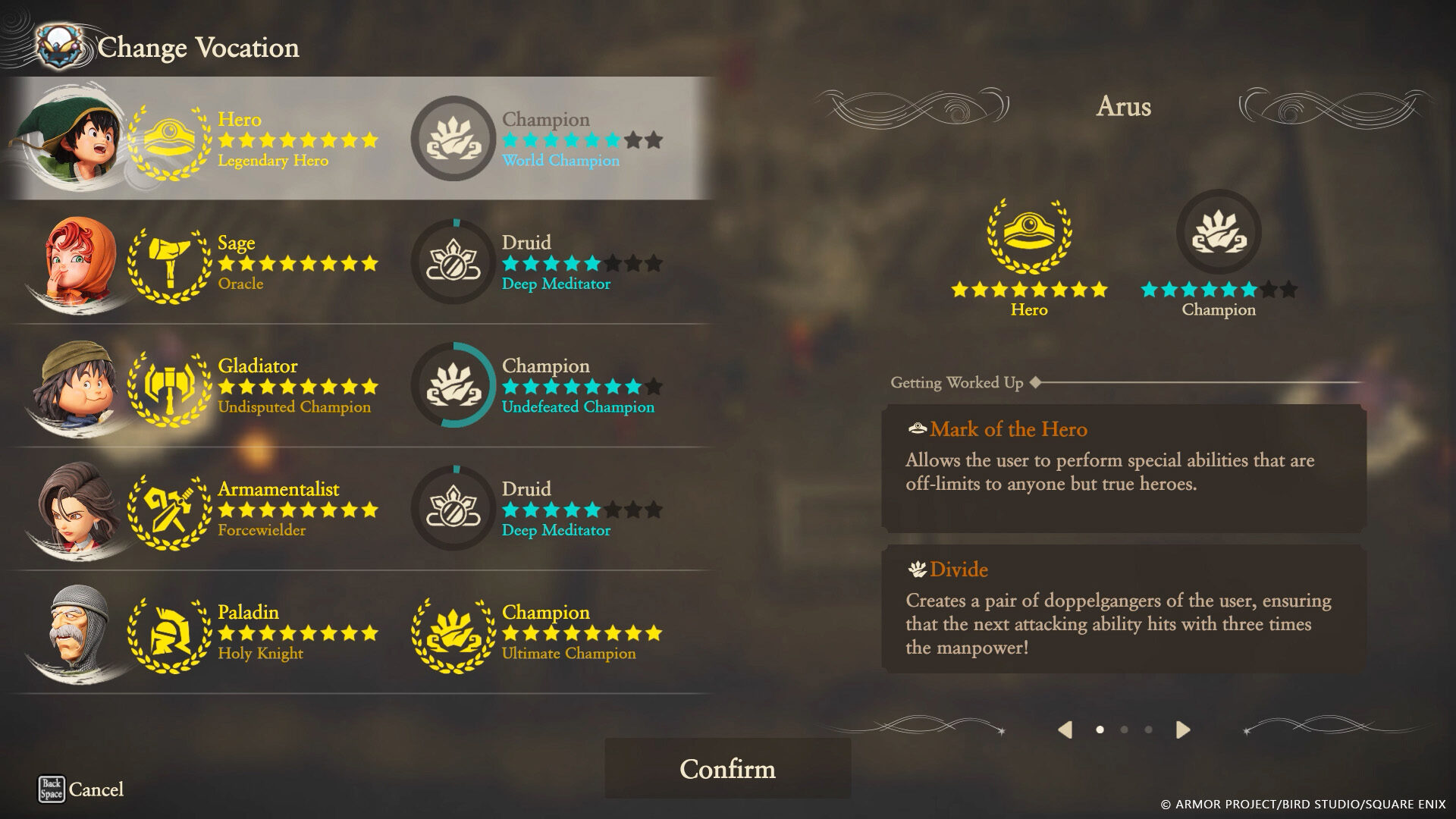
Announced via press release, Square shed some light on some of the new features that will be incorporated into Dragon Quest VII Reimagined. The first of these is the “vocations” system, which allows the protagonist and party members to learn new spells and abilities as their proficiency levels increase.
New to Dragon Quest VII Reimagined, there are 10 beginner vocations, and players can progress to intermediate and even advanced vocations (like Hero and Druid) by fulfilling certain requirements. Alongside these is the new “Moonlighting” system, which allows players to assign two advanced vocations at once to each character, giving players a plethora of new strategies to try out.
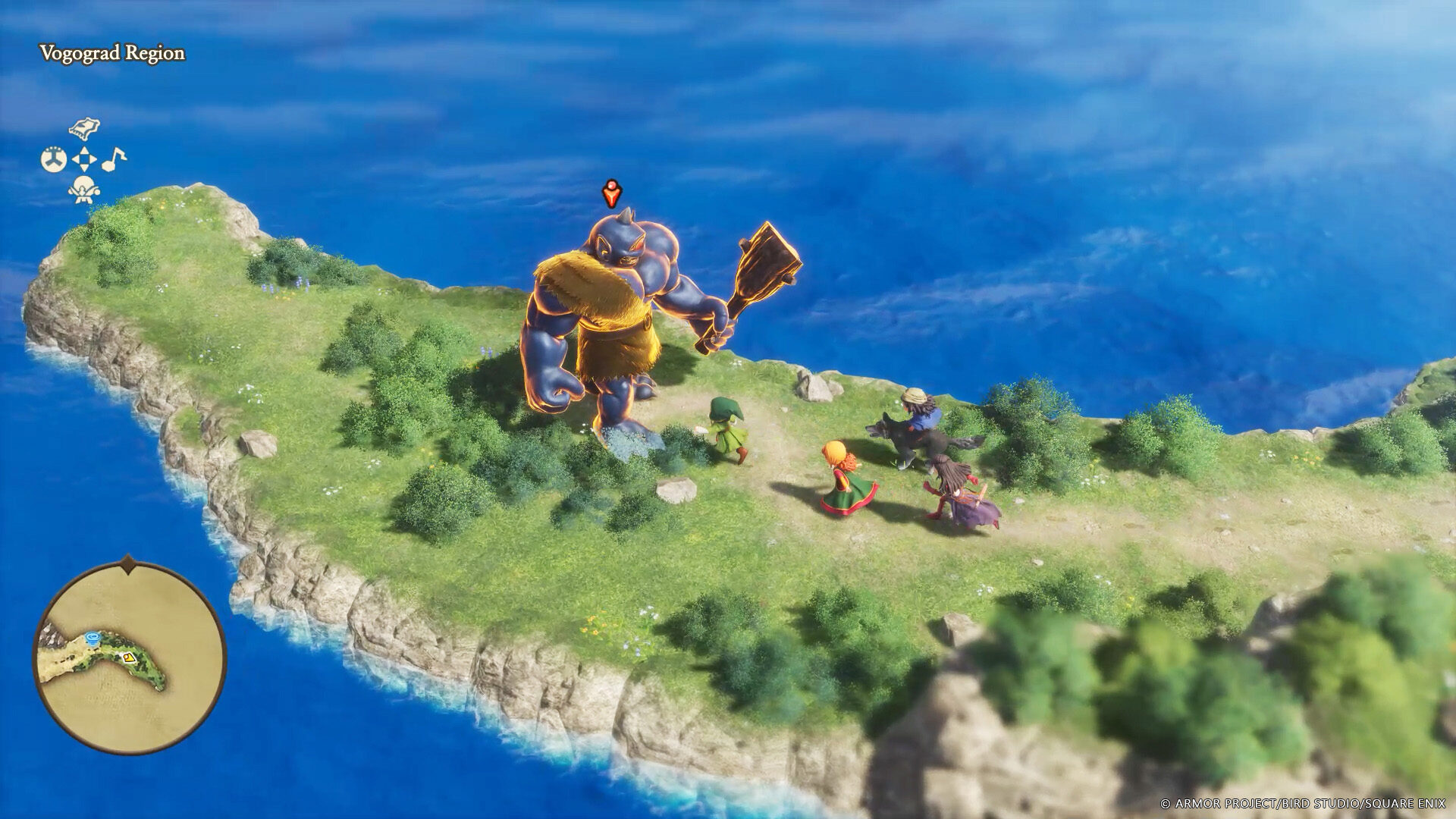
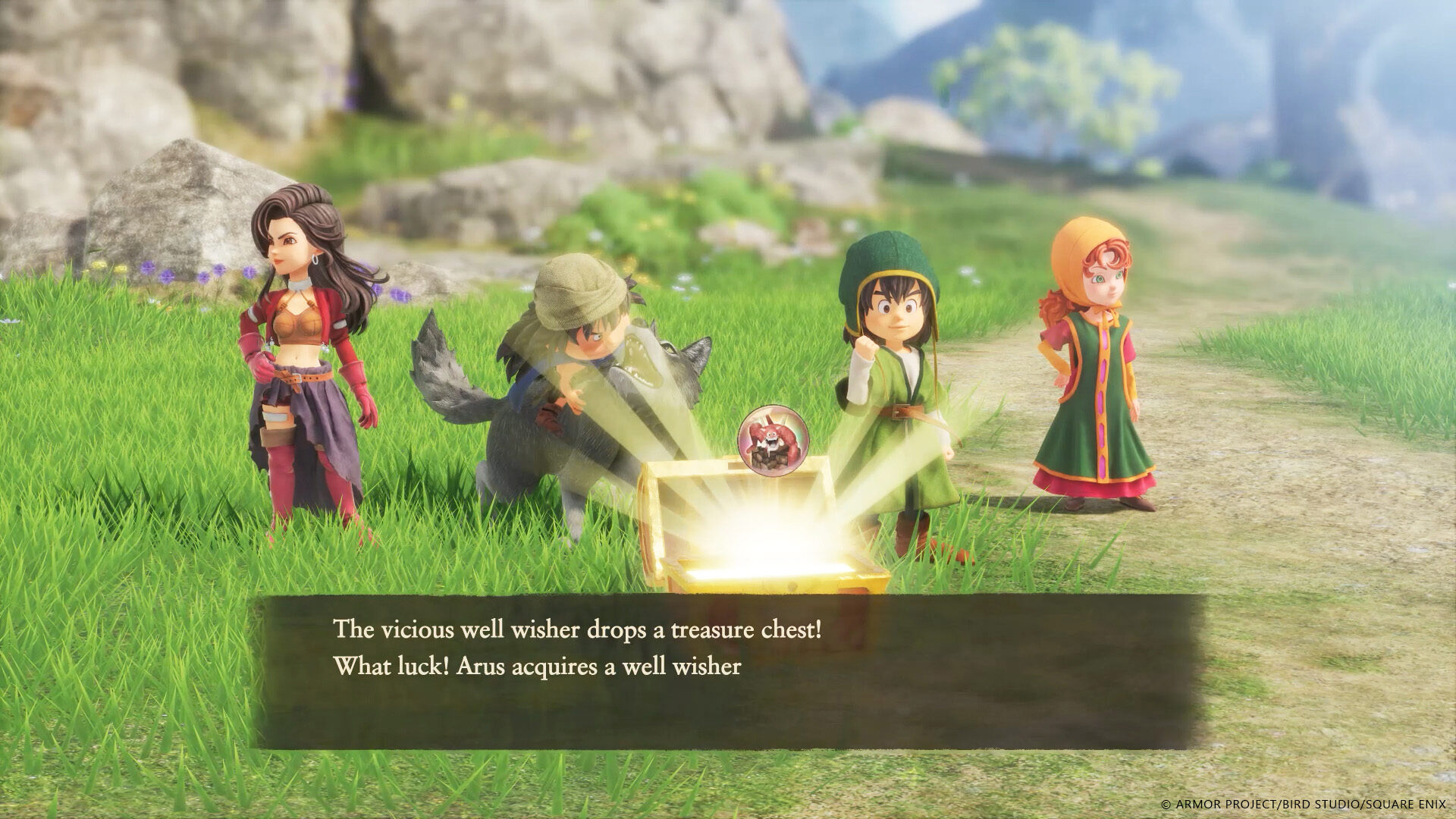
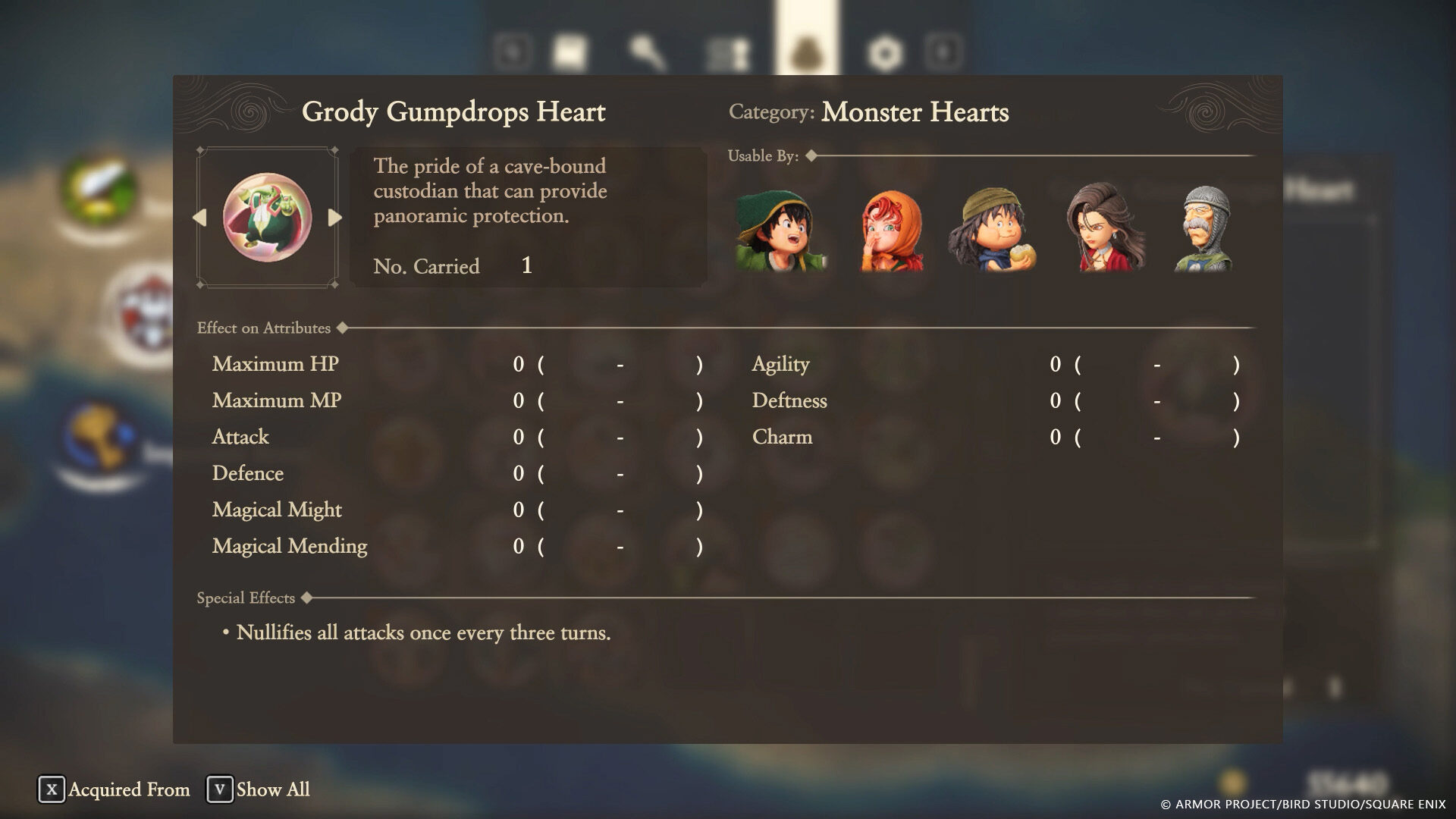
Lastly, a new type of enemy known as “vicious monsters” roam the world alongside regular monsters. waiting for brave players to challenge them. These vicious monsters may be very powerful, but defeating them will reward you with their “hearts” that can be equipped as accessories and provide rare effects that make the difficulty worth it.
For those interested in trying Dragon Quest VII Reimagined, a free demo was released on January 7th, 2026. The demo allows players to experience the beginning of the game and explore the Ballymolly region alongside the characters Kiefer and Maribel. Completing the demo will give players access to Maribel’s “Day-Off Dress,” which will change her appearance in the main game.
DRAGON QUEST VII Reimagined is set to launch on Feb. 5, 2026, for Nintendo Switch 2, Nintendo Switch, PlayStation 5, Xbox Series X|S and PC. A Deluxe Edition, priced at $74.99, will launch alongside the $59.99 Standard Edition and will contain three pieces of DLC.
With the 2025 Game Awards in the rearview mirror, the Game Developers Choice Awards (or GDCA) are quickly approaching on the horizon. This year, the competition is fierce with several prominent games up for awards.
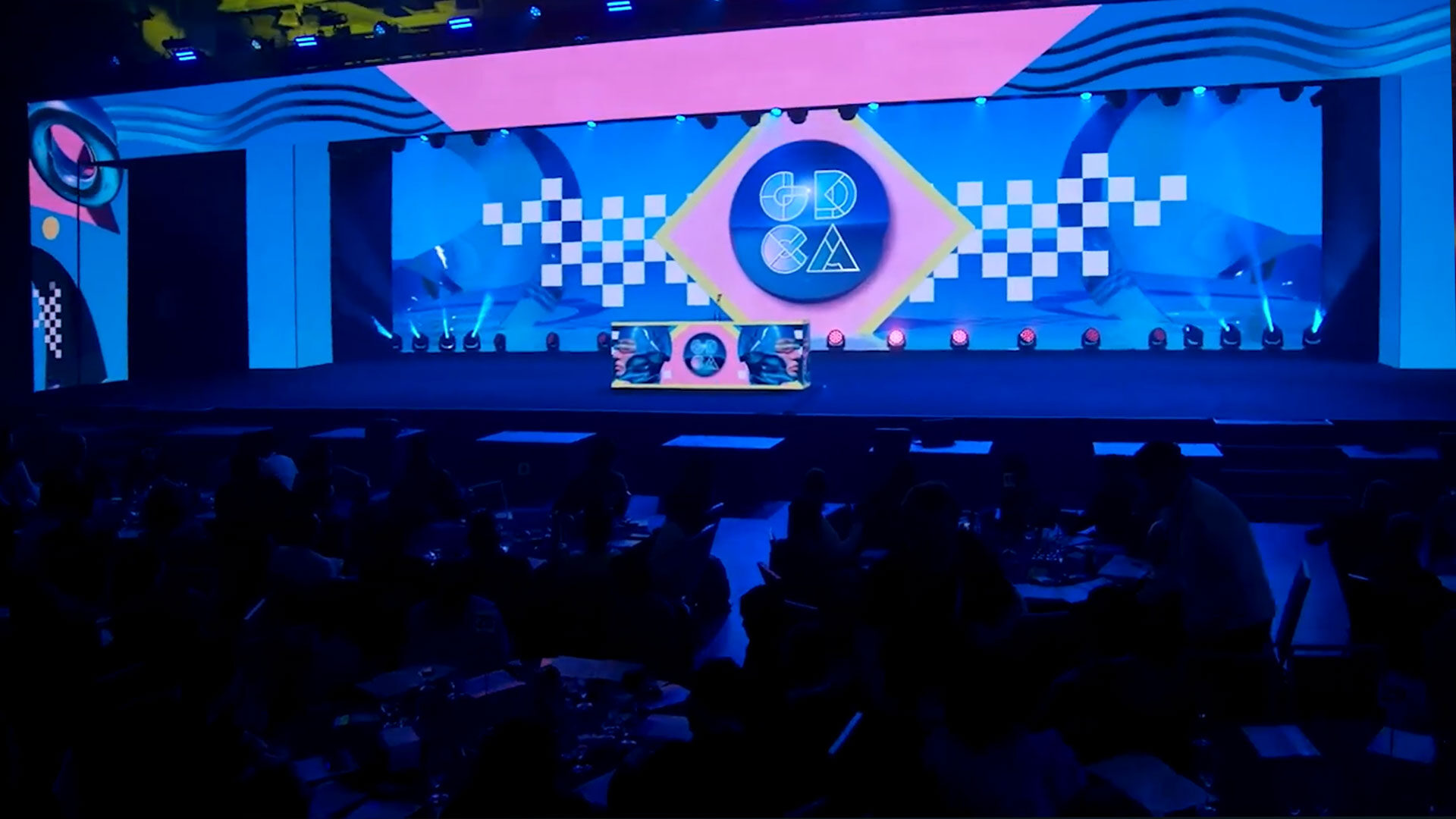
Announced via press release, the organizers of the GDC Festival of Gaming are announcing the finalists for the 26th annual GDCA. Finalists will be honoured, and winners announced at this year’s GDCA ceremony, held on Thursday, March 12, during the GDC Festival of Gaming in San Francisco. This year’s GDCA ceremony will take place the night after the 28th annual Independent Games Festival (IGF).
In addition to the categories listed below, the Audience Award invites all GDC Festival of Gaming attendees and members of the public to cast their vote for their favourite game of the year from all of this year’s GDCA finalists. The public can cast their vote from the Audience Award ballot here. Voting opens on January 26 and ends on February 8th, 2026.
Honourable Mentions: ARC Raiders (Embark Studios), Consume Me (Jenny Jiao Hsia), Hollow Knight: Silksong (Team Cherry), The Hundred Line: Last Defense Academy (Too Kyo Games, Media. Vision Inc. / Aniplex), The Roottrees are Dead (Evil Trout Inc.)
Best Design
BALL X PIT (Kenny Sun & Friends / Devolver Digital)
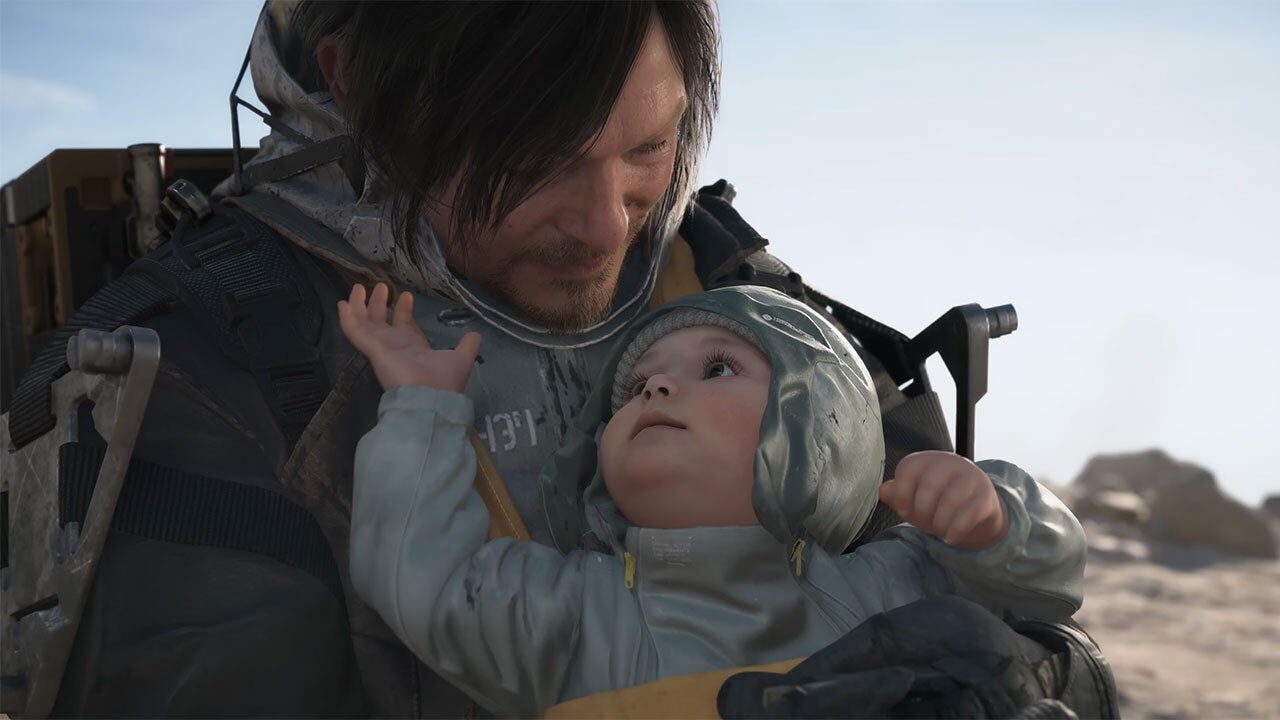
Honourable Mentions: Death Stranding 2: On the Beach (Kojima Productions / Sony Interactive Entertainment), Ghost of Yōtei (Sucker Punch Productions / Sony Interactive Entertainment), Kingdom Come: Deliverance II (Warhorse Studios / Deep Silver), The Alters (11 Bit Studios)
Innovation Award
BALL X PIT (Kenny Sun & Friends / Devolver Digital)
Honourable Mentions: Lost Records: Bloom & Rage (DON’T NOD Montréal, DON’T NOD), South of Midnight (Compulsion Games / Xbox Game Studios), The Outer Worlds 2 (Obsidian Entertainment / Xbox Game Studios), The Séance of Blake Manor (Spooky Doorway / Raw Fury)
Death Stranding 2: On the Beach (Kojima Productions / Sony Interactive Entertainment)
Ghost of Yōtei (Sucker Punch Productions / Sony Interactive Entertainment)
Hades II (Supergiant Games)
Keeper (Double Fine Productions / Xbox Game Studios)
Honourable Mentions: Hollow Knight: Silksong (Team Cherry), South of Midnight (Compulsion Games / Xbox Game Studios), Sword of the Sea (Giant Squid), The Midnight Walk (MoonHood / Fast Travel Games)
Honourable Mentions: Absolum (Guard Crush Games, Dotemu, Supamonks / Dotemu), BALL X PIT (Kenny Sun & Friends / Devolver Digital), Hades II (Supergiant Games)
The Game Developers Choice Awards is a celebration of the top games from the past year and the developers who make them. Games are nominated by, voted on, and decided by video game developers within the industry.
I know I say this a lot, but I’m genuinely surprised that Tides of Tomorrow flew completely under my radar. You’d think with a career covering the games industry, I would be aware of almost every video game that’s on the horizon, but sometimes you can end up missing the trees for the forest.
However, I knew this would be something interesting when CGM’s Dayna Elieen messaged me, “K CAN WE PLEASE TALK ABOUT TIDES OF TOMORROW,” since she doesn’t often message me in all caps unless something is genuinely good. I’ve repeatedly said that the Indie scene is infinitely more interesting than the “AAA” one because of the bold choices developers make to advance the medium. Tides of Tomorrow is one such example of this.
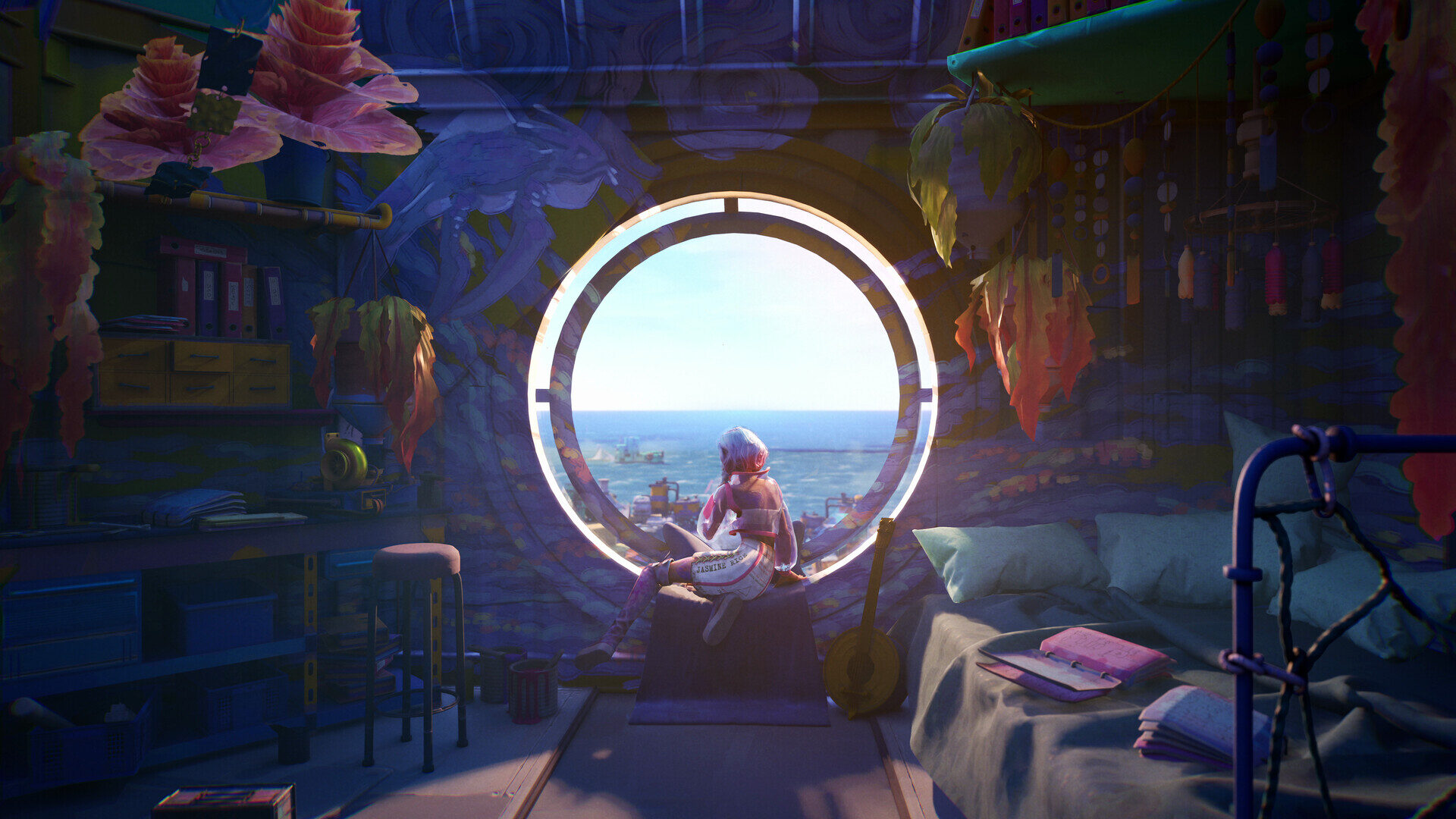
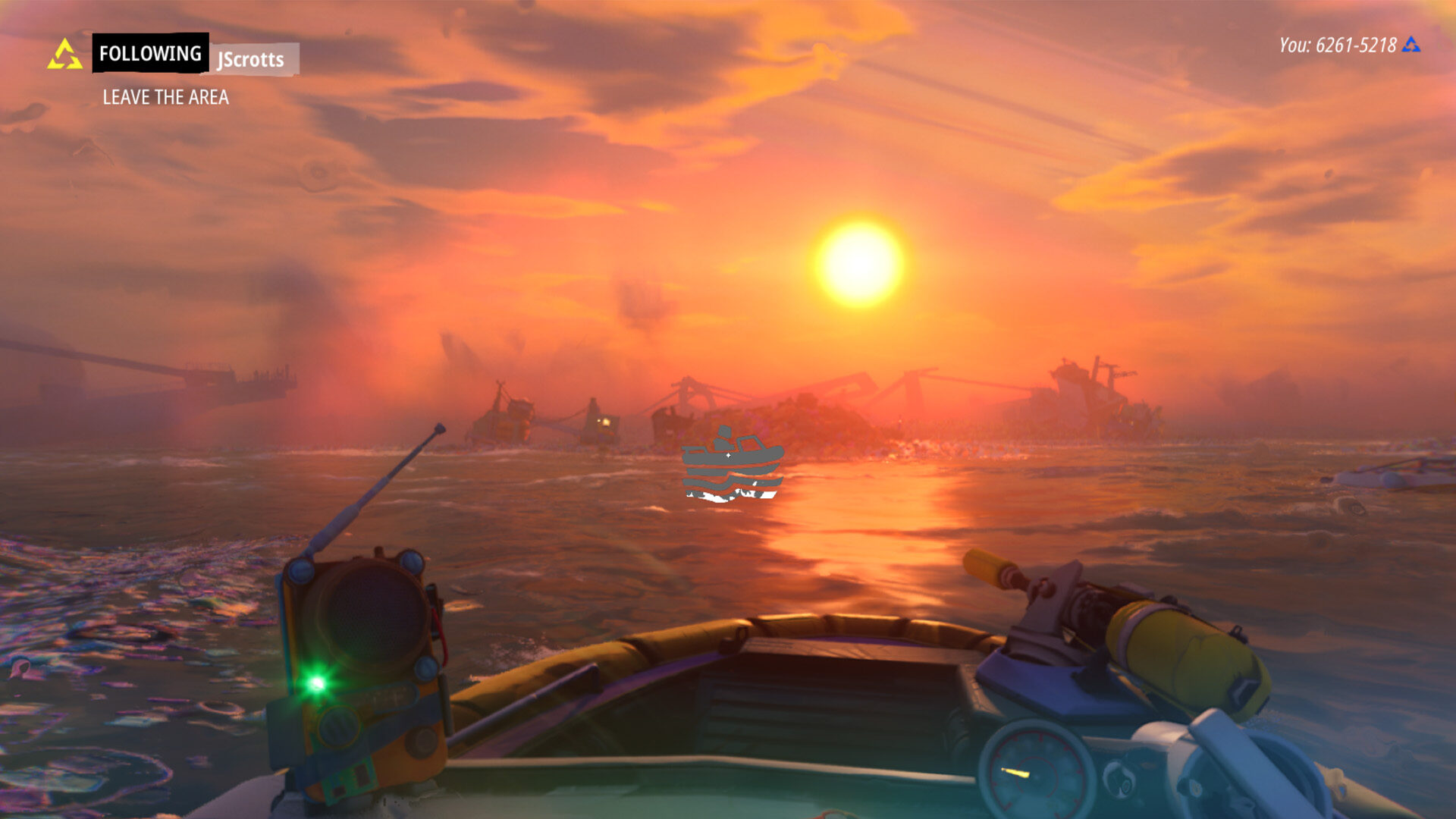
Developed by DigixArt, the studio behind Road 96 and Lost in Harmony, Tides of Tomorrow is a narrative adventure set in a vast, flooded world that has been all but destroyed by plastic pollution in the oceans. Players take on the role of a Tidewalker—unique humans who are able to connect with each other and harness visions of past events—suffering from the disease known as “Plastemia,” which is slowly killing them.
Players must navigate the world, fighting for not only their own survival, but the fate of the remaining mankind. Their choices will shape the world and potentially build a new one, or possibly destroy what little is left. It may sound simple, or like so many games that have come before it, but Tides of Tomorrow differentiates itself with its main gameplay mechanic: asynchronous multiplayer.
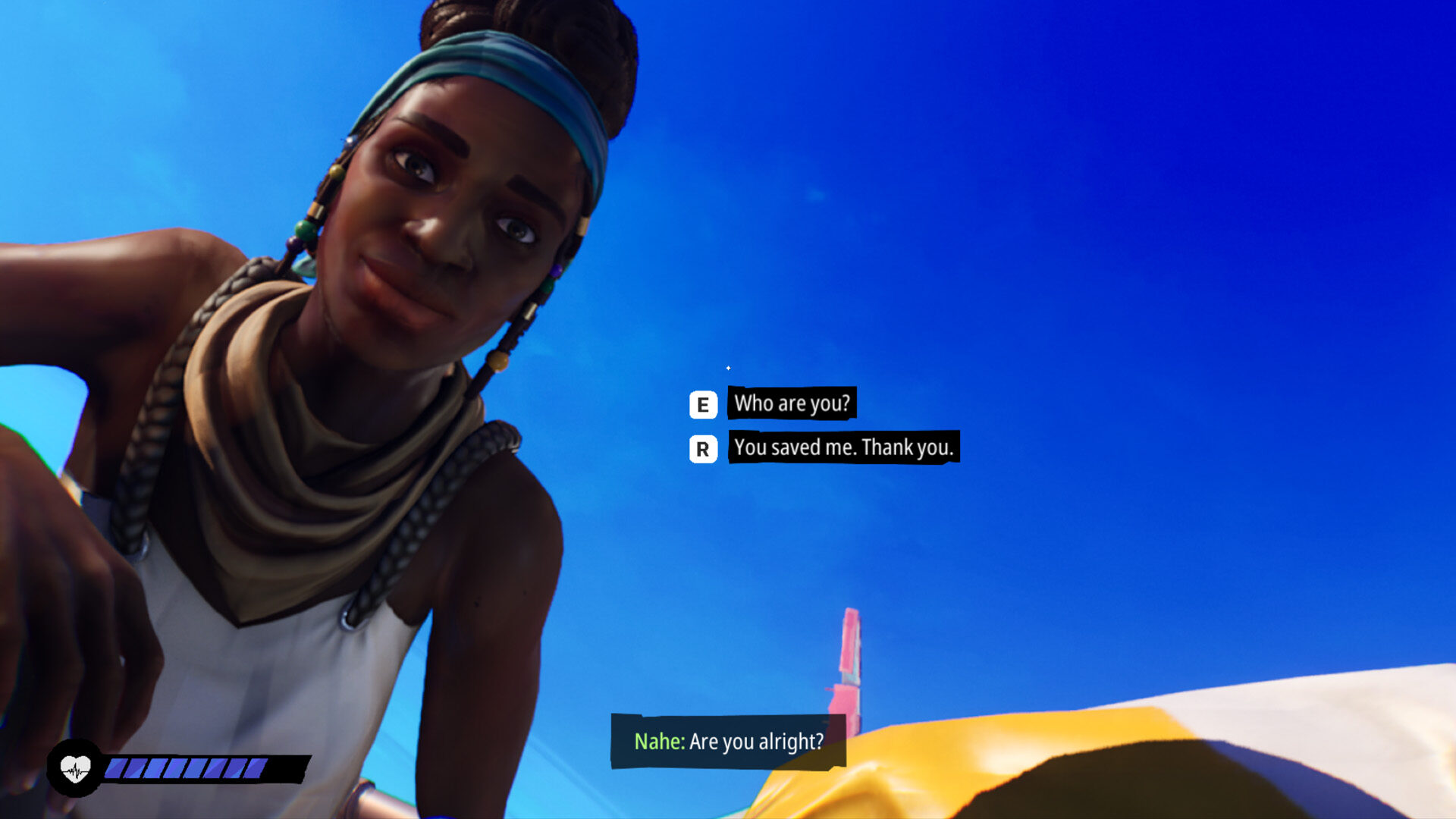
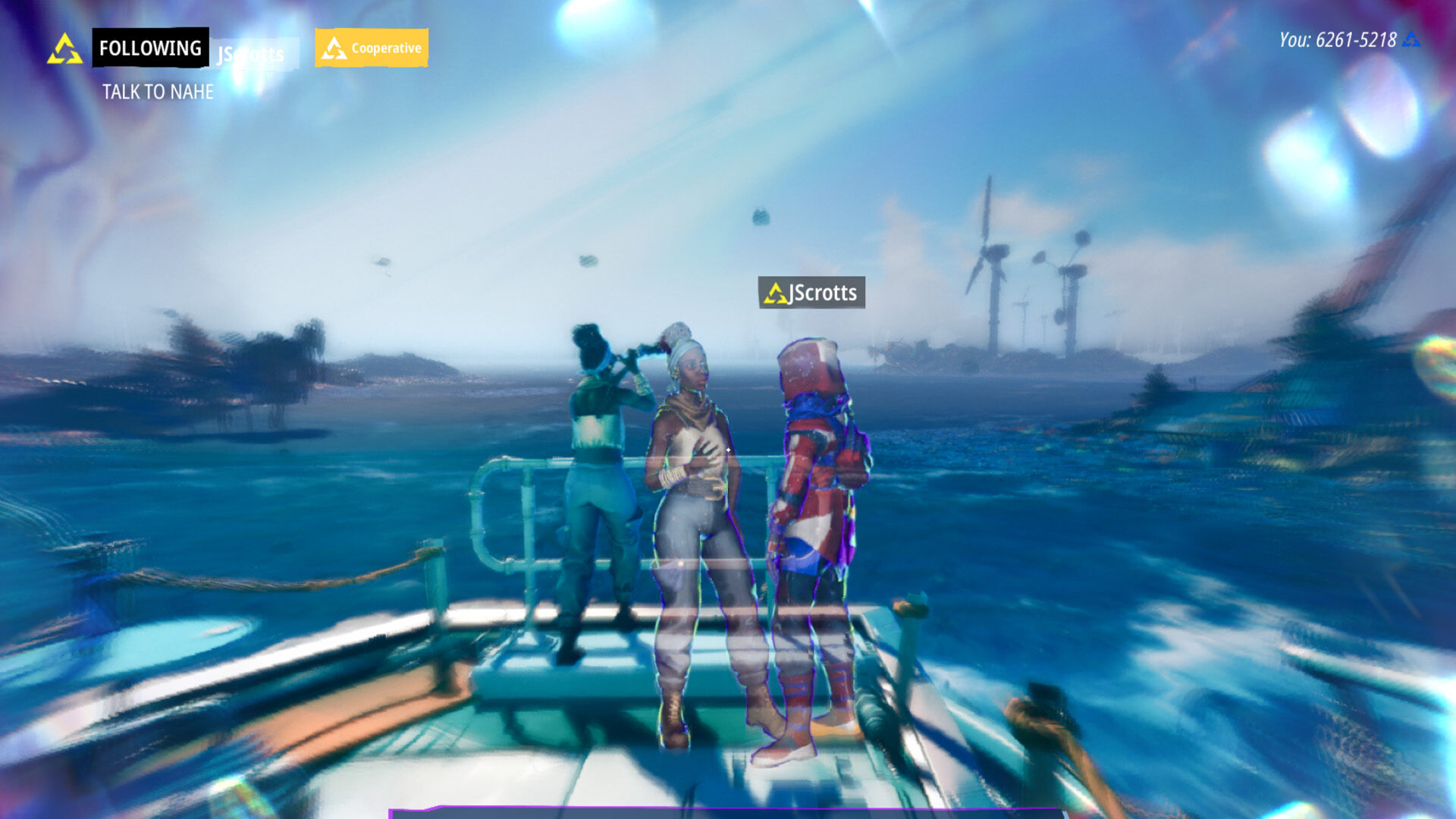
When players begin their game, they can choose to follow another player. As you play, you’ll be able to see what choices your followed player made both in dialogue and in action, how it affected the story and allow you to make decisions accordingly. You can either follow in their wake or attempt to diverge and see what new waters await you.
It’s an incredibly interesting idea that works on a lot of unique levels. In the moment-to-moment gameplay, it functions like a positive version of Dark Souls’Messages system, where players are actually trying to guide each other instead of sending them into bottomless pits. But in the macro-design, it connects in a meta way to the game’s overall narrative by allowing players to learn from each other’s mistakes and try to forge a better path forward.
“Even though my time with Tides of Tomorrow was relatively brief, I’m genuinely impressed with what it’s doing. “
In the early moments of the game, I needed to collect some scrap in order to help one of the characters who was trying to guide me. There was a bunch littered around, but one of them was placed on a memorial to those who had died from Plastemia. By using my Tide-O-Vision, I was able to see that the player I was following had been reprimanded for taking some scrap that was on the monument.
In that moment, it gave me some pause to consider how else I could approach my current situation that wouldn’t put me in bad standing with the local population. Going forward, I tried to be extra considerate with my decisions, all while trying to navigate a whole that was being shaped by another player. It made the experience so incredibly interesting, as you can tangibly see how events were shaped by the person who came before you, and how I now had to move through newly opened doors as others were closed by another player.
And what’s even more interesting is that players are not bound to another player for the entirety of their journey. At certain critical moments, players can choose to follow others, giving them the freedom to explore other perspectives and follow different threads of fate. Digixart clearly wants Tides of Tomorrow to be a deeply social game as players can share game seeds with one another, and there’s a big push for players to follow their favourite streamers—expanding the experience to a much broader platform.
Even though my time with Tides of Tomorrow was relatively brief, I’m genuinely impressed with what it’s doing. Not only is it creating an interesting world and telling an engaging story with truly resonant themes, but it’s doing so with such an interesting and dynamic gameplay hook that it genuinely keeps you involved. It’s going to be really exciting to see how Tides of Tomorrow connects and challenges players.
Fans of the irreverent deconstructionalist comic and award-winning TV series The Boys can finally experience its world of amoral superheroes in its first-ever video game adaptation—up close and personal in VR.
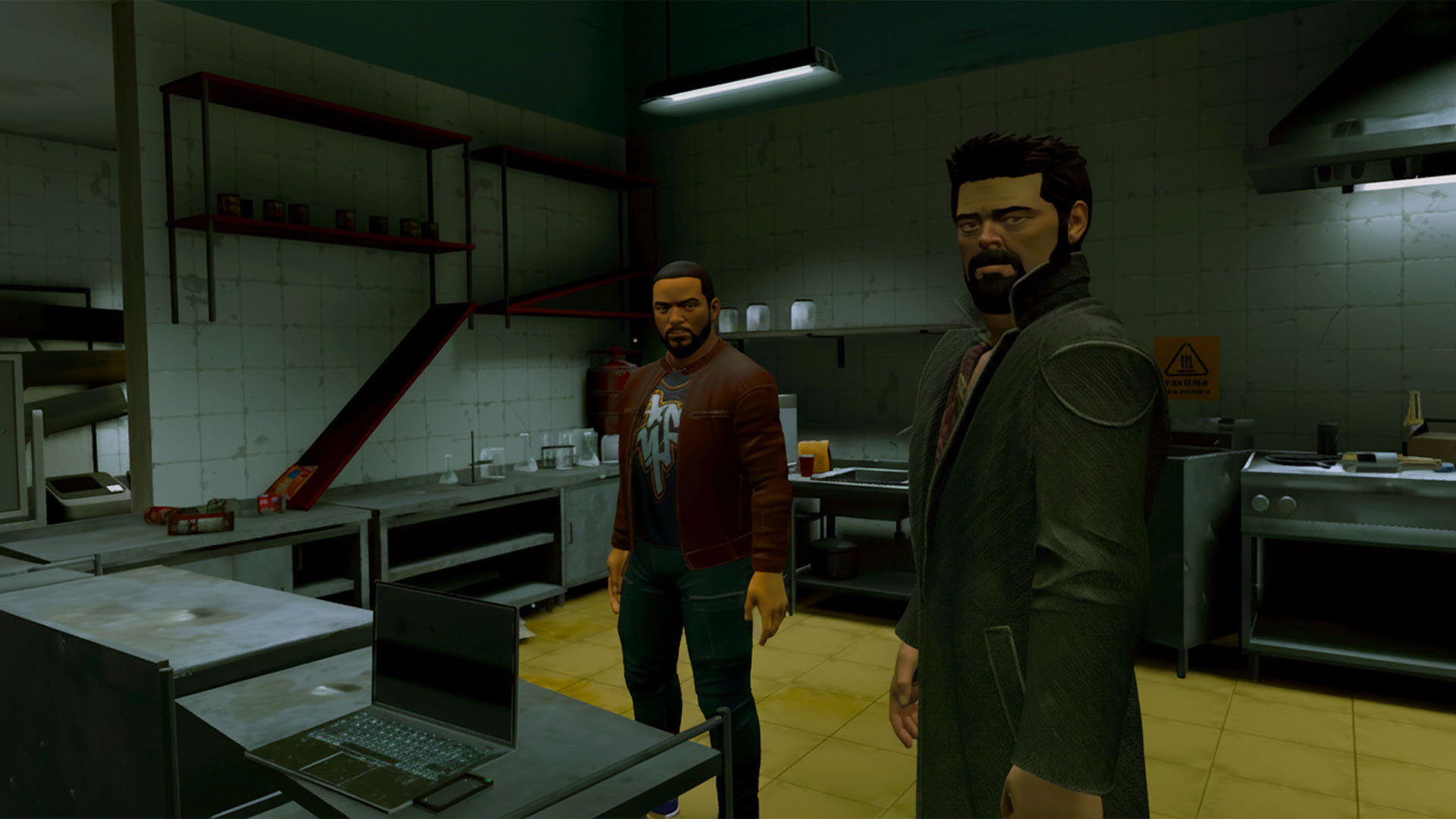
Announced via press release, The Boys: Trigger Warning brings players into the gritty, anti-superhero universe with a new virtual reality game experience from the award-winning Brazilian game studio ARVORE and published by Sony Pictures Virtual Reality. The game features beloved cast members returning to their roles, including Laz Alonso, Colby Minifie and P.J. Byrne. Jensen Ackles also appears as a twisted interpretation of Soldier Boy created exclusively for the game.
Developed with the creators and featuring cast members from the hit series, The Boys: Trigger Warning introduces an original character who accidentally uncovers a grotesque Vought secret that turns a family outing into carnage. The game presents a more horror-driven experience, which feels somewhat appropriate given the many storylines present within The Boys.
“From day one, we wanted to build an adaptation hand-in-hand with the people who defined this universe,” said Founder and Head of Studio at ARVORE, Ricardo Justus. “Working with the show’s writers and cast allowed us to bring the edge, humour, and brutality that made the series iconic, delivered with the spark of magic only ARVORE can create.”
“We’re thrilled to work with ARVORE to bring The Boys: Trigger Warning to life in VR,” said SVP of Virtual Reality at Sony Pictures Entertainment, Lance Sloane. “Having the show’s creators involved in shaping the experience allows us to push the boundaries of immersive storytelling, and we’re grateful to collaborate with our friends at Meta and PlayStation to deliver it to fans.”
The Boys: Trigger Warning is now available to pre-order at a limited-time promotional price of $23.99 USD on the Meta Quest storefront and to wishlist on the PlayStation Store.
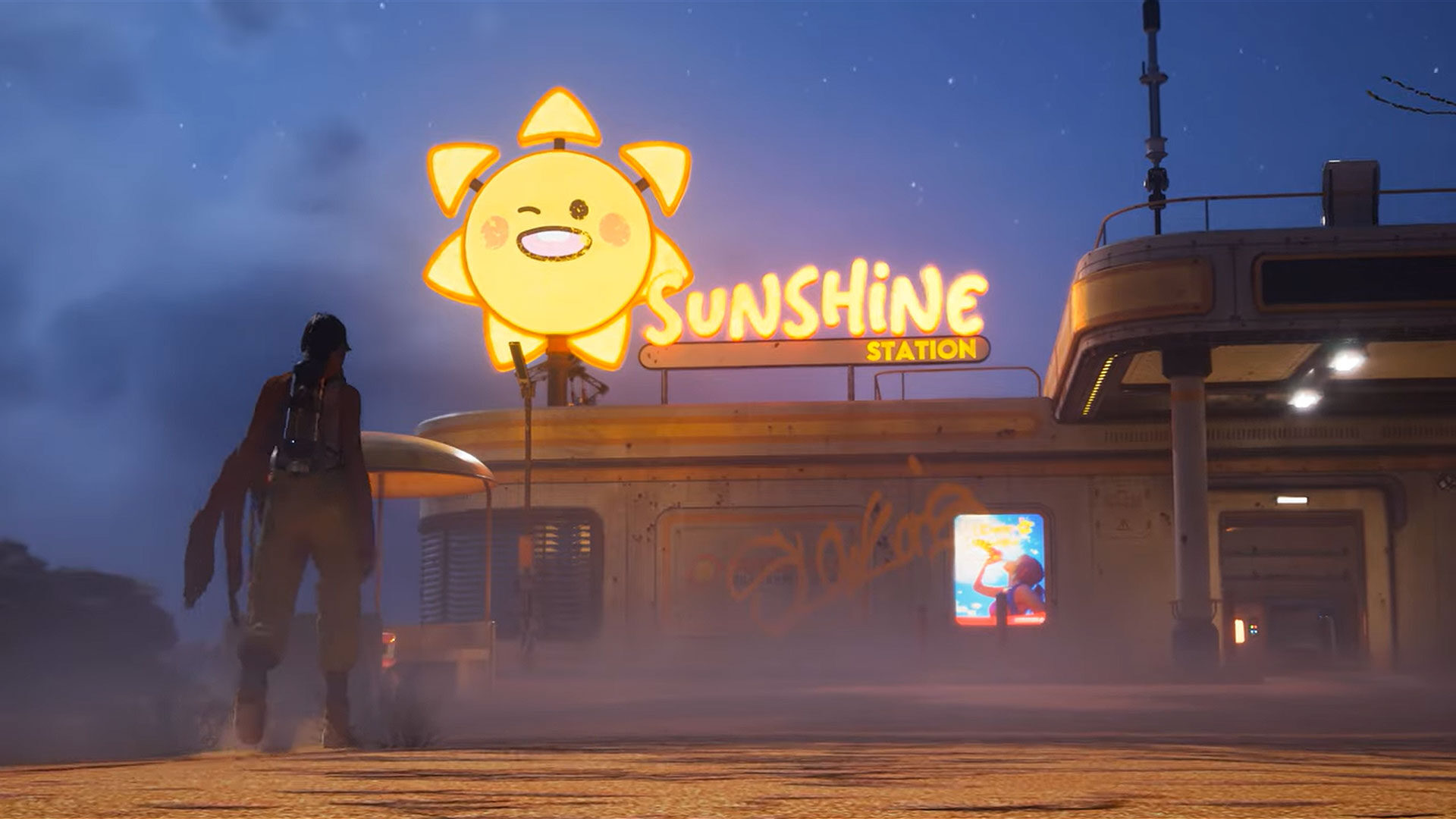
When it was announced back in March 2025, Hello Sunshine captivated gamers with its weird and bold trailer. Now, Red Thread Games is showing off more details for their upcoming game.
CGM was invited to a digital preview in which the Creative Director at Redthread Games, Ragnar Tørnquist and the Game Director on Hello Sunshine, Jonathan Nielssen, detailed the basic gameplay and world of the game. It was somewhat of a departure from what they’re used to making, as Tørnquist explained, “We’ve been making mostly narrative games now for over a decade, starting with Dreamfall Chapters.” He continued, “None of them are RPGs or survival games, so this is a first for us, but you know we come at this from definitely a narrative angle…”
The world of Hello Sunshine looks to be an intense one, as players will literally roast in the sunlight if they stand in it for too long. Thankfully, they are given a giant robot to follow, which not only provides shade but can lead players to points of interest or useful materials if they dare to venture out from the robot’s shadow. “At the start…the robot does not care about us at all. We’re like an ant to this thing,” Tørnquist said, adding, “but the point of the game is also as you’re on this journey towards the rising sun, you’re also building a relationship with this giant robot.”
But what Tørnquist and Nielssen really wanted to stress was the pace of how Hello Sunshine plays. As Nielssen says, “You need to think quite quickly. You don’t really have that much time often to take a good look at everything and read all the text and see what you can do.” He continued, “We find that this really makes for a really good momentum and for the players to really play this game on the edge of their seats during the daytime.”
The way they described it is, players are effectively “tethered” to the giant robot. They need to follow it in order to move across the map and stay out of the sun, but they’ll also need to explore and gather as quickly as they can without losing sight of it. At night, they’ll need to stay close to the robot as the desert becomes freezing cold. But it isn’t just running and scavenging, players might need to engage in combat as well against… relatively smaller robots.
And while combat is going to be part of the experience, Nielssen wants to stress, “It’s important for us that you know this is not a hack-and-slash game. This is not really like a big on fighter…But, we want the players to strategize around combat.” There’s a certain degree of risk vs. reward being built into the game, combined with different ways players can build their character to adopt different playstyles that will change their experience.
No release date has been set for Hello Sunshine, but players are able to wishlist the game on Steam as well as register for an upcoming playtest.
Christmas is once again approaching, and shoppers may be wondering what to get gamers in their lives. 2025 was an especially hot year for games, with not only the release of the Nintendo Switch 2, but a ton of excellent titles across the Indie and “AAA” space. Thankfully, CGM is here once again to help guide you to making the best purchase to ensure the happiest of holidays!
From family-friendly titles like LEGO Voyagers to more intense titles like Clair Obscur: Expedition 33, we’ve rounded up some of our favourite titles this year to give you our Christmas Gift Guide 2025: Top Video Games!
Donkey Kong Banaza
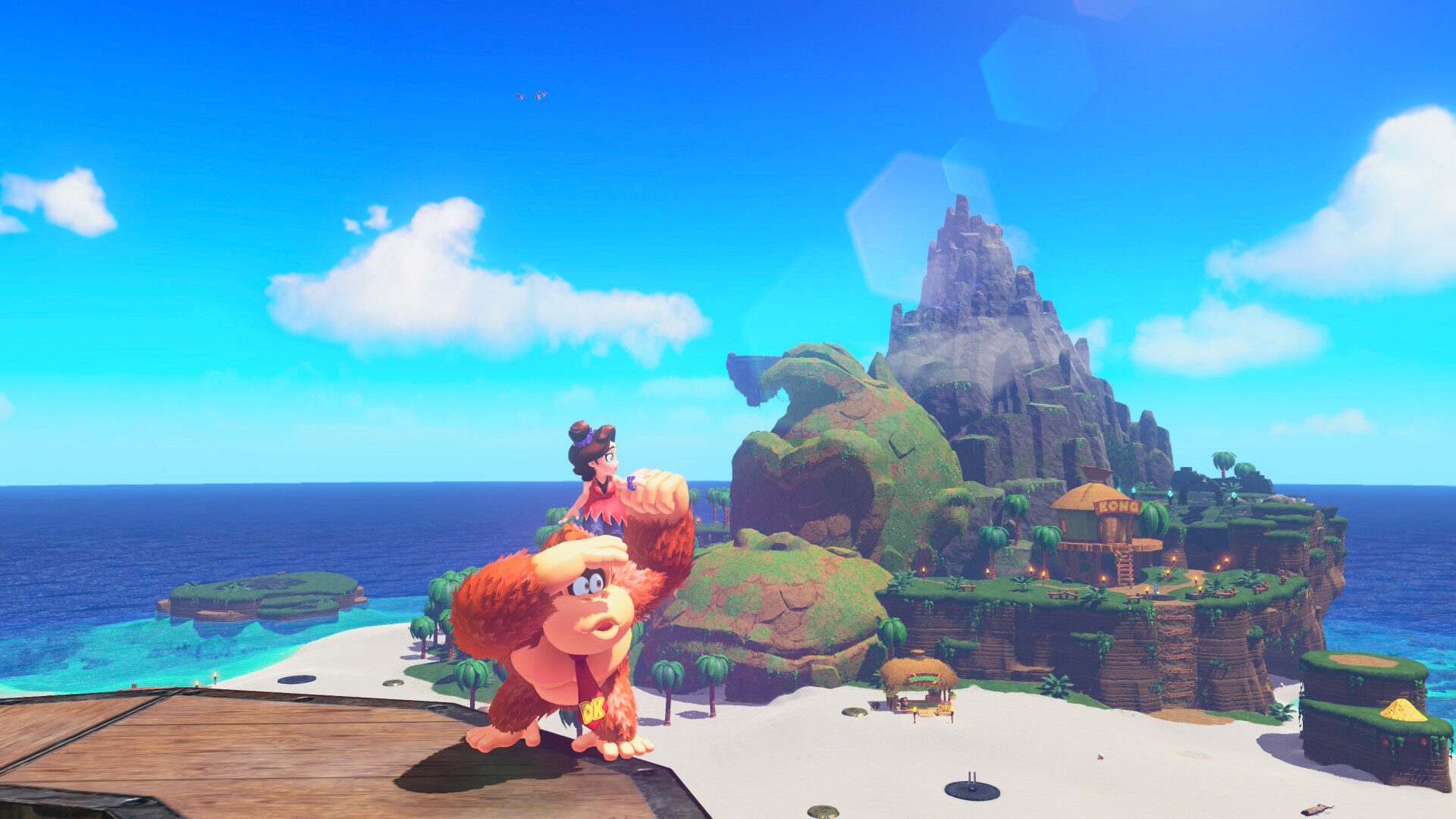
Donkey Kong Bananza is an excellent choice for any gamer who was fortunate enough to snag a Nintendo Switch 2—or maybe a good consideration for a Christmas bundle. Its freeform approach to exploration, combined with its myriad rewards and focus on destruction, makes it fun for gamers young and old! As Zubi Khan said in his review, “Donkey Kong Bananza is unlike anything that has come before it.”
Donkey Kong Bananza is available exclusively for the Nintendo Switch 2.
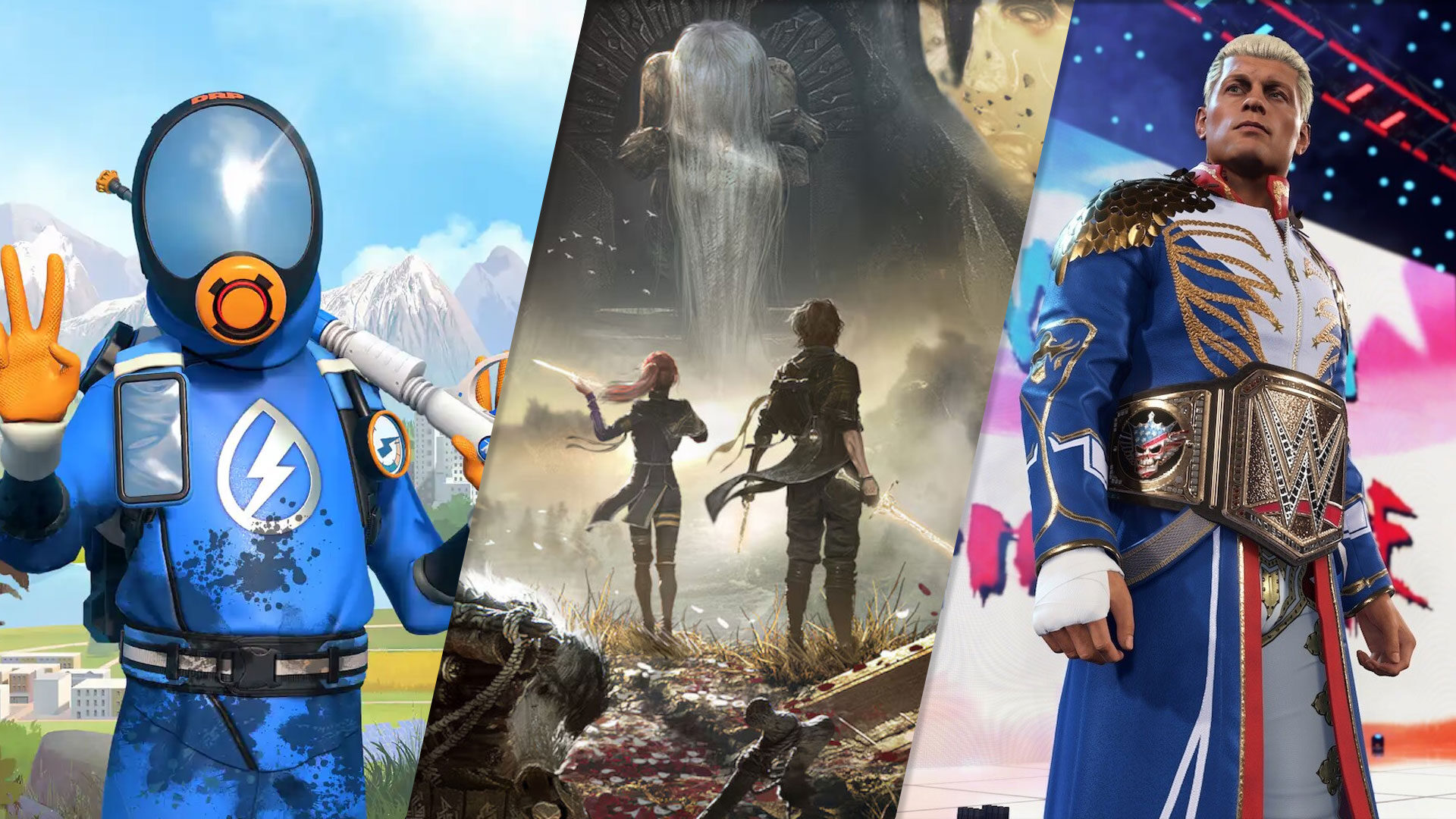
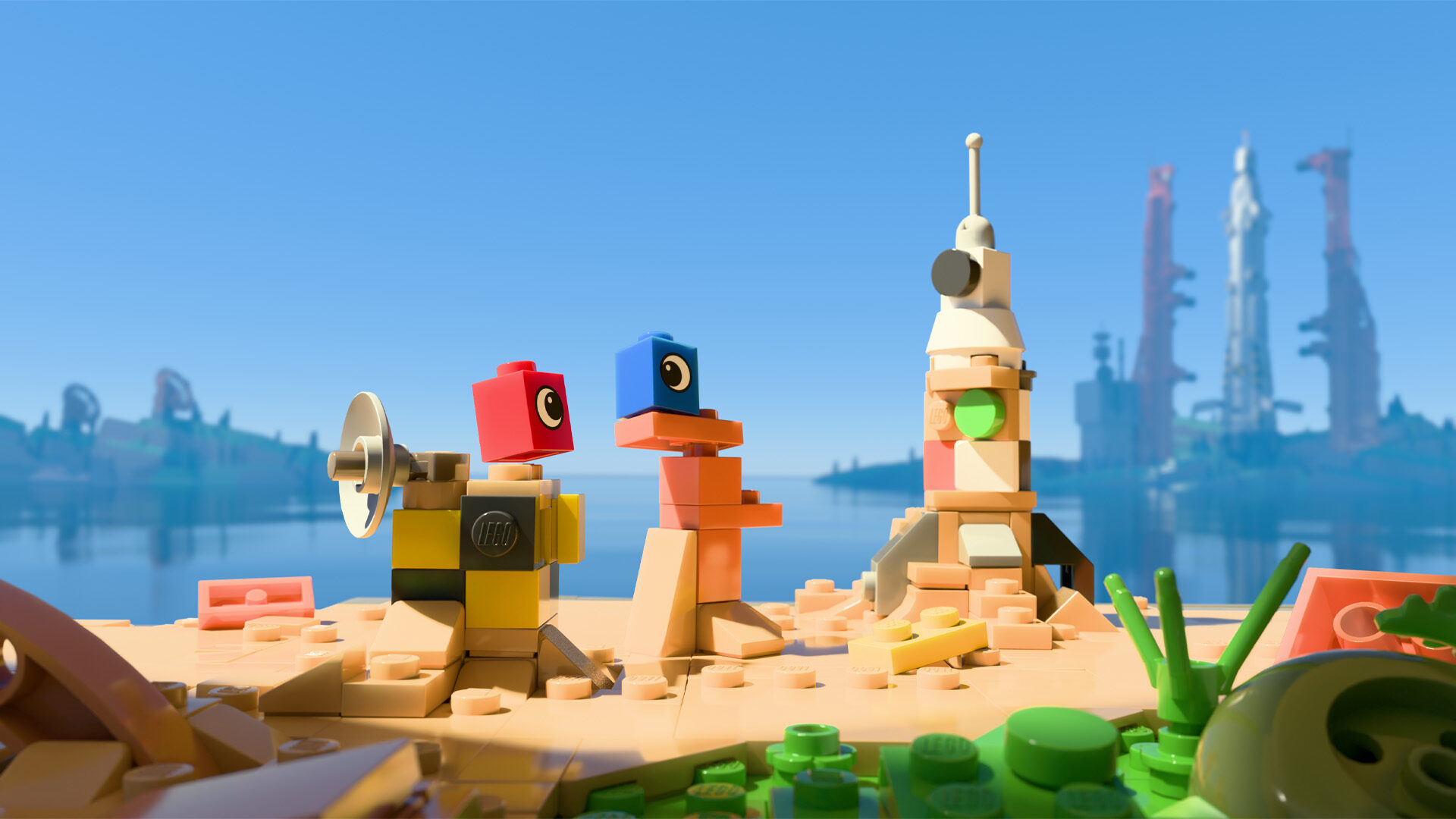
If you’re looking for a game to give someone you regularly game with, or perhaps have more than one child in the house, then LEGO Voyagers would be a great choice. Not only is it a fun and approachable puzzle-platformer, but it also feels very much, to me, like a celebration of the innocence of creativity that is inherent in the more simplistic form of LEGO.
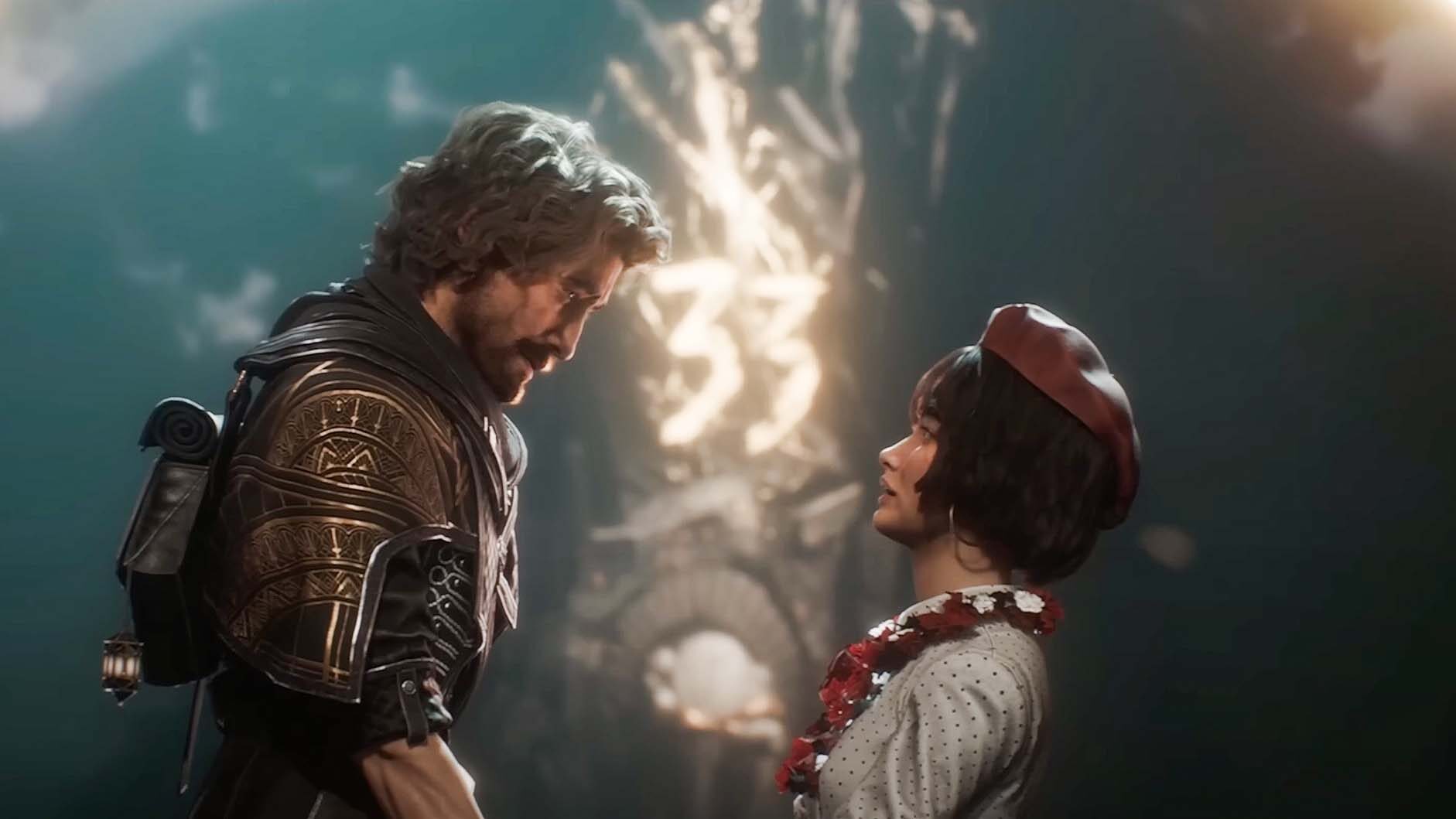
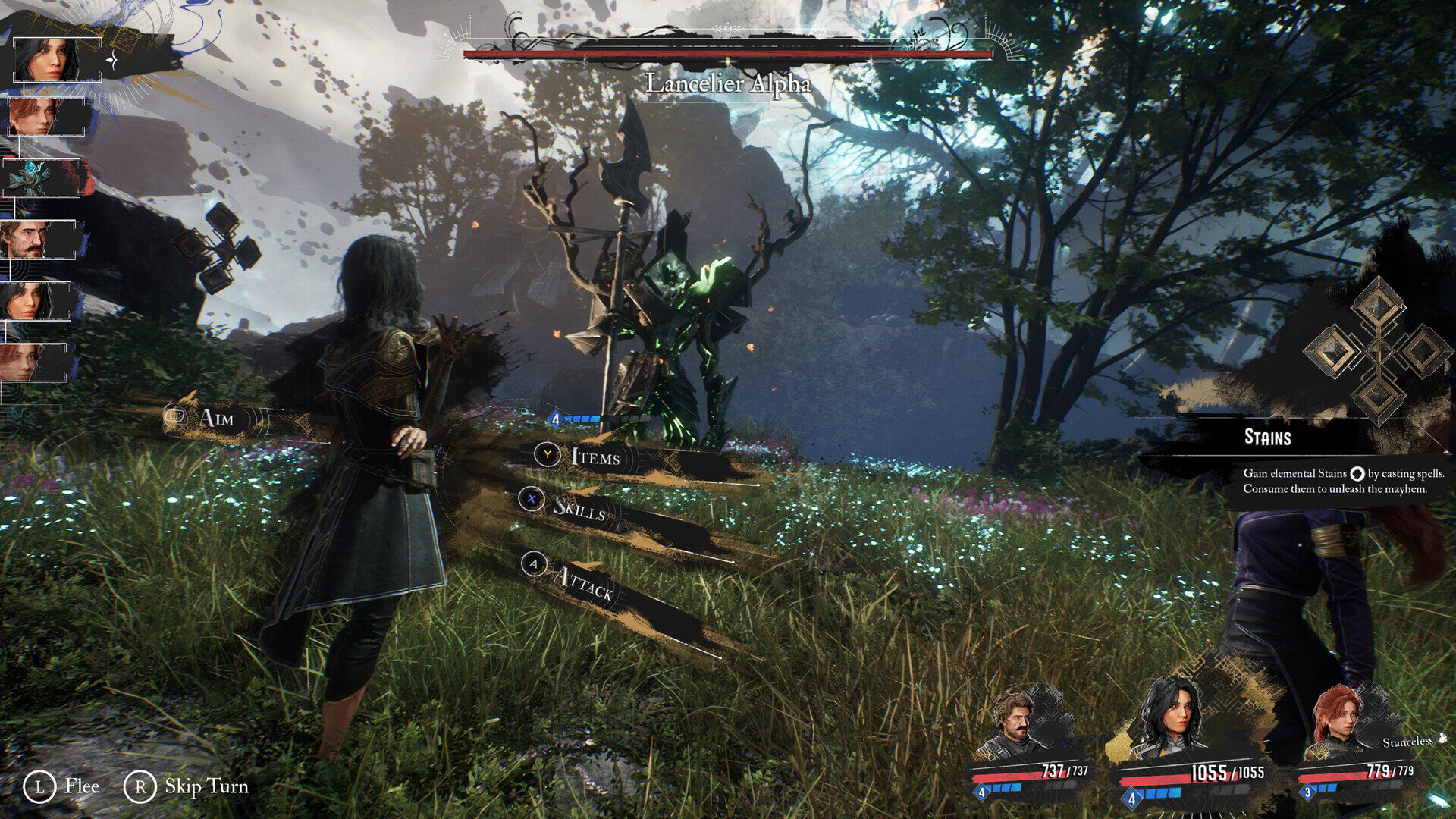
For the RPG lover on your gift list, Clair Obscur: Expedition 33 is a MUST HAVE. A game that literally won every award it was nominated for at the Golden Joystick Awards. It’s a game that combines incredible storytelling with resonant themes, and delivers them in a turn-based combat system that draws close comparison to Paper Mario of all games. CGM’s Chris De Hoog gave Clair Obscur: Expedition 33a 10/10, saying, “Clair Obscur: Expedition 33 is an encapsulation of all the best the medium can offer—remaking proven mechanics as its own and telling an uncompromisingly bittersweet tale with inspired artistic vision.”
Clair Obscur: Expedition 33 is available for PC (Microsoft Windows), PlayStation 5, and Xbox Series X|S.
Clair Obscur: Expedition 33 is a ground-breaking turn-based RPG with unique real-time mechanics, making battles more immersive and addictive than ever.
Explore a fantasy world inspired by Belle Époque France in which you battle devastating enemies.
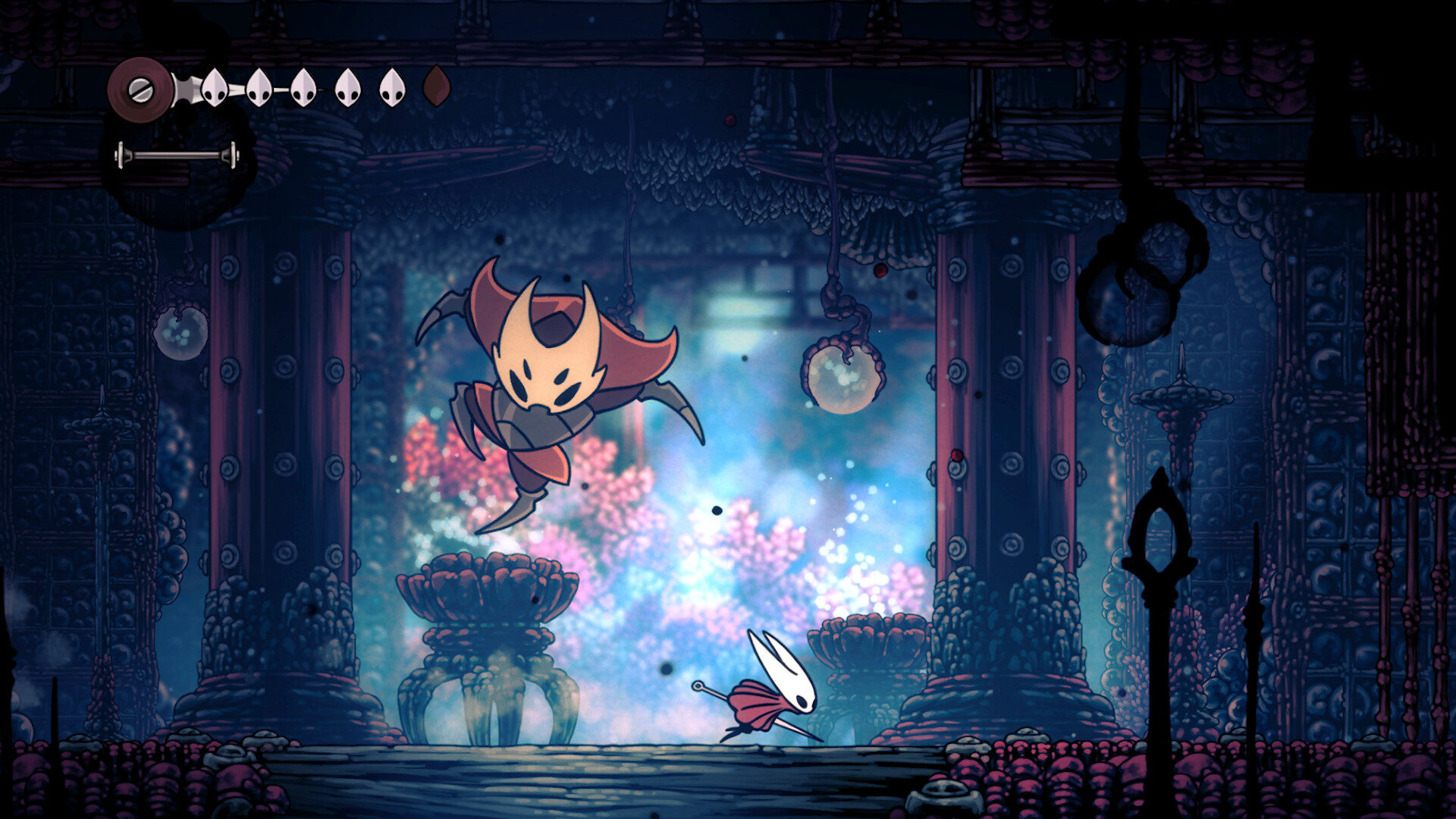
For those gamers who love a good challenge, Hollow Knight: Silksong is sure to please this holiday season. The long-awaited sequel to Team Cherry’s critically acclaimed Hollow Knight puts players in the role of the mysterious and enigmatic Hornet, who was both friend and foe in the original game. In my review, I said, “It’s a game that retains so much of what made its predecessor great while finding new ways to innovate and elevate the experience.”
Discover the fallen insect kingdom of Pharloom! Explore mossy grottos, gilded cities and misted moors as you ascend to the shining citadel at the top of the world.
Engage in lethal acrobatic action! Wield a huge suite of deadly moves as you dance between foes in swift, beautiful combat.
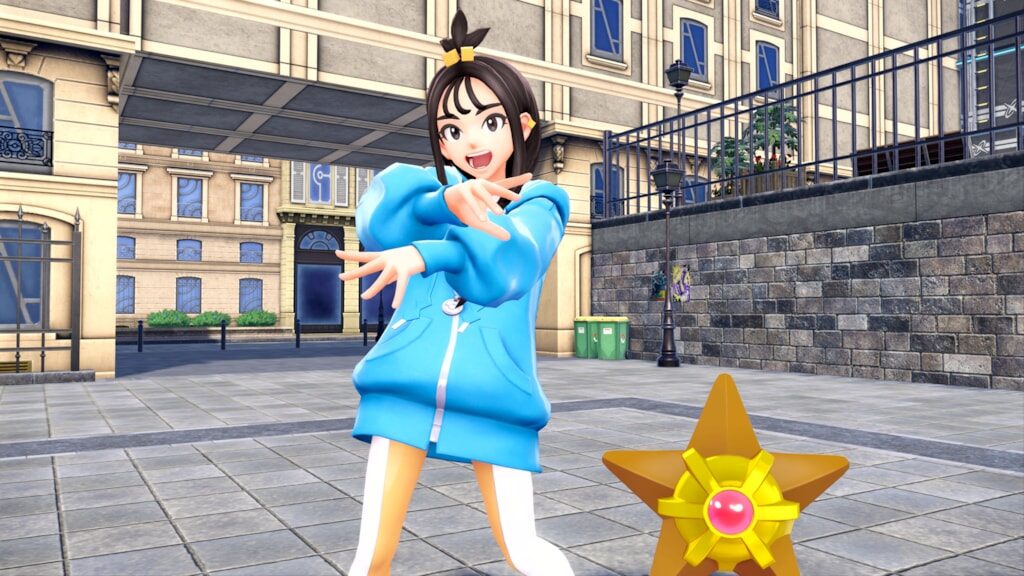
Pokémon Legends: Z-A is a great game to gift for Pokéfans, both young and old. While it’s a little more dialled back than its predecessor Pokémon Legends: Arceus, where the game really shines is in its completely revamped battle system. Eschewing the turn-based format of previous games, Pokémon Legends: Z-A utilizes a real-time battle system that keeps fights exciting and fresh. As Zubi Khan said in his review, “The move to a real-time battle system is also incredibly fun and refreshing, making it easily the best element of Pokémon Legends: Z-A.“
Pokémon Legends: Z-A is available for both the Nintendo Switch and Nintendo Switch 2 systems.
An ambitious new adventure set in Lumiose City awaits in Pokémon Legends: Z-A, coming to Nintendo Switch in late 2025. Explore the city, unravel its secrets and battle Pokémon like never before!
An urban redevelopment plan is underway in Lumiose City! The goal: to turn it into a place Pokémon and people can truly share. Shortly after arriving, you’ll choose from one of these partner Pokémon to accompany you on your journey – Chikorita, Tepig or Totodile.
This year saw a plethora of solid sports titles that are sure to be an excellent choice for the sports-loving gamer in your life, particularly in the 2K series of games. From NBA 2K26 to WWE 2K25 and even PGA Tour 2K25, all of these games saw overwhelmingly positive reviews on Metacritic and OpenCritic for their detailed graphics, excellent controls, and overall representation of the game.
Several of the 2K games are available on Nintendo Switch, PC (Microsoft Windows), PlayStation 4 & 5, and Xbox Series X|S.
POWERED BY ProPLAY: Dominate every possession with immersive technology that directly translates NBA footage into realistic gameplay. Feel more connected to every dribble and crossover with revamped size-ups and experience fast-paced, dynamic movement with all-new ProPLAY features.
SQUAD UP IN THE CITY: Build a transcendent MyPLAYER and climb the competitive ranks to reach the pinnacle of NBA stardom in an all-new MyCAREER journey. Team up with friends in a stunning, streamlined City, earn recognition and increase your REP, and battle rival squads for Park supremacy.
RULE BEYOND THE RING: In a franchise first, step outside the ropes and onto The Island for Xbox Series X|S/PlayStation 5—an immersive, WWE-themed world filled with epic arenas, challenges, and live events. Fight to join the Bloodline with “The Original Tribal Chief” Roman Reigns, as you upgrade and customize your MySUPERSTAR through multiple storyline chapters.
2K SHOWCASE: THE BLOODLINE’S DYNASTY: The all-new Showcase, hosted by “The Wiseman” Paul Heyman, celebrates one of the most historic family dynasties in wrestling. Relive legendary showdowns or dream matches between The Bloodline and WWE Superstars and Legends.
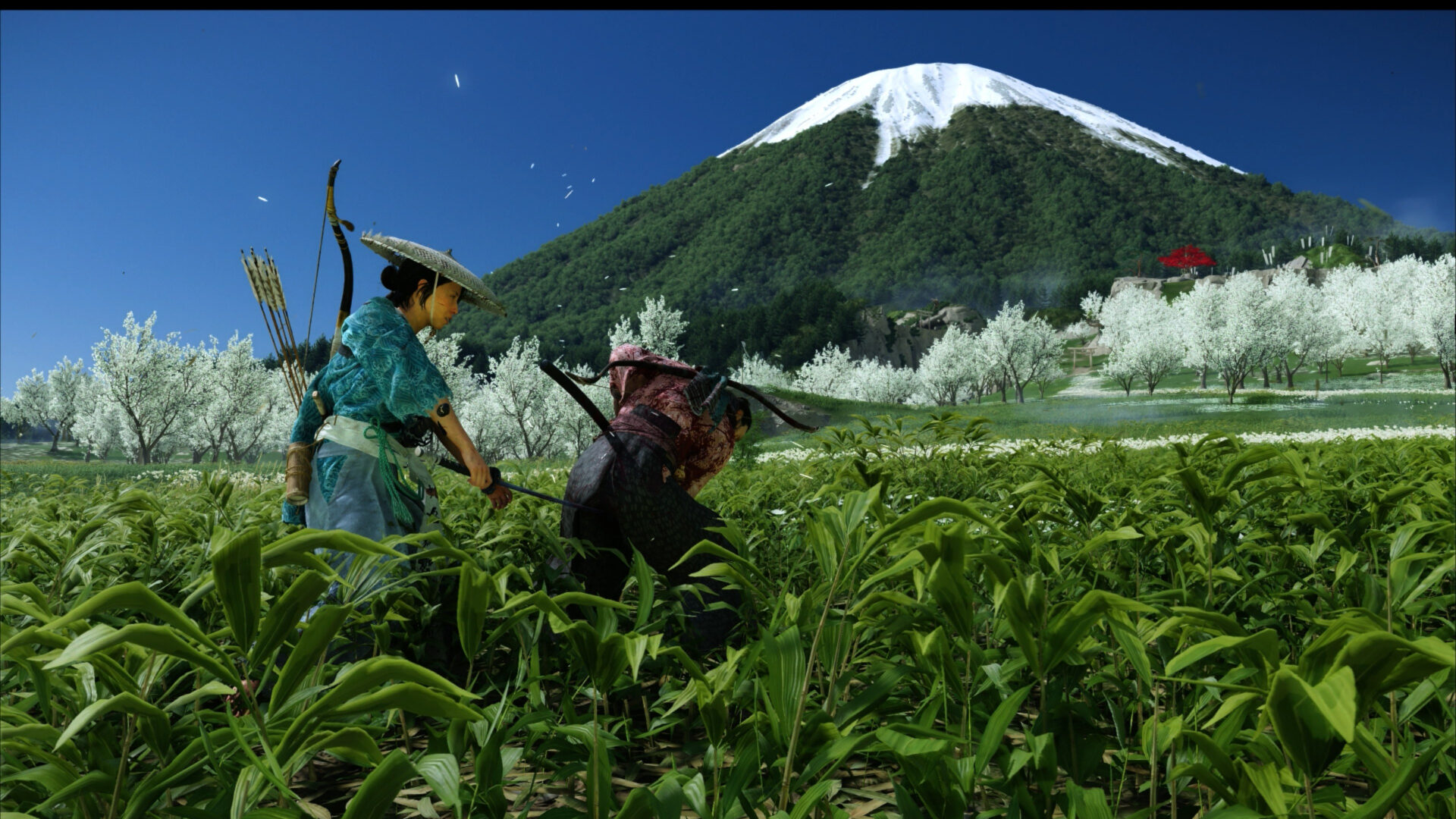
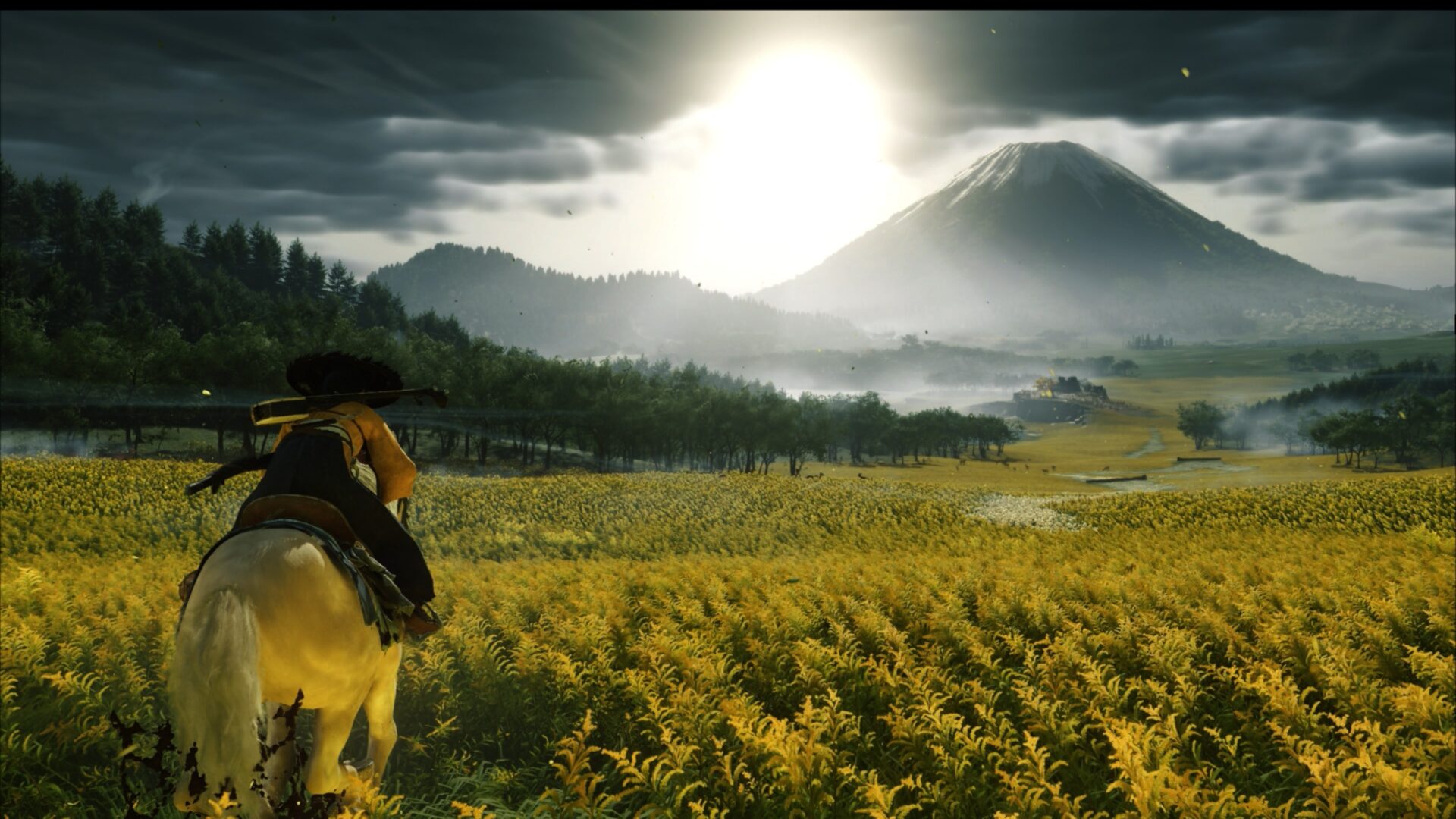
For any PlayStation owners, a great idea for a Christmas gift game would be Ghost of Yōtei—the sequel to Sucker Punch’s critically acclaimed open-world samurai epic. Featuring a more robust combat system, a deep and engaging story and a beautifully realized version of Hokkaidō, Japan. And for any gamers who happen to be film and anime buffs, the game features a Kurosawa Mode, Miike Mode, and a Watanabe Mode.
Ghost of Yōtei is available exclusively for the PlayStation 5.
Pre-Order now and receive Atsu + Yotei Six Avatar set (7x) and in-game Mask.
Stunning graphics and gameplay, explore the wild and striking lands around Mount Yotei on foot or horseback. Travel picturesque parts of northern Japan through grasslands, snowy ridges, fields of wildflowers, and more.
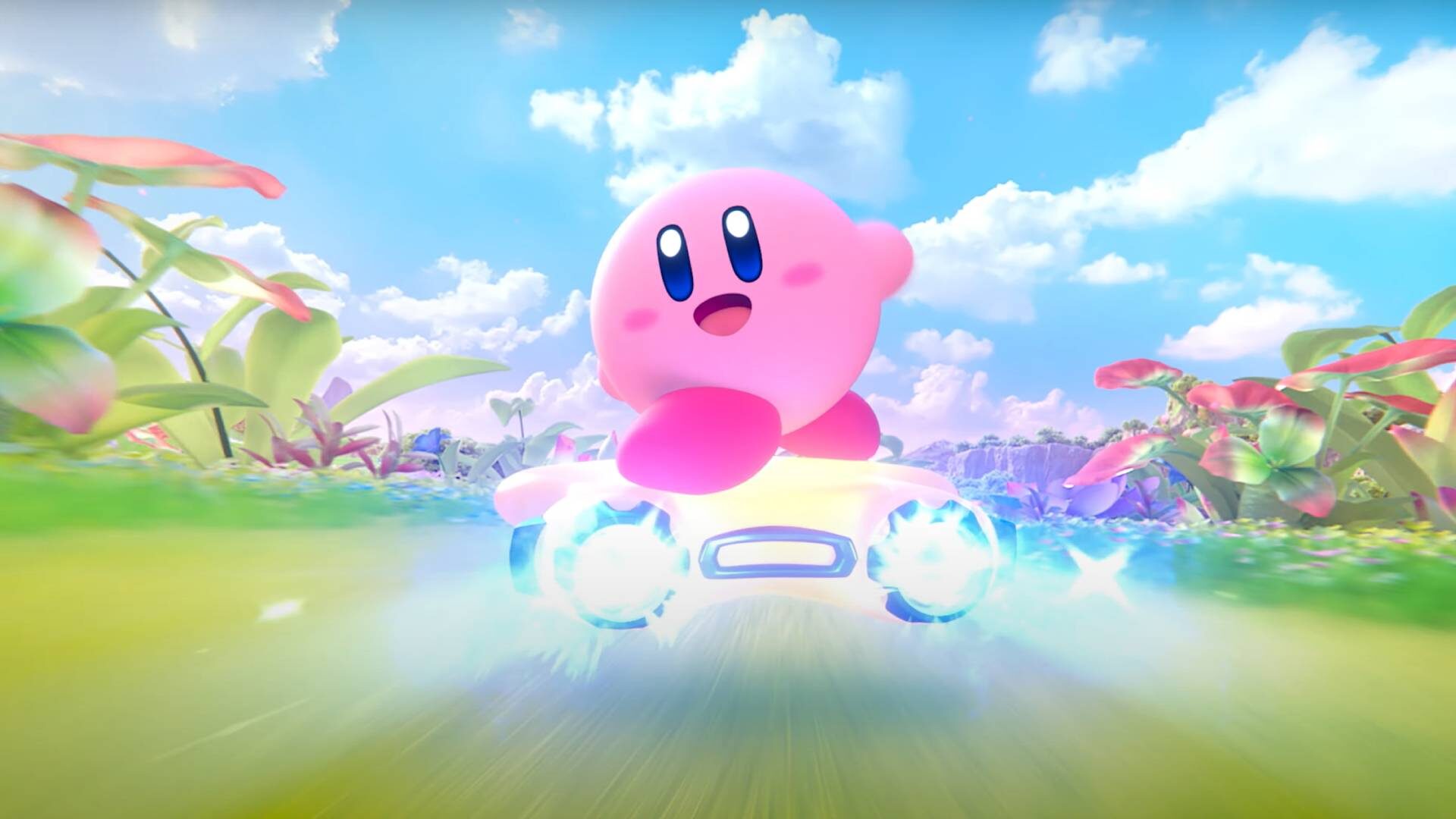
While the Nintendo Switch 2 saw two great racing games this year, if you really want to get some bang for your buck this Christmas, then you can’t go wrong with Kirby Air Riders. While the game offers tight controls and a focus on intense races, it balances it out with game modes that are more fast-paced and action-oriented—it’s practically a party game. Add to that an incredible online mode that makes getting into matches quick and exceptionally fun (however, players will need a Nintendo Switch Online subscription).
Kirby Air Riders is available exclusively for the Nintendo Switch 2.
If you know anyone who’s always wanted to get into a FromSoftware game but felt too intimidated by its difficulty, then Elden Ring: Nightreign is the perfect gift for them. Maintaining the same vibe and style of the Soulsborne series, but making the gameplay incredibly fast, fluid and enhanced by three-player co-op, Elden Ring: Nightreign captures the spirit of its mainline predecessor but sands some of the edges off.
Elden Ring: Nightreign is available on PlayStation 5, PC (Microsoft Windows), and Xbox Series X|S
ELDEN RING NIGHTREIGN is a standalone adventure within the ELDEN RING universe, crafted to offer players a new gaming experience by reimagining the game’s core design.
RISE TOGETHER – Join forces with other players to take on the creeping night and the dangers within featuring 3-player co-op.
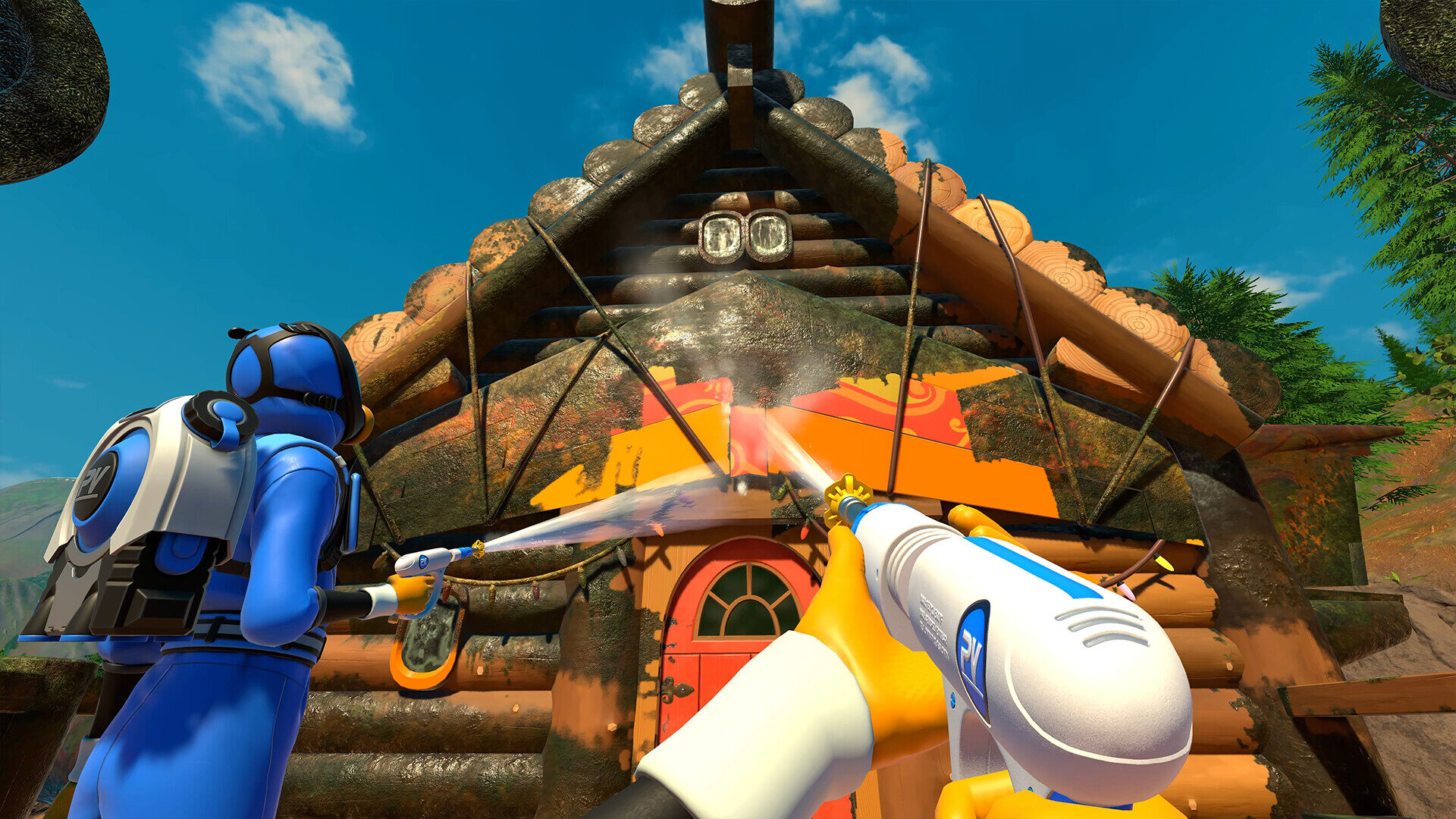
For the dad-gamers on your Christmas shopping list, they’re sure to appreciate PowerWash Simulator 2. The zen-like experience of cleaning every square pixel of the game’s litany of locations is enhanced by small fixes to the original’s gameplay. In his review of the game, CGM’s Hayes Madsen said, “I feel like this sequel’s environments are a drastic step up from the first game, and even feature some fun little story bits by way of the text messages your clients send you…”
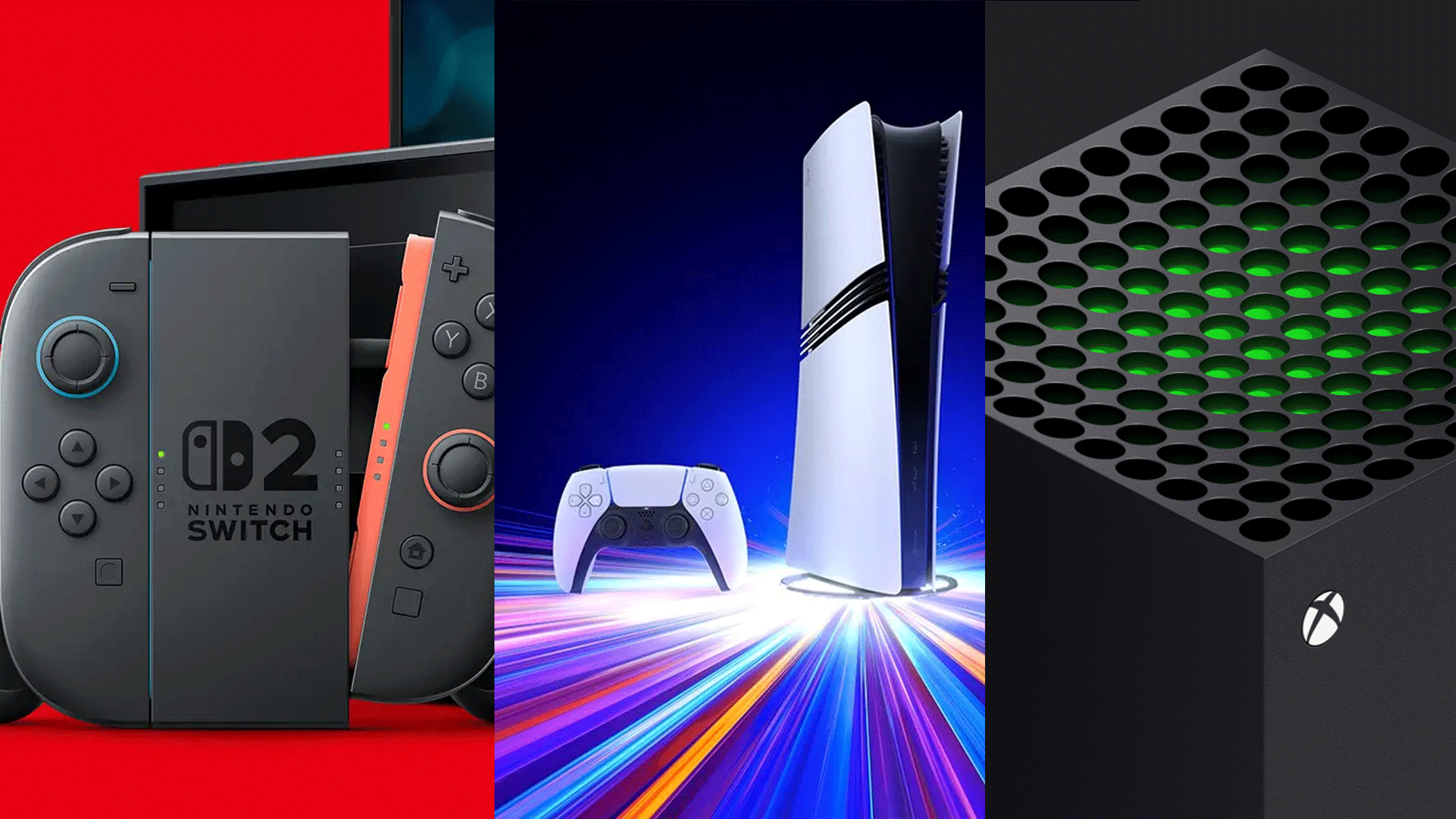
Of course, getting new games for Christmas is hardly practical without the consoles to play them on. If you want to really spoil the gamers on your list—or give them one big gift for the year—then you’ll want to check out the latest consoles of the seventh console generation.
This bundle includes a system and a full GAME DOWNLOAD for the Mario Kart World game, exclusive to Nintendo Switch 2. Limited quantities. While supplies last.
One system, three play modes: TV, Tabletop, and Handheld
PlayStation 5 Console – 1TB, includes wireless controller, 1TBSSD, Disc Drive, 2 Horizontal Stand Feet, HDMI cable, AC power cord, USB cable, printed materials, Astro’s Playroom (pre-installed game)
1TB of Storage, keep your favorite games ready and waiting for you to jump in and play
More Playing, Less Waiting: Experience next-gen speed and performance with the Xbox Velocity Architecture, powered by a custom 1TB NVMe SSD and integrated software. Seamlessly move between multiple games in a flash with Quick Resume
Graphic processing power: Play at 4K 120FPS with the supported contects; Explore rich new worlds and enjoy the action like never before with the unmatched 12 teraflops of raw graphic processing power
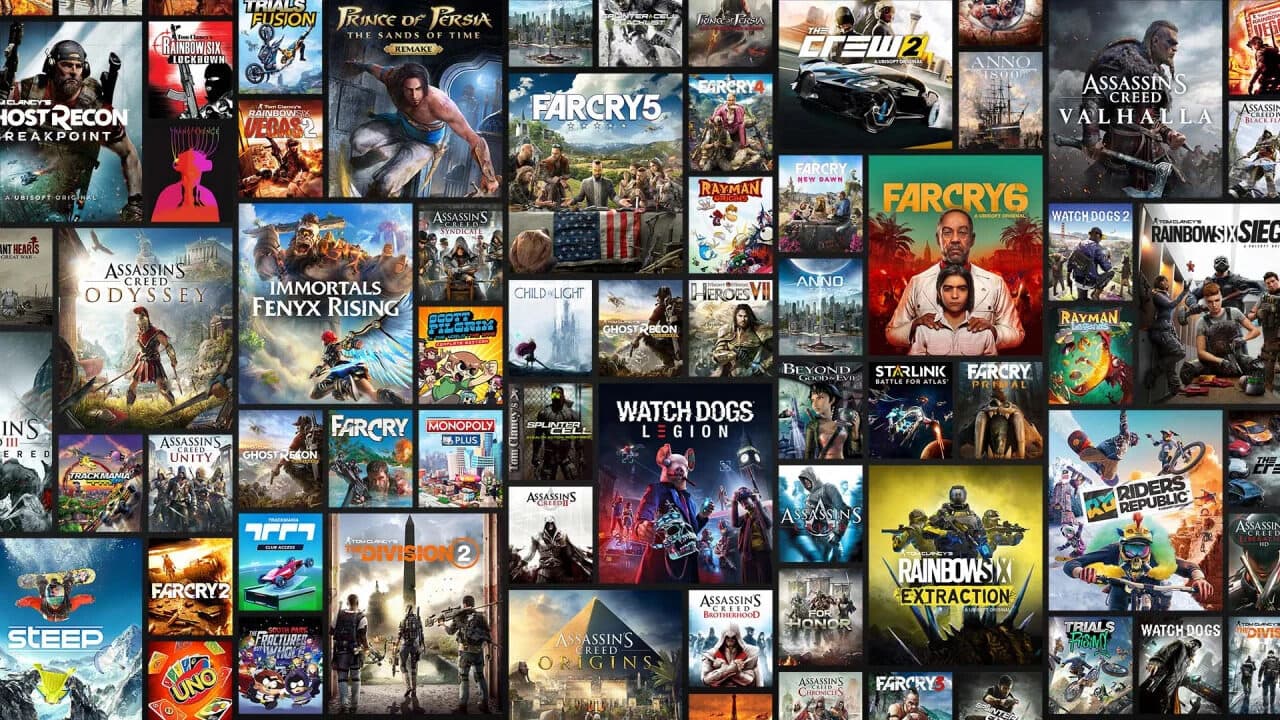
While a single game is usually a great gift every Christmas, if the gamer on your list has access to online play (or parents to help them with it), then a subscription to one of the big three platforms’ online services could be a good choice as well! Between PlayStation Plus, Xbox Game Pass, and the Nintendo Switch Online Virtual Consoles, the gamers on your list will have no shortage of games to choose from!
Enjoy a curated library of 70+ classic Super NES and NES games. You can compete (or cooperate) online with friends, share your screen, or virtually pass the controller, depending on the game.
Access a collection of Game Boy games to play anytime, anywhere!
GAME PASS ULTIMATE: Play new games on day one, and enjoy hundreds of high-quality games on console, PC, and cloud. Game Pass Ultimate also includes online console multiplayer, EA Play, and other great member benefits.
SOMETHING FOR EVERYONE: From fast-paced action and adventure to timeless classics, family-friendly games, innovative indie titles, brain-teasing puzzles, immersive roleplaying adventures, and intense shooters. Dive into a world where every gamer can find their next favorite game.
If you’re buying this Christmas for a gamer who’s more PC-oriented, then a subscription to GeForce NOW would be an optimal choice. Supporting over 2000 titles on its cloud-based gaming service, any PC gamers who are already utilizing the NVIDIA line of products—from gaming PCs or laptops, to graphics cards—will be able to fully utilize this vast library of games.
You can find a subscription to GeForce NOW by following the provided link.
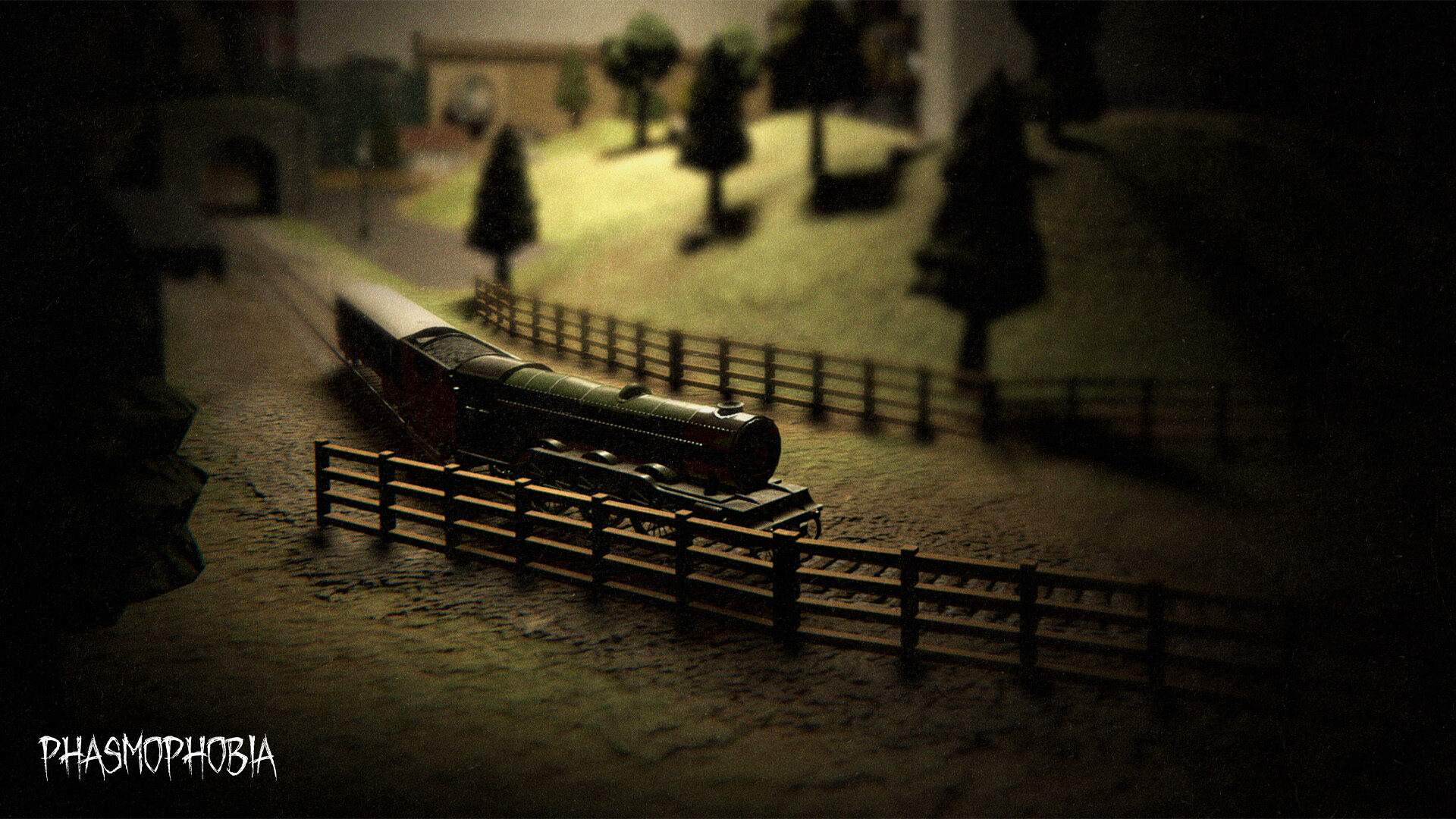
I didn’t expect to get as invested in Phasmophobia as I have in recent years. When the game first launched, it seemed like a lighthearted multiplayer title best suited to streamers or players who didn’t take horror too seriously. But the more I played, the more I realized I was wrong. The team at Kinetic has stayed dedicated to building a genuine horror experience—whether playing alone or with friends.
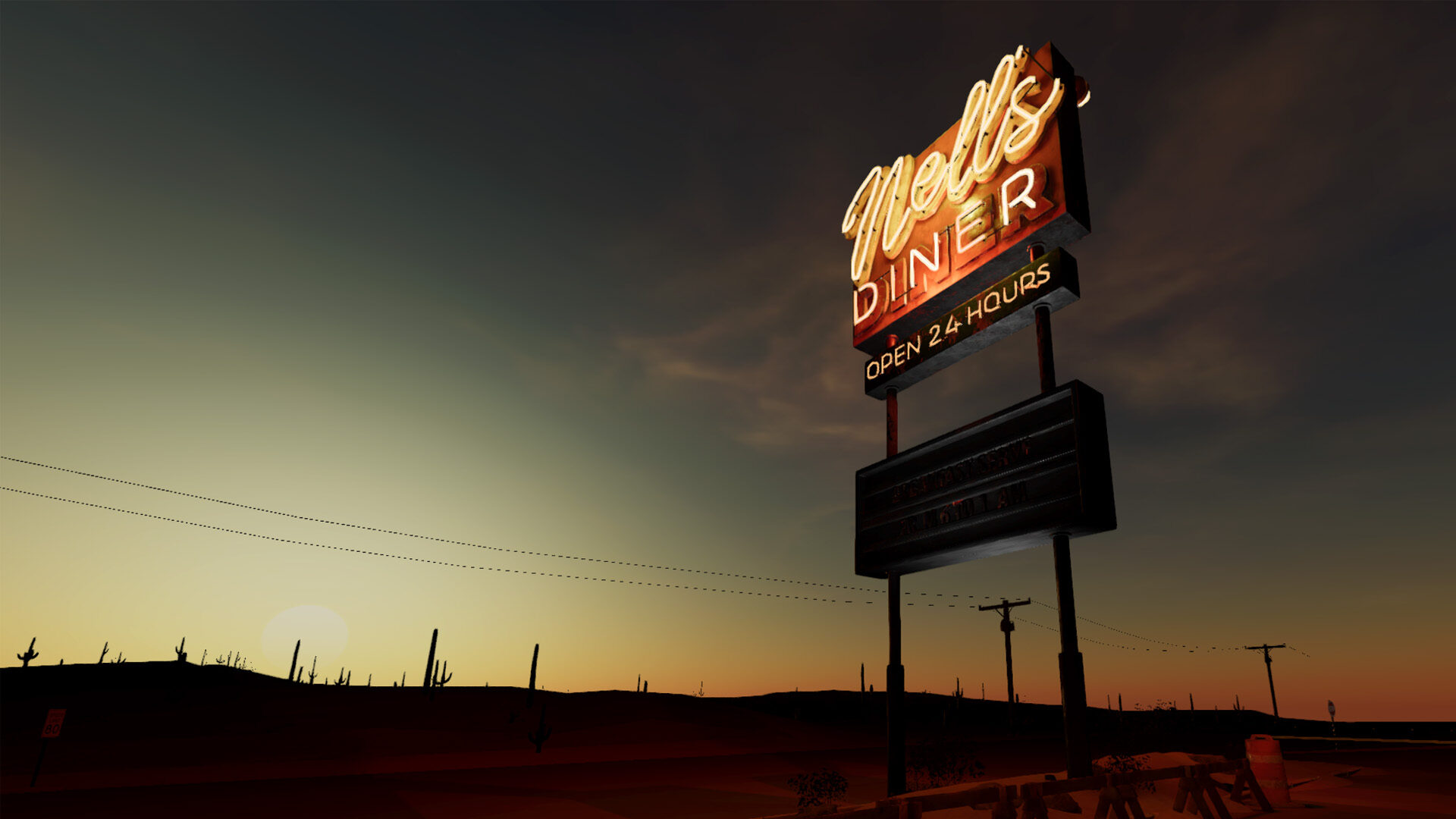
Hot off the heels of the addition of the Point Hope Lighthouse map and the drastically redesigned Bleasdale and Grafton Farmhouses comes the highly anticipated Nell’s Diner—a simple yet deeply atmospheric new map that adds a lot of dynamism without completely overwhelming players.
Something I really liked about Phasmophobia’s Point Hope map was how it experimented with verticality, and seeing more maps that played on somewhat traditional styles interested me more than just making haunted houses. Nell’s Diner feels like a map that fits this design philosophy. From the moment you step outside your mobile ghost-hunting unit, an unnerving atmosphere hangs in the air.
According to Phasmophobia’s Art Director Corey Dixon, “Phasmohobia’s atmosphere works so well in familiar locations. Players stop playing the game and then get scared of their own houses sometimes! We wanted to recapture that feeling with somewhere that most people have, or could, visit.” He added, “It also had to be a location that fit within our planned design for our next map; small in overall size, a mixture of spacious/claustrophobic areas, and a new, unique visual theme for the game. A Diner just ticked every box!”
“But the way it’s designed to emulate an actual restaurant makes it feel somewhat disorienting to navigate—especially in the dark.”
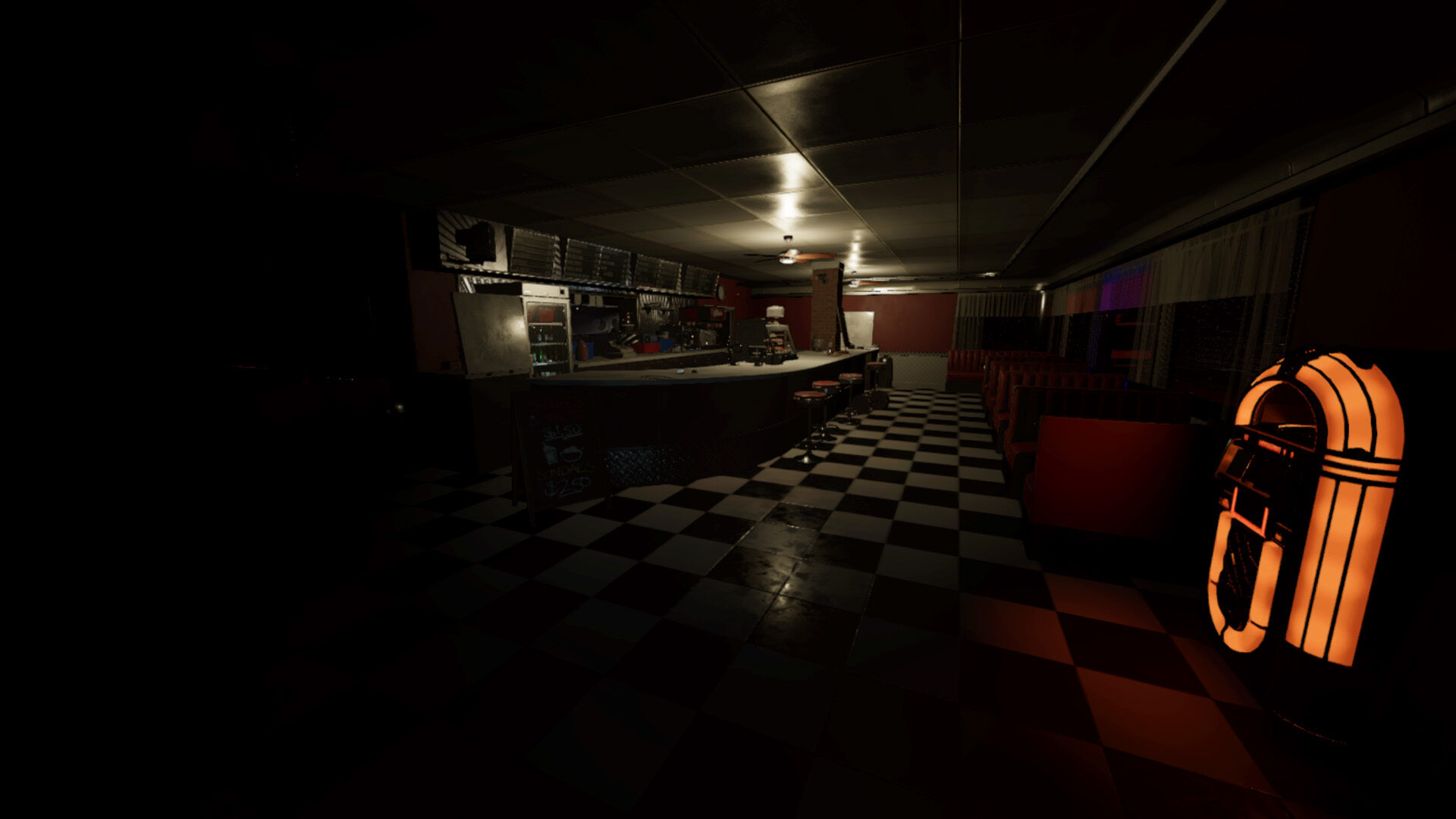
The sound of flickering fluorescent lights pierces the silence as a massive neon sign looms above. A lone police car sits abandoned outside the diner, bathing the front of the building in a swirl of red and blue. Once inside, players are transported to a bygone era. Between two dining areas lined with red leather booths sits a front counter marked by signboards for the daily specials and long-forgotten coffee pots.
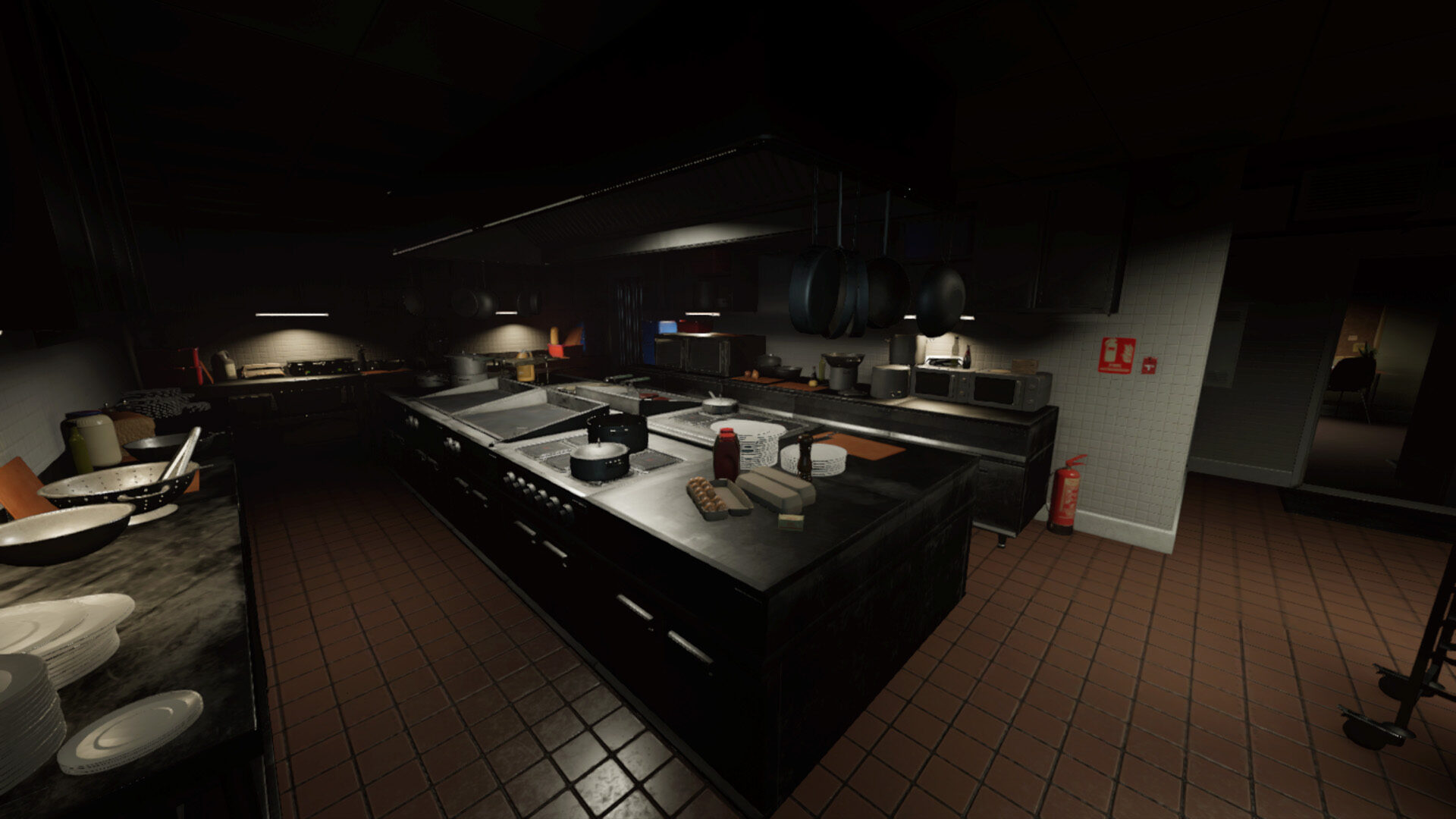
Players can enter the back of Nell’s through the kitchen, which has a foreboding ambiance. A centre island grill is surrounded by prep counters, making the room feel claustrophobic and offering few places to hide during a hunt. Beyond the kitchen are the employees’ area, the manager’s office and the maintenance rooms.
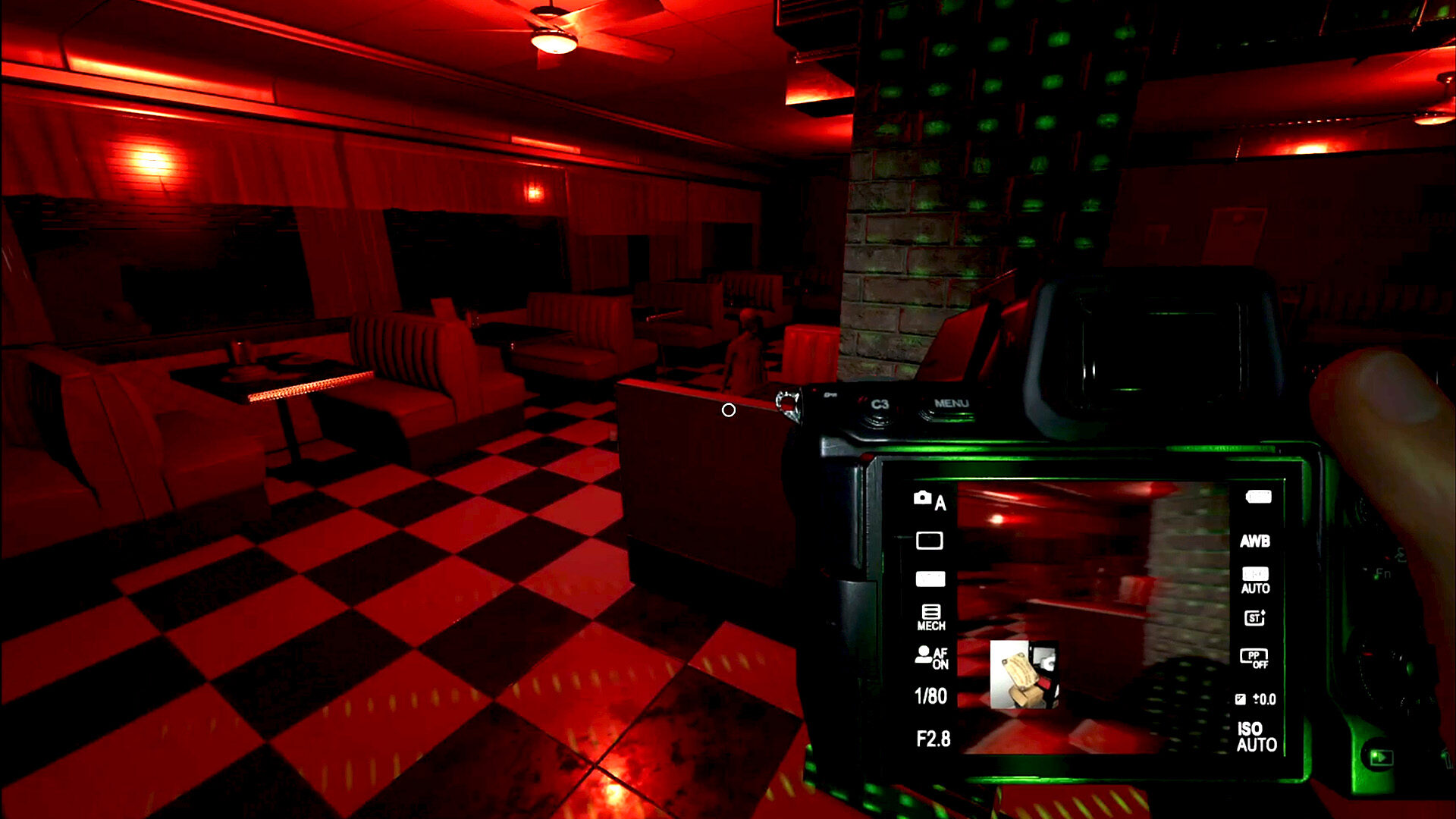
From the dining area, a short hallway connects to the customer bathrooms and the employees’ area. The layout, while simple, creates a labyrinth-like sense of separate rooms and connecting corridors. Because the design of Nell’s closely mirrors an authentic diner—speaking as someone who has worked in one—it also limits the number of hiding spots players have come to expect in the Phasmophobia experience.
“…little signs and newspapers scattered around the building reference other areas and events within the Phasmophobia mythos.”
That’s the beauty of Nell’s Diner. On the surface, it’s a relatively simple map—in terms of overall size, it’s only a little bit bigger than Phasmophobia’s first map, 10 Tanglewood Drive. But the way it’s designed to emulate an actual restaurant makes it feel somewhat disorienting to navigate—especially in the dark. in fact, according to Dixon, the team actually visited several diners in the UK and US to draw inspiration. It creates a sense of constant unease and panic where, despite being a small map, there’s nowhere really to run and even fewer places to hide.
Much like with Point Hope and the updated Farmhouses, the level of environmental detailing and interactable objects in Nell’s is through the roof. A lone jukebox will play a single rock ‘n roll track, arcade machines will light up the title screen, accompanied by theme music, and little signs and newspapers scattered around the building reference other areas and events within the Phasmophobia mythos.
But for players who still crave seemingly “normal” locations, there’s still more in the pipeline, as Dixon said, “Our next map rework will be the fan favourite Tanglewood. And we’re planning to push that into yet another unique theme for the game. We’ll have plenty of new interactables and things for players to discover when it launches.”
I’ve said before that you don’t need big bells and whistles to make an effective horror game—just engaging gameplay and a strong atmosphere—and with every update, Kinetic continues to prove its grasp of this. Nell’s Diner is a small but remarkably engaging new map that shows the team’s commitment not only to building a solid horror game, but to crafting an experience that is interesting, visually distinct and always evolving.
Also, there’s a particularly creepy sign for something called “Cyric’s Carnival,” and I am PROFOUNDLY excited about the idea that could be an upcoming map.






![LEGO Voyagers Standard - PC Steam [Online Game Code]](https://m.media-amazon.com/images/I/51jNrr7e7BL._SL160_.jpg "Christmas Gift Guide 2025: Top Video Games")


![Clair Obscur: Expedition 33 Deluxe Edition - PC Steam [Online Game Code]](https://m.media-amazon.com/images/I/51q7UwoLdTL._SL160_.jpg "Christmas Gift Guide 2025: Top Video Games")
![Hollow Knight: Silksong Standard - Nintendo Switch [Digital Code]](https://m.media-amazon.com/images/I/51mOgOC8xEL._SL160_.jpg "Christmas Gift Guide 2025: Top Video Games")
![Hollow Knight: Silksong Standard - Xbox [Digital Code]](https://m.media-amazon.com/images/I/419tFuXzx1L._SL160_.jpg "Christmas Gift Guide 2025: Top Video Games")


 Legends: Z-A – Nintendo Switch

![WWE 2K25: Standard Edition - Xbox [Digital Code]](https://m.media-amazon.com/images/I/41jJmGX4SlL._SL160_.jpg "Christmas Gift Guide 2025: Top Video Games")






![Nintendo Switch Online 12-Month Individual Membership [Digital Code]](https://m.media-amazon.com/images/I/41Y9KbnDQKL._SL160_.jpg "Christmas Gift Guide 2025: Top Video Games")
![$75 PlayStation Store Gift Card [Digital Code]](https://m.media-amazon.com/images/I/41S8VmKESoL._SL160_.jpg "Christmas Gift Guide 2025: Top Video Games")
![Xbox Game Pass Ultimate – 3 Month Membership – Xbox Series X|S, Xbox One, Windows, Cloud Gaming Devices [Digital Code]](https://m.media-amazon.com/images/I/51HadZPp9vL._SL160_.jpg "Christmas Gift Guide 2025: Top Video Games")