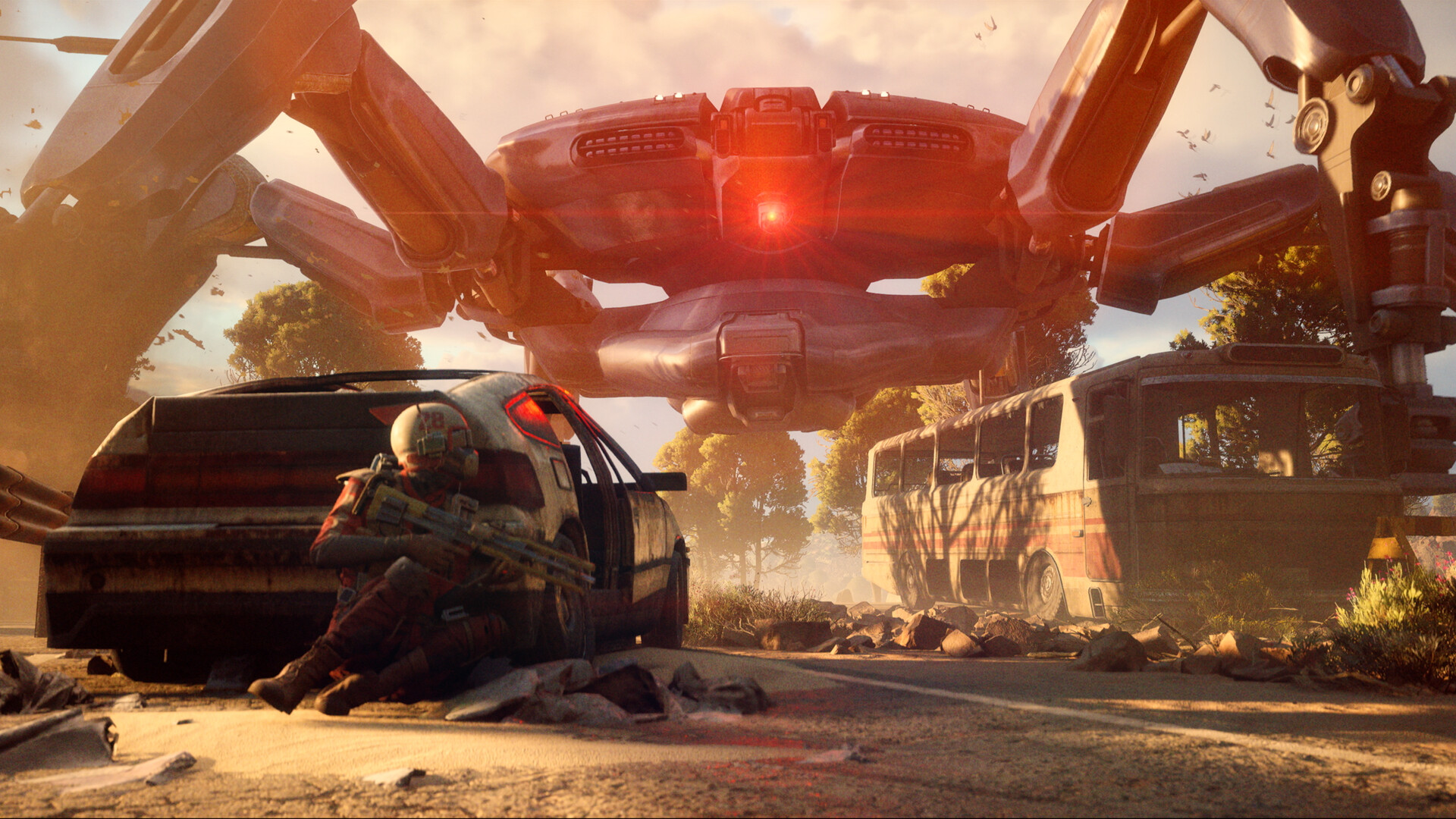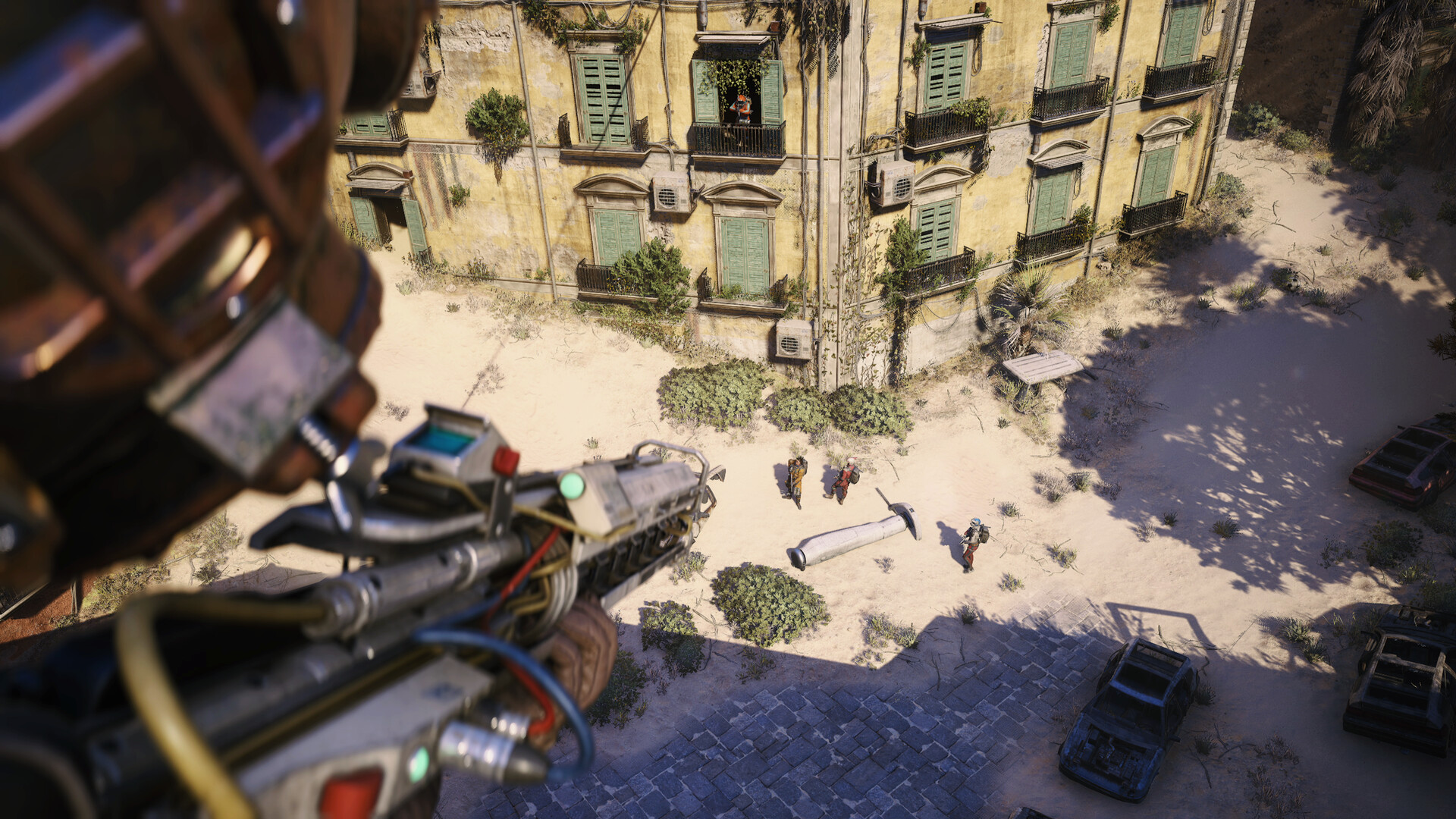
Normální zobrazení

Received before yesterday

CDPR Wants 3 Witcher Games in 6 Years – Is That Even Possible?

If there was any way to deflate someone before The Game Awards, it’s with the words, “No new Witcher 4 content.” Sad but true. After last year’s surprise trailer, CD Projekt RED will be content to sit back and enjoy the show (and maybe even net that Most Anticipated Game award).

That doesn’t mean we don’t have plenty of other details to keep us busy, like the fact that The Witcher 4 isn’t launching next year, according to studio co-CEO Michał Nowakowski. Was it that obvious, especially after the company said we wouldn’t see it until 2027 at the earliest? Probably not, but development is proceeding as planned since it entered full production last year.

Since then, we’ve had some great new reveals, from the Unreal Engine 5 tech showcase to the potential inclusion of plot elements from the upcoming Crossroads of Ravens prequel novel. CD Projekt RED recently confirmed that the development team consists of 447 members, a whopping increase of three developers over the previous quarter. It may not seem like much, but it likely includes Karel Kolmann, game designer on Kingdom Come: Deliverance 2, who’s joined as a senior quest designer, and that’s great news.

But the most interesting bit to emerge from a post-financials conference for the CD Projekt Group is that the team will still deliver the new Witcher trilogy within the promised six-year period. Remember when it was still called Project Polaris? That promise, which seemed borderline unbelievable at the time.

Nowakowski talked about how happy the team has been with Unreal Engine 5, how it’s evolving, and “how we are learning how to make it work within a huge open-world game, as The Witcher 4 is meant to be.” And when prompted about whether this meant a “shorter and more predictable cadence” for the sequels, he responded, “In a way, yes, I do believe that further games should be delivered in a shorter period of time – as we had stated before, our plan still is to launch the whole trilogy within a six-year period, so yes, that would mean we would plan to have a shorter development time between The Witcher 4 and The Witcher 5, between The Witcher 5 and The Witcher 6 and so on.”

So there you go, The Witcher 5 and The Witcher 6, officially named and confirmed. All joking aside, it still feels like a near-impossible proposition, especially with CD Projekt RED planning to allocate more resources and development team members to Cyberpunk 2077’s sequel, Project Orion (aka, the tentatively named Cyberpunk 2). After all, The Witcher was released in 2007, followed by The Witcher 2: Assassins of Kings in 2011 and The Witcher 3: Wild Hunt in 2015 – an eight-year journey, that too one where crunch became increasingly common at the studio.

The big difference is that the first game utilized a completely different engine (BioWare’s Aurora, funnily enough) from the others, which were built on the studio’s own REDengine. And one look at The Witcher 2 and 3 will tell you that a lot of work went into raising the bar for the latter, so probably not the best comparison.

Instead, we can actually look at a completely different trilogy – Mass Effect. BioWare utilized Unreal Engine 3 for all three titles – Mass Effect 1 in 2007, Mass Effect 2 in 2010 and Mass Effect 3 in 2012. They all released within the same console generation, though it’s obvious that the third game built on much of the second’s groundwork.
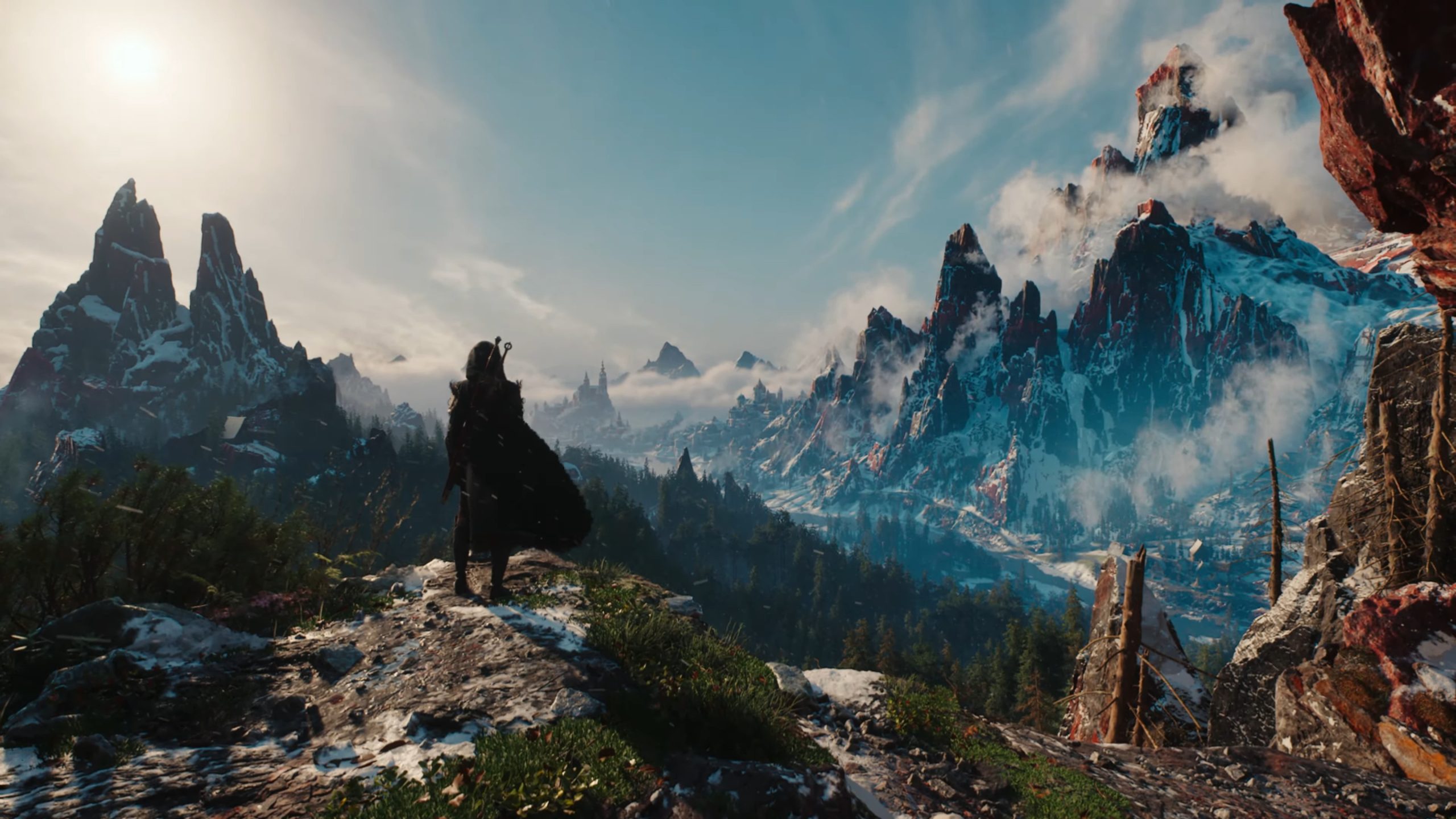
The Witcher 4_01

But once again, BioWare had to essentially rush to complete the third game within two years – a process that left everyone at the studio fried. Worst of all, they didn’t even get much chance to rest, as they had to shift to Dragon Age: Inquisition and crunch once more. Still, three titles in five years, all Game of the Year contenders – ending controversies notwithstanding – is still impressive.

So in a way, it is possible, but the biggest worry is whether CD Projekt RED will have to crunch to achieve this for the new Witcher trilogy. One possibility is that it’s already building out much of what it will require to develop subsequent titles. After all, Polaris was announced in 2022, and the studio has been working with Unreal Engine 5 for over four years, meaning development began even sooner. If The Witcher 4 arrives by late 2027 or early 2028, is it all that unreasonable to assume that all those years would have been enough time to deliver one full-fledged Witcher title, the biggest yet, and to lay the groundwork for its sequels?

“But what about Cyberpunk 2?” is the obvious question, especially how it would impact development. Wouldn’t expanding its development studios over the next two years negatively impact the new Witcher trilogy? I actually have a theory on that.

CD Projekt RED has said plenty about building up its new Boston studio, so it’s more likely to hire new developers to increase its numbers. A job listing from last September for a Lead Network Engineer also hints that there will be multiplayer. That means post-launch content (aside from a potential expansion or two), and for that, a dedicated studio would be necessary.

And even if that doesn’t happen, it’s more evident than ever that the IP is a long-term franchise for CD Projekt RED. Cyberpunk 2077 is currently their biggest revenue earner, reaching 35 million sold faster than The Witcher 3. It’s essentially their Grand Theft Auto (The Witcher being Red Dead Redemption in this case). If all the tie-ups and collaborations, including the upcoming Edgerunners 2, are any indication, this is essentially a different revenue stream for the company. While it’s still possible that it would shift developers between projects, it’s unlikely that the majority of The Witcher 4’s team would shift to Cyberpunk 2. Keeping the team together to deliver this trilogy makes far more sense (see Final Fantasy 7 Remake).
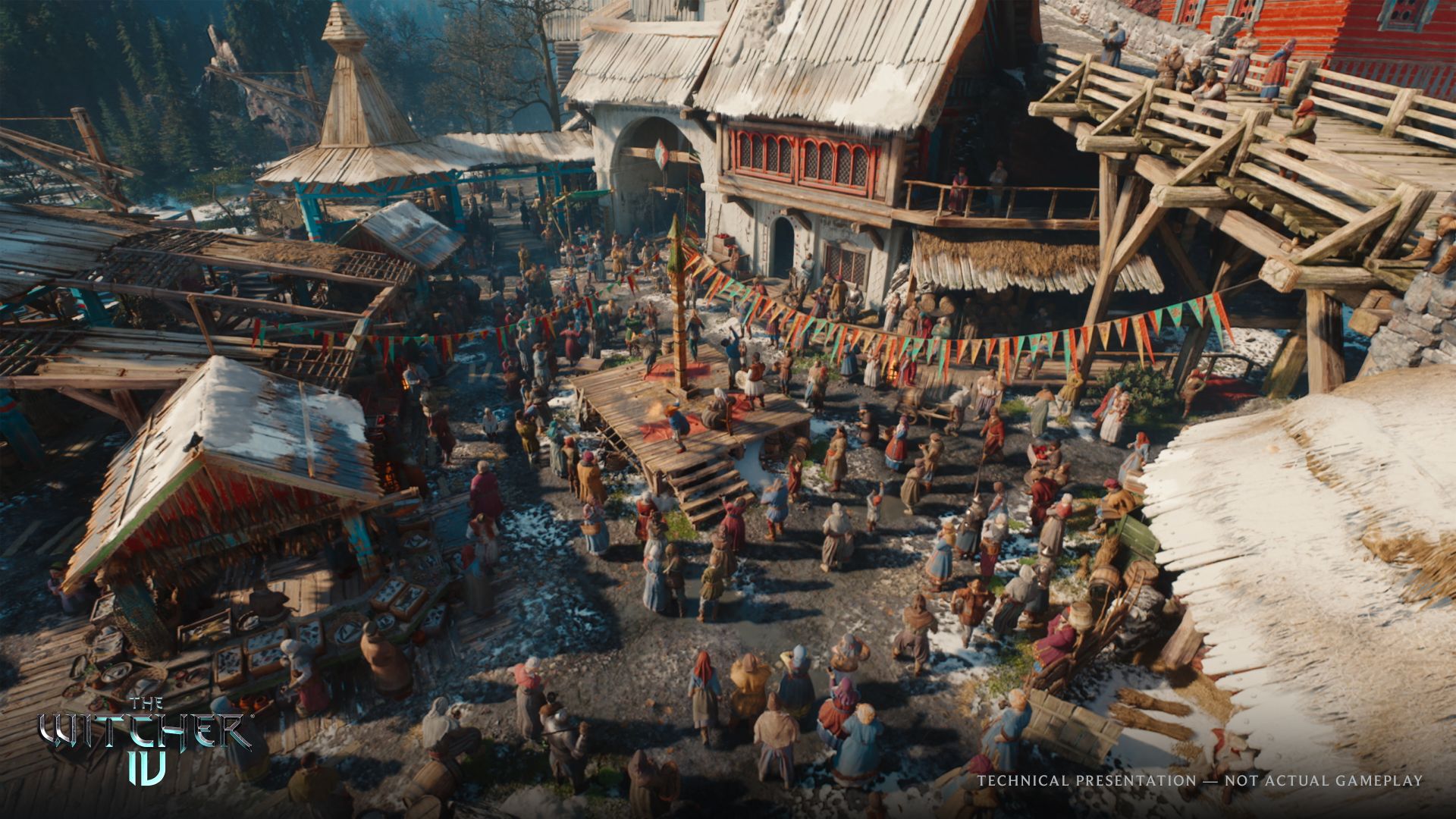
The Witcher 4_03

Of course, this is assuming that CD Projekt RED is committed to its vision for both games and that there are no hiccups. One benefit of this promised timeline is that it all hinges on when The Witcher 4 will release. And while I doubt the higher-ups want a GTA 6-style delay, there is definitely some breathing room for their developers. If Phantom Liberty is any indication (over 10 million sold and counting), the company is probably realizing the benefits of avoiding crunch or massive overhauls in the end stretch.

Too long, didn’t watch, the answer is: Yes, we could very well see The Witcher 4, 5 and 6 release within six years of each other. Would it be too much of an oversaturation? Unlikely – The Witcher 4 is guaranteed to be a best-seller, simply on name value alone. If The Witcher 5 arrives about two or three years later and sets up a major hook for The Witcher 6 to deliver an incredible finale, then it could end up as one of the best video game trilogies of all time (if not the best).

CD Projekt RED has all the time in the world to knock it out of the park, but either way, even with all the preparation in the world, it’s going to be a mad sprint for home base.

Note: The views expressed in this article are those of the author and do not necessarily represent the views of, and should not be attributed to, GamingBolt as an organization.
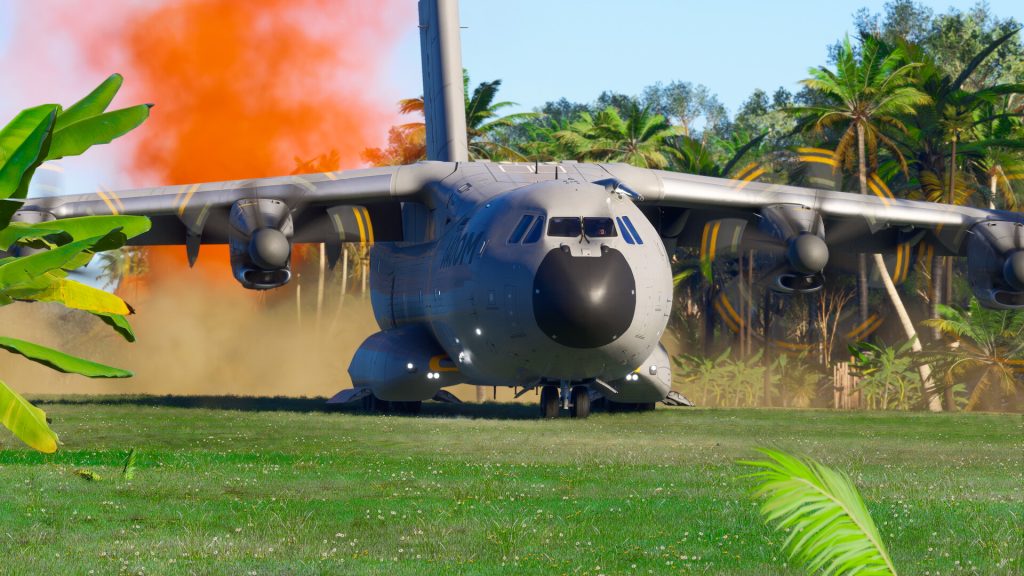
Microsoft Flight Simulator 2024 PS5 Review – The Sky’s the Limit

For console players, Microsoft Flight Simulator was something to be admired instead of deciphered, a technical curio for hardcore simmers. Then, after 2021’s arrival on Xbox, the series’ first voyage beyond PC – its broader, more casual potential emerged. Now, 12-months after 2024 took flight, MSFS is diverting to Sony’s airspace, introducing its meticulous demands to a new school of aspiring aviators on PS5.

But look, despite Xbox establishing the shift to couch aeronautics, Microsoft Flight Simulator on PlayStation still feels unusual. It’s a living, breathing simulation built for flightsticks and multi-monitor rigs, not sofas and TVs. So, as I taxied toward my first take-off, DualSense in hand, questions hung in the air: can the feel of flight genuinely translate through a television? Will a controller give any real sense of being airborne? Might my living room, even briefly, pass as a cockpit?

"Starting your career, you’ll choose which of the game’s regional airports to use as headquarters."

I admit, at first it felt too novel. Then, lifting off with the ground shrinking beneath me, MSFS’s methodical simulation became unexpectedly transformative. I realised that its casual appeal is not in reading navigation charts or understanding what each switch and gizmo does, it’s in staring at the world beneath you.

Starting your career, you’ll choose which of the game’s regional airports to use as headquarters. I chose an airfield near Gotemba, Japan, in the shadow of Mt. Fuji, figuring the iconic mountain will make an impressive backdrop. Once missions became available, I was directed to Tokyo to shuttle flightseeing passengers over the surrounding scenery. An optional flight plan crossed over Koganei, and I chose it immediately. See, my friend lives there, I don’t know which house, nor have I visited, but it was a sense of wondering which drew me in.

Soaring overhead, I hoped this transcendence would encourage me to study the cockpit, the function of its switches still a mystery. Back at base, awaiting were copious certifications which, as a casual pilot, I initially found overwhelming.

Yet, you don’t make it to Top Gun by flying as a maverick, so I hunker down for more training. MSFS 2024 had already done a decent job of orienteering around the Cessna 172 Skyhawk, walking me through the starter plane’s pre-flight checks, and teaching me the fundamentals – airspeed management, executing pitch, rolling, following traffic patterns, and more. Even before my trip over Koganai, I could already take-off and land with conviction.

microsoft flight simulator 2024

"Once I became proficient enough to keep the aircraft consistently stable and on-route, the sky opened up."

Passing the next certification ensures I now get paid for ferrying passengers, with lessons covering trim adjustment, a system enabling stable altitude without constant thumbstick pressure – engine RPM monitoring, and landmark navigation.

By this point I’d already noticed a handful of gameplay imperfections, which I’ll leave in holding pattern for now, but during these lessons I found engaging the engine RPM unintuitive. I pinpointed missing HUD info as the origin of my stagnation. See, beyond the cockpit’s diegetic display, the default on-screen HUD’s icons – detailing airspeed, fuel load, altitude, et cetera – don’t include RPM. To correctly follow my instructor’s command of maintaining 1,700 RPM, I zeroed-in on the top-left corner of my cockpit’s display. The number is too small to read from the sofa without switching camera view, steepening my learning curve while highlighting an accessibility oversight.

I abandoned my gaze on the horizon to check the throttle lever, instantly faltering my altitude. So, as a workaround, I started listening to the engine,  developing intuition, perhaps; but almost-certainly against the game’s intention. And, a deeper problem: I could only hear the engine at top revs – an issue I’ll get to later.

Yet, despite this, I reached a critical turning point. Once I became proficient enough to keep the aircraft consistently stable and on-route, the sky opened up. Cruising over the Arizonian expanse became meditative; I was now able to absorb the game’s gorgeous scenery and lighting. Rolling my Cessna toward Sedona, sunset cascaded through the cockpit with canyons below decorated by sparkling lens flares.

Later activities saw me passing over German forests as needlesharp rain beat the Cessna’s wind-shield. I streamed over the Great Barrier Reef’s azure blue, hovered beside the Pyramids during golden hour, and searched for wolves at daybreak over Northern Spain – each excursion visually engrossing. Now the shaky flying of my early career is behind me, the game’s promise of flying anywhere became a tangible, transportive reality.

To answer the first of those earlier questions, can the feel of flight genuinely translate through a TV? – I’d say it can. Visually, the game looks remarkably accomplished given it is drawing detail from the cloud, though frequent texture pop-in and distant low-resolution curtail its implementation. It can take a while to get to the point where you’re navigating calmly, long loading times on the base PS5 notwithstanding. But once you’re cruising, Microsoft Flight Simulator 2024 captivates beyond the code of its simulation.

Now, to answer the next question. Can the DualSense give tangible airborne feeling?  I’ll need to go over those imperfections alluded to earlier.

microsoft flight simulator 2024

"3D audio exists but isn’t deeply implemented. Worse, headphones expose an uneven sound mix that’s not as perceptible through TV speakers."

I’ve never flown a plane in real-life, but I imagine the nuance required to maintain smooth transit replicates well in MSFS 2024. It’s all thumbstick micro-adjustments and tentative trigger presses; being cautious not to over-correct a wayward trajectory, rolling at 20 degree precision, gently adapting RPM, carefully adjusting trim percentage – as a player now chasing piloting perfection, managing these systems became as crucial to my engagement as scanning the scenery. Yet, the game’s failure to fully embrace the DualSense’s sensory potential leaves my pursuit of flawless flying feeling oddly disjointed

Haptic feedback does give runway tarmac a tactile feel, which is more noticeable if you accidentally veer off the strip onto gravel or grass. Yet, its complete non-existence in-flight, save for subtle flap or landing gear clunks, is jarring. Rudder resistance is felt through the triggers, but its application is limited in scope. You don’t use them much unless your plane naturally sways left or right. Helicopters use the triggers to steer, but their resistance is lighter.

Better implemented are ATC instructions which cut through the DualSense’s on-board speakers, while cockpit warnings flash through the light-ribbon. 3D audio exists but isn’t deeply implemented. Worse, headphones expose an uneven sound mix that’s not as perceptible through TV speakers.

During cruising speed, the engine’s hum becomes a whisper, while robotic passengers perforate my eardrums with their non-plussed musings. Sound levels can be tweaked, of course, but there’re no adjustments which encourage more audible engine noise. Combined with inert haptics, the sensory rush of flight never truly materialises. Whether gliding through clement airstreams or wrestling with turbulence, tactile reactions don’t emerge. MSFS 24 is a simulation which nails the visuals, but forgets the visceral.

You could argue that a controller isn’t the “correct” way to fly. Perhaps the tactility missing in the DualSense will be felt through a peripheral flightstick. Now, the only peripheral currently supported on PlayStation is the Thrustmaster T.Flight HOTAS 4, and despite its modest pricepoint, I’m going to guess that most PS5 players don’t own one. So, MSFS 2024 on PS5 must do more to embrace DualSense’s immersive potential. The experience isn’t killed outright, but its underutilisation undersells the overall experience.

I’ve noticed a handful of other bugs too: my aircraft spawned 3ft above ground, crashing before the instructor finished her briefing; dark shadows surrounded my avatar during a snowy photoshoot; ATC operatives talked over each other, delivering a vocal mashup impossible to decode; a game-ending crash halted my first-ever mission. The most confidence shattering was a black screen appearing mid-way through my first flight, pitch dark for a minute before resuming. I’m unsure if this was by design, but it lingered on my mind.

microsoft flight simulator 2024

"During cruising speed, the engine’s hum becomes a whisper, while robotic passengers perforate my eardrums with their non-plussed musings."

Yet, as broad as these irritations are, they’re infrequent enough not to be deal-breakers. On PS5, Microsoft Flight Simulator 2024 is imperfect, occasionally obtuse, and sometimes rough around the edges. It’s also the closest PlayStation players have ever come to the real sensation of flight. Did my living room transform into a metaphorical cockpit? Partially, DualSense’s underwhelming implementation can’t replicate a HOTAS setup, with some readability issues genuinely holding back the experience. Yet, the world, the weather system, and the slowly blossoming sense of mastery make MSFS 2024 utterly absorbing.

It’s more than a technical curio now. Microsoft Flight Simulator 2024 on PS5 is a journey, one that nudges you persistently, whether you’re casual or veteran, toward your own piloting zenith.

This game was reviewed on the PlayStation 5.

Octopath Traveler 0 Review – The Power of Eight

Considering how much more common the HD-2D art style has become in RPGs, whether in the Dragon Quest remakes or Triangle Strategy, I always find the originator, Octopath Traveler, so fascinating. A Boost mechanic in combat akin to Bravely Default? Multiple playable characters, each with their own unique starting stories and quests a la SaGa, but with unique Path actions that lean into their desired professions? It all feels so right, and yet, I’ve often struggled to really identify the series as one of the more must-play RPGs.

So it’s fitting in many ways that Octopath Traveler 0 should break so many of those established conventions in favor of trying new things, like a customizable protagonist, town-building mechanics, and even deploying eight characters in front and back rows during combat a la Suikoden. It still retains the relative freedom of its predecessors – heck, it’s probably even more free-form, which may appeal to a certain contingent of RPG fans. However, this presents its own share of awkwardness, especially with the plot and characters.

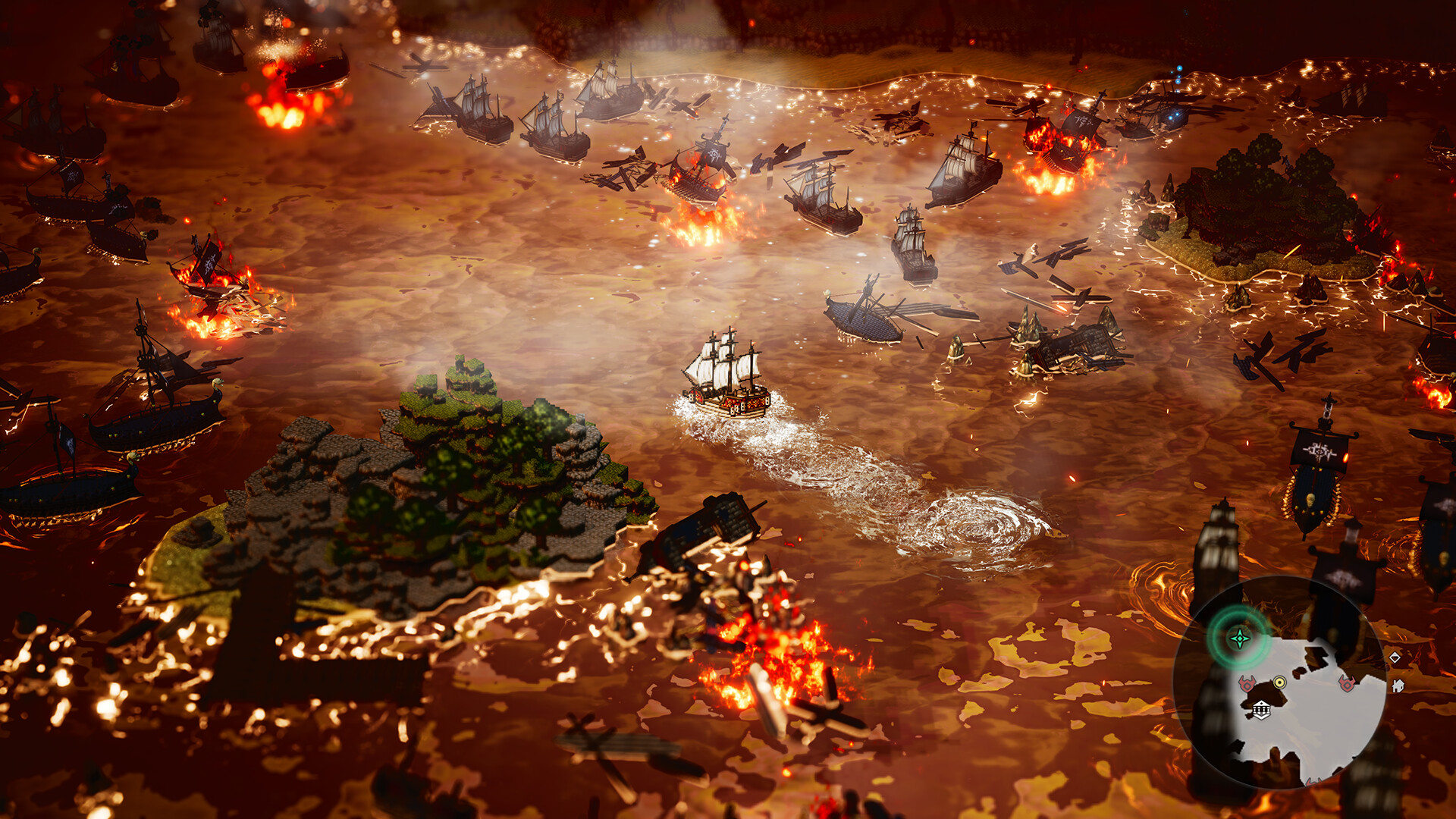
First things first, this is essentially a console version of Octopath Traveler: Champions of the Continent, a mobile-only prequel to the main series. You play as a resident of Wishvale, a quaint little town that’s suddenly burned to the ground by Tytos and the Scarlet Wings. Barely escaping with your childhood, Stia, thanks to the mysterious scholar Nomos, you’re gifted with the Ring of the Flamebringer, one of eight powerful rings scattered through the continent of Osterra. As it turns out, Tytos wasn’t working alone – Herminia, the “Witch of Greed”, and Auguste, the “Playwright”, also had a hand in Wishvale’s destruction.

Octopath Traveler 0_02

"As quickly as tragedy hits Wishvale, making it difficult to really form a connection with what’s supposed to be the focal point of your restoration efforts, Octopath Traveler 0 bridges that in other ways."

From the outset, you have two main goals – rebuilding the town and making it even better than ever with Stia, or venturing forth and exacting vengeance on the big three, taking their rings as rewards. Of course, there’s more beyond that, but this is the humblest of beginnings, as you scrounge up new gear, items, money, settlers, the works.

The problems begin almost immediately because of the nature of the protagonist. As cliched as the start may be, with your character being the chosen one and whatnot, they don’t really have any dialogue to speak of. You can customize their backstory, including their favorite dish (and it does have story implications), but the lack of any real response outside the limited expressions and animations, especially during some of the more emotionally hard-hitting scenes, just doesn’t work.

As quickly as tragedy hits Wishvale, making it difficult to really form a connection with what’s supposed to be the focal point of your restoration efforts, Octopath Traveler 0 bridges that in other ways. Constructing a new building would trigger a flashback to better days, for example. Running after Phenn, one of your earliest and most important allies in the early going, reveals the trauma he faced in trying to rescue any survivors. Credit where it’s due for his recruitment “quest” – it’s not very long, but it goes beyond survivor’s guilt into really tapping into the core of his connection to Wishvale.

This isn’t to say that other companions and settlers have the same level of depth when it comes time to gather your party. Alexia, for example, is all about inquiring about her paper. Five seconds and an acknowledgement of your status as a ring-bearer, and she’s a trusted ally. At least her interest in exploring ruins gives me a reason to backtrack to certain locations, and she’s quite the magic wielder. Otherwise, getting new residents for Wishvale 2.0 is more a matter of finding and asking.

Couple this with the voice acting, which ranges from solid to slightly overdone, and getting behind this cast of would-be heroes/burgeoning community can be tough. At the very least, Phenn and Stia sound believable enough, and Auguste comes across as the right amount of creepy without going completely overboard.

Octopath Traveler 0

"The biggest potential downside is that you can’t mix and match Support Skills from other Jobs. However, it does make each character that much more unique as they fit specific archetypes – and the fact that there are eight in a single party further alleviates these issues."

When it comes to the actual exploration, Octopath Traveler 0 really makes no bones about letting you go anywhere. Choose one of the three to face first or simply explore the continent, interacting with various NPCs, using different Path actions to extract info/get into fights/get free items, and more. Initially, this gameplay loop can get quite tedious, especially because enemies don’t scale to your level and most encounters are random. This means fighting the same underpowered mobs that give little to no XP as you backtrack through similar areas.

It becomes less annoying once you’ve unlocked more towns to fast travel to, allowing more seamless access to higher-level areas. The town-building aspect is also fairly seamless – creating new housing, decorations and other facilities isn’t much of a hassle or major resource sink. Once you’ve assigned different residents, they can perform functions like material gathering, further cutting down on having to revisit specific locations to acquire materials and slog through any unnecessary encounters.

All that being said, I actually enjoyed Octopath Traveler 0’s combat quite a lot. It starts simple enough – each turn grants one Boost Point, and you have SP to unleash skills. Save up enough BP, and you can boost anything – attacks, skills, even the new Ultimate techniques – for more potent effects, which is essential for breaking an enemy and leaving them temporarily stunned. Once you start gathering Job Points and unlocking new skills, including Support Skills with unique effects, it’s not long before one party member is transferring BP to build up those more damaging attacks on your fighter, or automatically healing the lowest health ally at the end of their turn.

The biggest potential downside is that you can’t mix and match Support Skills from other Jobs. However, it does make each character that much more unique as they fit specific archetypes – and the fact that there are eight in a single party further alleviates these issues. The fact that you can train your party further, diversifying their skill sets in unique ways, goes hand in hand with Wishvale’s own progression. It’s almost enough to warrant ignoring the main quest and seeing how much stronger the party can become, or even uncovering new companions (which makes up for the fairly basic layouts of some stages).

Octopath Traveler 0_03

"Even though I’m not the most invested in its story and characters, or finding some of the backtracking to be truly annoying, it’s still an intriguing alternative to the series formula with the same stellar production values."

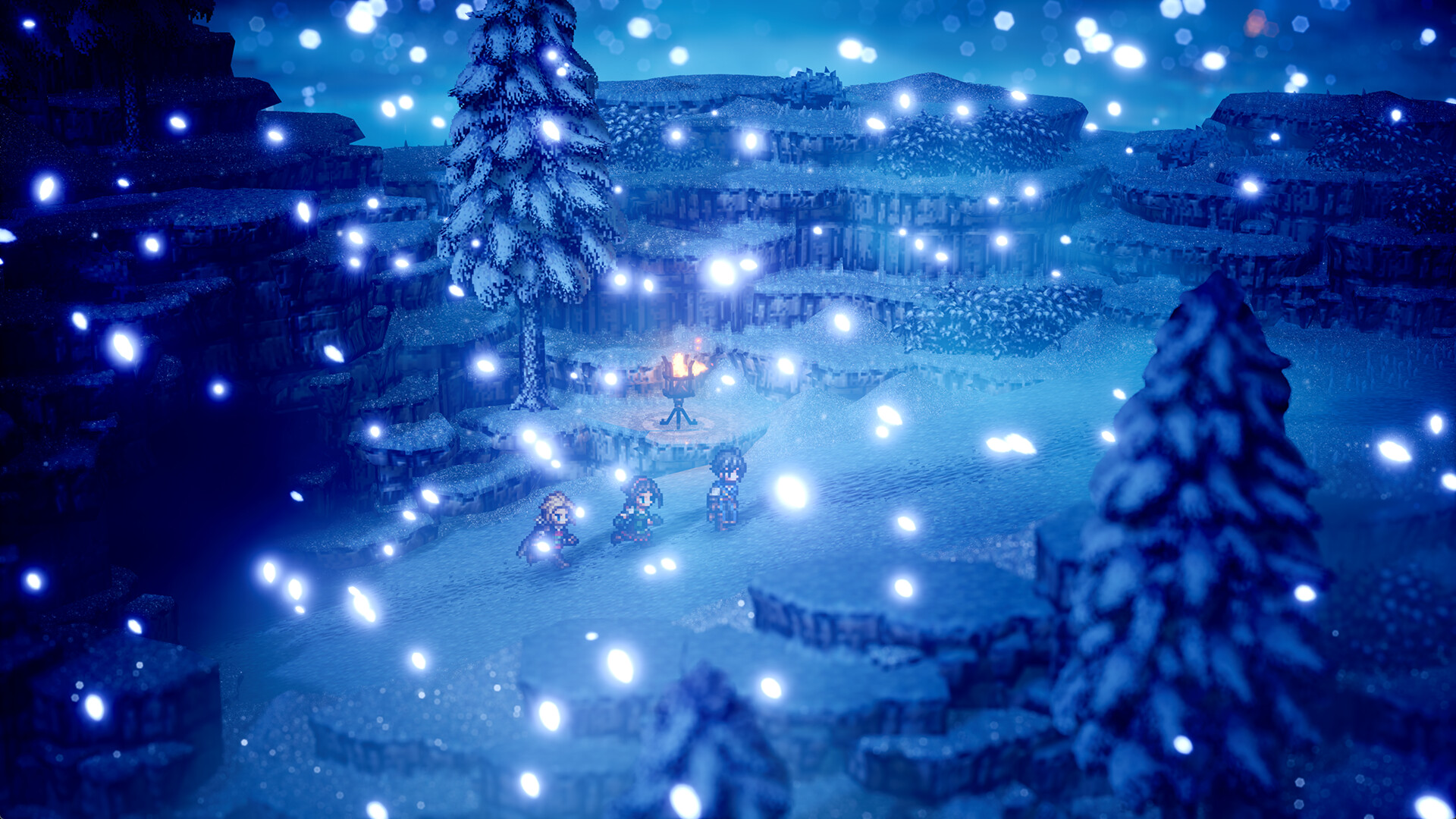
However, you may feel about some of these changes to the series, at least Octopath Traveler 0 continues its tradition of stunning visuals. Admittedly, Osterra itself isn’t the most original world to explore – these fantasy forests, caves, highways and farms will feel more typical than not – but the HD-2D style still looks gorgeous. And despite how basic some environments can feel to explore, there is a lot to discover, whether you’re stumbling on some ruins or venturing off the beaten path and mixing things up against an Elite enemy or finding a locked chest. Similarly, the music is quite nice, whether you’re wandering through the more artistically inclined streets of Theatropolis or engaged in a tense battle.

Octopath Traveler 0 may not necessarily convert me to previous games in the franchise, but its unique gameplay and exploration loop have mysteriously hooked me. Even though I’m not the most invested in its story and characters, or finding some of the backtracking to be truly annoying, it’s still an intriguing alternative to the series formula with the same stellar production values. Mayhaps not the most engrossing 100-hour role-playing timesink, but you could do far worse than this.

This game was reviewed on PS5.

FEROCIOUS Buyer’s Guide – 15 Things To Know First

Ferocious is shaping up to be one of the most intriguing indie shooters in years—a pulp-style, dinosaur-filled FPS that blends survival mechanics with a surprisingly narrative-driven structure. Instead of following the typical open-world survival blueprint, Ferocious focuses on handcrafted environments, guided objectives, and set-piece encounters that still leave room for player agency. With a first-time indie developer and a release date just around the corner, you’ll want to know what you’re stepping into. Here are 15 things to know about Ferocious before purchasing and exploring the ambitious dino island for yourself.

Premise

Imagine this: a game where you’re shipwrecked on a mysterious island crawling with dinosaurs. Not exactly an untapped premise, but Ferocious twists it on its head in subtle ways. While a majority of games with this set-up take on a survival sandbox structure, Ferocious leans into storytelling and a linear progression. Your missing brother is just one of the narrative threads guiding the game’s intriguing setting. A dinosaur island with emotional stakes? Count me in.

Dinosaurs, Mercenary Gangs, and Mechas, Oh My

The variety of dinosaurs are one of the game’s principal attractions, but they’re not the only threat you’ll face on the island–far from it. You see, The island isn’t nearly as abandoned as you first believe. There are other people lurking about, mercenaries as well as military personnel with drones at their disposal. When you aren’t running for your life from towering prehistoric creatures, you’re taking cover in the middle of tense shootouts against para-military agents and even bi-pedal mechs (yes, this game has mechs).

Controlling Dinos To Attack Opponents

ferocious 01

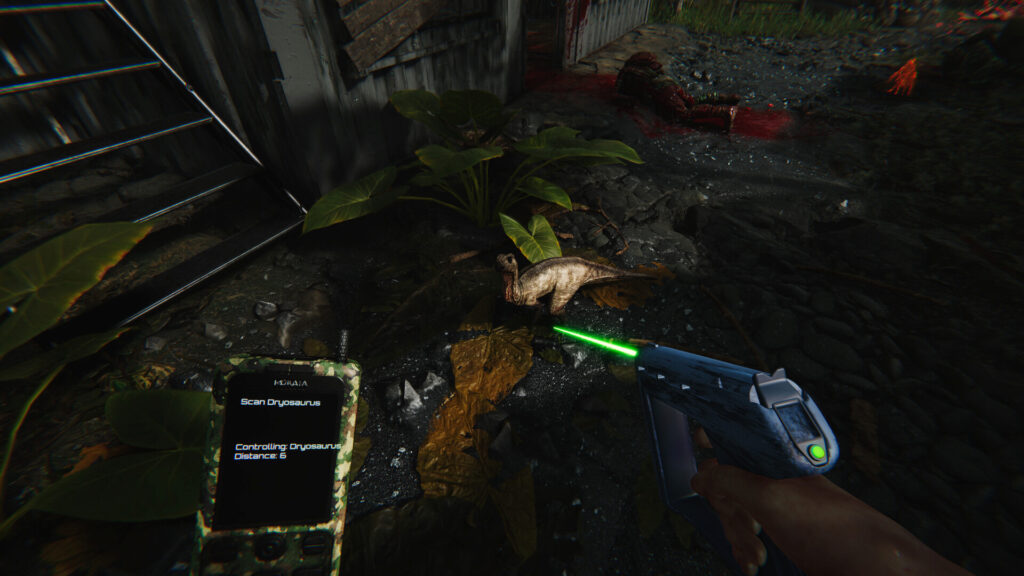
That said, it’s possible to use some threats to your advantage, particularly the island’s dinosaurs–at least, some of them. Using dino control device on certain dinosaurs will bait them into attacking human enemies hunting you down. Aside from dinos fighting by your side, they can sniff out items in the environment and bring them to you, adding a strategic layer to some battles. Oh, and that blocked passageway or locked door? No problem for a dinosaur under the dino control device’s influence.

A Variety of Species

Ferocious features a wide range of dinosaur species. Some graze the fields and tend to themselves while others are instantly hostile (ferocious, you might say). Not every dino can be controlled though, and plenty aren’t capable of being defeated (at least by conventional means). Ferocious takes a more creative direction when it comes to dinosaur designs. They’re said to resemble our real-life conception of dinosaurs, but not to an scientifically accurate degree. The dev team stresses the fun element of dinosaurs above accuracy, so expect some wild designs fit for an imaginative video game.

Not Open World

ferocious 02

These dinosaurs and mech encounters aren’t strictly scripted, but they don’t roam around a huge open-world either. The island is segmented across a half-dozen districts—open-ended zones with clear boundaries. The game also has more linear main objectives than one would come to expect from the ‘stranded island’ premise. The structure is directly influenced by classics like early Far Cry and Crysis 1, blending freedom with more directed objectives.

Five Unique Biomes

There are five distinct districts across the dino-filled island that have been confirmed so far. You begin on the coastline, a tutorial area with some secret coves and boisterous weather. And then there’s the labyrinthian canyons, lowlands, grassy plains, and even a jungle. Each area has a unique level design ethos which changes up gameplay.

Obstacles and Terrain

ferocious 03

One of the creative ways the studio seeks to change up gameplay is through obstacles. One example of this is using dinosaurs to open paths. There’s also some environments that must be destroyed in order to advance through, such as thick vines. I’d be surprised if there weren’t a good amount of environmental puzzles scattered throughout the island.

Semi-Destructible Environments

Destruction isn’t just limited to set-piece obstacles. Grass can catch fire and weak cover will get destroyed during firefights. The team has made it a priority to make the environment feel dynamic through its destructive qualities, though given the limited budget, not everything is fully destructible. Weather is a part of that dynamic equation as well. The island will see rainfall, heavy wind, as well as a day/night cycle, though weather doesn’t have any survival mechanics involved, as the studio has pointed out.

Environmental Storytelling

Environments also help tell the story. The studio made it a point to ensure the island feels like a lived-in place with prior history. Abandoned camps and mysterious ruins of lost civilizations are said to be featured. Expect to find cryptic journal entries dotting the nooks and crannies as well.

Weapons and Combat

ferocious 05


The studio wants to feature 12 guns at launch. Unlike the liberal interpretation of the dinos, the guns here are rather historical and will be familiar to any FPS enthusiast. There’s your standard handguns like the 9mm and on the desert eagle on more powerful end. There’s SMGs like the MP5, AK assault rifles, Remington shotguns, sniper rifles, and a flamethrower to light windswept plains ablaze. In addition to guns, throwable objects like grenades, as well as melee knives are available to use on the island’s hostile denizens.

Upgrades

You’ll want to pay close attention to gun durability since weapons degrade over time and may even get jammed. Upgrades are also a major component to the gameplay of Ferocious. Though the studio has made it clear that silencers aren’t in the game due to the de-emphasis on stealth. But attachments such as laser sights, folding stocks, and scopes can be freely equipped across various guns.

Single-Player

ferocious 06

There doesn’t have to be a lot of balancing involved in customization thanks to the total lack of multiplayer in Ferocious. This is a conscious decision, as the team is laser-focused on delivering a narrative-driven FPS campaign, albeit with some more open-ended survival elements sprinkled in.

Indie Studio

Speaking of the studio, they are an indie team composed of just a handful of devs. They’ve brought in a Far Cry veteran along with designers from the film and theme park industries, helping carve out a strong visual and thematic identity for the island.

Runs on Unity

To my surprise, the game runs on the Unity engine. It looks like a AAA production with the realistic weather and destructible environments, so it’s very impressive what they’ve done with such a small team and limited budget.

PC Requirements

And it shouldn’t take the most expensive PC in the world to run as a result, though you will need a fairly beefy rig to get the most out of Ferocious. The minimum specs are very reasonable, hovering around an aging but reliable Intel i5 (or AMD equivalent), 12 GB of RAM, and a GTX 1060 or RX 580—hardware many PC players probably already have lying around. But if you want Ferocious to truly shine, with its weather effects, dense foliage, and destructible cover pushed to the max, you’ll want to step up to something closer to an i7 or Ryzen 5 3600 paired with an RTX 2060 or RX 5600. Either way, the game remains modest in storage demands at around 25 GB, making it refreshingly lightweight for a title with such ambitious visuals.

There’s no word on a price for Ferocious, but we don’t expect the $69 tag due to the indie scale of the project. This dino island FPS adventure releases real soon, December 4th to be exact, and it’s available on PC with no console plans at the moment.

Is STALKER 2 Finally the Game We Were Promised?

The fact that STALKER 2: Heart of Chornobyl had a bad start when it was released last year is kind of old news at this point. The A-Life system caused more problems than the thrills it was meant to bring, while bugs, glitches, and performance issues marred what should have been a very rewarding experience.

However, developer GSC’s struggles to get the game to its final release were well-documented, earning the studio some goodwill which it has worked hard to retain with seven major patches to its flagship title and a PS5 port that brings some great exclusive additions to the game.

We’ve previously commented on how the first five patches felt like an evolution of the game into a version of itself that not only looked to fix problems, but also improve strengths. Another two updates have since arrived, bringing their own special additions to The Zone. Which begs the question: Is STALKER 2 finally fixed and complete?

Join us and find out!

Unlocking the Night

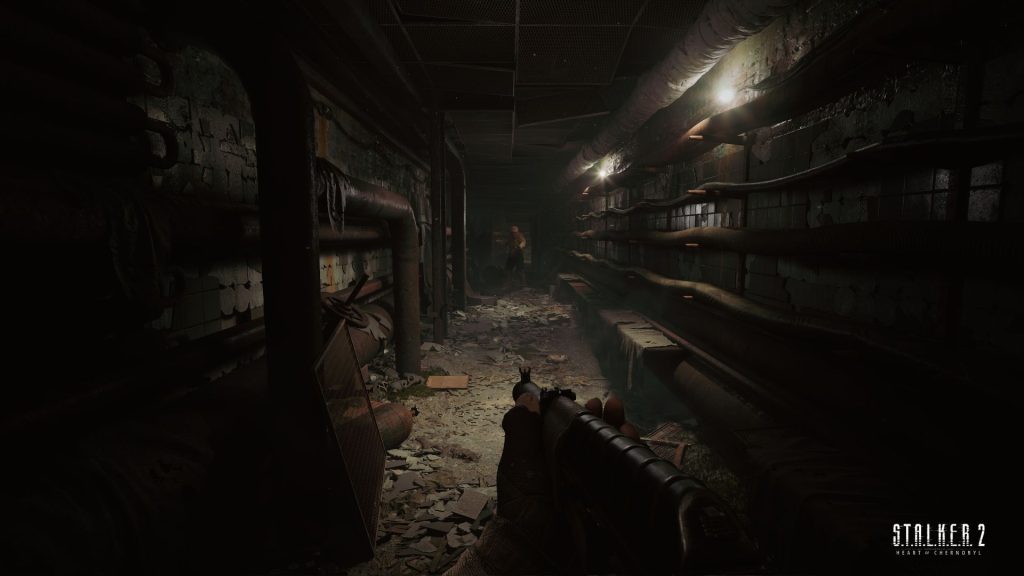
Things could get very dark in The Zone once the sun sets, and exploring at night was quite a sore point in the game. That was until the Night of the Hunter Update that dropped in September 2025, bringing fixes and improvements while giving players a very valuable tool to aid their nighttime strolls.

The Night Vision Goggles gave any aspiring STALKER the ability to see better at night and even use their weapons quite effectively, thanks to an attached laser pointer and an aiming offset feature that’s quite helpful when you have it running. What’s more, the quest to acquire them sent you back to one of the cast’s more memorable characters.

But the mere addition of the NVGs alone isn’t how GSC managed to make this update count. It was the manner in which they addressed a problem with the world’s design while also bringing an important layer of immersion to the gameplay loop on offer. That’s because going out at night meant more ways to engage with The Zone and its A-Life system, a potent combination made even more unpredictable by the darkness and its dangers.

It’s the perfect showcase of how GSC managed to up the ante with its updates, adding content that brings meaningful innovations to the core experience on offer in STALKER 2. If you thought hunting at night was going to give you an advantage, the fact that other Stalkers could be using night vision to hunt you down should be a good enough reason to be as cautious as you can if you do step out into the Zone’s shadows.

But again, The Zone is meant to be dangerous and not conducive to casual strolls. The Night Vision Goggles only ensure that you’re not tripping over your own feet in the dark. They were a clever way to expand a dangerous playing field by giving it an entirely different and explorable time of day with one simple change.

STALKER 2 Heart of Chernobyl_05

Should GSC have delayed STALKER 2 a little more and brought all of the features it has added since the game’s release to the table in one go? Perhaps yes, but STALKER 2’s troubled development cycle might not have been entirely under the studio’s control. However, in the year that has passed, has it done enough to bring the game up to scratch? Certainly yes!

The Expedition update is the one that has brought STALKER 2 very close to its final form, and done so with style.

The Definitive STALKER Experience

The seventh major update to STALKER 2, the Expedition update, brought several noteworthy additions to the game. But there was a crucial difference this time around. The new update brought more new content to the game alongside a few fixes, a showcase that STALKER 2 is now as close as it can be to the original vision that GSC had for it.

Let’s start with the titular expeditions. It brings changes to the exploration loop that add a layer of authenticity to exploring The Zone, in our honest opinion. By relegating saving to camps that you need to visit, along with the ability to get a good grip on what the newly added Master difficulty setting would bring on an easier mode, it’s the perfect excuse for a new playthrough with all of the bells and whistles from previous updates.

However, Expedition mode is not the only brilliant addition to the game. There’s also the fact that improved stealth is now an option when you’re out in the Zone, a change that has been very welcome among critics and players alike. GSC hasn’t reinvented the wheel here, merely nerfing your enemies’ ability to see you when you use tall grass or dense vegetation to hide your approach.

STALKER 2 Heart of Chernobyl_02

Many have since commented that taking enemies on in environments like the swamps or corn fields, where it felt unfair for enemies to fire bullets right into you, despite not being able to see you. It was quite jarring and ruined the immersion, while also serving as an annoying reminder that not everything in The Zone worked as intended.

But now, hunting and well, stalking, your enemies from the shadows is a viable playstyle, allowing players to bring a layer of tactical strategy to the table. It’s a change that was definitely warranted, and GSC’s execution in this regard must be commended. It’s one of the details that’s going to make STALKER 2 feel like a very different game from the one that we played last year. And there’s more.

The A-Life system had its lows, but the January 2025 update did a lot to make The Zone work almost independently of the player. It’s made survival in its post-apocalyptic world quite a challenge every time you venture out, but it’s also a great way to make every time you leave the safety of a hideout as unpredictable as you could possibly want.

However, even as it brought a great version of the game to the PS5, GSC has managed to bring a major change to the A-Life system that could make the game’s open world a very different place. That’s because the many factions vying for control over their little pockets of it will now be in active conflict with each other.

STALKER 2 Heart of Chernobyl_04

That means the place you just left might not be the place you return to a while later if the faction controlling it failed to defend it from its invaders. The mutants are a major part of the chaos, defending their nests with territorial ferocity. GSC effectively made The Zone a living, breathing entity that’s utterly apathetic to the life within its confines, while its causality sets events in motion whether you’re ready for them or not.

It’s almost like the A-Life system feels complete after its January 2025 revival, and now makes every minute in The Zone feel like things could go in an entirely different direction than what you’re expecting in a matter of moments. It’s a great way to finally achieve a hallmark of some of the best open worlds out there, and a testament to GSC’s commitment to rewarding its players for their support and loyalty over a few troubled years.

Of course, the addition of more anomalies after the fire-based one in the Night Hunter update, along with little details like a tremor affecting your aim after too many energy drinks, and further balancing of the sprint and stamina systems to make the entire experience more authentic and immersive, have also helped. STALKER 2 finally feels like the game it was always meant to be.

Taking Things Further

Of course, all of these fixes and additions might have been more than sufficient to draw new players to the game’s recently released PS5 version. It was a section of STALKER 2’s audience that watched from the sidelines as GSC brought the game back to life from the jaws of obscurity.

STALKER 2

But by utilizing the DualSense’s unique feature set, GSC has managed to make each weapon feel distinct thanks to the adaptive triggers, while the controller’s haptics are being put to good use to make each distinct surface and terrain in The Zone stick out. The in-built speaker handles all of your radio communications, while the visuals (especially on the PS5 Pro) shine through.

It’s all a showcase of the effort that GSC has put into bringing STALKER 2 up to scratch. But in the process, it feels like the game is now even more than what it could have been last year. We’d say that this survival shooter is more than merely fixed.

It’s gone beyond mere repairs to make a few modifications that have made its journey more than just a redemption arc. It’s now a success story and a beacon for other titles that do not perform well when they are launched but manage to turn things around in the aftermath.

STALKER 2 now joins the likes of titles like No Man’s Sky and Cyberpunk 2077 as a redemption story worth knowing, and is now a game that we’d recommend diving into, irrespective of whether you played it before or are an absolute newbie to the franchise.

Note: The views expressed in this article are those of the author and do not necessarily represent the views of, and should not be attributed to, GamingBolt as an organization.
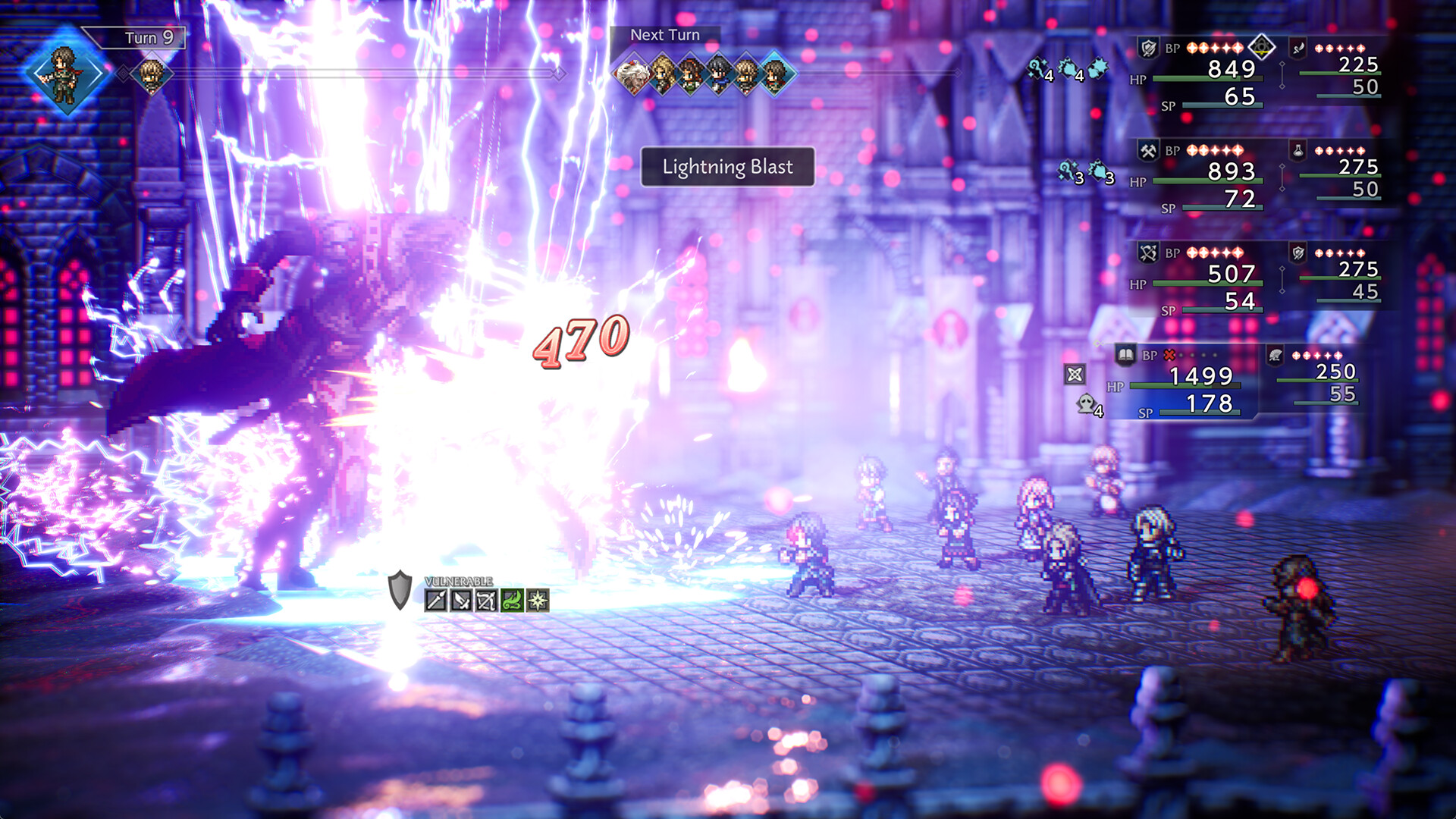
Possessor(s) Review – Ghost City

As strange as it sounds, I don’t think there’s another developer who’s inspired as many feelings of hype and disappointment over the years as Heart Machine. Hyper Light Drifter, a Zelda-like released in 2016, instantly made the studio with its beautiful wordless narrative, sharp combat, and fantastic exploration. Solar Ash, with its sci-fi platforming and Shadow of the Colossus-style bosses, seemed like an amazing follow-up but ended up just fine in terms of execution. The less said about Hyper Light Breakers, the better.

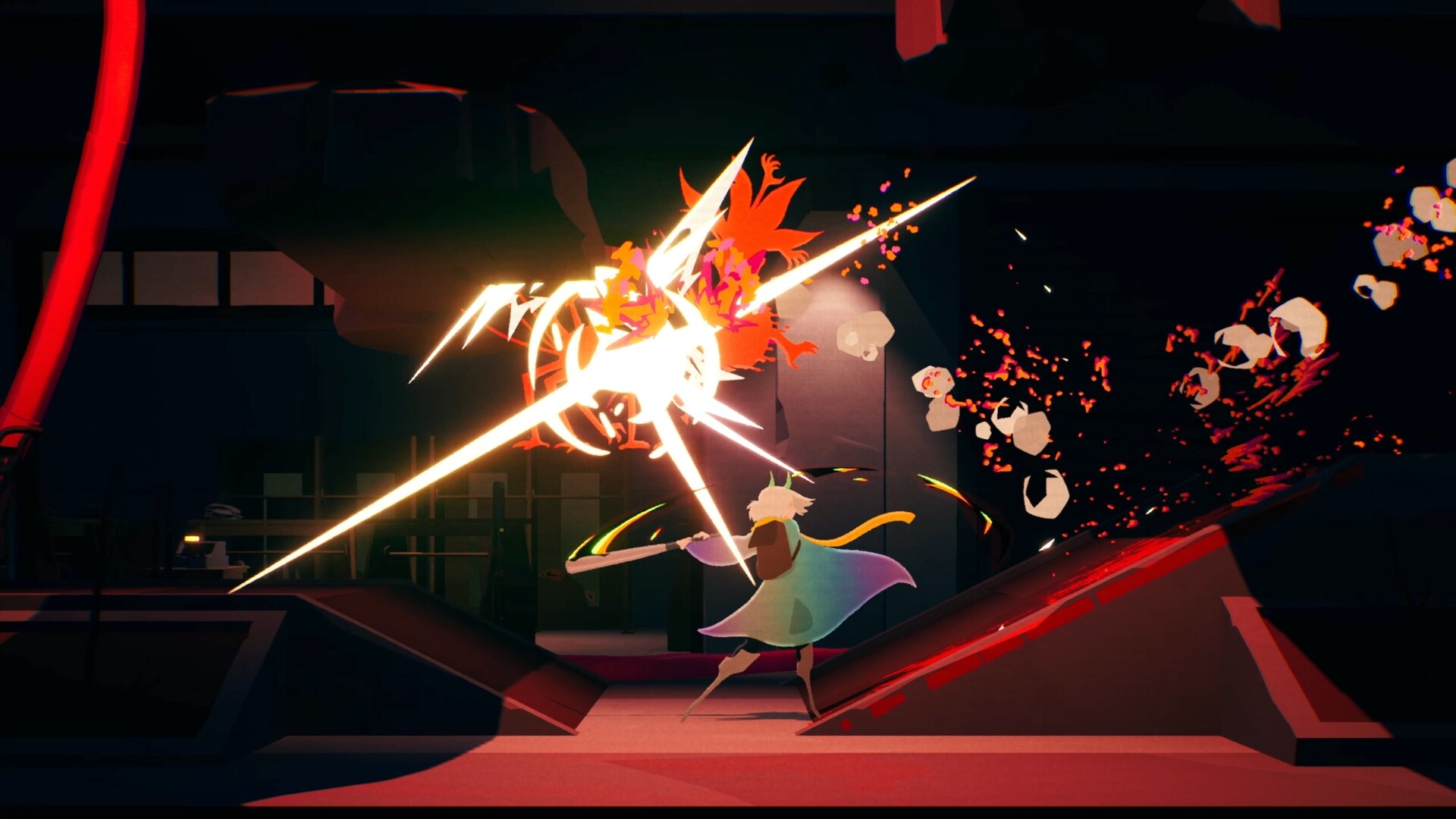
Still, it felt like Possessor(s) was a return to form, offering 2D animated characters in a side-scrolling action-adventure set in a massive 3D world. Unfortunately, despite a compelling premise and some sleek presentation, it also stumbles in various frustrating ways.

The setting is Sanzu City, recently torn apart by a disaster of demonic proportions. A massive otherworldly rift has opened, and demons roam the streets, ravaging the living. Luka, a high school student, is on death’s door after losing her legs, but she happens upon the equally wounded Rhem. Despite watching her best friend, Kaz, get killed by a demon, Luka reluctantly forms a partnership with Rhem, allowing him to possess her and heal her wounds.

Possessor(s)

It isn’t for free, though, as the player is tasked with escorting Rhem to the epicenter of the rift so he can return to his home dimension. Doing that requires accessing a mysterious underground vault belonging to Agradyne, who effectively runs the city and produces batteries (three guesses about where their energy comes from). You’ll then need to travel to different corners of the map and collect four eyeballs belonging to officials possessed by high-ranking demons to pave the way forward.

As typical as the MacGuffin search feels, Possessor(s) does a pretty decent job of not immediately lapsing into it. Luka spends a significant amount of time getting to know Rhem while mastering her new legs and strength. Their pasts intertwine as memories are mixed and secrets eventually spill forth. The characterization feels spot-on in this regard, with Luka coming across as immature and awkward, but also understanding and down-to-earth. Meanwhile, Rhem, despite his calm, collected demeanor is prone to stubborn callousness.

The barriers between them are slowly but surely whittled down along the way, even if arguments still tend to flare up. Other notable figures include Tens, a former Agradyne employee turned hunter who works alongside a possessed wolf; Professor Foss, Rhem’s former teacher who’s now possessed and mentally unravelling; and more. Outside of accepting quests or acting as vendors and one-time bosses, they don’t have a heavy presence in the plot, with the focus remaining squarely on the eyeball hunt and Luka and Rhem’s dynamic. Nevertheless, they’re intriguing and add to the overall setting with their backstories.

The two core components of Possessor(s) are platforming and combat, and there’s plenty of acquiring new abilities and revisiting previous locations to test them. All your favorites are here, from the grappling hook that also doubles up as pulling smaller enemies towards you to the slide and underwater dash. And while the platformer can feel solid enough as a whole, there are some fumbles, like the grapple not properly latching onto points at times. There are also some delays to your movement in combat – something I learned the hard way when trying to transition from a dash to a crouch to avoid a beam and dying in the process.

Possessor(s)

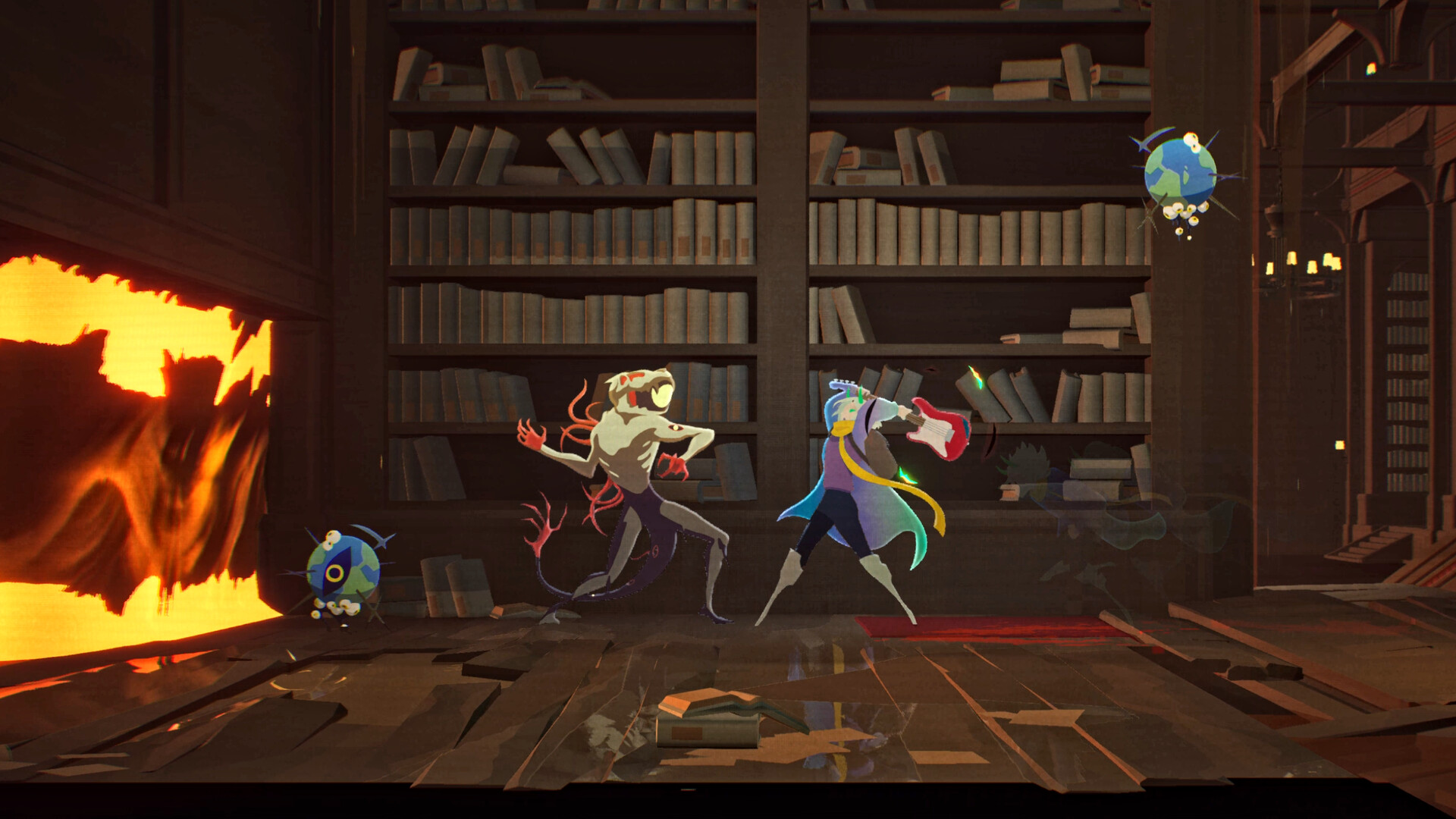
"Aesthetically, Possessor(s) is a mix of wonder and intentionally clashing styles. The look and motion of its characters are in stark contrast to the 3D environment, with limited animation frames that still manage to flow together relatively smoothly."

That awkwardness pervades a huge chunk of the combat as well. While attacking, you’re effectively stuck in one direction for the duration of that combo. Enemies aren’t, of course, resulting in frustration. Luka can utilize a primary weapon and three special weapons at a time, ranging from a mouse to juggle enemies into the air to a hockey stick with wide-range smacks. There’s a Super Smash Bros.-like feel to some of the action as you break through guards and knock enemies into each other and the environment, which feels pretty nice. It’s punctuated by parries, which are required to open up certain foes to attacks and reflect projectiles.

Given how many enemies tend to stay just out of reach, the latter can be essential. Occasionally, it’ll feel very generous as you parry multiple bullets back. Due to the lack of any kind of invincibility window when taking damage and the excruciatingly long stun recovery, you can easily get by hit dozens of them at once and die. This leads to some even more annoying runbacks, purely due to the layout of certain sections.

Even if you fully grasp the combat, there isn’t all that much to it beyond smacking enemies away, grappling them back and following up with another attack. The primary weapon variety is surprisingly low, and the special weapons are very mechanically basic. Admittedly, it can be cool to execute a counter-attack with the glasses or charge up a powerful katana slash, but that’s as far as their functionality goes. The affixes also feel a little too straightforward, though providing some lungs for an NPC to cook and effectively buff is one of the more memorable interactions.

Aesthetically, Possessor(s) is a mix of wonder and intentionally clashing styles. The look and motion of its characters are in stark contrast to the 3D environment, with limited animation frames that still manage to flow together relatively smoothly. Well, on most occasions, since some bosses still tend to just kind of float towards you with certain attacks. Regardless, they stand out well against the brutalist architecture of the world, its shadowy undertones and an analogue-like filter which lends an old-school horror feel.

Even the sound design is lovingly on point on most occasions. Possessed books float about, crying like babies while your whip lashes out with all the primalness of a beast. The music is also a nice mix of heavy-handed and moody, whether it’s the disarming nature of the Abandoned Mall’s tunes or the epic feel of the final battle.

Possessor(s)_02

"Even the story, when it’s all said and done, peters out in fairly predictable ways. Some elements are left disappointingly open – a significant contrast to how inviting Sanzu City felt when first diving in. "

However, the biggest problem with Possessor(s) outside of its movement and combat issues is that it runs out of steam in the closing hours. One area feels painfully straightforward, consisting of nothing but battle rooms en route to the final boss. The other plays with inverted structures and extensive gaps, but not in any really special way compared to prior areas (and it feels relatively short). While there are reasons to go out of your way, be it in obtaining items to add more affix slots to gear or discovering quest items, it begins to feel superfluous after a point. This leads to frustration when you happen upon any places not tied to your objective. At least many of the bosses feel unique, though the aforementioned combat and movement issues can once again hamper your enjoyment.

Even the story, when it’s all said and done, peters out in fairly predictable ways. Some elements are left disappointingly open – a significant contrast to how inviting Sanzu City felt when first diving in. As a whole, Possessor(s) is a decent side-scrolling action-adventure with some interesting twists, especially surrounding possession, backed by a relatively solid dynamic between its leads.

It just sadly doesn’t venture much further. Maybe that’s on me for being so enthralled by this concept and wanting to see where it ventures next, only to be suitably whelmed by the end. I wouldn’t classify this as Heart Machine’s worst effort by a long shot, but it’s yet another in a long line of personal disappointments for sure.

This game was reviewed on PC.

Escape From Tarkov Review – A Little Human Compassion

Discussing Escape From Tarkov in 2025 is an interesting concept. The extraction shooter has been around for an incredibly long time – around 8 years – as an alpha (and beta), and through this, has also had a hand in shaping the current gaming landscape. While it didn’t entirely come up with the idea of the extraction shooter – the genre can be seen as far back as The Division’s Dark Zone in 2016 – Escape From Tarkov can definitely be credited with popularising what was otherwise just a game mode into its own genre. All the strides that have been made with extraction shooters since its 2017 alpha release might even give one the impression that the genre has left it behind. However, with the full release now here, nothing can be further from the truth.

One of the most important things to remember about Escape From Tarkov is the fact that it is very much in the simulationist camp of gaming. The shooter wants to simulate as much as it possibly can while still being fun to play. This means that every aspect of gameplay, from using guns to looting containers or bodies, and even just managing your inventory, has an extra layer of interaction that might come across as tedium to some. However, this is very much integral to the experience that it’s trying to present. You’re not a super-soldier that’s taking on entire platoons on your own; you’re simply trying to scavenge for crafting materials, food, water, bandages and guns, just to survive.

"A number of different gameplay systems tie in to how the gunplay feels as well."

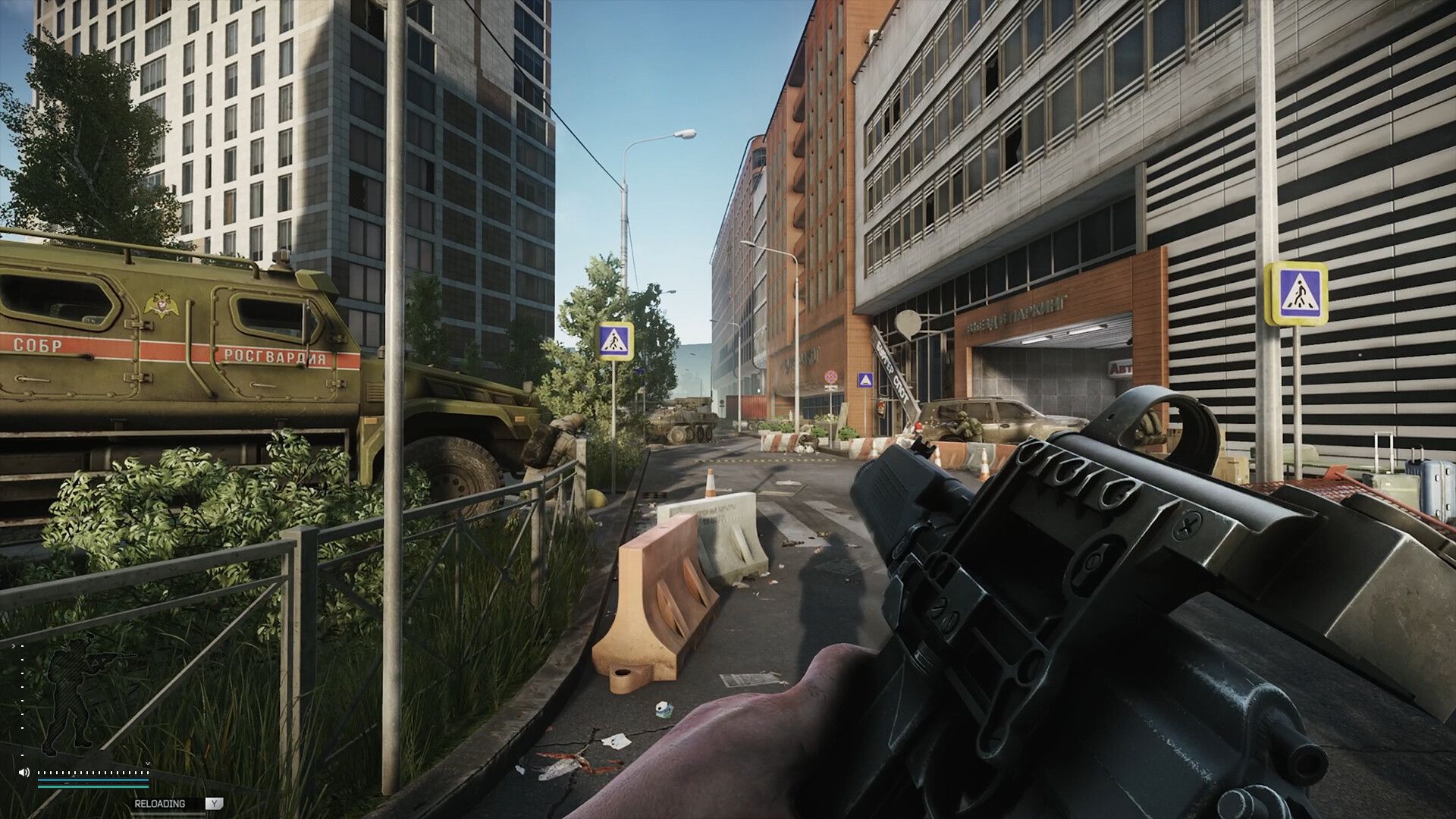
Since it is a first-person shooter, the gunplay is a great place to start. You’re not going to get crosshairs that help you line-up shots without aiming down sights. And even then, you’re going to have to deal with a host of things, from recoil, to simply your own arms swaying ever-so-slightly. Each gun feels distinctly different, and the fact that different ammo is needed for different kinds of weaponry is more than just additional inventory management; munitions’ calibre plays a major role in how a gun feels to use, with larger calibre bullets doing more damage, but also adding more recoil with each shot.

A number of different gameplay systems tie in to how the gunplay feels as well. Durability, for instance, is a major consideration. Maintaining your gun is important, after all, and the lower its durability gets, the higher the chances of minor malfunctions like jams. These, in turn, can even lead to larger malfunctions. Rather than being yet more busywork, the durability and weapon malfunctions add quite a bit to the tension of a typical gun fight. That low-durability AK that you picked up off the floor might be great once it’s repaired, and it might even be an upgrade right now, but using it as soon as possible also means that you’ll have to quickly check for any malfunctions that need fixing. After all, you never want to hear an empty “click” when you pull the trigger while taking on three scavengers by yourself.

escape from tarkov 1

"Rather than being yet more busywork, the durability and weapon malfunctions add quite a bit to the tension of a typical gun fight."

Escape From Tarkov also has some elements of survival, inspired by titles like Rust, where hunger, thirst, and even your own health is an important factor. All of these systems can also tie in to the gunplay, since going hungry or thirsty for too long will start to affect your vision, making aiming more difficult. Even the player damage model is quite in-depth, with each limb having its own health. Taking too much damage on your legs or hands will have tangible effects on gameplay too, slowing you down by a considerable amount and increasing your weapon sway while you’re aiming-down-sights.

Just about every one of these mechanics are explained through a tutorial mission that the game throws you into the moment you start it up for the first time. However, this definitely needs some more fine-tuning and tweaking, as it can often feel just about as obtuse as the overall game itself. While it is happy to let you know that you can loot containers by pressing F, it doesn’t really do anything to show you what a container might look like. Similarly, picking up a gun might prompt a tutorial on weapon durability, but actually fixing your new gun’s issues is a different matter entirely. As someone new to the game as a whole, my first run through the tutorial ended with disaster, since I also wasn’t shown where I could go aside from a vague “make your way to an extraction point” objective; I also wasn’t given access to a map to try and get my bearings. Generally speaking, the onboarding experience for new players is terrible, and Battlestate Games will definitely want to bring in some improvements.

escape from tarkov 2

"Generally speaking, the onboarding experience for new players is terrible."

All of these core mechanics tie into the central gameplay conceit of Tarkov – the raids. The central narrative of Escape From Tarkov revolves around the player, working for either United Security or Battle Encounter Assault Regiment, trying to figure out a way to escape from the titular city. To achieve this, players set off on raids into Tarkov with the main goal being to reach the other end. Along the way, players will get their hands on loot that can take the form of new equipment, weapons, food, water, or even just valuables that can be sold for some cash. An added wrinkle to these raids is the fact that the map is also populated with AI-controlled scavengers, as well as other players with similar goals. Dying before you can get to the extraction point means that you lose everything you brought with you on the raid.

The tension from this pseudo-permadeath mechanic where even setting up a starting loadout means you’re risking valuable equipment that could be lost thanks to an errant gunshot is at the heart of Escape From Tarkov. The fact that you can lose just about everything, combined with the survival-styled mechanics and the simulationist approach to gunplay also lends the extraction shooter a horror-like vibe. Sure, you aren’t going to have to fight off zombies or anything. But the slow and deliberate pace of gameplay where you have to constantly be on the lookout for enemy soldiers while also trying to bandage up a bleeding wound and managing your inventory at the same time feels like Tarkov at its absolute best. And while the risks associated with losing everything might sound harsh, bouncing back isn’t too difficult since you can buy a few starter weapons and slowly sneak your way through a raid to build your resources back up.

escape from tarkov 3

"The tension from this pseudo-permadeath mechanic where even setting up a starting loadout means you’re risking valuable equipment that could be lost thanks to an errant gunshot is at the heart of Escape From Tarkov."

Tarkov itself is a fantastic map full of interesting potential arenas for combat. It’s a dense place filled with buildings – ruined or otherwise – all over the place. Along with this, even the streets don’t offer much in the way of reprieve since they’re also loaded up with long-abandoned vehicles. While this means that close-quarters combat is quite common, there are also a few spots that offer opportunities for longer-ranged fights, especially if you manage to get into one of the taller skyscrapers. Generally speaking, the map has been designed in a great way where a few players with sniper rifles don’t end up just instantly killing everything they see. Rather, there are quite a few opportunities for flanking, or even digging in for prolonged fights.

The regular enemies you fight aren’t really anything to write home about; they don’t really get more interesting than “guys in military gear”, and tend to offer little in the way of challenge unless you start getting vastly outnumbered. This is when even some of the basic tactics that these AI enemies are capable of start feeling a lot more dangerous, since they will happily flush you out with any grenades that they might have, and even use flanking maneuvers.

PvP is where Escape From Tarkov started losing me, personally. Since there are other players in the map, you’ll constantly be on the lookout to either take them out before they can spot you, or to at least hide and make sure that you don’t get seen. Since the shooter has been out for almost 7 years, the player base is already quite experienced with the intricacies of its gunplay. This means that new players are at a severe disadvantage right from the get go. Add on top the ever-present problem of cheaters and what was turning out to be a fun-but-stressful experience into a borderline rage-inducing one. The title does ship with its own PvE mode, but that’s locked behind an additional purchase. To players who might not be entirely into taking on other players in high-stakes games like this, the best way to experience Escape From Tarkov turns out to be a community-made mod called Single-Player Tarkov.

escape from tarkov 4

"Since the shooter has been out for almost 7 years, the player base is already quite experienced with the intricacies of its gunplay."

As its name might imply, Single-Player Tarkov – or SPT – takes away PvP from the gameplay equation. Rather, it simulates other players with some competent AI, making them slightly smarter than the typical NPC enemies you are bound to have encountered throughout the game. It wouldn’t really exist without the core game itself, since it essentially builds on the foundations that have already been laid down by developer Battlestate Games, but if you’re having trouble getting Tarkov, then it might be worth a look.

Aside from the core extraction shooter mode, Escape From Tarkov also has a side game dubbed EFT: Arena. As its name might imply, the game mode aims to offer a more fast-paced experience for players that might not enjoy the “raid” aspects of Escape From Tarkov, and would instead prefer to get right into the PvP. While it does make use of the same core gameplay elements as the base game, EFT: Arena definitely feels like it still needs some more time in the oven. It offers little in the way of interesting gameplay moments or elements, and even its maps – carved out from the overall Tarkov map – tend to feel bland without the larger background of the city available to explore. Arena is, ultimately, not quite why you would even want to pick up Escape From Tarkov to begin with, and serves as little more than a way to warm up before you set off on some actual raids.

When it comes to technical performance, Escape From Tarkov offers something of a middle ground. While I wasn’t able to go over the 100 FPS that I’m typically used to in shooters, the base game itself ran quite well on my system – an AMD Ryzen 7 7800X3D CPU, 32 GB of DDR5-6000 RAM and an AMD Radeon RX 7800 XT GPU – and while I did get a few stutters here and there, things sorted themselves out after around few minutes of gameplay. That’s not to say that there are no technical problems; there is a massive discrepancy between the minimum hardware requirements and what the studio recommends. This means that many players – myself included – can’t exactly max out the graphics settings and still get stable frame rates.

escape from tarkov 5

"Escape From Tarkov is an excellent game that feels like it might be let down due to the fact that it revolves around online PvPvE gameplay against other players."

Along with this, there were quite a few problems when it came to its servers. Like many players since the 1.0 launch, I also faced quite a few issues with matchmaking, which on one occasion went on for as long as around 40 minutes before I gave up on that session. The visuals are great as well, and really sells you on the devastation that the city of Tarkov has faced. The biggest things holding the title back, for the time being at least, are its server issues.

Escape From Tarkov is an excellent game that feels like it might be let down due to the fact that it revolves around online PvPvE gameplay against other players. Sure, the PvP can feel great at times, but I do believe that, until the server issues and presence of hackers and cheaters gets sorted out, it remains a major downside of the shooter. This, along with the fact that the tutorial is quite confusing on its own means that Escape From Tarkov can be an incredibly difficult game to get into, especially for players new to the genre. However, this doesn’t mean that there aren’t any redeeming factors; the core gameplay and minute-to-minute tension is essentially unmatched compared to anything in the market right now. While there are plenty of great extraction shooters out there, Escape From Tarkov offers an incredibly unique experience thanks to how well all of its mechanics work in tandem to create a tense but rewarding gameplay experience.

This game was reviewed on PC.

ARC Raiders Review – Prime Extraction

ARC Raiders is one of the best, if not the best, extraction shooters ever made. It’s not exactly a bold claim, especially after months of hype and successful playtests, but it’s one that I’ve held off on really affirming until going hands-on with the full experience. Now that we’re here, dozens of hours after launch and suitably entrenched top-side, I’m more surprised to discover that Embark Studios has made me a believer. I’ve seen their vision for this extraction adventure, this part-meditative, part-chaotic traipse through a post-apocalyptic wonderland of dangerous robots and deceptive humans, and it’s pretty great.

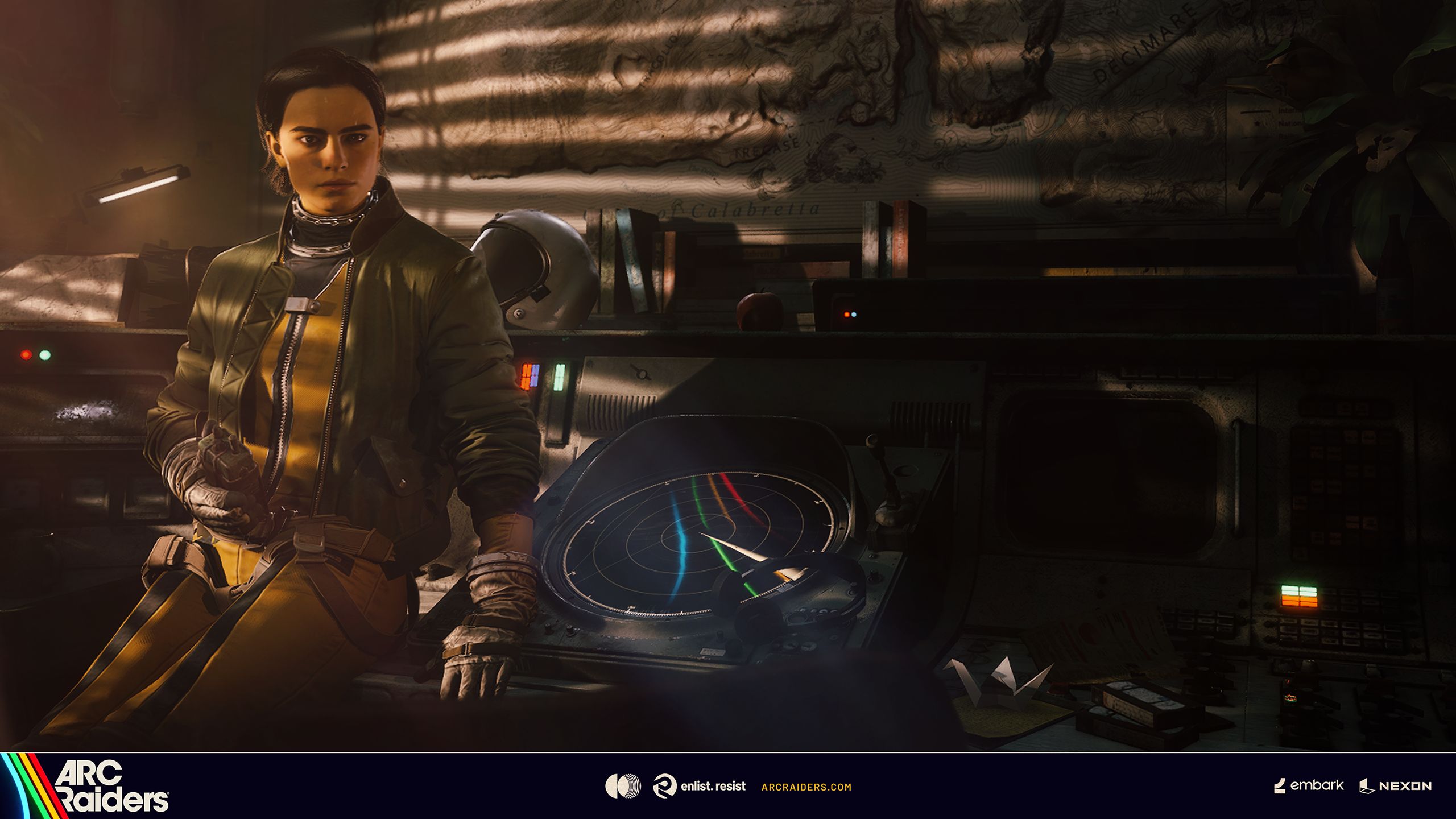
The “Enlist, Resist” tagline from that trippy reveal trailer from all those years ago feels all the more fitting now. Despite not actually walking through the halls of Speranza, the last-surviving base of humanity (that we know of), I can feel the melting pot of humanity, reflected in the intriguing and non-overbearing entities that occupy it. And perhaps more than anything else, the danger that ARC presents, even when dealing with the most basic of drones.

"And that’s fine, for the most part, because ARC Raiders isn’t trying to bog down the pace. It wants you on expeditions, scrounging through the gorgeous world that remains, and collecting materials that can best advance your goals."

ARC Raiders doesn’t waste much time with the setup. As a recently-mugged Raider on the surface (who may or may not have that guy on the Pizzeria’s roof), you barely make it to Speranza, garnering suspicion from Shani, the head of security. A few jumps and a room assignment later, and you’re officially part of the settlement. Such as it is, of course, because for all the hot meals and camaraderie, it’s desperately in need of resources. There’s also the strange phenomena that Shani has been observing lately, which fuels the various quests she doles out.

Some of them will get you up to speed on recycling, constructing workbenches, and whatnot, but they’ll also help familiarise you with activities like repairing signal towers in certain locations. There’s a fair bit of DIY involved between expeditions, but your dealings with each trader will be fairly straightforward. Much as I’d like to learn more about the sleek-looking Lance and his amnesia or Celeste’s politeness beneath the mountains of pressure felt as the Raiders leader, these are gleaned in snatches of conversation more than anything else.

And that’s fine, for the most part, because ARC Raiders isn’t trying to bog down the pace. It wants you on expeditions, scrounging through the gorgeous world that remains, and collecting materials that can best advance your goals. What goals? It’s ultimately up to you. Follow the various challenges, be it shotgunning different ARC or opening a certain number of containers to earn Cred to spend on the Raider Deck, Embark’s take on the Premium Warbond. Scrounge for materials to level up weapons.

ARC Raiders - Workshop

"Each expedition is a mix of learning experiences, tragedies, failures, successes and leaps of faith in humanity. Make no mistake – the tension from wandering through corridors in a compound, wondering when ARC Ticks will pounce, or avoiding the gaze of a wandering Snitch, trying to destroy it when caught, is real."

Seek out resources to train Scrappy, your rooster companion, so that he’ll scrounge better resources with each round end. Maximize XP gain and unlock new skills to build your ideal version of a Raider, be it a hooligan who can destroy drones with a single weapon swing, or a craftsman on the go. All of this, every single bit, is streamlined to perfection while making sense within the context of the game world…well, aside from how Scrappy can do what he does.

However, the real magic of ARC Raiders unfolds within the actual maps. You’ll only have access to Dam Battlegrounds, the first of four maps, at the start, but completing subsequent expeditions grants access to the others. Land at a random location, set a waypoint for where you’d like to scrounge, and away we go.

Or so you’d expect. Each expedition is a mix of learning experiences, tragedies, failures, successes and leaps of faith in humanity. Make no mistake – the tension from wandering through corridors in a compound, wondering when ARC Ticks will pounce, or avoiding the gaze of a wandering Snitch, trying to destroy it when caught, is real.

But those pale in comparison to the terror felt when a Leaper can be heard thumping around. Or when you enter a Night Raid and hear explosions ringing out as other Raiders desperately battle a Rocketeer. On one such expedition, I found some players doing their best to destroy a Bastion – it was all I could do to help from a distance with my Free Loadout before trying to dodge a stray Hornet that happened upon my position. Yet another experience saw my ammo depleted and my health reduced to almost nothing. Somehow, someway, I bolted towards an extraction zone which someone else had spun up, desperately hopping inside and barely escaping.

ARC Raiders

"Suffice it to say that having a multiplayer shooter, especially one with so many different factors and moving parts with so much changing over the course of a match, just coming out and feeling this extensively polished is a wonderful feeling."

It’s enthralling, especially solo when happening upon other players. With the sheer overwhelming strength of the ARC and how easy it is to jump into a raid thanks to Free Loadouts, it isn’t strange for others to avoid conflict and simply go about their business. Then again, you can never truly be sure – sometimes, being taken out by a random Raider hiding in a corner felt preferable to simply hanging out with randoms, never 100 percent sure if they would attack or not.

Throughout all of this, almost every single aspect of ARC Raiders’ gameplay is impeccably polished. Stamina costs can feel restrictive until you acquire more skills, but it’s also a way to learn about leveraging your environment. Sliding down slopes, stowing weapons to run faster, and maybe even backwards ledge-grabbing for more seamlessly navigating multi-story buildings. The gunplay is similarly sublime, with each weapon having a realistic kick that feels as borderline unwieldy as it does powerful. Transitioning between all these functions – looting, shooting, movement, healing, shielding – is just so seamless that it begins to feel like second nature after a point.

And on top of everything else, I really can’t understate just how incredible the performance has been. On an Intel Core i5-11400 at 2.6 GHz with 32 GB of RAM and an RTX 4060 with 8 GB VRAM, I’m able to run it at 1440p and High settings with a fairly consistent 60 FPS frame rate, that too with DLAA enabled. No hiccups, hitches, stutters, anything – just reliably smooth and consistent performance throughout.

I’m aware that Embark released a hotfix to address a fair number of issues, including graphical errors on Epic settings, while also improving the lighting and material in some places. However, in terms of bugs, the only issue I’ve faced thus far is getting stuck in some rubble and being unable to jump out until the “Fix Stuck Player” function eventually emerges. Suffice it to say that having a multiplayer shooter, especially one with so many different factors and moving parts with so much changing over the course of a match, just coming out and feeling this extensively polished is a wonderful feeling.

ARC Raiders_03

"For a genre with such a simple purpose, laden with layers of complexity, ARC Raiders offers perhaps the most refined approach seen yet. It’s brimming with personality, as evidenced in its presentation and incredible music, but never threatens to overpower the extraction gameplay and topside tension."

Everything I’ve talked about barely scratches the surface of ARC Raiders and why it’s so much fun. I can understand some criticism over the unusual generosity of it all, especially with the Free Loadouts, resources and ways to earn cash to buy things. But that’s only in the early going – further progression really requires refining your approach, crafting better equipment and then, after all the knowledge you’ve gained from previous runs, risking it all. And who knows how other players will factor in?

For a genre with such a simple purpose, laden with layers of complexity, ARC Raiders offers perhaps the most refined approach seen yet. It’s brimming with personality, as evidenced in its presentation and incredible music, but never threatens to overpower the extraction gameplay and topside tension. Approachable yet complex; forgiving yet just as unrelenting if you so choose, it’s one of the most enjoyable multiplayer shooters in years.

This game was reviewed on PC.

❌