Normální zobrazení

Received before yesterday

Moku Grand Arena Season One Launches with $1 Million in Prizes

In Brief Moku, a web3 community on the Ronin network, inaugurates the first season of Grand Arena, its AI fantasy gaming platform, featuring a hefty $1 million prize pool. Grand Arena provides continuous AI-driven contests, with player earnings determined by the performance of their Mokis, autonomous AI agents. Gaining competitive edge involves collecting cards, finessing Mokis’ abilities, and actively participating in diverse contests. Grand Arena’s Innovative Gameplay Moku has recently unveiled the first season of Grand Arena, a platform revolutionizing fantasy sports through its reliance on AI rather than real-world events. This initial season extends until mid-May and promises participants a shared prize pool of $1 million. Contest and Prizes Participants in Grand Arena face off by employing cards that represent different Mokis—intelligent AI entities designed for competition. Engagements in the contests, whether entered for free or with a fee, center not only on strategic planning and a hint of luck but also a focus on the rigorous training and advancement of Mokis. Players boost their standings through the accumulation of Moku XP (mXP) and strive to capture more substantial parts of the prize pool. Strategic Elements In Grand Arena, elevating a Moki's capabilities proves crucial. The use of cards, ranging from Basic to Legendary, affects the results of contests by providing varying multipliers on Mokis' performances. For those who own Moki NFTs, direct training options are available, further enhancing their Mokis' competitive prowess. Revenue and Rewards The platform also allows players to secure revenue through improvements to their assets. Holders of Champion Moki NFTs benefit from ongoing royalties from card pack sales throughout the season, adding a rewarding aspect to engagement and potential profitability. Vision of the Platform Hantao Yuan, the co-founder of Moku, emphasizes the platform's unique approach, stating, “We’re focusing on a nonstop competitive economy where players can strategize, compete, and earn around the clock. Daily fantasy has always been contained to real-world schedules but with Grand Arena, competition never stops. The Season One one million prize pool is just the starting point for us.” As the season unfolds, players will have ample opportunity to refine their strategies and improve their standings, possibly securing a significant portion of Grand Arena’s substantial prize pool.
Review: Videoverse Feels Meant for the Switch

23. Listopad 2025 v 21:00

Review: Videoverse Feels Meant for the Switch

Given that Kinmoku’s Videoverse is, in part, inspired by both Nintendo’s Miiverse and DS consoles, it seems only proper for the visual novel to be on one of the company’s devices. Fortunately for us, it now is. Even better, the fact that it’s also a thoughtful and nostalgic exploration of relationships on 2000s internet interactions and relationships means it feels even better to play on the Switch. It really is like we’re coming back to a period of time and moment in multiple ways due to the nature of it and this new port.

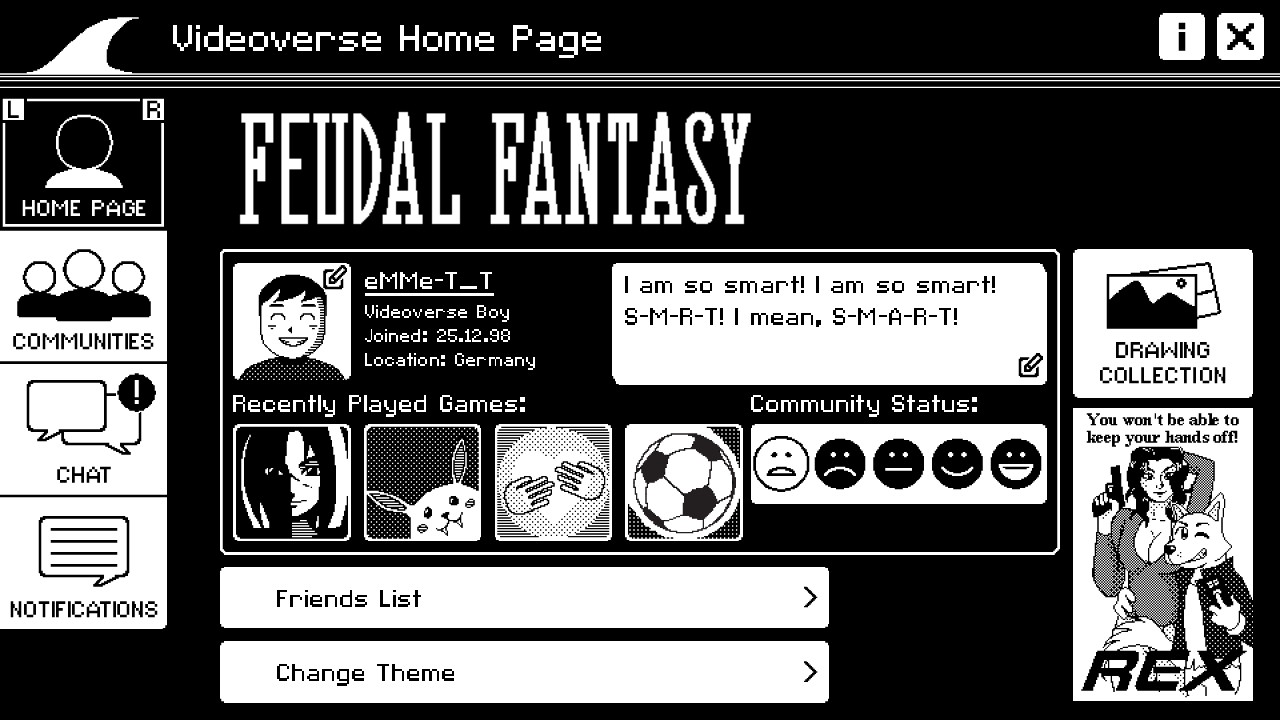
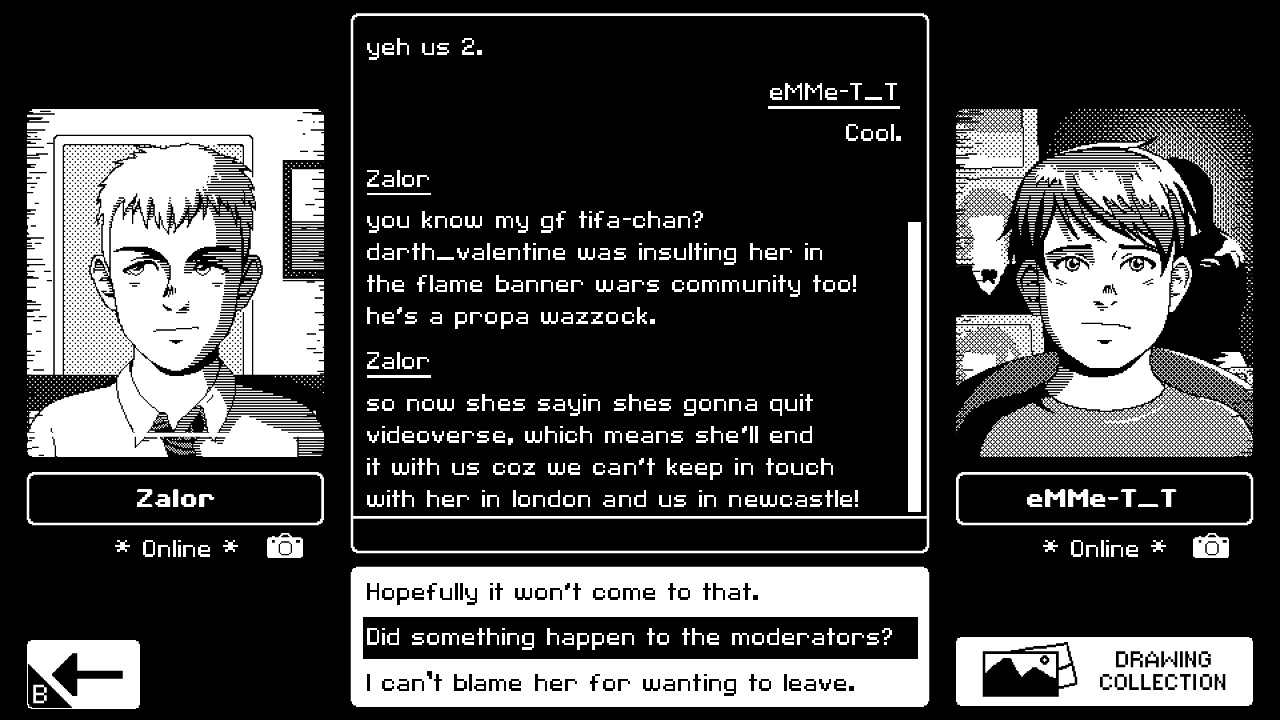
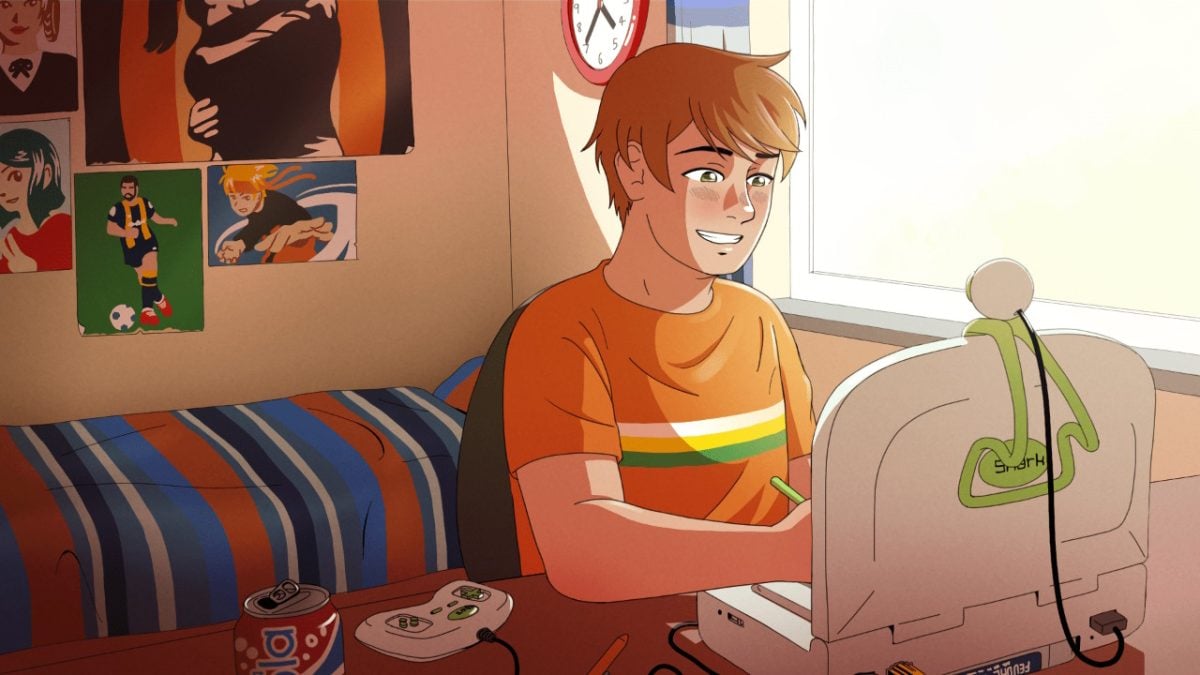
Videoverse follows a young man named Emmett at a critical point of his virtual life. The Kinmoku Shark console, which looks a bit like a Nintendo DS, is home to a social network called Videoverse. It allows people to chat and post about games, not unlike Miiverse, Facebook, Myspace, and other types of social networks that appeared in the late 1990s and 2000s. The thing is, it’s also taking place at the dawn of a new console generation and when internet culture is starting to take a more antagonistic and pessimistic turn. We get to help determine how Emmett reacts to this transition and manages his relationships online.

Review: Videoverse Feels Meant for the Switch
Screenshots by Siliconera

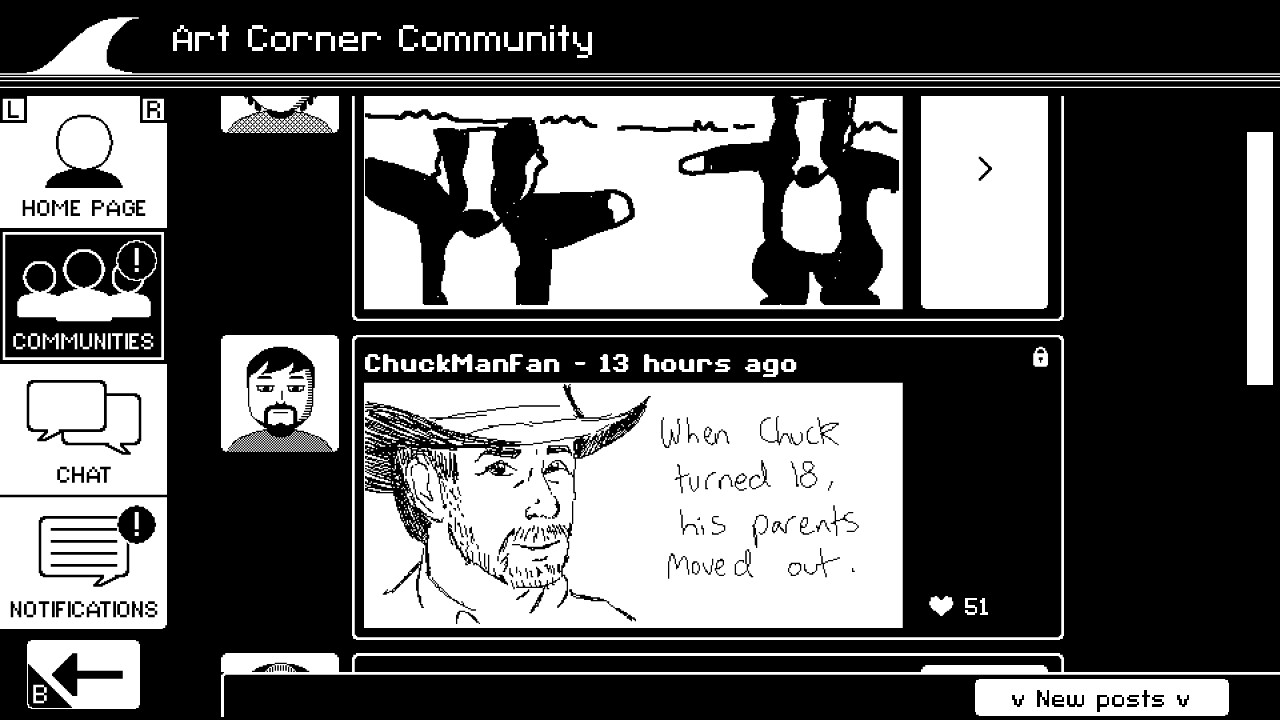
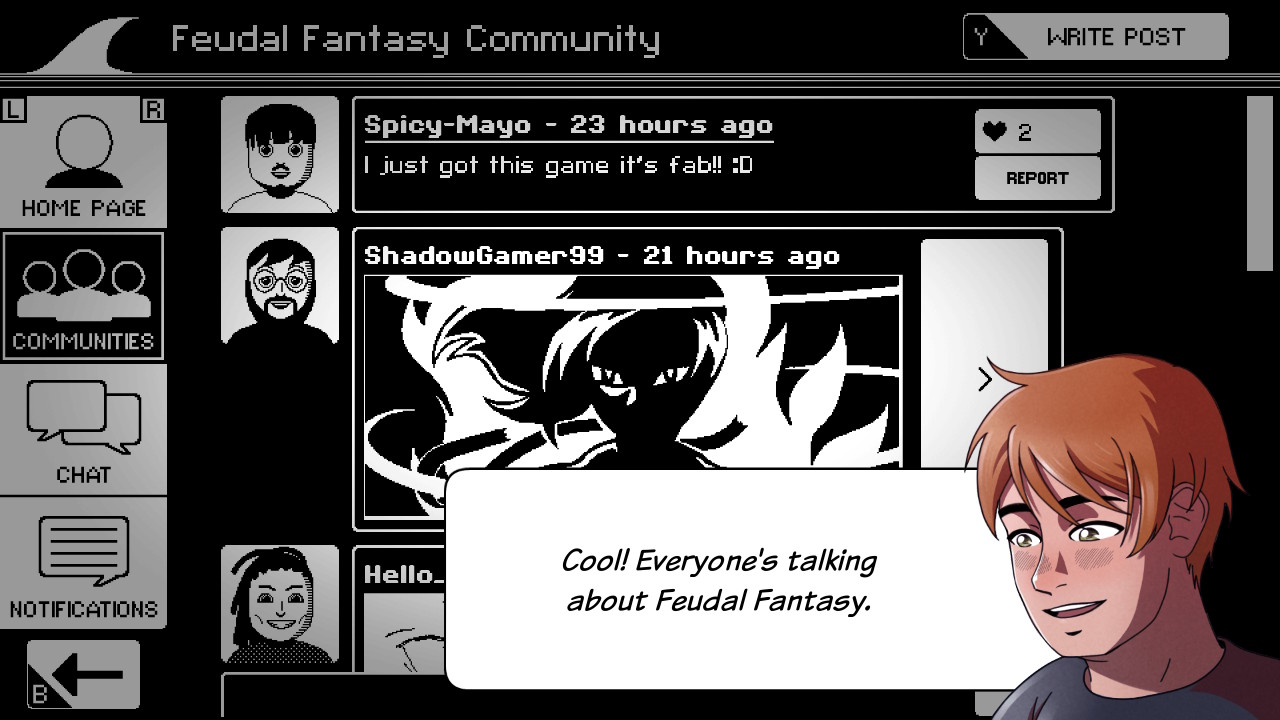
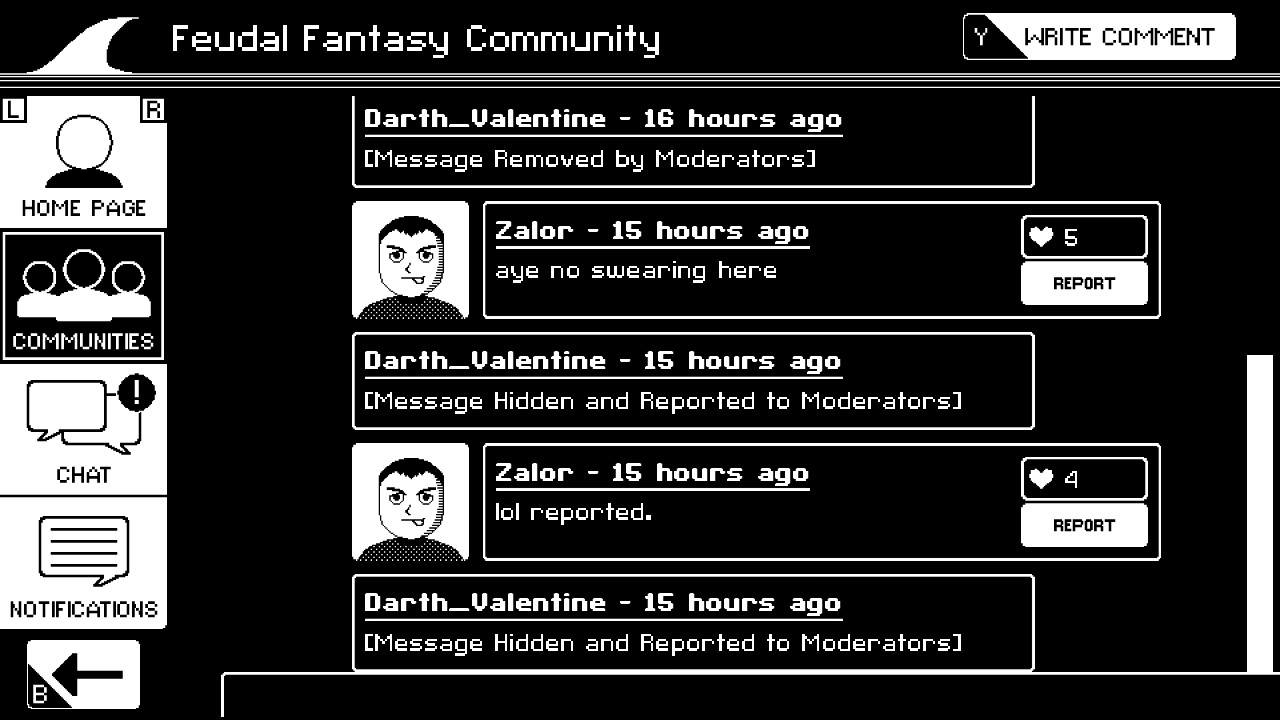
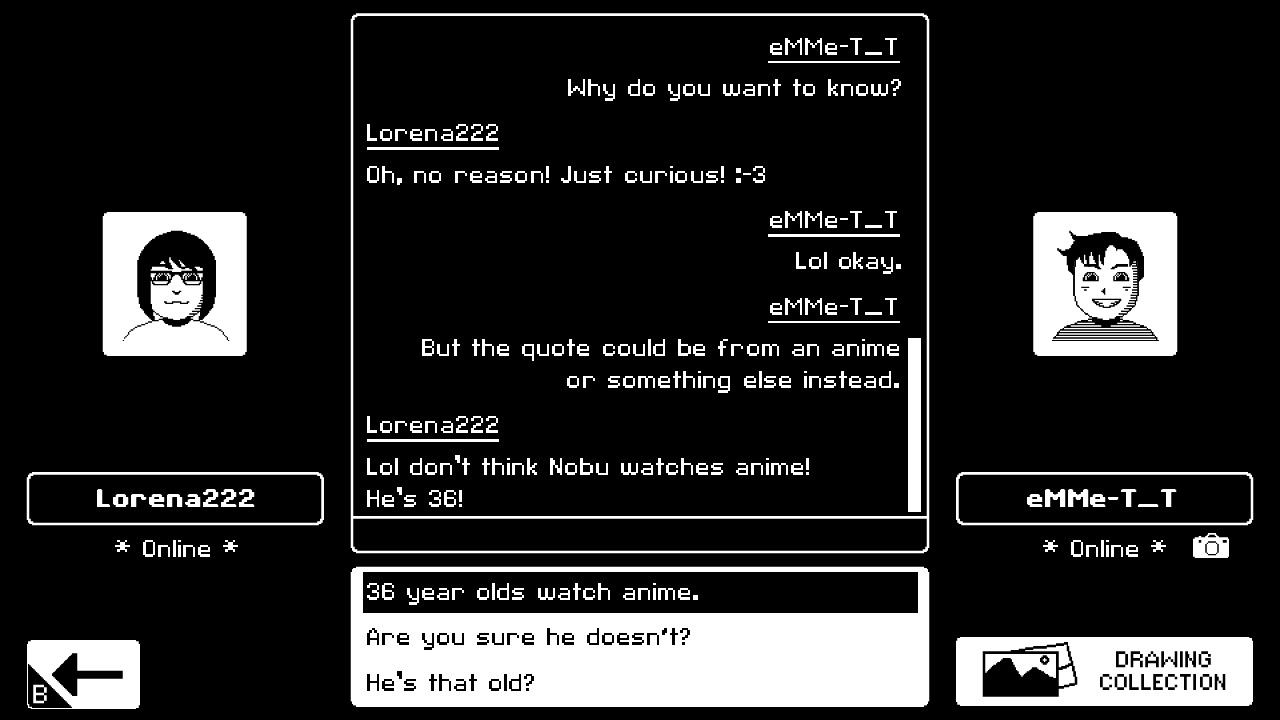
This means that while Videoverse is a visual novel and tells a story about the sunset of a media platform and its effect on a teenager, it’s also about capturing a moment in time. It’s harnessing the feeling of the experience of using one of these early social media services and online console communities. The technical limitations of the time period are embraced with the art direction and nature of the pages and forums we explore. The conversations are taking place in those types of messengers. In terms of a recreation of the kinds of UI and forums from those time periods, it is on-point. It looks great, and the limited color choices and design directions do make this feel a bit like a time capsule.

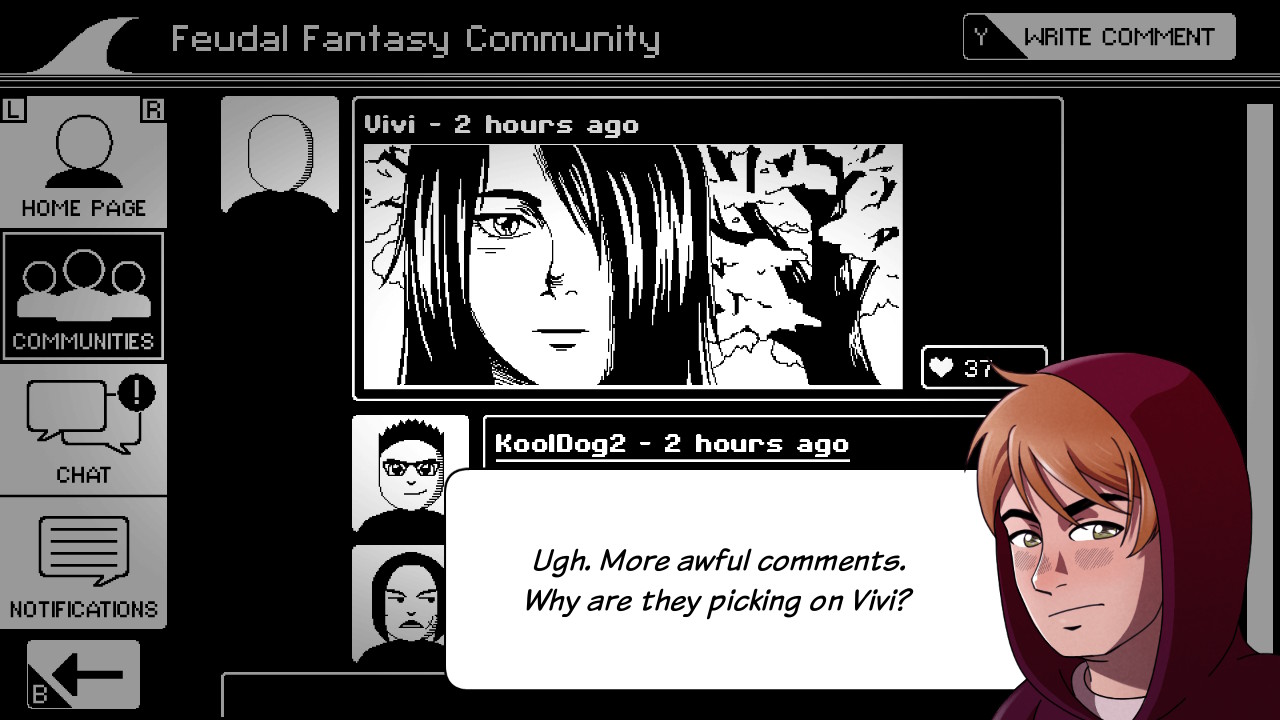
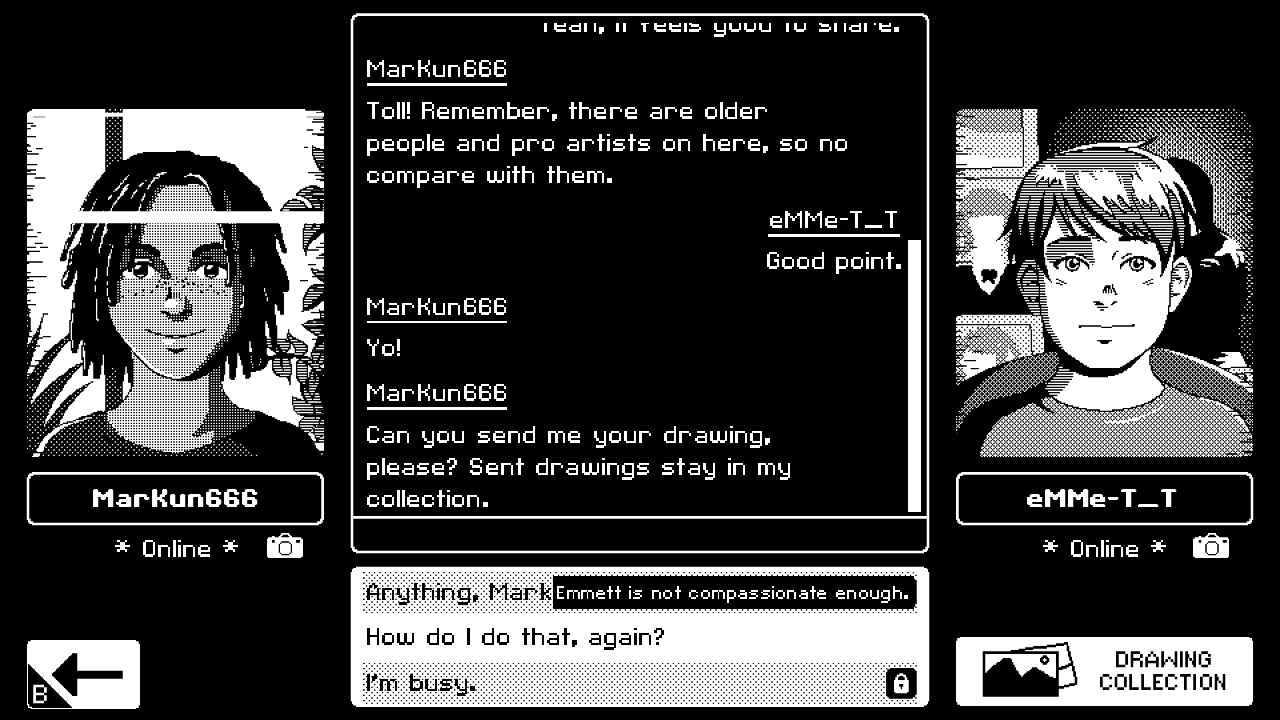
The primary narrative involves Emmett coming to terms with what is happening to Videoverse and exploring a potential relationship with Vivi, a fellow Feudal Fantasy fan and artist who posts in the community. However, it isn’t entirely straightforward. While we do interact directly with Vivi, Markus, Zalor, Lorena, Nobu, and his other associates, things are laid out in forum posts, instant messages, and notes Emmett takes on his own desk as things happen. It’s an interesting storytelling device. 

Review: Videoverse Feels Meant for the Switch
Screenshots by Siliconera

Especially as the nature of the narrative means the kinds of conversations and posts we’ll scour feel appropriate and highlight a sort of transition between time periods. As chapters go on, we can literally see the decline. Kinmoku’s captured it both in the amount of activity, responses from individuals, and ways in which “official” moderation slips, as well as in reactions from the people we meet.

The downside to it all is that this can be a bit awkward in two ways, especially with the Switch version of Videoverse. The first issue is that the UI isn’t entirely friendly to navigate using only controls. It can be difficult to tell if a button is highlighted for example, and scrolling through different posts in a community with the analog stick or directional pad sometimes gets awkward and won’t go down far enough. Another issue is that sometimes when I’d respond with a DM, image share, or comment, a box with three white dots that acted as a loading message would appear on the bottom right side of the screen and take longer than usual to advance.

Review: Videoverse Feels Meant for the Switch
Screenshots by Siliconera

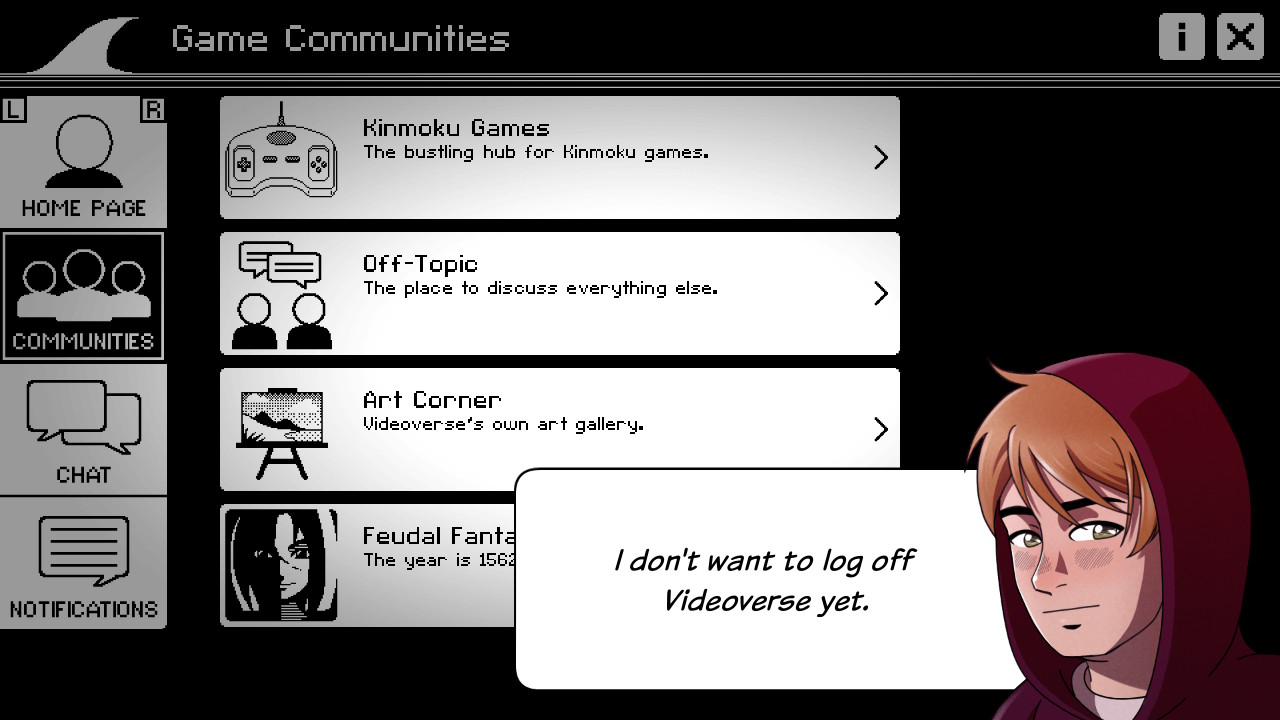
Speaking of advancing, there are times when Videoverse isn’t exactly intuitive when it comes to moving the plot along. It can seem like you’ve responded to everyone, commented where you could, and did all you can. However, if you try to back out of using the social network, Emmett will say, “I don’t want to log off Videoverse yet.” Which means you need to double back and check to see if there’s any place you can still comment, reply, or DM to try and move things along.

I really appreciate how Videoverse does capture the spirit of older online gaming communities like Miiverse. It definitely feels like exploring online in the 2000s, when we needed to embrace limitations and do all we could to work within them. The ambiance is impeccable and really does recreate the atmosphere of a waning console community in that time period. There are some times when the UI and progression system can be a little user-unfriendly. But aside from those instances, it’s a bit like playing through a game designed to feel like a time capsule from an internet era.

Videoverse is available on the Switch and PC.

The post Review: Videoverse Feels Meant for the Switch appeared first on Siliconera.

❌