‘I think we’re gonna win this’: Stop Killing Games on game preservation in the US and EU
20. Únor 2026 v 16:00




The average PC gamer has to wrangle all sorts of different digital storefronts and launchers if they want to play games without leaving the house, and most of them truly suck. Steam's UX is head and shoulders above the competition.
But GOG has long been a valid contender—both with its DRM-free storefront focused on archaic software, and with the collection-syncing GOG Galaxy launcher. Its successes haven't resulted in anything like Steam's Canada-sized user numbers, however, and even with new owners it remains an uphill battle taking on Goliath.
New Blood CEO Dave Oshry, who heads the studio publishing games like Dusk and Ultrakill, said in an interview with RPG Site that GOG's lack of comparable success goes all the way back to when Steam first "opened the floodgates" by adding classic games to its storefront.
"Steam would be for your new games and GOG would be for all your old games, right? Then Steam let anybody put anything on there," he said. "All of a sudden who needed GOG anymore?"
He praised GOG for its features, saying its one-click mod installers and "being able to host things like Fallout London" are worthwhile selling points. "For guys like me, I don't mind moving files around and shit, modding the old way, but we're getting to a point now where people are either too old or too young and don't know how modding works," he said.
However, he argued that it's not enough to make converts of most people. "The problem is it's still 1 to 5% of the sales on Steam, where it used to be closer to 5 or 10% … Everybody roots for GOG, right? We want GOG to be a great thing, and GOG's great. It's just that I don't have a reason to use GOG or GOG Galaxy instead of Steam."
Oshry did mention that GOG's new owner has "been outspoken about what he wants to do, just providing a better experience," but also added that he recently played The Journeyman Project games on GOG, and getting it working on a modern system "was a pain in the ass. But I got them running. I played them for five minutes. I got my nostalgia fix, and I uninstalled it." That and Fallout London are the only games he has installed on the platform.
To be fair to GOG, it does have other draws—it's possible to bypass the launcher entirely and save your games locally without any DRM, which is still a valuable distinction in a world where Steam is selling retro games with strings attached. It also has lots of classics Steam doesn't offer despite the floodgates being open, such as Diablo 1, Ultima Underworld, and the old-school versions of the first three Resident Evil games.
Oshry had a harsher critique of the Epic Games Store, which he told RPG Site "can't beat Steam just with free giveaways and high developer percentages. You could give developers 100% of the royalties if you wanted, but if nobody's buying. What's 100% of zero? Like, who gives a shit?" In the past, Oshry has said that giving out a game for free on Epic may work best as a way to market it on other platforms.
"I love their preservation efforts and everything they're trying to do," Oshry said of GOG, "But they need enough people to give a shit, or how long are they even going to be around?"
2026 games: All the upcoming games
Best PC games: Our all-time favorites
Free PC games: Freebie fest
Best FPS games: Finest gunplay
Best RPGs: Grand adventures
Best co-op games: Better together

Indie duo Talha & Jack Co are working on a disturbing, transgressive horror game in Abide, and they are keenly aware of the risks involved with such a project in today's climate. "Horror seems to be under pressure from censorship, some subtle and some blatant," The duo wrote on Abide's Kickstarter page.
"Sites are delisting mature rated games and recently a horror game was taken off some of the biggest marketplaces." The game in question was Horses, a thematically challenging, gruesome game taken off both Steam and Epic.
When I spoke to Talha Kaya and Jack King-Spooner about Abide, I wanted to hear more of their thoughts on the state of gaming censorship as they work on a game that could prove particularly vulnerable to the delisting actions we've been seeing from major storefronts.
"I bought, played, and liked Horses. I think it’s a good game," said Kaya. "I also met with the developer and the publisher at an event during development and didn’t sense any ill-intent in their making of the game. They struck me as people who just want to make something a bit different.
"I understand some of the themes and imagery were too much for some people. But I think it’s clear no portion of the game is pornographic in nature. I believe it deserved shelf space on the most popular digital stores. It’s okay to not like it, or even find it problematic, that shouldn’t stop it from being available."
King-Spooner similarly enjoyed the game and thought it should be more widely available, but even argued that its developers could have gone further with the game's disturbing scenes. "I liked Horses but it pulled a lot of punches in my unhinged opinion: Genitals censored, cut away for the genital mutilation," he said.
King-Spooner lamented that "it's pretty sad and pathetic that a game with difficult content can’t get on the larger marketplaces," attributing it to people believing "you should disengage your brain when playing a game" or even "the hang up of games being a modern kid’s toy."
It was a nice change of pace to hear serious talk of Horses beyond what it means for gaming industry censorship, something PCG contributor Maddi Chilton advocated for in her critical appraisal from late last year. In contrast with King-Spooner, though, Maddi felt Horses' greatest failing was one of pacing: It didn't allow for enough tension, silence, or even boredom between its most harrowing scenes.
Talha & Jack Co's Abide is currently fundraising on Kickstarter with less than a week left to make its initial funding goal. I've already been hooked by its gruesome evolution on the duo's claymation presentation, as well as their intriguing pivot from surreal fables to psychological horror.
2026 games: All the upcoming games
Best PC games: Our all-time favorites
Free PC games: Freebie fest
Best FPS games: Finest gunplay
Best RPGs: Grand adventures
Best co-op games: Better together
Welcome to Disk Cleanup, our regular weekend column delving into the PCs of PC gaming luminaries. Come back every weekend to read a new interview, digging into the important questions, like "how tidy is your desktop?" and "what game will you never uninstall?"
As with many first-generation PC gamers, Stephen Kick was exposed to the hobby through id Software's gateway drug Wolfenstein 3D. "I went over to a friend's house and they had their home computer, the big bulky white CRT," says the cofounder of remaster specialists Nightdive Studios. "I just remember being blown away by those 'realistic' sound effects and amazing 3D ultra-realistic graphics … it was an awakening of sorts."
Today, Kick has become one of the most diligent curators of PC gaming's early years, with Nightdive refreshing and reviving countless PC classics like Doom, Quake and System Shock 2. In 2023, the studio also produced a remake of the original System Shock, which received near-universal critical acclaim after a long and difficult development.
Nightdive's most recent project was Blood: Refreshed Supply, a second overhaul of Monolith Productions' debut shooter that came bundled with two of its best mods: "That was an extremely fun collaboration that we want to continue on with our future releases," Kick explains. "If you've got a mod that you've put a lot of your work into, and a lot of your heart for a classic game that hasn't been remastered yet, come talk to us."
Kick put down his virtual dust cloth to chat with me about what he's been playing on his PC lately, which took us from the fortified gardens of Popcap to the deepest, darkest jungles of Valve.
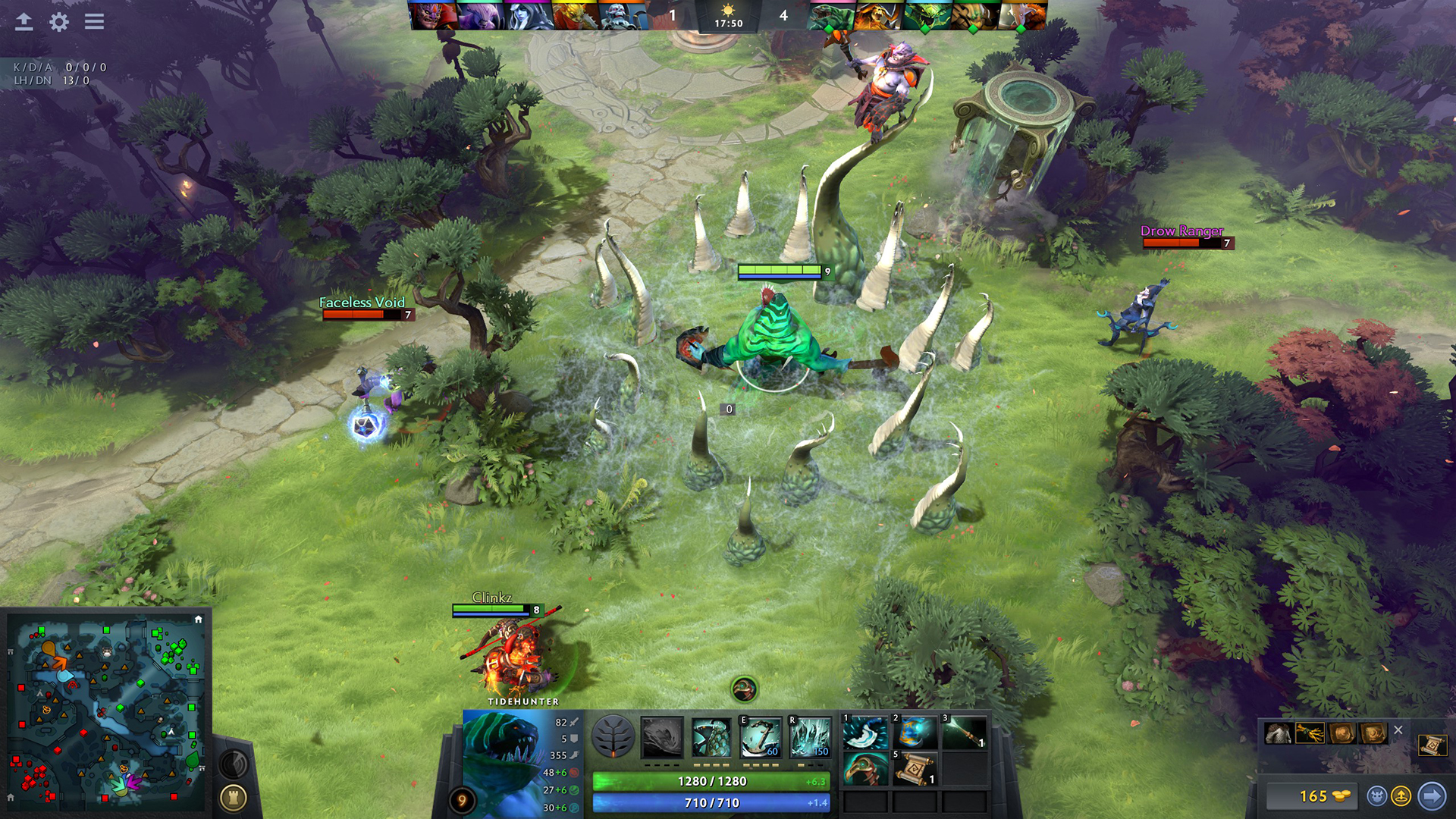
It's a game I've been playing for probably over a decade at this point. It's Dota 2. Before Nightdive officially started, I was living at my in-laws' house. They had a spare room where my fiancé and I were living, basically to get back on our feet, and we had our computers up there, and we were doing contract work for friends and some companies like doing 3D modelling just to make some extra money.
I saw that Valve was having a competition for this new game that they were coming out with called Dota 2, where you could design and 3D model a set for one of the characters and they would offer it as an in-game reward that [people] paid money for. It was a microtransaction thing, and it was for an art focused website, I think it was called Polycount.
Stephen Kick is the CEO of remaster specialist and game preserver Nightdive Studios. Kick co-founded the studio after he tried to buy a copy of System Shock but was unable to. So he acquired the rights to it, and other assets, and re-released it on GOG. Since then, Nightdive has re-released and remastered everything from Quake to Blade Runner.
And I was like "Oh, this is really cool. Maybe if I win, I can make some extra money." That was basically my gateway into it. So I downloaded it and picked a character, I built an outfit for it, and I submitted it. I didn't win, but it was such a fun learning experience and it got me into the game.
Maybe that was really their intention, because I've been playing ever since. My wife and I play. My brother-in-law, he plays. There's a bunch of people in our family that play, and so we get together at the end of the day and we all hop in, we play a game. It's become kind of like a family activity, almost.
I traditionally will play a support role, so like position five. I like to heal, disable. I like to provide vision, protective auras against magic and physical damage. I like to initiate, sometimes, battles. My favourite thing to do is, when I'm playing with a bunch of strangers, is basically, like, Captain. So I'm on the mic and I'm going "Hey, I'm gonna buy a smoke, everybody meet at this triangle. We're gonna smoke, we're gonna gank, and then we're gonna go kill Roshan, and then we're going to take a tier two, or we're going to push high ground."
Everybody listens to me. I can usually direct the game in such a way that we're all working together, and your chances are dramatically higher that you're gonna win if you can wrangle all these cats together. And it's just so satisfying.
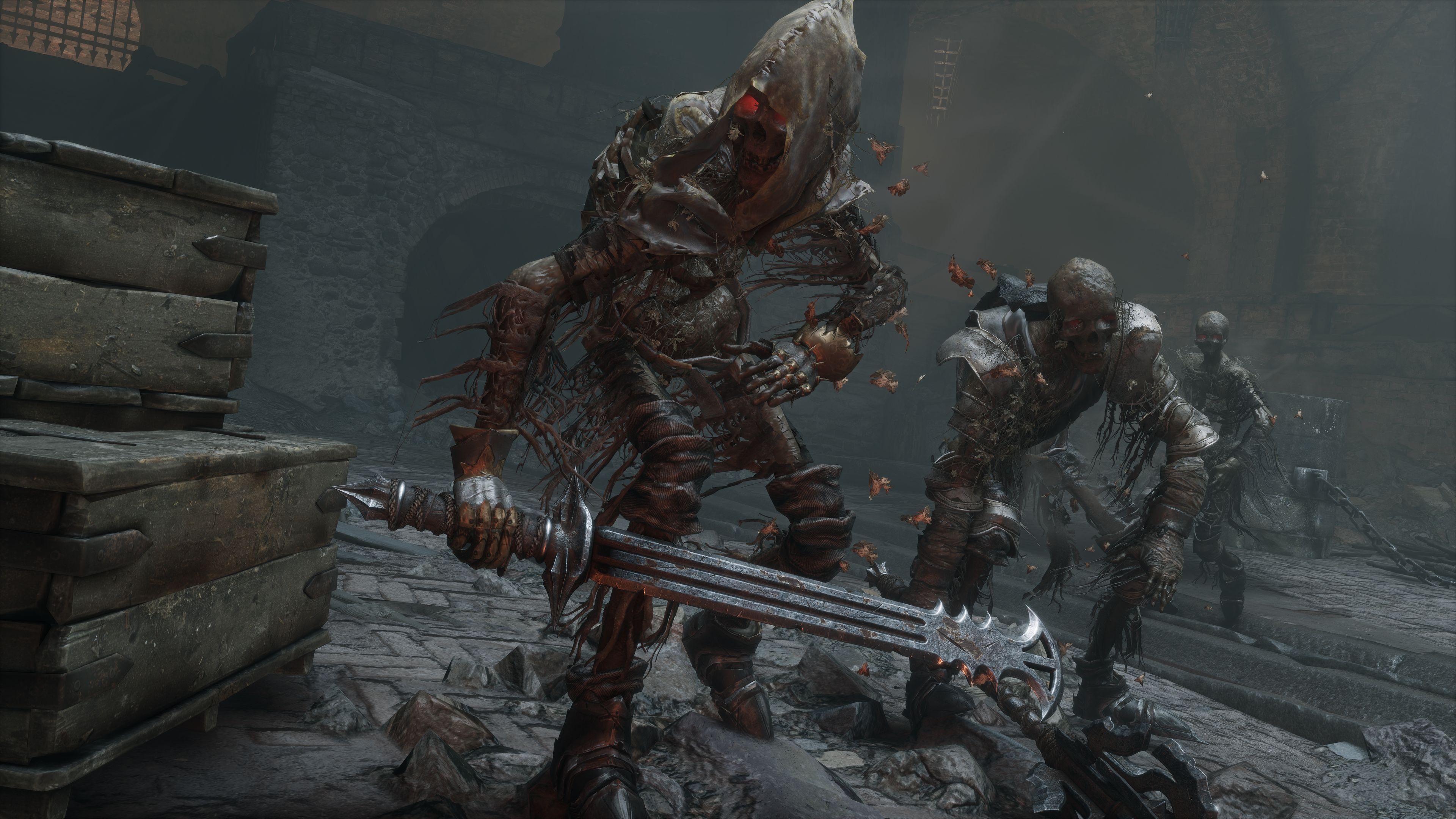
I've been playing this game called Witchfire. I started getting into roguelikes when Hades came out, and that game just totally consumed me. I was just obsessed, you know, just that mechanic, the loop of just dying and coming back and trying again and getting a whole new set of powers and things to mix—let's figure out what works best for your play style.
I just became enamoured by that. And Witchfire is almost like that, but a first-person shooter in a grim, dark fantasy setting. You get put on these islands that are inhabited by witches and demons and ghosts, and you basically have to cleanse the island. The art style and visuals are just fantastic.
It's been on my hard drive forever too, because it's in early access. So I'll go in and I'll play for a couple days, and then like "Oh, OK, now I gotta wait" because either there's not anything left to do, or I'm just not good enough. And I'm like "Well, if I can't beat this, they're gonna rebalance this, and then I'll try again."
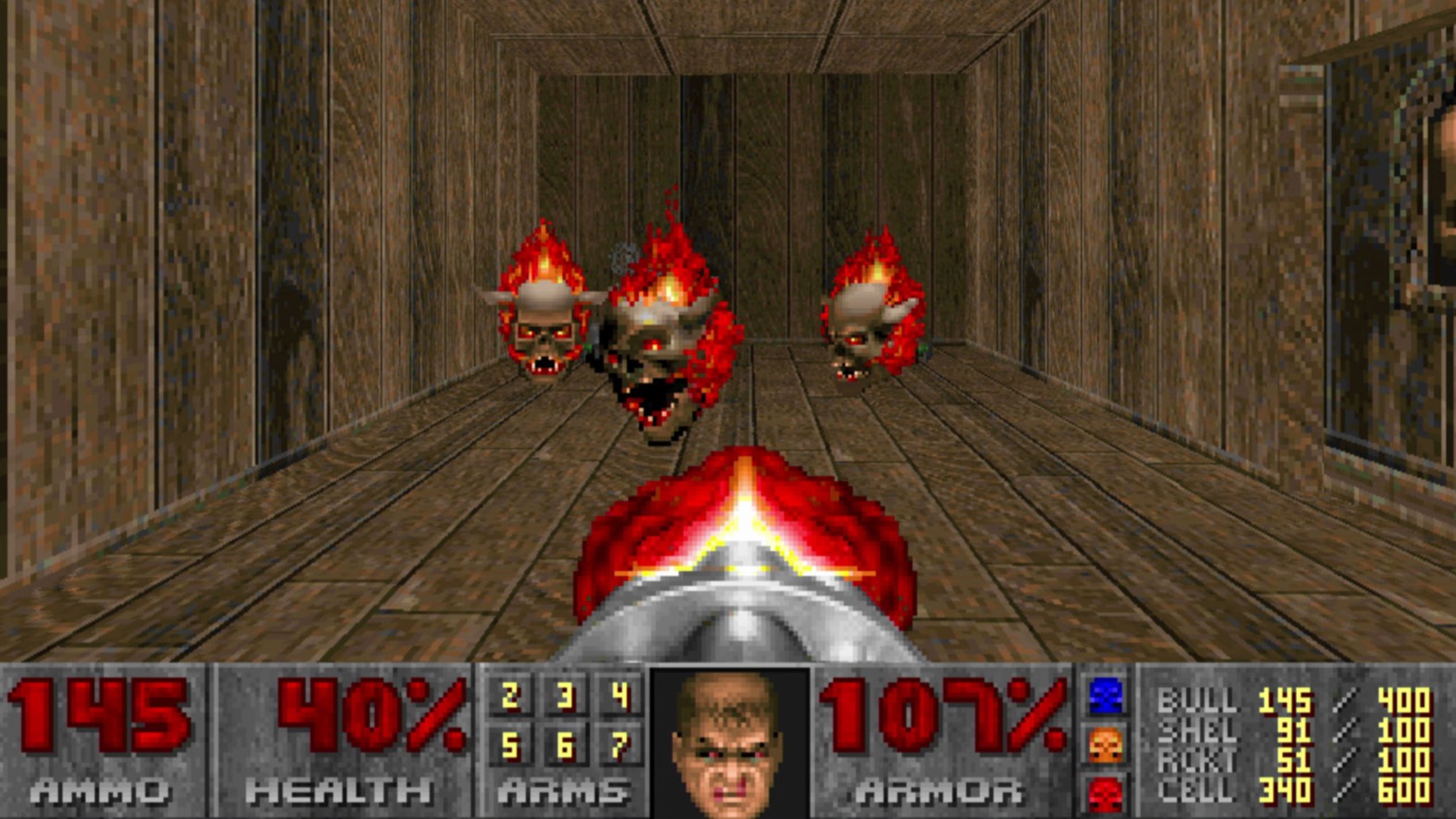
It's got to be Doom + Doom II. That's always on there. We worked on the remaster with Bethesda, of course.
It's almost like a time machine. You go and you play it, and suddenly you're in front of the beige beauty again. And you're putting off doing your chores and your homework, and all the other responsibilities kind of wash away.
Clocking in at 8,544 hours, it's Dota 2. I just recently got my 5,000th win. So, there you go.
It's interesting, being in a family dynamic at home, where my son comes home from school at 2, 3 o'clock. We hang out, we have dinner, he goes to bed, and then my wife and I, we hop on and play a couple of games of Dota before bedtime. And all the stuff we have to worry about just kinda goes [away].
You have to think so quickly, and you have to be totally focused on what's going on to be successful, that there's no intrusive thoughts coming in. Whereas I feel like if I'm playing a singleplayer game and it's a more narrative experience, there's always that voice in my head that's like "You should be doing something more productive."
I have uninstalled Dota a couple times—and I hate for this all to be about Dota, but I feel like it's an important part of my life at this point. I did uninstall it a couple times because I got too, I don't know what the word is, I just got too serious, and losing would really affect my attitude. So I would just uninstall it and not play it for a month.
I feel like I've made leaps and strides personally because of this game. It's helped me communicate a lot better. I think it's made me a better leader. I do still get extremely frustrated sometimes when people aren't playing up to my expectations, but I don't lash out at them. I try to be positive and encouraging and offer suggestions if they're willing to take them on, how to improve what they're doing so we can hopefully win.
I can still be toxic from time to time, though, mostly with the other team. I play sports a lot, and that was very competitive for me at one point. And there's a part of the game where you can like shit talk, you can get under somebody's skin and you can kind of get them off their game. You can get an advantage, right? And I take that approach to Dota sometimes and I can get people off their game. But you have to be tactful. You can't just throw insults at them. You have to be cheeky.
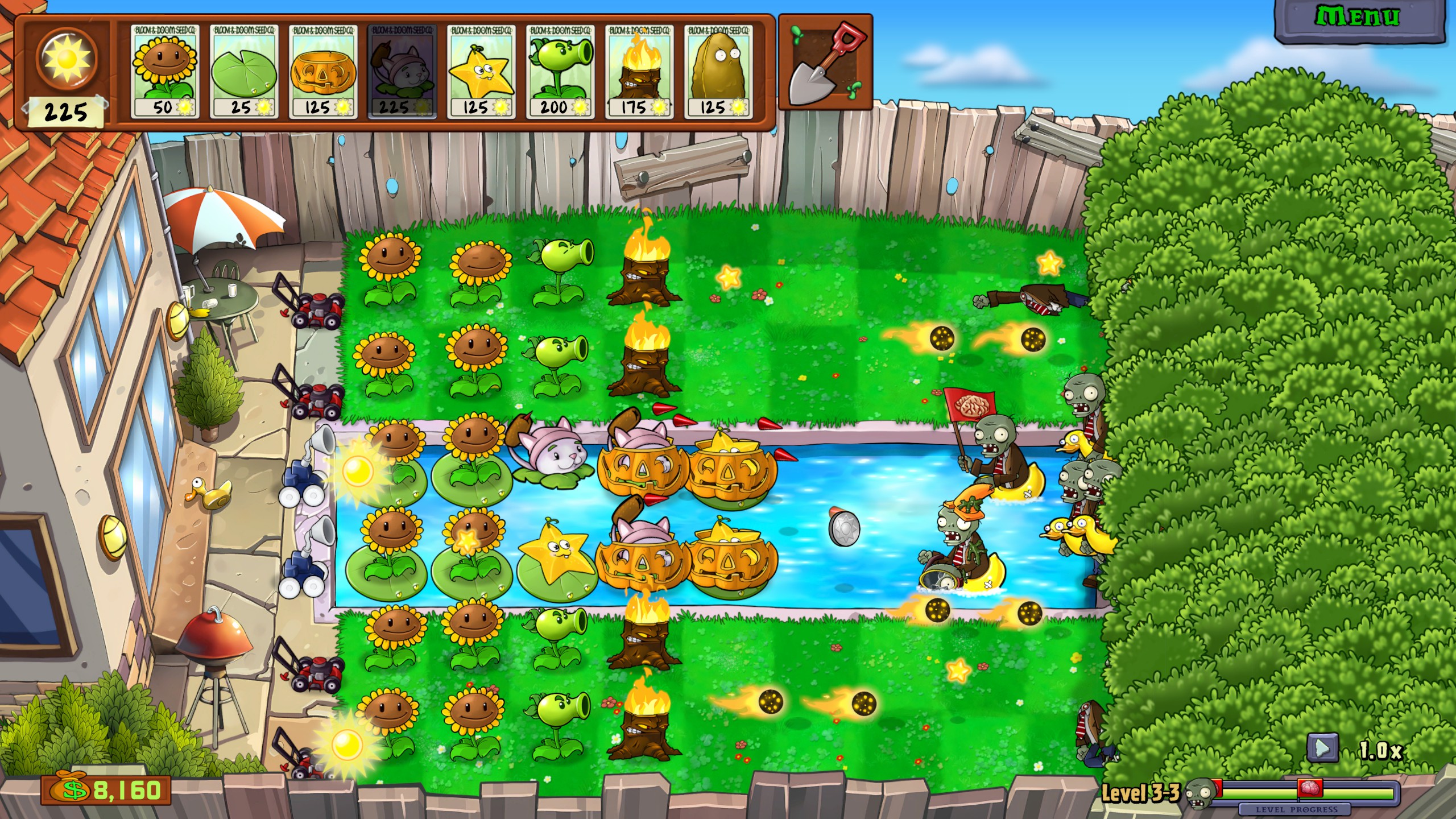
Back to the question you asked, Plants vs Zombies. That's so fun. My son went through a big obsession with that. He had it on his tablet, and we put it back on our phones and stuff, and we would sit around and we would play Plants vs Zombies, and we would help him be like "Hey, look, if you put the sunflowers here and you build in this order, you'll have economy." We were trying to teach him strategy and it was really fun. That's always on my computer.
It's probably Photoshop. I create a lot of artwork just on my own, just for fun. My second monitor is actually a Cintiq. I go through these phases where I'll just have the Cintiq in front of me and the monitor will be over here during work. And that really helps me focus, if I'm drawing or doing something like that while listening to something, like a book on tape.
I've kind of developed this art style that you'll see on my Instagram, where it's generally like a face or a character study or something like that, completely front view, symmetrical, kind of like a tribal design, almost. So it's like big bold, dark lines with bright colors. And there's just something very relaxing about sketching it out, and then doing like crisp, clean line work on top of it and then getting to colour it in.
The other stuff that's on there is mini painting. I create decorations for Halloween, props and all kinds of stuff when I'm not working. My current ambition outside of Nightdive and everything like that is to do a YouTube maker channel.
It's tidy. I know where everything is at any given time, thankfully. It's getting a little bit hectic for my tastes. On this [left] side, it's all very clean. It's all my game icons and my software over here. And then over here [on the right], it's just like the stuff that I'm currently working on, that I don't want to have to navigate too often to get to. But there'll be a point where I'll go "OK, well, I'm gonna spend the next hour copy and pasting and putting things where they belong". And then I'll never look at them again.
2026 games: All the upcoming games
Best PC games: Our all-time favorites
Free PC games: Freebie fest
Best FPS games: Finest gunplay
Best RPGs: Grand adventures
Best co-op games: Better together

On Thursday, February 19, Roblox was sued by Los Angeles County for allegedly failing to guard the children that play it from predators. A press release from the county argues that "while Roblox markets itself as a safe digital space for creativity, it is in reality an unsafe online environment that has become a breeding ground for predators."
The release continues with a statement attributed directly to county counsel Dawyn R. Harrison, who filed the suit. "This is not about a minor lapse in safety," said Harrison. "It is about a company that gives pedophiles powerful tools to prey on innocent and unsuspecting children. The trauma that results is horrific, from grooming, to exploitation, to actual assault. This needs to stop." The complaint can be read in full here.
This is not the first time Roblox has caught this sort of heat. A class action suit back in 2023 sought to combat a "misperception that Roblox is safe" for children, saying widespread sexual content and grooming are serious issues in the game.
In one harrowing case, a pedophile abducted and sexually assaulted a 15-year-old girl after grooming her via Roblox. Numerous states have sued Roblox over child safety concerns, including Kentucky, Louisiana, Tennessee, and Texas.
While the Roblox Corporation has consistently pushed back on the notion that it runs, as one research firm called it, a "pedophile hellscape," and improved its safety features over time, it's also done plenty to reverse any gains. Last year, Roblox CEO David Baszucki proposed the game make room for a dating hub despite its overwhelmingly young playerbase.
A few months later, he spoke a tense, baffling interview with the New York Times and dropped the megaton soundbite that he thought of Roblox's child predation issue "not necessarily just as a problem, but an opportunity as well."
As far as this specific suit is concerned, Roblox responded with a statement issued to L.A.'s Fox11. "We strongly dispute the claims in this lawsuit and will defend against it vigorously. Roblox is built with safety at its core, and we continue to evolve and strengthen our protections every day," the statement reads. "There is no finish line when it comes to protecting kids, and while no system can be perfect, our commitment to safety never ends."
The scale of this issue is hard to fathom. Players spent well over 10 billion hours in the game last year alone, accounting for two thirds of the gaming industry's growth outside of China in 2025. Roblox's engagement stats rival Steam and dwarf the likes of Epic and Battle.net. At least one industry analyst reckons that huge swathes of Gen Alpha gamers may not ever "grow out of" Roblox.
2026 games: All the upcoming games
Best PC games: Our all-time favorites
Free PC games: Freebie fest
Best FPS games: Finest gunplay
Best RPGs: Grand adventures
Best co-op games: Better together
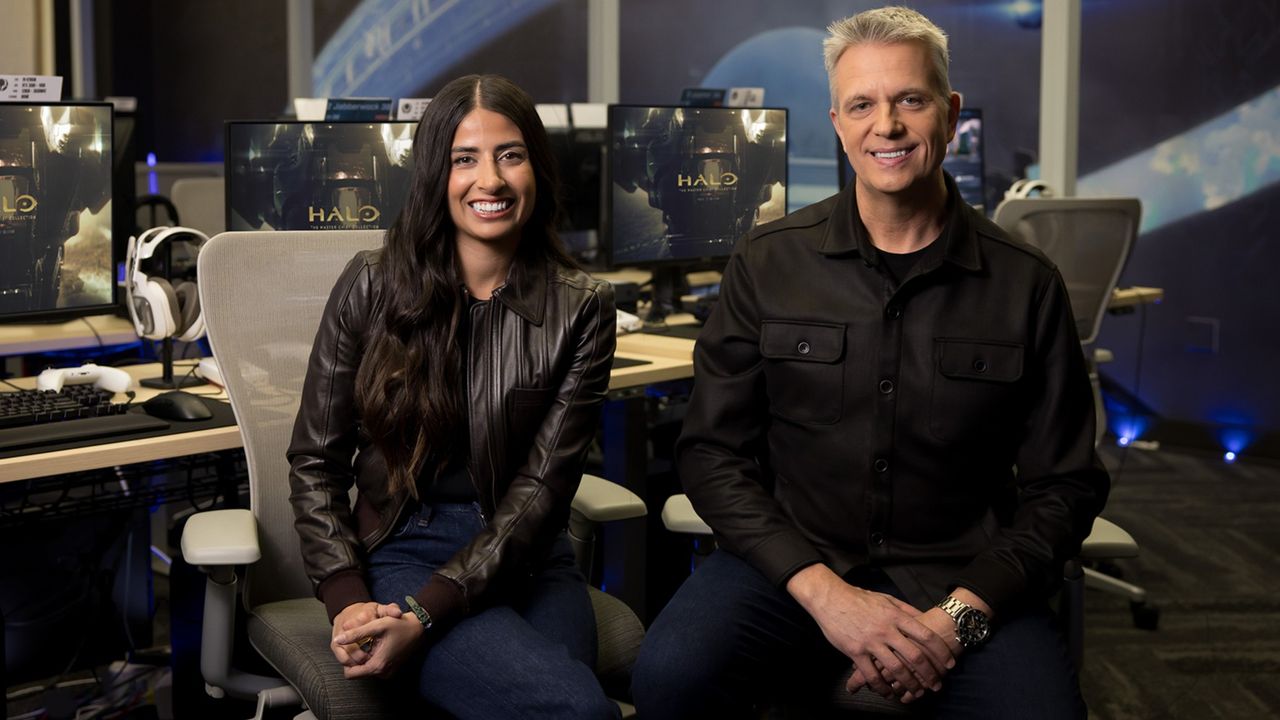
After struggling to compete with the PlayStation and Nintendo Switch, Microsoft's gaming division has spent the last few years trying to remake the Xbox brand into a software label first and foremost: it started with Steam releases and cloud streaming, continued with the painful "This is an Xbox" ad campaign, and culminated in phrases like "We're able to honor the Halo legacy on PlayStation" which could only be read as admissions of defeat. Now with the abrupt retirement of longtime boss Phil Spencer, incoming Microsoft Gaming CEO Asha Sharma has said that the company "will celebrate our roots with a renewed commitment to Xbox starting with console."
What, exactly, does that mean for the last few years of Microsoft's gaming strategy?
Maybe it means precisely nothing. It's the sort of reassuring but nonspecific language we expect from executives who want to soothe fan (and more importantly, investor) worries that shit's about to get cray cray. And Xbox leadership has repeatedly stated it will continue making consoles, though we have to imagine that the RAMpocalypse has made some plans that seemed on solid ground just a few months ago now much less certain.
The full text of Sharma's introductory message to her team, made public on Microsoft's blog, follows the carefully polished C-suite playbook of implying a bold sense of direction while committing to nothing in particular. In Sharma's words, Microsoft Gaming will:
It seems very unlikely that the gaming division of a company so devoted to AI and cloud computing will pull back from putting its software on as many devices as possible to "recommit" to selling games on a single console. It seems just as unlikely that it would stop selling its PC games on Steam, when years of work on the Xbox app have yet to result in an interface that anyone particularly likes.
Perhaps there's a hint here that Microsoft is ready to jettison its all-in-on-Game-Pass strategy, now that it's abundantly clear the service will never pull in the tens of millions of anticipated subscribers and that it might have even cannibalized sales of the games Microsoft spent billions of dollars to acquire.
I mean, really, what else could Sharma's statement "We are witnessing the reinvention of play" possibly mean?
Okay, it could mean literally anything.
But if I may pick out one single phrase that I think I can accurately translate from CEO speak into human language, it's this line, from near the letter's end:
"We will invent new business models and new ways to play by leaning into what we already have: iconic teams, characters, and worlds that people love. But we will not treat those worlds as static IP to milk and monetize. We will build a shared platform and tools that empower developers and players to create and share their own stories."
Emphasis above is mine, and here's what it means:
The kids love Roblox, and they make all the games themselves! How do we get a piece of THAT?
2026 games: All the upcoming games
Best PC games: Our all-time favorites
Free PC games: Freebie fest
Best FPS games: Finest gunplay
Best RPGs: Grand adventures
Best co-op games: Better together

You have no doubt heard about the very major shakeup at Xbox today: Longtime boss Phil Spencer is retiring, presumed heir apparent Sarah Bond has resigned, former AI executive Asha Sharma is now in charge, and Matt Booty, head of Microsoft Studios, is now chief content officer. It's the kind of thing that makes you think about the downstream impact, particularly given the instability that's gripped the game industry over the past few years, but Booty says there's nothing to worry about because this does not mean layoffs are happening immediately.
After enthusing about Microsoft Gaming's new CEO, Booty wrote, "We have good reasons to believe in what’s ahead. This organization and its franchises have navigated change for decades, and our strength comes from teams who know how to adapt and keep delivering. That confidence is grounded in a strong pipeline of established franchises, new bets we believe in, and clear player demand for what we are building."
Then, the relevant bit: "My focus is on supporting the teams and leaders we have in place and creating the conditions for them to do their best work. To be clear, there are no organizational changes underway for our studios."
The word "layoffs" doesn't actually appear in Booty's message, or in any of the others posted by Spencer, Sharma, or Microsoft CEO Satya Nadella. But as we've learned over the past few years, game industry executives love to deploy euphemisms and 25-cent words when talking about layoffs and their justifications for them—so when Booty says "no organizational changes," he means nobody's being shown the door.
Does that mean layoffs won't happen downstream of all this? Of course not: This is a major shakeup, and new leadership means new ideas and priorities. And Microsoft certainly hasn't been shy about taking a knife to its gaming operations when the mood strikes. In the wake of its $69 billion acquisition of Activision Blizzard, which then-CEO Bobby Kotick promised "will benefit consumers and workers," Microsoft imposed literally thousands of layoffs across its gaming business. Booty's message is good news for the moment, then, but how long it holds is another matter entirely.

Long-time Microsoft Gaming boss Phil Spencer has retired, and Xbox president Sarah Bond has resigned. Filling their shoes will be Xbox Game Studios head Matt Booty, who has been promoted to chief content officer, and a newcomer to Microsoft's gaming division, Asha Sharma, who will take over for Spencer as the new CEO of Microsoft Gaming.
Sharma's credentials instantly raised eyebrows: She's moving to Microsoft's gaming division from its "CoreAI" products division—stuff like Azure AI services—and does not have a background in games.
In a letter shared with Microsoft employees, Sharma got ahead of fears that she'll push generative AI tools on Microsoft's many game studios, which include among others Activision Blizzard, Bethesda, id Software, MachineGames, Obsidian, inXile, Double Fine, Ninja Theory, and Mojang.
"As monetization and AI evolve and influence this future [of gaming], we will not chase short-term efficiency or flood our ecosystem with soulless AI slop," wrote Sharma. "Games are and always will be art, crafted by humans, and created with the most innovative technology provided by us."
What Sharma describes is arguably already occurring at Activision, which has used generative AI to make art that appears in Call of Duty—though perhaps not often enough to call it a "flood" yet.
In her letter, Sharma also promises a commitment to making "great games."
"We must have great games beloved by players before we do anything," wrote Sharma. "Unforgettable characters, stories that make us feel, innovative game play, and creative excellence. We will empower our studios, invest in iconic franchises, and back bold new ideas. We will take risks. We will enter new categories and markets where we can add real value, grounded in what players care about most."
Microsoft's gaming business has had a tumultuous 2020s so far. On one hand, it added giants Bethesda and Activision Blizzard to its now huge portfolio of publishers and studios, and there's been no shortage of cash for its executives. On the other, it has canceled numerous games, closed recently acquired studios such as Arkane Austin, laid off thousands of workers, and struggled to sell Xbox consoles.
It's difficult to identify a specific change of strategy in Sharma's letter, as PCG's Wes Fenlon discusses in more detail here. The commitment to making great games is paired with a promise to "build a shared platform and tools that empower developers and players to create and share their own stories," which sounds Roblox-ey. Sharma also promises "the return of Xbox" and a renewed commitment to the console, but says that "gaming now lives across devices, not within the limits of any single piece of hardware."
Regarding generative AI, Microsoft has invested billions into the technology, and has been experimenting with game development applications, such as with its Muse AI model, which it called "a major step toward generative AI models that can empower game creators." Microsoft's AI boss also recently said that he expects the technology to be capable of "most, if not all, professional tasks" within 18 months, and Microsoft CEO Satya Nadella has said that "we need to get beyond the arguments of slop vs. sophistication."
Microsoft said in a blog post last September that it (or humanity in general) has a "need for greater efficiency and productivity" and that "AI is unlocking our human potential with advances in workflow automation."
2026 games: All the upcoming games
Best PC games: Our all-time favorites
Free PC games: Freebie fest
Best FPS games: Finest gunplay
Best RPGs: Grand adventures
Best co-op games: Better together
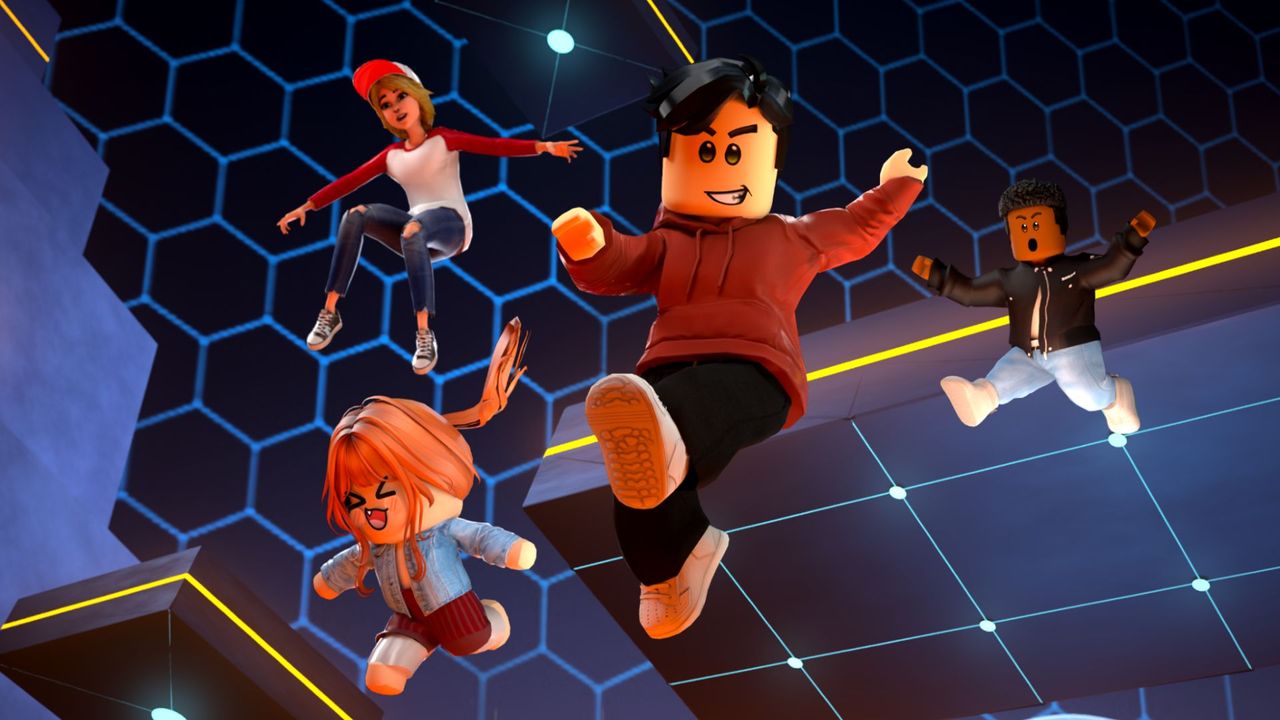
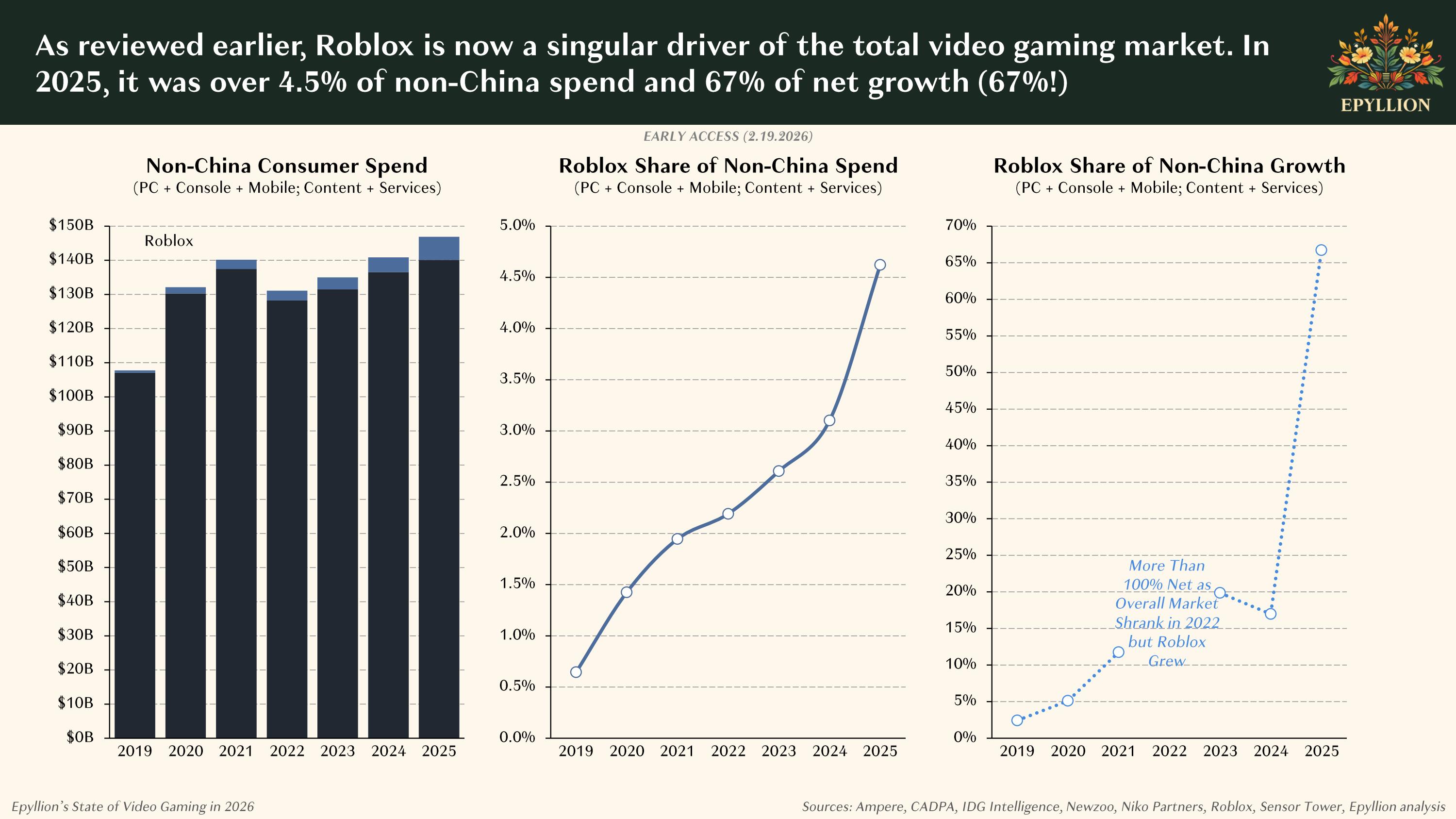
As you may have heard, Roblox is big—but the scale of the platform's dominance over the attention span of a significant portion of the world's populace can be hard to comprehend. Thankfully, a report on 2025 games industry trends from analyst Matthew Ball puts Roblox's relative prominence in concrete terms.
And that prominence is, well, terrifying. According to an early access release of Ball's report, Roblox accounted for more of 2025's games industry growth and player engagement than the combined totals from some of the world's biggest gaming platforms.
As has been the case since 2022's descent from the industry's pandemic peak, Ball says data from analytics sources like Ampere, Newzoo, and Circana indicate that games industry revenue growth, particularly outside of China, was stagnant in 2025—but not for Roblox. Roblox alone accounted for 67% of all non-China growth, as its share of total consumer spending in 2025 across PC, console, and mobile exceeded 4.5%.
It goes without saying, but a single platform being responsible for over two-thirds of an industry's growth indicates a massive financial influence, and it's not hard to see how: According to Ball, Roblox was attracting over 150 million daily active users in 2025—a 69% increase over 2024.
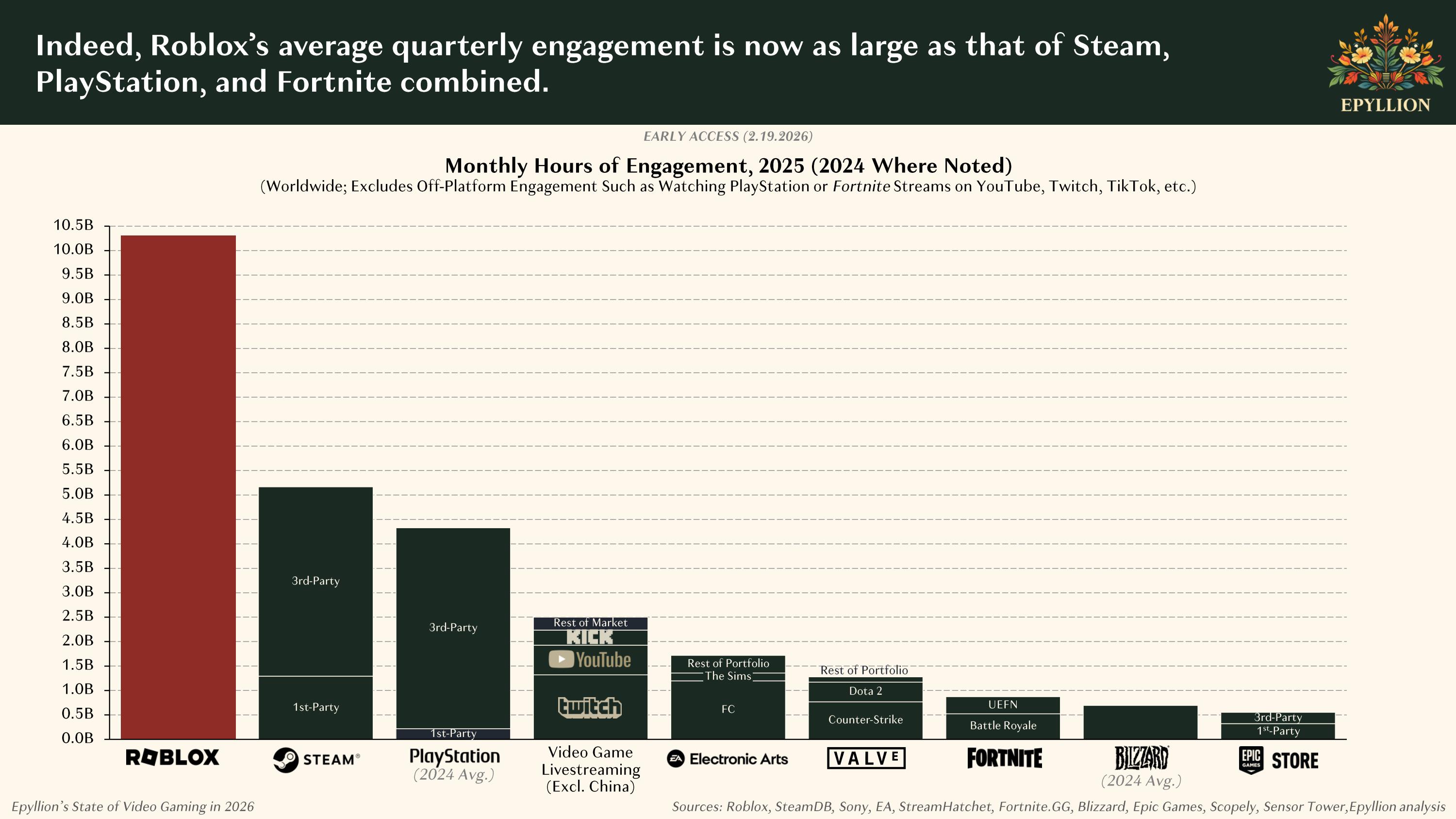
And those users were spending more time in Roblox than they ever have. In 2025, players spent over 10 billion hours in Roblox each month, more than the hours spent on Steam, PlayStation, and Fortnite combined. Ball says that Roblox is even "starting to challenge Netflix for total hours of use," and while Netflix's engagement growth has slowed to around 1% each year, Roblox has been ranging between 25% and 70% engagement growth since 2022.
Individual Roblox games are even outperforming the entire catalogs of some of the industry's biggest publishers: Grow a Garden's average monthly hours of engagement in 2025 outpaced the 2024 monthly combined average of all Blizzard games.
For those of us familiar with Roblox's long-standing controversies of child safety, labor exploitation, and predatory monetization that have attracted a continuing succession of lawsuits and state investigations, those statistics may possess a deeply sinister air. But while the executives of countless industry C-suites are undoubtedly pondering how to contort their existing projects into UGC platforms in an effort to simply make a Roblox of their own, Ball says success in today's games industry isn't just a matter of trying to emulate what Roblox does.
"To find growth, we have to acknowledge: There is no 'videogaming industry,'" Ball writes. "There are many."
In other words, while it's tempting to lump all of gaming into a singular industry pool, it is—in reality—a constellation of peripherally-related markets, all operating according to unique dynamics between which theories and strategies don't necessarily transfer cleanly or successfully: "The result is that different companies in the 'videogaming industry' exist in very different universes and experience fundamentally different growth prospects," Ball says.
Roblox is, essentially, an industry all its own. And chances are, the Roblox industry won't easily accommodate another.
2026 games: All the upcoming games
Best PC games: Our all-time favorites
Free PC games: Freebie fest
Best FPS games: Finest gunplay
Best RPGs: Grand adventures
Best co-op games: Better together
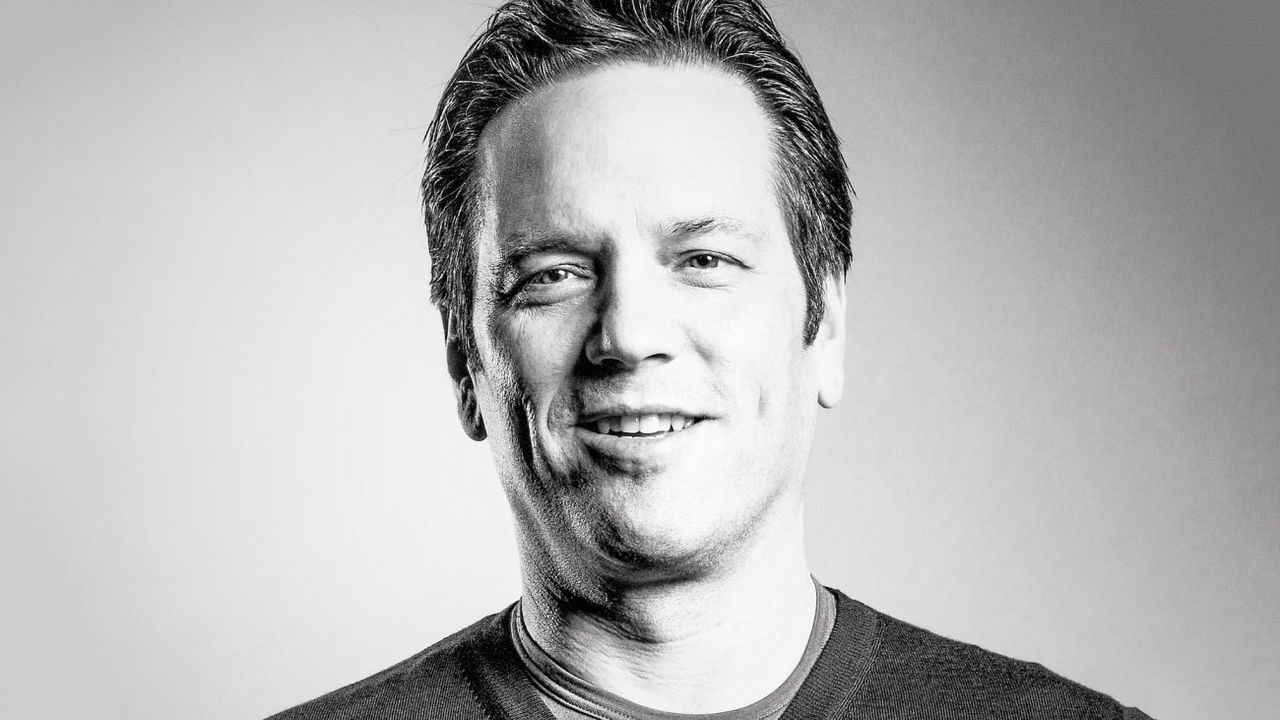
We sometimes say "it's the end of an era" to mark a notable occasion of one sort or another, and sometimes it's warranted and sometimes, not so much. In this case, though, it really is the end of an era: After nearly 40 years at the company, Microsoft Gaming CEO Phil Spencer is retiring.
"When I walked through Microsoft’s doors as an intern in June of 1988, I could never have imagined the products I'd help build, the players and customers we’d serve, or the extraordinary teams I'd be lucky enough to join," Spencer wrote in a memo sent to employees. "It's been an epic ride and truly the privilege of a lifetime."
"Last fall, I shared with [Microsoft CEO Satya Nadella] that I was thinking about stepping back and starting the next chapter of my life. From that moment, we aligned on approaching this transition with intention, ensuring stability, and strengthening the foundation we've built. Xbox has always been more than a business. It's a vibrant community of players, creators, and teams who care deeply about what we build and how we build it. And it deserves a thoughtful, deliberate plan for the road ahead."
Spencer subsequently confirmed his retirement in a message on X.
It’s rare in life to know when a chapter is closing, but after 38 years at Microsoft, that moment has arrived for me. I’ve made the decision to retire and begin the next chapter of my life. It’s a milestone that’s given me a chance to reflect on the incredible journey I’ve been…February 20, 2026
Unexpectedly, Xbox president and heir apparent Sarah Bond, who joined the Xbox division in 2017, is not part of that plan: Bond has instead resigned from Microsoft outright. Matt Booty, currently the head of Microsoft Studios, is being promoted to chief content officer.
Spencer's position as Microsoft Gaming CEO will be taken over by Asha Sharma, who joined Microsoft in 2024 as president of its CoreAI product. Prior to that, Sharma served as chief operating officer at Instacart, and a vice president of product and engineering at Meta. In a separate farewell message, Spencer said he's been working with Sharma for the past "several months," and that he has "tremendous confidence" in her ability to lead Microsoft Gaming. He also said he'll "remain in an advisory role through the summer to support a smooth handoff."
Despite her background in AI, Sharma said in her own message that Xbox "will not chase short-term efficiency or flood our ecosystem with soulless AI slop."
"The next 25 years belong to the teams who dare to build something surprising, something no one else is willing to try, and have the patience to see it through," Sharma wrote. "We have done this before, and I am here to help us do it again.
"I want to return to the renegade spirit that built Xbox in the first place. It will require us to relentlessly question everything, revisit processes, protect what works, and be brave enough to change what does not."
Spencer didn't say what he had in mind for his post-Xbox plans, except that he intends to "keep doing what's always mattered so much to me: cheering on the teams pushing this industry forward and playing alongside this incredible community."
From here, I’ll keep doing what’s always mattered so much to me: cheering on the teams pushing this industry forward and playing alongside this incredible community. I'll see you online. pic.twitter.com/W8EjIi01MLFebruary 20, 2026
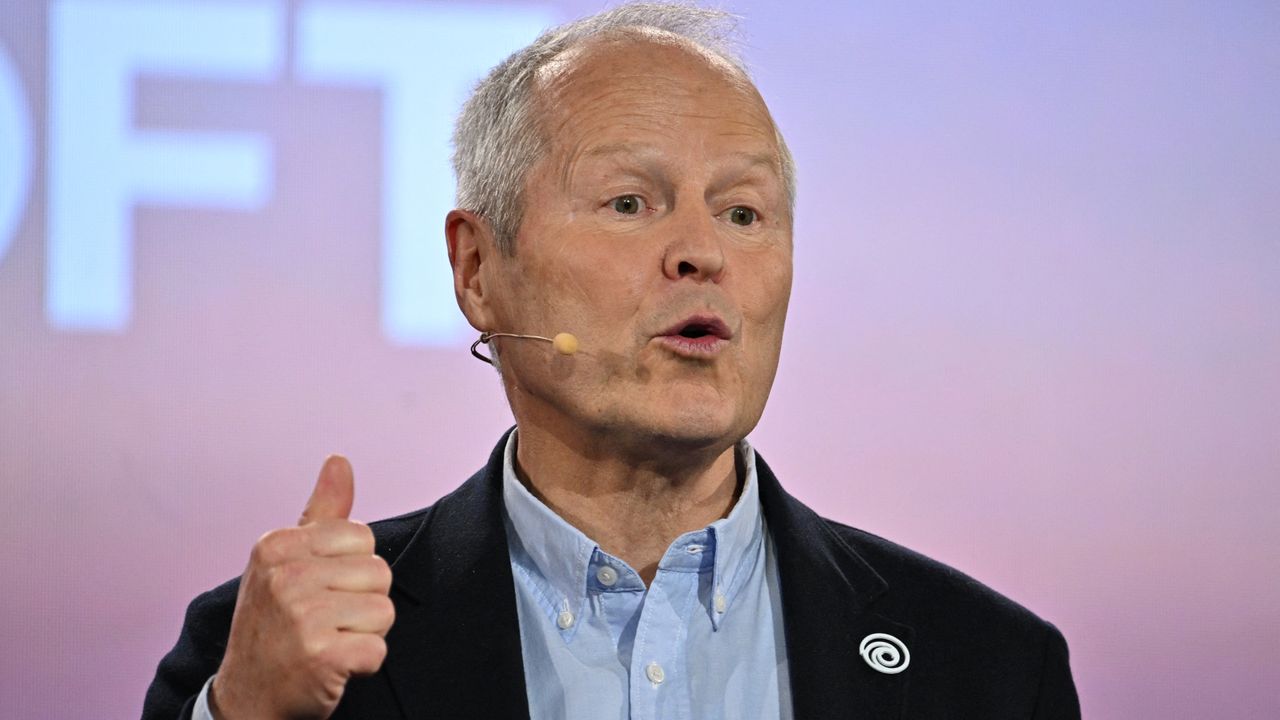
I'm not sure this really needs to be said out loud, but Ubisoft CEO Yves Guillemot said it out loud in a new interview with Variety and so we're spreading the word: Yes, new Assassin's Creed and Far Cry games are in development.
"We have a solid pipeline underway across Vantage Studios," Guilemot said. "Under the Assassin's Creed brand, several titles are in development, spanning both single-player and multiplayer experiences, with the ambition to further grow a community that exceeded 30 million players last year.
"On Far Cry, anticipation is high, and we currently have two very promising projects in development."
That a major game company is making new additions to two of its most successful and longest-running franchises is not exactly Earth-shattering news. Call me cynical if you like, but videogames are like superheroes: They're never really dead.
I feel a particular lack of surprise-face in the case of Far Cry. Rumors about the two Far Cry projects—the inevitable Far Cry 7, and a live service multiplayer venture—have been floating around for a few years now.
Still, it's nice to have it all officially confirmed and formalized in writing, I suppose, and Assassin's Creed fans will no doubt be pleased to hear that an abundance of new games are on the way—although even there, spinoffs are hardly a new thing for the AC series.
And obvious or not, it's understandable that Guillemot wants to make noise about all that Ubisoft has cooking. To put it bluntly, Ubisoft is in serious trouble, to the extent that it kicked off a major internal restructuring in January that will see the company's studios resorted into five "creative houses."
That announcement, along with the layoffs, cancellations, and studio closures that followed, caused Ubisoft's share price to crater to its lowest point in 15 years. An infusion of Tencent funding has helped keep the lights on, but the company needs a more concrete path forward if it wants to keep shareholders from doing anything rash.
The creative houses restructuring is a major step in that direction, but that hasn't been without controversy either. The first creative house, Vantage Studios—the only one with a name at this point—will be responsible for handling Ubisoft's biggest boys: Assassin's Creed, Far Cry, and Rainbow Six, and coincidentally or not, it's being co-headed by Guillemot's son, Charlie Guillemot. That particular development led to the departure of former Assassin's Creed franchise boss Marc-Alexis Côté, who said in October 2025 that he was forced out after refusing to take a reduced role at Vantage. Côté, who played a highly visible leadership role on the successful Assassin's Creed Shadows, subsequently sued Ubisoft for just under $1 million.
Yves Guillemot denied that nepotism played a role in Charlie's ascendance, however. "Ubisoft was created as a family company, and our strong heritage helps us take a long-term view, prioritizing sustainable growth, creative ambition, and continuity over short-term cycles," Guillemot said. "This perspective guides our decisions and helps us build franchises, teams, and strategies that endure for decades.
"I strongly believe that Christophe Derennes and Charlie are the right leaders as Co-CEOs of Vantage Studios. They bring complementary strengths and experience that make them well-suited for the role. Their appointment was based on their skills, track record, and fit for the role."
Derennes does indeed bring an impressive CV to the co-CEO role: He's been with Ubisoft for more than 35 years, launched and headed up its Ubisoft Montreal studio, and has credits on dozens of games. Charlie's qualifications are somewhat less clear: Before being handed the reins on Ubisoft's prime properties he served as studio manager and creative director on one Ubisoft mobile game—the ill-fated Tom Clancy's Elite Squad, for which Ubisoft was eventually forced to apologize—and co-founded a Web3 gaming, AI, and NFT company called Unagi.
2026 games: All the upcoming games
Best PC games: Our all-time favorites
Free PC games: Freebie fest
Best FPS games: Finest gunplay
Best RPGs: Grand adventures
Best co-op games: Better together
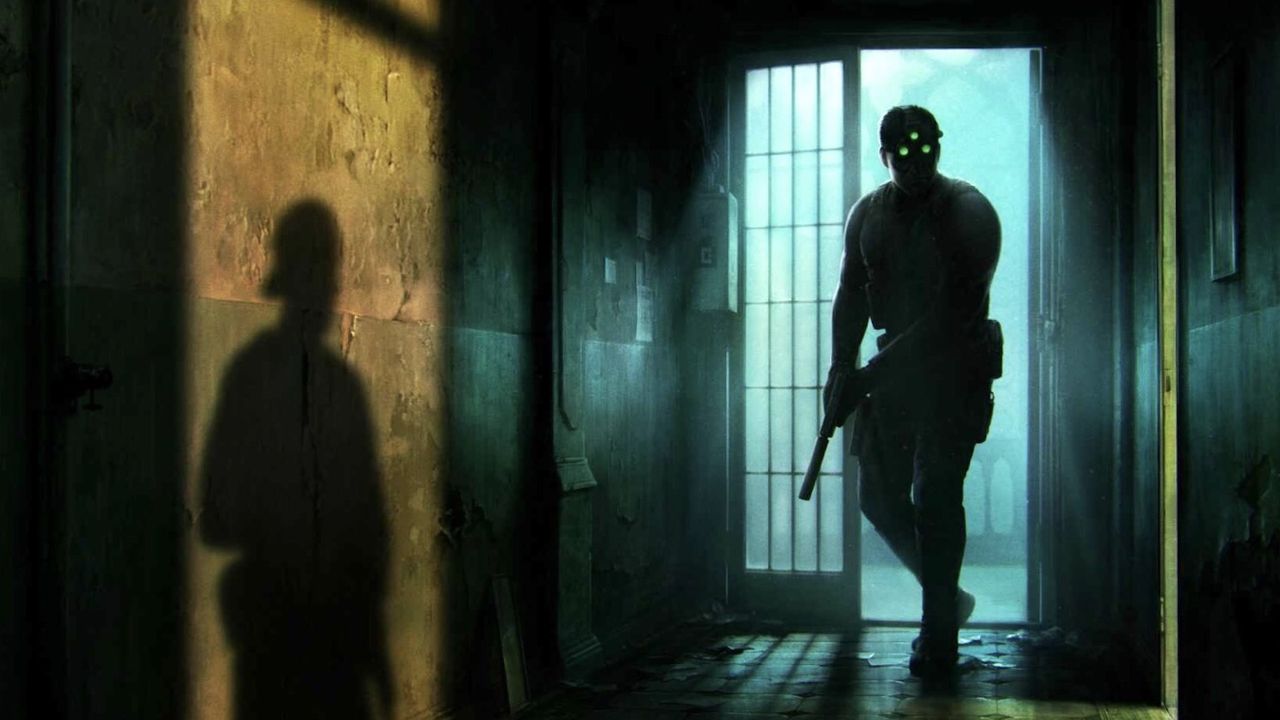
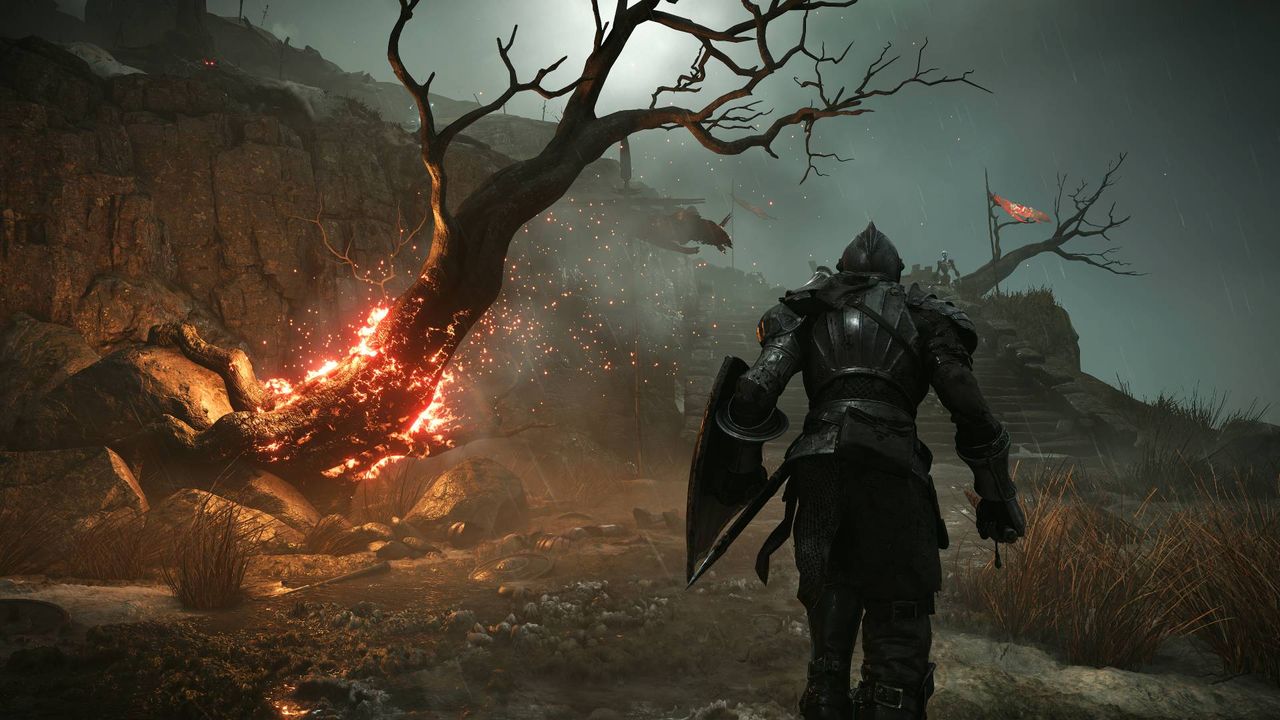

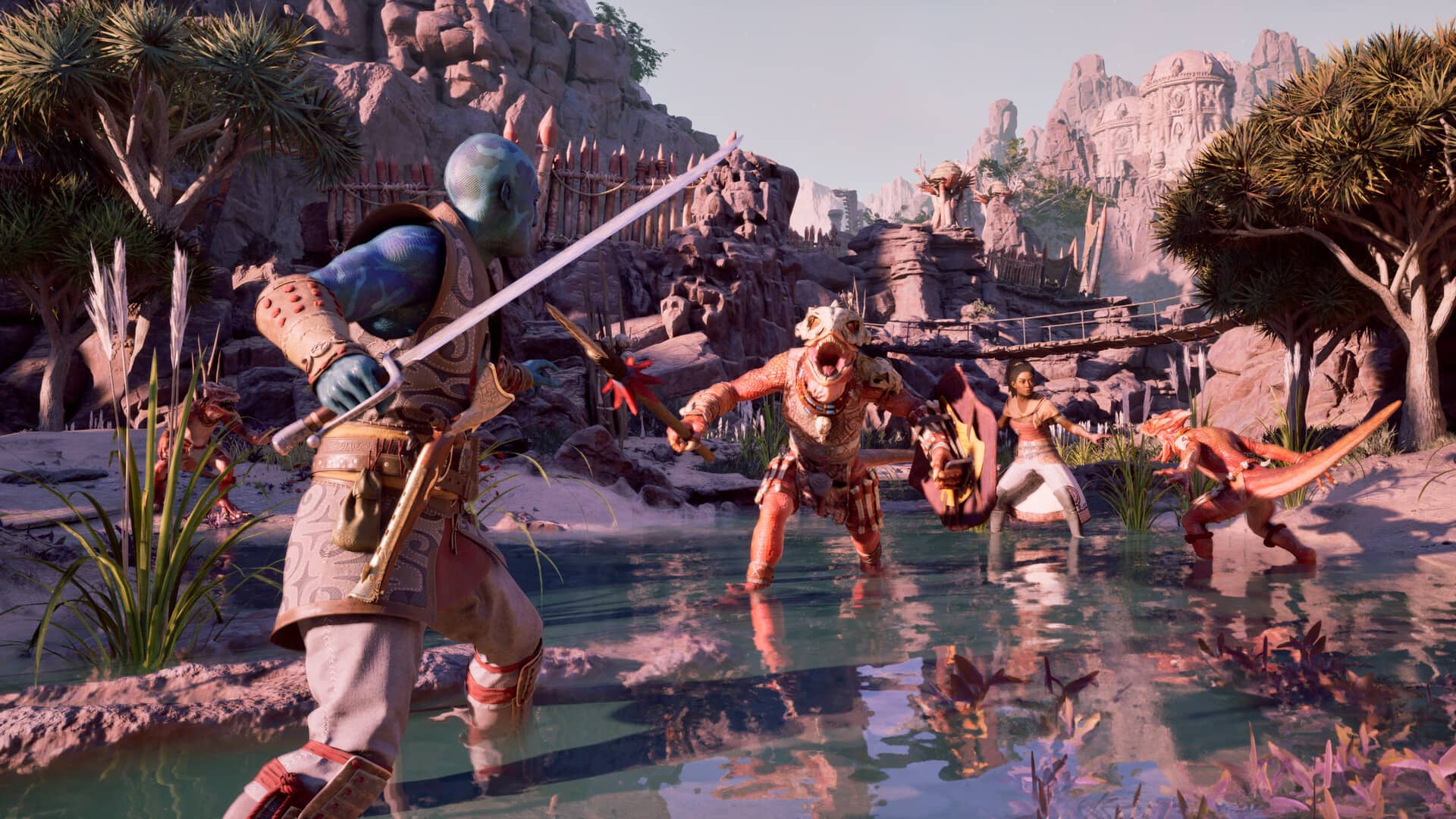
The numbers for 2026 look like a victory lap on paper, with global revenues projected to hit $205 billion and a player base of 3.6 billion people, but the view from the street is far more jagged. We are living through a “high-low” reality where the corporate suites are celebrating a recovery while the people actually making the games are still dodging the axe. The “video game winter” is supposedly thawing, yet we are staring at another 7,500 projected layoffs this year, adding to the nearly 25,000 careers evaporated since 2024.
This isn’t a correction; it’s a restructuring of the human soul of the industry. The Saudi-led $55 billion acquisition of Electronic Arts is the ultimate symbol of this shift, where massive sovereign wealth is used to stabilize franchises like The Sims and FIFA while the mid-tier creative risk-takers are left to starve. The North American market, specifically California, has become a ground zero for this talent exodus, with over 50% of global cuts hitting the very region that built the modern blockbuster. We see a industry that has successfully scaled its profits while failing to sustain its workforce, a paradox that makes every $70 purchase feel like a vote for a system that is actively eating itself.
The entire 2026 calendar is basically a game of “hide from Rockstar,” as every other publisher tries to dodge the November 19 release of Grand Theft Auto VI. There is a dangerous level of “Messiah Complex” surrounding this one title, with investors and retailers praying it will single-handedly jumpstart console sales and consumer spending. It is a cultural black hole that has already forced games like Resident Evil Requiem and Wolverine to position themselves as the “early year” appetizers.
But counting on one game to save a $205 billion ecosystem is a delusion born of desperation. We are seeing a massive “AAA fatigue” where players are tired of $300 million budgets producing 100-hour checklists. The real winners of 2025 were the “Super Indies” and polished mid-market titles like Clair Obscur: Expedition 33 and Kingdom Come: Deliverance II, which proved that a specific, human vision resonates more than a focus-grouped live-service chore. The industry is currently split between these bloated, risk-averse behemoths and the lean, creative cells that are actually doing the heavy lifting for the medium’s artistic credibility.
Generative AI has moved past the “hype” phase and into the “practical threat” phase, with 87% of developers now using AI agents to automate everything from QA to environment art. The corporate line is that this “empowers” creators by removing drudgery, but the street reality is that it’s being used as a silicon scab to justify smaller headcounts. We are seeing a flood of “procedural slop” on storefronts that makes finding a genuine, hand-crafted experience feel like digging through a landfill. The rising cost of hardware, driven by AI data center demand spiking RAM prices, is making the entry point for high-end PC gaming even more elitist.
This is pushing the global majority toward mobile and cloud solutions, where companies like Tencent and Microsoft are fighting for the 52% of the market that lives on a smartphone. In emerging markets like India, which now boasts over 500 million gamers, the “console war” is a foreign concept; the battle is over data plans and low-latency streams. The future of gaming isn’t happening in a living room in Ohio; it’s happening on a 5G connection in Mumbai, where the monetization is aggressive and the barriers to entry are practically zero.
The Switch 2 launch and the rumored “Steam Machine” revival are the last gasps of the traditional hardware cycle. We are transitioning into a platform-agnostic era where the device you hold matters less than the subscription you pay for. Cloud gaming revenue has crossed the $10.5 billion mark, proving that the tech is finally reliable enough for the mainstream, even if it kills the concept of digital ownership. The “Xbox Cloud” and “PS Now” evolutions are turning games into a utility like water or electricity—something you pay for monthly but never actually keep.
This shift favors the massive consolidators like the Saudi-backed EA or the Tencent empire, who can afford to play the long game while independent studios struggle with the “discoverability” crisis on flooded digital storefronts. The industry is effectively killing its middle class to fund its trillion-dollar dreams, leaving players with a choice between the high-fidelity corporate theme parks of the West and the high-engagement mobile loops of the East. It’s a complicated, brilliant, and deeply broken time to be a gamer, where the best art is often found in the shadows of the biggest failures.
The post The 2026 Global Gaming Grind: Trillion-Dollar Dreams and Empty Desks appeared first on Game Reviews, News, Videos & More for Every Gamer – PC, PlayStation, Xbox in 2026.
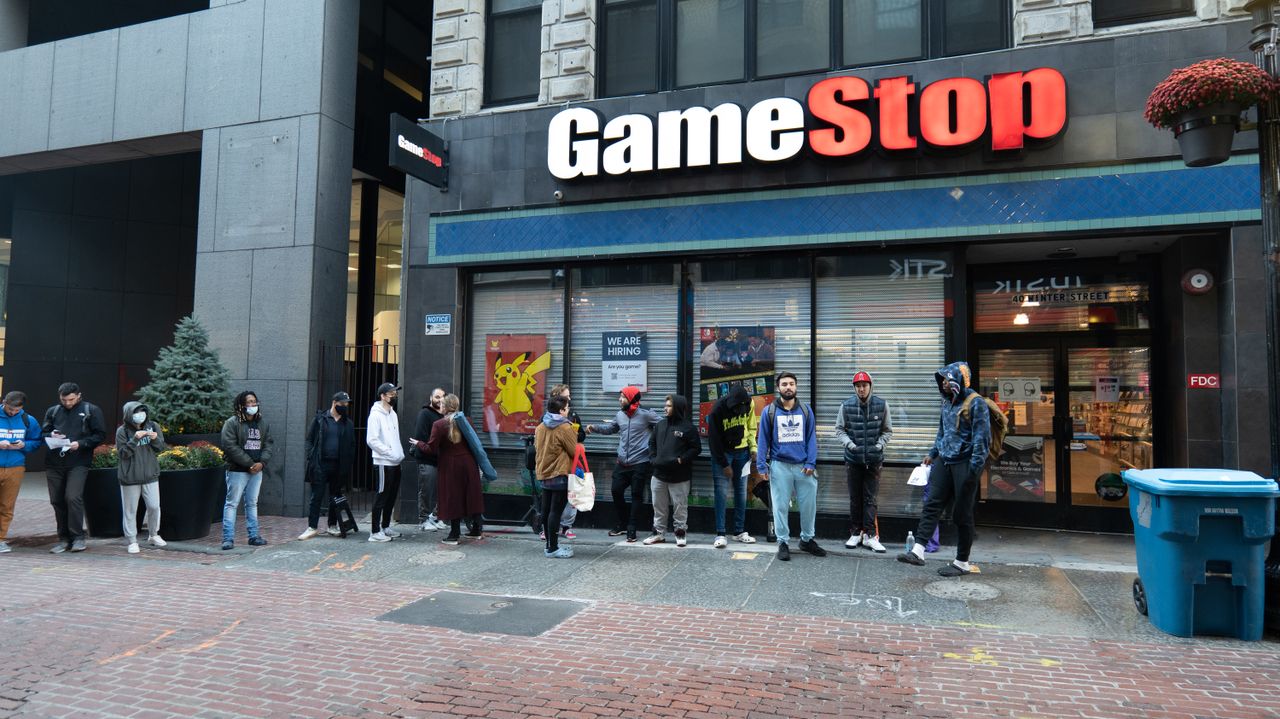

As reported by Eurogamer, Epic Games CEO Tim Sweeney took to X (formerly Twitter) to criticize an attempt by US lawmakers to ban the social media app and its accompanying generative AI tool, Grok. The move came after users discovered that Elon Musk's Grok has the ability to take photos of real people, including minors, and produce images of them undressed or in otherwise sexually compromising positions, flooding the site with such content.
"Reason #42 for open platforms: to shut down every politician’s incessant demands to all gatekeepers to censor all of their political opponents," Sweeney wrote in a first tweet responding to MacRumors' report of US politicians requesting that Apple and Google remove X and Grok from their app stores.
All major AIs have documented instances of going off the rails; all major AI companies make their best efforts to combat this; none are perfect. Politicians demanding gatekeepers selectively crush the one that's their political opponent's company is basic crony capitalism.January 9, 2026
"All major AIs have documented instances of going off the rails," Sweeney continued in a follow up tweet. "All major AI companies make their best efforts to combat this; none are perfect. Politicians demanding gatekeepers selectively crush the one that's their political opponent's company is basic crony capitalism."
"AI going off 'guardrails' is not the same as actively excusing content for pedophiles," wrote Remap and former Waypoint editor, Patrick Klepek, in response. "Your priorities as someone in charge of a company that makes a video game catering to young people are completely off."
404 Media's report from January 5 at the beginning of this saga offers illustrative examples of Grok's newly-discovered capabilities, like influencers undressed, made to appear pregnant, or shown breastfeeding a child. There are also extensive reports of users generating such material from images of minors.
The Rape, Abuse, & Incest National Network (RAINN) defines child sexual abuse material (CSAM) as "evidence of child sexual abuse" that "includes both real and synthetic content, such as images created with artificial intelligence tools." One of RAINN's examples of CSAM is "any content that sexualizes or exploits a child for the viewer's benefit."
Since the controversy came to light, the only change X has made has been moving Grok's ability to generate images in tweet replies behind a paywall—X now appears to be more directly profiting off of Grok's ability to generate CSAM than it was in the first place.
This is all particularly galling in the face of the actual politically-motivated censorship Sweeney has overseen on the platform that helps make him a billionaire. Back in December, the Epic Games Store followed Steam's lead in banning the art game, Horses, for hazy reasons, an outgrowth of the pressure placed on payment processing companies by conservative activist groups to censor transgressive art and legal pornography on the internet.
Given the opportunity, Sweeney appears eager to defend an unprecedented online sexual humiliation machine, calling for open platforms and free speech while presiding over censorship on his own, closed platform. Sweeney's follow-up may have the beginnings of a solution, though: "All major AIs have documented instances of going off the rails." If this is what we can expect from such tools, maybe they should all be banned.
2026 games: All the upcoming games
Best PC games: Our all-time favorites
Free PC games: Freebie fest
Best FPS games: Finest gunplay
Best RPGs: Grand adventures
Best co-op games: Better together