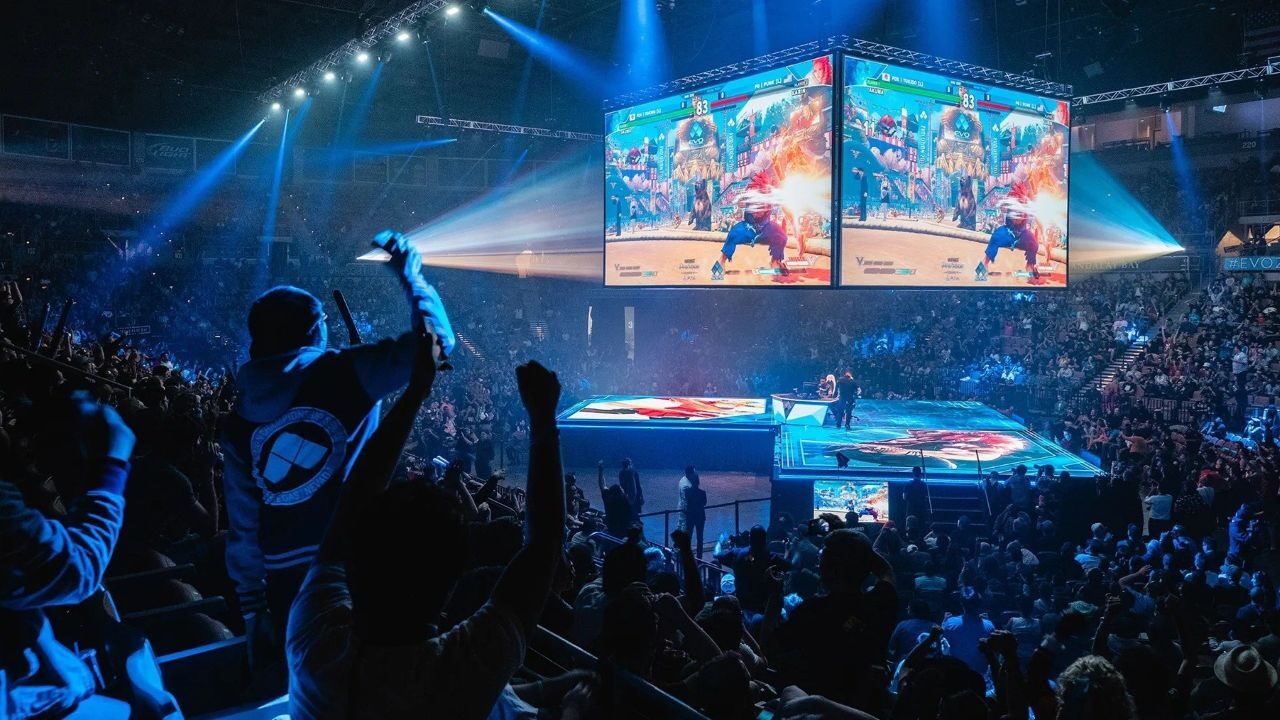
After Saudi Arabia RTS purchased Evolution Championship Series (Evo) this week, fans took to the internet to blast the decision, and some have called the event dead.
Earlier in the week, Qiddiya City, Saudi Arabia’s RTS, announced its decision to purchase 100% of the Evolution Championship Series (Evo), the world’s most renowned fighting game competition, which was raised from the ground up as a grassroots, fan-organized tournament. As NODWIN Gaming exits co-ownership (PlayStation left as a co-owner in August 2025), it will continue to work with Evolution, focusing on marketing. Meanwhile, key leadership will remain in position to attempt to ensure consistency with the tournament’s legacy
At the time of purchase, CSO of the Qiddiya Investment Company, Muhannad AlDawood, said, “This is about investing in the future of play, and safeguarding what makes Evo special,” in the official announcement. The event started more than 20 years ago as a small, community-focused 40-person Super Street Fighter II Turbo and Street Fighter Alpha 2 tournament and has grown into a global sensation, with fans regarding it as the premier FGC (Fighting Game Community) event.
The now-Saudi-owned RTS was founded in 2021 and purchased by the Qiddiya Investment Company (QIC) in September 2025. The Qiddiya Investment Company is under the same umbrella as Saudi Arabia’s Public Investment Fund (PIF), and it has been busy this year. The PIF acquired a huge stake in Electronic Arts in 2025 and holds significant stakes in CAPCOM, Nexon, and Nintendo. Community Events like Evo were just the next step.
It has been nearly a week, and fans are still scathing about the decision. On forums like Reddit, fans have been quick to declare the event “dead” already. One fighting fan advises others to go to their local game shops for the fighting game community, saying, “I was already on my way out of Evo because I don’t like how corporate the scene has become. I don’t even want fighting games to be a scene anymore, just play and watch the games you like, give feedback that you care about, and growth will come organically.” With many fans echoing the sentiment, agreeing they don’t like how corporate and over-produced the event has become.
Other fans have even suggested ‘making their own community,’ rather than support what ‘Evo has become.’ Other fans have said they’ll still support CEO 2026 (another fighting game community-led tournament) and other events like Combo Breaker, which are both run by former Evo organizers. Many fans have already started to grieve the tournament, with one saying, “This is just the final nail in an already well-sealed coffin. Glad I got to go before the ticket became $200.” It’s worth noting that Evo tickets have been circling that price point since Sony and RTS outright purchased the event as co-owners in 2021.
While many fans are jaded regarding the purchase, it remains to be seen how ‘corporate’ things become. More information (and how to attend) can be found on the official tournament website.
If you’re already gearing up to smash heads with friends and the anticipation for MARVEL Cosmic Invasion is hitting critical levels, then there’s only one real fix: more beat ‘em ups. The genre has evolved in all the best ways, and it’s genuinely lovely to see something so deeply satisfying back in full force.
If you want a few games to dive into ahead of launch, we’ve rounded up the best titles like MARVEL Cosmic Invasion below. This list has some incredible picks, both new and old, so let’s hop into it.
Castle Crashers is getting on a bit now, but it remains wonderfully charming and a huge amount of fun anyway. A wave of post-launch content expanded its look and piled on even more bonkers brawls. You’re technically saving a princess, but really, it’s about being the most slapstick heroes the kingdom has ever seen.
Young Souls puts you in control of two rebellious twins battling their way through an entirely different world. It boasts a lovely art style, brilliantly interesting characters and an exceptional combat system too. The only downside is that it sticks to local co-op, but if you’re playing with someone at home, that’s hardly an issue.
Absolum is an absolutely incredible beat ‘em up roguelike that has a lot going on. Not only is the story sublime, but there’s also a frog warrior who surfs on their own staff. The depth here is absurd, and if you want the most modern possible take on hitting things a lot, this is it.
Lost Castle 2 is massively slept on, despite being one of the coolest 2D action games in recent years. It has you carving through wildly cool monsters and levels to reach the titular castle, though the stronghold itself remains tantalisingly out of full reach while development continues. Combat lands somewhere between a 2D Monster Hunter and pure build-crafting chaos, with every weapon offering a totally different feel and some frankly absurd endgame setups.
The Last Friend stands apart because it mashes beat ‘em up action with tower defence, and also, you get to save a bunch of dogs. You’ll lay down multiple defensive lines of towers before wading into battle to rescue as many fluffy friends as you can using your fists. It’s cute, fun and a brilliant change of pace.
Streets of Rage 4 is the de facto classic beat ‘em up with a sharper, more modern edge. It played a huge role in reviving genre appetite for so many players. Dotemu’s signature flair—both visually and in combat—cements it as one of the best the genre has ever seen. If you’re craving over-the-top violence in a grounded, more realistic setting, nothing scratches the itch quite like this one.
Whether you’re here for couch co-op chaos, ridiculous weapon builds, or just the primal joy of hitting things a lot, the beat ‘em up genre has more than enough to keep you busy until MARVEL Cosmic Invasion arrives. From slapstick castles and frog-surfing roguelikes to genre-reviving classics, there’s something here for every kind of brawler fan. So grab a buddy, clear some screen space, and dive into the mayhem — because if anticipation hits hard, these games hit harder.
As someone who’s played more hours of sports games than I care to admit, I’ve always held a special place in my heart for full-contact titles. While franchises like NBA 2K and PGA Tour 2K scratch the itch of strategic gameplay and competitive spirit, UFC games have always felt like the rawest, most personal expression of sports competition. EA Sports UFC 5, to my delight, finally delivers the kind of tightly-tuned, physically immersive, and richly satisfying gameplay I’ve been waiting for.
If UFC 4 felt like a well-meaning but frustrating training camp, UFC 5 is the seasoned fighter stepping into the octagon with confidence. Gone are the clunky minigames that derailed fights and shattered immersion. Instead, we now have a flow-based grappling system that feels like it belongs, and more importantly, gives you agency in the heat of battle.
Grappling That Breathes With the Fight
One of my biggest gripes with UFC 4 was the way grappling felt detached from the rest of the fight. You’d slam into a minigame that demanded a totally different play style, often punishing players who were otherwise dominating. UFC 5 fixes that brilliantly. With the new left-stick-based transitions and hybrid controls, the ground game now plays out like a physical chess match instead of a controller test.
What struck me most was how much more engaged I felt even from disadvantaged positions. While playing as a striker-heavy fighter, I found myself using the simplified controls to escape from bottom mount far more often than I could in UFC 4. With just a well-timed push of the stick, I could wiggle into a safer position or even reverse the momentum.
On top of that, the rebalanced power of submission specialists feels fairer without neutering their threat. In UFC 4, getting caught in a grapple often meant kissing the round goodbye. Now, even when facing off against a high-tier wrestler, you feel like you still have a shot — if you know how to time your transitions and keep calm under pressure. That shift brings UFC 5 closer to the kind of challenge-and-reward loop that makes other top-tier sports games so beloved.
A Surprisingly Addictive Career Mode
Let me be honest: sports game career modes are usually my least favorite part. They tend to feel like glorified tutorials wrapped in lukewarm storytelling. UFC 5’s career mode is no exception in terms of narrative quality, but somehow, it still managed to hook me more than I expected.
The journey from backyard brawler to octagon headliner isn’t groundbreaking, considering players who usually buy PS5 sports games, but it’s structured in a way that rewards incremental mastery. You’re not just grinding stats or unlocking flashy outfits; you’re actually learning how to fight smarter. That’s something many career modes in other franchises miss. Sure, the acting is flat and the writing won’t win any awards, but there’s something genuinely compelling about the rhythm of the mode. Maybe it's the way your fighter evolves organically as you get better. Maybe it's the quiet satisfaction of landing your first KO after losing the last three matches. Whatever it is (magic!), I found myself caring more than I thought I would.
UFC 5 vs. NBA 2K25: Action Over Flash
When comparing UFC 5 to a giant like NBA 2K25, the differences highlight what makes each game unique — and also where UFC 5 shines. NBA 2K25 is about rhythm and finesse, and while it's unmatched in presentation, it often leans too far into spectacle. Microtransactions are deeply woven into its core progression, and unless you’re ready to drop money or time, your MyPlayer is more benchwarmer than star.
UFC 5 avoids that pitfall. There are microtransactions, sure, but they’re largely cosmetic and unobtrusive. You can create a competent, dangerous fighter without spending a dime, and even more importantly (in a sense), every fight feels personal. There’s no team to carry you, no fast breaks or buzzer beaters. It’s you, your opponent, and your skill. That purity — that absence of flash and focus on grit — is where UFC 5 outshines even the best basketball simulation.
UFC 5 vs. PGA Tour 2K25: Technical Precision Meets Physicality
While I have immense respect for PGA Tour 2K25’s commitment to detail and precision, UFC 5 offers something it can’t: physical stakes. Golf rewards patience, timing, and focus, but UFC demands it while also testing your reflexes, composure, and game sense under pressure. The new grappling system in UFC 5 reminds me of the nuanced swing mechanics in PGA 2K25 — both give you layers to peel back over time, rewarding players who invest in mastering their system.
However, where PGA Tour 2K25 can sometimes fall into a rhythm that feels meditative (or monotonous), UFC 5 never lets you zone out. There’s always a risk, always an opportunity for your opponent to punish a mistake. That constant tension — the sense that every second matters — makes UFC 5 the more exhilarating experience for those who want a sports game that keeps the adrenaline flowing.
Where UFC 5 Still Needs a Corner Coach
Not everything in UFC 5 hits cleanly. Online matchmaking during the review period was hit or miss, with long wait times and sporadic connections. And while the visual fidelity and animations have improved, there’s still an occasional stiffness that betrays the immersion, particularly in the clinch game. Some players might also find the lack of deep character customization a bummer, especially with so many cosmetic options locked behind the in-game store.
UFC 5 - A New Standard for Contact Sports Games?
At the end of the day, UFC 5 from EA Sports is a reminder of why I love sports games (and I hope you are made from the same material). It respects the complexity of its source material without overwhelming the player. It rewards practice without demanding perfection, and it can easily satisfy all guys who are into fighting games or buy PS5 games of this kind. Most importantly, it brings full-contact sports action to life in a way that feels deeply human - and yes, this kind of fighting in the octagon is human - where every jab, feint, and scramble for position tells a story. If you're a sports fan who values strategy, impact, and the thrill of a good fight, UFC 5 is not just a worthy successor — it's a genuine leap forward. In a crowded sports game landscape, UFC 5 doesn't just hold its own — it throws the cleanest punch in the game.
Sparking! ZERO excels when it comes to character variety: with an expansive roster that spans across Dragon Ball lore. From beloved iconic heroes like Goku and Vegeta to lesser-known fan favorites such as Caulifla and Hit, players will have plenty of characters available from which to select their ideal playstyles and build characters within Sparking! ZERO. This lineup provides incredible depth.
But is merely having an extensive cast enough to make Sparking? ZERO innovative? Yes; its varied roster does add some freshness, particularly given that developers spent the time to give each fighter his/her distinct abilities and playstyle - an approach utilized successfully by Dragon Ball FighterZ as well in making sure no two characters felt identical even though they shared similarities in terms of abilities within the source material.
However, unlike Super Smash Bros. Ultimate's roster of fighters from various franchises spanning various age categories and gender roles, Sparking! ZERO feels more predictable. Though characters vary considerably when it comes to individual movesets and energy-blasting abilities, most still function within the familiar framework of Dragon Ball combat which predominantly relies on fast-paced melee attacks and energy-blasting moves; therefore the game doesn't venture too far outside its comfort zone.
Sparking! ZERO could have taken an additional innovative leap by including mechanics that significantly alter how certain characters play. A game like Street Fighter VI brings something different for each character in terms of strategy; some focus on zone defense while others rely on grappling or rushdown techniques; however in Sparking! ZERO these differences tend more towards animation or aesthetics rather than playstyle innovation.
Multiplayer and Online Infrastructure: Staying Ahead of Competitors
Innovation in fighting games goes beyond characters or combat mechanics alone; it also requires taking into consideration its approach to multiplayer and online infrastructure. Since esports competition is increasing in importance, gaming titles must now take account of both how well they support a global player base as well as how effectively their gameplay itself meets that criterion - this area, in particular, was addressed in Dragon Ball Sparking! ZERO but did not set new standards.
Sparking! ZERO makes use of rollback netcode, an integral feature for smooth online matches in fast-paced fighting games such as Sparking! ZERO. This decision was smart; rollback netcode has quickly become an expectation in the fighting game community over recent years with Guilty Gear Strive and Street Fighter VI setting an excellent precedent in this respect. Furthermore, Sparking! ZERO provides players with various matchmaking filters that prioritize connection strength or regional proximity for improved match quality.
However, while its online infrastructure is secure and enjoyable to play on, its unique ideas fall flat when compared to rival games like Mortal Kombat 1 or Street Fighter VI which offer crossplay features, in-depth ranked systems, and training tools designed for all skill levels that stand out. Sparking! ZERO doesn't push its online modes as far compared to others on offer such as these titles do - which may prove disappointing given all they offer for casual gamers like myself who may prefer them anyway!
Presentation and Storytelling: Staying Comfortable
Dragon Ball games have always excelled when it comes to presentation and Sparking! ZERO follows this tradition perfectly. From character models to cinematic camera angles framing each fight sequence, Sparking!
Sparking! ZERO may appear more conservative when compared to other modern fighting games that have made progress with narrative innovation, like Mortal Kombat with its cinematic story modes; though its story mode revisits iconic moments from anime series like Naruto or does offer one, unlike those found elsewhere. However, other than offering this mode, Sparking! ZERO doesn't explore storytelling like other modern fighters do.
Sparking! ZERO could have distinguished itself with a deeper exploration of "what-if" scenarios or alternate timelines that push its narrative in unexpected directions. Though there are glimpses of this happening here and there, most of its story mode feels largely like a retelling of familiar events compared to Injustice 2 and Mortal Kombat which feature immersive narratives as part of their gameplay experience; Sparking! ZERO however remains true to its established formula without venturing beyond it.
Refinements to combat, an expanded roster, and improved online play all represent steps forward for this beloved series, making ZERO feel like an ode to everything that makes Dragon Ball exciting - even though its contribution won't push forward the genre itself! For fans of this franchise, however, it will likely feel more like an expression of love than anything groundbreaking about this particular title!
Conclusion: Innovation in Moderation
Dragon Ball: Sparking! ZERO isn't one of the more groundbreaking fighting games out there, yet that doesn't detract from its value. Building upon years of Dragon Ball games that came before it, Sparking! ZERO provides an enjoyable, polished experience while staying true to anime spirit and staying true to other competing titles that push innovation with mechanics or groundbreaking storytelling, this one takes it easy and is enjoyable all-in.
Sparking! ZERO may not set the bar when it comes to radical innovation or genre-defining features, but for players looking for high-energy fighting games with visually stunning combat that captures the feel of Dragon Ball, it certainly delivers! Innovation doesn't necessarily entail reinventing everything: Sparking! ZERO strikes the perfect balance between honoring its roots and offering enough refinements that keep fans coming back for more!
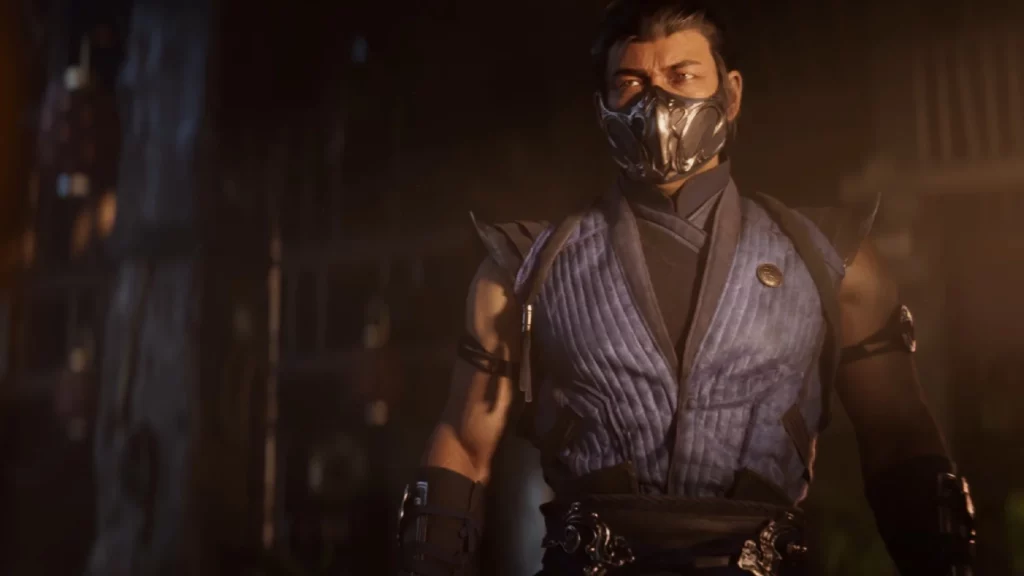
Titled, “It’s in Our Blood,” the trailer harkens back to the iconic “Mortal Monday” TV commercial for the first Mortal Kombatgame in 1993. However, this time WWE legend, turned Hollywood actor, Dave Bautista leads the charge through the city streets. You can watch the new Mortal Kombat 1 trailer for yourself below.
Mortal Kombat 1 “It’s in Our Blood” trailer
The trailer opens up with Bautista, playing the role of an unusually buff librarian, beginning a charge to awaken those with the spirit of Mortal Kombat. As the trailer progresses, Bautista’s army grows larger, with thousands of people swarming the streets chanting the title of the game.
If this sounds like a familiar premise, you aren’t having Deja vu. A very similar television spot ran in 1993 to promote the original Mortal Kombat’s console port. You can also check that video out for yourself below.
Mortal Kombat “Mortal Monday”
Mortal Kombat 1 smashes into your home this September
The rebootedMortal Kombat 1 hits your PlayStation 5, Xbox Series X/S, Nintendo Switch and PC on September 19. Early Access begins a few days earlier on September 14. You can also pre-order the game now to receive Shang Tsung as a playable character.
Additionally, pre-ordering the Premium Edition will also give you access to six new playable characters, five new Kameo characters, a Jean-Claude Van Damme skin for Johnny Cage, a week of early access to DLC characters and 1250 Dragon Krystals (In-game Premium Currency).
To learn more, be sure to check out our article where we detail everything we know about Mortal Kombat 1 so far. In addition, you can also get caught up on the official announcement trailer below.
Mortal Kombat 1 Announcement Trailer
Are you excited to play the new Mortal Kombat reboot? As always, let us know what you think in the comments!