Yakuza Studio’s Next Big Game Will Revive Tupac Digitally, For Some Reason
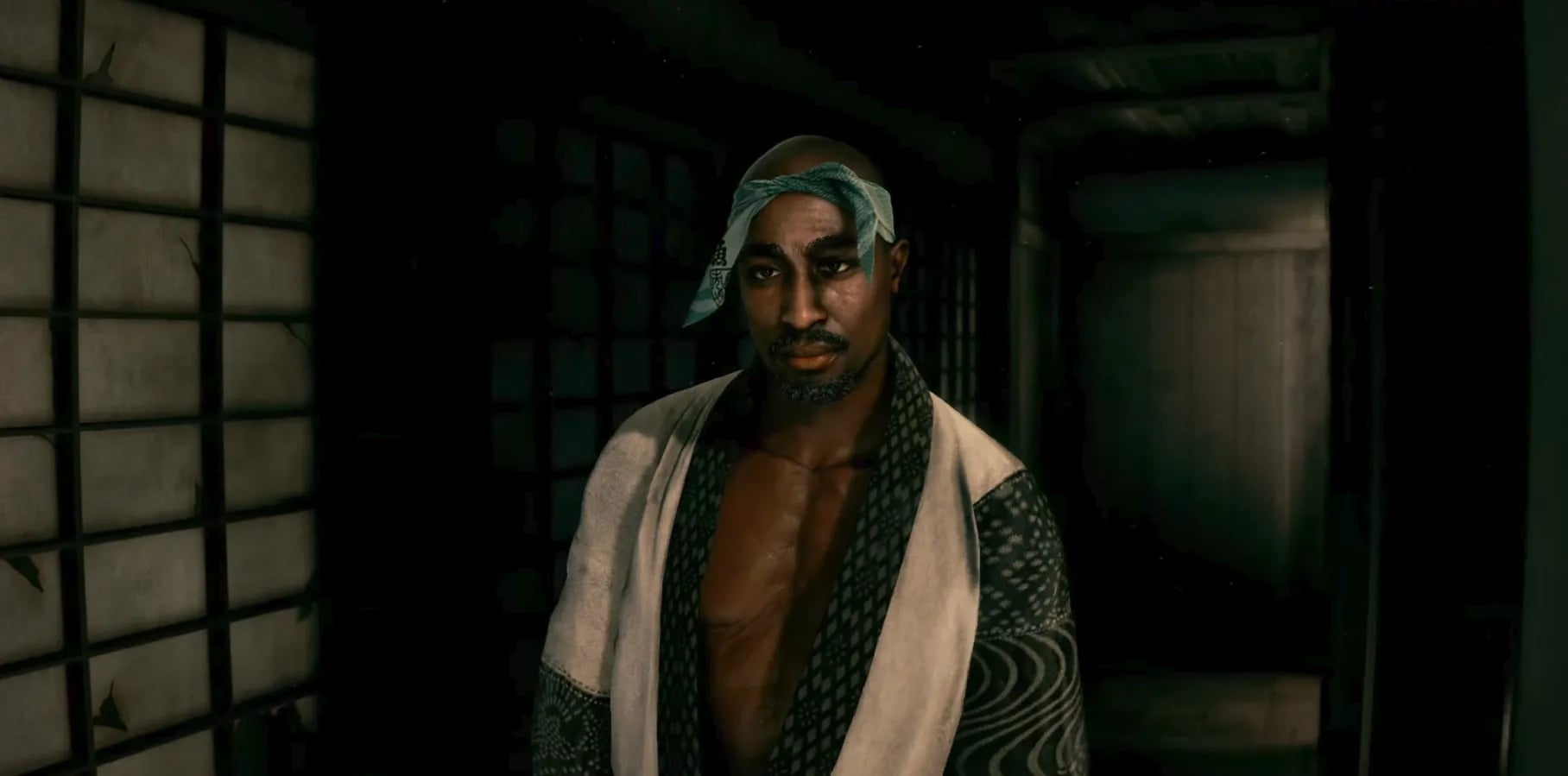
Stranger than Heaven will feature the digital zombie of Tupac Shakur.
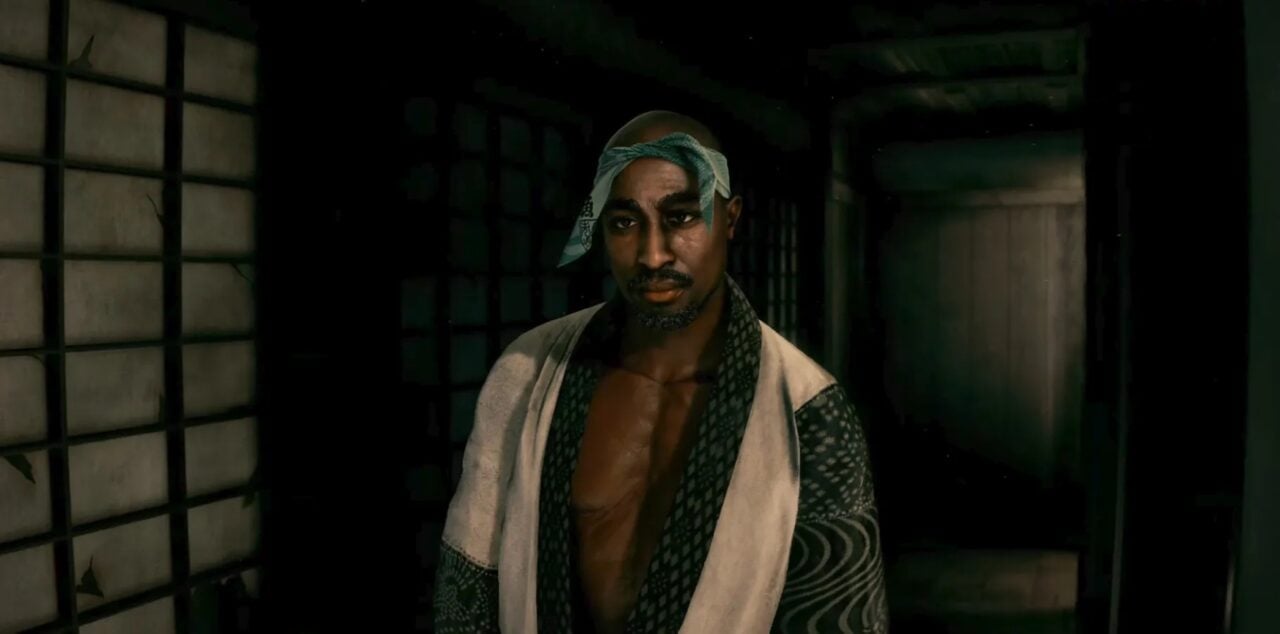

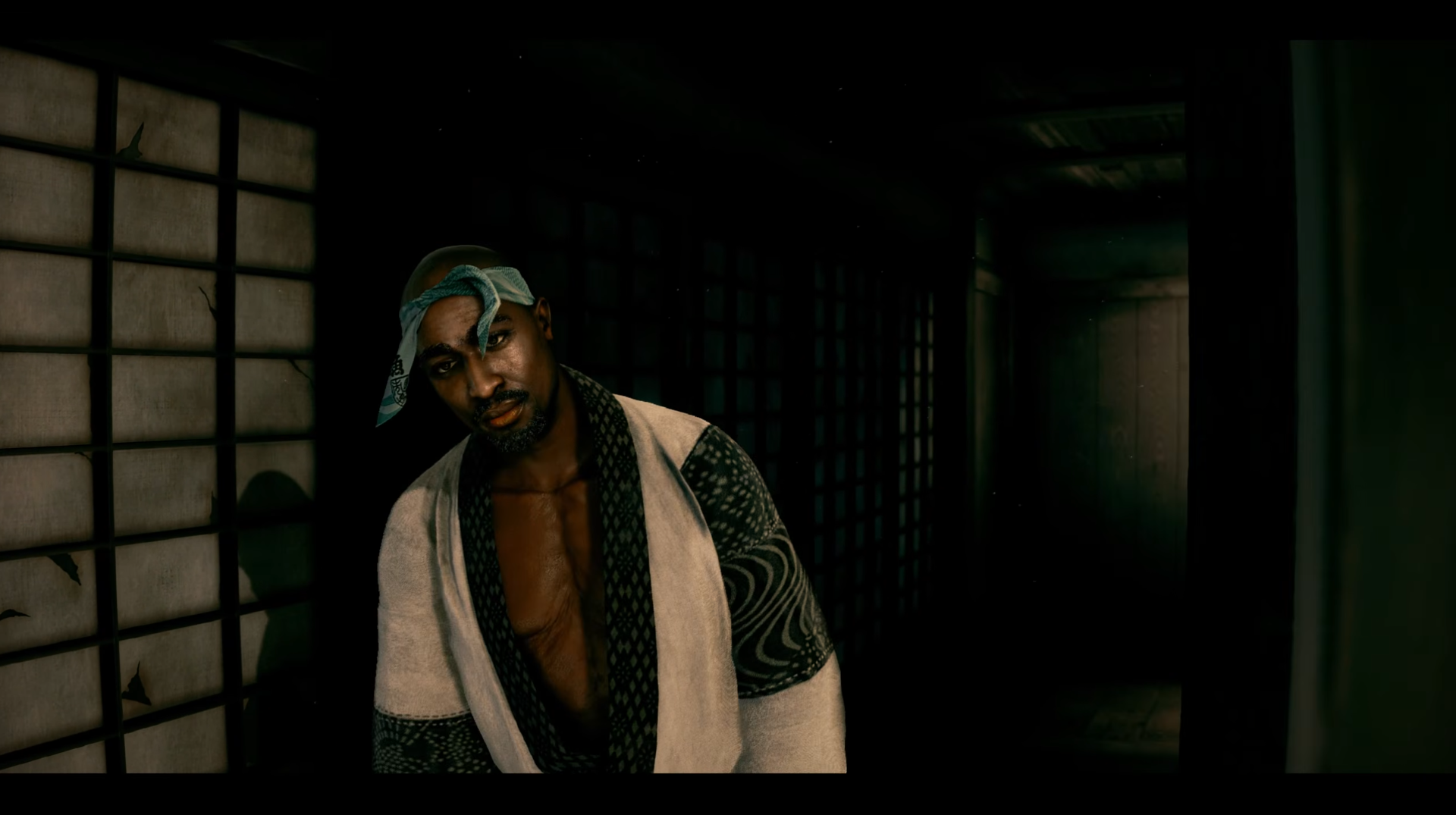
Today during Summer Game Fest’s main showcase, Ryu Ga Gotoku Studio announced that legendary rapper and activist Tupac Shakur—who died in 1996—will be in its jazzy new historical Yakuza-like, Stranger Than Heaven. Nobody asked for this, and an only slightly larger number like it.
Snoop Dogg, who will also appear in the game, was brought out to explain the puzzling inclusion.
"The Tupac estate and my son and myself, we work very closely together, so it just made sense to put him in this game,” Snoop told Geoff Keighley. “His likeness and his spirit still lives on, and I just feel like it was so connected to what we're doing."
But it’s still an act of digital necromancy involving a man who, crucially, cannot object. The dead deserve to rest, but instead, the modern era turns their ghosts into IP. This isn’t even the first dead person RGG has shamelessly boasted will appear in Stranger Than Heaven. That not-honor goes to Japanese actor Bunta Sugawara, who passed away in 2014. At least in his case, it’s confirmed he’s not getting the Val Kilmer treatment, with actor Takashi Ukaji providing his voice instead of AI.
Still, the whole thing feels gross, which caused “Tupac” to trend on both X and Bluesky for the wrong reasons.
They're putting Tupac in a Yakuza game with "Snoop Dogg's blessing." Snoop Dogg shills for anything. He would dig up Tupac's bones and shoot them out of a cannon into the sea if it meant a paycheck.
— Mallorie Malcontent ✨ (@sweetbeanscomix.bsky.social) June 5, 2026 at 2:42 PM
First it was the scumbag in Yakuza 3, and now they’re digitally animating Tupac’s corpse? Yeah, I think I might be done with anything RGG does for the foreseeable future. Incredibly tone deaf and disrespectful.
— Coop (@riderstrike.bsky.social) June 5, 2026 at 2:26 PM
"why is tupac trending" *click* "noooooo"
— foaming pipe snake (@guntoucher.bsky.social) June 5, 2026 at 2:53 PM
I'm glad I'm not watching this show live, I feel like I would've instinctively dropped my phone and the double over from psychic damage once Tupac showed up
— Brian M (@legendofnerd.bsky.social) June 5, 2026 at 2:42 PM
I love RGG and I love hiphop and I absolutely hate everything they're doing with this angle.
— Janet Garcia (@gameonysus.bsky.social) June 5, 2026 at 2:25 PM
btw this is who runs Tupac's estate
— Chris Person (@papapishu.bsky.social) June 5, 2026 at 8:07 PM
[image or embed]
They did not answer how Tupac is in the game and talked about working with his estate #uhoh https://t.co/aHgiwWZt7x
— 🕷️Smart Alec🕸️ (@_TheSmartAlec1) June 5, 2026
I’m not a fan of that Tupac shit at all man lmaooo 👎🏽
— Big Boss (@LordBalvin) June 5, 2026
kendrick lamar please diss rgg studio next
— Gene Park (@GenePark) June 5, 2026
Yeah don't like Tupac in Stranger Than Heaven. Let that man rest.
— RGT 85 (@RGT_85) June 5, 2026
Retconing Yakuza character deaths wasn't enough, SO THEY REVIVED TUPAC?!?!?! pic.twitter.com/A9LMrNWSH8
— Judgement Kazzy 1988 (@2005Dojima) June 5, 2026
All this after RGG already found itself in hot water earlier this year for refusing to dismiss a voice actor who admitted to sexual assault and generally dropping the ball on the Yakuza series’ latest remake, Kiwami 3. For some, it’s starting to look like Stranger Than Heaven might end up being the last straw.
 AftermathIsaiah Colbert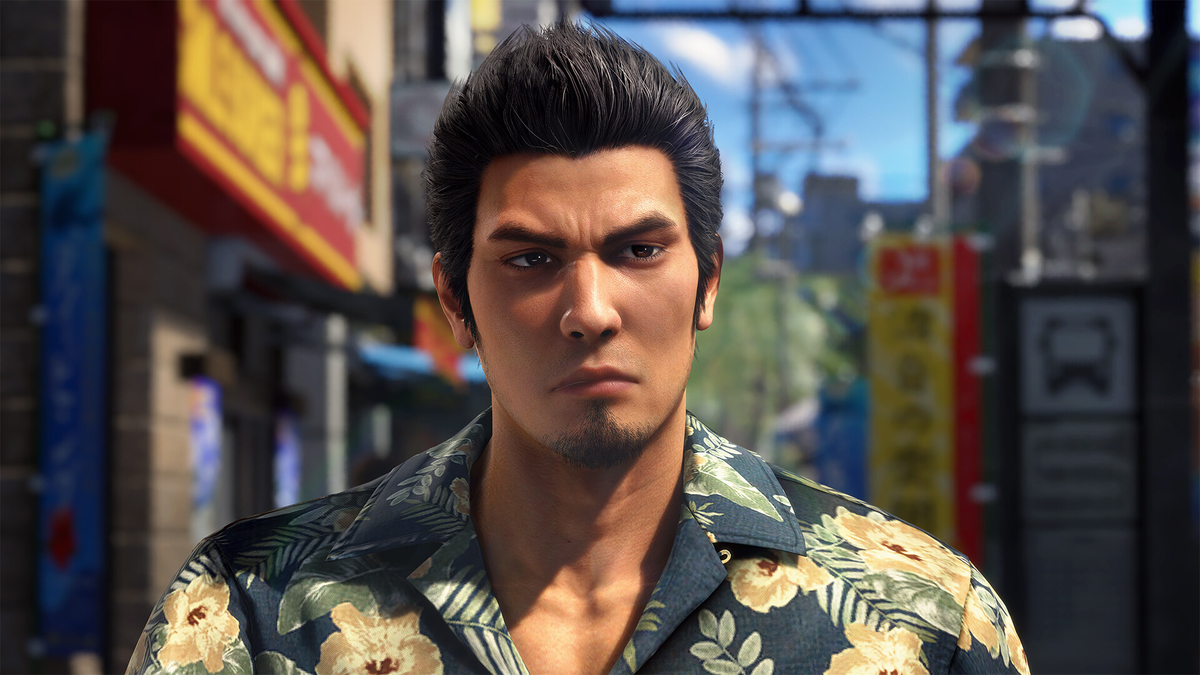
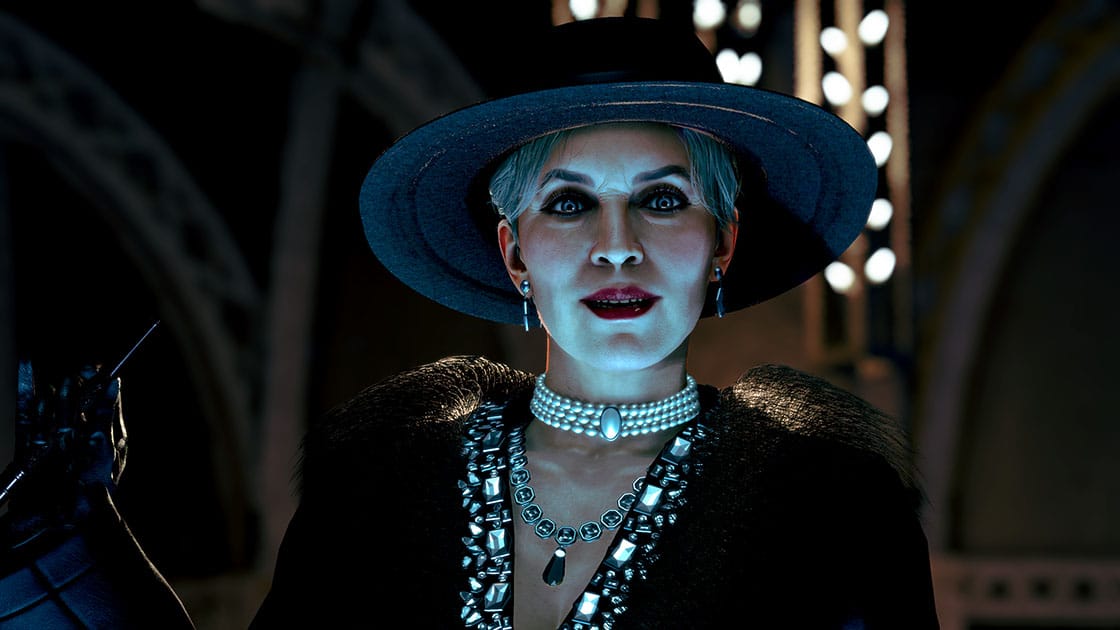
Like most expressions of the hypermasculine crime genre, from song to film, the Yakuza series’ relationship to its women is often patronising at best and hostile at worst. Its most recent release at the time of writing, the tepid Yakuza Kiwami 3 (along with the bundled campaign Dark Ties), is the very picture of this. The hiring of confessed sex pest Teruyuki Kagawa for one of the most involved likeness character roles in the entire series (he’s the first actor to do his own mocap for the game) is the immediate example.
Fellow game journalist Ashley Schofield writes for Skybox that, despite having always depicted unambiguously misogynistic predators as bad guys, the series really isn’t so much at odds with itself in Kagawa’s presence as it is following its hypocritical treatment of women to its conclusion. From iron-hearted acting Tojo chairwoman Yayoi Dojima becoming a damsel in distress in Yakuza 2, all the way to Chitose Fujinomiya’s arc in Like a Dragon: Infinite Wealth, stripping all agency from her unsavoury deeds, female characters are at once deified and treated as tools for the development of their male counterparts.
There is nothing in the franchise that shows this quite as well as creator Toshihiro Nagoshi’s philosophy, kept alive by his close collaborator and now leader of RGG Studio, Masayoshi Yokoyama: with a few exceptions (namely Tanimura’s female instructor in Yakuza 4, the 9-year-old Haruka Sawamura, and a couple of trans women - I wonder why), Kazuma Kiryu and friends are forbidden from ever raising a hand against a woman. Every time a villain hits one during a cutscene, too, she always falls to the ground and stays there, no matter her level of fighting skill; a grand show of just how despicable the action is.
As the years have gone by, the series has made several attempts at grappling with the idea of fighting female characters. Like a Dragon: Pirate Yakuza in Hawaii promised a lady main villain with a swordswoman for a retainer — yet refused to let you actually punch either of them. Instead, the game only allows a ship battle against the big baddie’s pirate crew, never mind the fact that Goro Majima doesn’t seem that averse to hitting women (he’s slapped his forgotten ex-wife at least once, for one).
Even the otherwise pro-woman Yakuza: Like a Dragon balks at the concept of fighting crime leader Seonhee, instead making her sic her male second-in-command, Joongi Han, on Ichiban Kasuga and company. Lost Judgment’s biker gang racing mode may be the closest we get; there is an all-girls crew whom the player must knock off their rides to gain politicking leverage, led by goth rocker badass Rina Minagawa (whose main contribution still is just having been in love with the leader of the gang to which hers is a subgroup... baby steps).
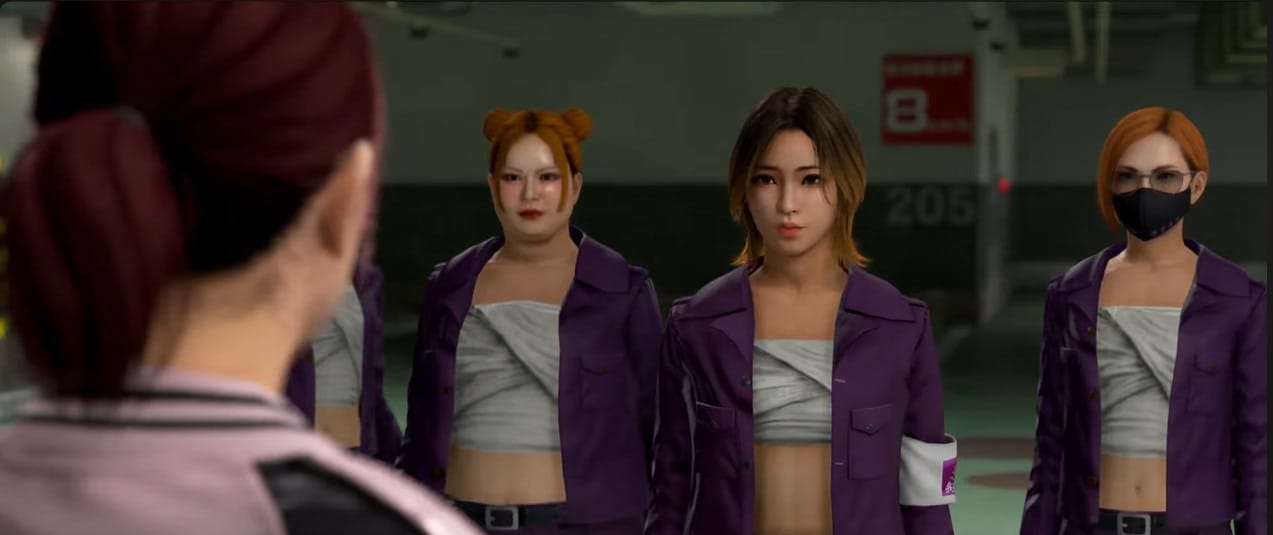
It is thus remarkable that Kiwami 3 returns to that setting for the Ryukyu Gal Gang, a side mode retconned to be part of the original Yakuza 3, which sees Kiryu advising the Haisai Girls, another girl biker gang led by young and spunky Tsubasa Miyazato. When you first meet Tsubasa, she and her gals are getting attacked by the Tokyo Night Terrors, an all-male group from Tokyo that wants to take over Okinawa’s biking scene by force. Kiryu comes to their aid, but not before proselytising to the jerks about how hitting a woman is a coward’s practice — no matter if they’re rival gang members fighting you on those grounds. The “fairer sex”, as the series believes them, is untouchable due to some sort of inherent weakness.
While the game tries to dress up Kiryu’s newfound advisor position as some sort of bid for gender inclusivity, there’s no other way to put it but the cliché one: it’s a man barging into a woman’s space. Player agency here translates to the quiet implication that these clueless, overconfident little girls need a big, strong guy to guide them in finding their truest selves, and there is no amount of “she found herself on her own” insistences from the Dragon of Dojima that can handwave this.
To that end, it’s very notable that the menacing cutscenes of the storyline villains debating their next moves don’t say “we’re going to crush Tsubasa and her gang” or anything of the sort. They’re all eager to fight Kiryu, the true threat in their eyes (and of the narrative’s), because aww, look how cool you are shepherding these idiots to their coming of age.
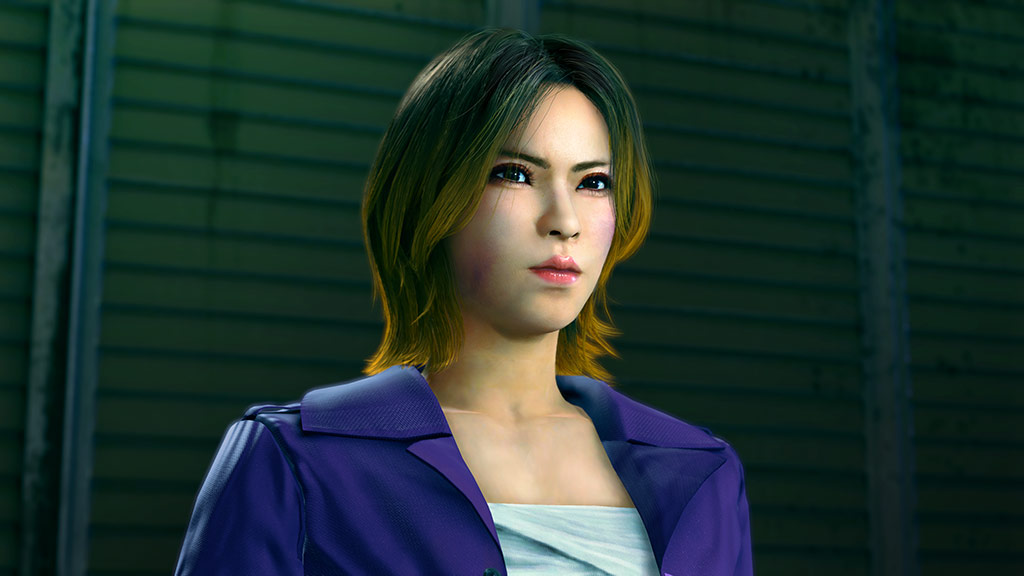
This disingenuous heralding of “girl power,” which is really just thinly veiled misogyny, further extends to the storyline involving Tsubasa’s rival, Sakura, the leader of the supposedly uber-powerful Ryukyu Venus. Because Kiwami 3 has no concept of what the “side” in “side mode” means, all players are forced to see the way this plot beat develops: Sakura is touted as the first one up to bat out of the three arch-villain groups, but when her time to shine arrives, she and her (again, extremely powerful) group are instead overpowered with ease by the “real” bad guys and become a gaggle of damsels in distress.
This is just more fuel to the malice of your opponents, as if “unsubtle allegory for colonialism, being a Tokyo group looking to conquer Okinawa and all” wasn’t strong enough motivation for the audience’s hatred already. What untold horrors would happen if Kazuma Kiryu (and his female companions, but who gives a rip about them, right?) had to take women seriously as opponents?
Well, perhaps the next step in the series’ evolution is to discover just what might happen if women were taken seriously. RGG Studio has tried to play both sides before: their best effort in the “strong female character” field has been Saeko Mukoda from Yakuza: Like a Dragon, a character who explicitly draws her power from womanhood instead of being, like Kaoru Sayama had been in Yakuza 2, just “strong for a woman”, which usually didn’t mean much in the face of men.
Sure, it comes in the form of the kinda-sexist trope of using feminine signifiers as weapons — your clutch bag whacks and makeup poison and seduction techniques and what have you — but one finds it’s quite forgivable in a game whose entire class system relies on common-ish jobs overblown to comedic proportions, in the Miitopia vein of humour.
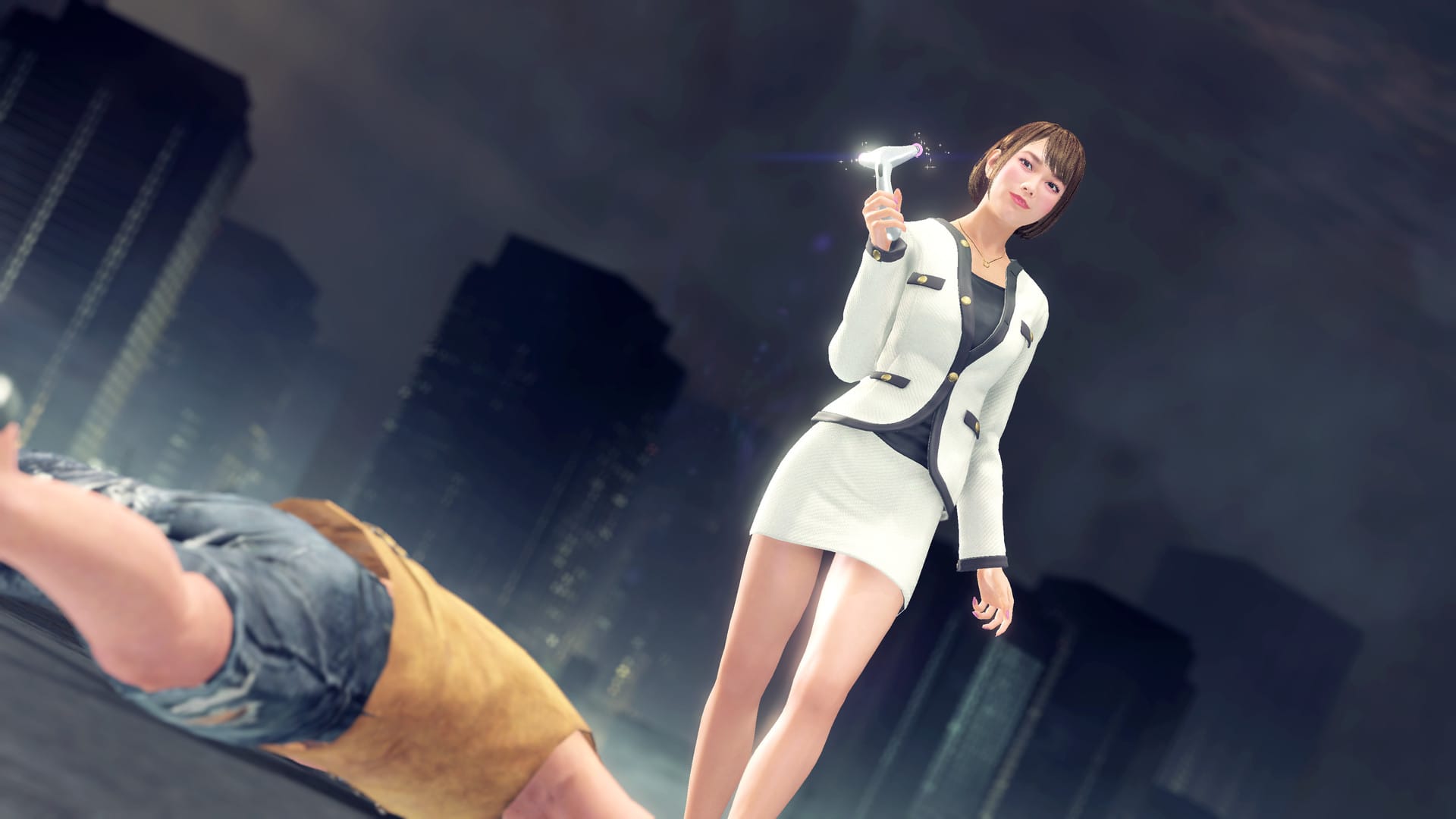
In Like a Dragon (and its sequel Infinite Wealth, though that one has some other problems with misogyny), specifically, this attitude is supported by the use of the Heroine’s Journey, as Niki Fakhoori writes for Stop Caring. By moving away from the classic Hero’s Journey, a mode of narrative that rewards more classically “masculine” traits (such as a “lone wolf” type approach to life, Kiryu’s entire M.O.), Ichiban Kasuga’s turn-based RPG philosophy gives more room to his allies to be treated not as disposable plot devices, but as people in their own right. This is why, when the group has to help Saeko deal with a sexual harasser during an undercover mission, it comes off less “defend the poor woman who can’t do that for herself” and more “get a friend out of a pinch”. Even through the usual Yakuza series plot beats, there is room for a more humanised treatment of women — the games have already done the work to show that themselves, see?
It is thus high time to take down that sacred cow. Despite RGG Studio’s best efforts to dance around it, relegating conflict with women to non-punching side modes and the like, there can be no true gender equality if we keep framing one side as fundamentally incapable of doing something. There is so much work on the narrative side to avoid the simplest solution; it has frankly become ridiculous over the years. It seems all we will ever get is a collage of examples — a motorcycling rival we don’t meet in classic combat, a female fighting style master who just gives you objects to wreck, a Yakuza chairwoman used as a prop, a coach you actually do get to spar with but who disappears from the series forever after that — and never the fully realised thing.
As Yakuza refuses to let go of the legacy of the Kiryu Saga, its women are the most immediate victims. Committing fully to the idea that gender is irrelevant to strength requires actually making it so that lady villains get to exist in all of the same modes as men, which does include getting their faces caved in just like them. The current approach of pretending as though the issue doesn't exist, while mostly treating female characters in patronising ways, truly does nothing for anyone. What's a Dragon that doesn't respect his adversary?
When Sega’s Yakuza series first punched, kicked, and swaggered its way onto the scene in 2005 with enough testosterone to destroy a small planet, it’s fair to say the games industry hadn’t quite seen anything like it before. Sure, you could argue that Yakuza is ultimately a fusion of well-worn genres and mechanics, but Sega’s brashly violent new franchise was — and still is — defined by a much broader range of qualities than that alone. With that in mind, here’s how the Yakuza franchise has gone from strength to strength as it celebrates its 20th anniversary.
I get it. At first glance, it’s easy to see why those unfamiliar with the Yakuza (or Like a Dragon, as the series is now also known) games might assume they share a close kinship with Rockstar’s Grand Theft Auto. Crime-opera storytelling, colourful characters, sprawling urban environments, open exploration, and freewheeling violence all make the comparison understandable — especially for players yet to be fully initiated into the franchise’s charms.
What we actually got with Yakuza, however, was something entirely different. Where Grand Theft Auto is built around rapid vehicular traversal across vast open worlds and the freedom to do almost anything, Yakuza deliberately keeps its world smaller and more intimate. Players are encouraged to walk — or run — through its streets, soaking in every handcrafted inch of an evocative recreation of Tokyo’s real-world Kabukicho district. With an emphasis on bone-crunching, face-to-face combat over firearms, a wealth of eccentric side activities, and a flawlessly executed tonal balancing act that shifts effortlessly between the profound and the absurd, Yakuza stands worlds apart from Rockstar’s marquee series.

Indeed, one of the most surprising things for newcomers to the Yakuza franchise, and certainly an enduring quality for those who would consider themselves long-time fans, is the manner in which the series walks the tonal tightrope. Deftly oscillating between super-serious, double-hard tattooed dudes gruffly talking stoically about honour, mafia politics and Yakuza tradition, through to the glorious nuttiness of its many, many scenarios that has our hero doing everything from stopping a peeping tom to beating up a bunch of thugs dressed up as babies in a creche(!) It’s fair to say that no series quite manages (or even attempts) this sort of tonal double act.
And somehow – it all works, and a big part of this is down to the fact that the series knows to keep the more serious stuff in the domain of its main story quests, while the much-less serious, grin-inducing stuff is found almost exclusively in the veritable wealth of side quests and incidental activities.
One of the more compelling aspects of Yakuza’s design has been how its long-running saga spans across time periods that can quite literally stretch across the centuries. From the early Tokugawa period, which Ryū ga Gotoku Kenzan embraces as its own, through to the Bakumatsu era of Like A Dragon: Ishin, the heady 1980s of Yakuza 0 and the shining modernity of Like A Dragon: Infinite Wealth’s 2023 setting, the Yakuza franchise doesn’t just take place in different eras; it fully acknowledges the passage of time, too.

From long-time protagonist Kazuma Kiryu to fan-favourite anti-hero Goro Majima and everyone in between, Yakuza hardly lacks compelling characters. Yet, without sounding too clichéd, the city of Kamurocho arguably stands as a character in its own right — one that has played a central role for nearly the entire lifespan of the franchise.
A neon-lit labyrinth of bars, storefronts, hostess clubs, winding alleyways, and towering skyscrapers, Kamurocho is more than a convincing recreation of a real-world location. It’s a near-permanent fixture, appearing in almost every entry across a timeline that spans close to four decades. Like any character followed over time, Kamurocho ages too — not through wrinkles or scars, but through architectural and structural change.
Shops and street stalls that exist in the 1980s-set Yakuza 0 may later be boarded up or removed entirely, while the relentless march of progress sees dormant retail units transformed into sprawling shopping centres in Yakuza 6. Returning to Kamurocho across successive games often feels like reconnecting with an old friend — familiar, yet subtly changed.

More than almost any other aspect of its design, Yakuza’s brutally satisfying, fully three-dimensional real-time combat acts as a powerful hook for first-time viewers. If you were being particularly reductive, you might describe it as a 3D evolution of the scrolling brawler combat Sega popularised with Streets of Rage and Golden Axe — or perhaps even SpikeOut, for the half-dozen people who still remember it.
In practice, Yakuza delivers immediate, visceral savagery. Every encounter sees players punching, kicking, grappling, throwing, and unleashing devastating combos. Weapons abound (both carried and improvised), and the series’ iconic Heat Action system elevates combat into something unforgettable. With a full Heat gauge, players can trigger cinematic finishing moves: smashing faces into pavement, slamming enemies spine-first into lampposts, crushing skulls with car doors, or far worse. Violence, it’s fair to say, was never in short supply.
While later entries pivoted toward turn-based JRPG combat and reimagined fist-to-face brutality in new ways, the series’ freewheeling violent spirit has never truly left.
With a typical Yakuza game clocking in at 20–30 hours for main story content alone, it’s understandable that players might want to break things up, and that’s where the franchise’s staggering range of mini-games comes in. Far more than throwaway distractions, many offer tangible character progression and are robust enough to stand as fully-fledged experiences in their own right.

From darts, baseball, pool, karaoke, fishing, mahjong, poker, and golf, to miniature car racing, drone racing, skateboarding, cabaret management, real-estate empires, cage fighting, arcade gaming, and countless part-time jobs, the sheer breadth of activities can easily push playtime beyond the 100-hour mark for completionists. And speaking of arcade machines…
True to its love of history, Yakuza is also renowned for its pitch-perfect recreations of classic Sega arcade games. From retro gems like Space Harrier, Super Hang-On, and Out Run, to more modern titles such as Taiko no Tatsujin and Virtua Fighter 5: Final Showdown, these arcade-perfect inclusions serve as a loving celebration of Sega’s coin-op heritage.
As much as it is an enduring action RPG saga, Yakuza also stands as a quietly impressive act of gaming preservation – one that, 20 years on, shows no signs of slowing down anytime soon.
As Yakuza celebrates two decades of grit, heart, and sheer unpredictability, its journey stands as one of gaming’s most remarkable evolutions — from cult favourite to a genre-defining franchise with a global fanbase. Whether you’re drawn to its brutal combat, sprawling side activities, or unforgettable characters and cityscapes, there’s no denying the series’ lasting impact. For a deeper look at every entry and how they stack up, be sure to check out this comprehensive ranking of the Like a Dragon series from best to least best. Whatever the future holds, Yakuza looks poised to keep surprising, delighting, and punching its way into the hearts of players for many years to come.
The post Yakuza Turns 20: The Rise of Sega’s Most Uncompromising RPG Franchise appeared first on Green Man Gaming Blog.
Much like its predecessor, PowerWash Simulator 2 once again has us reveling in the simple pleasure of making clean what once was dirty. It’s not the most complicated game ever made, but it’s amusing, cathartic, fun to play with friends, and nice to enjoy with a YouTube playlist. The game also gives us lots of new locales to explore and vehicles and objects to clean, which I’m hoping will only grow with post-release updates.