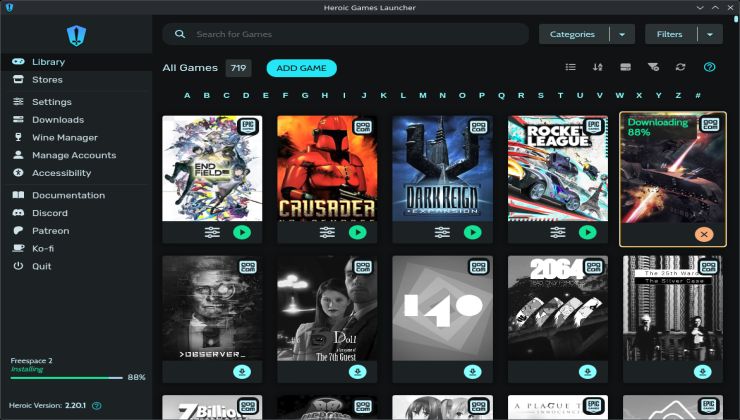
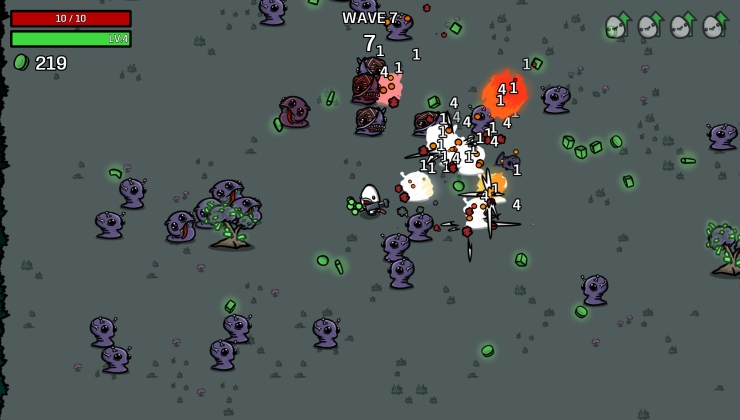
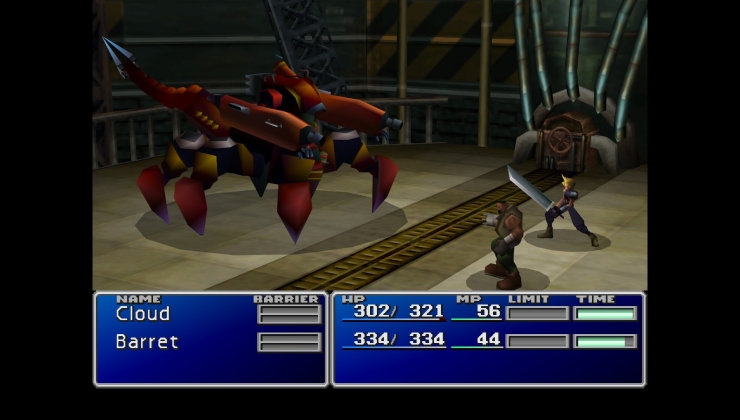
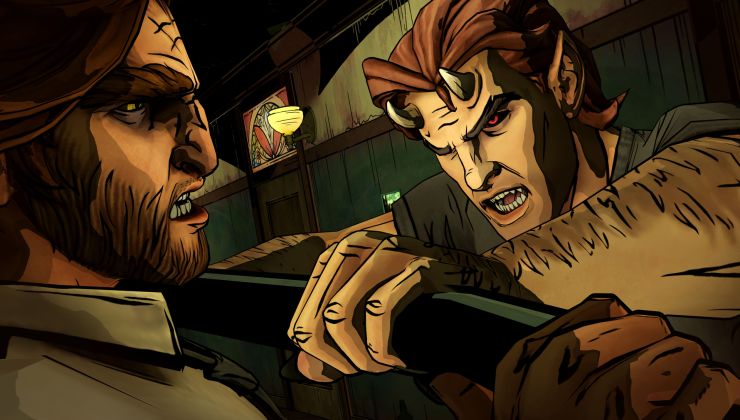
The GOG Preservation Program expands again to include more classic games that will be kept alive with patches from the GOG team like The Wolf Among Us.
With Linux gaming clearly showing it's becoming more popular, and with GOG under new ownership, there's hope yet that GOG will improve their Linux support.
The first week of January 2026 finds CD Projekt Red in the middle of a structural overhaul. After years of quiet work following the Phantom Liberty launch, the studio cleared its plate. They sold GOG, moved their entire tech stack to Unreal Engine 5, and started pushing The Witcher into a permanent release cycle.
CD PROJEKT co-founder Michał Kiciński acquires GOG for 25M dollars
For players, this protects the DRM-free mission. Kiciński wants GOG to return to its original purpose: reviving classic games and ensuring digital ownership. The studio will still launch future titles like The Witcher 4 on GOG, but the storefront can now focus on its Preservation Program without needing to compete with Steam’s scale or answer to quarterly earnings reports.
The Witcher 3 “Bridge” Expansion: Ciri and the Lynx
This DLC connects the original trilogy to the new saga. It focuses on Ciri after the main game ends. The marketing features the School of the Lynx medallion, a new Witcher order that represents a break from the dying traditions of Kaer Morhen. Playing as Ciri lets us see the founding of this school, which positions her as the anchor for Project Polaris.
Ciri likely as main character of Witcher 4 CD Project Red
The internal Warsaw team isn’t developing this. Fool’s Theory—the studio remaking The Witcher 1—is handling it. This team includes many lead developers who built the original Wild Hunt. They’re using the familiar REDengine to deliver a standalone-style expansion (projected at $30) while the main CDPR staff stays focused on the new engine for The Witcher 4.
Technical Shift: The Unreal Engine 5 Revolution
The transition to Unreal Engine 5.x is the foundation for everything CDPR plans between now and 2030. The State of Unreal tech demo showed how this shift affects actual gameplay.
Nanite Foliage means the forests of Kovir (the rumored setting for Polaris) use high-fidelity geometry. Trees and grass no longer pop in as you get closer.
CD Projekt Red shifting to Unreal Engine 5 focus on game rather than engine
Lumen Lighting makes all lighting dynamic. If you cast a Sign or walk past a light source, the shadows and reflections update instantly without the performance hit of traditional ray-tracing.
FastGeo Streaming is a tool CDPR co-developed with Epic Games. It streams massive amounts of data instantly, which matters for the dense urban environments planned for the Cyberpunk sequel.
The 2026–2030 Roadmap
The current plan splits development geographically so The Witcher and Cyberpunk don’t fight for the same resources.
Project
Lead Team
Current Status
Expected Release
W3 Expansion
Fool’s Theory
Finishing Touches
May 2026
Polaris (W4)
CDPR Warsaw
Full Production
Late 2027
Sirius (Multiplayer)
CDPR / Molasses
Conceptual
2028
Orion (CP2)
CDPR Boston
Pre-production
2030
Project Polaris: The New Saga
Over 400 people in Warsaw are working on Polaris. It starts a new trilogy that CDPR plans to release over six years. By using a shared UE5 technical base, they expect to release The Witcher 5 and 6 much faster than previous sequels.
The Witcher 4 known as Project-Polaris
Project Orion: The Future of Night City
The Boston hub is now home to the Cyberpunk sequel. Lead designers from Phantom Liberty are building the team in North America. They want to integrate multiplayer directly into the core experience this time, turning Night City into a social hub instead of just a single-player playground. The game entered pre-production in May 2025 with an expected release no earlier than 2030.
The DRM-free PC game store GOG has been acquired by CD Projekt and GOG co-founder Michał Kiciński, branching it off from the CD Projekt Group and going private.
There’s no plans to change GOG’s business model, which continues to focus on providing a source for classic games, now with a dedicated preservation programme to ensure a select library continue to run on modern systems, and to sell all titles (old and new) without DRM.
While now independent of CD Projekt Group, they have immediately penned a deal to ensure that CDPR games remain on GOG going forward.
So, why the change? Was GOG in trouble? All parties say that no, it was doing well and is profitable on its own terms, but the CDPR want to focus fully on developing games.
“With our focus now fully on an ambitious development roadmap and expanding our franchises with new high-quality products, we felt this was the right time for this move,” said Michał Nowakowski, Joint CEO of CD Projekt. “For a long time now, GOG has been operating independently. Now it’s going into very good hands — we are convinced that with the support of Michał Kiciński, one of GOG’s co-founders, its future will be full of great projects and successes.”
Kiciński was a co-founder of both CD Projekt in 1994, and then also their digital storefront Good Old Games (rebranded simply as GOG) in 2008. He left the company at the end of 2010, but has remained one of its largest shareholders, with 9.99%, and his brother is a chair on the board.
In the announcement, he said, “CD Projekt and GOG share the same roots and values: freedom, independence, and a genuine sense of ownership. I believe that CD Projekt, with its exceptional AAA games, will stand, as always, behind the GOG offering — making GOG the best place on the planet to purchase The Witcher and Cyberpunk games, both existing titles and the new ones we all anticipate so much.
“GOG and Michał Kiciński are aligned by a shared belief that games should live forever,” said Maciej Gołębiewski, Managing Director of GOG. “In a market that’s getting more crowded, more locked-in, and forgets classic games at an increasing pace, we’re doubling down on what only GOG does: reviving classics, keeping them playable on modern PCs, and helping great games find their audience over time.”