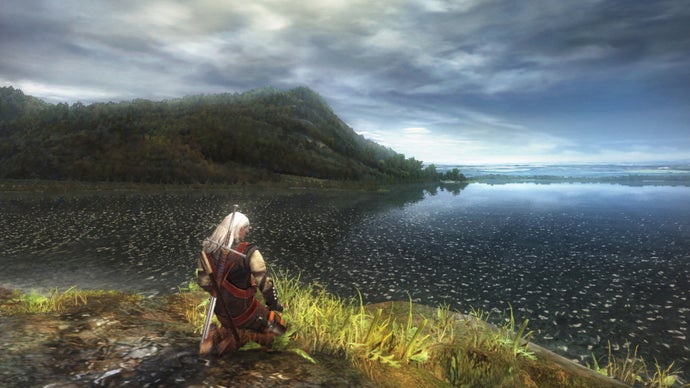
While a lot of the Witchery chatter so far this year has been about an extra Witcher 3 DLC rumoured to be in the works, one of the projects we know for sure CD Projekt have on the go is a remake of the first Witcher game. Ahead of the remake's arrival, a key dev on the 2007 RPG has just finished a developer commentary run through it, which makes for a great way to pass some time between Witchery things.
We've been told that if you remember playing the 1984 game called 'XZAP' by Commodore Business Machines, which was released for the Commodore 16 and Plus/4. Then as of today you can download the Commodore Amiga version by Electric Black Sheep. A recreation of that classic game, whereby your objective is to destroy all the aliens on each level, and so progress through 140 different levels. To
We've certainly had some impressive games this week and when Langford Productions told us about their new platformer remake called 'REX' which was released via itch io, it was another game to add to our awesome list. You see Rex wasn't just an awesome platformer released in the late 80's for the Amstrad and ZX Spectrum, but this is a rather awesome remake that the creator says he is particularly
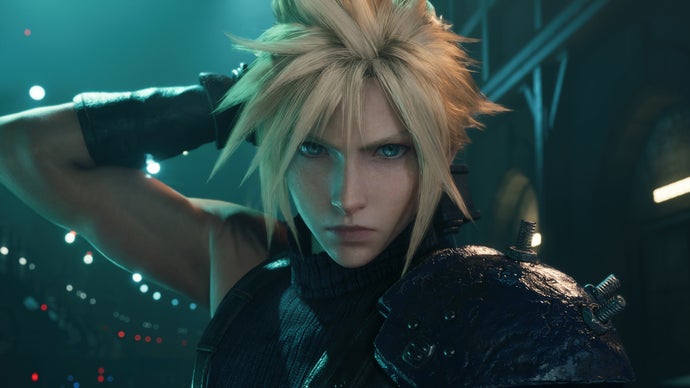
There are a handful of moments in gaming history that are forever etched in my memory for being undeniably shocking and painfully unforgettable… and (spoiler alert) the sudden ending of Aerith’s journey at the conclusion of disc one in Final Fantasy VII stands as one of the most prominent. While this is hardly the first time (or the last time) that I experienced a gaming character “moving on”, this one hit especially hard because of how unnecessary it felt at the time. But despite my disappointment at this unwanted plot twist, there were still two more discs left to complete… while this action couldn’t be prevented or undone, after respectfully mourning her loss it was time for me to move forward in hope and finish the story.
Throughout our lives, we will all be faced with tragic events that threaten to steal our hope, break our spirits, and stall our journey. And while it is right for us to pause and mourn these losses, they don’t represent the conclusion of our story… just the end of this “disc”. As King David found when he was praying through a heartbreaking tragedy of his own, our loving Father sees and catches every tear that we cry… and even though He doesn’t always intervene the way we would prefer or reverse what has happened, the Lord has at least two more discs of content for us as well as an ending that will make this all worth it.
You number my wanderings; put my tears into Your bottle; are they not in Your book? Psalm 56:8
And God will wipe away every tear from their eyes; there shall be no more death, nor sorrow, nor crying. There shall be no more pain, for the former things have passed away. Revelation 21:4
Like us? Follow us on Instagram, Twitter, Facebook, Spotify, TikTok, or YouTube for our articles, podcasts, and videos!
Facebook: Finding God in Video Games
Twitter: @FindingGodIn_VG
Instagram: Finding God in Video Games
Podcasts onSpotify/Apple/Google: Finding God in Video Games
Sony have announced something new for God of War but sadly it’s not a brand new game in the main series. God of War Trilogy Remake is in “very early” development and will be, as the name suggests, a remake of the first three games set in Greek mythology.
TC Carson, the original voice actor for Kratos, is returning, but no further information was released. I wonder if they will keep the rather saucy minigames?
In God of War (2005), Kratos serves Ares, the God of War, after pledging himself in desperation during battle. Manipulated by Ares into slaughtering his own wife and daughter, he eventualy ends up killin Ares and taking the title for himself.
The second game has Kratos stripped of all his powers by Zeus, killed, and banished to the underworld. He eventually teams up with the Titans, rewinds time and attacks Mount Olympus. Clearly not learning his lesson from the first time, Zeus then kills him again in the third game. Very careless, Kratos!
Also announced is a brand new game in the franchise, but it’s not what you might expect. God of War Sons of Sparta is a side-scrolling combat game that tells the story of a young Kratos, before he became the God of War. The game is out right now on PlayStation 5!
“God of War Sons of Sparta is a 2D action platformer with a canon story set in Kratos’ youth during his brutal training at the Spartan Agoge alongside his brother Deimos. They must overcome threats that will put all their training to the test while confronting the true meaning of duty and honor.”
If learning that the next entry into the Final Fantasy 7 Remake series was going multiplatform had you worried about the graphical quality of Square Enix's upcoming narrative rollercoaster, a recent interview with director Naoki Hamaguchi should put those fears to rest.
Hello and welcome back to our regular feature where we write a little about the games we've been playing. This week, Bertie plays a classic but finds himself getting a bit bored; Marie adopts a black cat called Salem; Tom can't get out of the menus; Victoria makes a young child cry; Dom Platinums a game and feels very smug about it; and Connor finds an inventive way to play two MMOs at once.
The first week of January 2026 finds CD Projekt Red in the middle of a structural overhaul. After years of quiet work following the Phantom Liberty launch, the studio cleared its plate. They sold GOG, moved their entire tech stack to Unreal Engine 5, and started pushing The Witcher into a permanent release cycle.
CD PROJEKT co-founder Michał Kiciński acquires GOG for 25M dollars
For players, this protects the DRM-free mission. Kiciński wants GOG to return to its original purpose: reviving classic games and ensuring digital ownership. The studio will still launch future titles like The Witcher 4 on GOG, but the storefront can now focus on its Preservation Program without needing to compete with Steam’s scale or answer to quarterly earnings reports.
The Witcher 3 “Bridge” Expansion: Ciri and the Lynx
This DLC connects the original trilogy to the new saga. It focuses on Ciri after the main game ends. The marketing features the School of the Lynx medallion, a new Witcher order that represents a break from the dying traditions of Kaer Morhen. Playing as Ciri lets us see the founding of this school, which positions her as the anchor for Project Polaris.
Ciri likely as main character of Witcher 4 CD Project Red
The internal Warsaw team isn’t developing this. Fool’s Theory—the studio remaking The Witcher 1—is handling it. This team includes many lead developers who built the original Wild Hunt. They’re using the familiar REDengine to deliver a standalone-style expansion (projected at $30) while the main CDPR staff stays focused on the new engine for The Witcher 4.
Technical Shift: The Unreal Engine 5 Revolution
The transition to Unreal Engine 5.x is the foundation for everything CDPR plans between now and 2030. The State of Unreal tech demo showed how this shift affects actual gameplay.
Nanite Foliage means the forests of Kovir (the rumored setting for Polaris) use high-fidelity geometry. Trees and grass no longer pop in as you get closer.
CD Projekt Red shifting to Unreal Engine 5 focus on game rather than engine
Lumen Lighting makes all lighting dynamic. If you cast a Sign or walk past a light source, the shadows and reflections update instantly without the performance hit of traditional ray-tracing.
FastGeo Streaming is a tool CDPR co-developed with Epic Games. It streams massive amounts of data instantly, which matters for the dense urban environments planned for the Cyberpunk sequel.
The 2026–2030 Roadmap
The current plan splits development geographically so The Witcher and Cyberpunk don’t fight for the same resources.
Project
Lead Team
Current Status
Expected Release
W3 Expansion
Fool’s Theory
Finishing Touches
May 2026
Polaris (W4)
CDPR Warsaw
Full Production
Late 2027
Sirius (Multiplayer)
CDPR / Molasses
Conceptual
2028
Orion (CP2)
CDPR Boston
Pre-production
2030
Project Polaris: The New Saga
Over 400 people in Warsaw are working on Polaris. It starts a new trilogy that CDPR plans to release over six years. By using a shared UE5 technical base, they expect to release The Witcher 5 and 6 much faster than previous sequels.
The Witcher 4 known as Project-Polaris
Project Orion: The Future of Night City
The Boston hub is now home to the Cyberpunk sequel. Lead designers from Phantom Liberty are building the team in North America. They want to integrate multiplayer directly into the core experience this time, turning Night City into a social hub instead of just a single-player playground. The game entered pre-production in May 2025 with an expected release no earlier than 2030.
The year 2026 is shaping up to be a total collision course of legacy sequels and high-budget gambles that might actually pay off. We are looking at a calendar where the industry finally stops leaning on the cross-gen crutch and starts pushing hardware to its absolute limit. Between Rockstar’s inevitable gravity well and Capcom reviving dead samurai franchises, the release schedule looks like a minefield of potential masterpieces and expensive flops. I’ve parsed the hype, filtered the noise, and ranked these projects based on their likely market dominance and cultural footprint.
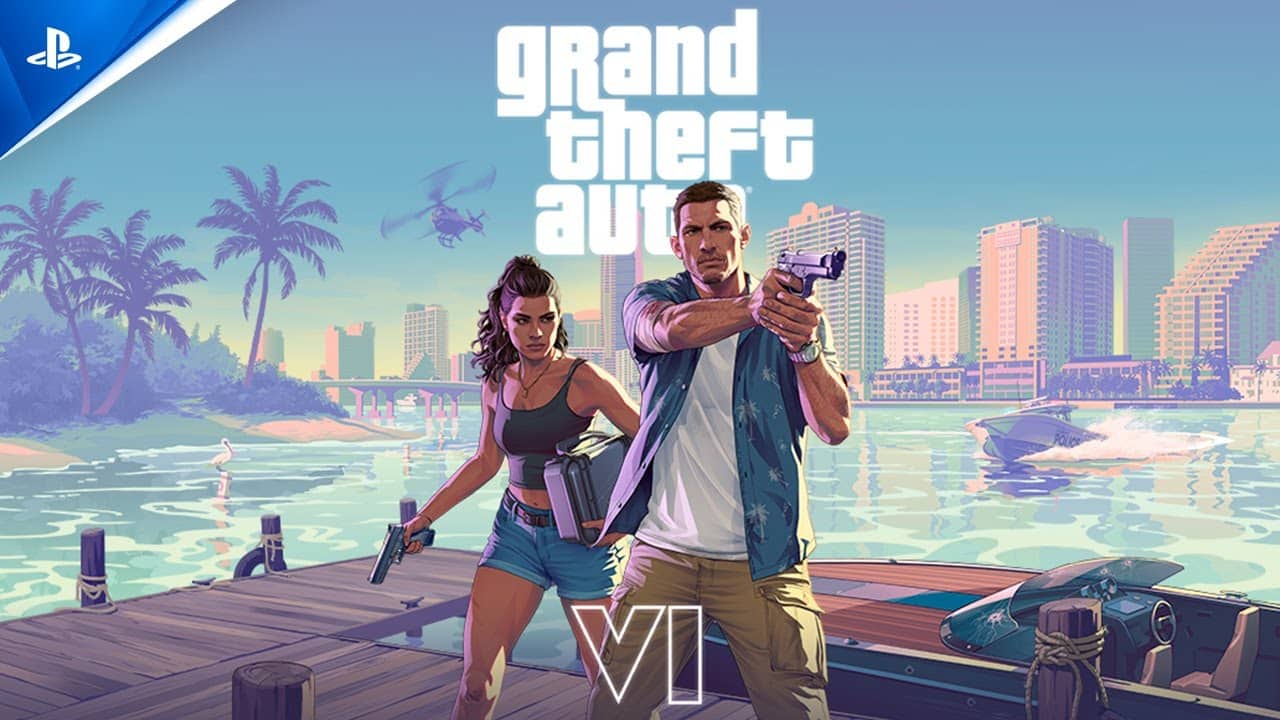
Grand Theft Auto VI – GTA6 is always top to wait game
The Titan That Will Swallow the Industry: Grand Theft Auto VI
Rockstar is finally ready to show us where the money went. November 19, 2026, is the date everyone is circling with a mix of excitement and genuine dread for their free time. Expected to push the PlayStation 5 and Xbox Series X/S to their absolute breaking point, this is the biggest thing happening in 2026, period. It’s the kind of project that forces every other publisher to move their release dates out of sheer terror. Expect a level of detail that makes current open worlds look like a collection of cardboard boxes. It’s going to be a massive commercial beast, and we’ll see if the writing can still hit that cynical Rockstar sweet spot in today’s world.
Max Payne I and II Remake PlayStation Xbox PC
The Brutal Edge of Superheroes: Marvel’s Wolverine
Insomniac is carrying the PlayStation brand on its back right now, and this PlayStation 5 exclusive is their most aggressive move yet. We’re expecting a visceral, R-rated Logan that refuses to play nice. If you want a game that feels like a punch to the gut, this is the one. It’s got the high-budget polish and the talent to be the biggest thing outside of the Rockstar orbit. It’s going to sell millions on brand name alone, but the raw grit is what will make it stay on your hard drive. This is easily the silver medalist for 2026 success, catering to everyone who wanted the Spider-Man quality with a lot more blood.
Resident Evil Requiem
Horror Royalty and Speed Demons: Resident Evil 9 and Forza Horizon 6
Capcom is calling this one Resident Evil: Requiem, and the word on the street is that it’s the bridge connecting the entire series for PlayStation 5, Xbox Series X/S, and PC. It’s horror for the masses, polished to a mirror finish. Right next to it, Forza Horizon 6 is finally taking the festival to Japan as a flagship Xbox and PC title. The car culture there is legendary, and if Playground Games nails the neon aesthetic of Tokyo and the rural mountain passes, it’s going to be the visual benchmark for the hardware. These two are the heavy hitters for the mid-year window that will dominate the conversation.
Forza Horizon 6 expected 2026
High-Budget Fantasy Gambles: Fable and Rise of Hydra
Microsoft needs Fable to be a home run on Xbox and PC. It’s been in the oven forever, and while the pedigree of Playground Games is undeniable, translating that British wit into an RPG is a different beast entirely. It’s a dark horse that could dominate the holiday season if it finds its voice. Then there’s Marvel 1943: Rise of Hydra, aiming for a cinematic launch on consoles and PC. With Amy Hennig involved, the expectation for a cinematic powerhouse is sky-high. It’s a straightforward action play that will move units on the Marvel name alone, even if it doesn’t try to reinvent the wheel.
Resident Evil Requiem 2026 – Leon
The Thinking Man’s Games: Control, Slay the Spire 2, and Tomb Raider
Remedy doesn’t make games for everyone, and that’s why they’re great. Control: Resonant is headed to PS5, Xbox, and PC for the heads who want their brains scrambled by high-brow weirdness. It’s a specific vibe that won’t hit GTA numbers, but it will be the critical darling of the year. Slay the Spire 2 is the indie king here, likely dominating PC first. It’s pure mechanical perfection that will ruin your sleep schedule. Meanwhile, Tomb Raider: Legacy of Atlantis is trying to prove Lara Croft still matters across all major platforms. Reimagining the original is a safe move, but it needs to do more than mimic the Uncharted formula to stand out in the 2026 meat grinder.
Grand Theft Auto VI – GTA6 expected in 2026
Nostalgia Plays and Specialized Hits: Onimusha and Monster Hunter Stories 3
Capcom is digging into the vault for Onimusha: Way of the Sword for PS5, Xbox, and PC. It’s a nostalgia play that has a dedicated following but might struggle with a younger audience that didn’t grow up with the PS2. Monster Hunter Stories 3: Twisted Reflection is another specific win, likely finding a home on Nintendo’s next hardware and PC. These are solid performers that know their lanes and stay in them, providing that old-school flavor for the players who miss the straightforward brilliance of the early 2000s.
Control Resonant
The Wuxia Dream and the RPG Newcomers: Phantom Blade Zero and Blood of the Dawnwalker
Phantom Blade Zero looks incredible in motion, like a Hong Kong action flick come to life for PS5 and PC. The concern is whether the gameplay holds up under the flash. It’s a new IP from S-Game that could be the breakout hit of the year if the difficulty is tuned right. The Blood of Dawnwalker is the first outing from Rebel Wolves for consoles and PC. It’s got that CD Projekt Red DNA, and RPG fans are starving for something with that kind of depth. It’s a long shot for the top of the charts, but it has the street cred to be a sleeper hit for the hardcore crowd. So lets wayt for Phantom Blade Zero a bit to see.
Onimusha – Way of Sword
The Nintendo Guard and the Creator’s Return: Mario Tennis, Yoshi, and Gang of Dragon
With the Switch 2 in full swing, Nintendo is dropping Mario Tennis Fever and Yoshi and the Mysterious Book. They’re the reliable revenue earners—low risk, high polish. They won’t set the world on fire with innovation, but they’ll be in every household with kids. There’s also the faint hope for a Super Mario Galaxy 3 announcement to coincide with the movie, though that’s leaning more toward wishful thinking for the Switch 2.
The Blood of Dawnwalker – gameplay 2026
Toshihiro Nagoshi is also stepping out with Gang of Dragon on PS5 and PC. It’s a gritty urban adventure from the man who gave us Yakuza, and while it’s a niche appeal, the quality is usually undeniable for anyone who likes their games with a bit of street-level grime.
Tomb Raider- Legacy of Atlantis Lara is back in 2026
The Expansion Fatigue and the Valve Pipe Dream
Blizzard is trying to keep the lights on with World of Warcraft: Midnight on PC, but the real test is Diablo 4: Lord of Hatred. After the last expansion left a lot of the community feeling cold, this move on consoles and PC is starting to look like a play for a player base that’s already moving on to greener pastures. Then you have the absolute madness of the Half-Life 3 hope. Every year some optimist thinks Valve is finally going to count to three on PC, and 2026 is no different. It’s the ultimate believe-it-when-I-see-it situation, but the cultural weight of that brand is so heavy it can’t be ignored even if it’s probably just another beautiful lie.
Tomb Raider- Legacy of Atlantis 2026 gameplay
The Cult Creeps and Horror Junkie Fixes
The 2026 horror landscape is a chaotic mess of legitimate scares and nostalgia bait. Hellraiser: Revival is bringing body-horror back to consoles and PC, which carries weight if you actually care about visceral aesthetics. The Sinking City 2 is also crawling out of the woodwork on PS5, Xbox, and PC, trying to fix the jank of the first one while leaning into that damp, Lovecraftian misery. Then there is the Fatal Frame: Crimson Butterfly remake for consoles, which is basically the IP holders realizing that we’ll pay for the same trauma twice if the ghosts look high-def enough.
Fable 2026 expected game – Walking medieval downtown
You also have Ghost Master: Resurrection for the strategy nerds and Crisol: Theater of Idols, a PC-focused shooter where your own health is literally the ammo. Poppy Playtime is still kicking around too, proving that the mascot horror trend is far from dead on all platforms.
Phantom Blade Zero Demo games 2026 .jpg
Indie Grinds and Licensed Brawlers Fighting for Scraps
Mewgenics is finally looking like a real thing on PC, and anyone who knows Edmund McMillen knows that it’s going to be a disgusting, addictive masterpiece. Alongside it, we have Neverway and 1348 Ex Voto representing the smaller, more personal projects that usually end up being the games we’re still talking about five years later. On the fighting front, it’s a weird mix of licenses for all systems. Invincible VS and Avatar Legends are clearly aiming for that specific fan crossover, while Marvel Tokon: Fighting Souls is trying to carve out its own space in a genre that is notoriously hard to break into. These games won’t be topping the charts, but they provide the texture that keeps the industry from becoming a monotonous loop.
Control Resonant expected 2026
The Nintendo Trap and Remedy’s Backlog
Nintendo is playing the long game with the Switch 2, and their 2026 lineup is a masterclass in emotional manipulation. There’s the faint hope for a Super Mario Galaxy 3 announcement to coincide with the movie, though that’s leaning more toward wishful thinking for the new hardware. On the technical side, everyone is wondering what’s happening with the Max Payne 1 & 2 Remakes. While Remedy is pushing Control: Resonant, the shadow of those noir classics looms large over PS5, Xbox, and PC. If they manage to drop both in the same window, it’ll be a total takeover of the mid-tier market. Meanwhile, Poppy Playtime is still kicking around on all platforms, proving that the mascot horror trend is far from dead for the audience that likes their childhood toys turned into homicidal monsters.
Control Resonant gameplay in 2026
Licensed Brawlers Fighting for Scraps
On the fighting front, it’s a weird mix of licenses for all systems that feels like a fever dream for the tournament scene. Invincible VS and Avatar Legends: The Fighting Game are clearly aiming for that specific fan crossover, while Marvel Tokon: Fighting Souls is trying to carve out its own space in a genre that is notoriously hard to break into. These games won’t be topping the charts or making Rockstar-level money, but they provide the texture that keeps the 2026 calendar from being a monotonous loop of the same three genres. It’s the grit at the bottom of the pan that actually gives the year its flavor, even if most people are too distracted by the shiny stuff at the top to notice the real work being done here
While Final Fantasy VII often dominates the spotlight, its 1994 predecessor, Final Fantasy VI, remains the "holy grail" for many long-term series fans. It pioneered the "magiteck" aesthetic and delivered one of gaming’s most chilling antagonists in Kefka Palazzo. However, if a modern reimagining of Terra’s story ever breaks ground, it won't be under the direction of the man who spent the last decade rebuilding Midgar and the world of Gaia In a new interview with GamerBraves, Hamaguchi-san talked about his love for Final Fantasy VI: "I grew up admiring Final Fantasy VI and VII as a child, and they […]
Amid all the waiting for Final Fantasy 7 Remake Part 3 – which has two final names and internal announcement date – it is funny to stop and think how the development team handled a project of this magnitude. After all, it doesn’t just factor in the original Final Fantasy 7 story, but also those of its spin-offs, thus creating a “fresh feel,” according to director Naoki Hamaguchi.
Speaking to GamerBraves in a new interview, he said. “Even from members such as creative director (Tetsuya) Nomura and producer (Yoshinori) Kitase, they didn’t just want to make a remake. They wanted to make a story that could include the compilation of the spin-offs and the soul that they have birthed across the years into this new project, and bring a fresh feel to Final Fantasy 7.”
Obviously, it’s not a simple matter of simply shoving in their stories – context matters, especially when it comes to characters who didn’t exist in the original. After all, where would that leave fans who never played the spin-offs (and given the quality of offerings like Dirge of Cerberus, you can’t really blame them)?
Hamaguchi said, “As a compilation of all these new stories that came post the original Final Fantasy 7, one of the things we sort of grappled with is how much do we show, how much do we include [for] players who wouldn’t know these new characters from the spin-offs.
“When discussing the limits of what we could express within a single game, we had to take timelines into account. At the same time, with many Final Fantasy spin-offs and additions including popular characters not in the original, we considered how much we could include to give players of the remake a fresh sense of life and excitement.”
Of course, other elements bring a degree of freshness to Final Fantasy 7 Remake, which have garnered mixed reactions (if you know, you know). But one thing is for sure: It’s been one hell of a ride, and fans are eager to see where it goes next.
So, when does Final Fantasy 7 Remake Part 3, or whatever it ends up called, actually release? Your guess is as good as ours, but last October, Hamaguchi said the project was in a “really good state,” and that’s turning into something “really satisfying.” Last month, he commented that the “core game experience” is complete, and how it’s “finally starting to match the vision.” That includes “a new experience and a new scale,” with the Highwind airship forming a “key” part of the same.
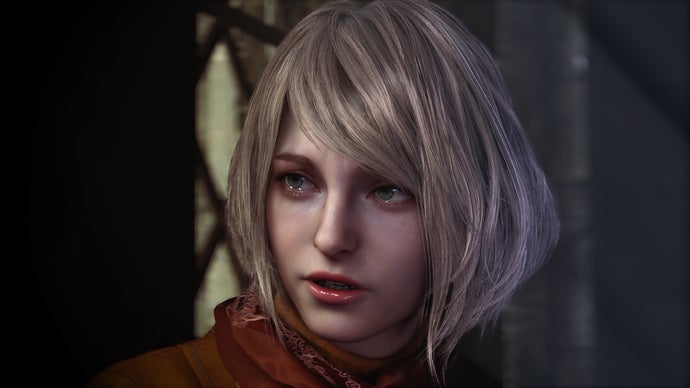
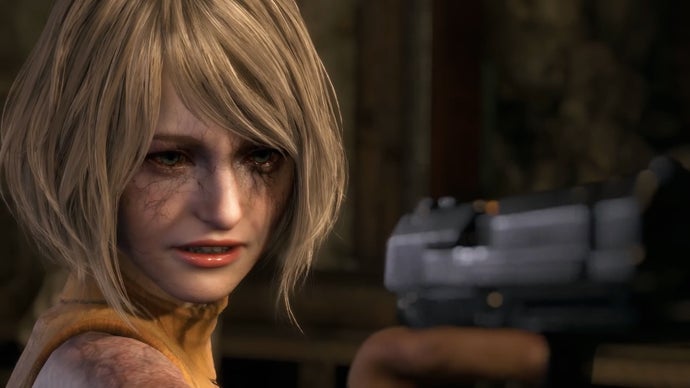
The funny thing about games is that while making them, if you put something in them, it's quite hard to take that thing back out again. Who knows what that might break! Which can of course lead to people finding things that were never meant to be seen, like cut parts of a game, which is pretty much exactly what has happened to Resident Evil 4 Remake through the discovery of a level all about Ashley.
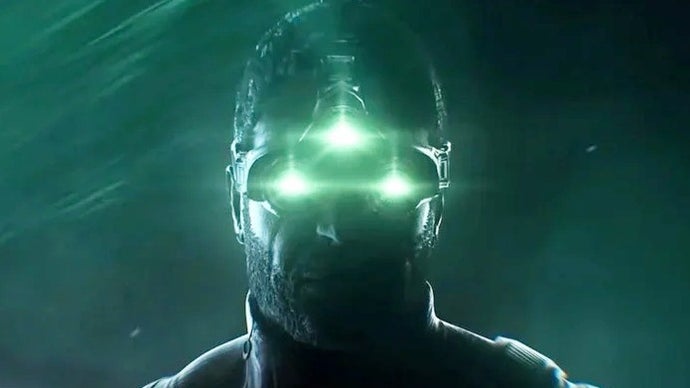
Ubisoft's Splinter Cell remake has a new director who's served as its director before. David Grivel has returned to Ubisoft and take up the role he left when he departed the company in 2022, not long after being tapped as the remake's original director following its late 2021 announcement.