
Star Trek: Voyager - Across the Unknown is a strategy gem that has uber-satisfying RPG chops

Come for the FTL and XCOM-esque strategy, stay for the RPG progression, skill checks, and story choice branches that matter.

Come for the FTL and XCOM-esque strategy, stay for the RPG progression, skill checks, and story choice branches that matter.
_lkEvjfO.jpg?width=690&quality=85&format=jpg&auto=webp)
The PC graphics market might be in peril in hardware terms, with prices spiraling and availability inconsistent, but on the software side things are at least reliably moving forward - with Nvidia today announcing the latest upgrade to its DLSS technology.
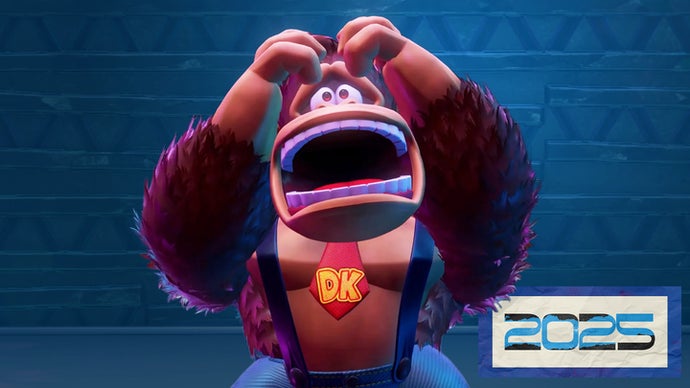
I think these days, after years of Nintendo outright eschewing the console power rat race and focusing instead on different ways to play and honing their core craft, we forget that Nintendo is still a pretty sharp company in terms of technical innovation. Raw power went aside with the Wii, but the company's dedication to tinkering around the edges to create stand-out original experiences in other ways remained - or perhaps even intensified. There's been a lot of examples over the years, of course, from clever game design innovations to zany peripherals - but Donkey Kong Bananza has to be one of the finest showcases of that thinking from Nintendo in years.
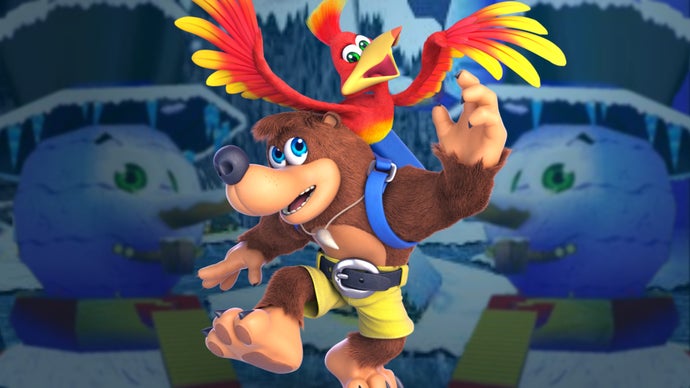
We love a biome in video games. Even the word is one I inherently associate with video games, in spite of its origins as a piece of proper grown-up geographical terminology. Within that gloriously over-the-top thematic pantheon… is there anything better than a good old fashioned Christmas level?
The year is over! Or near enough. Sound the refrain that has become all too familiar over the last few years: What a: year for videogames/nightmare/success/disaster. This might be the only time on Eurogamer I can get away with using the old cliche 'mixed bag', hey. As everyone else is putting their minds together to come up with awards in a range of arbitrary categories, we thought it was only right that we did the same in celebration of this strange old year and some of the great, funny, wild, stupid, and bad things that have happened in it - with our tongue firmly planted in our cheek.
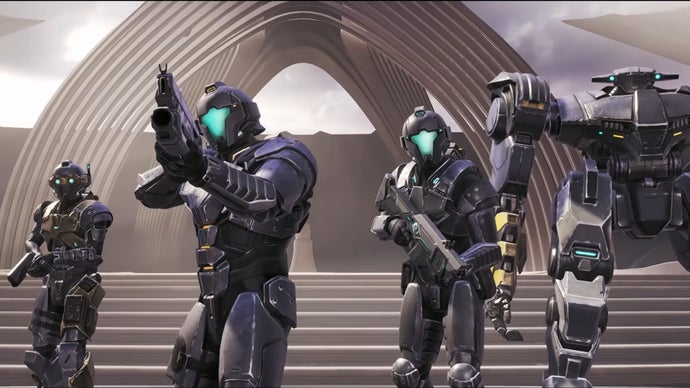
As Metroid Prime 4: Beyond hits storefronts, I'm pretty sure you're going to see a whole lot of fevered debate online about the game's curious choice to place Samus, famously quiet Bounty Hunter, as the de facto head of a squad of Galactic Federation soldiers. Does it still feel like Metroid, famed for its sense of creepy, atmospherically rich isolation, if Samus has a buddy in her ear or - worse - alongside her physically? Or does the presence of friendlies ruin that Metroid magic?
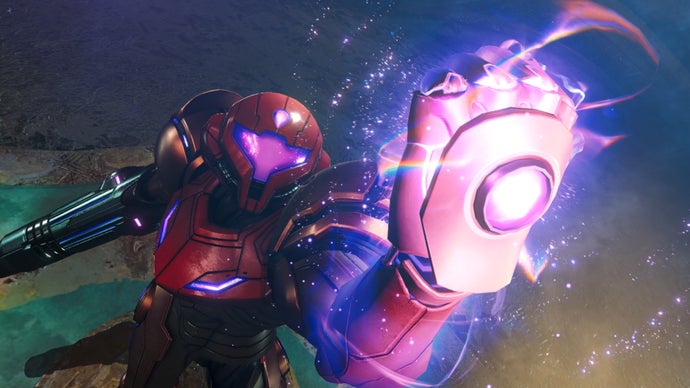
Taken as a whole, Metroid Prime 4: Beyond feels like something of a composite. On one hand, it is clearly a follow-up to 2007's Metroid Prime 3: Corruption, drawing close many of that game's greatest triumphs and fumbles with a fascinating reverence. On the other, it is something new for the series, structurally most comparable not to other Metroid games but rather to a different Nintendo adventure franchise (more on that shortly). Then there is how the game is built, feeling almost modular, with different modes and moods of play stitched together with visible seams. With all that said, it certainly - at least broadly - works rather well.
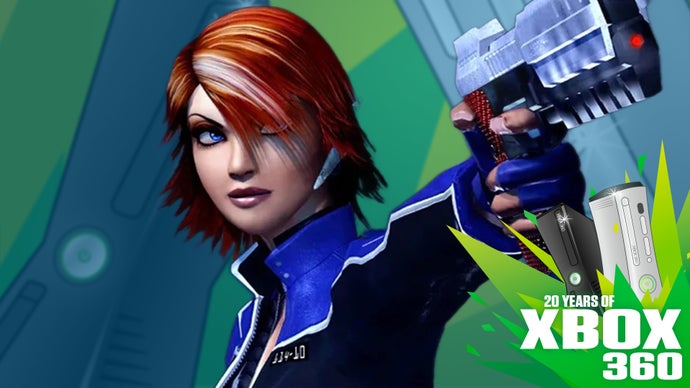
Time can be cruel. I'm not talking about the ravages of age when I say that - although, christ, the closer I creep to forty the creakier I become - but I'm thinking, I suppose, about legacy. The very nature of history, especially when it's oral in its delivery, is that it becomes truncated. Short-form takes over. For instance - think of a Prime Minister or President (back when we had normal ones of those, anyway), or the manager of a sports team, their tenure often ends up defined very broadly, no matter how much nuance there was at the time. Oftentimes, it's good or bad, with little in between. Which is a shame - because sometimes the nuance is where the most interesting thinking resides.
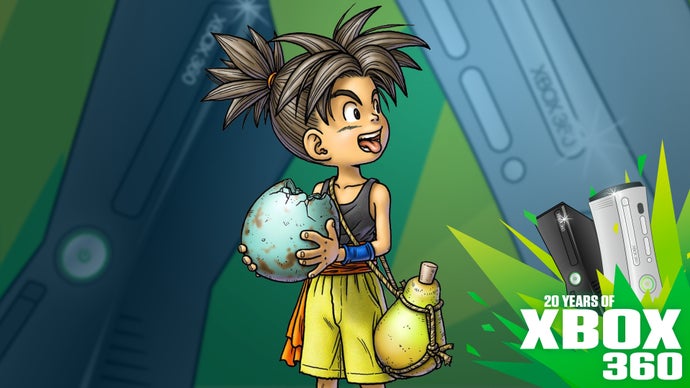
The Xbox business today is pretty unrecognizable from that of 20 years past, which on this week all that time ago was launching the Xbox 360. There's all the changes to the business, a different suite of executives at the top, and an entirely different first-party portfolio, of course - but when I think of the changes, one absence comes to the forefront of my mind: Japan.
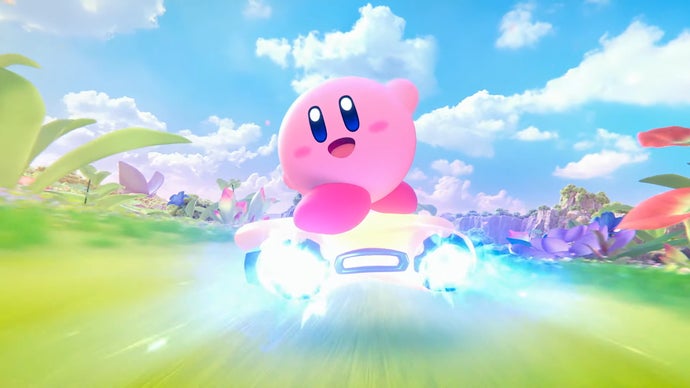
I now sort of understand why Kirby Air Riders was deemed worthy of a pair of Nintendo Directs that add up to a feature-length running time. Part of that is obviously the verbose design-nerd predilections of its director, Masahiro Sakurai, sure. But another reason is quite simple: this is a rather difficult game to describe.
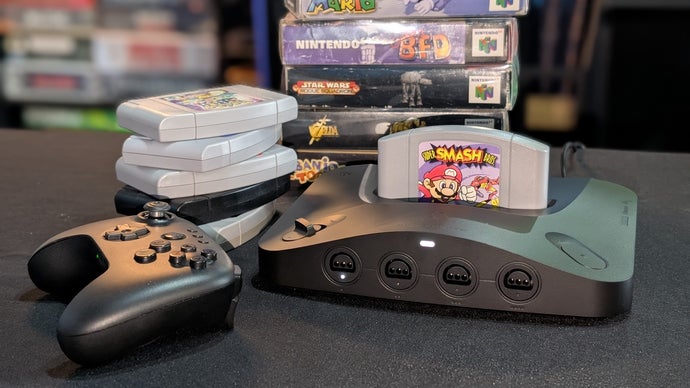
For Analogue, the boutique gaming brand that made its business in mining the emotions of the cash- and nostalgia-rich grown-up hardcore, the game has surely changed. When the company burst onto the scene in 2015, the use of FPGA technology to run old games was relatively new. Now, everybody is at it - and so Analogue finds itself needing to more precisely carve out and defend its corner of the market.