Why is everything rolling sideways on my desk all of a sudden? What’s this mysterious force, dragging my chair towards the wall? Why are all the cars in the vicinity tumbling and rolling in the direction of *checks press release* ...North Carolina, USA? It can only be gravitational disturbance caused by the impending 1.0 release of a massive strategy project. This time it’s Heart of the Machine, a “4X-style”, “dimension-busting” sci-fi game developed by Arcen Games and published by Hooded Horse.
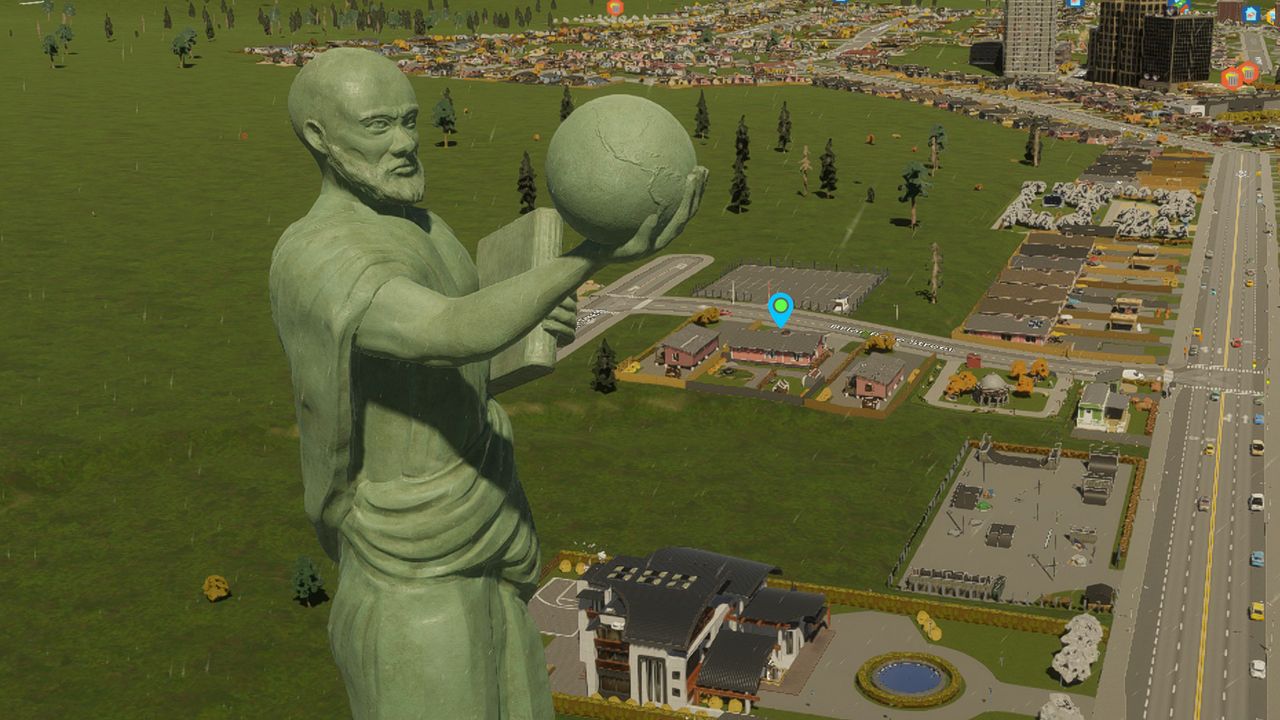
Cities: Skylines 2 just received its first update from new developer Iceflake Studios, which replaced Colossal Order at the end of 2025. You might think this would be a prime opportunity to breathe new life into the struggling city-builder. To come out swinging with some big new features. To make the flowers bloom, the birds sing, the babies gurgle in a way that makes you think "Are they happy or about to barf?"
Nope! Instead, Iceflake's debut patch is utterly obsessed with death. Turns out your idiot citizens have been croaking in completely the wrong ways in Cities: Skylines 2, so Iceflake has donned its black robe and sharpened its scythe to sort things out.
Dubbed First Frost (though really it should be Last Rites) the update makes numerous tweaks to systems that govern the lights going out, the buckets being kicked, the farms being bought, etc. Chiefly, it fixes a bug that prevented time of day being taken into account when determining citizens' demises, which meant everyone was popping their clogs between midnight and six o'clock. It also quadruples the number of times the game calculates deaths from four to sixteen, in order to "further reduce the number of citizens dying at the same time".
In addition, the patch fixes an especially peculiar bug that made most of your citizens immortal when playing in easy mode. "Previously, about 80% of them never died of old age," Iceflake writes in a Steam post. An ageing population is difficult enough for modern governments to deal with, so I can imagine how challenging an immortal one would be. Shuffle off, grandad! How else am I to get a house in this economy?
Not everything in First Frost is about departures from the mortal realm. The patch also reduces trips made on the bicycles introduced by Colossal Order before it moved on to pastures new, by 80%. In short, your citizens are spending less time cycling and more time dying, which I suppose is how exercise works in real life too.
Elsewhere, the patch introduces a bunch of new UI icons for roundabouts, cul-de-sacs, road maintenance depots, pollution types, and more. It updates the onboarding tutorial for new players, makes terraforming tools less aggressive (otherwise known as a terrorforming tool), and makes a bunch of graphical improvements like improved shadow rendering, snow support for decal-based lots, and fog that adjusts according to weather conditions.
Oh, and the update finally switches autosave on by default, which is good, but also kinda wild that it's only happening now. It took two years, four months, and a change in developer, but Cities: Skylines 2 will now save automatically without player intervention.
While not bristling with new features, Iceflake's first patch still seems to have improved the sequel's immediate fortunes. Recent Steam reviews stand at 67% positive at the time of writing, compared to 54% positive overall. Let's hope this proves a new foundation for a brighter future for the sequel.
A new year dawns. January is usually a bit of a slow month for entertainment, video games not exempted. However, a lull in the quantity of releases says nothing about the quality, and there were still some interesting titles dropped this month.
There are only two games on display this month, which speaks to that lower release number but also signifies a bit of a policy change. Moving forward, we're going to feature fewer games while offering slightly longer, more in-depth reviews. Yes, I'd love to do twenty reviews a month and give exposure to the maximum number of people, but the limits of time and space make that impractical.
For now, enjoy the dancing robots before returning to your haunted hotel.
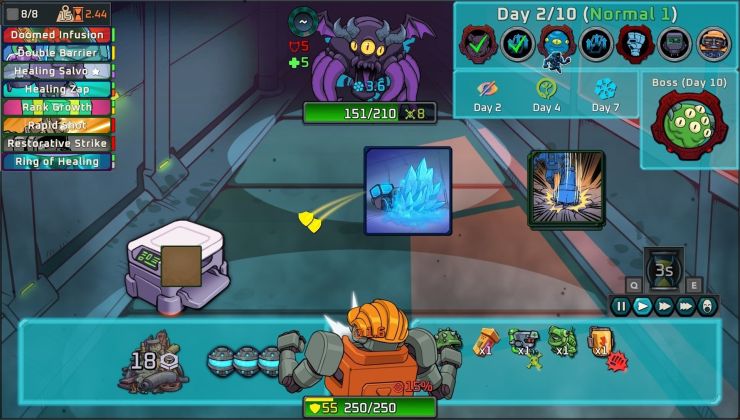
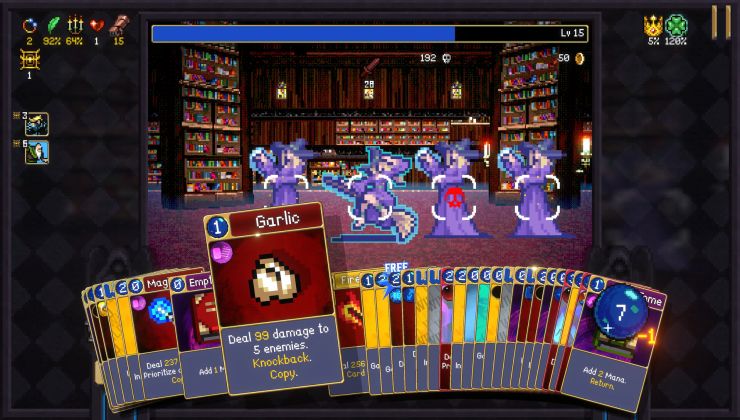
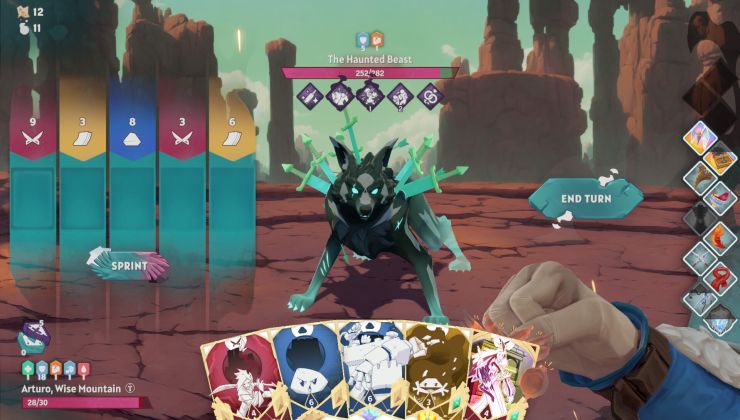
The Spirit Lift is a horror-themed deckbuilder following a series of 90s high school archetypes as they wander through an old hotel in which every spooky thing possible has happened. It's a familiar game that's set apart by an unusual presentation and an obsession with replayability.
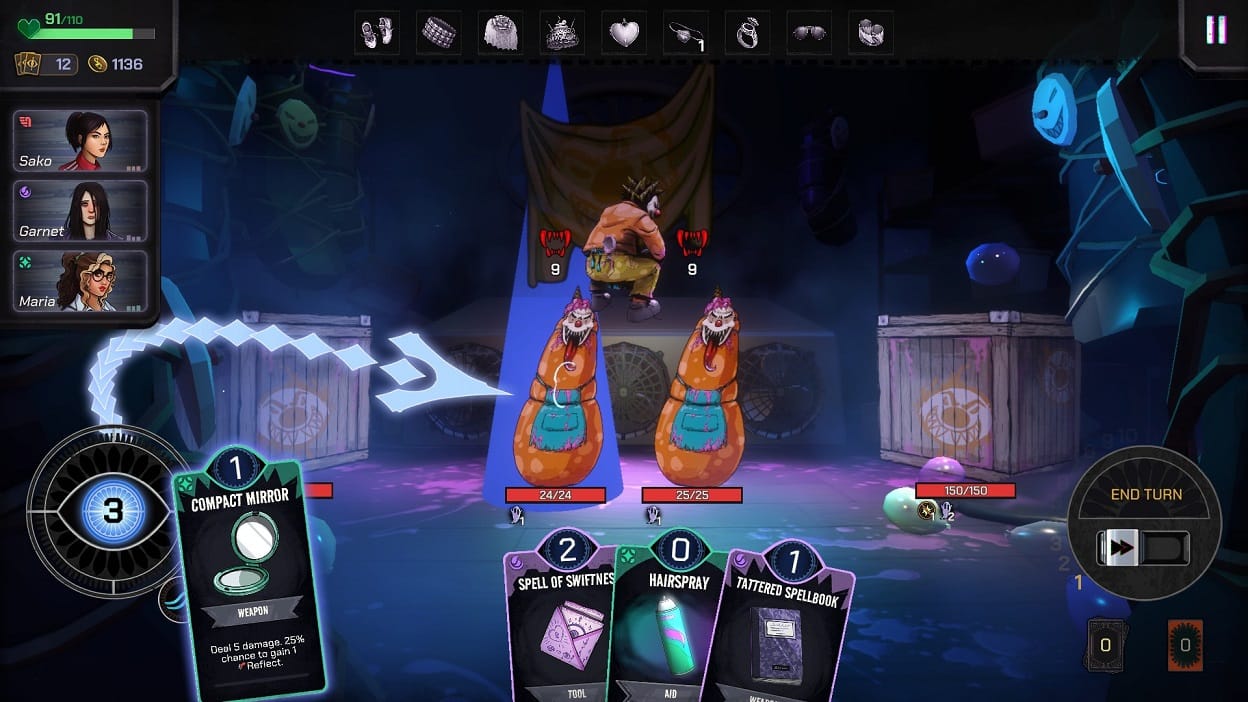
The goal of each run is to guide a group of three characters through the halls of the Vexington Hotel, reach the 13th floor and defeat a boss waiting there. Initially there are only three characters available, but the roster grows to eight after enough attempts. The party determines opening cards and equipment, but more importantly they set which of the four colors of cards will be available in future draws.
The core gameplay loop is similar to most deckbuilders, save that the player isn't moving along a set path but rather exploring each floor in first person. One of the rooms always contains the lift to the next floor, while the others house enemies, events or empty rooms that can be looted for money and cards. There may also be enemies and traps outside of the rooms and the lift doesn't unlock unless the player has explored at least one other room, so beelining through each floor isn't necessarily an effective strategy.
Combat is also similar to other deckbuilders, with a few twists. The most noteworthy distinction is a complete lack of a block mechanic. The player will need to find some other means of avoiding damage - dodging it, reflecting it, stunning enemies or taking them down before they can do anything. In general, the ideal strategy involves focusing on one or two cards that can be scaled out, something that's critical to beating some of the bosses with the game's restrictive 13-turn imit.
All deckbuilders are designed for replay value, but few put as much of a focus on it as The Spirit Lift. There are unlockables for each character, each enemy, each boss - dozens in all, including not just cards and gear but new events. Each run earns spirit points used to purchase permanent upgrades. Certain events yield files that point to the history of the Vexington Hotel, and it can take many runs to find them all.
Whether or not it's worth playing through the game dozens of times will vary from person to person. By genre standards, The Spirit Lift isn't too hard, and it has a few features that make chasing unlockables nicer - such as those permanent upgrades and the ability to select any boss path previously seen. However, the small number of enemies and lack of challenge settings means that runs will start to seem a little similar after a while.
Overall, The Spirit Lift is a very interesting deckbuilder that mixes up the formula without changing things too much. It has a fun aesthetic and theme and it never feels too oppressive to play, making it a good choice for both veterans and newcomers.
The Spirit Lift is available for PC via Steam. A copy was provided for this review.
Steel Century Groove is a rhythm RPG set in a world where generations-old war machines called Tenzerks have been repurposed for the more noble sport of dance combat. It's an easy to learn, hard to master game with some unexpected complexity.
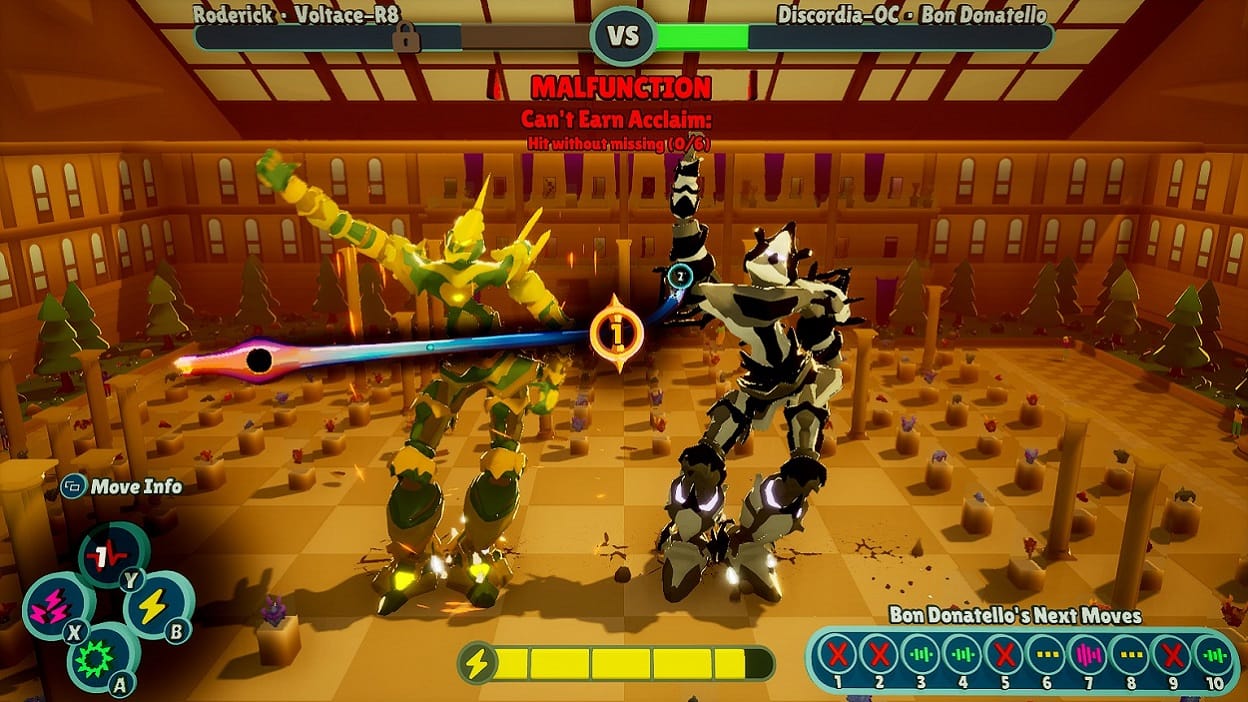
The core combat mechanics seem simple at first glance. For each stem, or phase of the fight, there is a curving line with numbered nodes. A dot moves along that line, and the player must hit a button when it passes through each node. The nodes follow the pulse of the music but aren't strictly locked to the beat, so there might be sets of tightly-grouped nodes followed by a break. Each successful hit builds the player's acclaim, and whichever character maxes out their acclaim bar first wins.
That's where the RPG mechanics come into play. While one can theoretically win by using a single button, most opponents won't give up that easily. Winning more difficult fights means mastering the special abilities.
Each Tenzerk - those available to the player and those used by opponents - has a unique set of traits and skills, and those skills only work if used in the right circumstances. For example, you might get a special attack that depletes the enemy's acclaim bar, but only if used during a part of the stem where the opponent isn't taking any action. Meanwhile, enemies have their own gimmicks and can throw status effects on the player, such as locking abilities or seeding the stem with decoy nodes.
Playing the game well requires keeping track of a lot of information at once - not just the nodes, but cooldowns, possible status conditions, and the enemy's predicted actions. It can be daunting, especially for one without great multitasking skills. However, most mechs have a few simple strategies that work well in a wide range of situations, demanding only an occasional tweak in response to an enemy gimmick.
Outside of combat, Steel Century Groove features a design with some definite Pokémon inspiration. The storyline is simple, following the protagonist and their friend on a journey to earn the right to compete in a tournament. Said entry requires defeating a series of expert opponents, all the while dealing with a rival who always seems to be one step ahead. There is another layer to the story, one involving the lost history of the Tenzerks that is revealed little by little over the course of the game.
The RPG elements are fairly basic but add a bit more mechanical complexity. There's no money or shops, but the player will find mods that can add minor mechanics or refine existing strategies. The overall loop also grows more complex as the player fights other pilots and gains levels.
Overall, Steel Century Groove is a solid addition to the burgeoning rhythm combat genre. It's not too hard to get the hang of it and there's just enough variety in the builds and enemies to keep things interesting.
Steel Century Groove is available for PC via Steam. A copy was provided for this review.
That wraps up our first go with the adjusted format, having looked at two indie games that caught our attention in January. Be sure to come back each month for more of those sweet, sweet indie games you need to know about!
Hi everyone. Eugene Sax here with another review from GameCritics.com.
The Spirit Lift is a roguelike deckbuilder that takes inspiration from haunted houses and creature feature films of the early ’80s and ’90s. A group of high school seniors get separated from their group on a field trip to a spooky hotel and get sucked into The Spirit Lift, where they must fight through 13 floors of terror in order to get back home.
Once a run begins, players take their group of teens through the cursed hotel floors in order to make it to the Penthouse and defeat the evil creature there. Each floor is different, with the theme depending on the boss that will be found at the end of the section. Every door along the way might hide cards or gear to help with the run, gold to buy cards from a shady wolf lurking around, or enemies trying their best to gobble the players up.
In combat, cards are played each turn to defeat enemies. Enemies telegraph what they will do when the player ends their turn, so using that information to plan out moves before enemies act is crucial. Unlike others in the genre, I have yet to find a card in Spirit Lift that actually serves as “defense” — there are no shields and no blocking. Options seem limited to attacking or debuffing enemies, which leads to a quick gameplay loop as it’s all-offense, all the time. That said, this speed is helpful in avoiding the maximum of 13 turns per battle — I haven’t found out what happens if a player uses up all of those turns, but I can’t imagine it’s good. Whether players win or lose a run, there will be points awarded that they can use for things like more starting health or starting with more gold on future runs.
There’s not much to the formula beyond what I’ve just described, so there’s not much depth in The Spirit Lift. There’s not much enemy variety, either. In my runs I’ve seen basic versions of bad guys, slightly healthier versions, and versions that do more status effects. There are some one-off enemies that introduce a new gimmick, but the well of new ideas seems to dry up fast.
What really kills the Spirit Lift, though, is the grind. It’s not the worst I’ve seen since each run is fairly short, maybe taking an hour to hit the final boss of the run, but the lack of variety is felt quickly.
On the plus side, players will eventually unlock five additional characters past the starting three after a few runs. Some are better with straight attacks, while others are better at buffing or damage-over-time, but they all tend to play fairly similar to each other. This means that after only a little while, The Spirit Lift has shown its entire hand.
That could be disappointing for players who love to dig deep into an experience like this, but despite how shallow it seems, I find that the spooky haunted house vibe is charming, it’s easy to grasp some of the powerful combinations quickly, and learning the full array of monsters allows players to quickly strategize each encounter.
The Spirit Lift won’t be a game for everyone, but there’s joy to be found for players who might like a smaller bite.
For me, The Spirit Lift gets 7.5 loops of elevator music out of 10.
Disclosures: This game is developed and published by prettysmart games. It is currently available on PC. This copy of the game was obtained via publisher and reviewed on the Steam. Approximately 8 hours of play were spent playing the game, and multiple runs of the game were completed. There are no multiplayer modes.
Parents: This game is not currently rated by the ESRB. However, it’s safe to say that it has fantasy violence as players use cards that represent items like guns, baseball bats, and tennis rackets to attack horror monsters. No blood, no foul language, just creepy atmosphere.
Colorblind Modes: Colorblind Modes are not present.
Deaf & Hard of Hearing Gamers: This game offers subtitles, but subtitles can not be altered and/or resized. There are no audio cues needed to play. The game is fully accessible.
Remappable controls: Controls are not remappable, and there is no control diagram. Movement is controlled by pressing WASD on the keyboard, or by using the mouse to click on the arrows on screen. Mouse is used to control everything else (card selection, selecting options in events, etc),
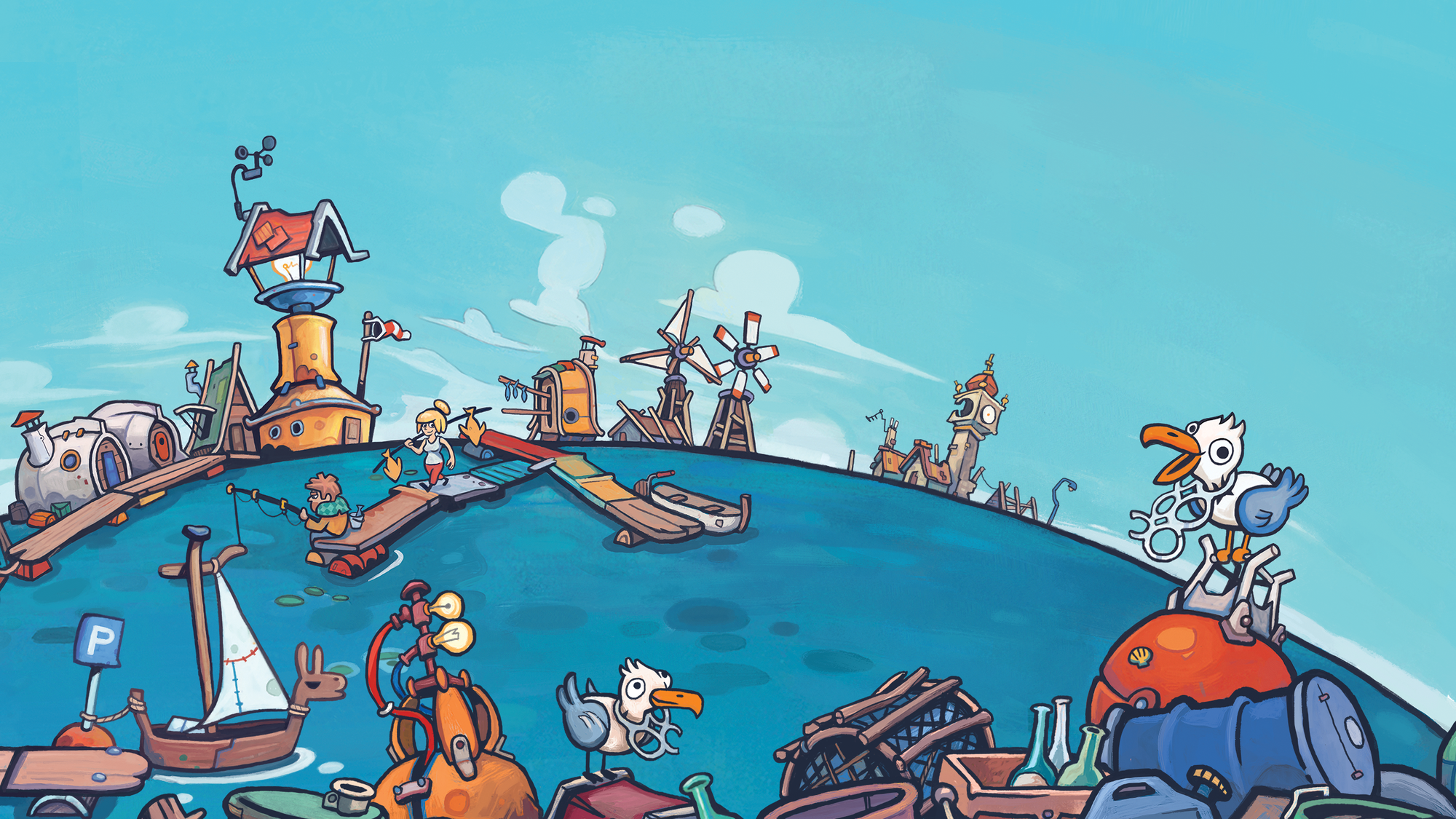
A survival city-builder in broadly the same vein as stuff like Frostpunk and Ixion, Flotsam is a game set at the end of the world that, thanks to its vibrant art style and optimistic outlooks, actually feels more like the start of the world instead.
You play as a tug boat that poots around a flooded world, ala Waterworld, and as you go--on a kind of strategic overworld map--you need to scrounge for resources and pick up survivors. Zoom in, though, and the game becomes a city-builder, where you can attach buildings to your boat and use those resources to craft stuff, build more buildings and keep everyone happy by giving them nicer houses and places to hang out.
The cheery, hand-crafted visuals are a joy to be around. For an apocalyptic game, Flotsam's glass is very much half-full, its flooded wastes featuring crystal-blue oceans, storybook islands and fantastic character art, while the survivor's chatter is mostly interested in everyone working together to build something new and communal from the wreckage. To give you an idea of just how cheery things are, here's the game's website:
The world of Flotsam is a colorful and cheerful place. It’s about going on adventures, seeing the world and cleaning it up as you go. The sun is shining, the sky is clear and the ocean is calm… mostly at least.
Does this change the way the game plays? Not really. Does it dictate the way I feel while playing it? Absolutely. As I've explainedin my impressions of Town To City, I like these games because they let me build stuff, and I hate the stresses so many of them bring along for the ride. Flotsam has those stresses--you need to keep everyone fed and supplied with fresh water--but meeting those needs is so straightforward, and everyone looks and works so happily while they're in danger, that it never feels like a crisis.
I should note that this isn't really a city-builder in the traditional sense. While you are definitely building a settlement around your boat, and it needs walkways and power and all that stuff, the overworld navigation is a place you spend a lot of time exploring, finding resources and picking up survivors. What's cool is that the two are linked; you cruise around a map screen where everything is abstract, but when you find something to explore, the view zooms into the boat-scaled view, and the objects that appeared as points on the map are now islands represented off the stern of your town, on which you can see your survivors clambering over and harvesting supplies.
Flotsam has a more involved supply chain and production management slant than many of its peers, which I really enjoyed; the loop of harvesting raw resources from the overworld, then using your city to refine them and turn them first into processed resources, then things, is always satisfying. There are a ton of different materials and items, some you can only get by scrounging, others that can be grown and others that you have to craft, and it's an interesting challenge having to prioritise your survivors and various buildings to churn out exactly the things you need at any given time.
I said earlier in the yearthat I'm tired of apocalyptic futures where humanity is resigned to living off scraps, where the overriding themes are those of defeat and despair. Flotsam's optimism and resolve to build something new from the ashes are exactly what I was talking about; the fact it's a game where you're directly responsible for the building only makes it better.
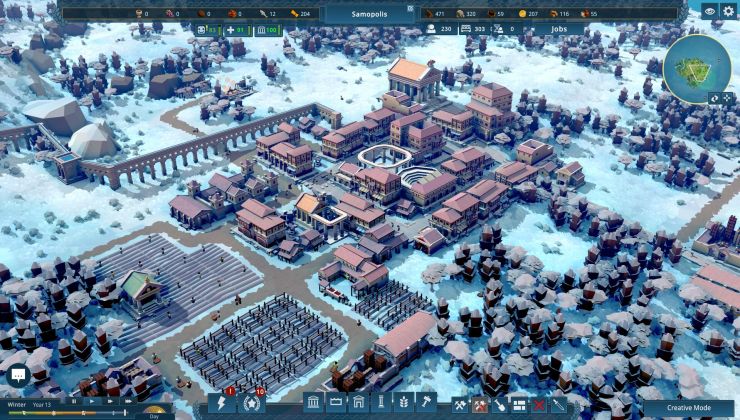
Kingdoms and Castles was great, and Nova Roma is shaping up to be a great city-builder but the developers at Lion Shield need more time to get it right.
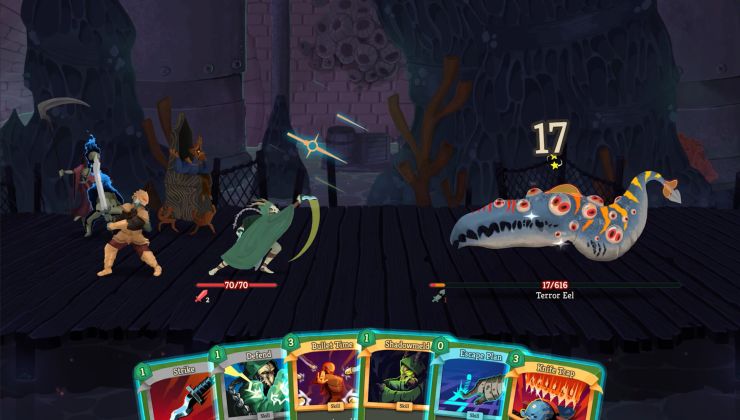
Death Howl is ambitious simply for the two genres it tries to fuse. Deckbuilders are almost always roguelikes, and Soulslikes are almost always action-heavy. The idea that you could blend these systems in a way that not only makes sense but actually feels good to play seems almost absurd. Yet Death Howl pulls it off, all while telling a moving, heart-wrenching story about grief.
You play as a mother who has lost her son and refuses to be consumed by the despair threatening to overwhelm her. Instead, she steps into the spirit world to search for him and bring him home. The writing is excellent, and the quieter, emotional moments between the violence are genuinely powerful. It hits especially hard if you’re a parent, but the struggle to push back against grief is something most of us understand in some way.
As for how it plays, you explore the world, interacting with objects to uncover new knowledge and gather items that can be turned into cards. You can refresh the spirit realm by resting at special stones, which restore your health but also revive the spirits, forcing you to push through them again.
Combat is turn-based and unfolds on a grid, with you and your enemies jockeying for position while you manage mana to play moves that attack, defend, or trigger entirely different effects. It’s a delicate balance and one that often feels stacked against you, but that only makes each victory more rewarding.
The challenge in every encounter reinforces the strength of the protagonist and her relentless fight to recover her son. Expect an uphill climb and a world that isn’t afraid to land emotional blows as you push forward.
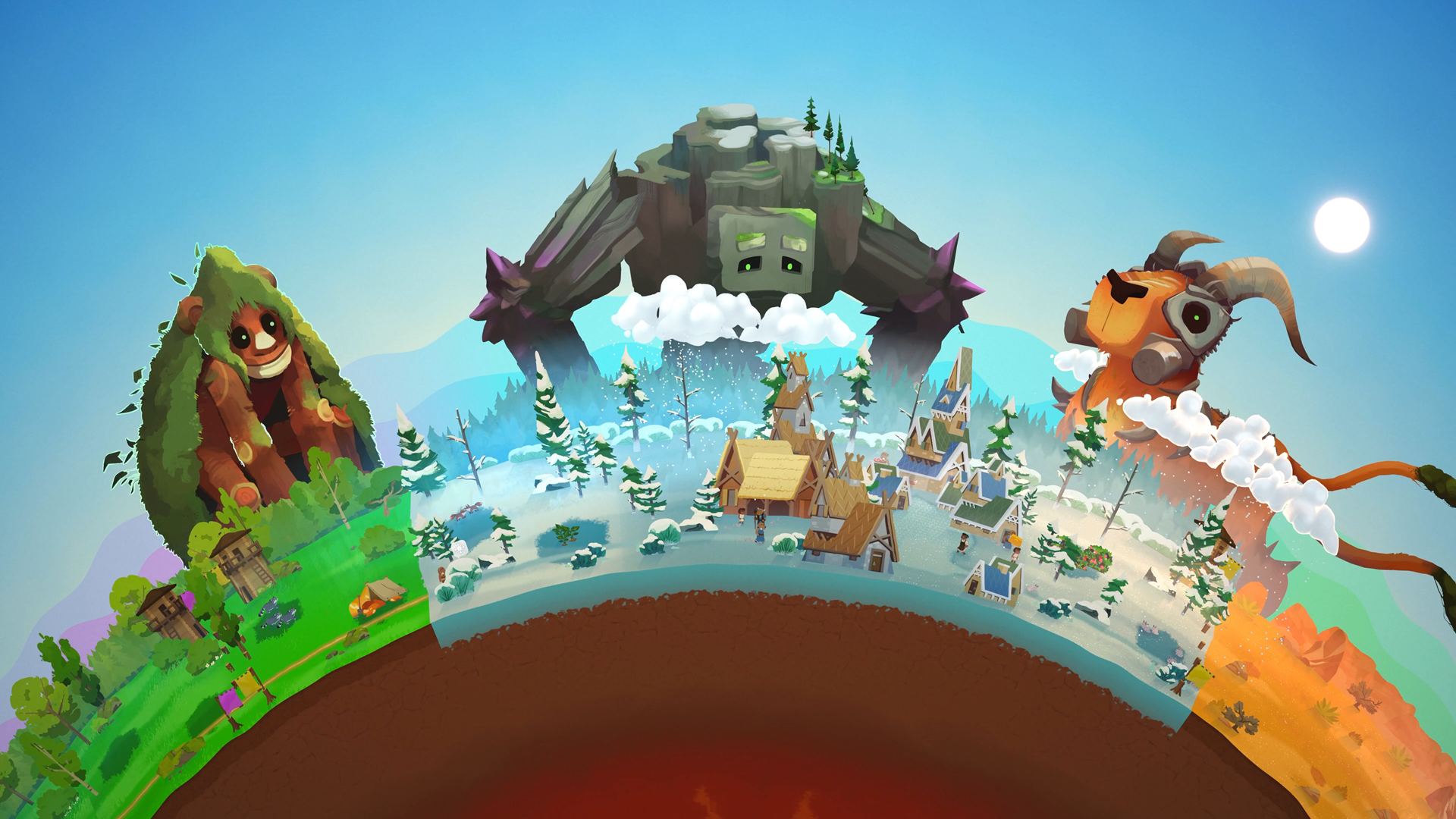
Reus, designed by Abbey Games, is a simulation game about gods, giants, and growth. You start with a barren planet and gradually fill it with life. First, you place down biomes like swamps, forests, oceans, and deserts. Then you fill these wild spaces with animals, minerals, and plants. When humans come to settle the land, you support the development of their communities so that they can flourish, but you also need to ensure that you don’t give any one group too many resources too quickly, otherwise they might become proud and start waging war against their neighbours.
At its core, Reus is about balancing ecosystems and encouraging synergies. Herbivorous animals want to live near plants, different clusters of minerals provide different effects when placed down in different combinations, and predators require prey. If you can keep all of these relationships in mind, as you gradually unfurl the sprawling web of nature on your planet, then the world will thrive.
There are two Reus games, and while both have the same central concept of making an initially barren planet prosper, they approach it in very different ways.
The first game employs a real-time management system, which, while intuitive, clashes with the game’s nature. The second learned from its predecessor’s mistakes and implemented an approach that lets players experience the game at their preferred pace.
On Borrowed Time
Reus 1. Source: Abbey Games.
Worlds in Reus aren’t designed to be played in perpetuity. The game wants you to develop one, see it grow, and then move on to another. This is similar to how in Rollercoaster Tycoon, you’re constantly shifting from one park to the next, except on a galactic scale.
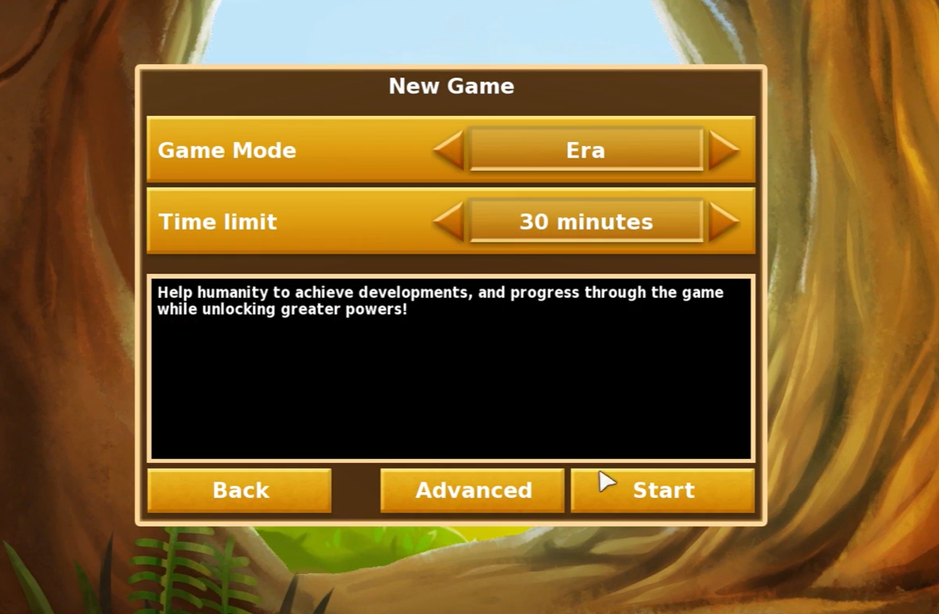
Both games use different methods to let players know when they should move on to their next project. When sitting down for a play session in the first Reus, you must choose whether you want to work on your world for 30, 60, or 120 minutes.
It can be awkward choosing this upfront. You might know exactly how long you intend for your current play session to last, but chances are you’re just sitting down to unwind for a while, and putting a timer on your fun makes the experience feel a lot less relaxing.
These time limits can also be uncomfortable at times because they’re either too long or too short.
In a 30-minute game, you really have to sprint to get everything completed on time. Watching the worker giants, who terraform the world for you, slowly trudge around the map can make you feel truly impatient.
In 120-minute games, meanwhile, you can sometimes be left waiting out the last 10 or so minutes of the timer as everything slowly crawls towards a conclusion.
While the game itself is a compelling puzzle, Reus does itself a disservice by only allowing players to tinker with their worlds under strictly timed constraints.
It was clear that any future instalments in the series would need a new way of encouraging players to move along once their work on a particular planet is finished. Sure enough, the sequel succeeds in developing an innovative solution.
Eons to spend
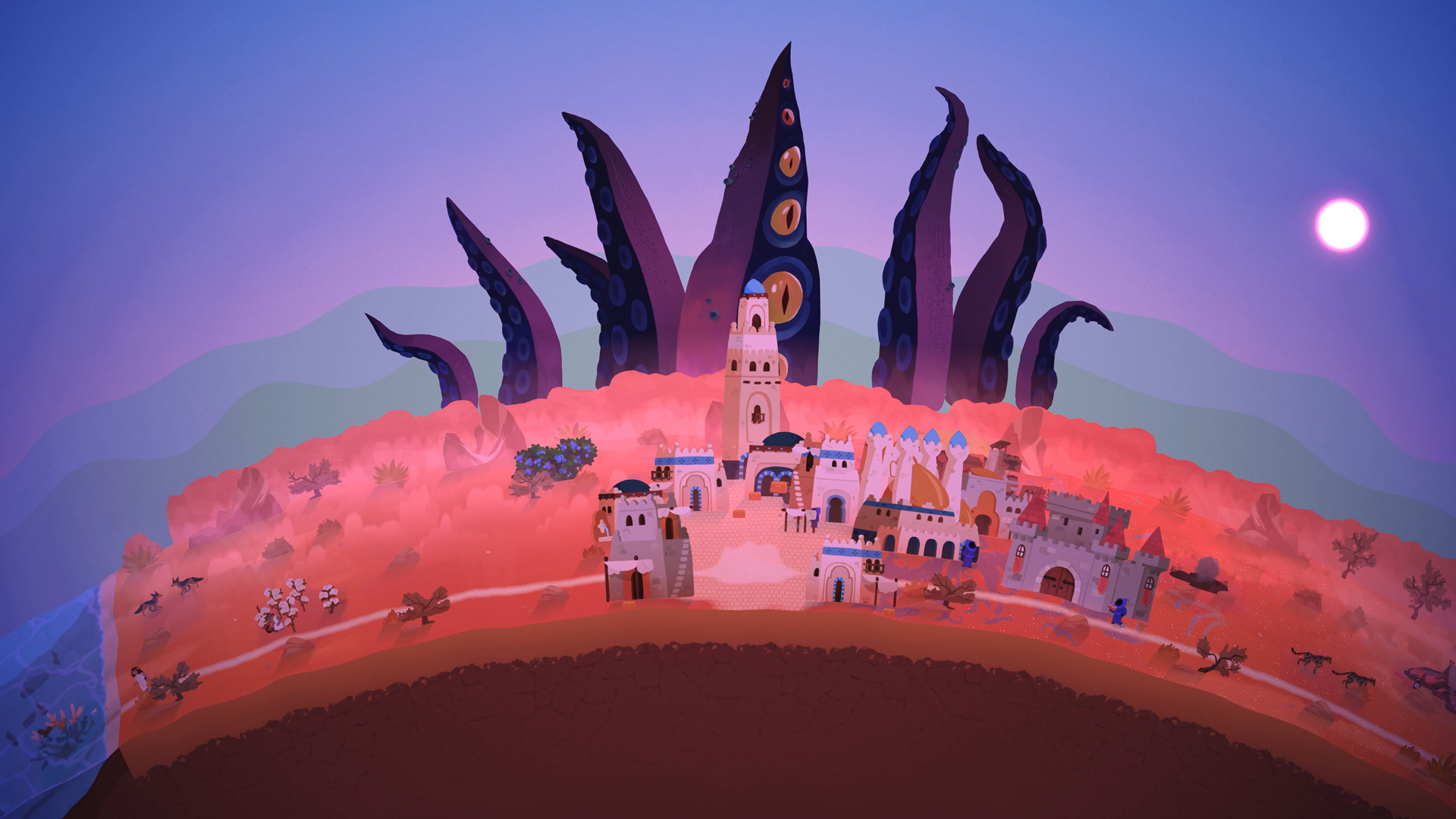
Reus 2. Source: Abbey Games.
In Reus 2, you’re unconstrained by time. Instead of needing to get everything done before the clock runs out, your actions are only limited by a newly implemented resource system.
Every time you place something down on your planet, it costs a small amount of “eon.” You’re only given a finite amount of eon, meaning that you must place down every animal, ore formation, and plant carefully. You need to think strategically and ensure that you’re always placing everything in the optimal location.
The game is split into three eras, each with objectives that must be fulfilled. If you can complete these goals, you’re granted more eon, and are allowed to advance into the future. If you can’t, then your progress stalls, and you need to move on to another planet.
As well as clearing away the discomfort of the timers from the first game, Reus 2’s approach also pays off in other areas.
The era system makes the civilisations that develop feel more grounded in history. The ability to move from prehistory to the Iron Age, and then into the present, gives you a sense of progress. The tiny people on your planet feel more like they are changing, growing, and developing.
Additionally, needing to spend your eon carefully to advance through the eras adds an element of welcome challenge to proceedings. If you scattered everything across the world randomly in the first game, there was no real penalty beyond receiving a low score once time ran out. In Reus 2, playing without purpose will quickly lead to your pool of eon depleting, and the need to end your current efforts and try again. This incentivises you to learn the game’s system and ensure that your next try will be more successful.
Conclusion
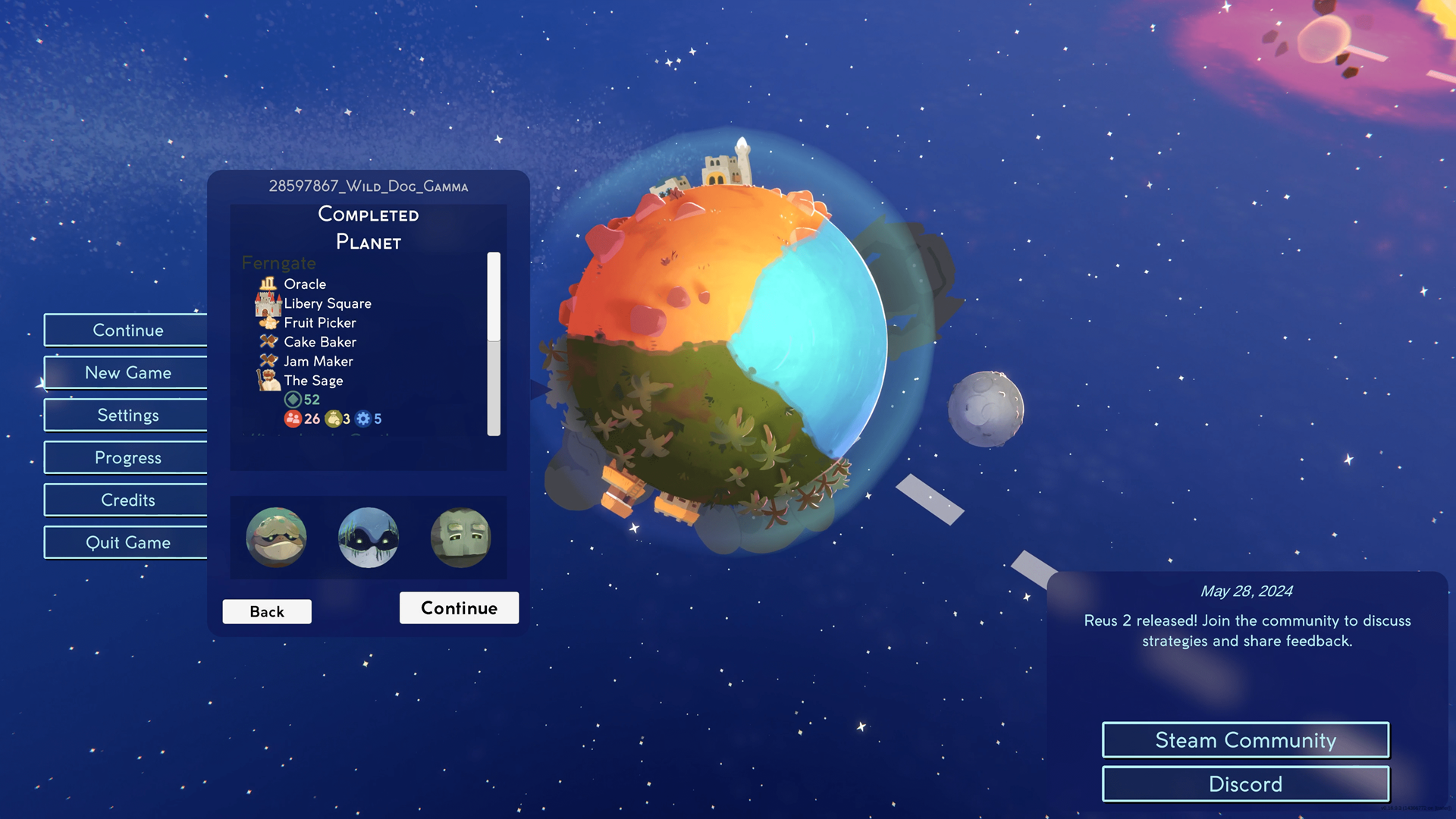
Reus 2. Source: Abbey Games.
Games are truly great when all of their systems click together harmoniously. For example, part of the secret behind why Minecraft has endured for so long is that its vast, explorable open world provides a wealth of resources that perfectly complement its crafting system.
Both Reus games offer a cosmic sandbox that you can sculpt and develop as you watch life grow. They’re both good fun; however, the first tries to weld real-time and puzzle-based elements together, creating an uncertain experience where you need to charge through an otherwise relaxing game. The second, meanwhile, takes its time and allows players to move at their own pace. By limiting the number of actions players can take, rather than the time available to take them in, it better understands its nature as a tactical puzzle requiring the correct approach.
Reus and Reus 2 are both available on Steam. The former is also available on the PlayStation 4 and Xbox One, while the latter is available on Switch and Xbox Series X/S.
A review code for Reus 2 was provided by the developer.
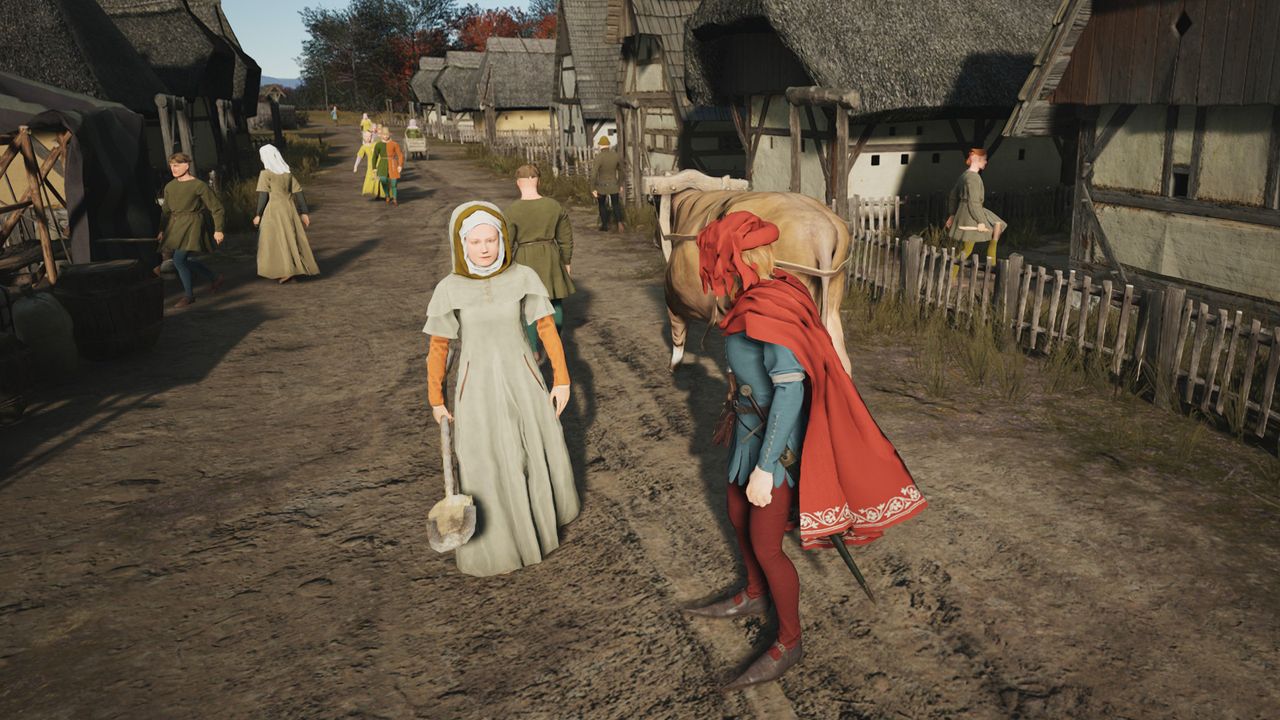
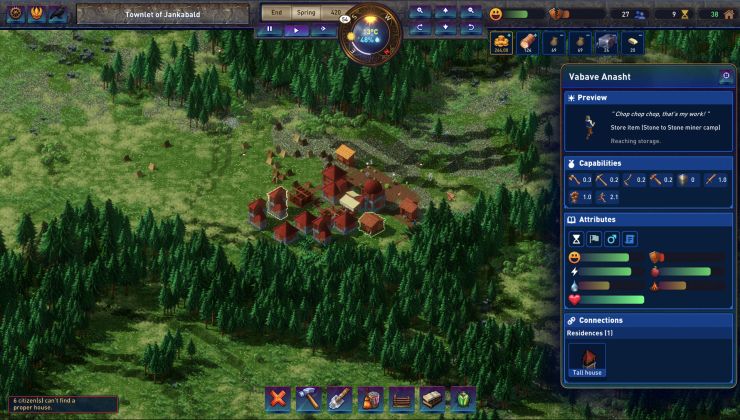
Medieval city-builder Manor Lords had a quiet 2025, as its developer adjusted to the game's enormous success following its release into Steam early access in 2024. Things picked up speed toward the end of the year, however, with a major patch arriving in December that introduced a rework to core systems and an overhaul to castle construction.
It seems Slavic Magic and publisher Hooded Horse are keen to maintain that momentum in 2026. In a Steam update, Hooded Horse's CEO Tim Bender provided a detailed rundown of what's coming to the management sim this year.
The most immediate planned change is a new upgrade level for the Burgage Plot—Manor Lords' basic homestead that can be expanded and tailored to a variety of uses. Burgage plots currently have three upgrade levels, but Slavic Magic is adding a new level, which exists between 2 and 3. "Its goal is to more smoothly bridge the gap between early and late-game housing", Bender explains.
Alongside this, Slavic Magic is also considering shifting certain workshop progressions to later in the game, tying baker extensions to level 3 Burgage Plots to encourage use of the early-game communal oven, and also doing the same with cobbler extensions. According to Bender, "shoes as an item aren't strictly required until this stage of progression anyway", though Manor Lords' barefoot peasants might disagree with this point.
More interesting, though, are the ideas Bender discusses for the patch due after the Burgage Plot update. To summarise, Slavic Magic is working on an extensive rework to trading, one designed to allow players to compete with rival lords economically as well as militarily.
According to Bender, this new system ties trade routes to specific locations, with said location using them to import and export specific items. "While a good like iron may appear on multiple routes, some cities will offer better prices than others, making certain routes more desirable…and more contested", Bender explains.
Each of these trade routes can support up to three merchants using it, while engaging in trade along any route requires you to hire at least one of them. If all merchants for a route are hired, lords can attempt a buyout of that merchant, increasing the hire fee and triggering a cooldown before they can be bought out again. "This turns profitable routes into contested economic territory rather than guaranteed income", Bender says.
This, Bender reckons, enables players to apply specific economic strategies. "You could, for example, attempt to monopolise Iron Slabs by hiring all Merchants on routes that export them. This would be expensive, but could leave a rival Lord without access to Iron, forcing them to adapt by paying inflated prices, expanding into an Iron-rich region, or negotiating with you directly." It might even result in "diplomatic deals where a rival trades excess weapons or other goods in exchange for Iron Slabs, effectively paying you as a middleman."
Bender is clearly jazzed by the concept. But both Hooded Horse and Slavic Magic are keen to know what existing Manor Lords players think about this potential direction for the game's economics, requesting that they leave comments on the post. "We're interested in how this kind of competitive trade feels to you, what concerns it raises, and whether it adds meaningful strategic choice to the game."
Hooded Horse has had a lot going on in this first week of the year. On Monday, it launched the 1.0 version of Terra Invicta, the massively ambitious sci-fi grand strategy from the creators of X-COM The Long War, which is sitting pretty with a 'Very Positive' Steam rating. Then on Thursday, Bender revealed just how much he hates generative AI, explaining that "It's written into our contracts if we're publishing the game: 'no fucking AI assets.'
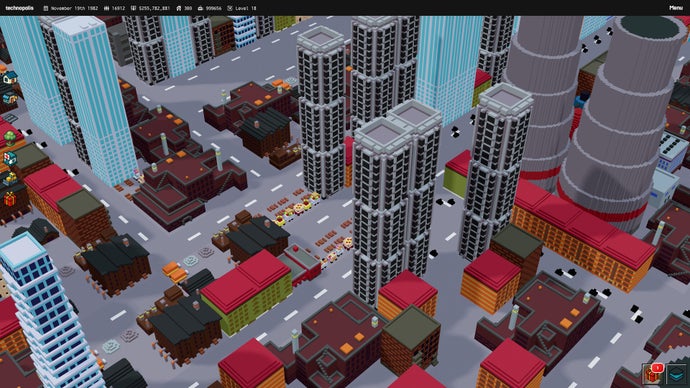
Microlandia deserves a much longer article, preferably written by our resident virtual metropolis judger Sin Vega. For the moment, I will only say that it’s a work-in-progress city-builder fuelled by a poetical mixture of admiration and terror for cities.
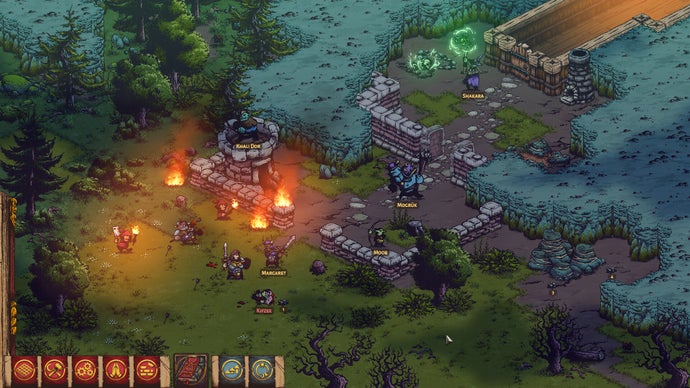
Was your new year resolution to rebuild an evil temple on behalf of a baleful god? I bring wonderful news, then. The former Epic and Valve developers of Dead Money LLC have signed a wicked pact with the strategy game illuminati of Hooded Horse to release Architect of Ruin – a “completely hand drawn” fantasy colony simulation game that looks like Dwarf Fortress twisted by 45 degrees and pumped full of Dungeon Keeper DNA. I am already in love with the trees, their rich foliage flattening to a core of shadow. Do not turn your back on the trees. Especially when you’re chopping them down to make arcane icons.




 .
. .
. .
.


 .
. .
.