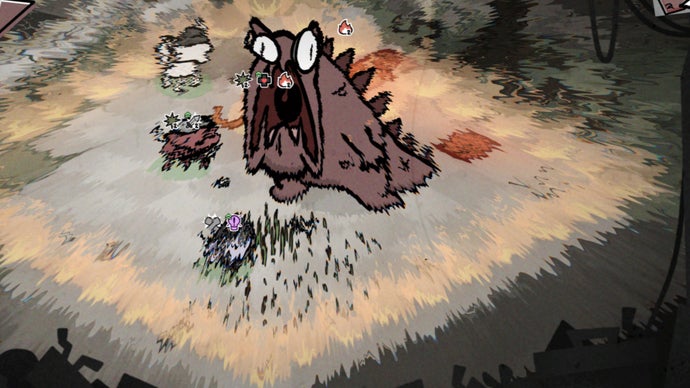
"You will get anywhere between a fairly surgical battle with the more simple moves and synergies, to a downright-drunken-disaster run. [They] act with basically zero understanding of enemy mechanics, no regard for their ability order, and they couldn't give less of a damn about tile hazards." This is a section taken from the description of a mod which turns Mewgenics into an auto-battler, but turning the controls over to an AI chessmaster. That AI chessmaster just happens to play almost exactly like I have in my seven hours with it thus far.
Edmund McMillen and Tyler Glaiel's cat breeding roguelike Mewgenics came out earlier this week to an overwhelmingly positive reception and plenty of early success. However, one aspect of the game has left folks on the fence - this list of pretty... complicated internet personalities who've voiced the copious amounts of meows emitted by in-game cats. So, to get a better picture of how those cameos came to be, I reached out to developer McMillen.
The developer duo behind million-seller Mewgenics are already cooking up the plans for its first DLC. Edmund McMillen and Tyler Glaiel's new strategy roguelike is the talk of the town, delivering a deep and replayable test of tactics layered with a bizarre menagerie of feisty felines. But as the pair drop a new set of Mewgenics patch notes and begin work towards the first proper expansion, Glaiel says they are being "pretty careful" about how they respond to community calls for more clarity and detail in its menus.
Sure, we're only seven weeks into the year, but Mewgenics has already established itself as one of this year's breakout success stories. There are those that argue the latest game from the mind behind The Binding of Isaac was always guaranteed to be a hit, and there's a sliver of truth to that. However, seeing it swiftly surpass a million units sold and beat Hades 2's all-time Steam peak player count is a genuine, pleasant surprise. That surprise extends to the developers of the game itself, with Mewgenics' co-creator Tyler Glaiel saying that its huge success has "blindsided" him, greatly exceeding the amount of Steam wishlists it had before launch.
Mewgenics has been a bona fide hit, but then again, who expected anything different? Edmund McMillen is the mind behind Super Meat Boy and The Binding of Isaac, and has been working on this cat-breeding roguelike for 14 years. His long-time collaborator, Tyler Glaiel, has a similarly impressive and varied CV. With the goodwill of all fans in their sails and a cracking game to share with the world, there was no doubt that Mewgenics could rise to the top of 2026's gaming offerings. But nobody expected it to grow quite so big, quite so fast.
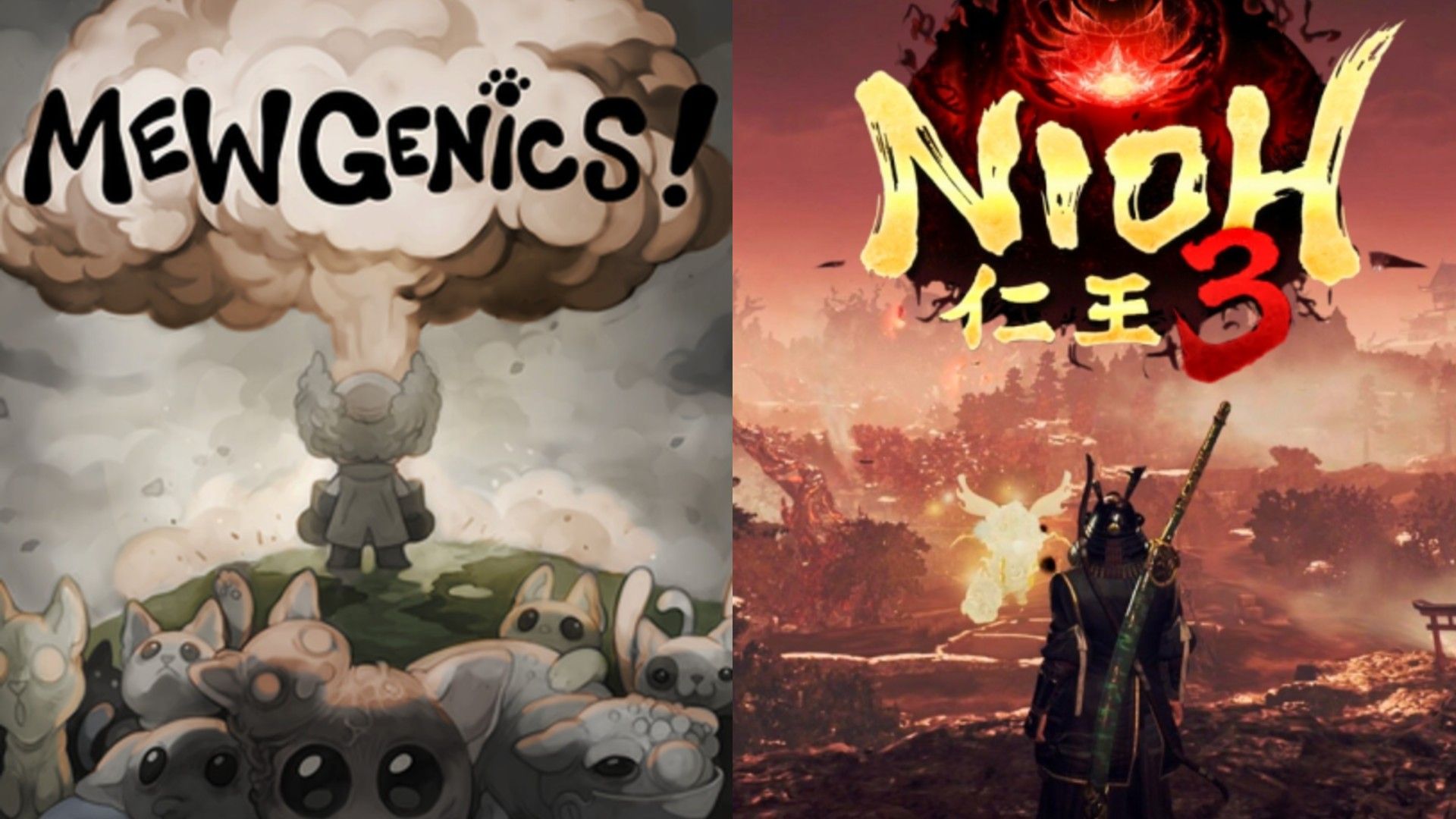
Nioh 3 has enjoyed a strong release, with players praising its battle systems and open world exploration. However, Mewgenics is giving the new Soulslike a surprising challenge, beating it and other releases on Steam Charts.
I need to be honest with you right from the start – Mewgenics is absolutely unhinged, and I mean that as the highest compliment I can give. Edmund McMillen and Tyler Glaiel have crafted something that sounds completely ridiculous on paper: a tactical RPG mixed with cat breeding simulator wrapped in roguelite mechanics. Yet somehow, this bizarre combination works far better than it has any right to.
After sinking about 35 hours into building mutant cat armies, I’m still discovering new mechanics and laughing at the sheer absurdity of it all. This isn’t your typical strategy game – it’s a weird, gross, surprisingly deep experience that manages to balance juvenile humor with genuinely complex tactical gameplay.
The Core Loop: Breeding Warriors and Watching Them Fight
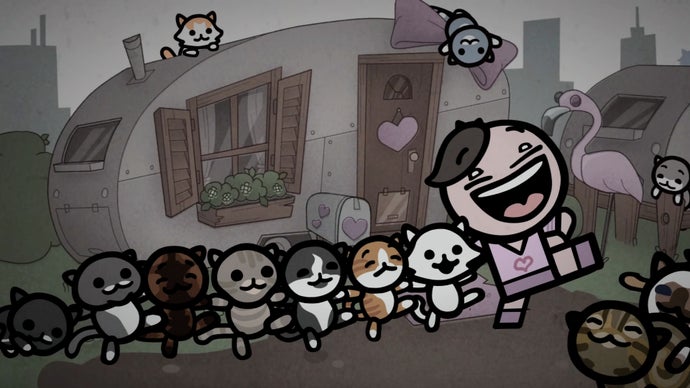
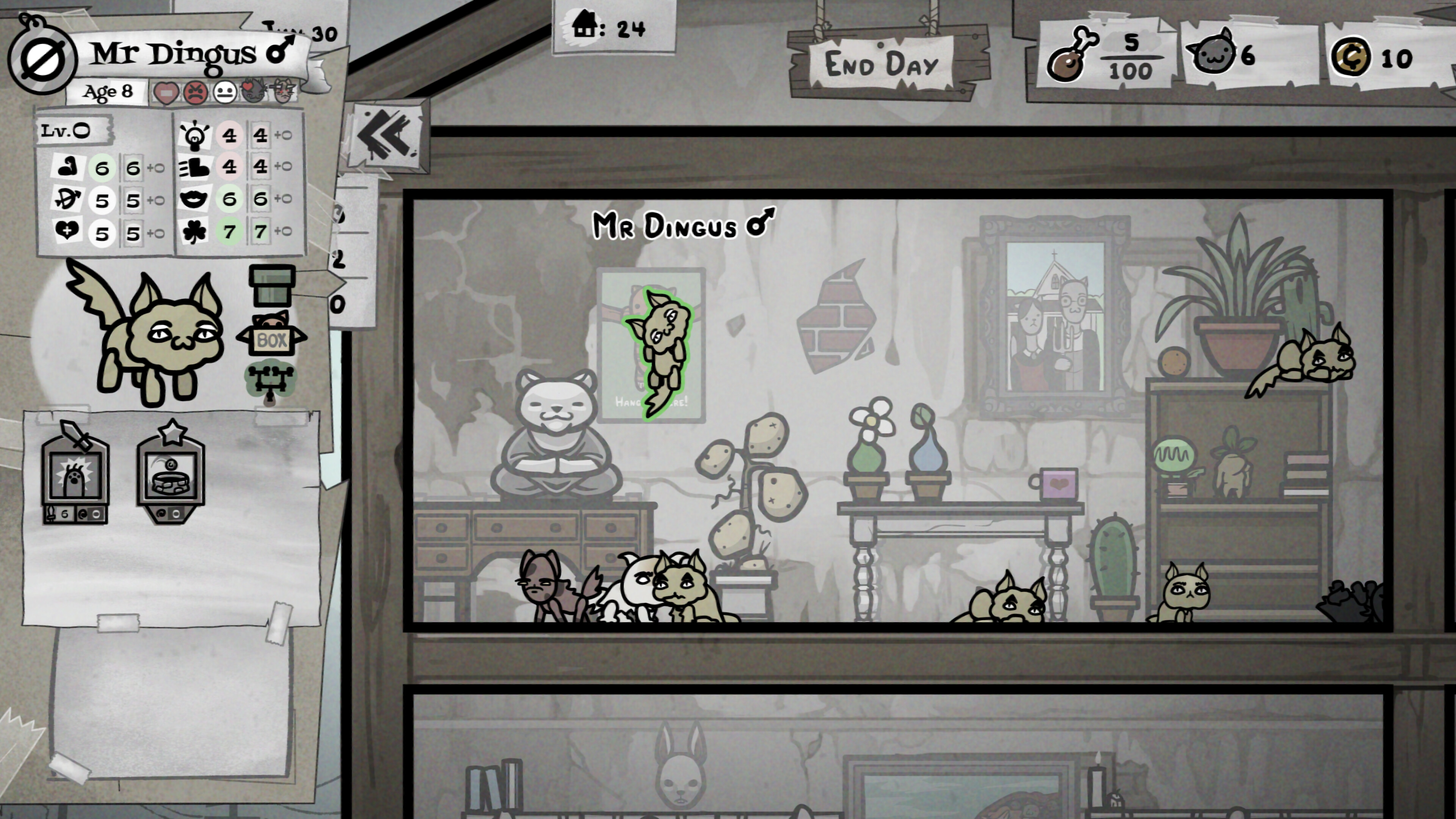
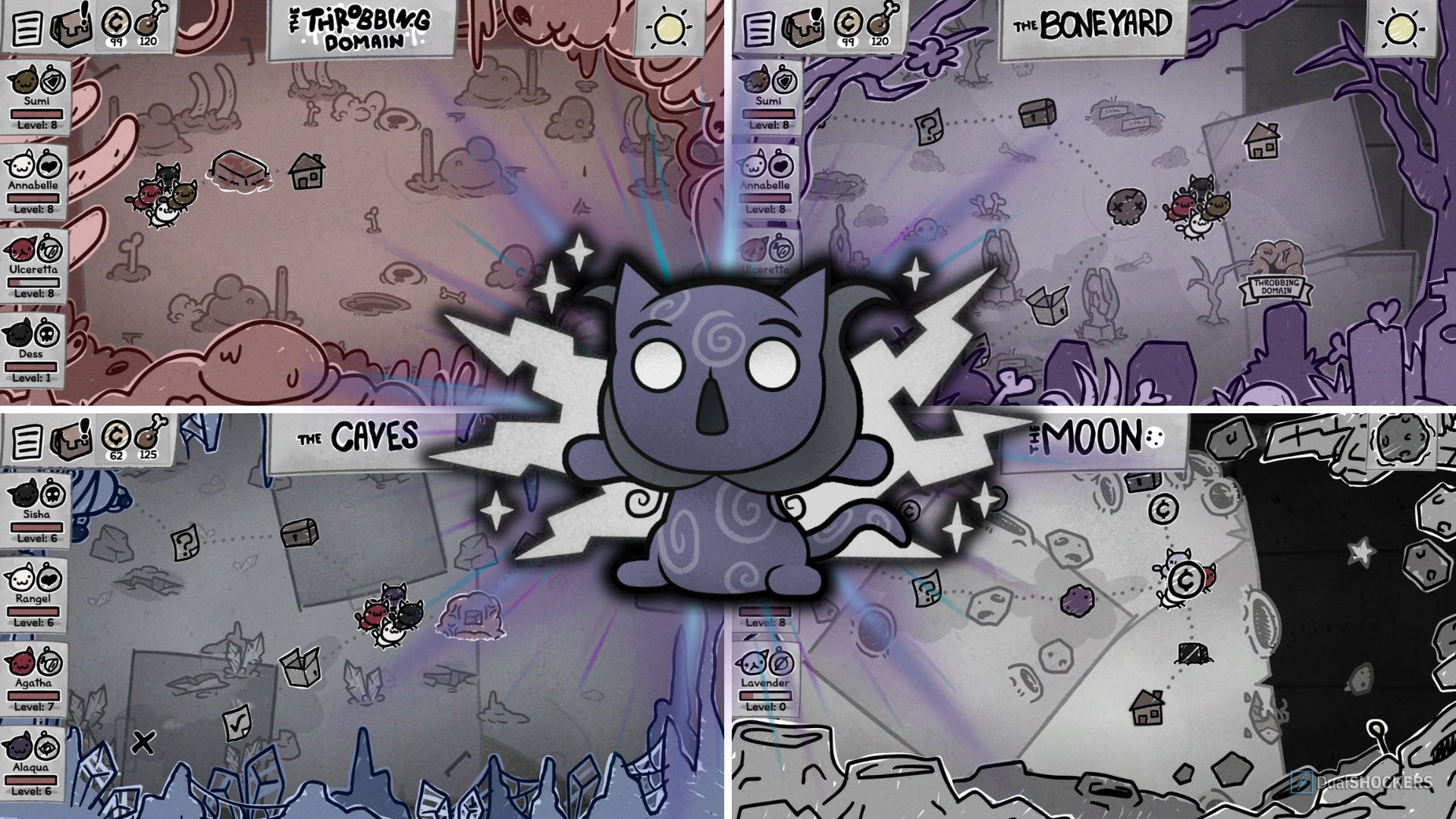
Here’s how Mewgenics works at its most basic level. You manage a house full of cats who breed to produce new generations of fighters. These cats go on turn-based tactical adventures across three acts, battling through areas like alleys, sewers, deserts, and boneyards. Once a cat completes a run, they retire from combat duty and become dedicated to making more kittens. It sounds simple, but there’s massive depth hiding beneath this structure.
Combat happens on 10×10 isometric grids where positioning matters, environmental effects can completely change your strategy, and every action has consequences. Your cats have equipment slots, class-specific abilities determined by collars they wear, passive traits that can fundamentally alter how they function, and stats that influence everything from damage output to how likely they are to succeed at random events.
What sets Mewgenics apart from other tactics games is the sheer freedom it gives you. You can use almost any ability on allies or enemies. Got a skill that confuses a character but buffs their strength? Use it on an enemy to make them attack themselves, or risk using it on your own tank to deal massive damage if the confusion roll fails. Skills that petrify can protect your cats from incoming attacks or lock down dangerous foes. This flexibility creates scenarios I’ve never seen in other tactical RPGs.
The environmental systems add another layer of chaos. Puddles conduct electricity, grass can be frozen into damaging spikes, desert heat prevents natural healing between battles unless you have water-based abilities. I’ve had fights completely turned around by random lightning strikes during storms or rubber tire obstacles bouncing around the battlefield. The game constantly throws curveballs at you, and learning to adapt on the fly is essential.
Breeding Mechanics and Long-Term Progression
Between runs, you’re managing your cat house and hoping the right pairs breed to create superior offspring. You can’t directly control who mates with whom – instead, you influence breeding through furniture that affects house stats like comfort and stimulation. Too little stimulation and cats might fight each other instead of breeding. Make the house too unappealing and quality strays won’t show up at your door.
The randomness here is simultaneously frustrating and delightful. I’ve spent entire evenings trying to breed the perfect tank bloodline, only to end up with a bunch of half-cleric-half-fighter hybrids instead. But sometimes these accidents turn into happy surprises, like when I got a cat with incredible charisma and defensive stats who became an unkillable support unit.
Mutations add even more unpredictability to the breeding process. These genetic quirks provide mixed bonuses and penalties – my favorite was a mouth mutation that gave gills, providing constant health regeneration while wet. Combined with water-based abilities, this became incredibly powerful in certain environments. The game encourages experimentation and embracing the chaos rather than trying to perfectly min-max everything.
One minor frustration I’ve encountered is the cat management interface. Once your house fills up with dozens of cats across multiple generations, sorting through them to find specific traits or stats becomes tedious. I wish there was better filtering to highlight cats I need for particular runs rather than clicking through each one individually. It’s a small complaint in an otherwise excellent system, but it does slow down the pace between adventures.
Combat Depth and Class Combinations
The class system offers incredible variety through collar assignments. Tanks absorb damage and control space, necromancers summon minions and leech life, druids shapeshift into different forms, clerics heal and support. Each class has distinct ability trees that you build through level-ups after every battle, and the random nature of which abilities appear keeps each run feeling fresh.
What really makes combat shine is discovering broken ability combinations. I had a fighter with a passive trait that gave extra turns after killing enemies face a boss that split into multiple smaller units. I watched in amazement as he autonomously took eight consecutive turns, mowing through the entire enemy formation. Another time, I created a necromancer build that could multiply leech effects across the entire battlefield, dealing hundreds of damage per turn to enemies with barely 50 health.
The game actively wants you to break it. With around 1,000 items and countless ability combinations, finding overpowered synergies is part of the fun rather than something to avoid. That said, death is always lurking nearby. Cats can permanently die if their corpses get hit three times while downed, taking their equipped items with them. The brutality keeps you engaged even when you think you’ve created an unstoppable team.
The Edmund McMillen Aesthetic
You can’t talk about Mewgenics without addressing its distinctive style. This game features copious amounts of poop, weird mutations, gross-out humor, and sexual content that some players will find off-putting. It’s the same aesthetic McMillen brought to The Binding of Isaac, just applied to cats instead of crying children in basements.
Personally, I find the humor juvenile but charming in its commitment to being ridiculous. Ability descriptions that just say “he go” for movement, the absurd boss designs, the random events that can give your cats parasites or disorders that make them eat poop – it’s all so deliberately over-the-top that it loops back around to being funny. Your tolerance for this style will significantly impact your enjoyment of Mewgenics.
Verdict: A Weird Masterpiece of Strategic Chaos
Mewgenics isn’t for everyone. The learning curve is steep, the humor is polarizing, and the randomness can feel overwhelming at first. But if you embrace the chaos and dive into its systems, you’ll find one of the most unique tactical RPGs in recent memory.
The combination of meaningful tactical decisions, long-term breeding strategy, and absurd humor creates something special. I’m 35 hours in and still encountering new enemy types, items, and mechanics. McMillen estimates there’s 200 hours of content here, and I absolutely believe him.
This game rewards experimentation, adaptation, and creativity rather than perfect execution of optimal strategies. Every run tells a story – sometimes of triumph, sometimes of hilarious disaster. That’s exactly what makes Mewgenics so compelling. It’s messy, chaotic, occasionally frustrating, and absolutely brilliant.
The developers of Mewgenics, the cat breeding indie hit from the creators of The Binding of Isaac and The End is Nigh, are "getting a little bit excited" about what's next for the hit roguelike.
After a good amount of time playing Mewgenics, I’ve come to realise that there is so much that this game doesn’t tell you. The creators give you the bare essentials and send you off into the great wide world, blind and clueless.
If I were the foreman of an game refinery, I might be dabbing my forehead in anticipation right now because there is a lot coming down the pipeline in 2026. You may be looking at the telltale bulge of Grand Theft Auto, but I'm more focused on the amount of damn fine horror we've got in the plumbing.
"Big," "crazy," and "challenging" were the first adjectives that developers Edmund McMillen and Tyler Glaiel chose to describe their upcoming roguelike, Mewgenics.
"I think a lot of people see the game and they think it's this like standard turn-based strategy game with some cat breeding," McMillen told Destructoid before a hands-on preview on Nov. 6. "I promise you, it is deeper than almost anything you've played. It's astoundingly deep."
Mewgenics' tutorial is already more complex—and scatological—than your average roguelike. Instead of letting me pick my starter from a set of characters with fixed stats and archetypes, like The Binding of Isaac and Vampire Survivors do, the game gave me two cats with random initial stats and skills.
The randomness starts right in the tutorial. Screenshot by Destructoid
The tutorial plays like a standard roguelike RPG. You fight enemies in maps with unique layouts as if FTL had a baby with The Binding of Isaac, then choose one of a selection of random cat skills to upgrade your characters as they level up before you keep exploring the map. When you finally finish a run, the unique chaos of Mewgenics starts.
Cats you've used retire and are no longer playable, but they can breed now. Their offspring randomly inherit their parents' skills, passives, and stats. You can get boring or even bad breeds, but you can get lucky like me and get two sevens in the base stats. "That is a crazy good cat," Tyler told me as I started the adventure.
I might as well show off my lucky cat. Screenshot by Destructoid
From this point on, the randomness just keeps building. I now had new cats with random stats, random skills, on a random map with random enemies on a random layout. I had to win so I could pick a random skill for a cat that randomly leveled up, all while synergizing it all with their random equipment and base stats, which would be randomized again when the cats bred before my next attempt. It's a chaotic version of Baldur's Gate 3, where every little choice matters and affects the future of the game.
Mewgenics feels complex, but not right off the bat
In this short preview, I could see the potential for combos, strategies, and teambuilding of Mewgenics. However, the game only reveals itself after some hours of gameplay. The first run is easy—as it needs to be—because there are too many status effects, skills, passives, and items that force you to pause to understand what's happening. At one point, one of my cats had seven different status effects on it (thanks to farting too much), which felt a bit overwhelming.
How do I even start accounting for all these stats? Screenshot by Destructoid.
It is necessary to put in the time to really get the game. You must learn its vocabulary much like you would have to learn keywords in Magic: The Gathering. The card game, according to McMillen, is "the foundational core and lifeblood" of Mewgenics. "It's this complicated system that has systems on systems within it." He added that most people take around four hours to get comfortable with the game and "start playing to its strengths."
My first run of Mewgenics felt even too easy, and the random stats and skills felt almost irrelevant at the start. "You don't have to understand everything that's going on in the game right away," Tyler told me. "That's how you make this digestible for people. People can figure out a few things that they want to pay attention to and pay attention to those, and it should work for them."
The slow start of Mewgenics encouraged me to play more instead of stopping early. It's clear there's a bigger challenge later on that requires a lot of thought and dedication to these systems. For veterans who like to take the game to its extremes, Tyler is clear that "it's fully possible to break the game and get overpowered builds."
This build diversity and creative play is possible because Mewgenics is "a game of a million options, and it's forgiving enough to allow you to experiment with those options and find a comfortable play style," Edmund said. The game's 900-plus items are to blame for these endless options. It's so many items that even the devs were surprised when I dropped the bizarre Enchanting Poop after an event. "I've never gotten that result, I've never gotten the item," they said.
A mysterious item. Screenshot by Destructoid
Mewgenics is a bold promise that few developers can deliver
The challenging part of Mewgenics, where you're able to put these complex mechanics and random events to the test, hides behind a few hours of gameplay. My concern is that all the chaos and complexity could be too much to make sense of, but it's only possible to determine once the full game is out.
Very few developers would make these multiple systems work well together in a way that they became tools for fun gameplay instead of a luck-based mess. I would be skeptical if anyone else tried something this ambitious with so many moving parts. But since Mewgenics is in the hands of people who made The Binding of Isaac a hit for the last 15 years, I'm excited to see where Edmund McMillen and Tyler Glaiel take the game when Mewgenics gets its full release.
The shadow of Isaac
Edmund hopes Mewgenics becomes a massive hit like The Binding of Isaac, but he knows how hard that is. "I don't think people even understand how big Isaac is," he said. "It's astounding. It's stupid that a game like that is as huge as it is at this point. So many people are still playing it."
Tyler agreed when Edmund said Mewgenics is his best game ever, even better than The Binding of Isaac. "This is the most fun game I've ever made," Edmund said. "And I don't expect everyone to agree with me. But I have a feeling that there will be a lot of people that really like the game."
He said half of Mewgenics' game testers play way more than the duo expected. "A week later, [some testers] will be like 'yeah, I got 280 hours in the game.' That's an achievement in itself, and it's one of those situations where I can say that regardless of how it sells. I'm very, very happy."
The devs are confident that The Binding of Isaac's biggest fans will love Mewgenics and put thousands of hours into it. "The way the game plays, unfolds, is experienced, the experimentation, the 'aha' moments, the broken builds and breaking the game" are all similar to Isaac, Edmund said.
The duo is so happy with Mewgenics that they have DLC plans and don't want to stop development too soon. The game "needs to make back its money and then be able to fund the development of DLCs, but it would have to bomb pretty hard to not do that," Edmund explained. He added that "It feels like we've got it takes six years to get into the groove and now we have to stop. So it's not going to stop."
Mewgenics releases on Feb. 10, 2026 on Steam with Deck support planned.