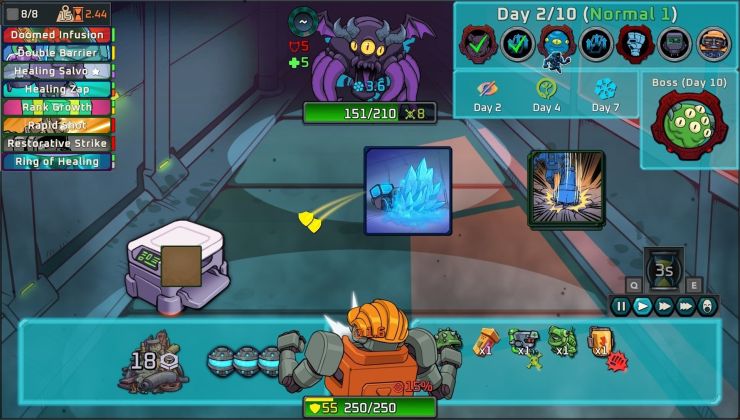
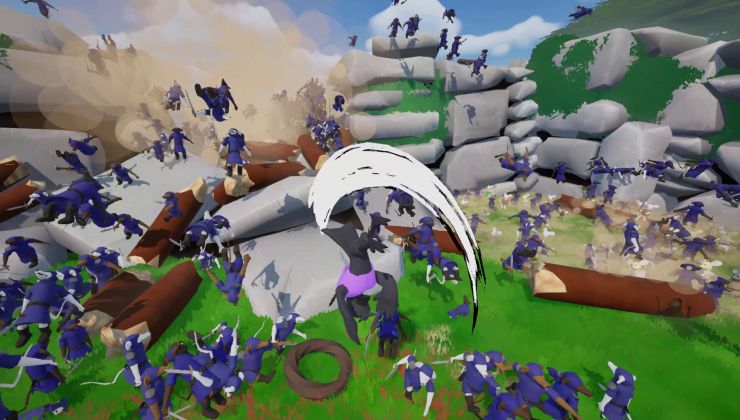
Third-person mech-action shooter roguelike RIG Riot gets a demo
.
Read the full article on GamingOnLinux.
.
Read the full article on GamingOnLinux.
While headlines warn about the risks of AI, the technology also offers remarkable benefits. One of the biggest advantages is its ability to process and analyze data at lightning speed and to put that information to practical use. Real-time data can make video games more fluid, responsive, and immersive than ever before, offering players experiences that adapt to their style and preferences in the moment.
As games become more complex and connected, the amount of data being generated has grown exponentially. Every movement, decision, and interaction can be captured and analyzed, enabling developers to understand not just how games are played but also why players behave as they do. This insight is at the heart of modern game design.

As the name suggests, real-time analytics involves analyzing data streams as they are generated. This continuous analysis allows systems to respond almost instantaneously, producing insights or outcomes with impressive accuracy. But what does this mean for players, developers, or even entertainment platforms beyond gaming?
For developers, real-time analytics provide immediate feedback on performance, balance, and engagement. If a particular level proves too difficult or a feature isn’t being used as intended, adjustments can be made quickly, sometimes without players even noticing. This ability to fine-tune experiences on the fly helps keep games enjoyable and relevant long after launch.
Online platforms are increasingly using real-time analytics to tailor experiences for individual users. For example, a platform may observe which types of games a player enjoys most or which challenges they respond to eagerly. This data can inform recommendations, highlight new content, and adjust difficulty levels to match the player’s skill level, making every session feel personalized and engaging.
Personalization also plays a role in retention. Players are far more likely to return to a game that feels fair, rewarding, and aligned with their preferences. By recognizing patterns in behaviour, developers can create progression systems, rewards, and events that feel timely rather than generic.
Even the online casino industry, though not the focus here, provides an illustrative example. Some review platforms now rate sites using real-time data, so the top online casinos in competitive markets like Canada are ranked based on factors such as user engagement, game variety, and promotional offerings. This demonstrates how immediate insights can improve both the service and the player experience.

Real-time analytics also transform how players interact with games. In many competitive games, whether strategy-based or team-oriented, field or map conditions can change rapidly. Real-time data allows game mechanics, AI opponents, or in-game events to adjust dynamically, creating more realistic and challenging scenarios. Players can adapt their strategies on the fly, making decisions informed by constantly updating information.
In multiplayer environments, this can also support fairer matchmaking. Analytics help ensure players are matched with others of similar skill levels, improving competition and reducing frustration. This balance is essential for keeping online communities healthy and engaged.
This has clear advantages: gameplay becomes more engaging, decisions are more meaningful, and strategic depth increases. However, it can also create pressure. Players may feel compelled to act quickly, sometimes sacrificing thoughtful planning in favour of an immediate response. Balancing speed and strategy is part of the modern gaming challenge.

Where real-time analytics truly shine is in preparation and anticipation. Data on player behaviour, environmental changes, or evolving game conditions can be analyzed in advance of critical moments. This allows players to make better-informed decisions, anticipate opponents’ moves, and adjust tactics effectively. The result is smarter gameplay and more satisfying outcomes.
From training modes that highlight weaknesses to live dashboards that track performance trends, analytics are becoming a powerful tool for improvement rather than just observation.
Where real-time analytics really do win out is when they are used in the run-up to a contest. There are many factors that can affect the outcome, from sudden announcements about player injuries to changing weather forecasts.
By taking these into account, it not only gives an indication about what the result will be, it also leads to better prediction of odds and, if the odds go your way, an even bigger payout if you win.

.
Read the full article on GamingOnLinux.
.
Read the full article on GamingOnLinux.

.
Read the full article on GamingOnLinux.

.
Read the full article on GamingOnLinux.
After the electric atmosphere of CES, GeForce NOW has announced that Devolver Digital’s Quarantine Zone: The Last Check will be among 9 new games coming to the video game streaming service.
Quarantine Zone: The Last Check, Star Wars Outlaws, The Legend of Heroes: Trails Beyond the Horizon, Styx: Shards of Darkness, Styx: Master of Shadows, Guild Wars: Reforged, Mon Bazou, Tavern Keeper, and Waterpark Simulator will all be added to GeForce NOW this week.
GeForce NOW is a video game cloud streaming service made by hardware giant NVIDIA, which lets subscribers play games like Arc Raiders and Baldur’s Gate 3 on demand. The service also offers features from NVIDIA, like GeForce RTX and their NVIDIA Blackwell RTX servers for very fast streaming.
This week, Quarantine Zone: The Last Check will be hitting the service. It is Devolver Digital’s newest game, where you take control of a checkpoint in a post apocalyptic zombie outbreak, make sure your outpost stays safe with upgrades, state-of-the-art screening technology, and first-person shooter action.

One of the most notable additions is Star Wars Outlaws. This is the Star Wars game we all wanted as kids, incorporating criminal reputation mechanics, space dogfights, and a very cool droid partner in a galaxy-spanning effort to make one last score. GeForce NOW also introduces The Legend of Heroes: Trails Beyond the Horizon, whichis a milestone entry in the Trails series, letting you explore the vast Calvard Republic as three playable characters that fight in both real-time and turn-based battles.
Two games from the Of Orcs and Men franchise, Styx: Shards of Darkness and Styx: Master of Shadows, have also been added to GeForce NOW’s library. The Styx games are a stealth lover’s dream franchise; both are successors to the 2012 video game of the franchise’s namesake. Play as the experienced goblin assassin, Styx, as he navigates the world with his wits, stealth, and magic, all in order to prevent the Elves and dwarves from enacting their dubious plans.
The legendary MMO Guild Wars: Reforged is an unexpected addition that has been remade for the modern age and modern hardware. Experience fighting warbands, rival gangs, and crossing inhospitable terrain in the world of Ascalon, perfect for scratching that MMO itch.

Three indie games, Mon Bazou, Tavern Keeper, and Waterpark Simulator, are now all residents of GeForce NOW’s library. Mon Bazou is a My Summer Car-esque game where, in place of finland you survive and thrive in 2005 Canada by selling maple syrup deliver pizzas and more in your effort to build and customize your race car. Tavern Keeper lets you build, customize, and stock your very own tavern, although be prepared to fight the dirt, heat, noise, and sickness that come with owning a medieval establishment.
And finally, Waterpark Simulator gives you the full waterpark experience where you are the boss. Keep your attendees in line by making them shower, tazing the belligerent and stocking your stalls while customizing your park to exactly the specifications you want.
Enjoy these newly added games on GeForce NOW today, along with the upcoming native apps on Linux and Amazon Fire TV and the newly added flight control support.
And for fans of Microsoft Flight Simulator, you can also enter to win a T.Flight Hotas One MSFS Edition and one month of GeForce NOW Ultimate. Just follow Thrustmaster and GeForce NOW on socials and repost the giveaway before January 24th for a chance to win.

.
Read the full article on GamingOnLinux.

.
Read the full article on GamingOnLinux.

.
Read the full article on GamingOnLinux.
No Rest for the Wicked has introduced their new Together coop update, offering a new level of play for fans of this budding early access title.
Moon Studios GmbH has just released the coop update for their early access darling, No Rest for the Wicked. Titled No Rest for the Wicked Together, this latest update marks the first since the long-awaited The Breach Update, that release the end of April last year. Promising loads of new features, including the long-awaited coop play, Moon Studios isn’t simply allowing players to join in on a friend’s game; they are redefining how coop play can work.

While there are many aspects to the update to be impressed by, which you can find on the official Steam page, some stand-out features include shared realms that can be accessed by any invited player, even if the host isn’t present. This allows players to collaborate even when party members are offline, continuing to build the world of Sanctuary.
Additionally, this latest update allows for difficulty scaling based on active player count, ensuring that No Rest for the Wicked’s signature, challenging combat, remains consistent with the single-player experience. With full access to every aspect of the game experience, coop players can explore the world of No Rest for the Wicked together, sharing resources, housing, loot and experience while playfully trolling one another if they so desire.
Perhaps the most impressive aspect of Moon Studio’s approach to the coop experience is that all of this will be available as part of the base game, no subscriptions, passes, or microtransactions required. Following their recent successful bid to gain independence as a studio, this latest update is a testament to the developer’s commitment to creating the game they envisioned, unhindered by external pressure.
Even in its Early Access release, we noted in our preview that this title feels like a labour of love for Moon Studios. From its unique blending of Souls-like combat and ARPG design structure, No Rest for the Wicked is one of the most unique takes on these genres we’ve seen in recent years.
For the latest news on No Rest for the Wicked and all things gaming, keep those bookmarks saved to CGMagazine.

.
Read the full article on GamingOnLinux.
.
Read the full article on GamingOnLinux.
.
Read the full article on GamingOnLinux.

.
Read the full article on GamingOnLinux.
.
Read the full article on GamingOnLinux.

.
Read the full article on GamingOnLinux.

.
Read the full article on GamingOnLinux.

.
Read the full article on GamingOnLinux.
In the world of online entertainment, innovation now moves alongside regulation. You can feel the difference. The platforms you use have become more stable, transparent, and responsive without losing their creative edge. This reflects a shift toward compliance-driven technology stacks that treat regulation as infrastructure rather than interruption. France and neighbouring markets have advanced more slowly, while Germany’s approach to governance and technology integration keeps it at the forefront of digital services.
You interact with platforms subject to EU-level frameworks, such as the Digital Services Act, and to national enforcement. Here, governance is embedded directly into systems rather than added at the margins. Content moderation, identity verification, accessibility, and reporting run continuously in the background, providing a more reliable and professional experience. For operators, compliance technology underpins sustainable growth, demonstrating how structured governance can support creativity, interaction and long-term trust.

Germany’s compliance architecture is built on layered obligations that affect nearly every interactive platform you use with a meaningful user base. The Digital Services Act introduced ongoing risk assessments, transparency reporting, and formal complaint-handling processes for digital intermediaries. National laws further expand these duties, particularly regarding content moderation speed, tax transparency, and consumer protection.
You may never see these systems directly, but they influence how platforms log your interactions, flag violations and document decisions that affect your account or content. Today, developers design systems in which regulatory logic runs alongside core functionality, rather than being added later. Accessibility requirements taking effect in 2025 have also reinvigorated interface design, improving how you navigate platforms using different devices or assistive technologies. Together, these rules dictate the technical foundations behind the experiences you engage with daily.
Germany’s compliance stack has become a practical test of operational maturity within regulated entertainment sectors. Licensed casinos operate under strict identity verification, age controls and behavioural monitoring obligations that directly affect how you onboard and play. The list of German online casinos at CasinoBernie illustrates how operators can integrate regulatory tooling while maintaining smooth gameplay and a user-friendly experience.
These platforms rely on automated identity checks, transaction monitoring and centralized reporting dashboards to remain compliant while keeping interaction flows smooth. From your perspective, this results in faster verification, clearer limits and more predictable platform behaviour. As a result, industry discussions increasingly frame compliance engineering as a competitive advantage rather than a burden; when governance systems are built into the product, you benefit from stability without feeling constrained by regulation.

Compliance technology in Germany is increasingly shaping the user experience of interactive platforms. Accessibility standards have led to cleaner interfaces, clearer navigation paths and better compatibility and collaboration across platforms, devices and assistive tools. Meanwhile, automated content moderation systems help keep communities you participate in active while reducing exposure to harmful behaviour, with you benefiting from faster report responses and more consistent rule enforcement.
Transparency requirements also influence design decisions, providing clearer explanations of moderation outcomes, account actions, and data usage, which together contribute to the predictability and fairness many users now expect. From the platform side, compliance tools generate real-time insights into risk patterns and behaviour, allowing adjustments without disruptive redesigns. As a result, innovation often accelerates rather than slows, while your experience improves quietly over time.
Germany’s digital compliance domain has also reinvigorated competitive dynamics across interactive entertainment. Large platforms face heightened scrutiny under EU competition and market fairness rules, while smaller operators gain clearer entry paths through standardized compliance expectations. For developers, this reduces ambiguity around legal obligations and supports more predictable product planning. As a user, you can access a broader range of platforms that offer localized services without sacrificing professionalism.
Interoperability expectations and data governance rules encourage modular system design, enabling platforms to expand across regions with minimal disruption. In this context, compliance technology vendors have become integral partners in this ecosystem, supplying adaptable tools that keep pace with regulatory change, resulting in competition driven by quality, reliability, and user trust.

Looking ahead, Germany’s compliance-centric technology stack positions interactive entertainment platforms for long-term resilience and that resilience directly affects you. Regulatory focus is expected to expand into areas such as algorithmic accountability, youth protection and real-time risk monitoring, with platforms that already operate continuous compliance systems adapting more smoothly to these shifts. For you, this likely means services that progress steadily rather than through disruptive corrections.
Developers increasingly treat compliance tooling as core infrastructure, similar to security or performance optimization, which supports faster innovation cycles and more confident experimentation within defined boundaries. Germany’s situation shows that strong governance, when supported by modern technology, creates conditions in which platforms can grow responsibly while delivering experiences that feel stable, transparent, and future-ready.