Turning off ray tracing for better frame rates has become a ritual for PC gamers who've decided the technology is an overpriced gimmick. They're wrong about the quality, wrong about the development costs, and wrong about the future. Here's why.
The Steam Controller went on sale on 4th May 2026. It was gone in 35 minutes. Within the hour, the same controller you'd just missed buying for £85 was available on eBay for £200. Same controller, different breed of parasite. This is the piece where we talk about scalping properly, because it's time someone did.
Microsoft's next Xbox is a Windows PC with a console UI bolted on top and a rumoured £850 price tag attached. This is either the most honest thing a console manufacturer has done in thirteen years, or a very expensive identity crisis. Possibly both.
I have 471 hours of Civilization VI on Steam. I have 18 hours of Civilization VII. Those numbers tell a story that no amount of patch notes can easily undo, and the Test of Time update has the unenviable job of changing the ending.
Pearl Abyss launched Crimson Desert, listened to everyone complaining about it, and then fixed most of it. In three weeks. While other studios are still deliberating whether to acknowledge a bug from 2022, a Korean developer has quietly rewritten the rules of what players should expect from the people making their games.
Gaming monetisation didn't arrive as a villain. It arrived as a reasonable proposition — a way to fund ongoing development and to reward engaged players. Then the reasonable proposition became a psychology experiment. Then the psychology experiment became the product. Here's how it happened and why you should be annoyed about it.
IGN gave Crimson Desert a 6/10. Players are having a considerably better time than that suggests. So who's right — and does it matter? A look at what games criticism gets wrong, what it gets right, and why the gap between critic scores and player experience keeps getting wider.
You loaded up a price comparison site with entirely reasonable expectations. You've done your homework. Then you saw the prices. Then you closed the laptop. This is the RAM crisis of 2025-2026, brought to you entirely by artificial intelligence — and what you should actually do about it.
Forza Horizon 6 charts entry has pulled off a surprise, landing at #2 in the UK physical charts. That’s not typical—these charts are usually packed with Nintendo and PlayStation titles. Xbox games rarely crack the top five. The last time that happened was Starfield. So Forza not only managed to debut high, it outsold a new Nintendo release, Yoshi and the Mysterious Book, during its launch week. In the UK, that almost never happens.
Important Shift of Gear as Forza Horizon 6 Charts at Number Two
Why does this matter? Nintendo usually owns the physical charts, while Xbox fans tend to buy digital. Forza’s boxed version is exclusive to Xbox, so those sales are coming straight from Xbox players. Plus, it’s on Game Pass, which you’d think would hurt physical sales—but even so, the game still made it. Steam sales are also high but they are digital sakes.
Basically, Forza Horizon 6 crushed the usual expectations for Xbox games.
Now, the engagement side is interesting too. Xbox CEO Asha Sharma said Forza Horizon 6 set a new record for most-played early-access in the franchise’s history. That means people were hyped before it officially launched.
All of this together—big physical sales and strong early engagement—suggests that Xbox is getting some of its spark back. Players are checking out major Xbox releases again, the brand seems to be finding some new energy in the UK, and the Game Pass strategy isn’t hurting enthusiasm. If anything, it’s helping.
Xbox making a comeback?
Xbox (or should that be XBOX now?), is working hard to re-engage fans. Here are reasons why this early Forza Horizon 6 charts success could signal the start of a fightback.
1. Xbox finally delivered a blockbuster. People always said Xbox lacked great exclusives, but Forza’s launch shows that when they hit the mark, players notice.
2. Strong launches get noticed. If people start seeing Xbox games charting high again, it builds confidence—and that drives subscription and hardware sales.
3. The UK sets the tone. It’s a big market for Xbox in Europe, and success here often signals bigger wins across the continent.
4. Physical sales matter more than you’d think. Xbox’s audience usually goes digital, so when a game sells well physically, it means it’s reaching casual gamers, families, and impulse buyers—the kinds of people who usually fuel mainstream popularity.
Let’s be honest, this doesn’t mean Xbox is totally back. The numbers were close—Forza only edged out Yoshi by about 300 copies, and the top spot still went to Lego Batman: Legacy of the Dark Knight.
But if you put everything together—the high launch position, the player boost, beating a Nintendo newcomer, and the fresh buzz—Forza Horizon 6 might just mark the first real sign in years that Xbox is heading in the right direction again.
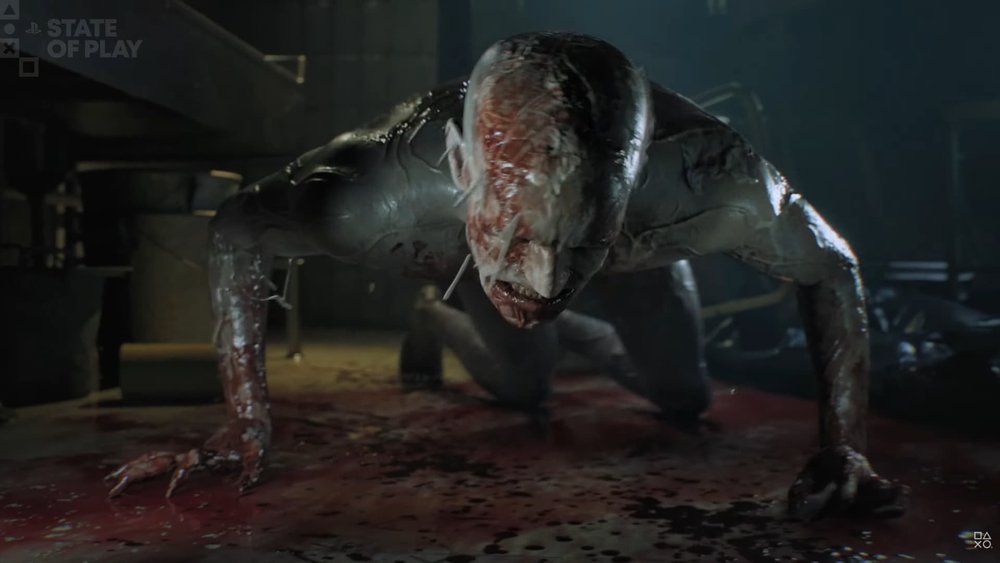
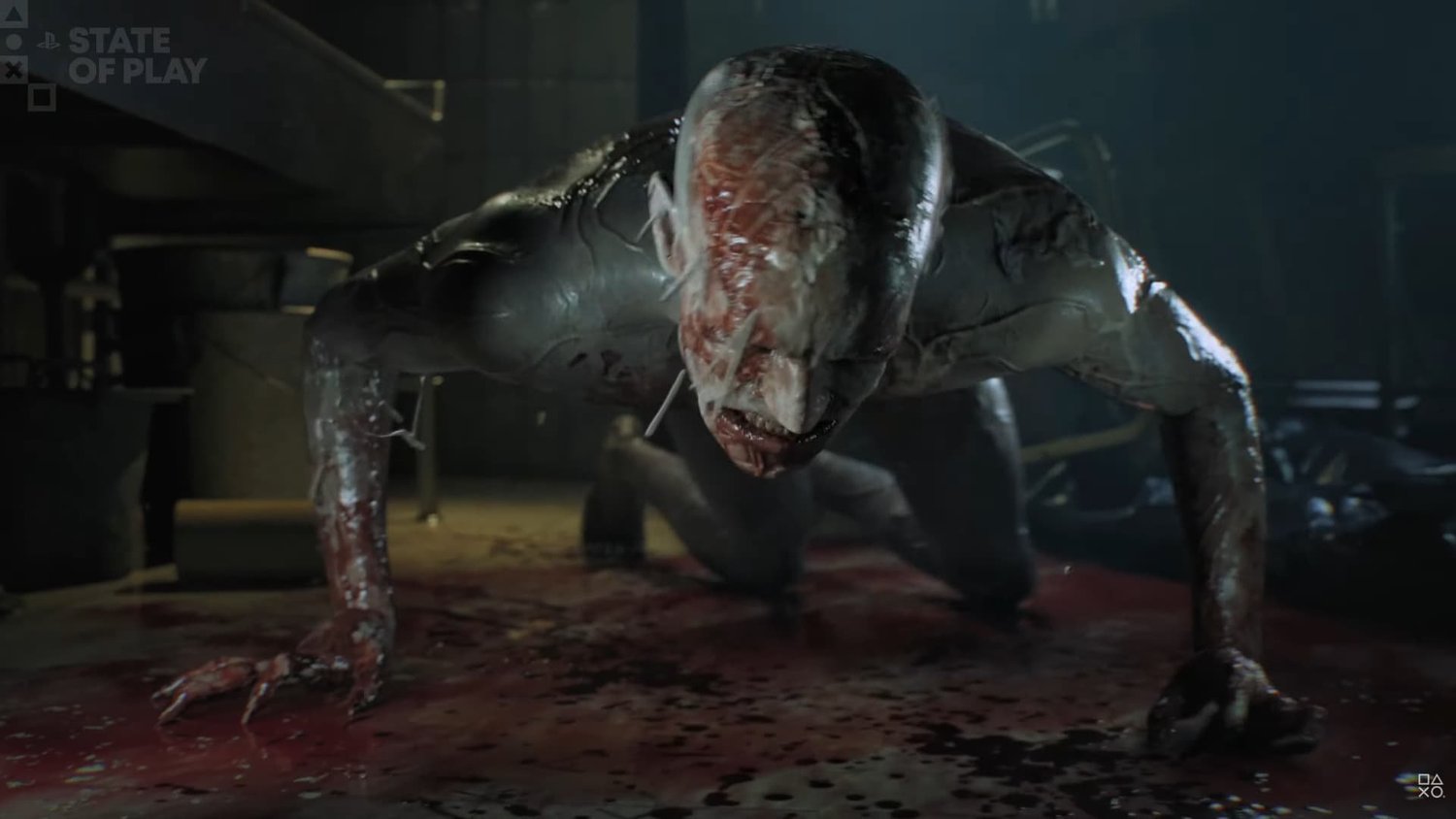
Among all of the games shown at the June 2026 State of Play, the survival horror game ILL is the one I'm most excited for, as the gore and atmosphere seen in its latest trailer did it for me. See it for yourself below.
The whole project is reminding me of The Thing, as the level of body dismemberment and disfiguration for its gore and the creatures you have to face really stick out in this latest showing. This is also a survival game where yes, you have firearms to defend yourself, but ammo will be hard to come by, a typical problem for survival horror games.
You play as a coma patient who miraculously wakes up fully recovered and is now facing a research facility filled with all of these horrors. It's being built in Unreal Engine 5 and is in development for PS5, Xbox Series X|S, and PC, with a 2027 release currently on the cards.
Survival horror games were considered a hard sell in recent years. Every now and then you'd see a few released a year, but that has changed. It feels like a resurgence for the genre as there's now a variety of horror titles to choose from: the retro aesthetic of Crow Country, the recent success of the Resident Evil franchise, multiplayer games like Phasmophobia, remakes of classics like Dead Space, unique titles like The Mortuary Assistant, and even Konami finally waking up the Silent Hill franchise with multiple games, from the Silent Hill 2 remake to Silent Hill f and more.
ILL continues to show that there's a growing appetite for the gruesome and unsettling. I doubt it will hit Call of Duty sales numbers but there’s a clear market out there. Hoping to see more, as we have yet to see an unfiltered gameplay walkthrough.
Developer Team Clout’s upcoming survival horror wasn’t the only highlight of the show. On the first-party front, Sony’s show had a few things to share during the State of Play, as we saw new footage of Marvel’s Wolverine, and we then had our first look at God of War Laufey, the new entry in the franchise.
Carlos Hernandez is the founder and Editor-in-Chief of Too Much Gaming, where he writes about video games, reviews, and industry news. A lifelong gamer, he would do anything to experience Final Fantasy Tactics for the first time again and has a love/hate relationship with games that require hunting for new gear to improve your character.
The June 3, 2026 State of Play has concluded, and one of the big reveals was not only the release date for Capcom's Onimusha: Way of the Sword (September 25, 2026), but they also dropped a playable demo on the PlayStation 5, and that's pretty much the first thing I did the moment the show was over. Here are my thoughts.
Timing is everything
The demo was short but sweet, showing that it's not a flashy action adventure where you chain multiple hits like in Devil May Cry, or even a grounded methodical one seen in Soulslikes. What we have is a game with simple button inputs that reward careful timing.
Almost everything in combat requires precision to be good at the game, as deflecting, parrying, and dodging all reward players with counters and opportunities. The nice addition is blade clashing, where an enemy's attack and your attack connect and trigger a clash that requires you to quickly do a follow-up attack. Do the same attack input again and you could lose. To win a clash, you need to press the other attack input. This addition prevented me from spamming attacks and kept me on my toes.
The demo was pretty much focused on the feel of the gameplay, as any form of upgrades or progression was locked out. All I could do was look at the in-game map or fiddle with the game’s settings. The demo only gives you access to a narrow location with normal fodder and a few yokai enemies that were slightly tougher than the grunts you meet in the first few minutes.
The real challenge was the boss at the very end.
Bosses can go hard
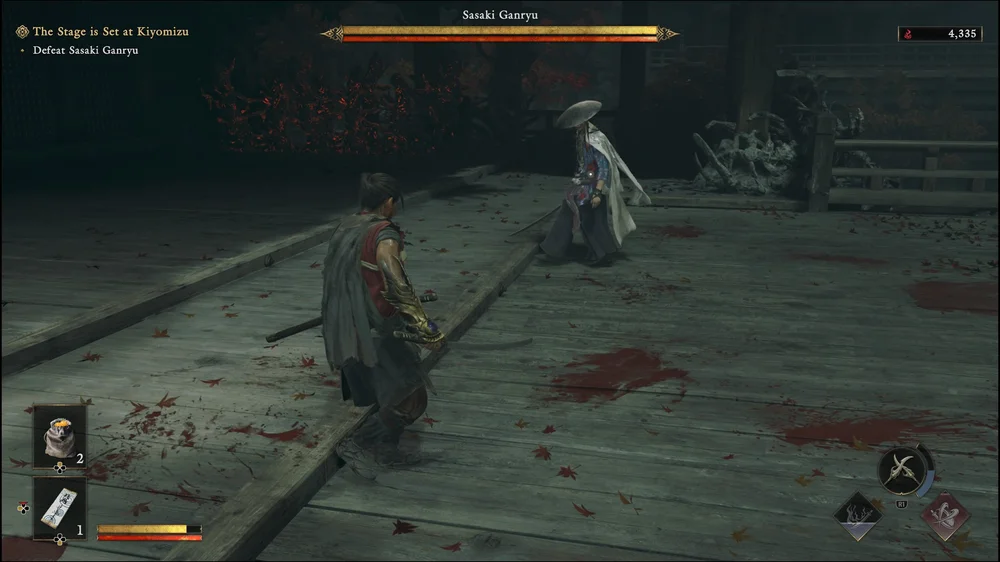
Well, not entirely a challenge. It was done before I could really get things going, but I did die on my first attempt since I was trying to force different openings through parrying, blocking, or dodging. It's not overly challenging to rival soulslike difficulty, but fun enough to come across as a spectacle rather than a wall you bash your head against for hours. It felt intentionally over-tuned: both the boss and I were dealing chunky damage to each other, making the fight end faster than you'd normally expect from what felt like a significant encounter. But then, this wasn't a monstrous yokai to overcome, it’s a clash between two Onimushas wielding similar gauntlets that grant them supernatural abilities, and they knew each other.
It's a big tease of how boss fights in Way of the Sword can go, as it ends abruptly with a "Thanks for Playing" splash screen and a note that pre-orders are now available.
Nothing too outrageous as based on free demos from Capcom in the past, they tend to be this short, but it felt effective, as it clearly distinguishes the type of combat you can expect from this game. With action RPGs everywhere thanks to the success of Dark Souls and its descendants, releasing a demo that focuses squarely on that and nothing else is a win.
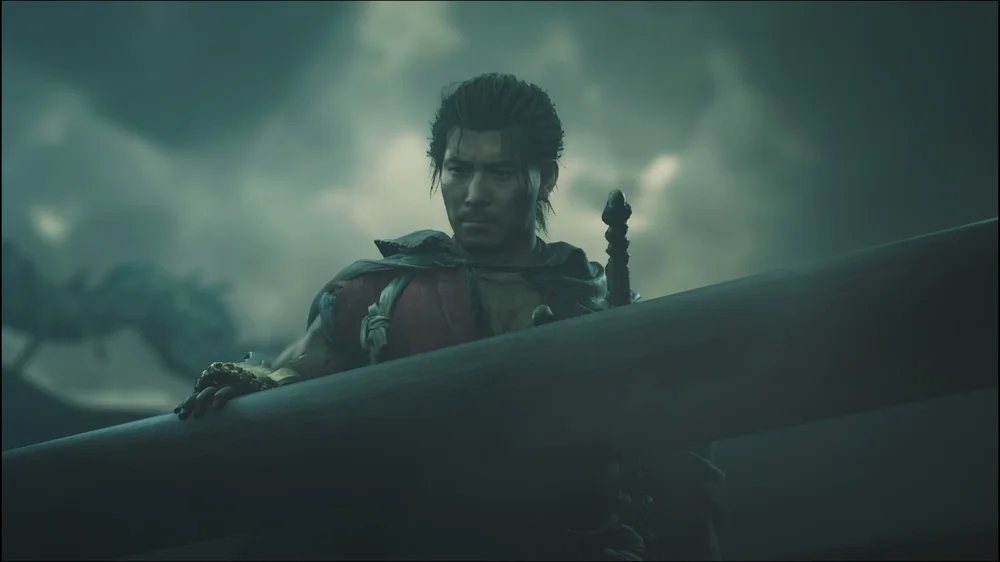
Another clear win for me was Musashi himself. Despite spending only a short time with the guy, he showed a lot of facial animation as he was expressing annoyance, confusion, frustration through face and body language. This added to my excitement for the game, which was also built on Capcom's in-house RE Engine, what I believe is one of the best engines in the industry thanks to its flexibility and optimization (minus Monster Hunter Wilds on PC).
I'm left impressed and eager to know and play more. With how good Pragmata and Resident Evil: Requiem are, this gave me the confidence that 2026 could very well be Capcom's best year in a long time. If Way of the Sword comes out great, the company will have nailed delivering a new IP, a once-dormant one, and a mainline entry in a beloved series during a single year. That's a hat trick that could happen this September.
Carlos Hernandez is the founder and Editor-in-Chief of Too Much Gaming, where he writes about video games, reviews, and industry news. A lifelong gamer, he would do anything to experience Final Fantasy Tactics for the first time again and has a love/hate relationship with games that require hunting for new gear to improve your character.
Another weekend has gone by and it feels like the calm before the storm in the video game world. June is here, and that means big announcements and reveals that will likely map out the rest of 2026 thanks to Xbox Games Showcase, the next State of Play, and Summer Game Fest 2026. But it was thankfully a relaxing one, with multiple games played, and I found some interesting revelations along the way. Here's what I played.
Abiotic Factor
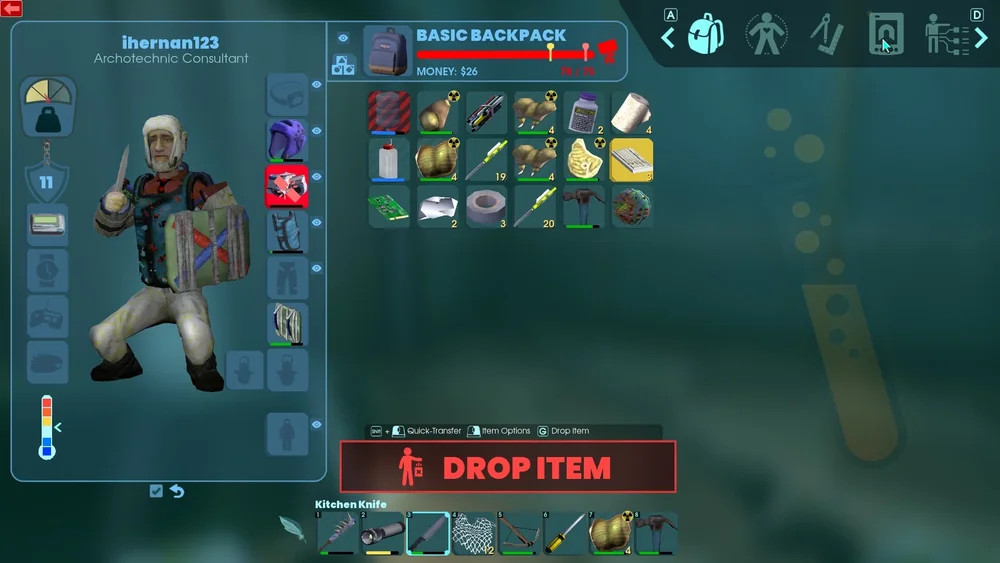
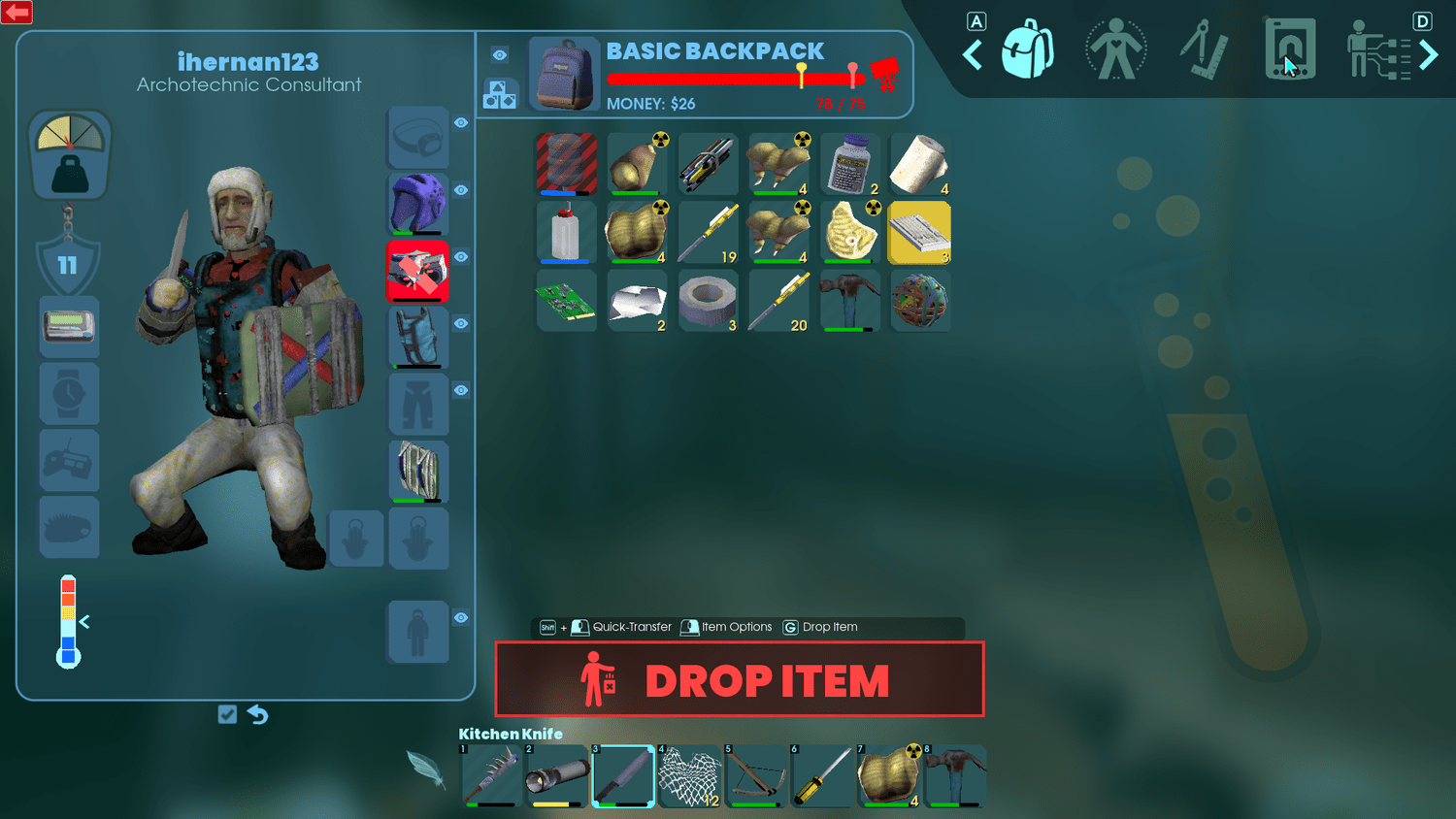
Looking through PC Game Pass, Abiotic Factor caught my eye and I found myself downloading it out of sheer curiosity. The low file size had the game ready by the time I made my first cup of coffee, and I jumped right in on a Saturday morning.
To my surprise, it's a relatively engrossing survival game with a weird sci-fi setting where you play as a scientist joining an underground facility that suddenly goes into lockdown and becomes infested with monsters from another dimension. You have to use whatever you find on each floor to manage basic needs like hunger, sleep, and other health issues while crafting items that slowly progress you upward through the floors, which became the eventual goal being to escape the facility altogether.
The game has a retro '90s visual design that reminded me of Half-Life or PlayStation 1 character models. It's jarring at first glance, but it's actually one of the reasons I gave it a shot as I was never much of a survival crafting fan. This one was a big surprise: it's less about building a home base and more about creating a temporary safe refuge as you move from one area to the next breaking down computer chairs and PCs for parts and materials needed to create a key object or item to move forward. I'm surprised to find myself getting sucked in. A big difference from Subnautica 2, which didn't grab me nearly as hard. More soon.
Marathon Sessions with new friends
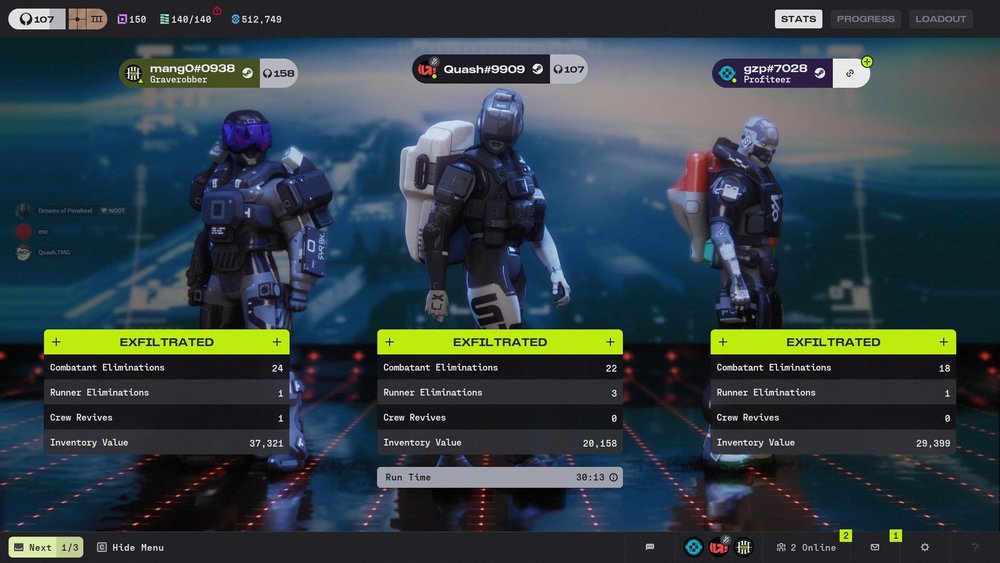
I've joined a new Discord server for Filipino players of Marathon, and it's probably the best decision I've made since reviewing the game. I never completely gave up on it as it's currently my go-to shooter whenever I just want an FPS session.
Season 2 for the extraction shooter is this week, and on Saturday night we had a handful of groups doing runs to burn through as much of our vault items as possible before the seasonal wipe. Once Season 2 begins, every player starts fresh, as like Tarkov, stash wiped, faction progress reset.
Marathon hits differently when you're playing with people you can actually coordinate with. I've been running with these guys for weeks now and there's a genuine sense of friendship forming. I still markMarathon as a hard sell for newcomers, but we'll see if Bungie has done enough to turn things around next season.
Outward 2 Beta
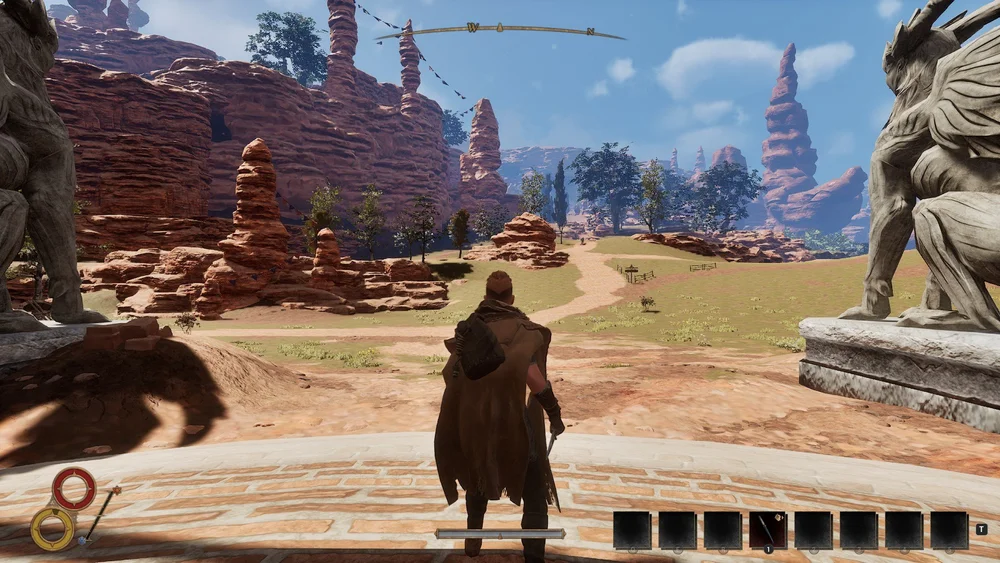
Sunday morning was spent covering the Outward 2 beta. I still don't have enough time in it for a solid impression, but one thing is already clear: developer Nine Dots Studios is doubling down on the open-world RPG's signature difficulty. Not Soulslike difficulty, more like a deliberate lack of handholding. The missing features are actual features: maps don't show your exact location, there's no fast travel, and survival elements like food and stamina slow everything down and demand serious planning before heading out on any adventure. This game throws you into the deep end and expects you to figure it out, and with how modern open world and RPGs games nowadays, there are people looking for this type of adventure, despite its glaring issues.
More soon. The Outward 2 beta runs until June 8, with early access launch set for July.
That's the weekend. Busy in between responsibilities, but enough time to squeeze out some good insights. I do feel the itch of booting Abiotic Factor again later and willing to stop playing it if anybody is looking for an extra player to do a few runs in Marathon. Outward 2 will likely be spent later after the week ends as its rough edges don’t excite me that much to spend too much time on it as I’m getting a clear understanding on what they are focusing on in the sequel.
Carlos Hernandez is the founder and Editor-in-Chief of Too Much Gaming, where he writes about video games, reviews, and industry news. A lifelong gamer, he would do anything to experience Final Fantasy Tactics for the first time again and has a love/hate relationship with games that require hunting for new gear to improve your character.
As the first weekend since the announcement that Destiny 2 is ending its live service went by, a lot has been said online. The community is loud. Grief, anger, pretty much all the emotions are coming out, and it's clear that despite the low player count in recent months, the Destiny community is alive and watching. I too took some time to just absorb this news, and it's still hard to accept that no new content is coming to a game I've played on and off since 2014. Bungie did create something special, and it has become part of many people's lives.
The final update is coming on June 9, 2026. After that, it's pretty much maintenance mode with no content planned for its future. Where does the community go from here? Naturally, they are looking for answers, hope, anything at this point. A petition has been made to encourage Sony to greenlight a Destiny 3, as it's reported that there is currently no follow-up in development. This petition has over 250K signatures as of this writing. You can sign the petition yourself here.
Will it nudge Bungie leadership and Sony executives? Probably not, but it's still ammunition for the developers currently going through meetings, pitching projects, simply trying to survive a significant wave of layoffs coming towards Bungie in the near future.
But how did a beloved video game like Destiny 2 reach this point? A large community that has spent countless hours on raids, PvP, and other activities with friends and family. I was thinking about this a lot during the weekend, and it all boils down to one single entity: Bungie.
Bungie is the real Destiny killer
In 2022, Bungie released The Witch Queen, one of the best expansions ever released for Destiny 2, as many mark it as the game's peak in terms of content and storytelling. That resulted in the game hitting a 290K concurrent player peak on Steam at launch. It was a massive success for Bungie, a strong showing for a company that had just been acquired by Sony for $3.6 billion.
But then the Lightfall expansion happened. In 2023, they didn't recreate a similar success despite hitting a new Steam peak of over 300K players at launch. People were excited, and that was thanks to what they had experienced in The Witch Queen. Simply put, Lightfall is one of the worst expansions ever released for the game, and the follow-up seasons only soured the overall feel for many. Excitement for 2024's expansion remained, though, as The Final Shape was set to conclude the franchise's overall narrative.
Then the first major wave of layoffs hit. In October 2023, the company cut roughly 100 employees, and reports confirmed that Destiny 2 revenue was down 45% below projections, which all traced back to Lightfall's poor performance and reception.
At the same time, Bungie's ambitions in the wake of The Witch Queen's success had been running well ahead of its results. Now acquired by Sony and coming off a genuine creative high, the studio had expanded aggressively and ramped up development on Marathon, wanting to become a multi-game studio capable of running two live-service titles simultaneously. Lightfall's failure made the scale of that bet very expensive, and the delay of The Final Shape from February 27, 2024 to June 4, 2024 to make it the best it could possible be was also costly.
Excitement for the next expansion remained, though. The Final Shape was set to conclude the franchise's decade-long narrative, and it delivered, drawing a new concurrent player count peak and earning the kind of critical reception that reminded people what Destiny 2 was capable of. But it came too late to reverse the structural damage already done. The studio was overstaffed, the revenue gap left by Lightfall had never fully closed, and The Final Shape's success, as amazing as it was, couldn't justify what Bungie now cost Sony to operate.
It's a story of mismanagement and overly ambitious decisions. During their biggest success, they aimed even higher, and when they missed, they've been playing catch-up ever since, with Sony increasingly watching from the background, scrutinizing an acquisition that struggled to justify its price. On May 8, 2026, Sony announced a $766M impairment loss against Bungie, a clear acknowledgment that the studio was nowhere near as valuable as the $3.6 billion paid for it.
Post Final Shape
Bungie soon released two smaller expansions: The Edge of Fate and the Star Wars-inspired Renegades. This is the game’s first wave of content meant to begin a new saga for the game. That didn't go well. The Edge of Fate drew a mild turnout, and Renegades was worse. Neither came close to the numbers seen at Lightfall or The Final Shape.
It was clear to me that many players had checked out, and I was one of them. The Final Shape had felt like the perfect send-off. My journey with the game felt genuinely complete. Despite its fumbles over the years, I had enjoyed my time with Destiny 2 and decided to move on. My Guardian was at peace. I told myself that if new content could pull me back, so be it.
It never did. Not even Renegades, which added lightsabers to the game.
Then Bungie announced in February 2026 that they would be delaying the next major Destiny 2 update by over three months, creating the longest content drought the game had ever experienced. Many speculated the studio was buying time for a bigger reveal, with Marathon also releasing around the same window. In the end, it was the worst possible reason. It was all coming to an end.
Marathon is the punching bag
With Destiny 2 now getting shelved, their only active title is Marathon.
I enjoy Marathon, but I gave it a 3.5/5 because there are issues and it’s not a product I will happily recommend to a regular player. It’s a brutal game. An intimidating one, and it requires a lot of patience from a player to show its good side.
I had high hopes for the game as it slowly gets supported, but I never imagined it being the breadwinner of a studio with over 500 employees. A risky venture like Marathon felt manageable with Destiny 2 doing the heavy lifting, as it should be, Bungie is, at its core, a Destiny studio. But without Destiny content being created, confidence in the extraction shooter has gone out the window.
I still think they can produce content compelling enough to bring players back, and Season 2 launches on June 2, but it will not be the next Destiny 2 in the short term, or even an Arc Raiders. Without Destiny 2, it's hard to picture Marathon still standing by the end of this year.
Marathon carries a lot of baggage. Its art style and atmosphere were intriguing at reveal, but many players were turned off once the extraction shooter genre was confirmed, a niche subgenre that is slowly getting crowded. The biggest early blow was Bungie allowing content creators to show alpha footage that looked nowhere near finished: environments appearing like placeholders, assets rendering raw, far removed from what the game eventually became.
The backlash led to the game's first delay and a prolonged radio silence from the team. Then came the art plagiarism controversy last year, another credibility hit the game didn't need. The surprise here was that the community wasn’t shocked that the studio did this, the reception felt like it’s expected for them to drop the ball in this manner, a clear showing that player’s trust is severely damaged.
For added weight, Marathon became the next target of a vocal contingent with deep hostility toward Sony's live-service ambitions, being lumped in alongside Concord's abysmal launch, which peaked at only 667 concurrent players on Steam. Highguard, a free-to-play 3v3 online shooter by Wildlight Entertainment, shut down just 45 days after release, so that didn’t help the ongoing narrative either. Pile on top of that the frustrations of Destiny 2 players already primed to distrust Bungie, and you have a significant portion of the potential audience arriving with a bad impression before the game even launched.
That's a lot of pressure and noise for the Marathon team. It will be surprising if things actually turn around for them in the near future, but it's hard to picture that happening without Destiny 2 carrying most of the weight. In the weeks leading up to Destiny 2's final update and beyond, the extraction shooter will be the only clear outlet for disgruntled players.
The best scenario for Bungie
The next question is what the best scenario looks like for both games. For Marathon, it's straightforward: future content that actually attracts players who like extraction shooters and builds a reasonable base to support future seasons.
Destiny 2? Despite the clear community interest, a Destiny 3 feels like a long shot. That project would require another surge of hiring, and with Destiny 2's development wrapping up amid clear preparations for a major studio downsize, that timeline doesn't line up. A remastered Destiny 1 seems more achievable, letting players experience the full arc of the franchise, either on console or PC (the original game never released on PC), while restoring Destiny 2's base campaign, which was removed from the game in a decision that still stings whenever it comes up.
These are long shots, but they're the only ones that make sense given the circumstances. The realistic scenario is that Bungie gets any Destiny-adjacent project greenlit, even if it's not a sequel. Something smaller. Something that can pay the bills while Marathon finds any footing, because a Bungie with no Destiny in the pipeline at all is genuinely hard to picture surviving intact.
I don't know what the future holds for the franchise, but this series deserved better. It's still shocking to know that Destiny 2 will never be part of my regular rotation again. I had fond memories playing this looter shooter. I've been challenged, and I've even made great friends through this game. Hopefully the Destiny community gets some good news soon as it's been long overdue. All I can think of right now, after finishing this piece, is securing the week of June 9. I'll be playing as much as I can, and I expect the majority of its fanbase is ready to do the same.
Carlos Hernandez is the founder and Editor-in-Chief of Too Much Gaming, where he writes about video games, reviews, and industry news. A lifelong gamer, he would do anything to experience Final Fantasy Tactics for the first time again and has a love/hate relationship with games that require hunting for new gear to improve your character.
Like most expressions of the hypermasculine crime genre, from song to film, the Yakuza series’ relationship to its women is often patronising at best and hostile at worst. Its most recent release at the time of writing, the tepid Yakuza Kiwami 3 (along with the bundled campaign Dark Ties), is the very picture of this. The hiring of confessed sex pest Teruyuki Kagawa for one of the most involved likeness character roles in the entire series (he’s the first actor to do his own mocap for the game) is the immediate example.
Fellow game journalist Ashley Schofield writes for Skybox that, despite having always depicted unambiguously misogynistic predators as bad guys, the series really isn’t so much at odds with itself in Kagawa’s presence as it is following its hypocritical treatment of women to its conclusion. From iron-hearted acting Tojo chairwoman Yayoi Dojima becoming a damsel in distress in Yakuza 2, all the way to Chitose Fujinomiya’s arc in Like a Dragon: Infinite Wealth, stripping all agency from her unsavoury deeds, female characters are at once deified and treated as tools for the development of their male counterparts.
There is nothing in the franchise that shows this quite as well as creator Toshihiro Nagoshi’s philosophy, kept alive by his close collaborator and now leader of RGG Studio, Masayoshi Yokoyama: with a few exceptions (namely Tanimura’s female instructor in Yakuza 4, the 9-year-old Haruka Sawamura, and a couple of trans women - I wonder why), Kazuma Kiryu and friends are forbidden from ever raising a hand against a woman. Every time a villain hits one during a cutscene, too, she always falls to the ground and stays there, no matter her level of fighting skill; a grand show of just how despicable the action is.
As the years have gone by, the series has made several attempts at grappling with the idea of fighting female characters. Like a Dragon: Pirate Yakuza in Hawaii promised a lady main villain with a swordswoman for a retainer — yet refused to let you actually punch either of them. Instead, the game only allows a ship battle against the big baddie’s pirate crew, never mind the fact that Goro Majima doesn’t seem that averse to hitting women (he’s slapped his forgotten ex-wife at least once, for one).
Even the otherwise pro-woman Yakuza: Like a Dragon balks at the concept of fighting crime leader Seonhee, instead making her sic her male second-in-command, Joongi Han, on Ichiban Kasuga and company. Lost Judgment’s biker gang racing mode may be the closest we get; there is an all-girls crew whom the player must knock off their rides to gain politicking leverage, led by goth rocker badass Rina Minagawa (whose main contribution still is just having been in love with the leader of the gang to which hers is a subgroup... baby steps).
Source: Author
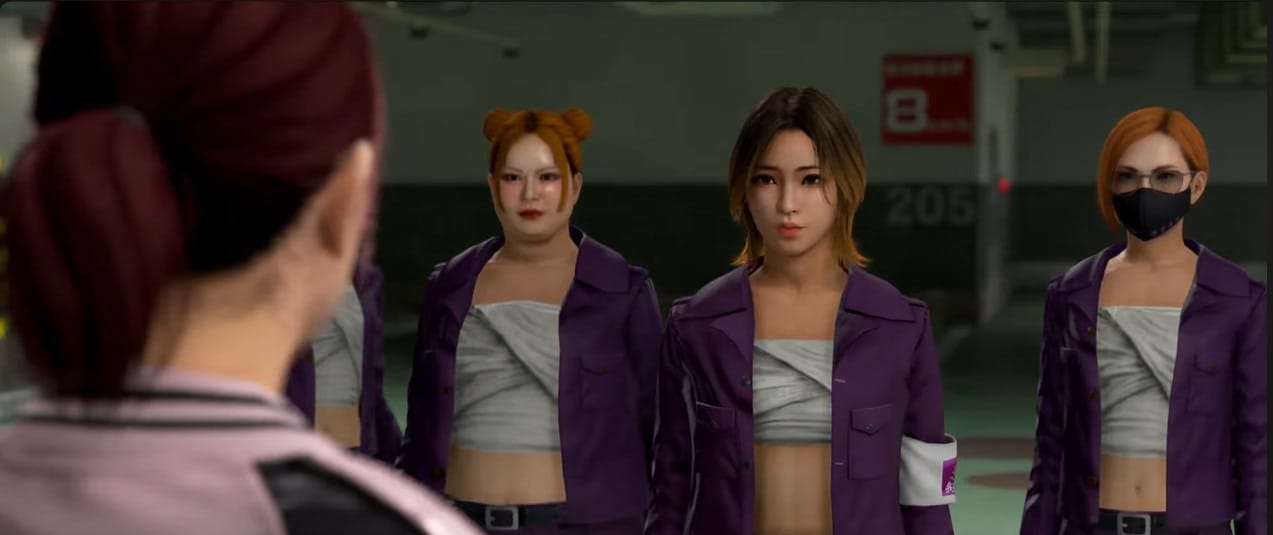
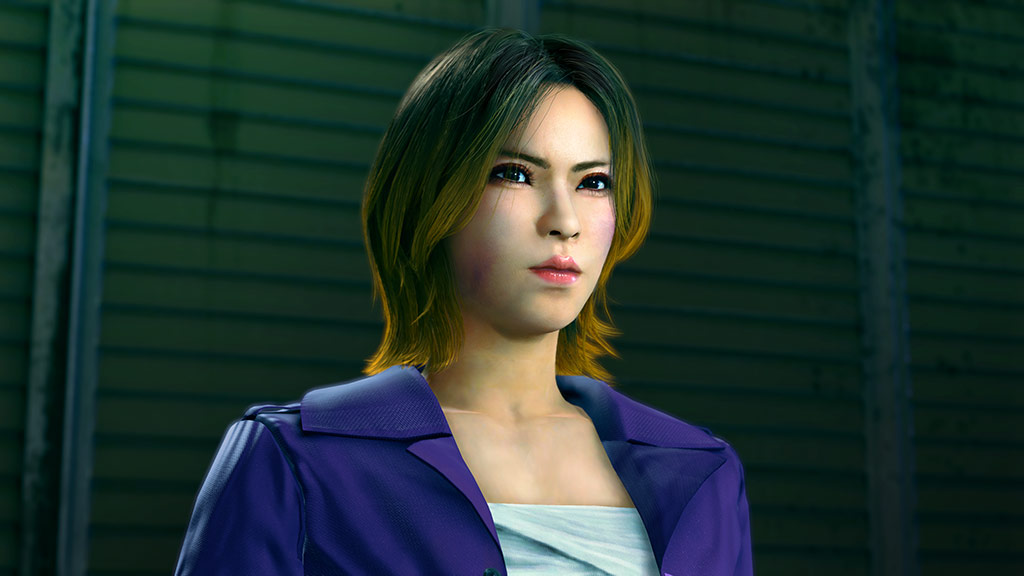
It is thus remarkable that Kiwami 3 returns to that setting for the Ryukyu Gal Gang, a side mode retconned to be part of the original Yakuza 3, which sees Kiryu advising the Haisai Girls, another girl biker gang led by young and spunky Tsubasa Miyazato. When you first meet Tsubasa, she and her gals are getting attacked by the Tokyo Night Terrors, an all-male group from Tokyo that wants to take over Okinawa’s biking scene by force. Kiryu comes to their aid, but not before proselytising to the jerks about how hitting a woman is a coward’s practice — no matter if they’re rival gang members fighting you on those grounds. The “fairer sex”, as the series believes them, is untouchable due to some sort of inherent weakness.
While the game tries to dress up Kiryu’s newfound advisor position as some sort of bid for gender inclusivity, there’s no other way to put it but the cliché one: it’s a man barging into a woman’s space. Player agency here translates to the quiet implication that these clueless, overconfident little girls need a big, strong guy to guide them in finding their truest selves, and there is no amount of “she found herself on her own” insistences from the Dragon of Dojima that can handwave this.
To that end, it’s very notable that the menacing cutscenes of the storyline villains debating their next moves don’t say “we’re going to crush Tsubasa and her gang” or anything of the sort. They’re all eager to fight Kiryu, the true threat in their eyes (and of the narrative’s), because aww, look how cool you are shepherding these idiots to their coming of age.
Tsubasa. Source: Author
This disingenuous heralding of “girl power,” which is really just thinly veiled misogyny, further extends to the storyline involving Tsubasa’s rival, Sakura, the leader of the supposedly uber-powerful Ryukyu Venus. Because Kiwami 3 has no concept of what the “side” in “side mode” means, all players are forced to see the way this plot beat develops: Sakura is touted as the first one up to bat out of the three arch-villain groups, but when her time to shine arrives, she and her (again, extremely powerful) group are instead overpowered with ease by the “real” bad guys and become a gaggle of damsels in distress.
This is just more fuel to the malice of your opponents, as if “unsubtle allegory for colonialism, being a Tokyo group looking to conquer Okinawa and all” wasn’t strong enough motivation for the audience’s hatred already. What untold horrors would happen if Kazuma Kiryu (and his female companions, but who gives a rip about them, right?) had to take women seriously as opponents?
Well, perhaps the next step in the series’ evolution is to discover just what might happen if women were taken seriously. RGG Studio has tried to play both sides before: their best effort in the “strong female character” field has been Saeko Mukoda from Yakuza: Like a Dragon, a character who explicitly draws her power from womanhood instead of being, like Kaoru Sayama had been in Yakuza 2, just “strong for a woman”, which usually didn’t mean much in the face of men.
Sure, it comes in the form of the kinda-sexist trope of using feminine signifiers as weapons — your clutch bag whacks and makeup poison and seduction techniques and what have you — but one finds it’s quite forgivable in a game whose entire class system relies on common-ish jobs overblown to comedic proportions, in the Miitopia vein of humour.
Source: Steam.
In Like a Dragon (and its sequel Infinite Wealth, though that one has some other problems with misogyny), specifically, this attitude is supported by the use of the Heroine’s Journey, as Niki Fakhoori writes for Stop Caring. By moving away from the classic Hero’s Journey, a mode of narrative that rewards more classically “masculine” traits (such as a “lone wolf” type approach to life, Kiryu’s entire M.O.), Ichiban Kasuga’s turn-based RPG philosophy gives more room to his allies to be treated not as disposable plot devices, but as people in their own right. This is why, when the group has to help Saeko deal with a sexual harasser during an undercover mission, it comes off less “defend the poor woman who can’t do that for herself” and more “get a friend out of a pinch”. Even through the usual Yakuza series plot beats, there is room for a more humanised treatment of women — the games have already done the work to show that themselves, see?
It is thus high time to take down that sacred cow. Despite RGG Studio’s best efforts to dance around it, relegating conflict with women to non-punching side modes and the like, there can be no true gender equality if we keep framing one side as fundamentally incapable of doing something. There is so much work on the narrative side to avoid the simplest solution; it has frankly become ridiculous over the years. It seems all we will ever get is a collage of examples — a motorcycling rival we don’t meet in classic combat, a female fighting style master who just gives you objects to wreck, a Yakuza chairwoman used as a prop, a coach you actually do get to spar with but who disappears from the series forever after that — and never the fully realised thing.
As Yakuza refuses to let go of the legacy of the Kiryu Saga, its women are the most immediate victims. Committing fully to the idea that gender is irrelevant to strength requires actually making it so that lady villains get to exist in all of the same modes as men, which does include getting their faces caved in just like them. The current approach of pretending as though the issue doesn't exist, while mostly treating female characters in patronising ways, truly does nothing for anyone. What's a Dragon that doesn't respect his adversary?
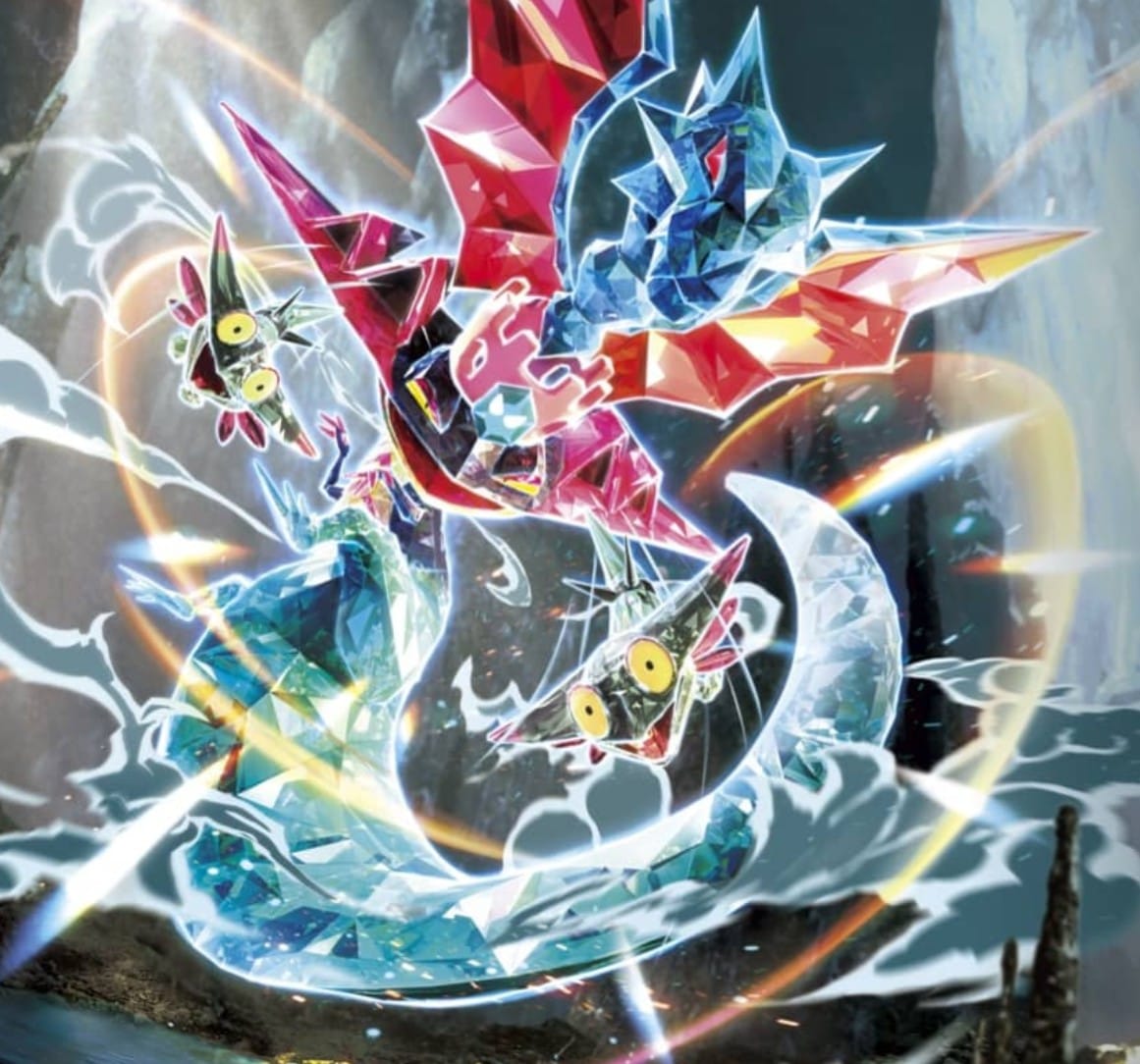
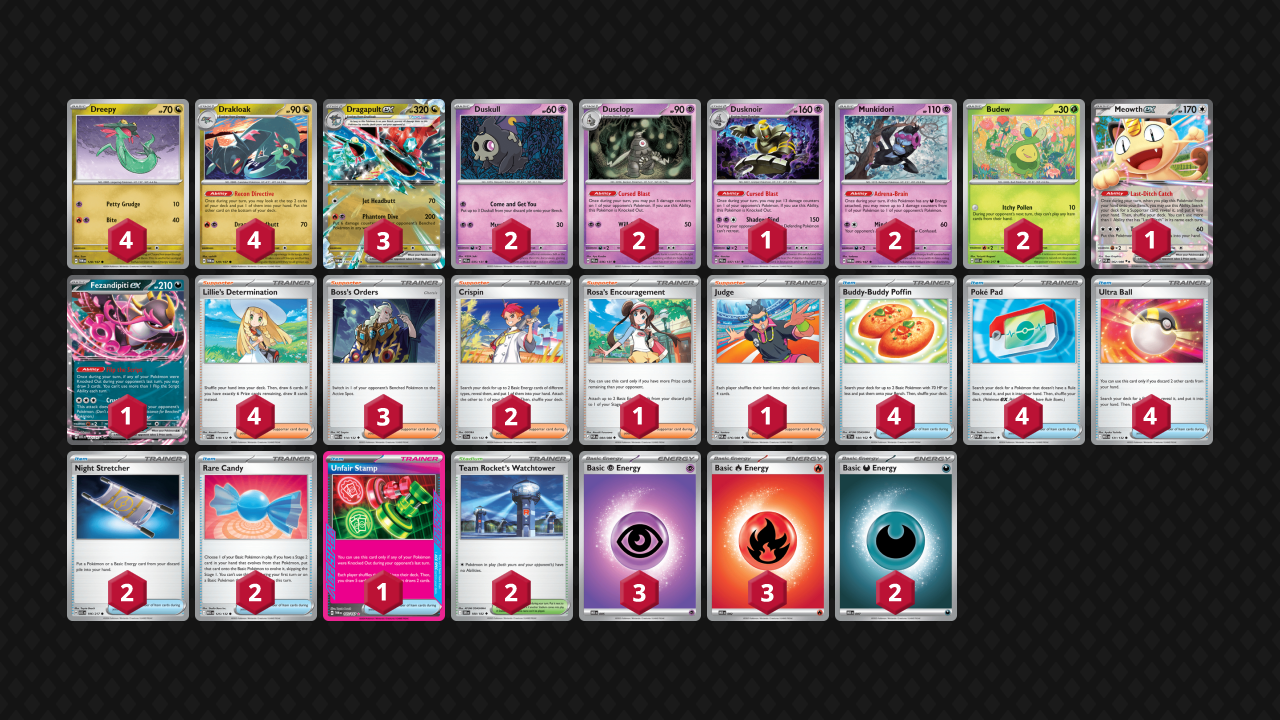
If you're playing the Pokémon TCG right now, or are at least curious about it, you likely have (or will soon) come across Dragapult ex. After originally debuting in the eighth generation of mainline games, the Sword & Shield era, Dragapult has become one of the most important Pokémon, given its stature as the driving force in the TCG's single most dominant deck. At the recent regional competition in Melbourne, the three top players in the master's division all played a Dragapult deck.
The reasons for its dominance, specifically the Twilight Masquerade print of Dragapult ex, are varied but simple, and it starts with its dragon typing. As a Dragon-type Pokémon, it has no weakness. Every other type of Pokémon in the game has a weakness from which they take twice as much damage, but not dragons. Colorless-type Pokémon — usually the TCG's equivalent of Normal-types — still carry weaknesses of their own. Birds like the second-generation Noctowl are weak to lightning, and original 151 Pokémon like Kangaskhan are weak to fighting. Dragapult's lack of weakness, however, is only one piece of the puzzle and why, across its overwhelming share of the competitive Pokémon TCG meta, it comes in so many different forms.
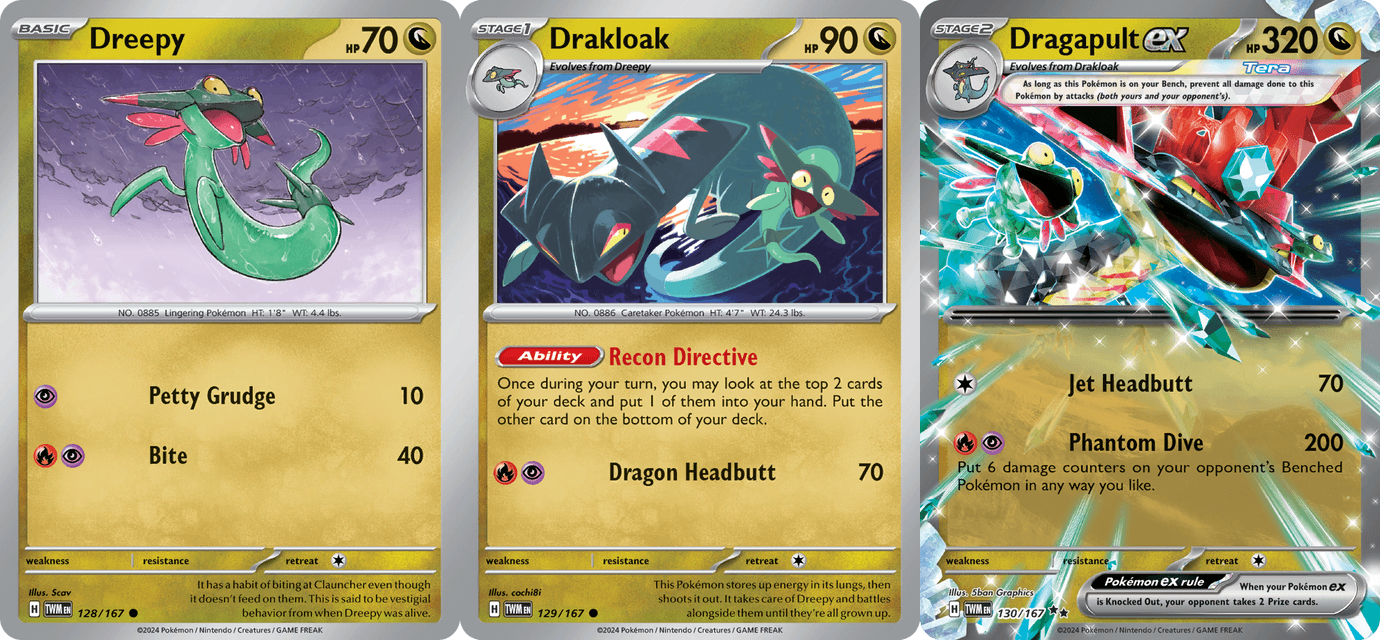
Dragapult ex is a Stage 2 Pokémon, meaning it evolves from Dreepy through Drakloak before reaching its final form. Drakloak — which you need in play to evolve anyway — does real work while it's on the board. Its Recon Directive ability lets you look at the top two cards in your deck and pick one to add to your hand while putting the other on the bottom. It acts not as a raw draw engine but as a filtering tool that brings the deck a level of consistency other decks lack. Dragapult ex itself arrives with 320 HP and a single retreat cost; difficult to one-shot, easy to move out of the Active spot without losing tempo. It's also a Tera Pokémon, meaning it's protected from direct damage while sitting on the Bench, letting it wait safely while you set up.
From Dreepy to Dragapult ex, this evolution line is the backbone of the format’s most dominant deck, turning a supposedly clunky Stage 2 into the game’s smoothest engine.
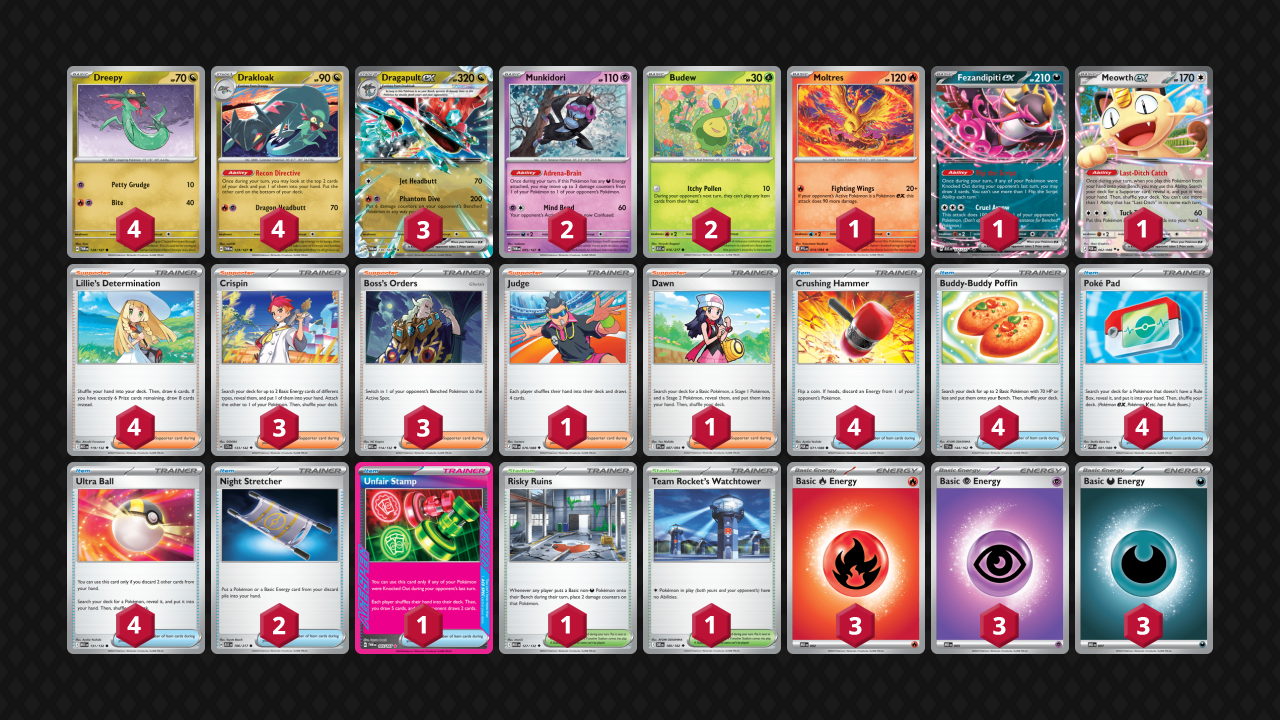
Even across the deck's many variants, there's a consistent trainer package. Specific counts vary by build, but you can always expect several staples: Boss's Orders to force any of your opponent's Benched Pokémon into the Active spot, Lillie's Determination to shuffle your hand in for a fresh six or eight cards, item cards for Pokémon search like Ultra Ball, Buddy-Buddy Poffin, and Poké Pad, and recovery in Night Stretcher. The ACE SPEC slot — the one card per deck that exists outside the usual four-copy limit — is one of the most build-dependent decisions in any Dragapult list; Sparkling Crystal, Neo Upper Energy, and Unfair Stamp have all had their moment depending on the variant and the meta read.
The most important Trainer, still, is Crispin. Because Dragapult's primary attack, Phantom Dive, costs just two energies — a fire and a psychic — Crispin turns what should be a normal two-turn power-up into a one-turn supercharge, fixing your Energy mix to enable another level of momentum and get you swinging a full turn ahead of schedule. As Crispin's card instructs: "Search your deck for up to 2 Basic Energy cards of different types, reveal them, and put 1 of them into your hand. Attach the other to 1 of your Pokémon. Then, shuffle your deck."
In a format where many top attackers demand either a single energy type or even three or four energy to get going, one card that finds both energy types Dragapult needs in a single action is why Crispin is almost always a four-of in every build.
As for Phantom Dive itself, well, it's busted. For those two energies — or one with Sparkling Crystal or just the Neo Upper Energy attached— it's doing 200 direct damage to your opponent's Active. It gives you six damage counters to place freely across your opponent's Bench, simultaneously pressuring the main threat and setting up future knockouts. Because you're never forced to commit to a single target, you can adapt mid-game; if your opponent benches a new threat, future Phantom Dives can redirect counters there, meaning you're rarely wasting damage.
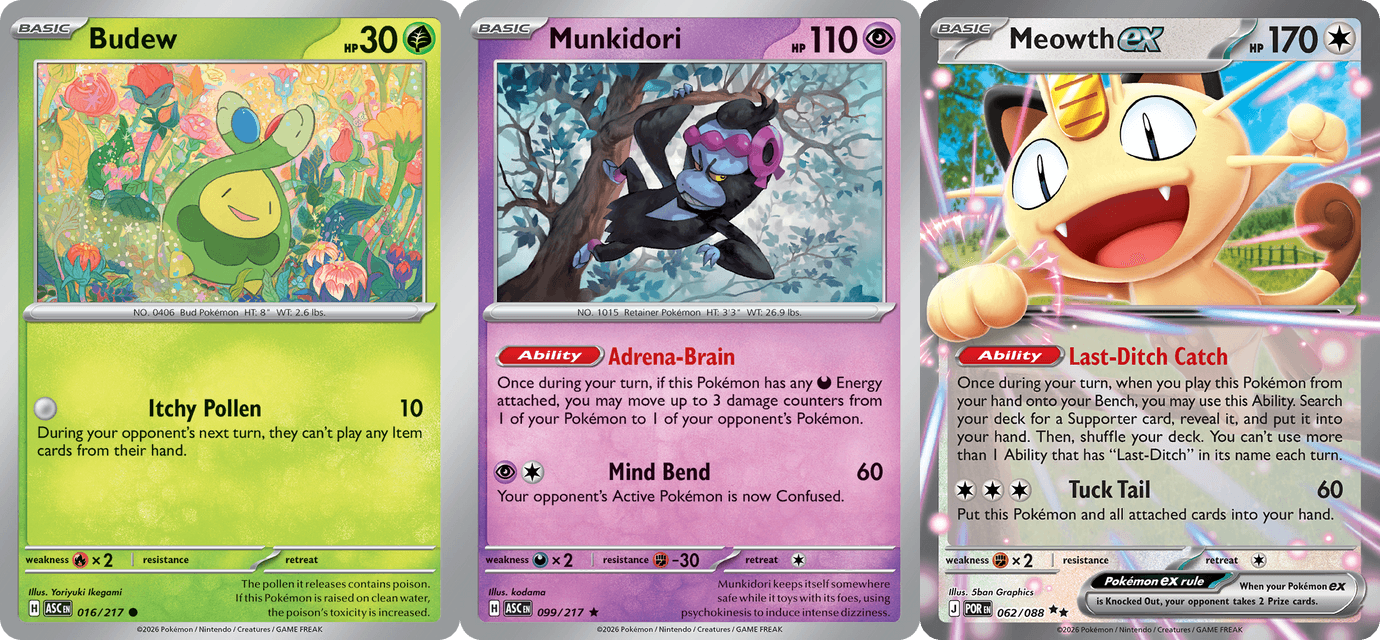
Together, Budew, Munkidori, and Meowth ex form Dragapult’s real backbone, locking Items, cleaning up spread damage, and tutoring the exact Supporter you need to keep the engine humming. Source: Author.
As for support Pokémon staples, Budew is a near-universal inclusion. Their Itchy Pollen attack deals 10 damage and leaves your opponent unable to play Item cards on their next turn, all without costing a single energy. That disruption buys the critical turns needed to evolve through the Dragapult line, since getting a Stage 2 onto the board takes time that a well-timed Item lock can protect. Munkidori's Adrena Brain ability lets you move up to three damage counters off one of your own Pokémon onto one of your opponent's. This is a crucial complement to Phantom Dive's spread, letting you consolidate scattered counters onto a single target to reach knockouts that Phantom Dive alone couldn't finish. And since Perfect Order's release in March, Meowth ex has become a staple across builds as well, its Last-Ditch Catch ability letting you search your deck for any Supporter card the moment you play it to your Bench.
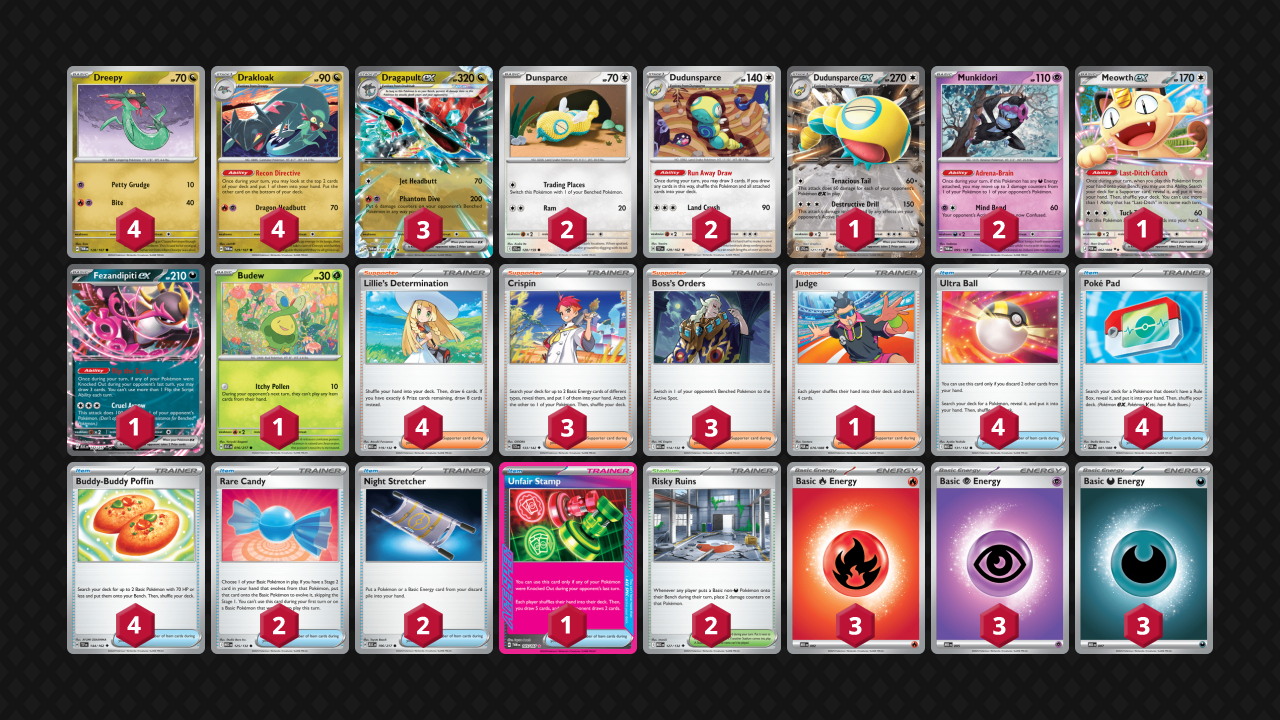
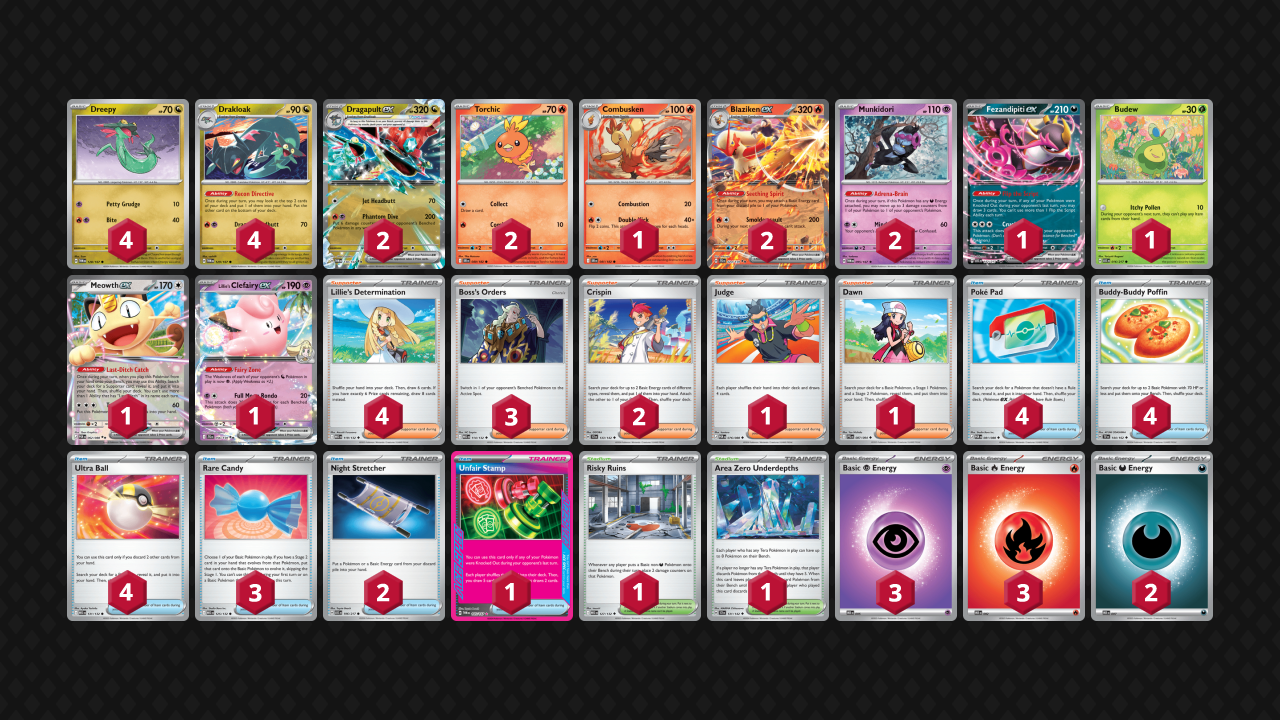
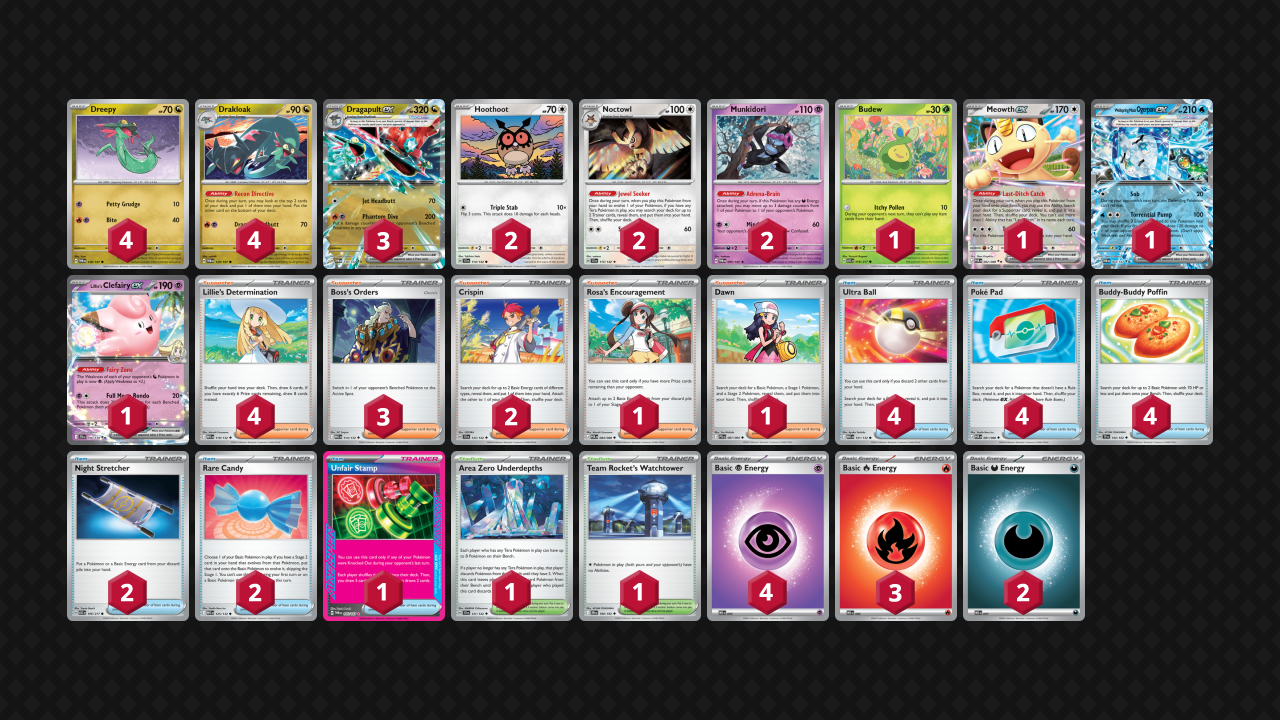
Dragapult variants make up roughly 25% of the competitive meta right now. It's not uncommon to sit down at a tournament and face Dragapult all day. Here's a breakdown of the most common builds:
Hiromu Sasaki piloted Dragapult Crushing Hammers to a 1st-place finish at the Melbourne Regional Tournament—joined on the podium by two more Dragapult lists in 2nd and 3rd. Source: Author.
1. Dragapult - Sometimes referred to as "straight Dragapult," this build is the most self-contained of the variants. The core remains consistent — four Dreepys and Drakloaks, at least two Dragapult ex, if not three or four — but without a secondary Pokémon line to build around, the flex slots are where the interesting meta reads live.
Andrew Hedrick won the LA Regionals by filling those slots with Crushing Hammers, and then Hiromu Sasaki played hammers in Melbourne, too. It's a coin flip per copy: heads strips an energy from your opponent's Pokémon, tails, nothing happens. That variance sounds unreliable, but at four copies it creates enough pressure to slow opposing attackers. At the same time, Phantom Dive does its job — and it succeeded specifically because it was occupying space previously taken by now-rotated trainers like Iono, Counter Catcher, and Professor Turo's Scenario. You aren't relying on the Hammers to win; you're using them to buy a turn or two, and that's often all Dragapult needs. A current example of the same logic applied differently is the single-prize Moltres from Phantasmal Flames, which hits ex Pokémon for 90 damage at a single fire energy cost — a cheap, unexpected answer to threats the spread damage alone can't close out cleanly.
Shun Takemasa finished third in Melbourne with this PultNoir list behind two other Dragapult lists in the first and second spots. Source: Author.
2. Dragapult Dusknoir — Before the April rotation, "PultNoir," as it's sometimes called, was the definitive version of the deck, the benchmark by which everything else was measured. Dusknoir's Cursed Blast ability lets you place 13 damage counters on any one of your opponent's Pokémon at the cost of Dusknoir knocking itself out, while its Stage 1 predecessor Dusclops offers a softer version of the same trick at five counters. Together, they turn Phantom Dive's scattered spread into exacting finishing blows, engineering the kind of multi-prize turns and come-from-behind wins — reaching damage thresholds as high as 330 — that made PultNoir feel genuinely unfair. It was also the variant with the most to lose from rotation — Counter Catcher, Iono, and Hawlucha, whose Flying Entry ability seeded one damage counter onto two Benched Pokémon to prime future knockouts, all gone simultaneously. PultNoir survived, but it's a leaner, less forgiving version of itself.
Dudunsparce-powered Dragapult made up a sizable share of the Melbourne field, underscoring how often players are willing to trade tech slots for raw card flow. Source: Author.
3. Dragapult Dudunsparce — Dragapult is already one of the most consistent decks in its stock forms, and this variant is even more so. Dudunsparce's Run Away Draw ability lets you draw three cards, then shuffles itself back into your deck — meaning you can cycle multiple Dudunsparces across a game, seeing more and more of your deck without ever discarding. In a TCG where random variance is supposed to be baked into the design, this deck is remarkably predictable. Paired with Drakloak's Recon Directive filtering, the two engines complement rather than overlap: one gives you selection, the other gives you volume. Dudunsparce isn't exclusive to Dragapult either — it's currently powering Alakazam, Mega Lopunny, and the incoming Beedrill swarm deck ahead of NAIC, which is why a stamped Dunsparce has climbed from $0.52 to $3.39 on TCGPlayer since March.
In Prague, a Dragapult Blaziken build pushed all the way into the top cut on the back of Seething Spirit and Smoldering Assault, proving the archetype can trade some consistency for a higher ceiling and still post a deep finish. Source: Author.
4. Dragapult Blaziken — Blaziken's Seething Spirit ability lets you attach a fire energy from your discard pile to any of your Pokémon, giving Dragapult a built-in acceleration engine that synergizes directly with Phantom Dive's fire energy cost. But Blaziken isn't just a support piece — its Smoldering Assault attack hits for 200 damage, enough to one-shot many of the grass-type decks currently crowding the meta, which is a meaningful tool in a format where Charizard's departure made grass viable again. The catch is that Smoldering Assault can't be used on back-to-back turns, so you're rotating between Blaziken and Dragapult rather than leaning on either exclusively. Running two Stage 2 lines means more things have to go right, and in a deck whose appeal is consistency, that's a real ask, which is why it made the cut in Prague but was absent from LA's top placements. In the right hands, though, the combination of energy recovery and a secondary attacker can close out matchups that Phantom Dive can't, giving this variant a ceiling the others don't have.
Dragapult Noctowl has posted strong finishes of its own in 2026, including a 30th-place run by Yu Osuka at Champions League Fukuoka, as pilots continue to explore the archetype’s highest-skill variant. Source: Author.
5. Dragapult Noctowl/Tera Pult— This is arguably the most technically demanding variant and, by some accounts, the strongest (but also the least used) of these. Noctowl's Jewel Seeker ability lets you search your deck for up to two Trainer cards when you evolve into it — but only if you have a Tera Pokémon in play. That's where Wellspring Mask Ogerpon ex comes in, primarily as the Tera condition that unlocks Jewel Seeker, but also as a legitimate situational attacker in its own right. Sob costs just one energy and locks the Defending Pokémon from retreating, while Torrential Pump hits the Active for 100 and places an additional 120 damage on a Benched Pokémon. This is just more spread damage feeding directly into the same counter-manipulation game Phantom Dive is already running.
When the engine works, Jewel Seeker gives you surgical access to exactly the Trainer you need at exactly the right moment. It's also why you'll see Noctowl in a lot of other decks, like Tera Box and Flareon Noctowl. Notably, this variant tends to run more Rare Candy to expedite the evolution line and skip Drakloak altogether when the board calls for it. This sacrifices Recon Directive's filtering in exchange for faster setup and more Noctowl triggers, betting that Jewel Seeker's targeted Trainer search more than compensates. The same Noctowl engine appears across other archetypes, but here it amplifies a deck that's already difficult to disrupt. The setup dependency and the piloting ceiling are why it hasn't taken hold the way Dusknoir or Dudunsparce have. This is the variant where the skill gap between pilots is most visible.
Final Thoughts
As a relatively new player, I don't have the historical background to say whether this format is healthier than past ones ruled by Lugia/Archeops or Regidrago VSTAR decks, which were statistically dominant in their own eras. But I do think Dragapult is more interesting than the doomer framing around it suggests in league tables and across the internet. For players getting into the game, it offers something valuable: a top deck with multiple viable builds, visible decision points, and room for experimentation.
Then there's the upcoming expansion Pitch Black, due out July 17, 2026. That's going to introduce Mega Darkrai ex and the Ghost Veil archetype, a deck focused around a range of Pokémon with a new shared Ghost Veil ability already being touted as a possible direct counter to Dragapult. It prevents "secondary effects of attacks or Abilities from your opponent's Pokémon," meaning Phantom Dive gets nerfed and the Dusknoir line potentially neutered in the process. That doesn't mean the Dragapult deck shouldn't be criticized, or that the format is necessarily worse or stronger for it, but the conversation around Dragapult should be more precise than "the game is broken." A dominant deck can still produce interesting games, especially when its best version has not been fully solved.
Dragapult may be dominant, but dominance can be an entry point to understanding the game rather than a reason to write off the format.
This sentiment may seem lighthearted and simplistic, but there is a fundamental nobility and even a form of democracy at the heart of this idea that I believe we must protect. By inserting a single ¥100 or 50c coin, anyone can become a hero on equal terms, regardless of nationality, wealth, or social status. Has there ever been a creative medium in human history that so rapidly and broadly nullified these distinctions between human beings? Of course, video games have evolved across many dimensions over the years, often becoming increasingly complex and sophisticated fabrications of technology and art. However, the combined advancement of video games (and the convenience with which we can now access them) surfaces the risk, at least in my view, that we might lose sight of the very roots of video game culture.
In my view, the essence of video games doesn't lie exclusively in advanced graphics, the celebration of technology, or the convenience with which we can access the experience. Rather, it is expressed through the ways in which video games can uniquely deliver a pure, refined equality of experience for highly diverse audiences. This leads me to ask the following questions:
Why do video games captivate us so deeply and refuse to let go?
Why can a single game transcend national borders and become a kind of universal human language?
In order to explore these questions more thoroughly, I'd like to delve into video game culture through four unique perspectives.
CHAPTER 1
Soup and a Bowl: On the Ideal Relationship Between Hardware and Software
Nintendo's former President Hiroshi Yamauchi once declared:
“Hardware is simply a ‘box’ that people are forced to buy in order to play the software they really want to play.”
These words represent a fundamental reality: the software (the entity that actually contains the language of gameplay) is, without a doubt, the true star of the show.
I view the relationship proposed by Yamauchi-san as analogous to soup and the bowl that holds it; the interplay between the dish itself and the vessel that contains and serves it. Here, the soup refers to the game experience itself, crafted with the creators' heart and soul. The bowl refers to the hardware that delivers this experience to the player.
What this means in practice is that the entertainment value of video games should be evaluated based on the taste of the soup. However, if we step back and look at the modern gaming market, a strange inversion has occurred: before we knew it, the conversation largely shifted to the luxury of the bowl (e.g. the specifications of whatever machine is used to play the game). Further, the taste of the soup we enjoy has come to depend on which bowl is being used, meaning that disparities between the hardware performance of different machines fundamentally impact the game's content (and thus the experience itself), creating a form of inequality that runs counter to the core value of video games as a medium.
MARIO000000
COINS×00
WORLD1-1
TIME400
NES-MAN
“I view the relationship proposed by Yamauchi-san as analogous to soup and the bowl that holds it; the interplay between the dish itself and the vessel that contains and serves it.”
The Equality of Entertainment
This is akin to serving a dish prepared by dousing a mind-bogglingly expensive golden bowl (itself born from the hardware developers' self-indulgence) with an excessive amount of potent poison (full of distorted ideology and self-absorption). I would describe this as a betrayal of the customers: the children and adults who paid a high price and went to great lengths to visit the restaurant to enjoy the soup.
In my view, the ideal relationship between soup and bowl is one based on thorough and absolute equality.
What Nintendo continues to offer is a ¥100 soup that is simple, infinitely warm, and with a flavour that never disappoints. This soup isn't served in a heavy golden bowl reserved for a tiny elite who can afford the privilege. Whether on a park bench or a factory assembly line, everyone - both the great and small, the rich and poor, children and the elderly - can all sit at the dining table to enjoy the same delicious flavour as they sip from the same humble plastic bowl. Rather than spending money on fancy bowls, Nintendo has consistently prioritised the purity of the broth itself, ensuring that when you finish that last spoonful, you sincerely think "Ah, that was fun". Although Nintendo was founded in 1889, it has in many ways cast aside the pretensions that might usually pair with a very long-established firm along with the trappings of a high-end restaurant. The democracy of play, where anyone can become a hero with a single ¥100 coin, is the one-of-a-kind recipe they have steadfastly upheld.
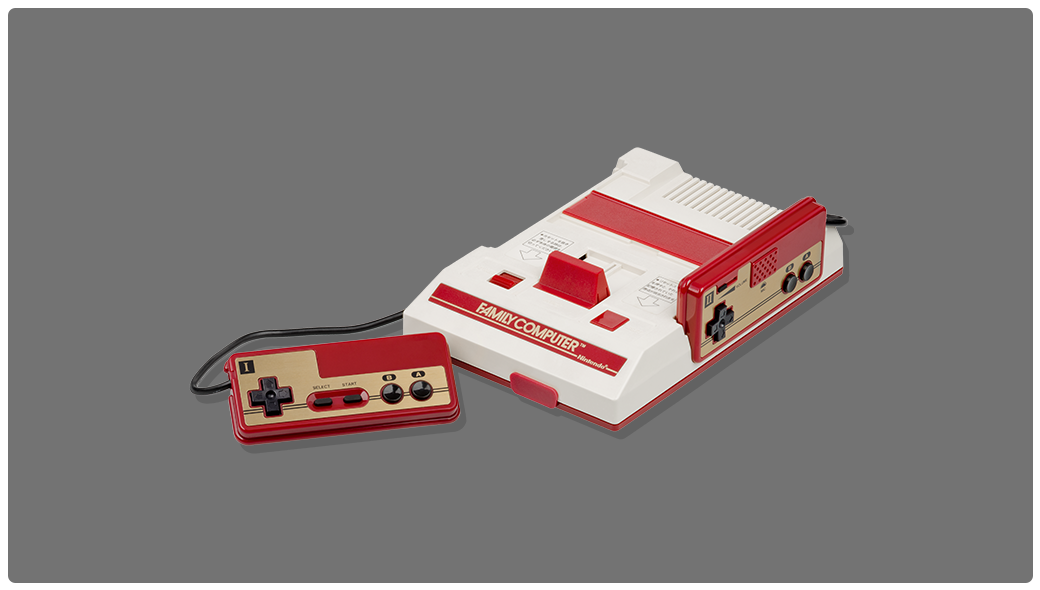
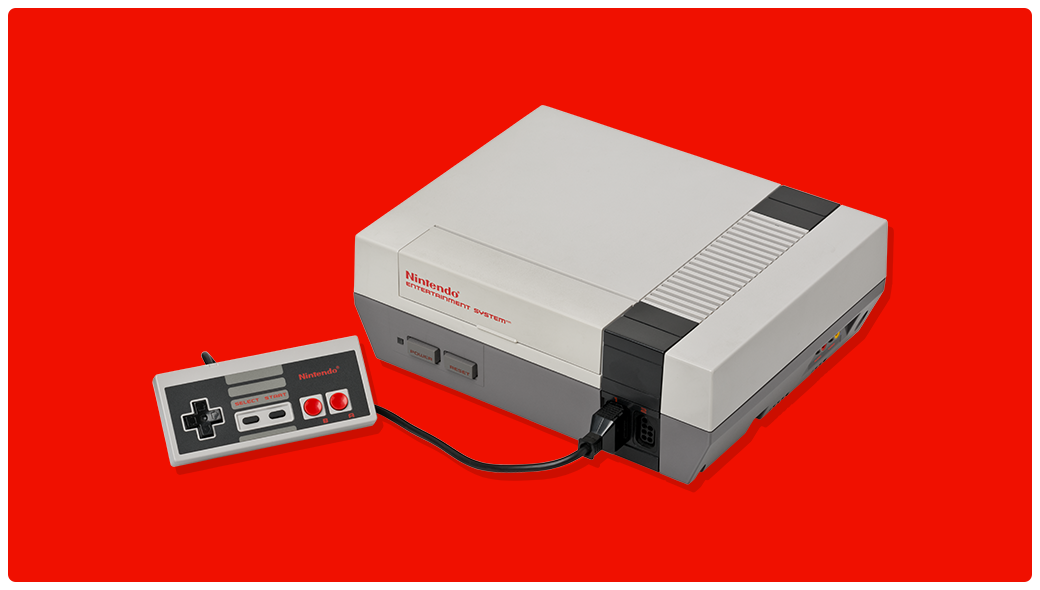
Wasn't the Famicom (known as the Nintendo Entertainment System outside Japan) once embraced by households around the world because it was the "fairest bowl"? As long as they picked up the same Famicom bowl, all children, regardless of background, could enjoy Super Mario Bros. at precisely the same temperature and flavour. Everyone, adults and children alike, could savour that same experience.
The Nintendo Family Computer (Famicom). Source: Evan Amos. Edited by SUPERJUMP.
The fact that the hardware functioned as a common standard (an equal bowl) must have been the minimum ethical standard for creators to fulfil the promise of delivering the very best flavour, exactly as intended, to everyone. I am convinced that this fair foundation is a key reason why video games took root in our culture as precious experiences that remain in our memories for a lifetime.
It's also not just a question of the bowl representing a common standard for all. The bowl is an object that directly serves the experience, and so, it must be designed to enhance the attributes that are actually relevant to the quality of the soup. What does this mean in practice? If the bowl is made of an expensive and beautiful material that has aesthetic value but does nothing to enhance the soup itself, then this would be an example that contradicts the idea of the servant-master relationship (i.e. where the bowl should be designed entirely to serve the quality of the soup and nothing more). So, the bowl might not be made of fancy materials, but if it aids the quality and delivery of the soup, then it's serving desirable goals. In terms of video games, one example might be the guarantee of sharp responsiveness to player inputs (where the game returns the intended output [behaviour] with absolute precision in response to physical input [controls]). This goal is only achieved through tightly-integrated hardware and software, where the hardware is designed entirely on the principle of service to the software. In this interpretation, any extraneous hardware specifications become irrelevant if they don't contribute to the precise 1:1 relationship the player has with the game world.
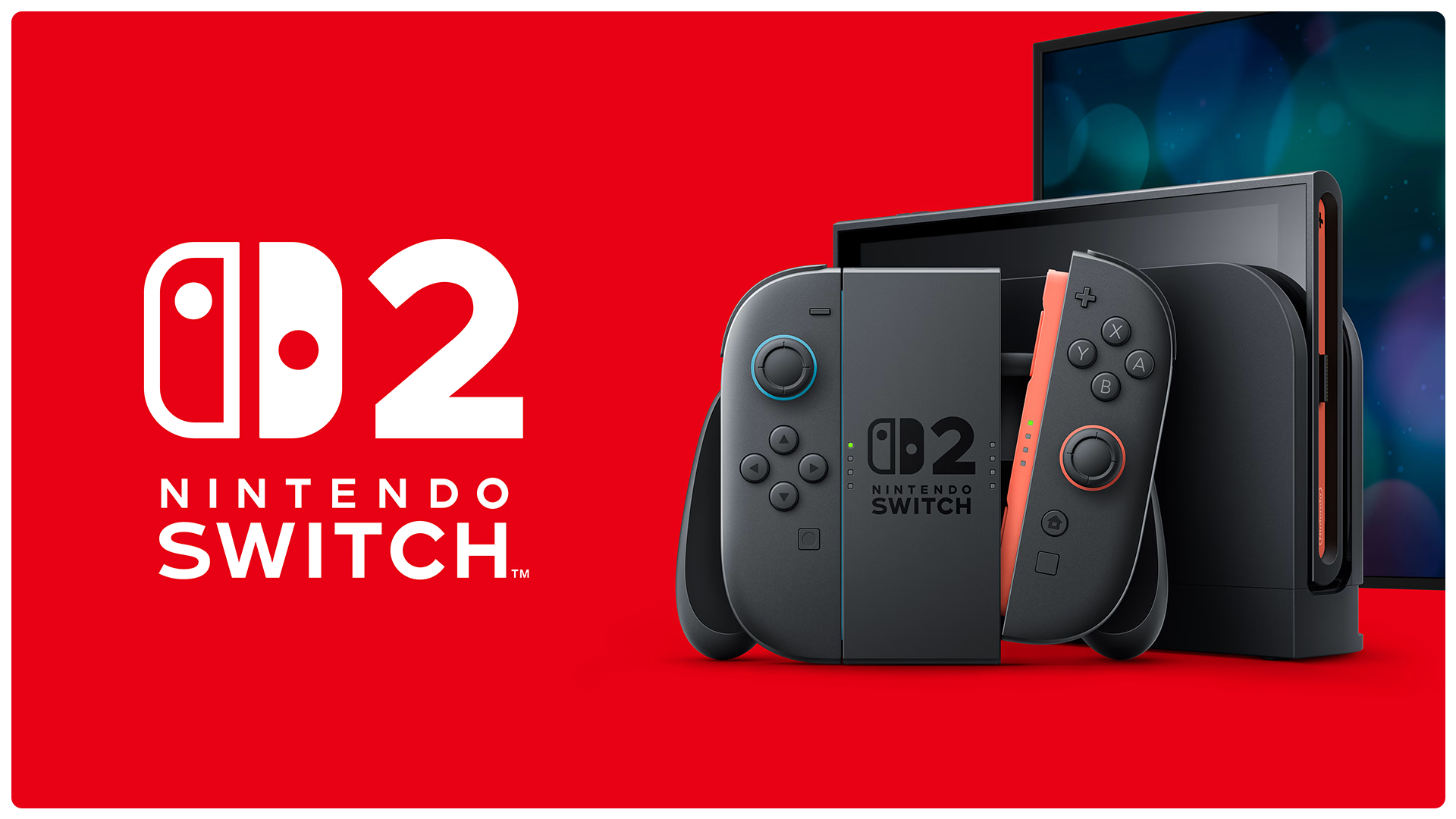
So far I have been discussing the Famicom/NES, but how does this concept apply to modern Nintendo platforms? Let's consider the Nintendo Switch 2 as the contemporary example.
In the lead up to the console's release, there was a great deal of discussion and speculation around technical specifications (for example, how much resolution had improved, and how close it might come to rivalling other companies' high-performance machines). However, it's important to understand that Nintendo's intention in bringing this new bowl (hardware) to the world has almost nothing to do with the specifications arms race. Revamping the hardware and boosting its capabilities was about serving the latest/most contemporary soup recipe to audiences without spilling a single drop while also serving it equally to everyone around the world.
As game development technology and techniques continued to advance, the old bowl (the original Nintendo Switch) increasingly forced soup creators to cut back on the ingredients they wanted to include, lest they risk diluting its flavour. This would have made it impossible to fulfil the core promise Nintendo made during the Famicom (NES) era: to deliver the best possible flavour, exactly as the creator intended, equally and in the best possible way to everyone.
The new bowl - the Nintendo Switch 2 - has further reinforced the "fairness of entertainment"; not as a luxurious dish to be enjoyed by a small elite or a core niche audience, but as a platform where tens of millions - perhaps hundreds of millions - of people around the world can equally savour the latest experiences at 100% quality and with high convenience (thanks to portability).
Nintendo Switch 2. Source: Nintendo.
Simply improving specs and publishing impressive numbers wasn't the goal here. To the extent that specifications were improved in the latest hardware, they were always in service to the games and to the preservation of equality of entertainment for the next generation. The bowl's design has been enhanced both to improve the flavour of existing soups available today, but also to further enhance the flavour of any new soups that will be released in future. I believe that by viewing the Switch 2 through this lens, we can better understand the cultural significance of this new hardware.
Although many years have passed since the inception of the video game industry itself, Nintendo's philosophy has remained consistent. These are the same core principles that were birthed with the idea of that single coin in the early arcades - and the incredible equality and open access - it introduced to the world all those years ago.
At this point you might be tempted to ask a fundamental question, which touches on the main principle my thesis is anchored to: why is equality so important? To answer this question, I'd like to discuss the "single coin philosophy" itself in further detail. This is the central idea that rests at the very heart and foundation of video game culture.
Chapter 2
Preserving the 100-Yen Democracy
The single coin has been a constant presence through the entire history of video game culture.
In the past, we would insert ¥100 coins into the arcade cabinets occupying dimly-lit gaming centres or sitting outside candy stores. This simple exchange - pay ¥100 for a few minutes of play - that symbolises the beating heart of video game democracy. It doesn't matter who is inserting that coin. They might be a CEO, an elementary school student, or even a kindergartener; there's no difference in the play experience they receive. The software running inside the arcade machine doesn't care about the player's social status, bank balance, or where they live. It disregards all other irrelevant attributes too. That ¥100 coin is not just an equaliser, it's a token that opens the door to a form of digital liberation: it empowers the player to perform unbelievable feats while simultaneously leaving real-world inequality and discrimination behind.
Former Nintendo President Hiroshi Yamauchi. Source: Mario Wiki. Edited by SUPERJUMP.
I believe that the modern video game industry surfaces a crisis that confronts and challenges this spirit of the single coin philosophy.
The history of video games as an industry - which really began with Nolan Bushnell and Atari's iconic Pong - has always valued the "equality of a single coin" above all else. When we insert that ¥100 coin into the machine, a silent contract is formed. It states: "I have paid the price of entry. Therefore, for the next few minutes, I have the right to be treated fairly as the protagonist of this world." And the game machine responds faithfully to only the inputs received regardless of who the player actually is. And so, the ¥100 coin is not about cheapness but rather, it is about dignity.
In today's gaming scene, this idea of the ¥100 coin democracy is beginning to waver. Under the guise of "free-to-play", we see systems where victory is determined by how much money players spend to acquire various advantages and where only those with high-performance internet connections (and powerful devices) hold a distinct edge. My argument is that these practices reinforce real-world inequalities in ways that video games were once meant to break down.
What Nintendo - and the culture of video games more broadly - has continued to protect is not mere entertainment. It is one of the few sanctuaries of absolute equality in the world. These are environments where, when you enter them, you're on the same footing as everyone else and you can change your fate based purely on your own skill rather than factors outside your control.
Nintendo Entertainment System. Source: Evan Amos. Edited by SUPERJUMP.
The Toymaker's Pride
Perhaps the reason Nintendo's pioneers continued to describe themselves as "toy sellers" was not only because of the company's past as a toy producer, but also because of their pride in this commitment to equality for players. Toys should, by their very nature, be open to all children. They should allow children to forget - at least during playtime - the pain, sadness, and hardships caused by real-world barriers such as family background and economic circumstances over which they have no control. Toys also serve as a medium through which children can find friends and interact with each other. In this way, they have value beyond their intrinsic nature: they can actually help to reduce real-world barriers between people too.
The ¥100 coin guarantees so much more than fairness. It is the key to a space that is a true meritocracy, where results are attributed purely to the player's skill and decision-making rather than to any other attribute. This direct causal relationship between effort and result guarantees that players can find a form of true affirmation in victory within video game worlds. There are very few mediums in human history that can boast these traits.
Diluting the Soup
Earlier I mentioned the free-to-play model. But subscriptions are another point worth discussing (especially as they have, in many cases, outright replaced the simple ¥100 coin proposition).
At first glance, this system, which resembles an all-you-can-eat buffet where you can enjoy many soups at low cost, seems like a fair deal to consumers. However, a serious trap lurks within. When soup is thrown into the giant pool of a flat-rate system, the unit price per bowl approaches zero. At the same time, the player's commitment to that single bowl of soup also fades.
What leaves a deeper imprint on your soul? The single bowl of delicious soup you receive after paying ¥100 (a sum that is by no means trivial to you) versus a bowl of soup chosen on a whim from an impossibly vast menu?
The greatest flaw in the subscription model lies in the disappearance of the pain of choice (or, the switching cost). In an environment where there is no weight (cost) to spending ¥100, players will easily jump from one soup to another at the slightest sign of difficulty or boredom. If we grant that the experience of self-transformation, which emerges by overcoming difficulties, is the very essence of video game entertainment...then we must conclude that presenting almost unlimited escape routes from said difficulty undermines the quality of the experience at its very core.
I personally feel that this freedom of choice (which was actually used as a catchphrase in the commercials for the Japan-only Famicom Disk System), is gradually eroding the valuable emotions that every player in the world has surely felt at least once: that frustrating yet irresistible feeling of "this is infuriating but I can't stop!" and the associated desire to try again.
What we must preserve in the future is the spirit of the ¥100 coin: recognising the true value of a single bowl of soup that can be enjoyed by everyone in the way its creators intended. This principle might take different forms in our modern digital age, but it is nonetheless an important principle at the core of gaming culture.
I would argue that the benefits of this ¥100 coin democracy extend far beyond entertainment itself. This concept of a space of absolute equality could serve as a device for genuine peace that could help to dissolve real-world conflicts. When you think about it, no other medium in human history has succeeded as much as video games in bringing people from different backgrounds together under the same rules.
MARIO000000
COINS×80
WORLD1-2
TIME400
NES-MAN
“...a commitment to open and equal access for all, where achievement is truly meritocratic in nature, enables us to genuinely recognise the player sitting next to us as a comrade - even after we've put the game down.”
The Equality of Entertainment
When we make video games an unfair battlefield (where only those with the necessary financial or infrastructure resources can win), then we risk spurring greater animosity between players. Alternatively, a commitment to open and equal access for all, where achievement is truly meritocratic in nature, enables us to genuinely recognise the player sitting next to us as a comrade - even after we've put the game down.
Defending the ¥100 coin philosophy is not just a question of business models; it's really a cultural mission to protect one of the last sanctuaries where everyone can laugh together equally in a world that is increasingly emphasising divisions between people, both large and small.
I have discussed the philosophy at the heart of video game culture, but what of its most prominent ambassador: Super Mario himself? Why have people all over the world found themselves identifying so completely with Nintendo's humble plumber? The secret lies in the fact that Mario was not designed as a specific person, but instead as a vehicle for embracing yourself. In Part 2 of this series, we'll explore the hero's journey and why Mario is the world's most beloved fictional character.
There's nothing quite like cruising through summer to upbeat techno. I have myriad fond memories of warm days to the tunes of Porter Robinson and Madeon, running along palm-lined boulevards. Haven brings me back there. I picked it up recently, following a sun-drunk day at the Renn faire, after it spent years in my TBP pile. Haven features these upbeat electronic soundscapes (from artist Danger) and pairs them with an exceptionally dream-colored world. Front and center, of course, is a love story. Or, rather, the continuation of one.
At its core, Haven is a relationship-sim. It isn't a romance game in the traditional sense, as you aren't responsible for romancing anyone from the ground up. Rather, you play as Yu and Kay, two already-lovers inhabiting a mysterious cluster of islands known as the Source after escaping their predestined lives under the authoritative space empire known as the Apiary. This dual POV means that you control dialogue options as either character, so you oversee their entire relationship. This more omnipresent overview allows you to witness the couple's collective post-honeymoon stages and all the struggles that ensue.
Outside of this, the rest of the gameplay involves open exploration, where you glide seamlessly over a cerulean-grassed landscape of broken-up islets, gathering materials to repair your ship, which also serves as the couple's crash-pad basecamp, affectionately known as the Nest. A mysterious "rust" plagues the islets and their creatures, though, so there's a good portion of discovery spent purifying these areas. It scratches a little bit of that sweet, sweet powerwash simulator itch, since you have to collect 'blooms' of rust to fully clear it out, and you can satisfyingly sweep around all of its red-pulsing patches as you see fit. Since the islets' little creatures grow hostile when infected with rust, this is also where you find the bulk of the game's fight mechanics, and its 'bosses' are usually bigger creatures you have to defeat to finalize the purification. Once the rust is gone, the islets can serve as launching points for further exploration and as places to resource-gather and camp.
All of these elements combine to paint a lovely picture – but, really, the core of Haven is the relationship between its heroes. It is, perhaps more so than many other romance-genre games, focused on the post-happily-ever-after dynamics: the pillow talk, the little in-between moments, the arguments, both awkward and real, that make a relationship worthwhile and cosmically beautiful.
Alone at Last
Upon release, Haven introduced its two leads – Yu and Kay – as a (respectively) female and male pairing. In a later update, they added two additional variations, so that you could play as a female Kay (paired with a still-female Yu) or male Yu (paired with a still-male Kay). This added a wonderfully inclusive element to an already lovely game, and the core component of being two young lovers navigating a life away from all they've known remains the primary throughline for all of them.
Source: Steam.
Their choice to flee the Apiary is due largely to its societal regulation of relationships (as well as implied authoritative measures), in which the domineering Matchmaker essentially assigns you a genetic partner. But Kay and Yu are not a matched pair, so they must flee together, lest they be separated by the Apiary's draconian control.
Haven dives a little into the darker implications of this system on a wider political scale, but it isn't a political game, and you really spend the bulk of your conversations exploring love and the prospects of planetary homesteading. Eventually, you must contend with the ramifications of your escape, but often these discussions of government and morality serve more to outline characters' feelings and showcase opinions and experiences. Yu and Kay aren't trying to change the world; they're trying to live well in it.
They have their setbacks and triumphs while on the Source, but they navigate this new life with a decent centering of 'safety.' The game itself never diverges into oppressively dark, melancholic, or pessimistic territory. It is smartly light-hearted, which seems purposeful, so as a player, you can happily float in the 'cozy' space with this game and never worry about it throwing you through a depressing loop (there is, though, a technically 'bad' ending).
This behind-the-curtain glimpse at intimacy can border on a little voyeuristic at times, only in the sense that the game doesn't shy away from the finer details of all aspects of a relationship, and our protagonists are extremely (this is a very good thing) sex-positive. Look, straight up – it made me feel immensely single, even if I liked it enough to not let the glimpses through the door remind me that I was, perennially, alone. Now, though, my approach is from a vastly different headspace. Obviously, this is anecdotal – but the game is fundamentally about a relationship, so some of your enjoyment may correlate to how much you can stomach PDA and overt flirtiness. Are you a nose-scrunching-in-disgust kind of person, or do you tilt your head and let out a long 'aweeee?'
The game mentions sex and insinuates about it fairly often, and Kay and Yu are clearly, intoxicatingly in love. They flirt all the time and slyly wriggle their eyebrows at each other (suggestively, of course) many times throughout. This isn't played with in the usual romance genre fashion, in that most of those narratives tend to stretch that delicious tension of dramatic buildup until it ultimately culminates in a, you know, 'big' scene. Because these characters are established as being in love, the sex feels organic in a way that's refreshingly realistic and empty of exploitation. It's never shown (outside of clothed straddling or occasional glimpses of far-away pixelated nudity... alright, it's comparatively chaste) but rather wholly discussed, which makes the moments feel more real. For me, it is that frankness, that normalization of such things, that makes Haven's relationship and writing so special.
Source: Steam.
Love – learned and earned and fought for – is what sets the precedent.
Obviously, aside from that physical magnetic pull, Kay and Yu orbit each other emotionally in a way that almost forces a type of co-dependency. They are, after all, the only two denizens on this atypical planet, with only a few wandering critters (Oink, their resident mushroom-backed lizard, among them) and the remnants of some of the Apiary's research stations. As Kay and Yu navigate these mysteries and hone their survivalist skills, they get into arguments, house regrets, and have to depend on one another for everything, which forms a core component of some of their larger disagreements.
What I genuinely loved about Haven went beyond that frankness, in that it explores the complications of a relationship with a softer, kinder lens. Yes, all relationships take work - you are inevitably two people deeply in love and deeply invested – but also deeply different. You have to know your partner's weaknesses, their tendencies, and the game lovingly explores how two people might help individually navigate that potentially eternal forced proximity. Haven makes the argument, with its 'good' ending, that love is not defined by algorithms, which feels dangerously close to a world we're moving into creating. Yu and Kay's love is largely offline and analog. The game lambasts the codified genetic matching by supposing that love can be learned and formed outside the womb of statistics. It's reflective of my own feelings, in that I find, say, the supposition of soulmates fairly fatalistic. Love – learned and earned and fought for – is what sets the precedent. Haven showcases that with beautiful aplomb.
Islet to Islet
Haven's tendency towards unity with its couple is showcased even in the gameplay. In cooking and in battles, you have to simultaneously select your options. In cooking, this means picking with the D-pad and the, uh, shape-buttons? (whatever they're technically called – I'm playing on PS5) to contribute to the dish. In battle, it means selecting from four options also at the same time, depending on enemy action. Do you remember that elementary-school game of 'rub your tummy and pat your head at the same time?' Some of the ways in which the dual controls work reminds me of that, which is fairly tough for a failed multi-tasker like me. But it is reflective of the game's own central style and is a fantastic symbiosis with theme. You really can't win a battle or cook a meal alone, just as you can't survive here without each other.
The flow (ha) of the game itself, outside of the relationship navigation, is a careful monitoring of its day/night system and, more importantly, its hunger/sated cycle, which you can track in the menu but also hear about based on overworld character chatter. If they start to mention being hungry, you know it might be a good time to find an islet with a camp or return home to the Nest for some food. Being hungry slows down your reactions during combat, so it is in your best interests – especially as you start exploring farther out – to keep your two little lovers well-fed. And as you further push beyond the Nest, you'll be able to unlock more islets and find more ways to navigate beyond simply riding the flow bridges between each.
And that's how Haven's exploration works: each islet is connected to one or more 'flow bridges', with flow being this force that exists, almost gravitationally, in the world. It reminded me, in visual practice, of the anime Eureka Seven's trapar waves, which are essentially rideable energy waves in the air. In that show (an old favorite), the process of surfing them is called 'lifting', and it's basically surfing on the wind. Flow, in Haven, allows Yu and Kay to glide across the landscape similarly, and there are also flow threads produced organically from the ground that you 'ride' along, tracing in the air until they lead you to an endpoint. These can be tricky to follow, as you have to perfect the timing and 'drift' certain sharp turns with relative expertise. Surfing some of these is how you reach high ground that can't be glided to, which you'll need to do to gather resources or other important items. These flow springs litter the open world, so you can easily trace them for fun as well.
Source: Steam. The blue line = a flow thread; the red = rust.
Haven's got that 'bite-sized but could be a mouthful' concept of gameplay, where you can easily play it in short bursts, but the cycle is addicting enough to keep you revolving around it for hours.
A Planetary Infinity
The pace of the game isn't a race to any real end (at first), but it's compelling enough in story, landscape, and stakes to keep you wanting to push past your last area of exploration. Haven's got that 'bite-sized but could be a mouthful' concept of gameplay, where you can easily play it in short bursts, but the cycle is addicting enough to keep you revolving around it for hours. It helps that Danger's soundtrack never grates on the ears and provides a smooth background for both exploration and relaxing moments. Paired with beautiful animation and wonderful character design, Haven really has me in a vice grip at the moment. The diversity of gameplay elements – combat, cooking, collecting ingredients, clearing rust, and locating parts to repair the Nest – offers a pretty endless stream of vibe-friendly to-dos.
These elements also boost your characters 'unity' gauge (that's my name for it, at least), which allows them to build up to an 'applebrew' moment, sharing in a drink to celebrate one another. Reaching these moments strengthens your combat prowess, upgrading your offensive techniques and increasing HP. Pair this with the other elements of gameplay and just-frequent-enough character chatter (in which I find Kay and Yu very lovable), and you've got a winning feedback loop. It's a perfect 'cozy' game for the summer months.
Haven is, at its center, a celebration of love. It is an exceptionally fun and well-executed story about how we can find safety and true joy in the arms of another, and, against all odds, maybe make a home somewhere far from the prying eyes of expectations.
I had cool friends. Gratefully, in the throes of my nerddom, I found the alternative kids, the ones who listened to My Chemical Romance and Senses Fail and Alkaline Trio and Brand New, the ones who wore ripped jeans and band shirts, with mediocre grades and skateboards who spent the lunch period looking for trouble.
I was never one of them, but I was thankful to be adopted into their scene congregation for a time.
The cool kids don't survive for very long. You can only be cool, alternative, and rebellious while there's something to rebel against. Eventually, you go to college or pick up a part-time job over the summer, and suddenly, your life belongs to someone or something else. The camaraderie you fostered reveals itself to be Stockholm Syndrome, and twenty years pass, and you don't talk to anyone from that crowd anymore. You romanticise your high school years, adding layers to the nostalgia, telling yourself that the brief moments of youthful invincibility weren't a distraction from the existential threat of growing up.
Source: Author's PS5 screenshot.
Make Memories to Good Music
Mixtape says those afternoon hangouts and wild parties; the emotional frisson of sharing burned CD mixes and bundling up in the back of your friend's car for a drive-in movie; and spending the weekend rained out in a campsite, eating marshmallows and cold hot dogs, are all real. They happened; you and your friends loved each other intensely for an instant. And then you went your own way, but maybe without the fireworks. The ghosts of your younger self still drift around somewhere behind you, poltergeists that emerge when you watch Garden State or listen to Taking Back Sunday.
"On their last night together, three friends embark on one final adventure. Play through a mixtape of memories, set to the soundtrack of a generation." - Annapurna website
More than a visual novel on wheels, Mixtape is an ode to the shared dream of growing up. Like John Hughes or Steven Spielberg, Mixtape's creators attempt to convey the unhinged majesty of a particular, fleeting, indescribable moment in life, one that many of us ache to return to. Unlike other teeny-bopper narratives that try to portray the high school years as sacred or overly profound, Mixtape lets itself play out over just a few hours, showing a snippet of life shared among three best friends on their last night together. And, of course, it's all about a killer party.
To many, Mixtape will feel like Life is Strange or other similar titles that have tried to convey the bittersweet ache of growing up. I have complicated thoughts about our societal obsession with high school, and why this albatross dictates so much of our creative and material aspirations. Was high school good for anyone, or do we desperately wish it had been, and craft narratives around the imaginary? Mixtape's whimsical yet stoic sincerity is illuminated by the game's interspersed mini-games, eclectic soundtrack, and heartfelt themes.
You Might Miss It
I must admit, I was moved by Mixtape from the jump—er—downhill skate. Developer Beethoven & Dinosaur may have created a title light on engagement, but every moment connected me with the characters, with not one second of emotional grandiosity wasted. As with Firewatch or Life is Strange, I felt myself in the game, connected to the characters through something more than desire or whimsy. The unusual graphical direction, coupled with the game's intensely film-motivated editing, endeared the experience to me right away. While some players might not vibe with the dialogue and cutscenes driving most of the action, there's plenty of variety in the playable segments, and the game does occasionally slow down long enough to explore moments lost in time.
Source: Author's PS5 screenshot.
Rockford, Cassandra, and Slater are all bravely written characters, each realistic enough in their archetypes to coincide with iconic Ferris Bueller or Breakfast Club favorites, while retaining their own unique personalities along the game's limited course. Instead of baiting us with a collapsing love triangle or granting too much audience to any individual character, each of our ne'er-do-wells is allowed to spread their wings in the short time allotted them, especially Rockford. Mixtape is aware of its mechanical strengths and plays into them, relying on the audio cues of its pin drops to flesh out this "mixtape game."
Rockford, Cassandra, and Slater all have an overly romantic view of the world at large; each is undercut by the interplay of their dynamic perceptions, with Rockford's obsession with music balanced by Cassandra's violent dynamism and Slater's laissez-faire California hippy philosophies.
Mixtape also doesn't backseat its raucous Gen-X soundtrack. Depending on your age (and audio mileage), you may only immediately recognise a quarter of the twenty-plus songs that play out across the game's linear narrative. Rockford's tastes aren't singularly post-punk and heavy metal, but pull from decades of musical history, backed by a meta-directional explanation of the song, its place, and its meaning. The developers further ensured the songs were edited to fit the narrative and mechanical moment, with many of the audio drops perfectly aligning with an emotional beat or press of a button.
Source: Author's PS5 screenshot.
Optimal Teenage Experience
While refreshingly punchy, plenty of moments left me wanting more. More time to be in the moment, more time to enjoy the buildup, more time to fall into the unique experience. But I have a feeling that developer Beethoven & Dinosaur wanted to rob us of this saccharine meditation, to some degree. Life doesn't wait for us. Our best moments are here and then gone, contained in hazy memory. Mixtape can be replayed again and again, but the initial experience is a gut-punch firing on all cylinders, meant to evoke strong feelings while simultaneously reminding the player that life marches on at an uneven, frustrating pace.
Coming-of-age stories make us nostalgic for lives we haven't lived. Gone Home, To The Moon, Florence, and Life is Strange place us in a very particular slice of someone's life, and then yank it all away. The Beullerian "Life moves pretty fast. If you don't stop and look around once in a while, you could miss it" is ever true because it punishes those of us who are supremely anecdotal and sentimental.
You don't have to have lived any of the experiences within Mixtape to feel for its characters. The serviced nostalgia isn't based solely on lived tableaus, it's a historical reference of pop culture, a framed eccentric network of bite-sized vignettes recognizable to players who have come across movies, songs, even other video games that pull from our recognizable collective consciousness. Empathizing with the characters doesn't require placing yourself in your shoes—Mixtape is the sort of emotional microdosing that's perfect for a weekend afternoon.
For the aging adult who recalls a more formless world free of pressures and responsibilities, Mixtape is a vacation into the fantasy of teenager-hood, a risk-free celebration of the possibility and imagination that comes with raging hormones, close friends, and misplaced ambition.
Art Supersedes Knowledge
Video games like Mixtape straddle a fine line of established convention, eschewing traditional gaming aspects for artfully conducted episodes. Predictably, there is a slew of the gaming public who cannot stand when a game dares to edge outside of the corporate zeitgeist. A game can't be for them; it has to fit into the binary of good or bad, mine or yours, and, vexingly worse, necessary or unnecessary. It's difficult to imagine a video game like Ico, Flower, or Journey being released in such a hostile climate. Even tremendous, medium-shifting titles like Kentucky Route Zero are not immune to the guile of the internet, where any interactive experience outside of Elden Ring, Baldur's Gate 3, or Grand Theft Auto is condemned.
Mixtape deserves to live on its own outside of the monocell derision of a culture that has shifted so completely into negativity and monotony. If the video game industry is not allowed to take chances on experiences far outside of the realm of expectation, it is doomed to orbit the same list of corporate-approved genres, ancient franchises, and unoriginal stories.
Source: Author's PS5 screenshot.
Growing up isn't a singular, linear path from childhood to adulthood. Mixtape's dynamic, romantic approach to the tedious normalcy of everyday life is what brings art to the form. Even if Mixtape had fallen flat for me, we must continue to admire the intense labor, ambitious creativity, and team effort required to bring these experiences to life (denigrating everything to "slop" is not only trite, it's dull). As the video game medium is flooded year by year with new games, gamers must continually choose between the played, the unplayed, and the terminally backlogged. Short, punchy, transformative adventures have forever been the backbone of gaming's most dynamic presentations.
Whether you're invading an alien planet or skateboarding down a hill, video games allow us to leave the real and become comfortable in the fantasy.
Nostalgia or Niche
Nostalgia is an oft-criticized catch-all trap, potentially and routinely utilized to soften the unstoppable lows of aging and capitalism. However, nostalgia can also be used protectively and intelligently, calling back to different eras of comfort, or softening the edges of memories that we often return to. Not everything is baited by the intents of nostalgia, and the recreation of art and the timelessness of pop culture can often be reformed through a more eclectic, powerful lens. Maybe you grew up listening to John Paul Young and Devo, Mondo Rock and Smashing Pumpkins, Silverchair and Iggy Pop. Maybe you came late to these icons. Nostalgia—or the feeling of comfort it exudes—can be reached through the expertly crafted designs of the artist, calling us back to a place we never lived, reaching out to our communal desire to return to the "good times."
None of us is the person we imagined we would be as teenagers. Video games are a powerful, all-encompassing medium, and an amalgamation of dozens of different art forms banded with interactivity. Games like Mixtape allow us to jump into foreign or familiar roles, evoking an emotional resonance undisputed by other media. Thomas Was Alone had me empathize with basic shapes. Kingdom Hearts added layers to well-known animated Disney characters. In Ghost of Yotei, I truly would've done anything to avenge my Japanese family from the Edo period. Video games transcend time, space, and personhood. Mixtape's familiarity is a trick, and a good one.
Video games are art. Mixtape is a video game. These are undisputable, objectionable facts. Maybe this ride isn't for you. Maybe the next one will be.
That’s usually how multiplayer servers begin. Somebody has an extra computer at home and says: “I can run the server myself.” And honestly, for smaller groups that sometimes works perfectly fine at first.
A few friends join. The map stays small. Maybe there are a couple mods installed. Nothing too serious yet.
Then the world keeps growing. Farms start running nonstop. Players spread thousands of blocks apart. Somebody decides building giant automatic systems sounds fun. And suddenly the server starts lagging every evening for no obvious reason.
That’s normally where people realize running a multiplayer server long-term is harder than it looked at the beginning.
Most Minecraft Servers Slowly Become Bigger Projects
A lot of servers start as temporary worlds. But multiplayer games have a weird habit of turning into long-term projects without anybody planning for it.
One week it’s just a few people online after work.
Then suddenly:
players log in daily
giant bases appear everywhere
mods keep getting added
events start happening
the map becomes huge
And the original setup starts struggling badly under the pressure.
That happens with almost every pc game server eventually. Especially survival games where worlds stay active for months instead of resetting constantly.
Local Hosting Feels Easy Until Problems Start Stacking Up
At first local hosting realistically feels like a smart idea. No monthly payments. Full control over everything. Easy access to files and mods.
But eventually problems pile up.
The host restarts their computer and everybody disconnects. Internet slows down during peak hours. Backups get ignored until the world suddenly corrupts after a crash.
And once players already spent serious time building inside the world, losing progress becomes a massive problem fast.
That’s normally where frustration starts replacing the fun part of multiplayer.
Modded Servers Usually Destroy Weak Systems
Vanilla servers are manageable most of the time. Modded multiplayer is where things get chaotic.
One player installs giant factory mods. Another adds realistic weather systems. Somebody else decides the server needs dangerous creatures, custom dimensions, and extra world generation.
And suddenly RAM usage explodes.
That’s honestly normal for modded communities.
Once redstone farms, chunk loaders, and automation mods stay active together, server TPS often starts dropping hard on weaker systems.
The bigger issue is that heavy servers constantly stress hardware even with lower player counts. So weak systems slowly become unstable over time.
That’s why a lot of people eventually start researching better pc game server hosting once their worlds stop running smoothly.
Building A Minecraft Server PC Sounds Easier Than It Actually Is
A lot of players eventually look into building a dedicated machine themselves. And honestly, the idea sounds good on paper.
Old PC parts. Cheap upgrades. Full control over the server.
But there’s usually more work involved than people expect.
Power usage goes up. Hardware problems appear randomly. Cooling becomes important once servers stay active 24/7. And troubleshooting network issues gets annoying surprisingly fast.
That’s where many people suddenly fall into the entire game server pc build rabbit hole trying to figure out why performance still feels unstable even after upgrading hardware.
Most Minecraft Players Don’t Care About Server Specs
This part is actually pretty funny.
Admins spend hours comparing processors, RAM speeds, storage types, and network settings. Meanwhile regular players only care about one thing: does the server actually work?
That’s basically it.
Nobody joins a multiplayer server asking about technical specs. Players only notice the backend once chunks stop loading or the game freezes during fights.
Stability Matters More Than Fancy Features
A lot of server owners focus too much on extra features.
Custom dashboards. Fancy control panels. Extra management tools.
But honestly, most communities do not care about any of that stuff.
Players mostly want:
stable uptime
smooth gameplay
fewer crashes
decent performance during busy hours
That’s the important part.
Because even fun multiplayer worlds die surprisingly fast once the server becomes frustrating to play on every night.
Source: Pixabay.
Bigger Communities Create Bigger Problems
Small private servers are manageable. Larger communities become messy fast once more players start joining regularly.
Especially once:
giant farms stay loaded constantly
admins keep changing mods
players build far apart
events happen often
backups become larger every week
Server load keeps increasing whether people notice it or not.
And eventually maintenance alone starts becoming exhausting for smaller admins running everything themselves.
Good Hosting Removes A Lot Of Stress
And for most players, even strong hardware won’t magically solve every problem. Bad mods still crash worlds. Admin mistakes still happen. Huge automation systems still create lag.
But reliable dedicated game server hosting removes a huge amount of unnecessary frustration that slowly kills multiplayer communities over time.
That matters way more once the server stops being “just a small world for friends” and turns into something people actually care about long-term.
Most Players Just Want The Server To Stay Online
That’s honestly the whole thing.
People don’t remember server hardware. They remember the multiplayer moments. Giant builds. Dumb accidents. PvP arguments. Somebody getting lost for three real-life days.
But unstable servers ruin that really fast.
Because once crashes become normal, people slowly stop logging in. And rebuilding a dead multiplayer community is usually harder than keeping the server stable in the first place.
Because I have nothing else going on and all the free time in the world, I decided in late 2025 to try another mega mod change for a game, Phoenix Point's Terror From the Void fan mod. The mod was intended to combine all the DLC released into one coherent game. Looking at the DLC on Steam, the reviews range from good to bad to horrible. When it comes to DLC or expansions for games, developers have tried different methods for how they fit, and you need to be sure of what you're adding to your game.
The Kinds of Content
We live in a world where DLC (which generally takes the form of additional support and content for games) is expected by many consumers. If you love a game, getting more game is a win-win. However, developers have different ways of creating new content and dealing with the expectations that come with it.
On the smallest side, there are simple cosmetics or flavor items – new songs, portrait art, taunts, costumes, etc. This content remains evergreen for years to come, provided people are interested in expanding the look of a game.
The next step up, what Phoenix Point and other games have done, is create self-contained "chunks" of content. This isn't about adding 100 more hours to a game, but adding a very specific, focused amount of content for those who decide to buy it. This can be seen with a pack of new guns, a different kind of vehicle, weird weapons, and more. This adds more "stuff" to your game, but it's not directly changing the overall game or adding new gameplay. This kind of content typically gets slotted into the main game and can activate at the start or at specific points during the game. And if content does change the game, it is often placed behind a toggle for players to decide whether they want to use it.
Then there are expansions where the sky is the limit as to what can be included. XCOM 2's War of the Chosen, for example, was almost like getting XCOM 2.5, or as if the developers were originally putting these systems together for a sequel.
War of the Chosen is so good, it is one of the few DLC packs I've seen from a game that is highly rated by fans. Source: Steam.
Selling DLCs piecemeal has been the go-to strategy for Paradox Interactive for years. Each of their bestsellers has dozens of DLC ranging from small to large, to the point that it can be overwhelming for a new player to decide what/if to buy. What Paradox does with their larger DLCs is that each one effectively is a new system or gameplay mechanic that adds more complexity to an already complex game. Now, this in and of itself is not a bad strategy. Putting more complicated elements behind DLC means that for people who want that stuff, it's available to purchase, but it's not a part of the base game for new players.
Looking at the DLC from Phoenix Point, they went with this model for their larger ones. However, the reason why Terror From the Void works better where the base game didn't is what all this means for the overarching game balance.
Piling on Problems
Downloadable content is meant to grow a game, but when you are releasing something optional, how does it work when it's all together?
When I talk about game balance, your base game (or version 1.0) is the baseline experience from which everything else stems. As you add more content to your game, how it is integrated affects the experience in large and small ways. For story/expansion DLC, the content may activate after a specific point in the game.
As I've discussed before, 'more for the sake of more' doesn't make a game better. If you create five DLC packs that balloon out the early game with more quests and things to do, it could slow the game down, make the player overpowered by the time they get to the middle, or make things harder for players where you don't want them to feel stuck. In the original Darkest Dungeon, the Crimson Court DLC introduced hard enemies early on and a new disease to make the early game even tougher; it was not recommended for first-time players.
I see this from a lot of developers when deciding to add more content through DLC – it's aimed specifically at spicing things up for veterans of the game. And to be fair, that's often a correct move; looking at Steam store pages, it's rare for a game's DLC to come anywhere near the sales achieved by the base game. The reason is that if someone didn't like your game at launch, they're not going to spend more money to make it better.
The more pressing issue is how DLC affects other content additions. Let's say DLC 4 introduces a new enemy type that is only weak to weapons and tactics introduced in DLC 2; what happens if someone only buys DLC 4 and doesn't have access to that weapon from DLC 2? You cannot assume that people will buy every DLC in order, unless you are explicitly bundling them with the base game as part of the "Complete Edition". It's this problem that leads developers to focus on DLC, making each one stand alone from the others, only requiring the base game to access all features.
I wonder if there's a Lovecraft quote to describe how much these enemies were hated? Source: Steam.
But that leads to its own unique problem; When DLCs are separate from one another, it can make them feel segmented – instead of playing one complete game, you're playing 3 or more variations of the same. With XCOM 2, it's widely agreed that the mini DLCs were not as popular as the War of the Chosen expansion, which integrates a lot of different systems and new content into the game.
In multiplayer games, it is viewed as poor form to prevent players from playing maps if they join a game but haven't bought the DLC. And if you do introduce a new system or mechanic with DLC that becomes the norm, then it should have a free version available to everyone.
What's the (Phoenix) Point?
Let's quickly go over the different DLCs for Phoenix Point, starting with Living Weapons. This is a simple set that adds just a few different weapons and a new armor set. Blood and Titanium allows players to add cybernetic upgrades to characters and is similar to the upgrades introduced in XCOM's Enemy Unknown expansion. Legacy of the Ancients adds new enemies and a campaign structure meant to increase the game's difficulty.
Festering Skies is the most polarizing one and goes with the complaints about piecemeal DLC. After a few weeks of in-game time, the behemoth shows up to begin attacking havens, and the only way to deal with it is to build an air force and get into specific air-based combat with its ships. The issue players have is that it adds a difficulty and resource spike in a game at a point where, if you're not already prepared for it, you're in for a lot of trouble. The new air combat slows down the game and requires that you dedicate further resources to it.
Corrupted Horizons is the last campaign DLC, adding new enemies, mutated characters, and more, but it doesn't have good reviews due to the difficulty spikes it brings. Finally, Kaos Engines focuses on new vehicles, weapons, and a few new missions.
The consensus from the reviews is that the DLCs either make the game harder or more grindy, or add stuff that varies from just meh to game-breaking. That last point also brings up another tough point about DLC – you don't want to introduce something that feels "required" to play the game. This is different from an amazing expansion, where the full game is legitimately better with all the content vs. the base.
With that, let's talk about Terror From the Void and how it's being looked at more favorably compared to all the DLC that is required to play it.
The Sum of its Void
Phoenix Point's Terror From the Void mod is not a full conversion mod like Xpiratez, but an attempt to rebuild the entire game around the mod. It requires that you own all previously released DLCs, which, by itself, may be too much of an ask for new players. What it does is provide a complete rebalancing and recontextualizing of the entire game, with all the DLC integrated from the beginning, plus new classes, weapon balancing, GUI and UI improvements, and more that can show up.
Source: Phoenix Point.
Again, by requiring all DLC to be purchased to run it, the modding team knows full well that everyone playing it will have the same content available. This provides a more structured environment to fit all the DLC and make sure that it's balanced within the scope of the campaign.
This creates an interesting discussion on difficulty. The new DLC, especially the flying-based one, does make the game harder, but adjusting for its difficulty means that the other content can be made to counter it more easily and better integrate everything into the campaign as a whole.
While Terror From the Void does feel like the definitive way to play Phoenix Point, it doesn't quite fix the game's inherent issues and pain points. The GUI can feel like a mess in places until you begin to understand how everything works. The geoscape layer is still very daunting for new players: you'll soon have dozens of icons on the map, multiple missions and haven defenses, and a giant alien ship that goes around attacking everyone. Like the original X-COMs, once you start falling behind and begin to lose, it is often the death knell for your entire campaign.
Rising From the Ashes
The mod is a huge improvement over the base game, to the point that the developers have updated Phoenix Point with GUI and balancing improvements straight from the mod. If you've been hesitant about trying the game and have the money to buy all the DLC, I would highly recommend you give it a spin. However, if Firaxis's take on XCOM was too daunting for you to learn, this is a step up in difficulty and complexity from that.
Thanks for reading, if you want to stay updated about my works, be sure to follow me on Bluesky