His many personal faults notwithstanding, H.P. Lovecraft’s writings continue to cast a profound shadow over the horror genre. While his own views were reprehensible (even by the standard of his time) the continuing fascination with cosmic horror can be seen across many media. Big Bad Wolf are the latest developers to take influence from this mythos in their upcoming horror adventure game Cthulhu: The Cosmic Abyss, but have moved away from the beaches of Innsmouth and out to sea to take advantage of the thalassophobia (fear of deep water) that underlines much of Lovecraft’s work.
Cthulhu: The Cosmic Abyss begins in 2053 with you playing as Noah, an investigator charged with following the trail of a missing colleague who finds that an occult cosmic threat is spreading across the world. His investigations lead him to a mining facility located deep within the Pacific Ocean wherein he discovers that the missing miners have stumbled upon a passage to R’lyeh. So far, so Lovecraftian, and I was impressed by how well the content I played in the preview build slotted into the wider Mythos whilst also maintaining an identity of its own.
The Cosmic Abyss is played out through a first-person perspective, but this is no action shooter and combat plays no real role in this game. There were no direct engagements with enemies during the section I got to play, though there was still plenty of threat and dread. The full version promises some confrontations with unknown horrors that will require quickness of thought rather than trigger finger to survive. This fits perfectly with cosmic horror as no small part of the terror comes from your insignificance in the face of the unknowable.
With no combat to speak of, the gameplay mechanics instead revolve around investigation and puzzle solving, with a focus on a mind palace method of connecting clues that is reminiscent of Frogwares’ Sherlock Holmes games. In order to interact with the environment you can call on your AI companion, Key, who can scan, assess, and record the information that you acquire. This digital compendium can be called up in order to make connections between clues and objects that you scan, reveal deeper insights and even give you the direct solution to riddles.
The Unreal Engine 5 powered graphics are breathtaking at times, with the scale of the underwater environment being overwhelming. Relatively early on you have to venture outside of the submersed facility to explore a mysterious labyrinth and even though there was no pressure of oxygen limits in place I found the whole section almost unbearably tense. This wasn’t helped by my stubbornness in trying to brute force my way through when a more direct route via further investigations was the more efficient solution.
Major puzzles and obstacles in the world of The Cosmic Abyss will often have more than one solution with the main division between each being the effect they have on your sanity. Leaning into the world of R’lyeh for answers will drive you further into madness whereas presumably more rational and scientific solutions will help keep you sane. This mechanic was hinted at in the preview but I look forward to seeing its full effects in the full game.
As is often the case with early preview builds, there were a few small bugs and glitches, but these were refreshingly infrequent with the game just a couple months from release in April. One that took me a while to work out was that the controls would occasionally revert to AZERTY (to match the Big Bad Wolf’s keyboards as a French studio) so I couldn’t move forward. For a while I thought this was a deliberate effect in keeping with the classic Eternal Darkness’ manipulation of your controls, but checking with the team, it became clear that this was just a bug. Rebranding it as a feature wouldn’t be the worst idea, though!
The world of Cthulhu: The Cosmic Abyss has certainly got its claws into me and I’m eagerly awaiting getting stuck into the full version when it launches in April. What I’ve seen so far promises a twisting and tense narrative that will challenge the grey cells rather than the trigger fingers and, as such, should be a truly cosmic horror experience.
Coming up on a decade since the debut of Transport Fever, Urban Games have figured a few things out about their transport simulation series. Years of post-launch support, added features and working with their community is leading to their most ambitious game yet, when Transport Fever 3 launches this year.
Sticking with their in-house game engine, they’re able to roll a bunch of features and ideals from where Transport Fever 2 has ended up into Transport Fever 3 on day one. That means that this will be a fully synchronous release across PC, PS5 and Xbox Series X|S, when TF2 rolled into the console station a few years after PC, and it also means that cross-platform modding, which was only added to TF2 in 2024, will also be there on day one.
If you’re in it for the economic simulation, then Transport Fever 3 promises even greater depths than before. There’s over a century of transportation history here, starting in 1900 with the city, buildings and cars you see all changing and evolving as you carry on through to 2030. That means there’s over 290 vehicles, ranging from buses and trucks, through ships, planes, trains and even new cargo trams and helicopters. Cargo trams are a particularly interesting one, having been used in Eastern Europe to bring cargo into city centres instead of noisy, smelly trucks – something you’ll need to keep tabs on now, as every citizen in the map is fully simulated with places to work, shop and live, and their happiness will depend on pollution, noise levels and traffic jams.
And you’ll have a fresh appreciation for cargo in this game, as there are now 35 cargo types and it is now no longer handled automatically. If TF2 was all about money, then in TF3 it’s just one of many things to manage.
All of this will add new depths to the transport simulation sandbox, but TF3 will lean further into the tycoon gameplay and story objectives to overcome through a campaign of eight maps. Each one picks a particular period in history and takes inspiration from real events, using these missions as a way to introduce new concepts and keep things varied – there could be competition against an AI, a countdown mission with a timer, and more.
We sampled two of the levels, first heading to Mardi Gras in 1906, but finding that the city has been partially flooded and ruined by a storm. This is purely a narrative conceit here – while this game now has a day/night cycle and weather effects, they are purely cosmetic so as not to add crazy variables to the simulation – but it means that Mayor LaFontaine, the helpful Andrew and Miss Baker are banding together to rescue this year’s festival. LaFontaine wants a new hotel, while Miss Baker pushes him and you to help represent the black community and less wealthy, and Andrew’s just happy to be helpful.
Setting up transport routes, repairing roads and bridges and shuffling the good around that each objective needs gradually gets you used to the user interface, though it’s initially a little unclear how to go about certain tasks. I accidentally clicked through and sold off a couple horse and carts when cancelling an unneeded line, instead of having them sent back to the depot, and when I wanted a ship to go between collecting fish and shrimp, returning to dock between each, it took me a moment to realise I couldn’t drag the stops into a different order and had to set things up a different way.
But with Mardi Gras rescued, I could turn my attention to another festival in need, some sixty years later, with a somewhat legally distinct rendition of Woodstock. Now it’s a local sheriff and an enthusiastic rock organiser who will have to put aside any of the very surface level differences to make this a success, oh and Andrew’s still there to help out, though he’s now a bit of an old-timer.
The objectives have grown in scale by this point, so you need a bunch more wood to construct the stage, and the growing encampment needs plenty of food (and veggie food too, please) which is over on the other end of the map. Do you just get a truck to drive it across, or use the port nearby to ship it to the nearest town for trucks to pick up? It all builds up to a festival that’s as successful as you can make it accommodate people.
I feel that these narrative missions and tycoon gameplay will really help make Transport Fever 3 more accessible. I often find myself at a bit of a loose end when simply presented with a sandbox, so while that absolutely remains, having both a way to ease players into the simulation, and to give objectives in an intelligent way that keeps you more engaged will be great.
You probably know Milestone best for their long lineup of motorcycle racing games, from MotoGP through Ride and on to Motocross, but that’s not where the studio started. No, the studio’s big break came in 1995 with the arcade-style racing game Screamer, which went toe-to-toe with Ridge Racer as a PC alternative. Over a trio of games in the 90s, the series drifted towards more rally racing, before petering out at another studio, but now in 2026? Screamer’s back, and it’s a refreshing new take on the arcade street racer.
The immediate and most obvious shift from the 90s is that the graphics are so very different. Obviously, they are massively higher fidelity, there’s none of the early 3D polygon wibble, and the gameplay is built around more nuanced physics and handling models… but the art direction has shifted towards anime cutscenes, and there’s a drama-filled story to sink into alongside.
Michele Caletti Creative and Development Director discussed the game’s blend of visual styles: “We took inspiration from things like Akira, from Ghost in the Shell, from Bubblegum Crisis, from Cyber City Oedo, from Cowboy Bebop, and many more, but one of the things that we had to take a very strong decision was not to make the game cel shaded.
It would have been the easy choice – It’s an anime, so you make the game cel shaded – but if you do so, you have to oversimplify some details, you cannot go into fine details with cel shading. So the art direction was bold enough to try to blend the anime and the realistic or quite realistic rendition of the world. And then take some other moves like that there’s not onlythe city setting, there are many other settings that try to portray a different but familiar world.”
You know it’s anime sci-fi when you have a dog that can drive a car.
The Tournament is a long-running illegal street racing competition, but this latest edition is for a huge $1 billion prize, drawing in teams from all kinds of backgrounds. For the Banshee PMC, Hiroshi, Roisin and Frederick are looking for revenge on Anaconda Corp and their distinctly fascist-coded leader, Gabriel. The best way to get close is to enter the same tournament, with the possibility that Gabriel’s demise could be made to look like an accident… But it’s also a story that won’t take itself too seriously. I mean, there’s a dog that can drive a car, and whose owner has fitted it with the same universal translator that everyone else uses to communicate using their native tongues – “This is another choice that we made early,” Michele said, “because we wanted to have cultural melting pot of different characters, of different ethnicities and this was important to convey the fact that in this near future the culture is something like what we have today, but even more diverse, even more varied.”
They won’t be the only team that you race as, though, with five teams competing and the story hopping back and forth, putting you in control of various racers, cars and their specific abilities. Even in the opening few story chapters, there’s races where you just need to finish, where you’re driving as a team, where you’re regularly jumping via cutscenes between different cars.
“We wanted to go away from the pure racing focus and jargon and dialogue and always thinking, always about [winning].” Michele explained. “So you see the characters are not even dressed like drivers, because they are something else, then they are drivers. So their goal is to win, yes, but everyone has also another goal. So you will see that during the story, they’re focus shifts towards their inner goal. Then you’ll be playing in the role of all the characters of the game. So everyone has the goal to be first, yes, but from different perspectives.”
What’s particularly striking about the racing is how it reimagines the controls. The right and left trigger make you go and stop, of course, and the left stick is for turning, but drifting is on the right stick, you have a timing minigame for upshifts to give you boost charges, and those feed into a bull-rushing attack to destroy other competitor cars.
It’s quite a lot to get a handle on, and the way you can counter-steer while drifting felt a bit like rubbing my head and patting my tummy at the same time, so it makes sense that the story mode adds these concepts one at a time. When you wrap that around the mix of lavishly produced anime cutscenes and the character portrait dialogue scenes, though, that does lead to a pretty slow feeling rollout over the course of the opening hour or two. I was really waiting for it to give me all of the gadgets and toys to play with.
Michele admitted “The story takes you that slowly, yeah. It takes hours to get to all the mechanics in place, and the point is, you’re never thrown multiple things together to you.”
He continued, “We thought and we discussed a lot about how to lay out the default controls, how to favour the most intricate actions, because you might want to do strange stuff and we want to allow you to do so. I think we’ve reached the balance where it’s not overwhelming. Give yourself some time to get into the mechanics and it’s not about much about the fingers, but the strategy in order to understand and being in control of when to do things, not to overuse the systems.”
The macguffin that makes all of this possible is the ECHO, a device fitted to each and every car like a super sci-fi MGU-K from Formula 1. Fitted by Gage on behalf of the tournament’s enigmatic host Mr. A, it gradually accumulates Sync, both passively over time and when tapping the Active Shift to shift up a gear in time with the rev limiter – don’t worry, it’s still an arcade game and you won’t be asked to downshift at all. This builds up to grant you boost charges, which you can then deploy, and even strengthen by holding and releasing with another mini timing challenge.
As you Boost, this takes that energy and transfers it over to the second meter of the ECHO device, building up Entropy. This gives you charges to use defensively, to create a temporary shield for a few moments, or to unleash as a Strike, boosting forward again and destroying any car that you hit from behind. Save up the Entropy to fill out the meter, and you can enter into Overdrive, putting you in a much longer-lasting Strike boost that can blast multiple rivals into smithereens, and eventually leaves you vulnerable to destruction just from hitting a wall. You can technically outlast the Overdrive, but I would explode my car every time…
That’s where the ECHO’s final trick comes in, as destruction just respawns your car and body, and gets you racing again. There’s no moral quandary over whether or not this new car and person is the same as the one that died – Milestone seem to be leaving that philosophical debate to the Ship of Theseus and the Star Trek teleporter – and instead it’s just a canny way of keeping the action rampaging along.
“We didn’t want to have this pattern of side-striking the cars,” Michele said. “We tried different things like because the hot part is that it’s easy to strike on a straight, it’s harder to strike into a corner, so the more the intricate the trucks, the more it’s complicated to strike. But we experimented with many things like a semi-automatic strike that drives you toward your opponent, but it didn’t work. We tried something like a seeking missile, but it didn’t work. So we ended up with this where you’re still in control, so you if you hit, you feel like you’ve done it. If you miss, you understand what you have done wrong.”
It all blends into a rather unique take on the arcade racer. Combat is direct and to the point, with just the Strike as your only option for attack – no side-swiping and no missiles or energy abilities like in Wipeout or Blur – and there’s a technical depth to master with the drifting and boost timing, not to mention juggling energy.
In one race, I was able to break away in the lead, conserving my boosts in a way that meant I couldn’t be caught, but it felt much more likely to be caught in the middle of the pack and really have to scrap and fight. That ties in very well with the team race mode, with duos or trios battling for victory. This isn’t about the first across the line, and it’s not even just the combined finishing positions that determine the winning team, as every KO also awards points, so that the highest-placed racer might have finished eighth and outscore the winner that didn’t have a single KO to their name.
After adapting to its style of racing, Screamer really started to speak to me. I’m definitely curious to see how the game will blend together its anime narrative and single-player racing scenarios, but that combination of racing and combat? Well, it makes perfect sense for anyone who watched the F1 movie.
The latest edition of revered UK gaming magazine EDGE is now available at all good newsagents and is purchasable online. There’s a number of high-profile reviews in the latest edition including Dragon Quest VII Reimagined, Cairn, Reanimal and much more. ResetEra member WadiumArcadium has published the latest scores and you are free to debate amongst… Read More »Latest EDGE review scores for February 2026
It looks like the next big unannounced project from the team at Bandai Namco is Dragon Ball Xenoverse 3. The news wasn’t actually announced by the company, but was spotted by eagle-eyed fans who noticed that the company had a YouTube playlist which was titled Dragon Ball Xenoverse 3. Bandai Namco has now removed the… Read More »Bandai Namco accidentally leaks Dragon Ball Xenoverse 3 via YouTube playlist
Rayman is one of Ubisoft’s most overlooked franchises of recent times but that could all be set to change. In a recent interview with Variety Ubisoft boss Yves Guillemot says that Rayman: 30th Anniversary Edition is “the first step in the brand’s comeback.” He says that fans of the Rayman series will get to hear… Read More »Ubisoft says they look forward to talking about what’s next for Rayman “soon”
The latest sales data is in from Circana which tracks video game sales data throughout the United States. Nintendo had the second best-selling hardware during the month of January with Sony’s PlayStation 5 proving to be the best-seller. The best-selling video game was Call of Duty: Black Ops 7, though it should be noted that… Read More »US: Nintendo Switch 2 was second best-selling console in January 2026
Square Enix has said in a new video which celebrates the fact that the throughly enjoyable NieR: Automata has shifted over 10 million units is set “to be continued.” Whether this means we will get a brand new Nier console game remains to be seen as they could just be alluding to more crossovers with… Read More »Square Enix says “NieR: Automata to be continued” after shifting 10 million copies
Not every hero fights for glory or is destined to save kingdoms. Not every legend is born from noble sacrifice. Some are forged in shadows, driven by selfish ambition, bad decisions, and an impressive lack of moral standards.
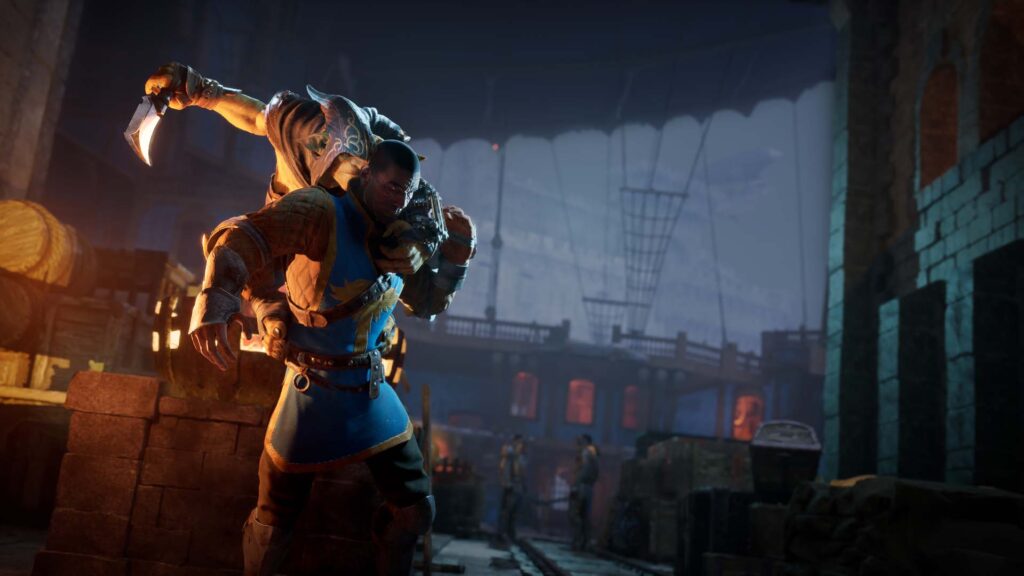
In Styx: Blades of Greed, our favorite goblin anti-hero returns with a sharper blade, a sharper tongue, and a brand-new obsession: Quartz… no matter whom he has to kill along the way. Whether you’ve followed Styx since his early days or you’re about to meet him for the first time, here’s why he’s the kind of character you’ll absolutely love to hate
Embodying the perfect anti-hero
As a goblin, Styx isn’t your typical fantasy protagonist and that’s exactly the point.
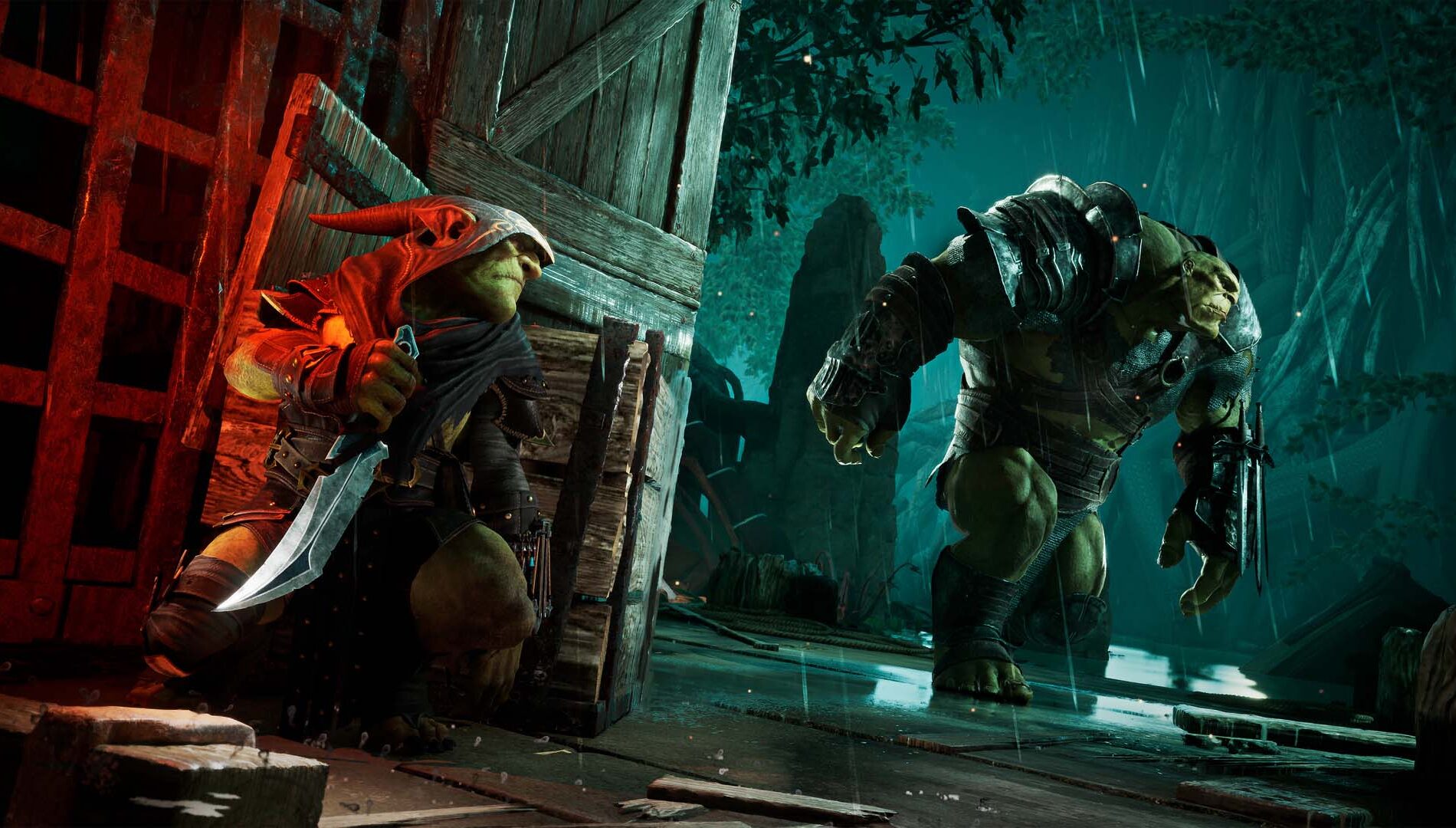
He isn’t the chosen one here to save the world. He’s not a hero. He’s a sharp-tongued protagonist, here to survive, preferably with a full purse and someone else taking the blame. Armed with razor-sharp sarcasm and a constant stream of cynical observations, Styx comments on nearly everything he encounters, mocking pompous rulers, scoffing at heroic ideals, and questioning the intelligence of just about everyone around him.
His dark humor isn’t simply there for comic relief–It defines how he sees the world: a broken place run by fools, where survival belongs to the clever, the quiet, and the ruthless. Unlike traditional fantasy protagonists who rise to greatness through destiny, Styx stumbles into power through opportunism. He survives not because he’s chosen… but because he’s adaptable.
If you’re tired of spotless heroes and noble speeches, Styx offers something refreshingly different: a protagonist who openly admits he’s in it for himself.
The rise of the anti-hero
Styx’s evolution mirrors his growing ambition.
First introduced as a secondary character in Of Orcs and Men, Styx quickly stood out thanks to his personality and unconventional perspective. That popularity led to his first starring role in Styx: Master of Shadows, Styx’s first official prequel, where players experienced pure stealth through the eyes of a fragile-but-cunning goblin. The journey continued in Styx: Shards of Darkness, expanding environments, tools, and narrative scope. And now, Blades of Greed pushes Styx further than ever before.
Across these adventures, players watched Styx grow from a clone into a seasoned infiltrator, capable of thwarting evil schemes from powerful organizations. In his new adventure, Styx takes his biggest step forward yet. He’s no longer working exclusively for others or just infiltrating someone else’s plan. He’s no longer content being a disposable asset.
Now, Styx leads his own crew.
With leadership comes responsibility… at least in theory. In reality, it means bigger targets, higher risks, and far more opportunities for stealing big stuff. It’s a natural evolution for a character who’s always wanted control, power, and most of all, profit.
Stealth with a bad attitude
Styx’s personality doesn’t stop at dialogue; it directly shapes how you play.
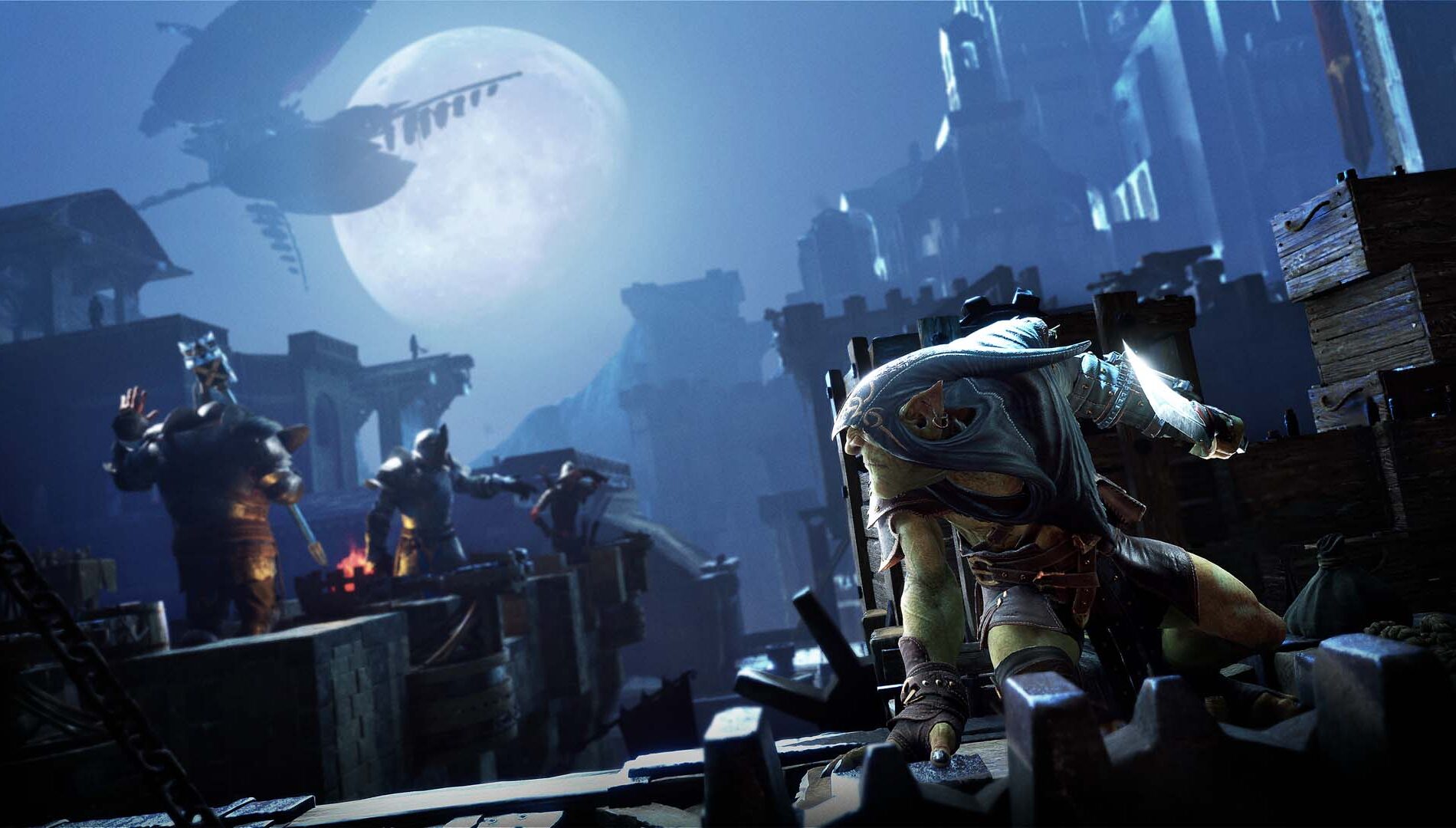
Blades of Greed is built around the idea that stealth isn’t honorable. It’s opportunistic.
You’re encouraged to observe, experiment, and exploit.
Set traps.
Create distractions.
Poison enemies.
The goal isn’t to fight fair.
The goal is to win.
Why fight fair when you can rig the entire situation in your favor? Direct confrontation is rarely the smartest option. Players are encouraged to observe, manipulate, and exploit enemy behavior using every dirty trick available.
Every environment is designed with multiple infiltration paths, vertical traversal options, and hidden opportunities that reward curiosity.
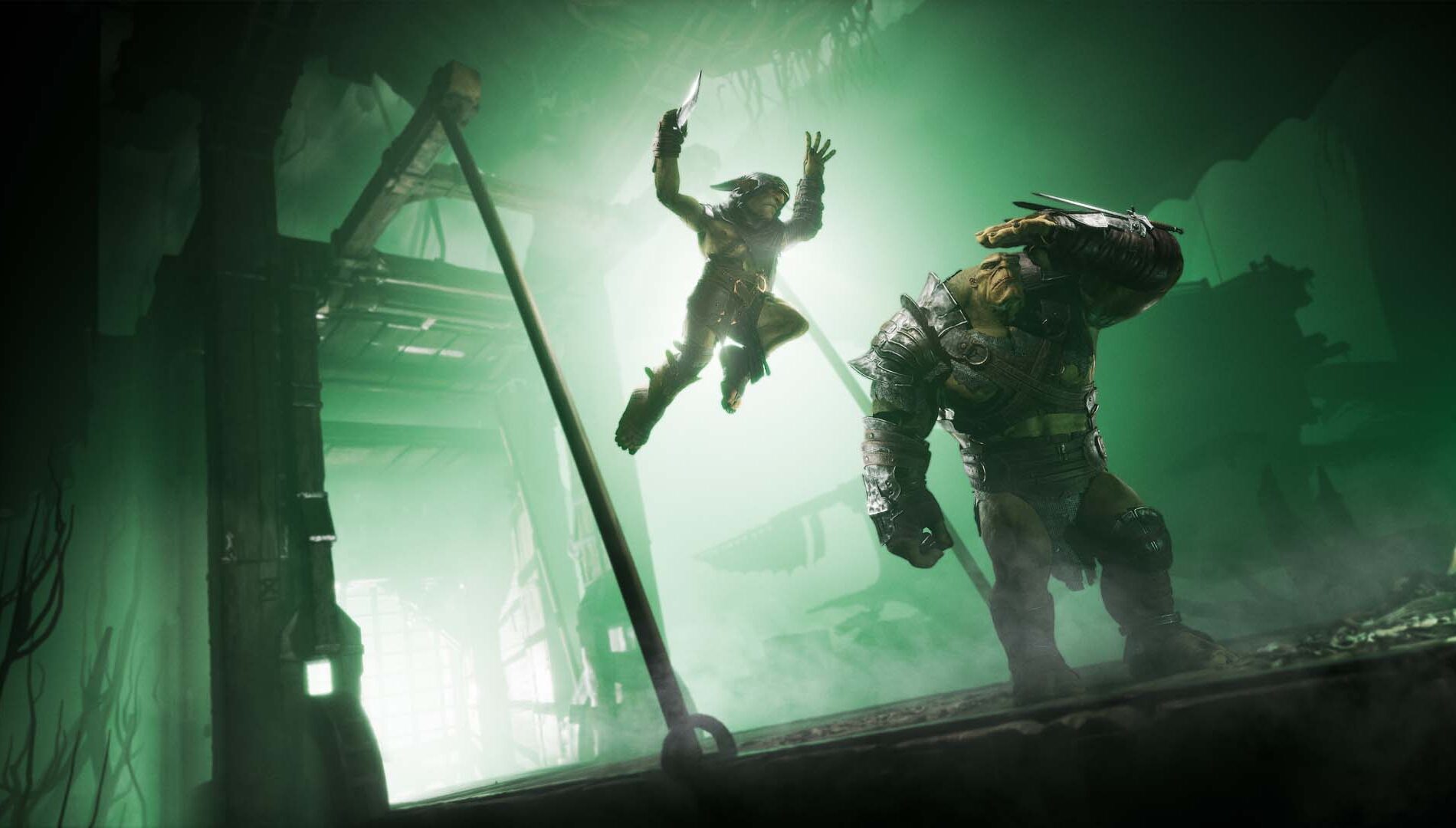
Styx’s toolkit supports this freedom with a blend of deadly tools, Amber and Quartz powers, and improvised tricks. Whether you prefer surgical precision or controlled mayhem, the game adapts to your style.
In short: if a plan feels devious, Styx probably approves.
A story of greed fueled by uprising
At the center of Styx’s newest scheme lies a mysterious resource known as Quartz.
Rare, powerful, and dangerously coveted, Quartz has the potential to reshape the balance of power, and Styx wants it for himself.
Leading his crew across hostile territories and into heavily guarded strongholds, Styx becomes entangled in an emerging war between Humans, Elves, and Orcs for control over Quartz. Old enemies resurface, new opportunities emerge, and every decision carries consequences.
Uprising, ambition, and greed drive the story forward, pushing Styx into bigger risks and even bigger payoffs, because for Styx, it’s never just about survival anymore–It’s about taking what the world owes him.
Ready to embrace greed?
In Styx: Blades of Greed, you’ll explore intricate environments filled with verticality and hidden routes, master an expanded suite of stealth abilities and dirty tricks, and experience a narrative driven by ambition, and Styx’s unmistakable dark humor.
Styx: Blades of Greed launches February 19 on Xbox Series X|S.
Preorder the game or the Quartz Edition (Deluxe) now, sharpen your blades, and prepare to follow the greediest goblin in fantasy back into the shadows. And don’t forget: with the Quartz Edition, you can play Styx: Blades of Greed on Feb 17, 48 hours before the official launch!
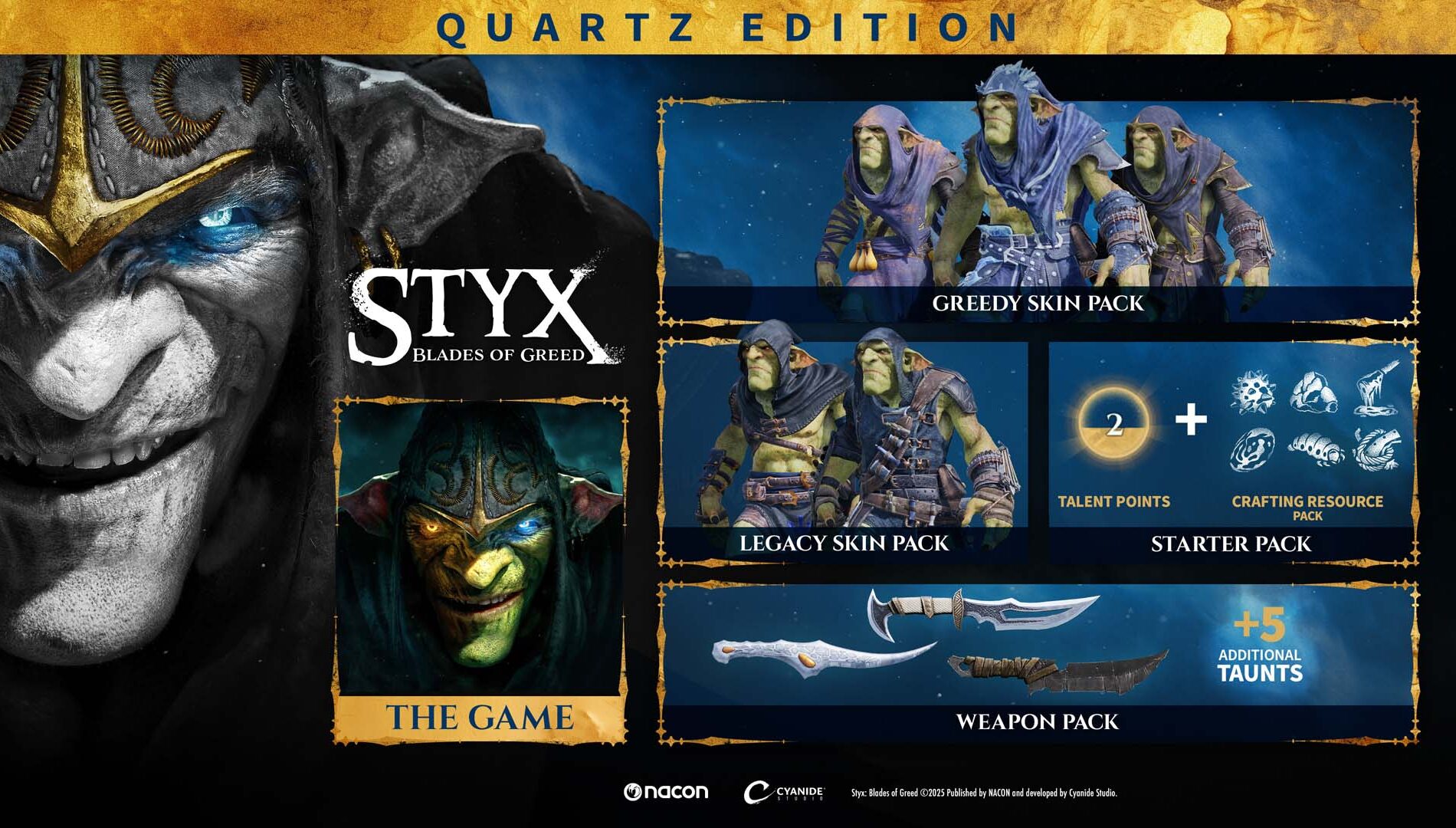
Pre-order Styx: Blades of Greed – Quartz Edition to receive the Master of Shadows Skin, Styx’s iconic outfit in the first game of the series, as well as early access 48 hours in advance.
Discover Styx: Blades of Greed in all its glory with the Quartz Edition.
It includes:
– Greedy Skin Pack: discover three new skins for Styx, each representing a new facet of his greed. Whether he has succumbed to his desire for quartz, amber, or silver, discover the master of stealth at the height of his avarice.
– Legacy Skin Pack: immerse yourself in Styx’s past by donning historic skins from Styx: Shards of Darkness. Marked by the assassinations and pillaging of his past missions, wear outfits that may have witnessed the fall of Korrangar.
– Weapon Pack: expand your arsenal with three new daggers and five more taunts for luring enemies to your blades. Sharp and deadly, they will soon be stained with scarlet.
– Starter Pack: Jump right into the action with the Starter Pack. With two experience points and materials for making your lethal traps, it’s the perfect kit for any self-respecting assassin.
You play as Styx, a cunning goblin with a caustic sense of humour who has mastered the art of infiltration. Your goal? To get your hands on Quartz, the most precious – and dangerous – resource in a world on the brink of a war between elves, humans, and orcs.
Styx: Blades of Greed takes the proven formula of the first two games and perfects it by putting freedom and creativity at the heart of the experience. Explore vast vertical environments and master new tools and skills. Whether you're discovering Styx for the first time or you've been a fan from the beginning, greed has never been so much fun!
INFILTRATION IS AN ART, THE DAGGER YOUR PAINTBRUSH
Every good robbery needs a plan! Craft your weapons and potions before taking on your next shady job. You have a wide range of skills at your disposal: rediscover cloning and invisibility thanks to your Amber skills. Master mind control and time shift, acquired through Quartz. Each situation is an infiltration puzzle that can be solved in many different ways. Despite being small in stature, Styx can rely on his agility, sharp mind, and acerbic wit to survive even the trickiest situations.
What’s that? Your dagger skills aren’t great? Who are we to judge… If no-one sees you, you can’t get caught!
A FANTASTIC WORLD AWAITS – IF YOU FLY ABOVE THE LAW
Freely explore three vast open environments: the Wall that marks the border of the human world, the lush orc village of Turquoise Dawn, and the ruins of the elven capital of Akenash. Soar through the air with your glider, reach inaccessible places in an instant with your grappling hook, and climb huge walls with your claws. Use the verticality of the environments to reach your targets. Each new tool you unlock opens up previously unreachable areas, in a Metroidvania-style progression.
Pre-order Styx: Blades of Greed and receive the Master of Shadows Skin, Styx’s iconic outfit in the first game of the series.
You play as Styx, a cunning goblin with a caustic sense of humour who has mastered the art of infiltration. Your goal? To get your hands on Quartz, the most precious – and dangerous – resource in a world on the brink of a war between elves, humans, and orcs.
Styx: Blades of Greed takes the proven formula of the first two games and perfects it by putting freedom and creativity at the heart of the experience. Explore vast vertical environments and master new tools and skills. Whether you're discovering Styx for the first time or you've been a fan from the beginning, greed has never been so much fun!
FROM PAWN TO BOSS – MOVING UP IN THE WORLD!
No more missions for others – this time, our infamous green-skinned protagonist is pursuing his own goal, and leading a crew of his own. Aboard his zeppelin, Styx and his squad hunt down a mysterious new source of power: Quartz. On your journey of deception, you'll meet old acquaintances and colourful new characters, all while avoiding the traps set by the Inquisition. This adventure marks the beginning of the Great War and the creation of the Black Hand – the group of mercenaries at the heart of the events in Of Orcs and Men.
INFILTRATION IS AN ART, THE DAGGER YOUR PAINTBRUSH
Every good robbery needs a plan! Craft your weapons and potions before taking on your next shady job. You have a wide range of skills at your disposal: rediscover cloning and invisibility thanks to your Amber skills. Master mind control and time shift, acquired through Quartz. Each situation is an infiltration puzzle that can be solved in many different ways. Despite being small in stature, Styx can rely on his agility, sharp mind, and acerbic wit to survive even the trickiest situations.
What’s that? Your dagger skills aren’t great? Who are we to judge… If no-one sees you, you can’t get caught!
A FANTASTIC WORLD AWAITS – IF YOU FLY ABOVE THE LAW
Freely explore three vast open environments: the Wall that marks the border of the human world, the lush orc village of Turquoise Dawn, and the ruins of the elven capital of Akenash. Soar through the air with your glider, reach inaccessible places in an instant with your grappling hook, and climb huge walls with your claws. Use the verticality of the environments to reach your targets. Each new tool you unlock opens up previously unreachable areas, in a Metroidvania-style progression.
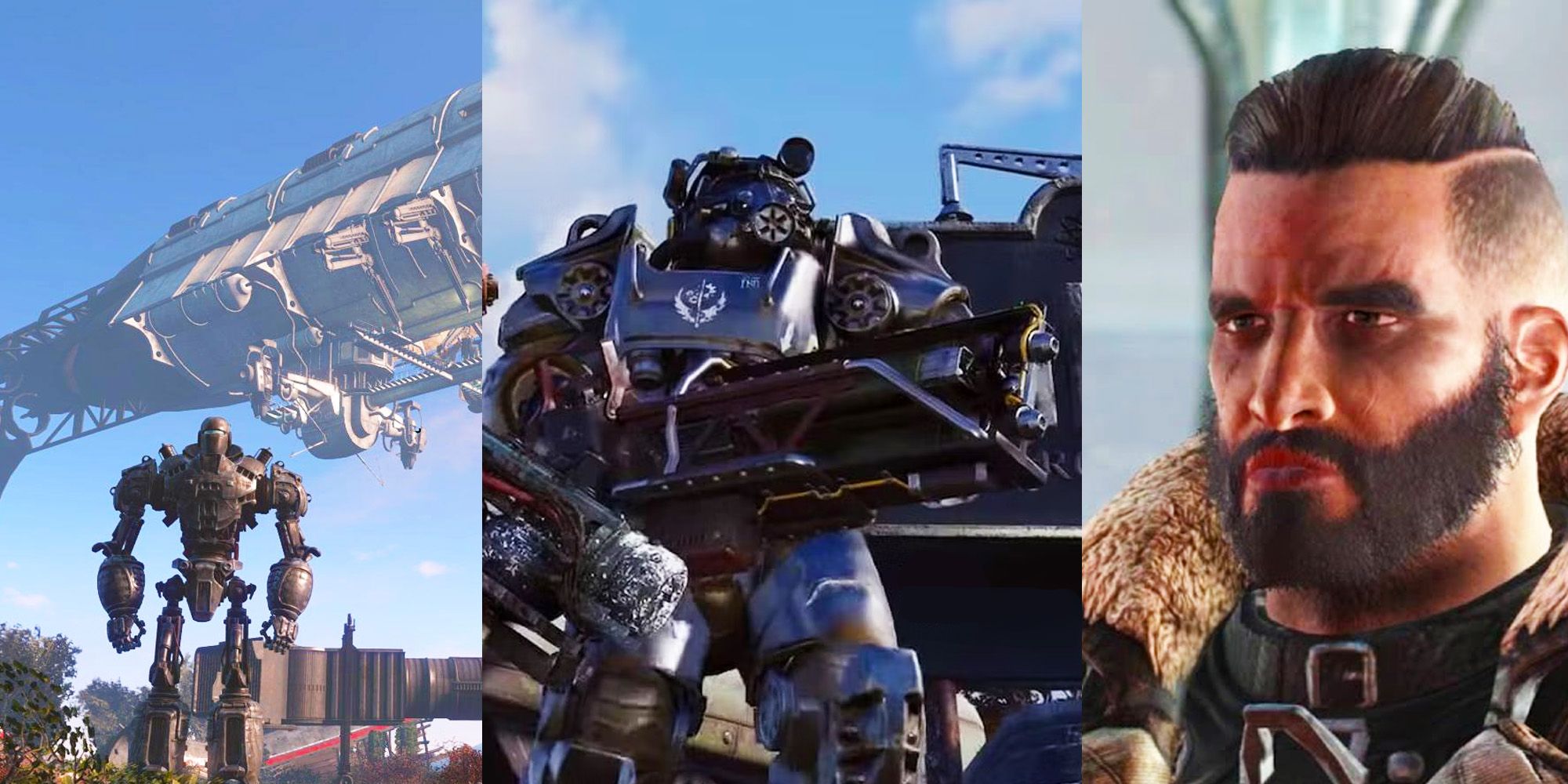
The Brotherhood of Steel are arguably the most iconic faction in the Fallout franchise. Donning the famous T-series Power Armor and laser weaponry, they are one of the strongest forces in post-war America, and one of the central factions in Fallout 4. Players will get the opportunity to not only help the Brotherhood on certain missions, but even have the option to join them, ascend their ranks and side with them when it comes to deciding the ultimate fate of the Commonwealth at the main questline's conclusion.
This Year, We’re Leveling Up with Indie Games: Indie Selects for January
Raymond Estrada, Deron Mann, Steven Allen, Jessica Ronnell – ID@Xbox Holiday Recovery Squad
Every Wednesday, dive into the Indie Select Hub — your gateway to a fresh, curated indie collection plus four themed spotlights that rotate weekly! You can always find this collection hub in the Xbox Store and on Xbox.com/IndieSelects.
Our goal for 2026? Make it the best year yet for Indie Selects! Late November and early December indie releases often fly under the radar, so this month we’re giving them the spotlight they deserve. Our collection is stacked: a stylish tactics RPG, a challenging roguelite creature collector, a retro-inspired metroidvania with modern twists, a gripping text-based political sim, a mind-bending 47-minute time loop adventure, and yes—the psychic-powered baby simulator you never knew you needed. Here’s what we’ve got for you this month (in no particular order):
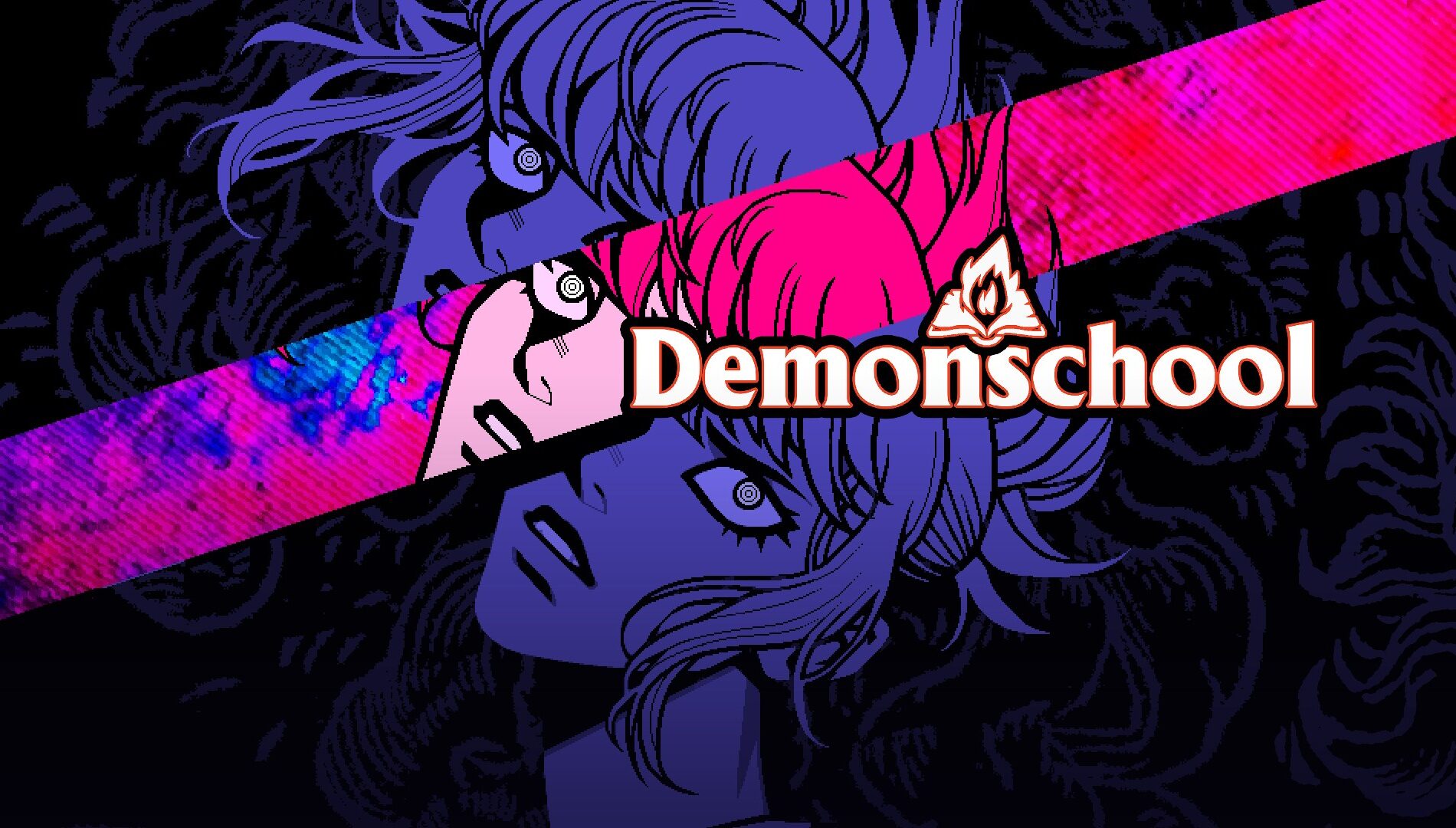
Demonschool is a joyride of a tactical RPG that follows the charismatic demon hunter Faye, on an apocalypse-preventing quest filled with gangsters, quirky teachers, classmates, and, well… demons. Players are tasked with exploring a mysterious island and college campus through various missions and minigames, managing relationships and school schedules, discovering new skills, and constantly fighting waves of enemies. While all of it was fun, I think the combat captivated me the most! It features a two-phase turn-based structure that leverages action sequencing in a way that feels like solving choreography puzzles. Each character has different abilities, and if moved to the right space and triggered in the right order, you can maximize damage during the action phase. This carries a similar depth and level of player expression to that found in its peers, but its unique presentation enhances the satisfaction when successful. Paired with various enemy types, a mission rank system, and a forgiving rewind feature, the experience felt exciting, challenging, rewarding, and approachable.
Aside from combat, I was delighted by the detail shown through interactivity and easter eggs within each environment. Pet the dog and it might give you something. Throw a coin in a fountain. Talk to an NPC at the docks and learn how their great-grandpappy died as a demon-hunting fisherman. I found myself interacting with everything I could to find another mini-game or read another hilarious one-liner, like the kid who claimed they “marked their seat” during orientation. As a gamer who doesn’t normally play RPGs, I ironically found myself glued to this. The soundtrack is FIRE, the modern-retro aesthetic is beautifully designed, and the storytelling through its varied character personalities and charm kept things fresh and entertaining.
Demonschool is a new-style tactics RPG where motion equals action. Defeat big weirdos in between the human and demon worlds as Faye and her misfit companions, while navigating university life on a mysterious island.
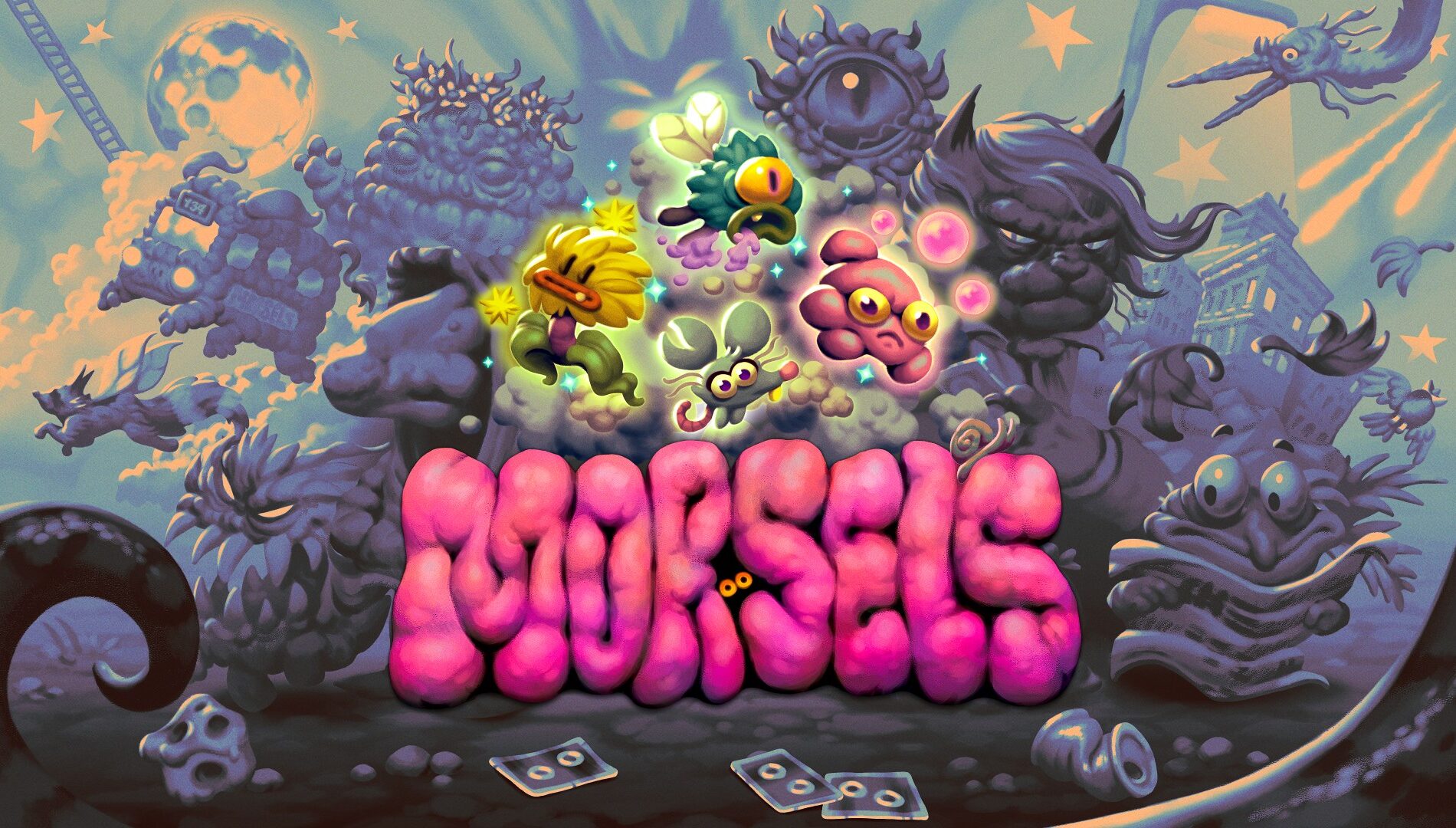
My first few runs in Morsels taught me an important lesson: getting too attached is a fast track back to the start screen. Developed by Furcula and published by Annapurna Interactive, Morsels is a roguelike action game that rewards flexibility, experimentation, and the ability to admit when your current plan isn’t working. Rather than committing to a single character, players collect multiple “Morsels,” each with its own abilities and combat style. I quickly realized that success depended less on picking the “best” creature and more on knowing when to switch. Stubbornness, it turns out, is not a viable strategy.
The game follows familiar roguelike conventions, including procedurally generated rooms, escalating difficulty, and persistent progression between runs. What helps Morsels stand out is its intentionally strange visual style. Creature designs are unsettling in the best way, and the gritty environments feel like they were designed to keep you slightly on edge—just in case the enemies weren’t already doing that. Progression is driven by unlocking new Morsels and card-based modifiers. Some of these systems took a few runs to click, but experimenting with different combinations often led to those satisfying moments where things suddenly start going your way—right before they don’t.
Morsels doesn’t reinvent the roguelike genre, but its focus on adaptability gives it a clear personality. For Xbox players who enjoy learning through trial, error, and the occasional laugh at their own expense, it’s an engaging and memorable experience.
You are a hungry mouse, scrounging for scraps in the sewers, when you meet a magical sentient fatberg who teaches you to transform into a mighty little Morsel. With your new powers, set off to dangerous upper worlds where you battle against the cats' oppressive forces and collect new Morsels, strategically swapping as you go.
From developer Furcula, Morsels is an oddball top-down, creature collector roguelite with a rotating roster of playable characters you switch between at will. Packed with frenetic action and personality, players use magical cards to transform into little monsters, collect and nurture a troop of your own monster friends to battle cat dominance, and persist at all costs to survive.
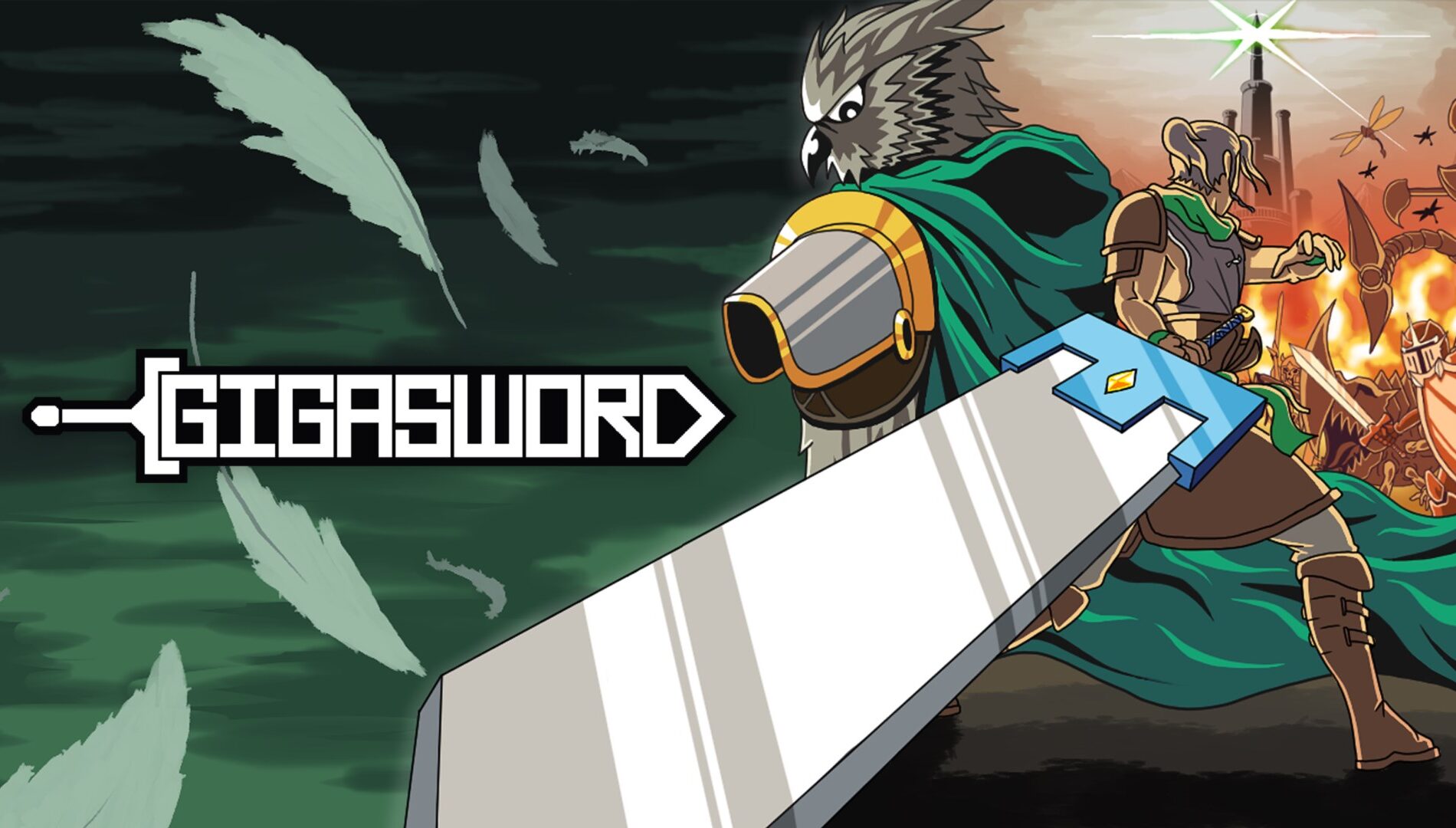
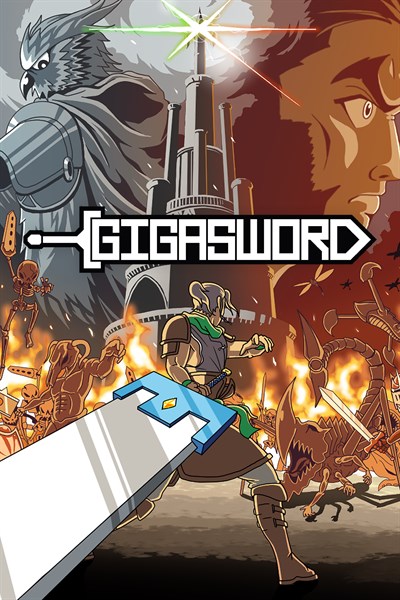
Let’s be honest: hauling around a giant sword is about as impractical as it gets for an adventurer—especially when vertical traversal is involved. I could write a hundred-page thesis on why that’s absurd, but honestly, GigaSword says it all. This action-puzzle Metroidvania from single-developer-led Studio Hybrid, feels like it leapt straight out of an NES classic collection, challenging your combat and strategy skills while confronting the harsh reality of our childhood dream: “the biggest sword ever.” Spoiler alert: swords are heavy, and you’re nowhere near as agile as Cloud Strife led you to believe.
Once you dive in, you’ll quickly realize the GigaSword’s weight is both a blessing and a curse. Combat feels straightforward yet fair—every swing is deliberate, and that extra wind-up means you’ll need to time attacks carefully or risk eating damage mid-swing. Things escalate when you face massive bosses that demand pattern recognition and precision.
But the sword isn’t just for fighting—it’s central to the game’s clever environmental puzzles. Detaching from it becomes essential as you navigate obstacles, using its heft to trigger pressure plates or even as a makeshift lever to shift platforms. The vibe? Think Castlevania II: Simon’s Quest meets the inventive puzzle mechanics of Legend of Zelda.
The game doesn’t pull its punches when it comes to its stiff combat, but unlike its NES predecessors, you’ve got save points to preserve your sanity. The sword’s weight constantly reminds you that speedrunning isn’t an option—but then come those moments when you tackle an entire dungeon without the blade, introducing a whole new layer of challenge. If you’re a fan of intricate puzzle platformers like Animal Well, this is a distinctive experience worth adding to your collection.
Balance the weight of the GIGASWORD, battling between brain and brawn in this action-puzzle metroidvania where the might of the sword will determine all. As tensions rise in Thoenhart, a city plagued by famine and disease, the humans within set their hopes on a final solution: invade the ancient tower Nestrium, slay the Nocturne, and take the God Crystal, Gnosis, for themselves. Said to grant prosperity to those who wield it, Gnosis has been long sought after by humanity for generations. However, upon raiding its resting place, the disturbance of this ancient power awakens an evil capable of destroying the very fabric of reality. Can Ezra reach the top of the Nestrium in time to stop this cataclysm, or will humanity’s ignorance lead the world to its doom?
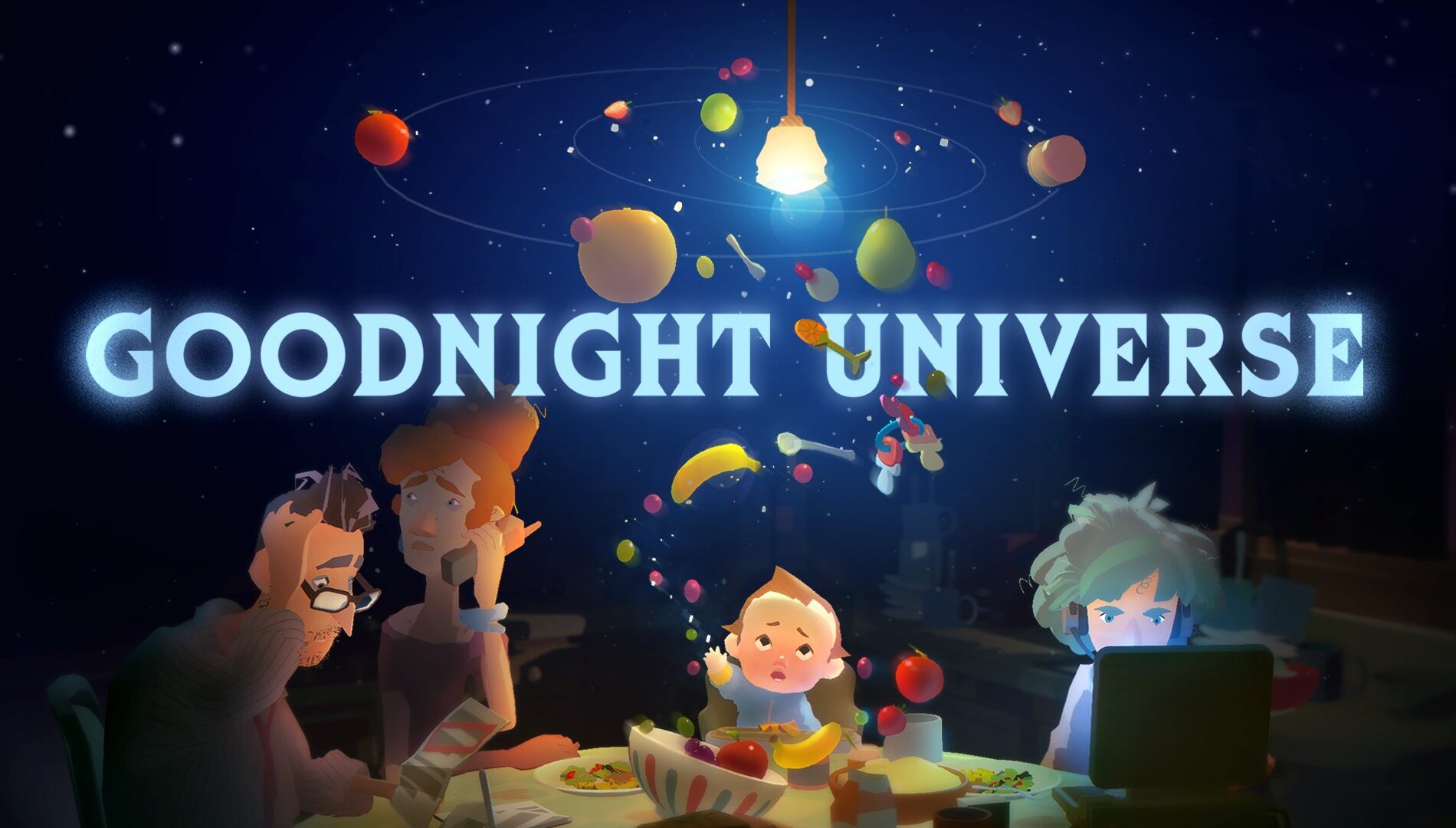
Oh baby! What a game! Not enough people are talking about this one. Goodnight Universe is not a baby sim… it’s a supernaturally gifted baby sim. You take on the role and perspective of Isaac who’s a smart, keenly aware, and capable infant, able to tackle surprisingly complex problems. That and the telekinesis ability, of which an evil corporation is very aware and want to use for their own purposes.
Before we even touch gameplay, the voice acting and writing are superb and captivating. The narrator connects with the player as we both witness so many performances between fully fleshed out characters highlighting their family dynamics, their struggles, and their successes. The writing is heartwarming and fun, exploring themes of the messiness of domestic life and what it means to be human. The overall narrative is, for me, the highlight of the game.
Gameplay starts out simple, seen through the baby’s eyes in first person. You click on objects for narration or interaction, but once powers kick in, that’s when things get interesting. You will be able to move objects with your mind or even dive into someone’s thoughts. As the game progresses, you unlock new powers and tackle sequences where you must use your powers at the right time.
The console version lacks the eye-tracking feature Nice Dream introduced in Before Your Eyes. I tested it on Steam, and while the mechanic adds an intimate twist to the first-person experience, albeit with occasional awkwardness, it isn’t essential here. Unlike Before Your Eyes, skipping it doesn’t compromise the core gameplay. The game took me about 4-5 hours to complete and I can’t recommend this enough, especially for anyone that loves unique, narrative-driven games… and babies. Gamer dad approved.
From the creators of Before Your Eyes. You are Isaac, a 6-month-old baby, developing mysterious psychic powers. What you want most is to be loved and accepted by your family, but a secretive tech corporation wants you for their own.
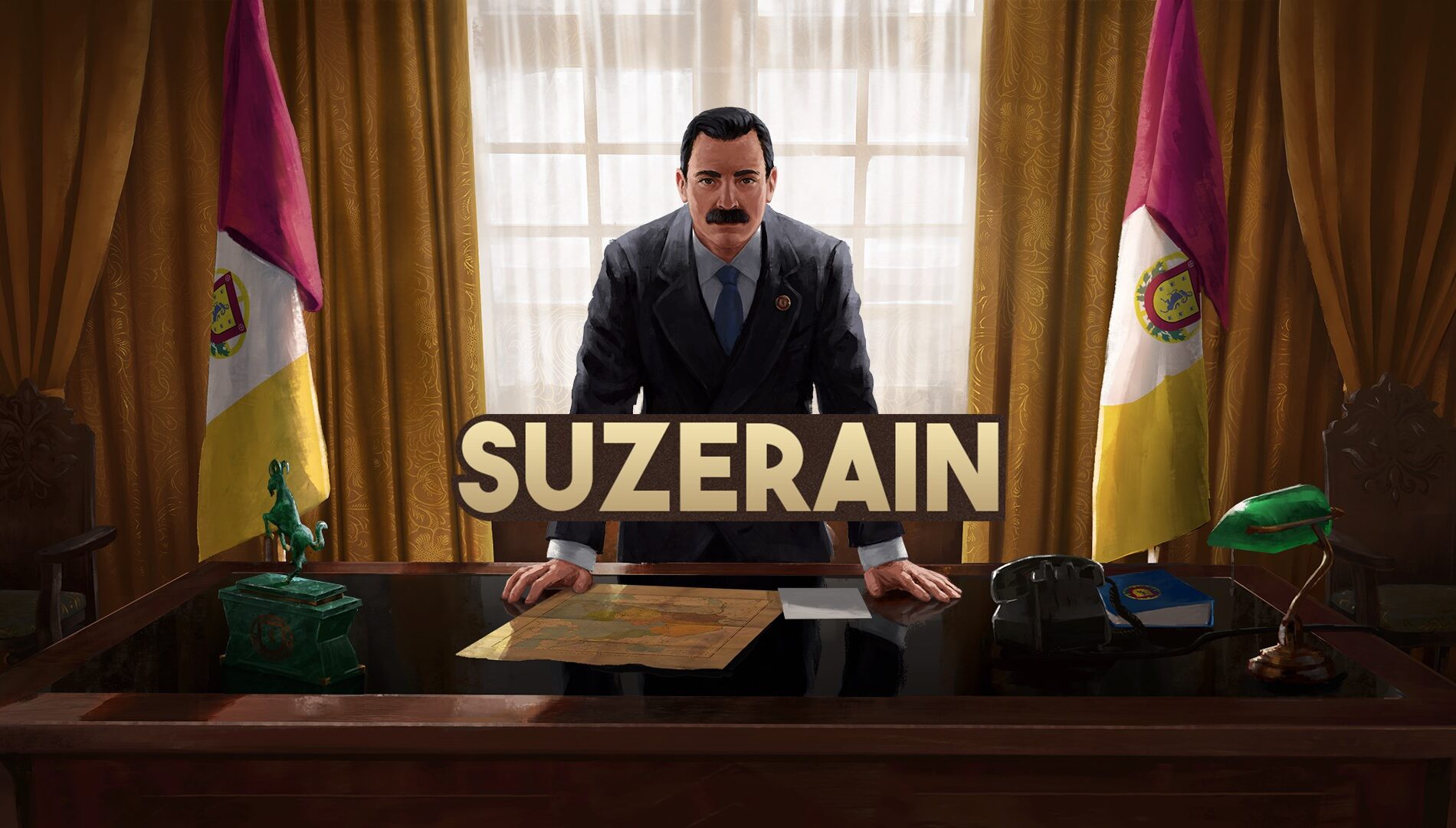
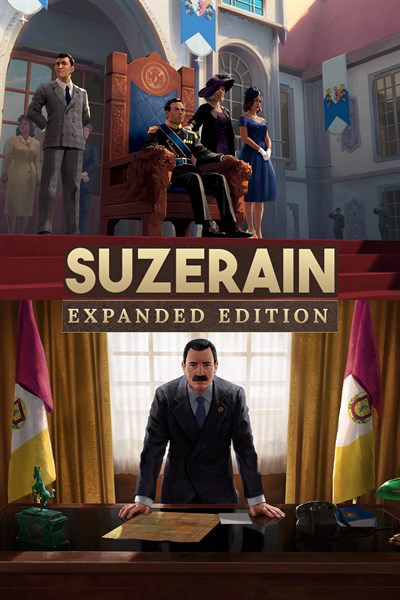
Suzerain is a critically acclaimed, narrative-driven government simulator that’s far more addictive than its niche genre suggests. At 11 p.m., I reminded myself that I was only supposed to play for a few hours. Think of it as a choose-your-own-adventure where you’re the newly elected president of a fictional nation, tasked with shaping its future. Will you lead with integrity and build a brighter tomorrow or plunge into corruption, spark wars, and line your own pockets? The choice is yours.
This is a text-based adventure, so expect plenty of reading as events unfold and characters speak, followed by dialogue choices that shape your path. But it’s not all dry policy. Beyond signing bills or reviewing economic reports, you’ll navigate scandals, shady deals, and moral dilemmas. The intro alone lays out 50 years of rich lore for your homeland, and once I got into it, it felt like reading a truly great novel. Thankfully, the writing, presentation, and UI are top-notch. Otherwise, I honestly haven’t read this much since my deep dive into Blue Prince.
Suzerain’s greatest strength is its replayability. The depth of the characters around me and detailed lore make every choice impactful, with each decision reshaping the course of my presidency. My first run focused on economic and social reforms that aligned with my actual ideology, but in this new run I’m currently going full corrupt leader, bribing my way through scandals and taking every unsavory side-deal that comes my way. With a 6-to-7-hour campaign, multiple playthroughs can easily triple your time. If you love strategic decision-making without twitch reflexes, this is for you—board gamers, I’m talking to you!
The Expanded Edition includes the award-winning political drama Suzerain, and the Suzerain: Kingdom of Rizia DLC.
Suzerain
As President Rayne, lead the nation of Sordland in your first term of this text-based RPG. Navigate a political drama driven by conversations with your cabinet members. With looming war, rooted corruption, economic crisis and reform needed, the choices fall on your shoulders. How will you lead?
Suzerain: Kingdom of Rizia
Embrace the crown as King Romus Toras, and lead the Golden Kingdom to a new era. Reclaim lost territories through diplomacy or force. Engage with noble houses and oversee the resources of Rizia. How will you reign?
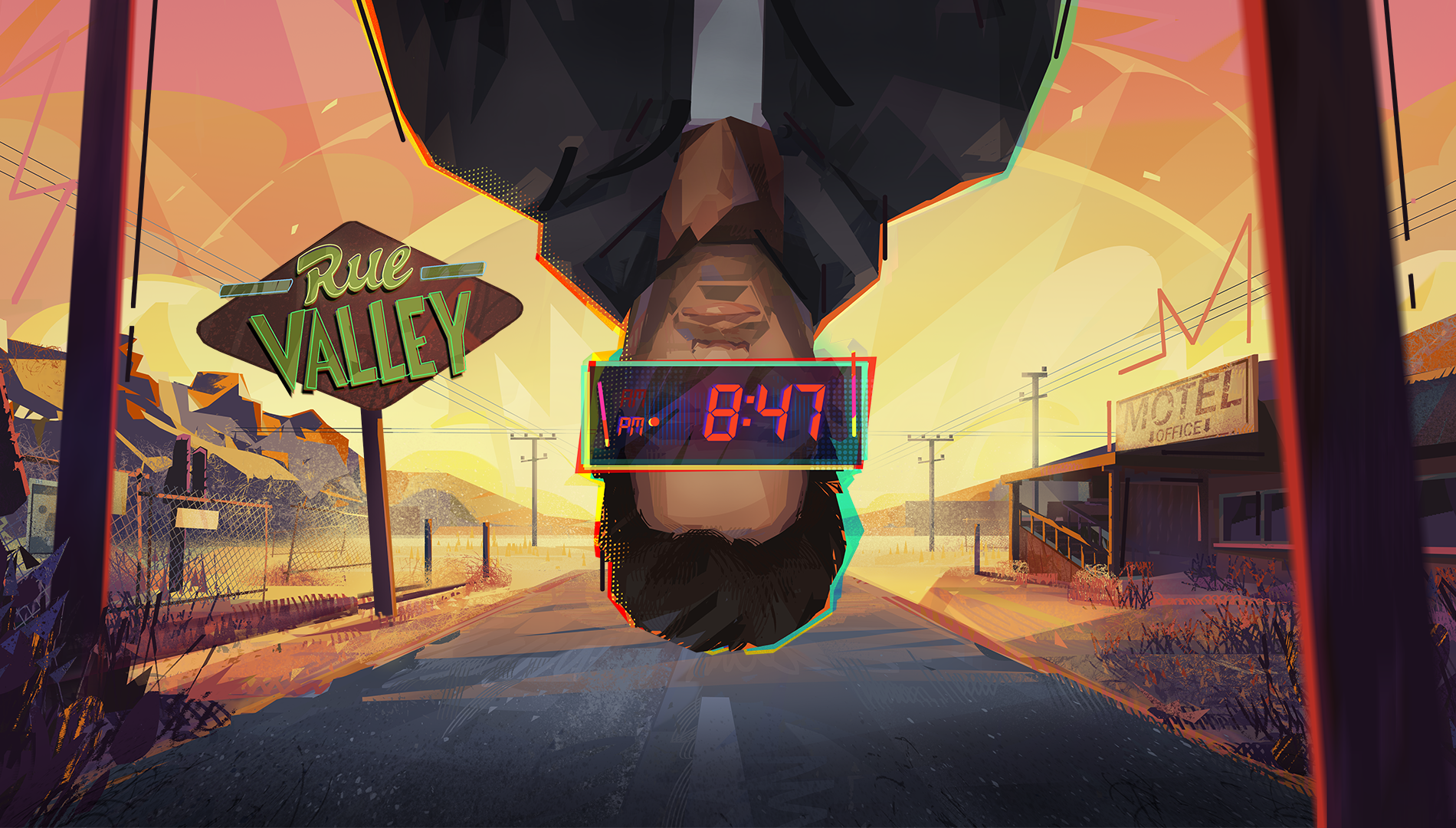
Rue Valley is a cozy, narrative driven mystery adventure with a dash of life sim flavor—think gentle exploration, quirky character encounters, and environmental puzzles tucked into every corner. It’s a kind of small-town mystery sitting somewhere between Night in the Woods and Oxenfree, but carrying its own soft-spoken charm. You arrive as the town’s newest resident, slowly learning the rhythms, secrets, and oddball personalities that make you feel welcome… and it’s just uncanny enough to keep you leaning in. Oh, and of course you are trapped in a strange time loop that causes you to relive exactly 47 minutes in perpetuity.
I’ve spent countless hours wandering Rue Valley’s winding streets—half exploring, half getting delightfully sidetracked by a neighbor who just had one more story to share. Somewhere between chatting up townsfolk and stitching together the town’s quiet mysteries, the game really pulls you into its world. The characters don’t behave like NPCs waiting to dispense quests; they feel like the familiar faces you always seem to bump into at your favorite café, each with quirks that make the town feel genuinely lived in.
And yes, there’s a learning curve—especially when you’re juggling exploration with dialogue choices—but it’s the kind that feels like easing into a new neighborhood. A little confusing at first, then unexpectedly rewarding once everything clicks into place.
What kept me hooked most was the atmosphere. Rue Valley is the kind of place where you sit down for “just ten minutes” and look up hours later. It’s cozy, a touch mysterious, and always ready with a gentle surprise when you least expect it. If you enjoy narrative adventures, small-town stories, or slow-burn games where the joy comes from noticing the little things—a flickering streetlight, a half-finished sentence, a lingering question—Rue Valley fits beautifully. It’s a world that invites you to slow down and let it reveal itself at its own unhurried pace.
Break free from a mysterious time loop! Embark on a journey of self-discovery and resilience. Delve into the enigmatic depths of the small godforsaken town: Rue Valley.
Each day feels like an uphill battle against the shadows of your own mind. Along the way, you will encounter a captivating ensemble of characters, each wrestling with their own emotional complexities and revealing hidden depths as you get to know them.
Can you muster the courage to unravel the secrets of this temporal anomaly? Can you discover the strength within yourself to rise above adversity and forge a brighter tomorrow?
Craft your own personality in Rue Valley. You can be a cold-hearted loner who overthinks everything or a melodramatic loudmouth who always trusts their gut instinct.
Whether you reflect your true personality or role-play someone entirely different, your character will shape your dialogues and interactions in the game.
Store memories in a graph, unlocking intentions and mindsets as you progress uniquely through the story. Commit to quirky mindsets for unexpected and hilarious dialogues, and experience personality-altering Status Effects: become more outgoing when drunk, or extra sensitive when anxious.
Experiment with different answers and timelines, because the loop will restart from the beginning anyway, won't it?
STAY TUNED: Indie Selects Anniversary is coming soon!
Mark your calendars for January 28 and get ready for our big Indie Selects Anniversary Celebration, packed with giveaways, discounts, and plenty of surprises!
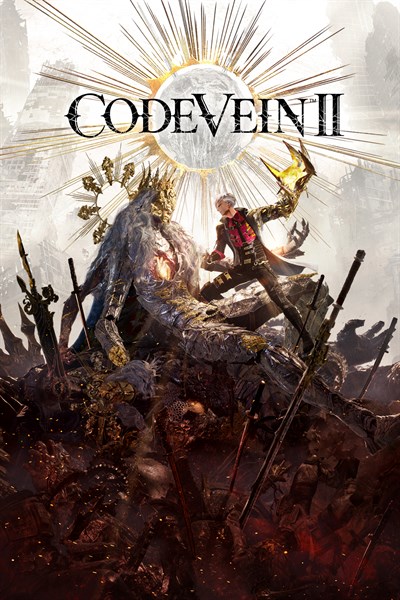
Code Vein II arrives on Xbox Series X|S on January 30.
Building on the first game’s rich combat, Code Vein II remixes its themes and imagery into an original story and setting.
The partner system of NPC companions returns as well, reworked and expanded as a central pillar of both the gameplay and narrative.
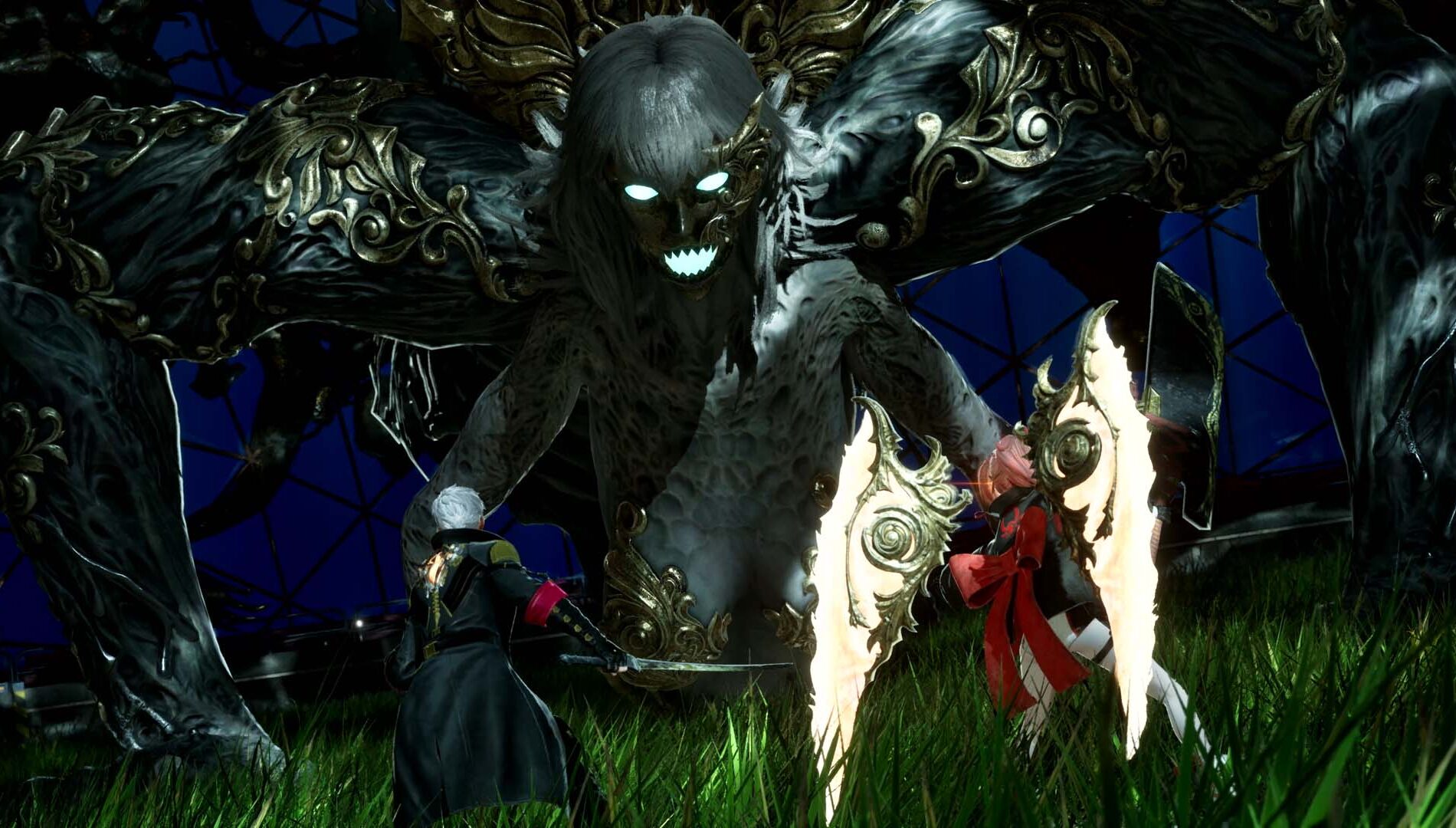
The monstrous Metagen Remnant really had me on the ropes, crushing me repeatedly with a swipe of its tail, but that stoic, pink-haired woman just wouldn’t let me forget the power of duty, friendship, and anime.
I recently attended a closed preview event for Code Vein II, upcoming sequel to Bandai Namco’s 2019 3rd-person action game with anime aesthetics and narrative. Hosted at a dramatic cathedral church in Los Angeles, I played several hours of a curated demo and took part in a group interview with series director Hiroshi Yoshimura and producer Keita Iizuka, both of whom are returning from the first game to make a bigger and better sequel.
One of the original Code Vein’s main mechanical hooks was the variety of NPC partner characters that you could team up with to overcome the game’s challenges, and Code Vein II has doubled down on that. Yoshimura summed it up well that what he “think[s] defines Code Vein and its identity is really traversing these difficult dungeons and encounters with your partner, and that sense of achievement you get from overcoming them together. So that’s one [piece of positive feedback] we got from Code Vein, one that we’re definitely leaning into more in Code Vein II.”
Same but Different
If, like me, you never got around to the original Code Vein, you don’t need to worry about missing the story. Code Vein II remixes much of the first game’s imagery—powerful, vampiric beings called Revenants in a post-apocalyptic world—into an original setting and story. Fans of the first will no doubt find plenty of rhymes and resonance, but new players need not worry about studying up on the lore to understand what’s going on.
That’s not to say that everyone will easily follow along with everything. A big part of Code Vein’s appeal is that it’s anime as all hell, with a plot that’s as melodramatic as it is convoluted and laden with proper nouns. This time around it’s a time travel story, no less. According to Iizuka that’s why they decided to have it be unrelated to the first game: “If we had done this as continuation of the previous world/character/game, then that could possibly mean players would affect and change events that have already happened in [the original] Code Vein. And we didn’t want to take away from that, because what players experience in Code Vein, we think, belongs to the players.”
Josée and the Pussycats
Code Vein II takes place in a world on the brink of collapse. Humans now live together with Revenants (vampiric beings that had long existed in the shadows). 100 years ago, Revenants worked together to try and defeat a cataclysmic force called The Resurgence but failed to seal it, creating a new entity known as Luna Rapacis. The result was that the Resurgence was only delayed, and Luna Rapacis is turning Revenants into mindless horrors that accelerate its progress.
You play as a Revenant Hunter tasked with saving the world. In order to do that, you have to defeat Fallen Heroes of the Resurgence—the Revenants from 100 years ago that tried and failed to seal it away, and have since been corrupted into monsters and sealed into cocoons. With the help of another Revenant with a unique time travel ability, you must first go back into the past, meet these heroes in their prime, and help them out in their personal quests before returning to the present and defeating them in their monstrous form. According to Yoshimura, “the overarching mission is going to be to defeat all of these heroes, the order of which is up to the players themselves,” so in a very real way, the gameplay and story are structured entirely around these partner characters.
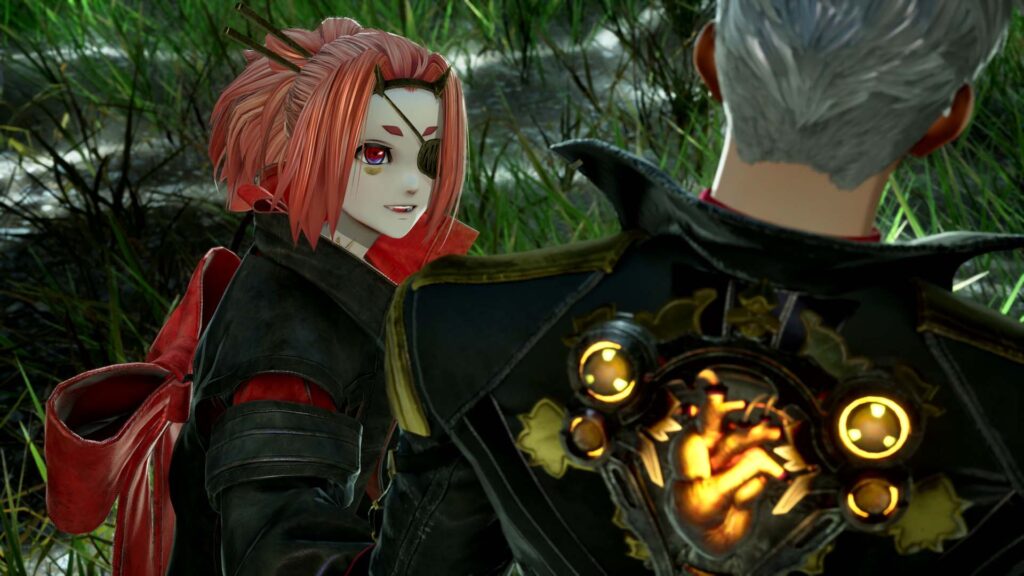
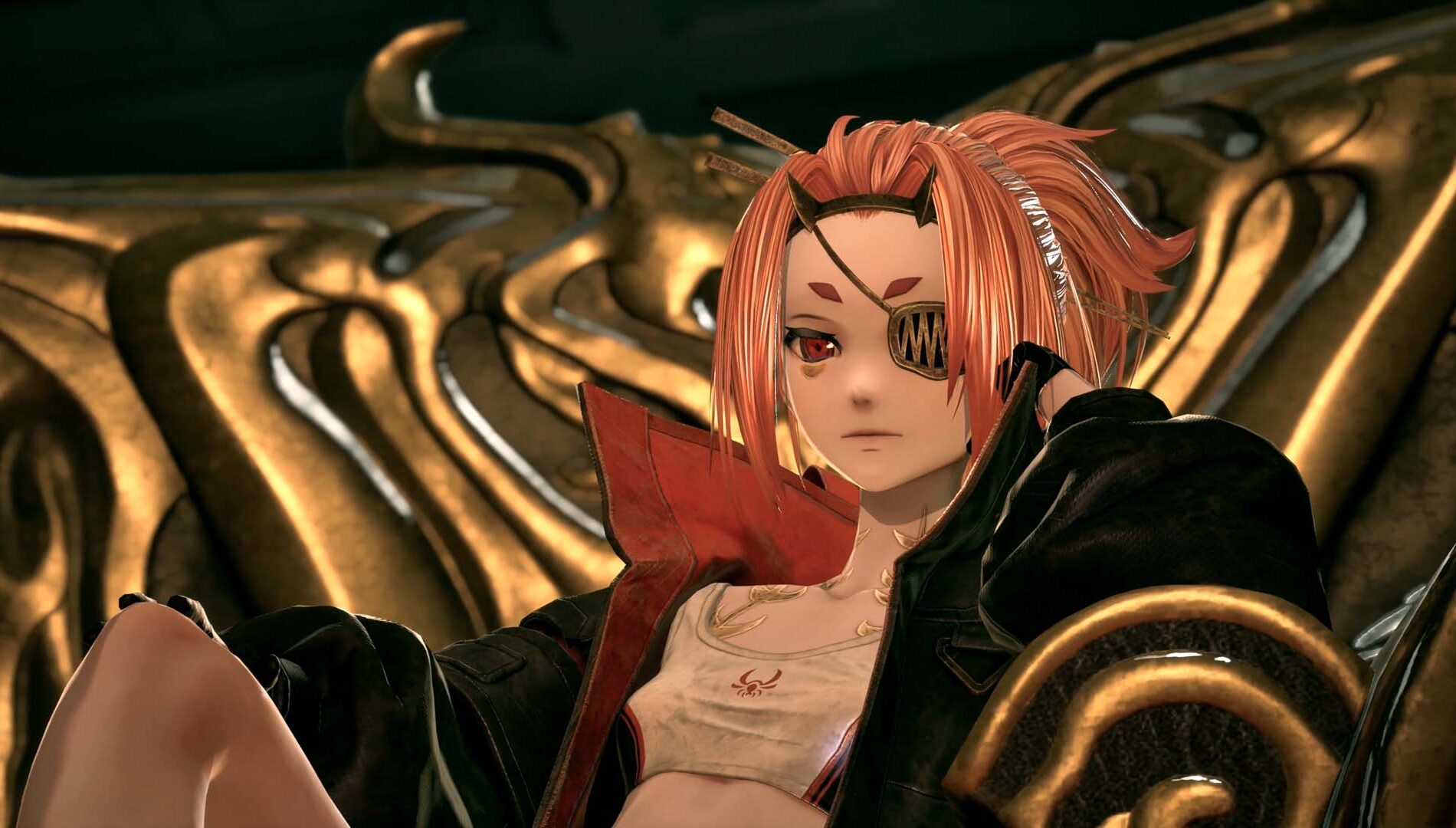
For the demo session we played parts of the section for Josée Anjou, a short, fierce Revenant with a giant sword, pink hair, and an eyepatch. She’s a stoic protector, burdened by guilt from her past. In her present we were helping her cleanse polluted water from the Sunken City, a flooded urban ruin, by fighting our way down to defeat an enormous, sphinxlike beast called the Metagen Remnant. Our exploration down towards the boss was punctuated by flashback scenes in which I’d run past tableaus from Josée and her sister’s past, learning more about her personal story. Eventually I returned to the present to do battle with a monstrous (and monstrously difficult) Josée, burdened by the full pathos of knowing this creature’s tragic backstory as she pounds me into the tile over and over again.
Formae and Function
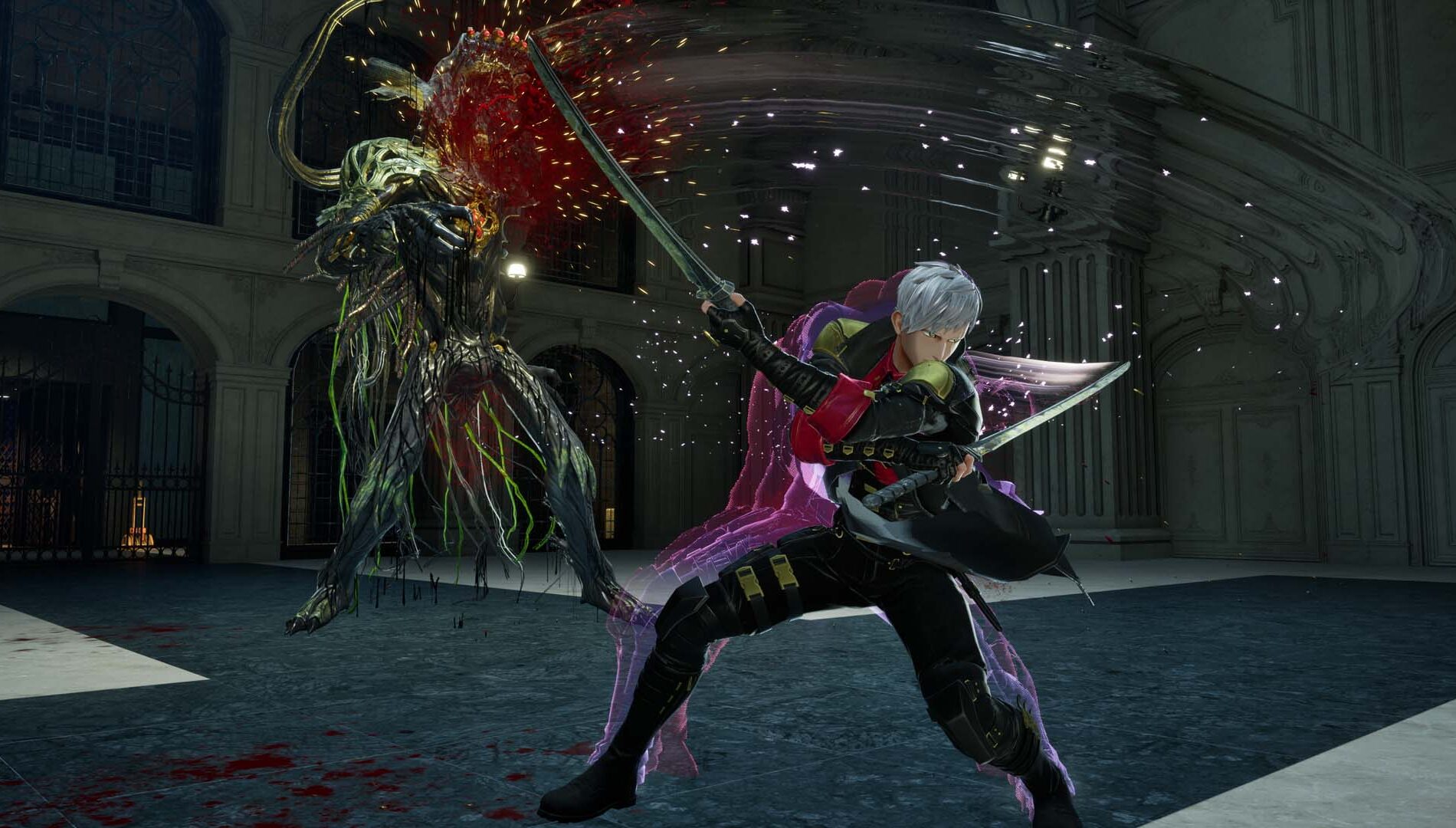
Combat is the real star of the show. Code Vein II comprises an intricate lattice of interconnected systems that I could only begin to wrap my head around in a few hours of play, but I imagine they’d be engrossing when built up over an extended game. The foundation of stamina management, light/heavy attacks, and dodging should be familiar to anyone who’s dabbled in the Soulslike genre. Code Vein II then heaps on layers and layers of customization.
Rather than committing to fixed stats, Blood Codes return from the first game, acting as hot-swappable classes to rescale your stats for different builds. In addition to a variety of one- and two-handed weapons with different base move sets, Formae (a rework and expansion of the first games Gifts) are powerful special moves that you can find over the course of the game and slot into compatible weapons. These cost a resource called Ichor to use, which you replenish by landing special drain attacks.
The resource for using your special abilities being generated by attacking adds a risk/reward dynamic to combat, and keeps it aggressive. In all ways, Code Vein II wants to empower you to experiment and play in your own style, with Formae and Blood Codes allowing you to completely rebuild your strengths and moveset at any time.
And my Greatsword!
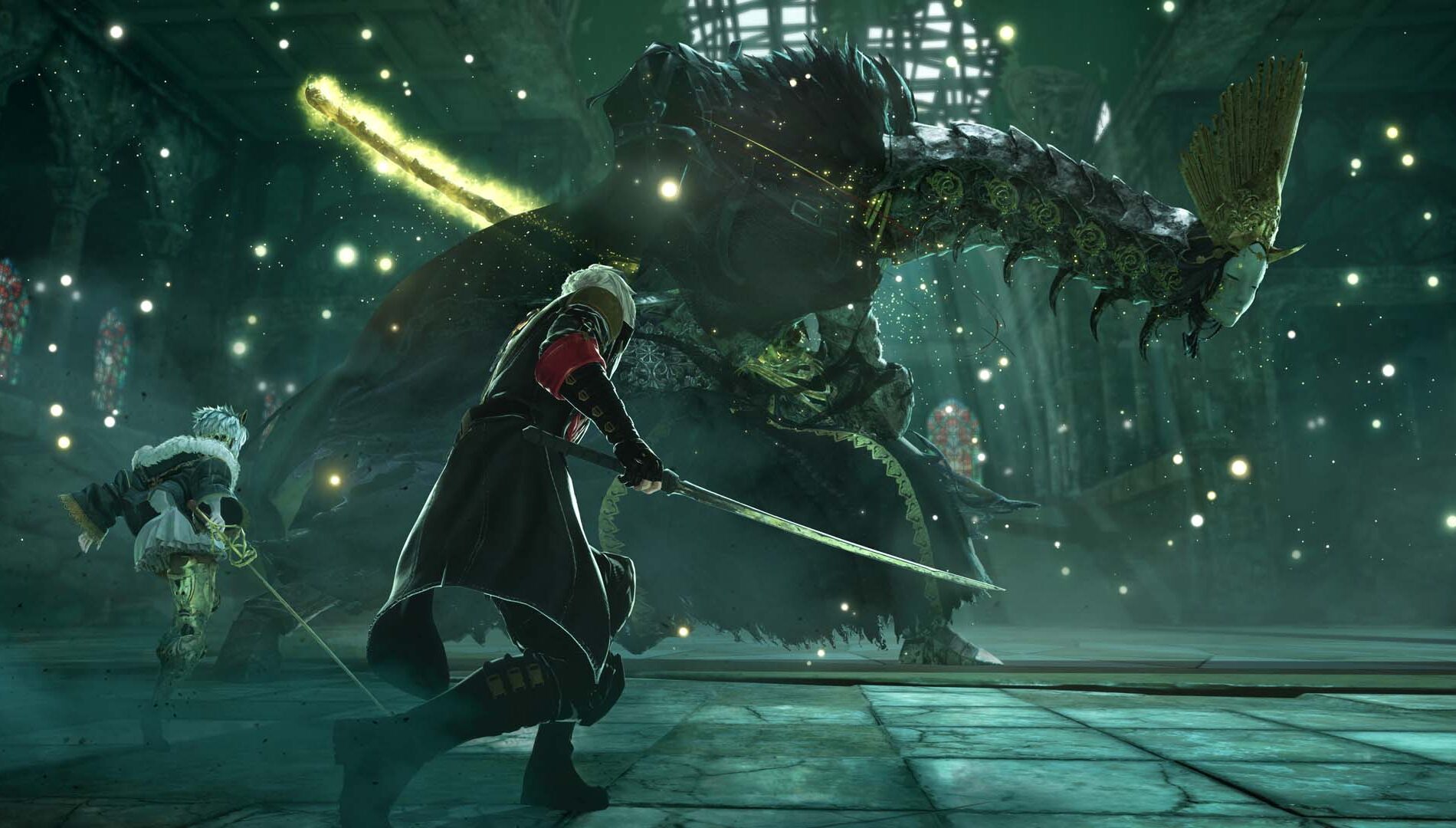
Partners take a prominent role in that combat customization, each offering unique passive bonuses to you that improve as your relationship deepens. You can either Summon them to have them fight side by side with you as normal (and as any Elden Ring player knows, just having a summon pulling enemy aggro can make all the difference in a tough fight), or you can Assimilate them into you, absorbing additional power and stats. This enables proud players that want to Let Them Solo Her still engage with the partner system, as it’s so central to the game’s narrative.
One of the biggest benefits I drew from my partner was the Restorative Offering, where they would sacrifice themselves to bring me back when my HP hit zero, before respawning soon thereafter to continue the fight. This brought me back from the brink countless times during the two extremely challenging boss fights in the preview, and can serve as a great buffer to keep you in the fight a little bit longer.
When I asked about mitigating difficulty, Yoshimura emphasized the role partners played here too. When faced with a difficulty spike, you can explore to level up and find more equipment, Formae, and Blood Codes to experiment with. The leeway given by partners pulling attention and reviving you “increase[s] this trial and error cycle, [and] I think that will keep the difficulty balance in check in a way that the players won’t hit this wall or feel this huge level of frustration, because the partner opens up that window for different ways of exploring encounters.”
The difficulty spike between exploration and bosses was enormous, and it’s clear that they will demand a lot, but Code Vein II provides so many different tools and levers for you to tweak that it will really feel like your own victory when you finally do overcome them, even if you did have a helping hand.
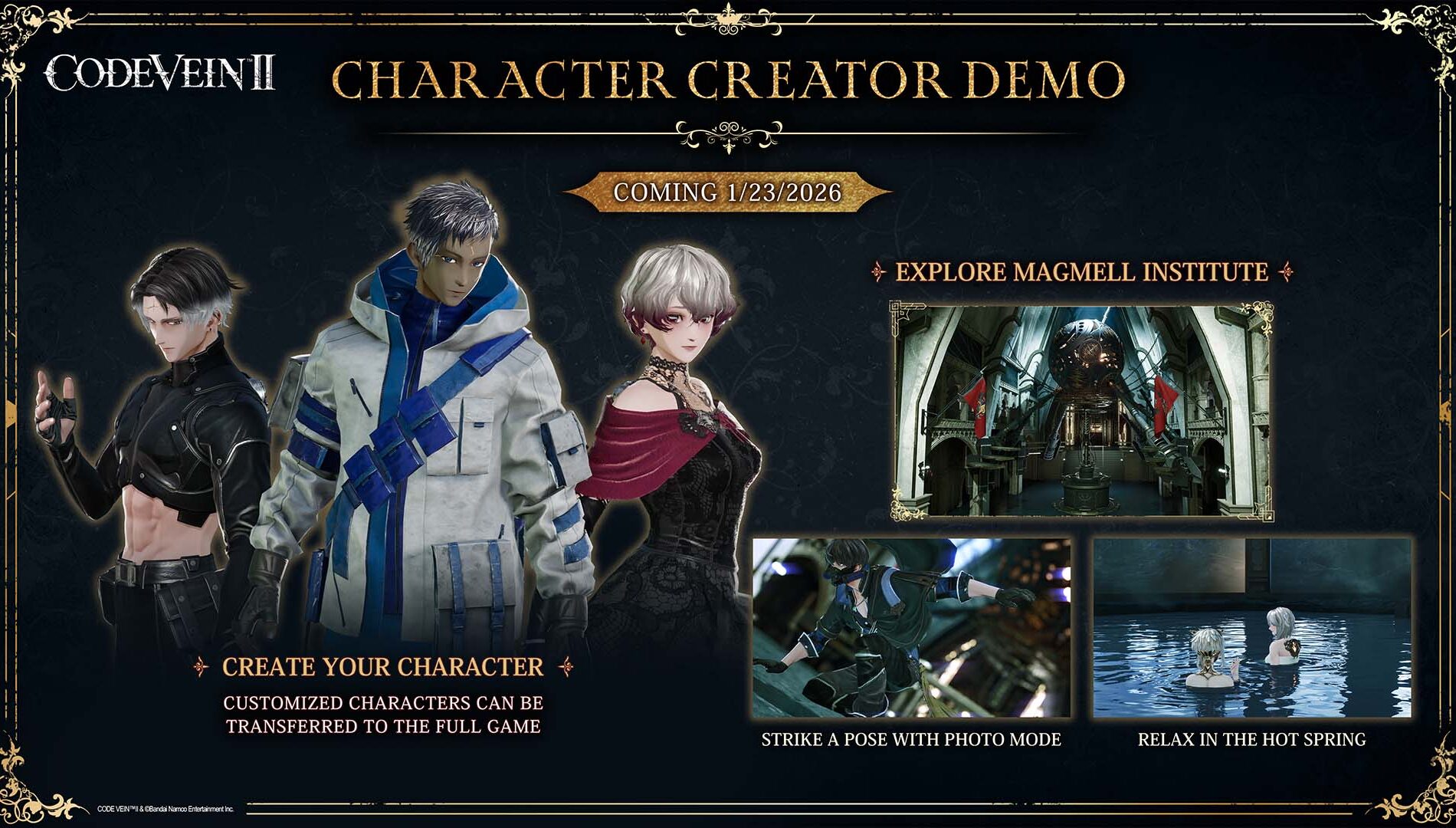
You can meet and defeat Josée and all the other partner characters yourself on January 30 when Code Vein II arrives on Xbox Series X|S, available for pre-order now. A character creator demo also releases on January 23.
Pre-order now to receive the following bonuses:
• Stylized Forma Set
– Forma Face Paint: A cosmetic item which applies a forma design to the corner of your eyes.
– Twin Fangs of the Lone Wolf (Weapon): Twin blades engraved with a special forma. Cut through your enemies like a wolf sinking its teeth into its prey with a powerful, lunging slice attack.
In a future world where humans and Revenants coexist…
Due to the sudden appearance of the Luna Rapacis, Revenants have transformed into mindless monsters called Horrors. As a Revenant hunter, the player shall halt the world's inevitable collapse by traveling to the past with a girl called Lou who possesses the power to manipulate time.
An epic adventure awaits, where you and your chosen partners explore a post-apocalyptic world, face fierce battles against powerful enemies, and uncover an epic story that transcends time.
• A Tale Across Time
Embark on a journey that spans both the present and the past as you search for clues to prevent the world’s destruction. Alter the fates of key Revenant characters you encounter in the past, while uncovering lost histories and the hidden truths of the world.
• Intense and Satisfying Combat
Dive into adrenaline-fueled battles where reading enemy moves and mastering your arsenal are key to survival. Unleash powerful skills, adapt on the fly, and conquer relentless foes in fights that deliver both intensity and triumph.
• Unique Battle System
Experience Code Vein II’s unique gameplay mechanic, where the player drains and acquires blood from enemies to unleash a variety of skills. With the series' new build system, you can freely customize weapons and skills to suit your own battle styles.
• Powerful Partner Characters
Explore the world with trusted and powerful allies who can fight alongside you or enhance your abilities. Each partner brings unique abilities and deep connections that shape your journey.
*Other editions are also available. Be careful of duplicate purchases.
Pre-order now to receive the following bonuses:
• Stylized Forma Set
– Forma Face Paint: A cosmetic item which applies a forma design to the corner of your eyes.
– Twin Fangs of the Lone Wolf (Weapon): Twin blades engraved with a special forma. Cut through your enemies like a wolf sinking its teeth into its prey with a powerful, lunging slice attack.
• Early Access (Deluxe/Ultimate Bonus)
– Experience CODE VEIN II 72 hours* ahead of launch!
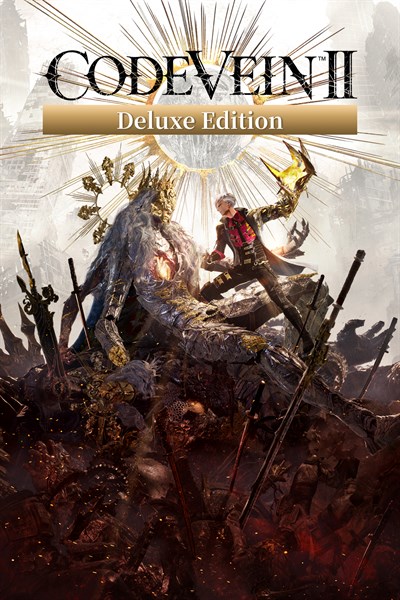
The Deluxe Edition includes:
• CODE VEIN II
• Custom Outfit Pack: Contains 3 costume sets and 1 weapon
• Expansion DLC: Mask of Idris
In a future world where humans and Revenants coexist…
Due to the sudden appearance of the Luna Rapacis, Revenants have transformed into mindless monsters called Horrors. As a Revenant hunter, the player shall halt the world's inevitable collapse by traveling to the past with a girl called Lou who possesses the power to manipulate time.
An epic adventure awaits, where you and your chosen partners explore a post-apocalyptic world, face fierce battles against powerful enemies, and uncover an epic story that transcends time.
• A Tale Across Time
Embark on a journey that spans both the present and the past as you search for clues to prevent the world’s destruction. Alter the fates of key Revenant characters you encounter in the past, while uncovering lost histories and the hidden truths of the world.
• Intense and Satisfying Combat
Dive into adrenaline-fueled battles where reading enemy moves and mastering your arsenal are key to survival. Unleash powerful skills, adapt on the fly, and conquer relentless foes in fights that deliver both intensity and triumph.
• Unique Battle System
Experience Code Vein II’s unique gameplay mechanic, where the player drains and acquires blood from enemies to unleash a variety of skills. With the series' new build system, you can freely customize weapons and skills to suit your own battle styles.
• Powerful Partner Characters
Explore the world with trusted and powerful allies who can fight alongside you or enhance your abilities. Each partner brings unique abilities and deep connections that shape your journey.
*Other editions are also available. Be careful of duplicate purchases.
*Expansion DLC: Mask of Idris will be available by January 2027.
Pre-order now to receive the following bonuses:
• Stylized Forma Set
– Forma Face Paint: A cosmetic item which applies a forma design to the corner of your eyes.
– Twin Fangs of the Lone Wolf (Weapon): Twin blades engraved with a special forma. Cut through your enemies like a wolf sinking its teeth into its prey with a powerful, lunging slice attack.
• Early Access (Deluxe/Ultimate Bonus)
– Experience CODE VEIN II 72 hours* ahead of launch!
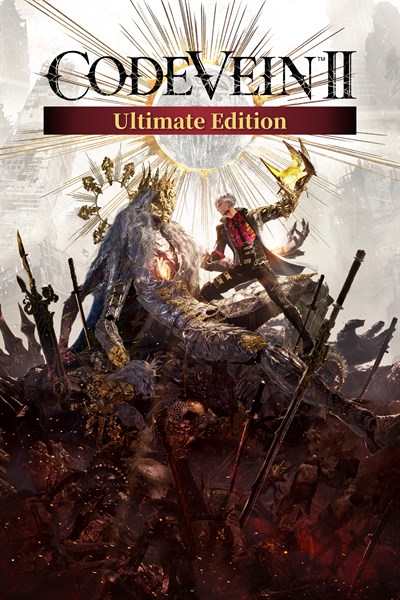
The Ultimate Edition includes:
• CODE VEIN II
• Custom Outfit Pack: Contains 3 costume sets and 1 weapon
• Expansion DLC: Mask of Idris
• CODE VEIN Character Costume Set: Contains 6 costumes based on characters from the original game, CODE VEIN
• CODE VEIN II Digital Mini Artbook & Soundtrack
In a future world where humans and Revenants coexist…
Due to the sudden appearance of the Luna Rapacis, Revenants have transformed into mindless monsters called Horrors. As a Revenant hunter, the player shall halt the world's inevitable collapse by traveling to the past with a girl called Lou who possesses the power to manipulate time.
An epic adventure awaits, where you and your chosen partners explore a post-apocalyptic world, face fierce battles against powerful enemies, and uncover an epic story that transcends time.
• A Tale Across Time
Embark on a journey that spans both the present and the past as you search for clues to prevent the world’s destruction. Alter the fates of key Revenant characters you encounter in the past, while uncovering lost histories and the hidden truths of the world.
• Intense and Satisfying Combat
Dive into adrenaline-fueled battles where reading enemy moves and mastering your arsenal are key to survival. Unleash powerful skills, adapt on the fly, and conquer relentless foes in fights that deliver both intensity and triumph.
• Unique Battle System
Experience Code Vein II’s unique gameplay mechanic, where the player drains and acquires blood from enemies to unleash a variety of skills. With the series' new build system, you can freely customize weapons and skills to suit your own battle styles.
• Powerful Partner Characters
Explore the world with trusted and powerful allies who can fight alongside you or enhance your abilities. Each partner brings unique abilities and deep connections that shape your journey.
*Other editions are also available. Be careful of duplicate purchases.
*Expansion DLC: Mask of Idris will be available by January 2027.
The beloved Persona series of video games is currently celebrating its 30th anniversary and all eyes are on Atlus and its plans for the franchise in 2026. A snippet taken from the Asian Google web listing seems to indicate that we should eventually get a look at the long-awaited next game in the Persona series,… Read More »Persona 30th anniversary site teases the next chapter for the series
Bandai Namco is readying its next remaster in the beloved Tales of series and it is Tales of Berseria Remastered. The Japanese company has revealed the target framerate and resolution for the game and on the Nintendo Switch it is targeting 30fps, but that can change depending on what is happening on screen. The PlayStation… Read More »Tales of Berseria Remastered on Nintendo Switch targets 30fps
Square Enix has recently announced that the engrossing Dragon Quest XI: Echoes of An Elusive Age has now shipped over nine million units worldwide. The news came in a press release which coincided with the demo launch for Dragon Quest VII Reimagined. We are still waiting for the eagerly-anticipated Dragon Quest 12, which we should… Read More »Dragon Quest XI: Echoes of An Elusive Age has shipped over 9 million units
Japanese gaming publication 4Gamer recently caught up with Makoto Shibata and Hidehiko Nakajima to talk about the upcoming Fatal Frame 2: Crimson Butterfly Remake. The pair were asked why they decided to remake the game and the answer was simply that fans were pleased with the other remasters of Maiden of Black Water and Mask… Read More »Koei Tecmo talks about why it decided to remake Fatal Frame 2
Japanese video game developer Nihon Falcom has announced that it plans to increase the number of games it releases each year and also increase its Nintendo Switch 2 support. The company has a number of JRPGS that it plans to port over to the Nintendo Switch 2 and currently has six unannounced titles currently in… Read More »Trails developer Nihon Falcom plans to provide more Nintendo Switch 2 support