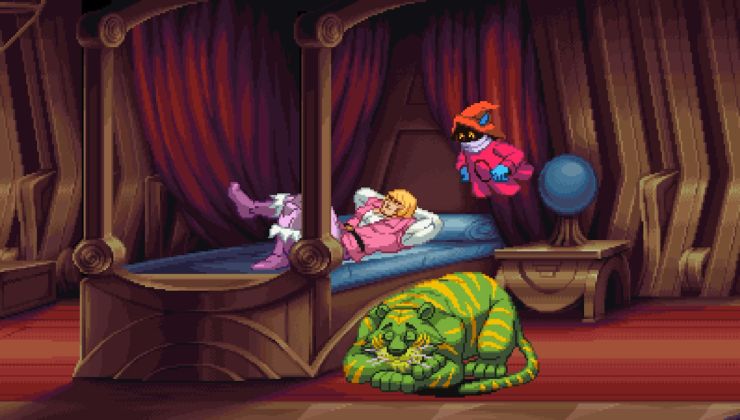
Another good one for fans of retro-styled beat 'em ups, as He-Man and the Masters of the Universe: Dragon Pearl of Destruction is releasing April 28th.
Meat Grinder is an open-world simulation-adventure where you run a hot dog shop and discover how far you’ll go to keep it running.
In Meat Grinder, you’ve opened your own hot dog shop in the foggy streets of Grimshore. Prepare, cook, and serve sausages to customers during the day. But when stock runs low, you’ll resort to unusual methods at night to replenish your … Read More
SLAUGHTER VOID is a brutal hack and slash game that combines speedrunning with 80s arcade action in a blood-spattered fantasy world.
In SLAUGHTER VOID, carve your way through demons and cultists on a path to vengeance. Combat is quick and merciless – a single hit kills you, but the same goes for most enemies. Agility and aggression are essential as you die fast and … Read More
Scott Pilgrim EX is a brand new pixel art action-adventure brawler where you fight across space, time, and the streets of Toronto.
In Scott Pilgrim EX, Toronto has been taken over by three rival gangs – the Vegans, the Robots, and the Demons. When Scott’s bandmates are abducted by shadowy forces, a brand-new adventure begins. Fight as Scott, Ramona, and more through fractured time … Read More
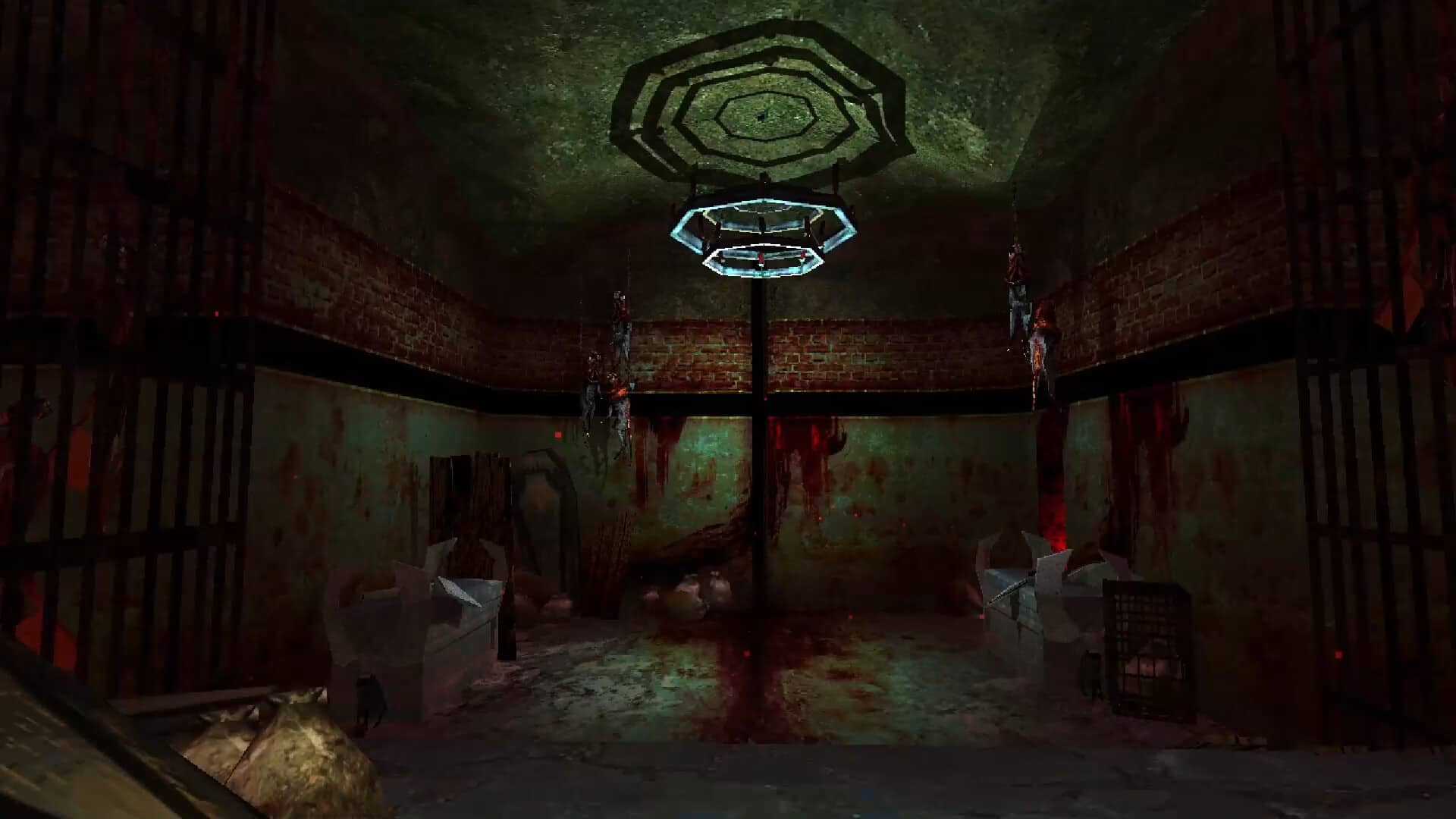
Nox Mortalis is a retro-style open world survival game where you gather resources, craft gear, and explore sinister dungeons.
In Nox Mortalis, face hellish creatures and fight to survive in a nightmarish world. Gather resources throughout dangerous landscapes, craft essential gear for survival, and delve into sinister caves and dungeons hiding deadly threats. The game features PS1 aesthetics that enhance the atmospheric ambience throughout … Read More
In 2012 Locomalito released Maldita Castilla for the PC which was a fantastic arcade platformer homage to Ghost'n'Goblins, and many others while taking influences from medieval paintings and places, and inspired by the best chivalry book ever: The Amadis of Gaul. It was indeed one of the finest retro inspired games I have ever played! Well, here's a rather special heads up if you also thought
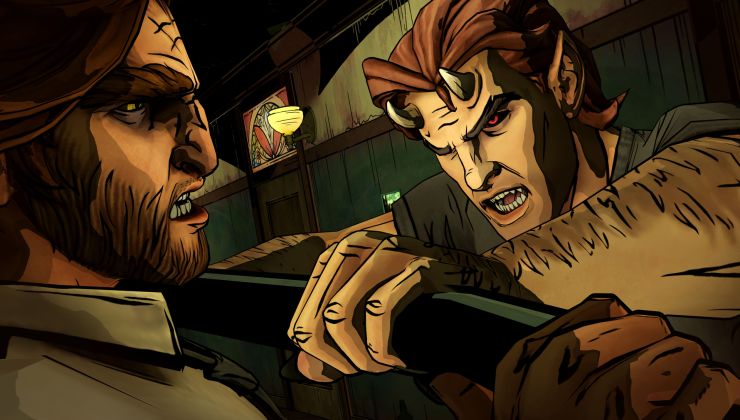
The GOG Preservation Program expands again to include more classic games that will be kept alive with patches from the GOG team like The Wolf Among Us.
If id Software’s DOOM is generally regarded as the ‘godfather’ of the first-person shooter genre, then Duke Nukem 3D must surely be its wayward, beer-drinking, loudmouth, blond-headed stepchild. With countless P.I.G. cops wasted, innumerable wisecracks delivered, and enough gooey gibs to fill a small continent since its original release in 1996, it is now, on its 30th anniversary, that we take a step back in time to examine how Duke Nukem 3D revolutionised the first-person shooter genre.
Build It, And They Shall Come Get Some
Although the Build engine made its debut just a few months earlier with the much-underrated and oft-forgotten first-person melee fantasy effort Witchaven, it was arguably with 3D Realms’ Duke Nukem 3D that this remarkable piece of game-engineering arcana achieved sustained global fame. Simply put, the Build engine represented an outsized technical leap over the DOOM engine that preceded it. Brought into being by the talented Ken Silverman, the Build engine not only enabled far more dynamic maps and environments – where rooms could seemingly be stacked atop one another – but also allowed players to swim through deep expanses of water, soar through the air, and enjoy a thrilling sense of verticality that DOOM could only dream of.
This, in turn, gave Duke Nukem 3D’s level designers fertile ground upon which to dream up tremendously intricate and expansive levels for players to explore and blast their way through. Further afield, the Build engine was also notably user-friendly, allowing aspiring level designers to construct their own maps quickly and easily, share them within the community, and extend the lifespan of Duke Nukem 3D’s adventures even further.
Interactivity On An Unprecedented Level That Made Every Map Feel Authentic
Beyond its technical innovations, the Build engine also endowed Duke Nukem 3D with a level of interactivity the genre simply had not witnessed up to that point. Long before EA’s Battlefield franchise ever demolished its first wall or reduced its first building to rubble, Duke Nukem 3D was already doing so years earlier. Players could blow holes in the sides of buildings, shatter interior walls, smash furniture into splinters, and occasionally trigger explosions that would raze entire structures to the ground.
The defining properties of the Build engine were not limited solely to destruction, either. In Duke Nukem 3D, every map was functional in ways that were entirely new to genre fans at the time. There were fully usable pool tables, CCTV terminals that could be snooped on, working light switches, and toilets that could be flushed – or promptly destroyed and drunkenly imbibed from to regain health. In another technical first, the game also featured properly functional mirrors that accurately reflected the player. And yes, dancers could be tipped with dollar bills as well.
In addition to these elements, Duke Nukem 3D’s many levels were grounded by a distinct sense of place. Supermarkets, strip clubs, burger joints, and city streets all served as battlegrounds against the encroaching alien menace intent on enslaving humanity. These locations were a refreshing change from the oppressive warehouse greys and endless browns and reds that typified much of id Software’s own output at the time.
An Outlandish Hero With An Outlandish Arsenal To Match
While shooter fans had hardly grown tired of the traditional lineup of pistols, shotguns, chainsaws, rocket launchers, and miniguns offered by earlier genre entries, Duke Nukem 3D nonetheless went all-in on a bespoke arsenal of weaponry. It straddled the familiar (pistols, shotguns, pipe bombs, and machine guns) with the exotic, including shrink rays, freeze rays, expander rays, and laser trip bombs. The result was an arsenal that made each new acquisition feel like a genuine thrill from one level to the next.
These weapons also enabled Duke Nukem 3D to introduce a level of tactical play in its multiplayer mode that the genre had scarcely seen before. Rather than everyone simply rushing for the rocket launcher or shotgun, as was common in multiplayer shooters of the era, cunning players could fortify areas with laser trip bombs and make use of the new inventory system. This allowed them to boost themselves with speed-enhancing steroids, strap on a jetpack, or deploy a ‘Holoduke’ to create a decoy version of Duke to distract enemies.
The Last Action Hero – How Duke Nukem 3D Gave The FPS Genre A Personality
Perhaps more than anything else, Duke Nukem 3D will be remembered for giving the first-person shooter genre something it desperately needed in its formative years: personality. Breaking away completely from the mute protagonists that had dominated shooters until then, Duke Nukem 3D featured a main character who simply never stopped talking. Brought to life by the gravelly yet gloriously over-the-top delivery of Jon St. John, our blond-haired, impossibly buff, all-American action hero took aim at everything – and everyone.
The game’s endlessly quotable protagonist also took playful potshots at id Software itself. These included nods to the developer’s past – “Another DOOMed space marine” upon discovering a mangled corpse – and its future, with the immortal “I ain’t afraid of no Quake!” uttered as an earthquake levelled an entire building. Though pointedly, while id Software’s Quake would indeed usher in a fully 3D era for the genre, it would be more than a decade before Duke Nukem followed suit.
The Aftermath And The Surprisingly Great Copycats That Would Follow
Between the release of Duke Nukem 3D and the sadly risible Duke Nukem Forever, many years later, 3D Realms’ marquee shooter would go on to directly inspire a host of other games. These titles not only leveraged the Build engine but also introduced their own wisecracking protagonists who thrived in distinctive settings. From Blood, the macabre yet darkly humorous cultist revenge shooter, to the outrageous antics of Shadow Warrior and its eye-rollingly named corporate ninja anti-hero Lo-Wang, Duke Nukem 3D didn’t merely inspire a wave of copycats. It reminded players and developers alike that the first-person shooter genre could not meaningfully evolve without the personality and charisma needed to push it to the next level.
When Mega Cat Studios sat down to dream big, one name sat at the very top of their wishlist: God of War. Years later, that long-shot ambition has become God of War Sons of Sparta, a newly released prequel developed in collaboration with Santa Monica Studio (SMS). Set at the earliest point in the series timeline, the game casts players as a young, devout Kratos before he knows his true nature as a demi-god, weaving a story about brotherhood and the meaning of being Spartan. Sons of Sparta pairs retro action-adventure design with an emotional God of War story.
PlayStation Blog: What can you share about the origins of this collaboration with Santa Monica Studio?
James Deighan: So one of the things we’ve always done at Mega Cat are these leadership retreats where we talk about what we want to do… what we want to be known for… what inspired us to join the games industry. And one of the things that we’ve maintained, kind of ceremonially, is this “wishlist” of franchises we wish we could collaborate on. And we’ve had God of War listed as number one since the very beginning. And part of that wishlist is also the probability of us being able to do that, which we’ve always had listed very low. And as we continued to grow and make bigger, better games, and got a lot more confidence we started taking bigger swings, and eventually we just made a pitch and reached out and got really lucky that somebody read it, and they were open to having a conversation about what our idea was for a prequel and some kind of pixel art treatment extension of the franchise that we all adore.
…so it really is just on multiple layers, a dream come true, working with such a talented team [at Santa Monica Studio], with a franchise we adore.
How is Kratos’ relationship with the Greek gods at this point in his life?
Zack Manko: This is Kratos as a boy. So it’s pre-god powers. He doesn’t even know he’s a god. But that also means he has a very different relationship with the gods. He’s very devout. He has this faith that he leans on and turns to when things look darkest. And in Sons of Sparta, you see how that pays off. You get Gifts of Olympus, these artifacts blessed by the gods, that allow you to do all these crazy puzzles, exploration, and combat. Ultimately, seeing Kratos as this devout, faith-filled figure, and knowing what comes later with his relationship with the gods…adds a new dimension as well.
What went into the decision to set the game at the earliest point in the series’ timeline?
Manko: I think there are two reasons, really. First, like you said, it’s a prequel. Our initial pitch was, you know, imagine what God of War would have looked like on [the original PlayStation], you know, what a God of War zero, if you will, would look like. So I think with that in mind the narrative team at SMS thought this time period you know, Kratos as a boy, his formative years, would be interesting to explore, because the events here and what he goes through and what he experiences, it really adds a texture to his character that kind of you can see throughout the rest of the saga. It certainly adds a new lens onto him [when looking back at the Greek games].
Early on, we did think about maybe [making the story] a little bit closer to the events of the Greek saga games that fans are familiar with. But again, I think the writers at SMS thought this is what we need to go to, because seeing Kratos as a boy here resonates throughout the rest of the series, not only with the Greek games, but also, you know, the Norse saga, where you see Kratos as a father with Atreus, and how the events in Sons of Sparta may influence that. And the same sort of, same sort of context, the influences on Kratos as a boy, how that lines up with Kratos’ parenting style in the Norse saga. These formative years of Kratos, this character, seeing all these things that happen and these influences on him. It just adds so much to this character that fans are familiar with throughout the rest of the games.
Meet Mega Cat, the feline the God of War: Sons of Sparta studio is named after.
What can you tell us about the origins of the game’s title and name of the studio itself?
Manko: James wanted to name it something Greek yogurt themed, you know, high protein, fitting for Kratos [laughs]. But, um, no, in all seriousness, God of War Sons of Sparta was chosen because it just encapsulates the main themes in the game so well. You know, Kratos and Deimos are the sons of Sparta, and they’re discovering what that means. What it means to be a Spartan, what are the demands there, what’s the cost?
Deighan: [Regarding the studio name Mega Cat Studios] we had a beloved cat that I had as a pet that passed. One of our [team members’ now-wife] volunteers at a local animal shelter here, and she was serving a few bottle babies. [Bottle babies] are whenever the shelters are completely overburdened with animals, the trained [certified] volunteers can take [cats] home and help raise them. I was dealing with some pet-loss heartbreak, as you do, and [the shelter had] this one, really aggressive runt in the litter that we ended up taking home and bottle feeding and spending some time with. That was Mega Cat.
So when we first came up with a list of many ideas and names for the company, we included [“Mega Cat”] on the list and started voting and sharing it around with our friends, family, and colleagues. And there was this really overwhelmingly positive response [to the name]… which kind of rolls off the tongue. Early years, it really worked to our advantage, because people confused us with Mad Catz [laughs].
We had all these names that we really went deep on, and we added a Mega Cat at the end of the list. Even our UPS driver was like, “that one’s awesome, man.”
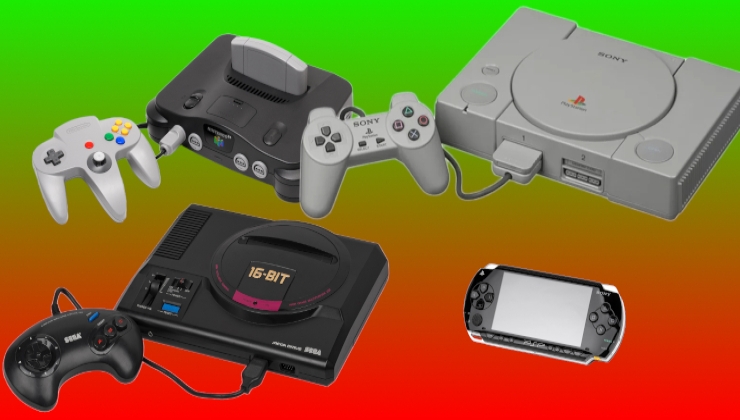
It feels weird to buy a peripheral in order to play games you don't own. I'm generally very positive about the Nintendo Classics offered through the Nintendo Switch Online membership (and the classic Mega Drive games). I know I'll lose access if I stop subscribing, but it feels like a reasonable fee to get these on top of other benefits. But, just like I have never bought DLC for a game I don't own, I find the idea of needing to buy a peripheral to play the newly added Virtual Boy games a little hard to swallow.
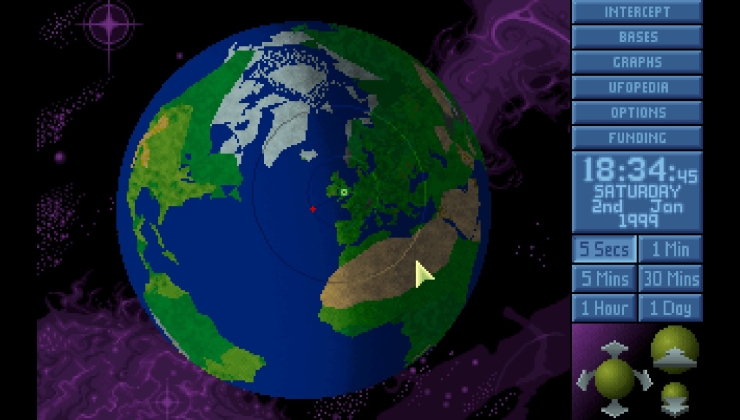
Remember the classic X-COM / UFO: Enemy Unknown? It's one of my favourite strategy games from the 90s, and now the open source OpenXcom is switching hands.
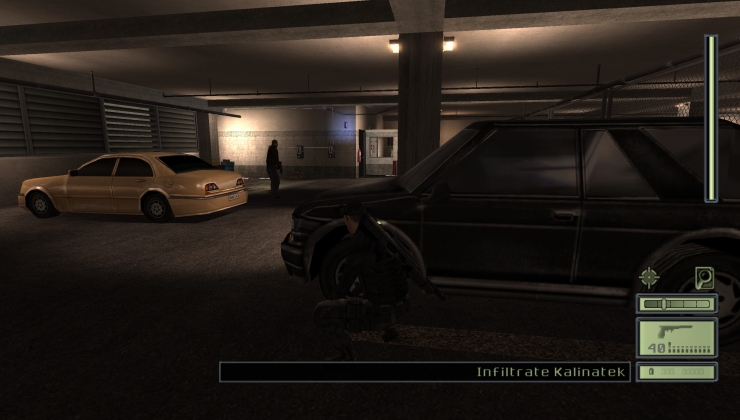
Where bigger developers like Ubisoft don't fix up their old games - the community provides, check out EnhancedSC for the original Tom Clancy's Splinter Cell.
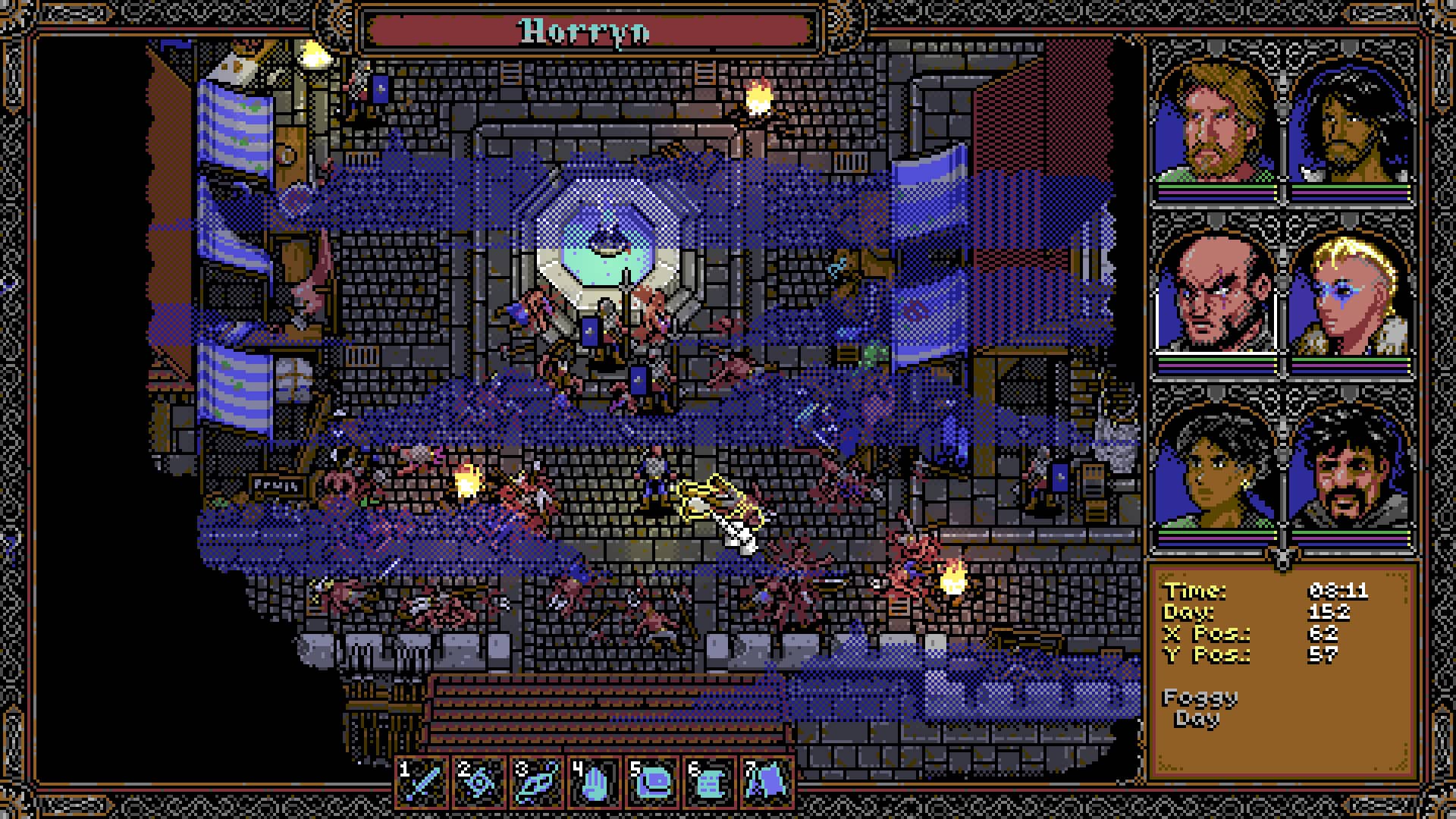
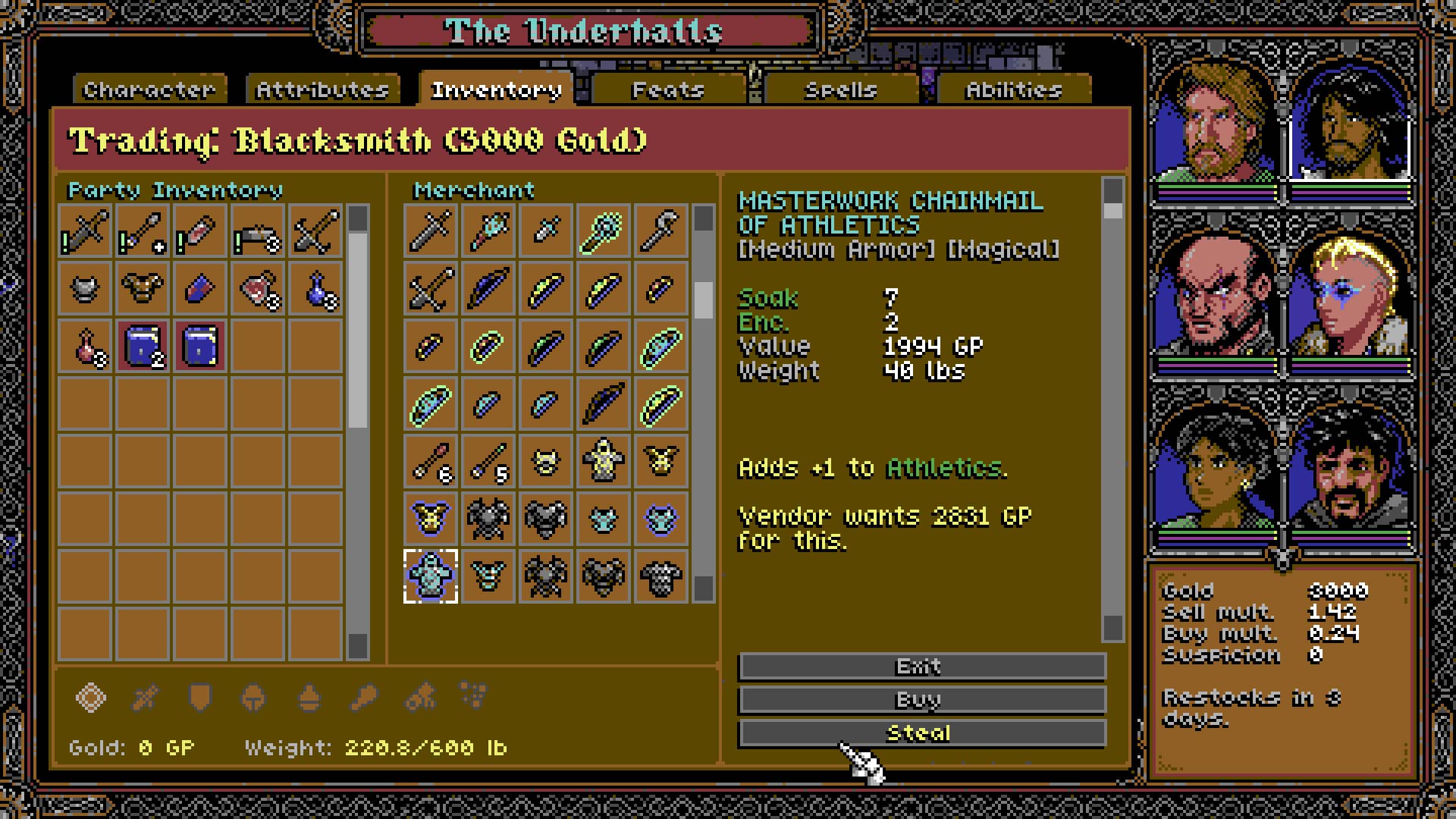
Today, December 28, the Epic Games Store is giving away SKALD: Against the Black Priory for the next 24 hours. It is a 2024 retro-style RPG that looks like a lost Commodore 64 game but plays with modern mechanical polish. If you miss the giveaway window, you can still find it for 50% off on the Steam Store until January 5. For those looking for the absolute lowest price, G2A (affiliate link) currently has keys for approximately $4.20, which is a 72% discount from the standard retail price.
SKALD- Against the Black Priory
Pixels and Cosmic Dread
SKALD is a party-based RPG that leans heavily into Lovecraftian themes and gritty fantasy. You lead a group of mercenaries through a world filled with body horror and ancient, awakening gods. The combat is turn-based and tactical, but the story is the real draw here, featuring branching dialogue and dice rolls that actually matter for your survival.4 It avoids the hand-holding common in modern RPGs, forcing you to manage your party’s resources and sanity in a world that feels genuinely dangerous. It is a dense, high-quality experience for anyone who values strong writing and a specific, lo-fi aesthetic.
SKALD- Against the Black Priory fr Free on Epic Games Store
Free Mobile Hits: Monument Valley 1 & 2 For Mobile
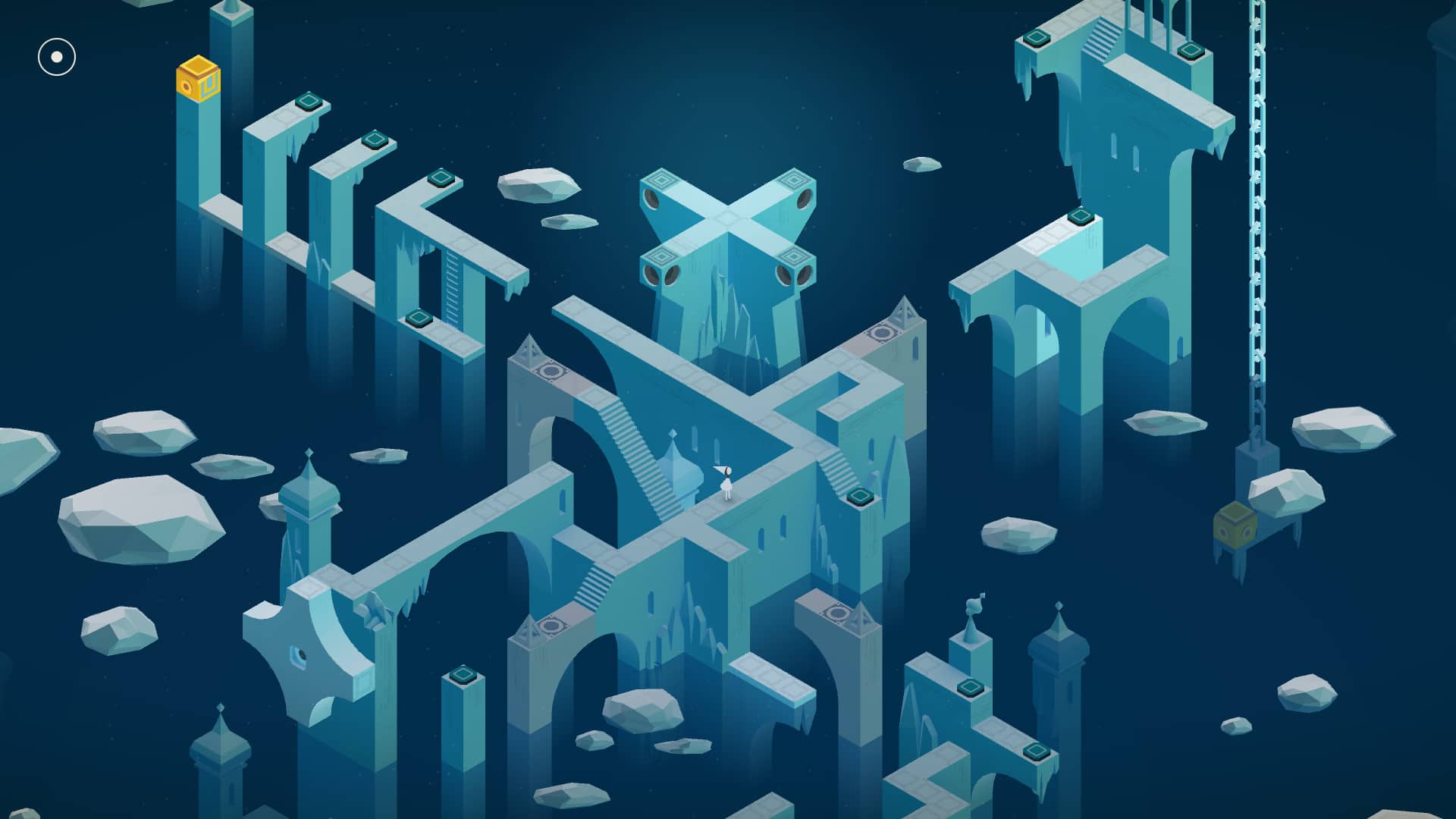
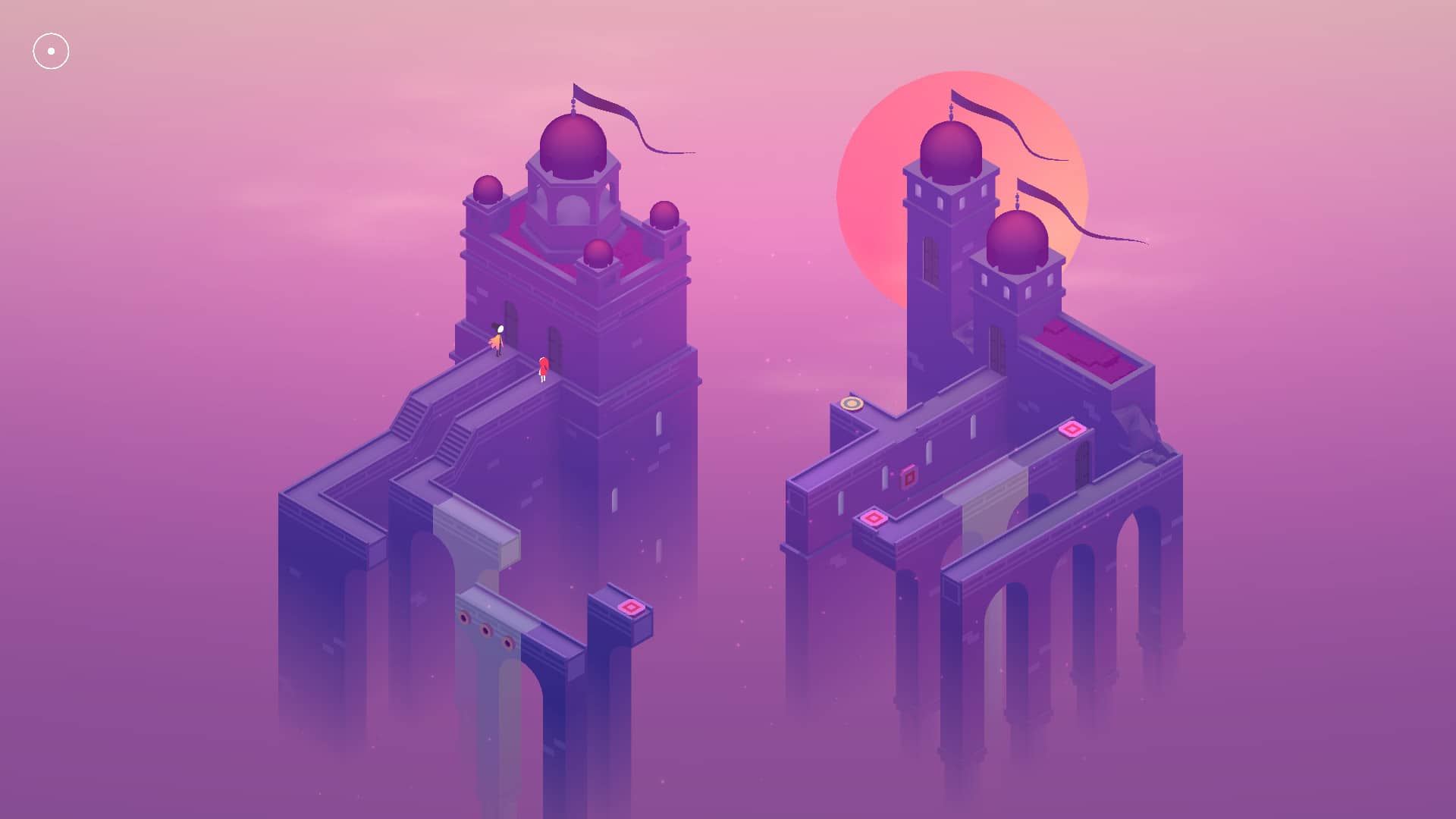
Beyond the PC giveaway, you should also head to the mobile Epic Games Store to claim Monument Valley 1 and Monument Valley 2 for free until January 1. These are iconic perspective-based puzzle games inspired by M.C. Escher’s impossible architecture. They are short, polished, and rely on visual storytelling rather than dialogue. To get them, open the Epic Store on your phone and add them to your library. They usually cost around $4 each, so grabbing the pair for free is an excellent deal for your mobile library.
Monument Valley 1 – Free on mobile Epic Games Store
Final Claim Details
You have until December 29 at 11:00 AM ET to secure SKALD for your PC. The Monument Valley games will remain free for a few more days, giving you time to set them up on your Android or iOS device. This lineup is particularly resourceful because it offers a mix of high-stakes RPG mechanics and relaxing puzzle logic. Whether you are rolling dice to survive a pixelated cult or shifting golden towers on your phone, these titles offer more creative value than most of the big-budget releases that filled the rumor lists earlier this month.
Monument Valley II – Free on mobile Epic Games Store
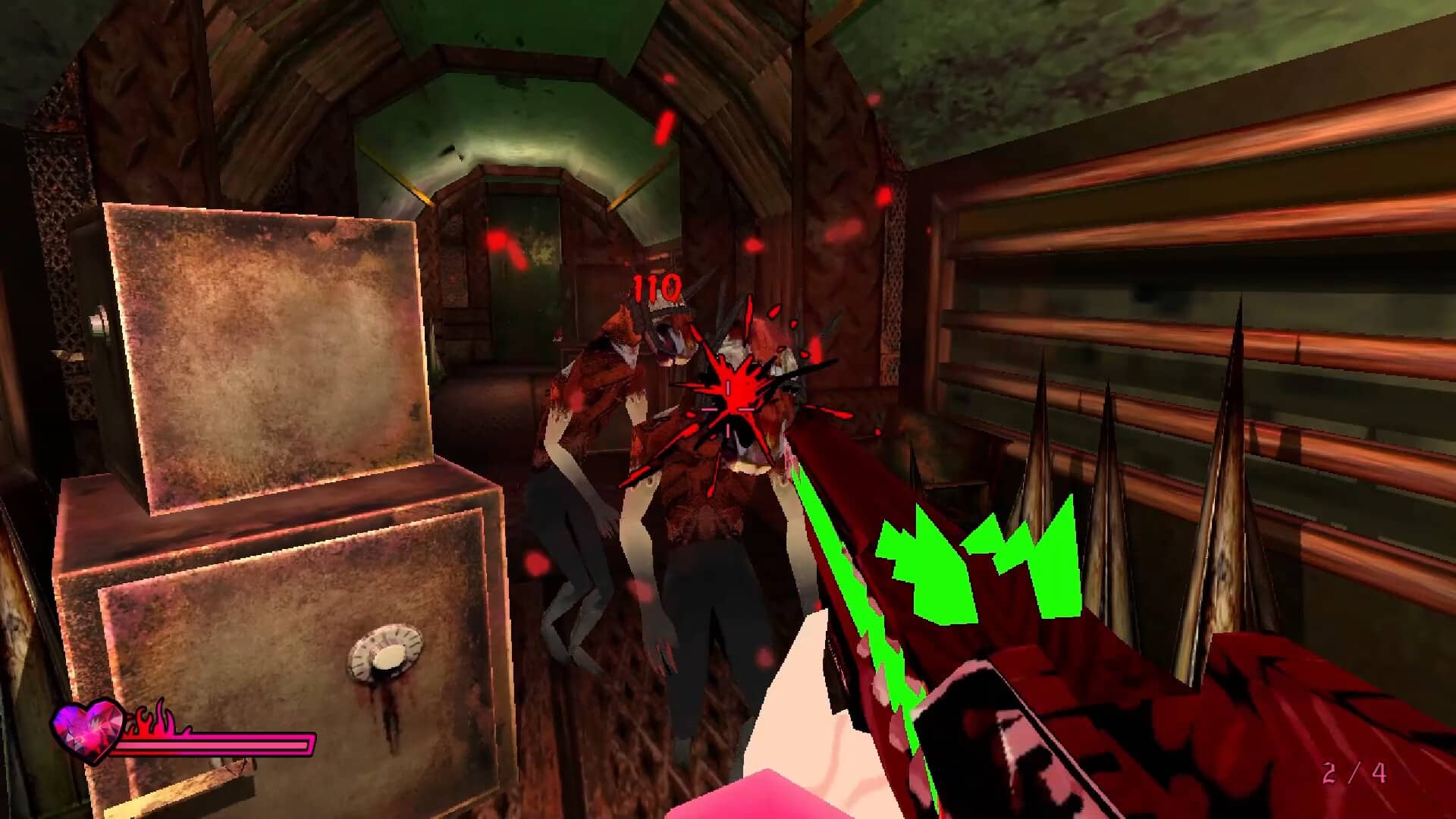
If you were hoping for another gritty shooter or a mainstream AAA title, today’s reveal might surprise you. Epic is continuing its streak of “hidden gem” picks with Sorry We’re Closed, a 2024 survival horror title that feels more like an underground art project than a standard video game.
Sorry We Are Closed Survival Horror
Forget the tired tropes of the genre; this is survival horror with a high-fashion, punk-rock soul.
The Premise: A Literal Race Against Hell
You play as Michelle, a woman living a fairly mundane life until she is cursed by a powerful archdemon. You have exactly three days to find a way to break the curse or face eternal damnation. It’s a tight, stressful narrative where your dialogue choices and actions directly influence which of the multiple endings you’ll hit.
Why It’s a Great Grab
The “Third Eye” Mechanic: Michelle can open her “Third Eye” at any time to peer into a twisted, demonic version of her world. This isn’t just for show—it’s how you find secrets, solve puzzles, and reveal the literal hearts of your enemies to hit their weak points.
Old School Meets New School: The game uses the classic fixed-camera angles of Silent Hill and Resident Evil, but shifts into a slick, first-person arcade shooter perspective when you aim your gun. It solves the “clunky combat” problem of retro horror while keeping the cinematic tension.
Arthouse Aesthetic: The visuals are a wild mix of low-poly PS1 models and vibrant, neon-soaked colors. It looks like a “Club Kid” fever dream, making it one of the most visually distinct games Epic has given away this year.
Sorry We Are Closed – Gameplay kills
Last Thoughts
Sorry We’re Closed usually goes for $20. It’s short, punchy, and perfect for a weekend playthrough. If you want something that prioritizes atmosphere and unique storytelling over budget-bloat, this is a must-add to your library.
You have until December 22 at 11:00 AM ET to claim it for free
The Epic Games holiday marathon continues, and if you were expecting another flashy, neon-soaked adventure like yesterday, think again. Today, December 20, Epic is taking us into the dirt, the dark, and the downright cursed with stealth FPS Blood West.
This is the fourth game in the lineup, and it further cements the fact that the “mainstream blockbuster” leaks were way off the mark. Instead, we’re getting a gritty, low-poly masterpiece that feels like a lost artifact from the late 90s.
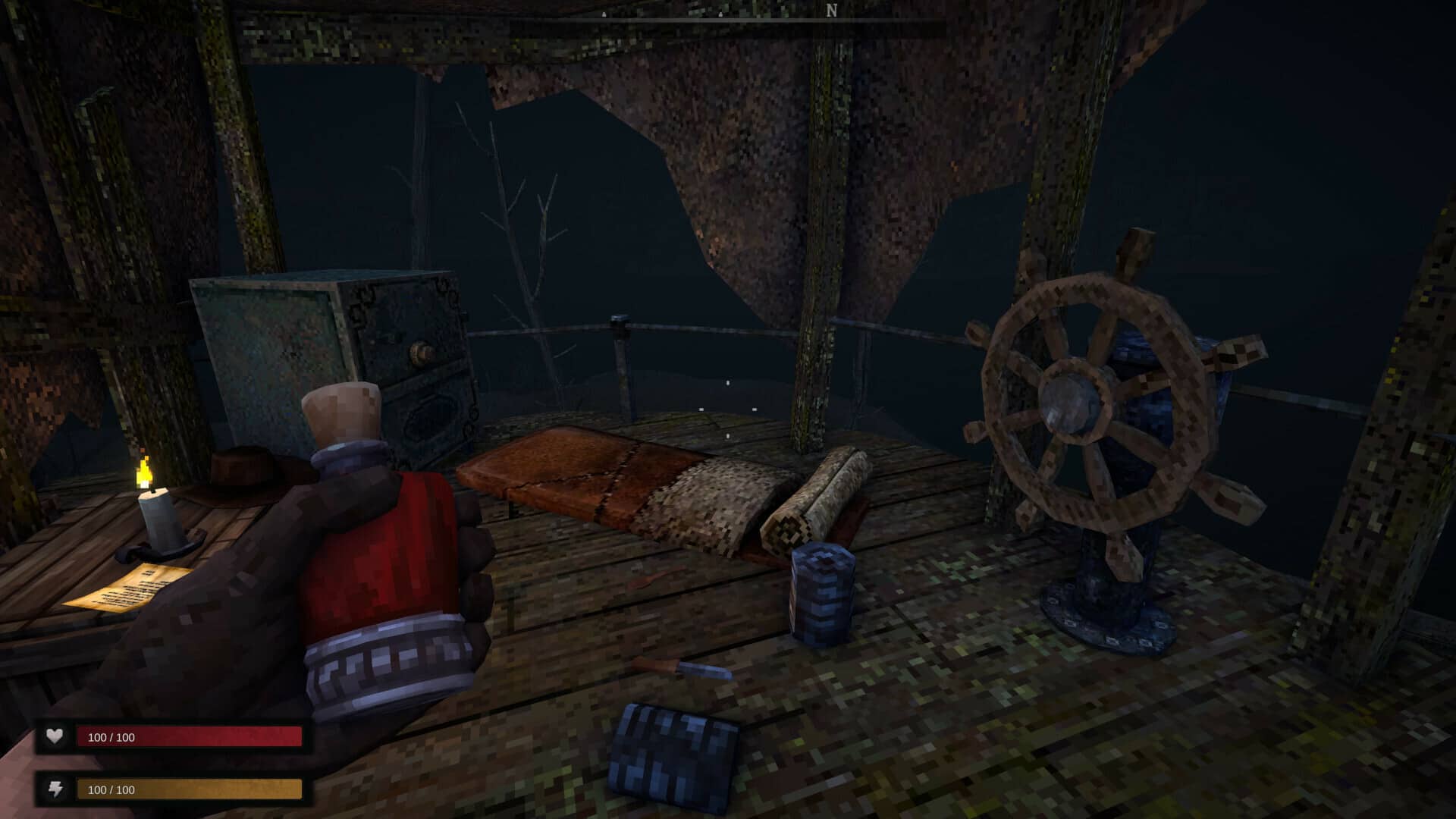
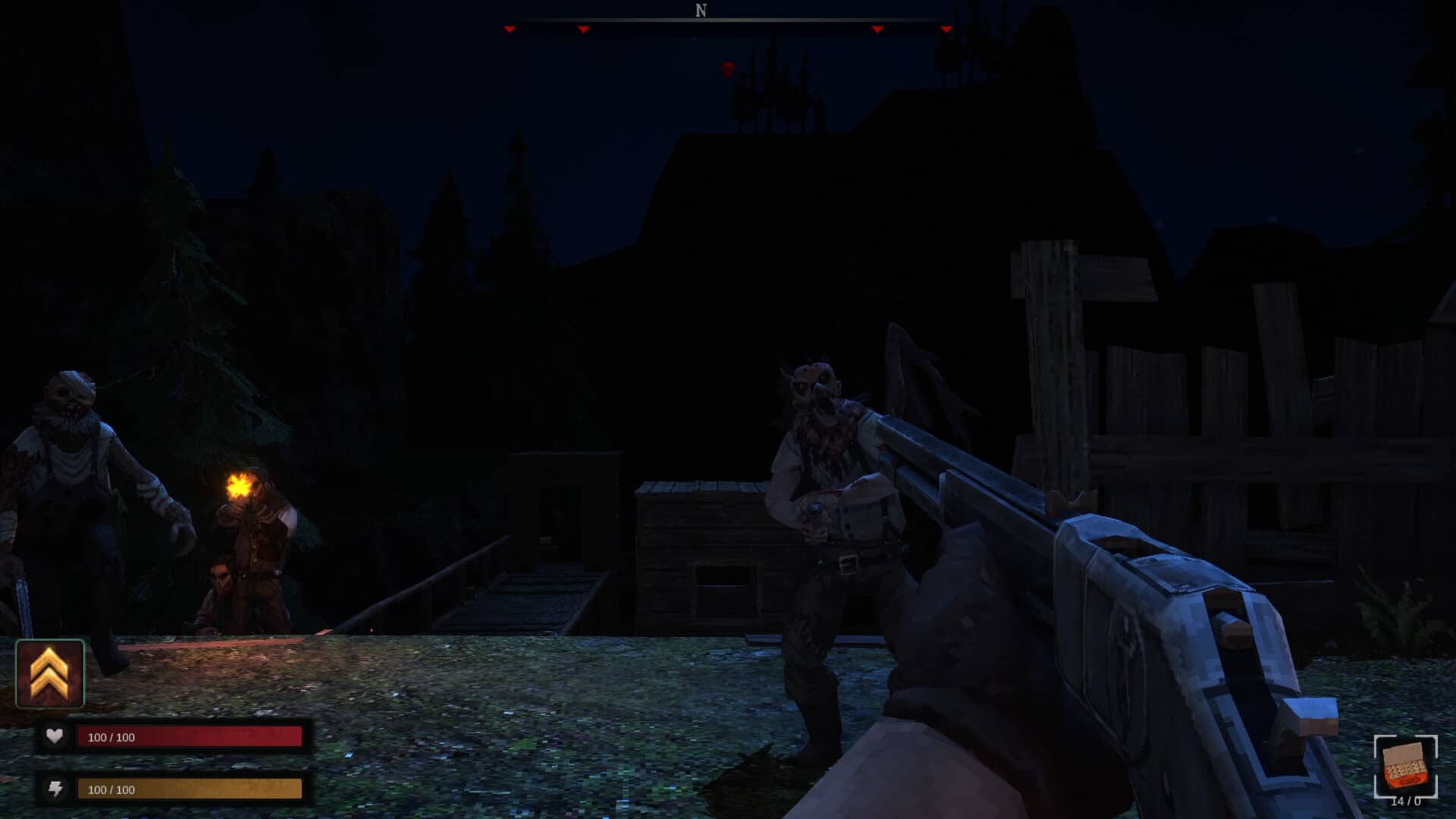
Blood West – Retro graphics
What is Blood West?
Imagine if the original Thief games had a baby with S.T.A.L.K.E.R., and then that baby was raised in a haunted version of the Wild West.
You play as an undead gunslinger—literally brought back from the dead by mysterious spirits—to “clean up” the frontier. But this isn’t a power fantasy. In the Barren Lands, everything wants you back in the grave, and usually, it only takes a couple of hits to put you there.
Blood West – Killing spree
Why It Stands Out:
Methodical Stealth: This isn’t a “run and gun” game. If you try to play it like Call of Duty, you’ll die in seconds. You have to scout environments, crouch through the brush, and pick your shots carefully.
The Voice of a Legend: Fun fact for stealth fans—the protagonist is voiced by Stephen Russell, the same legendary voice behind Garrett from the original Thief series. It adds a massive layer of “immersive sim” credibility to the atmosphere.
Eldritch Horror: You aren’t just fighting outlaws. You’re up against wendigos, bird-men, and Lovecraftian abominations. The “Weird West” vibe is thick, dark, and genuinely unsettling.
RPG Depth: It features a deep perk system and inventory management. You’ll spend just as much time weighing the benefits of a cursed artifact vs. a silver-plated revolver as you will actually pulling the trigger.
The “Ugly-Beautiful” Aesthetic
Don’t let the “retro” graphics fool you. The low-poly, pixelated look is a deliberate choice that makes the lighting and shadows feel much more oppressive. It’s “boomer shooter” tech used to create a survival horror experience that feels massive, with three huge open-ended maps to explore.
Blood West – Naked Zombiewoman
How To Get It
Blood West (usually $24.99) is free on the Epic Games Store right now. You have until December 21 at 11:00 AM ET to add it to your library.
If you’re tired of modern games holding your hand with quest markers and regenerating health, this is the challenge you’ve been looking for. Just remember: in these lands, ammo is more precious than gold.





_ibnR9Vv.jpg?width=690&quality=85&format=jpg&auto=webp)


 .
. .
.