
Normální zobrazení

Received before yesterday

How to Use AI Chatbots for Travel — A Very Human Guide

30. Leden 2026 v 05:58

The first time I used an AI chatbot for travel, I was doing what every responsible adult does at 1:17 a.m.: aggressively opening 23 tabs, whispering “I love planning” through gritted teeth, and somehow ending up reading a forum thread titled “Is Neighborhood X still safe after dark in 2013?”

My brain was cooked. My itinerary looked like a military operation. And my packing list included both “passport” and “maybe… a second passport?” (anxiety is creative).

So I typed into a chatbot:
“Four days in Lisbon. I like food, walkable neighborhoods, and cute streets. I hate tourist traps. I land at 9 a.m. Make it feel like a real person planned it, not a robot that thinks humans recharge by staring at museum walls for 11 hours.”

Ten seconds later: a clean plan, realistic pacing, and a gentle reminder that jet lag is not a personality. It was… suspiciously helpful.

Here’s how to use AI chatbots for travel before and during your trip, plus a grown-up section on how an AI NSFW image generator can fit into travel in a safe, non-cringe way (yes, really).

1) Tell The Chatbot Who You Are As A Traveler (Because Your Friend Is Not You)

Most people plan trips like this: pick a city → copy a “Top 20 things” list → return home needing a vacation from the vacation.

Instead, start with your travel personality. Give the chatbot the things that make you… you:

  • “I love walking, but my feet file complaints after 15,000 steps.”

  • “I’m a morning person until 2 p.m., then I become a sleepy housecat.”

  • “I want culture, but I also want snacks and sitting.”

  • “I’m solo traveling and I’m not trying to win an award for Bravery After Dark.”

Real-life-ish moment: I once tried to do Rome like I was speedrunning it. By day two, my legs were bargaining with the universe. When I asked an AI to rebuild my plan with “normal human rest,” it spaced things out, put big sights near each other, and gave me permission to sit in a café without guilt. Iconic.

Prompt you can steal:
“Plan a trip for someone who likes ___, hates ___, has ___ energy, and needs ___ amount of downtime.”

2) Build An Itinerary That Survives Reality (Rain, Hunger, And Emotional Instability)

A good itinerary isn’t a spreadsheet. It’s a flexible game plan that doesn’t collapse the moment you get hungry or it starts raining sideways.

Ask the chatbot for:

  • Two versions of each day: good weather + rain plan

  • Time blocks, not minute-by-minute schedules: morning / afternoon / evening

  • A “low battery” option for every day

  • One slow day every 3–4 days

Example prompt:
“Make a 3-day itinerary with only 2 must-dos per day, plus optional extras. Include cozy breaks and a rain backup.”

And if you’re traveling with someone else (aka “my love language is arguing about where to eat”), ask for compromise built-in:

Couples/friends prompt:
“Two people: one loves museums, one loves food and hates crowds. Make a plan with minimal fighting.”

3) Let The Chatbot Handle The Boring Stuff That Ruins Trips

Travel isn’t usually destroyed by big disasters. It’s destroyed by tiny dumb things like:

  • you didn’t bring the right plug adapter,

  • you booked a museum on the one day it’s closed,

  • you assumed your bank card would work because you believed in yourself.

Use AI for:

  • packing lists based on weather + activities + luggage size

  • airport-to-hotel options (fast vs cheap vs easiest)

  • “common scams in [city] and how to not be an easy target”

  • local etiquette (tipping, greetings, quiet hours, what not to do)

True story energy: A friend arrived, took a taxi, and learned the hard way that “I’ll just figure it out” is not a transport plan. An AI checklist would’ve saved them money and their will to live.

Prompt:
“Create a pre-trip checklist for [destination] that prevents annoying mistakes.”

4) Use AI As A “Culture Coach,” Not Just A Translator

Translation apps are great, but they can’t tell you if you sound polite or accidentally dramatic.

Ask:

  • “How do I ask for this politely in a restaurant?”

  • “Give me three versions: formal, casual, and friendly.”

  • “How do locals actually say this?”

  • “Help me say no to a street vendor without being rude.”

Tiny win: Saying “No thanks” in a way that doesn’t turn you into a cold villain is a real skill.

Prompt:
“Give me 10 survival phrases for [language] with pronunciation tips and context.”

5) During The Trip, Use Chatbots To Reduce Decision Fatigue (Your Brain Has A Daily Limit)

Travel is basically 200 micro-decisions a day:
Where to eat? How to get there? Is this a scam? Do I need a ticket? Why is the bus angry?

When your brain is tired, use AI like a calm friend who never says, “Ugh, you’re still thinking about dinner?”

Try:

  • “I’m in [neighborhood], it’s 6 p.m., I want a relaxed dinner. What should I look for?”

  • “I have 2 hours free nearby. Make a mini-plan.”

  • “I’m tired and it’s raining. Suggest something cozy and local.”

  • “I walked too much. Give me an easy evening plan that still feels like travel.”

Pro tip: Tell it your exact mood. “Overstimulated and grumpy” is valid travel data.

6) Okay, So Where Does An AI NSFW Image Generator Fit Into Travel?

Let’s be honest: travel isn’t just sunsets and museums. Sometimes it’s:

  • loneliness in a hotel room,

  • jet lag making you emotionally fragile,

  • overstimulation from crowds,

  • and the strange energy of being anonymous in a new place.

A NSFW AI image generator can be useful in travel for a few practical, adult, non-weird reasons—if you keep it private, fictional, and responsible.

A) A Decompression Tool After Chaos

Some people use adult content as a quick release to relax and sleep. When you’re jet-lagged and your nervous system is buzzing, a short private ritual can be a “reset” that stops you from doom-scrolling until 3 a.m.

Boundary that matters: set a timer.
Because if you say “just for a minute,” your brain will respond, “Perfect, I love minute-long activities that last 47 minutes.”

B) A Safer Alternative To Impulsive Decisions

Travel can lower inhibitions. People drink more, feel bolder, chase novelty. In moments like that, an AI tool can act as a pressure valve: you get a private outlet without dragging real humans into messy choices when you’re tired and not thinking clearly.

That’s not moralizing. That’s harm reduction. Tomorrow-you deserves peace.

C) Fantasy Without Involving Real People

Keep it fictional and non-identifiable. Do not generate images of real people, acquaintances, coworkers, or “someone who looks like…” anyone. That’s where fun turns into creepy, and you don’t want to be the villain in someone else’s story.

If you need a simple rule:
If you’d feel weird explaining it out loud, don’t do it.

D) Creative Mood-Building (Yes, Even If It’s NSFW)

Some people aren’t chasing explicitness as much as vibe: cinematic lighting, hotel ambience, “late-night neon city rain” mood. AI image tools can create atmosphere fast—like visual daydreaming.

7) Keep It Healthy: “Adult Fun” Should Not Become “Compulsive Weird Loop”

For travel chatbots:

  • Use them to simplify planning, not to eliminate spontaneity.

  • Ask for options, then choose with your own taste.

For NSFW image tools:

  • Timer + fixed limit (generations/credits/whatever the system uses)

  • Fictional only (no real people, no lookalikes)

  • Don’t use it as your only coping tool for stress or loneliness

  • Stop when satisfied, not when exhausted

Quick self-check:
“Do I feel better now, or do I feel pulled to keep going?”

If it’s the second one, you’re not relaxing—you’re chasing.

The Point Of All This

AI chatbots can make travel smoother because they reduce the mental clutter that steals joy: planning, logistics, decision fatigue, language stress. They help you stay present.

And yes—an AI NSFW image generator can fit into travel as a private adult decompression tool or a safer outlet during moments when you’d otherwise make impulsive choices. The goal is simple: keep the trip fun, clean, and emotionally manageable.

The post How to Use AI Chatbots for Travel — A Very Human Guide appeared first on Cowded.

Navigating the Crowds: How Staying Connected Changes the Experience of Traveling Through Japan’s Busiest Cities

22. Leden 2026 v 03:03

Modern travel is no longer about finding empty spaces. It’s about learning how to move through crowds—airports, transit hubs, city centers—without friction. Few places illustrate this reality better than Japan, where some of the world’s most densely populated cities operate with remarkable efficiency.

Tokyo, Osaka, and Kyoto welcome millions of residents, commuters, and visitors every day. Streets are busy, stations are packed, and schedules are precise. In this environment, staying connected isn’t a convenience—it’s a tool for navigating density.

Density Without Chaos: Japan’s Urban Paradox

At first glance, Japan’s major cities can feel overwhelming. Train platforms fill in seconds, crossings pulse with synchronized movement, and public spaces rarely feel empty. Yet despite this density, chaos is rare.

That’s because movement is highly structured. Timetables are accurate to the minute. Pedestrian flows are intuitive. Digital signage and announcements guide people continuously. The system works—but only if you can access it in real time.

For travelers unfamiliar with the language or the rhythm of these cities, connectivity becomes the bridge between confusion and flow.

Why Connectivity Matters More When Everything Is Crowded

In low-density environments, small mistakes are forgiving. Miss a turn, and you can backtrack. In dense cities, those same mistakes cost time, energy, and patience.

Mobile connectivity helps travelers:

  • check live transit updates during peak hours,

  • reroute instantly when platforms or lines are congested,

  • coordinate meeting points in busy districts,

  • avoid bottlenecks during events or rush hour,

  • translate signs or announcements on the spot.

When thousands of people are moving at once, real-time information is what allows individuals to move efficiently within the crowd rather than against it.

Japan’s Cities Run On Digital Layers

Much of Japan’s urban efficiency depends on invisible digital systems. QR-based tickets, app-based reservations, mobile navigation, and live alerts are woven into everyday movement. Even short trips often rely on multiple data points: which exit to use, which car to board, which line is delayed by two minutes.

For visitors, accessing these layers requires constant mobile data. Wi-Fi can help in controlled spaces, but movement through a city is continuous. Disconnection creates friction at exactly the moments when clarity matters most.

For travelers navigating Japan’s busiest cities, tools like the Holafly travel esim for Japan make it easier to stay connected in real time, even while moving through some of the most crowded urban environments in the world.

Crowds Change Behavior—And Technology Mediates It

Crowds influence how people think and move. Uncertainty spreads quickly in dense environments: a missed train, an unclear sign, a delayed message. Connectivity reduces that uncertainty.

With access to live maps, schedules, and translation tools, travelers make faster decisions. They pause less. They hesitate less. Over time, this individual clarity contributes to smoother collective movement.

Technology doesn’t eliminate crowds—but it helps people flow within them, rather than disrupt them.

Safety, Coordination, And Mental Load

Beyond efficiency, connectivity also affects how safe and calm crowded travel feels. Being able to share locations, send quick updates, or look up alternatives reduces mental load. Instead of constantly scanning for information, travelers can rely on their devices to fill the gaps.

In cities where millions move together, that reduction in cognitive strain matters. It turns density from something stressful into something manageable—even impressive.

Moving Smarter Through Dense Cities

Japan offers a preview of what urban travel increasingly looks like worldwide: dense, fast, and highly coordinated. In that context, the challenge isn’t avoiding crowds—it’s learning how to move through them intelligently.

Connectivity is no longer just about access. It’s about participation in the system that makes dense cities work. When travelers stay connected, they don’t just survive the crowd—they become part of its rhythm.

The post Navigating the Crowds: How Staying Connected Changes the Experience of Traveling Through Japan’s Busiest Cities appeared first on Cowded.

How To Skip the Nioh 3 Intro Videos on PC

20. Únor 2026 v 18:23

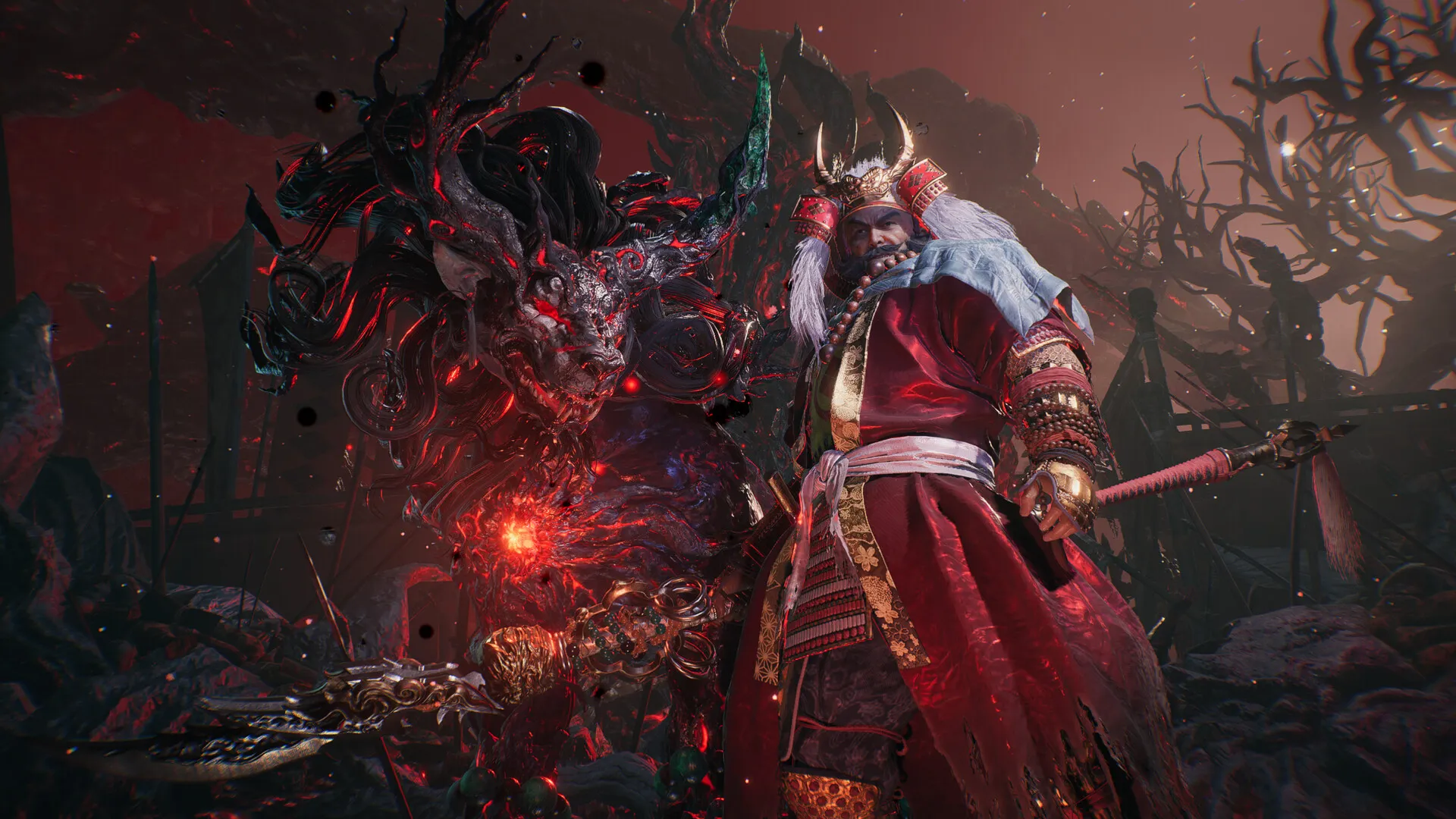
Nioh 3 is one of the best releases of the year, and despite a few technical shortcomings in the PC version, it’s Team Ninja’s best port to date. With a plethora of settings to adjust, you can customize several aspects of your Nioh experience.

Though if you want to jump into Nioh 3 a bit faster at launch, here is how you can skip the intro logos and videos thanks to Lyall’s patch, which adds a few other neat features as well.

Metal Gear Solid Master Collection Vol. 2 Pre-Order and Save Data Bonus Revealed

17. Únor 2026 v 16:04

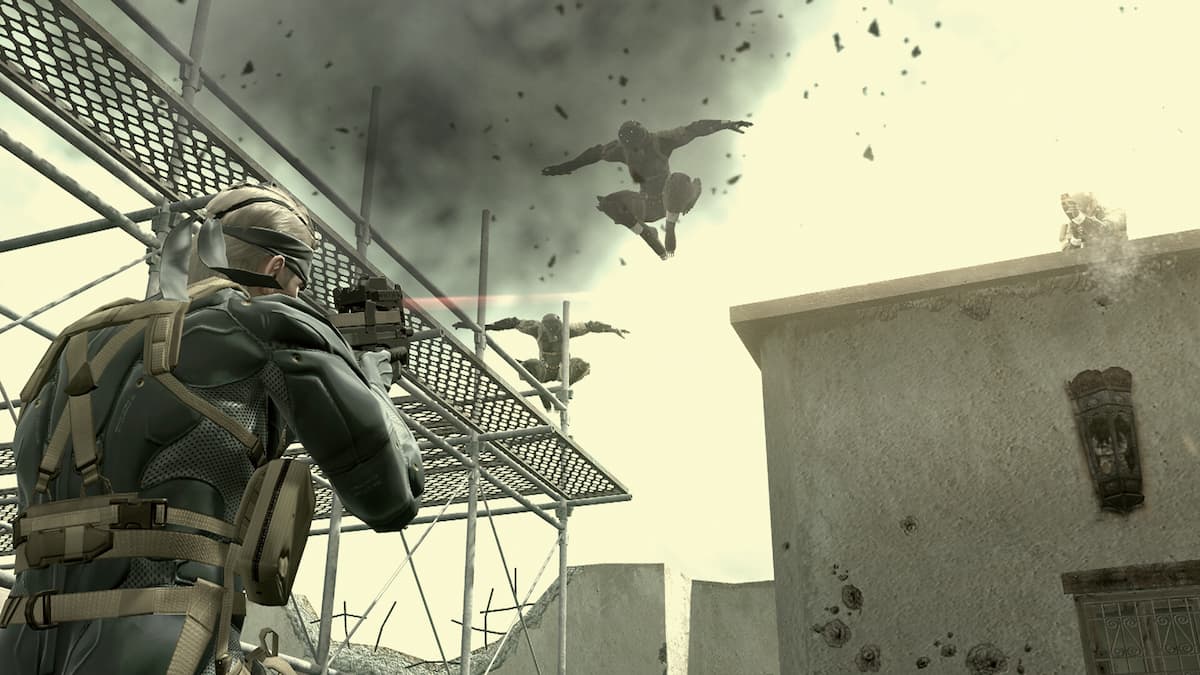
PlayStation’s State of Play had several announcements from KONAMI, largely focusing on revivals of their major IPs. Metal Gear Solid was also given its due share with the announcement of Metal Gear Solid: Master Collection Vol. 2, which finally frees Metal Gear Solid 4 from its PS3-shaped shackles.

Metal Gear Solid Master Collection Vol. 2 Pre-Order Bonus

If you pre-order Metal Gear Solid: Master Collection Vol. 2, you will receive the following cosmetic items:

The Division 2 Y7S3 Scout 12 High-Value Target Manhunt Riddle Solutions

17. Únor 2026 v 09:13

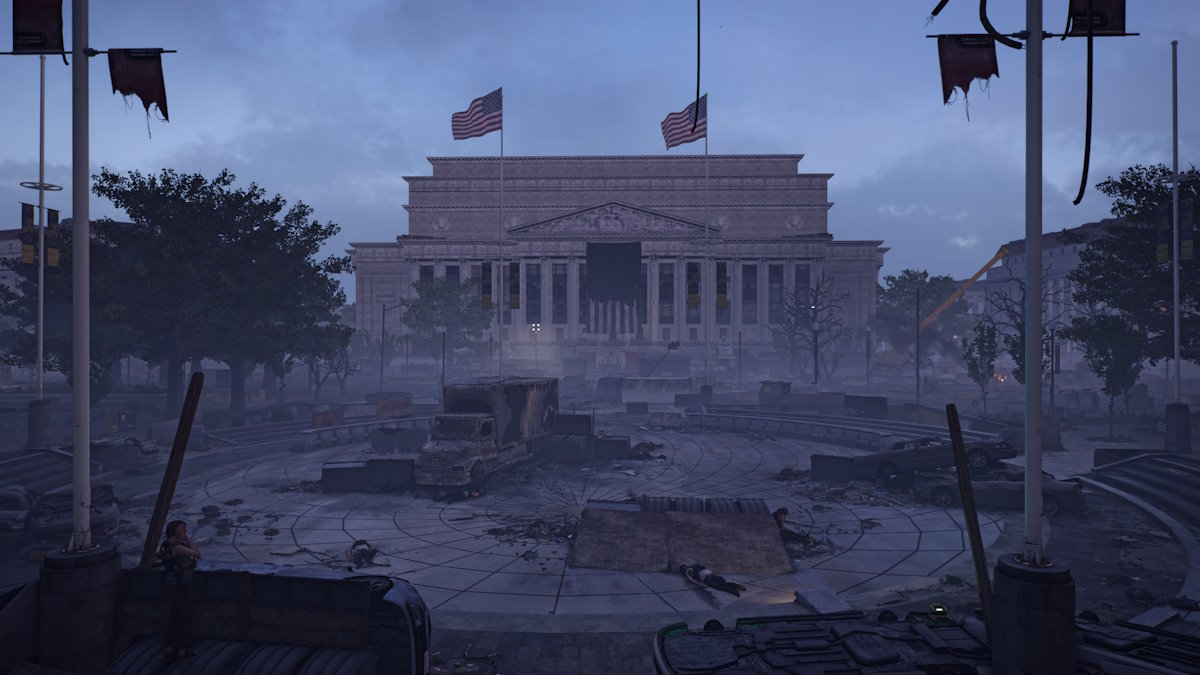
The Year 7 Season 3 manhunt in The Division 2 against the unknown target comes to an end with the final week of challenges to complete. Here are the Y7S3 Scout 12 High-Value Target Manhunt solutions in The Division 2.

The Division 2 Y7S3 Scout 12 HVT Manhunt Riddle 1 Solution

Division 2 Lincoln Memorial
Screenshot by Prima Games

The prompt for the first activity is “Take out the True Sons before they derail the uprising.”

Dead or Alive 6 Last Round Pricing, Pre-Order Bonuses, and What Carries Over

16. Únor 2026 v 10:07

KOEI TECMO and Team Ninja unveiled Dead or Alive 6 Last Round during the recent State of Play, and it’s the definitive edition of Dead or Alive 6 with some new features, gameplay improvements, optimisations for current-generation consoles, and a larger base roster.

Here is a breakdown of Dead or Alive 6’s pricing, pre-order, and what content carries over if you already own Dead or Alive 6.

Will Dead or Alive 6 Last Round Have Crossplay? Answered

16. Únor 2026 v 07:00

Dead or Alive 6 Last Round is the definitive version of Dead or Alive 6, launching with 29 playable characters and a dedicated photo mode. It’s also optimized for current-generation consoles and is a separate release on each platform. But what about crossplay? Here is everything you need to know.

Will Dead or Alive 6 Last Round Have Crossplay?

No, Dead or Alive 6 Last Round does not have crossplay support, and online functionality is limited to each platform’s network.

How to Make Buckeroos Fast in Roadside Research

15. Únor 2026 v 12:30

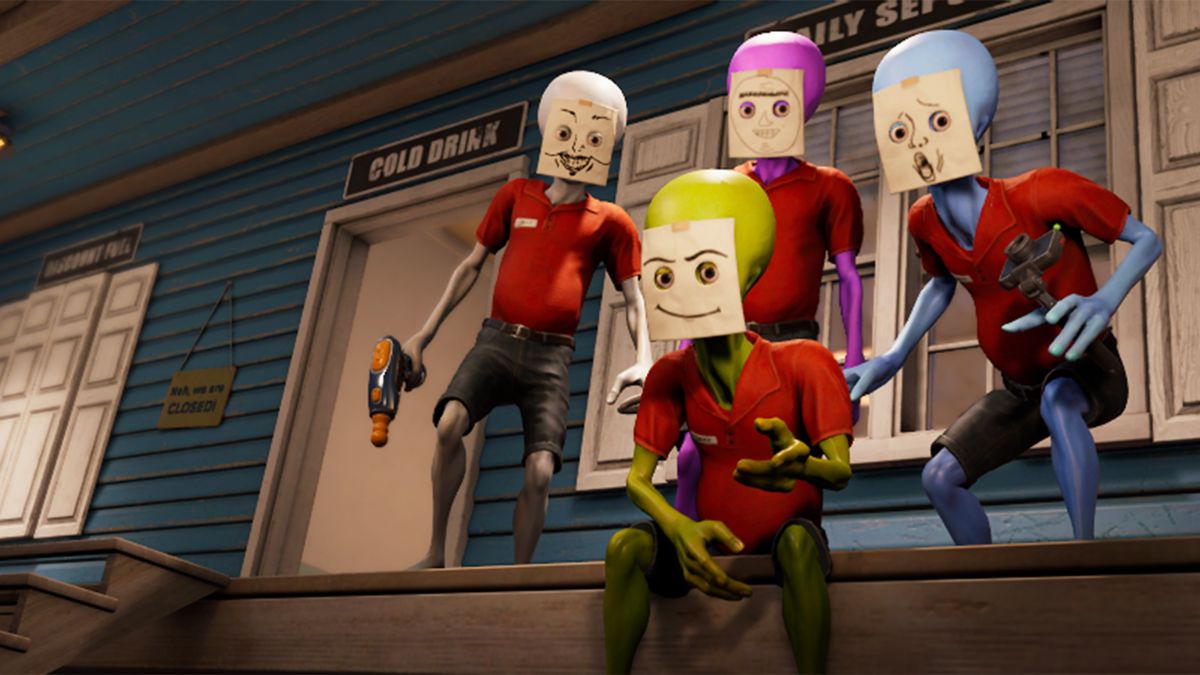
The progression system in Roadside Research is quite slow, but only because Buckeroos or money can be hard to come by. Your profit margins are low, but there’s a good strategy to accelerate the process.

Here’s the best strategy to make Buckeroos from start to finish in Roadside Research.

How To Fix the REANIMAL Ultrawide Issue on PC

14. Únor 2026 v 12:10

REANIMAL is out now on PC, and it’s already one of Tarsier’s most critically acclaimed releases ever. It’s also one of the better Unreal Engine 5 releases, delivering jaw-dropping visuals and solid performance with minimal stutters. Sadly, it doesn’t have ultrawide support, which means you’ll be stuck with black bars.

As usual, though, the widescreen modding community has already addresed and Lyall has released a patch which adds ultrawide support to REANIMAL. Here is how you can install that.

A Beginner’s Guide to Second Life (Everything You Need to Know to Get Started)

A Beginner’s Guide to Second Life (Everything You Need to Know to Get Started)

Welcome to Second Life, a vast, user-created virtual world where you can explore, socialize, create, shop, roleplay, attend events, and design the life you want.

If you’re new, it can feel overwhelming. This guide will walk you through the essentials so you can feel confident and start enjoying your Second Life right away.

1. What Is Second Life?

Second Life is not a traditional game with levels or quests. It’s a virtual world built almost entirely by its residents. Every region, store, home, club, and experience is created by users.

You decide what your Second Life looks like:

  • Social networking
  • Roleplay communities
  • Fashion and photography
  • Building and scripting
  • Live music and events
  • Business and entrepreneurship

There is no “right way” to participate, explore and find what fits you.

2. Basic Controls You Should Know

Movement

  • Walk: Arrow keys or WASD
  • Run: Double-tap forward
  • Fly: Press “F”
  • Sit: Right-click an object → Sit

Camera Controls (Very Important!)

  • Hold ALT + click to zoom
  • CTRL + ALT + drag to orbit
  • Scroll wheel to zoom in and out

Mastering your camera is one of the most important skills in Second Life.

3. Communication Options

You are interacting with real people from around the world.

Chat Types

  • Local Chat - Nearby people
  • Instant Message (IM) - Private conversations
  • Voice Chat - Optional voice communication

Safety Tools

If someone is disruptive:

  • Right-click their name → Block
  • Use Mute
  • Report abuse if necessary

Never share personal information you’re not comfortable sharing.

4. Your Avatar & Appearance

Your avatar is fully customizable.

You can change:

  • Body shape
  • Skin
  • Hair
  • Clothing
  • Animations (using an Animation Override, or AO)

Many modern avatars use mesh bodies and heads. Always:

  • Try demos before purchasing
  • Check sizing compatibility
  • Read product descriptions carefully

Your Inventory stores everything you own.

5. Understanding Inventory & Permissions

Inventory contains:

  • Clothing
  • Body parts
  • Objects
  • Landmarks
  • Notecards
  • Gestures

When shopping, pay attention to permissions:

  • Copy - You can duplicate the item
  • Modify - You can edit it
  • Transfer - You can give it to someone else

Always check permissions before purchasing.

6. Linden Dollars & Shopping

The in-world currency is Linden Dollars (L$).

You can:

  • Shop in-world
  • Buy items on the Marketplace
  • Earn money through creating content, jobs, or services

Smart shopping tips:

  • Try demos
  • Check reviews
  • Verify compatibility with your body/head
  • Watch for event sales

7. Etiquette & Region Rules

Each region has its own rules.

Before exploring:

  • Read parcel descriptions
  • Respect dress codes
  • Follow roleplay guidelines (if applicable)
  • Avoid spamming gestures or animations

Good manners go a long way in Second Life communities.

8. Helpful Places for New Residents

As a new resident, consider visiting:

  • Official welcome areas
  • Sandbox regions (for building practice)
  • Freebie stores
  • Beginner-friendly social communities
  • Educational regions

Joining groups is one of the fastest ways to learn and make connections.

Final Tips for Success

  • Take your time.
  • Ask questions, most residents are helpful.
  • Don’t feel pressured to look perfect immediately.
  • Explore widely before settling into one community.

Second Life is what you make of it.

Welcome, and enjoy your journey.

Virtual Fishing, Unicorns, and a Side of Avatar Talk – My Hour in Second Life

Virtual Fishing, Unicorns, and a Side of Avatar Talk – My Hour in Second Life

If you’ve ever logged into Second Life, you know it’s a wild mix of creativity, commerce, and quirky community moments. Yesterday, I gave myself a simple mission: spend an hour earning Linden Dollars. My original plan? Tame unicorns with Pikoversum. Spoiler alert: the 24‑hour cooldown was still ticking, so I had to improvise.

Enter the Virtual Fishing event at The Notorious Kingdom Tiny Empires Fishing POF Club Gaming. They were running a 2× multiplier that day, which meant every catch could double my earnings. I grabbed a virtual rod, cast my line, and started reeling in those pixelated fish. By the end of the hour, I’d netted 22 Linden Dollars. Not a fortune, but enough to remind me why many avatars rely on these mini‑games to keep their virtual wallets happy.

While I was busy fishing, my mind drifted to a topic that’s been buzzing in the SL community: child avatars. Yes, you heard that right. Second Life allows users to create avatars that look like children. Personally, I find them a bit unsettling. They don’t fit the adult‑focused vibe many of us enjoy, and they can give newcomers the wrong impression about what the platform is really about. It’s a nuanced issue—some argue it adds diversity, while others feel it detracts from the overall experience. I’m firmly on the side that prefers a more mature aesthetic, but I respect that the community is diverse and opinions vary.

Back to the fishing—what makes it so addictive? The simple mechanics, the chance of landing a rare catch, and that sweet x2 multiplier that feels like a cheat code. For newcomers, it’s a low‑barrier way to dip a toe into the SL economy without committing to massive projects or pricey assets. For veterans, it’s a quick hustle between larger endeavors.

So, what’s the takeaway? Virtual Fishing is a legit, fun way to earn a modest amount of Lindens, especially during special events. And while I’m not a fan of child avatars, the conversation around them highlights how Second Life continues to evolve and grapple with community standards.

If you’re curious about trying it yourself, hop into the The Notorious Kingdom Tiny Empires Fishing POF Club Gaming during their next multiplier event. Bring a sense of humor, a willingness to chat, and maybe a fresh perspective on avatar choices. Who knows—you might end up with a bigger haul than I did, or at least a good story to share on your next livestream.

Happy fishing, and see you in the virtual waters!

Play Second Life in Your Browser: My Experience Testing Decor Forge with Speedlight Viewer

Play Second Life in Your Browser: My Experience Testing Decor Forge with Speedlight Viewer

If you’ve ever wanted to explore Second Life without installing a heavy desktop viewer, Speedlight Viewer might be the perfect solution. It’s a browser-based viewer that lets you log in, explore, and chat—all from your web browser.

I recently decided to test Decor Forge, a gather-and-crafting RPG in Second Life, using Speedlight Viewer. The experience was interesting! While some visual effects, like sparkles on resource nodes, didn’t appear (making resource gathering a bit tricky), I could still explore the world, interact with others, and enjoy casual gameplay.

Why Speedlight Viewer is Great

  • Browser-Based: No downloads or installations required—just open it in Chrome, Firefox, or your favorite browser.
  • Explore & Chat: Move around, meet people, and socialize without a heavy viewer.
  • Lightweight UI: Perfect for quick access or casual Second Life sessions.
  • Accessible Anywhere: Works on computers where a full viewer isn’t practical.

Limitations

  • Graphics: Some effects, like sparkles in Decor Forge, don’t appear.
  • Features: Advanced building or scripting won’t work well.
  • Performance: Browser viewers can lag in crowded areas.

My Recommendation

If you want to test Second Life in a browser, chat with friends, or casually explore, Speedlight Viewer is ideal. It’s not perfect for heavy crafting or advanced gameplay, but it’s a lightweight, accessible way to experience Second Life.

🌐 Try Speedlight Viewer yourself: https://speedlight.io/?ref=10366

🎥 Watch my full experiment with Decor Forge in Second Life: https://youtube.com/live/jtP8j7q3wlU

What Is a Situation in an RPG? How to Create Dynamic Play.

19. Leden 2026 v 12:00

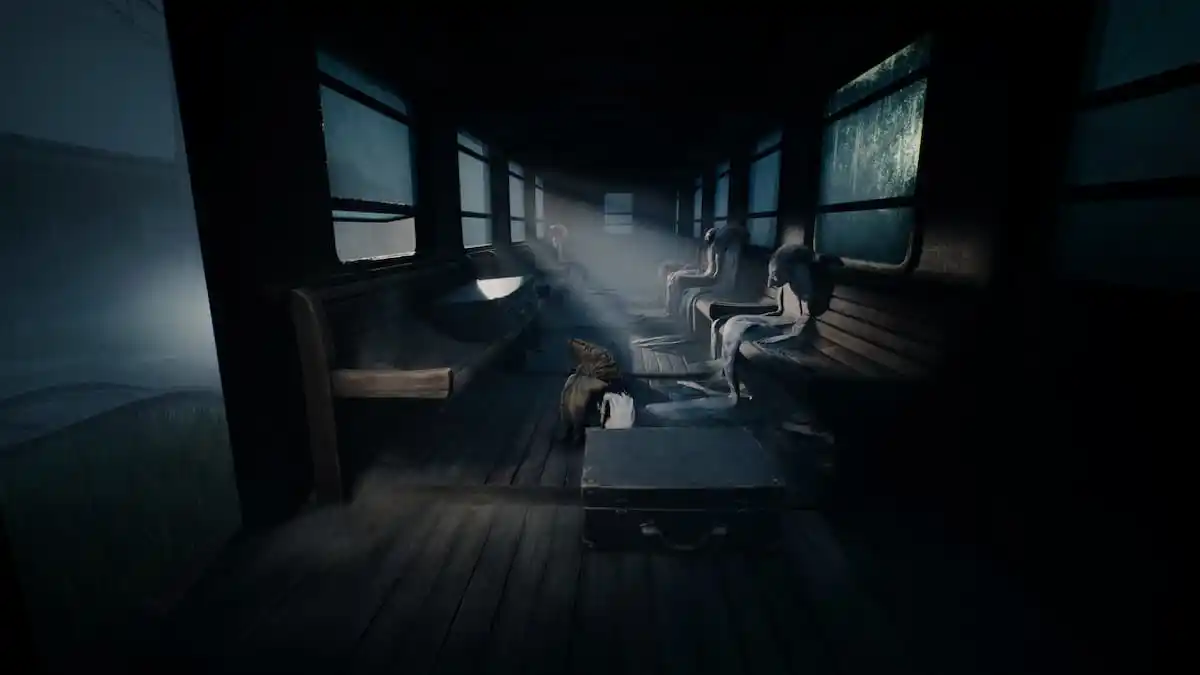
There’s an idea that adventures are like trains. Each train car is a scene that has an obstacle. You need to overcome the obstacle in the train car before you move onto the next train car. When you get to the last train car the adventure is over. You get off the train at the station and then get on another train to have another adventure. Doing this repeatedly gives you a campaign. All the GM needs to do is keep providing trains and all the players need to do is keep getting on them. Classic. Simple. Easy. Nothing wrong with it. 

But what if we don’t just look at creating trains with a series of train cars for PCs to overcome? What if we provide something that is happening? Something that will have a distinct end if the PCs don’t get involved. What if that something has a variety of potential endings depending on: how the PCs get involved, the choices they make, and how those choices have an impact on the something that’s going on? That’s designing a situation.

The “Situation” in RPGs

I like to think of the situation as a moment of instability in the ongoing narrative where multiple forces want incompatible outcomes and time or pressure will push events forward whether the PCs act or not. I don’t think of a situation as a scene, or an encounter, or a plot point. I see it as an evolving problem. By reframing adventure design to fit this idea we can craft and facilitate games where there is a lot of choice, unexpected outcomes, and tension beyond someone living or dying.

The Five Essential pieces of a Situation

One. Something Is Already Wrong

A situation begins in motion. The problem exists before the PCs get involved and it doesn’t wait for them to get involved. If nothing is currently happening, you do not have a situation yet.

I don’t think of a situation as a scene, or an encounter, or a plot point. I see it as an evolving problem.

  • The thieves guild has stolen the art pieces from the gallery and two of the pieces are magical artifacts that are wards against demonic entities, but they can be corrupted to help summon a powerful demon. 
  • A necromancer has built up their undead forces and is sending them into the town to steal resources and assassinate people. 
  • A CEO of a company has been murdered and it looks like a retired serial killer is back at killing.

Practice this by coming up with problems in your own games that exist without having the PCs involved.

Two. There Are Competing Interests

At least two entities want different things, and those desires cannot all be satisfied at once. These entities may be people, factions, creatures, institutions, environments, or abstract forces like law or tradition. One of these competing interests should be the PCs and a GM should make it personal to one or more PCs if possible… and it’s almost always possible.

  • The thieves want money for the pieces they stole. The gallery wants their items returned. The PCs would like to get paid for recovering the items and keep them from being used for evil purposes. A group of evil cultists wants two of the stolen items because they hold significant spiritual and magical significance to their cult and their goals of summoning their demonic patron. A group of protectors want the two specific items returned because they understand the power they hold and don’t want the demonic patron summoned.
  • The necromancer wants revenge on the town since he believes he was wronged in being removed from the magic guild for lack of skill and then being kicked out of his home by his parents for his failure. The town wants to exist in peace. The necromancer’s parents want to live. The PCs live in the town and would like their homes to not be destroyed by undead.
  • A secret society group organized the murder because they want a CEO in their organization to gain a lucrative contract. A husband wants out of the marriage and to gain the money from the deceased’s will. The serial killer is upset someone is using their MO. The PCs are friends of the deceased CEO and want justice and the previous victim of the serial killer before they stopped killing, was the brother of one of the PCs.

Practice this by taking the problem you came up with and figuring out who the competing interests are and what they want. Make one of them the PCs and decide how you can make it personal for them. 

Three. Pressure Exists Independent of the Players

Time, danger, scarcity, or attention applies pressure that escalates the situation. If the players do nothing, the situation changes on its own. This creates tension and a sense of urgency. While things escalate it’s worth asking yourself and maybe even jotting down a note or two about how far an interest will go to achieve their desire and when they’ll back off. What’s too much? When is desperate action their only recourse? That way you can understand how the pressure will push these interests when deciding how things progress and have a better idea of what to do when the PCs apply their own pressure.

  • The thieves will hold a black market auction to sell off the goods, making it potentially harder for the PCs to recover the items. The GM knows the auction will happen in three days and the evil cult will purchase the two items of power. This would make it difficult if not impossible for the items to be recovered.
  • The necromancer is gathering power and once he locates and then retrieves enough resources, he’ll raise the skeletal dragon and attack. This would put the town and its people at great risk.
  • If the PCs do nothing then their friend’s murder will go unsolved and the company will eventually be sold off and dismantled. The serial killer will track down the actual killer and deal with them, putting the spotlight on a prominent society family. Now let’s take a slightly different road and ask what happens if the PCs try to solve the murder since it’s very personal to them. The secret society will try to dissuade the PCs with money, influence, and violence, to get them to back off. Even if the PCs don’t back off the secret society is working to tie up loose ends, and if the PCs take too long the clues and proof of wrongdoing dry up and the murder becomes unsolvable. 

Practice this by deciding how the situation ends if the PCs do not get involved. How will the different competing interests fare when the situation resolves itself? Many games have mechanics, formats, or frameworks for how things can escalate. If the game you’re running doesn’t have methods for escalation, just write down a couple of ways you think the situation escalates and what drives those escalations. You should give yourself at least two escalations that can be felt in the setting so the PCs have a way to know what’s going on.

Four. The Outcome Is Not Predetermined

A situation does not assume its ending. Throwing down, talking, switching sides, letting go, success, and failure are all possible outcomes. The GM can think about consequences but their time is better spent understanding how the competing interests think and react when pressured, so when the PCs act the competing interests act in a manner that suits the narrative in the game. People only do something to their ultimate doom or demise when they’re desperate and have no other recourse. It’s worth giving it some thought to when an interest has had enough and will decide to take a different path. Last thing on this: while it’s ok to telegraph potential danger and pay it off when appropriate, this kind of play isn’t about set piece scenes you’re driving the game towards. It’s about making choices matter on a larger narrative scale.

  • The thieves want to sell the goods at auction, make their cash, and then disappear. The cult wants the special items. We know these things will happen if the PCs do nothing. But when the PCs grab one of the thieves off the street and bring them back to their base of operations to get information out of them, things start changing. The other thieves want their friend back. They attack the PCs base to get their friend. The PCs have already moved their friend to a safe house, though. The Thieves bail, understanding that they can’t recover their friend so they have no reason to fight further. With their friend missing they decide to disappear with the items and sell them later. The PCs get the location of the thieves base. Unfortunately they fail the roll to get to the base before the thieves go to ground. The evil cult doesn’t get the items but the PCs don’t recover them so they don’t get paid and the thieves get away. 
  • The PCs only have so much time before the necromancer is ready to attack and they have to decide if they’re going to defend the town from these assassinations or look for the necromancer in his lair within the complex beneath the town. How they interfere with the necromancer’s preparations can alter the necromancer’s plans, maybe even causing the necromancer to take their leave and look to seek revenge another day. Maybe they encounter the necromancer and taunt them enough to infuriate them to the point of attacking early without the skeletal dragon. If the PCs inform the town of what kinds of forces the necromancer has and where they’ll come from, then the town will be better prepared to weather the attack. 
  • There are plenty of things happening here. Will the PCs discover who killed their friend and bring them to justice? Will they root out the secret society and bring them to light? Will they find out who the serial killer is and what will they do, especially if the serial killer has been helping them to find the actual killer? Will the secret society tie up all their loose ends and get away with it all? Will the secret society of the rich and powerful sacrifice a few members to keep their secrets? Any of these things can lead to the end of the scenario.

Practice this by asking yourself what the potential outcomes you can see are. If you can’t see more than two then you don’t have enough competing interests with differing desires, ways for the situation to escalate, or moments when a competing interest decides their current desire can’t be satisfied by the way they’re doing things and either need to escalate or deescalate their influence on the situation.

Five. The PCs Actions Change the Setting and Ongoing Situation

Even when the players “solve” the current situation it should change the setting in some meaningful ways. Their choices shift alliances, have costs, create future problems, and can impact how the setting views the PCs. They can even create the next situation from the complications and costs of the PCs previous choices. Even if the next situation doesn’t have a direct relationship to the previous situation, those events should have had a lasting impact on the setting.

  • The PCs fail to recover the items but their actions cause the thieves to delay selling the items. The thieves go into hiding. The evil cult can’t use the items to their advantage. The people who run the art gallery are disappointed and do not see the PCs as competent allies, this hurts the PCs reputation among the upper class.
  • The PCs find the necromancer deep in his lair as he’s just finished raising his skeletal dragon, and they manage to defeat the dragon and the necromancer. The undead attacks stop on the town but the town never knows about the PCs heroics. Conversely the town never learns about the underground complex beneath the town and the PCs have a new base of operations they can finish exploring and then use going forward.
  • The PCs learn who the actual serial killer is, but work with the serial killer who’s in a position of authority and catch the real killer of their friend. The real killer is jailed as are some of their conspirators, but this provides the actual serial killer a promotion to a higher position of authority. The company that was going to get the large contract is implicated in the conspiracy of murder and their CEO is arrested and their company takes a huge hit financially. It’s not a complete win but it’s better than nothing.

Practice this by answering some of the questions that arise from step four, kind of like a game of make believe in your head. Once you do, ask yourself how the setting would change if those questions you just answered happened. 

Not Much Different, Just Different Choices

Situations aren’t much different from other kinds of adventures. There’s just more narrative choices to be made instead of mechanical choices. Instead of which spell to use we ask “What do these interests do?” Instead of spell lists we have desires and how far these interests are willing to go. As the situation evolves you just do the thing that feels like the most reasonable and enjoyable action that interest would take. When the dust settles, make sure things have been affected. The fact that ttrpgs have these features is a strength and we shouldn’t be afraid to utilize that strength.

If you do decide to practice these ideas, I’d love to see what you come up with in the comments. Each of the examples I’ve provided is a very cribbed notes version of games I’ve run. The third example is from the AP on the polygamero.us site called Skritches. All episodes are out right now for you to listen to. Now I’m off to find some stew from the stew pot. I heard we just threw in some JT and Vecchione in there and that makes for some savory stew. Later.

How to Clean Your Gaming Gear After the Holiday Mess

1. Leden 2026 v 02:13

The holidays always leave a mark, don’t they? Between the late-night sessions and the endless stream of snacks, your setup probably looks a bit worse for wear. Maybe there’s a stray crumb wedged under your spacebar, or perhaps your mouse feels a little less “pro-grade” and more “sticky-grade.” It happens to everyone. Deep Cleaning Your…

The post How to Clean Your Gaming Gear After the Holiday Mess appeared first on VGamerz.

Just Got a New PS5 or Xbox? 5 Essential Steps to Take Before You Start Playing

27. Prosinec 2025 v 02:10

The wrapping paper is scattered across the floor, the box is open, and that distinct “new electronic” smell is wafting through the room. Whether you finally got your hands on a PlayStation 5—perhaps even the powerful Pro model—or the massive Xbox Series X, you’re officially part of the current generation. It’s a great feeling. But…

The post Just Got a New PS5 or Xbox? 5 Essential Steps to Take Before You Start Playing appeared first on VGamerz.

When Does Hytale Release? Release Date Timer

11. Leden 2026 v 09:43

After multiple delays, troubled development, and publisher drama, Hytale is finally launching on PC in early access in just a couple of days. Its development story is one for the books, and there’s a lot of excitement behind the launch. You don’t have to wait much longer now.

If you want to know when Hytale launches in your region, here are the release dates, times, and a countdown timer to make the wait a little easier.

❌