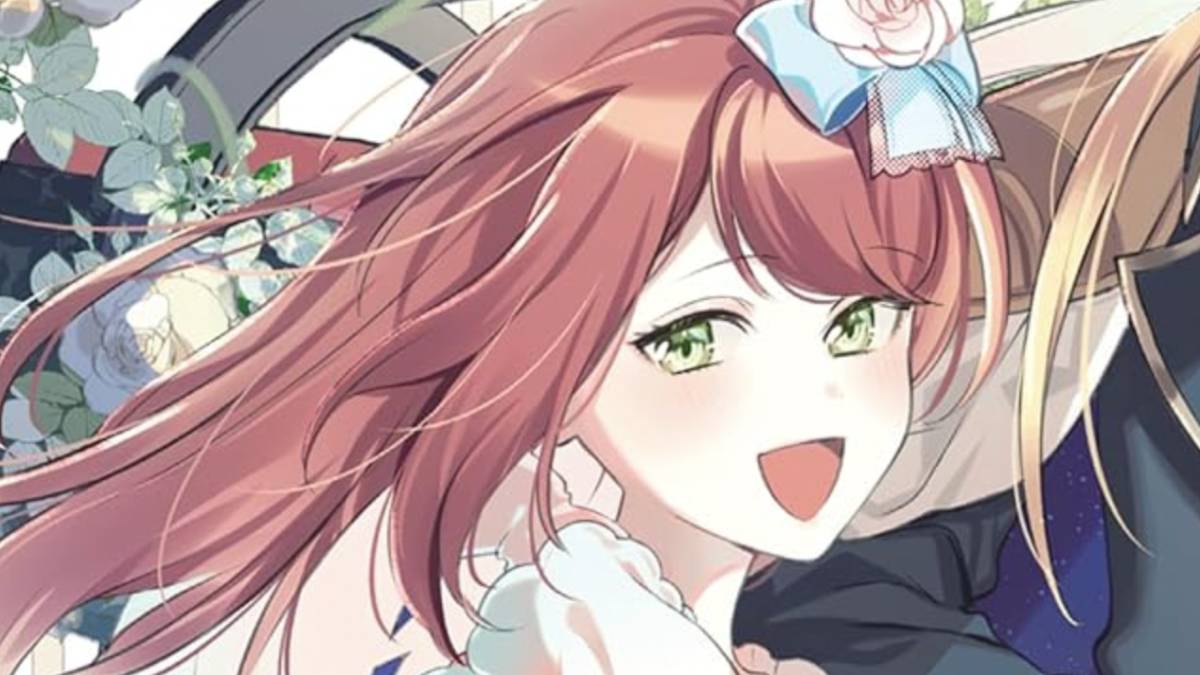
Okay. So, a staple in shojo manga series is to eventually introduce some sort of love triangle conflict. The goal is to add a little drama to possibly add a “will they or won’t they” element to the story. Does it get annoying? Absolutely! Especially when it’s dragged out. Volume 4 of The Small-Animallike Lady is Adored by the Ice Prince manga continues that type of plot line from the third one, but Hisui doesn’t drag the situation out and instead introduces the mature and realistic approach of Lily and Prince William actually talking to work it out.
Editor’s Note: There will be some spoilers for volume 4 of The Small-Animallike Lady is Adored by the Ice Prince manga below.
The conflict in the third volume of The Small-Animallike Lady is Adored by the Ice Prince manga stemmed from a visit by the princess of the kingdom of Belluno, Marianne. She came to the kingdom of Zavanni for a visit and, throughout much of that installment monopolized Prince William’s time so his fiance Liliana was left to her own devices. When secretly exploring outside of the palace in disguise with guards, Lily ran into the two of them together, with Marianne hanging on Will’s arm. This led to mistaken impressions of the situation, which carried over to the initial issue in this volume. However, instead of dragging it out, things are handled in an actually mature manner.
Image via Yen Press
While the outset of this volume offers are first view of the situation from Marianne’s perspective, confirming she did come to the country to drive a wedge and become Will’s new fiance as some suspected and Lily assumed after seeing them together, it quickly gets into practical advice and proper communication. When Will is lamenting Lily’s behavior and anger, his guard and even Princess Marianne both say he needs to talk to her. Though it is awkward between the engaged couple when they do come together in the next scene, both of them don’t drag out this mistaken situation. Will apologizes and explains, as does Lily. (Though she does freak out a bit momentarily thinking his apology is because he intends to break their own engagement.)
As a result, we get to see how productive conversations between a couple we know love each other works out. The two of them explain themselves. The set a time for another date, which shows their commitment to each other. Then when they go out, which also involves scouting a location for a school Lily wants to build for children in the city, they’re completely focused on the task and each other.
What’s interesting, however, is volume 4 of the The Small-Animallike Lady is Adored by the Ice Prince manga also shows how communication helps the situation between Lily and Princess Marianne too. After the “crisis” is over, it still seems the foreign royal isn’t entirely giving up on her plan, since she at the time sees it as the only recourse to aid her own country during a salinity crisis. When the two of them get a chance to properly talk upon the opening of the finished school and classroom, it leads to new revelations between them and a possible positive relationship.
Which is great, as it all comes back to The Small-Animallike Lady is Adored by the Ice Prince being a shojo manga that focuses on positivity. It’s sweet! It’s funny! The leads generally care for and respect each other! Now with this volume, we see they handle issues responsibly and with clear communication. It’s lovely to see.
Volumes 1-4 of The Small-Animallike Lady is Adored by the Ice Prince are available now, and Yen Press will release volume 5 of the manga on July 28, 2026.
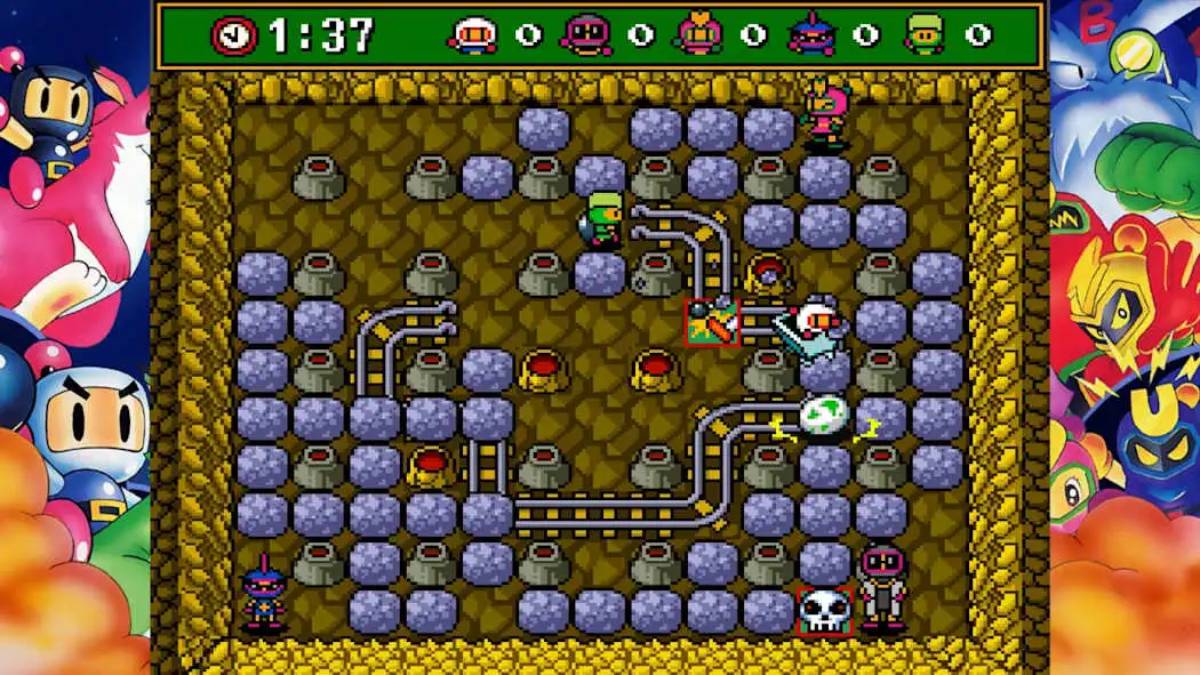
Recent shadowdrop release Super Bomberman Collection brings back some classic Bomberman games, some for the first time outside Japan, and we’re happy to see it! But if we’ve learned anything from modern retro compilations, the quality is extremely dependent on execution. So how does this one do?
The package contains the five Super Bomberman games, all originally released on the Super NES and Super Famicom, as well as two bonus Famicom games. The later Super titles didn’t originally release outside Japan and have received localizations here, which is a nice touch! Frankly, though, these are fairly language-agnostic games and you probably would have been fine.
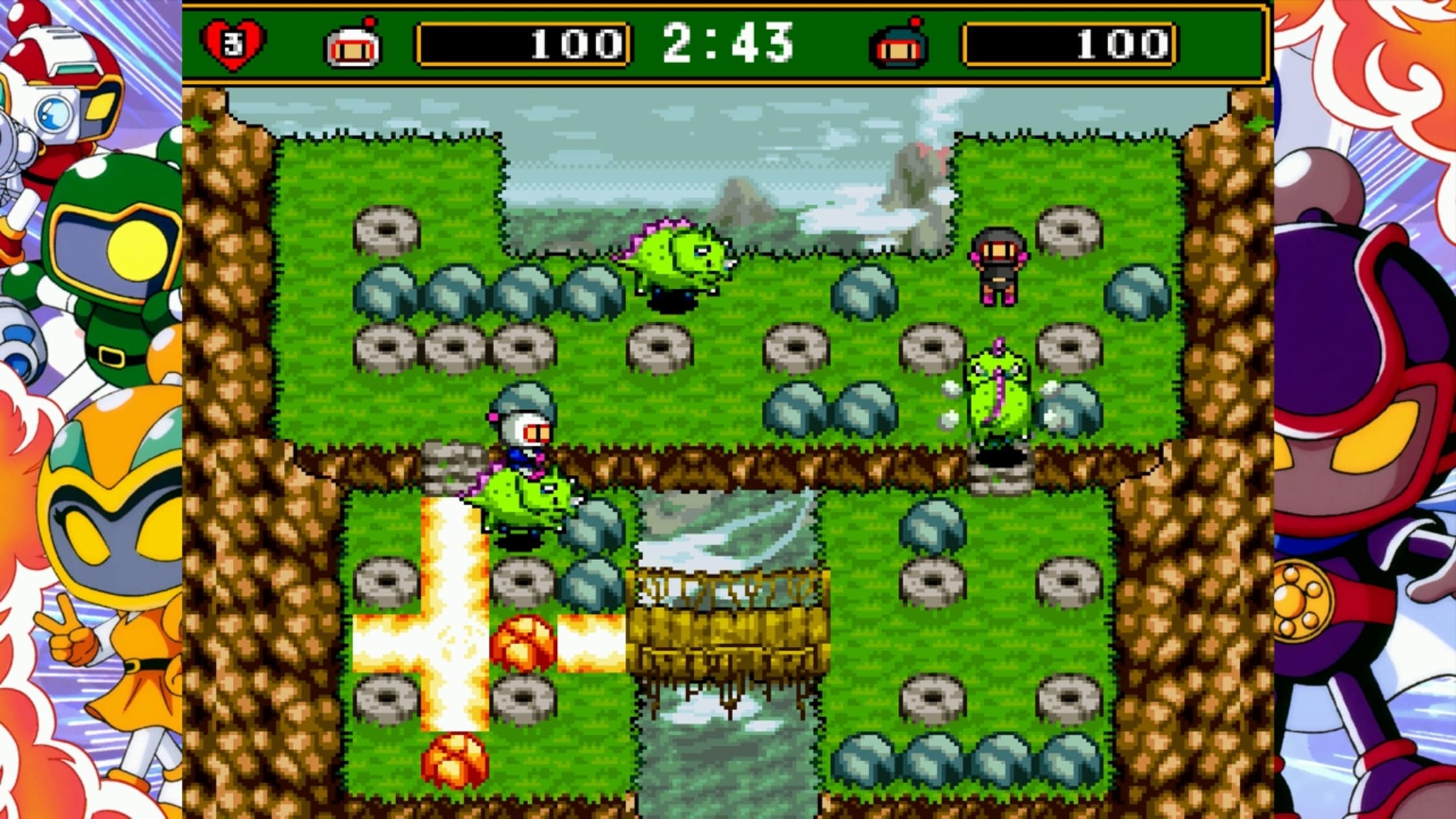
Putting these five games together in one collection might feel a bit redundant! And it is, to a degree. The advantage is in two ways. The first? Historical value. The game makes it easy to look at what power-ups are added in each one, and preserving all five is good regardless. The second is that you can choose your favorite variant. Each of these changes does color the experience, and through either taste or nostalgia, you’ll likely have a favorite.
Image via Konami
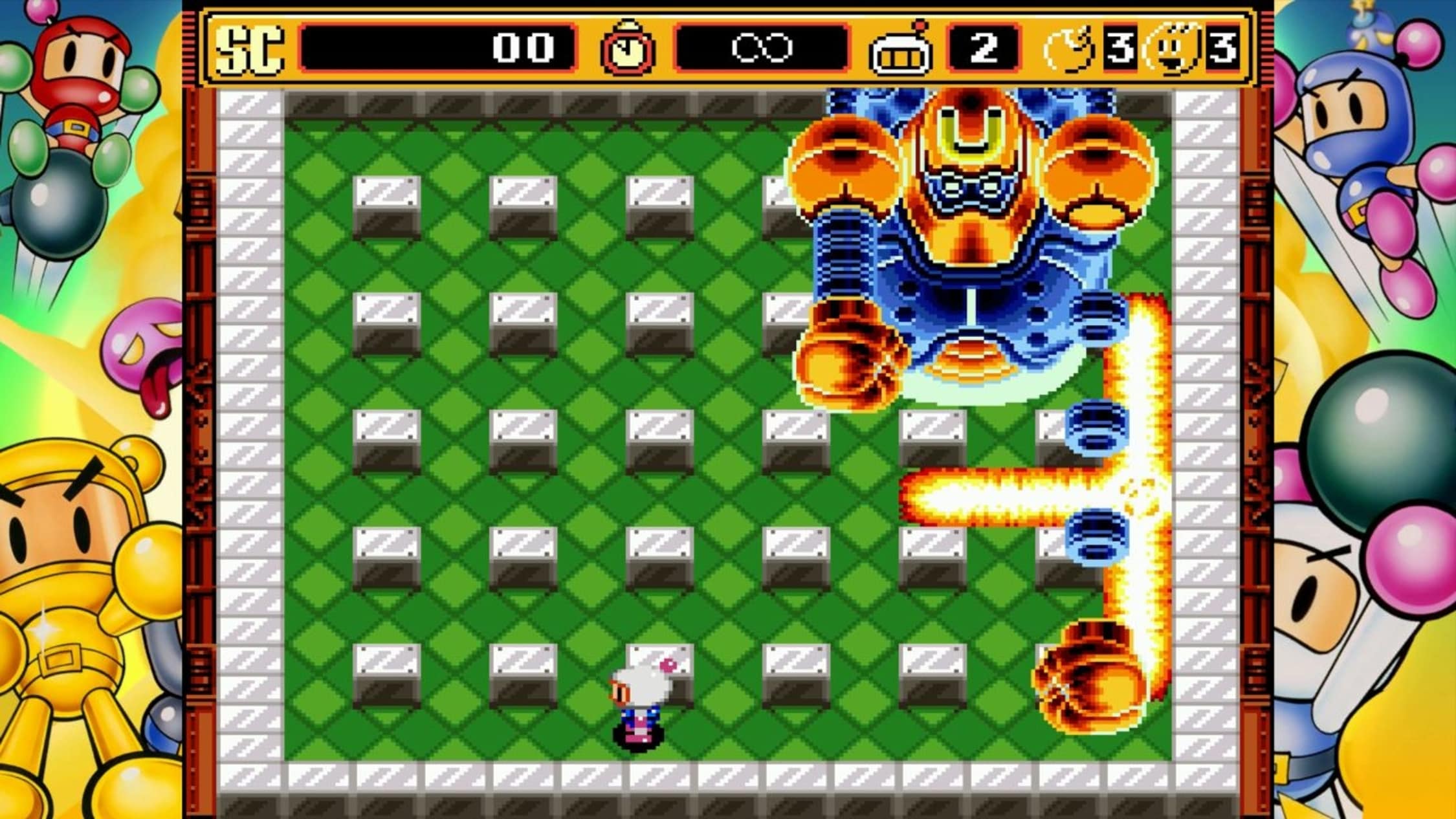
If you’re having trouble deciding, though? We’d recommend going straight to 5. It has almost all the things from the other games, and there are options to configure it however! And as such a late Super Famicom game that other staff at Hudson were probably already working on Mario Party during development, it really takes advantage of the hardware. If it drops the ball on anything? Maybe it’s aesthetics. It’s trying really hard to do a robot/sentai thing in a way that a lot of the selectable characters feel same-y.
It’s also true that each of these games has a solo campaign. The franchise’s bread and butter is its competitive play, but there’s a dedicated group of people who really embrace the single-player arcade levels. And these are good ones! We’ve spent a while playing, and we are undeniably bad at them but there’s a puzzly element to taking on risky opponents in an optimal order.
When it comes to gallery modes in retro compilations, our usual stance is that it’s a great effort of preservation! But we don’t spend a lot of time with that stuff. Super Bomberman Collection’s “unbox” mode feels a lot more robust, though. With the detail and ability to virtually open the box and pull out the manual, it captures a bit more of the nostalgia of the originals.
Image via Konami
While it doesn’t have built-in functionality for this sort of thing, Super Bomberman Collection takes advantage of system-level multiplayer features like Switch 2’s GameShare and Steam’s Remote Play Together. How well does it work? Better than you’d think! We spent our time testing it out on Switch 2, and didn’t experience any of the frequent connection issues we usually get. What’s more, it’s the sort of game that can weather some minor hiccups if you get them, and it also doesn’t look too bad in the windowed GameShare screen.
Super Bomberman Collection, developed by Red Art Games and published by Konami, is out now on Switch 2, Switch, PS5, Xbox Series and Steam. Physical editions of the game will launch on August 25, 2026.
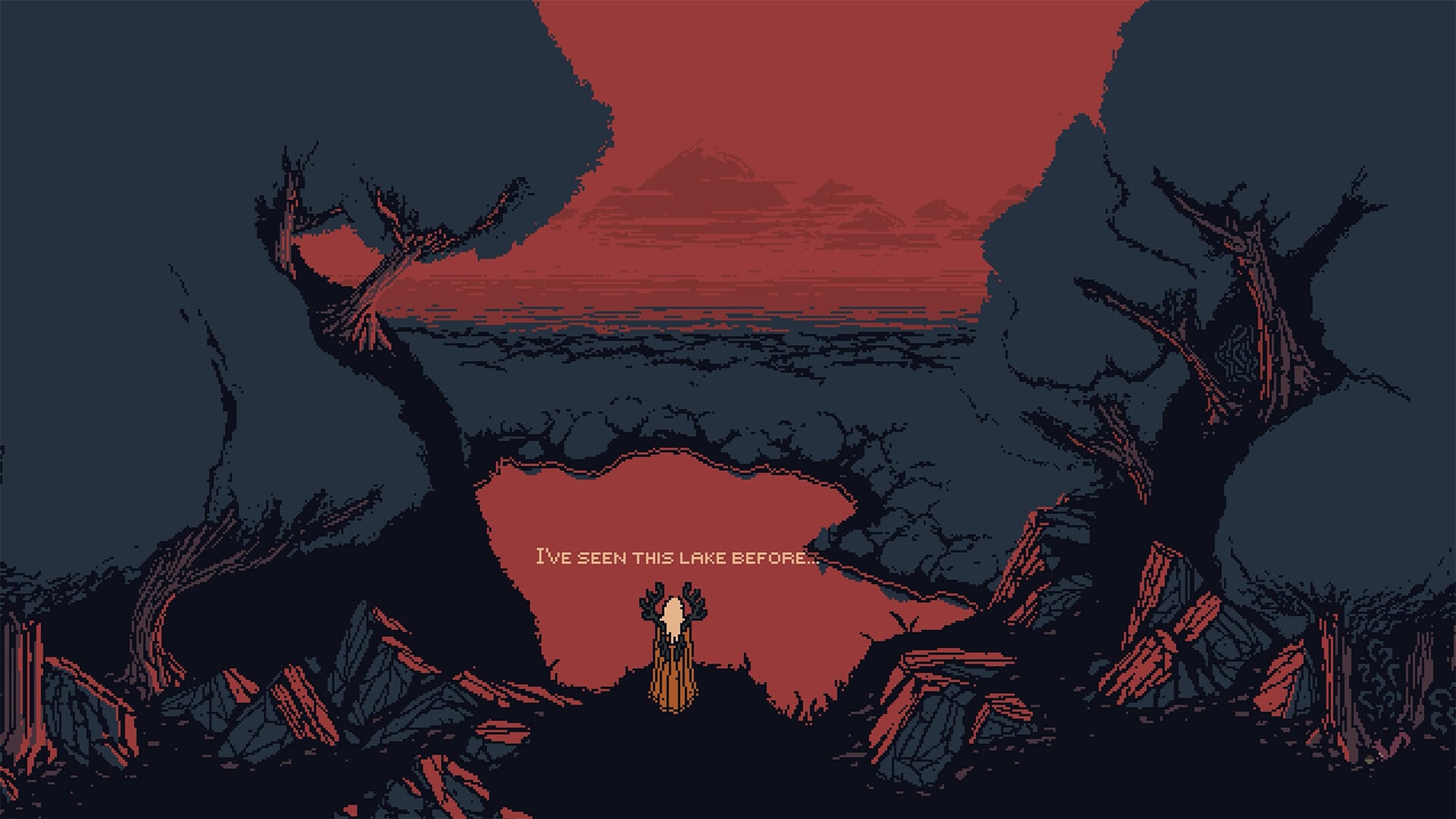
Death Howl is one of those unique strategic roguelikes that someone could play for 15 minutes for five hours straight, and it means the Switch version couldn’t come soon enough. I thoroughly enjoyed this brutal game when I played it on the PC. But there’s something about the nature of it that makes the gameplay loop and narrative beats feel highlighted so well here.
As a quick refresher, Death Howl is a strategic roguelike with a nearly monochromatic kinds of color palettes and melancholy story. Based on Scandinavian folklore, we follow a grieving mother named Ro searching the other side for her dead son Olvi who was stolen away from her. This means traversing different areas, facing all sorts of entities and beasts with abilities she gathers.
https://www.youtube.com/watch?v=FGF-v--wGhk
The narrative is fantastic. There are so many themes running through it. Revenge is a critical one, since there’s a central stag figure associated with her son’s death and apparent abduction. Not to mention she’s angry with Death itself over the loss. Coming to terms with the situation is another, since this is a journey about grief and clearly she’s going through the bargaining and depression stages while also being angry about everything and denying that this is a situation that can’t be undone. But there’s also this veil of uncertainty over everything. Due to the use of symbolism and design choices, Ro is an unreliable narrator and there are gaps in our knowledge as players. Which means part of the motivation that keeps us going is to finally know the truth of it all. Having the game on the Switch makes it easy to keep going so we can absorb the information and take in what possible truths could be hinted at as we play.
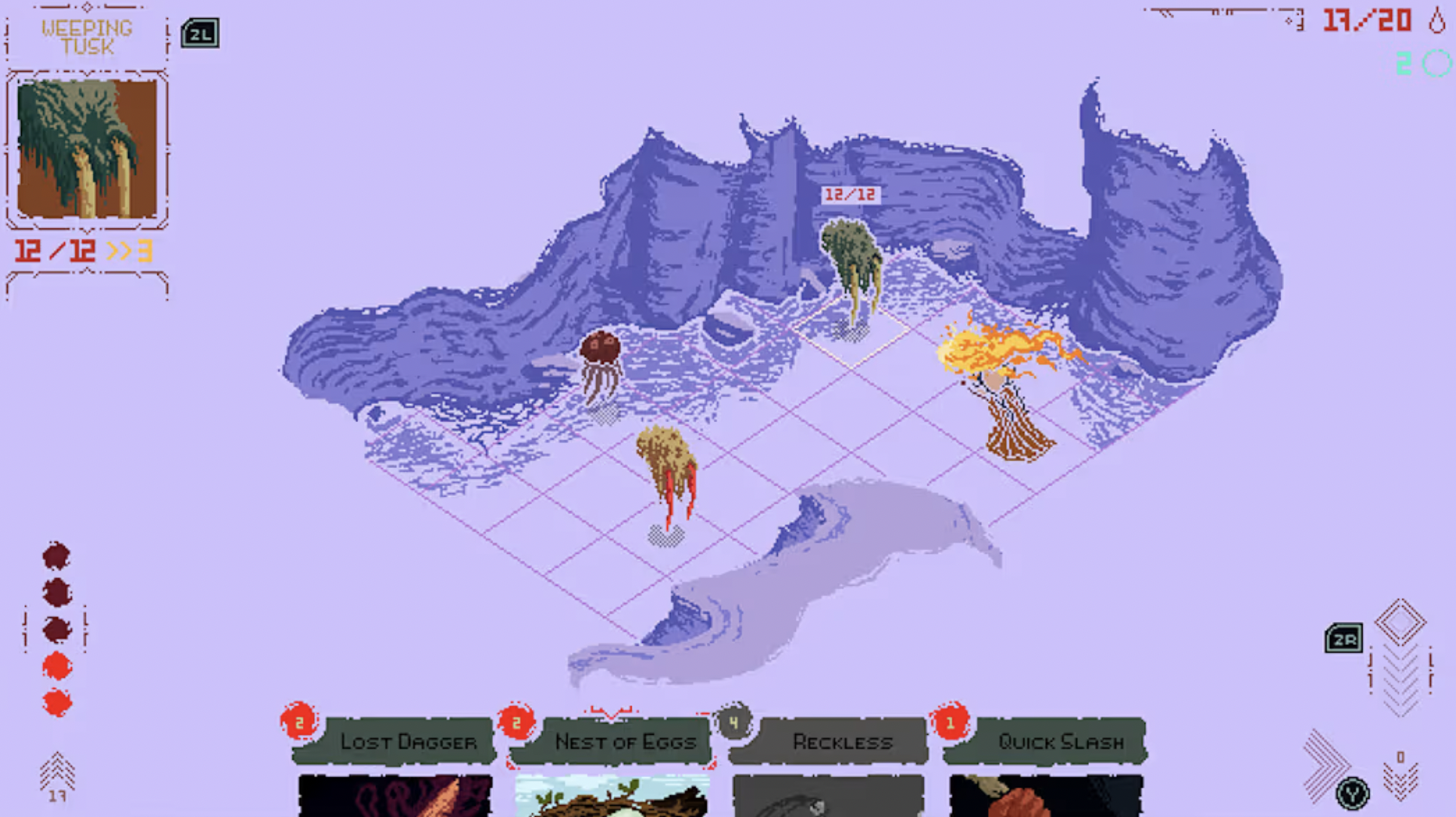
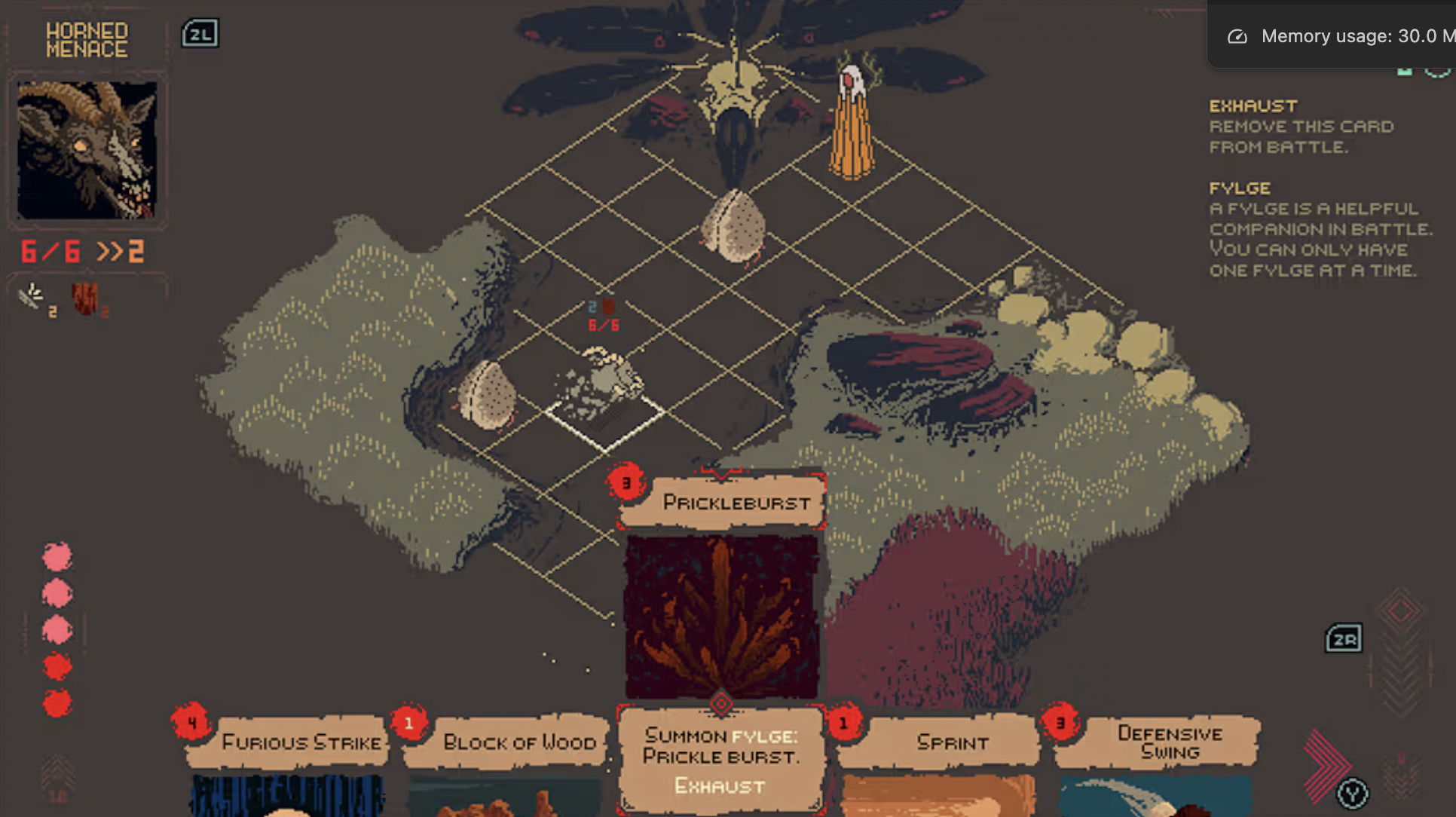
The Switch also makes for a good way to appreciate the art direction in Death Howl in the same way that the Steam Deck and other handheld gaming PCs do. This is a strategy game with sprite-based designs, an isometric perspective of the board, and limited color palettes for each region. Actual spirit designs play with shading and color options to depict details that wouldn’t otherwise be possible with the limitations. When there are effects from actions and spell usage, we see intricate animations. While it is possible to view these and take away the excellence, I feel like having it in handheld mode where you could really take a moment to look closer at details.
Image via The Outer Zone
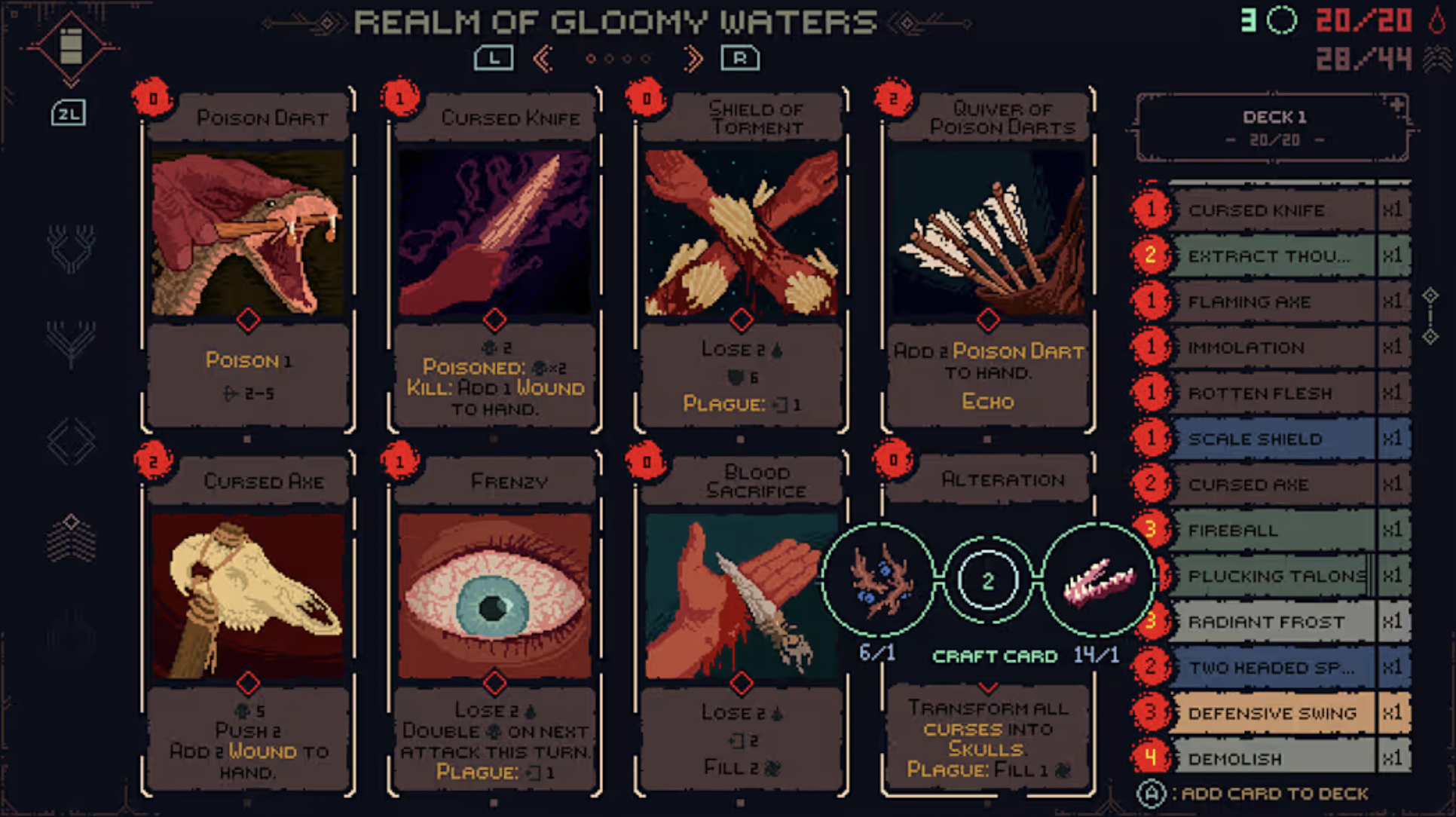
It also helps that the Switch port is a great version of Death Howl. Given how text-heavy it is for cards and combat, the color and font choices make it clear even when the lettering is little. It’s almost always clear and legible. Pair that with the great controller-based scheme carried over from the PC release, and it is quite comfortable to play.
Handhelds are a good fit for roguelike games, and the artistic direction, narrative, and gameplay of Death Howl make it feel especially strong on the Switch. It’s a great port that plays well on the system. The nature of the storyline makes it a perfect game to play in a darkened room. Since the gameplay encourages deck experimentation and strategic decisions, you can really get cozy and experience it. It feels exceptionally at home here.
Death Howl is available on the Switch, PS5, Xbox Series X, and PC.
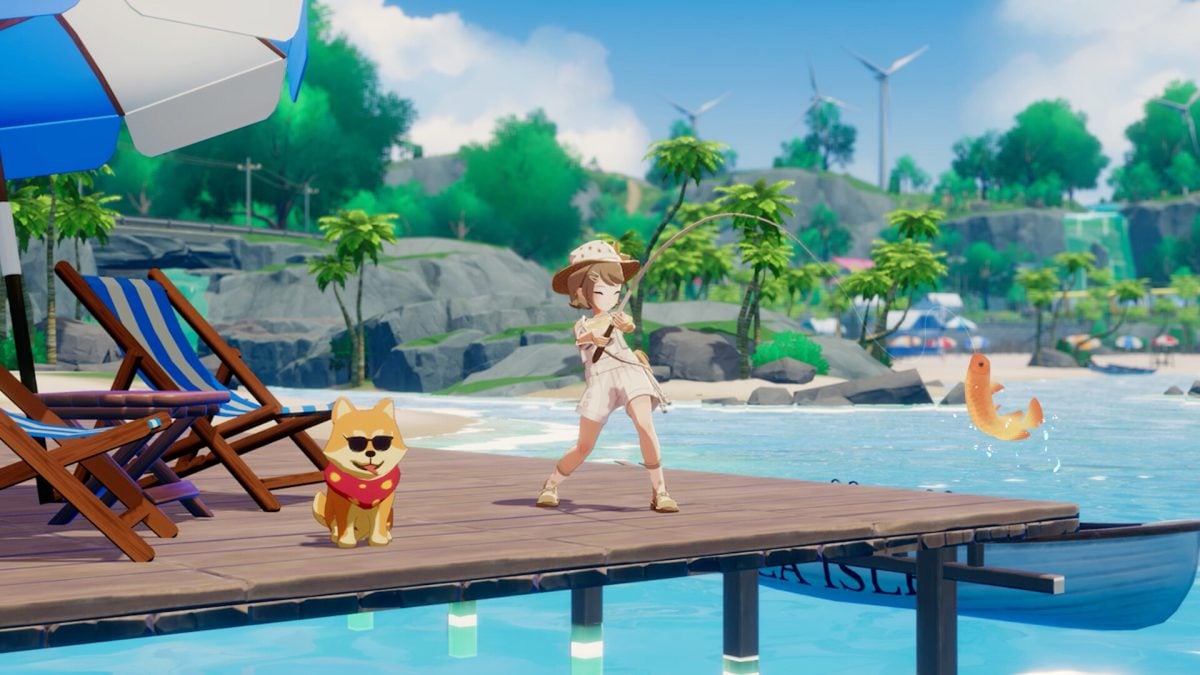
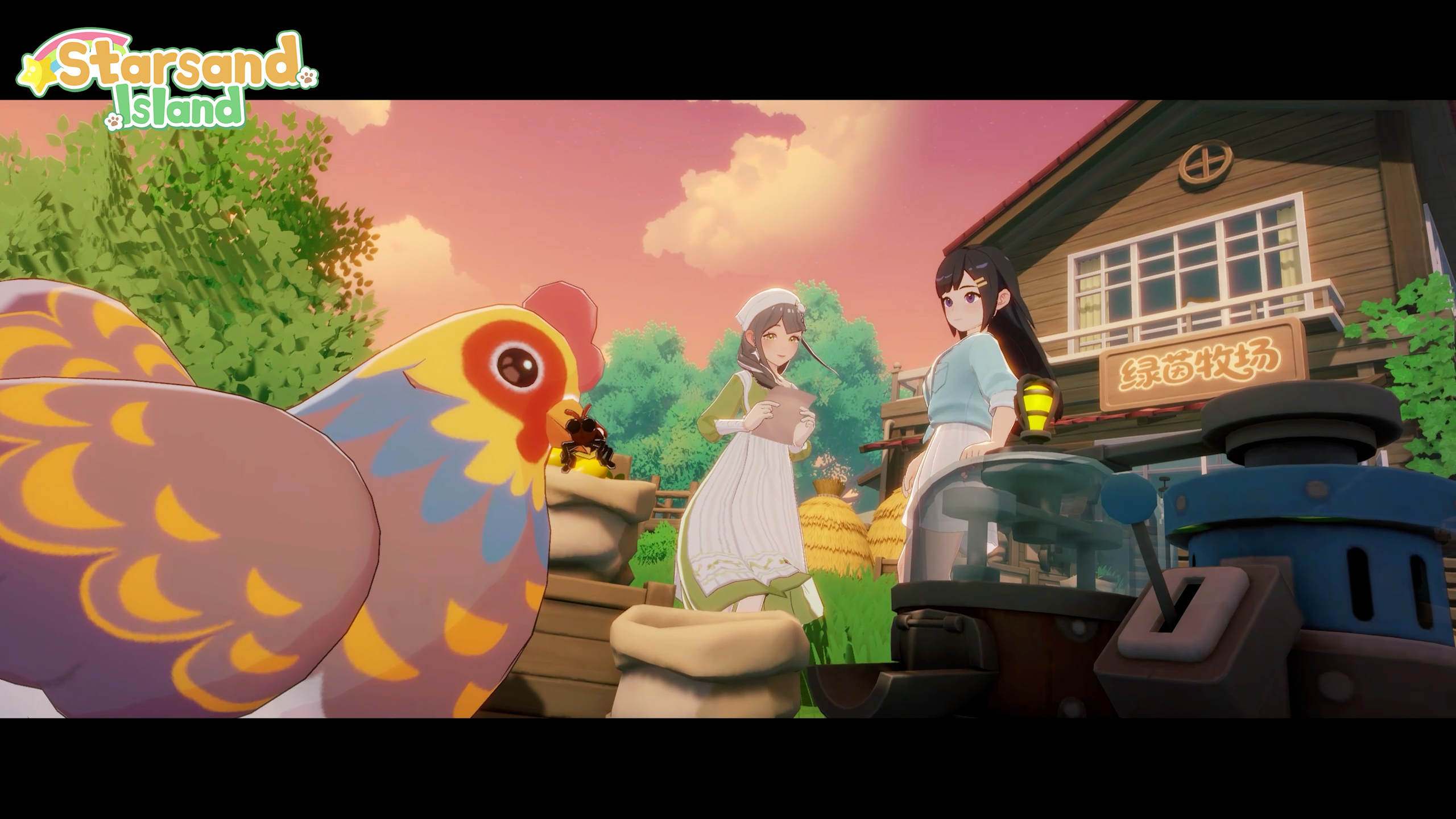
When I first played Starsand Island, it was early in development, not all the different types of professions were ready, and the build felt like a work in progress. Now that the game is properly in early access, it feels far more cohesive. Yes, not everything is there yet and I can’t live my virtual life to the fullest. Some balancing definitely needs to be done. But it does feel more pulled together and ready to go than it originally did.
As a quick refresher, Starsand Island is about moving to a rural community your character is already loosely connected to in order to start a new life. Previously, they’d only visited due to their grandpa living there. Now they inherited the home and, after a friend named Solara helps them settle in, they work on becoming part of the community.
https://www.youtube.com/watch?v=P5h-VhOriYs
The biggest change I noticed between my initial Starsand Island experience and this return to the early access build is that there’s substantially more here. The Crafting, Exploration, Farming, Fishing, and Ranching professions feel much more fleshed out than before, with especially farming and fishing offering more variety in terms of yields, ranching adding more animal husbandry options, and many more recipes available when it comes to making things. These feel pretty full right now, though admittedly I haven’t completed any of the professions at this point. All of these seem advanced enough that I suspect I wouldn’t miss too much in 1.0 if I try and go ahead and do as much as possible now.
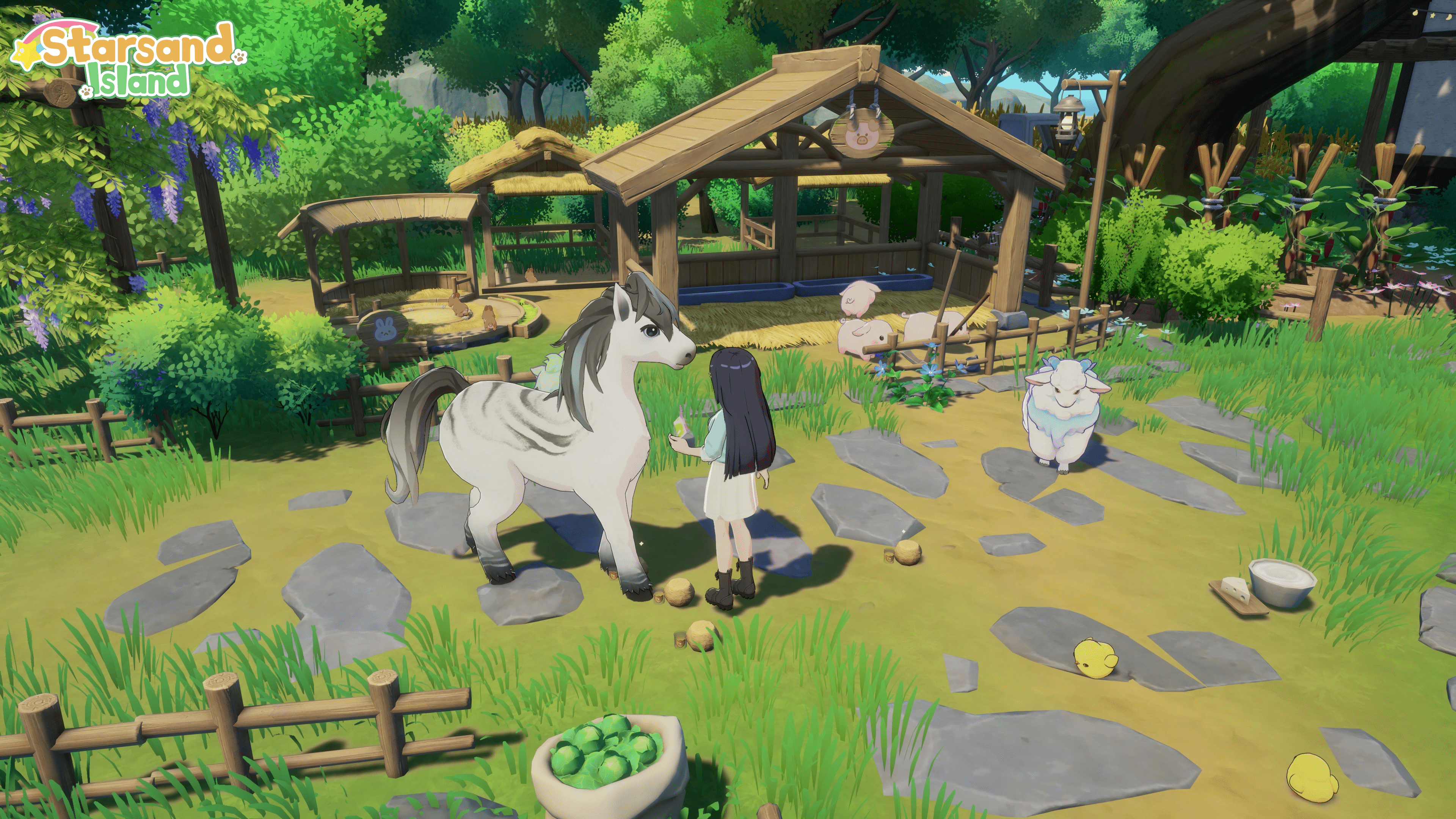
Some professions did really hook me in now in this build. Especially with the Farming and Ranching lines. It seems very easy to get settled, and the range of crops and animal is great right now. There are hybrids possible, if you spend enough time playing, and greenhouses are already present. Like getting to Expert Rancher and accessing the alpaca and ostrich are helpful for the extra eggs, feathers, and wool, not to mention riding them is quite cute. And the DNA element to it is helpful for breeding purposes, should someone focus on that lifestyle. However, I will note that exploration’s combat does seem to still need work. While bows are present as a weapon, adding a nice ranged option, there’s still not much there. We could use more enemies, as well as mechanics like dodging.
While the profession changes in Starsand Island probably the first and most obvious area to get a glow-up in early access, the relationship element feels pretty good right now too. This applies to both animals and people. The pet system reminds me a bit of Harvest Moon: Animal Parade, in that you aren’t just buying a new buddy. I mean, yes, Woof and Wow Pets does offer them. But we also adopt wild animals by befriending them and reaching basically three hearts. This means you’re going to need to work to get the fox or squirrel to be a friend.
Images via Seed Sparkle Lab
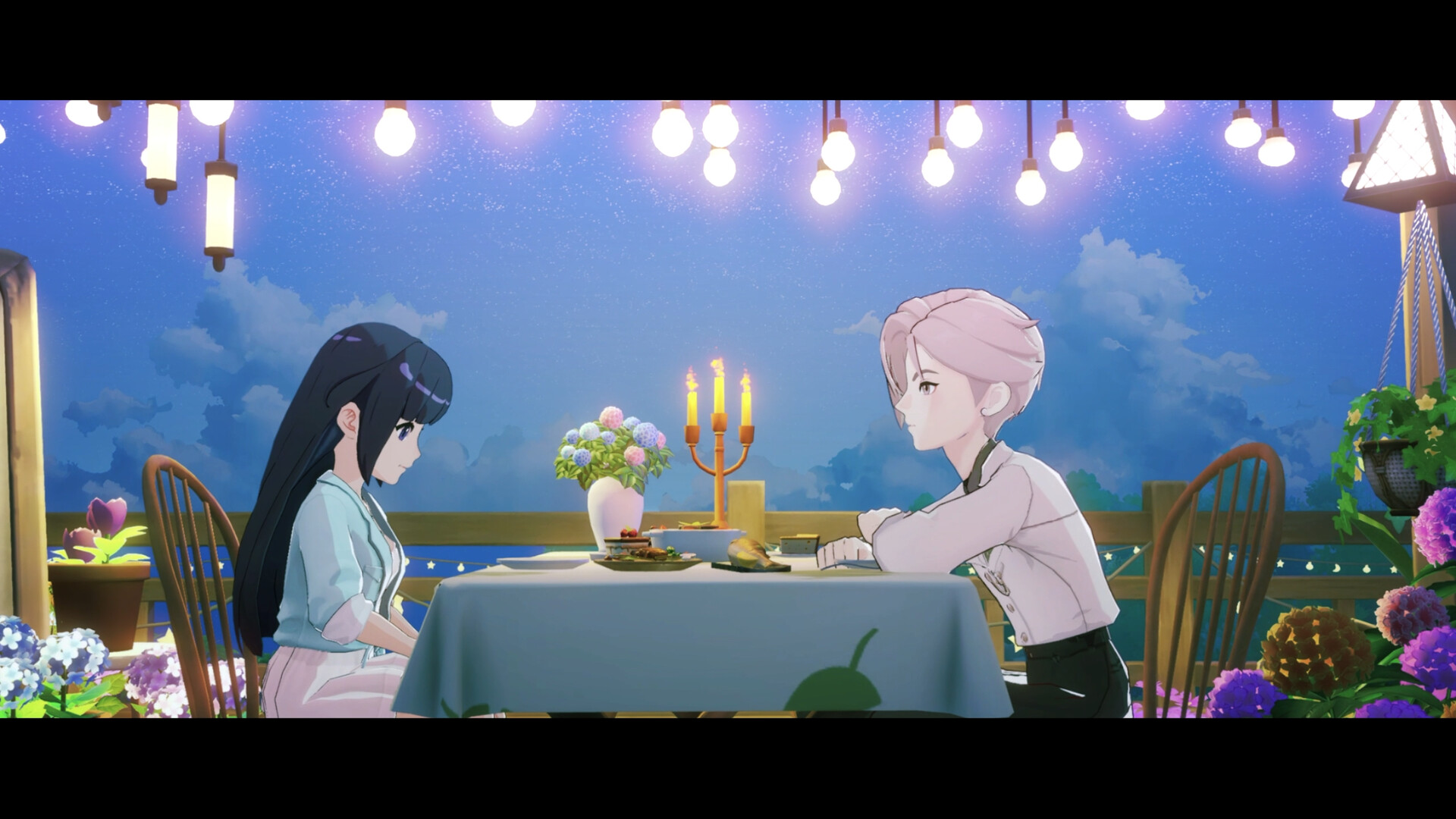
As for the human relationship element, it does feel pretty fleshed out even now in Starsand Island. There’s a decent number of love interests at 15 total (8 bachelorettes and 7 bachelors). These feature voice acting, though there’s not much yet, and there are more appearances in quests and interactions with folks that made me want to give gifts and check in daily. In some cases though, I felt like some of the folks were just pretty faces. There isn’t enough to them yet to make them lovable. However, it does seem like that could change. The team stated there will be more to the dating system come April 2026. I would like and hope to see marriage and kids in the endgame too.
However, I will say some stuff doesn’t feel completely balanced or 100% set yet. This is an issue acknowledged on the Steam product page and in the roadmap. I would like a little better performance when really racing through on mounts or on an item like a skateboard. Some character models could be adjusted a little. Getting your house and land built up does take a lot of time, and it doesn’t feel like it’s quite designed for us to get to the point of a massive complex with a home we could have a romance option move into yet. I do wonder if we might see rebalancing progression and development updates, since the crafting part does feel stronger than the pre-launch build I played and the team did mention that’s in the roadmap.
Starsand Island is essentially coming along, with the early access version showing a lot of progress from the initial build I played. There’s a lot more to every profession in the game, though exploration could use a bit more additions and adjusting. Romance is starting to seem more viable, and pet adoption is enjoyable. Some rebalancing would be great, but the foundation for the 1.0 version later this year seems pretty stable.
Starsand Island is in early access on the PC and Xbox Series X on February 11, 2026, and a full launch that also includes Switch 2 and PS5 versions is set for Summer 2026.
Back at the beginning of November 2025, we announced our ad-free Siliconera+ subscription would be back. Now that we’ve gotten things situated, we’d like to announce a free-trial. Starting immediately, anyone joining Siliconera+ will get a two month (60-day) free trial if recurrent payment is enabled. So if someone would join on November 17, 2026, then the $1.99 subscription fee would kick into effect on January 16, 2026.
As a reminder, here is everything you get with a Siliconera+ subscription:
No ads appear on the site.
Automatic monthly entries in our contests for a free game. Each month, we’ll give away one PC game to one random Siliconera+ subscriber. (The one for December 2025 will be the PC version of UNBEATABLE.) People who don’t subscribe are also able to enter via a form found in our free monthly newsletter, which you can sign up for at any time. The link to enter for free will appear in that email that shows up on the last Friday of every month.
Monthly survey access to help suggest future news and feature coverage. On the last day of each month, the members-only article that announces the free game contest for the next month and winner of the previous month's game will include a survey that allows you to help weigh in on what we could cover. This will also include an open-ended “any other feedback” short answer portion for additional outreach. While we will still prioritize some topics we know bring in traffic (like Hatsune Miku, Sanrio, and some figure and anime stories), this will allow you to offer additional insight into things we might have otherwise missed.
We’d really love to expand what we offer and keep serving the community as we did before, and we hope the support from Siliconera+ will allow us to run more news, reviews, previews, interviews, and playtests each month. If you have any further questions, comments, or concerns, please let us know in the comments below.
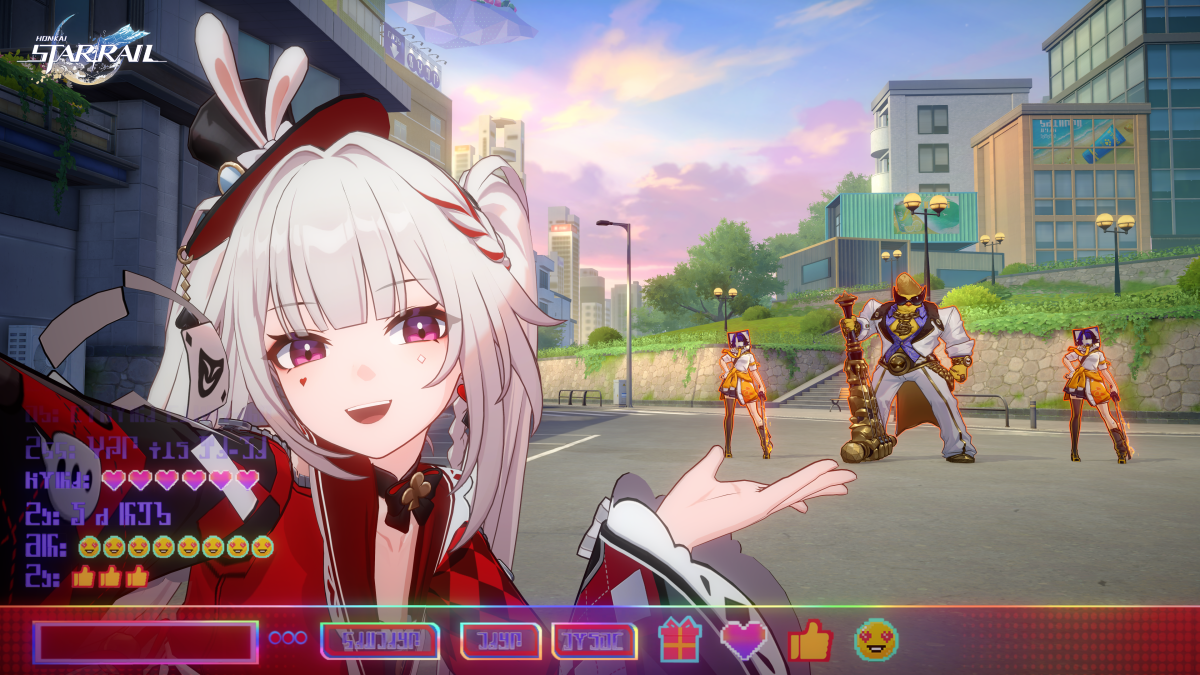
Whenever a major update arrives in Honkai: Star Rail, it always brings with it tons of new additions and gameplay features, and 4.0 is no exception. However, it seems like this version is building up with its first patch, and that we might see the real major benefits and changes once 4.1 and 4.2 arrive. Keep in mind, 4.0 is still a big deal! Especially when it comes to Sparxie and Cosmicon Collective. But I get the impression we’ll see the full weight of Planarcadia’s Trailblaze Missions and Elation’s power once we get more into it.
With the new Planarcadia Trailblaze Missions in Honkai: Star Rail 4.0, it reminds me more of the early Xianzhou Luofu and Penacony storylines than something like Jarilo-VI and Amphoreus. We’re welcome guests to the planet, with Sparkle acting as a host. It’s a very bright space that feels modern, with lots of games and activities. Now, there is the setting for something more and growing stakes, since there is the Phantasmoon Games competition. The winner gets to meet Aha and wield the power of an Aeon for a minute. Given Trailblazer, Sunday, Sparxie, and Silver Wolf are all competing, there’s a lot of potential for how this all could go.
https://www.youtube.com/watch?v=2hH0hILcWPs&t=1s
However, I’m more excited about 4.0 for another reason. That’s because Himiko is tied to Planarcadia. We’ve seen recent versions with members of the Astral Express tied to areas including eventual revelations about the characters. Dan Heng came up during the 1.0 Xianzhou Luofu storyline. March 7th ended up featured in 3.0 at Amphoreus. This feels like Himiko’s turn, and I’m excited by the initial teasers and hints we get so far.
One of the best parts of Honkai: Star Rail 4.0 is the new Elation path, though I think most people won’t get to really appreciate it until Sparxie’s banner arrives on March 3, 2026. The new path might feel a bit like the DOTs in Nihility characters or Remembrance Memosprites since Aha could chime in for additional effects and you want to set things up for Punchlines and Elation DMG. It’s most evident with Sparxie, who I got to test out, since her Boom! Sparxicle's Poppin Skill enhances her Basic into Bloom! Winner Takes All for an attack with splash AOE damage and makes her Skill briefly Engagement Farming for a DMG multiplayer and more Punchline points. She can do big numbers even without Yao Guang, especially if Sparkle is on the same time, though she is best when paired with her fellow Elation character.
The thing is, Yao Guang herself isn’t as exciting or useful without Sparxie. Her Decalight Unveils All Skill’s zone is best for Elation stat boosting, which only applies to Sparxie at the moment. While her Hexagram of Feathered Fortune is a more generic one that helps get Aha acting again and boosting Punchline, due to it helping all-type Res Pen for the party, she’s ideally a buffer for a type of team that probably won’t be possible until 4.2 or 4.3. I’m a bit surprised she’s the first banner for Honkai: Star Rail 4.0, in fact, given the focus Sparxie/Sparkle has in the story and the general usefulness of the other character.
https://www.youtube.com/watch?v=JekiKSvtSCw
What I especially liked about the 4.0 update for Honkai: Star Rail is the Cosmicon Collective card game, which feels like the equivalent of Genius Invokation in Genshin Impact. It’s of course its own beast, with elements like weather influencing matches to offer boosts, and us using Prismatic Dice and collected character cards to fight matches. It’s standard TCG fare in many ways, with attack level determining dice selected and used, defense level determining your defense based on rolls, and us knowing how many D6s and D4s would be used and if a Prismatic Die could be used. We roll dice, select which ones to use to determine damage dealt and defenses set. It goes really quickly, and there being the “Cosmicon, Roll On” event around at launch helps make it more inviting.
The fact that Yao Guang won’t probably be all that exciting until her rerun aside, it feels like HoYoVerse is building something with Honkai: Star Rail 4.0. Planarcadia’s plot is leaving all sorts of threads to follow and hints of things to come, even though the initial quests are more about getting acquainted with the premise. Sparxie feels like a great example of what Elation could be capable of with the right supports. Cosmicon Collective is a lot of fun. It’s like we’re at the foundation now, and I’m excited for what’s next.
Honkai: Star Rail is available for the PS5, PC, and mobile devices, and the 4.0 update is live now.
Even a Replica can Fall in Love is a essentially a manga about a doppleganger or tulpa situation, pairing existential questioning with romantic connotations. While happy, perhaps even joyful and loving, moments can appear, they’re always tinged with trauma and the specter of what could happen if an individual disappears. As a result, it can feel like the situations involving Sunao Aikawa, her replica Second (that eventually goes by Nao), and their classmate Shuuya Sanada are always a moment away from tearing at your heartstrings in the first volume of this series.
Editor’s Note: There will be some minor spoilers for the first volume of the Even a Replica can Fall in Love manga below.
The story begins with a brief explanation and refresher. Sunao has been able to summon up a replica of herself since she was a child, ever since she first did so this tulpa could make up with her friend Ritsuko for her after a fight. When she does, that entity has all of her memories up to that moment. Sunao only calls her “Second” and does nothing for her quality of life or benefit despite the double needing to eat and sleep. She even doesn’t believe Second has feelings. And so her replica doesn’t get to sleep in a bed, have breakfast, keep any money, or basically own anything.
https://www.youtube.com/watch?v=x1viqJ1Bevc
This replica eventually refers to herself as Nao, and she considers her whole life to be in service to the person who spawned her. While Sunao’s actions suggest she’s nothing and Nao seems to have internalized that, she clearly is her own individual with her own personality. But even though she may want to do things, like create her own novels or enjoy certain activities, she feels she isn’t able to. Especially since Sunao could decide to be rid of her and make her not exist with no notice. So right away, it’s really sad to see this vivacious young woman who does enjoy life and have her own sense of self consider herself to be… nothing.
Things start to change when a classmate named Shuuya Sanada returns after an injury kept him out of school for a while recovering. He shows an interest in Nao on the days when she’s filling in for Sunao. He even joins the literature club she’s in, becoming its third member. She’s clearly fascinated with him and even feels bad that she never visited him in the hospital. So much so that we see she’s starting to want to see him and get excited about the prospect.
That, of course, is in jeopardy after Sunao returns to school. She criticizes Nao for her actions toward Shuuya and tells her to watch out. To the point where Nao tries to pass it off to him as her being temperamental some days and saying he should only talk to her when she has her hair up. And after a critical couple events in the volume, we see Sunao isn’t above “punishing” her replica by sending her away. So just when we see Nao getting to live and enjoy things a bit, she’s reminded of her nature.
But there are hints of another side to it all too. The fact that Sunao is so readily and often relying on a replica is a serious sign of depression. She’s avoiding life and staying in her room, in bed, instead of getting out and facing things. During one of her altercations with her second, we get hints that this sort of life is damaging to her and not making her mental health situation any better.
Even a Replica can Fall in Love feels like a manga and series designed to constantly make you feel sorry for its characters and hope for the best for them. Nao is a second and replica, and it seems her self esteem is so low that she can’t even dare to imagine actually living her own life. Sunao seems incredibly depressed, and she’s using her double and even abusing her to avoid life. Shuuya seems perplexed and interested in Nao, but perhaps like he’s treated poorly by Sunao on days when she actually shows up. It’s the start of a potentially tragic love story.
Volume 1 of Even a Replica can Fall in Love is available via Yen Press, and volume 2 of the manga will appear on June 23, 2026. The company also handles the original light novel adaptation. An anime version is in development and expected to debut in 2026.
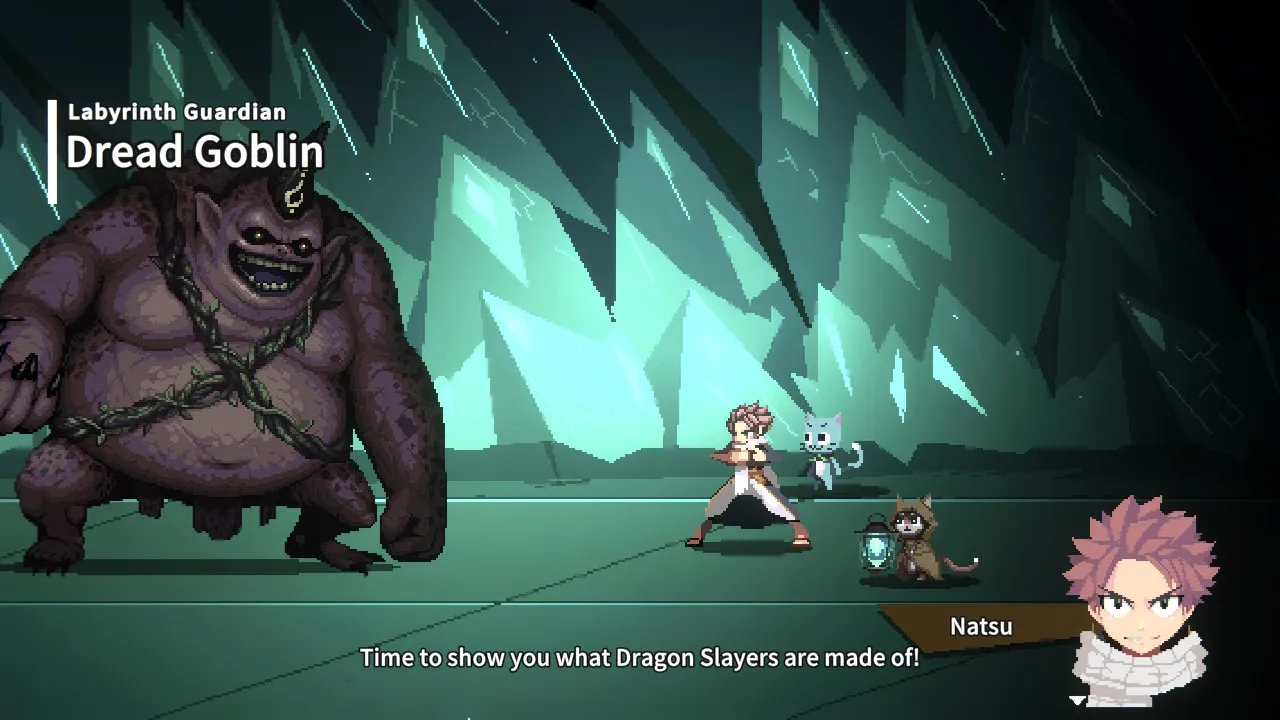
We enjoyed Fairy Tail: Dungeons when the roguelike launched on the PC in 2024, but somehow the deckbuilder game is even better on the Switch in 2026. Part of this is a universal thing. Ginolabo kept working on the manga and anime-inspired adventure. The new update is massive, free, and everywhere. But the console accessibility combined with Switch 2 compatibility somehow helps make it even more appealing.
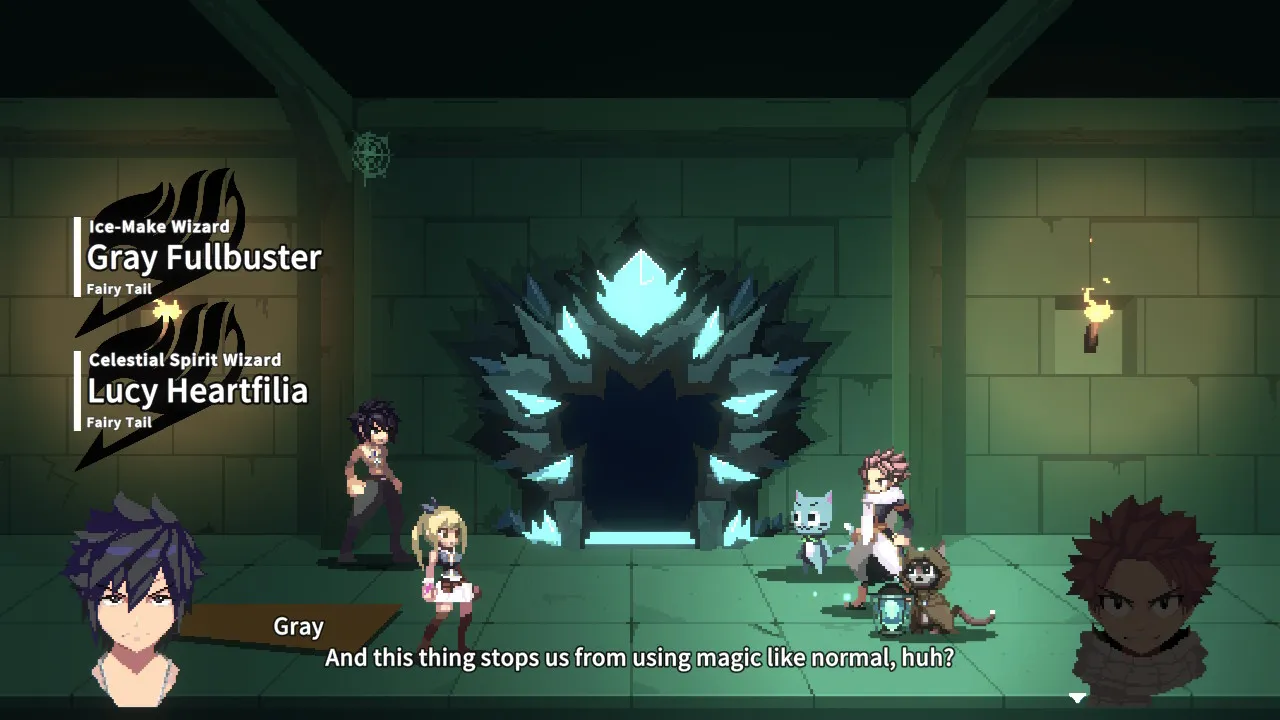
As a refresher, Fairy Tail: Dungeons features an original story. Gates to an underground labyrinth are appearing below guild halls, with people falling into them and disappearing. In the case of Fairy Tail, it’s Gildarts Clive is gone, and Natsu and Happy get sucked in when they’re investigating. They meet Labi, who appears to be another cat-shaped Exceed and is looking for his missing friend Arthur. Arthur is attempting to seal a dragon to protect everyone. So Natsu and other members of the guild will need to survive the ever-changing labyrinth and its dangers while holding Tome of Remembrance pieces to find out what’s going on.
https://www.youtube.com/watch?v=TDwsYXzZW6E
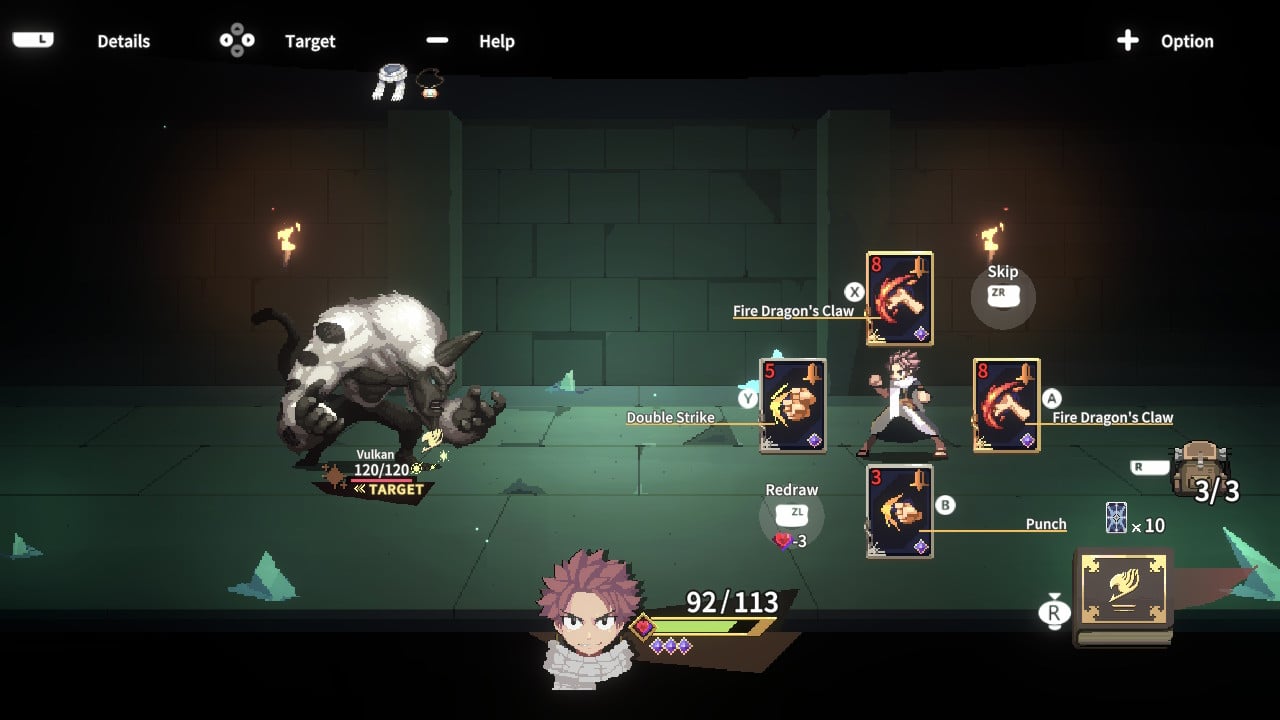
Part of the nature of the labyrinth is that characters lose their abilities when they enter and must regain magic via collecting cards, with Cana Alberona retaining her Magic Card ability and helping with that. You also pick Amulets when you go in, and can collect items to use in (or rarely out of) battles. Labi’s lantern can protect players for X number of moves on a floor so they can gather Lacrima to power up abilities in the skill tree, explore spaces, face enemies, buy from merchants, rest to do things like regain health or enchant cards, and prepare for the boss fight when turns expire. Once you get past the base labyrinth, you unlock the labyrinth deaths with stricter requirements, Tomes are collected, and you need to prioritize character synergies with their different movesets.
So first of all, Fairy Tail: Dungeons works flawlessly on the Switch. The sprite-based character designs really stand out on the screen and become the focus. The UI’s always been designed in such a way that it works and looks fine on a smaller screen. It’s also an ideal pick-up-and-play game for a quick run or two, which helps. It suits the nature of the system in every respect, which is appreciated. But most importantly is the fact that it is appearing alongside the major January 2026 update that added content both in the main campaign and post-game.
Images via Kodansha
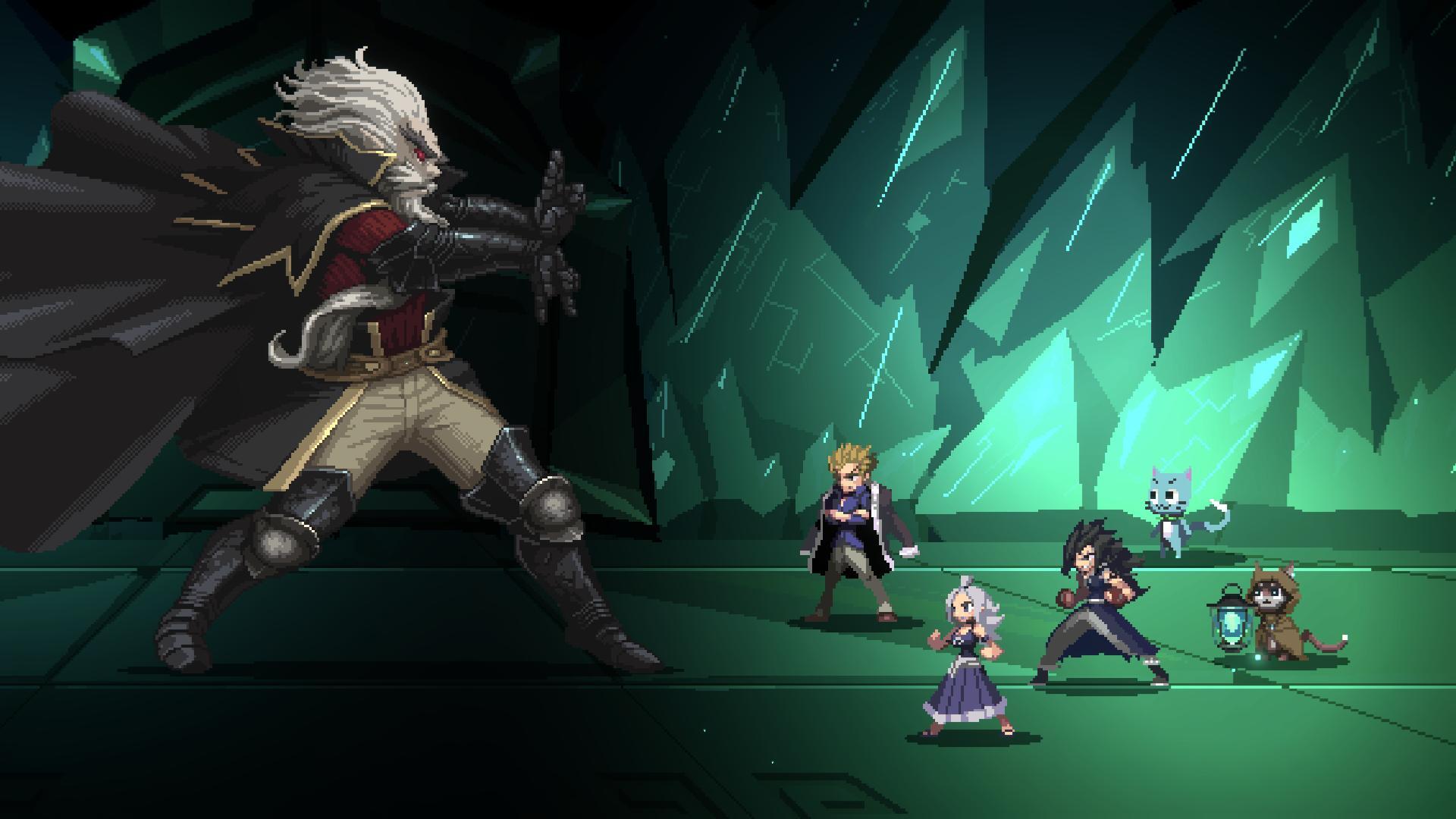
Said major element is huge. People who are just getting the game or didn’t beat it yet could choose a Casual Mode to ease into it if they’re having trouble and unlock Gildarts, Laxus, and Mirajane for the party and runs. There are over 170 Magic Cards for new strategies, so you can build on what you’re doing, and can enhance ones if you keep getting doubles beyond the existing Enhancements at campsites. For more experienced players, there are Labyrinth and Grand Clash new difficulties and Gajeel and Juvia in the post-game. There are more references to the original manga and anime via new bosses and Hiro Mashima’s past works like Rave Master. (I happened upon the August battle form addition myself.)It’s a lot in a good way. The pixel art is especially impeccable for the new characters and opponents.
It’s a situation in which Fairy Tail: Dungeons started out as a solid roguelike when it launched, and the Switch port appearing alongside and with all the additions in the free update makes the game even better. Pretty much every major character we could want is playable now. There’s even more endgame content, for those of us who are near the end or almost through it. People just getting started have new elements that will bolster what was already there. Plus it fits so well on Nintendo’s system. It’s just great.
Fairy Tail: Dungeons is available for the Switch and PC.
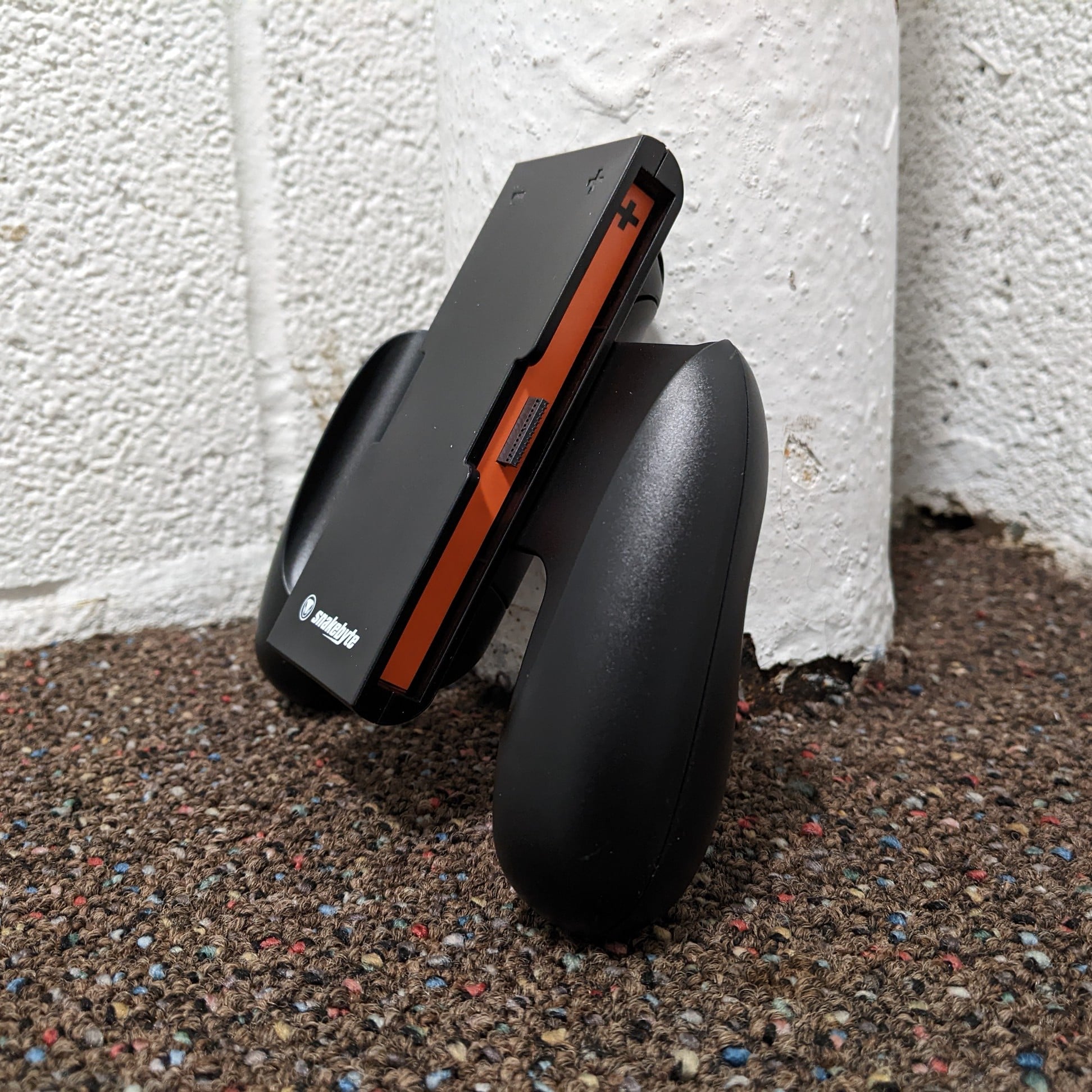
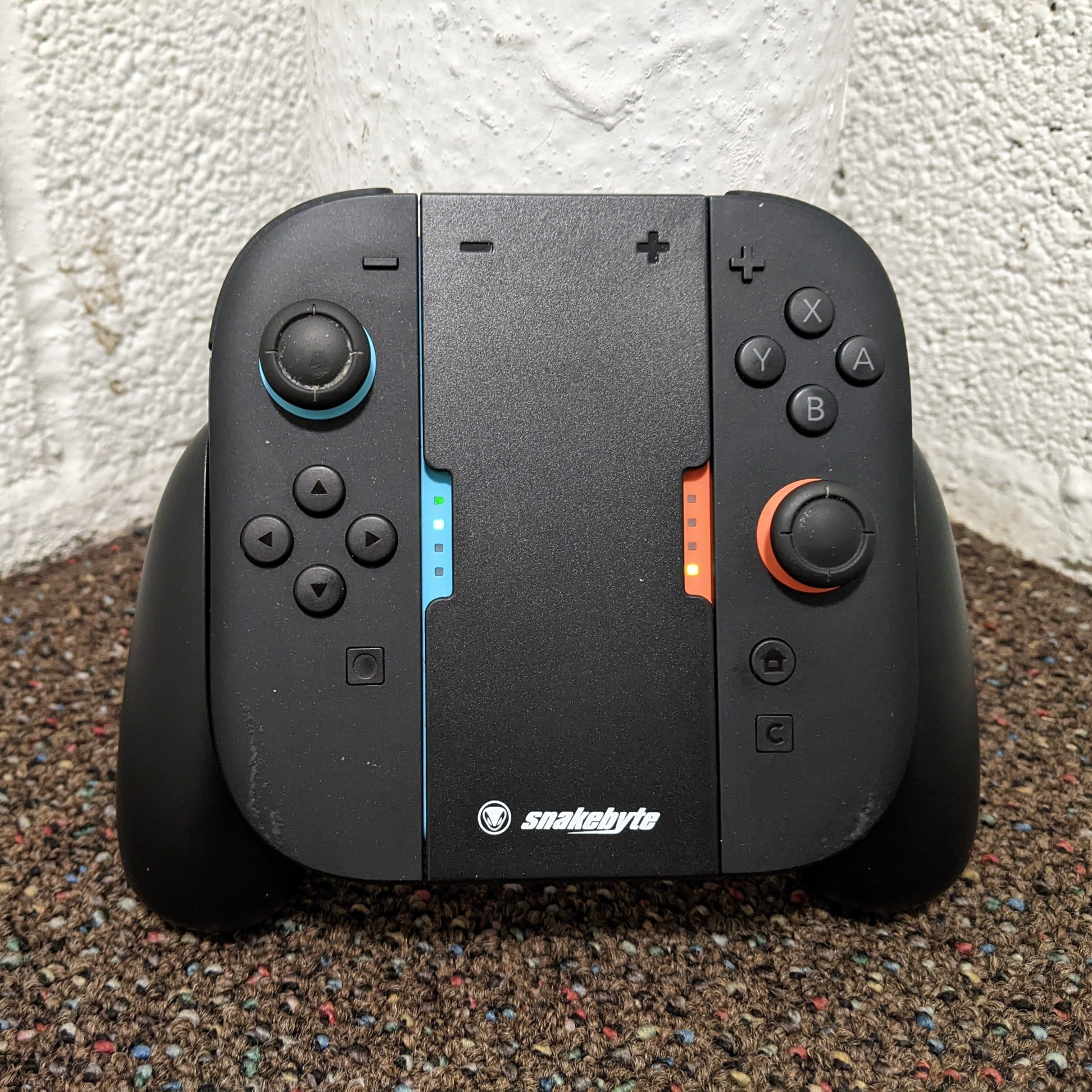
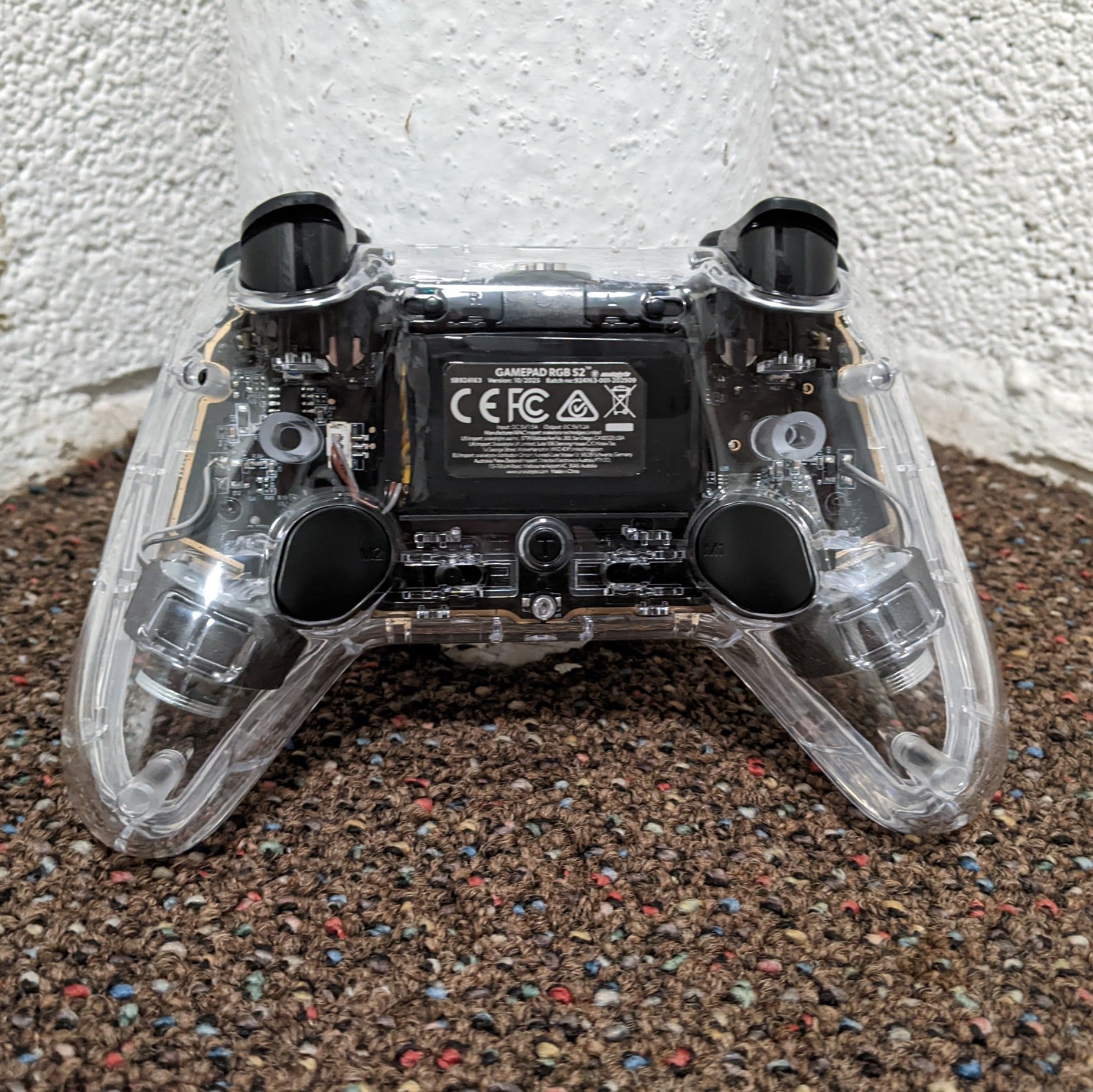
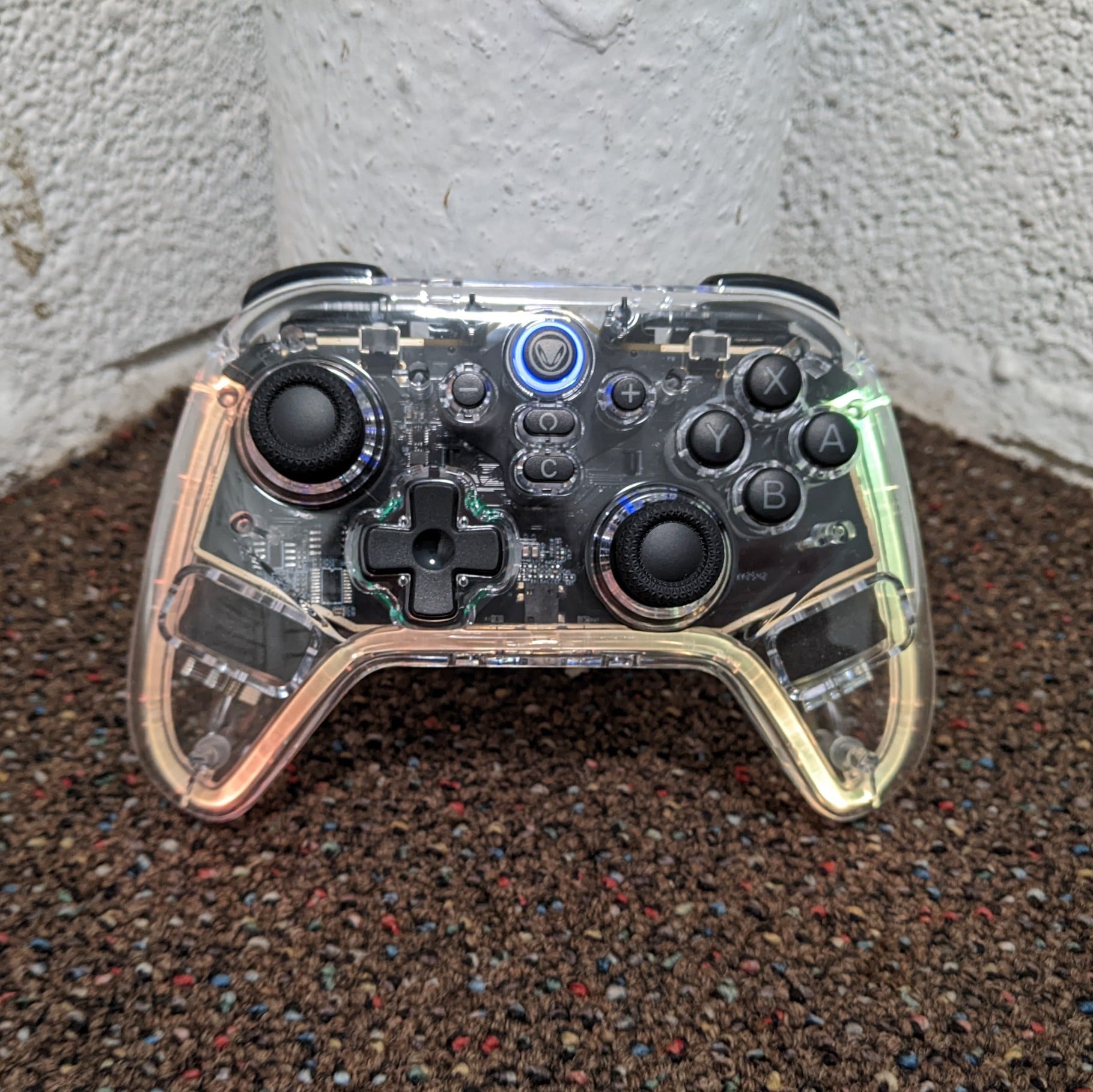
Back when the Switch 2 came out, I looked at some Snakebyte accessories that appeared at launch. They were fine. You know, standard bags and extra charging options. They weren’t exciting or colorful, but they were practical items for a system at an affordable price. Now that we’re a bit more into the thick of things, I’ve been using the Snakebyte Switch 2 Ergo Grip S2 for the Joy-Con 2 controllers and Gamepad Pro S2 controller and they’re a bit more exciting. Especially since I hit a point at which there are more multiplayer options or situations when I will play for hours at a time.
Both of these items are docked Switch 2 sorts of controller options. So if you’re playing in handheld mode primarily, these probably aren’t for you. That’s totally fine! I could see the Ergo Grip S2 maybe being helpful if you switch to tabletop mode for a while and want to use the Joy-Con 2 controllers like that instead of separated whiel playing the Switch 2.
Photos by Siliconera
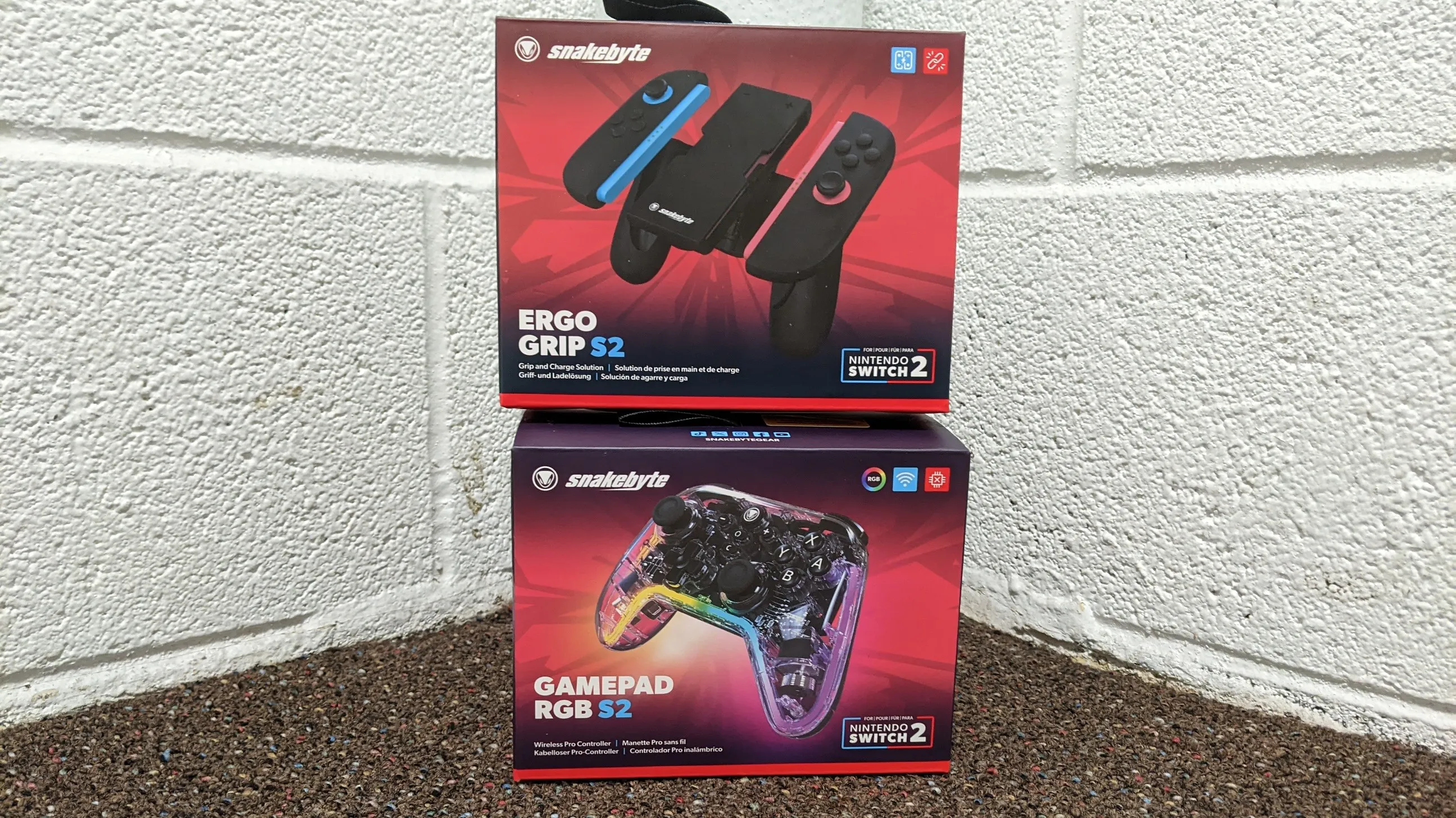
Speaking of which, the Ergo Grip S2 is the Snakebyte Switch 2 accessory I played with the most, since I always have my Joy-Con 2 controllers on-hand. But that’s primarily because of its usefulness for certain situations. It’s handy for if you’re going to play away from home and perhaps are taking the dock or plan to go with tabletop mode. It relies on the same sort of magnet system as the console to quickly pop them onto the grip. It has an over six foot long cable for charging purposes, in case you want to play while it is connected to a dock or charging cable. There are also gaps so you can see battery life indicator lights while using the grip, so you can tell if charging is needed. It’s comfortable and I sort of feel like a budget version of the $40 official Nintendo option, considering Snakebyte is selling it for $20.
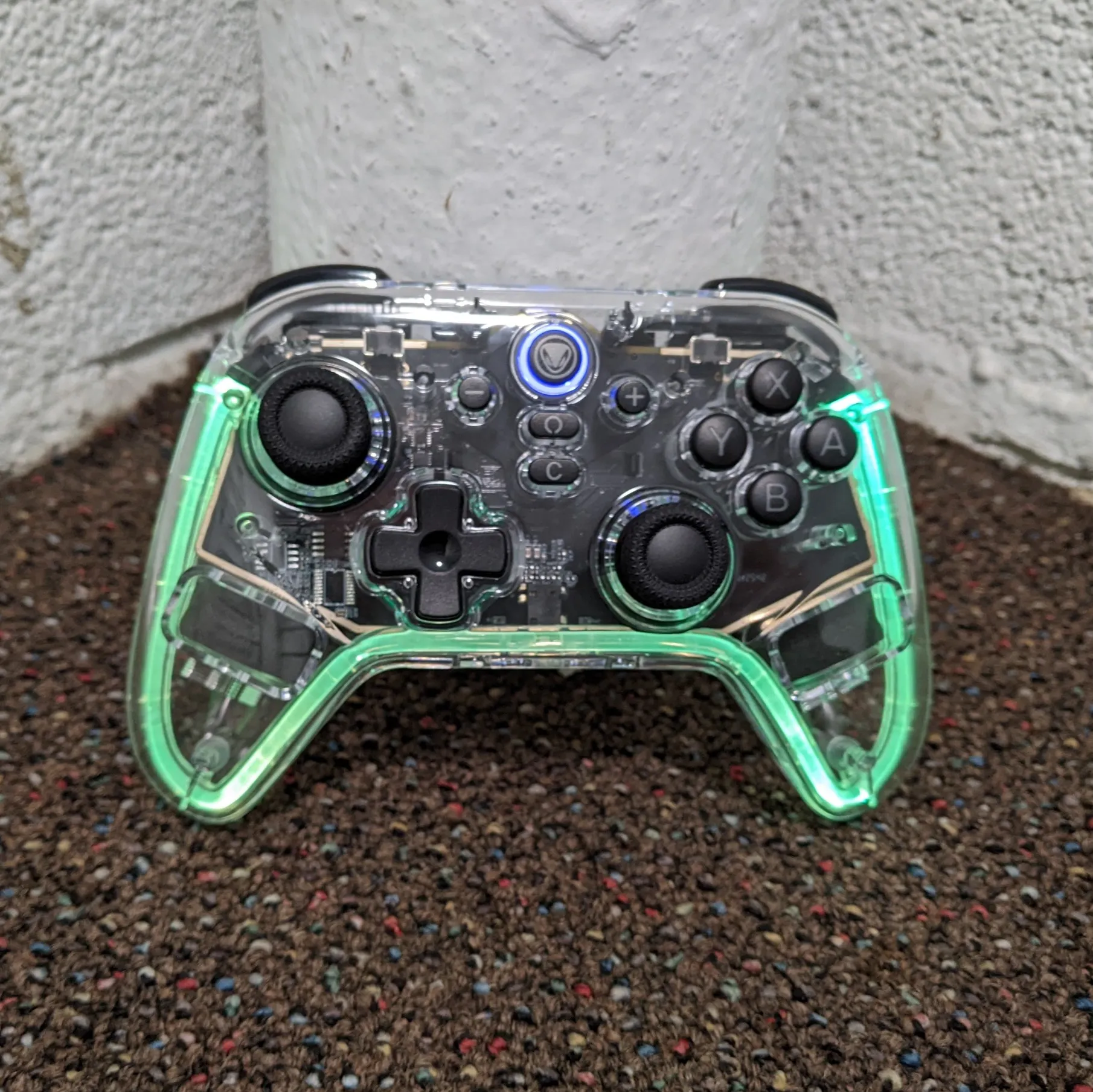
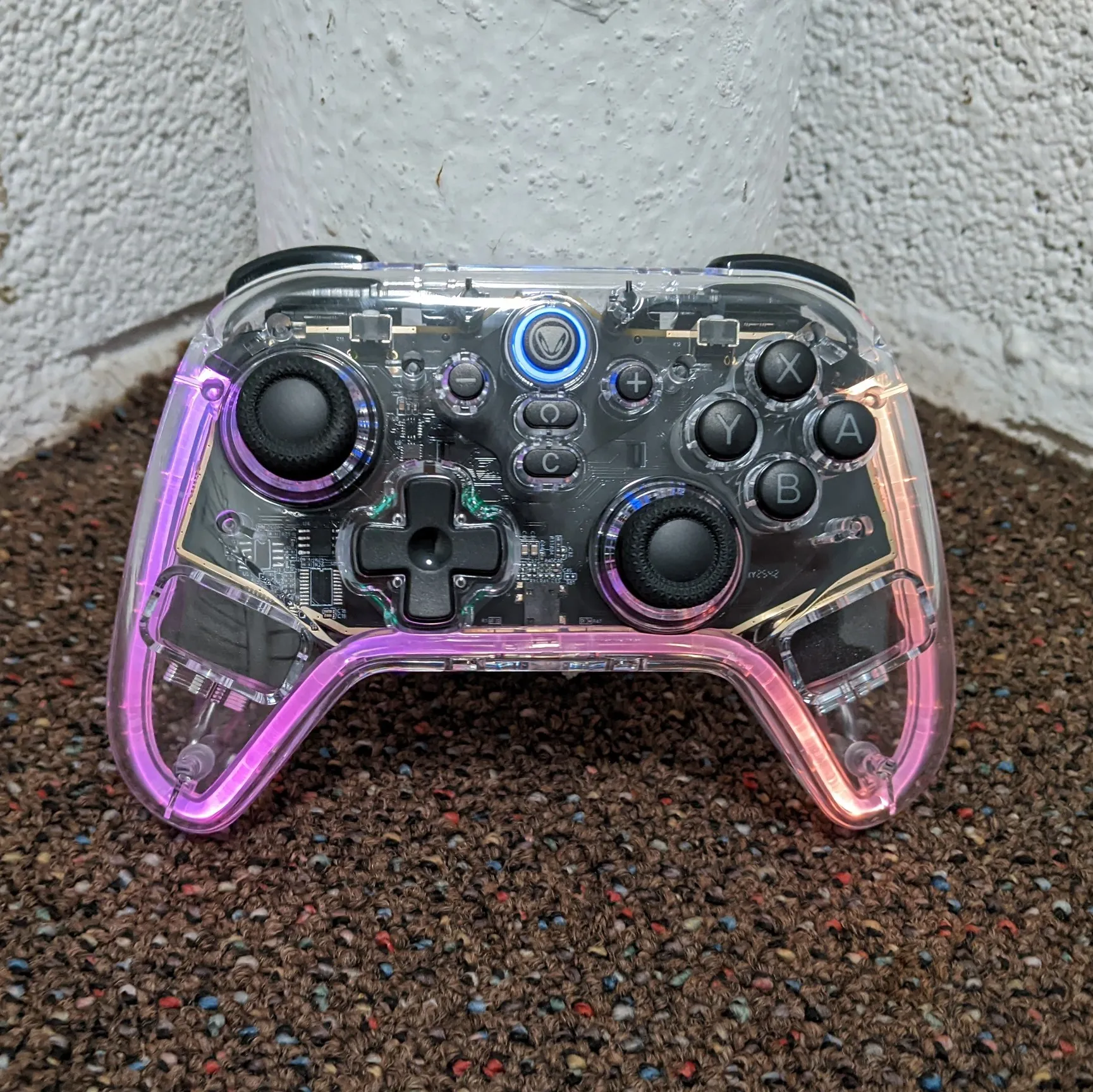
Like that being Snakebyte’s budget option approach to one Nintendo Switch 2 peripheral, I kind of feel like the Gamepad Pro RGB S2 is a budget alternative in some ways for the official Pro Controller. That’s $89.99 after all, and this is $50. It isn’t an exact double, of course. There’s no HD Rumble 2 as an example, and it requires a Bluetooth dongle. It does feature two additional programmable back buttons, and there are locks on M1 and M2 to keep them from being triggered accidentally. Similar locks are present on the triggers. The RGB lighting is there, for those who like that type of thing. But I think the most valuable parts are the Hall Effect sensors on the joysticks and the fact it has its own firmware. Considering we saw third-party docks stop working on the Switch 2 after a firmware update, it’s reassuring.
Photos by Siliconera
Basically, both the Snakebyte Ergo Grip S2 and Gamepad Pro RGB S2 are something of economy options for folks who might not want to pay for the official Nintendo Joy-Con 2 grip or Pro Controller. They might not have all the same features, especially in the case of the controller. But what is here is stable and strong, especially when they’re at least $20 cheaper.
The Snakebyte Ergo Grip S2 and Gamepad Pro RGB S2 are available now.
When Polytron Corporation released Fez, we’d never really seen anything like it. A game that uses perspective to solve puzzles and make progress and shifting between 2D and 3D? Later, we’d see Superliminal and Viewfinder play with how we see things changing how the world works. Cassette Boy is a game in that same vein, only blinding The Legend of Zelda style action-RPG elements as we rotate our viewpoint to change the rules of the world. It’s also just as clever as many of these other games I’ve mentioned, and I hope this indie gets the attention it deserves.
Cassette Boy begins with our avatar being addressed by a sparkling entity. It cryptically explains that the moon is gone because our character wasn’t looking at it. This being explains that perspective is everything, and illustrates examples showing that objects, entities, and buttons can disappear if you can’t see them. As such, it’s now up to you to recover the Moon Fragments to restore them to the sky.
https://www.youtube.com/watch?v=Ic71W0L8SMo
While Cassette Boy is a The Legend of Zelda-like in some ways, it really prioritizes puzzles and experimenting with our view of the world in a way I appreciated. After the opening introduction and acquiring a sword, we’re given the ability to use the shoulder buttons to rotate the world. In town, it means getting access to houses where you couldn’t previously see doors. More importantly, it means opportunities to start “hiding” enemies, switches, and blockades to make progress to different areas or turning the world fast enough to cause squares to pop up to provide opportunities to reach higher areas or damage foes. So as some of the earliest examples, there’ll be a situation where you rotate 90 degrees to completely hide a huge slime you couldn’t otherwise defeat at that point to slip past to the next area in a forest. For one boss, you rotate the world 360 degrees as quickly at the switches that will make a piece of ground pop up when the opponent is about to get near to damage it five times to win. You stand on a switch to open a door, then rotate the world to block it so you can then move and safely go through the doorway. In one situation, you move a box to a point where you need to rotate 360 degrees to lift yourself and the box up so you can jump.
Keep in mind, these are the earliest kinds of progression. In a true The Legend of Zelda and even Metroidvania type of fashion, Cassette Boy also eventually encourages returning to past areas or temporarily blocks off access to certain spots by hiding them behind a type of “trick” you haven’t learned yet. So you might see a shrine in the first forest you can’t reach yet or an area of town blocked off, but need to wait until you can see things the right way to get to that new place. These come in the forms of cassettes for the headphones you acquire early on that help you "focus" to change the way you see the world.
Image via Wonderland Kazakiri and Pocketpair
Yes, I mentioned a shrine. Like The Legend of Zelda: Breath of the Wild and Tears of the Kingdom, there are portals to brief shrines in Cassette Boy. If you gain access to one of these optional spots, you’ll be posed with additional logic puzzles. I’ve never seen any combat-related ones in my time with the game. Each one I encountered seemed to build upon my knowledge of my abilities in ways that sometimes challenged me a bit more than the typical puzzles encountered when searching for bosses holding Moon Fragments. Which is good because, while the combat isn’t terrible, it does feel like closer to the earlier The Legend of Zelda NES and Game Boy games. The melee attacks with the sword didn’t have the sort of responsiveness and combos as some contemporaries, and aiming with the bow and arrow can be a pain even after you get used to knowing how long to hold it to shoot it proper distances.
Another thing I appreciate about Cassette Boy is that it is a really minimalistic game. It relies about the same Game Boy style greenscale palette. While there are a few indoor area tile situations where this can be a lot when multiple designs are combined, it generally is really effective and eye-catching, while still making visual distinctions quite clear. Which is important since you do need to be very precise about positioning to solve puzzles. That’s a little frustrating sometimes, especially when it involves ensuring a dangerous enemy is blocked or that a blockade is 100% hidden. But the design philosophy really adds to the experience.
Image via Wonderland Kazakiri and Pocketpair
Likewise, that comes a bit with the script. This is a rather simple game and doesn’t feature a super intense narrative. There are some occasionally clever lines, though! And again, there is a minimalistic approach to it. For example, while there’s not a lot of dialogue for NPCs, we will see reactions to certain events. This happens with our avatar’s neighbor, Nell. Our protagonist themselves will also occasionally think about things happening, and those asides can be entertaining.
Cassette Boy is at its best when challenging you to rethink your perspective to solve puzzles in this The Legend of Zelda and Fez style adventure. There are times when it can really test you and make you think! The minimalistic design direction is also a highlight. However, some combat elements can occasionally feel finicky, especially when the bow is involved. It definitely can be quite clever, and it’s well worth at the very least trying the demo if you also enjoyed games like Fez.
Cassette Boy will come to PCs via Steam on January 15, 2026, and a demo is available. It will also eventually appear on the Switch, PS4, PS5, Xbox One, and Xbox Series X.
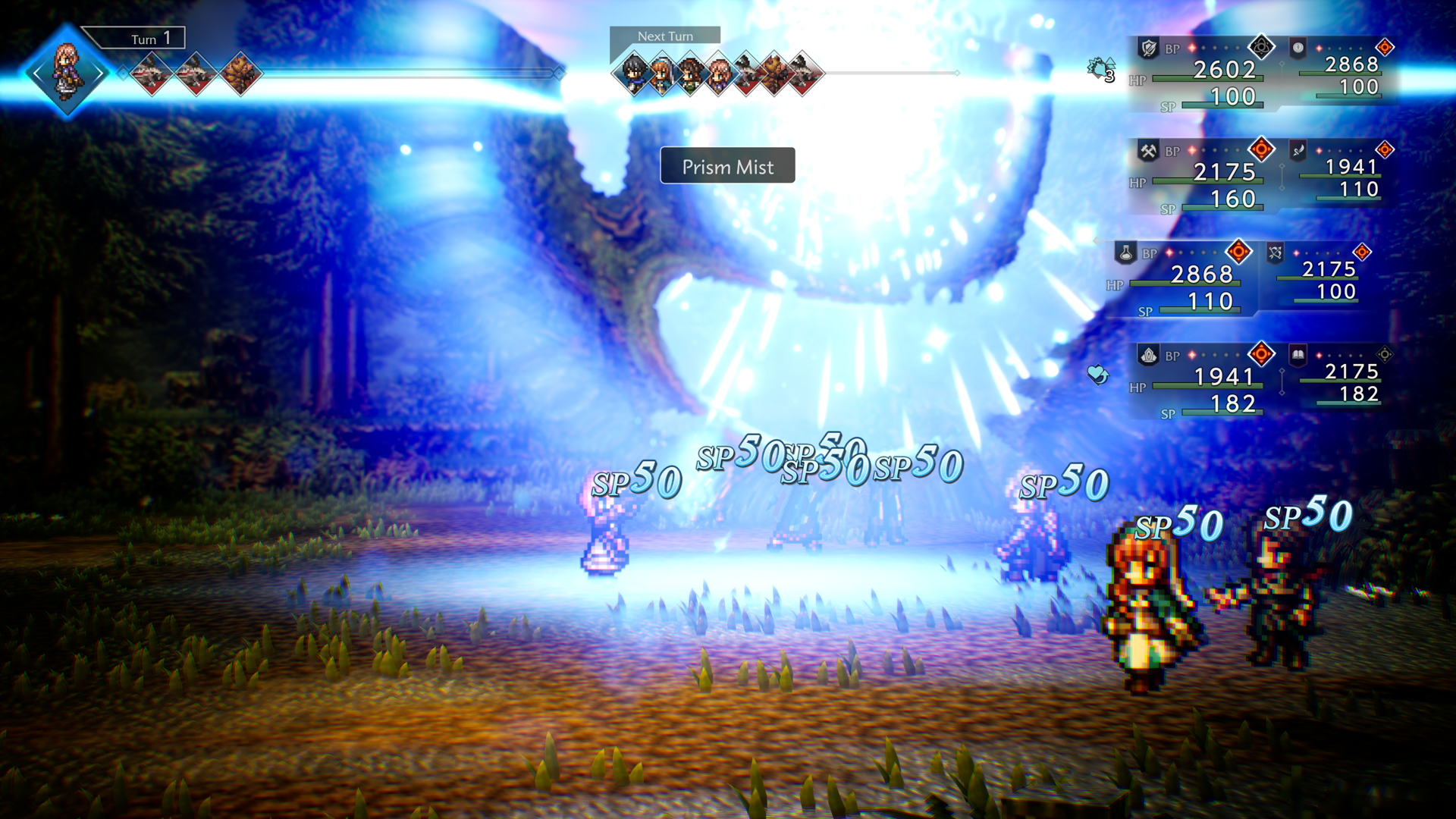
A highlight of the Octopath Traveler games is getting really close to characters as we watch their individuals stories play out and we get to build each person we’ve come to care about with jobs we feel suit them best. While Octopath Traveler 0 feels satisfying to play and includes some gameplay elements that can be captivating, it’s unfortunately weakest in both of those areas. While Producer Hirohito Suzuki said in an official Square Enix interview that a self-insertion situation with a “central protagonist” was to “allow you to immerse yourself completely in the story,” in my experience I felt this entry had the exact opposite effect.
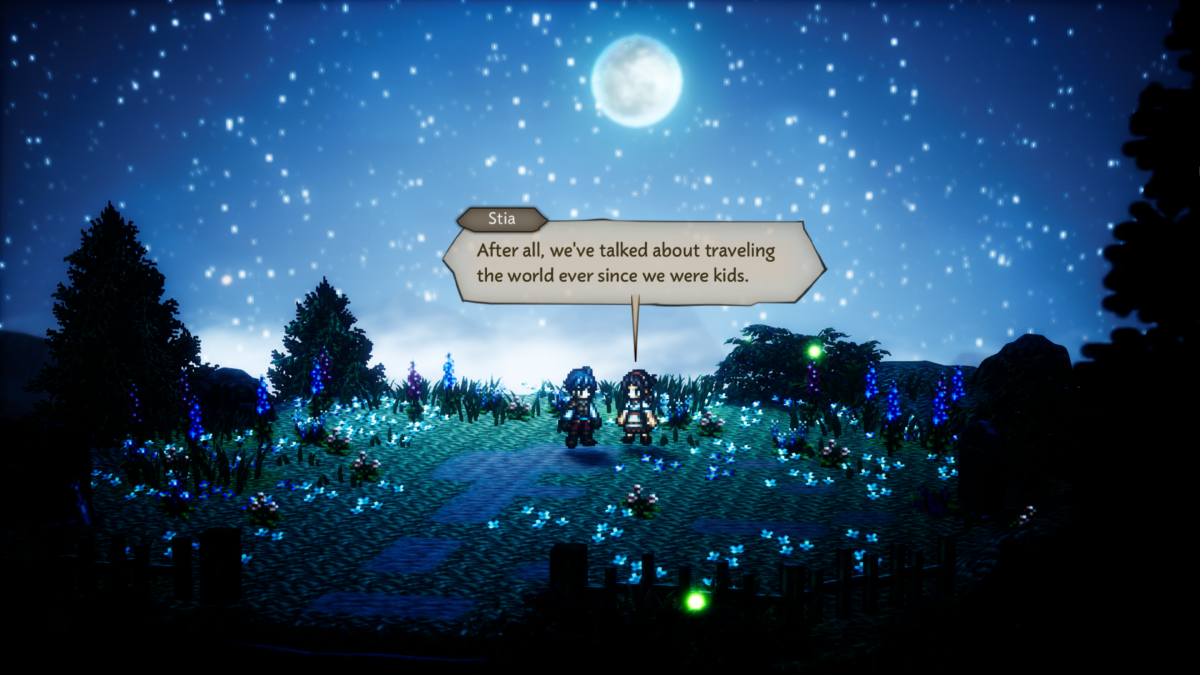
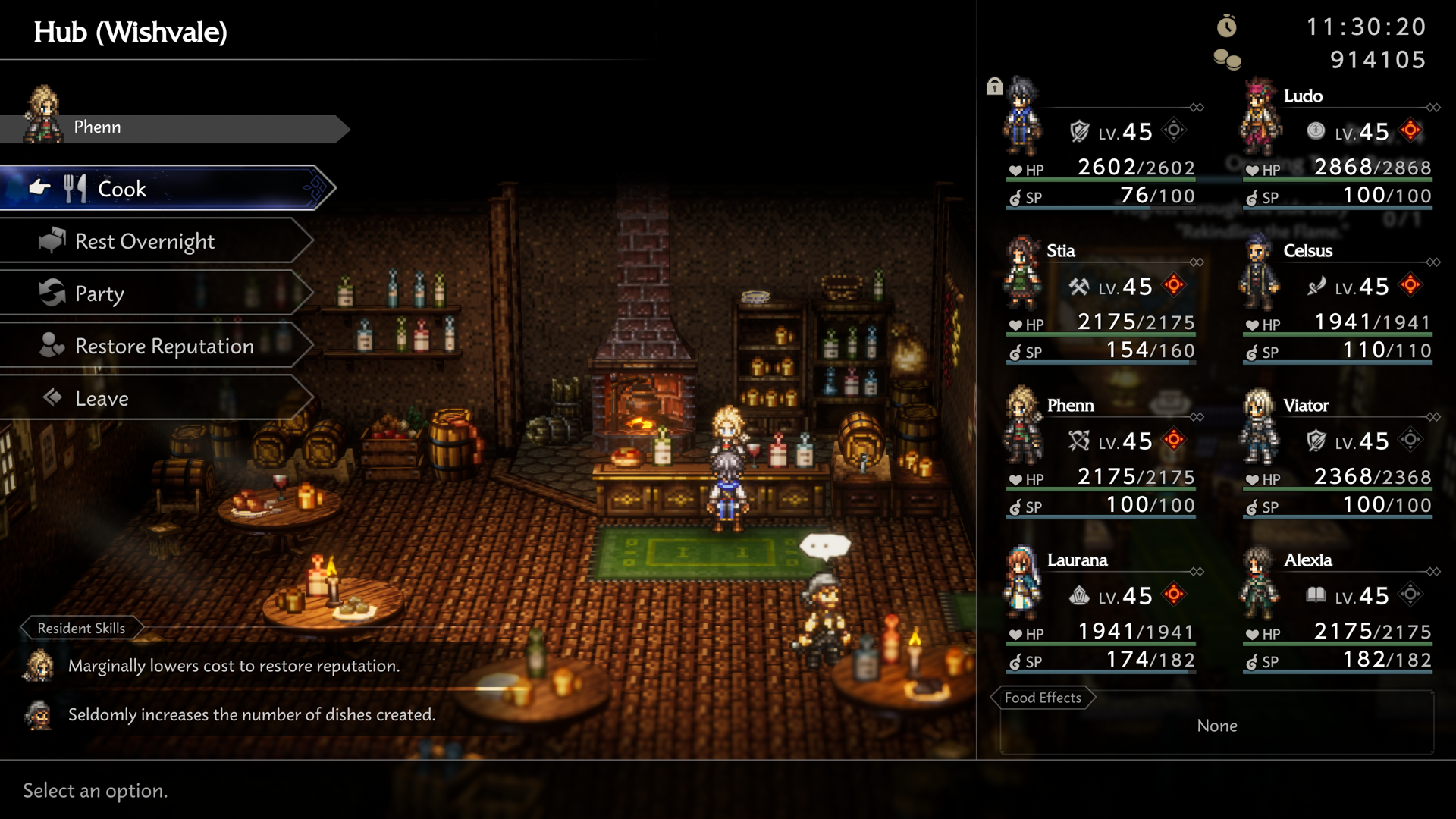
Octopath Traveler 0 begins with our avatar growing up in the town of Wishvale. Their father was head of the Watch and we were following in his footsteps, just as childhood friend Stia trained to be a carpenter like her father. However, on the day of the yearly Enkindling festival, the Master of Power Tytos, Master of Wealth Herminia, and Master of Fame Auguste all came together to raze the town in search of a legendary ring. Determined, our character decides to bring all three down in the name of justice and rebuild the village. This amounts to basically four initial campaign quests, with more opening up as those are cleared. Given this is an adaptation of Octopath Traveler: Champions of the Continent, the narrative in Octopath Traveler 0 ends up feeling very familiar if you're coming from the mobile game.
https://www.youtube.com/watch?v=-xSyjJSAkWw
Multiple storylines in Octopath Traveler games are typical, and 0 even tones things down a bit by reducing the initial scope. Instead of offering one campaign right away for eight protagonists, we get four we can swap between. (Though the Wishvale one is designed to be played between the other quests, unfortunately.) The thing is that most of the time I felt like I was more of a silent observer of the main companion for each storyline, instead of the main character, even though there is a "chosen one" element at play for our avatar. The rebuilding Wishvale storyline? The lead felt like Stia and, to a lesser degree, Phenn. The Herminia and storyline? Bargello is the driving force. The one with Auguste as an antagonist? It felt like Schwartz’s story. Tytos’ tale? Velnorte. It felt constant. While I could define my identity in the initial character creator and a questline might ask if I wanted to join or follow someone on a quest I’d obviously agree to further, I often felt more like an onlooker than the star and as if those choices carried no weight. Even in Party Chats, aside from making a selection that could mean siding with one ally or the other, I felt like it was more about seeing my companions talk amongst themselves. Side quests? It's about the NPCs. Part of this is due to our character being a silent protagonist and everyone else so talkative. Some people might enjoy this approach, but I suspect those who are big fans of the first two games might feel the same way I do about the design decision.
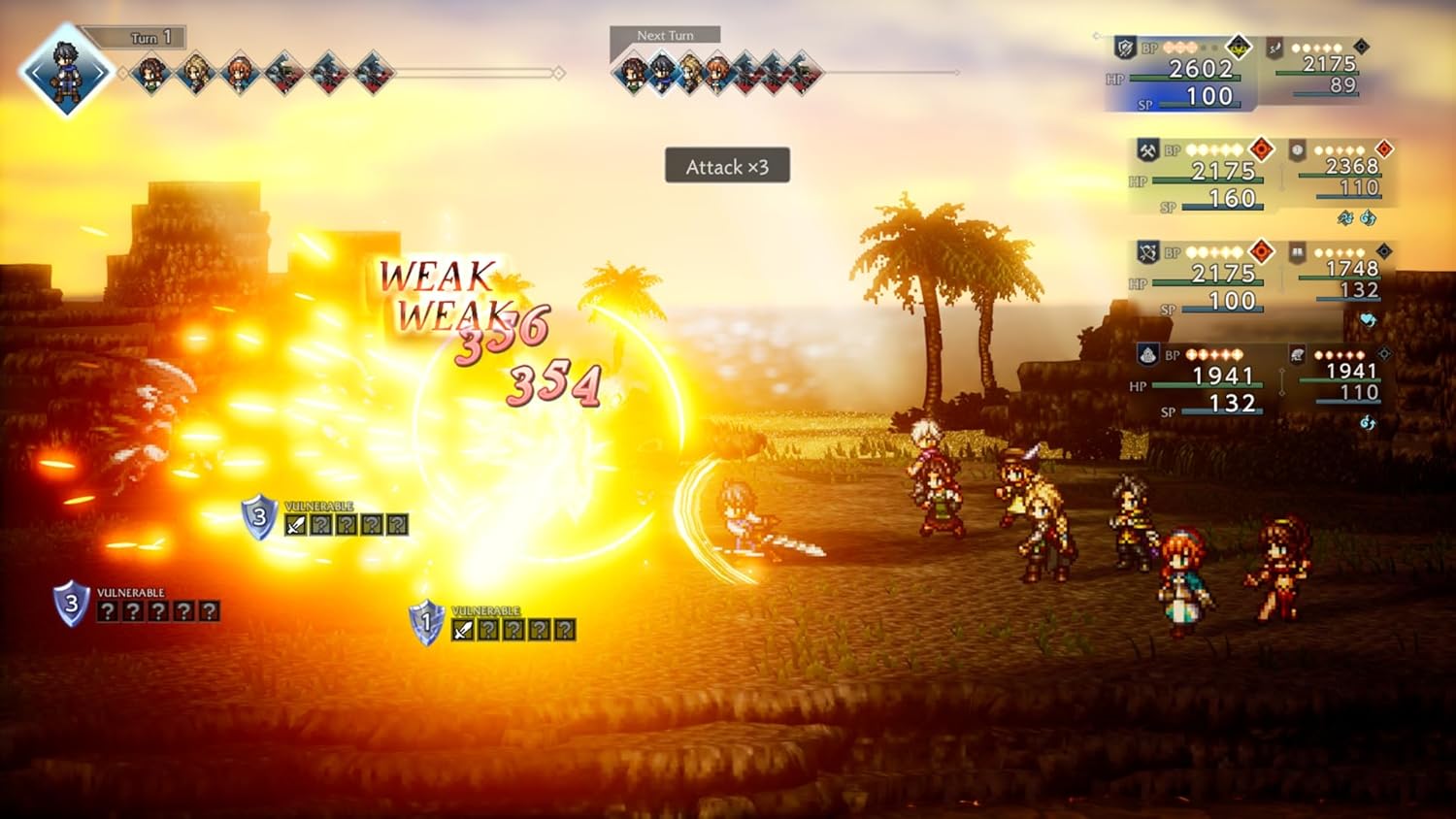
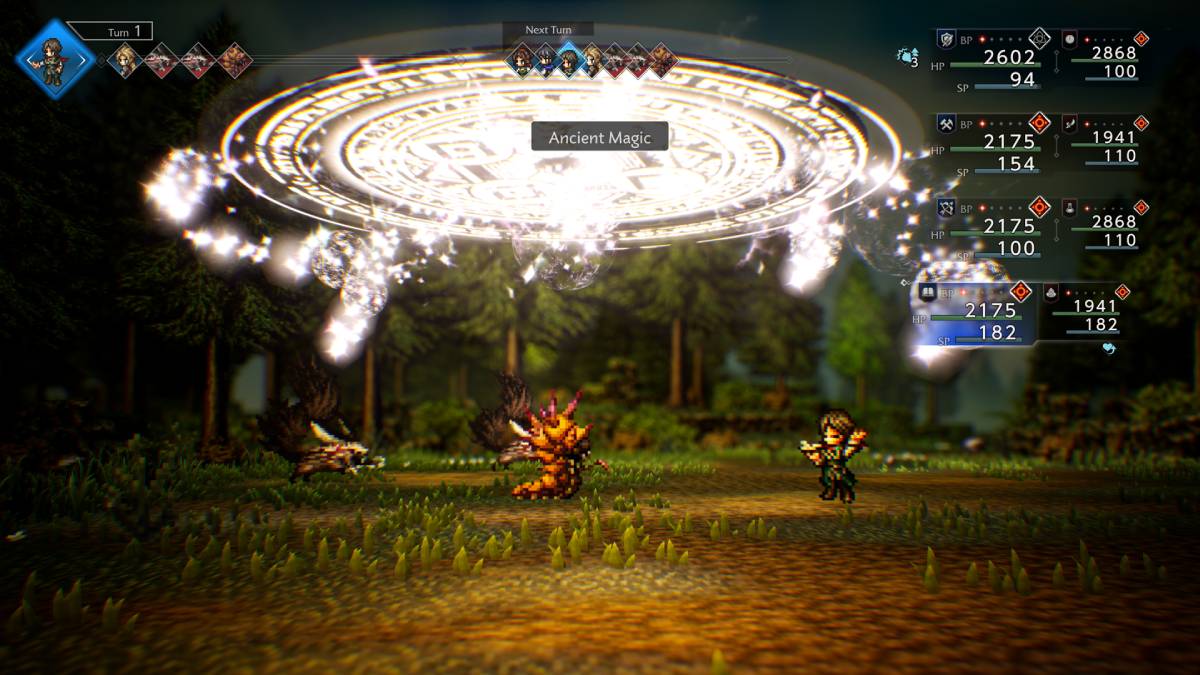
Again, since Octopath Traveler 0 is building off of Octopath Traveler: Champions of the Continent, it can often feel more like it than the other games in the series. Battles still rely upon striking with weapons or elements opponents are weak against to “break” their shield. Completely bringing that number to zero leaves them unable to act and reduces their defenses. Like the mobile game, there are eight characters in battle at once, with four in the front row and four behind them in back. The four in front are active and can attack or use skills. The ones in back are in reserve and heal each round. You can swap between them on the front character’s turn, taking advantage of someone who has different movesets or stored up enough actions to hit up to four times or use a stronger strike. It’s a strong system and quite effective given the reliance on targeting weaknesses, since you can always pull in someone else who could have the right weapons or elemental magic. I adored the combat system, as always, and would love to see an Octopath Traveler 3 use it.
Images via Square Enix
However, as a result of having the 30 possible party members, we lose a hallmark of character builds from the first two Octopath Traveler games. The only person we truly get to customize is our avatar. They can swap jobs, but everyone else is set in their ways. It isn’t like other titles where we pick a job and secondary job. Instead, there are set skills from jobs learned with JP. If you go to the Training Ground in Wishvale, find certain treasure chests, or fight certain folks, you get Action Skills and can equip a set number to each person. Honestly? I’d take the secondary job system over this one any day, but I get the feeling Square Enix and DokiDoki Groove Works were trying to push a diversified party with perhaps one character from each class around instead. As is, it felt like I had less control and less reason to really play around with developing allies, which was one of the things I loved most about the previous two console games.
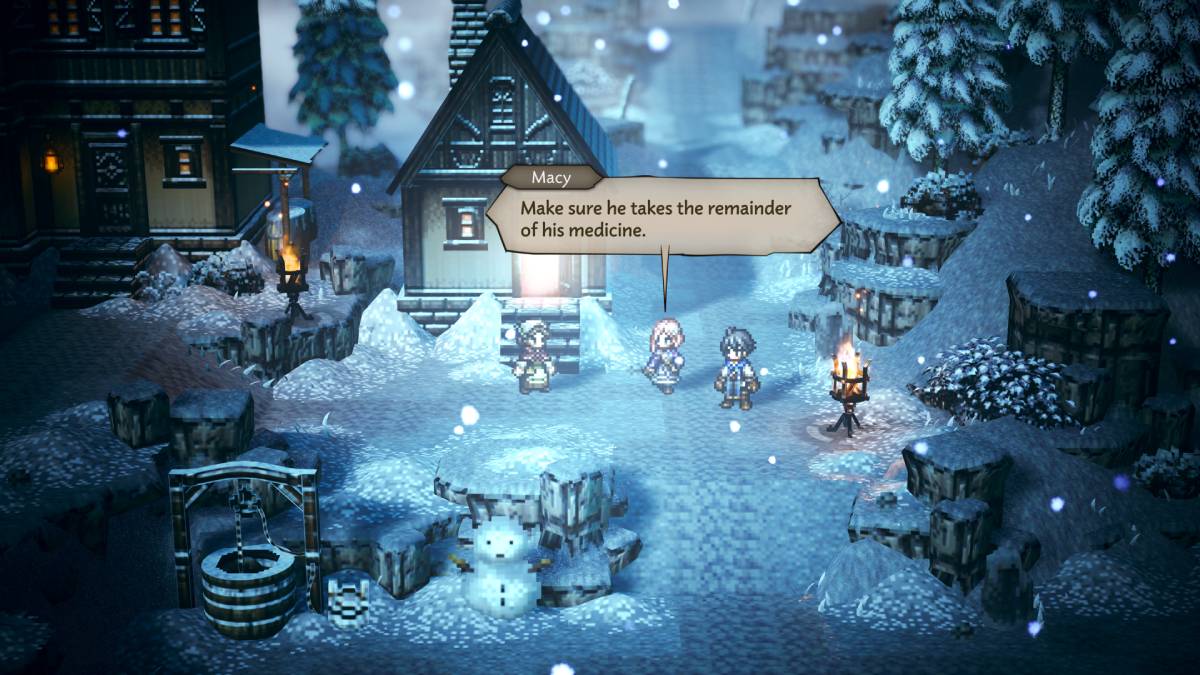
Likewise, I feel I preferred the more limited scope of characters from the previous mainline Octopath Traveler games, as 0 offers so many that it can prove difficult to really connect with them. Their introductory recruitment quests are quite brief! Even the Party Chats didn’t seem to help me really care about them in the way I did people from the first and second games. Even after spending hours with the game, ones I didn’t get to know as a result of campaign quests sometimes just felt like “the person I bring in when I need a mage” or “I actually learned Macy’s name because she’s the only healer I recruited after playing about 15 hours.”
Images via Square Enix
Especially since we aren’t relying on extra allies for Path Actions. Our avatar basically can do it all, and all Path Action options are available immediately. Our success with them varies upon fame, power, wealth, and our overall level, from what I can see. It is handy to be able to do it all at once! Convenient too, since nothing is walled off from us early on due to only wandering around with Stia initially. I do think Octopath Traveler 2 handled it best, with its combination of daytime and nighttime Path Actions, and would hope another game in the series would return to that design choice.
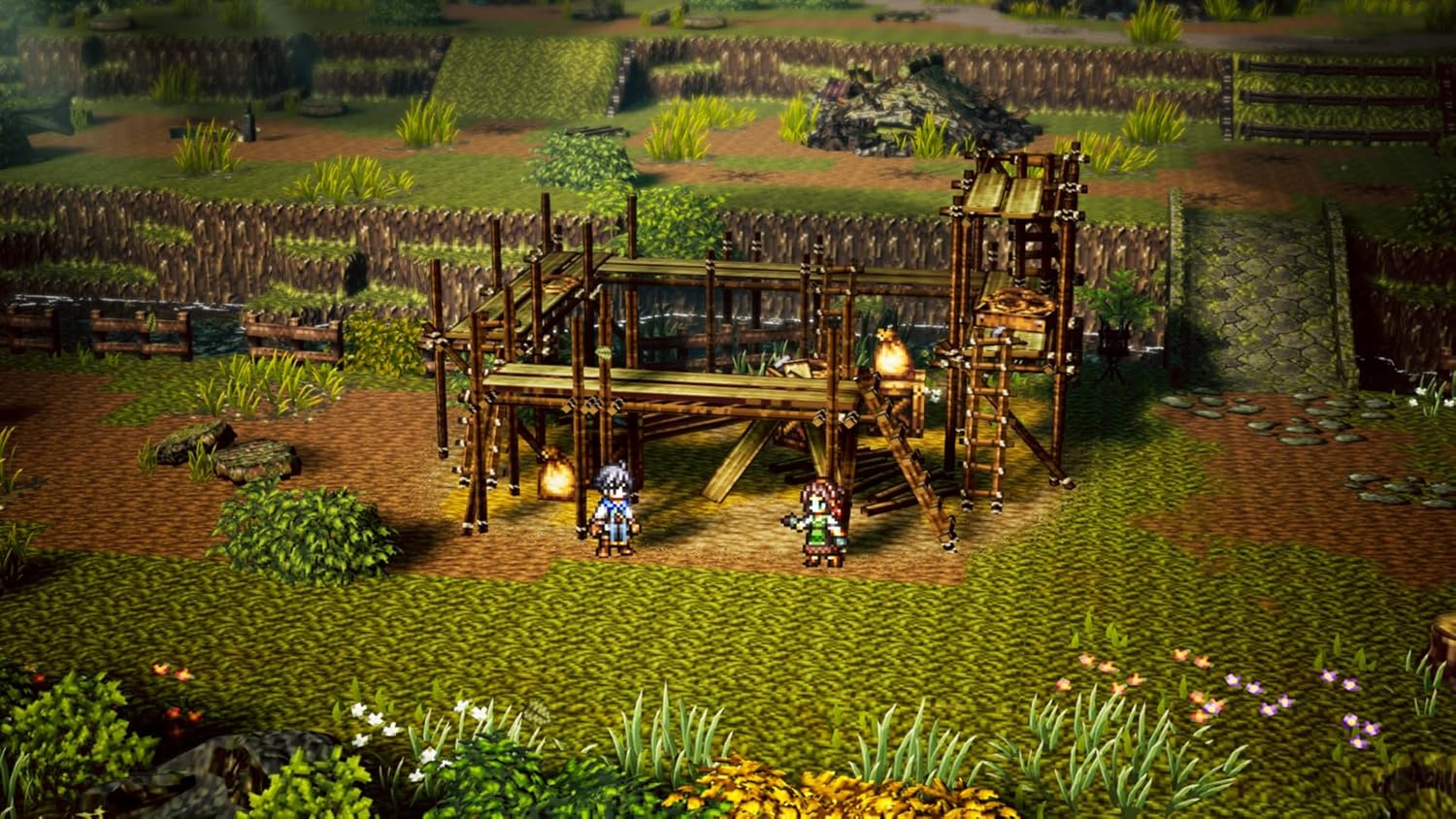
The thing I loved most about Octopath Traveler 0 is the town restoration and Wishvale reconstruction storyline accompanying it. While that does still feel more like Stia and Phenn’s story, I did feel more involved and connected to it than the other parts of the narrative. A downside is, it isn’t like the other campaigns we unlock. We can’t just focus on that storyline. The nature of some of its quests mean we’re forced to go away and go through other missions to make “time pass” and get to it. While it get it and do appreciate that it makes it feel like progress is gradually being made on this big and monumental project while we get revenge, I also wanted to spend all of my time rebuilding, reorganizing, collecting possible villagers, and making that place my own. However, I do wish that some of the NPCs who moved to our town had more of an identity or at least an actual name.
Images via Square Enix
While Octopath Traveler 0 scratches the JRPG itch in some satisfying ways, I found it often never feels as captivating as the first two games. Our protagonist doesn’t feel as connected to events as the companions for the campaign quests, even with what happened to Wishvale. The heroes from Octopath Traveler 1 and 2 get stronger stories. I miss being able to play around with character builds like I did in past games too. The town building element is fantastic, constant access to all Path Actions is handy, and the eight-character party in battles allows for some fun strategic options. But I do hope the next entry in the series is more like Octopath Traveler 1 and 2 than 0.
Octopath Traveler 0 will come to the Switch, Switch 2, PS4, PS5, Xbox Series X, and PC on December 4, 2025.
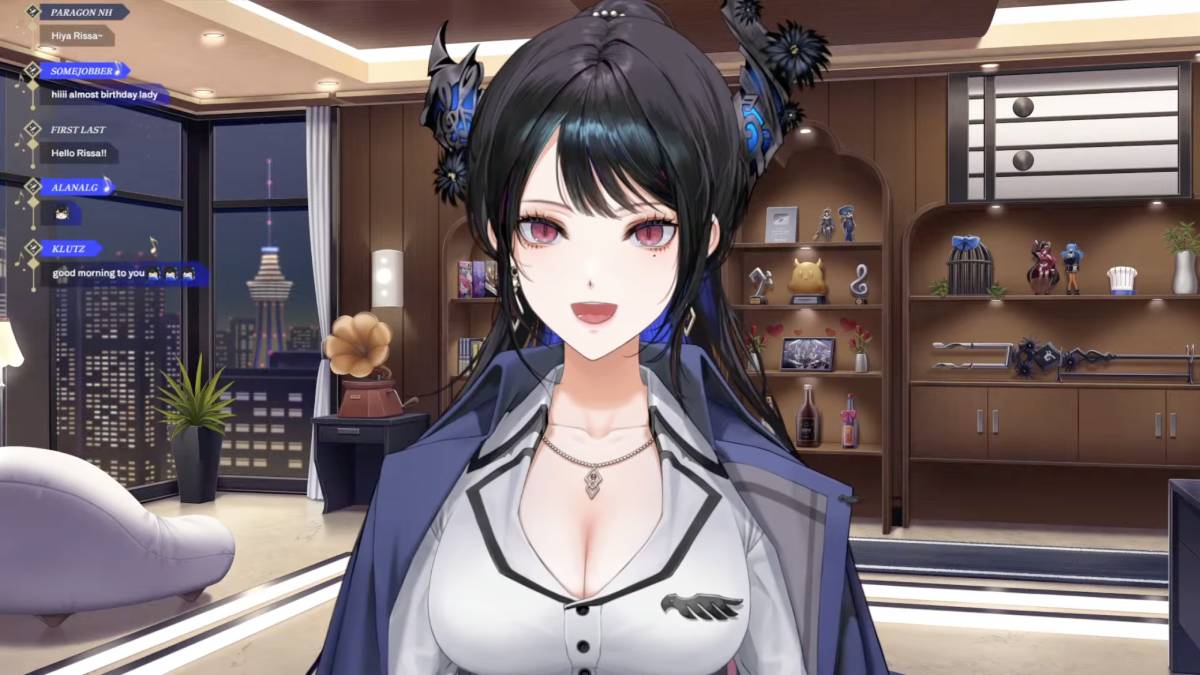
It’s been a busy November for Hololive Vtuber Nerissa Ravencroft, what with her being part of the Twitch Holoday takeover event and celebrating her birthday on November 21, 2025. Not to mention her second anniversary with Cover was this year, and preparations for 2026 beginning. Siliconera got a chance to check in with her again to learn more about how things are going and what’s next.
First, thanks for taking the time to talk to us again! It’s been about a year, and last time we did you talked about releasing an original song and hitting 700k followers. How does it feel to be closing in on a million after your second year with Cover, and are you planning any sort of special marathon stream when you get closer to that 67,000 milestone?
Nerissa Ravencroft: It’s my pleasure! Honestly, the idea of hitting 1 million subscribers is really exciting to me…! I have to keep working hard so more and more people can listen to my music and want to support me! Currently, I’m planning a lot of really exciting projects for new and old fans alike, so I hope everyone will keep their eyes peeled for the projects I’m working on.
You released your first EP called In My Feelings back in August 2024. Would you prefer to work on another EP next or dedicate yourself to a full album?
Nerissa Ravencroft: Getting to work on In My Feelings was a really new experience for me, since I’d only ever worked on and released singles in the past. Having to review and give feedback, write lyrics, and record so much at once was really exciting for me! Working on music is truly my happy place, so while I plan to keep producing original music no matter what, I’d really love to release a proper debut album. Regarding EP’s specifically, I’m not sure I’ll do another unless I have a really solid idea for one in the future.
https://www.youtube.com/watch?v=hgMl8y2ufIg
You worked on two major, original duets with fellow hololive Vtubers in 2025, which were “100%” with Moona Hoshinova and “Over//Ride” with Mori Calliope. What was the experience like working on each one, and how does your preparation on a duet differ from when you’re working on original solo tracks or covers?
Nerissa Ravencroft: Getting to work with senpai I admire so much, like both Moona and Calli, has been so incredible! I had never imagined I’d have an original duet with such wonderful diva’s, so I can’t help but feel extremely pleased. Since both “100%” and “OVER//RIDE” are technically Moona and Calli’s songs respectively, the experience of working on it was more minimal compared to creating originals for myself. With my own projects, I’m very “hands-on”, so I often have a clear vision in mind or give a lot of feedback, and since I tend towards doing the lyrics myself it can usually be fairly intensive emotionally. It was nice with both songs to sit back and just enjoy singing.
You got to be one of the Hololive and Holostars Vtubers taking part in the Twitch Holoday event! What did preparation for that look like, and how did you decide to take part?
Nerissa Ravencroft: As someone who has used both Twitch and YouTube as a viewer, seeing the way the chat integrated is very interesting to me. Both websites have their perks, and I know some people feel very strongly about one or the other. Since hololive streams mostly exclusively on YouTube, I know there’s a lot of people who might love it, but haven’t had a chance to get into it due to only wanting to use Twitch. I wanted to use the opportunity to introduce more Twitch users to the joys of hololive! Since my birthday is in November, we’ve been handling a lot of major preparations for that, but I hope Twitch users can enjoy all of the holotalents streams over on Twitch!
https://www.youtube.com/watch?v=_mThZIRqIBs
How do you feel streaming on Twitch compares to the YouTube experience for your personal streaming experiences and performances?
Nerissa Ravencroft: Personally, as a streamer, I feel like the differences aren’t that large. Twitch offers some perks YouTube doesn’t, and YouTube offers some perks Twitch doesn’t, so it ultimately boils down to each streamer's personal preferences. When it comes to integrations, Twitch has a lot more, so it can feel a bit intimidating but they can really up the experience you get while watching a stream! I really hope YouTube will continue to expand it’s options for streamers.
You also just celebrated your birthday event! Now that you’re a seasoned Hololive Vtuber, how does the planning work for these and do you feel your approach changes compared to when you first started with Cover?
Nerissa Ravencroft: Even though I’ve been here well over 2 years now, it really passed by in the blink of an eye! No matter what, I want to continue to do my best to create exciting projects that resonate with my fans. I guess, if anything, I’ve maybe learned that it’s okay to be a bit more picky, or to put my foot down if I’m not satisfied with something! I always want everything to be perfect, but when first starting I was very nervous to say no or that something wasn’t to my liking, but I’ve become more confident in myself in the sense that, I’m happy I can be in a space where I’m comfortable enough to put my foot down and bluntly state my opinion!
https://www.youtube.com/watch?v=ub9_vBd6N30
Members of your family have come up on stream, and at the end of September 2025 your father made his debut! What kind of convincing and prep work went into that, and how did he feel about it? Think we’ll see him again?
Nerissa Ravencroft: Surprisingly, not as much as you’d think! On my side, it was choosing questions, securing art rights from the incredible fan designers, and the usual behind the scene prep stuff. As for my father, I think he was more excited than anything! My whole family is supportive of me, and they’re good sports about it when I invite them to be on my streams. It’s a very happy occasion I think because we get to make a fun memory together that’s immortalized. It does help that all of us are diva’s in our own way, though~ I do hope to have them all on my stream again in the future, but it’ll stay infrequent.
You recently did a lyre ASMR! How do you feel that went, and do you think we could see more performances?
Nerissa Ravencroft: It was really exciting! I’ve never been able to properly play an instrument before, aside from my voice. I’m still a beginner, but I’d like to continue to develop my ability so I can improve my natural musicality, note recognition, and potential upgrade to a harp! But, for now I’ll be focused on lots of solo practice and learning songs I am familiar with. Once I master them and am very comfortable playing, I can hopefully find more uses for it! I hope my audience will enjoy watching me improve!
https://www.youtube.com/watch?v=zCI6n1l_TGM
Since we’re getting to the end of 2025, any thoughts on what your personal game of the year was?
Nerissa Ravencroft: This is a really difficult question to answer. I think what I like in a game is a bit different then some other gamers. I tend to prefer either horror or very slow, easy, slice-of-life farming simulator types. With that in mind, I very thoroughly enjoyed Silent Hill f! Even though I’ve already played through all five endings and watched countless breakdown videos, I’m still thinking a lot about the game. I’m super stoked that Ryukishi07, one of my favorite writers of all time, was able to write for a series that I love, such as Silent Hill. If I had more time, I’d have liked to play Blue Prince, Clair Obscur, and Hades II, as those were some games that I didn’t get the chance to try but was interested in.
2026 will be your third year with Cover! What kinds of goals do you have set for next year?
Nerissa Ravencroft: I’m constantly working with Cover and my managers to make my big dreams into a reality! I don’t wanna say anything and potentially spoil expectations if anything gets delayed, but I’d really love to release more of my own original music and covers, and will keep working hard with that goal in mind! I hope everyone will keep their eyes and ears peeled~!
You can see Nerissa Ravencroft on YouTube, Twitch, and X.
Given that Kinmoku’s Videoverse is, in part, inspired by both Nintendo’s Miiverse and DS consoles, it seems only proper for the visual novel to be on one of the company’s devices. Fortunately for us, it now is. Even better, the fact that it’s also a thoughtful and nostalgic exploration of relationships on 2000s internet interactions and relationships means it feels even better to play on the Switch. It really is like we’re coming back to a period of time and moment in multiple ways due to the nature of it and this new port.
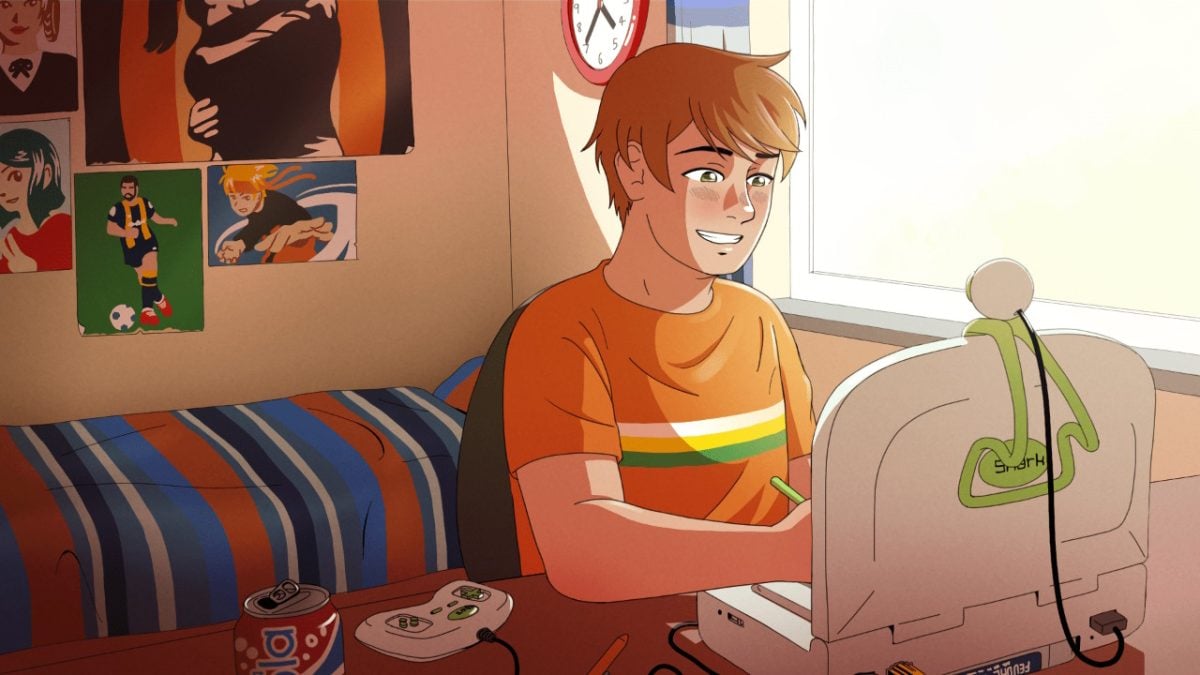
Videoverse follows a young man named Emmett at a critical point of his virtual life. The Kinmoku Shark console, which looks a bit like a Nintendo DS, is home to a social network called Videoverse. It allows people to chat and post about games, not unlike Miiverse, Facebook, Myspace, and other types of social networks that appeared in the late 1990s and 2000s. The thing is, it’s also taking place at the dawn of a new console generation and when internet culture is starting to take a more antagonistic and pessimistic turn. We get to help determine how Emmett reacts to this transition and manages his relationships online.
Screenshots by Siliconera
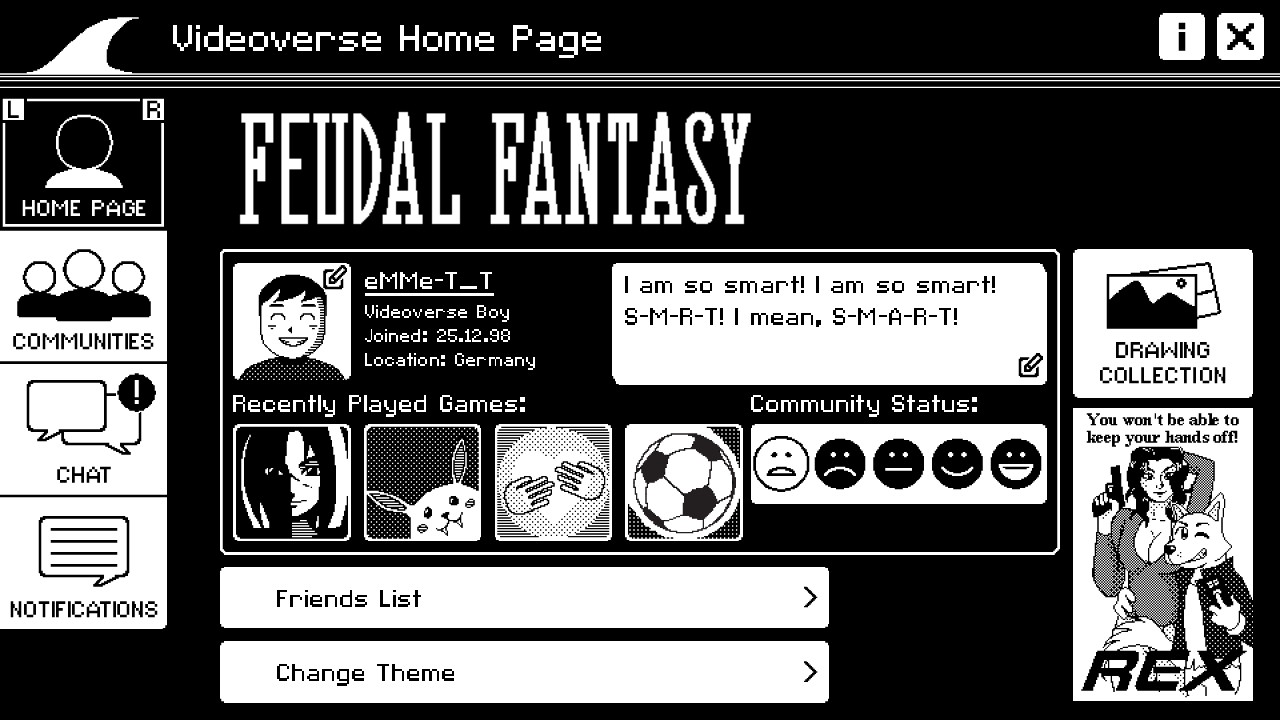
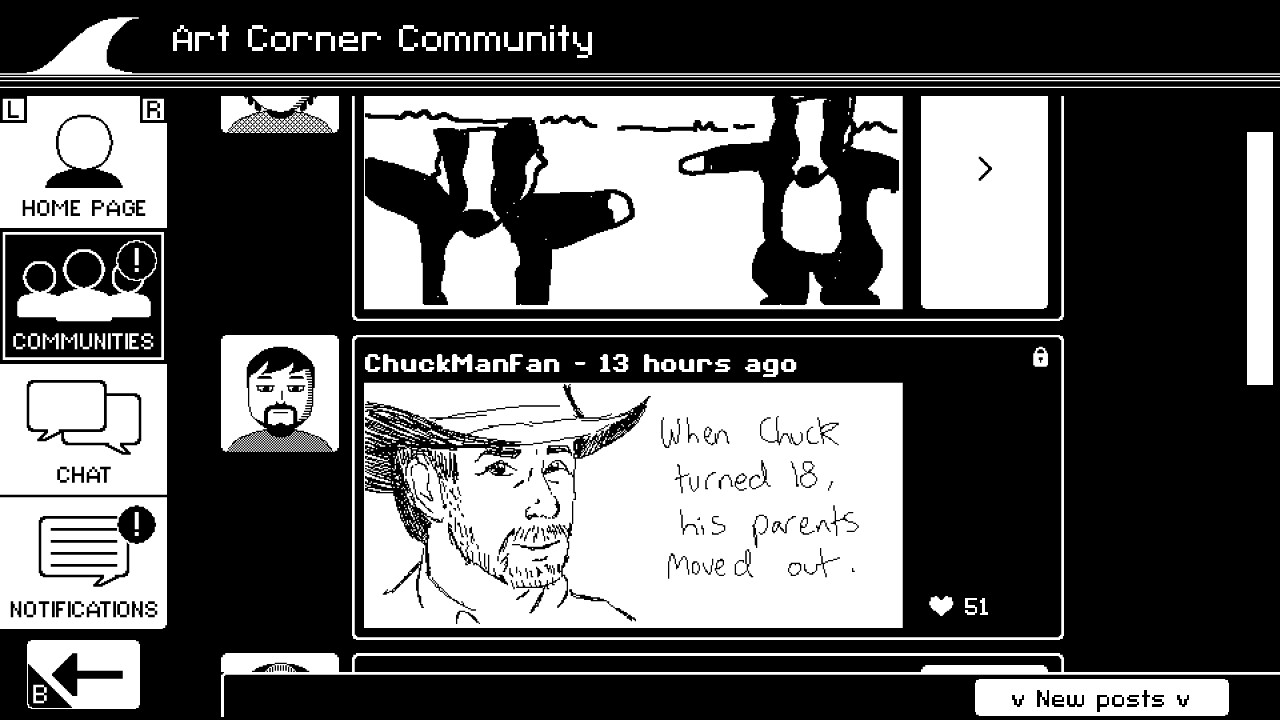
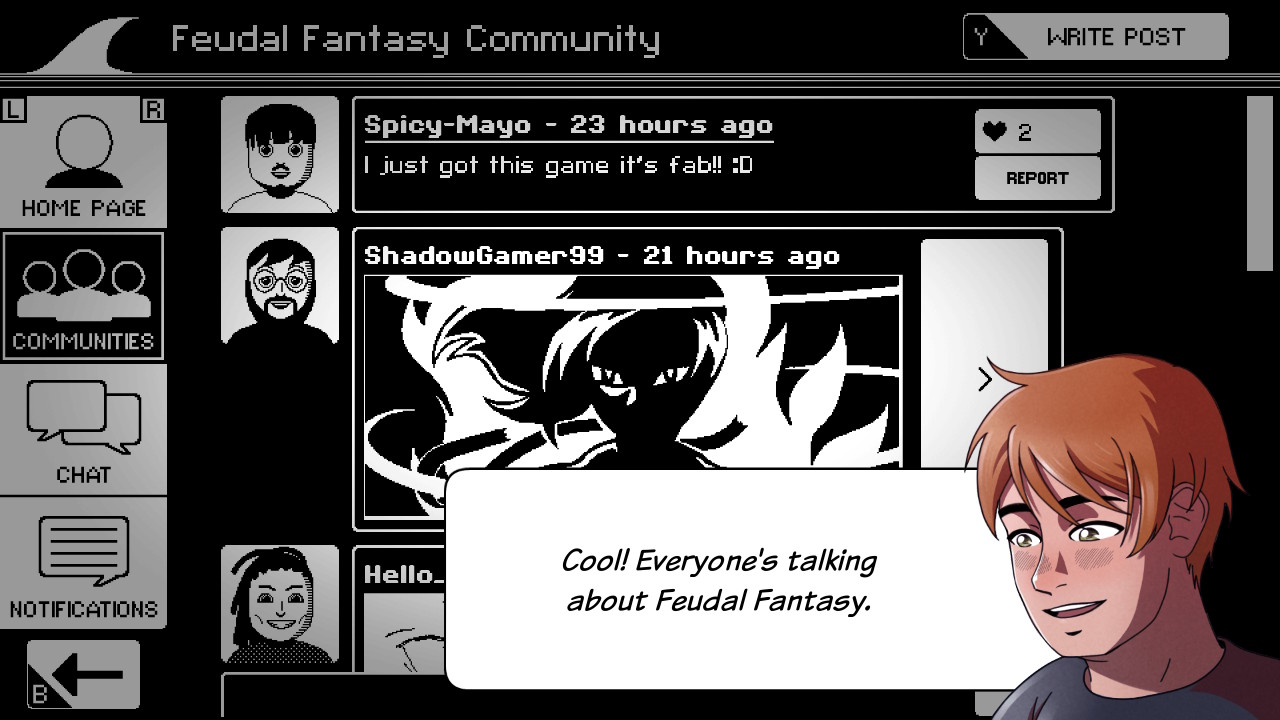
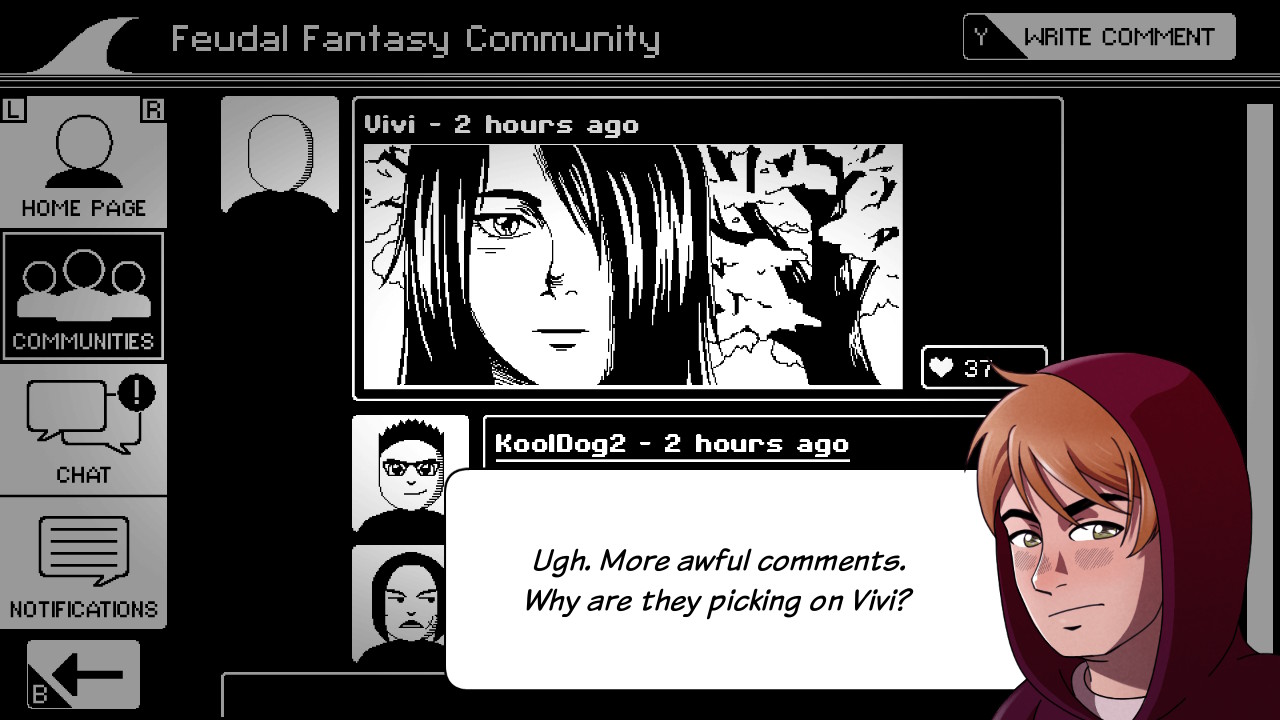
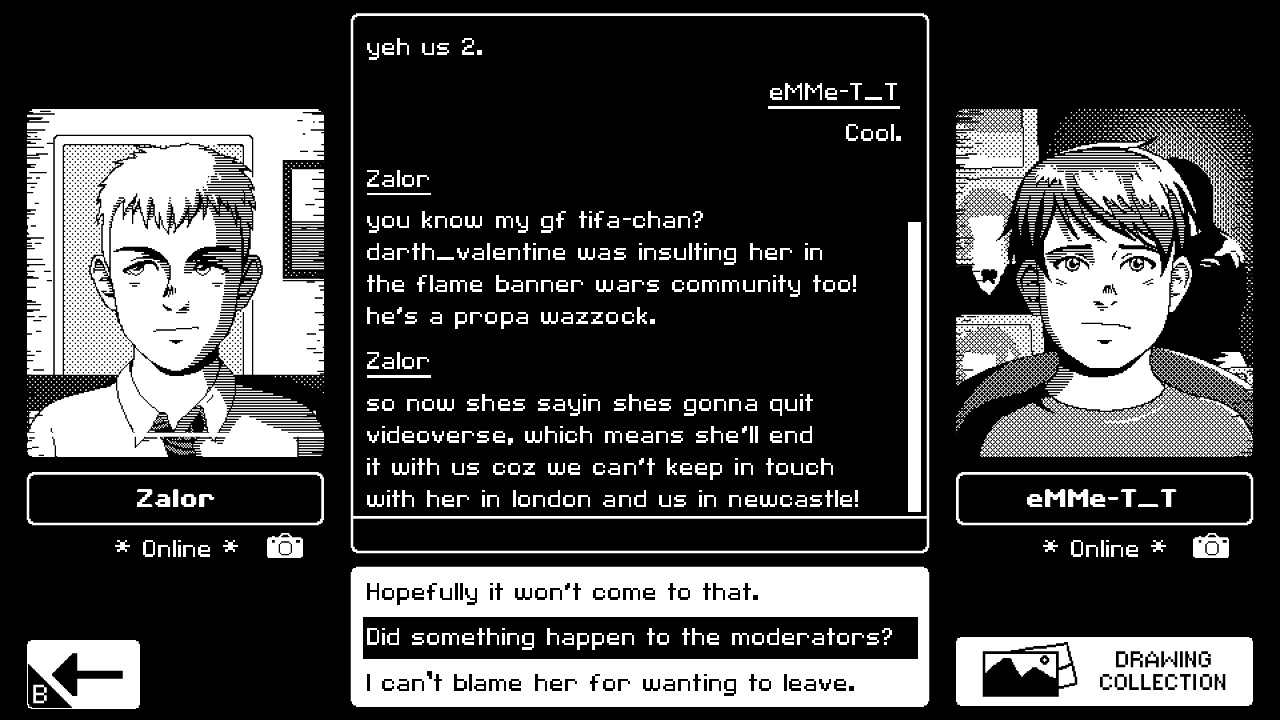
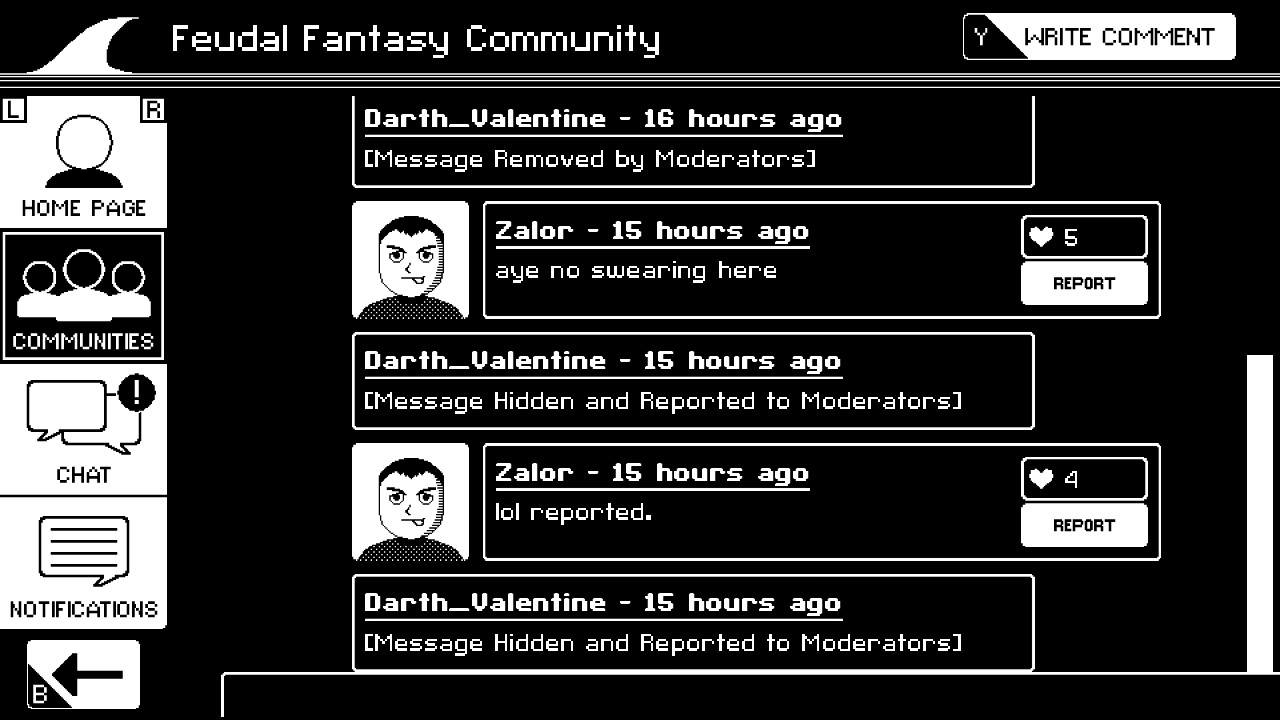
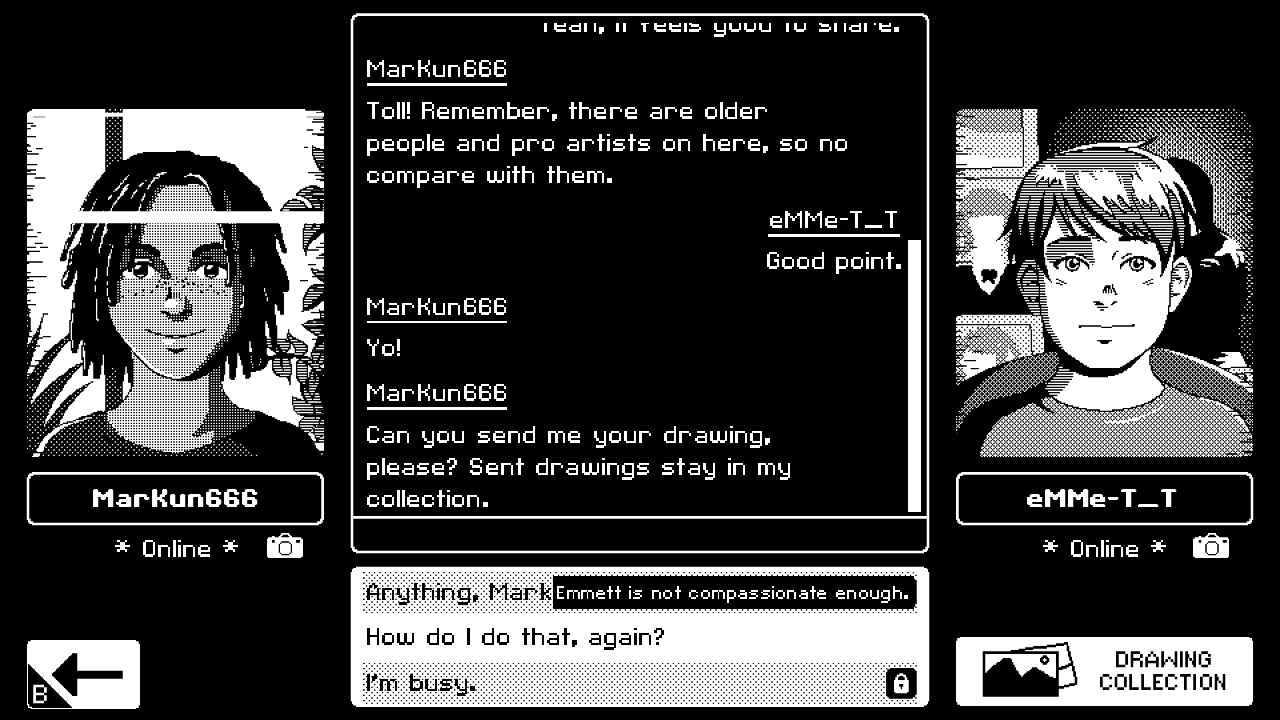
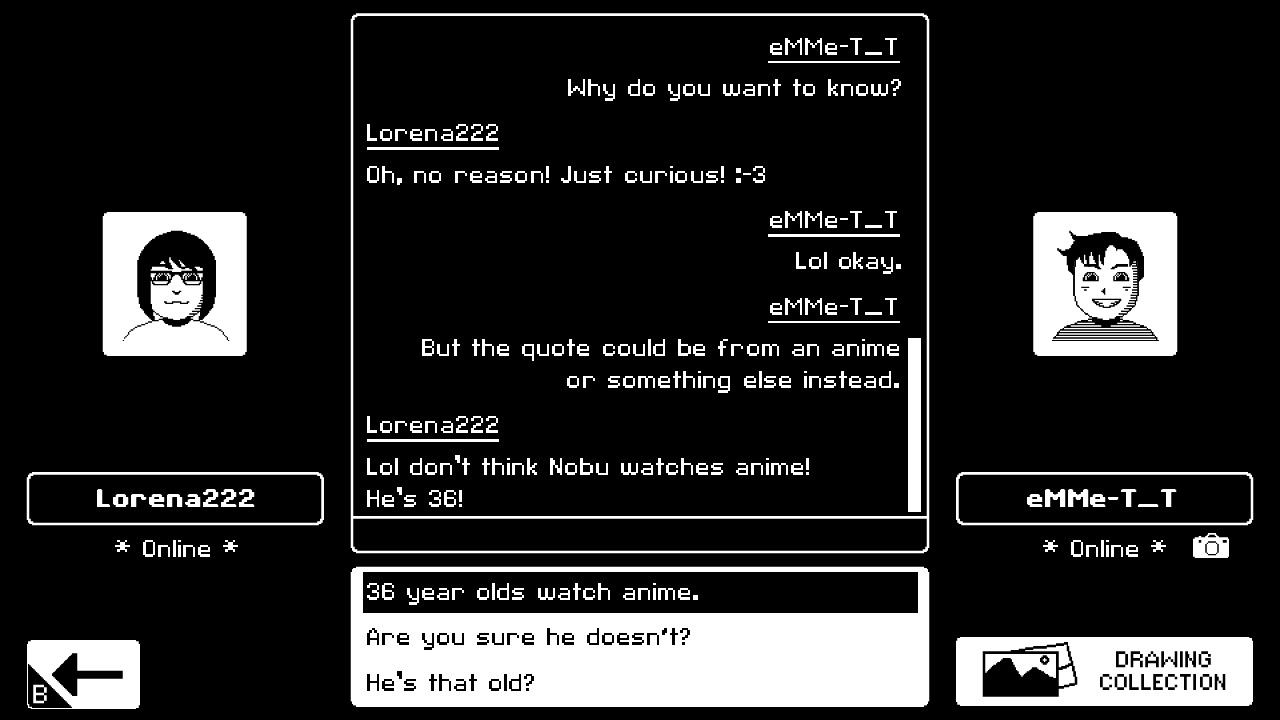
This means that while Videoverse is a visual novel and tells a story about the sunset of a media platform and its effect on a teenager, it’s also about capturing a moment in time. It’s harnessing the feeling of the experience of using one of these early social media services and online console communities. The technical limitations of the time period are embraced with the art direction and nature of the pages and forums we explore. The conversations are taking place in those types of messengers. In terms of a recreation of the kinds of UI and forums from those time periods, it is on-point. It looks great, and the limited color choices and design directions do make this feel a bit like a time capsule.
The primary narrative involves Emmett coming to terms with what is happening to Videoverse and exploring a potential relationship with Vivi, a fellow Feudal Fantasy fan and artist who posts in the community. However, it isn’t entirely straightforward. While we do interact directly with Vivi, Markus, Zalor, Lorena, Nobu, and his other associates, things are laid out in forum posts, instant messages, and notes Emmett takes on his own desk as things happen. It’s an interesting storytelling device.
Screenshots by Siliconera
Especially as the nature of the narrative means the kinds of conversations and posts we’ll scour feel appropriate and highlight a sort of transition between time periods. As chapters go on, we can literally see the decline. Kinmoku’s captured it both in the amount of activity, responses from individuals, and ways in which “official” moderation slips, as well as in reactions from the people we meet.
The downside to it all is that this can be a bit awkward in two ways, especially with the Switch version of Videoverse. The first issue is that the UI isn’t entirely friendly to navigate using only controls. It can be difficult to tell if a button is highlighted for example, and scrolling through different posts in a community with the analog stick or directional pad sometimes gets awkward and won’t go down far enough. Another issue is that sometimes when I’d respond with a DM, image share, or comment, a box with three white dots that acted as a loading message would appear on the bottom right side of the screen and take longer than usual to advance.
Screenshots by Siliconera
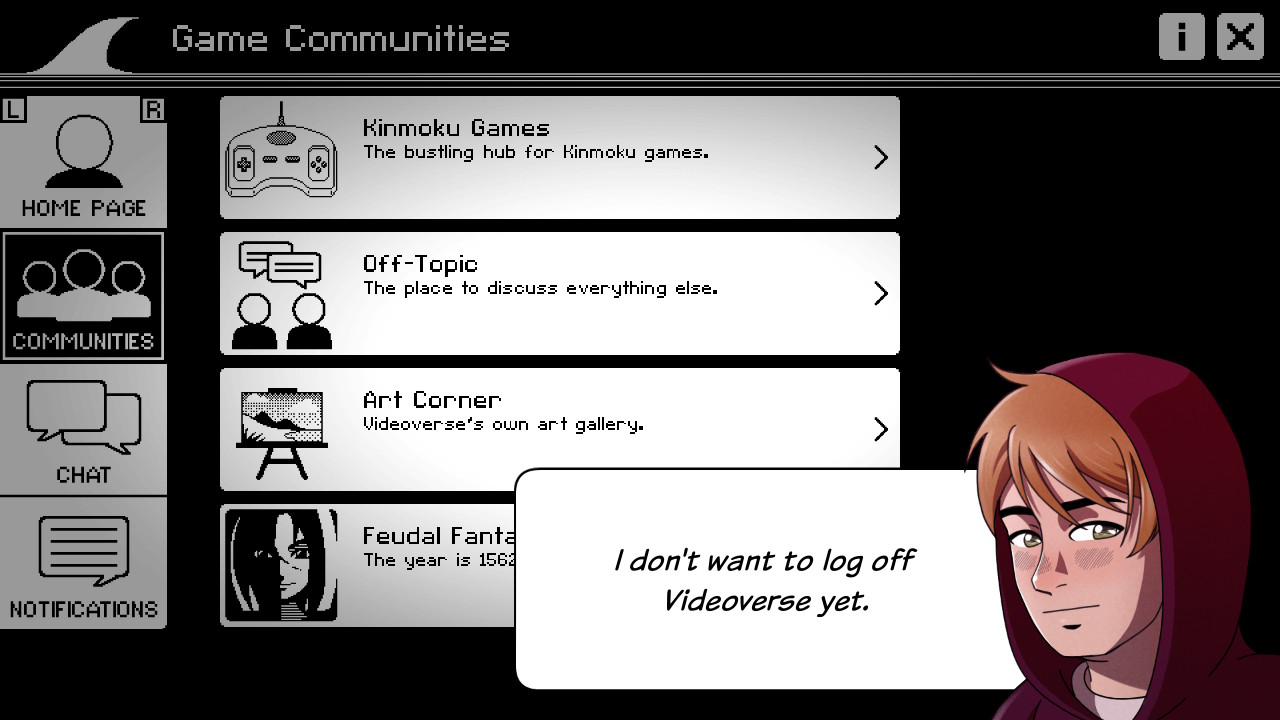
Speaking of advancing, there are times when Videoverse isn’t exactly intuitive when it comes to moving the plot along. It can seem like you’ve responded to everyone, commented where you could, and did all you can. However, if you try to back out of using the social network, Emmett will say, “I don’t want to log off Videoverse yet.” Which means you need to double back and check to see if there’s any place you can still comment, reply, or DM to try and move things along.
I really appreciate how Videoverse does capture the spirit of older online gaming communities like Miiverse. It definitely feels like exploring online in the 2000s, when we needed to embrace limitations and do all we could to work within them. The ambiance is impeccable and really does recreate the atmosphere of a waning console community in that time period. There are some times when the UI and progression system can be a little user-unfriendly. But aside from those instances, it’s a bit like playing through a game designed to feel like a time capsule from an internet era.
Zorana will die. Probably a few times. I’m sorry, but that’s just how it will go. It’s not your fault. I’m sure you’ll do your best the first few times going through Galaxy Princess Zorana, but as a Long Live the Queen successor in the Princess Maker-like category, it’s going to demand foresight and planning that only comes from multiple runs. And there will be multiple runs, as each death will make you even more determined to help her reach any ending where she’s still alive.
The emperor of the Celestial Empire is dead. When inspecting a lab to see progress on a type of teleportation technology, there was an unfortunate accident. In the rumble, it was discovered he was gone. Not long before he did, he pulled his daughter Zorana out of boarding school exile. Which is good! It means there are options, especially as the prepared heir, her elder brother, abandoned the empire and was disowned in the process. The bad news is, as she was the “spare,” she never had any formal leadership training.
https://www.youtube.com/watch?v=5i3rwFg-2ZE
This means it is crunch time in Galaxy Princess Zorana, as there’s a little more pressure when building her stats like in Princess Maker than there was in Long Live the Queen. The first order of business is to ensure she starts to get some experience in various categories that relate to book smarts, street smarts, emotional intelligence, physical prowess, governing, and actually managing intergalactic travel and rule. The second is to manage her mood in order to get boosts in certain topics to build her up faster. The third is to travel around the galaxy to build ties, meet electors, and create a cabinet of her own officials to aid her. The fourth is to stay alive long enough for all of that to matter and maybe get her elected to the role of Celestial Empire empress.
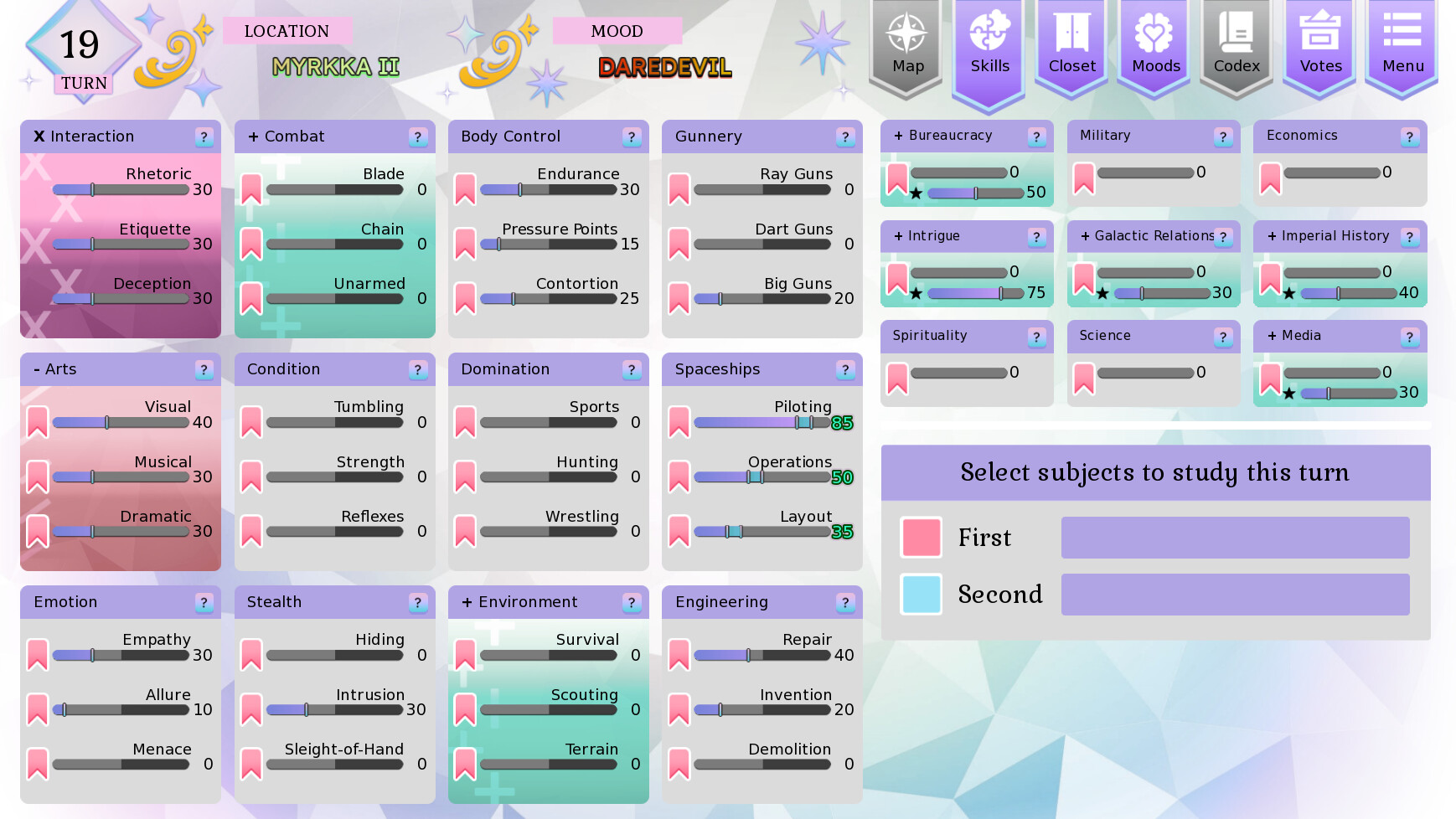
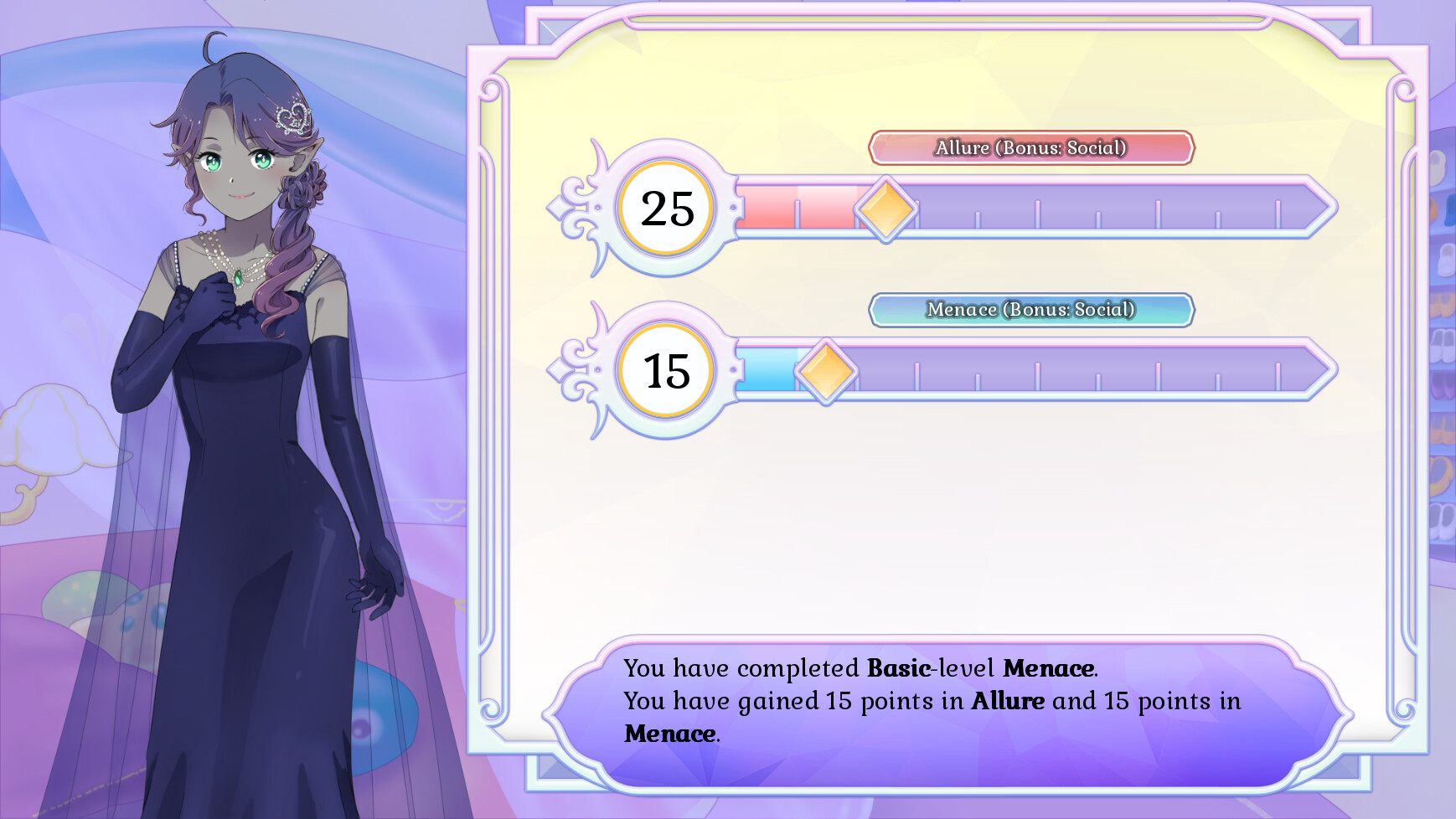
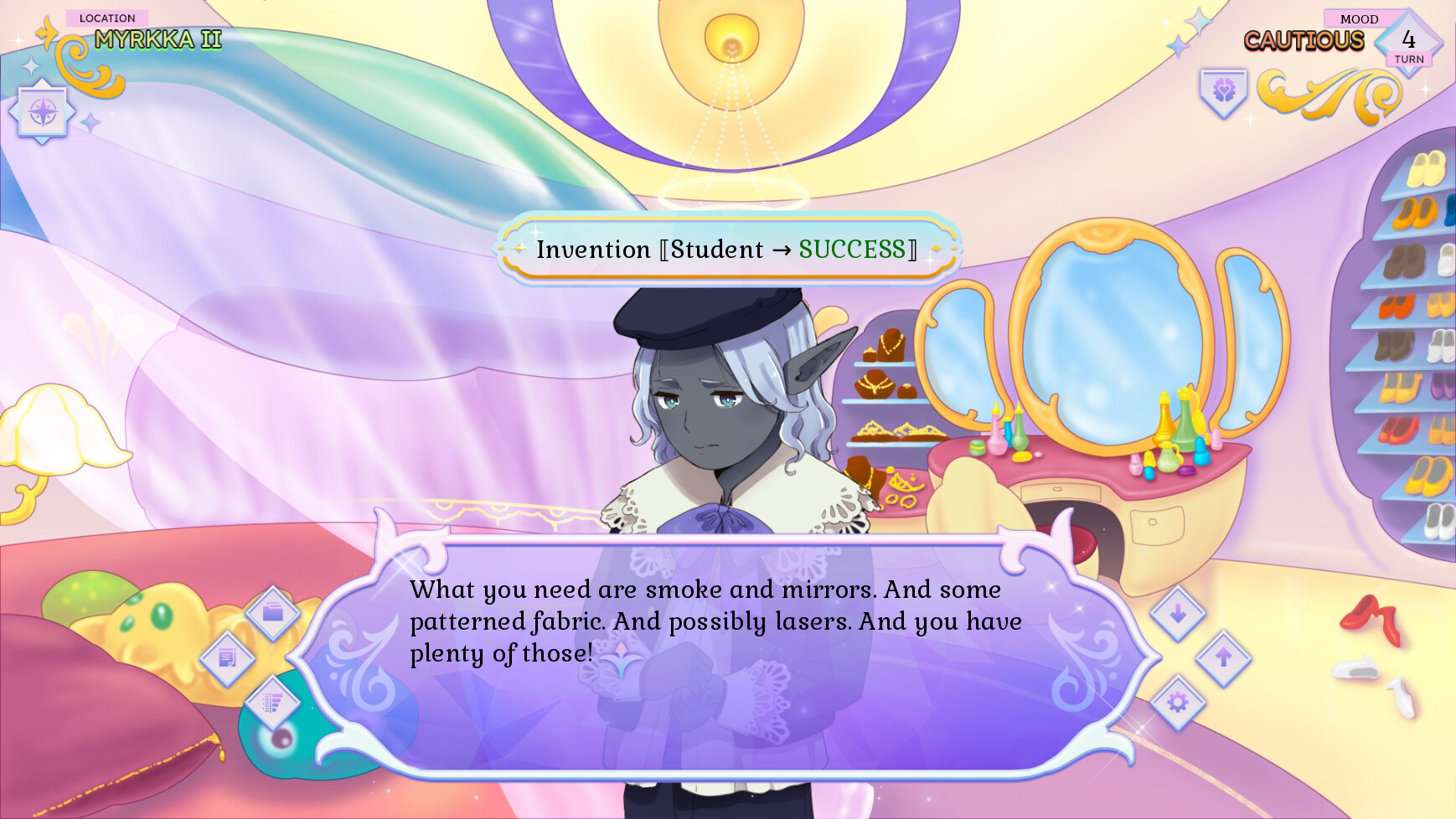
Compared to Long Live the Queen, there are already some types of quality of life adjustments in the actual scheduling element that help a little with Galaxy Princess Zorana survivability and personal development. It’s still putting a wall of boxes in front of us, which might be overwhelming! On the lefthand side, there are categories that feel like general knowledge she’d need that feature three specific spheres under them. So her Emotion area would feature Allure, Empathy, and Menace as areas to focus on, while Condition would involve Reflexes, Strength, and Tumbling. On the right are topics more focused on elements of ruling, like Bureaucracy, Galactic Relations, Imperial History, Intrigue, and Media. This time around, we always know what our subject’s mood is at the top of this grid. How that influences growth during that turn will also be immediately visible. If the background is green, it’ll result in a bonus if you study that topic during one of the two slots that turn. If it is a shade of red, you won’t do as well and it should be avoided.
Images via Hanako Games
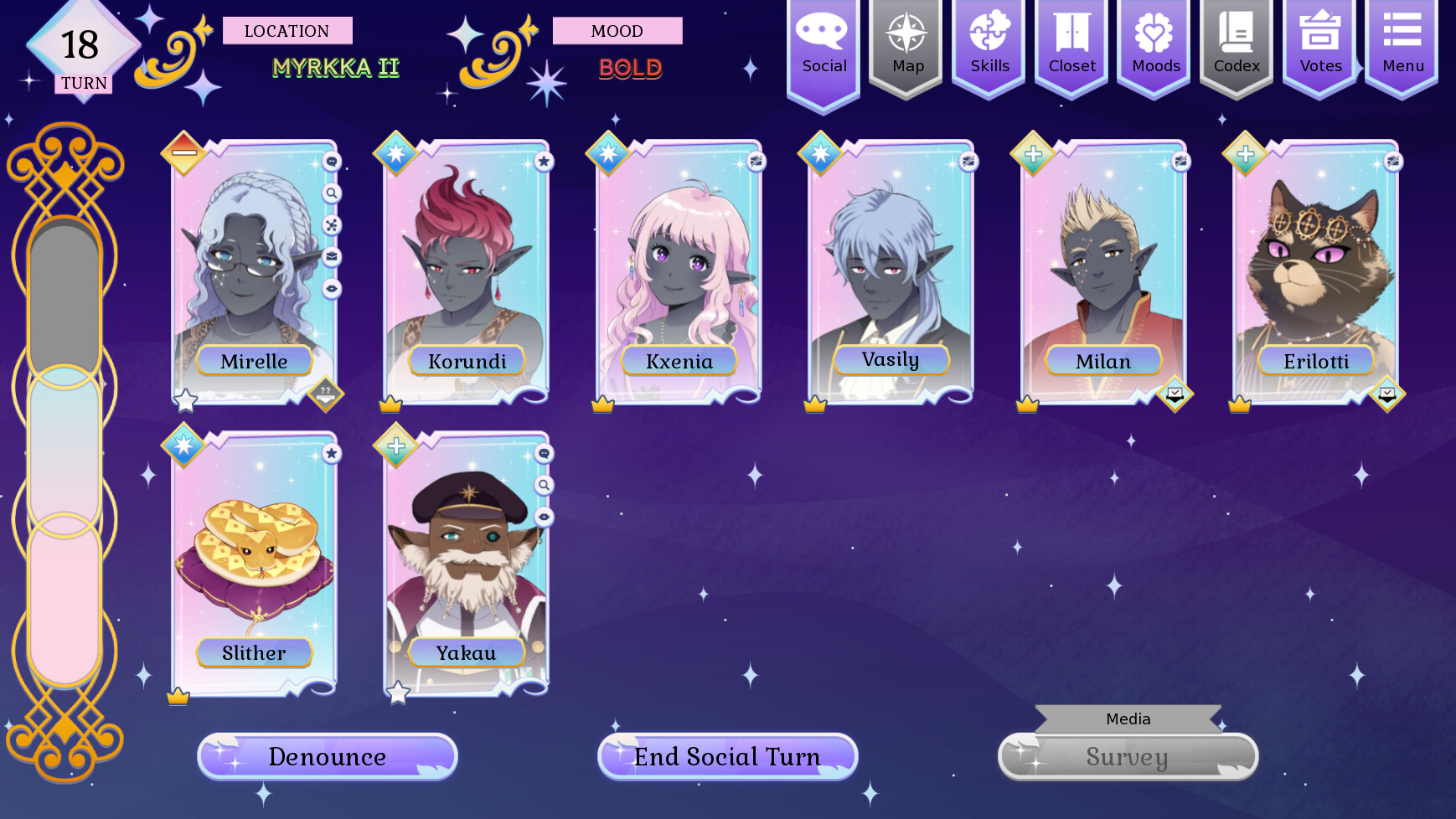
The element of picking people for important roles to both ensure their votes in the election and offer support in different ways is also a boon. When we start the game, we pick a pet for Zorana that can help bolster two stats, making it easier to survive checks on them during events. When we pick cabinet members, their influence can also affect performance and provide a boost. However, it’s also important to know who to pick. Some folks will very easily support Zorana, which means you shouldn’t pick them. Others may have enemies of their own, and that makes her more of a target. They also might just have trash skills, which can hurt you.
As you’re probably gathering, Galaxy Princess Zorana is a game that will involve multiple playthroughs. The first two or three runs feel more like tutorials and learning experiences than genuine playthroughs. Those familiar with games like Long Live the Queen and Princess Maker will already be in a good place to approach Galaxy Princess Zorana and be fine, but for newcomers to the genre I imagine it will be daunting! Especially since, though there are some explanations, they aren’t especially extensive or helpful.
Images via Hanako Games
The general progression of a turn in Galaxy Princess Zorana follows a set pattern. You pick a destination on the Celestial Empire map. You pick two subjects to study that turn. You interact with people at that destination, which can involve investigating them, making a proposal to win them to your side, taking a side quest for them to prove yourself, proposing marriage, or blackmailing them. You also choose how she will spend some free time, thus changing her mood for studying the next turn. On some turns, you’ll be briefed about situations in the Celestial Empire that will affect your situation or require a decision, such as a potential hazard or a disease hitting a region. Other events can also come up when not studying, which in turn affect the experience.
But about 50% of the time, maybe more, those events can end in death. Is Zorana too oblivious about a topic to realize somebody is a threat? Dead. Did you ignore combat skills? Very dead. Is she unaware of some spiritual element? Dead! Oh, you forgot to teach her about how the internet works with Media classes? That will kill her dead. You decided she should spend her free time writing in her diary alone in her room? Turns out she wasn’t alone and she’s dead!
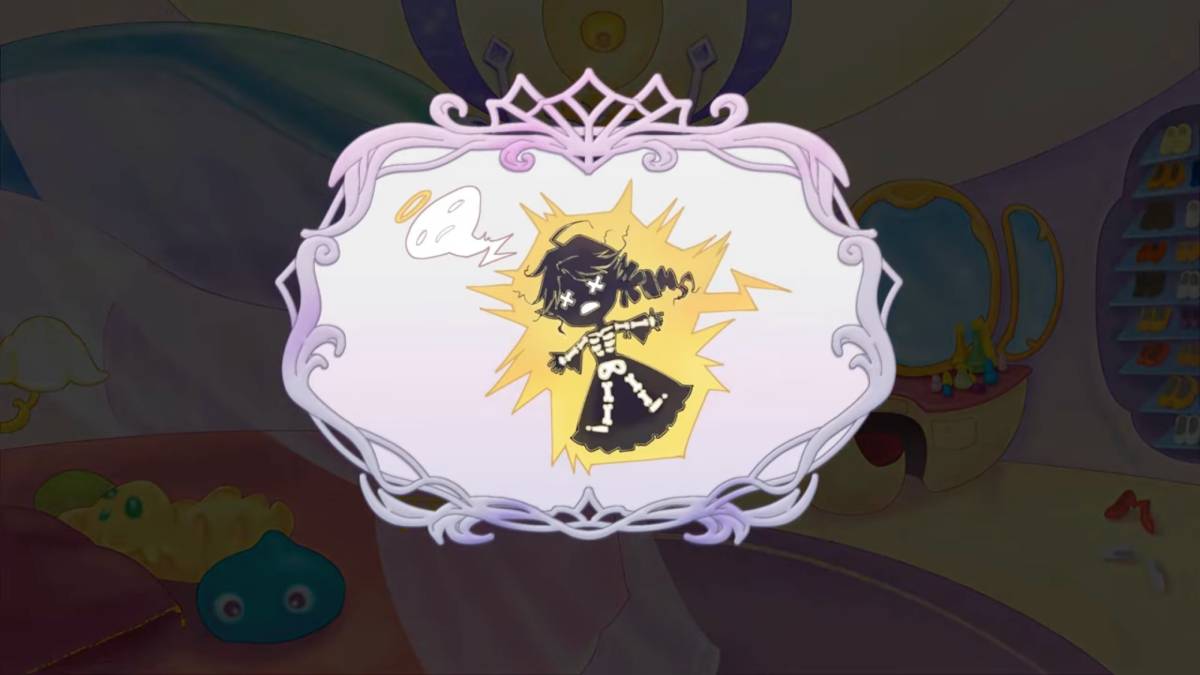
At least you might get to see some fun chibi art of dead Zorana whenever that happens!
Images via Hanako Games
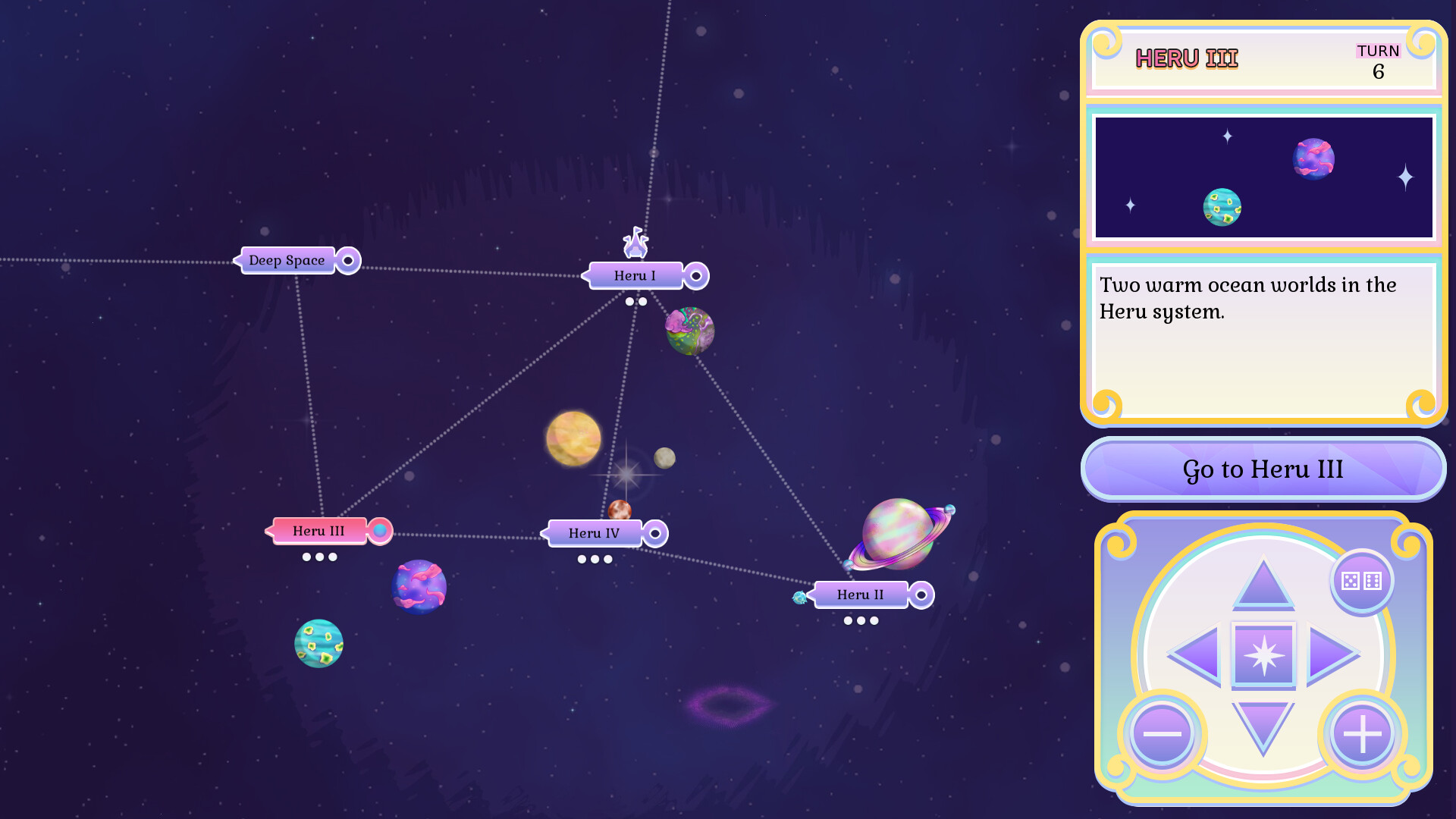
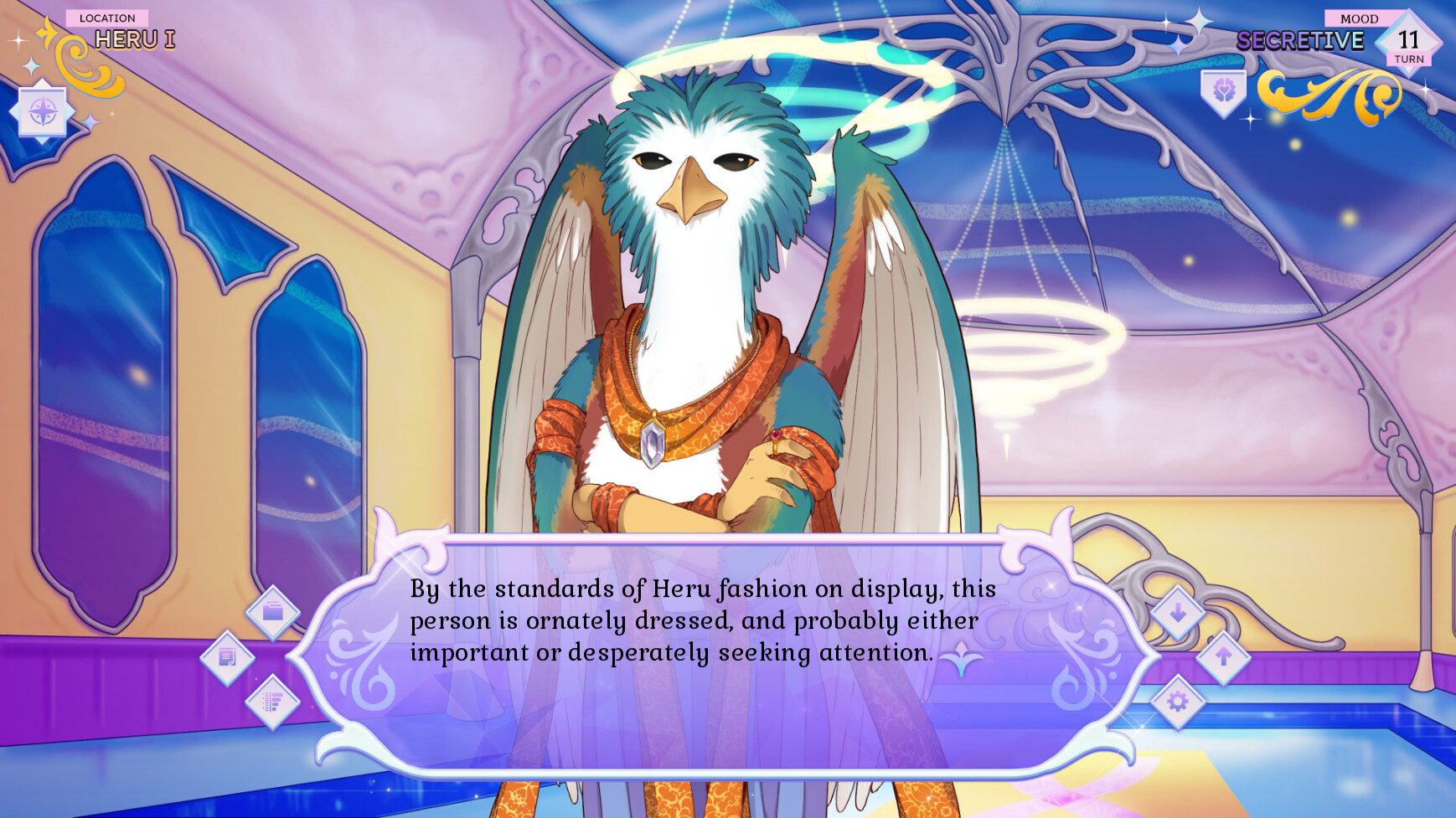
Since Galaxy Princess Zorana is such a text-heavy game, the stories that come up need to be interesting to keep someone invested. Fortunately, the ones I’ve seen are fascinating. Early on, if you don’t invest in Empathy, you won’t pick up on folks’ intentions toward you when you first meet them, but I appreciated how even that could help set the tone for elements. The personal quests and “tests” from certain electors were interesting, and I loved how one basically involved helping a mother with her kid and, even if you aren’t perfect, there’s a pretty fun result. As expected from a game that can get quite political, there’s a lot of potential for intrigue here, and replaying can help provide opportunities in check out plotlines and learn more about some folks. The art is also pretty solid, and even portraits for characters like the Heru tend to have some distinguishing features for ones you should probably remember as a notable potential ally or enemy.
Because of the nature of Galaxy Princess Zorana, that does mean it isn’t going to be for everyone both due to the Princess Maker-like stat building demands and the Long Live the Queen degree of difficulty. Like it is the Dark Souls of simulations. When I played, I had a series of notes nearby to mark down areas I should focus on based on certain early altercations and experiences. I’d mention stat checks that came up a lot, so I’d know to invest in those. I’d mark down observations about certain electors and possible marriage prospects, so I’d know who was useful and dangerous. It demands patience and attention.
Galaxy Princess Zorana is a worthy successor to Long Live the Queen and a stat-management sim Princess Maker fans shouldn’t ignore. Is it harrowing? Absolutely. Will you need to keep notes and a slew of save files? Definitely. Is it worth all the trouble? I think so! However, if you’re unfamiliar with the Hanako Games’ previous entry or the genre, I’d recommend going with something more forgiving like a version of Princess Maker 2or Mushroom Musumebefore attempting to help Zorana take the throne.
The D.N.Angel manga release ended up a bit troubled outside Japan. See, it started out as a Tokyopop series. So when that company cut it off, physical copies ended at volume 13. Viz Media then had it on its app for a while digitally! …But again, nothing appeared past 14. Now we’re in a situation when it is Yen Press to the rescue, as it announced D.N.Angel New Editionat Sakura Con 2025. It’s a well-deserved return, with a lavish omnibus volume that inspires me with hope that this time around, Yukiru Sugisaki’s series will get the treatment it deserves.
So the first thing to know going in to this is that D.N.Angel New Editionisn’t just the first volume of the manga. We’re getting all of volume one, all of volume two, and much of volume three. (That’s Chapters 1-8, to be specific.) It’s also a little larger than the original release, as it’s over eight inches by almost six inches, rather than seven and a half by five. So it’s bigger in two ways. It does allow a little better look at the linework and shading, so it’s a nice perk.
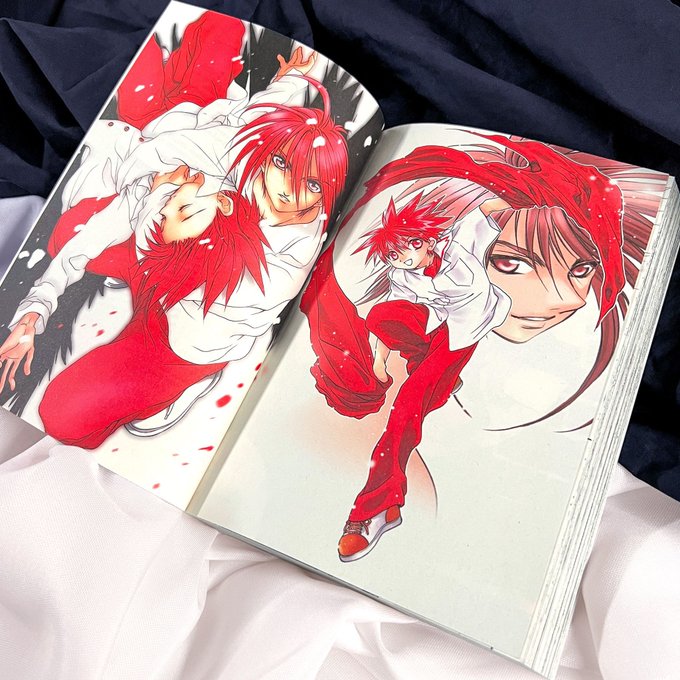
The bump in quality for the cover and a pull-out insert also feels like a fun tribute to the 28-year-old series. The front cover has Daisuke Niwa in a suit and a falling card in his right hand, with Wiz on his shoulder. The pull-out immediately after the front cover is a “clean” version of it without the cover details. There’s a glossy finish to it, which I appreciate, and someone could pull it out to use as a mini-poster.
Images via Yen Press
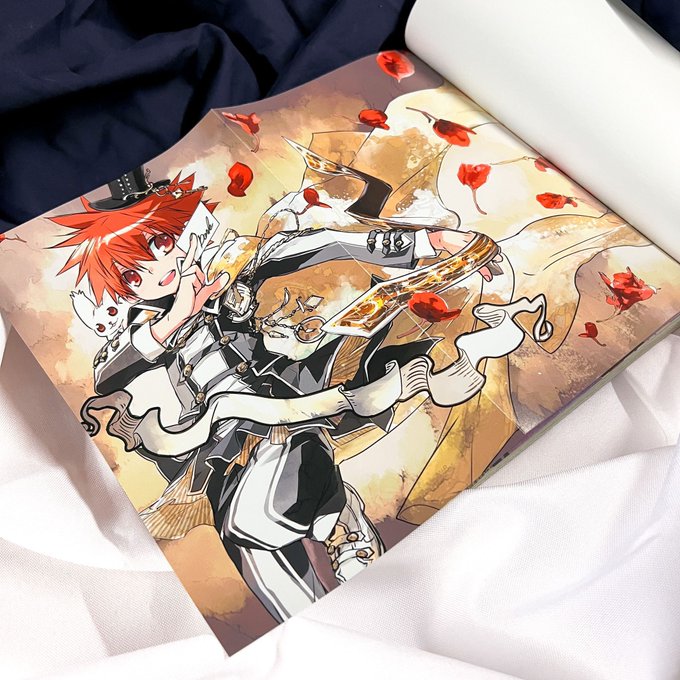
Yen Press also noted that when it’d prepare the D.N.Angel New Editionvolumes, there would be color pages of the manga throughout. I sort of expected this to only apply to the first few pages of the introduction and the final pages, due to a social media post showing some of pages at launch. But there’s more to it here, which I appreciated. The first three pages, including a full-color spread of Daisuke. Ahead of each chapter, there are some minimalistic color renditions of the pages. So before chapter 2 starts, we see Dark. They’re very well handled and in some cases feature some really intricate coloring. The image of Daisuke in a scarf at sunset as snow is starting to fall ahead of chapter 7 is a perfect example of the quality of those color illustrations.
It almost feels like Yen Press is trying to make up for lost time with the D.N.Angel New Edition manga release. It’s a great size tome that covers multiple volumes. The print quality is well-done, especially with the color images ahead of chapters. The pull-out of the cover art is a nice touch. After what we went through waiting for a proper physical run of it outside Japan, it feels like it is finally getting the release it deserves.
Volume 1 of the D.N.Angel New Editionmanga is available now, and Yen Press will release volume 2 on February 24, 2026.
Cling to Darkness was about an hour and a half of dread and emotional twists, only for one's last impression of it to be a frenetic rock track as the credits play. Though odd, it matches the peculiar (used both positively and negatively) experience that I just had. Though I can appreciate Lizardry’s innovation in the over-saturated market of indie horror adventure, its somewhat counter-intuitive gameplay drowns out the potential.
In Cling to Darkness, you play as Satsuki, a young girl undergoing a ritual. This ritual requires her to put on a blindfold and collect five talismans while relying solely on her sense of hearing. A mysterious monster known as Ashioto-san stalks her the entire time, and she absolutely cannot let Ashioto-san touch her.
When reading the description for Cling to Darkness, I expected something like Death Forest or Aka Manto—a horror game with an implacable monster stalker and a bare-bones narrative to justify your presence in whatever haunted locale you’re in. But I was surprised when Cling to Darkness actually had a story. Satsuki comes off as an unreliable narrator, which makes you doubt her story and have to piece together her past from dialogue.
Contrary to the game's instructions when you first boot this up, I highly recommend playing with visual aides off and not blindfolding yourself. As mentioned earlier, the story wants to be deeper than the run-of-the-mill horror, but the game doesn’t mute or lower the volume of the sound effects during conversations. Many times, they distracted me at key points of dialogue, causing me to miss something since I couldn't read the subtitle before clicking for the next line.
It’s also funny that I had to do that. Again, you're meant to play it blindfolded, but the game doesn't have an auto option for the story. I often didn't know when a character had finished speaking and so needed me to click to proceed. How did the playtesters not complain aabout this? This was way more stressful than the actual horror bit. The game wasn't that scary since Ashioto-san sounds like a kid running at the pool, and it's easy enough to beat.
The story also doesn't match the game's length. It's only 90 minutes long, which isn't enough time to know or care about Satsuki. That's even with Anya Floris, who voices Satsuki in the English version, acting her heart out. My first impression when I finished the game was that the ending was similar to the Death Note American live-action's. It ends on a confusing note ("Wait, did Satsuki pee herself?") and the last impression is a complete tonal shift from what you had just gone through that it only leaves you with more questions.
I would have liked more time with Satsuki to care about her and her plight. In saying that, though, more of the repetitive gameplay would have further dragged down the experience. Cling to Darkness is a game with a good idea, but its execution (from basic QoL to the story and gameplay) just needed some more forethought.
Cling to Darkness is readily available on the Windows PC via Steam.
During the 2025 Tokyo Game Show, HoYoVerse officially announced Petit Planet, its life sim game designed to offer an Animal Crossing style experience. At the time, only initial teasers and the promise of a November 2025 Coziness Test closed beta appeared. Now that’s upon us and, as expected, this does feel inspired by Nintendo’s title. However, after spending some time testing an in-progress build out, I feel like it is a little more task-focused than something like Animal Crossing: New Horizons.
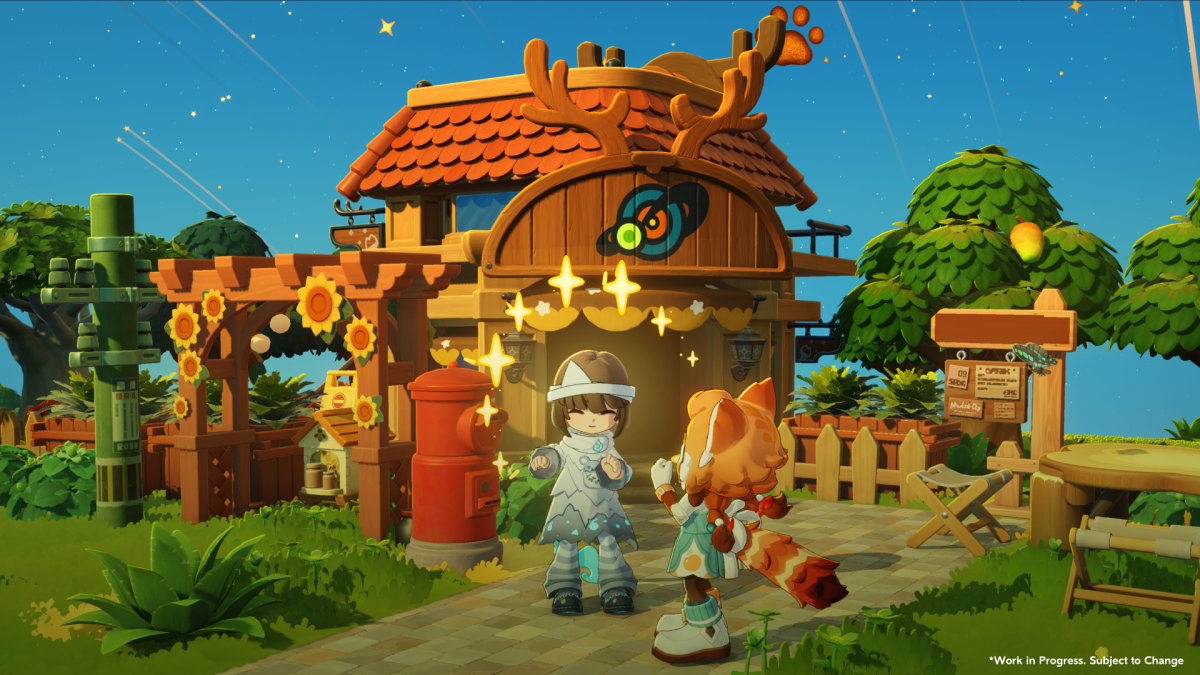
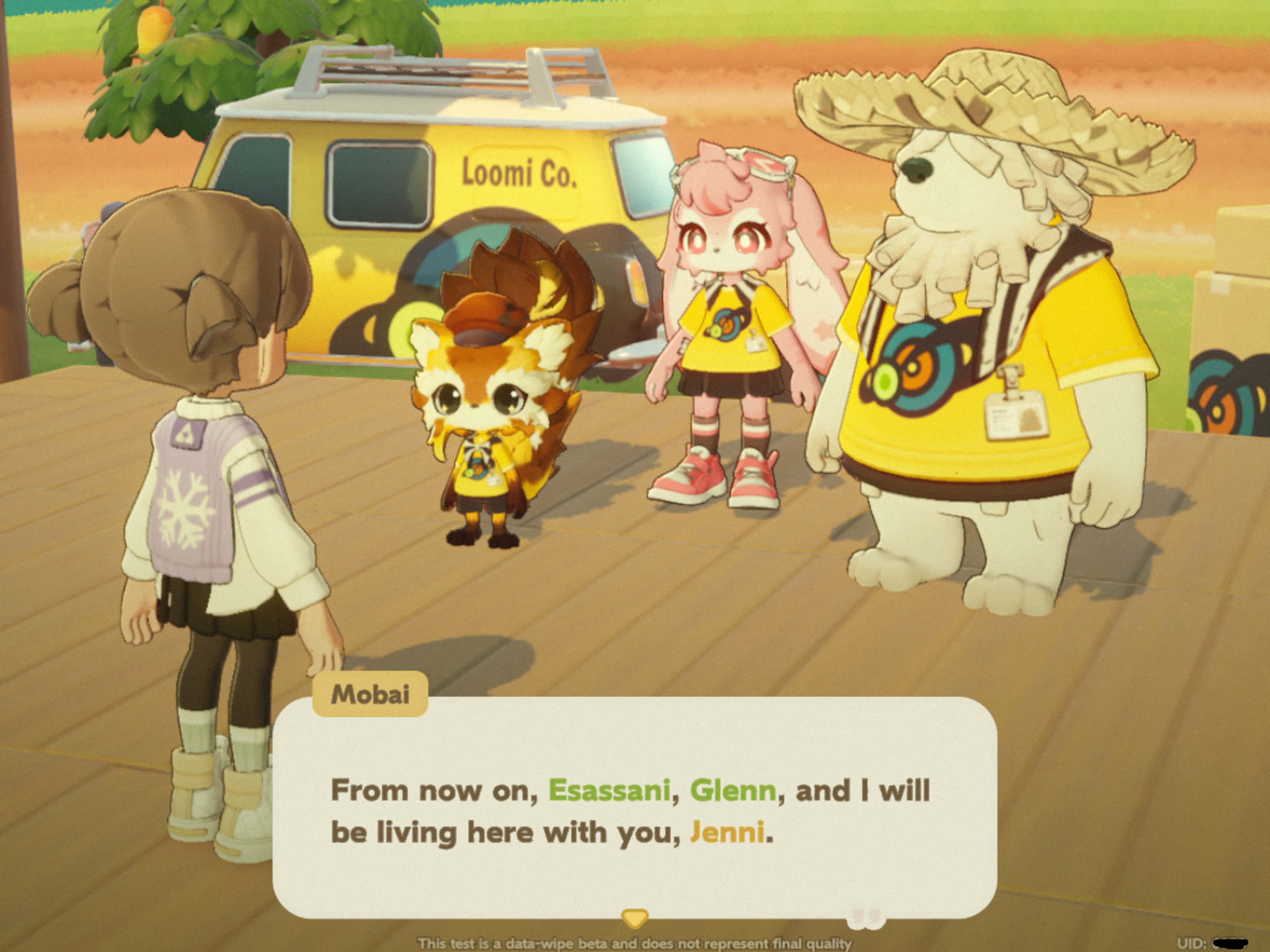
Petit Planet begins with Loomi Corp giving our avatars a chance to develop their own uninhabited planet, with the help of employees Mobai, Glenn, and Esassani. Mobai is something of the Tom Nook mentor here, though he jokes that initial residence comes without any kind of loan or financial commitment. Glenn handles the shop on our fledgeling planet. Esassani acts as our chauffeur to take us through the Starsea in our car. After picking our planet type, of which there were a Golden Prairie with a hot and dry Taffeh one and Verdant Plains warm and humid one in the Hexia galaxy during the beta, we head off. Upon landing, we get to set up a home and plant a Lucaseed that will grow into a tree that influences this world. As we go through different campaign tasks, we eventually get a special kind of Luca liquid that allows it to grow and unlock new elements like kinds of life, cosmetic changes, and features like the ability to dig up stuff or engage in more farming.
https://www.youtube.com/watch?v=7HyMwlxRcCg
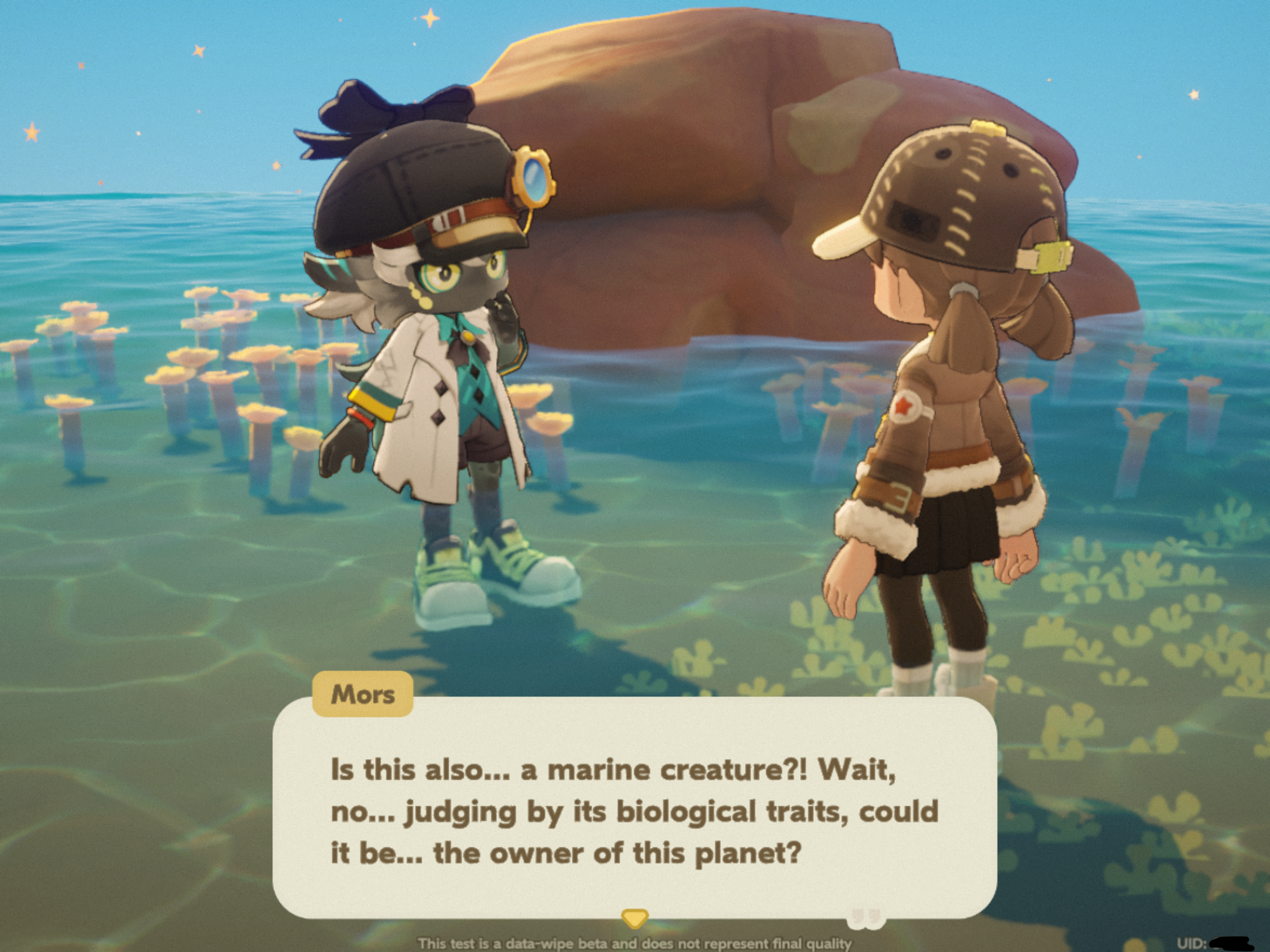
From there, the gameplay flow HoYoVerse created in Petit Planet does feel a lot like life sims such as Animal Crossing and Hello Kitty: Island Adventure. It follows a real-world clock after you get past a certain point of the tutorial. So some quests, once completed, won’t completely go through and show the results until the next day. For example, Glenn’s shop will open the next day after you get the materials for it, and as will Mors’ ecological habitat for insects, fish, and shore-dwelling creatures you collect with tongs. The in-progress build in the test made a cooking station with pot available for recipes right away, with a crafting table and kiosk for purchases like larger houses, Starsea car-travel related items, and cosmetics.
Two types of currency are present in-game during this test. Dough is earned via things like quests or selling items you collect or craft. This can be spent at Glenn's store for items like furniture, seeds, and clothing. We collect stars earned via collecting Footsteps milestones for performing actions like hitting trees or rocks with your Mattock, crafting, collecting wildlife, and similar sorts of activities. This can be spent at the Loomi Co kiosk, specifically on new hairstyles, clothing, accessories, and furniture in this closed beta. Stamina is another element we need to manage, but it’s easily refilled by eating a quick prepared meal made from wildlife, fruit, and vegetables found on the island or a snack like a Mango.
Screenshots by Siliconera. The content may differ from the final Closed Beta version.
But as I mentioned at the outset, one of my strongest impressions in Petit Planet so far is that it feels like HoYoVerse prioritized completing quests more in this game than than Nintendo did in Animal Crossing: New Horizons, even though so much of it does feel like that title. I’d almost say it’s more like Hello Kitty: Island Adventure in terms of constantly available main and side missions. These can be found on the main and neighbor tabs in the menu, with the ability to track all of them. (Tracking can get extremely detailed, which I appreciate, since it can even be tied to specific materials needed for certain assignments.) After you get past a certain point in the tutorial, each day begins with a dispatch Tala’s Miracle Parade: Shortwave News Buzz, and then you move on to daily tasks. From there, you can go about collecting daily resources like wood and sap from trees, crops from farming plots, ore from regenerated rocks, and regrown flowers and grasses.
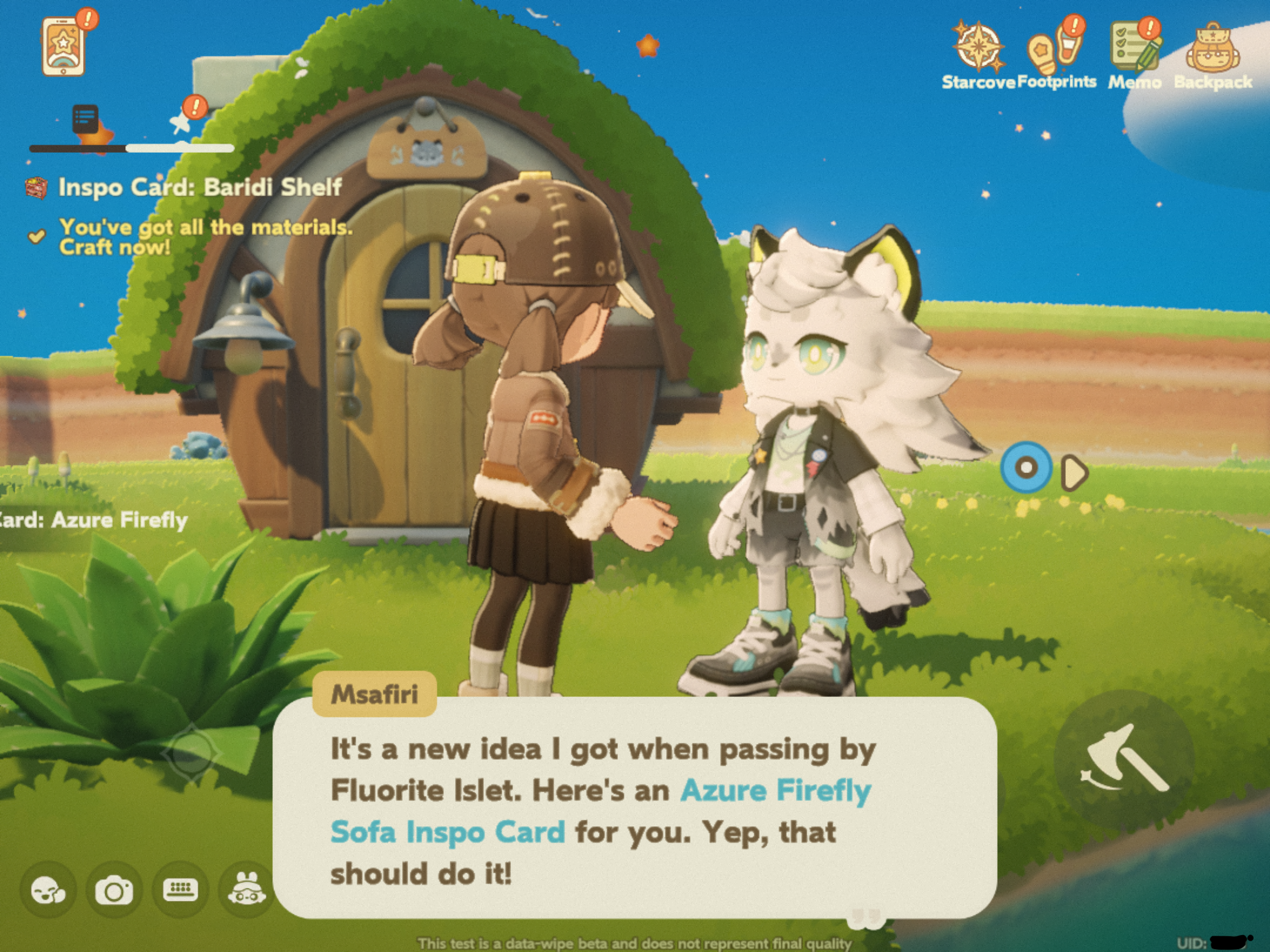
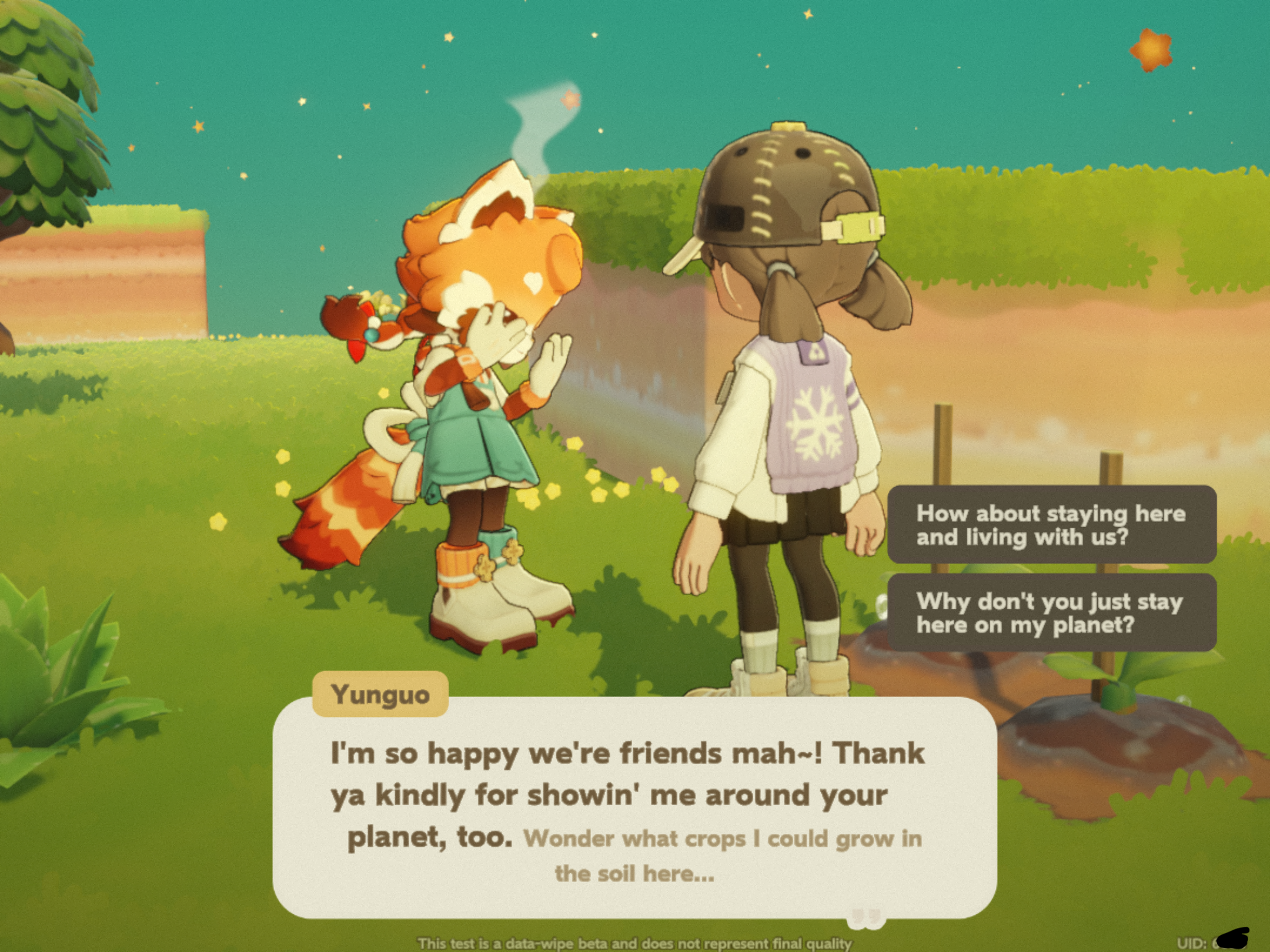
While there are those tasks constantly lining up, Petit Planet does feel a little more relaxed when it comes to maintaining relationships with the anthropomorphic animal neighbors who come to our island. There is a friendship system in place, with their page in our indexes showing their name, birthday, planet, bond level, gifts they love, like, and dislike, some initial about tidbits, a log of actions, and a Journey section that lets us put earned Archiboos from daily actions toward improving our relationships. There’s no threat of them moving away in this closed beta, and the nature of it makes me suspect that won’t be present in the full game. The two initial ones I encountered in this trial are Yunguo, a red panda, and Msafiri, who appears to be a snow leopard. The initial introductory neighbor-specific questlines for them involved helping them with initial tasks, asking them to move, placing their homes, getting and crafting them each three pieces of furniture for their new homes, getting their larger residences from the Loomi kiosk, and collecting the building materials for those. Talking to them casually could result in getting a free material. Checking in might result in a quick quest. But initially, it seems HoYoVerse designed them to offer Hello Kitty: Island Adventure style bonding quests and relationship tiers along with Animal Crossing companionship in Petit Planet.
Screenshots by Siliconera. The content may differ from the final Closed Beta version.
When I first saw Petit Planet, I absolutely saw how HoYoVerse used Animal Crossing as an inspiration for their own life sim, but after early hours with the in-progress game via the beta, it also feels more task-focused like Hello Kitty: Island Adventure too. It seems like there will be a lot of relaxing, low-pressure activities. However, it does seem very quest-focused, with mainline campaign and neighbor assignments to keep us busy each day. Of course, during my play sessions I was determined to do as much as possible as quickly as possible. Which would mean seeing a lot of constant mission notifications and assignments in my queue. But even so, my initial Petit Planet impressions is that this HoYoVerse approach to Animal Crossing will involve a lot more Hello Kitty: Island Adventure style assignments.
Petit Planet is in development for PCs and mobile devices, and the closed Coziness Test beta is live now.