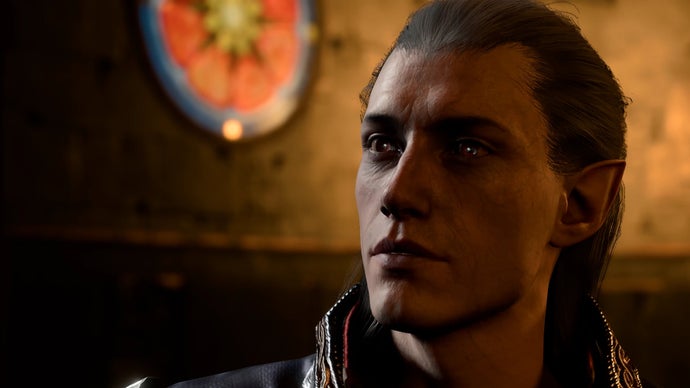
Another intriguing Baldur's Gate 3 custom campaign mod has emerged to confront your party of quirky RPG adventurers. This one's a short story which lets you take a break from BG3's main story to attend a dinner party at the house of a not-at-all creepy rich bloke, who happens to be very good at jamming out on the organ via illusions.
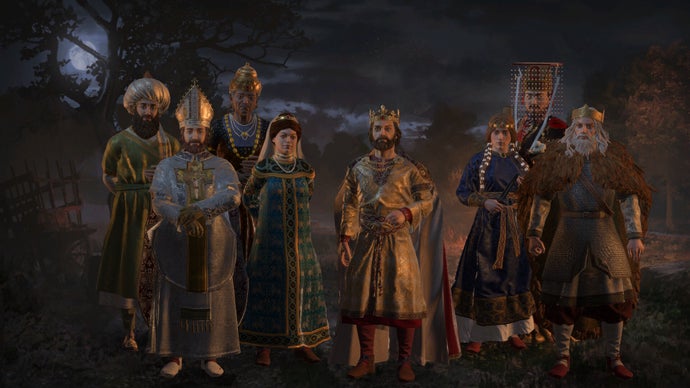
I wake up at 3AM. Do 50 pull-ups on a halberd wedged in the door frame. Do 50 push-ups on the cold stone floor. A servant hands me my protein mead and a wine frappamachiato. I violently double fist the two beverages. I don't eat breakfast, because food that isn't flavourless cup gruel is the enemy of productivity. Then, I'm dressed in my robes for the commute to the throne room. The magic starts. It's 5AM in Crusader Kings 3 and I'm on my medieval monarch grindset.
I pull out Paradox's latest dev diary. Oh, look at that, they're working with a mystery modder on bringing exactly the sort of big number tables to the strategy game that I need to tell at a glance whether I'm out-grinding my inbred wealth-creating cousins who rule other nations across the world.
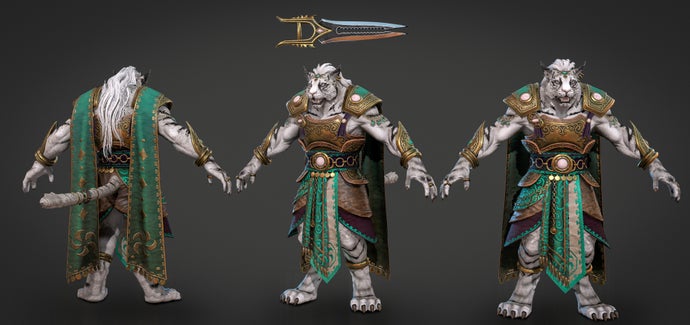
Creative Assembly have just detailed Total War: Warhammer 3’s first character pack, these being “smaller, focused content drops built around a single character with their own unique feature, supported by a handful of exciting new units”, priced (in this case) at £3.99, $4.99 or €4.99 apiece.
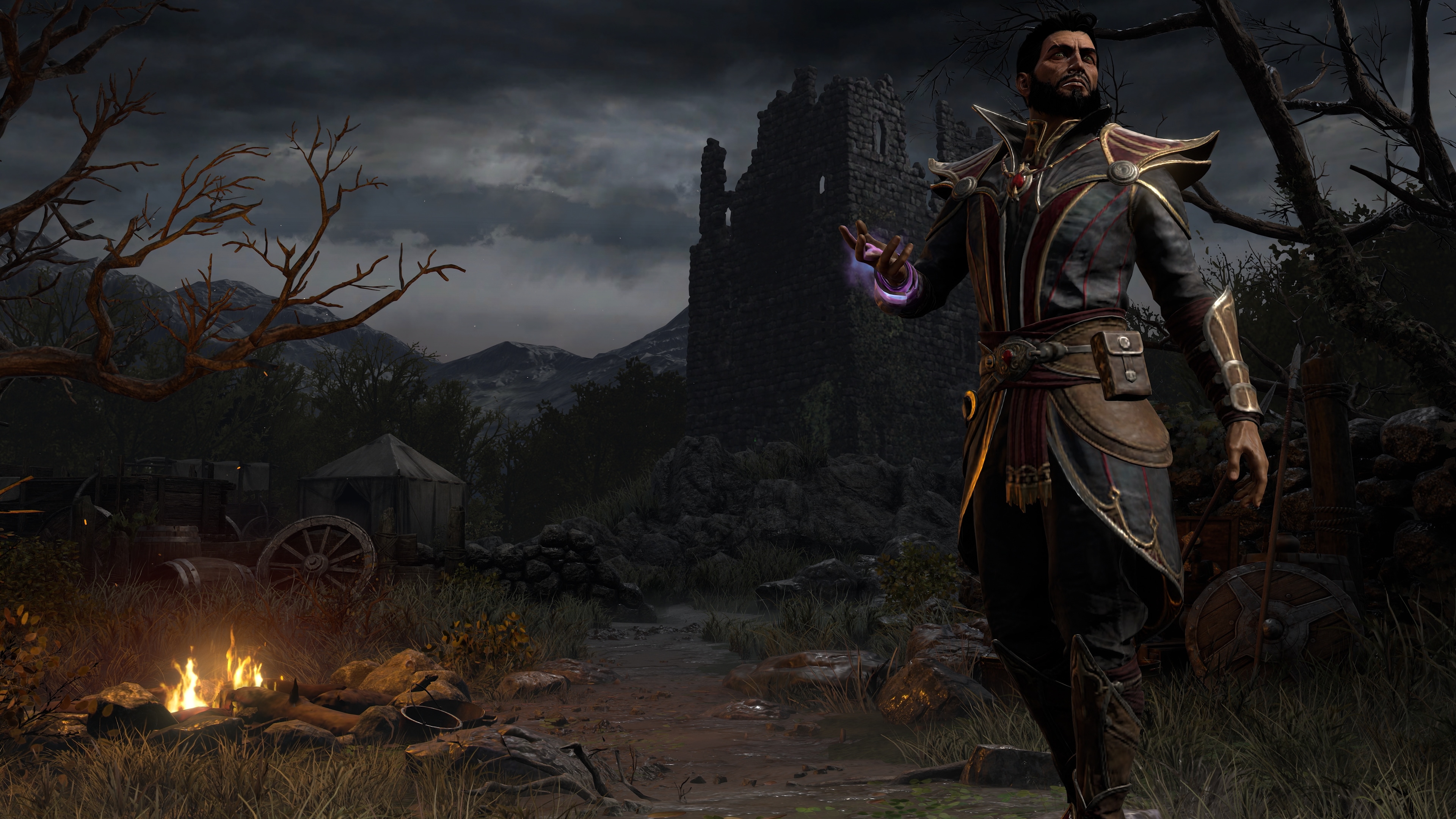
I hope you like warlocks. Well, if you're someone who regularly delves into Diablo, I hope you at the very least don't detest warlocks with all of your hellish heart. Because yesterday evening's Diablo 30th anniversary shindig was rather heavy on warlocks, with the class coming to not just Diablo 4's next expansion, but also Diablo 2 and Diablo Immortal. Meanwhile, Diablo 2: Resurrected has moseyed on over to Steam.
You would think that adding an all-new class to an old game like Diablo II: Resurrected would be a happy event, but then you also likely have never experienced ARPG players in public forums and subreddits, who primarily appear to be the angriest of human calculators. That appears to be the case among players of the game, […]
Remember back in January when EverQuest franchise players were miffed that Daybreak had decided to skip a roadmap for EverQuest and EverQuest II in 2026, out of a stated desire to avoid “redundancy”? At the time, Daybreak’s Jenn Chan said that the studio would still be putting out its traditional two game updates and an […]
Developer Mega Crit announced that the upcoming roguelike deckbuilder Slay the Spire II will launch in early access on March 5 for PC via Steam. A release date trailer was also unveiled, featuring an animated cutscene and gameplay footage showcasing several features, including the return of the Defect, new abilities, new Acts, multiplayer functionality, and more.
The full details:
The ultimate roguelike deckbuilder returns!
For 1,000 years, the Spire lay dormant, its secrets buried and its horrors forgotten. Now, it has reopened, hungrier and more dangerous than ever, devouring all who dare to ascend.
New perils demand sharper strategies, relentless cunning, and unwavering resolve. Outwit the Spire’s brutal trials and uncover the truths hidden at its peak.
Will you attempt the climb alone or enlist the aid of your fellow adventurers?
An Ever-Changing Spire
Step into the newly evolved Spire, a twisted labyrinth teeming with strange and deadly foes. Adapt to an arsenal of brand new cards, relics, and potions, each offering game-changing possibilities—or dangerous consequences.
Climb the Spire with a new and returning cast of characters, each with their own cards, motives, and secrets.
No two climbs are ever the same. Unpredictable challenges and evolving strategies await those brave—or foolish—enough to ascend.
Climb Alone or With Allies
Brave the ascent on your own, or play with up to four players and face the Spire together in the all new cooperative mode. Discover multiplayer-specific cards, powerful team synergies, and carry your friends (or get carried) to victory!
A New and Returning Cast of Characters
Embark on your quest to Slay the Spire as one of five different characters, some of whom will be familiar to seasoned Slayers and two of whom who are brand new. Discover each character’s unique playstyle, full potential, and secret backstory as you conquer all who stand in their way.
Uncover the Spire’s Lore
The history of the Spire and its inhabitants, be they friend or foe, can now be discovered in entirely new ways. Unlock fragments of its mysterious timeline and encounter the most ancient of its residents through your myriad attempts.
More to Come in Early Access
The Spire truly is ever-changing… in more ways than one. More content—including cards, events, environments, enemies, and more—will be added and balanced throughout Early Access. Join the journey early to be a part of the Spire’s next evolution.
Why release in Early Access, you ask? Slay the Spire‘s success comes from our community! It sounds corny, but the extra mile many of you went to report issues, translate content/announcements, create long video essays, make excellent (lol) tier lists, and draw goofy or gorgeous fan art is the reason we’re doing it all again. We love our job!
Crusader Kings 3 developer Paradox Black is in the midst of working on a big 'spring cleaning' update, and it's turned to modders for some assistance. Riad Deneche, QA manager at the Crusader Kings 3 studio, explains that the focus of its upcoming patch is "tackling bugs that have been haunting our backlog, and introducing a set of changes and smaller features that we believe will meaningfully enhance the CK3 experience." In service of this, it's calling upon one mysterious, upstanding member of the community to help - and Deneche says the team was "genuinely shocked" by their list of proposed fixes.
Total War: Warhammer 3 does some excellent things that I wish the tabletop game would recreate. Most of these take the form of powerful units - I want plastic miniatures (or should that be bigatures?) of the Thunderbarge and Necrofex Colossus, please and thank you. The newest addition to the game is Bhashiva and her impressive Tiger Warriors, another character and unit I'd love to make the transition from pixel to plastic.
There are a handful of moments in gaming history that are forever etched in my memory for being undeniably shocking and painfully unforgettable… and (spoiler alert) the sudden ending of Aerith’s journey at the conclusion of disc one in Final Fantasy VII stands as one of the most prominent. While this is hardly the first time (or the last time) that I experienced a gaming character “moving on”, this one hit especially hard because of how unnecessary it felt at the time. But despite my disappointment at this unwanted plot twist, there were still two more discs left to complete… while this action couldn’t be prevented or undone, after respectfully mourning her loss it was time for me to move forward in hope and finish the story.
Throughout our lives, we will all be faced with tragic events that threaten to steal our hope, break our spirits, and stall our journey. And while it is right for us to pause and mourn these losses, they don’t represent the conclusion of our story… just the end of this “disc”. As King David found when he was praying through a heartbreaking tragedy of his own, our loving Father sees and catches every tear that we cry… and even though He doesn’t always intervene the way we would prefer or reverse what has happened, the Lord has at least two more discs of content for us as well as an ending that will make this all worth it.
You number my wanderings; put my tears into Your bottle; are they not in Your book? Psalm 56:8
And God will wipe away every tear from their eyes; there shall be no more death, nor sorrow, nor crying. There shall be no more pain, for the former things have passed away. Revelation 21:4
Like us? Follow us on Instagram, Twitter, Facebook, Spotify, TikTok, or YouTube for our articles, podcasts, and videos!
Facebook: Finding God in Video Games
Twitter: @FindingGodIn_VG
Instagram: Finding God in Video Games
Podcasts onSpotify/Apple/Google: Finding God in Video Games
After 25 years, Diablo 2 finally has a new playable class. The Reign of the Warlock expansion dropped today, and it’s easily the most substantial update Diablo II: Resurrected has ever received. We’re talking about a complete game-changer here – not just some minor tweaks or balance patches.
This isn’t your typical DLC either. Blizzard packed in a brand-new class, revamped endgame content, and quality-of-life improvements that players have been begging for since the game’s original release. Whether you’re a returning veteran or someone who’s been grinding Terror Zones for months, this update fundamentally changes how you’ll experience Sanctuary.
The Warlock: Master of Forbidden Arts
The star of the show is obviously the Warlock. This mysterious scholar spent years lurking in shadows, studying demonic magic that most sane people would avoid. Now they’re ready to unleash that forbidden knowledge on the demon hordes.
What makes the Warlock unique? For starters, they can levitate their weapon. Yeah, you read that right. This passive ability lets you equip a two-handed weapon in one hand while wielding an off-hand item simultaneously. No other class in Diablo 2 can pull that off, which opens up some seriously creative build possibilities.
The class revolves around three distinct skill trees, each offering a completely different playstyle:
Demon Binding – Your Personal Army
Think of this as the summoner’s dream tree. You’re not just raising skeletons here – you’re enslaving actual demons to fight alongside you. The Warlock can summon three types of demons: Goatmen for melee combat, Tainted for ranged attacks, and Defilers for binding enemy souls together.
But here’s where it gets interesting. You can only bind one demon at a time, and binding strengthens both you and your demonic servant. Each demon grants unique abilities and auras that complement your build. Don’t like your current demon? Consume it. Seriously – you can drain its life force to gain temporary buffs like increased movement speed, bonus to all skills, or even powerful auras.
The consumption mechanic varies based on which demon you devour, creating a dynamic risk-reward system. Do you keep your Goatman for sustained damage, or consume it mid-battle for a crucial buff when things get dicey?
Eldritch Weapons – Mind Over Matter
This tree is all about weapon manipulation and hexes. Forget traditional melee combat – Eldritch-focused Warlocks use telekinesis to control their armaments. You can imbue weapons with powerful curses that cripple enemies, drain their life, or make them explode in spectacular bursts of gore.
The tree also lets you create ethereal duplicates of your weapons or throw them with deadly precision. Combined with the Warlock’s ability to dual-wield two-handed weapons, you can build some absolutely devastating combinations. A two-handed axe in one hand, a Grimoire in the other, and astral projections flying everywhere? That’s peak Warlock energy.
Arts of Chaos – Pure Destruction
For players who prefer keeping their distance while raining hellfire on enemies, the Chaos tree delivers. This is your caster archetype, focused on destructive magic damage through fire and void elements.
Warlocks conjure Miasma – deadly projectiles formed from pure entropy. Master this tree, and you can unleash Apocalypse to incinerate entire screens of enemies. Or go even more extreme and tear open the Abyss itself, creating a vortex that draws in and annihilates everything nearby.
The visual effects alone make this tree worth trying. There’s something deeply satisfying about watching demons get sucked into a void of your own creation.
Terror Zones Get a Major Overhaul
Terror Zones aren’t new to Diablo II: Resurrected, but Reign of the Warlock completely reimagines how they work. The rotation cycle now changes every 30 minutes instead of every hour, keeping the action fresh and preventing players from falling into repetitive farming patterns.
More importantly, you now earn consumables that let you choose which Act becomes terrorized. When an entire Act terrorizes, every zone within it gets significantly enhanced. We’re talking much tougher enemies and substantially better rewards. This gives you more control over your endgame grinding routes and lets you optimize for specific loot.
Hell difficulty introduces Heralds of Terror – deadly hunters that stalk you like prey. Each subsequent Herald that tracks you down becomes exponentially more dangerous. It’s a brutal mechanic that keeps you on your toes even when you think you’ve got your farming route locked down.
Defeating terrorized Act bosses now has a chance to drop special statues. Collect all five and combine them in the Horadric Cube to unlock access to the expansion’s ultimate challenge.
Colossal Ancients: The New Pinnacle Boss Fight
Speaking of ultimate challenges – the Colossal Ancients represent Diablo 2’s first true pinnacle boss encounter. This brutal gauntlet demands flawless execution and total mastery of your build.
The fight works like an escalating nightmare. Strike down one Ancient, and the remaining foes grow stronger and unlock new abilities. It’s a brutal test that separates casual players from the truly dedicated.
Successfully defeating these gargantuan threats rewards you with unique jewels that require level 75 to use. Each Ancient drops one of two possible jewels:
Talic drops Defender’s Fire or Defender’s Bile
Korlic drops Protector’s Frost or Protector’s Stone
Madawc drops Guardian’s Thunder or Guardian’s Light
These jewels function similarly to Gheed’s Fortune – you can only have one equipped across all your items at once, though you can hold multiple in your inventory. This limitation makes choosing the right jewel for your build crucial.
More Than 30 New Items to Hunt
Reign of the Warlock introduces over 30 new items including Sets, Uniques, Runewords, and an entirely new item type called Grimoires (or Books). These powerful tomes serve as the Warlock’s off-hand equipment and can roll Warlock staff mods plus inherent elemental weapon damage.
Daggers received a significant upgrade too. White daggers can now roll up to three points in random Warlock skills, making them excellent Runeword bases. To support this change, Blizzard moved daggers to vendors like Akara, Drognan, and Malah while removing them from gambling.
Notable new items include:
Hellwarden’s Will – A unique Death Mask offering both Faster Cast Rate and Attack Speed, letting multiple classes hit important breakpoints with a single item slot.
Sling Ring – Features the rare stat of negative enemy Magic Resistance, making it invaluable for magic-damage builds.
Opalvein – A unique ring with random elemental damage percentages. Finding the right element for your build might take some farming, but it’s worth the effort.
The expansion also adds five new Runewords: Authority, Coven, Void, Vigilance, and Ritual. Each targets different build archetypes and equipment slots.
Sunder Charms Get Reworked
Sunder Charms underwent a complete overhaul. The old versions still exist, but Reign of the Warlock introduces Latent Sunder Charms that only drop from Heralds in Terror Zones. These are significantly rarer than before.
The tradeoff? You can craft Latent Sunder Charms into Renewed Sunder Charms with additional powerful stats like Faster Run Walk, Faster Hit Recovery, or bonuses to All Attributes. This change makes Sunder Charms rarer but way more customizable and build-defining.
Quality of Life Improvements Players Actually Wanted
Beyond the new content, Reign of the Warlock delivers on quality-of-life features the community has requested for literal years.
Stackable Stash Tabs
Gone are the days of maintaining dedicated gem mules or scrolling through pages of Perfect Skulls. The expansion adds three new specialized stash tabs for Gems, Materials, and Runes. Items stack up to 99 and automatically sort into their proper categories.
The Horadric Cube can now move between tabs too, making crafting sessions way less tedious. Plus, purchasing the expansion grants two additional general stash tabs and two extra character slots.
Fully Customizable Loot Filters
Loot Filters are finally built directly into the game. You get complete control over which items display when you press the Alt key. This helps you focus on the drops you actually care about instead of wading through endless piles of junk.
The system supports custom filters that you can create yourself, share with friends, or download from the community. PC players can easily link and share their filter configurations, creating a ecosystem of optimized loot settings for different builds and farming strategies.
The Chronicle System
For Holy Grail hunters, the Chronicle is a dream come true. This new in-game tracking system records every unique, set piece, and runeword you’ve collected. It even tells you exactly when and where you found each item.
Completing sections of the Chronicle unlocks rewards you can use to show off your collection prowess. It’s essentially Blizzard’s official stamp of approval on one of the community’s most popular self-imposed challenges.
Cross-Era Character Transfer
Reign of the Warlock introduces an interesting era system that segments the game into three distinct versions: Diablo II Classic, Diablo II: Resurrected, and Diablo II: Reign of the Warlock.
Your characters exist separately on each era, meaning you can have the same character in multiple versions without them affecting each other. This preserves the integrity of each era’s meta while giving players choice in how they want to experience the game.
You can transfer characters forward from Classic to Resurrected, and from Resurrected to Reign of the Warlock. However, transfers only work in one direction – you can’t move characters backwards. This prevents people from farming new content and then bringing overpowered gear back to older eras.
Platform Availability and Pricing
Reign of the Warlock launches today across Battle.net, PlayStation, Xbox, and Nintendo Switch. For the first time, Diablo II: Resurrected is also hitting Steam and Xbox Game Pass.
Existing Diablo II: Resurrected owners can purchase the Reign of the Warlock DLC for $25. This unlocks the Warlock class, two stash tabs, two character slots, plus bonus cosmetics for Diablo IV and World of Warcraft.
New players can grab the Infernal Edition, which includes the base game and all expansion content in one package. Xbox Game Pass subscribers get access to the base game, but the Warlock expansion requires a separate purchase.
The pricing has generated some discussion in the community – $25 for a single class and endgame content strikes some as steep. However, considering Blizzard is delivering long-requested features alongside the new class, most players seem willing to pay up.
The Warlock Across Diablo Games
Interestingly, the Warlock isn’t exclusive to Diablo II: Resurrected. Blizzard announced that the class will appear in Diablo IV’s Lord of Hatred update launching April 28th, and in Diablo Immortal’s Andariel Rises update dropping this summer.
Actor Rahul Kohli (known for The Haunting of Bly Manor and Midnight Mass) voices the Warlock across all three games. This unified approach marks a significant moment in Diablo’s history – it’s rare for a new class to launch simultaneously across multiple titles in the franchise.
The cross-game release suggests Blizzard views the Warlock as a major addition to Diablo’s class roster, not just a one-off experiment for a legacy title.
Is Reign of the Warlock Worth It?
For dedicated Diablo 2 players, this is pretty much a no-brainer. The Warlock alone provides dozens of hours of fresh content as you experiment with different build combinations. The endgame additions like Colossal Ancients and revamped Terror Zones extend replay value considerably.
The quality-of-life improvements represent years of community feedback finally being implemented. Stackable stash tabs, loot filters, and the Chronicle system modernize Diablo 2 without compromising what made the original great.
If you’re on the fence, consider what you want from the game. Pure nostalgia seekers might be satisfied with the base Resurrected experience. But for players seeking fresh challenges and modern conveniences, Reign of the Warlock delivers.
The expansion shows Blizzard is committed to supporting Diablo II: Resurrected long-term. After 25 years, getting substantial new content for a game this old is remarkable. Whether this represents a new era for the franchise or a swan song remains to be seen, but for now, the age of the Warlock has definitely begun.
Ready to bind some demons and unleash chaos on Sanctuary? The Reign of the Warlock is available now across all platforms. Just remember – once you transfer your character to the new era, there’s no going back. Choose wisely.
This year is promising some great PlayStation 5 games – our Most Wanted Games of Early 2026 is easy proof of that. But we’re only just getting started. There’s so much more on the way, and with PS5 not only home to the biggest releases but also an exciting hotbed of super cool indie titles, it’s only fair to give you an enticing glimpse at why we’re so hyped for the coming months.
Coffee Talk Tokyo | May 21 | PS5
If you’ve ever wanted to safely talk to yokai about their lives (or afterlives) over a cup of joe, then pull up a seat at the Tokyo cafe Chorus Worldwide has set up. If you’re not familiar with the lovely Coffee Talk series, this iteration continues its calming narrative, where you prepare and serve drinks to supernatural customers seeking chilled conversation and warm contemplation.
Fishbowl | April TBD | PS5
As odd as its title might sound, Fishbowl carries a depth that’s already caught the eyes and tugged at the hearts of those who’ve played it. Exploring a journey of grief and self-discovery, the two-person studio of imissmyfriends promises a thoughtful and emotional visual novel. A coming-of-age tale set over a month, Fishbowl features sorting-and-matching puzzle gameplay elements, but, most importantly, it aims to teach players that taking things one day at a time is sometimes the only way to move forward.
Hela | TBD 2026 | PS5
It’s entirely possible that when you first heard the title of this 3D co-op adventure, images of Nordic fire and brimstone came to mind. But never fear, Hela is pretty much the opposite. In fact, the only Scandinavian landscapes that have inspired this wholesome journey are those that have you reaching for the Create button for a revisit. Windup’s beautiful-looking escapade of puzzles and teamwork – via either local split-screen or online if you want to bring a buddy – lets you become a sickly witch’s mousey familiar, brewing healing potions and helping the local village with acts of kindness.
Inkonbini: One Store. Many Stories | April TBD | PS5
Need space for a cosy gaming experience? Nagai Industries has you covered with this nostalgic slice-of-life narrative, where human connections created by everyday events are entirely the point. Inspired by early 1990s Japan, Inkobini sets you in a small-town convenience store where you not only go through the meditative routine of preparing the shop for customers, but also hear their tales and forge relationships. The branching narrative shapes your conversations as you help the neighbourhood grow and thrive.
Mina the Hollower | Spring 2026 | PS5, PS4
One of the most anticipated titles of 2026, Yacht Club Games’ action-adventure blends an 8-bit aesthetic with modern design sensibilities, a combination that helped Shovel Knight become such a beloved indie darling. Genius inventor Mina isn’t just a dab hand with weapons like her Nightstar whip and daggers, but can also use her hollowing ability to burrow underground – perfect for mixing up combat and traversal in the many dungeons of the cursed Tenebrous Isle. Fan favourite musicians Jake Kaufman (the Shantae series) and Yuzo Koshiro (Streets of Rage/Shinobi series) are also along for the adventure’s infectiously slick soundtrack.
Mortal Shell II | TBD 2026 | PS5
Let’s step away from the cosy side for a spell, and get our hands a little dirty with the sequel to Cold Symmetry’s original action-RPG. While standalone from its predecessor, Mortal Shell II continues to deliver the unflinching fights, nightmarish enemies, and haunting open world that fans previously enjoyed. The corpses of departed warriors are yours to awaken and possess to utilize their many abilities. Finishers have been upgraded, and the stamina gauge has been removed to speed up combat. Oh, and there are firearms, too, so your bloody quest to reclaim the Undermether’s stolen eggs gives you a chance to introduce the likes of shotguns and rapid-fire crossbows to your foes.
Mouse P.I. For Hire | March 19 | PS5
Evoking the hand-drawn aesthetic of classic 1930s cartoons, Fumi Games’s first-person shooter blends detective noir storytelling with all-action blasting. If you like jazz, machine guns, grizzled narration, and oversized white gloves, then Mouseburg will be your home away from home. But be warned – just like the animation it apes, this is a game where almost anything can happen.
Never Grave: The Witch and The Curse | March 5 | PS5, PS4
There’s something special about a game that knows how endearing it is, and this vibrant 2D search action roguelike truly owns its charm – or should that be ‘curse’? Simply put, you control a magical hat with the power to possess your foes and use their abilities to venture through ruins, botanical gardens, and more, to help rebuild your ruined village. And what’s better than one cursed hat? Well, bring three friends along for the multiplayer mode and find out.
Ontos | TBD 2026 | PS5
When Frictional Games announced it would be unleashing the spiritual successor to 2015 sci-fi horror Soma, any eager anticipation was rewarded with the first glimpses of Ontos. Swapping underwater chills for a desolate moon base, this disturbing narrative-driven adventure challenges you to scavenge materials, operate machinery, and make moral choices that could result in grave consequences as you delve deeper into the mystery of a failed mining colony.
Out of Words | TBD 2026 | PS5
Easily one of the most unique-looking games in this list due to its eye-catching stop-motion and handcrafted visuals, Out of Words lives up to its title with two protagonists without mouths. In a quest to restore their voices, you and a friend take control of Kurt and Karla in a co-op platform adventure packed with puzzles and environmental challenges, testing your communication and coordination. And beneath the giant fish, tense set pieces, and physics-defying traversals, beats a tender story of connection and love, too.
Over the Hill | TBD 2026 | PS5
It couldn’t have been easy to follow the stylish racing game art of rally, but developers Funselektor Labs and Strelka Games have made something decidedly different, albeit still on four wheels. Over the Hill focuses on exploration and discovery, with a deliberately paced drive through a wilderness of dynamic weather, day/night cycles, and terrain deformation. It’s not a race – it’s all about the journey, upgrading and customizing your vehicle, taking in the scenery, and even joining up to three friends to see what awaits past the sunset.
We might be buzzing to get our hands on these games (and many more, coming), but what about you? Which indie titles are you looking forward to playing in 2026?
It's tempting to believe that the Diablo 3 playerbase has been eclipsed by a resurgent Diablo 2: Resurrected on one side, and Diablo 4 on the other, but according to Blizzard, that's not the case. Apparently there's still a "massive" playerbase playing Diablo 3, and it counts players in the "millions".
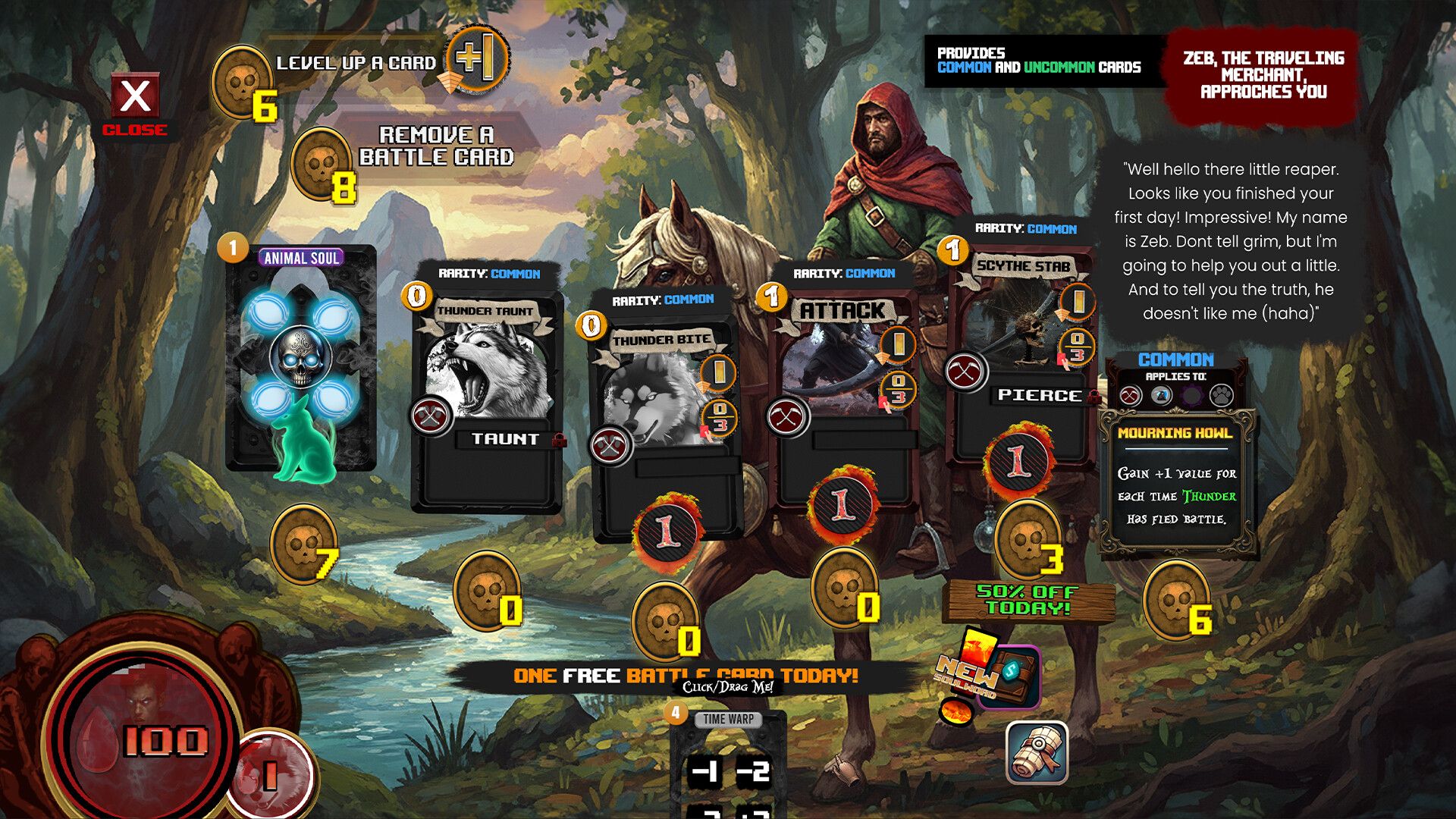
Deckbuilding fans are in for a treat in the next few weeks as there are two games in the genre that are set to be released soon. While ThunderRam Studios' Grimslair has its sights set for release on March 6, a new game has entered the conversation that might affect its sales performance significantly.
Code Vein II, launching for PlayStation 5 on January 30, is the newest entry in the dramatic exploration action RPG series, Code Vein. Set in a post-apocalyptic future, it depicts the drama of Revenants and humans who fight to defy their doomed fate. Players confront relentless foes and treacherous locations alongside a trusted partner, while their choices rewrite history and shape the destinies of both the world and its characters.
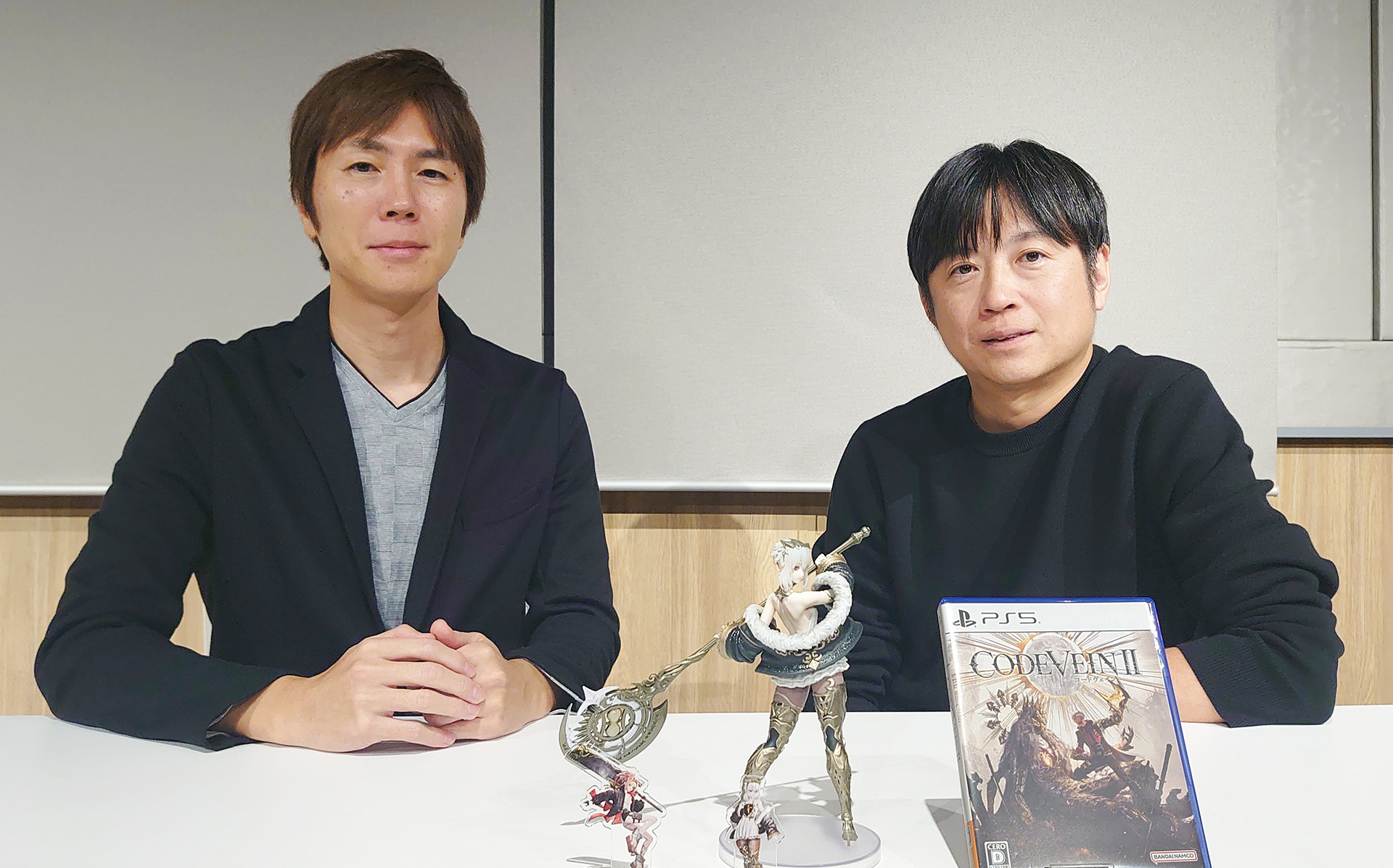
We recently got a chance to go hands-on with the upcoming title and have a chat with the game’s producer, Keita Iizuka, and the director, Hiroshi Yoshimura.
Keita Iizuka, Producer, Bandai Namco Entertainment (left) & Hiroshi Yoshimura, Director, Bandai Namco Entertainment (right)
Follow a hero’s journey that transcends time to rewrite fate and history
PlayStation Blog: Your studio has worked on action RPGs like the God Eater series, the Tales series, and Scarlet Nexus. What aspects did you focus on to set this title apart from those games?
Yoshimura: I think one of Code Vein’s defining features is its challenging difficulty.
Iizuka: Another crucial aspect of Code Vein is that you can only bring one companion on your journey. Even when facing deadly environments or powerful enemies where a single mistake could mean death, it’s just the two of you. That may feel isolating at times, but the unique bond and trust that form between you and your partner is unique to Code Vein.
Yoshimura: Code Vein also places a strong emphasis on creating a world grounded in realistic backgrounds. The team made thoughtful design choices to blend anime-style characters naturally into these detailed environments. This commitment to a distinctive visual style is another hallmark of the game.
Yoshimura-san, back when you were developing God Eater 2, you talked about how you organized your ideas by carefully putting them into words. Did that approach carry over or influence your work on this project?
Yoshimura: The “verbalization method” I used during God Eater 2 has been applied not only to this title, but also to the previous Code Vein. It involves the enormous task of writing out every game element and clarifying how they connect to one another. We repeatedly iterated on the core action systems from the prototype stage. As projects grow in scope and development periods stretch, the market and player expectations keep evolving. If the team does not continually update its mindset during development, the game risks feeling outdated by the time it launches. The action in this title is the result of extensive iteration; while respecting and carrying forward the sense of camaraderie with your buddy that was so well received in the previous game, we rebuilt the system around two new strategic concepts – “Summoning,” where you fight alongside your partner, and “Assimilation,” where you become one with them. We hope players will enjoy this new approach.
When it comes to the game’s worldbuilding, were there any elements you carried over from the previous title or specific aspects you chose to emphasize?
Yoshimura: Code Vein II establishes a new setting while still retaining core elements from the previous game. Because this title is built around the idea of rewriting history, directly linking it to the previous game’s world would risk overturning the established history and player experiences. That said, it’s not an entirely separate world either; fans will notice familiar items, weapons, gifts, and other small callbacks scattered throughout the game.
During the hands-on demo, the design differences between Josée as your Revenant buddy and as a boss really stood out. What’s the concept behind the Revenant’s bosstransformations?
Yoshimura: Those design differences are intended to make players wonder what happened to the character. While their appearance changes drastically, there are still subtle elements shared between the two forms. You might miss them during battle, but as the story unfolds, you’ll begin to understand the reasoning behind the transformations. We’d love for players to look back at the character designs after those revelations.
Player choices play a big role in this game. Does altering history result in multiple endings?
Iizuka: The core gameplay revolves around traveling between the present and past to progress the story. When you intervene in the past and return to the present, relationships with characters or the world itself will change. The game has multiple endings, so even after reaching one ending, you can go back in time to alter it.
Yoshimura: It’s a pretty unique structure. There are multiple endings, but the way players approach them is different. What really defines this game is how players actively shape the story through their own choices.
Iizuka: There’s also New Game+ that lets you carry over your levels and certain progress for those who want to revisit the story from the beginning.
The history-altering system must be challenging to maintain story consistency. What were your key focuses or struggles when crafting the narrative for this title?
Yoshimura: I took it on myself, but it was far more challenging than expected. As I built out the narrative, I found myself wanting to push the boundaries further. I want to create living, breathing characters, so I refused to make them act like puppets that were convenient to the game’s system. Maintaining narrative consistency was tough, but character integrity mattered even more. My core rule was ensuring that player experiences were reflected without any contradictions. The complexity made it difficult to convey my vision clearly to the team, so I just powered through it myself (laughs).
Iizuka: The story went through extensive rewrites. However, the final version achieves solid consistency and a smooth flow, making the history alterations feel seamless without any sense of disconnect.
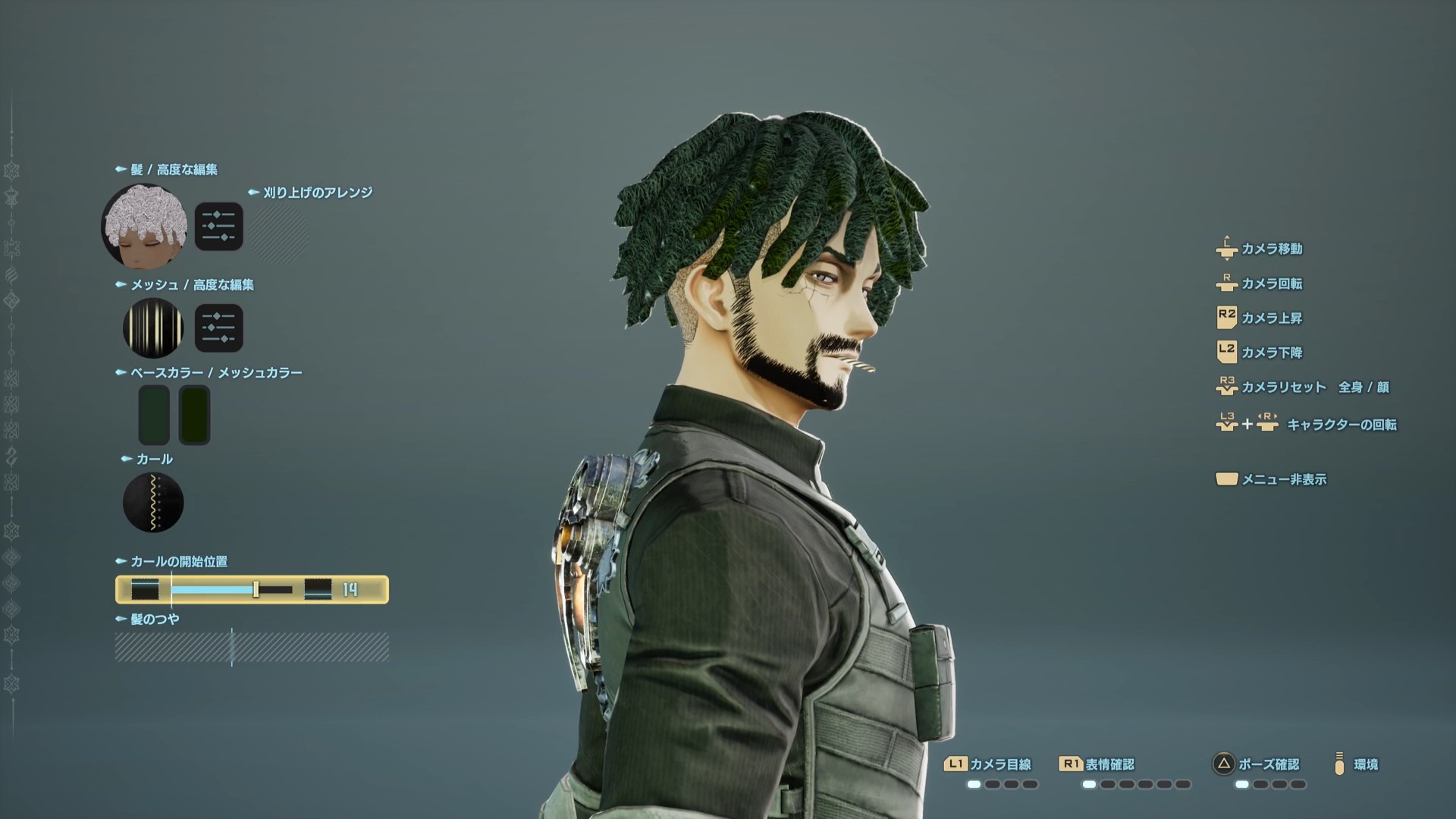
Character creation has expanded with adjustable body types, new hair options and broader gradient options. You can mix-and-match outfits with on/off toggles to unlock even more variety. Cloaks and hoods are separate parts of vampire gear, and there are no longer accessory cost limits.
What are the standout features of the new Rune Blade and Twin Blades? Are there any changes to weapons carried over from the previous game?
Yoshimura: The Rune Blade is a tricky weapon that leverages formae power to levitate swords. With specific formae, you and the blade can move independently to attack, pulling off solo coordinated assaults. Twin Blades, held in both hands, prioritize speed and spin. It was highly requested by fans of the previous game, so we’re excited for the new addition. In Code Vein II, you can stack wounds with every hit to maximize Ichor from blood drains, so hit count is key.
It’s difficult to pinpoint changes to the five returning weapon types, but the animations have seen a major quality upgrade, so nothing feels exactly like the previous game. Every move, from weighted swings to combos, has been fully rebuilt to match the elevated animation standards.
Iizuka: This game now lets you equip formae directly onto weapons, with many more type-specific options. This makes tailoring builds to each weapon’s strengths far more intuitive than in the previous title.
Code Vein II maintains the core elements of its predecessor, but it feels more like a standalone action-RPG than a sequel. That’s because it greatly expands on the series’ combat systems and ideas to offer a huge amount of customization, while telling an all-new story about vampiric characters called Revenants that’s not linked to the original Code Vein.
I recently got a chance to go hands-on with Code Vein II to check out its new systems, its time-traveling story, and its tough-as-nails bosses. Here’s everything I saw along the way.
A host of combat options
At first blush, Code Vein II feels similar to other Souls-like games, as well as to its predecessor. You can fight with a host of weapons ranging from huge greatswords to fast, gun-mounted bayonets and, new to the sequel, dual blades. Hitting Square gives you a fast, weak attack, while Triangle fires off a stronger, slower one. You can also dodge with Circle and block attacks with L1 to lessen the damage you take, or parry blows completely if you hit L1 just as an attack lands.
Where Code Vein II sets itself apart is in all its combat options. For starters, for each weapon, you can equip four special abilities called Formae; one for each of the face buttons. Holding R1 and hitting one of those buttons activates the Forma equipped to it.
Formae come in three different categories — Combat, Magic, and Support — and they all have different uses in battle. One might give you a powerful attack, while another can help you dodge out of the way of an enemy before striking back when there’s an opening, and another might cover a patch of ground with flames.
Draining your foes
Powering your Formae attacks takes Ichor, and like in the first Code Vein, you only have so much. You steal Ichor from enemies by activating slow but powerful Drain Attacks when you hit or hold R2. These strikes use special weapons, Jails, and, like the Formae, each is useful in its own specific way.
Jails can be equipped like other weapons in Code Vein II, and I tried several to see how they mix with different builds and abilities. The Ogre Jail is a huge claw that slashes away at enemies, while the Hound is a pair of dog-headed gauntlets that latch onto and bite enemies.
Another Jail fires off like a scorpion tail, giving you lots of range, while another lets you send a horde of tiny bats to tear at enemies. Each Jail has particular attributes that fit different Blood Codes, the central aspects of a build that determine your character’s fighting style.
Between weapons, Formae, Jails, and Blood Codes, there’s a huge amount of customization in Code Vein II’s combat.
An adventure through time
The world of Code Vein II lies on the brink of destruction. The only way to save it is for you, the protagonist, to team up with a Revenant named Lou with the ability to travel through time. The plan is to head 100 years into the past to just before an event called the Upheaval, where you can hopefully alter history to stop a world-ending force called the Resurgence.
My preview started on MagMell Island in the present, where humans and Revenants were holed up, fighting to survive. But in the past, the place was under attack from bandits, forcing me to fight my way through its corridors and join other characters as they worked to defend it.
The second level, a dungeon called the Sunken Pylon, was ruined, flooded mall into the ground — a place now overrun by Horrors, the corrupted former humans and Revenants created by the Resurgence. In both levels, there are often side paths with tough, optional fights and hidden rewards to find. Often, you’ll loop back to an earlier checkpoint by unlocking shortcuts and elevators in classic Souls-like style.
Gaining Partners
Time travel also lets you meet characters from the past and team up with them. Partners are a major part of the series, but Code Vein II adds new aspects to the system. Your computer-controlled ally will fight by your side, making them great for taking on multiple enemies or distracting a boss so you can heal. But you can also “assimilate” your partner, fusing the two of you together to give yourself a stat boost while your partner is off the field.
You can activate assimilation whenever you want, making it a handy part of your strategy, assimilating to pull off a few high-power moves before releasing your partner back into the fight.
Partners are also something of an extra life. When your health runs out, your partner will revive you and briefly disappear. If you can stay alive long enough, a timer will run down, bringing your partner back into the fight.
Code Vein II’s story hinges on your partners, with the Sunken Pylon focusing on Josée, a Revenant hero wracked with guilt over the death of her twin sister. After channeling Josée’s memories to unlock her past, the dungeon culminated in a battle with the vicious Horror responsible for her sister’s death.
Battling the Metagen Remnant
At the bottom of the Pylon was the Metagen Remnant, a colossal creature that showed how brutally tough Code Vein II’s massive bosses can be. The trick to the fight was to get in close, dodging the Remnant’s enormous, burly arms, and then hitting it in the face whenever there was an opening — while also being careful not to over-commit and get pummeled.
Even once I had the hang of what the Metagen Remnant could throw at me, it was an arduous battle. Bosses have huge health pools and lots of deadly tricks up their sleeves. But if you can hammer them hard enough, you can stagger bosses just like other enemies, allowing you to perform Special Drain Attacks to do massive damage.
Taking on Josée
The last part of the preview, and the final boss fight, saw Lou and me returning to the present to complete our true goal. During the Upheaval, several heroic Revenants used their life force to seal the Resurgence, but the calamity facing the world is a result of those seals weakening. In order to stop it, we need to release the heroes — now corrupted into horrible monsters — and defeat them.
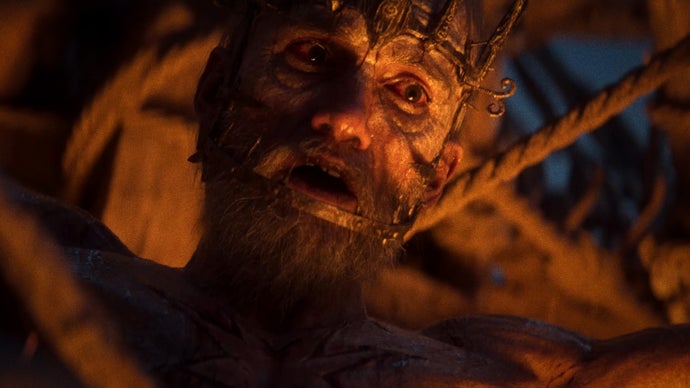
Joséewasn’t exactly as we remembered her; she was now a towering, katana-wielding, armored warrior. Her fighting style is all about fast, sweeping attacks, and using a status effect that can root you to the ground and leave you open to strikes. I had the most success battling Josée with speed, pummeling her with fast attacks and staying light on our feet to dodge her strikes. But like the Metagen Remnant, Josée puts up a serious fight, making it clear that Souls-like fans are going to need to hone their skills to defeat Code Vein II’s toughest challenges.
Altering history
The boss fight is a tragic addendum to Josée’s tale. But as Director Hiroshi Yoshimura mentioned during the event, after beating Josée, you’ll potentially have the option to return to the past and change her fate. That might give you the chance to save her, but it could put your overall mission at risk, too. While I didn’t get to see how the timeline might change in Code Vein II, it’s clear time travel is a big part of how its deep story will unfold.
Code Vein II has added a lot to its predecessor’s foundations, offering versatility in playstyles and plenty of options with your partner, your weapons, and your Formae. But the most interesting part might be its time-hopping story, with the chance to get close to Code Vein II’s characters and, ultimately, change history.
You can see how it all comes together when Code Vein II launches for PS5 on January 30.
A Code Vein II Character Creator Demo will be available January 23 on PlayStation Store, letting you explore the game’s central hub, MagMell Institute, experiment with Photo Mode and try the game’s character customization options. Your custom character can be transferred to the full game.
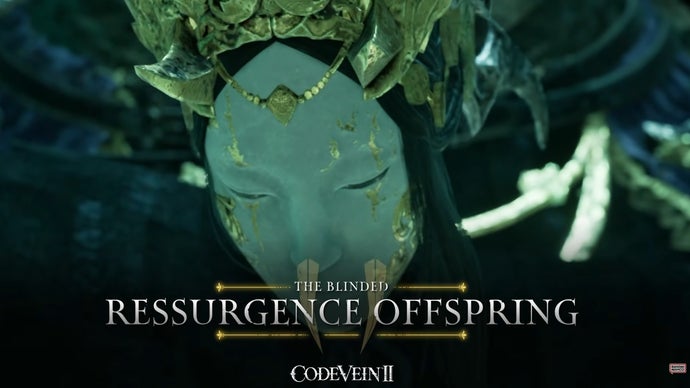
Code Vein 2 is just a few short weeks away now, and to celebrate, Bandai Namco has dropped an all-new teaser trailer entitled "The Blinded Resurgence Offspring".