The MOP Up: Star Trek Online’s Chimerans start adapting — and that’s bad news for you




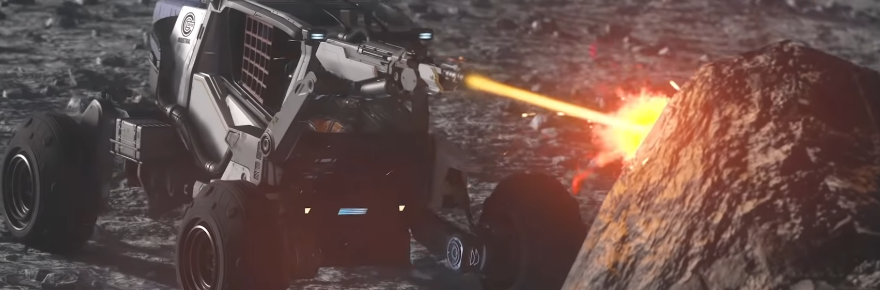



Rather than informing the player, ARC Raiders aim for them to be lost in the game. Its lack of a mini map is not a blunder. It's the intentional design to ensure players care about the game and not surface. Instead of being passive skimmers, they should be active participants in a world of uncertainty. The footsteps, machinery sounds, and distant activities should be enough to guide players in a direction.

This ability to be so susceptible to sound should be considered. For most shooters, noise is a tactical nuisance. Here, it is a question of existence. A reckless dash over gravel can leak your position, while going through your inventory is an almost guaranteed call to battle. You are not evaluating whether the environment will allow the luxury of organization. You are taking a bold gamble. The pause needed to control resources is not a neutral moment.
The outcome is a rhythm that is close to horror. Waiting, scavenging, and hiding in ruined buildings to avoid the ARC's mechanized movements is more about survival horror than other forms of extraction. Unlike other worlds, this one is constructed through control, simulating a post-apocalyptic world with no need for splendour. Rather than convenience, the game wants players who buy PS5 shooting games to understand the tension that comes with fragile existence.
If the environment is unwelcoming, the players will be unpredictable. This game relishes the mystery of human behavior, where cooperation is momentarily rewarding. ARC Raiders focuses on the paradox of trust, which is needed and always vulnerable. This is where teamwork is achievable, but very rarely. I remember times when a handshake was a sign of loyalty that would later be on the other end of.

Players' moral codes are vicious, not because the game requires it, but because the systems permit it. Teammates may casually watch you bleed out, not out of malice, but out of careful calculation, realizing your gear is worth far more than your life. Of course, you are left to suffer the feeling of utter betrayal, only to find pity in yourself for the incredible sensation of outsmarting your opponent and claiming the resources by sheer opportunism.
But the most powerful emotion is not in the betrayal, not in the targeting, but in the sheer act of existence. The sheer act of "Returning to Speranza" after a stressful run is pure electric relief. It is not the mere looting of the loot; it is the looting yourself, protecting oneself in a designed system that is meant to take it away. The ARC Raiders, in this sense, is a game in which the morals of the players who buy PS5 games are explored at length, with the ease of exploitation at their fingertips. It's a game where the players' instincts are out in the open.
In the case of ARC Raiders, the Progression is anything but instant. It is the Skill Tree that contains the most branches and requires the most patience. The tree that contains the most branches is divided into Condition, Mobility, and Survival. Conditioning reinforces endurance, Mobility, and survival, improving the efficiency of resources.

Mobility, specifically Stamina, becomes the most crucial focus early in the game. Without it, the player becomes vulnerable, incapable of escaping and repositioning themselves.
This grind is purposeful. It slows character growth to ensure that progress feels earned and not granted. This, however, starkly contrasts with the selection and upgrade of weapons and workstations, which are done instantly. While the Skill Tree is a long-term investment, the arsenal is a source of instant gratification. Unlocking a new weapon or a crafted tool can radically change a run, providing instant reward amidst slow developmental change.
The imbalance of grind and instant reward captures the essence of the philosophy of the game: Increments define survival, instant adaptation defines it. Players need to manage the trajectory of progress strategically, while bursts of tactical advantage need to be realized. Resilience, however, is built over time, while survival is defined within moments.
In ARC Raiders, crafting is not a choice- it is an imperative. The workstations act as the transformation tool, while blueprints located in the field unlock potential. The process resembles Fallout, where weapons are makeshift, yet feel obligatory. Players are able to upgrade their workstations, which in turn expands the arsenal and enables the crafting of new tools and weapons, forcing players to scavenge and manage resources.
The arsenal has a range of options, but its true strength stems from how it adapts. There's a need for strategic variation. Different environments, ARC presence, and even the actions of other players call for a distinct approach. A weapon effective in the open may struggle in tight corridors, and a weapon effective in one run may be useless in another.
"This loop" scavenge, craft, adapt"anchors the game 's identity." It's not about gaining resources. It's about how you can prepare for the unpredictable. This resource loop becomes a meditation on adaptability. It's a simulation of the fact that having the right gear, at the right time, is what counts in order to survive.
The term "casual" has been used for ARC Raiders, and it has been called a "casual extraction shooter." That label, while contradictory due to how tense and difficult the game can be, serves a purpose. Other games in the genre do not.
One example is the free loadouts offered after each failure. While most other extraction shooters punish defeats with total destruction, ARC Raiders hands you a lifeline. This design choice does not trivialize the challenge; it preserves the loop. Players are able to engage and return to try again without the tremendous defeat of having to restart from scratch.
This level of forgiveness does not remove difficulty. Consider the Rocketeer, a higher-tier ARC unit. Players will have to pay more ARC coin and prepare more, as each is harder to obtain. Progression and adaptation are still required. However, by easing the consequences of failure, it expands access without losing the level of tension. The "casual" label does not reflect a lack of challenge, but a design philosophy that celebrates the persistence over punishment approach.
ARC Raiders is more than an extraction shooter. It is as much an analysis of human behavior as it is a simulation of scavenging in a world after a cataclysm. It is also a study in survival. The immersion comes from the absence of " no mini-map, no hand-holding," players are required to exist in the world. The morality of the game is cruel; it exposes the mysteries of trust and betrayal that exist in multiplayer spaces. Although the progression is centered on long-term resilience, it is also deliberately grindy, forcing the player to strike a balance of immediate adaptation. The crafting loop is strategic, and the player is subjected to a demanding level of foresight and variation. The game is also forgiving, which is a redefining feature of accessibility to a genre that is often punitive in nature.

What manifests from the above is a gaming experience that simply "feels alive," lacking in spectacle, yet abundant in tension. Every sound is significant, every choice made has consequences, and every "run" is a new tale of fragility and resilience. You do not "play" ARC Raiders as much as you "dwell" in it. You have not only made the journey to Speranza; you have also understood that conquering a system is not the primary objective; rather, it is the stories you bring along from your journey that matter.


Wccftech recently attended a remote press presentation in which French developer DON'T NOD (Life is Strange, Vampyr, Banishers: Ghost of New Eden, Lost Records: Bloom & Rage) unveiled an extended preview of Aphelion, their upcoming sci-fi narrative-driven adventure game, showcasing two early chapters that introduced the game's hostile alien world and the mechanics that will define the experience. The presentation was led by Dimitri Weideli, executive producer, and Florent Guillaume, creative director, who walked us through gameplay and then answered some questions. In this article: A Desperate Mission Gone Wrong Set in 2062, Aphelion tells the story of astronauts Ariane […]
Read full article at https://wccftech.com/dont-nod-aphelion-preview-alien-isolation-inspired-sci-fi-adventure/

The recent collapse of Penta planet into a cold, dark void marks a surreal turning point in thezz Helldivers 2 Galactic War. It represents the second time in less than two years that High Command has decided the best way to secure a world is to ensure it no longer exists. While the average Helldiver celebrates the sheer spectacle of the Democracy Space Station (DSS) and its orbital power, any veteran with a sense of irony can see the hilarious contradiction at the heart of Super Earth’s foreign policy. We are witnessing the ultimate “if I can’t have it, no one can” tantrum on a planetary scale.
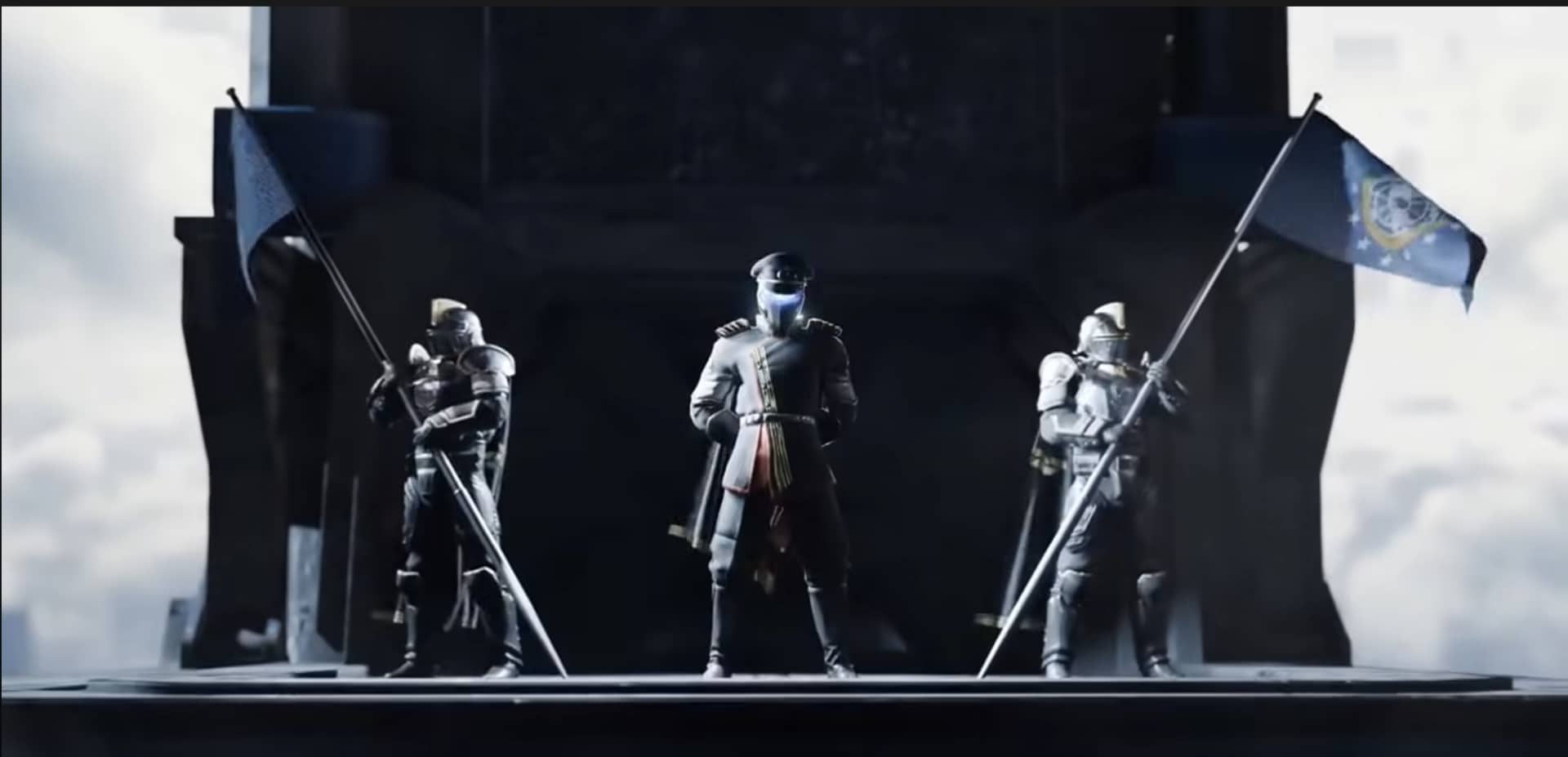
The precedent for this cosmic demolition was set months ago with the destruction of Meridia. Back then, the justification was biological necessity. The Terminid Supercolony had turned the planet into a pulsating hive so dense it threatened to contaminate the surrounding sectors like a cosmic infection. The solution was the deployment of Dark Fluid, which squeezed the planet into a purple, unstable singularity. It was a desperate move by a Federation backed into a corner, but it proved that High Command was willing to burn the house down to kill the bugs.
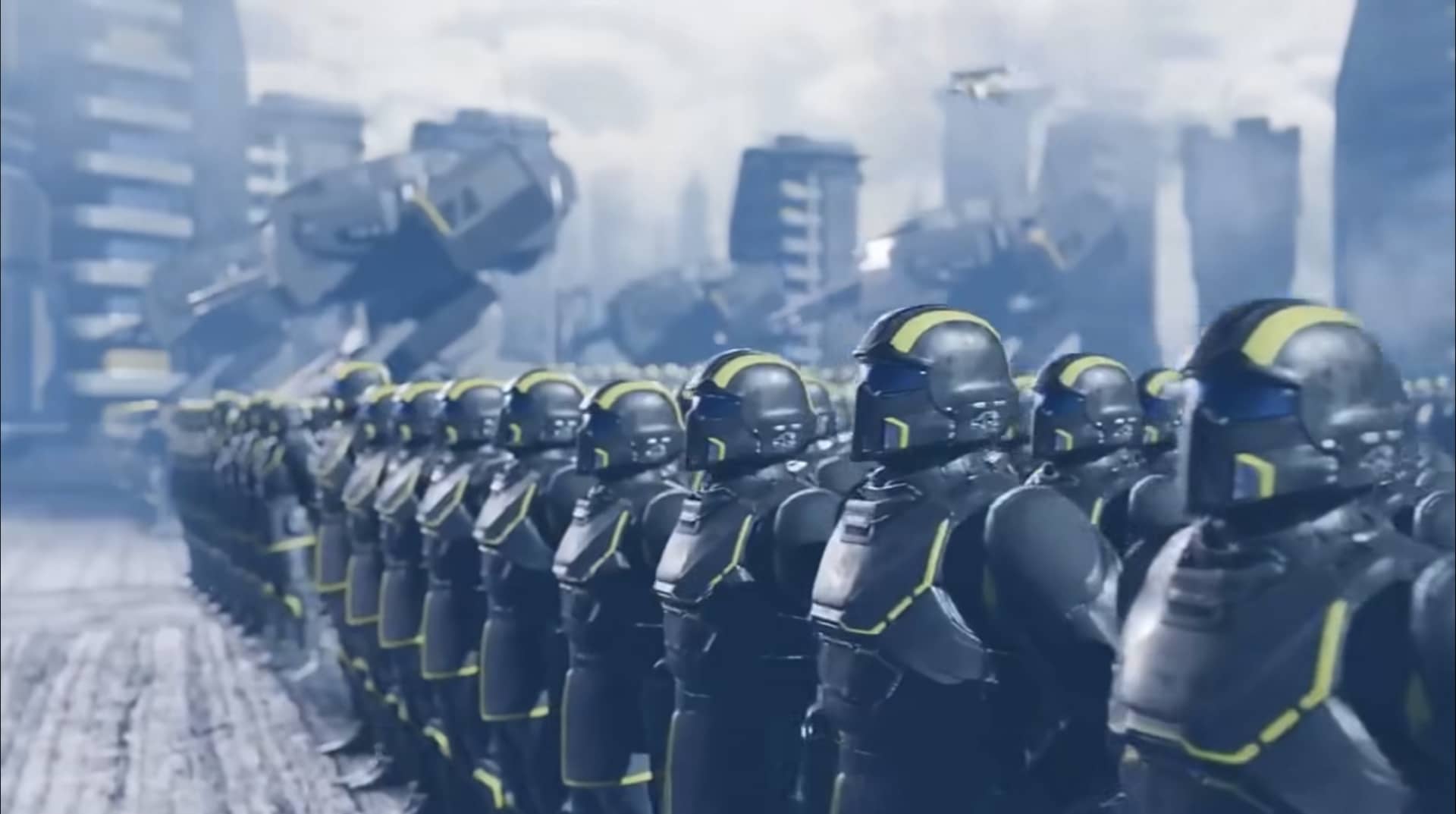
Penta, however, feels different. This wasn’t a frantic act of containment; it was a demonstration of the Star of Peace superweapon. By folding the planet into a stable black hole, the Ministry of Truth did more than just eliminate an Automaton stronghold. They effectively removed a piece from the board to spite the opponent. The irony is staggering: we are told we are “liberating” these sectors for the glory of the Federation, yet our primary strategy has shifted toward deleting the very real estate we are supposed to be conquering. We are essentially fighting a war for territory by making sure there is less territory to fight for. It is the purest form of Managed Democracy—managing the map until there is nothing left for the enemies of freedom to stand on.

From a gameplay perspective, this scorched-earth policy is a fascinating way to handle map fatigue and Major Orders. Usually, in live-service games, the map is a static background that resets every few weeks. In Helldivers 2, the map is a living document that can be permanently edited by the community’s collective will. When the player base voted to obliterate Penta, we weren’t just choosing a mission; we were choosing which part of the galaxy to erase from the game files forever. It is a rare example of Arrowhead Game Studios allowing the players to permanently break the world in the name of the narrative.
There is something darkly comedic about a Federation that claims to be building a future while it systematically turns its own solar systems into a collection of gravitational anomalies. At this rate, the “future” won’t be a thriving empire of colonized worlds, but a very large, very empty map of black holes. We aren’t just winning the war against the Bots and Bugs; we’re winning the war against geography itself. As the DSS reloads for its next target, one has to wonder how much of the galaxy will be left to inhabit once the mission is finally “accomplished.”
The post The Great Erasure: Why Super Earth is Deleting the Galaxy to Save It appeared first on Game Reviews, News, Videos & More for Every Gamer – PC, PlayStation, Xbox in 2026.
I missed that Styx: Shards of Darkness – Deluxe Edition was part of the free games in the last update, but Epic has indeed provided both entries of the goblin-assassin saga for free this week. Yesterday’s rotation officially retired the tower defense hit Bloons TD 6, shifting the store from colorful monkey strategy to gritty, dark-fantasy infiltration.
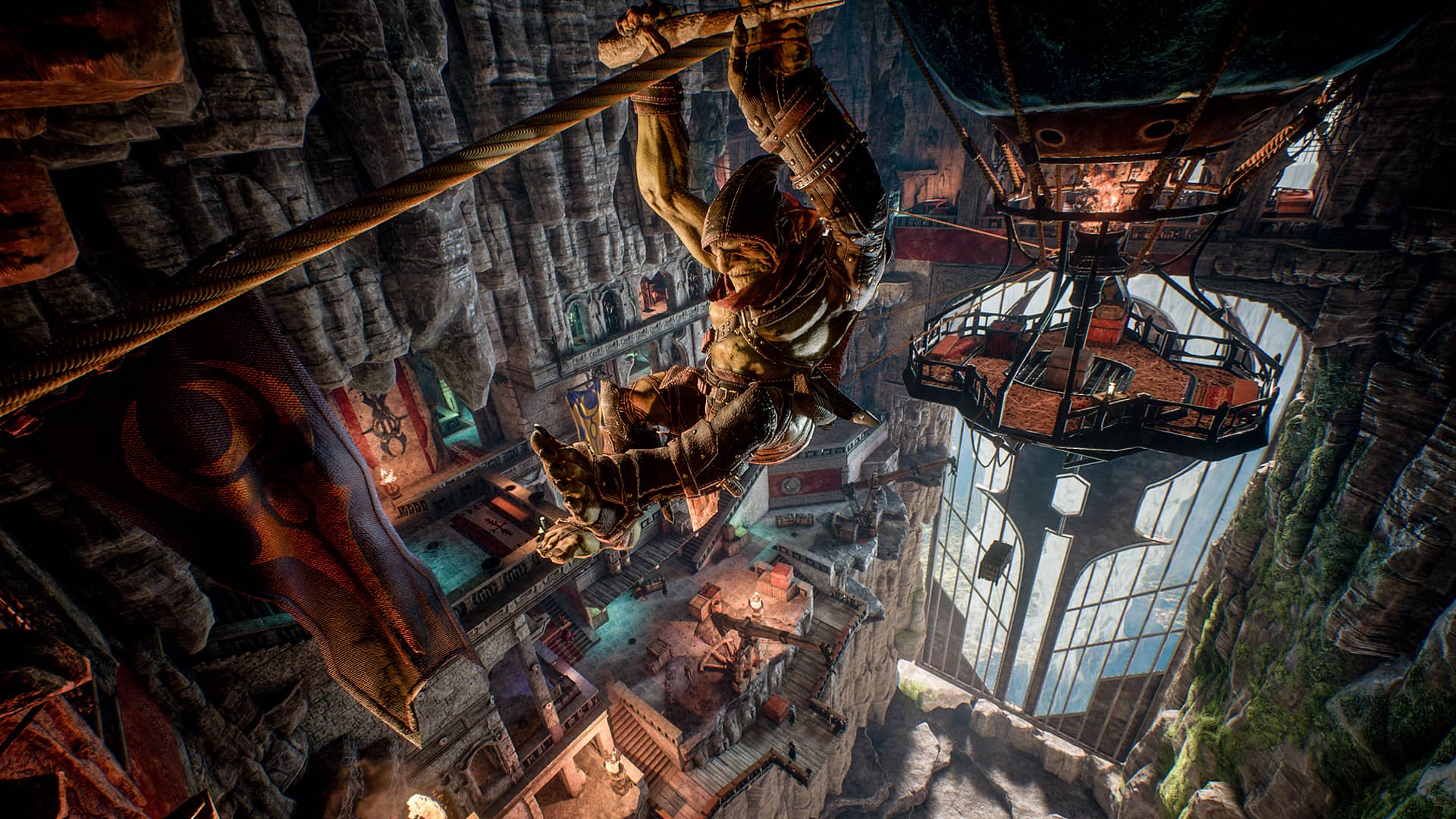
Until January 22 at 11:00 AM ET, you can claim both Styx: Master of Shadows and Styx: Shards of Darkness – Deluxe Edition for zero dollars. These aren’t modern “action-stealth” games where you can easily fight your way out of a blunder; they are pure infiltration titles where being spotted usually leads to a quick death. The Deluxe Edition of the sequel is particularly resourceful as it includes the Akenash Outfit and the Dagger of Akenash, giving your clones and assassination attempts a technical edge from the start. While these typically retail for $19.99 each on the Steam Store, you can currently find keys for the first entry on G2A for roughly **$2.60** if you miss the Epic window.

 _20220122223252
For those looking for a cinematic heavy-hitter, Detroit: Become Human is currently sitting at an 80% discount on Epic, bringing the price down to $7.99. The game follows three androids as they navigate a futuristic dystopia where their choices determine the fate of both their kind and their human creators. It is one of the most polished interactive dramas ever made, featuring branching storylines that actually respect your decisions. If you are looking to shave a bit more off that price, the G2A Marketplace (affiliate link) is offering Global Steam keys starting at **$9.53**, ensuring you can secure this AAA title for under ten dollars regardless of which store you prefer.
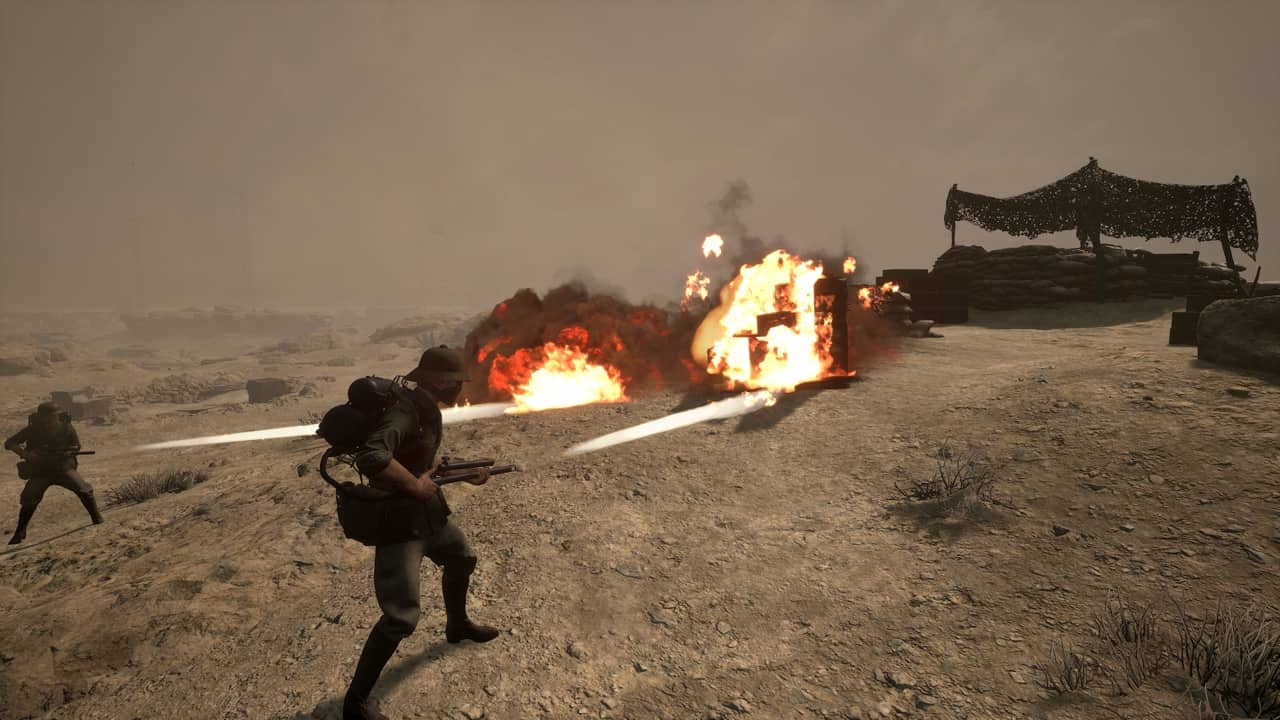
The massive World War II tactical shooter Hell Let Loose has its Deluxe Edition on sale for 67% off right now. This is a noteworthy deal considering the base game was a featured Epic freebie back in January 2025. The Deluxe version provides the essential 50v50 combined-arms experience, along with several cosmetic packs, such as False Front and Lethal Tide. It is a game that prioritizes communication and squad-based tactics over individual kill counts, making it a perfect pick for players who want a more realistic combat loop. Between the free Styx bundle and these deep discounts, this week provides some of the highest value-per-hour gameplay we’ve seen in the new year.
The post Double Styx Giveaway and Tactical War Deals: This Week on Epic appeared first on Game Reviews, News, Videos & More for Every Gamer – PC, PlayStation, Xbox in 2026.
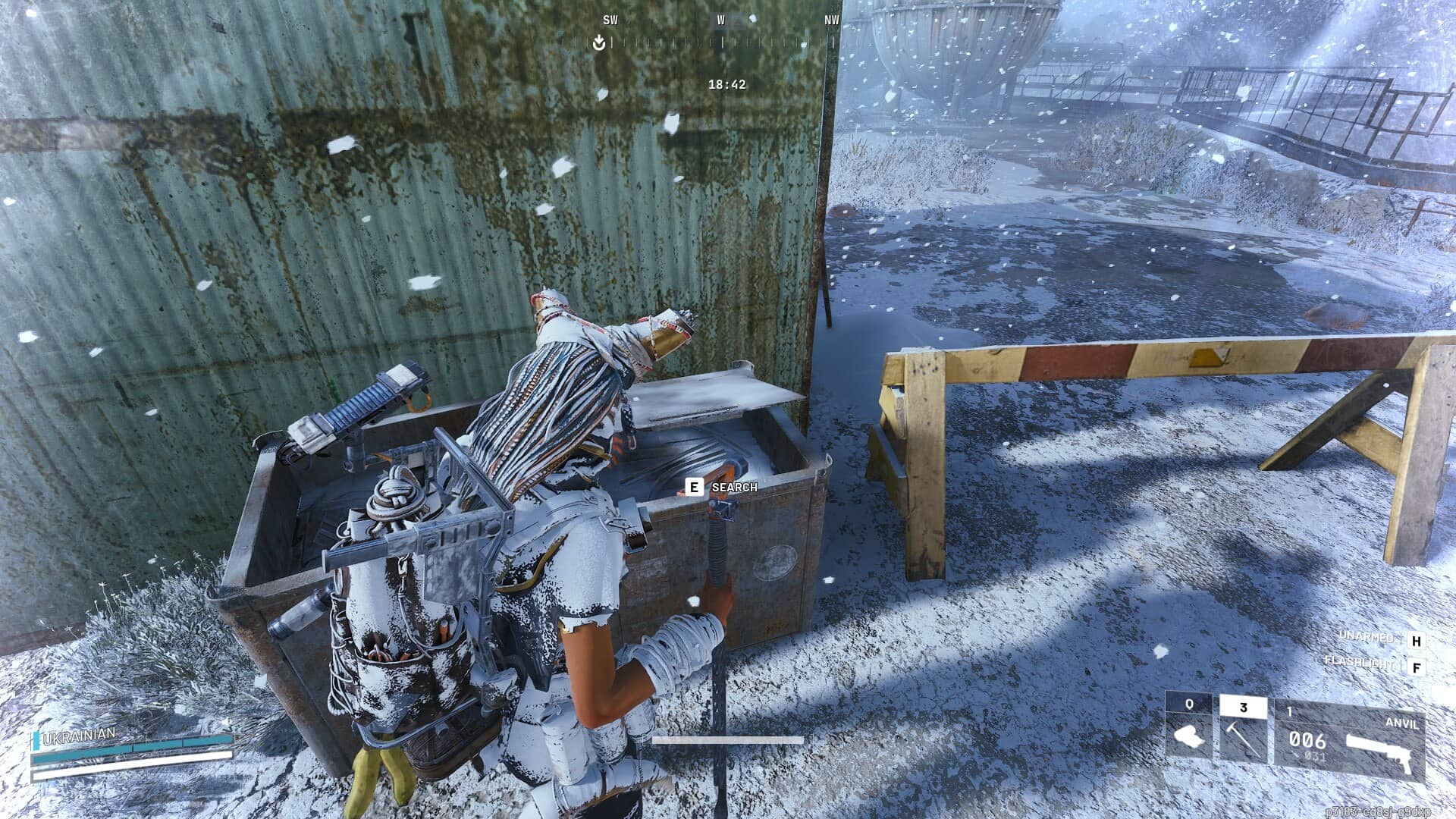
Embark Studios finally stopped playing coy about how their machines sort the digital wheat from the tactical chaff. Patrick Söderlund basically handed the Reddit theorists a victory lap by confirming Arc Raiders employs aggression-based matchmaking. This system attempts to bucket the bloodthirsty PvP enthusiasts away from the folks who actually want to scavenge in peace. If you spend your time hunting players, you get a lobby of hunters. If you’re there for the loot and the atmosphere, the algorithm tries to find you a kindred spirit who won’t shoot you in the back the second a rare component drops. It is a bold move for an extraction shooter, a genre that usually thrives on the total lack of safety, but Embark is clearly trying to manage the salt levels of its growing player base.
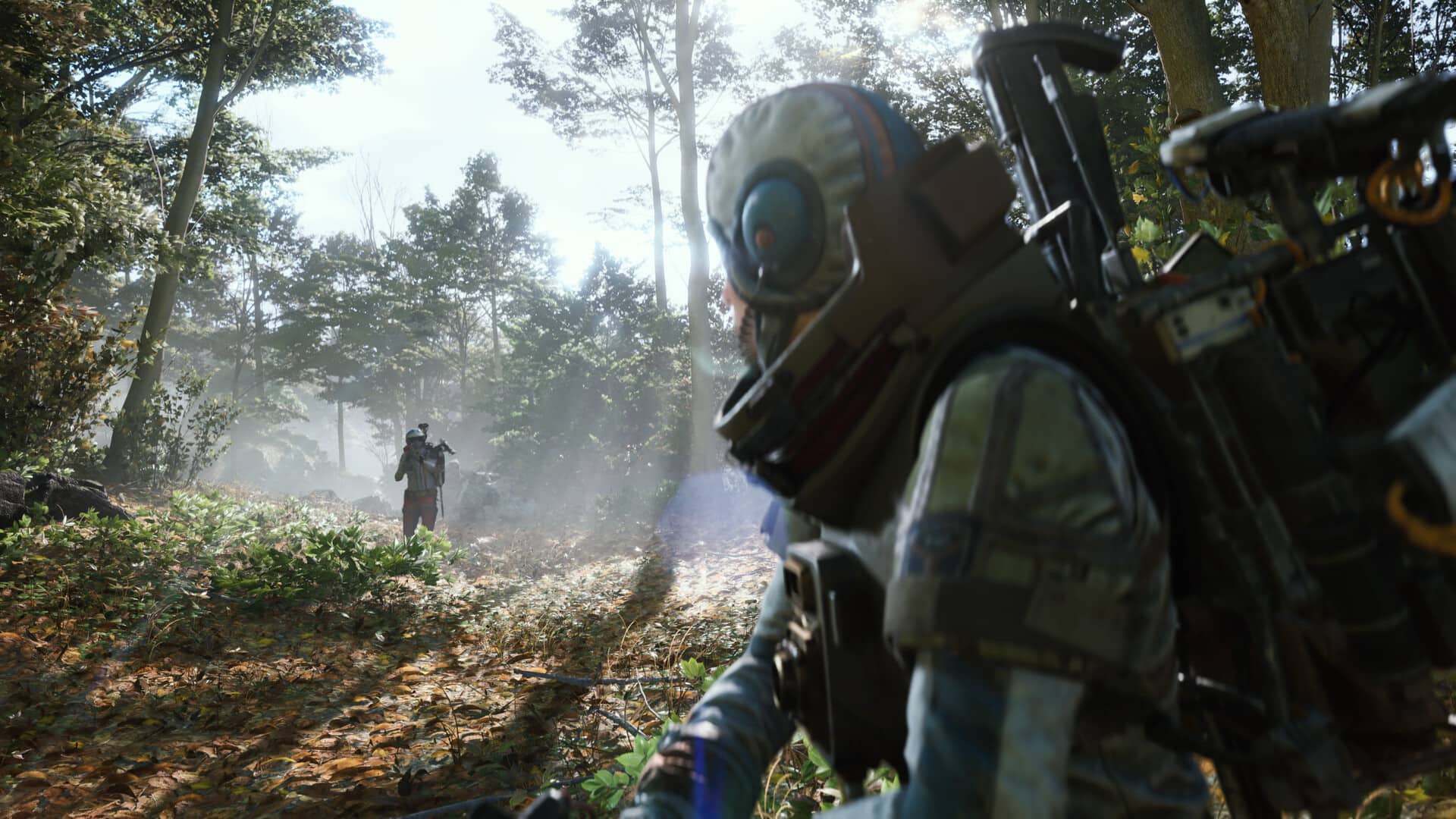
The CEO admitted the system is hardly a perfected science. It functions as a secondary layer beneath the standard skill-based parameters and party-size filters. The logic is simple: the game tracks your propensity for violence. A week ago, this invisible hand started nudging the “kill on sight” crowd toward their own private hells. It aims to address the viral chaos of retired pros dunking on casuals, but it raises questions about how the game defines intent. If you only fire in self-defense, the system might still struggle to differentiate you from the aggressor. The tension of the extraction genre relies on that unpredictability. Sanitizing the experience too much could strip the game of its actual edge, turning a tense standoff into a predictable chore.
The post Arc Raiders Aggression Matchmaking: How Embark Studios Is Sorting Looters From Killers appeared first on Game Reviews, News, Videos & More for Every Gamer – PC, PlayStation, Xbox in 2026.
In a move that’s either incredibly ironic or just plain dark, Epic Games has chosen The Callisto Protocol as the mystery gift for December 24. While most people are settling in for festive cheer, Epic is sending us to a high-security prison colony on Jupiter’s dead moon to fight mutated horrors.
If this feels familiar, it’s because the game was previously offered for free back in August 2024. However, if you missed that window or were skeptical about the launch reviews, now is the perfect time to grab this AAA survival horror experience without spending a dime.
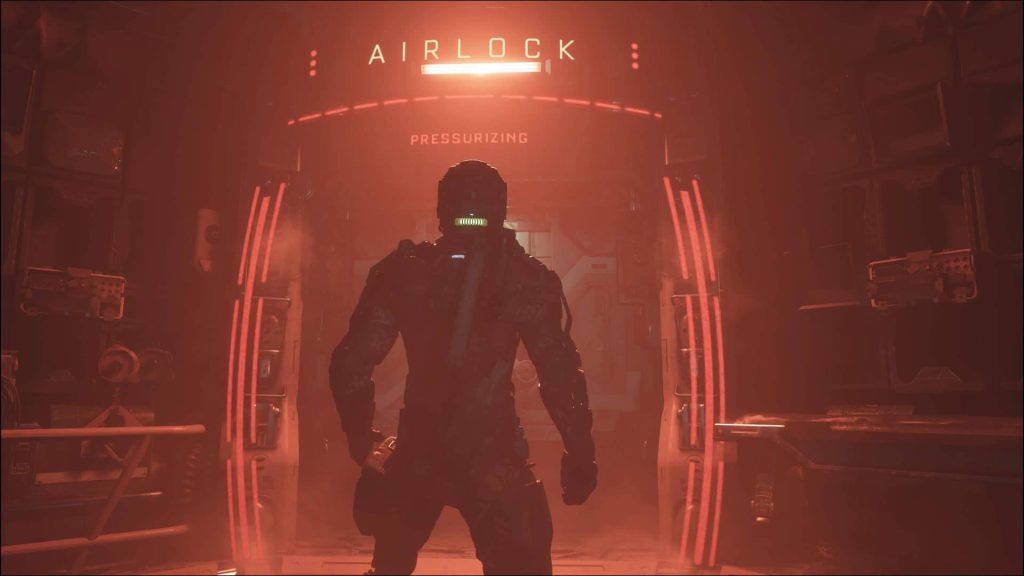
Directed by Glen Schofield—the man who co-created the original Dead Space—this game was built to be the next evolution of sci-fi horror. You play as Jacob Lee, an inmate at Black Iron Prison who finds himself in the middle of a gruesome outbreak. The UI is integrated directly into the world (your health bar is a glowing implant on your neck), keeping the screen clean and the tension high.
Unlike many horror shooters where you keep your distance, The Callisto Protocol forces you to get personal. The combat system leans heavily on a rhythmic dodging mechanic and a powerful electrified baton. You’ll spend as much time parrying and bashing limbs in melee as you will firing your weapons.
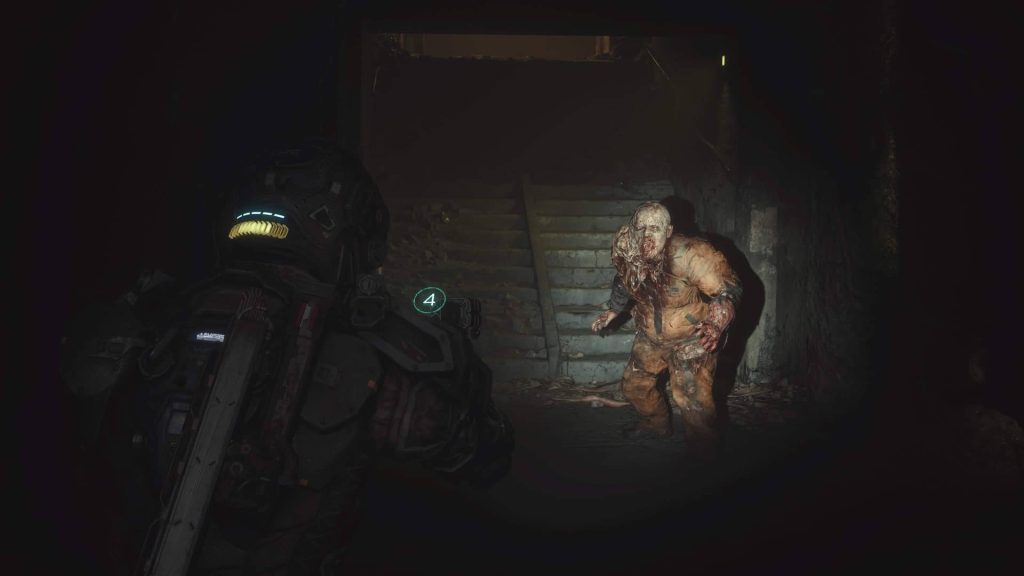
The “GRP” gravity tool is the real star of the show. It allows you to pick up enemies and launch them into environmental hazards like spinning fans, wall spikes, or even off ledges. It adds a tactical layer to the encounters, making the gore feel almost like a puzzle.
Say what you will about the gameplay pacing, but the visuals are undeniably some of the best in the genre. The lighting, character models (starring Josh Duhamel), and sound design are top-tier. It captures that oppressive, claustrophobic atmosphere perfectly, making the “holiday” setting of a derelict space prison feel genuinely unsettling.
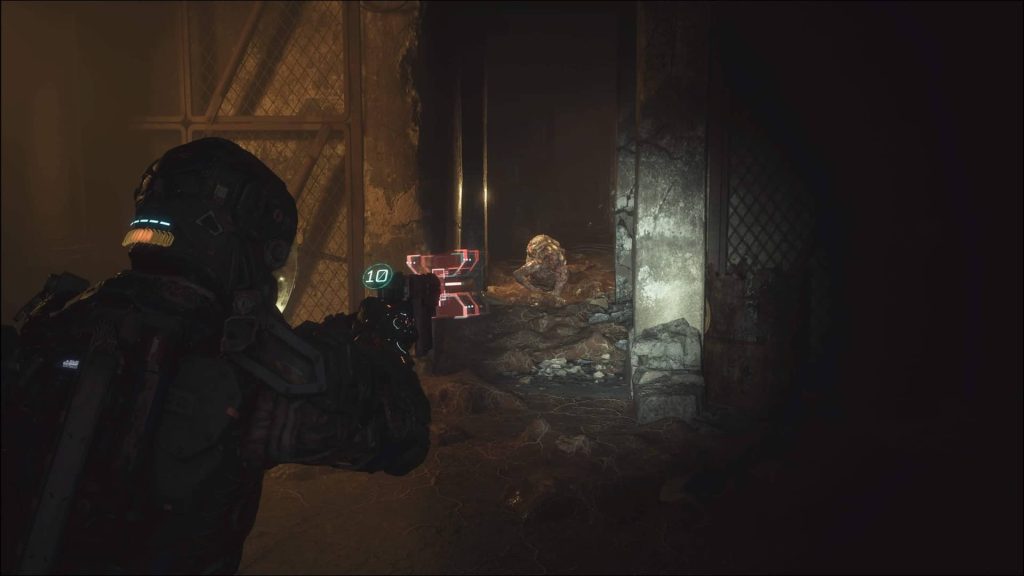
The Callisto Protocol is free until December 25 at 11:00 AM ET. Since tomorrow is the actual Christmas Day reveal, the community is expecting a massive title to close out the holiday peak. Don’t let the gore distract you—make sure you add this to your library before the mystery counter hits zero.
The post A Bloody Christmas Eve: ‘The Callisto Protocol’ is Today’s Epic Freebie appeared first on Game Reviews, News, Videos & More for Every Gamer – PC, PlayStation, Xbox in 2026.
There's something about a survival horror game that's supposed to make your palms sweat and your pulse race, right? You expect to feel like you're barely scraping by, adrenaline coursing through your veins as you limp toward your next objective. 'The Callisto Protocol' tries hard to deliver on that promise. It places you in the blood-streaked boots of Jacob Lee, a man whose only goal is to escape the hellish prison of Black Iron on Jupiter's moon, Callisto. But here's the thing: for all its spine-chilling aesthetics and brutal combat, this game isn't quite the nightmare fuel I wanted it to be.

Instead, it's more like a beautifully made haunted house where the scares never quite land, but the lights and set design keep you walking through anyway.
If there's one thing The Callisto Protocol nails, it's the vibe. Every corner of Black Iron Prison feels suffocatingly oppressive. The air hangs heavy with tension, and the distant hum of malfunctioning machinery makes it clear you're trapped somewhere that's long past redemption. The snowy expanses outside are just as grim. Callisto itself seems to exhale an icy breath, with wind whipping around you as snow piles on dilapidated structures. The lighting deserves special mention—whether it's flickering fluorescents in a dark hallway or the faint glow of bioluminescent spores in an alien-infested tunnel, every scene feels meticulously crafted.

But for all its craftsmanship, I never truly felt afraid. Unsettled? Sure. Occasionally tense? Yeah. But scared? Not even once. And for a survival horror game, that's kind of a problem. Fear is the beating heart of this genre, and The Callisto Protocol's atmosphere, while gorgeous, feels more like a heavy blanket than a shocking jolt to the system.
Now, let's talk about the combat—the meat and bones (sometimes literally) of the gameplay. Right off the bat, melee combat takes center stage here, which is unusual. Normally, melee is a last resort in survival horror, but The Callisto Protocol flips the script. You're constantly dodging and countering, feeling every swing and impact like you're actually there. And I'll admit, those first few encounters feel raw and visceral in a way that's hard to shake.

But then it starts to drag. The dodge mechanic, while intuitive at first, becomes predictable, almost mechanical. Most enemies telegraph their moves so obviously that fights turn into a rinse-and-repeat cycle of "step left, swing pipe, repeat." And don't get me started on the GRP, the telekinesis glove that's supposed to add depth to combat. Sure, it's fun at first to hurl enemies into strategically placed spike walls or industrial fans, but after the 20th time, it starts to feel like the game's designers just couldn't think of more interesting ways for me to use it.
Resources are scarce, and every encounter feels like a gamble. Do you spend your last few bullets now or save them for a bigger threat later?
Jacob's journey through Callisto isn't exactly a narrative masterpiece, but it gets the job done. The basic setup—a prison outbreak leads to horrifying mutations—is nothing new, but it's the grim atmosphere that keeps you invested. As Jacob, you're constantly scavenging for scraps of information about what caused the outbreak and why. Jacob himself is a pretty blank slate, and while the supporting cast tries to inject some emotion into the story, their arcs feel more like set dressing than meaningful threads. And honestly? Sometimes that's enough.

The Callisto Protocol doesn't shy away from violence. It's the kind of gore that makes you wince the first few times but eventually feels more like a gimmick than a genuine shock factor. Personally, I found it less horrifying and more gross, where I would have certainly preferred the other way around. While this observation is probably a matter of test that should not stop those who buy PS5 horror games, I believe that it doesn't really add to the atmosphere, and I couldn't help but feel like it was trying too hard to impress me with its blood-soaked brutality.

Debatable. I prefer survival games more like Death Stranding 2: On the Beach, and horror games more like Resident Evil 4. The Callisto Protocol is not for everyone. Its visuals and atmosphere are top-notch, creating a world that's as stunning as it is oppressive. But the gameplay—especially the combat—starts to feel like a chore after a while. And without genuine scares to keep the tension high, the whole experience feels a bit hollow. Just don't expect to be looking over your shoulder when you turn the game off. Because for all its effort, The Callisto Protocol feels more like a chilling stroll than a heart-pounding sprint through the dark.