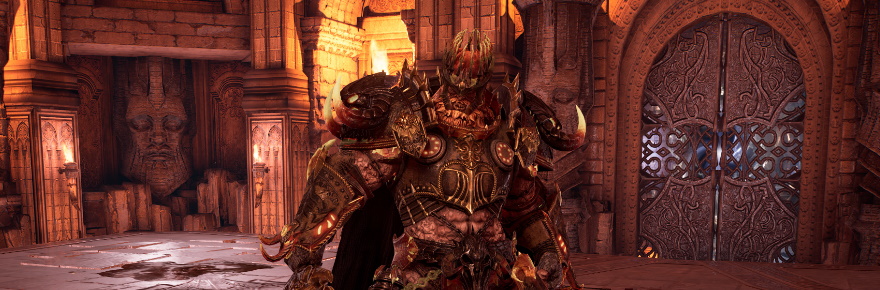
Final Fantasy XI’s Doll Festival returns along with the new Festival Dial next week







While the Super Famicom in Japan was home to several tactical RPGs that rank among the most influential, acclaimed, and successful of all time, most titles in the genre were never released internationally. In subsequent console generations, tactical RPGs became especially prominent on portable platforms: their fully turn-based gameplay loop (movement and actions), small-scale maps, and stage-based progression proved well suited to systems with limited hardware capabilities, small (sometimes touch-sensitive) screens, and less ergonomic control design with fewer buttons.
In this SUPERJUMP series, we will present an overview of the history of tactical RPGs on portable consoles, from the original Game Boy to the current Switch Lite. We will show how the evolution of portable hardware went hand in hand with the development of tactical RPG mechanics, resulting in a diverse body of titles within this hybrid genre.
Two criteria are being used to include a video game in this chapter:
See the essay Origins of the Strategy RPG (1982-1995) (SUPERJUMP, 2022) for historical details on the definition of the tactical RPG genre.
I. Hardware features
I.i. Game Boy
I.ii. Game Boy Pocket
I.iii. Game Boy Light
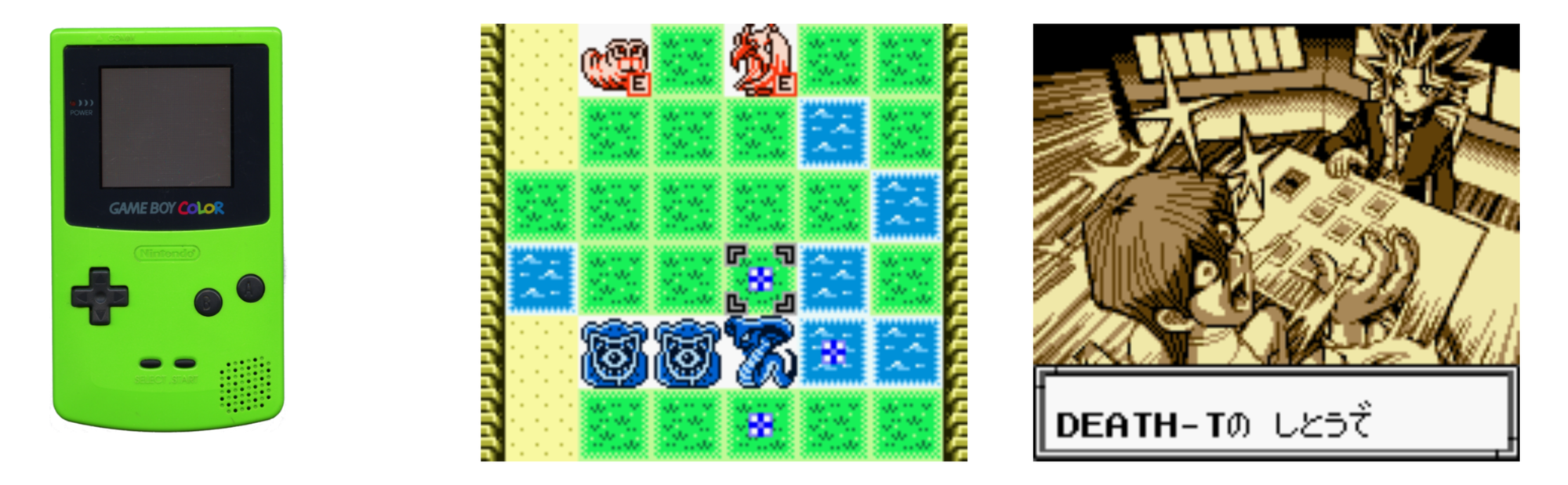
I.iv. Game Boy Color
II. Major tactical role-playing games
II.i. Super Robot Taisen
II.ii. Little Master
II.iii. Little Master 2
II.iv. Yugioh Capsule Monster GB
II.v. From TV Animation One Piece: Yume no Luffy Kaizokudan Tanjou
III. Minor tactical role-playing games
IV. Cronology
V. Honorable mentions
VI. Generation shift
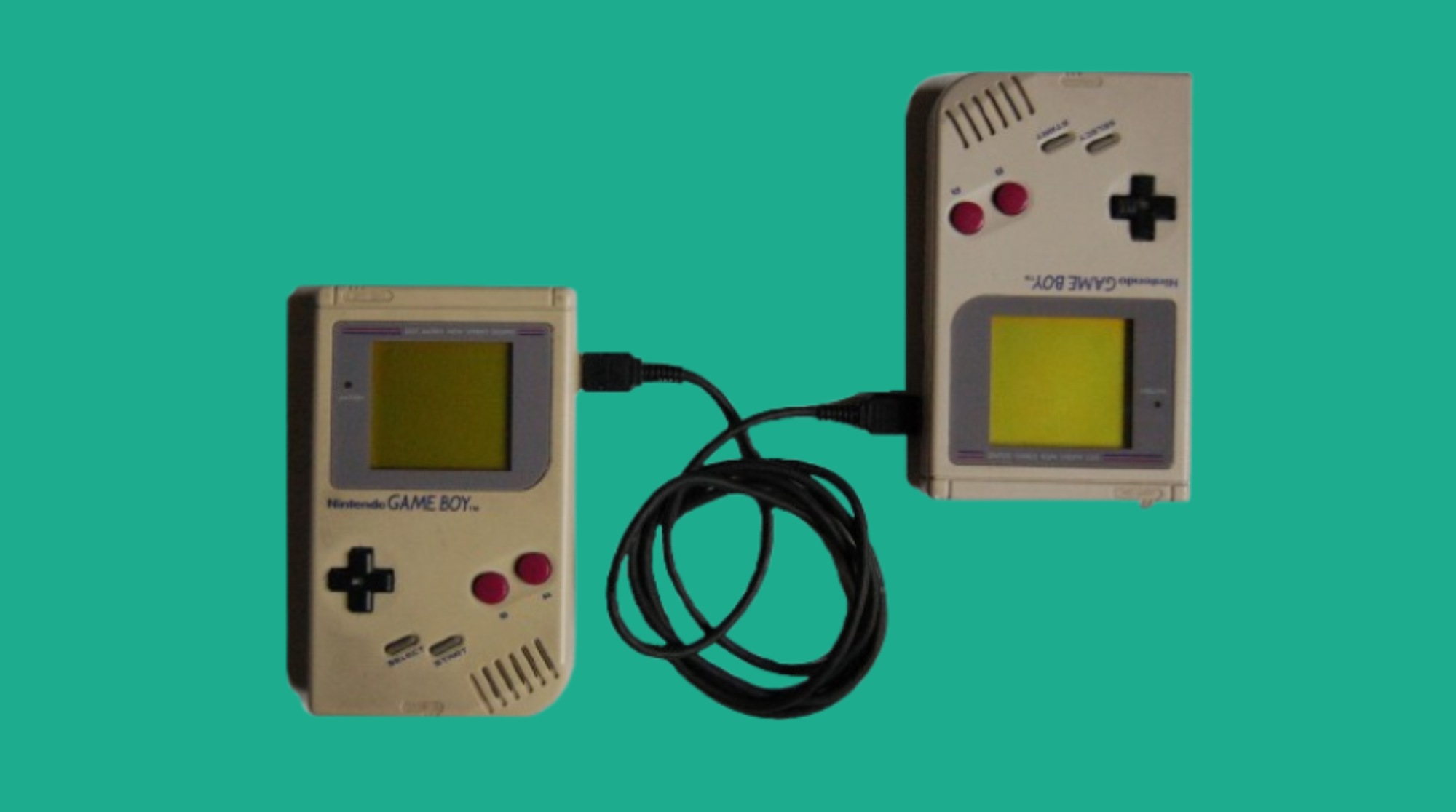
Announced in 1989, the Game Boy was conceived by Nintendo’s R&D1 team under Gunpei Yokoi as a portable gaming system that prioritized affordability, durability, and long battery life over cutting-edge specifications. It used low-power technology and debuted with a greenish dot-matrix screen and a simple control layout derived from the NES controller. The system’s early success was amplified by bundling the iconic Tetris with the hardware, a strategy that helped establish the Game Boy as a defining platform in portable gaming. The Pokémon series, of course, was also largely responsible for the success of this handheld console. Games like Tetris and Pokémon used Game Link cables for local co-op or multiplayer.
Core Technical Characteristics (Shared Architecture)
The Game Boy and its direct evolutions (Game Boy Pocket, Game Boy Light, and Game Boy Color) sold approximately 118.69 million units worldwide; the family is currently the fourth best-selling video game platform of all time. However, while turn-based RPGs flourished on the system, tactical RPGs were scarce on that platform. The two most important tactical RPGs in the Game Boy line are Super Robot Taisen, which is the first in one of the most classic and prolific tactical RPG series, and Yu-Gi-Oh! Capsule Monster GB, which laid the groundwork for a spin-off sub-series in the Yu-Gi-Oh! video game franchise.
Despite their severe technical limitations, the Game Boy models offered a basic ground for tactical role-playing games. Their low-resolution grid-based displays, turn-based input model, and modest processing capabilities aligned with the requirements of small-scale tactical gameplay. Tactical RPGs developed for these handhelds often featured concise and episodic narratives, succinct dialogue, few simultaneous units, discreet movement with few variations, small top-down grid-based environments lacking verticality, few objects, menu-driven combat, and interfaces that simplified and sometimes omitted specific information (such as the chance to dodge or block an attack). Furthermore, the portable format encouraged short and intermittent gaming sessions. The Game Boy's D-pad is ideal for top-down grid movement, and the A / B buttons on this handheld are used to select a playable unit and its turn-based action.
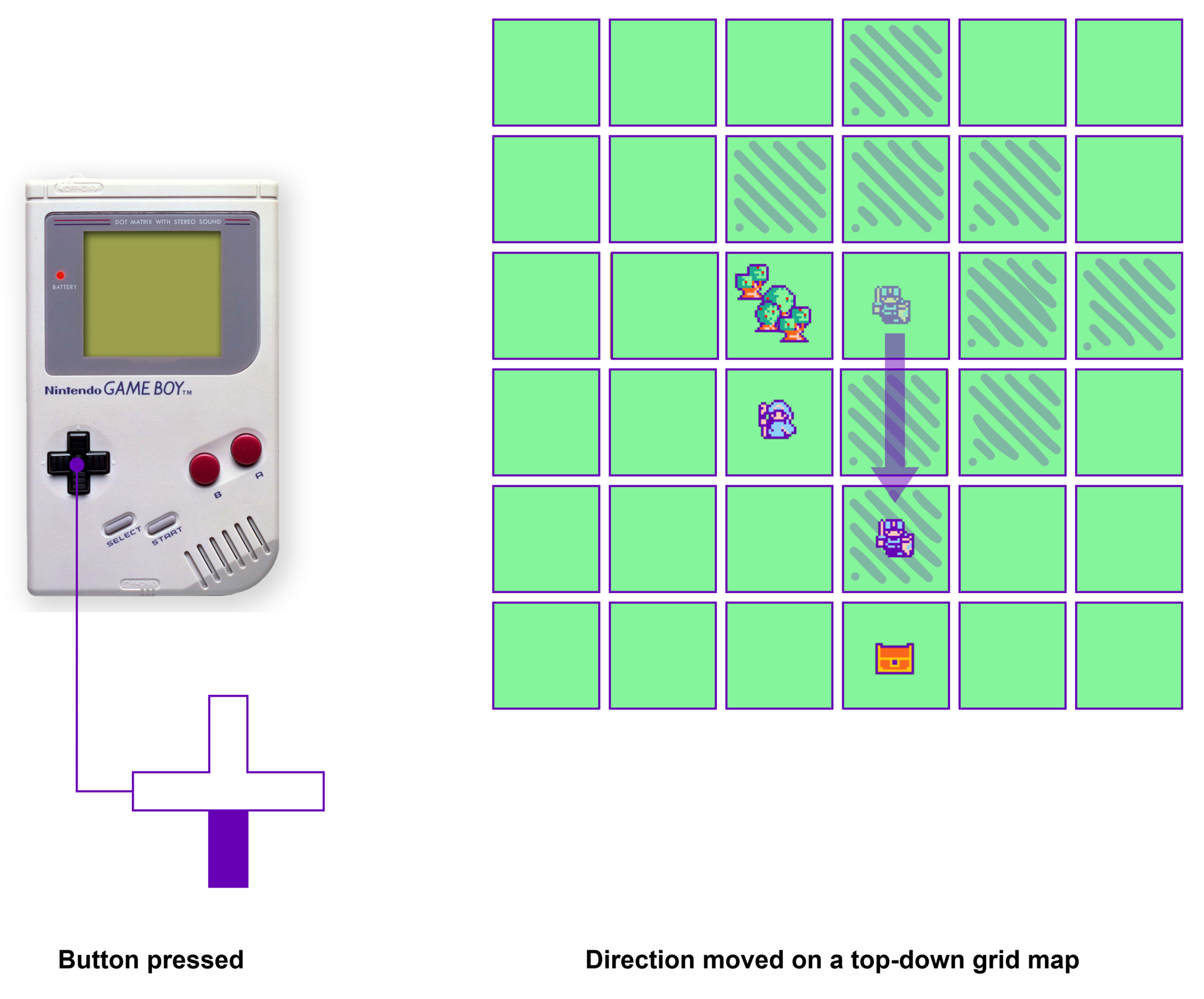
Games often favored a top-down view for clear readability of the grid, and possible routes of movement were often shown by making unreachable tiles darker or by adding a mark like Little Master’s dark dot to indicate where players could take the currently selected unit. Simple cursors highlighting the current tile the player was interacting with were already a staple, letting players move units and check areas on the map. Cancelling movement wasn’t present on the first Super Robot Taisen, but other titles, like Little Master, had this function.
For battles, the most popular format was to use transitions from the map grid to a separate screen that showed the attacker and defender in action, in a similar fashion to Fire Emblem, but often with simpler movement animations. One exception was Yu-Gi-Oh! Monster Capsule GB, which represented attacks as hit animations directly on the map.
The video below offers a sample of the audiovisuals of a tactical RPG on the Game Boy. In the subsequent subtopics, we present, in general terms, updates to the original Game Boy that impacted the experience of playing a tactical RPG.
Super Robot Taisen emulated via Visual Boy Advance. Source: Banpresto/Authors.
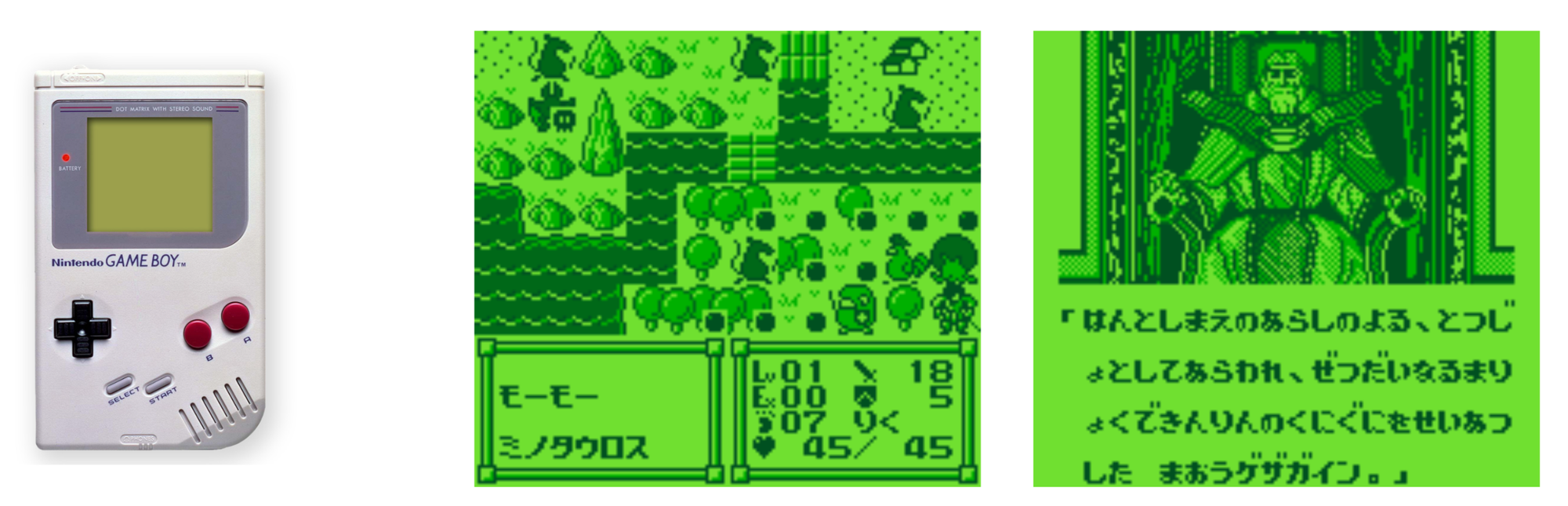
High-contrast monochrome screens favor symbolic iconography and grid-based design, the basis for tactical maps, RPG interfaces, and menus.
The console's non-backlit LCD screen features a greenish background.
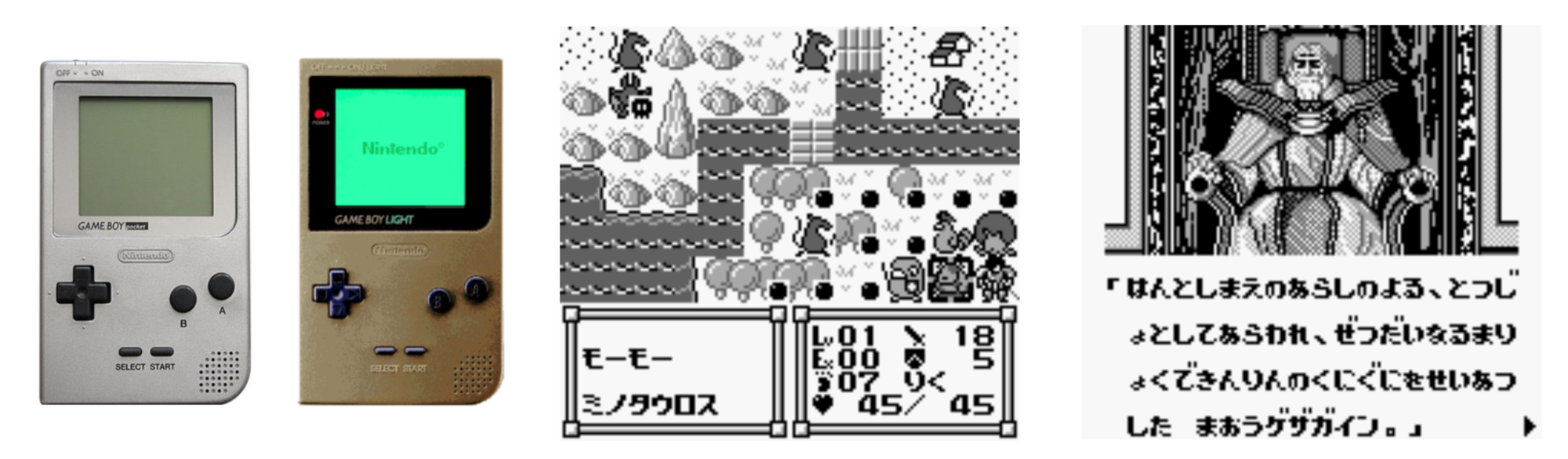
The Pocket introduced significantly improved screen clarity, indirectly enhancing the readability of tactical interfaces and small map tiles.
The Game Boy Pocket also uses a monochrome four-shade palette, but with true grayscale tones.
The backlit screen greatly improved visibility in low-light conditions.
On the Game Boy Light, when the backlight is turned off, the display appears identical to that of the Game Boy Pocket.
Color palettes enabled clearer unit differentiation, terrain encoding, and status signaling, while increased RAM and clock speed supported more complex AI routines and larger battlefields.
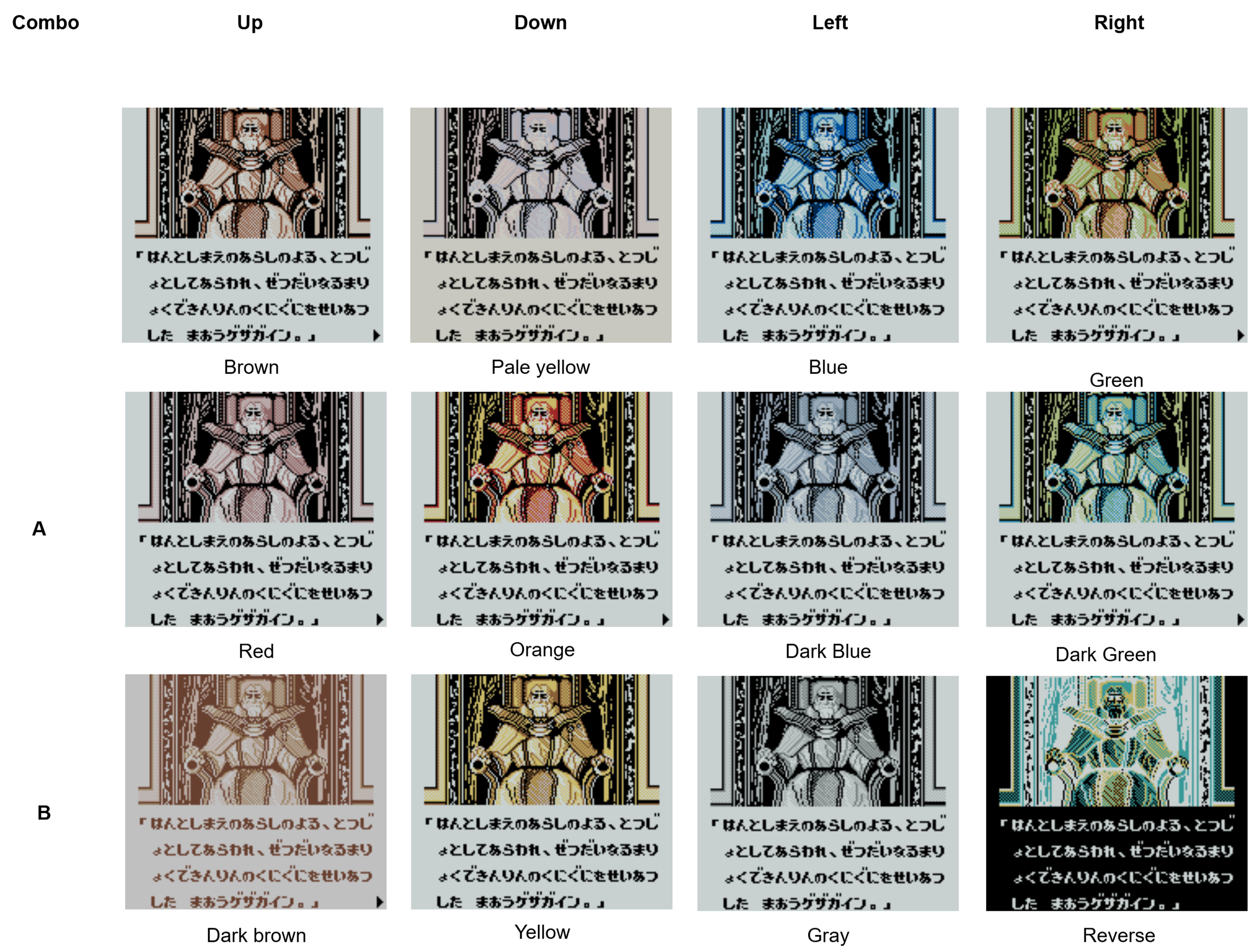
For GBC-exclusive games, the hardware supports a 15-bit RGB palette, but color usage is strictly palette-based: each background tile references a 4-color palette, with up to 8 background palettes and 8 sprite palettes available per frame. For sprites, one color is always transparent, resulting in a practical maximum of 56 on-screen colors (32 from backgrounds and 24 from sprites). When running original Game Boy games, the four grayscale tones of the monochrome game are mapped to predefined color palettes, either automatically selected based on the cartridge header or manually chosen by the player via button combinations at boot, preserving the original light–dark relationships while adding hue.
We say that a tactical RPG (TRPG) is "major" when it satisfies at least one of the following criteria:
If a spin-off surpasses the original series in sales and critical acclaim, we say that it has become a main series. By that definition, Super Robot Wars and Tactics Ogre are main series, while Final Fantasy Tactics and Shin Megami Tensei: Devil Survivor are not.
In chronological order, this topic presents all the major tactical RPGs from the Game Boy line, including narrative introduction, gameplay, and critical and commercial reception. Each game is accompanied by cover art plus up to 6 screenshots from the game:
After having done a similar crossover project called Compati Hero back in 1990, Bandai’s subsidiary Banpresto decided to create a project to mix multiple mecha series into a single game. This gave birth to Super Robot Taisen, a tactical RPG that let players move various giant robot units through grid-based battlefields.
When starting the game, players have to choose which series they’d like to comprise their army. The choices include Mobile Suit Gundam, Mazinger, and Getter Robo, and the main unit can be selected as the player’s favorite from the list, allowing players to add extra points to their attack, HP, speed, or charisma. As the player progresses through the maps, it is possible to obtain more allies using a chance-based persuasion system.
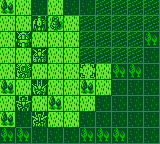
Super Robot Taisen emulated via Visual Boy Advance. Source: Banpresto/Authors.
Also known as Super Robot Wars in the West, the series would become very prolific, with over 70 releases across multiple systems, including Super Famicom, Game Boy Advance, DS, 3DS, and all PlayStation consoles and handhelds. Most titles remain available only in Japanese, but all games since Super Robot Wars OG: The Moon Dwellers (2016), have been released in English.
The first game sold 190,000 units and was a best-seller in the first years of Game Boy in Japan. While reviews from back in the day are hard to find online, back in 2020, Famitsu commented on how the title already introduced some of the appeal of the crossover franchise, even if, compared to later releases, it is noticeably limited:
“The story is unique, and the appeal of the series lies in how it skillfully blends together works with completely different settings into a single narrative. While it's common to read the story with excitement, wondering how your favorite works will connect, the adventure section of the first game was quite simple. [...] Due to hardware limitations, the battle animations in this game were simple, with missiles flying about, giving the game a feel similar to that of early command-based RPGs. However, with the background music from each game playing and the robots on both sides being depicted, it's interesting to see a glimpse of the powerful battles of today.”
Full text (Famitsu’s retrospective of the game’s launch date): https://www.famitsu.com/news/202004/20196852.html
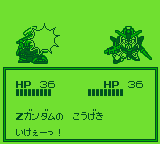
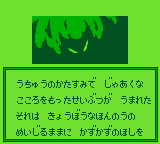
Super Robot Taisen emulated via Visual Boy Advance. Source: Banpresto/Authors.
Tokuma Shoten’s Little Master: Raikuban no Densetsu was another game starting a brand-new series on the GameBoy. The title would eventually span a sequel on the same platform in 1992 and another on the SNES in 1995. An English translation was planned, and the title would have been released as Doomsayer: A Hero’s Crusade, but this Western version was ultimately cancelled back in the day.
In Little Master, players control Raikuban and the kingdom’s troops, which include anthropomorphic animals. Land effects on the characters were presented right before each combat, which happened in a separate screen like the Fire Emblem series. Attack animations were considerably more detailed than Super Robot Taisen of the same year, with each individual moving towards the enemy to unleash an attack, and the battle background depicting which terrain they were on. It was also possible to fuse units to create even stronger allies.
Sales data or reviews from back in the day are hard to find, and the game remains an obscure gem from the Game Boy, which is also the case for its sequels. Nonetheless, in 2018, Zatos Hacks released an English fan translation of the game, pointing out some of its qualities:
“Little Master is the first game in the Little Master trilogy. This game and the series as a whole are quite terrific! The game is a strategy RPG which features great gameplay and music. Levels are varied to keep the gameplay fresh. The game also features a unity system, where you can combine troops to form more powerful ones! A standout game for the Game Boy!”
Romhacking.net Description: https://www.romhacking.net/translations/3647/
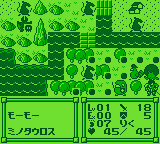
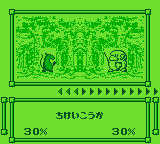
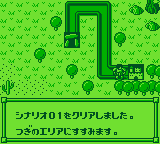
Little Master emulated via Visual Boy Advance. Source: Konami/Authors.
Coming a little less than a year after the first game, Little Master 2 is a straight sequel that keeps much of its structure. Even visually, the game is very similar, reusing units and some maps but expanding the game to have more than double the number of missions and adjusting the balance so that some units aren’t too strong and there’s more of a challenge overall.
As far as major additions to the genre, the game doesn’t truly bring anything major to the table, focusing on presenting what’s mostly a revamped, improved version of what Little Master offered. One of its few significant additions was introducing a healer unit to the team that can transform into a different fighter afterward.
Little Master 2 emulated via Visual Boy Advance. Source: Konami/Authors.
Like its predecessor, there’s a lack of data on its sales and reviews available online. However, the series would continue with a third game, called Little Master: Nijiiro no Maseki on the Super Famicom, which would bring further gameplay improvements. Unfortunately, Little Master 2 is still only available in Japanese, not even receiving any English fan translations.
One of the only online reviews for the game comes from a user on the gaming site GameFAQs, commenting on how the game is now improved:
“Released less than a year after its predecessor, Little Master comes back to the Game Boy. Despite being, at first glance, almost the same exact game, this second entry is bigger and better in nearly every aspect. [...] But all in all, Little Master 2 is a compelling TRPG that deserves to be played. Although technically a sequel to the first game, it is not mandatory to play it before jumping into this one. Whether you’re looking for a great game to play on your original Game Boy or looking for a tactical RPG to satisfy your gray matter cravings, you can’t go wrong with Little Master 2: Knight of Lightning. A definite must.”
Full retrospective review: https://gamefaqs.gamespot.com/gameboy/569771-little-master-2-raikou-no-kishi/reviews/160203
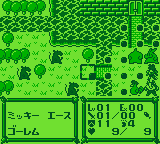
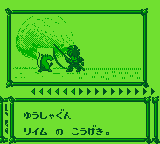
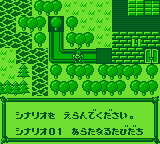
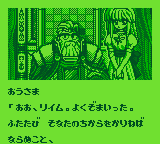
Little Master 2 emulated via Visual Boy Advance. Source: Konami/Authors.
Yu-Gi-Oh! Monster Capsule GB was developed and published by Konami for the Game Boy Color and released exclusively in Japan as part of the expansion of the Yu-Gi-Oh! franchise. The game is directly inspired by the “Monster World” and “Capsule Monsters” story arcs from the original manga, offering a self-contained adventure outside the traditional card-duel format that came to dominate the series. In the narrative, the iconic Yugi Muto confronts the antagonist Seto Kaiba, whose possession by the Millennium Ring precipitates a tournament-based journey through the “Monster World” in order to rescue friends and family.
In terms of gameplay, Monster Capsule GB employs a turn-based tactical RPG system in which players deploy and move “capsules” (each representing a monster) across square battlefields, exploiting movement ranges, unit-specific abilities, and terrain effects to defeat opponents. The system distinguishes itself from other portable tactical RPGs of the period by integrating traditional RPG progression with rigid spatial positioning and mechanics derived directly from the Yu-Gi-Oh! universe, resulting in a hybrid experience situated between board game design, role-playing progression, and tactical combat.
Battles take place on a 6x6 field, where each square represents a field. You can position up to four Monster Capsules (MCs), and on each turn, you move and attack a monster. If there are no more MCs on the field, you lose. Dice rolls determine the success of an attack; If the result is less than the hit rate, the attack is a hit. Hit rate and power can also be increased by field energy sources or support effects, such as enemies being within the attack range of other allies. Excepting battles, everything else, including route selection, is decided by dice.
Yugioh Capsule Monster GB emulated via Visual Boy Advance. Source: Konami/Authors.
Commercially, Yu-Gi-Oh! Monster Capsule GB achieved a modest performance in the Japanese market, with cumulative sales of approximately 129,095 units (Wiki/GameDataLibrary/Famitsu). The title peaked at over 36,000 units sold in its first week (yugiohdata), securing prominent positions in domestic sales rankings throughout 2000. There is scarce information about reviews from the 2000s, but subsequently,in Yu-Gi-Oh! Monster Capsule GB has been praised in comparison to other titles in the franchise on the same platform.
“Although the subject matter differs, this title surpasses other GB Yu-Gi-Oh! games in quality and is definitely in the category of a good character game.”
[ 題材としているゲームが違うとはいえ、他のGBの遊戯王のゲームを上回る出来であり、キャラゲーとしても間違いなく良作の部類に入る。]
Full retrospective review: ゲームカタログ@Wiki,
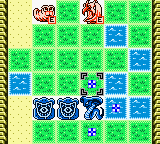
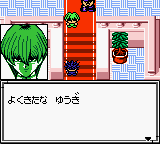
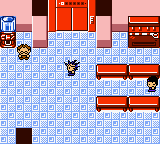
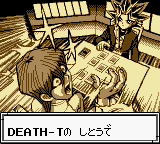
Yugioh Capsule Monster GB emulated via Visual Boy Advance. Source: Konami/Authors.
With licenses to some anime at their disposal, Banpresto invested in creating an RPG adapting One Piece’s early events. As with all the other tactical RPGs for the handheld system, it was only released in Japan.
Gameplay has a structure very similar to the traditional command-based, turn-based games. Outside of battles, players can explore the world in a top-down perspective, moving around to reach specific points in the map to trigger dialogues with characters. When moving around specific areas, it’s possible to trigger random battles, which will take the player to grid-based, tactical combat. At first, the player starts only with the protagonist Luffy, though more characters join the team as the story progresses, and it’s possible to change the order of events compared to the original manga/anime.
From TV Animation One Piece: Yume no Luffy Kaizokudan Tanjou emulated via Visual Boy Advance. Source: Banpresto/Authors.
From TV Animation One Piece: Yume no Luffy Kaizokudan Tanjou sold approximately 375,962 units (Video Game Sales Wiki). On release, Famitsu reviewed the game with a 23/40 (Wiki/Famitsu No. 646). When it comes to the game's qualities, Yuki Ogata points out the scenario variations as one of its big draws:
"You can create a pirate crew with your favorite characters and progress through the story however you like. It's a game where you can enjoy 'what if' One Piece scenarios, such as putting 'Sanji' and 'Gin' or 'Zoro' and 'Helmeppo' in the same party."
[自分の好きなキャラを集めた海賊団を作り、自分が好きなようにストーリーを進める。「サンジ」と「ギン」や、「ゾロ」と「ヘルメッポ」を同じパーティにするなど“もしも”のワンピースが楽しめるゲームだったのだ。]
Full retrospective review: Futabanet Manga plus
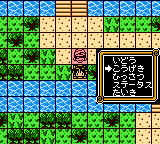
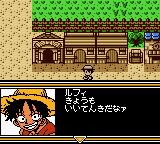
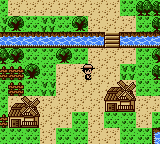
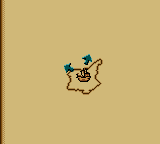
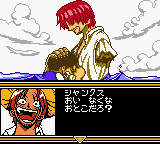
From TV Animation One Piece: Yume no Luffy Kaizokudan Tanjou emulated via Visual Boy Advance. Source: Banpresto/Authors.
Not all tactical RPGs released for the Game Boy line were prominent in their time, but all deserve their place in the chronology. Below, we present the minor tactical RPGs released for the Game Boy line.
Dai-2-ji Super Robot Taisen G (or “2nd Super Robot Wars G” in an English name translation effort) is a remake of Dai-2-Ji Super Robot Taisen, originally released for the Family Computer (Famicom). The game’s mostly similar to the first one in structure, though it offers a much denser narrative with pilots having a notable presence in dialogue (this would become the norm for later games in the series). Battle animations were also improved to better reflect damage. Upon release, Famitsu magazine (then known as Famicom Tsushin) reviewed the GB edition of Dai-2-ji Super Robot Taisen with a 28/40 (Wiki/Famitsu No. 342). In its release week, the game sold 57.163 units (Game Data Library).
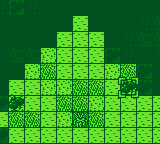
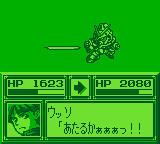
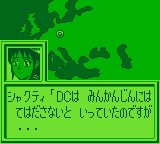
Dai-2-ji Super Robot Taisen G emulated via Visual Boy Advance. Source: Banpresto/Authors.
Another Bible was developed by Multimedia Intelligence Transfer and published by Atlus, exclusively in Japan, as a spin-off of the Megami Tensei series. While less philosophical than the mainline Megami Tensei titles, Another Bible preserves the series’ thematic interest in fate, moral conflict, and the ambiguity of divine authority. Unlike traditional tactical RPGs, the game integrates simplified demon management mechanics reminiscent of Megami Tensei. Another Bible was a niche release with scarce reviews, and there are no reliable sources for its sales.
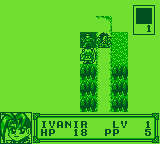
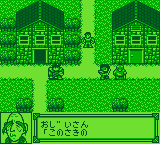
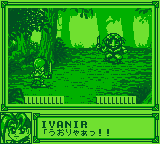
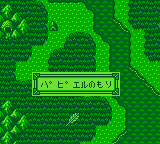
Another Bible emulated via Visual Boy Advance. Source: Atlus/Authors.
Another tactical RPG developed by Banpresto was Senkai Ibunroku Juntei Taisen, which was also based on an anime IP, in this case, Hoshin Engi. Like other games in this list, it was only released in Japan. The game was generally structured like the Super Robot Taisen games, with the interesting element of being able to spend a turn to recharge the energy gauge needed to activate special attacks with longer range, as well as having the ability to equip different skills to each ally unit. This is another obscure game with scarce reviews. In its release week, Senkai Ibunroku Juntei Taisen sold only 15,699 units (Game Data Library).
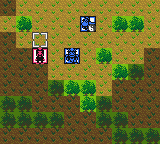
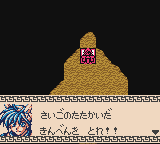
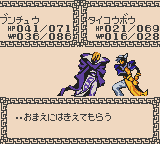
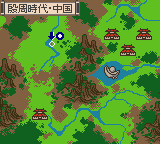
Senkai Ibunroku Juntei Taisen emulated via Visual Boy Advance. Source: Banpresto/Authors.
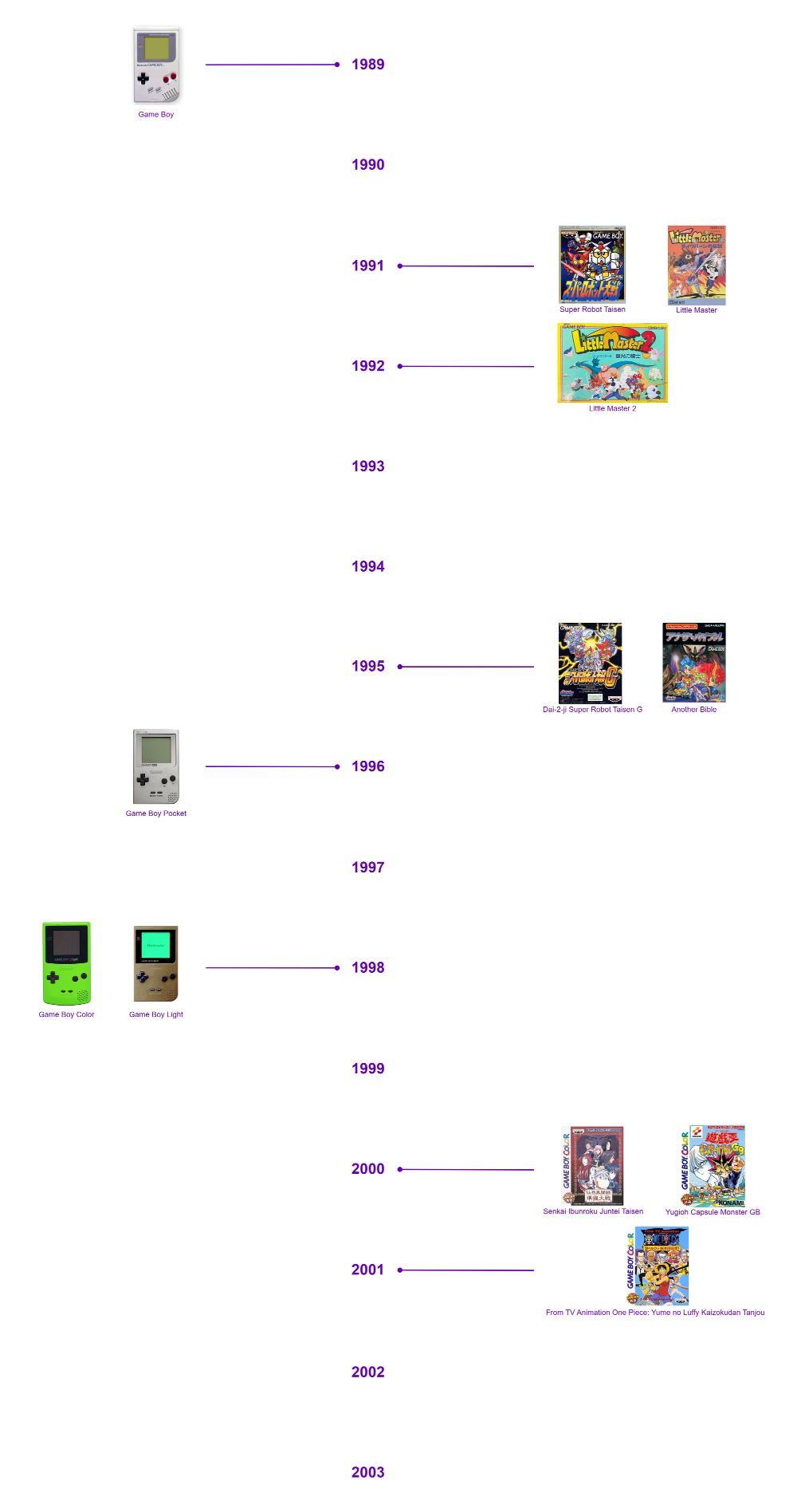
We begin this timeline with the Game Boy, but there are handheld consoles released before the Game Boy line (Wiki) that don't have tactical RPGs in their libraries:
The list below includes titles released for the Game Boy line between 1989 and 2003 that do not strictly fit the definition of a tactical RPG, but are close to or share important affinities with it.
Curiously, even though the Sakura Taisen franchise is composed of tactical RPG titles in its mainline, the GameBoy entries discard the grid, and instead, battles play in a traditional gridless turn-based structure. For the first game, battles are adapted to work within the LIP's choice frame, letting players pick an action like in a text adventure. Meanwhile, the second game is akin to traditional Japanese RPGs like Final Fantasy, with the player choosing commands in the menu once a unit’s turn comes around.
When one defines tactical RPGs to include those with turn-based grid movement and combat, it’s also important to highlight the Mystery Dungeon format of roguelikes. While not commonly associated with the genre due to not having organized enemy troops, they also share the grid structure in the exploration of the randomly generated dungeons. Three major examples of the genre were available on the GB and GBC: two Shiren entries and Azure Dreams, which is the only officially translated game in this whole retrospective of the handheld.
Finally, the SD Gundam: SD Sengokuden trilogy on Game Boy mixes the tactical format with action combat. Players move the units around a grid-based structure and then must directly control their robots to fight against the enemies in an action format. The game is closer to a mix of tactical strategy and action, seemingly not bringing significant RPG elements to the table.
By the early 2000s, the Game Boy Color remained in production even after the arrival of its generational successor, the Game Boy Advance (GBA) in 2001, but both original and Color models were finally discontinued by March 2003. Even after nearly a decade and a half on the market, the Game Boy line never released any tactical RPGs with an official English translation, unlike its rival handheld consoles, such as the Neo Geo Pocket. In Part 2 of our series, we will discuss the history of tactical RPGs on the rival handhelds of the Game Boy family (i.e., the Game Boy line along with the Game Boy Advance line).
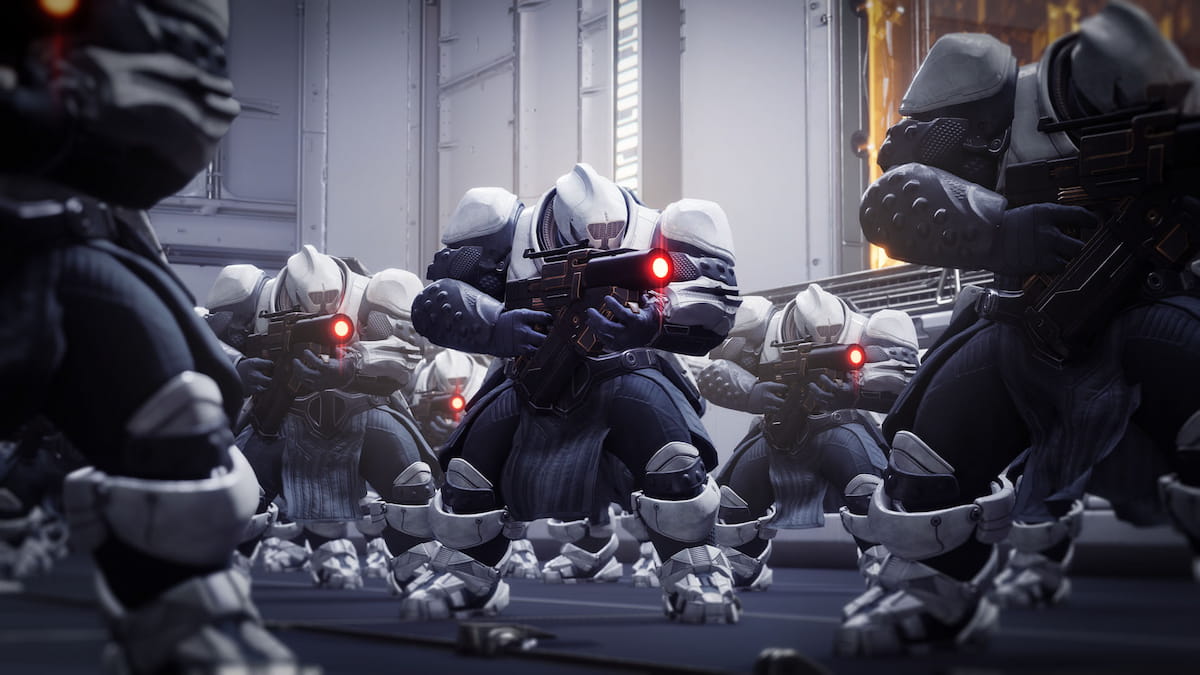
Destiny 2's Shadow & Order major update was set to launch on March 3, but Bungie uncerimoniously delayed it by three months. The next big piece of content is scheduled for June, leaving even less to do in the game until then.
With less than two weeks to go until the scheduled update, Bungie made an anemic announcement of the delay in official channels, where it promised to bundle a slew of other improvements to the game by June 9. The Shadow and Order name is gone altogether, though it doesn't have an official replacement.
While Destiny 2 is in dire need of a shakeup, delaying a major update doesn't pose a good short-term scenario for its dwindling player counts. Here's why Shadow & Order was delayed and Bungie's ambitious promises for when it drops in June.
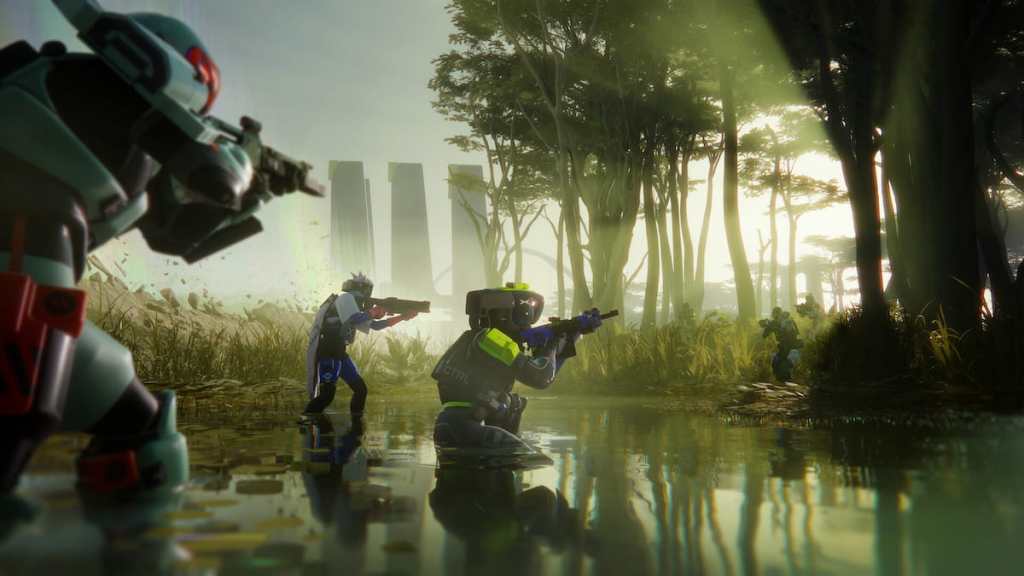
Marathon is often mentioned as one of the reasons behind the Shadow & Order delay. The major update was slated to release on March 3—just two days before the controversial extraction shooter's debut on March 5. Forbes' Paul Tassi reported this would be the reason, and it seems to be among the top drivers behind the delay. The new June 9 release date is way off, giving Marathon enough time to settle.
That said, it's also likely that Shadow & Order was simply not up to the standards of what the game needed right now. Destiny 2 has been bleeding players for years, with The Edge of Fate accelerating the vertiginous downfall in its user base. Far from being a necessary revolution, the Ash & Iron update halfway through The Edge of Fate was largely a lackluster, more-of-the-same piece of content—down to the reissue of weapons such as Drang and the MIDA Mini-Tool.
Pushing another lukewarm update as Destiny 2 faces its biggest player crisis in history would likely only make it worse. Given Bungie's recent track record, there might not have been enough time to concoct anything above mediocrity, so putting it back in the oven might be the right move.
The next major update (which we're still unofficially calling Shadow & Order until an actual title comes along) is bringing a slew of much-needed, long-requested improvements to the game—though one can easily argue The Edge of Fate should never have launched without them in the first place.
The announcement promises "sizable quality-of-life updates," including a few hot topics. As its release draws closer, Bungie will inform players of items like tier upgrading, Exotic armor pieces being tier five, reissued gear for raids and dungeons, and a "Pantheon 2.0." The wording here is telling: "We will provide exact details closer to release," the announcement reads, so temper your expectations.
"Shadow & Order" also needs to bring in more content. This is theoretically implicit in Bungie's wording, but it's still worth highlighting. The Portal is already a syncretism of reused, worn-out activities, so all these changes are borderline meaningless without new missions to put them to use. Bungie's initial vision for The Edge of Fate—a grueling, resetting slogfest—is more than enough to make fans wary about how the studio will handle content after the next major update, too.
The post Why was Destiny 2’s Shadow & Order delayed? appeared first on Destructoid.

Sony hasn't even officially announced the PlayStation 6 yet, but that hasn't stopped the rumor mill from churning out an increasingly steady stream of leaks, insider reports, and solid hints from the company itself. With the PlayStation 5 well into the latter half of its lifecycle and the PS5 Pro already on shelves, the attention of hardcore gamers is increasingly turning toward whatever comes next. Here is everything we know so far about the PlayStation 6, from its release window and hardware to pricing and the possibility of an entirely new PlayStation handheld launching alongside it. Read this article with […]
Read full article at https://wccftech.com/roundup/playstation-6-everything-we-know-release-date-specs-price-games/

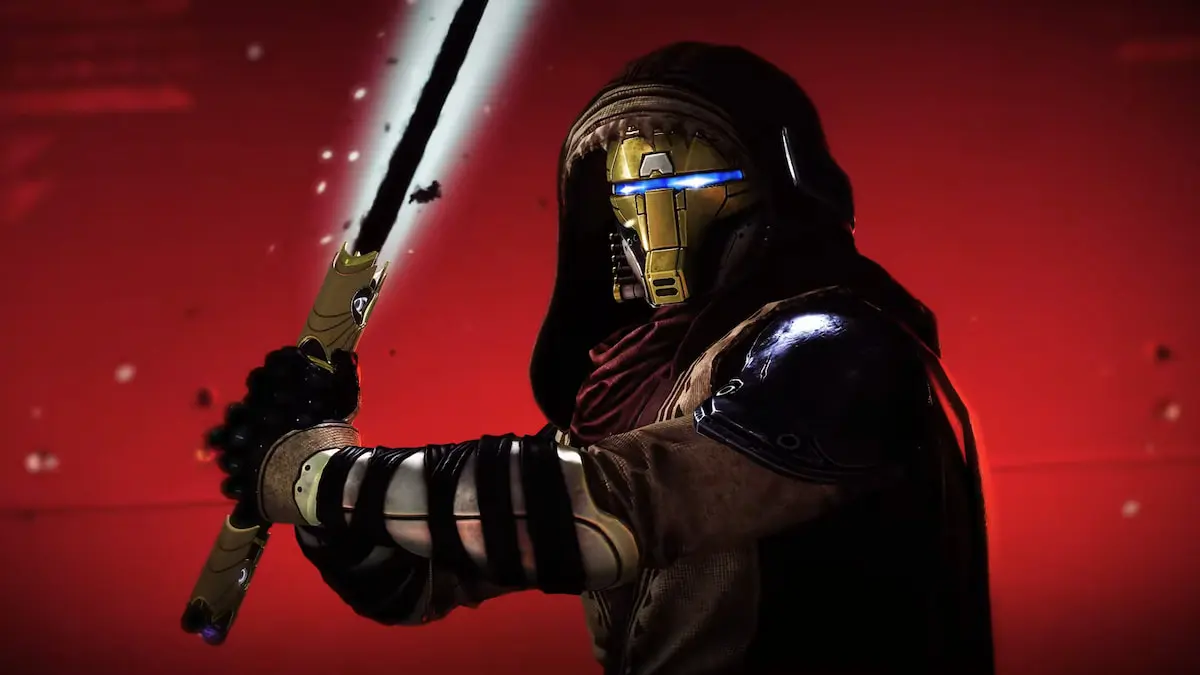
Destiny 2 players may have already heard the news: Shadow & Order is delayed. Naturally, eager guardians are wondering when the game's next major update will be—and when it will get any meaningful new content.
"Major updates" is how Bungie calls the intermission between one expansion and the other, after a two-expansions-a-year cadence instated with The Edge of Fate and Renegades. It's essentially an extremely light new season, complete with a new rewards pass (a season pass minus the season). Shadow & Order was supposed to be
A delay can be bad enough on its own, but with the dropping player count, some are afraid the game will shut down. Here's when Destiny 2's next big updates release.
The next huge update for Destiny 2 is scheduled to drop on June 9—a three-month delay compared to the original March 3 release date for Shadow & Order. This is presumably in part due to Marathon's release on March 5.
Until then, players can expect a couple of smaller in-game novelties. Guardian Games kicks off in March, and Bungie teased "the return of a more frequent Iron Banner cadence" (by that, the studio means "actually adding an Iron Banner cadence"). The same old Portal mutations like Accelerator are set to appear.
Outside of that, Bungie hasn't yet mentioned a new rewards pass, the release of the remaining Conquests, or other reasons for players to come back to the game. Wacky Portal modifiers will continue, but that wasn't enough to push the needle even when the player count was at less critical levels.
Destiny 2's next update will presumably build upon Shadow & Order, seizing what was in line for the update, throwing much-needed, long-requested quality-of-life features in the pile.
That said, the next big update won't be called Shadow & Order—though we're still using that name as a placeholder. The extra time in the oven may also alter the story arcs that would surface, so a name change is more than in order.
We don't know a lot of what's coming in June for now. Bungie has given us a baseline of what to expect in the announcement:
"We will provide exact details closer to release covering previously announced Weapon Tier Upgrading, but also additions like expanding Tiered Gear to all Raid and Dungeon activities, Pantheon 2.0, Tier 5 stats for Exotic Armors, and more," the studio said.
This is undoubtedly an ambitious move for a struggling game, and the verbiage on the announcement is enough to maintain a degree of caution. Bungie said it would give details, so theoretically, "we're working on it and it's coming in a future release" could qualify for that. It's unlikely they'll reissue weapons for all raids and dungeons within a few months, so there's bound to be a small selection of these to get the ball rolling, with plans of doing more at fixed intervals.
Presumably, the next major update will also bring in some new content. This has been the formula for the bigger content releases since time immemorial, and providing these shiny new tools without a new stage to use them in would be counterproductive.
In the meantime, Bungie will continue with the basics, including Guardian Games in March and bringing back Iron Banner in April. This time, there's no Into the Light-esque content to pull out of a hat, so the player counts will continue to struggle until Destiny 2 gets meaningful content.
The post When is Destiny 2’s next major update? appeared first on Destructoid.
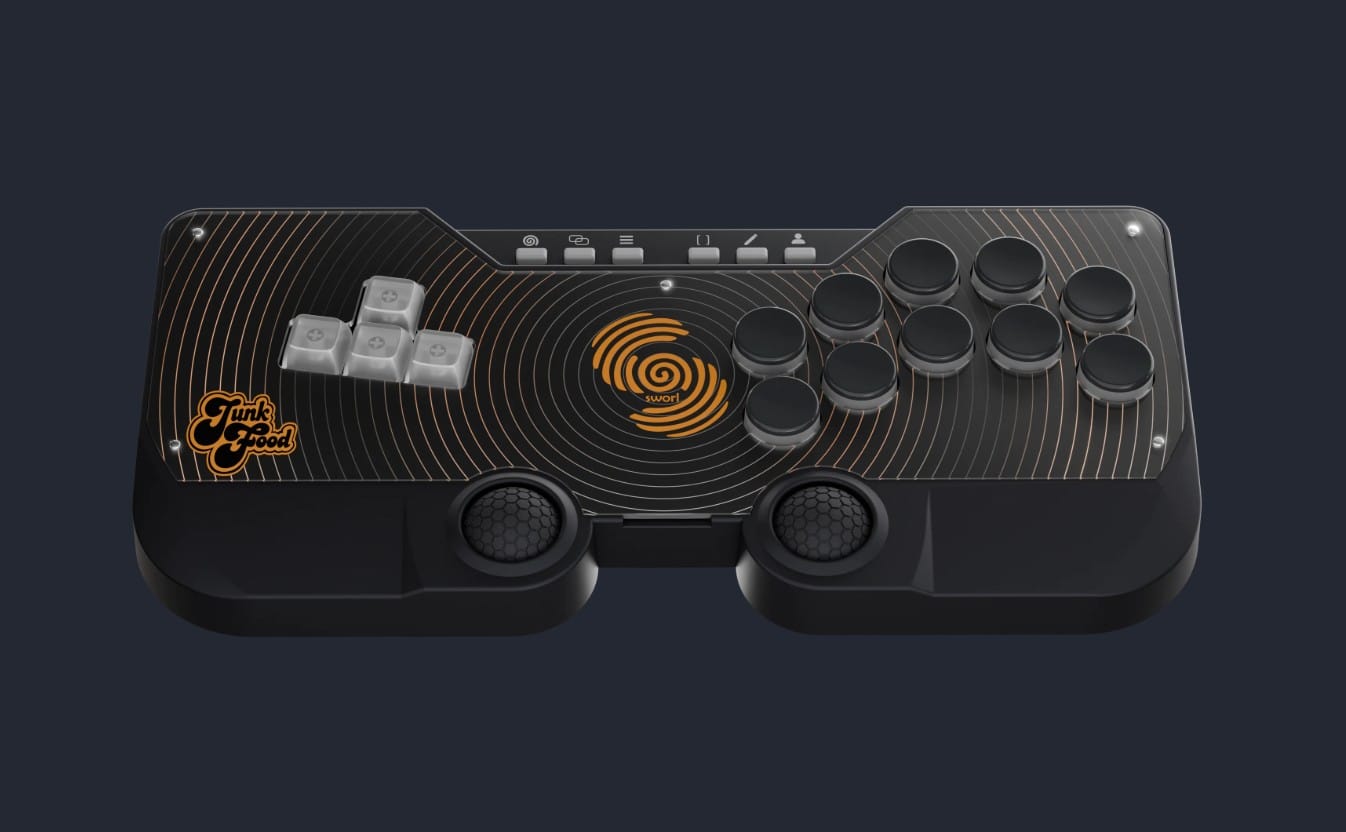
pieceArcades are awesome. I know this, you know this, we all know this. Something about the lights and sounds of the cabinets, the physicality involved with tapping those oh-so-satisfying oversized buttons to play each game, speaks to a primal gaming urge. Unfortunately, arcades have become less and less common over the years, which means the ones that are left tend to be overcrowded, expensive, and sometimes falling apart. In response to this, a booming market has emerged of at-home controllers that emulate the feel of an arcade cabinet, to varying degrees of success. The good people at Junkfood were kind enough to ship me their take on the arcade controller - the Sworl.
The Sworl comes in two variations: The Sworl Basic for $175, and the Sworl Multiconsole for $225. The Basic works with the PC and the Switch, while the Multiconsole works for all modern platforms. The Sworl is entirely customizable, with everything from the button layout and profile to the colors and animations for the LEDs, to the deadzone of the sticks; you can make the Sworl into the controller that best suits your needs. It takes a little bit of setup within your browser to get working, but once that's finished, it's easy to change any settings you want and save them to separate profiles. I highly recommend doing this, as it can save the headache of having to remap every single game you play to your preferred settings. Choice is king with the Sworl, and it allows for an extremely tailored experience if you go looking for it. So that's the basic setup, but what's the product itself like?
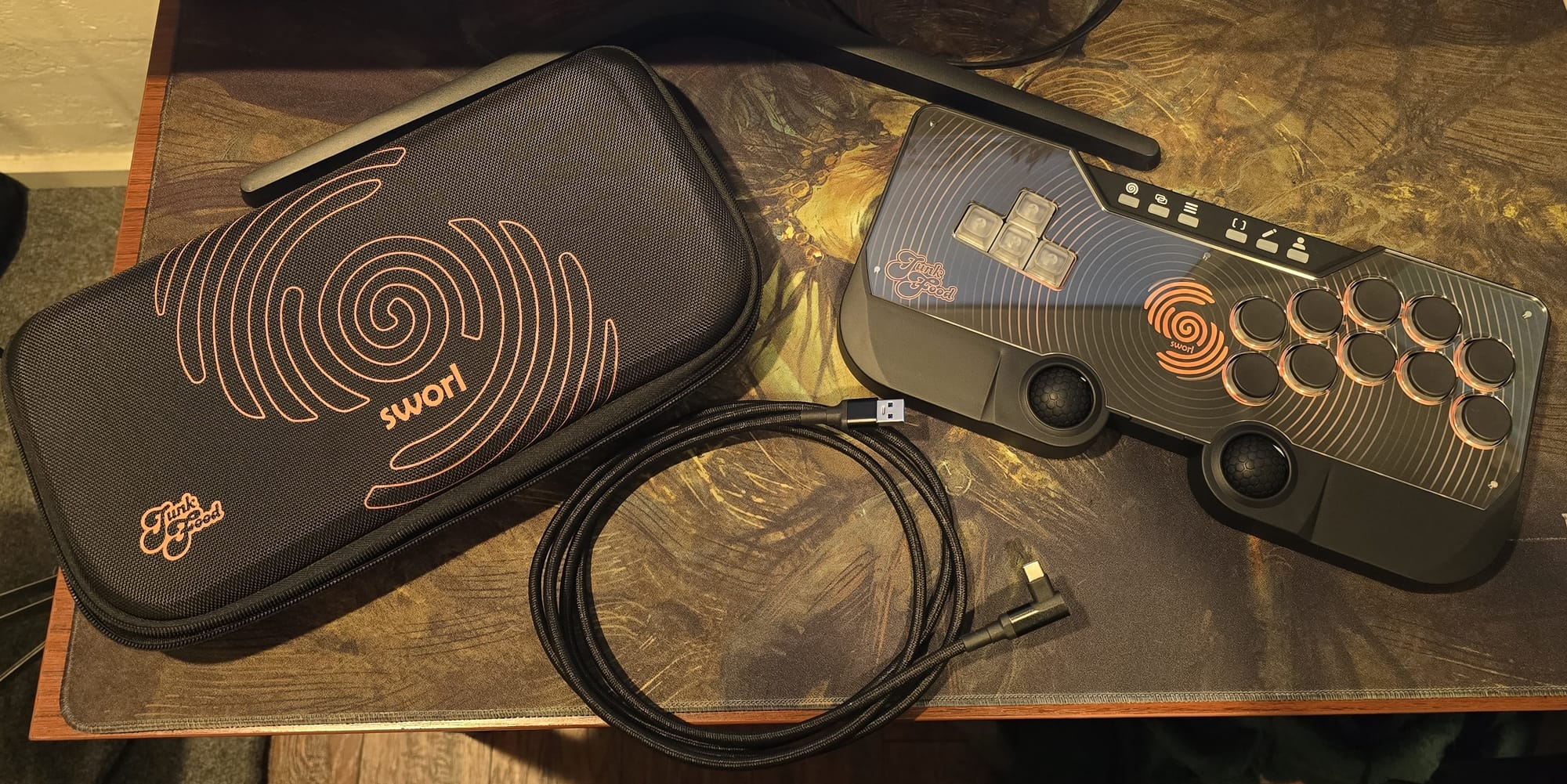
The packaging for the Sworl is immaculate. I'm a sucker for good, clean presentation when it comes to my gaming peripherals, and the Sworl delivers immediately. The box is a sleek and minimalist orange design, emblazoned with the controller's branding. Upon opening it, you are greeted with a high-quality, black, solid-shell nylon carrying case, evoking an immediate sense of quality. The solid shell case zips open to reveal the Sworl itself, along with a sturdy braided C-class connection cable and a QR code that explains everything the Sworl can do.
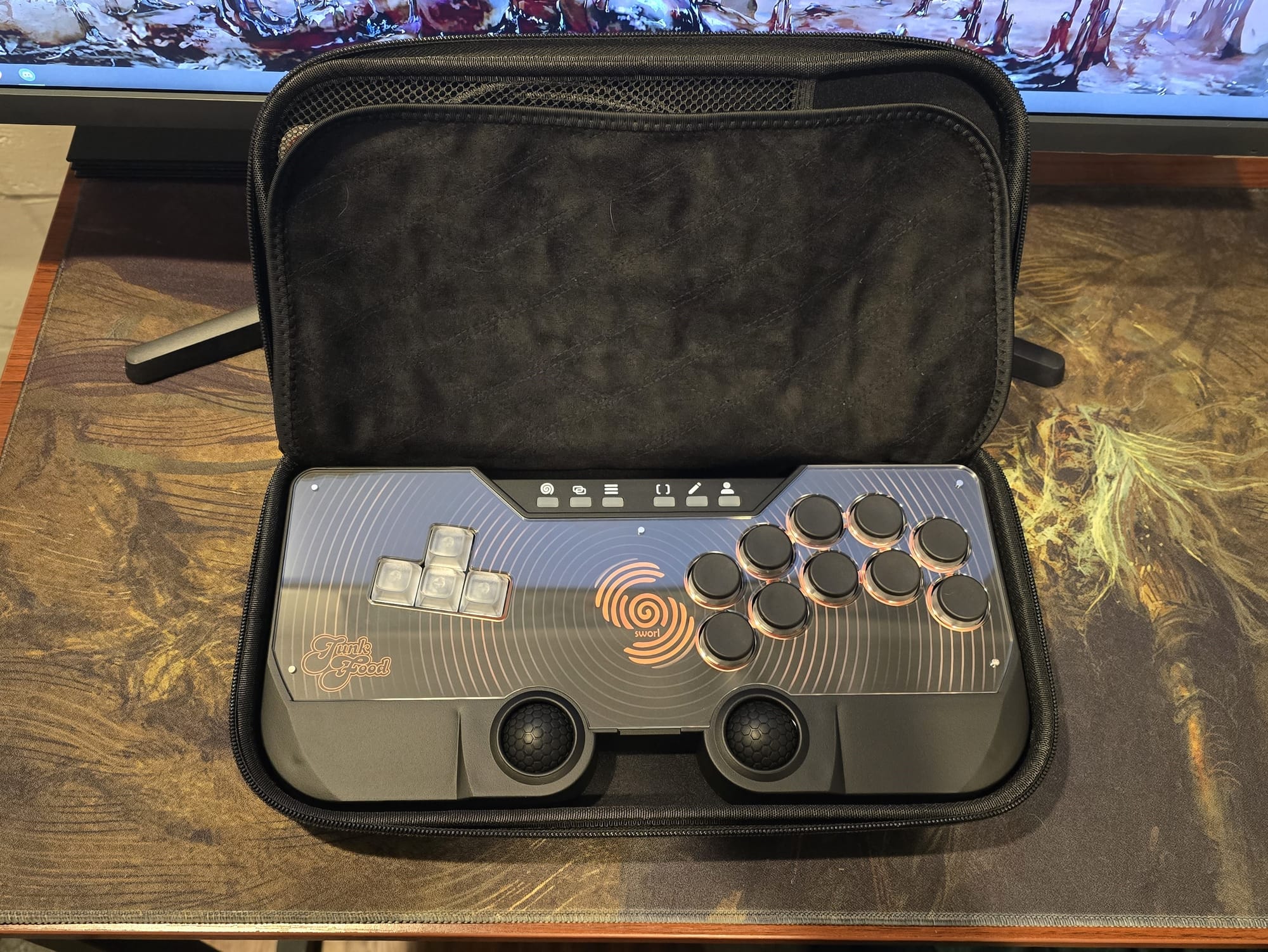
The actual controller is, in my opinion, peak design for something like this. It's extremely sturdy, with a hard plastic design that feels high-quality without being too heavy or cumbersome. With these more arcade-style controllers, I tend to find myself either wanting more room on the face of the system or less, but the Sworl hits that balance perfectly.
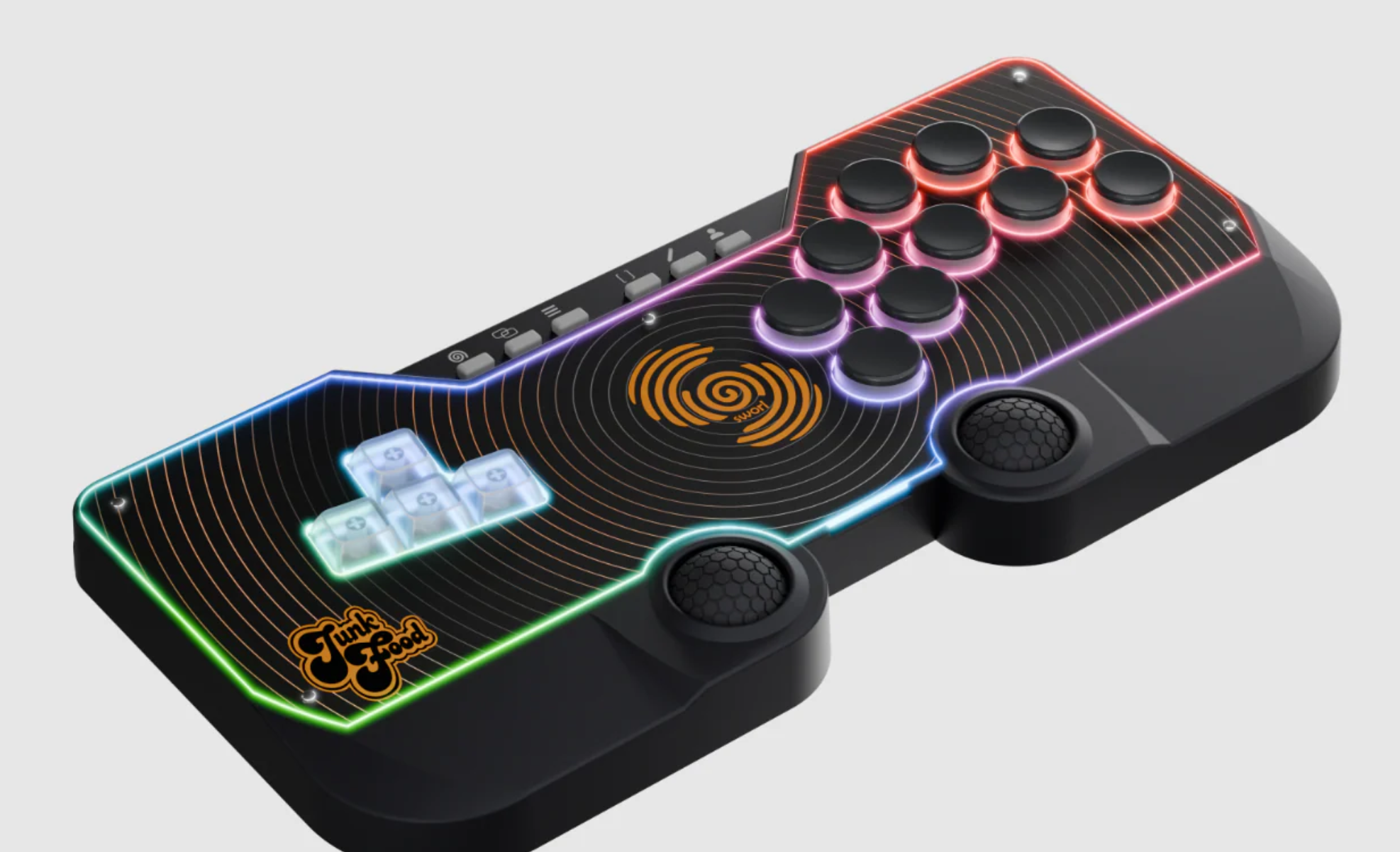
The controller itself comes with four cardinal direction keys, set up in a WASD fashion, along with ten large black buttons, each of which sits on a dazzling rainbow LED. Along the top of the controller is a row of six rubber buttons, each of which is used to help customize the Sworl as well as pause games and navigate menus. What stands out the most to me for the Sworl is the two domes that lie suspiciously close to where your thumbs naturally fall when playing. These domes are actually full-fledged analogue sticks, with a cool hexagon design that allows for better grip.
Those analogue sticks are buttery smooth and just the right size for comfort. Their inclusion addresses a long-held problem with tabletop arcade controllers - the traditional joystick. These peripherals may be seminal in the dark halls of arcades, but when you're relegated to using a large, cumbersome, typically unresponsive ball on the end of a stick for more contemporary titles, the whole thing tends to fall apart. While the unfortunate reality may be that sacrifices are necessary to meet in the middle, the Sworl bridges that gap perfectly with the installation of its analogue sticks. The sticks are easily accessible, with big domed heads, plenty of grip, and an ease of placement that makes it so you never feel like you're reaching or stretching. You can also use their web app to customize dead zones and make the Sworl feel exactly how you would like. They're simply comfortable to use.
Comfort isn't the only thing the Sworl has going for it. Somehow, the people at Junkfood have been able to perfectly translate the satisfying click-clack of a mechanical gaming keyboard to buttons the size of USD 50-cent pieces. Obviously, the controller has to work well to be useful, but it goes a step beyond and becomes downright delightful to use.
My initial journey with the Sworl was that of Street Fighter 6, Capcom's excellent (and frankly, underrated) latest installment in the iconic Street Fighter franchise. After getting the controller initially set up (which was as easy as changing the keybinding in the settings), I realized that I had picked the perfect game to test drive the Sworl. Street Fighter 6 has a fantastic RPG mode, where you can create your own fighter and take them around the world to train with different Street Fighter characters. A huge portion of this mode is running around an overworld, finding hidden items, and challenging citizens and other contestants to fights. To say the analogue sticks were a blessing in this mode would be an understatement. Running with the keys and using the right analogue stick for camera control was seamless, and I fully believe that without the Sworl, I wouldn't have played the mode half as much as I did. I've played Street Fighter 6 with a controller, and while it's a fantastic fighting game for beginners and veterans alike, playing it with the Sworl brought it to a whole new level.
On Junkfood's website, it shows the Sworl being used to play the massively popular Marvel Rivals, and that got me thinking: what else could the Sworl be used for beyond just fighting games? I decided to test this theory on a few different genres, with varying results. My favorite game to use the Sworl for – and honestly my preferred way of playing this game – is TMNT: Shredder's Revenge. I understand that a side-scrolling beat 'em up is a bit of a cop out, as Shredder's Revenge is essentially an arcade game in itself, but that doesn't detract from the fact that playing it on my PS5 with the Sworl brought new life to a game I've already played to death.
Next up was Batterystaple Games' criminally underrated 30XX, a rogue-like based on the classic Mega Man games. While I found the binding to be a little bit difficult at first, once I got used to the placement I had set up, the Sworl once again brought a unique arcade-like quality and challenge to the already wonderful game. The analogue sticks in particular were extremely useful for the more tricky platforming, and 30XX emphasized the wonderful ergonomics of the Sworl better than any other game I had experienced to that point.
Lastly, I hopped into Left 4 Dead 2, just to see how the Sworl would handle something like a fast-paced first-person shooter. Of the genres I tried out, I would say that this was the most difficult to get used to. Left 4 Dead 2 requires some quick reaction time, and I was really struggling to get my footing while using the Sworl. That being said, it could just be how ingrained that game is in my psyche from playing it for the last 15 years, rather than the Sworl itself. The controller did exactly what I told it to do, and the sticks worked just as well as they would on any standard controller. Despite having difficulties, I still found myself having a lot of fun trying to configure the controller to my specifics and trying out different configurations.
Something else happened with the Sworl that I hadn't previously considered. It hasn't left my desk in the time I've had it, as I would always find myself hopping on, playing a few rounds of Street Fighter after I was done with work in my office. It was always on display, its brilliant LEDs coursing through the buttons at random intervals. As such, everyone I brought into my office has inquired about it. Just by looking as intriguing as it does, the Sworl effortlessly became a conversation piece.
My office doubles as a small recording studio, and without fail, anyone who had come in to help me with setup or play some music pointed at the Sworl and asked what it was. To my surprise, I was watching people who had very little interest in video games in general spend time gleefully button-mashing on Soulcalibur or Street Fighter. It invites the same level of accessibility and curiosity into the home that anyone can get by walking into an arcade. If you're a fan of these types of peripherals and you're looking for a modern version that ticks off all the boxes, I give my full recommendation to the Junkfood Sworl.