Bad Coffee is a satirical, absurdist management simulation game where you run a cursed café serving 31 unique customers with increasingly questionable coffee...
Survive 10 shifts as the only pharmacist. Fill prescriptions, handle insurance, manage the drive-thru, keep patients alive. Built by a real pharmacist....
Balatro has exploded in popularity since its release in 2024, introducing new players to the world of roguelike deckbuilders. Even the best poker players have been humbled by Balatro, where the strongest hand isn't always the winning hand.
I admit, I was not good at this game when it was released. Nevertheless, I persisted, and it took over a year to master the game. I will give credit where credit is due; my partner watched hundreds of hours of Balatro University (I watched maybe 10 hours, haha), and passed the knowledge on to me. Today, I collaborated with him to pass the knowledge on to you.
C++, or Completionist Plus Plus, is the flair you earn yourself once you have a gold seal on every deck and every Joker. It took a lot of time and patience, but it wasn’t extremely difficult. These tips will help you earn your C++ badge of honor or get closer to NanInf (the maximum displayable score). Let’s get started.
Unlock Every Deck and Every Joker
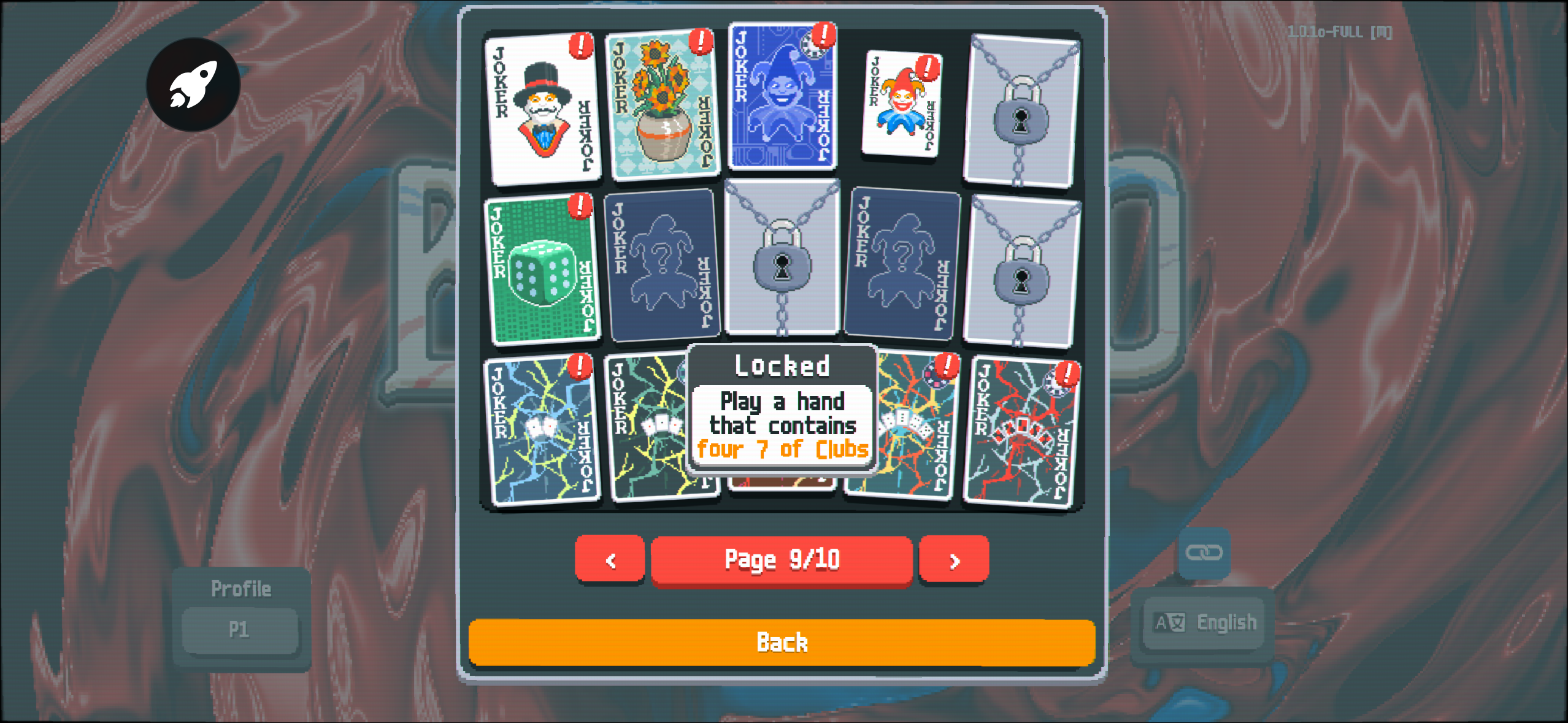
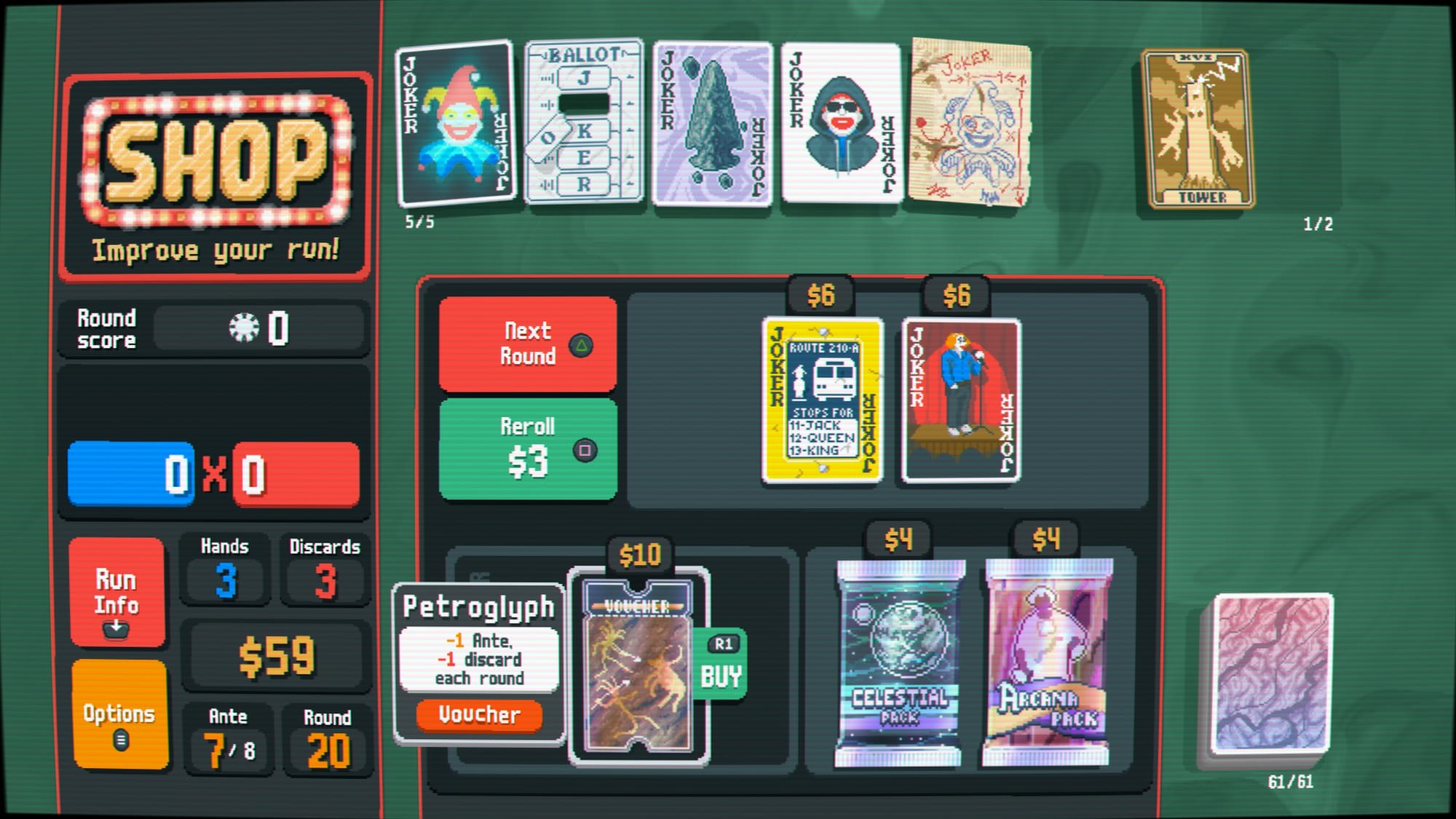
To have access to the most powerful decks and Jokers, you must unlock them. This is a good chance to become familiar with each deck. Some of the locked Jokers are the most powerful in the game; they will be necessary. Head to your collection and click on a Joker with the lock symbol to reveal the unlock requirement. I look at a few conditions and try to get a couple in one run, but sometimes you have to dedicate the entire run to an unlock condition.
Source: Author.
"Discard 5 Jacks at the same time" or "Play a hand that contains four 7 of clubs" may be a run focused solely on that challenge.
Money is Everything - Obtain a Money or Value Joker ASAP
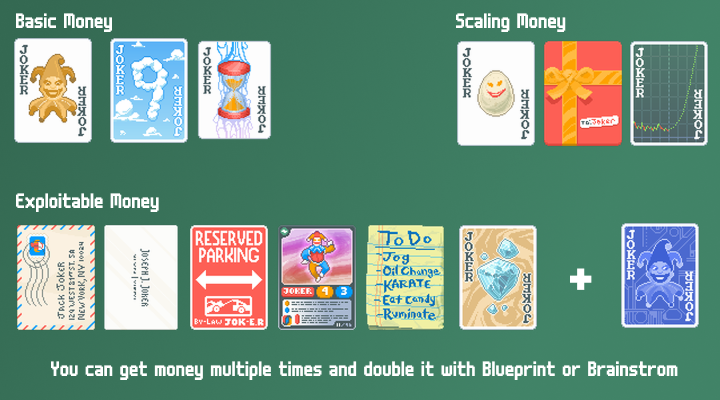
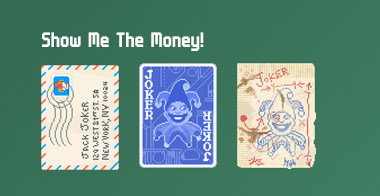
Want a chance at the best Jokers, vouchers, and tarot cards? Well, you'll need money. You'll need to be able to re-roll often. Get a passive money Joker like Golden Joker, or take a money scaling Joker like Rocket, To The Moon, or Satellite. The most powerful money cards will be those you can exploit to make money multiple times per round, like Reserve Parking and Business Card.
Source: Author (created in Figma). Money Jokers.
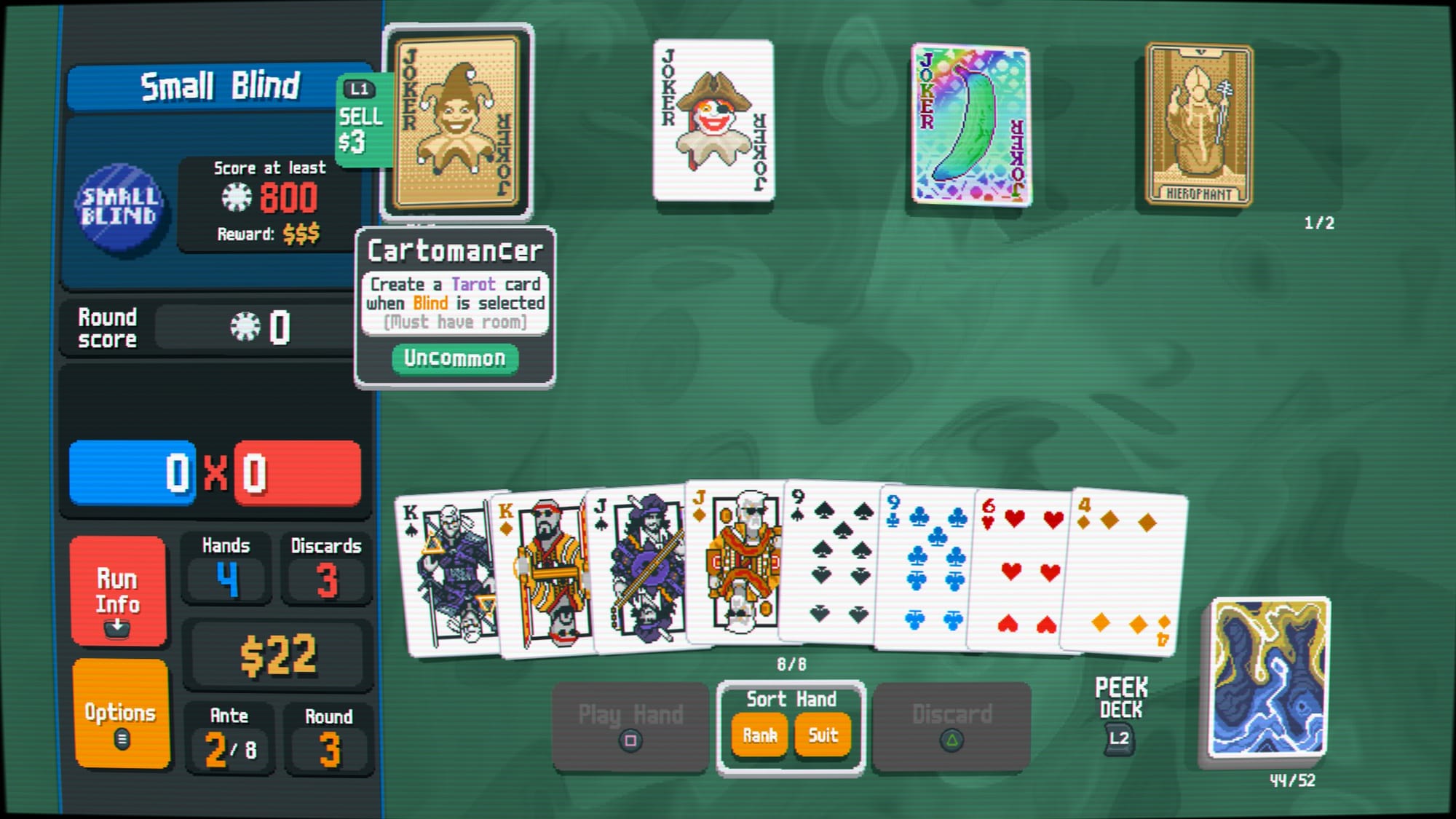
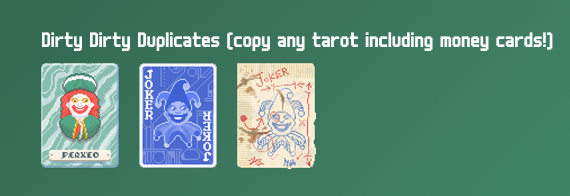
Another option is a value Joker, specifically Cartomancer. This Joker gives you one tarot card per blind (two if you use Blueprint to copy it). Each tarot card has a chance to pop Temperance or The Hermit for money, or you can sell ones you don't find useful.
Source: Author.
Set Up the Trifecta
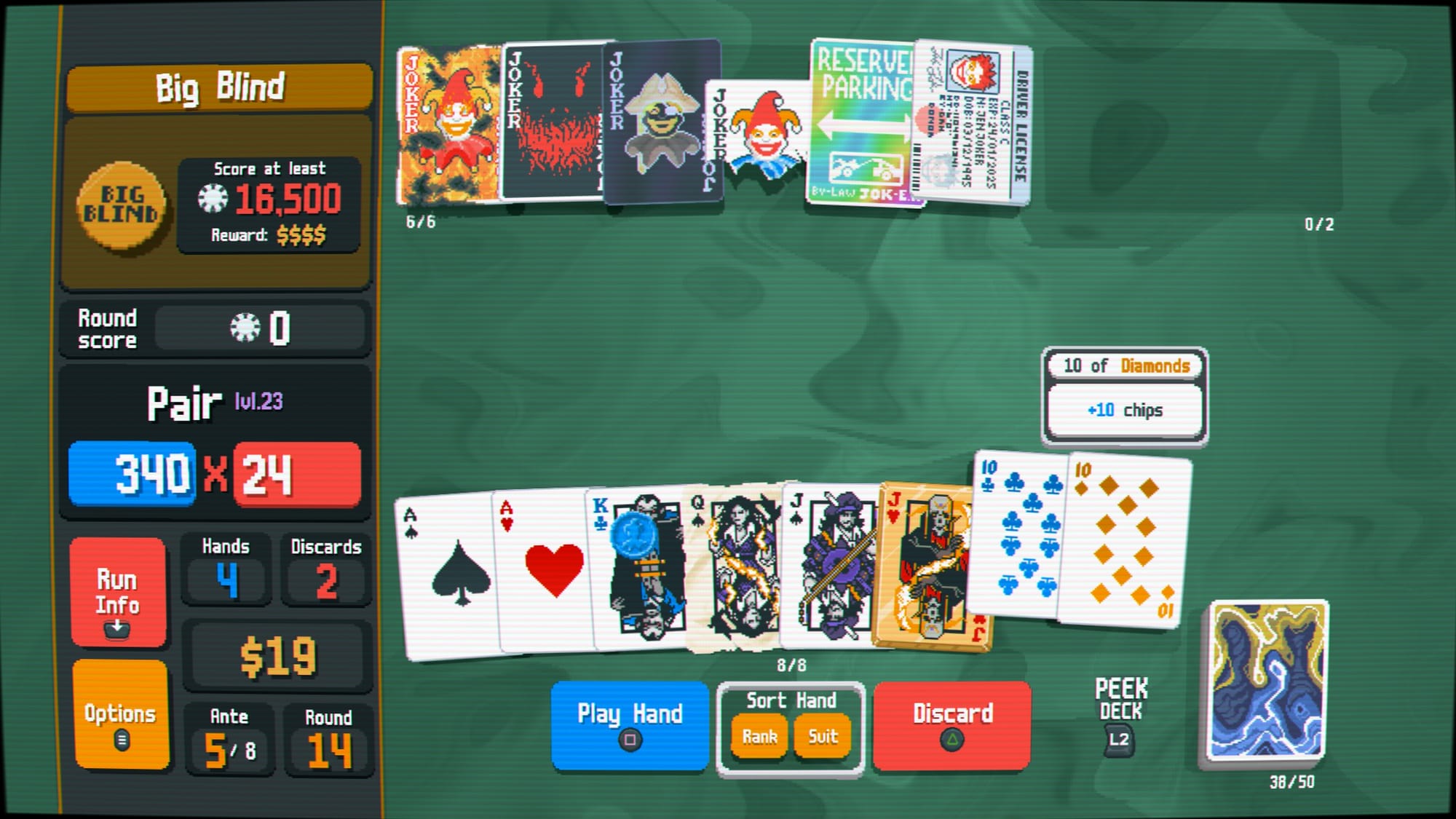
Right from the first booster pack you open, you must look for chips and +Mult. Do not worry about X-Mult until you have the chips and +Mult, because it won't have anything to multiply. Grab Blue Joker and Misprint, perfectly fine Jokers for the first few antes. Once you have your chips (blue) and +Mult (red), then you can worry about your X-Mult. Then the trifecta will be complete, and you will just be swapping out better Jokers from here.
Source: Author. X-Mult Driver's License to the Very Right.
Put Your Jokers and Hand in the Correct Order
Once the trifecta has been established, make sure your Jokers are in order. This is math after all, and the X-Mult must be on the very right since they are triggered left to right. Many new players do not order them or fail to realize they can be moved.
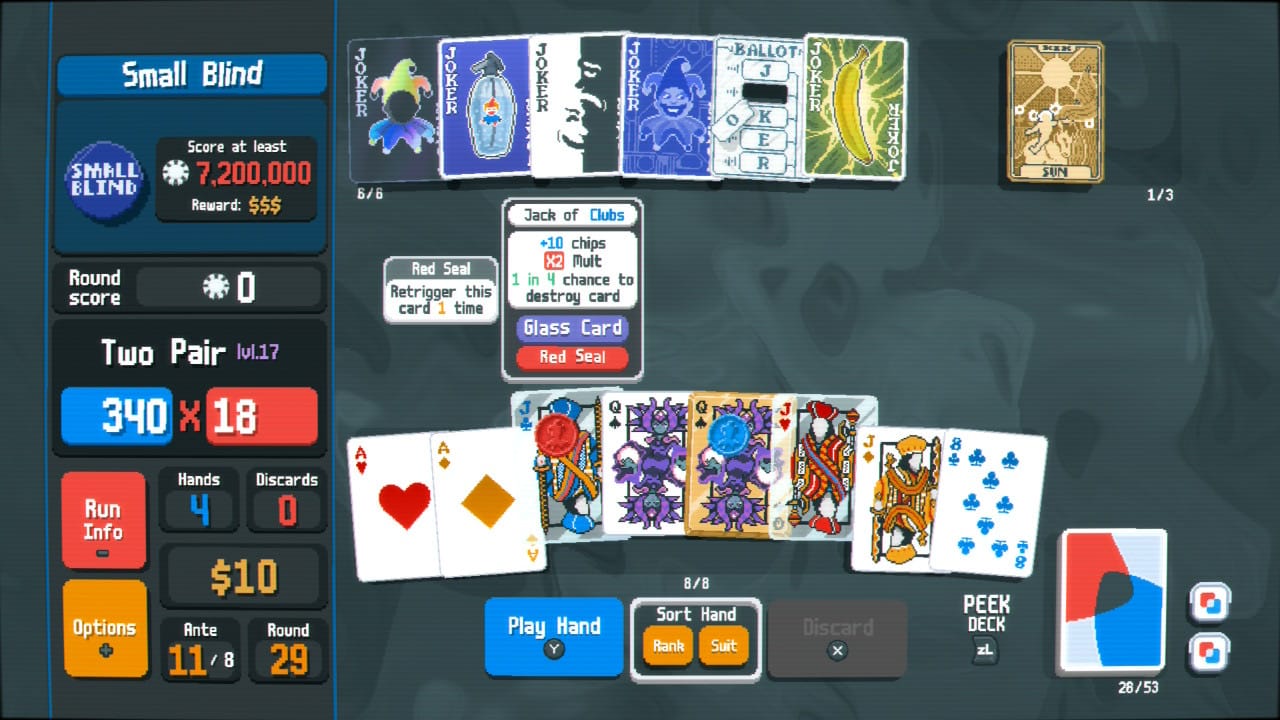
The same goes for your hand; If you have Hanging Chad, the power card goes first (lucky, red seal, or glass). Make the math work in your favor.
Source: Author. Red seal glass goes first because of Hanging Chad. Then the two normal cards. Then ended with a glass for x2. This is the correct order of cards.
Become Familiar with Scaling Jokers
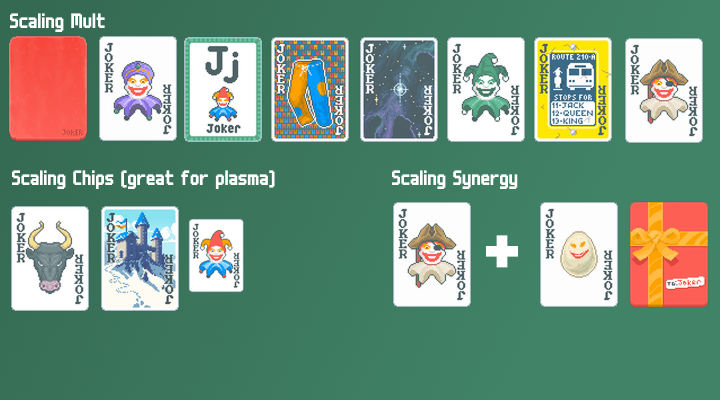
Scaling Jokers are those that grow in power with your run, as long as you meet the condition. Some favorites are Supernova, Green Joker, Ride the Bus, and Spare Trousers. If these appear early, grab them- you may have to alter your hand or strategy around these Jokers. For instance, Green Joker is ideal for a high card or a pair run. With Ride the Bus, you may need to thin your deck and remove face cards.
Source: Author (Created in Figma). Scaling +Mult to Grab Early.
These ARE NOT good Jokers to grab late in the run; They need to build +Mult, therefore I wouldn't take them past ante 4 or 5.
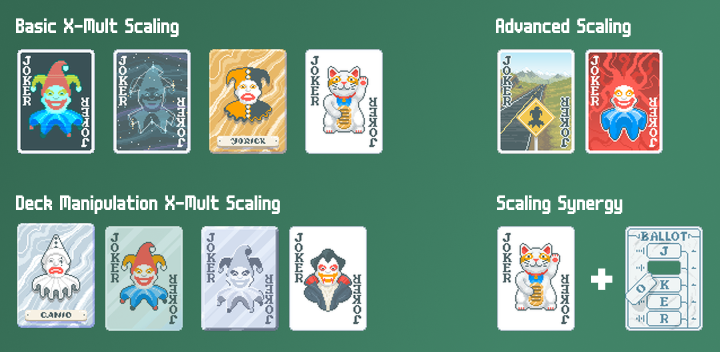
You have a little more wiggle room on X-Mult, but the same rule applies; start building as early as possible.
Source: Author (Created in Figma). Scaling X-Mult.
Master High Card and Pair Runs
The most powerful hands in the game, especially if trying for NanInf, are high cards and pairs. To easily pass the gold stake, you need hands with a low fail rate to draw, and a hand that can make boss blinds obsolete.
The high card and pair are what you use to power up scaling Jokers and spam for your money Joker. For example, if you have 4 hands, 3 of those hands will go to raising a scaling Joker (like Green Joker) or exploiting money, then play a final winning hand. This can be tricky if your math is off, winning too quickly, or losing entirely.
Now obviously you cannot win early antes with a high card or pair, so you will use these to power up money and +Mult, then transition fully to them in later antes.
Avoid Straights and Flushes
Many people fall into the trap of straights and flushes. They seem tempting, but you want to avoid hands where you are constantly discarding to draw your 5th card. The first few antes are the only time you should play these hands.
Flushes scale slower in the late game, falling behind 3-of-a-kind and straights. Straights will have you sweating as you draw over and over for that gutshot on ante 7.
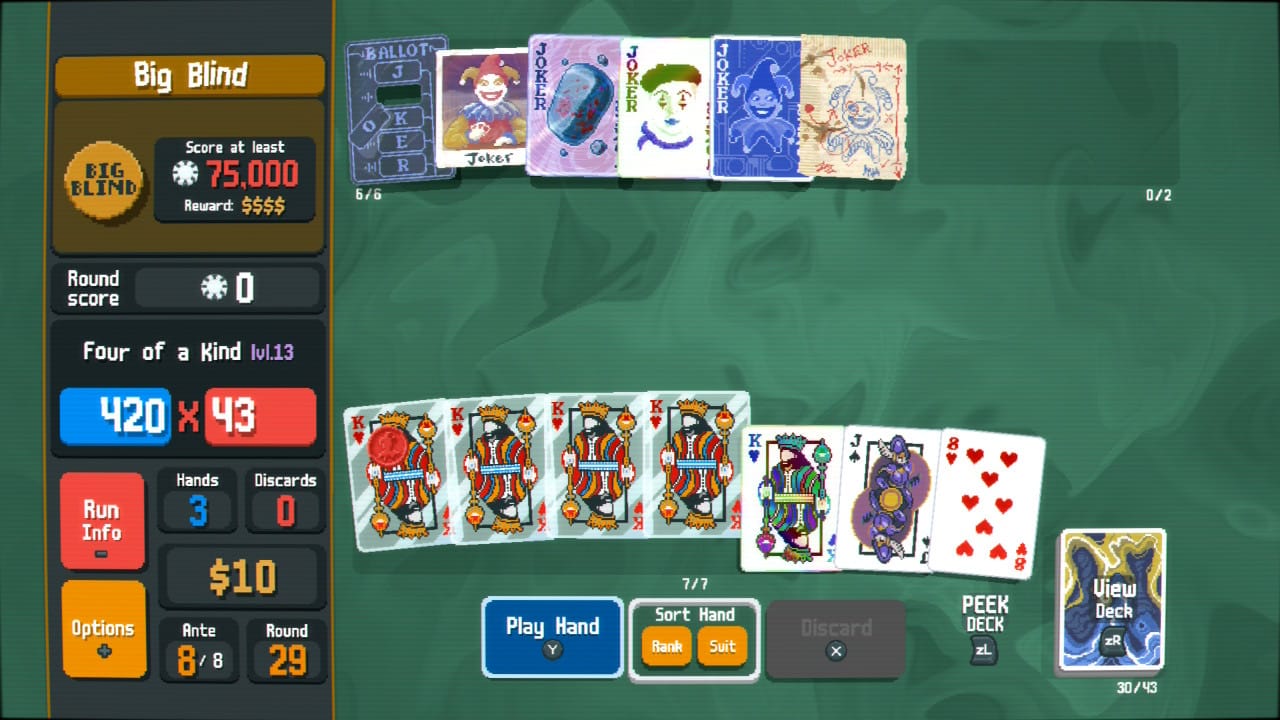
But if you want a hand that is more fun than pairs and high cards, it is much more strategic to transform cards and go for 4-of-a-kind, a powerful alternative later in the game.
Source: Author. Four of a Kind is a good alternative if high card and pairs are too boring. Note: Because I have Hanging Chad, the red seal goes in front.
This voucher seems risky on the surface: lose a hand or discard to go back one ante. But knowing when to go back in time will save your run. If you are barely squeaking by and still searching for the third Joker in your trifecta, lowering the stakes may be what you need to progress. Mathematically, you are extending your game by about 12.5%, which is pretty significant. If you use both vouchers, then you've extended the game 25% (of the original size).
I thought this card was useless at first, but sometimes you need more time to find the right Joker or get more money. The bottom line is, more scaling, more money, more Jokers, more planet cards, and more deck manipulation
Source: Author.
Think Outside the Box with Blueprint and Brainstorm
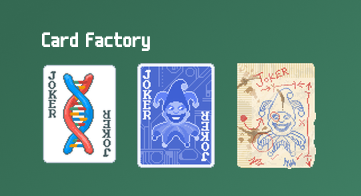
Copy your mult and chips? Sure. But what if you copied burglar and had 10 hands. What if you placed Blueprint to the left of Space Joker or Burnt Joker for the chance to upgrade your hand two levels? Use them on DNA to create a card-making machine? Or use either one to copy Reserved Parking, for the chance of double-digit money returns rather than single?
Source: Author (Created in Figma). Have a Great Card? Now Three Great Cards.Source: Author (Created in Figma). Each Discard is $15 Instead of $5Source: Author (Created in Figma). Using This With a Planet Card or Temperance is the Way
Move your Jokers around. That's why you play high cards and pairs; you do not need to search for a hand, you have the winning hand, and can play around with your Jokers. Exploit Blueprint and Brainstorm for money, hands, cards, and poker hand levels. Then, when you're ready to win, move these into the proper order for scoring.
Source: Author. Before the blind starts, Burglar goes on the very left- this gave me 12 hands. Then Baron is moved to left for scoring.
Sicko Mode
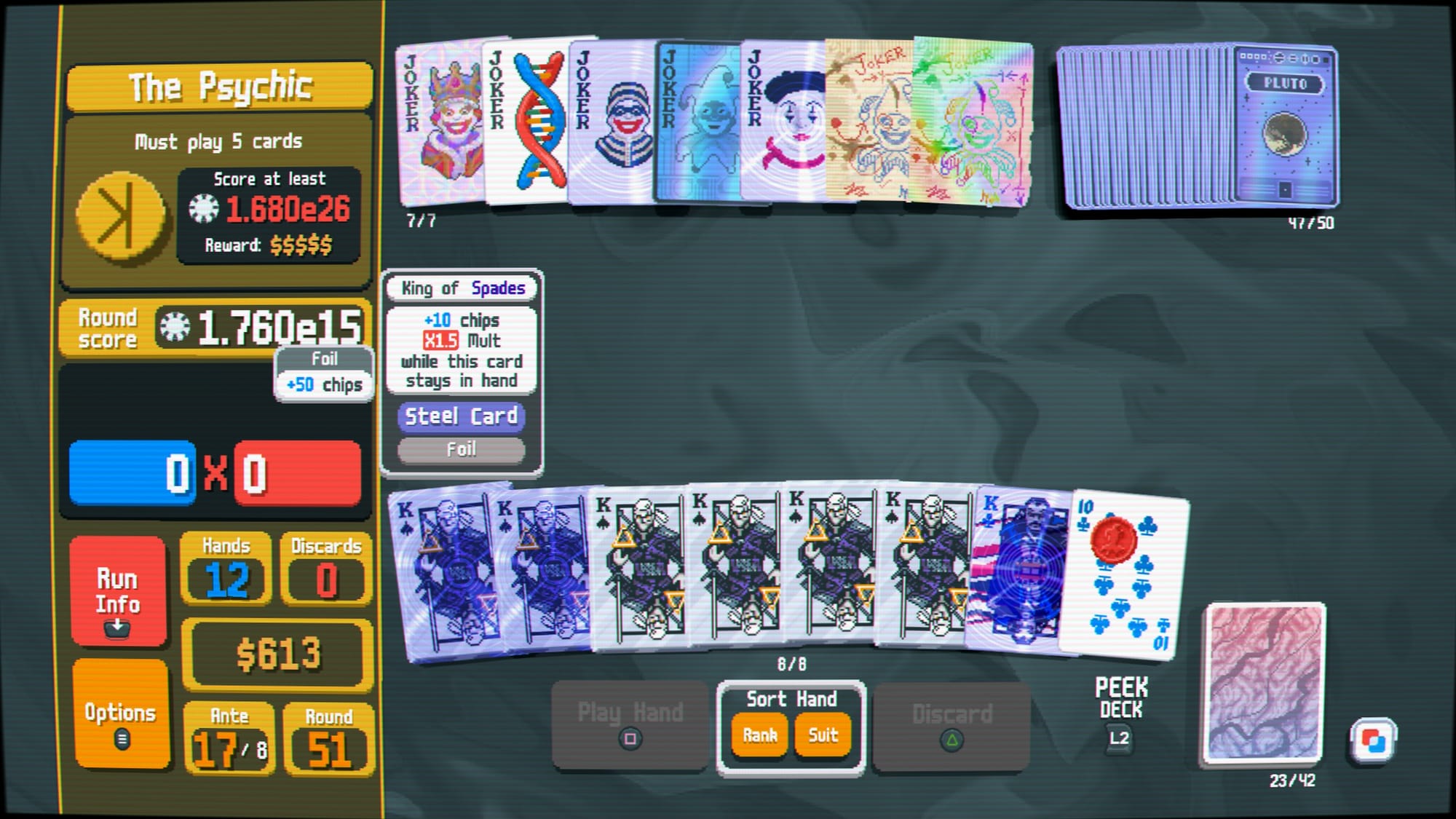
If you implement the above and want to score into exponents, you'll need to understand power hands and use Plasma Deck.
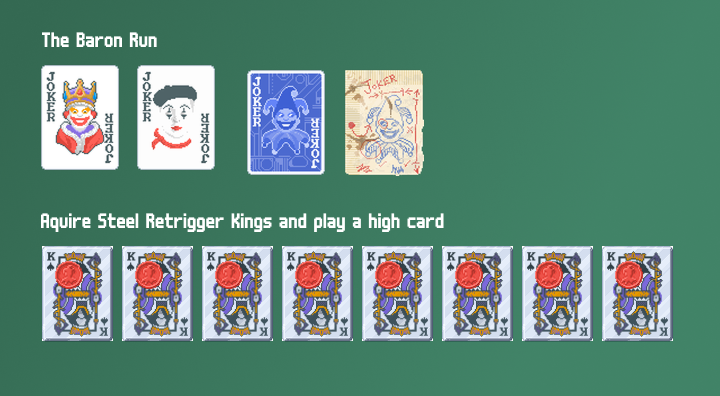
Source: Author (Created in Figma). Steel Kings with a Red Seal for NanInf.
Understand Power Hands
As wonderful and unique as this game is, unfortunately, there are only a few big-hitter power hands, and it's all about the re-trigger.
Source: Author (Created in Figma).
Start early to convert your cards to Kings. DNA and Blueprint are crucial, along with the tarot card Death and the spectral card Cryptid. You will want to start copying Kings once you have a steal or gold red seal King.
Source: Author. Red Seal King Conversion.
Use Plasma Deck for Big Numbers
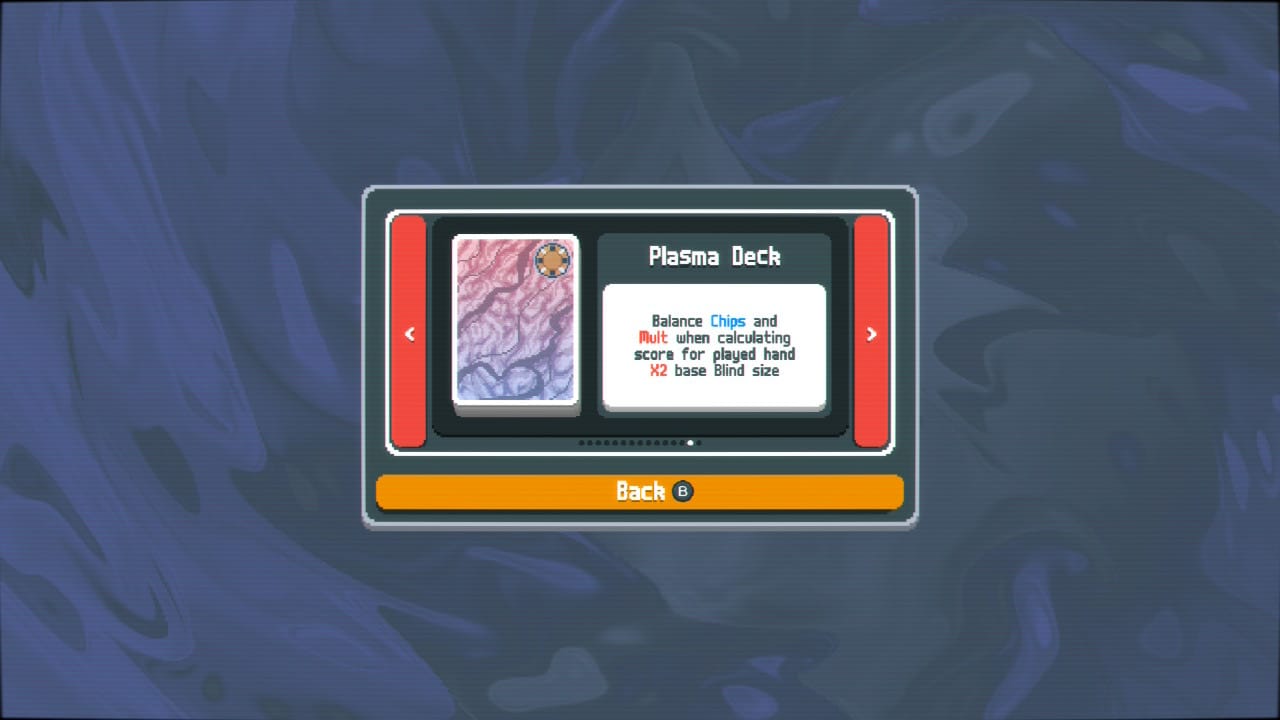
Plasma Deck balances chips and mult. Since chips always outweigh the mult early in the game, you focus on chips first. The strategy is to go hard on chips and level your poker hand, then transition to power hands with high re-triggers. You can eventually replace your chip Jokers with retrigger Jokers (think Mime, Baron, Hanging Chad, Photograph, Blueprint, Brainstorm, etc.).
Plasma Deck is the only deck where the first ante is very easy to win: because chips are higher on flushes, you can play a flush here and save money for solid long-term Jokers rather than wasting money on purely surviving. Then transition to your pairs.
Source: Author.
The most important part of all this is to have fun and try different combinations. This game never gets old, even after two years of playing. I will start a new save, do the challenges, and collect the Jokers again; no two runs are ever the same. Watch Balatro University and practice your first NanInf run, or start collecting those gold seals!
This new trailer had a similar balance of gameplay to cinematics as Zero Company's reveal last year, with an emphasis on juicy Star Wars aesthetics and fan service. Nothing wrong with that—Bit Reactor has a great handle on Star Wars art.
One new thing I clocked from the trailer is a wider degree of options for custom characters than I had gleaned at my hands on with the game in February: The trailer included custom-built clone troopers alongside the alien mercenaries we already knew were coming.
The trailer ends with, what else, a surprise cameo from Star Wars' #1 problematic fav, the infamous youngling-hater, Anakin Skywalker. It's unclear as yet how much of a presence Skywalker will have in the game overall, but hey, always nice to see the guy.
I had the opportunity to try Zero Company for myself at Bit Reactor HQ in February, and it immediately shot to the top of my personal most wanted list. As you can see from the trailer, it is basically Star Wars XCOM, but it's not just Star Wars XCOM.
Zero Company has a large number of RPG elements, like Mass Effect-style story squad mates with loyalty missions, conversations, and the like, alongside some punishing permadeath. It also has a commitment to cinematic storytelling that really has to be seen firsthand, with console-style cinematic exploration in-between crunchy tactics battles.
Based on my hands-on, Zero Company is well-positioned to hit that August 27 release date. You can wishlist Star Wars Zero Company on Steam.
The PC Gaming Show returnsSunday, June 7 at 12 pm PDT! Visit the show's Steam page to wishlist your most anticipated games and get more information on how to tune in for the big reveals.
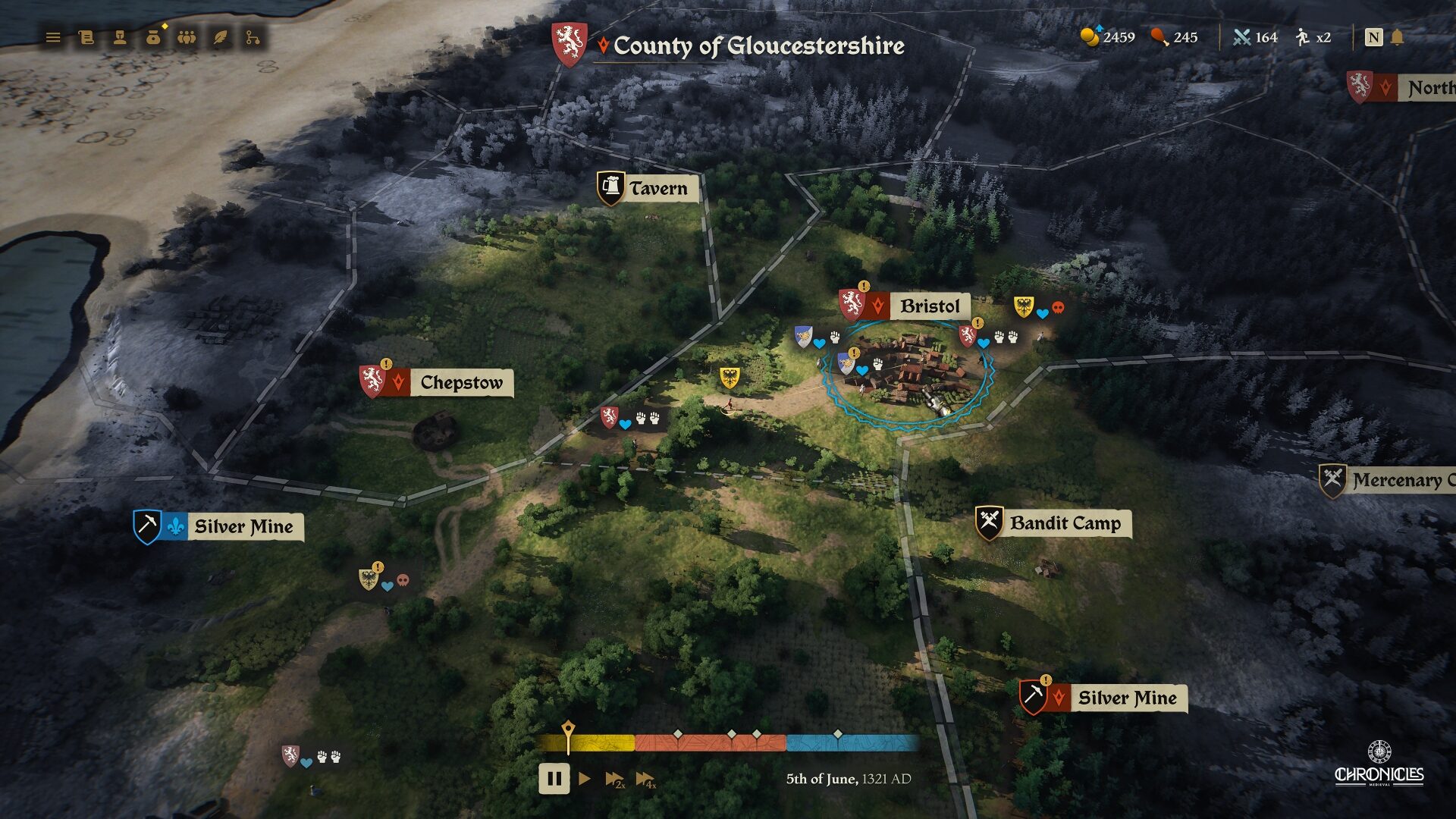
As Chronicles: Medieval marches closer to early access, we got a sneak peek of how Raw Power Games built the battle system for their debut title. The preview was hosted by Senior Game Designer Gareth Bourn and Community Lead Clemens Koch, who helped explain the magic that makes a great adaptation of medieval warfare.
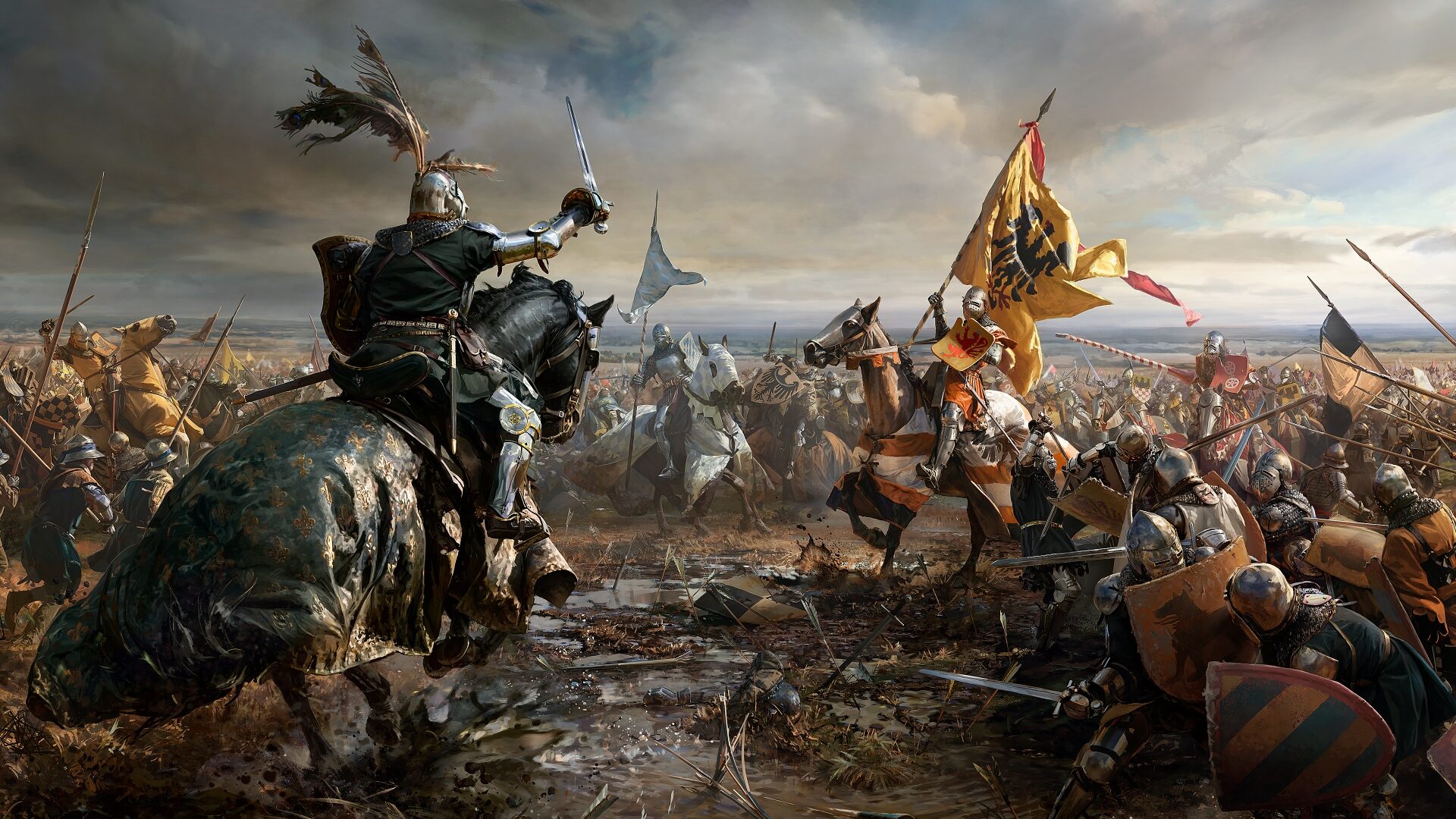
Chronicles: Medieval is a real-time grand strategy game set during the Hundred Years’ War, where players interact and go to war with real historical nations and figures involved in the conflict. We don’t know a ton about the campaign system just yet, but we did get to hear more about the battles that Chronicles is all about. Oh, and we also found out that Lars Mikkelsen will be narrating your adventures on the battlefields of the 15th century as Johannes Gutenberg. If the voice of Grand Admiral Thrawn can’t inspire you to win your battles, who can?
The development team behind Chronicles: Medieval has plenty of experience across the gaming industry, including in other real-time grand strategy games like Total War: Warhammer IIand Total War: Three Kingdoms. This, paired with plenty of history buffs on the team, has made for a game with deep historical roots that even affect its battle system.
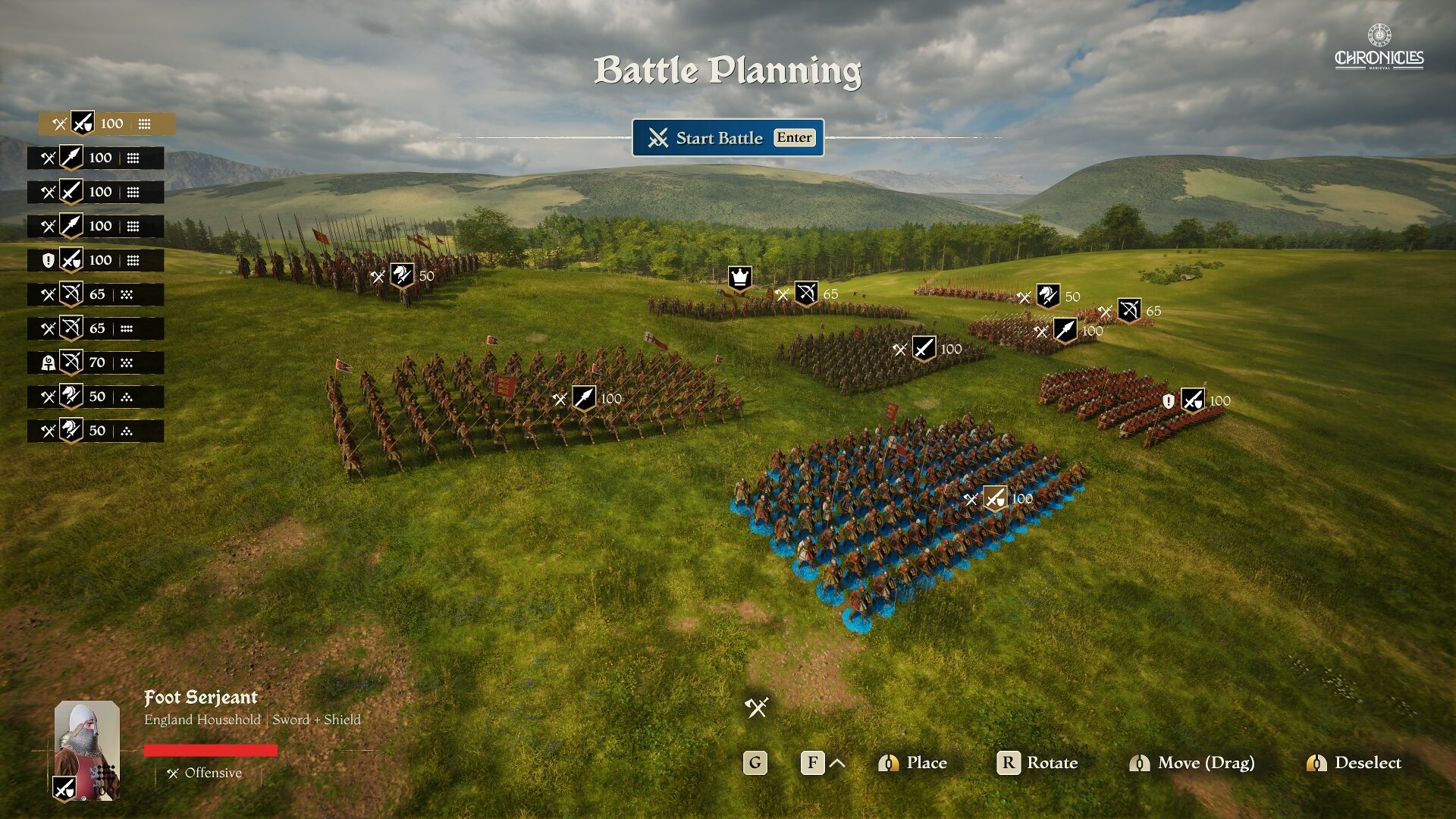
Every battle begins with the Battle Planning stage, where “battle lines” are formed and prepared for the coming onslaught. Bourn described the battle lines as being different than formations you would find in other grand strategy games, explaining that “There is no prescribed shape an army has to conform to in our game. Each unit carries its own preferences, both type and culture. Our deployment system reads that to place units where they fit best.”
Some examples Bourn provided were how French Heavy Cavalry are vanguard units on account of their historical reputation of leading the charge, or how the forces of the Holy Roman Empire favour a dense vanguard of heavily armed men “for the enemy to break themselves against.” While players can make changes after the lines first generate, Bourn said a feature will be coming for players to save new preferences that fit more to their liking.
Just before the battle truly takes place, there are several tactical decisions a commanding player can make to start off a battle strong. The standing orders of every unit can be set to either aggressive, defensive, or adaptive. The former two are rather self-explanatory, but the adaptive orders specifically tell the unit AI to “do whatever they think is best,” which could mean changing their own formation to clash with an oncoming or defending unit.
Every unit’s initial order can be set, such as moving to flank or charging head-on, and afterwards they will fall back to their standing orders for guidance if they aren’t being actively commanded by you. Bourn also described how “the system shows its teeth” with a list of advanced formations aside from regular line formations. “There’s shield wall for infantry holding ground, spear wall to delete charging cavalry, square to be unflankable, skein for shock cavalry charges, and wedge for punching a hole.”
Bourn does clarify that each of these formations can be pretty bad if used in the wrong situations, and that timing each one is important because of how slow reformation speed can be. This means Chronicles: Medieval is less about micro-managing each unit perfectly, and more about making the right tactical choice at critical moments.
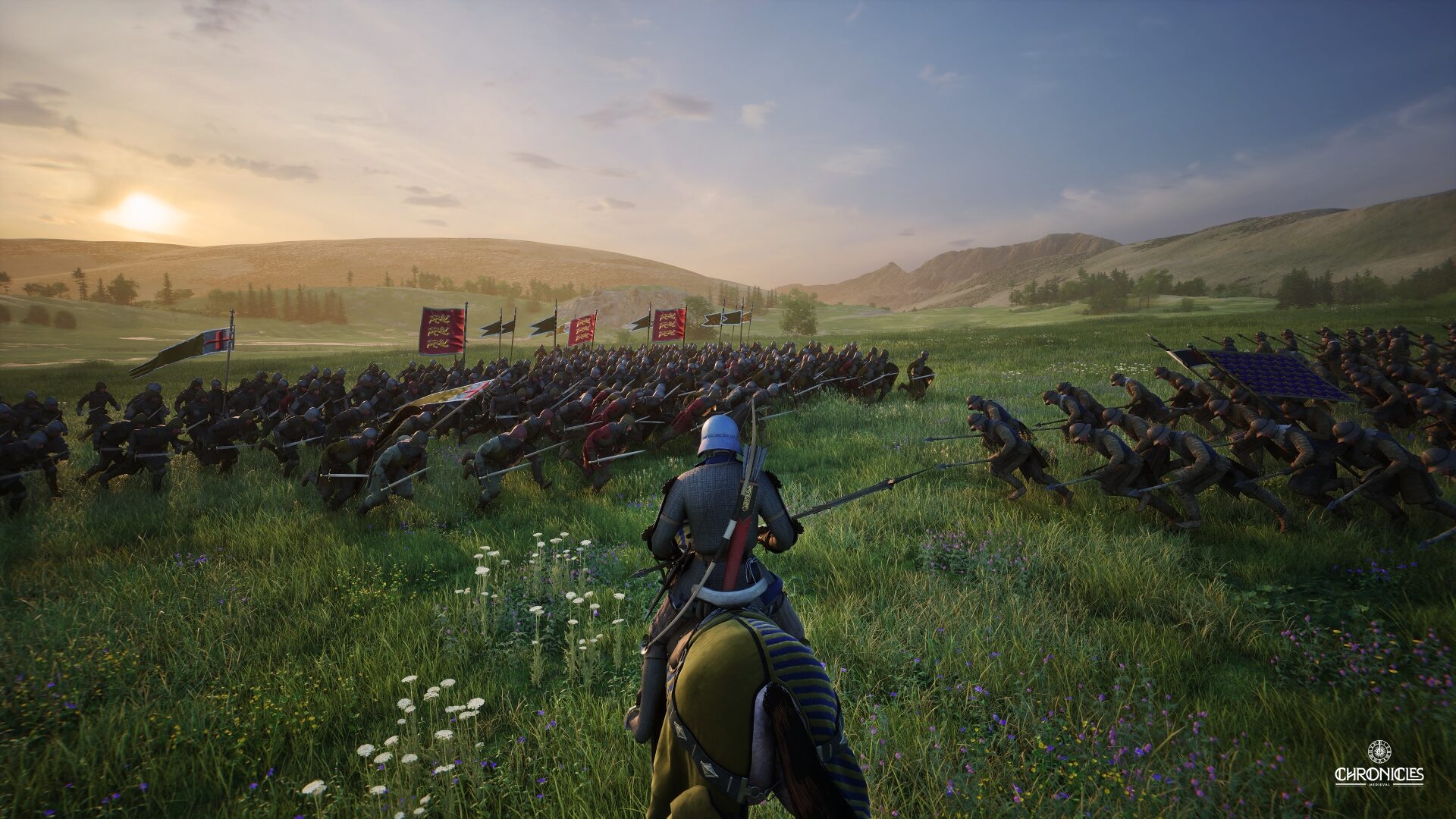
Finally, the battle may begin. You’ll take control of your army’s commander on horseback in third-person view, which means you can either advance slowly and control the battlefield with precise orders, or lead the death charge towards the enemy like Erwin Smith and trust your soldiers to act on their standing orders. Your commander will have their own skills you can invest in, like leaning into one-handed or two-handed weapons, along with over a hundred weapons to choose from to really make your commander your own.
As the heart of your army, your presence is important to help motivate your soldiers to keep fighting, so that they don’t break underneath the pressure and flee mid-battle. Earning kills and performing executions near your units will inspire them to fight harder and keep them from routing, so strategic aura farming is actually an important mechanic in Chronicles: Medieval. After either you or your enemy retreats or has their strength depleted, the victory or defeat is announced for the player, with the losing side fleeing until the battle truly ends.
While Chronicles: Medieval has a larger narrative campaign to get involved in, Bourn describes that armies with unique cultural tactics, units that understand their role, and a commander that can shape the battlefield are all part of how there are still stories to be told with boots on the ground. “The men you lead, the ground you choose, the orders you give, the risks you take with your own life on the line, all of this [combines] to make a story none of us could have written for you.”
These field battles and a sandbox mode will be the main component of early access for Chronicles: Medieval, with England, France, and the Holy Roman Empire as the playable factions. Raw Power Games is also developing other types of battles, like sieges post-launch, and more factions will be coming to the game as well. Chronicles: Medieval will be launching early access on Steam sometime in 2026.
Saturdays are for lying in bed and resting your sore typing fingers, muttering curses at Geoff Keighley under your breath. They're not particularly mean curses, I quite enjoy covering events like SGF. It's nice having a few hours where game announcements pour forth like bubbling water. Yes, those bubbles can be the ineffable gassing up of marketing hype, but I won't dismiss everything we see as pure cynicism.
And besides, as tired as I may be this morning, it's not as bad as the time I worked a week of night shifts covering E3 at PCGamesN. At the end of the week, on the last train home, I fell asleep, thouroughly missed my station and got kicked off at the terminus. With no phone battery and no taxis in the small village, I had to sleep in a park until the next morning when the trains started up again and I could get back to my bed in Bath.
Good news, people who suck at getting away with murder in quintessential pandemic lockdown game Among Us. Developers Innersloth have announced a single player detective spin-off, Among Us Story: On Guard, in which you play a spaceship security guy trying to catch an Imposter – possibly, more than one Imposter - before they gut the whole crew. You'll need to prove your own innocence, too.
And with that the Summer Game Fest is over. At least, the official Geoff Keighley showcase - there are still many more streams over the weekend. I wouldn't say there were many surprises, but it was excellent to get a first look at games like Alien Isolation 2, Fumito Ueda's genAtlas, and Guild Wars 3.
If you don't want to watch through the full two hours. Below you will find every everything announced for PC at Summer Game Fest 2026.
Game gets popular, games gets clones, that's just how the cookie crumbles. Vampire Survivors, Buckshot Roulette, Lethal Company; as soon as those games blew up, derivatives were a guarantee. This is true of Balatro too of course, a game which has produced so many clones that wildly swing between dealing with gambling in a tactful manner and outright just saying that it's good, actually. So how about a Balatro-like that forgoes the gambling, and asks you to whip out a dictionary instead?